The warmly cool, clear, ringing, perfumed, overflowing, redundant days, were as crystal goblets of Persian sherbet, heaped up – flaked up, with rose-water snow. — Herman Melville
The majestic Humphead/Napolean Wrasse. This guy is 3.5 feet!
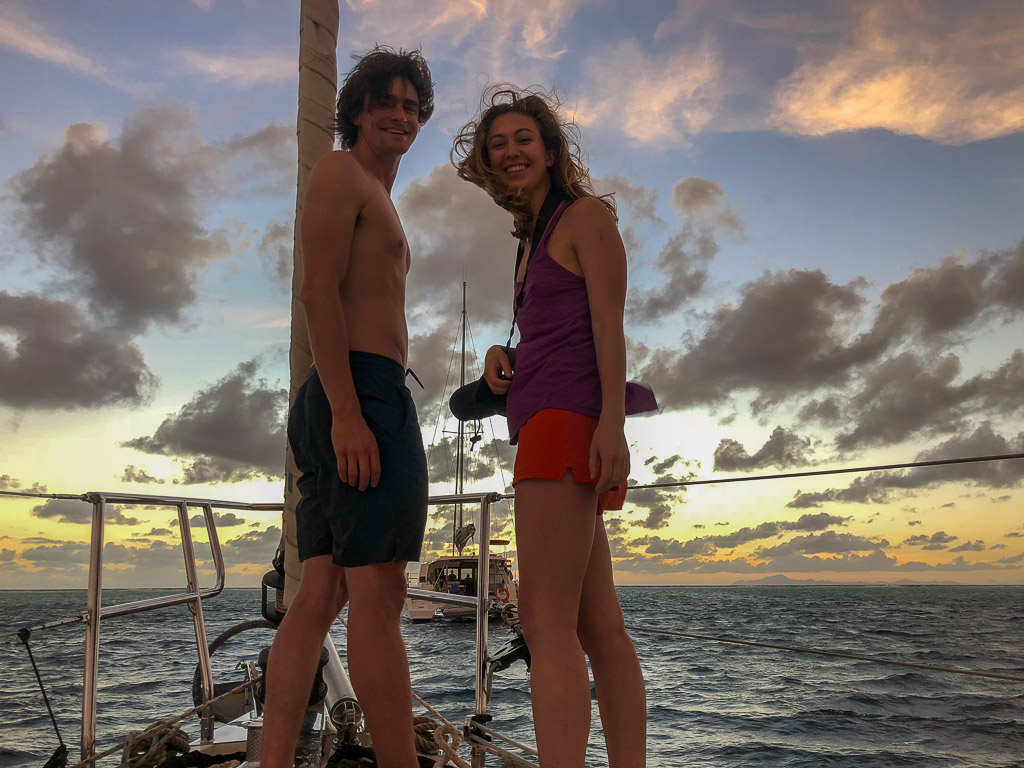
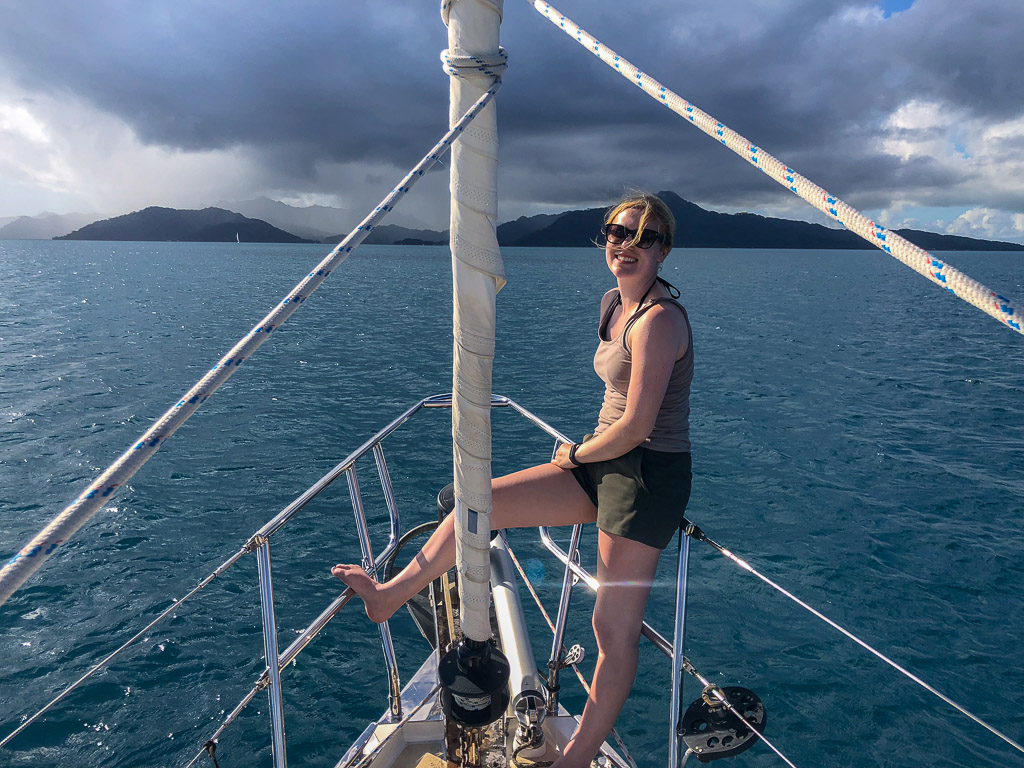
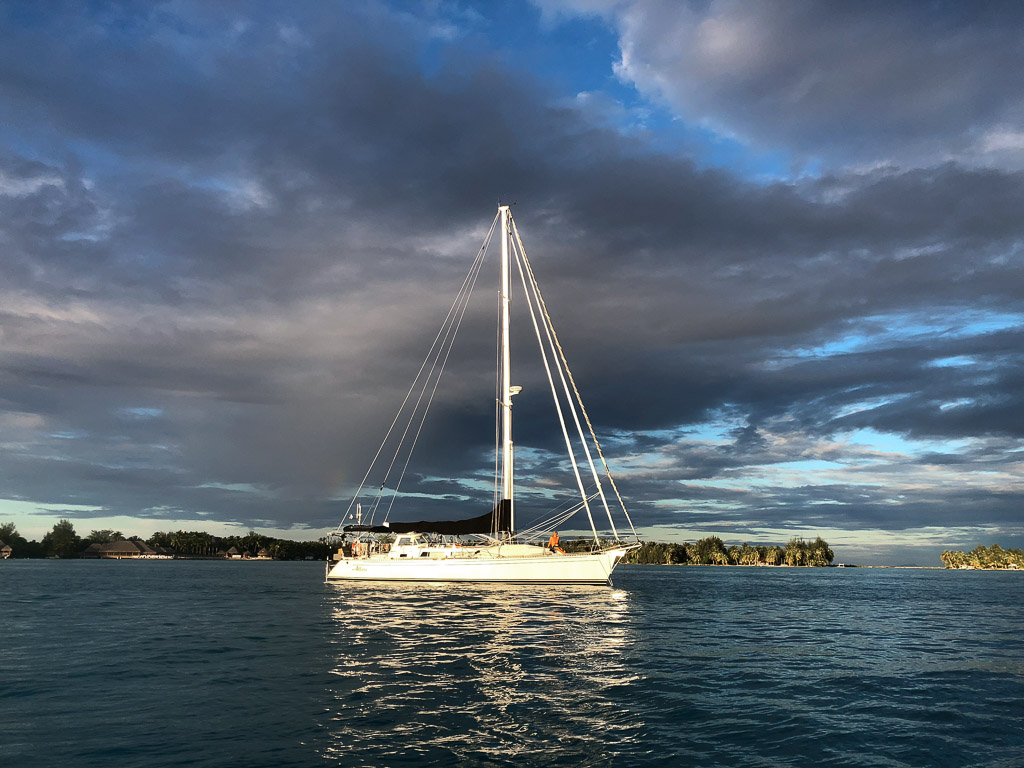
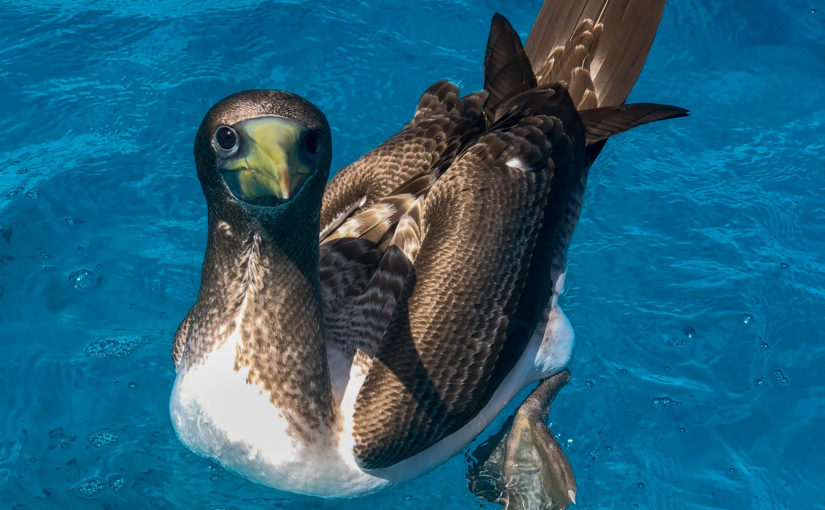
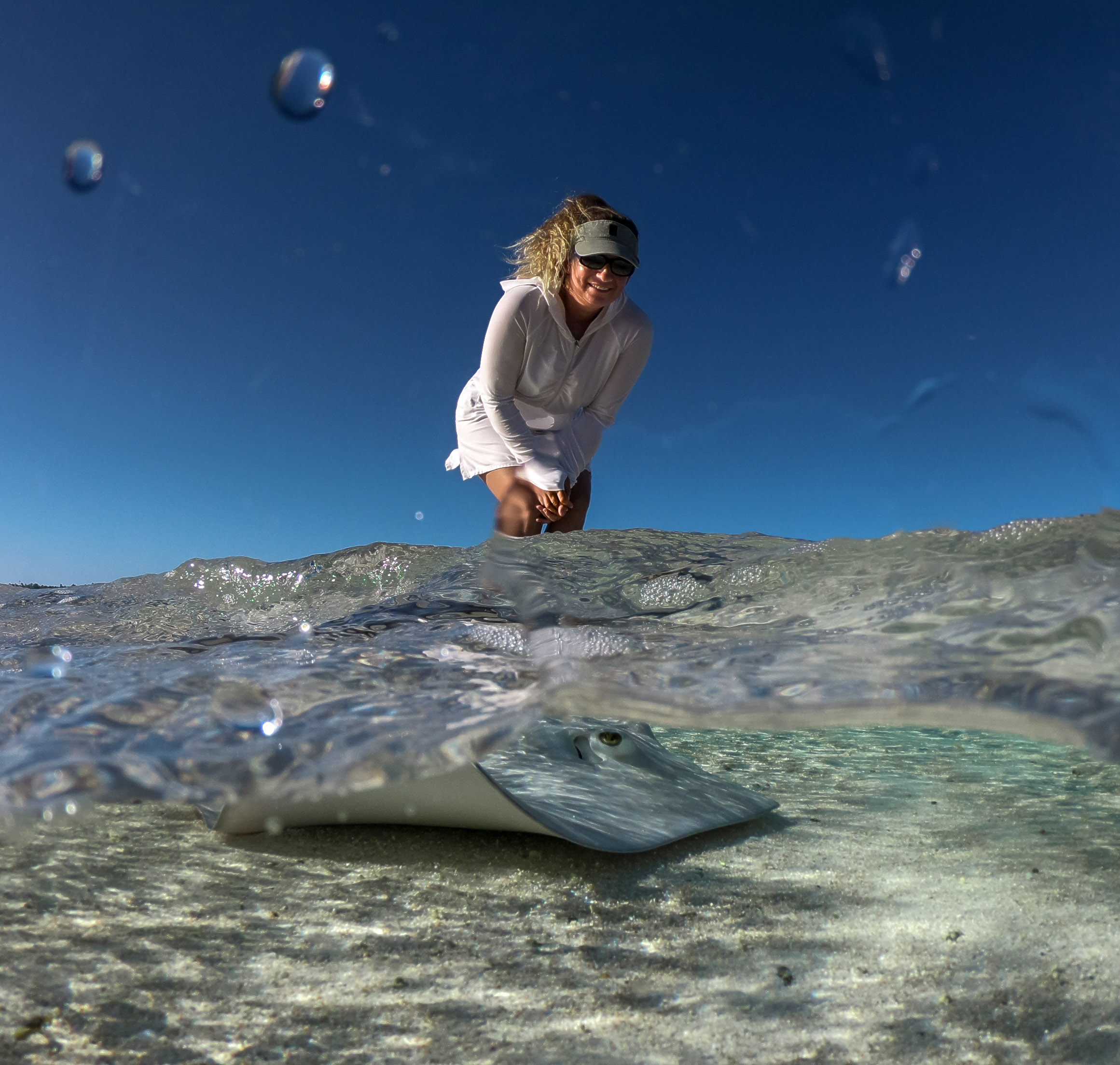
I’m going to ask Marcus to wax poetic about our final weeks in the Tuamotus. Suffice it to say that this region of French Polynesia is most definitely a favorite of ours and I even heard Marcus say he could live there. If fresh produce was available, I might be on board! For the time being, these pics can be a placeholder. These are shots from Tahanea, Fakarava and Rangiroa.
I shot a gazillion shots to finally snag this one! Thanks, Katie, for holding such enthusiasm!
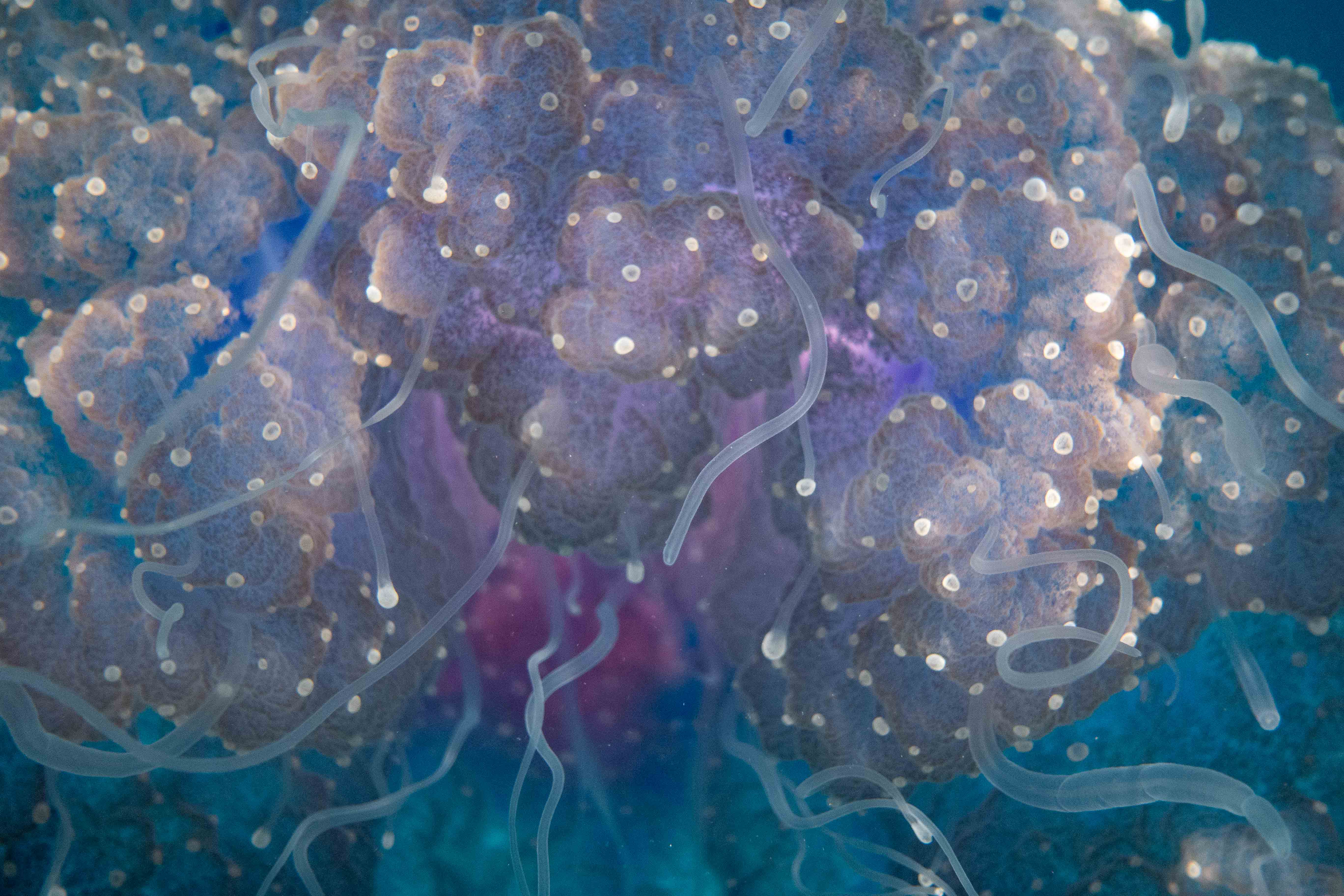
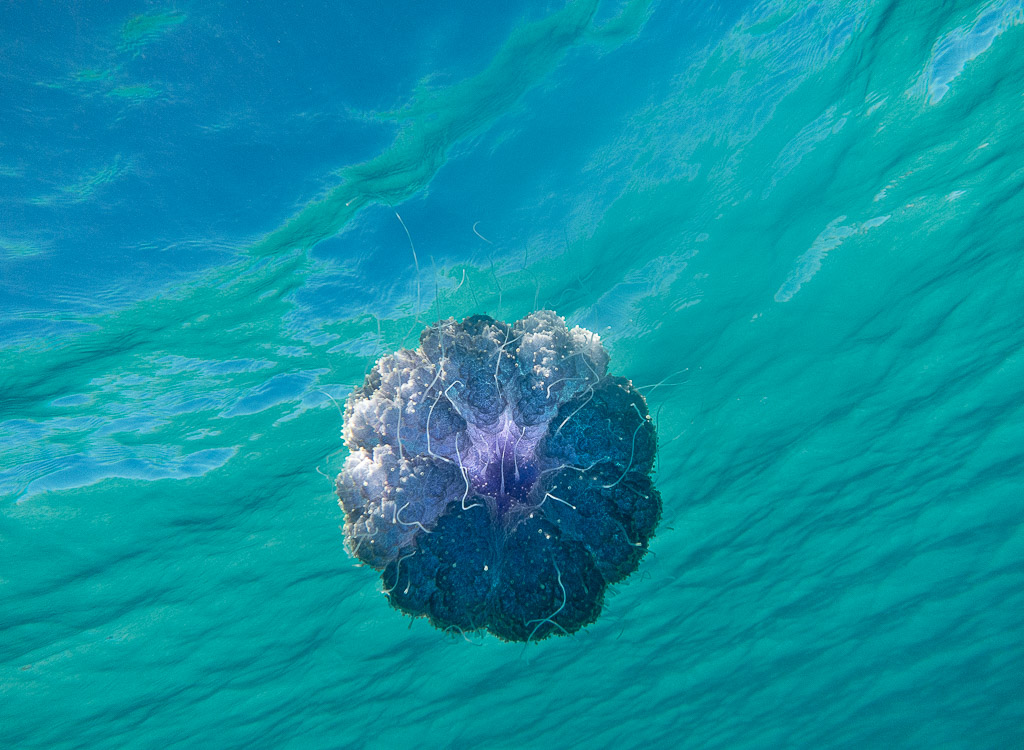
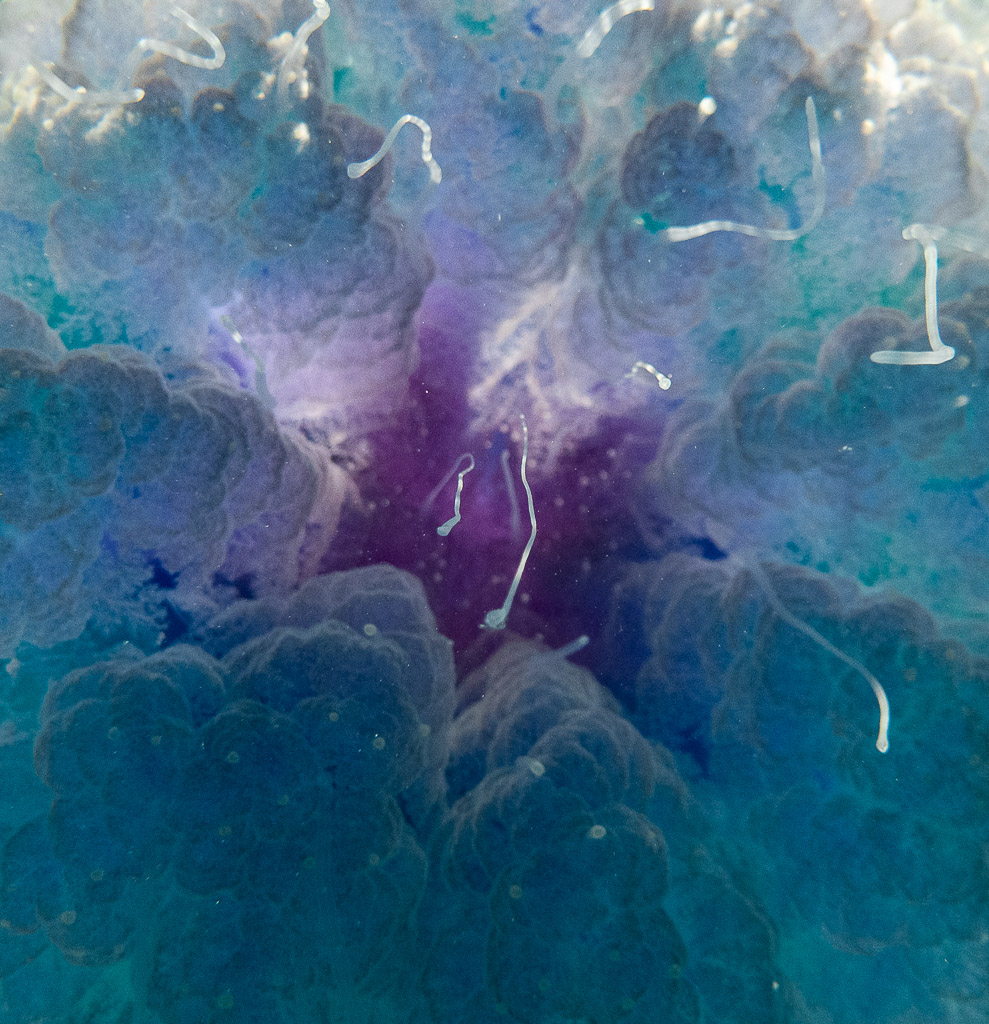
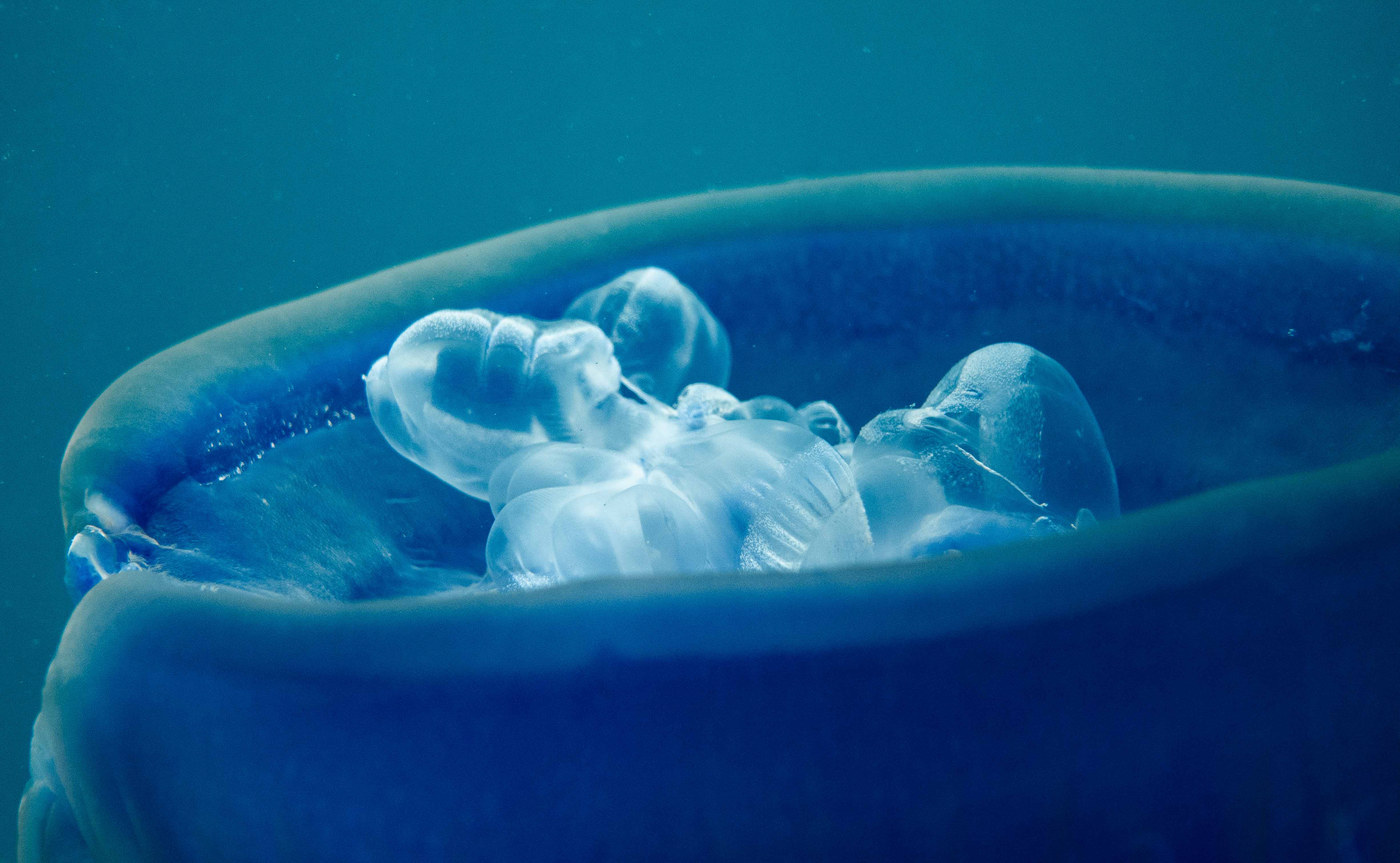
We saw these dinner plate sized jellyfish while meandering around the SE corner of the lagoon searching for our anchorage. I hoped they’d stick around so I could get a closer look, because I could see that they were intriguing, but I HAD NO IDEA!! These shots were taken over 4 days of 15 -20 individuals. I was mesmerized!!! We were without wifi, so couldn’t even learn about the magic I was witnessing, but I was aware of being incredibly lucky to live on a planet where such a creature exists.
A quick search reveals a paucity of information about this jellyfish, but here’s a bit of what I found: Cephea is a genus of true jellyfish in the family Cepheidae. They are found in the Indo-Pacific and East Atlantic. They are sometimes called the crown jellyfish, but this can cause confusion with the closely related genusNetrostoma or the distantly related species in the order Coronatae. They are also sometimes called the cauliflower jellyfish because of the cauliflower looking crown on top of the bell.
Common Names: Crown Jellyfish, Cauliflower Jellyfish, Sea Jellies, True Jellyfish, Transparent Crown Jellyfish and Crown Sea Jelly
We spent about 6 months in the Gambier between two visits, which was enough time to start to make some connections and get to know people a little bit. Herve and Valerie on the island of Taravai nurture these relationships with sailors, warmly welcoming everyone who drops anchor behind the reef.Eric and his family became near and dear and when tragedy struck (Tina was lost at sea in August of this year), we grieved together.
We learned our way around, becoming comfortable with how things worked with the supply ships, buying gas in 200L barrels and negotiating to pump diesel straight from the boat. We got used to the idea that it was nearly pointless to try to get an internet connection, even in town.
We got to know some of the people along the water in Rikitea’s harbor:
Mike the fisherman and his wife, Agnés, the school teacher, offered us fresh fish and tried to organize an excursion outside the reef with Marcus, but the timing never seemed to work out.
Vaitea, the guy at Jo Jo’s (the ‘magasin’ or market) who made key resources manifest when there were supposedly none and was the recipient of multiple loaves of banana bread.
Louison, the body builder who rented us extra scuba gear – always laughing and smiling, paddling his Va’a in the harbor, delivering us tanks and gear wherever, whenever.
Eric’s sister-in-law, Juanita, and her friend Tao who drove us around the island in search of fresh fruit and invited us into their homes with open hearts.
Tehoto, who grew up on Kamaka island, who’s wife, Noella runs the pizza place, which is sometimes open on the weekend, depending on what else they have going on, allowed us on his private island, sharing his haven with us.
Iolanie rented us her car for a couple island excursions and stored our bikes in her front yard and later, in her store and would accept nothing in return.
Josie and her husband from Las Vegas ran one of the magasins and they volunteered to bring us veggies out to our anchorage about 8 miles away, as they were going by to a nearby motu (island) anyway … and this on Christmas Eve!
And then there were the cruisers, considerably more this year than last, who sought refuge from inclement weather in these eastern Polynesian waters, namely cyclones. A comradery naturally developed as we ended up seeing the same boats around the islands. We sat out a tropical depression at Herve and Valerie’s place in Taravai with a handful of other cruisers and were all poised to help out our neighbors as need be. The community of sailors is one of the highlights of this nomadic lifestyle and generosity, much like in the local culture, is a ‘given’ concept and knows no bounds.
Over two seasons, we covered most of the waters that comprise the Gambier, and yet it was hard and strange to leave knowing we would probably never make it back to this beautiful, remote Archipelago apart from the world.