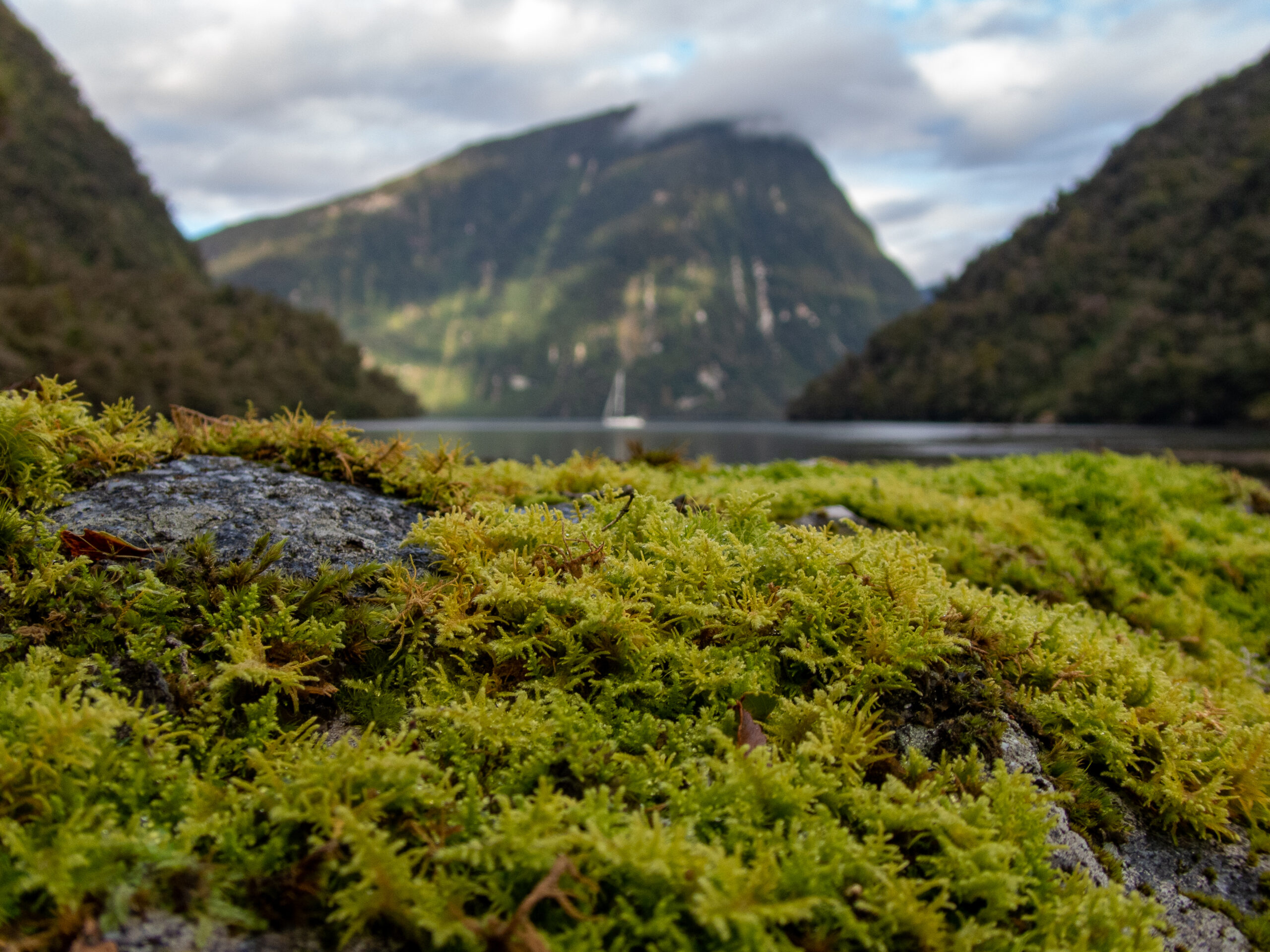
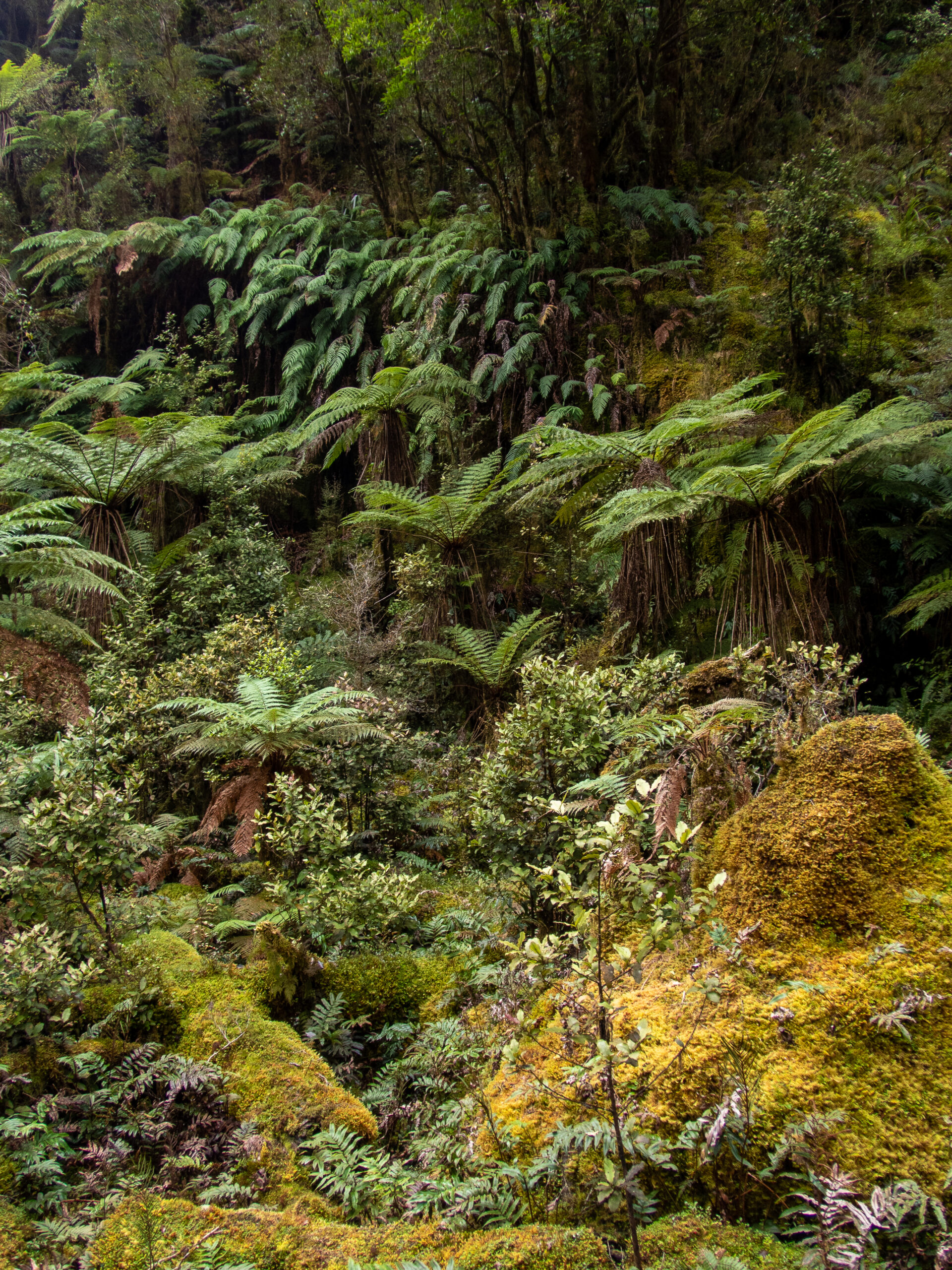
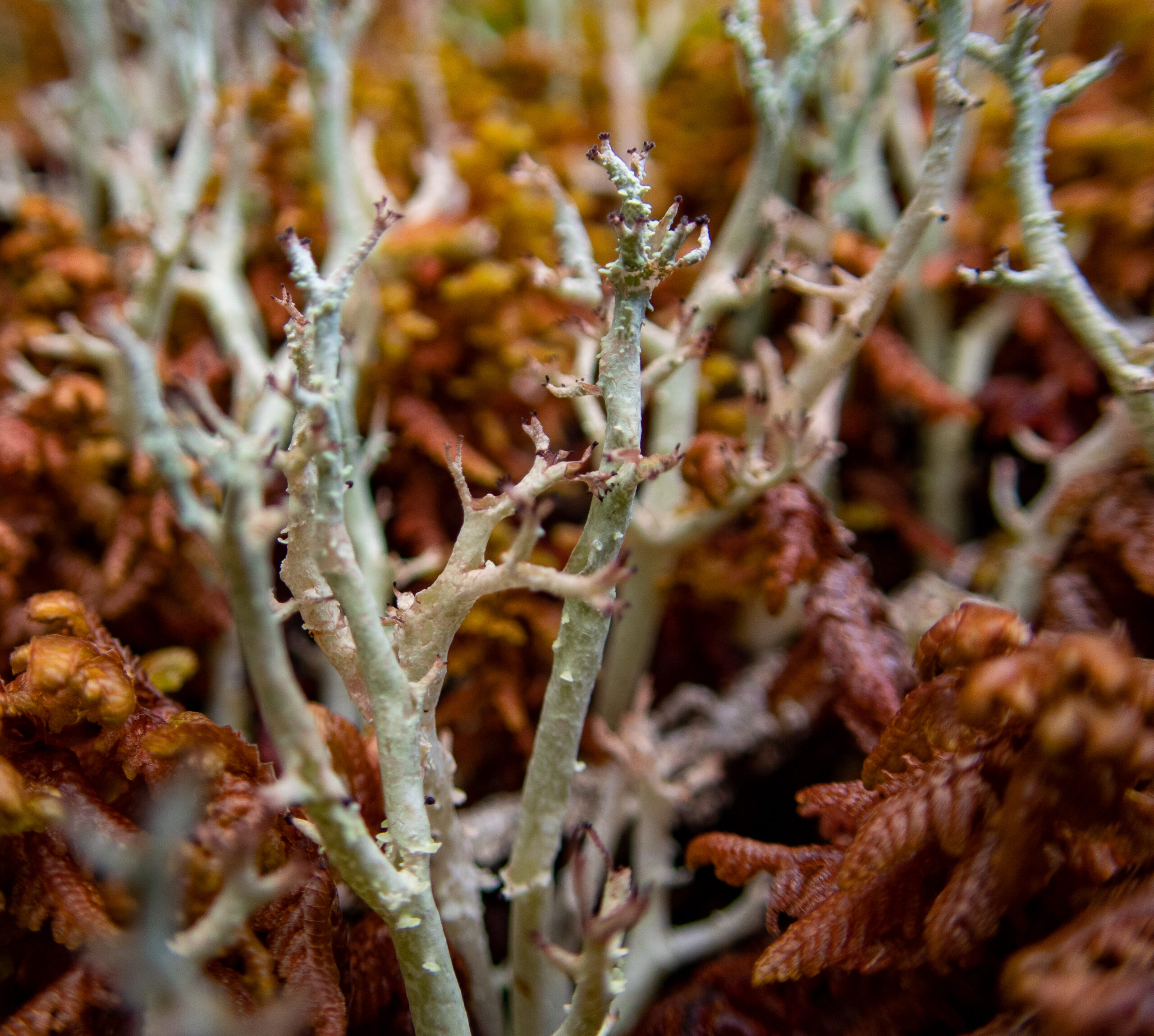
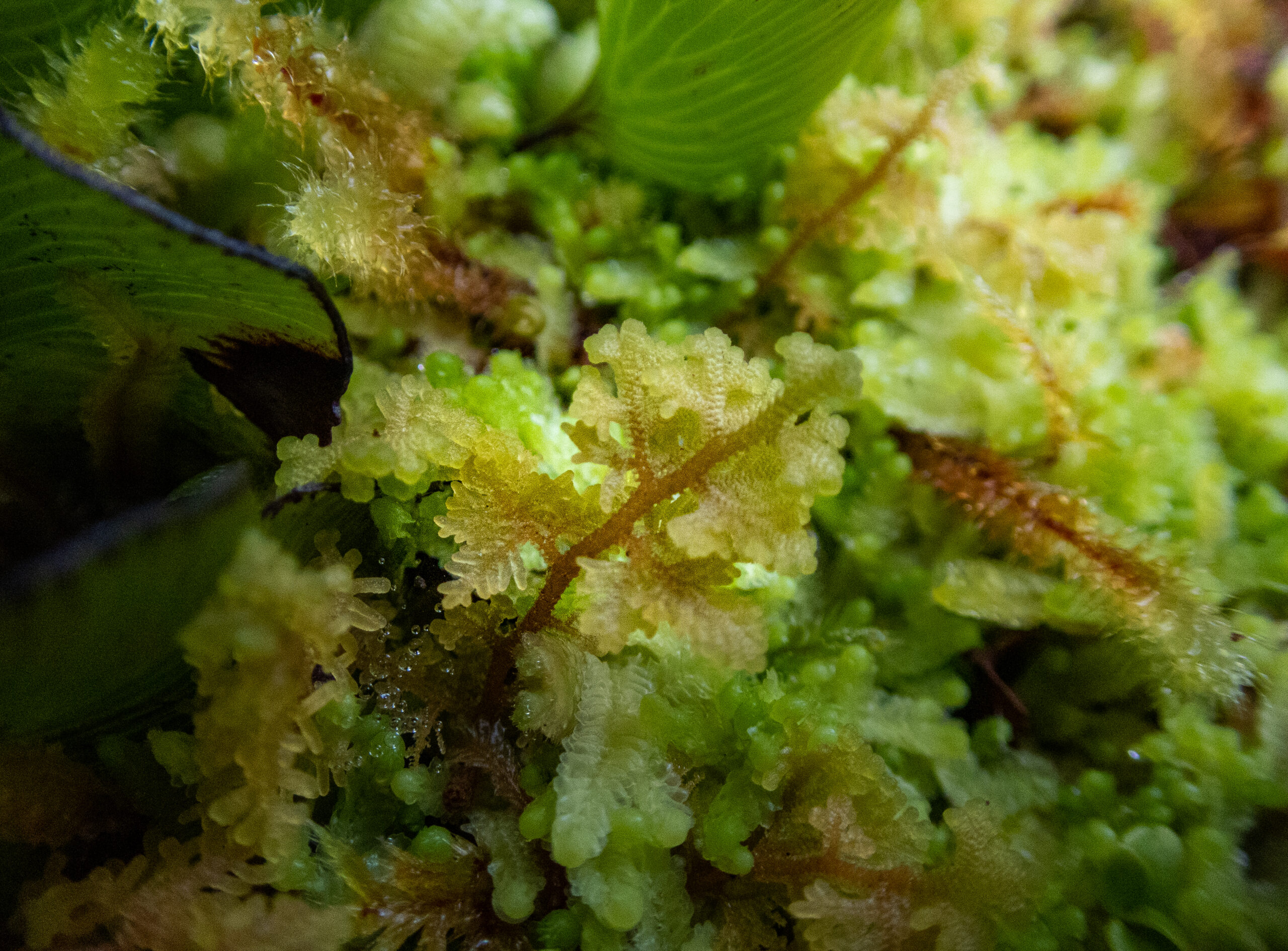
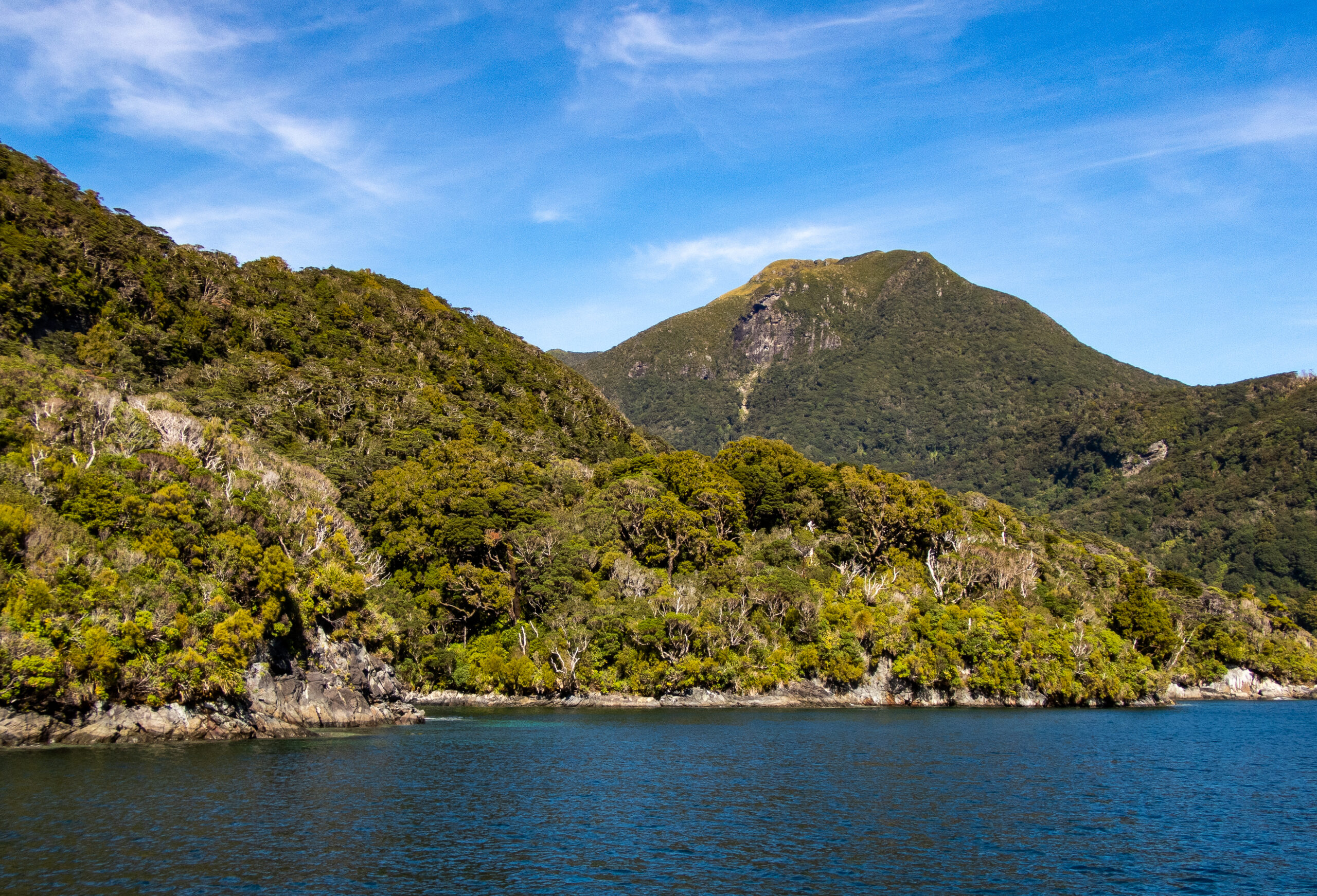
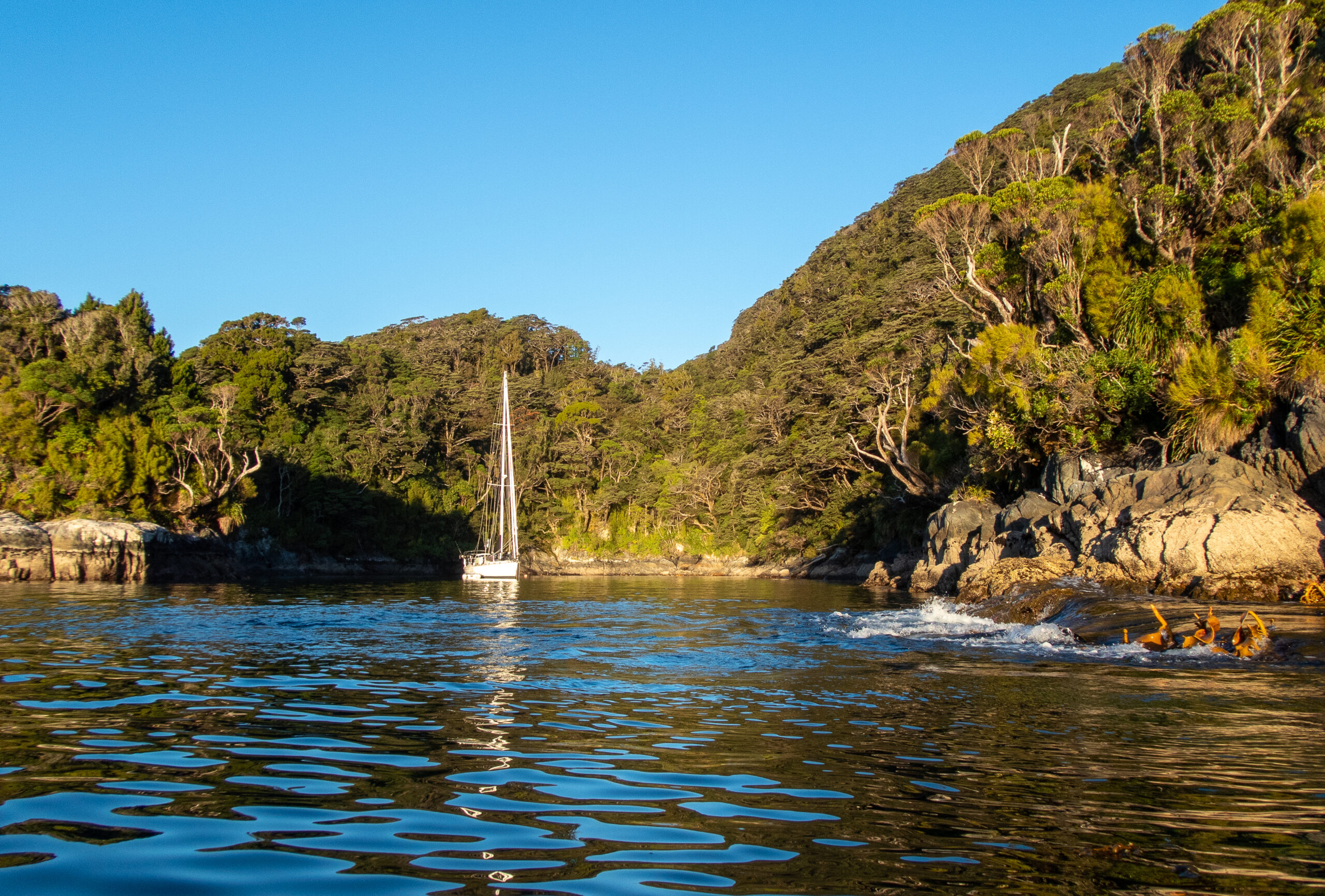
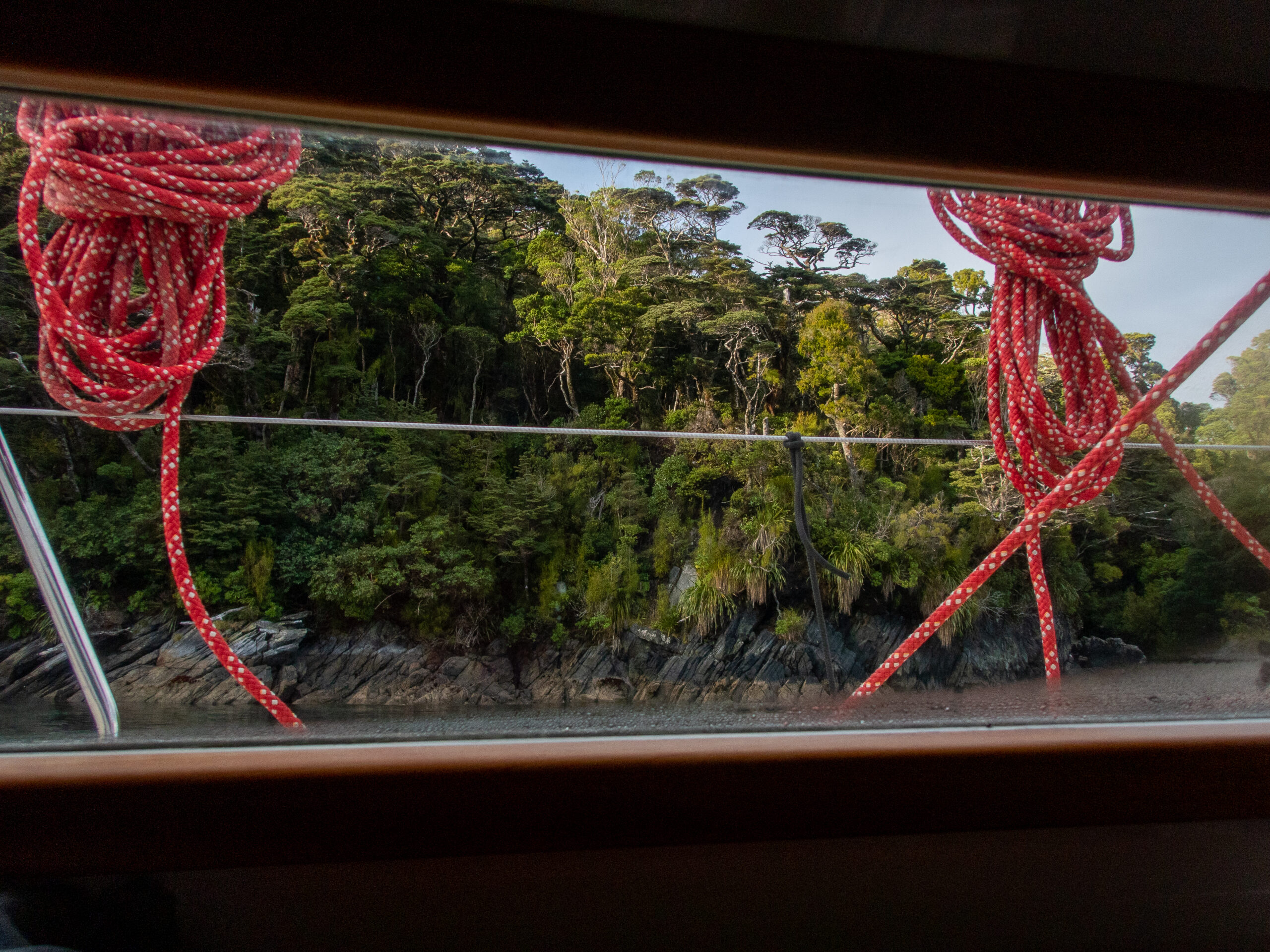
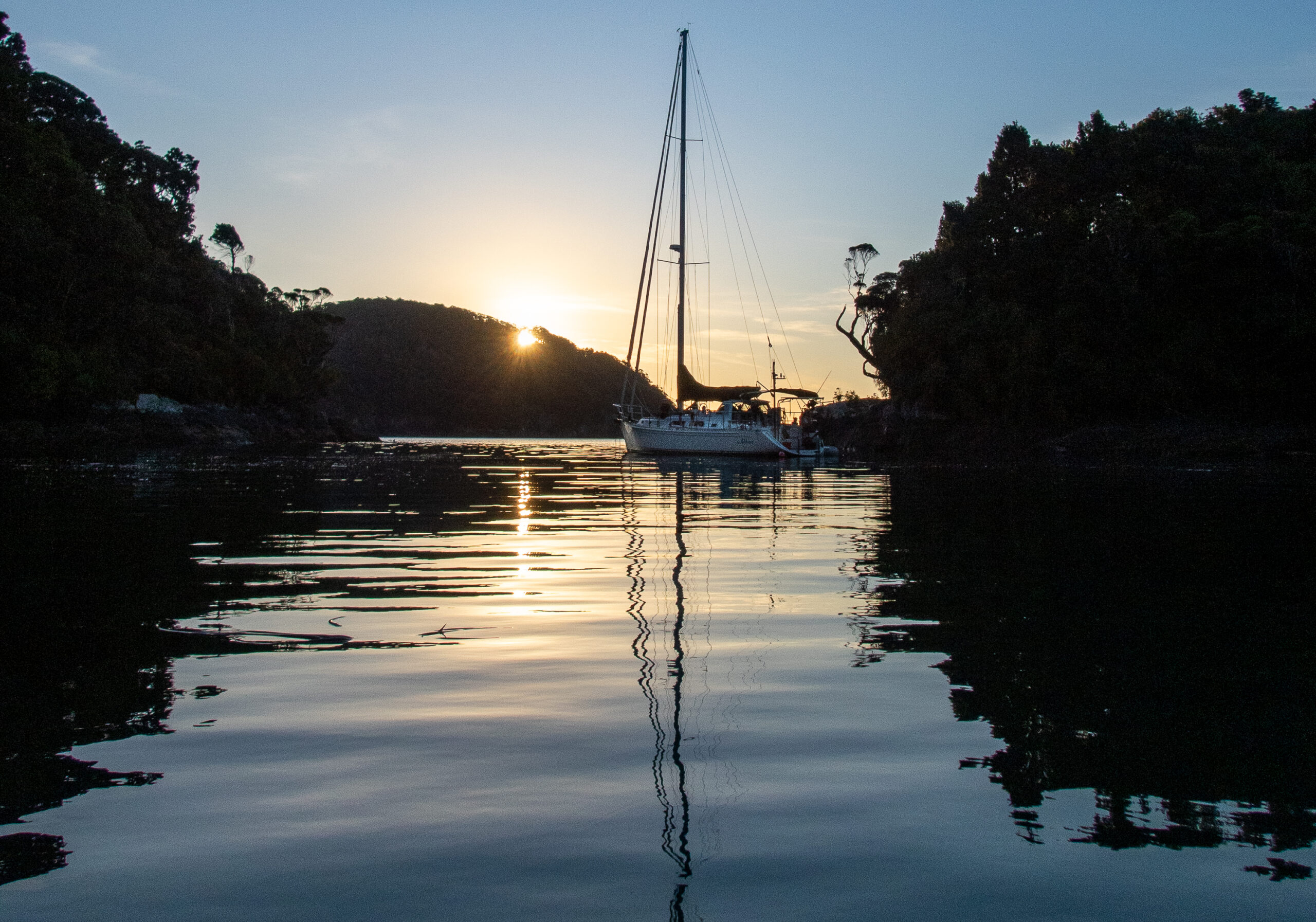
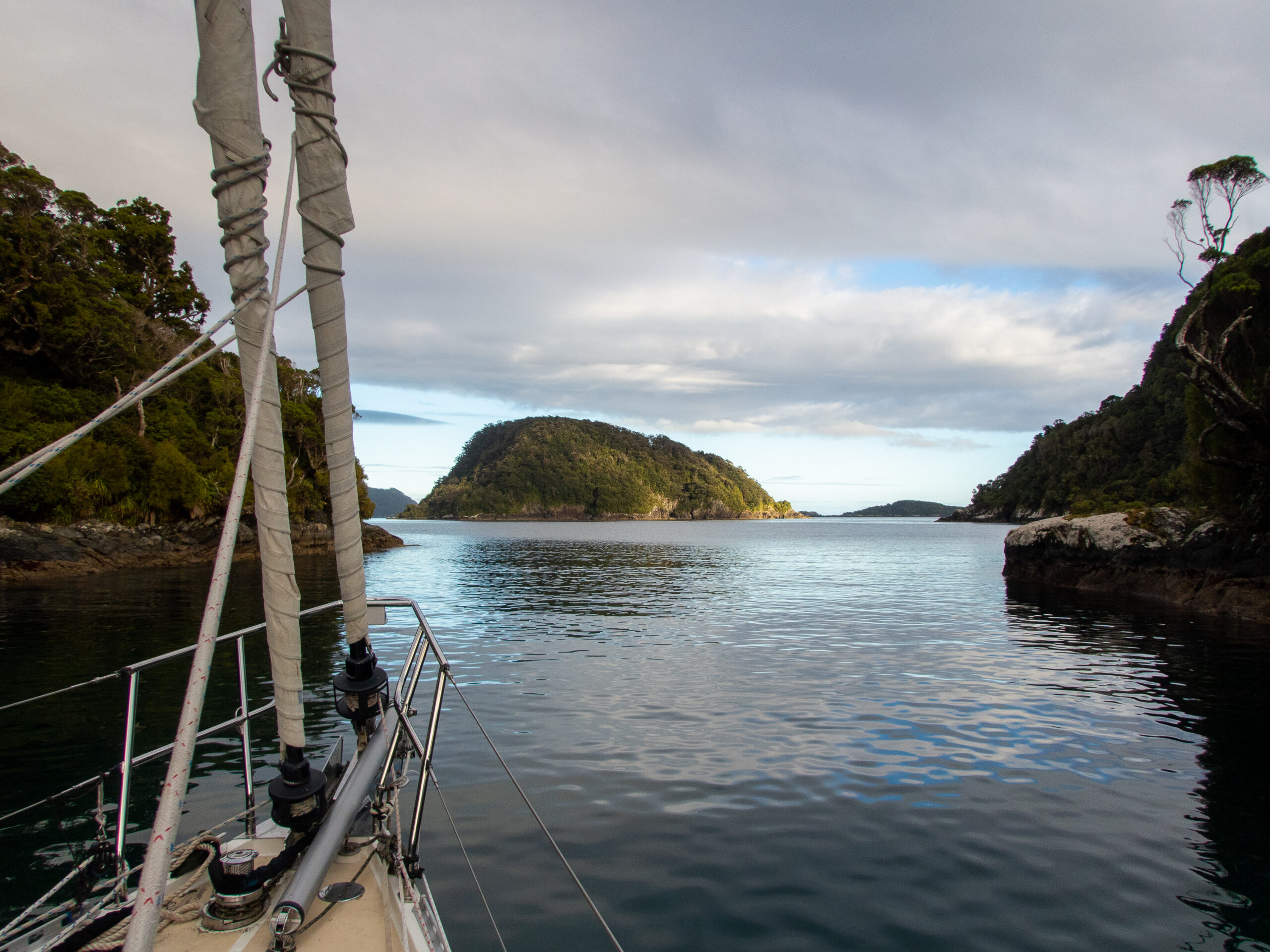
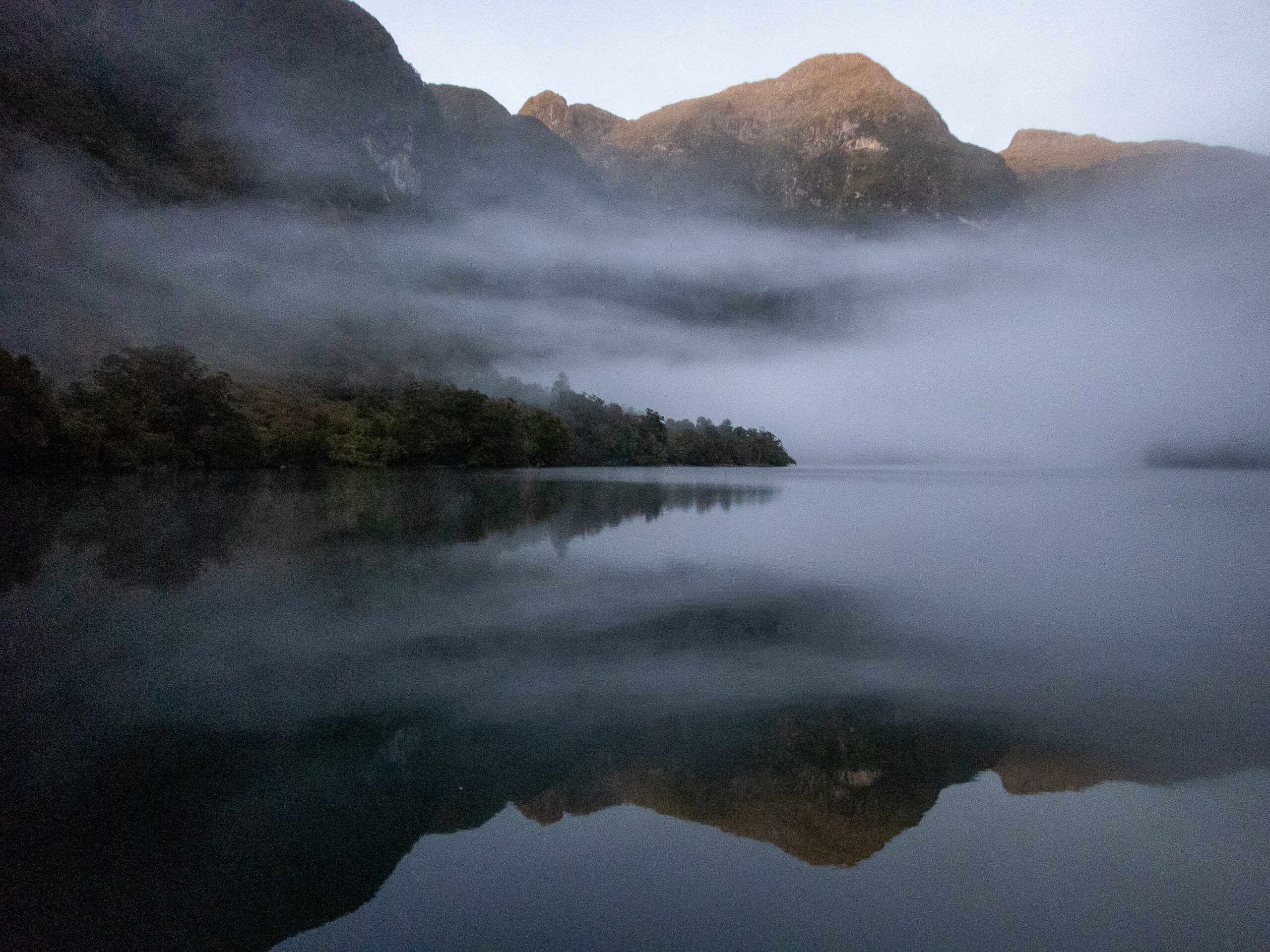
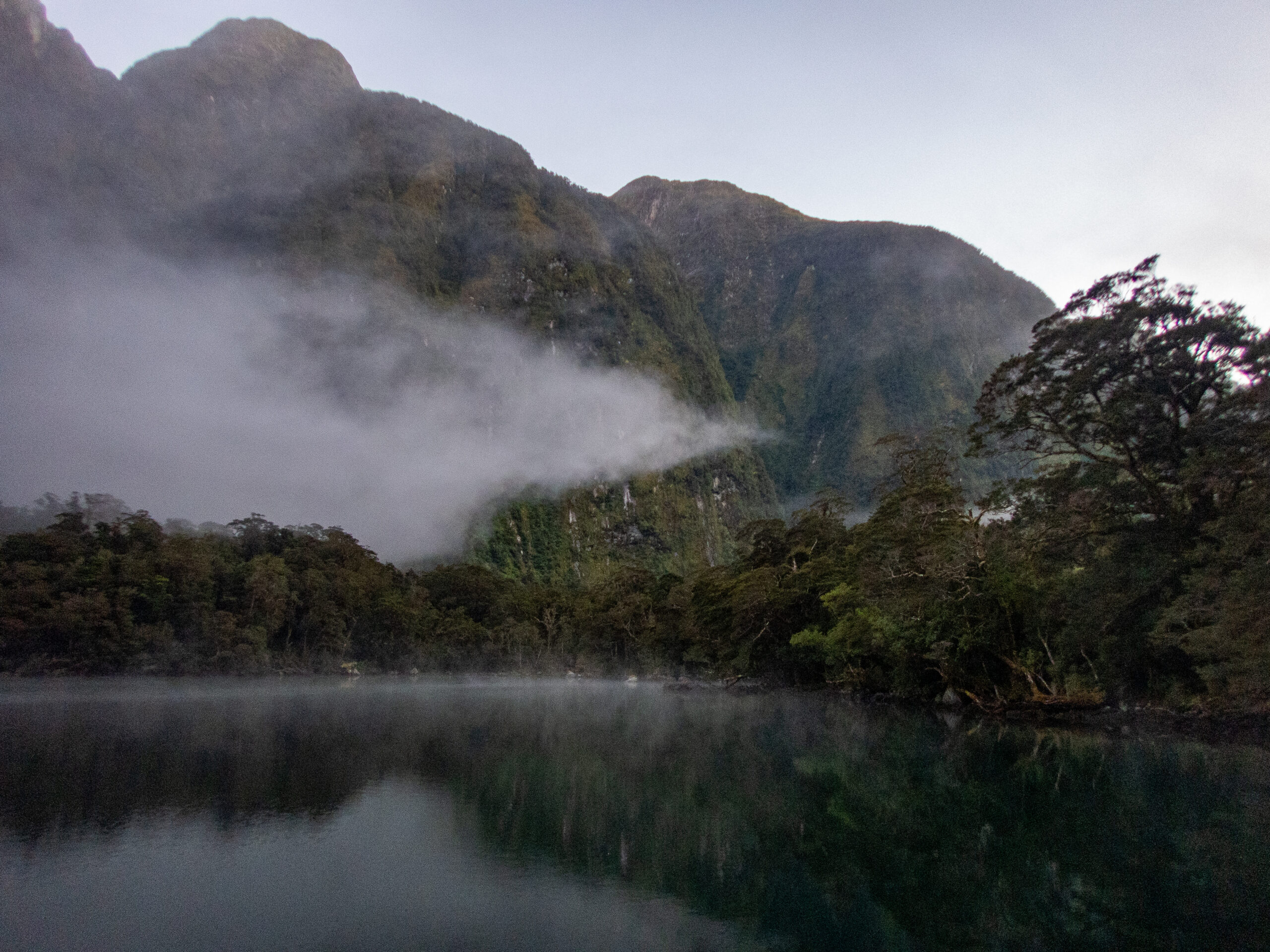
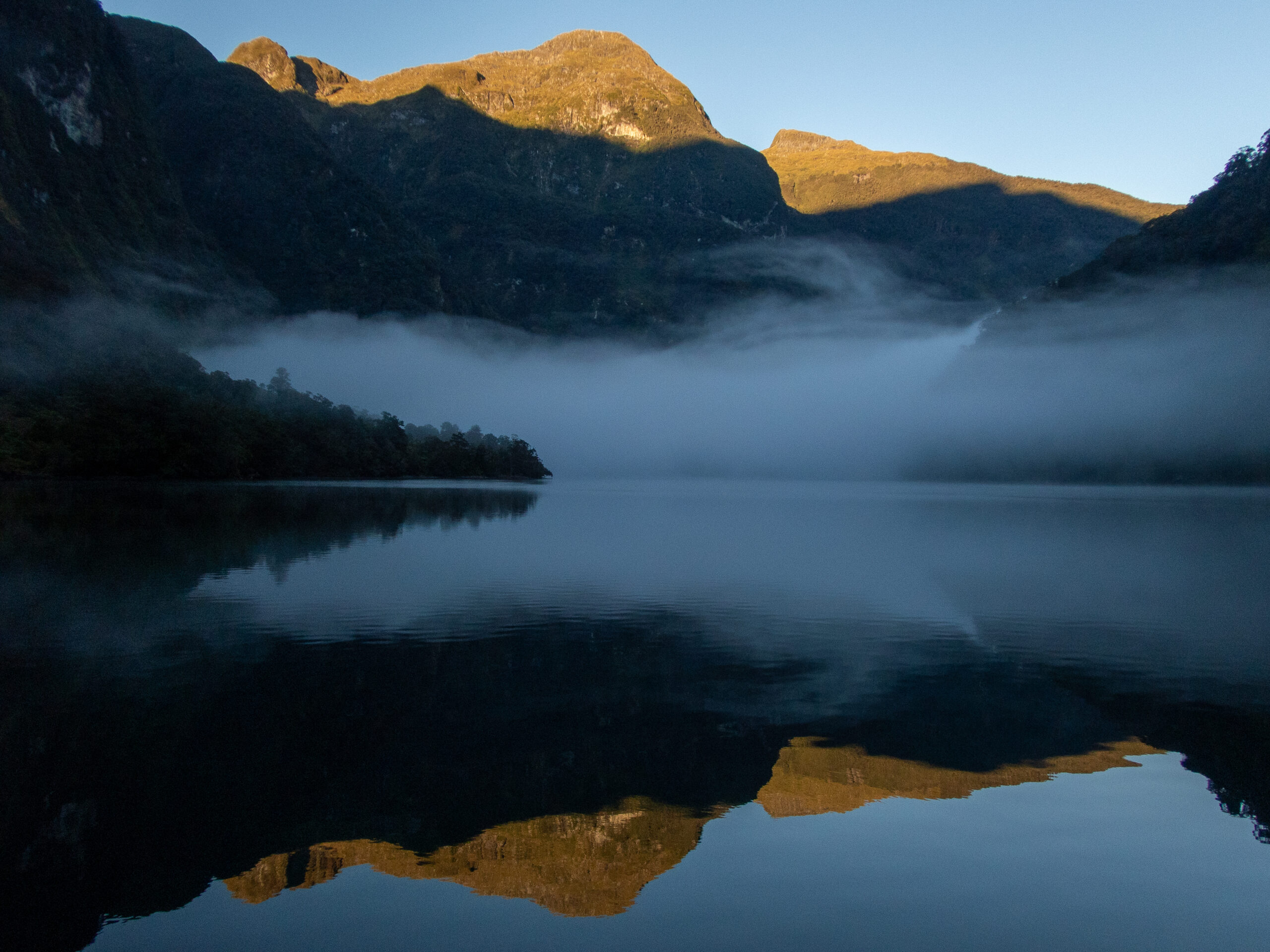
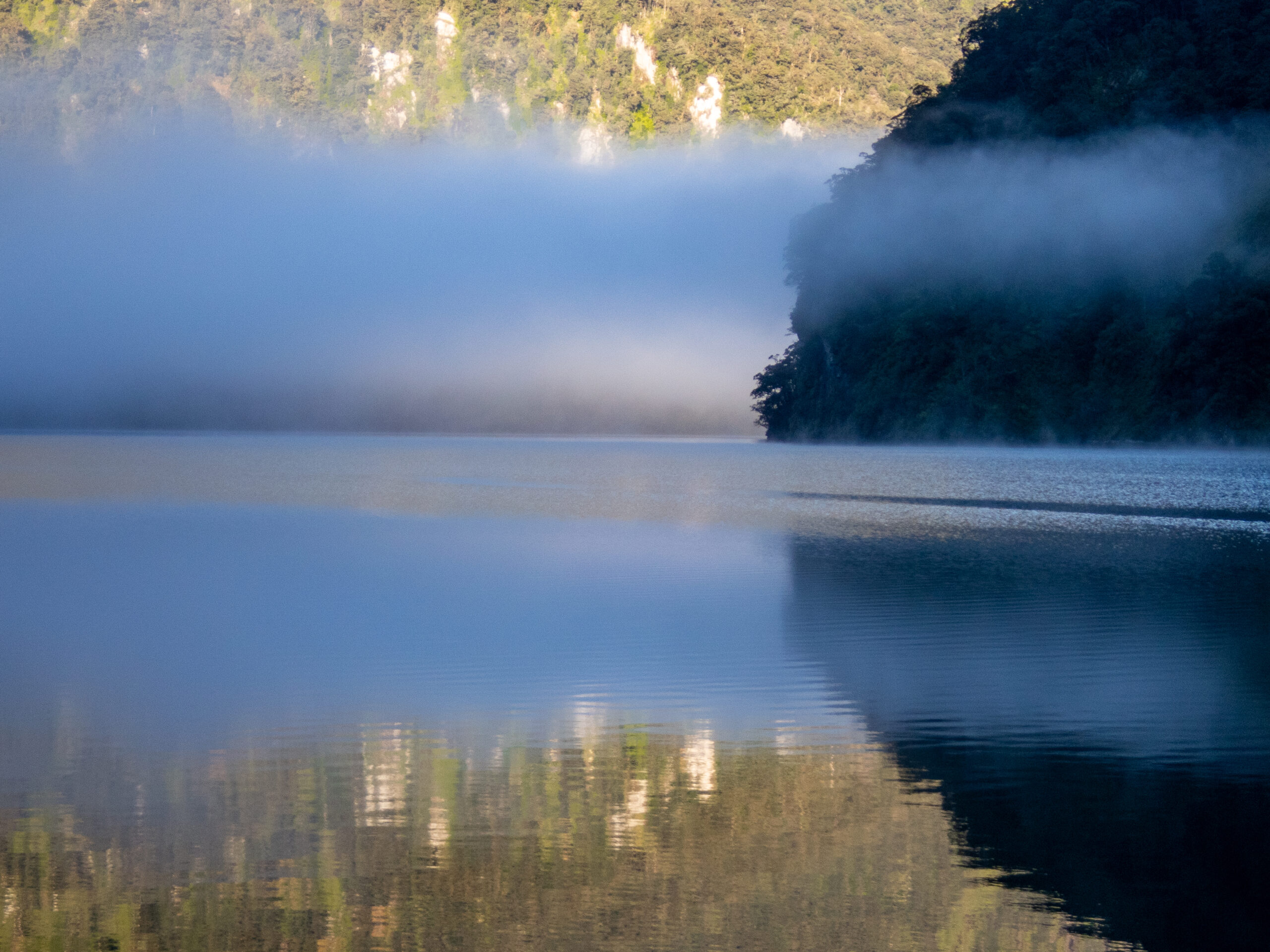
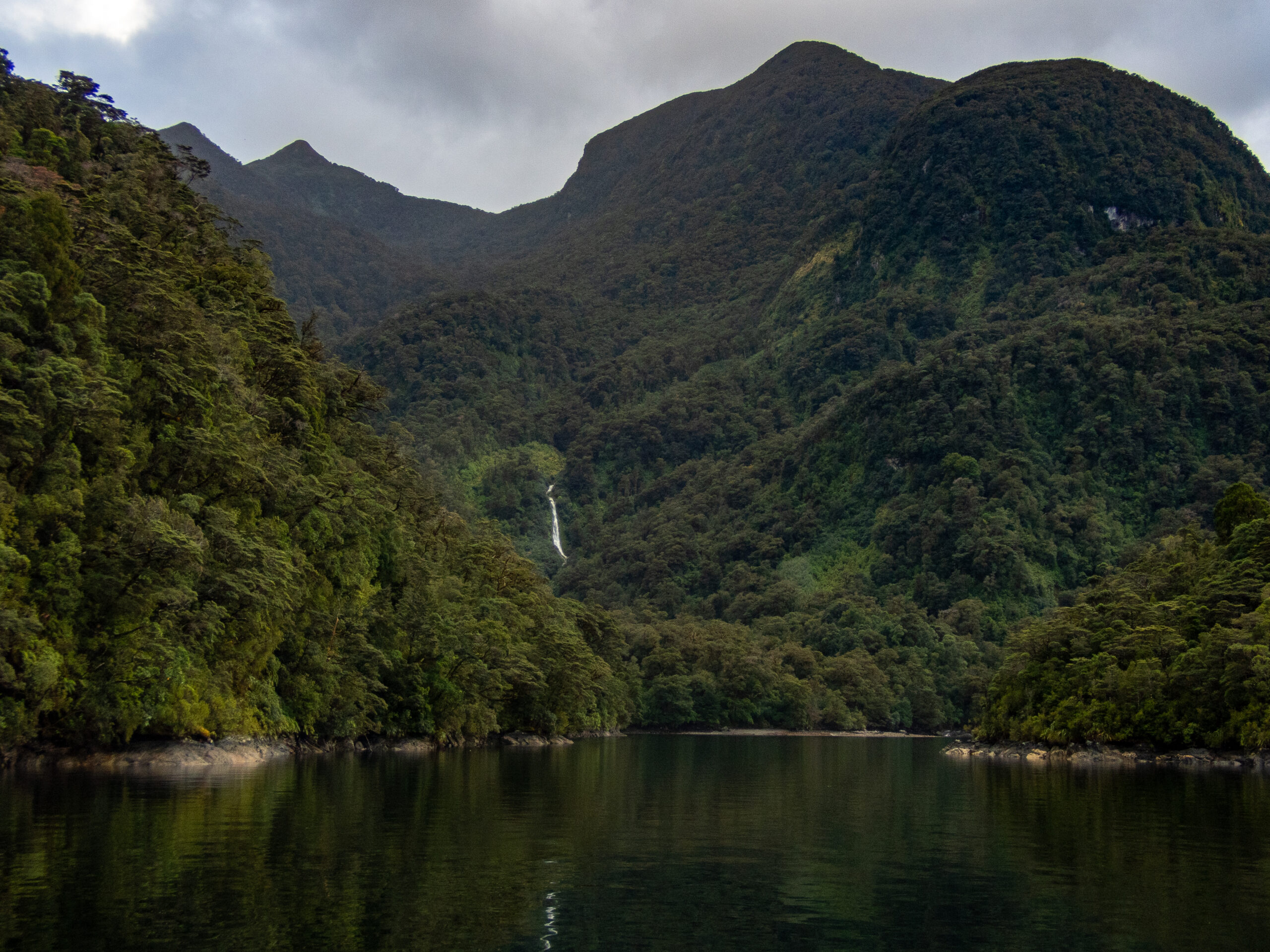
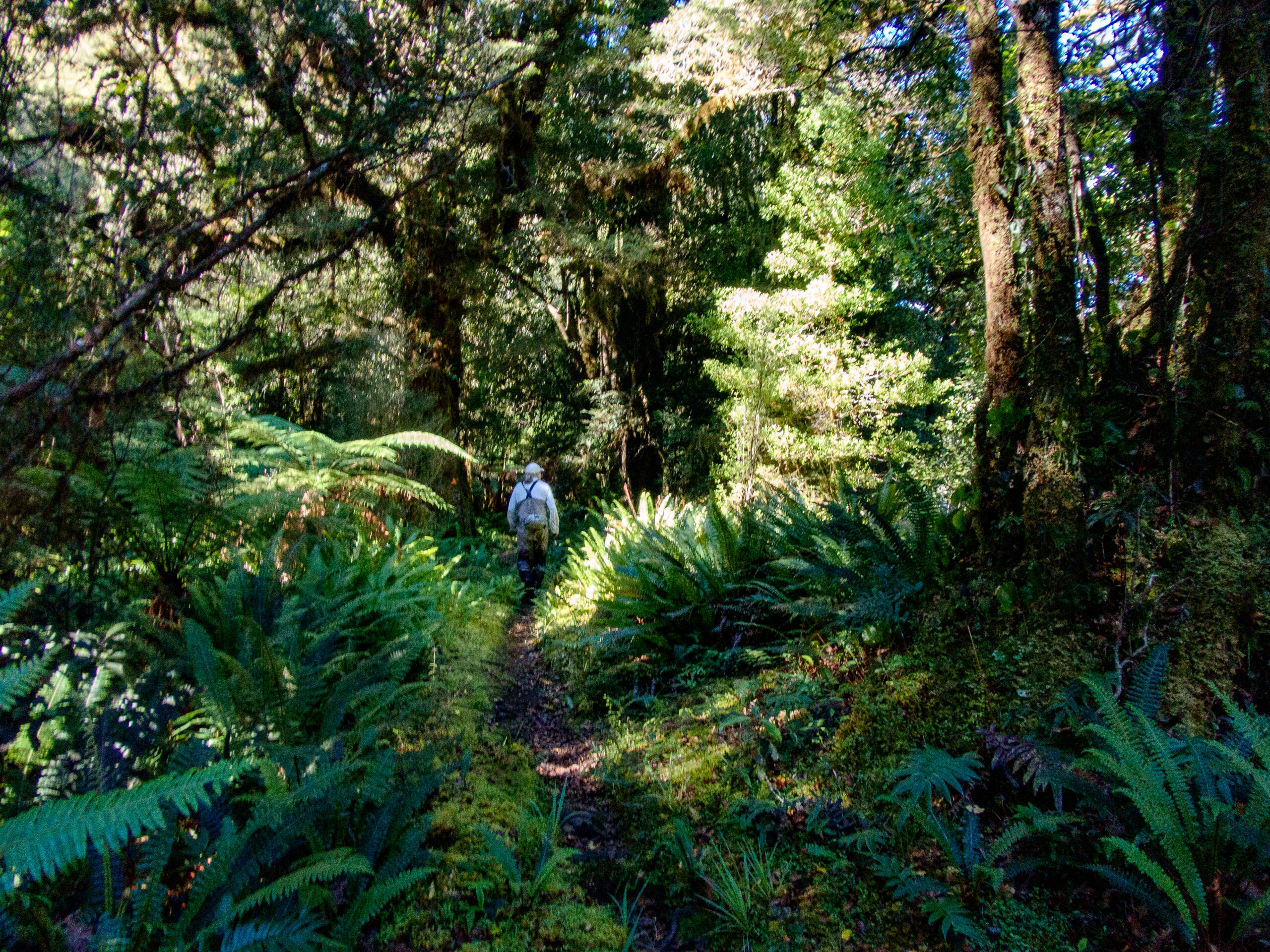
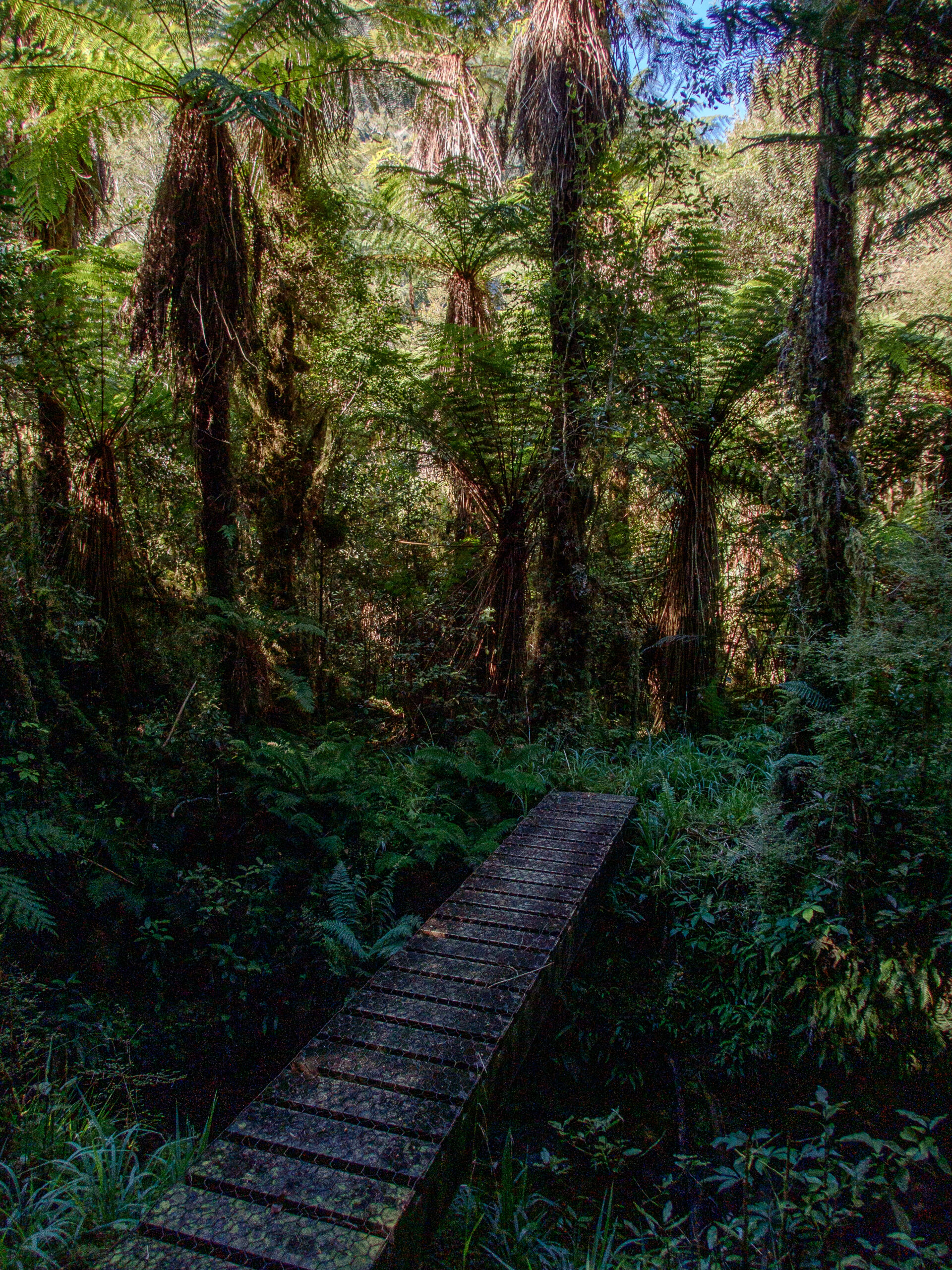
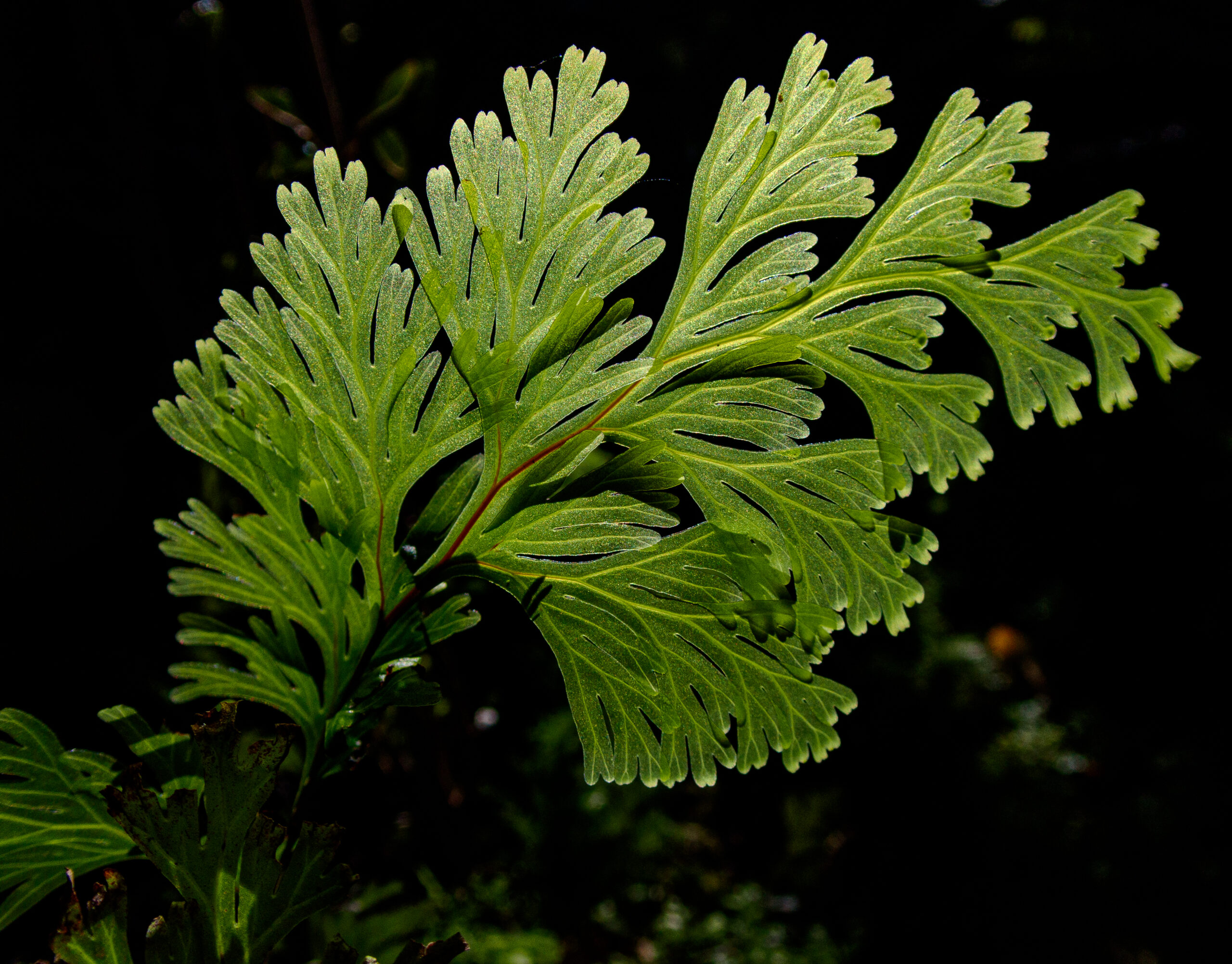
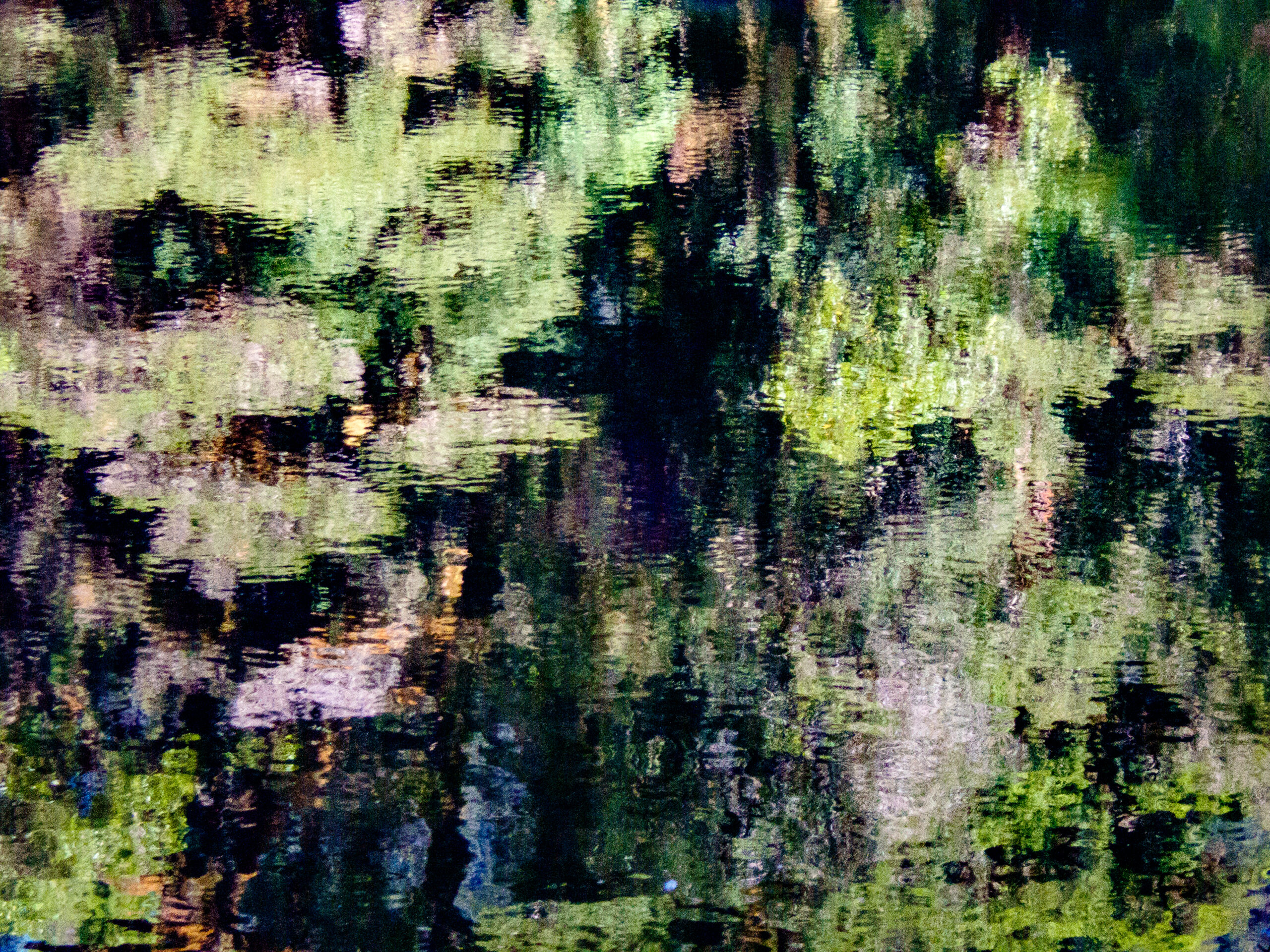
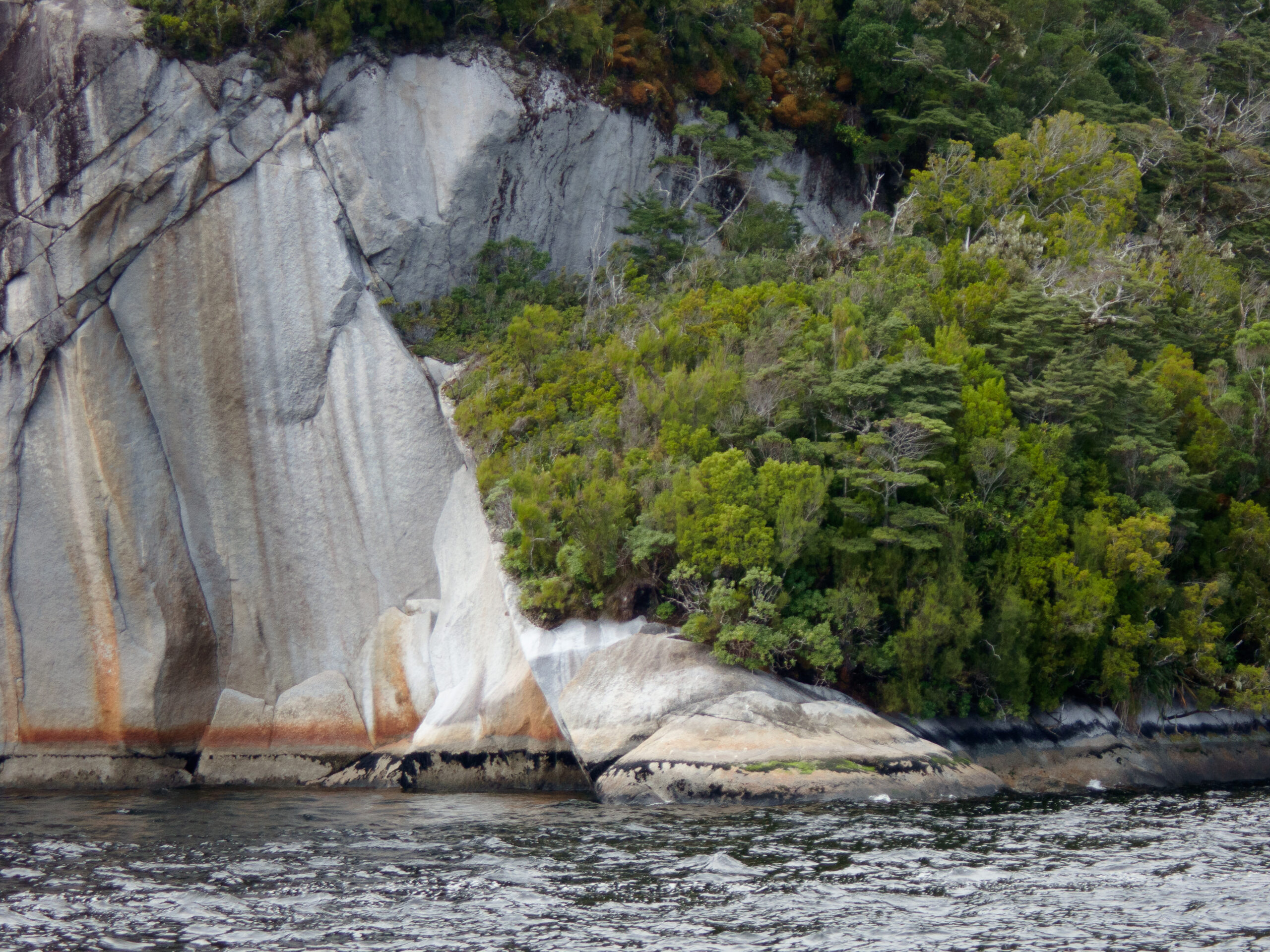
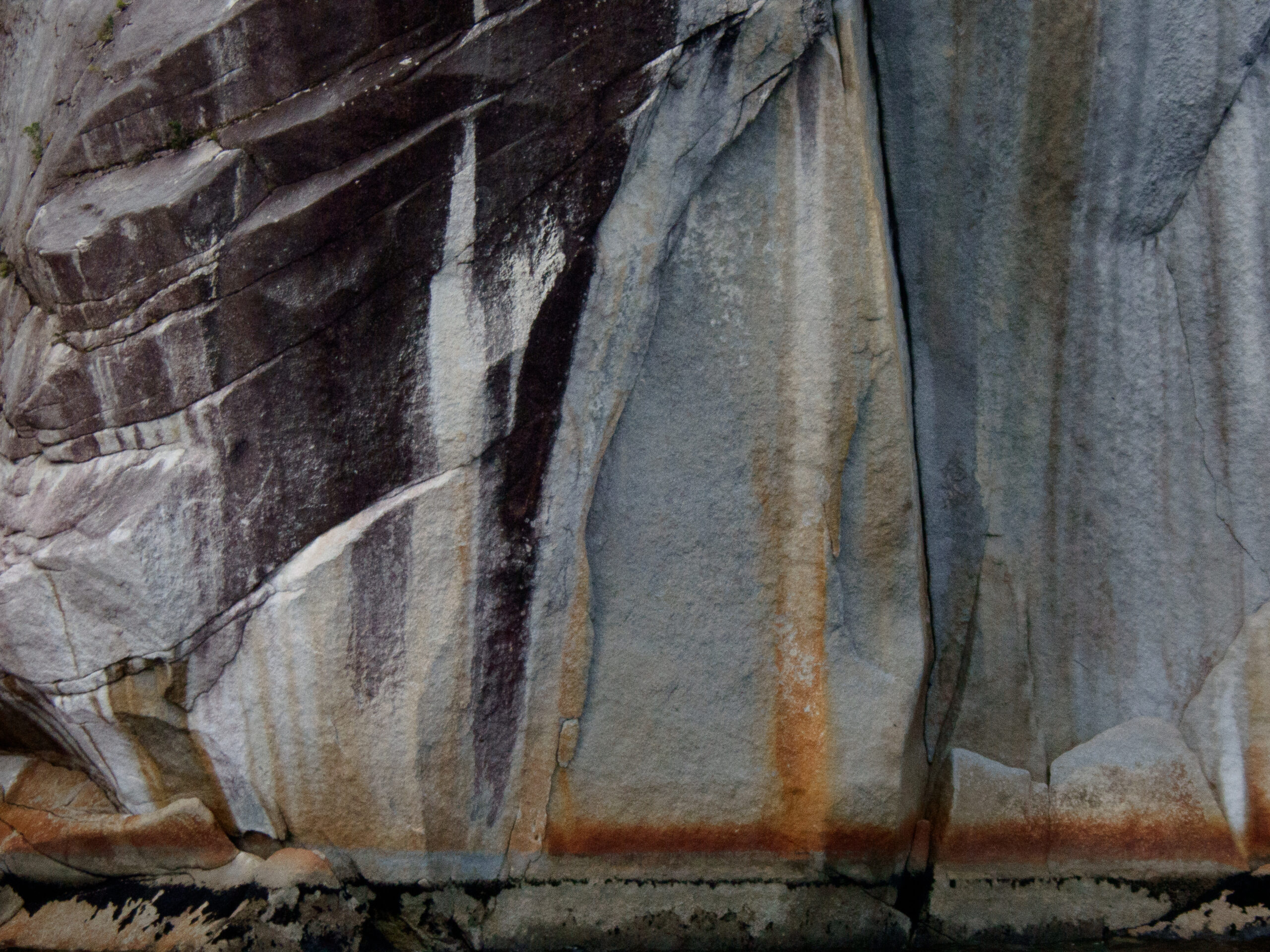
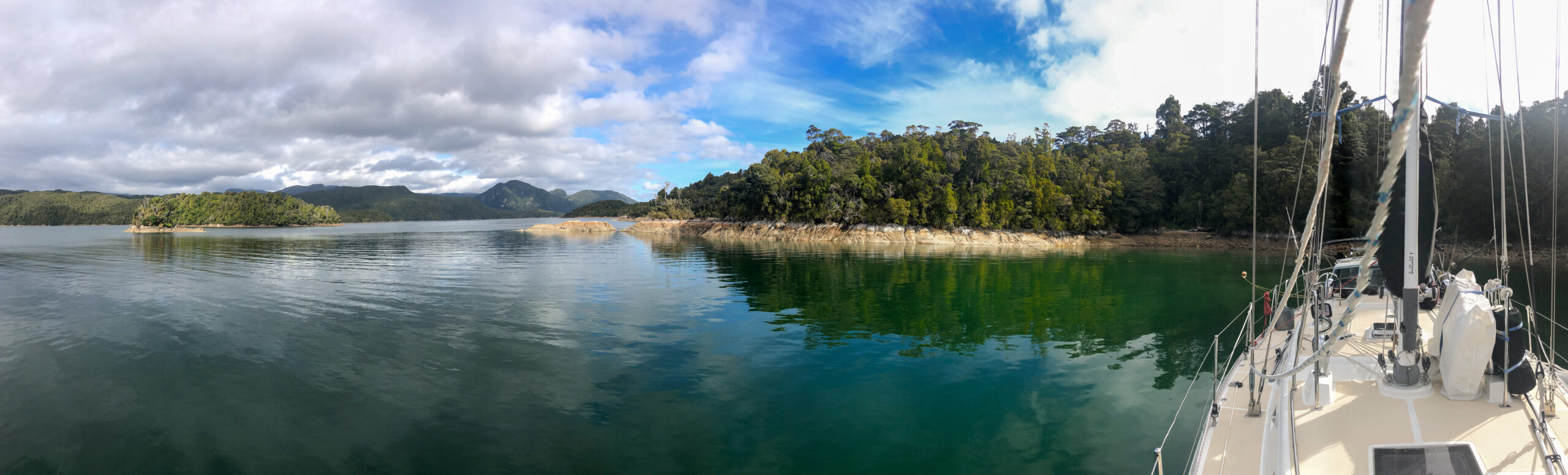
The warmly cool, clear, ringing, perfumed, overflowing, redundant days, were as crystal goblets of Persian sherbet, heaped up – flaked up, with rose-water snow. — Herman Melville
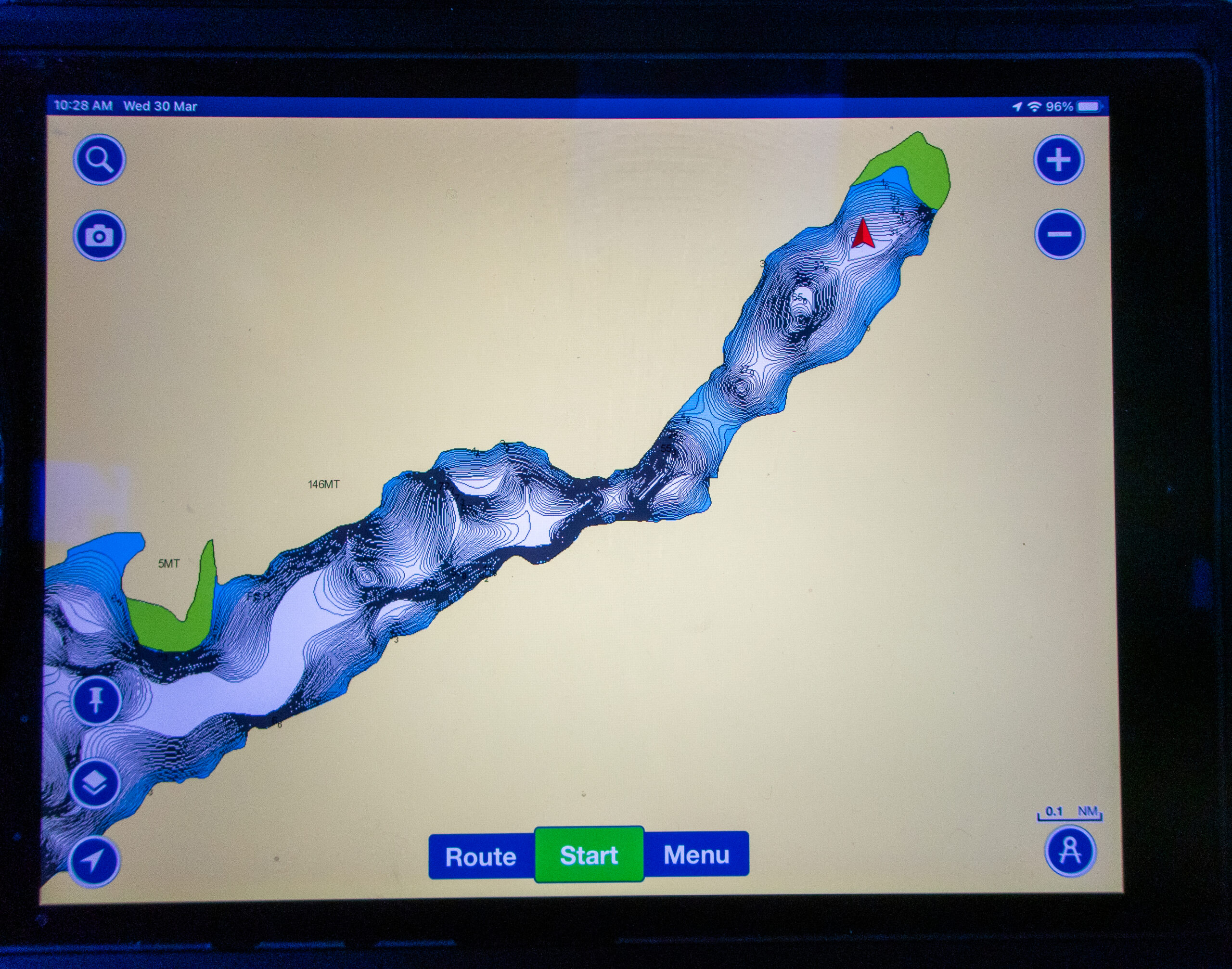
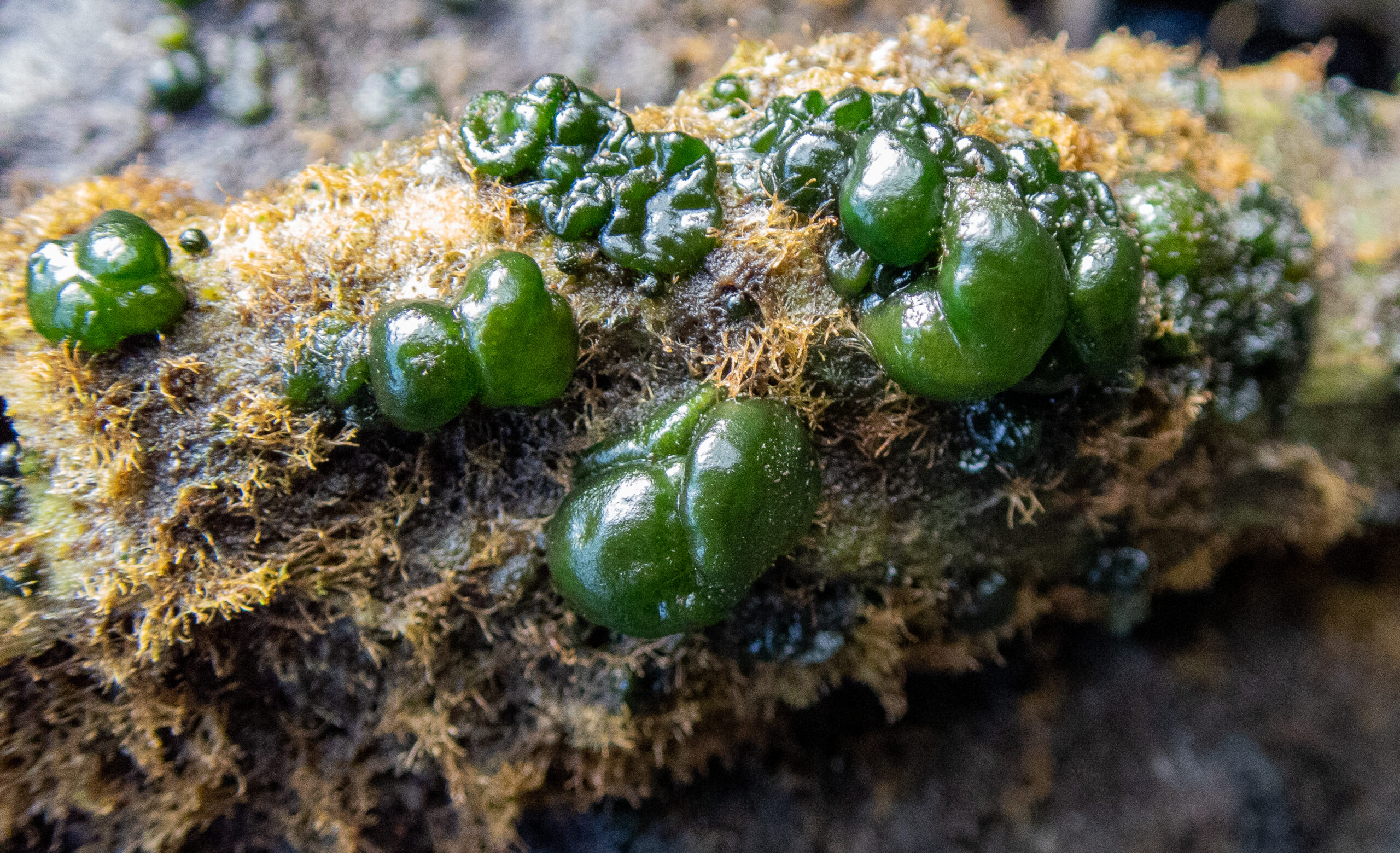
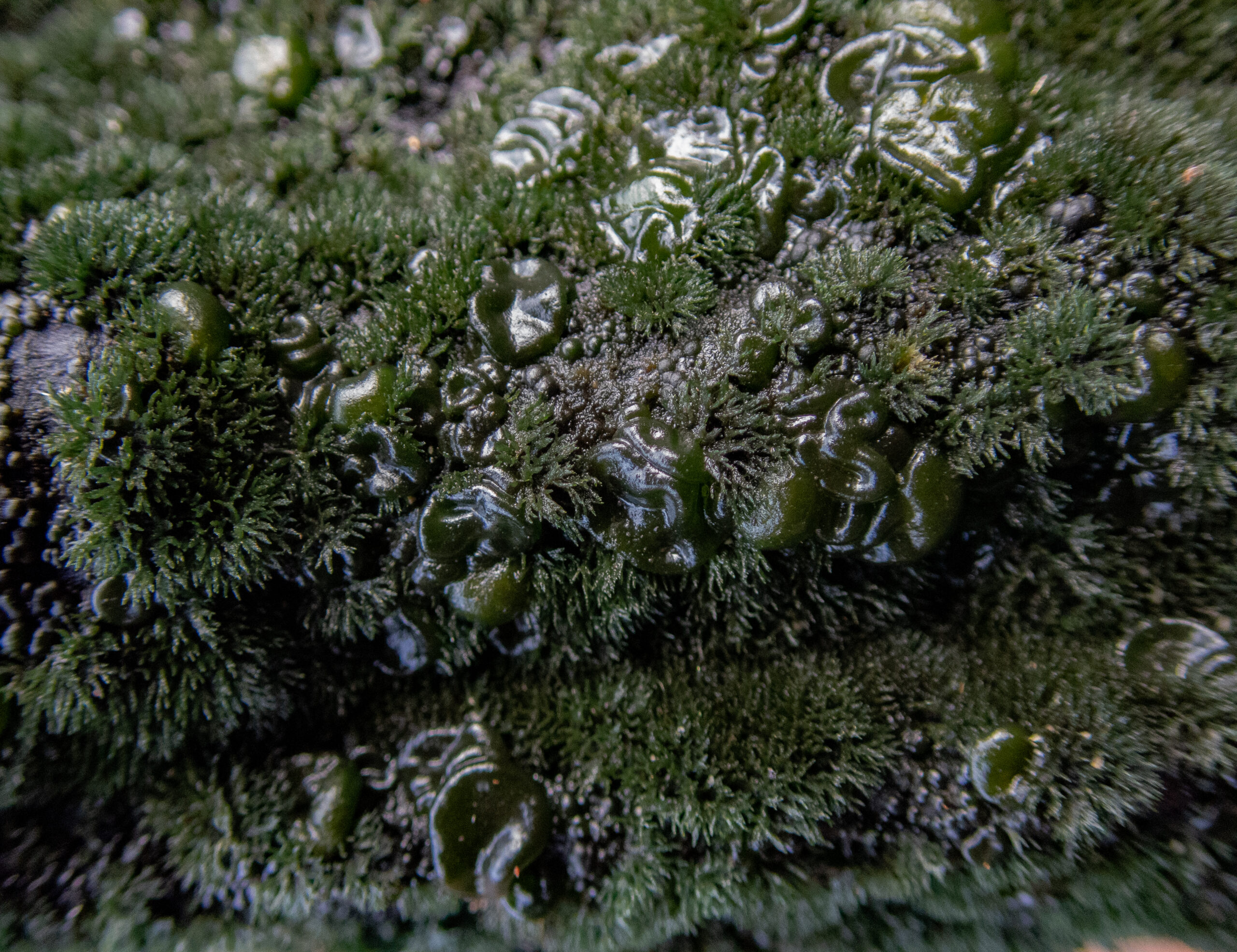
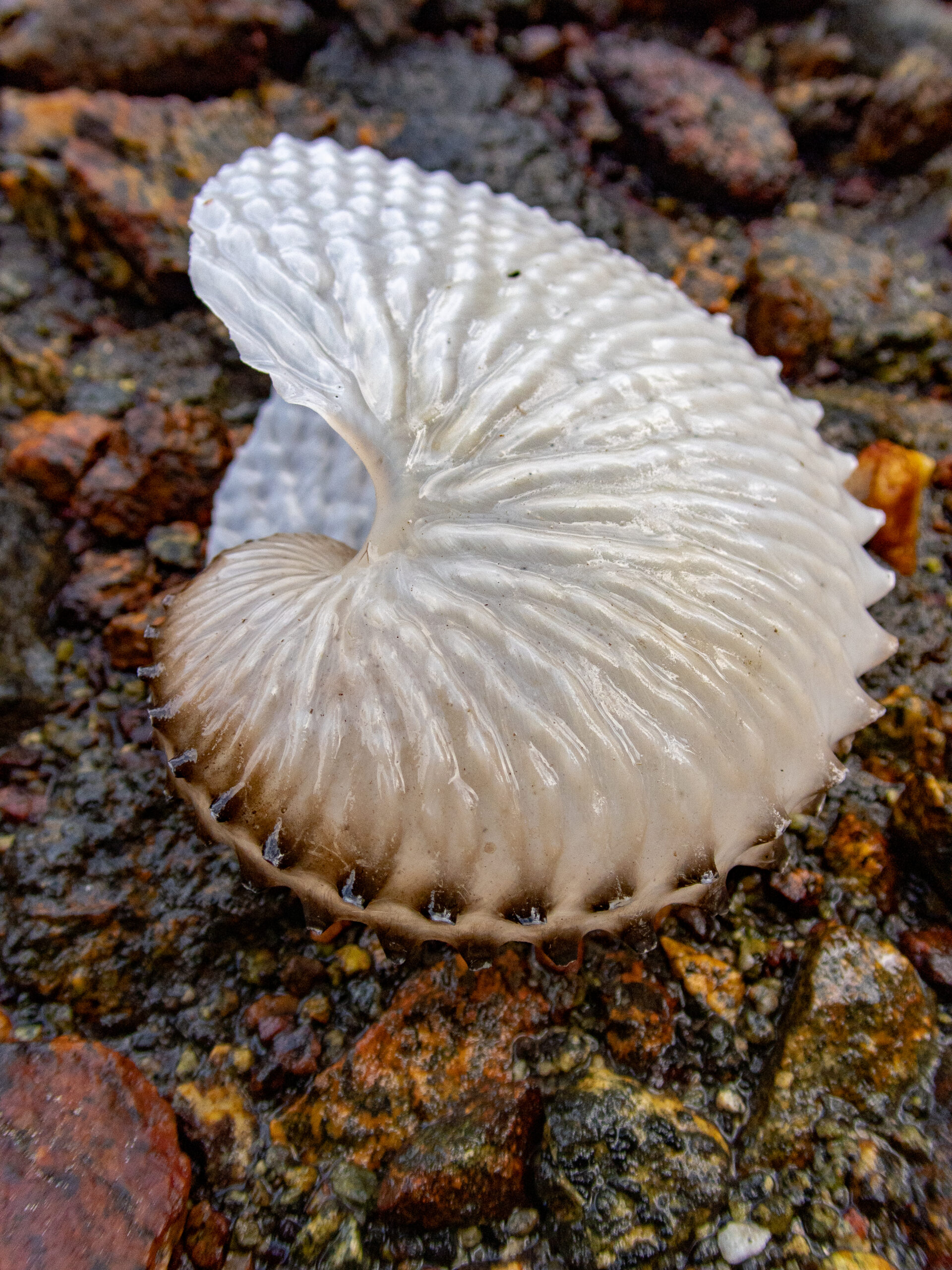
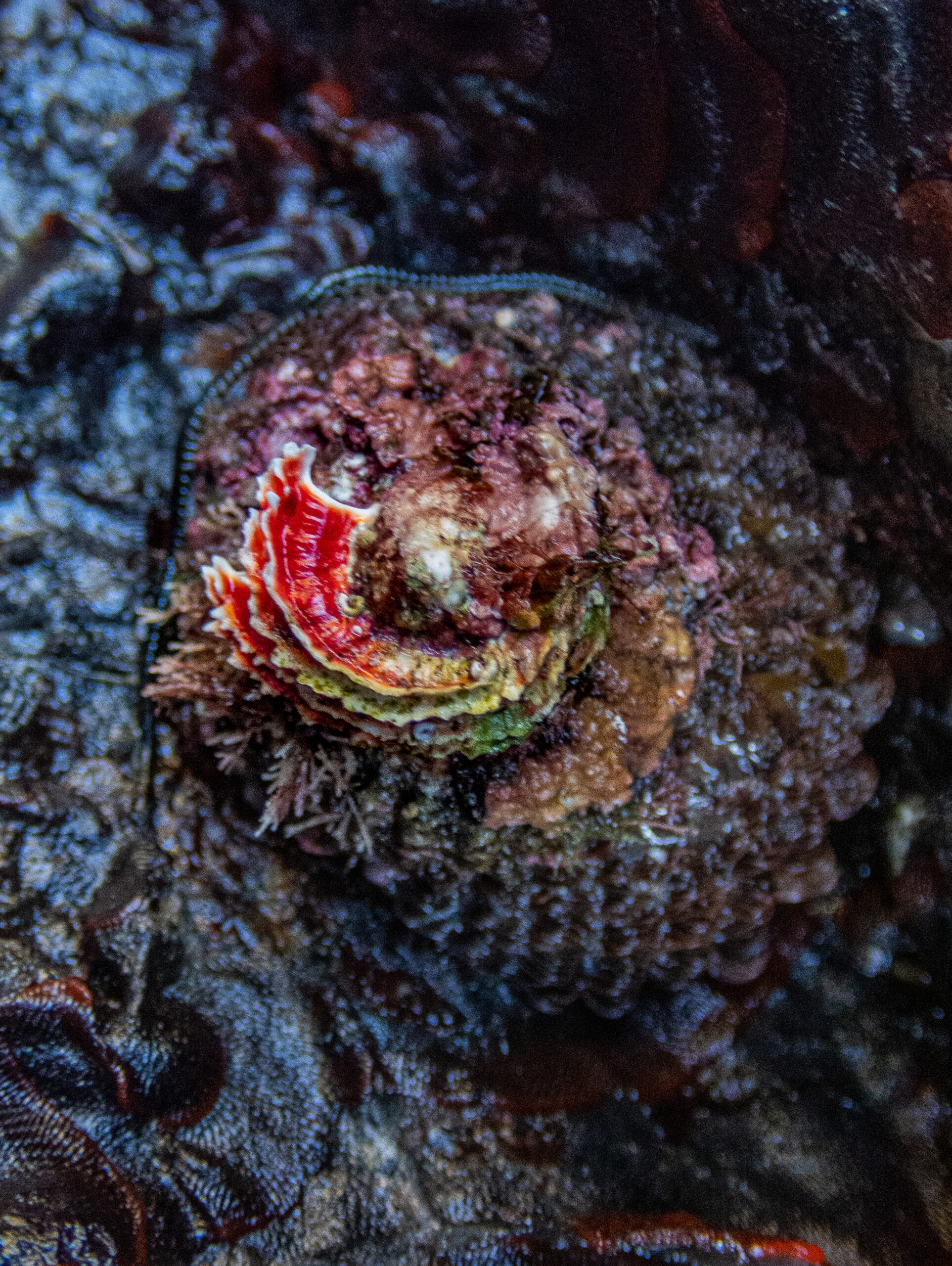
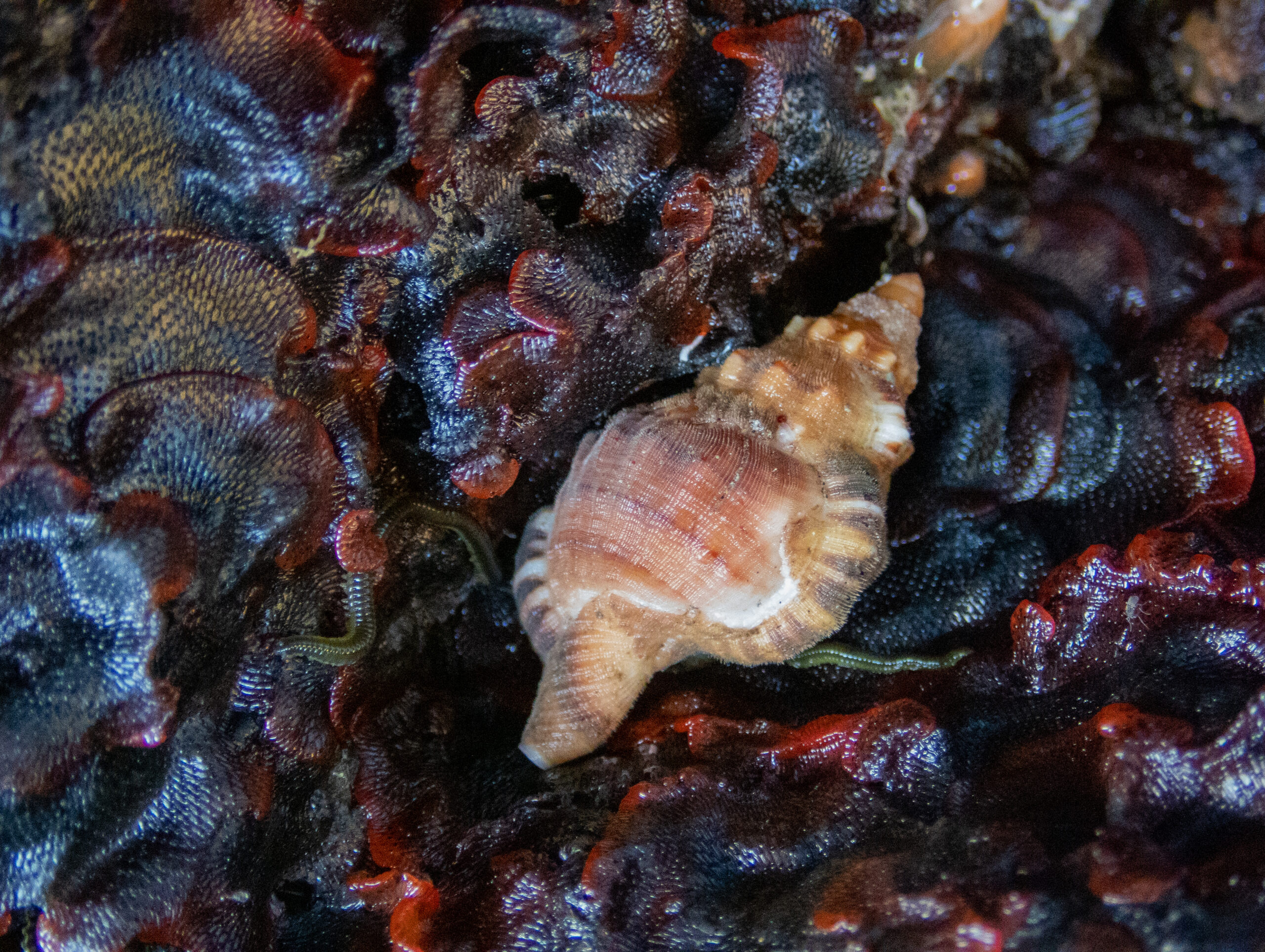
Bathymetric chart of Vancouver Arm – gives an image of the size, shape and distribution of features underwater.We just spent one quick night at the head of the bay in Vancouver Arm. We had plans in place to meet Wyatt in Doubtful Sound, 2 north of here, so we had to strategize our short stays with the weather predictions and what protection each anchorage might offer.Third Cove Anchorage. We worked hard finding suitable depths to anchor in here and ended up dropping in 25 meters (83′), which is quite deep, but the mud bank at the head of the bay was also tough to see and the edge of it fluctuated, so all in all, challenging. Our ‘guidebooks’ didn’t say anything about where other ‘yachties’ would anchor. First impressions: amazing birdsong and echoes in this biggish bay!I wonder if we were hideous even to the flora/fauna …?!… ok, I feel better now. This flora is pretty ‘warty!’ We had heaps of fun checking out the very colorful intertidal zone. Started at higher tide, but it was dropping really fast, so we had to be sure Namo didn’t get stuck ‘high and dry.’ Not sure what these are, but they were ALL OVER!You can probably imagine the smell that went along with this falling tide and exposed sea creatures?Marcus found this one shell just sitting in this position. No others about.Then we made it to the very spongy and lush forest. We’d been told there was a waterfall to be found, but we never found the ‘trailhead.’No matter, there’s plenty of water and wonder right here!
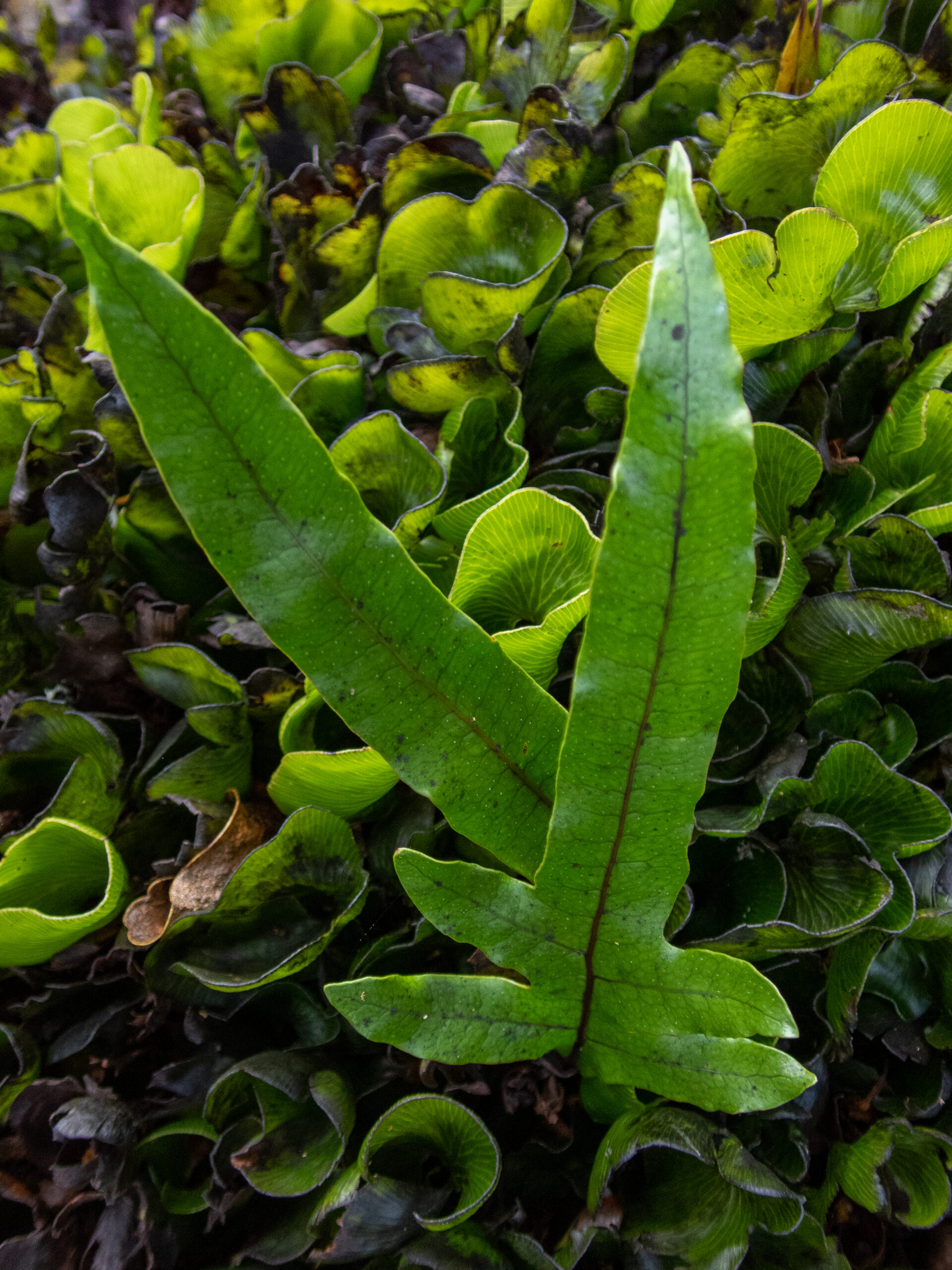
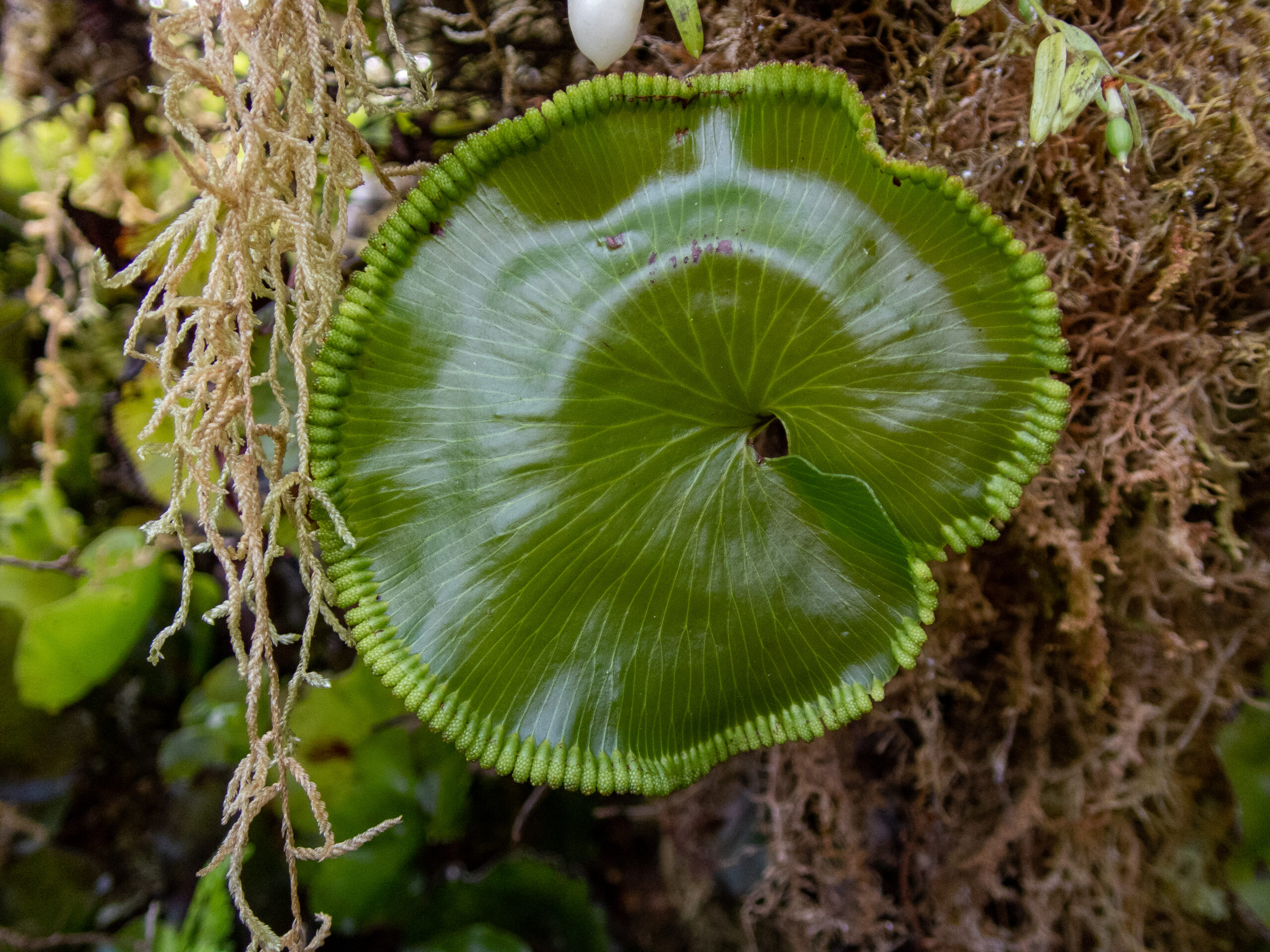
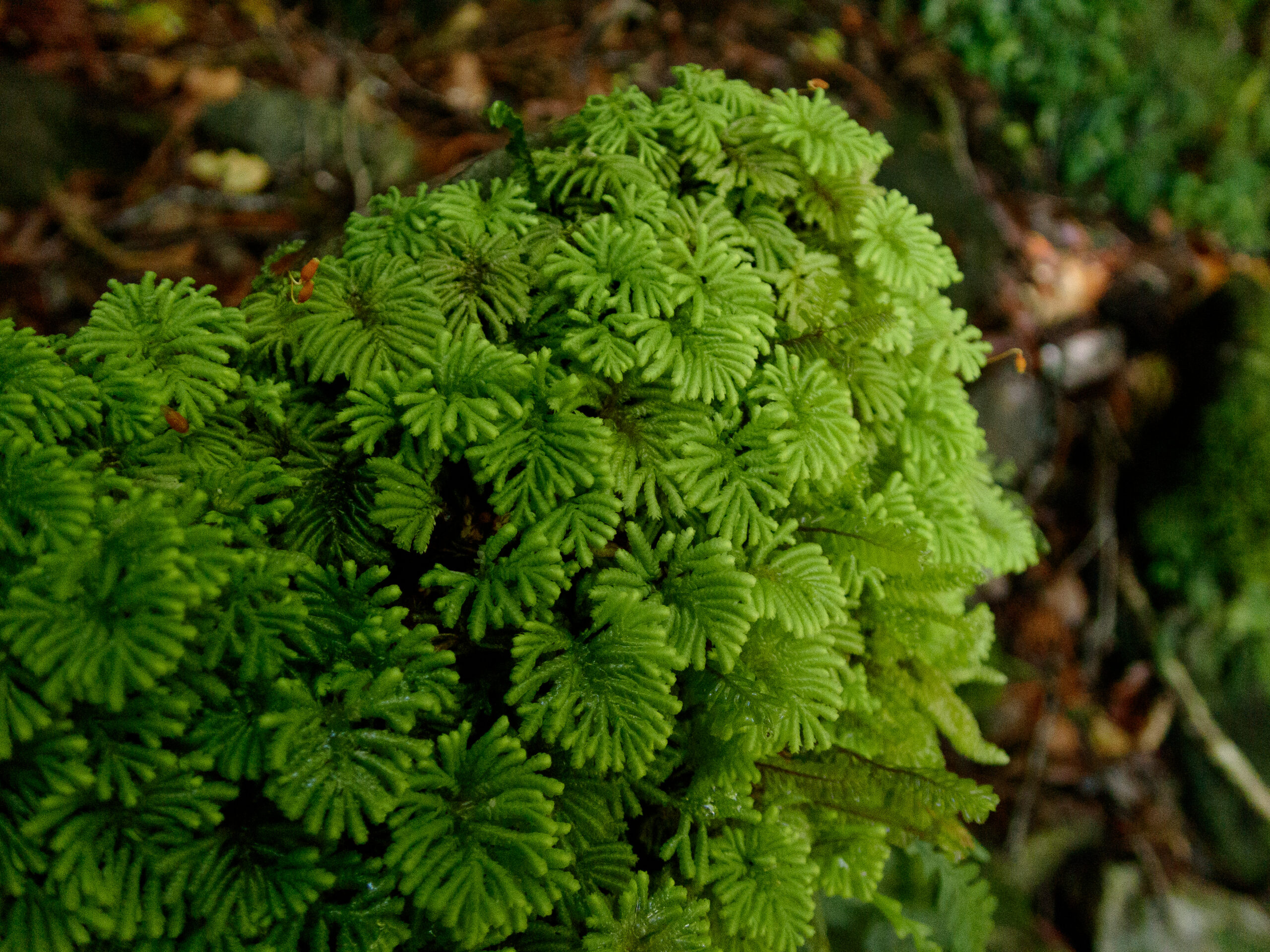
The Audrey Hepburn of the plant world – playful and elegant, both.
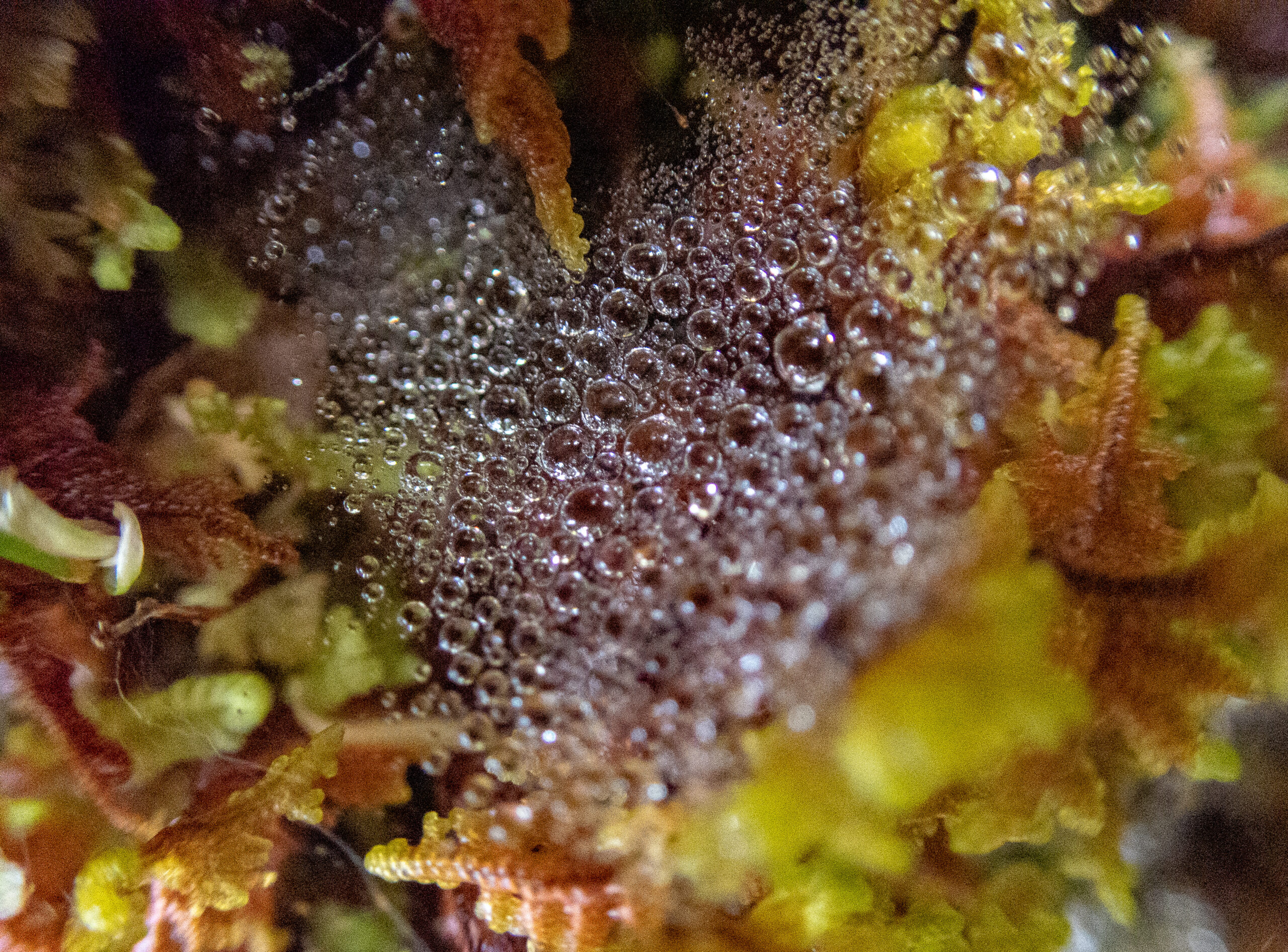
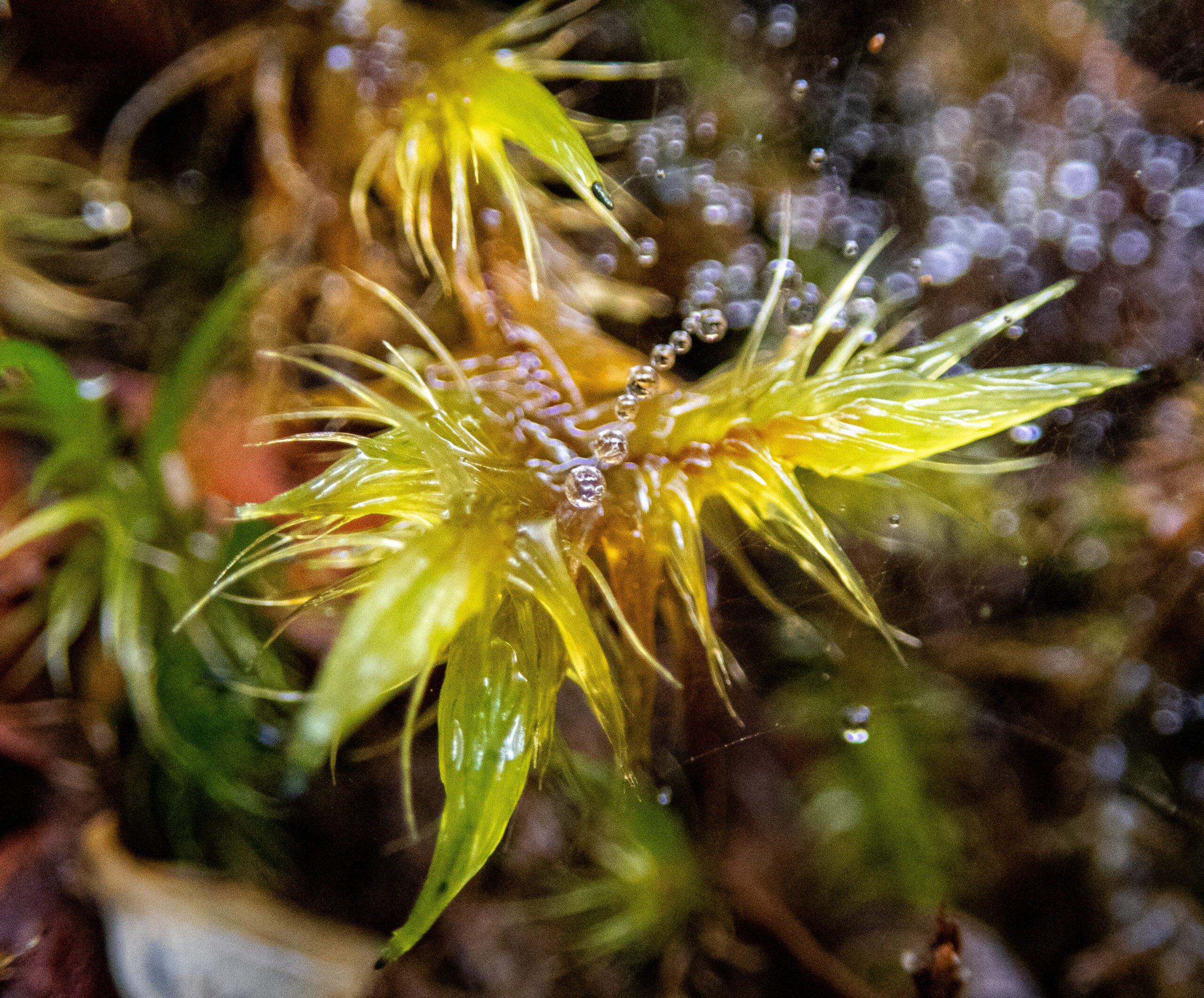
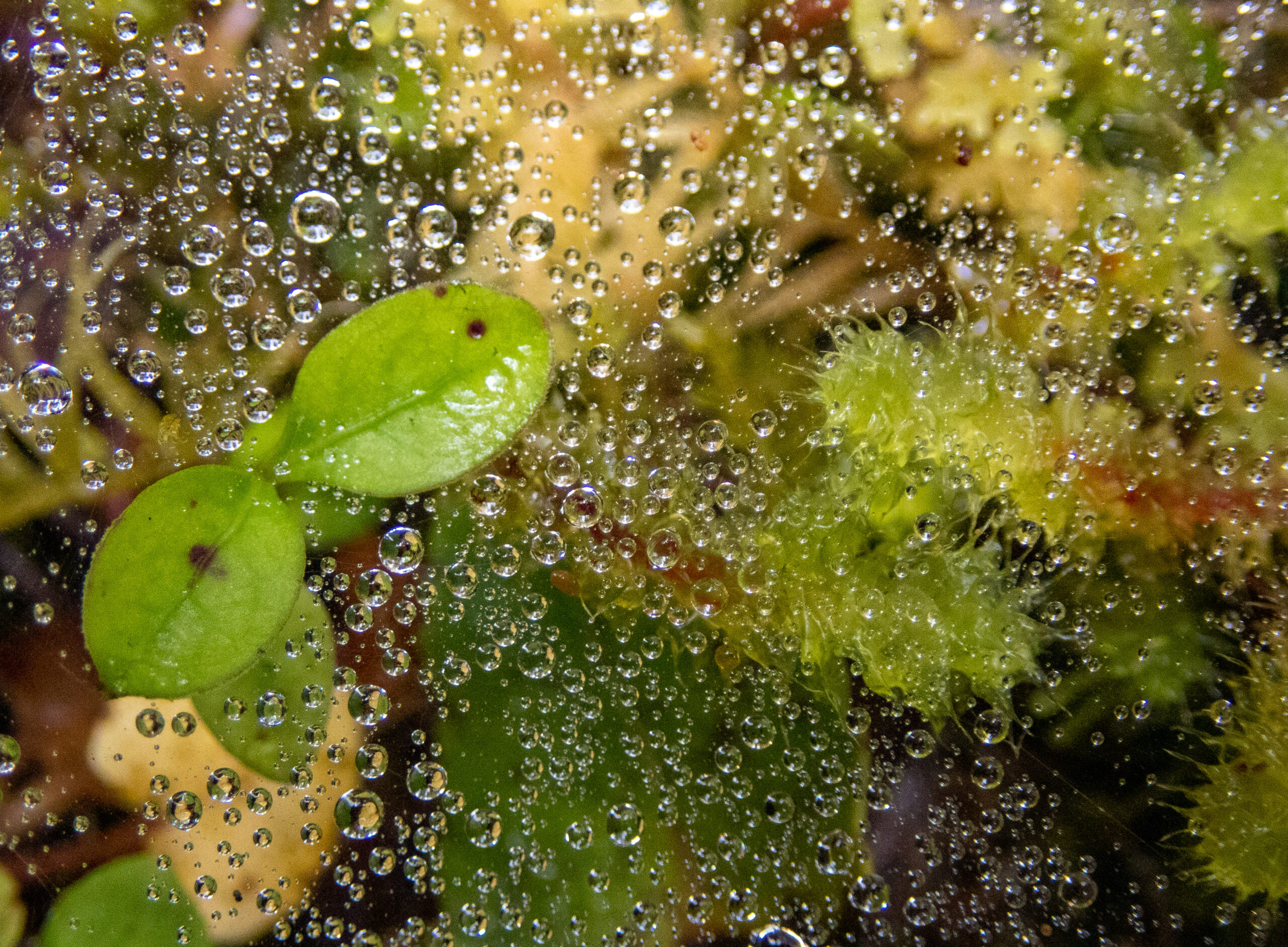
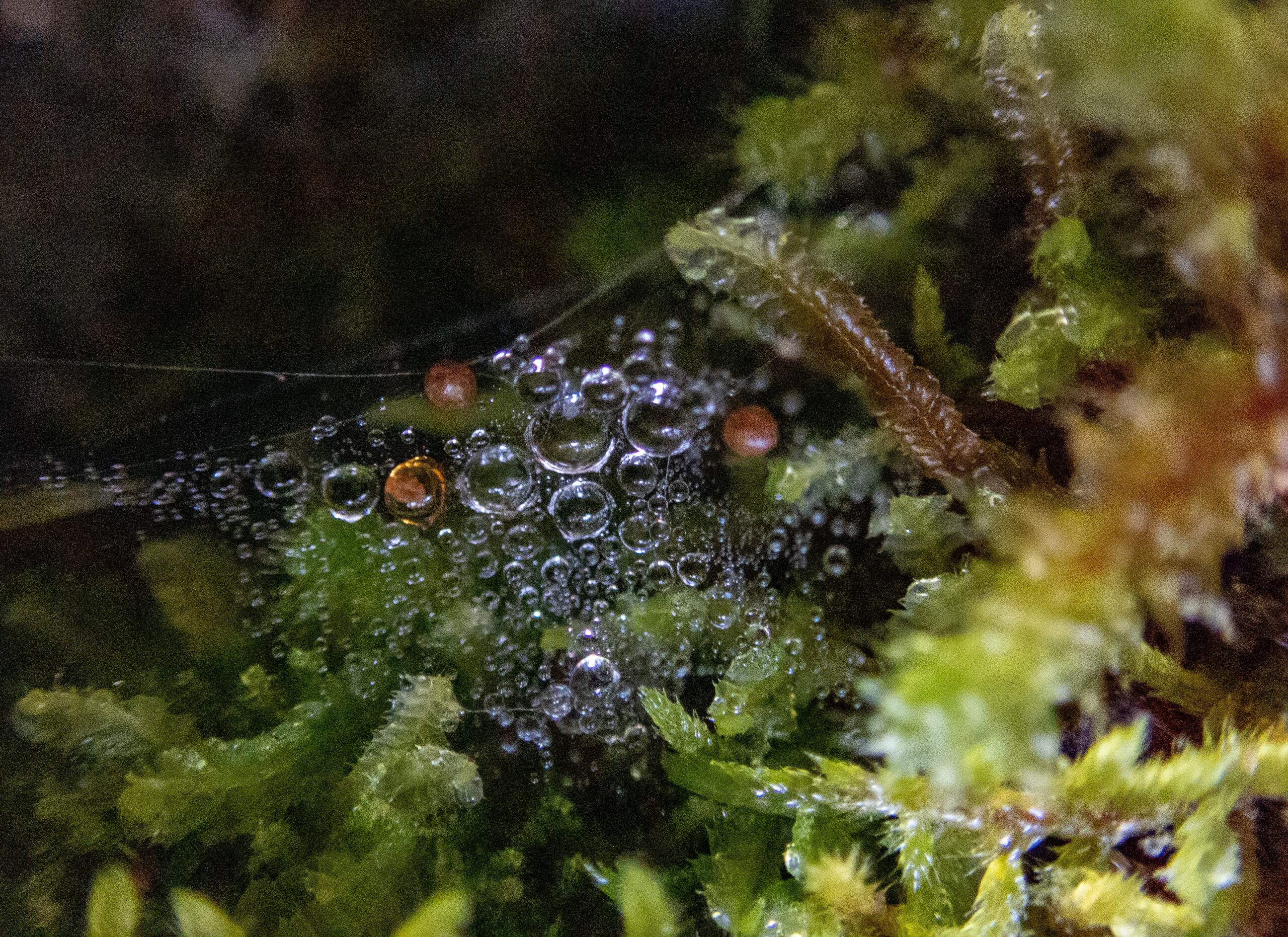
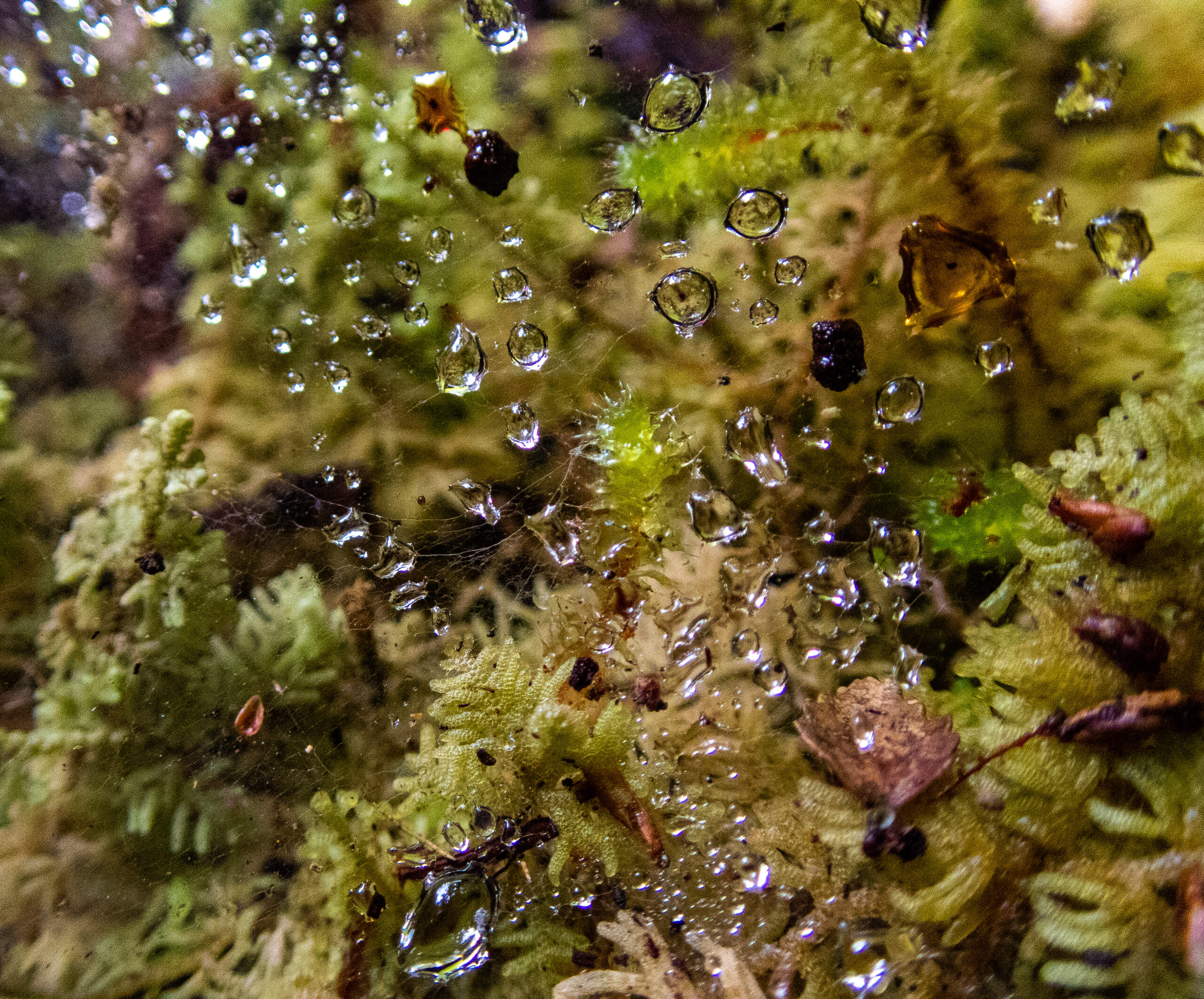
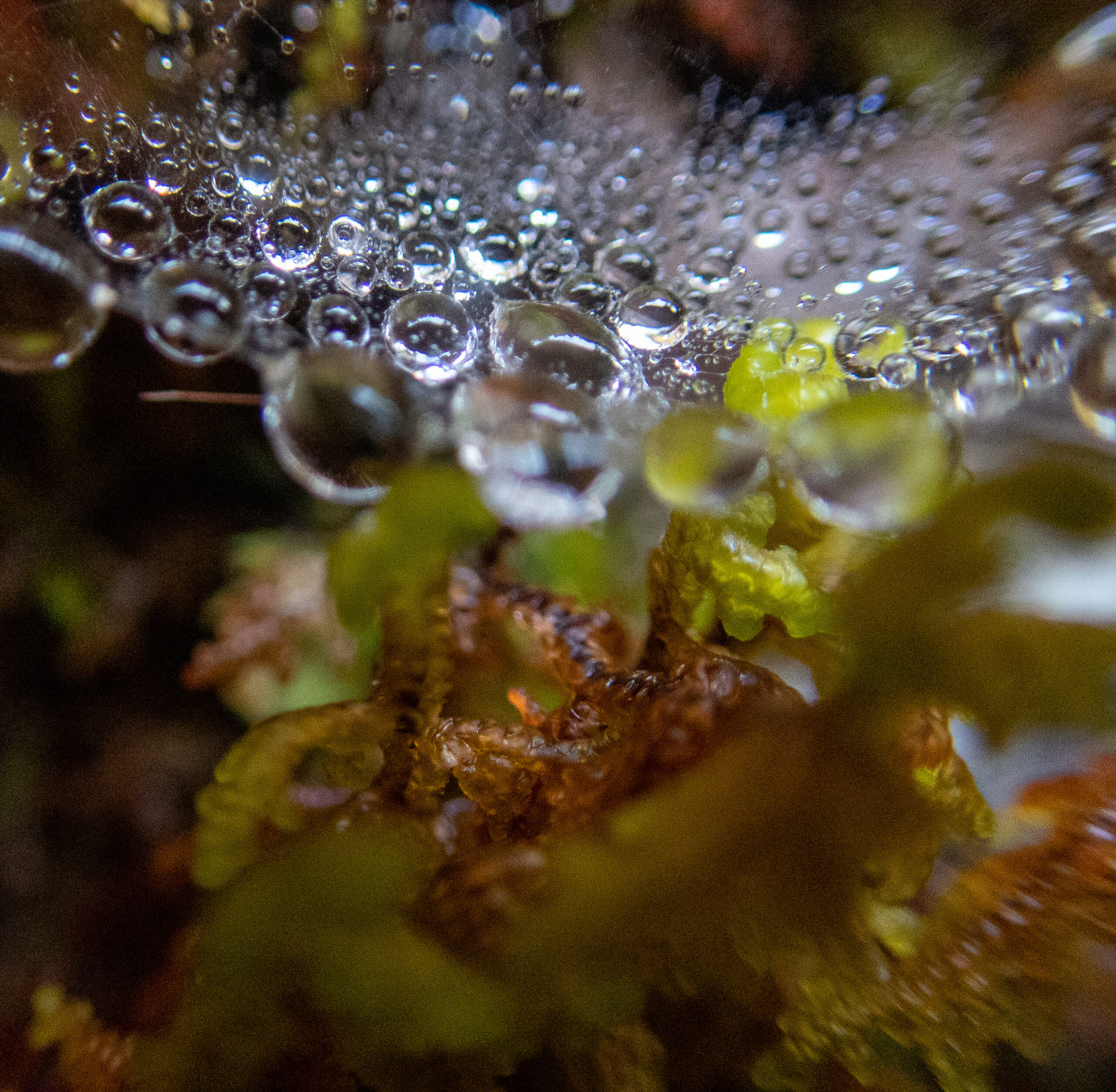
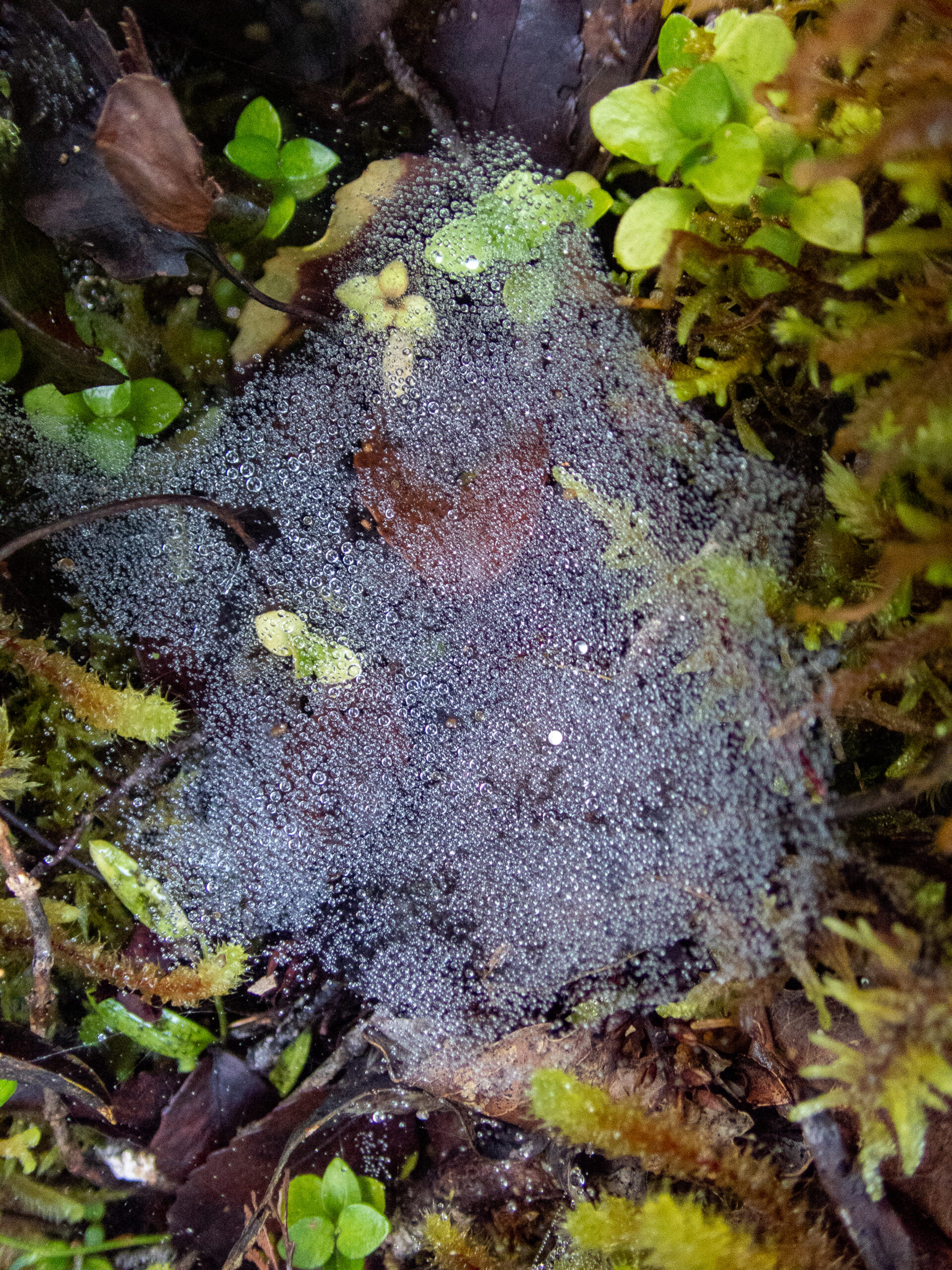
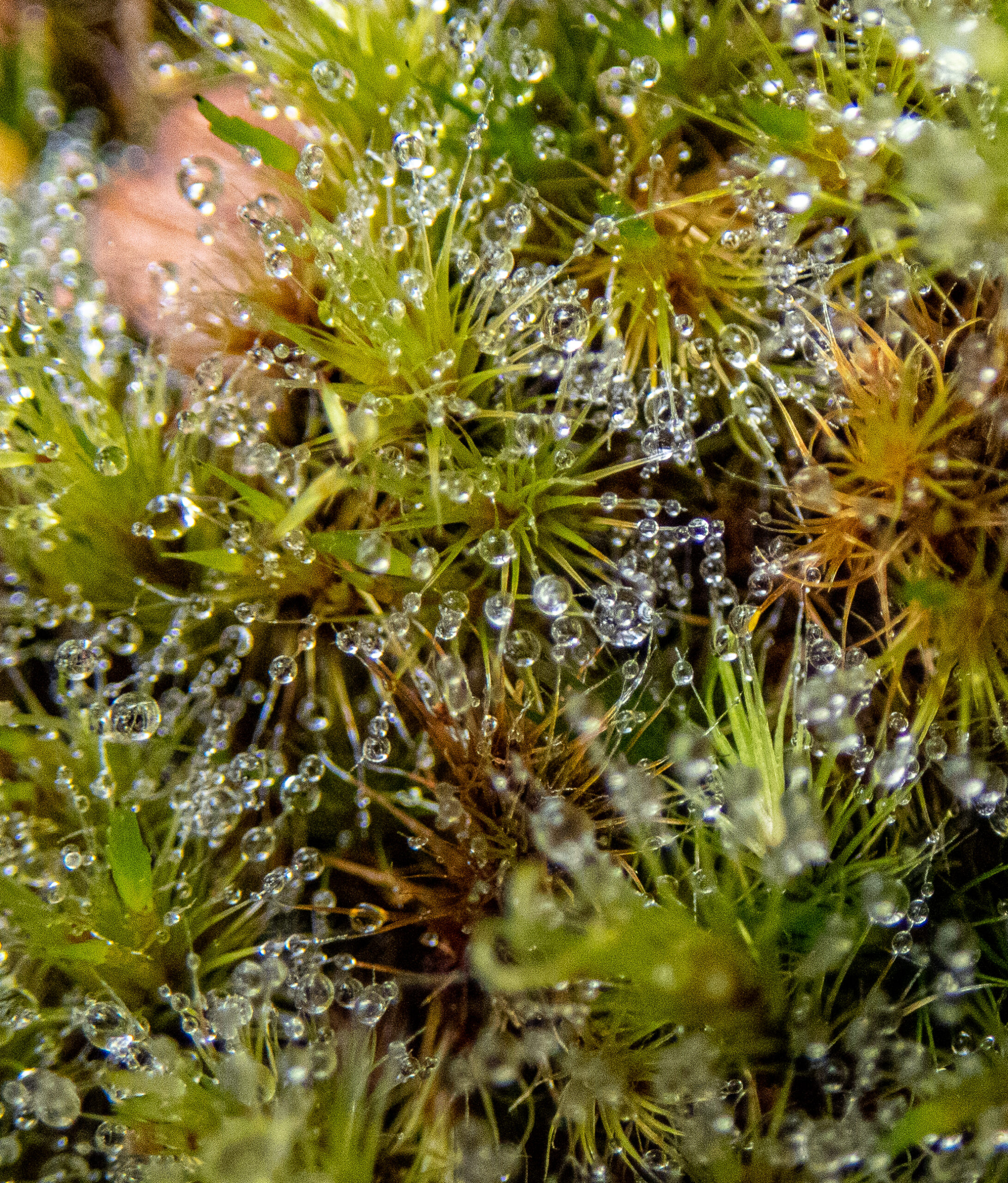
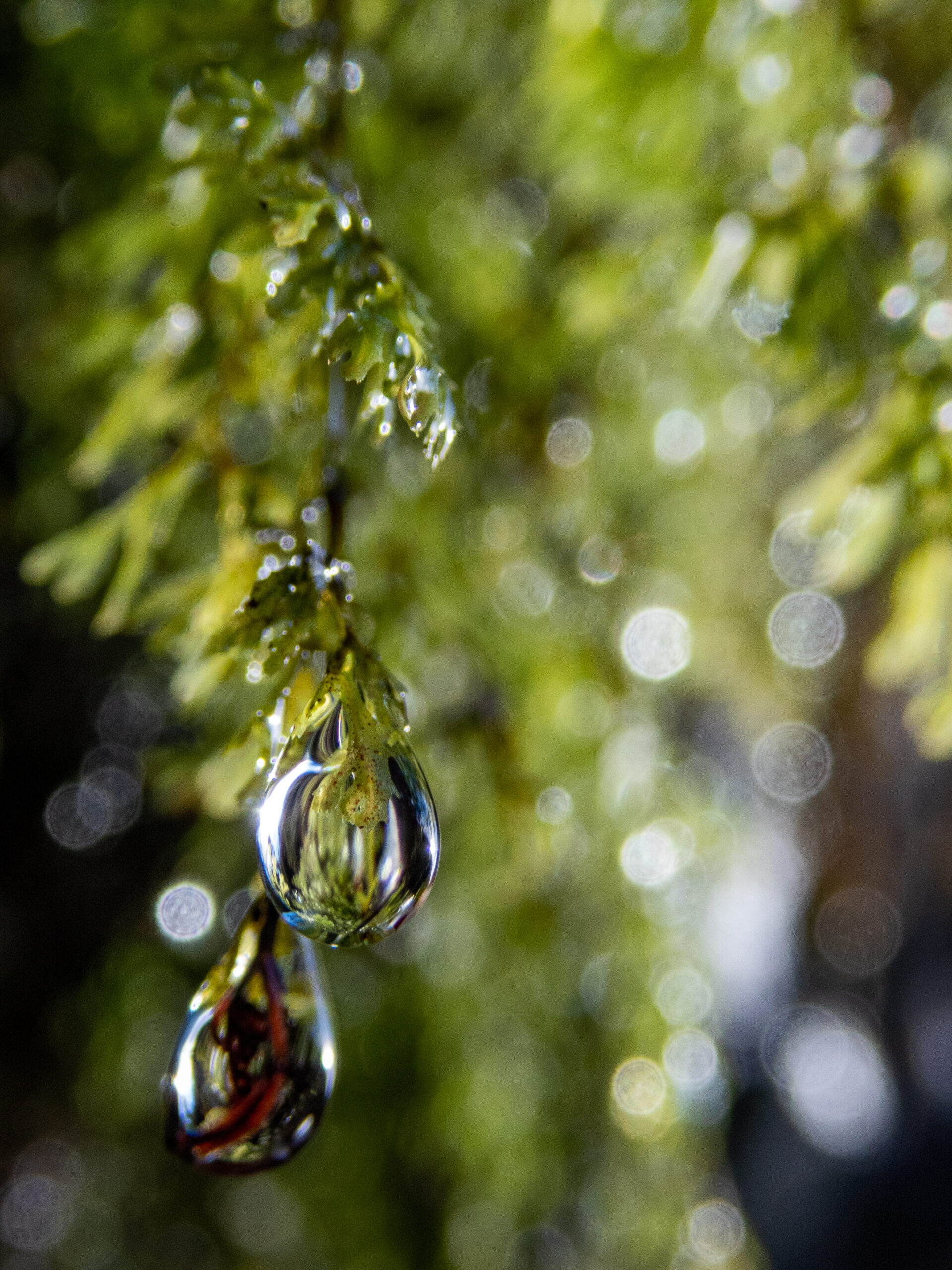
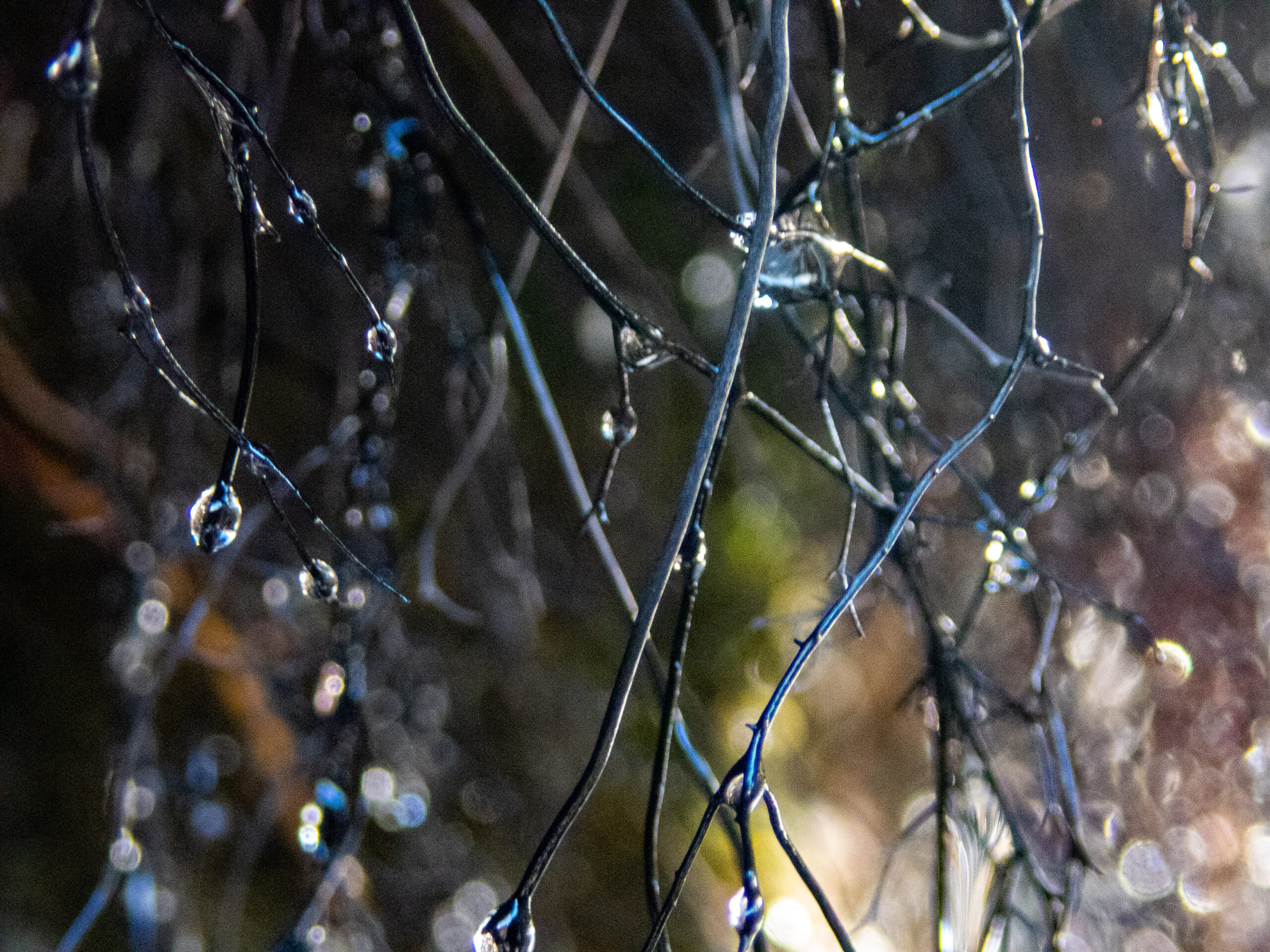
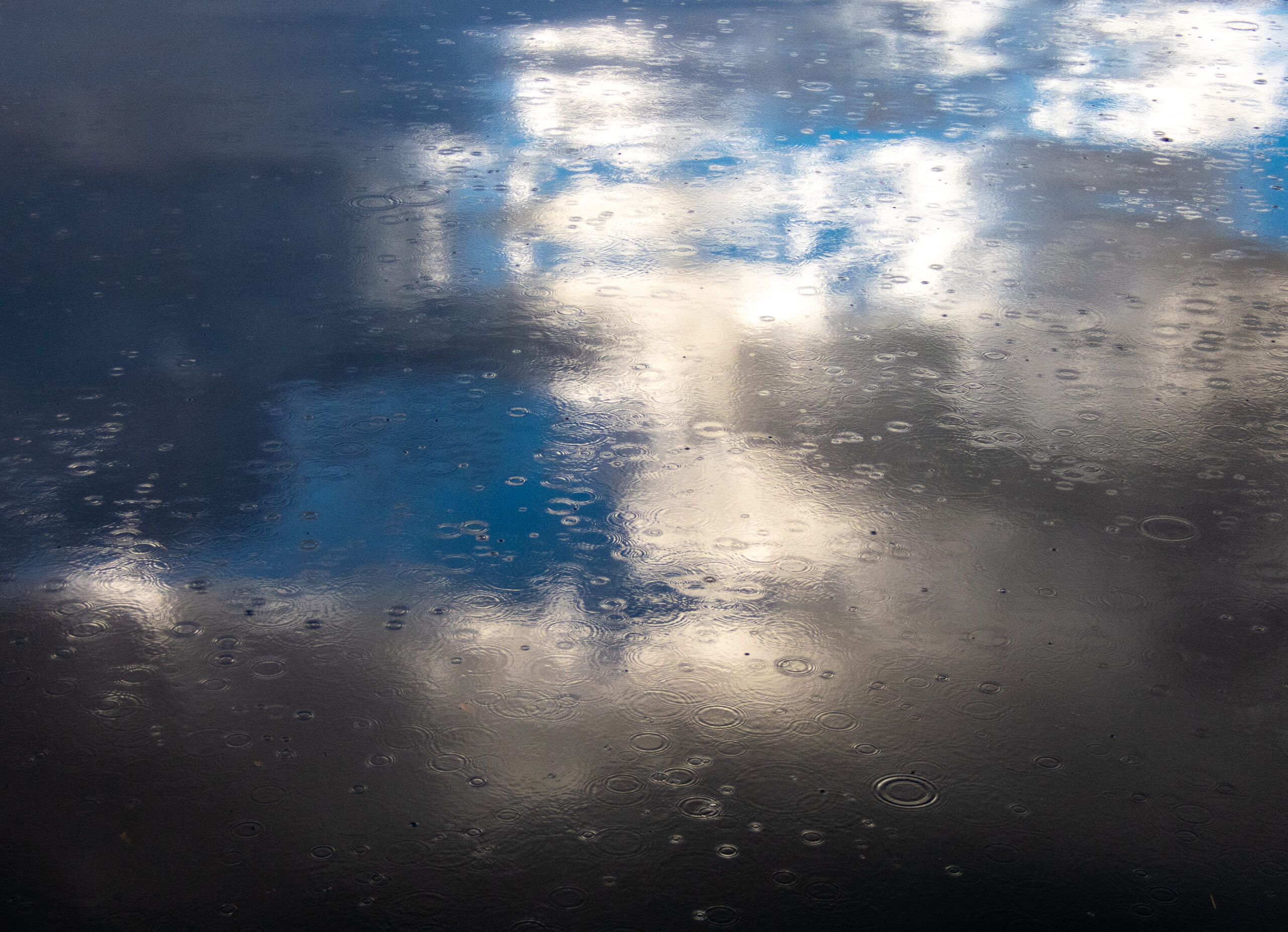
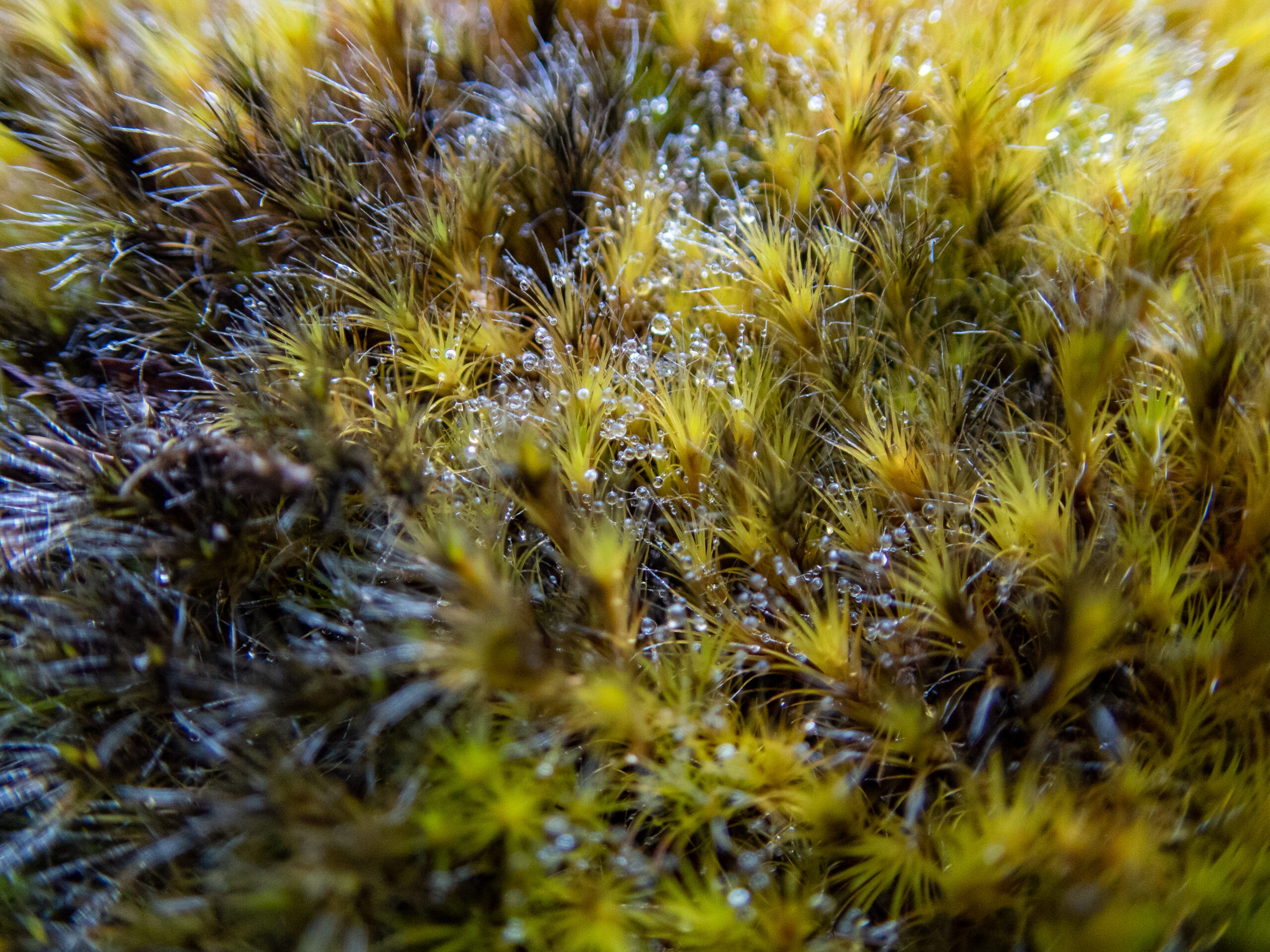
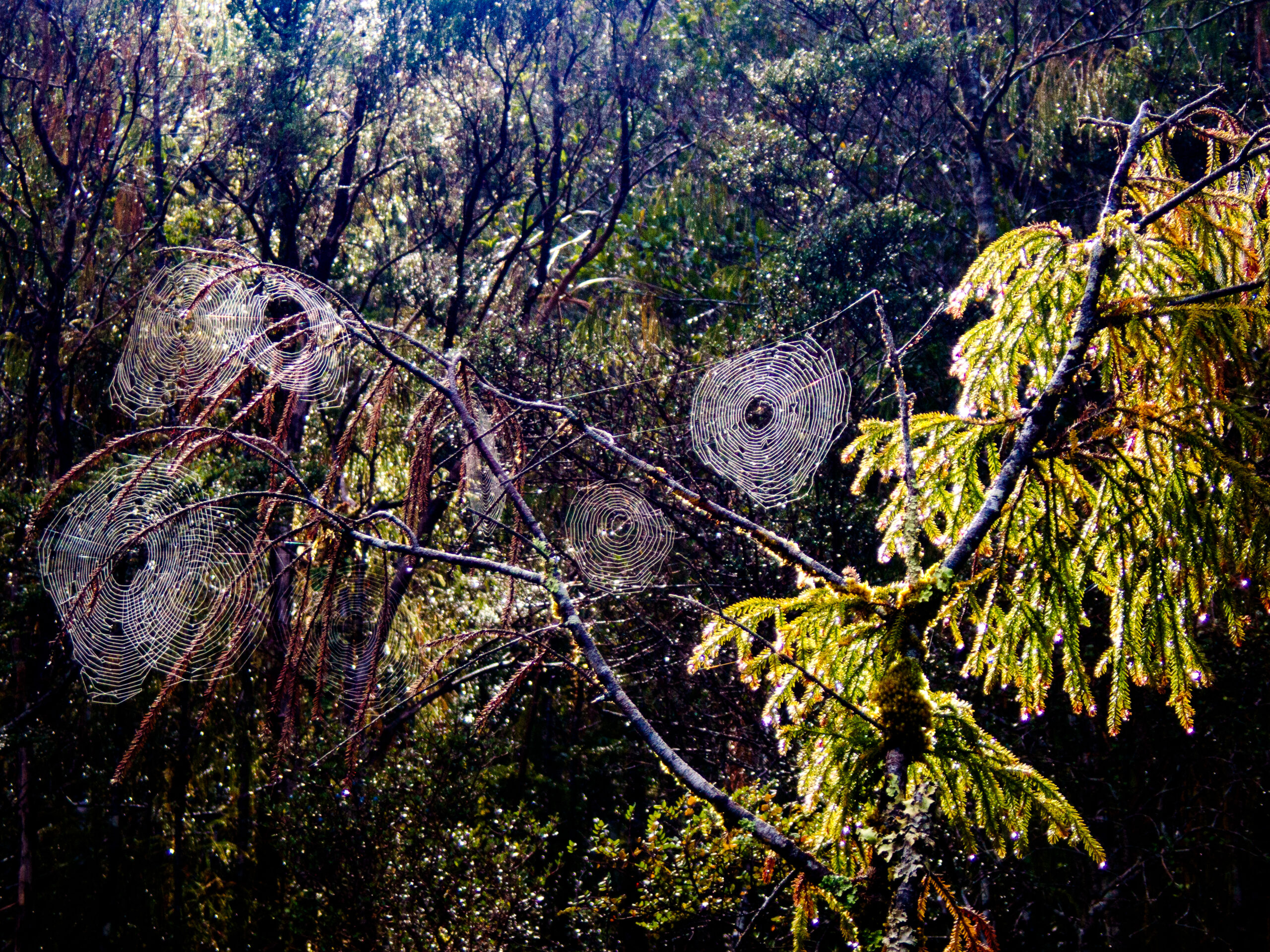
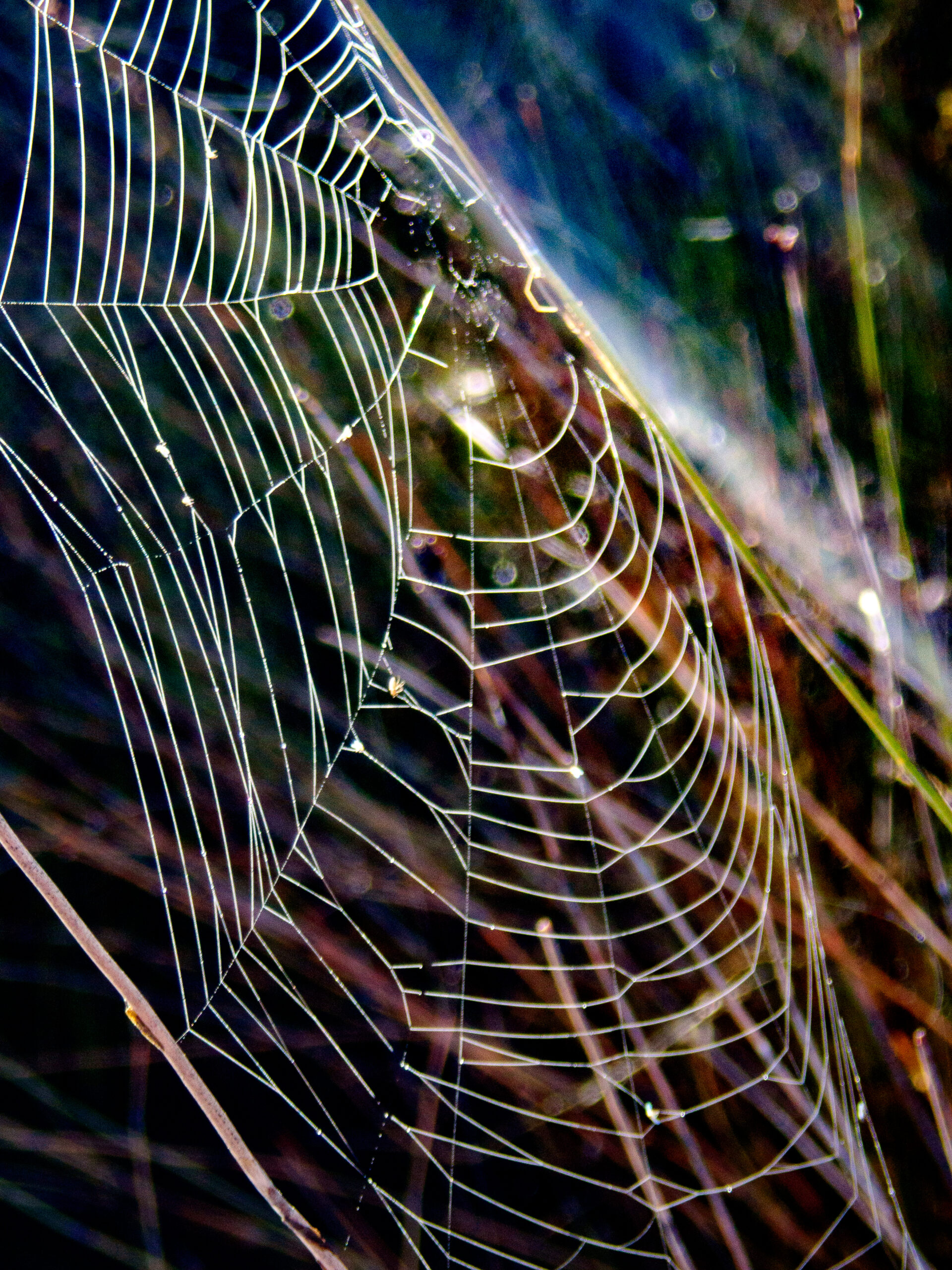
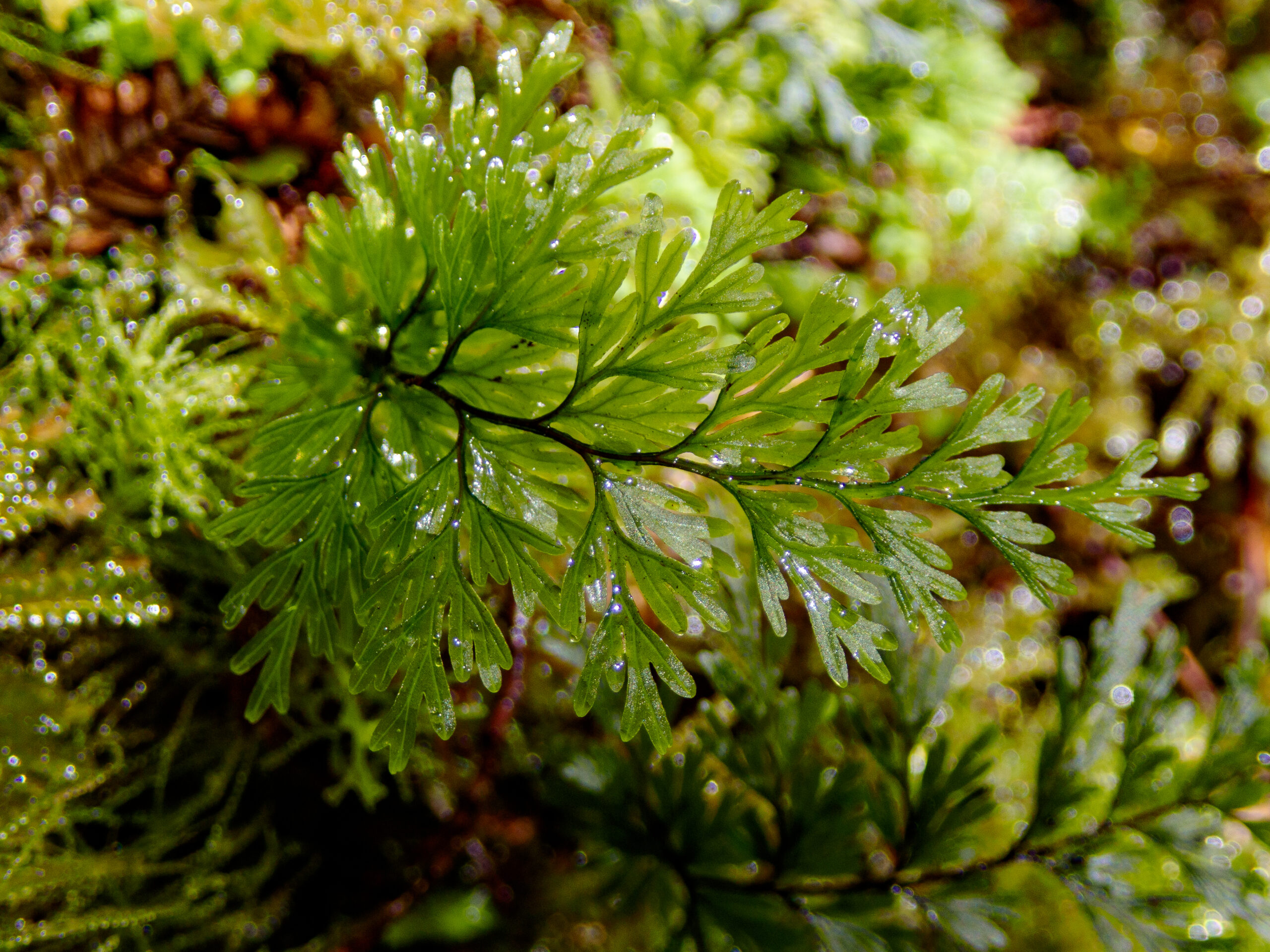
These little ‘webs’ of water droplets were everywhere!
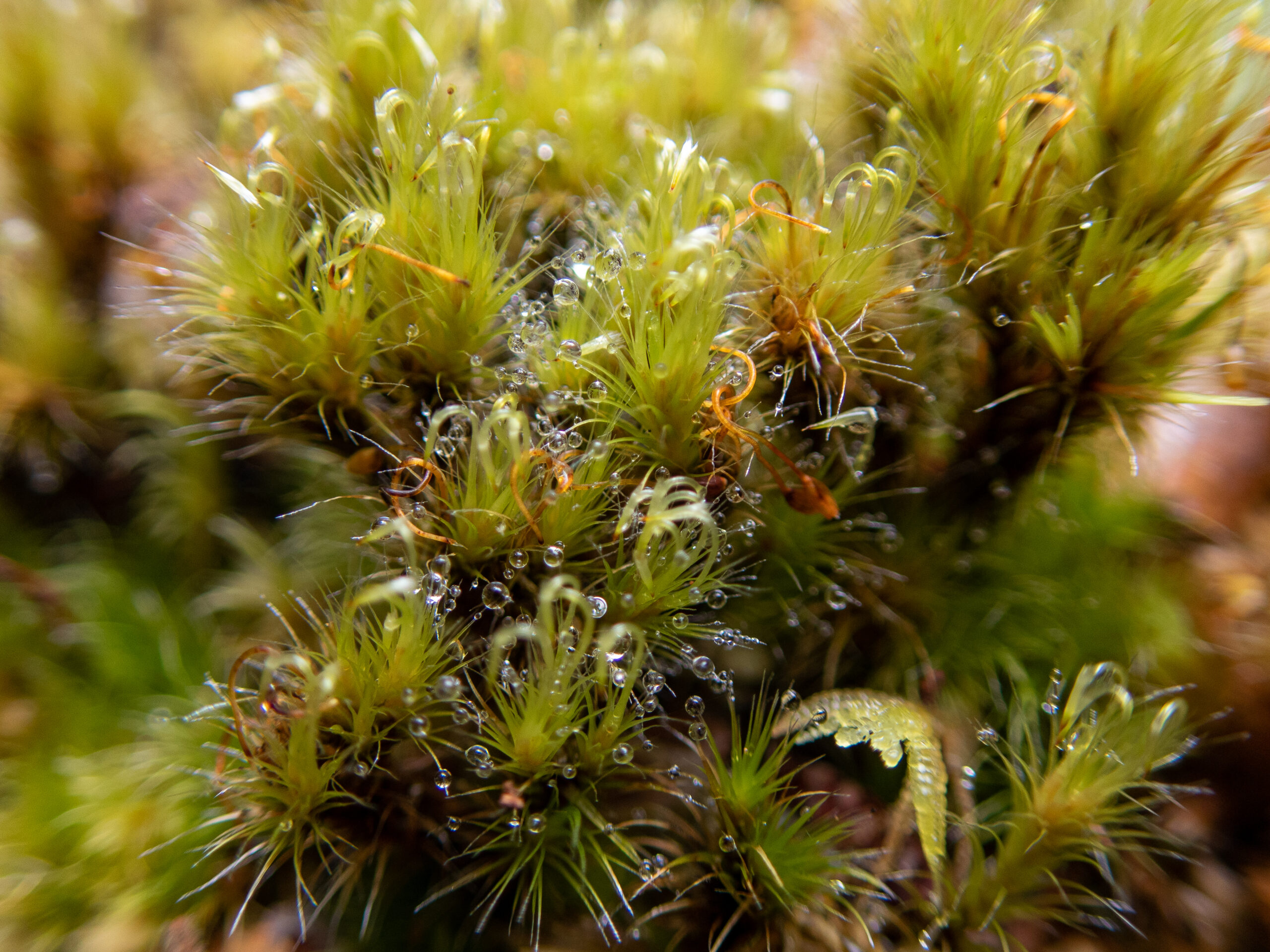
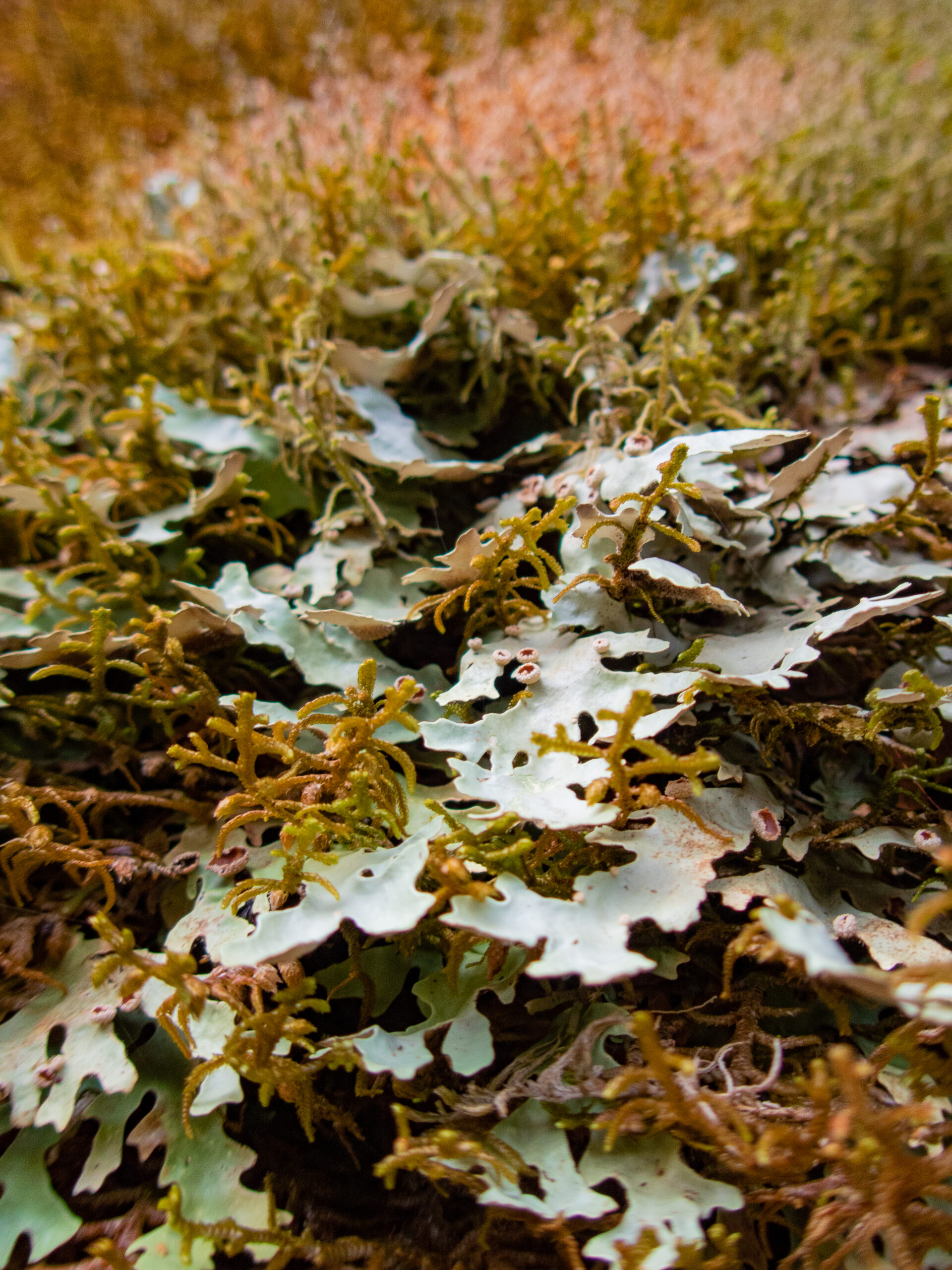
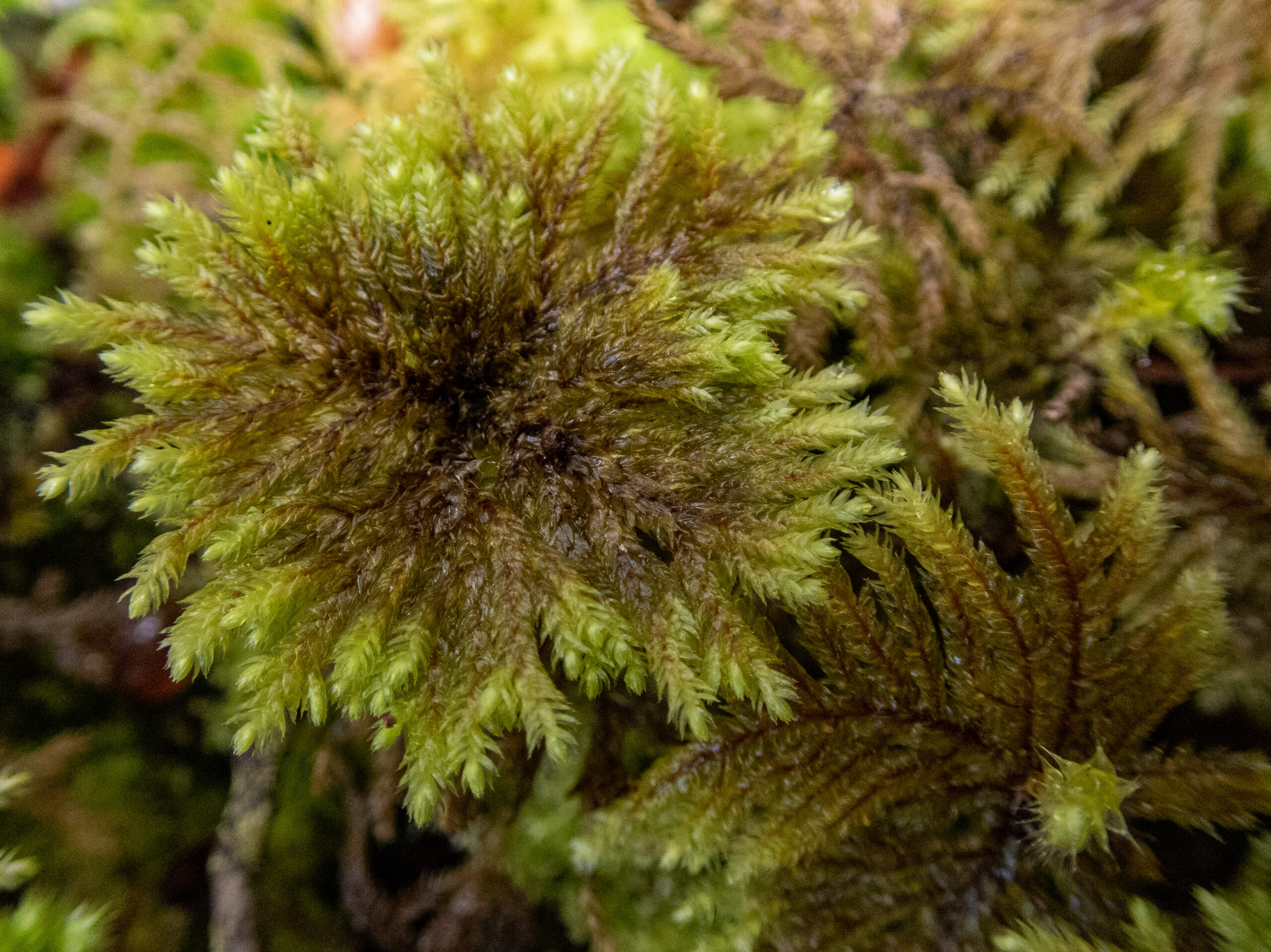
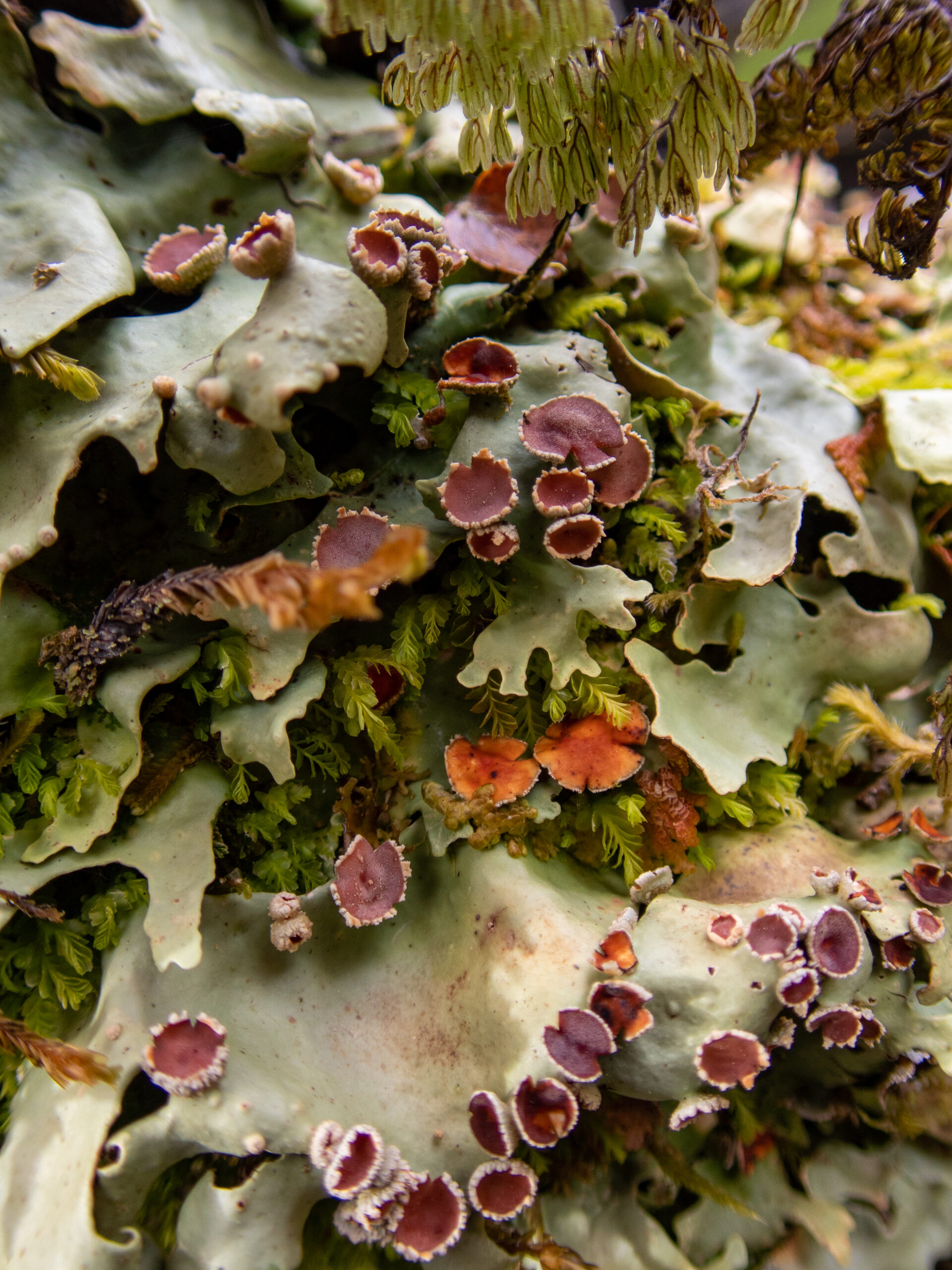
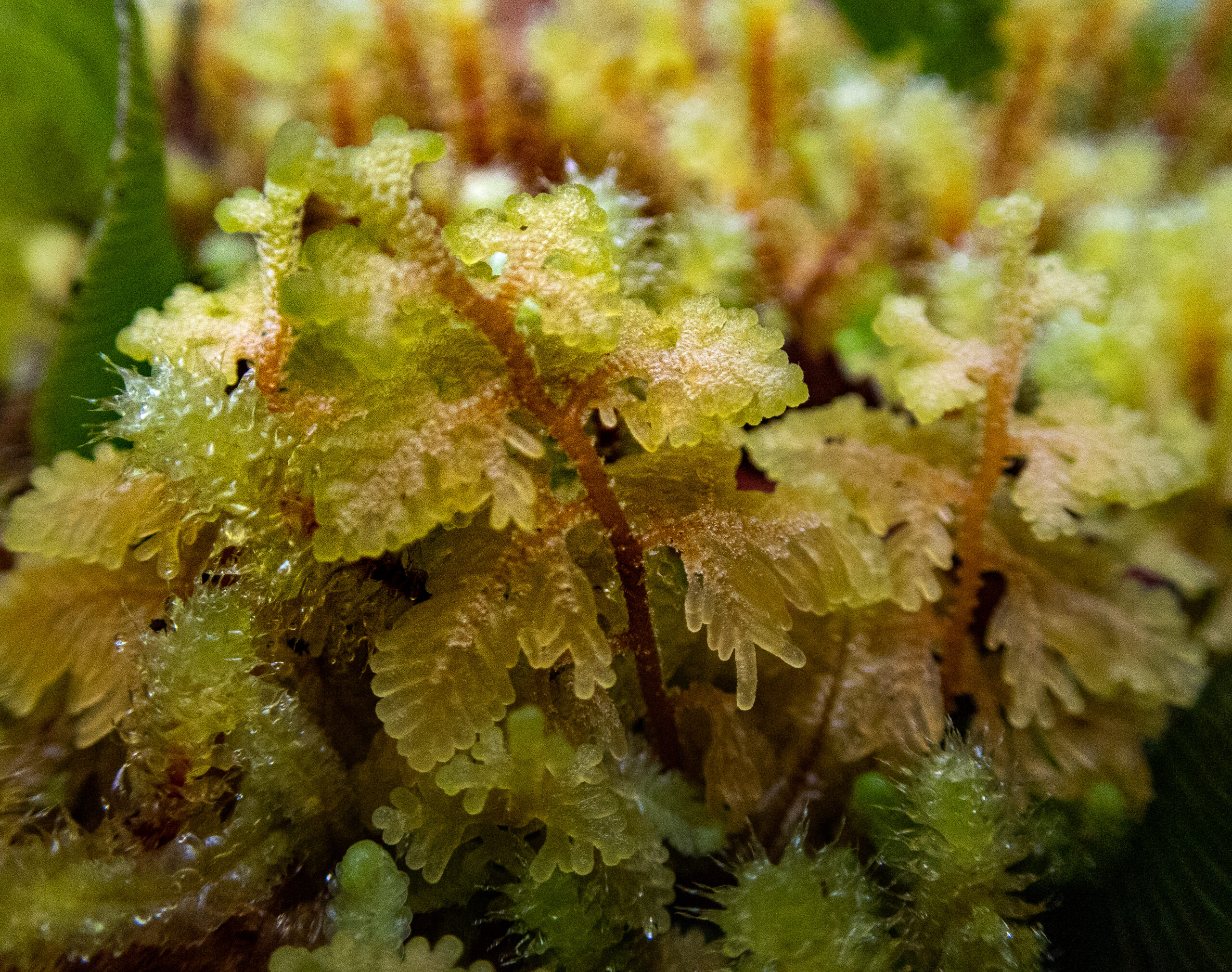
One version of an Umbrella Moss.This whole area had a playful feel about it. I took a million pics, very sprite like and Marcus had the good sense to keep track of how we were going to actually make our way back to Allora. Gratitude on all counts.Sticta Coronata.
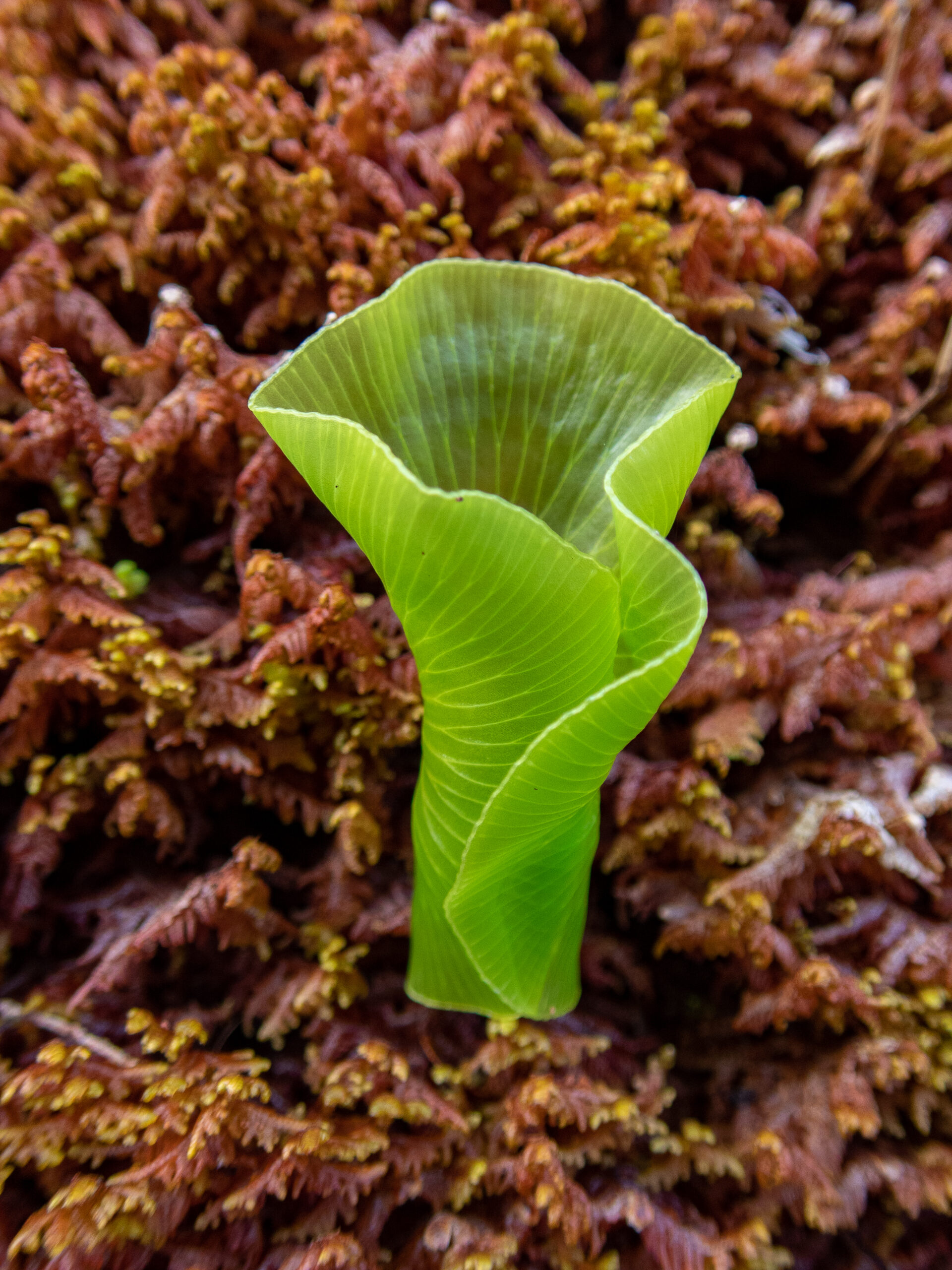
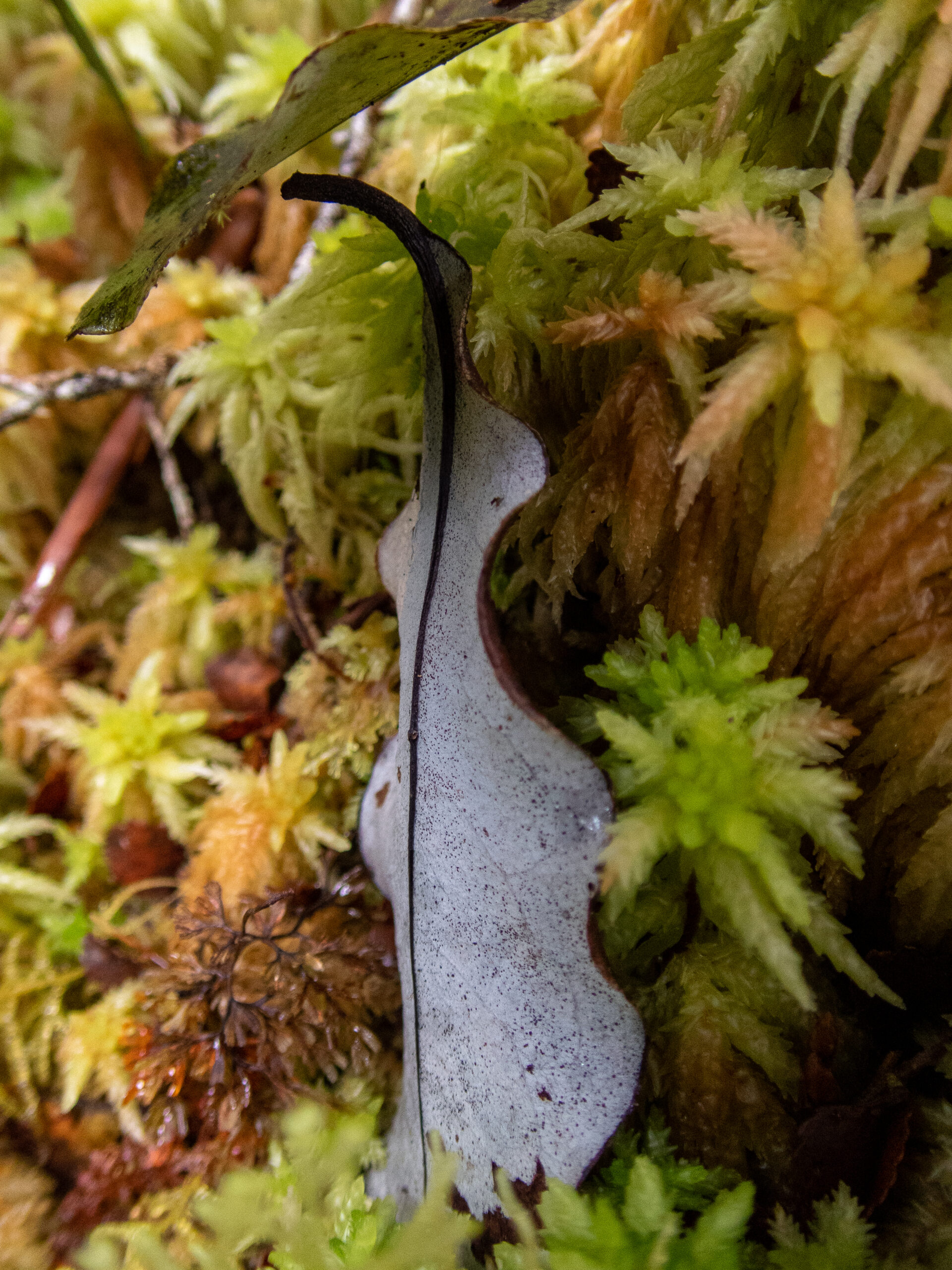
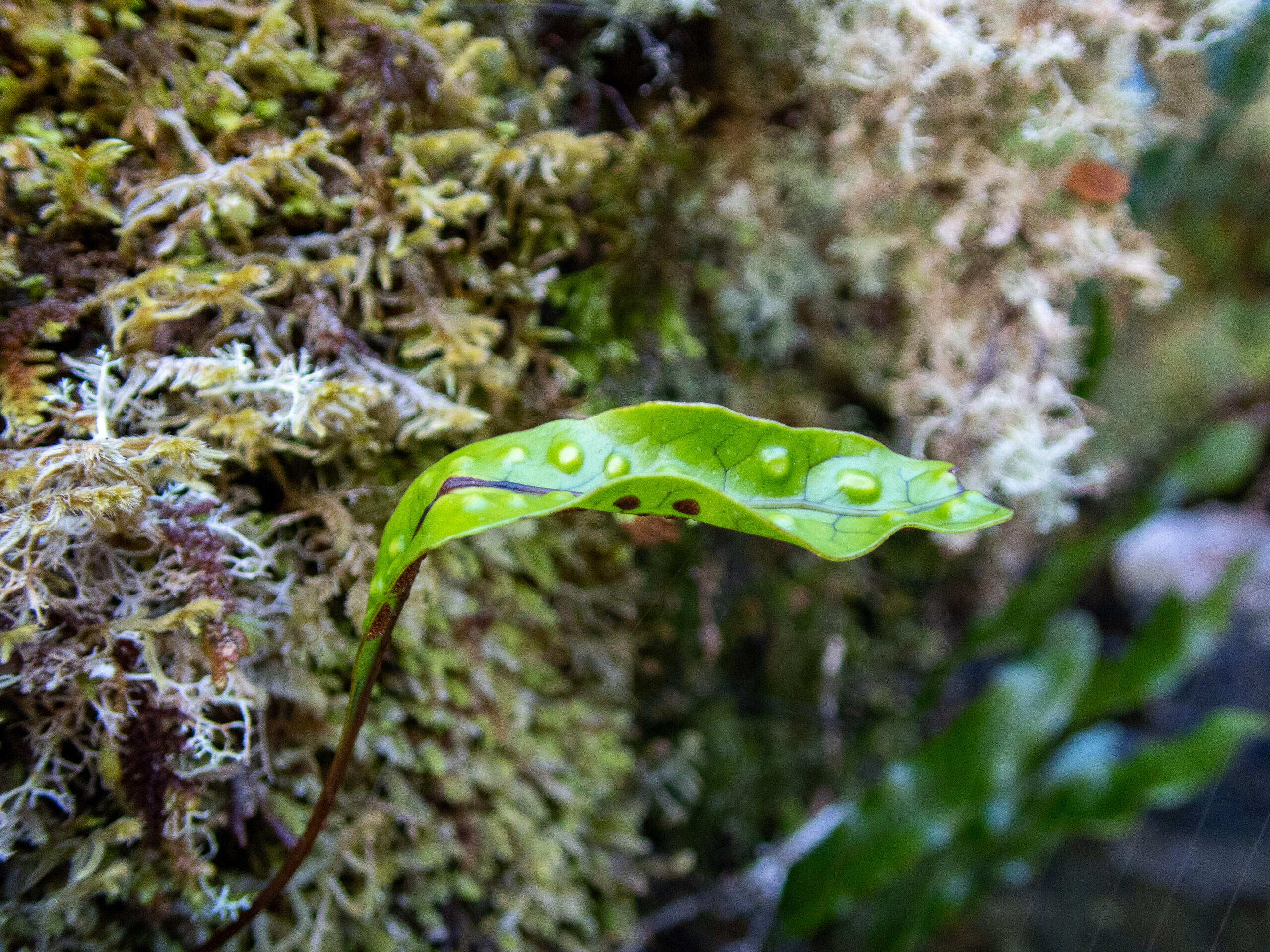
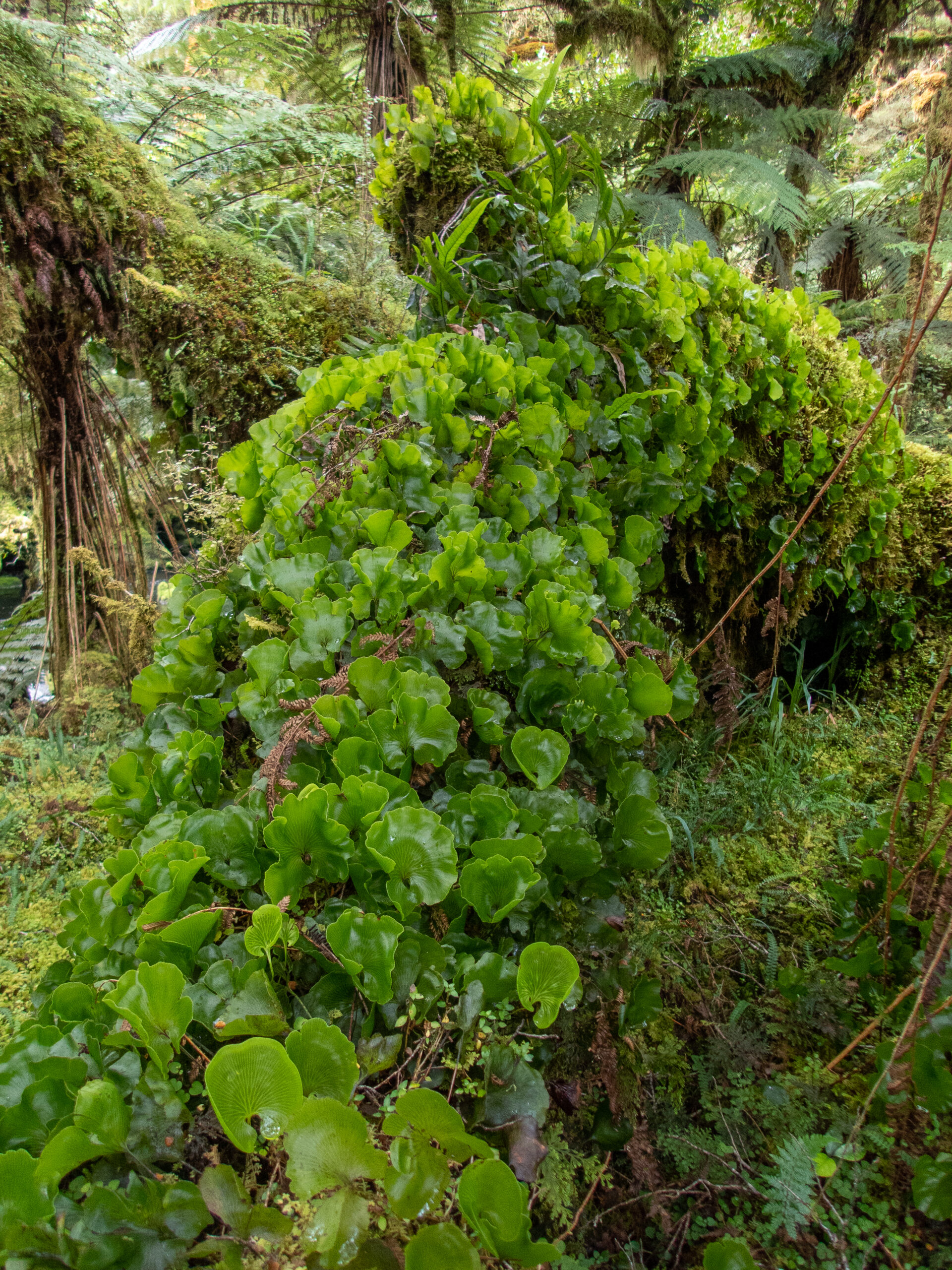
Dr. Seuss landA cello leaf.Peace.
NEED to put these in my INaturalist/ISeek app to find out what they are, besides so wonderful?!Clever seed design!
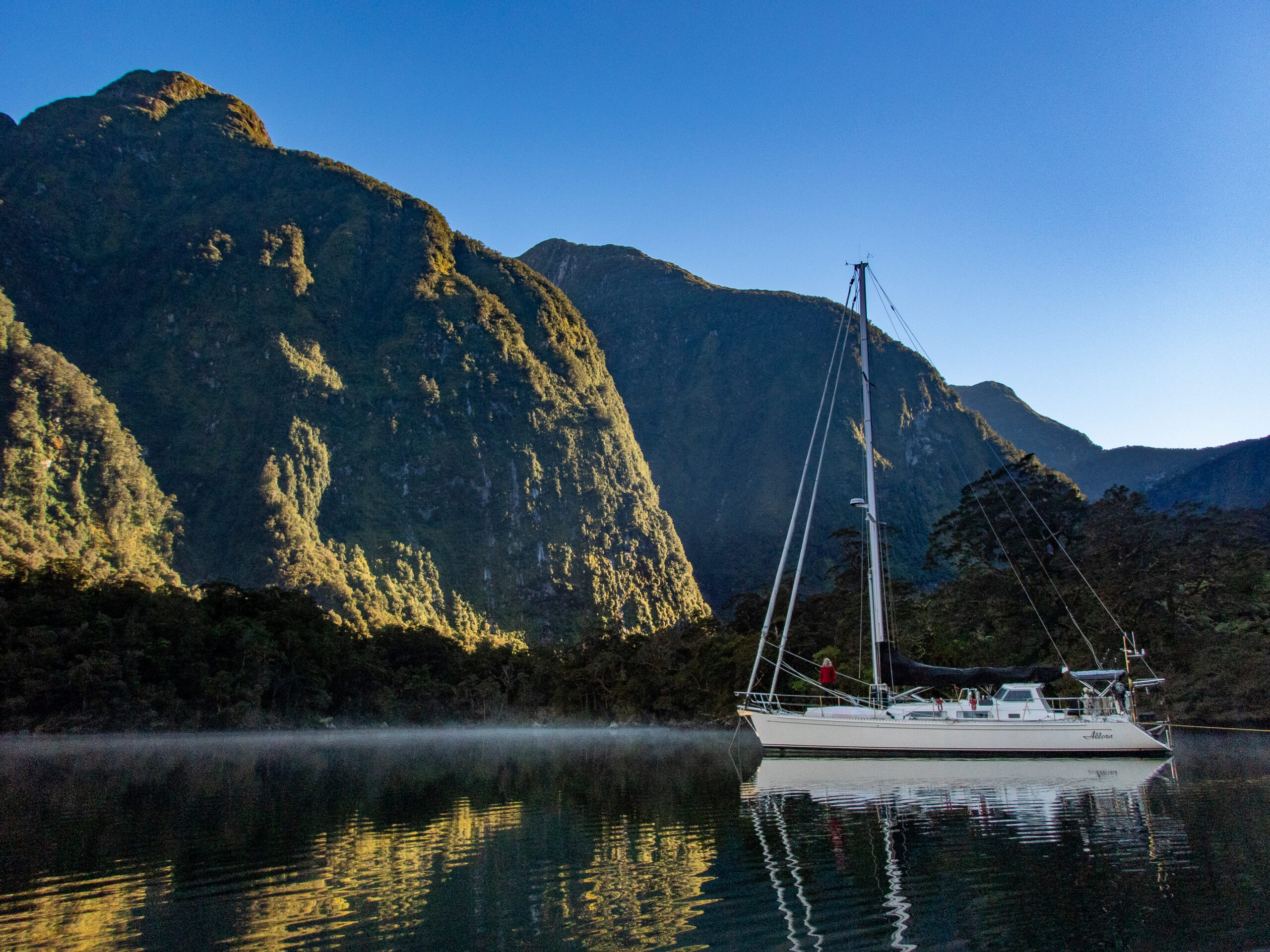
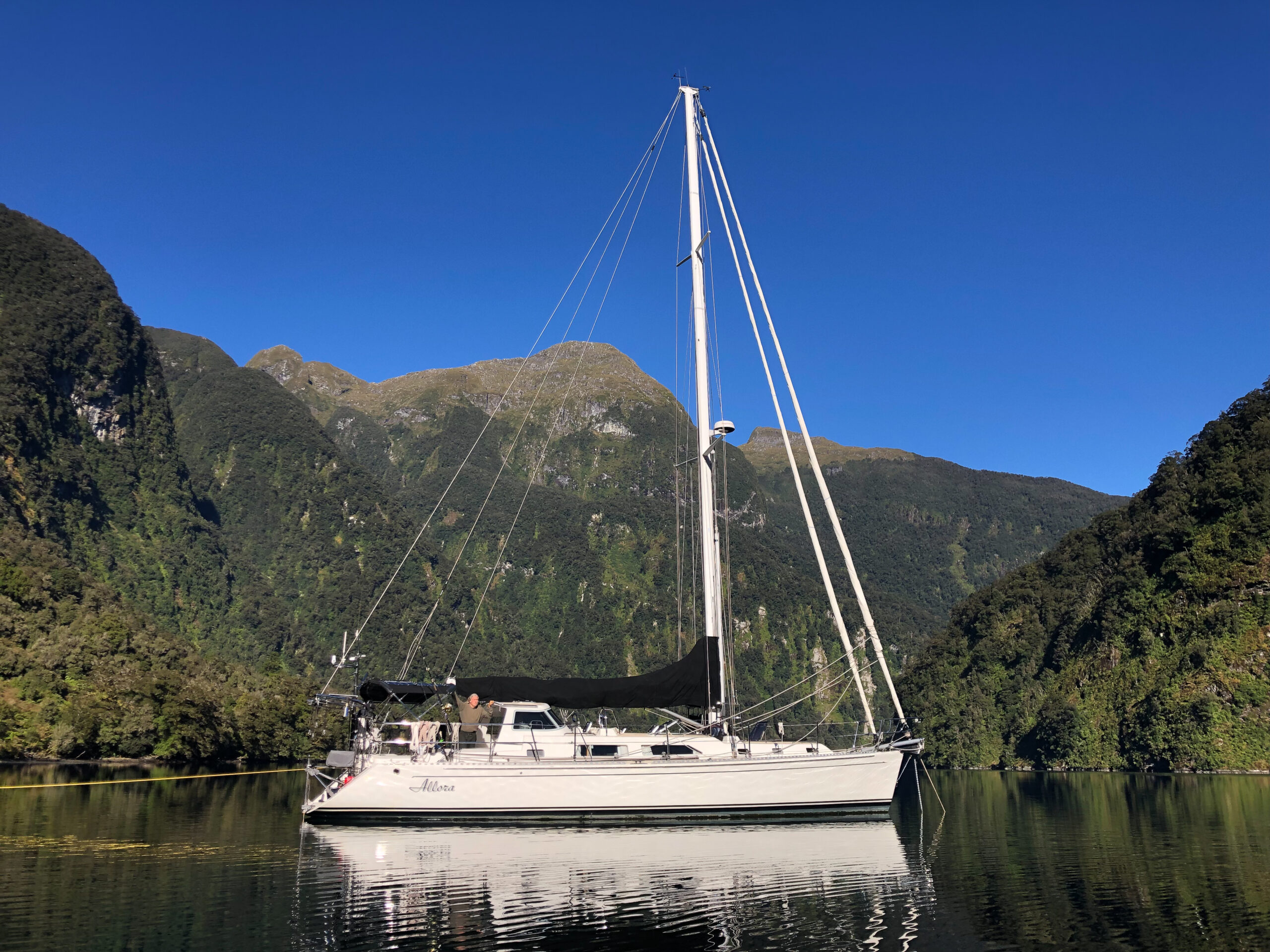
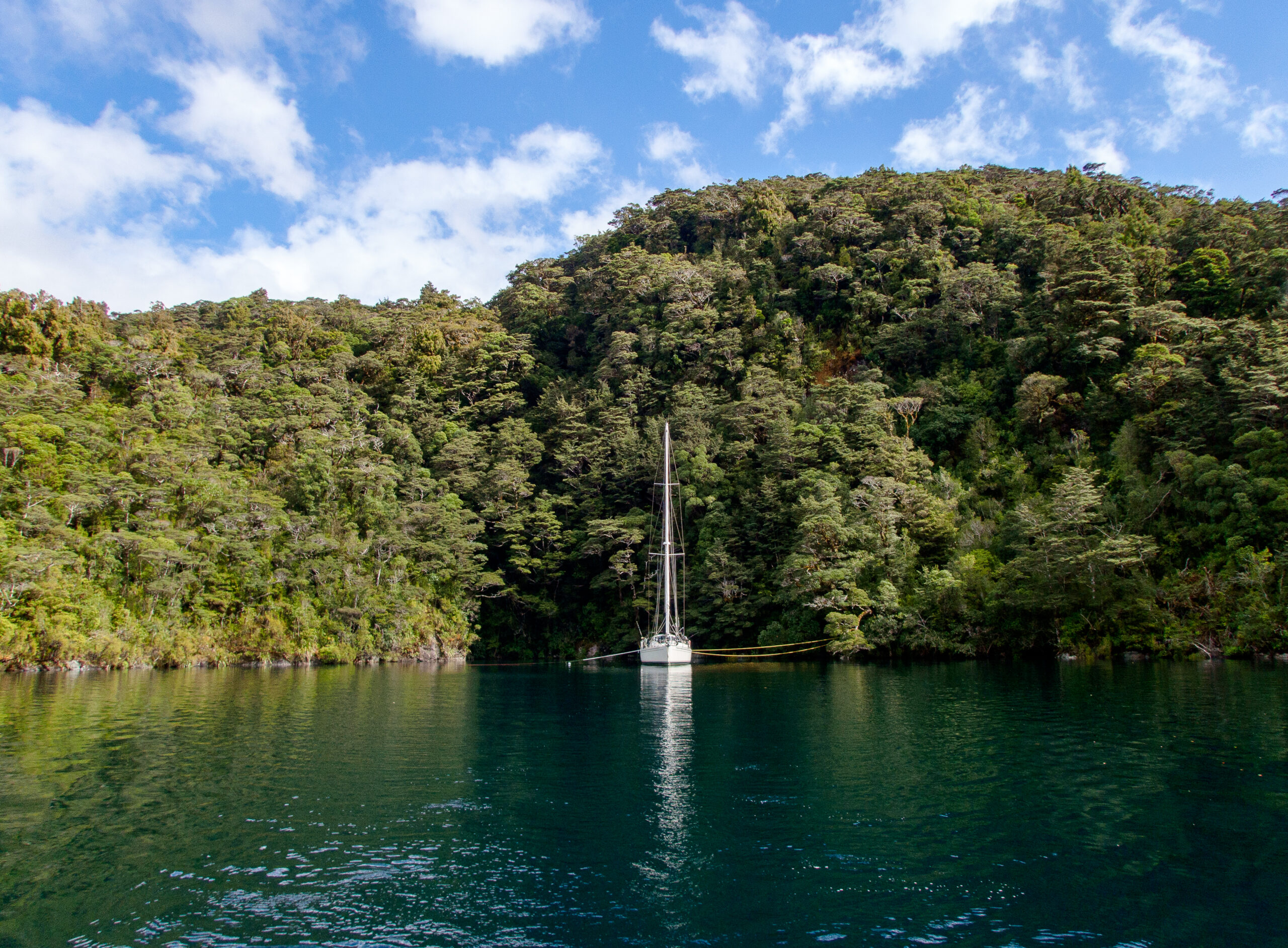
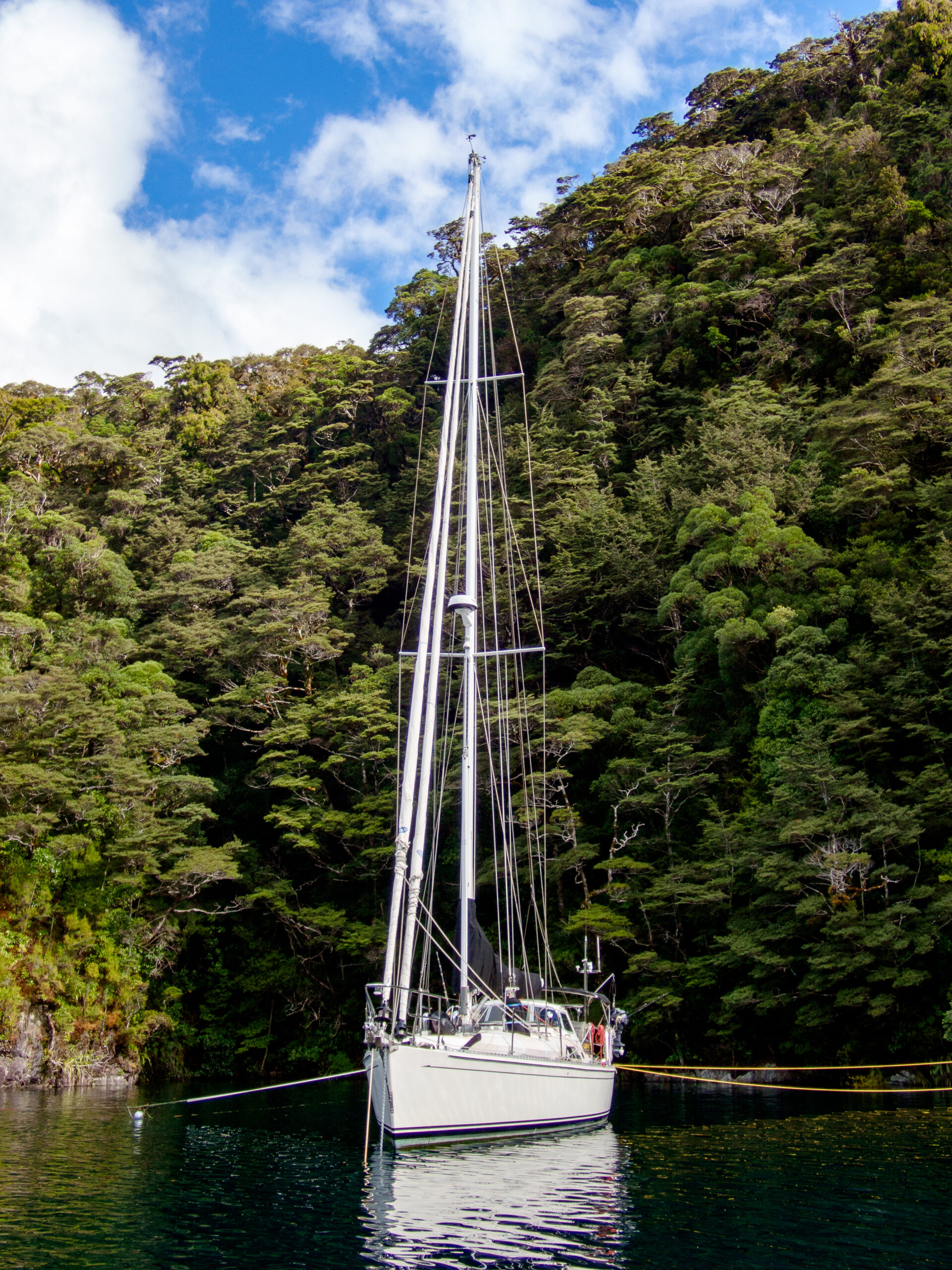
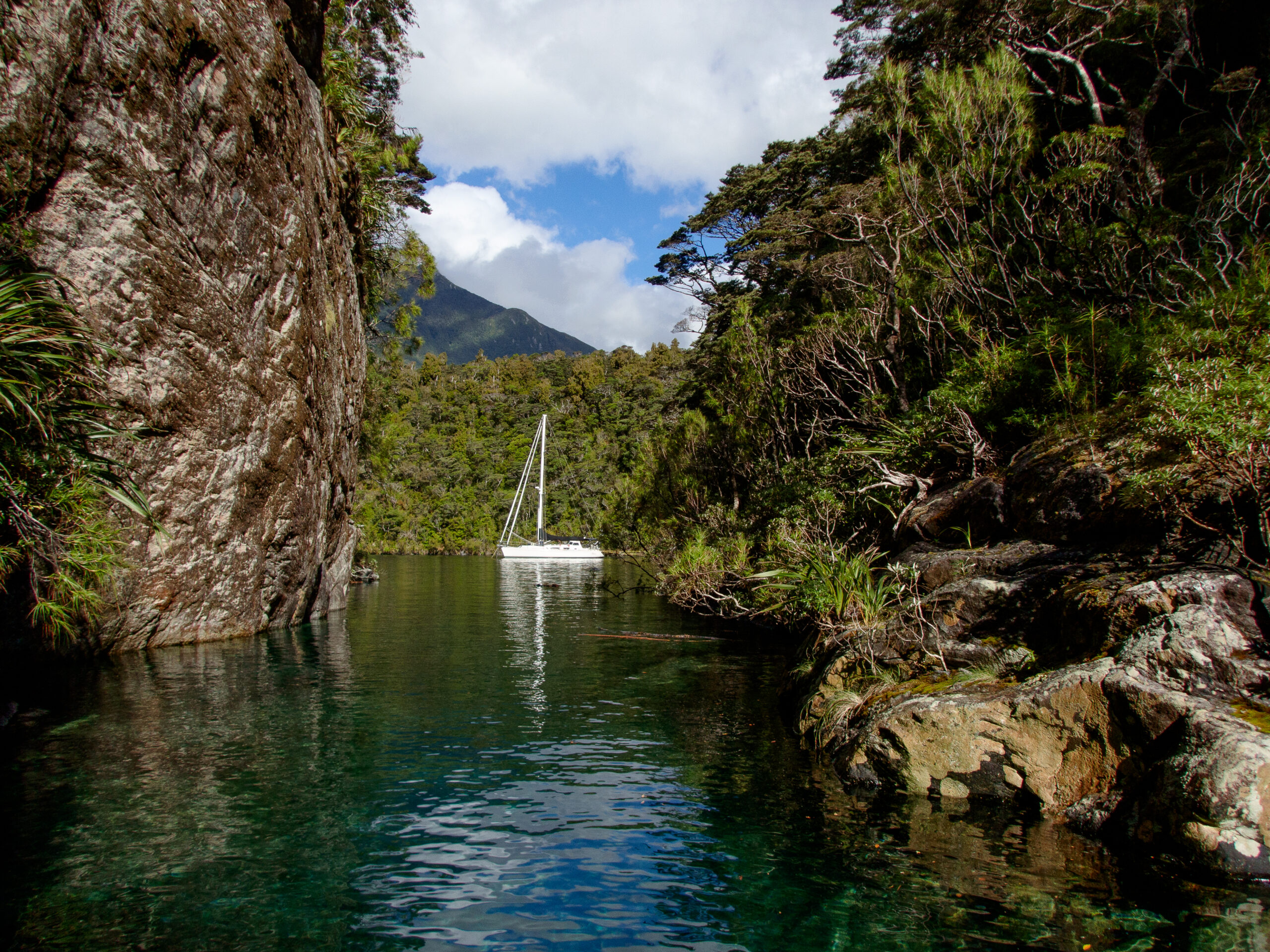
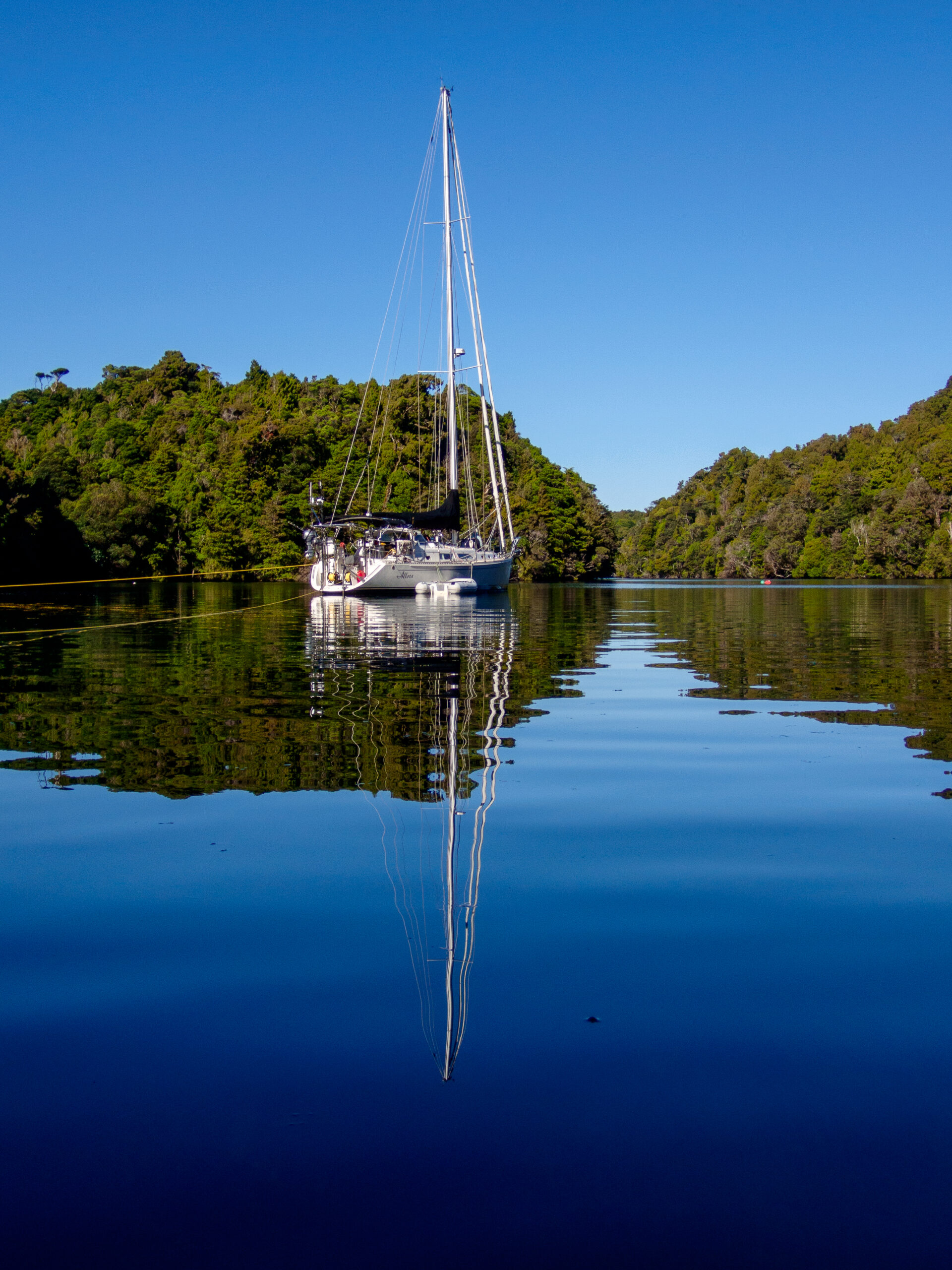
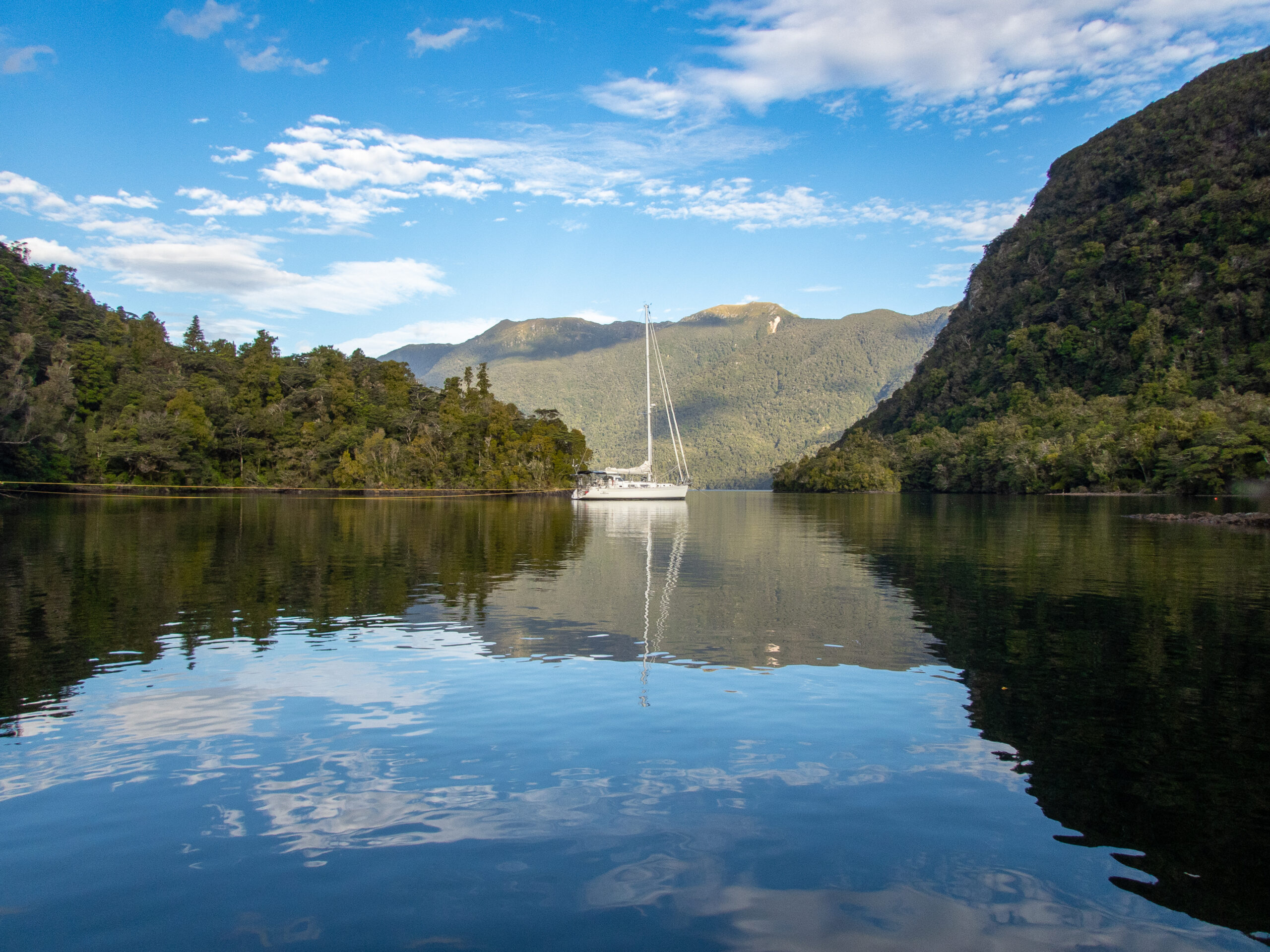
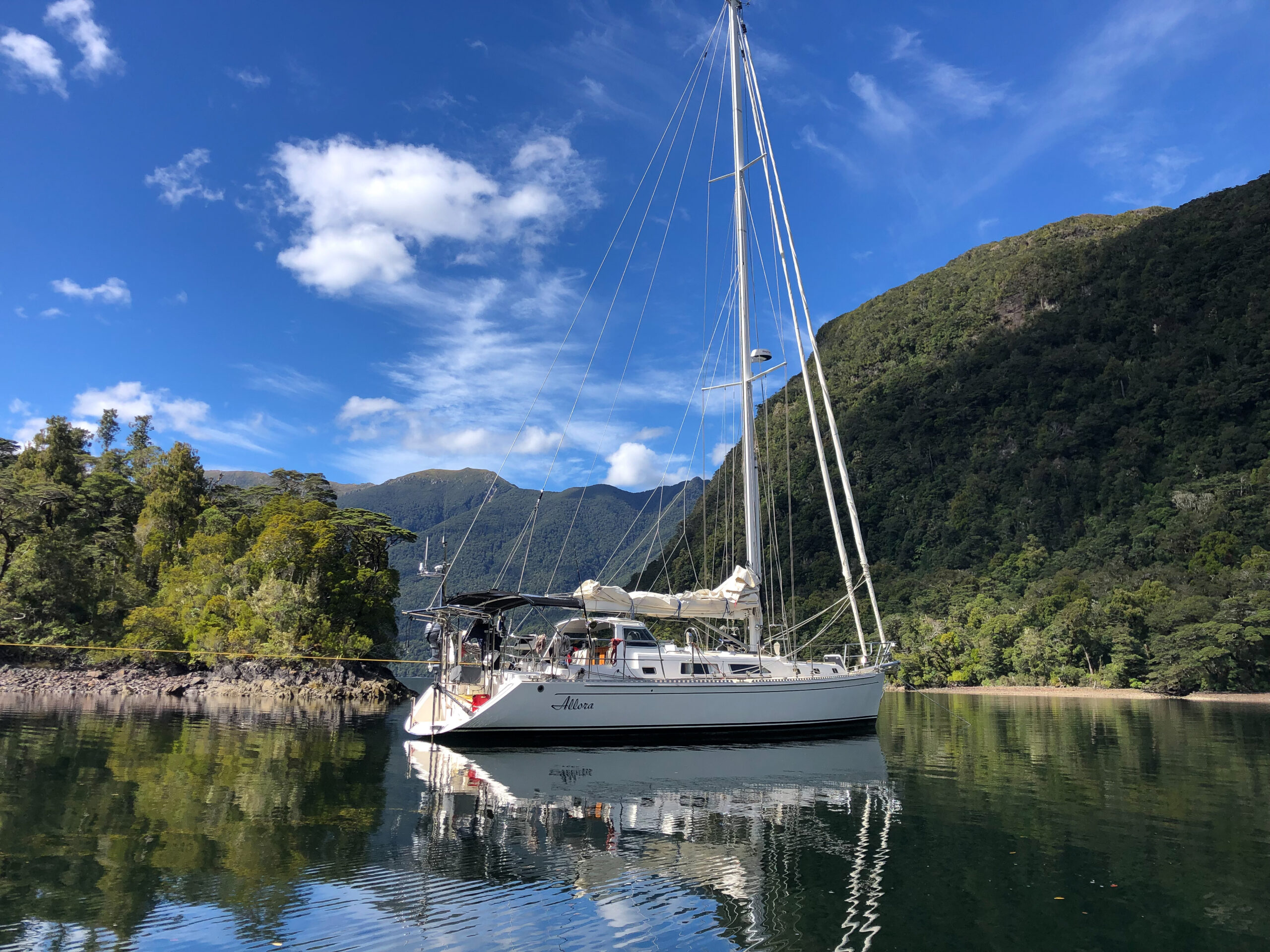
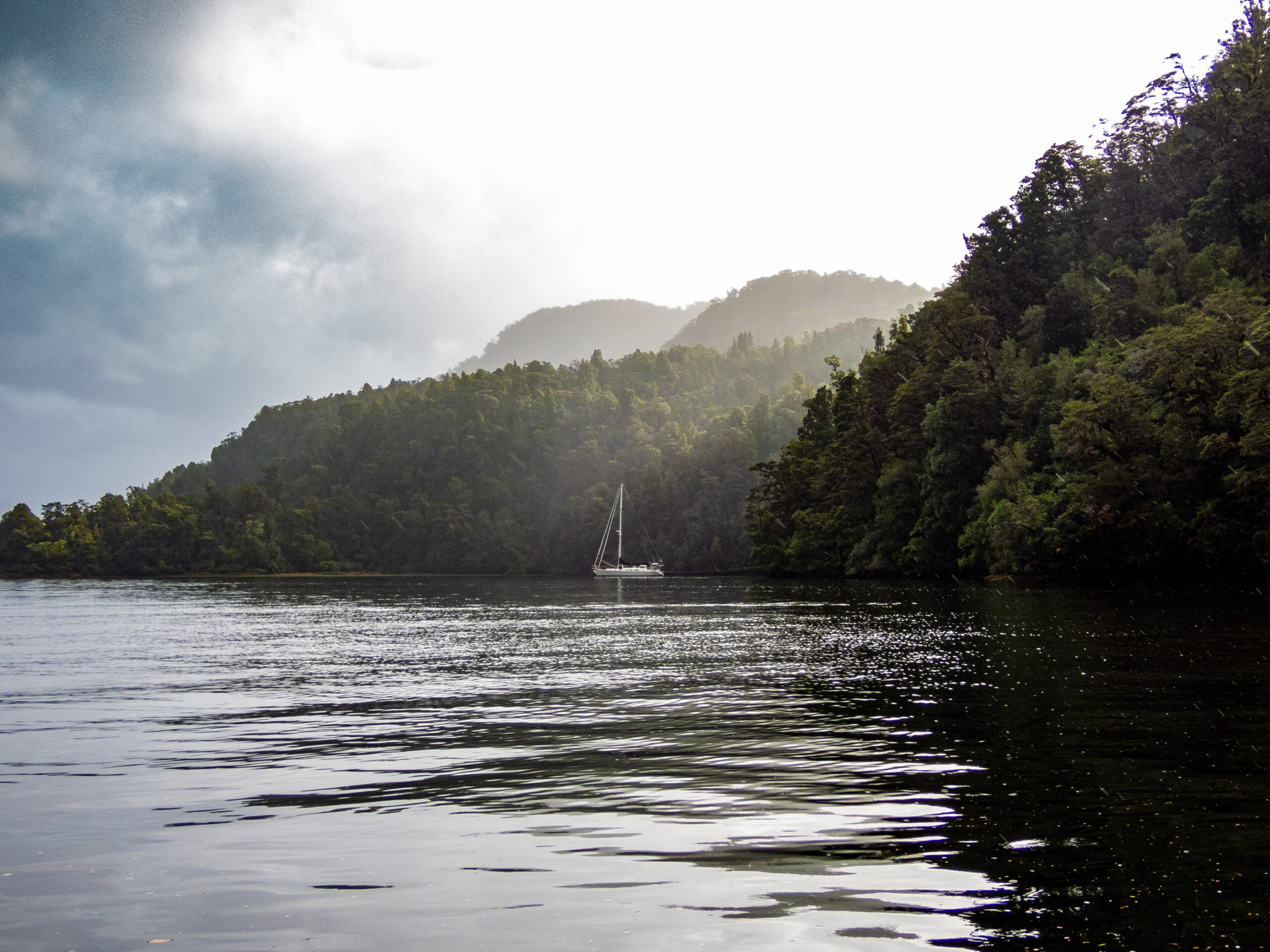
Allora, free swinging in deep water, but staying put, thank goodness! (Imagine leaving your home for the afternoon and wondering if ‘she’ll’ still be there when you return?)
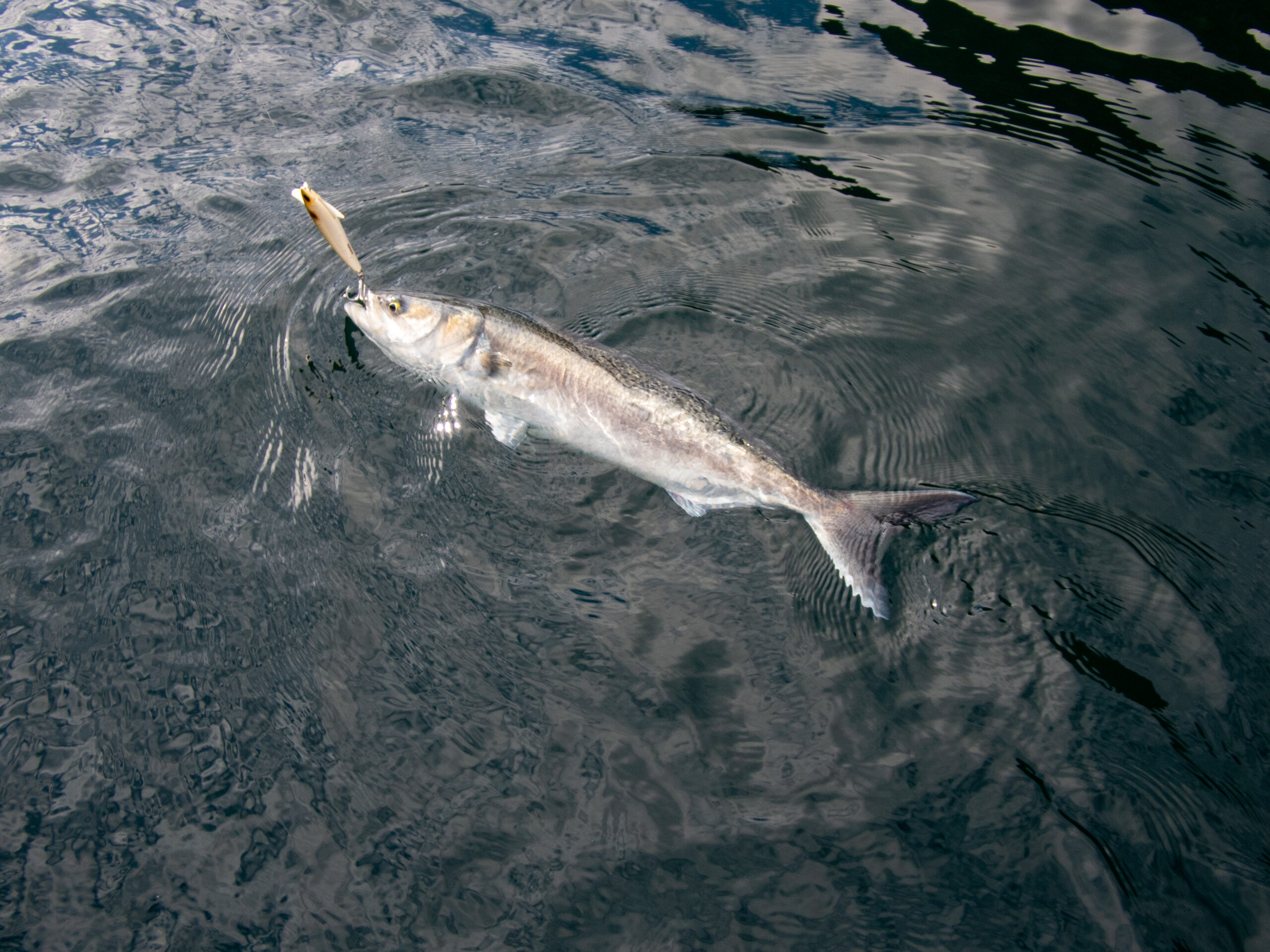
Kahawai
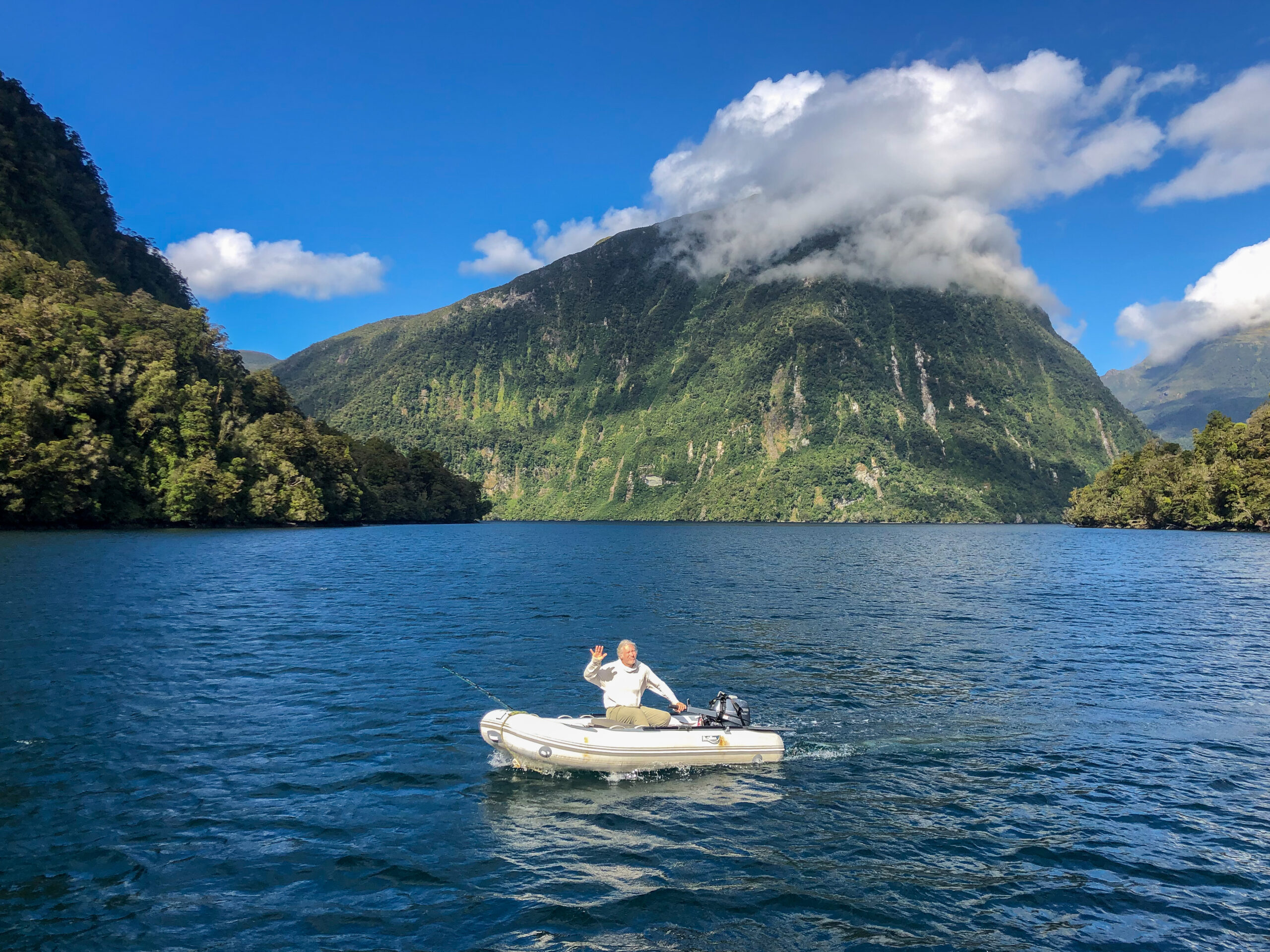
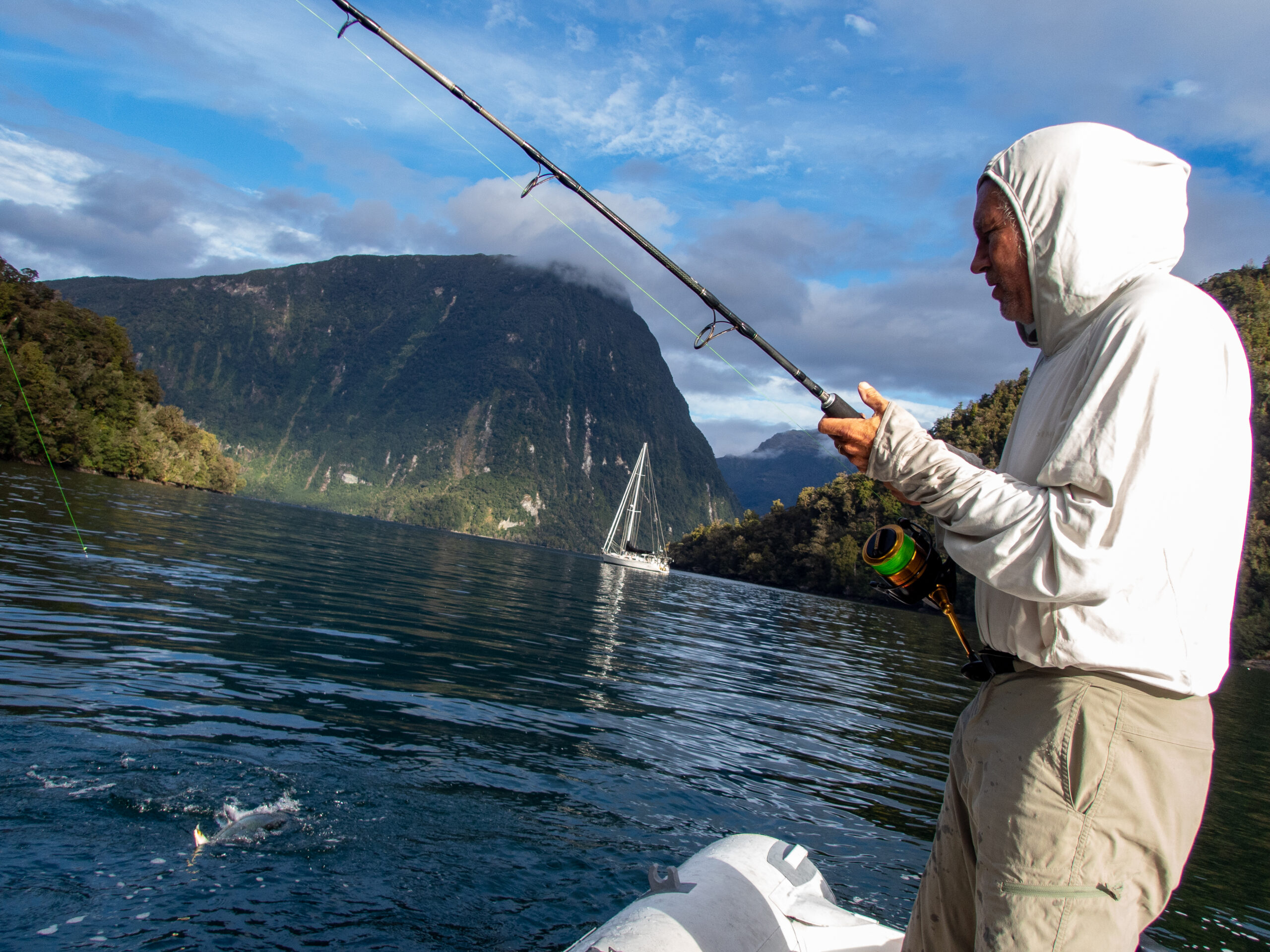
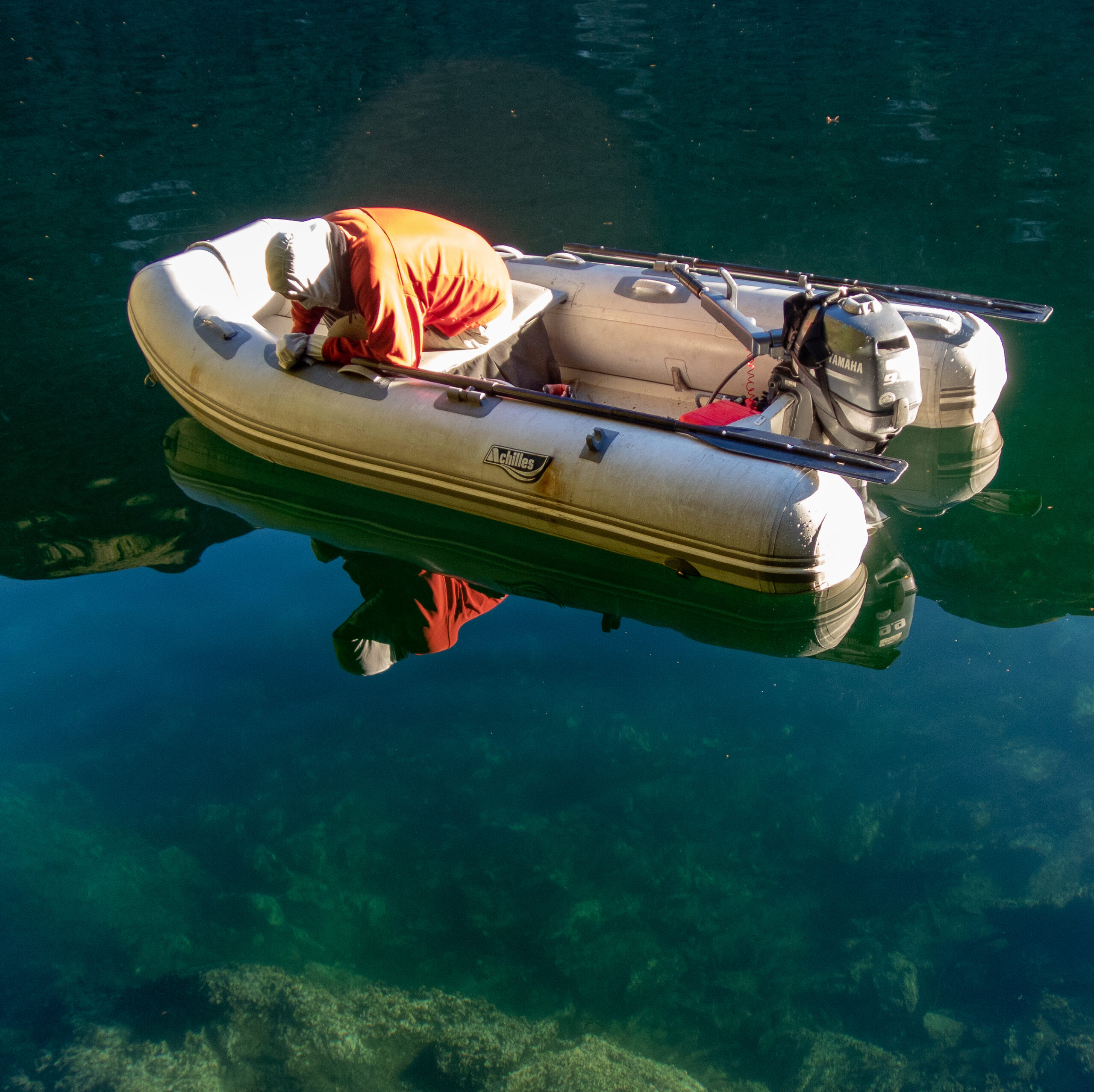
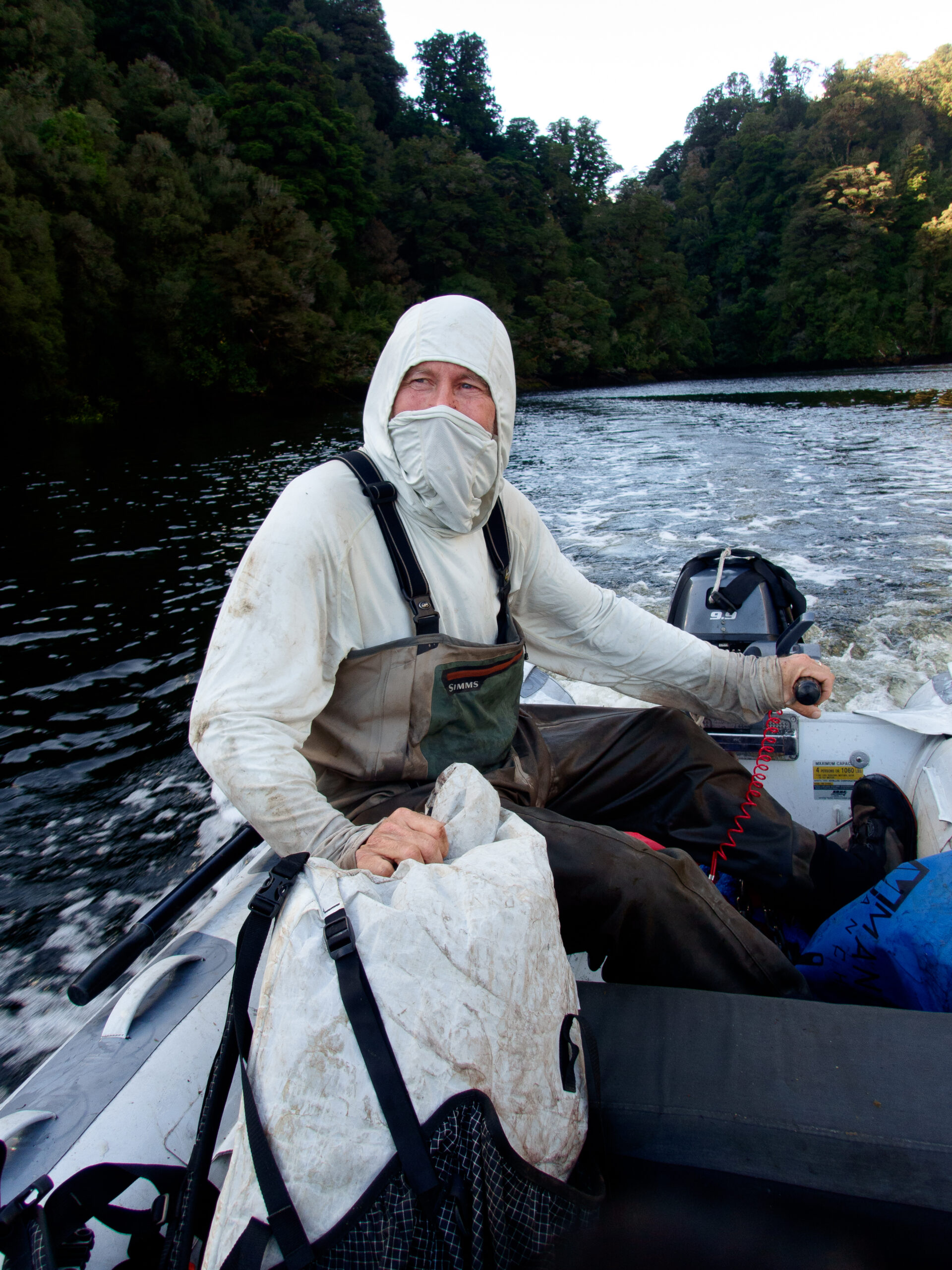
It seems to be an autumn thing that massive schools of Kahawai, Kingfish, and other predators chase the baitfish up to the heads of the sounds and gleefully spend their days slashing and crashing and feasting upon them. It starts at dawn and continues until dark. At completely unpredictable moments the water will suddenly boil with feeding fish only to disappear within a few moments. The first Kahawai I caught was with a spinning rig, which is well suited for frantic Hail Mary casts into the abyss. I will admit that catching that fish was closer to an accident than anything premeditated. One fish nearly chased the lure right into the boat. As we traveled through the fiords, the fairly constant surface action was nearly impossible to ignore, and sometimes the predators would use the boat to trap the bait and Allora would find herself at the center of the melee. Finally, at the head of Daag Sound I couldn’t stand it anymore; I rigged my 8 weight and propped it next to the dinghy ready to go at the next irresistible provocation. What ensued was pure madness. The fish would pop up, I would zoom over with the outboard roaring, then kill it as I coasted in, frantically start casting and get maybe one quick retrieve before the fish disappeared. As I zigged and zagged across the fiord, I’m probably lucky that we were certainly the only people then in Daag Sound so that no one arrived with white straight jacket and concerned expressions to intervene. Back and forth I dashed, tangling myself in my line, frustrated at the utter futility of stripping the fly back with the dinghy still moving forward. Once every tenth attempt, everything would work out, I’d even get in a second or third cast, and manage to get my fly to move fast enough to get some attention, and a slash maybe, a miss and back to the frantic game. I was exhausted and my shoulder was on fire by the time all of the crazy variables aligned and a willing fish slammed my fly and headed straight for the bottom of the Sound. The seriously outsized strength of that fish made me instantly regret picking my lighter 8 weight over my sturdy 9. In fact, I was pretty sure I was going to break the rod. What a relief it was to release that fish and release myself from any future notion of fly fishing for Kahawai. A River Runs Through It, it was not. ~MS
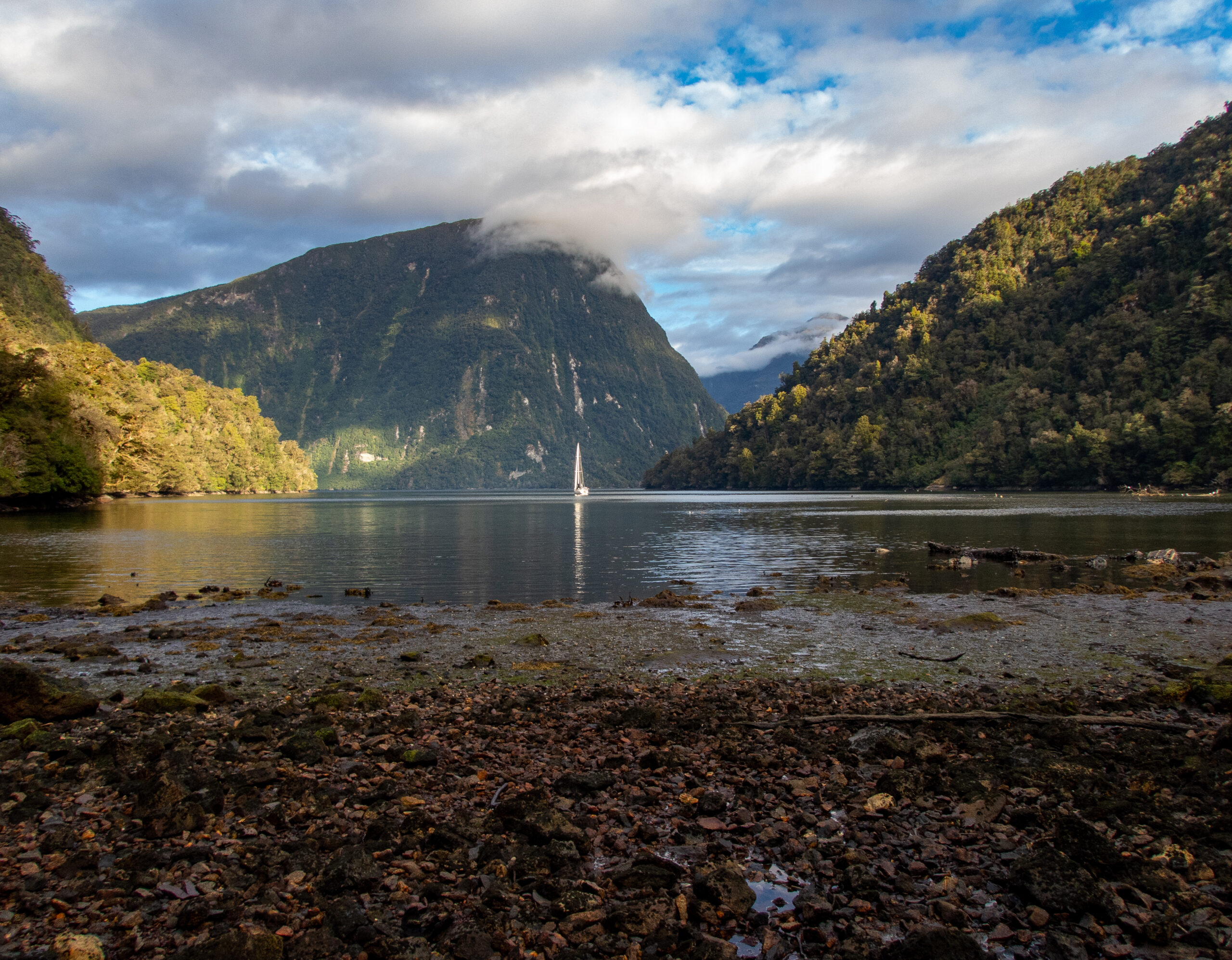
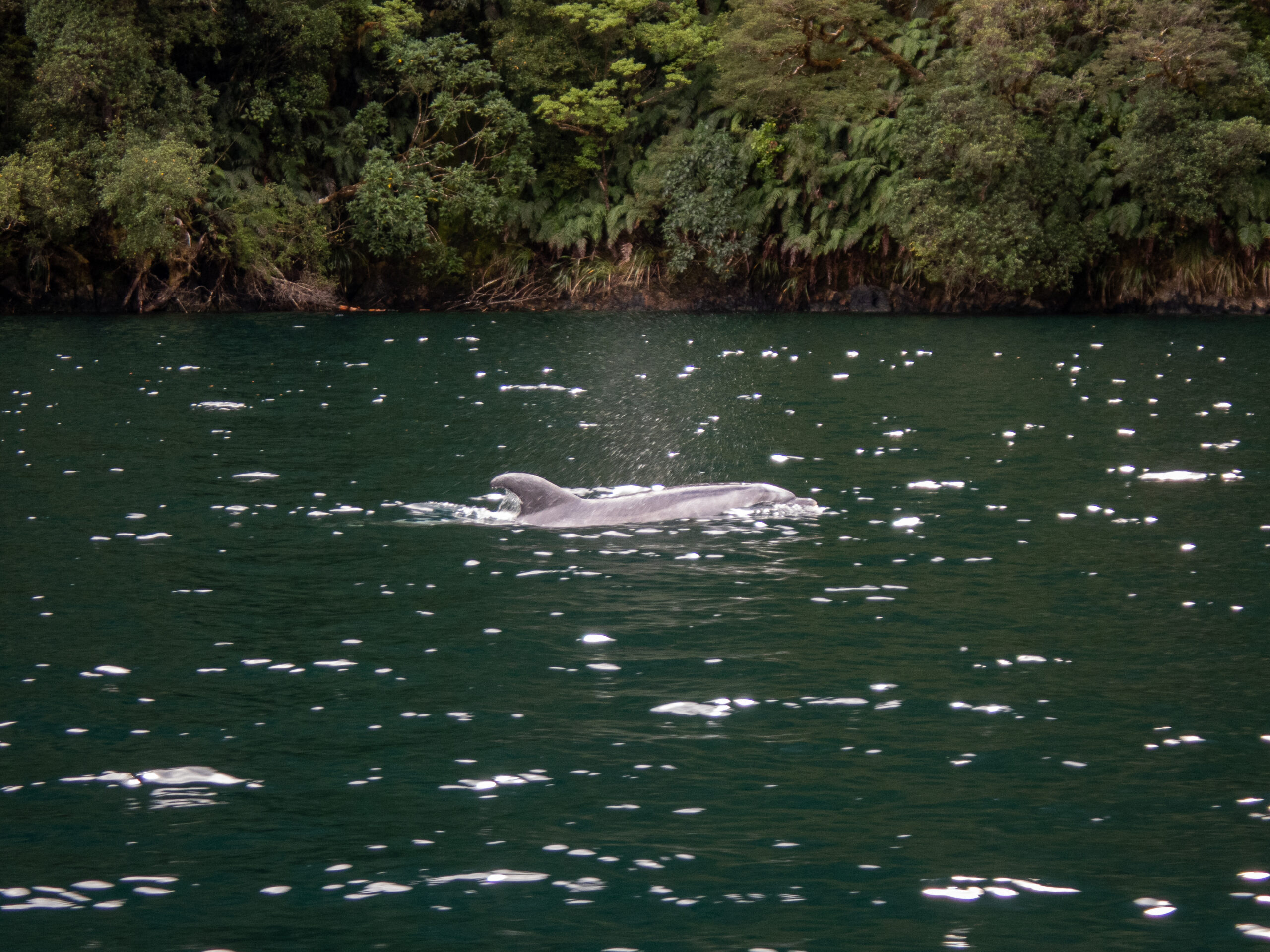
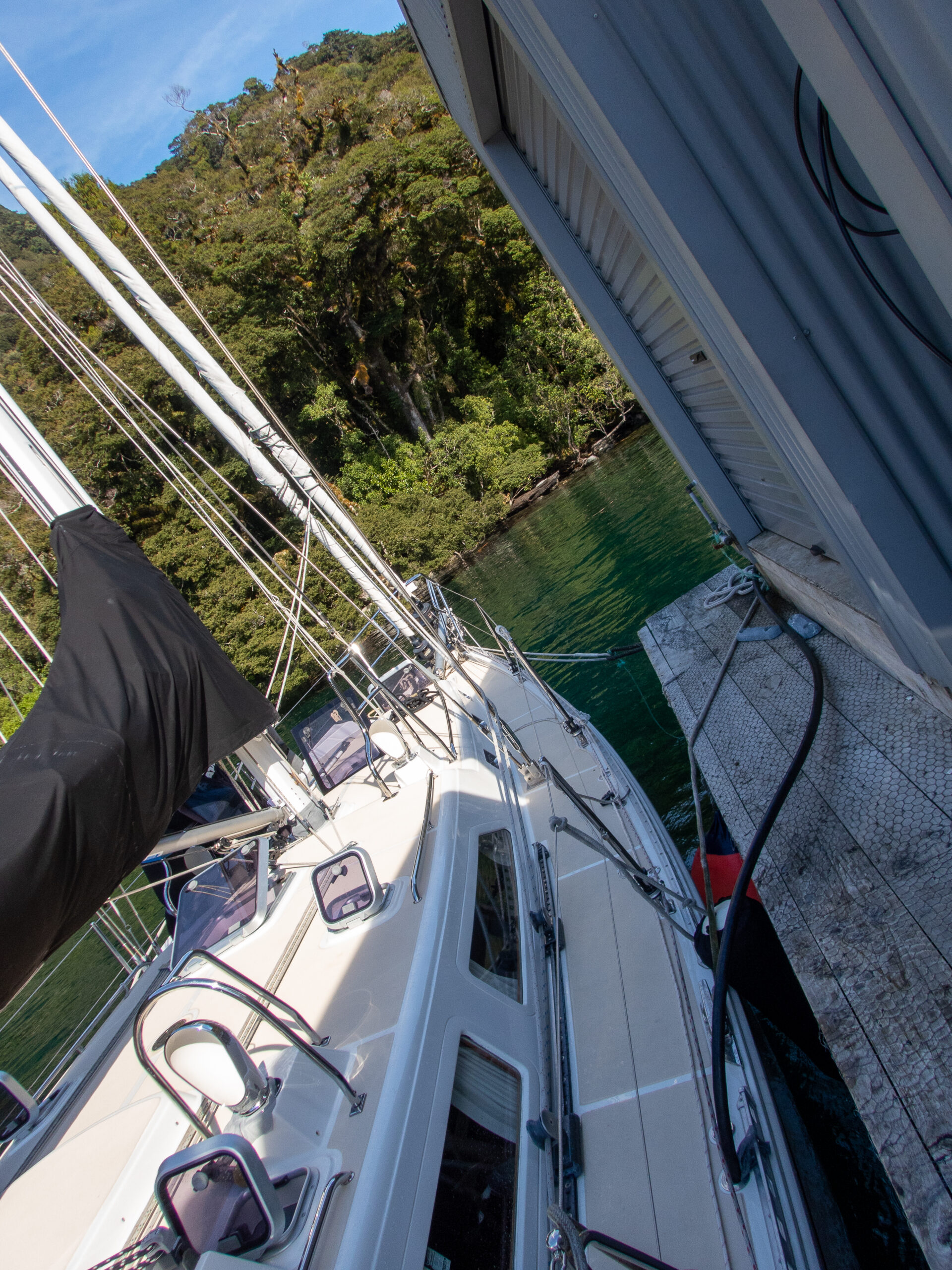
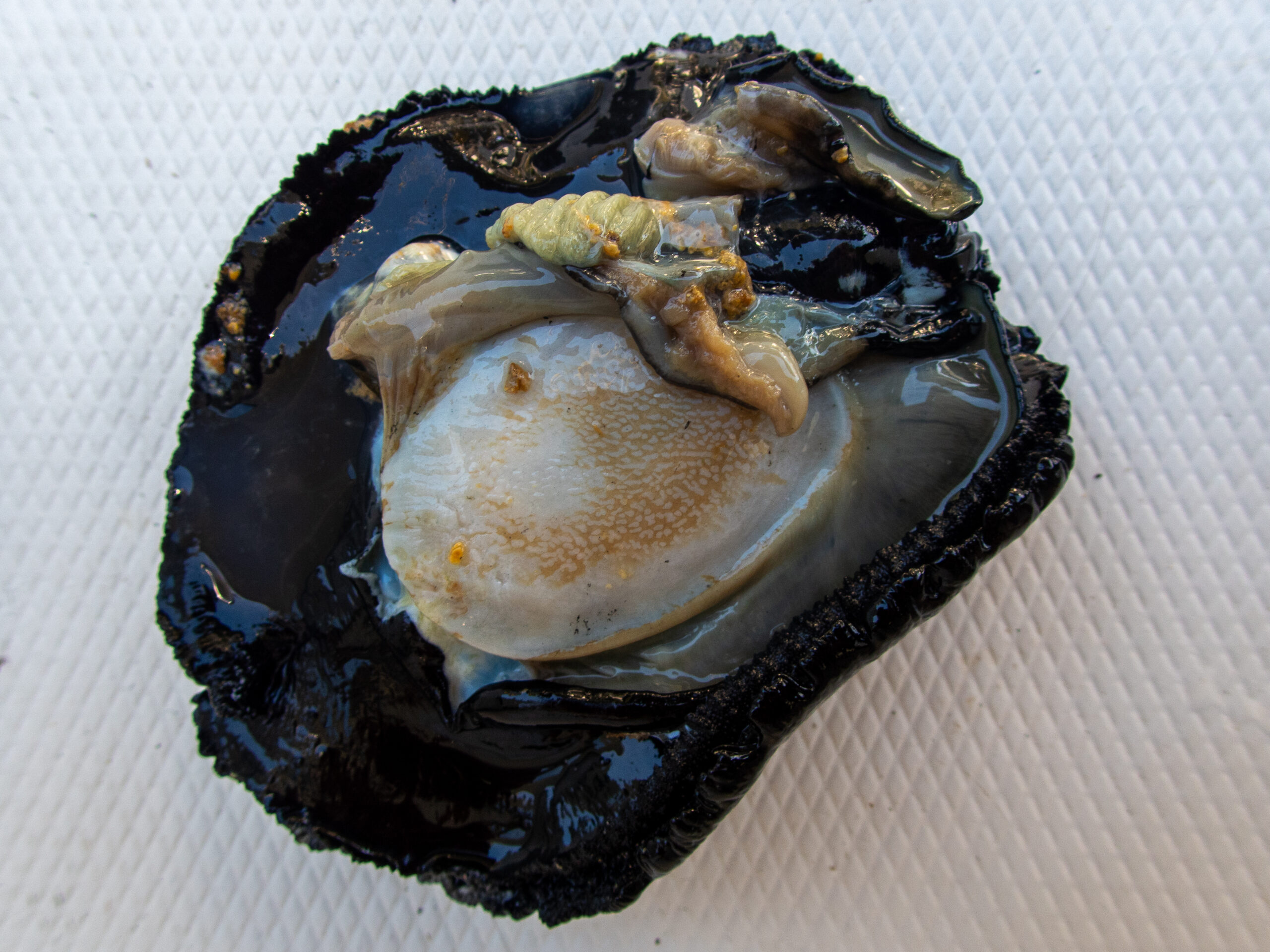
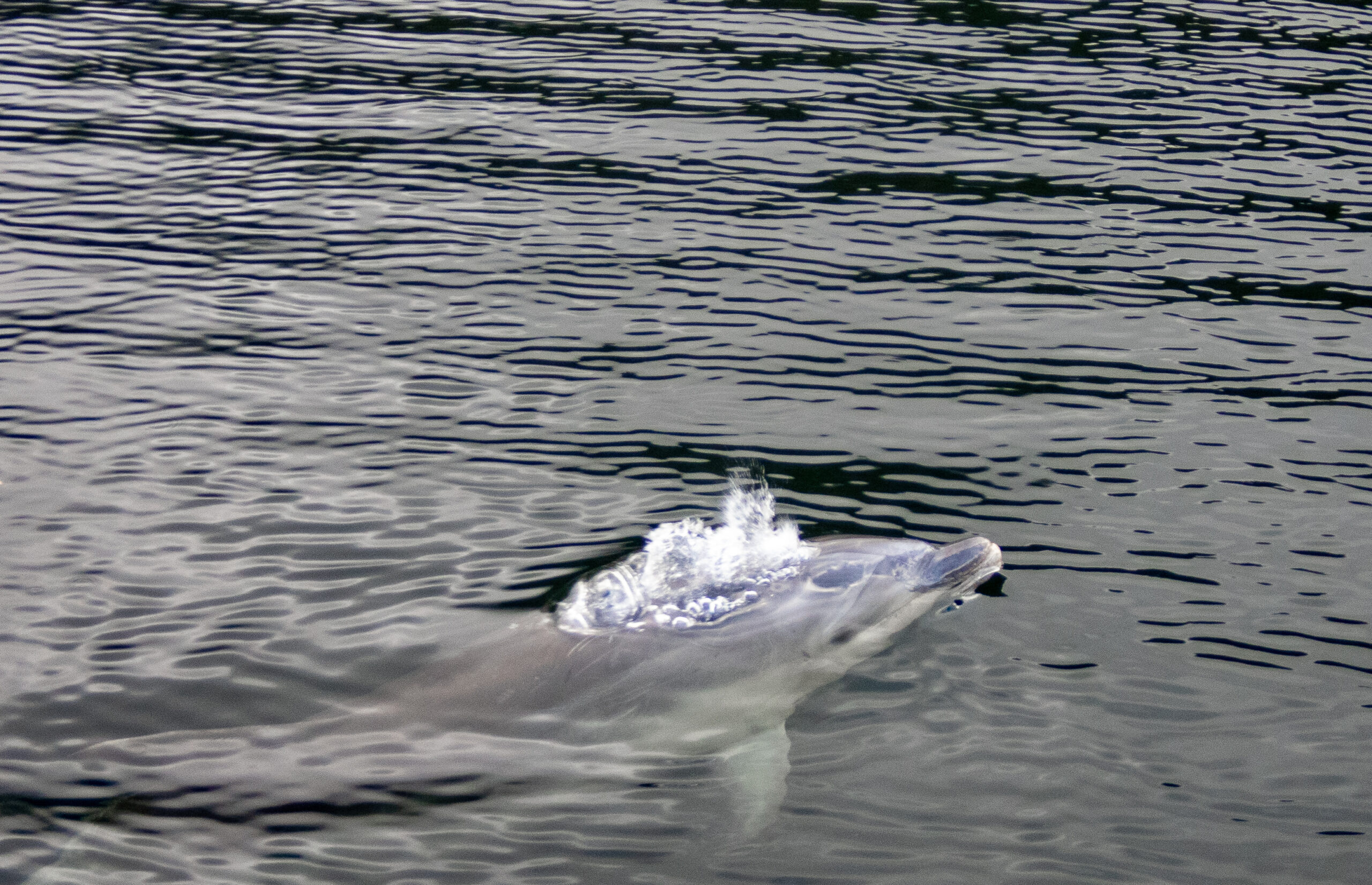
We let this Kahawai go since at that point, we weren’t even sure what it was! Turns out it would have been within regulation size to keep, but we already had a dinner plan in place and it always feels good to release them.Cityscape in the rocks (a bit dystopian).And mountains, too!One lone dolphin came cruising through the anchorage and did a rather quick loop around us. We kept thinking there must be two because he’d go under and then come up much farther along than we’re used to seeing, but we never saw more than the one.Moving from Third Cove to Stevens Cove!We stopped to fill up Allora’s water tanks at a little floating hut which is used by fishermen during the season. Our watermaker worked fine in this mix of fresh and salt, but it’s always nice to get quick, free fills.Another (power) boat queued up for a water fill after us so we got to talking and they shared a small Pāua (abalone) which they’d just harvested and described how to prepare it. I read that there’s a place in Hong Kong where they charge $2k per person for a Fiordland NZ Paua dinner! It was ALOT of work and yielded very little to massage this muscle into a source of protein! It would have been at least 5 years old.The name wasn’t the only thing compelling about Stevens Cove. It was super close to the entrance/exit of Breaksea Sound, so we’d be poised for a quick transit up to Dagg Sound when ready. The only thing is that it’s such a tiny spot that we had to hope we’d fit in there! The opening can barely be seen in this picture near the turquoise water.It was our trickiest maneuvering/anchoring to date, but we settled in to our little namesake anchorage quite sweetly. This is normally used by power boats/fishermen since it’s so close to outside and they squeeze 3 little boats in here.
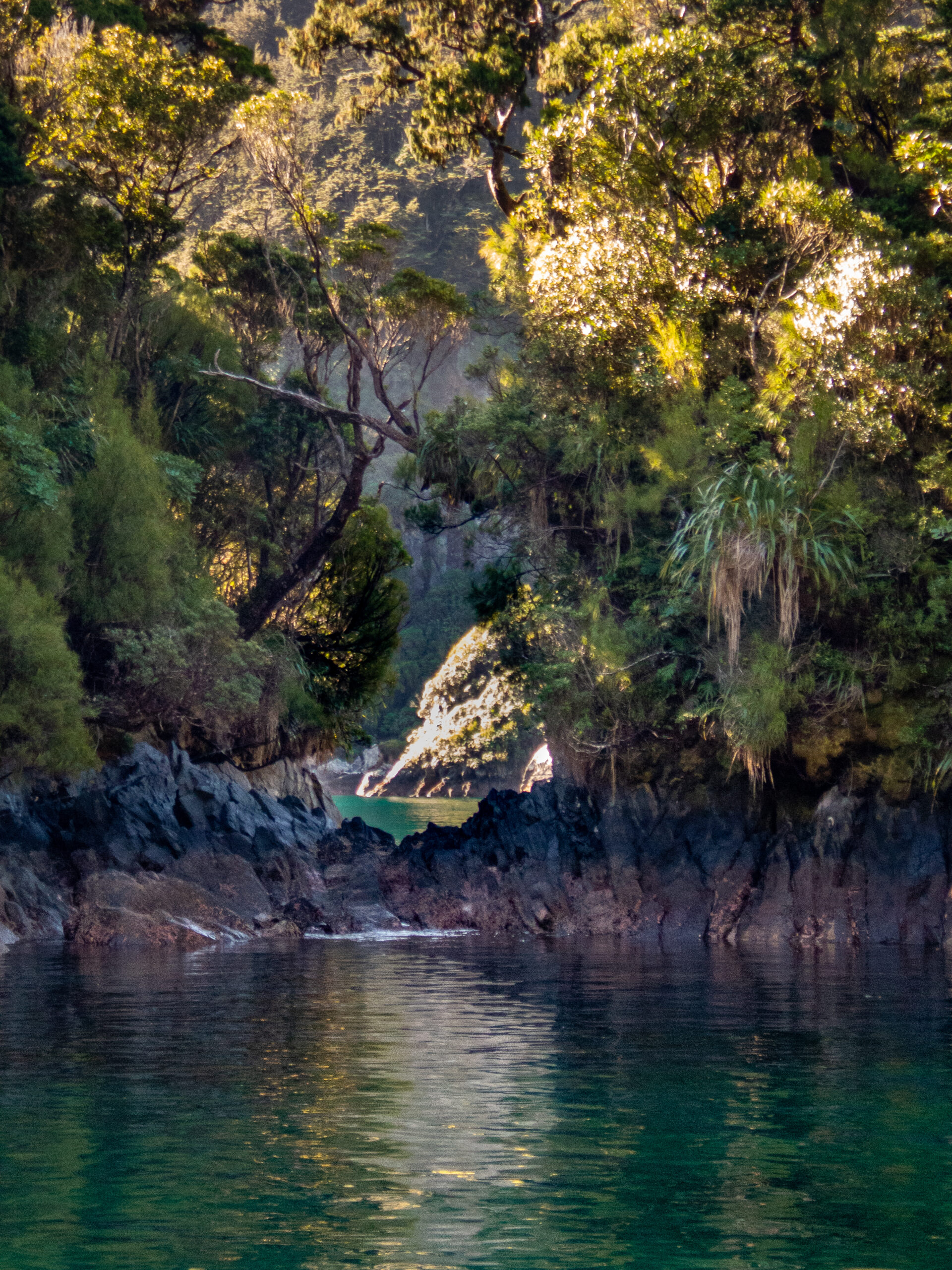
There were these two ‘keyholes’ inside Stevens Cove where you could see the main Sound which would cover over at high tide and I could squeeze the kayak through, theoretically, but my kayaking happened at lower tide, so no go.View of Allora from the Sound.Time to go check out the ‘archipelago’ of nearby islands!New forms to take in!
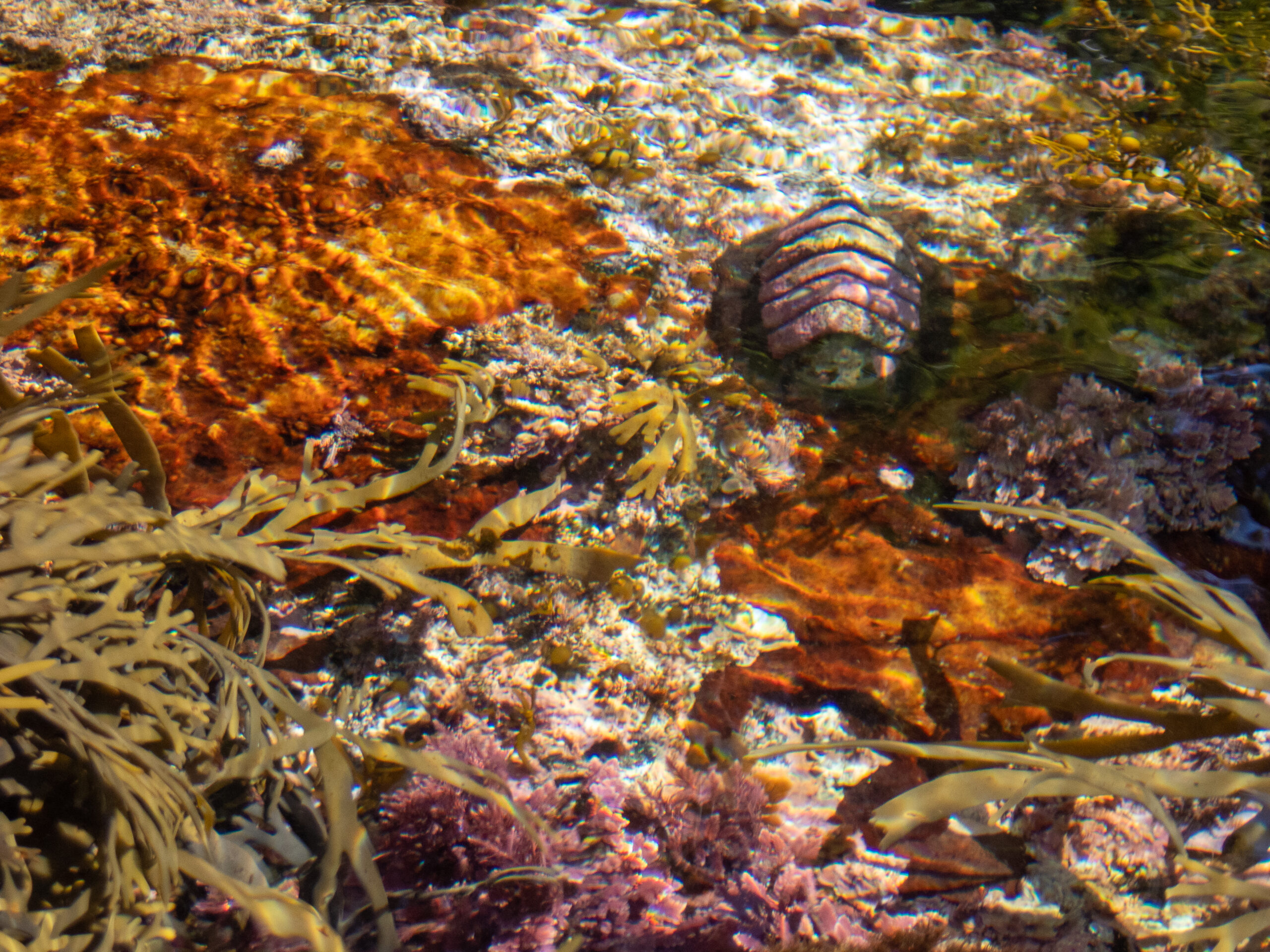
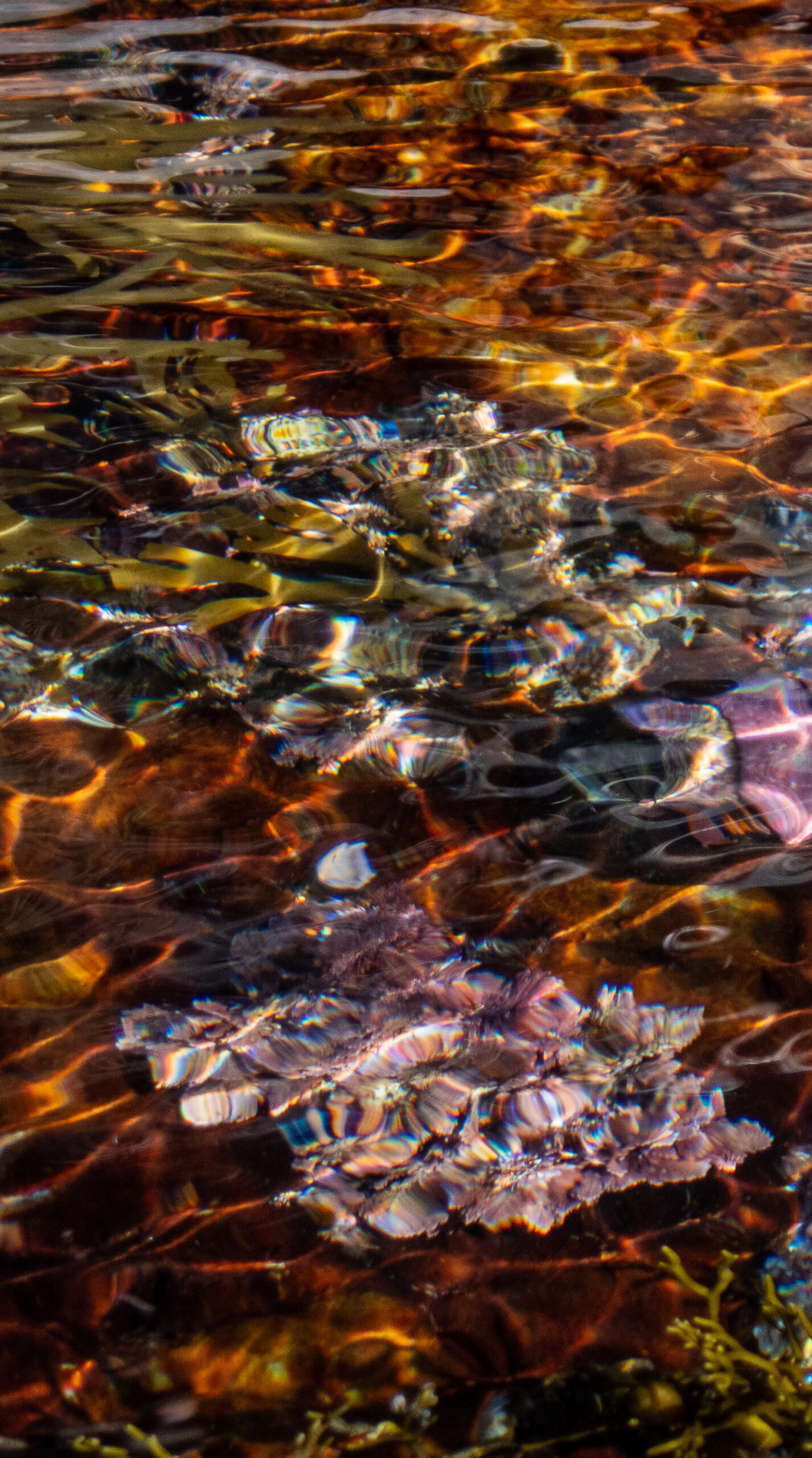
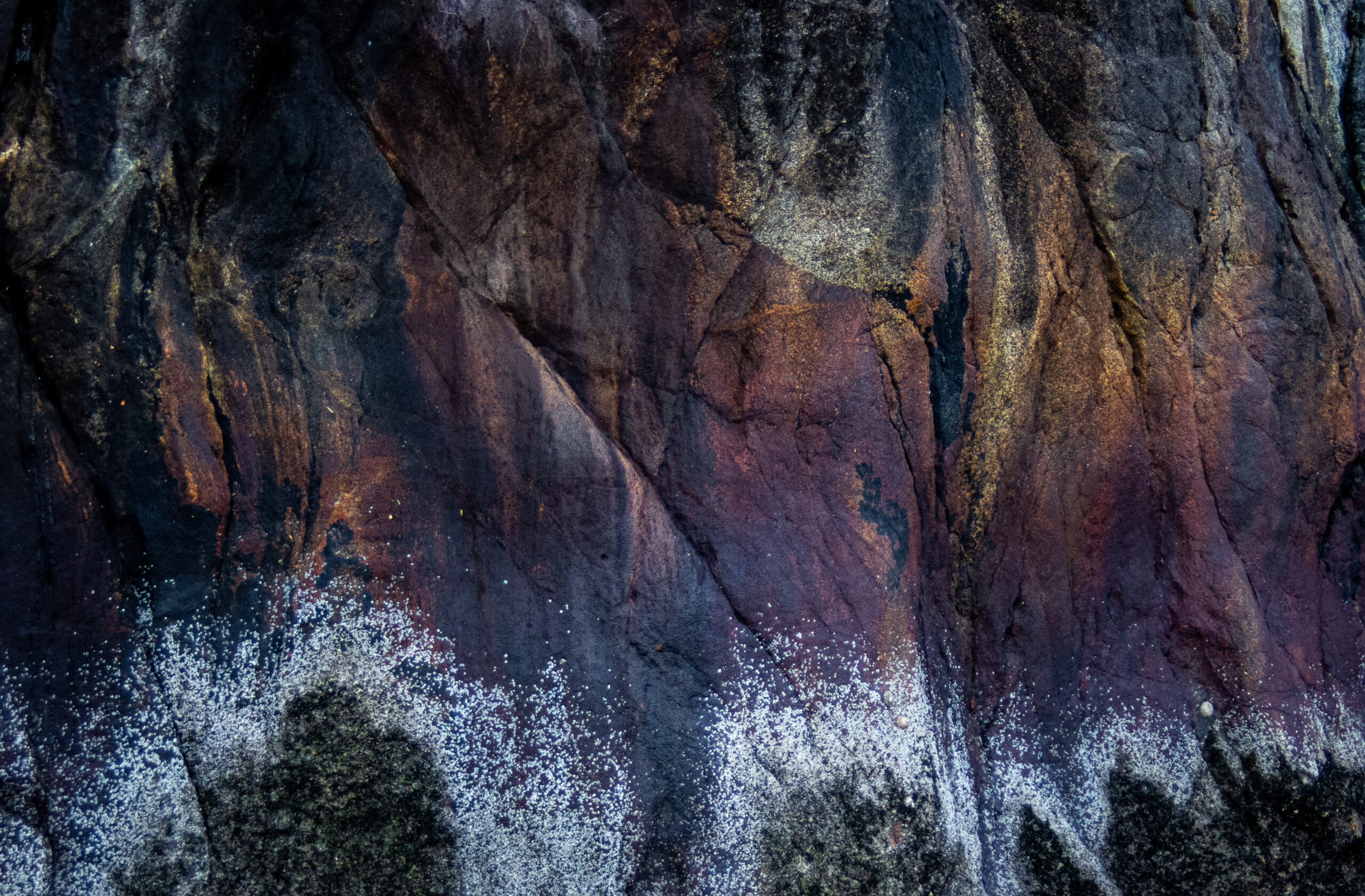
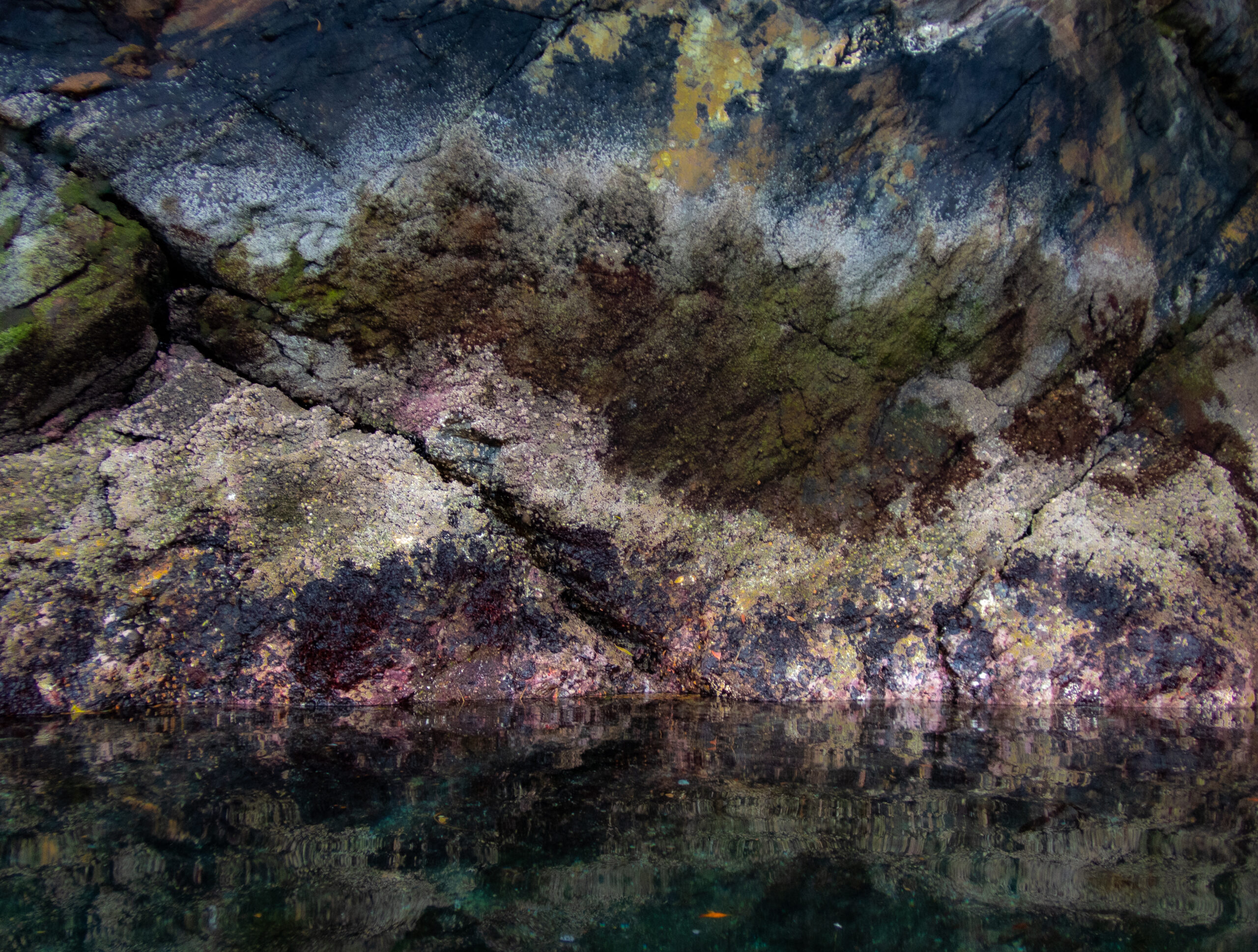
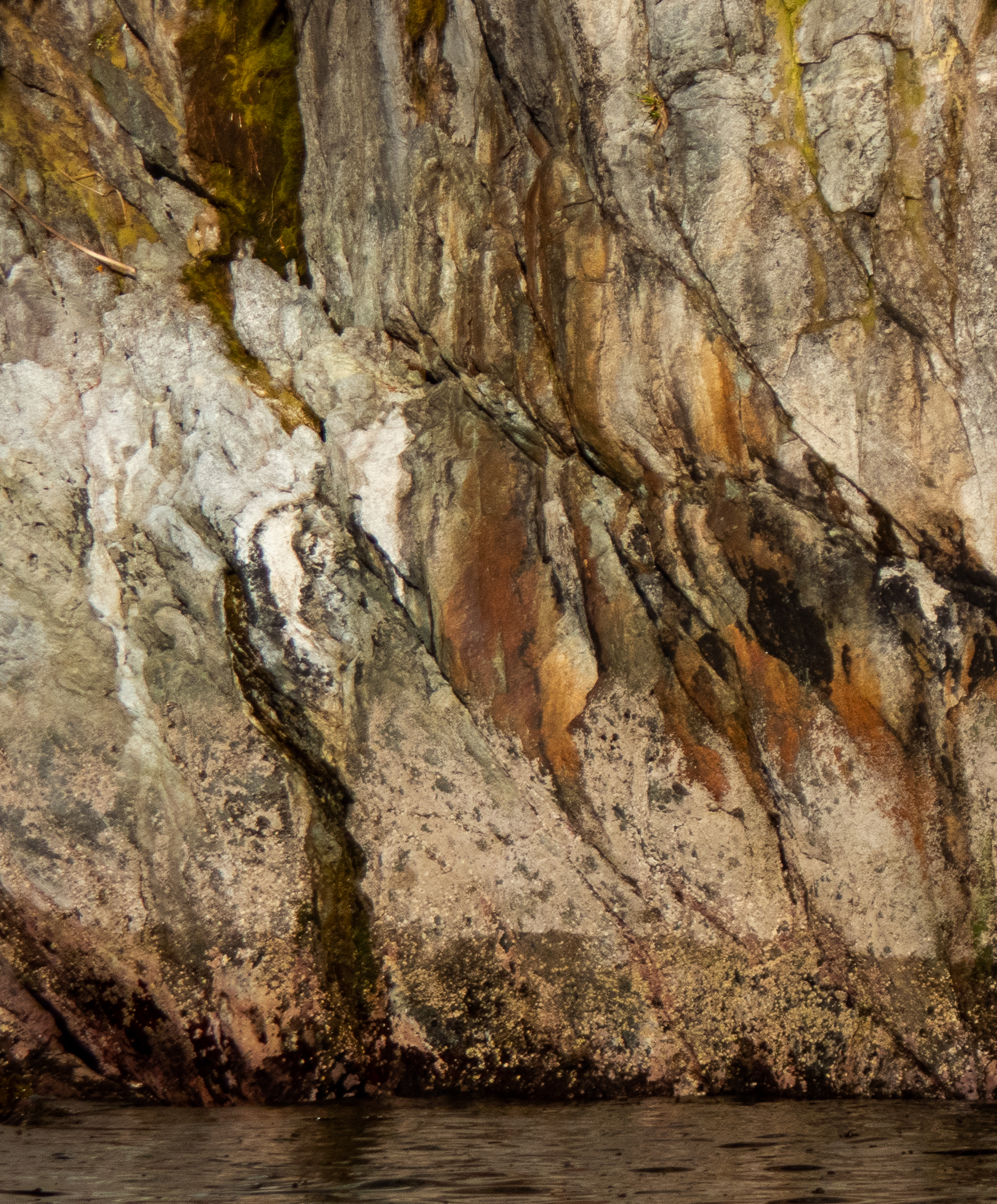
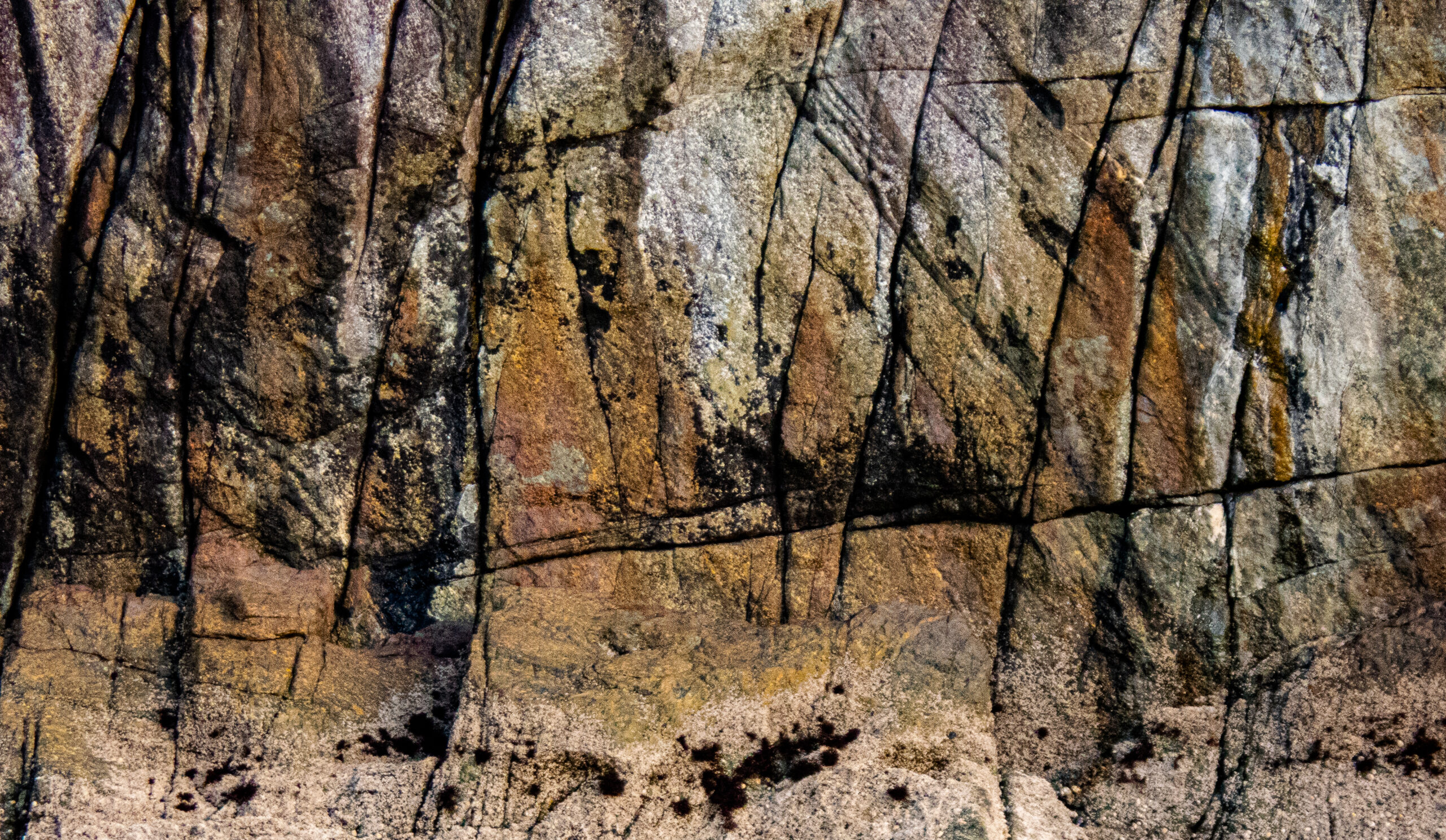
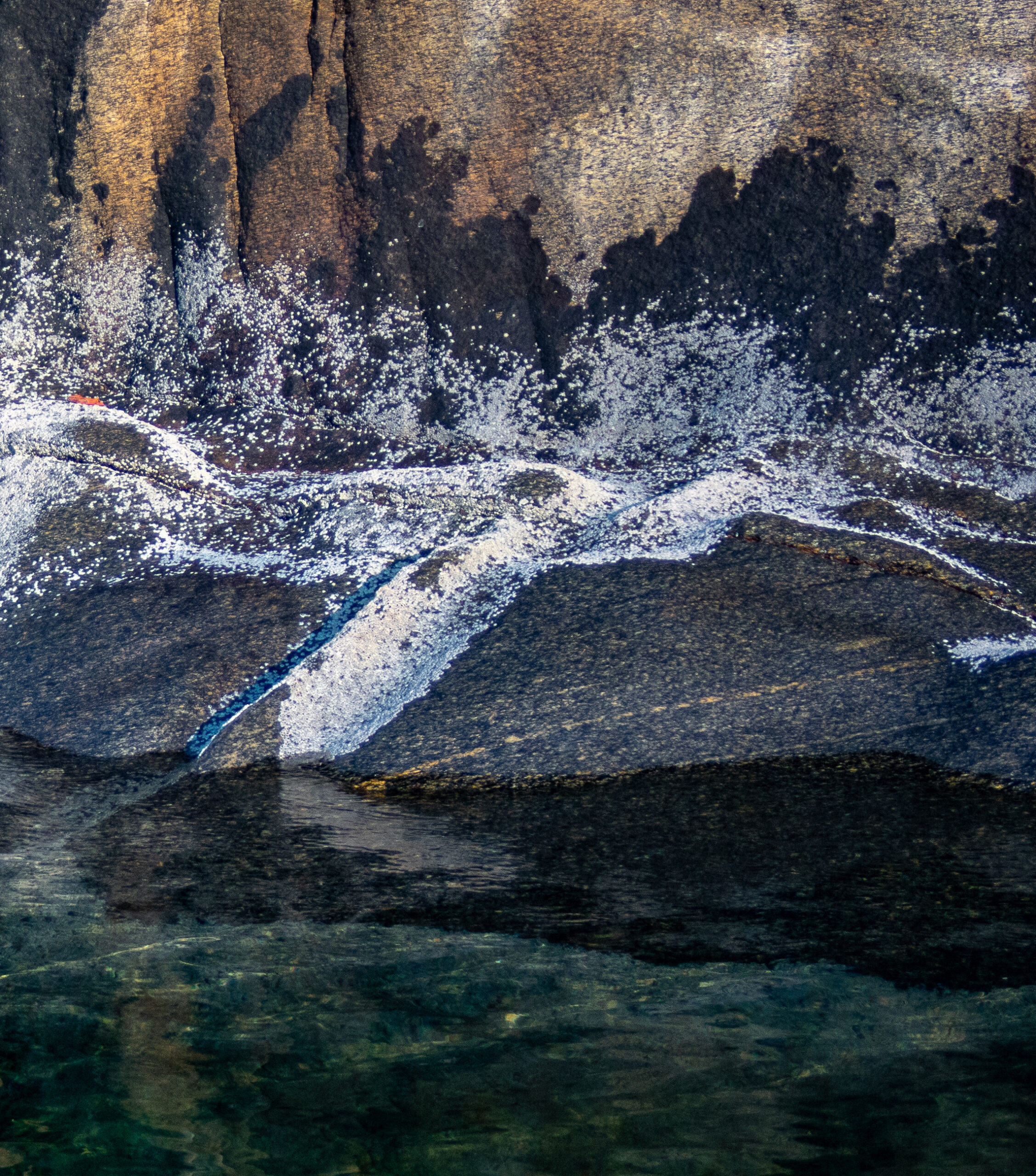
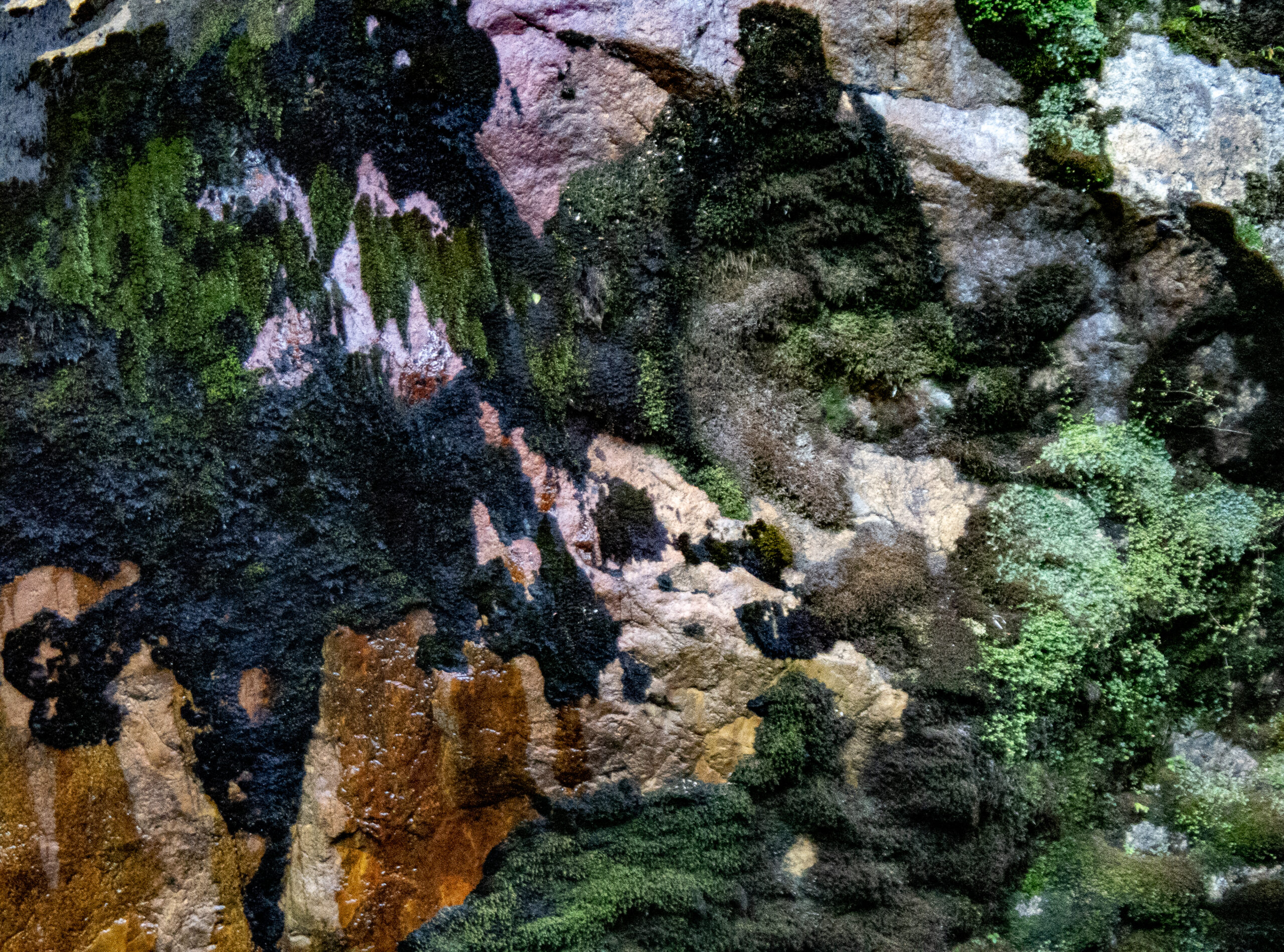
Tried to see this Chiton better, but the surge was quite strong and I really didn’t want to tip.Then I just got into the abstract of it. I could feel myself shift from trying to make something ‘clear’ to allowing it to be simply light and color.
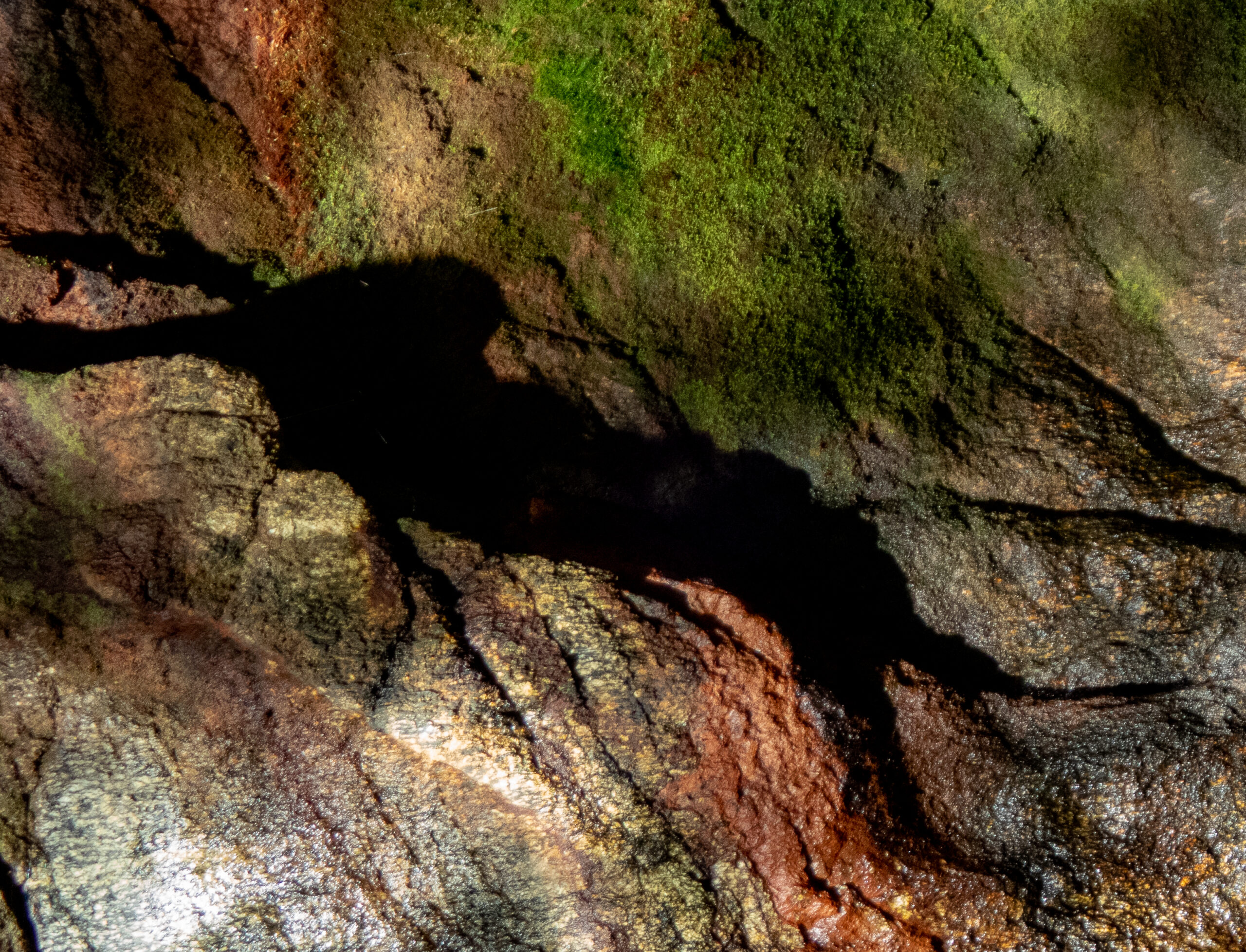
Shadow play.The ocean is miraculous!
One of my favorite pics. See the green sea worm?! (Going to look that up, too!)
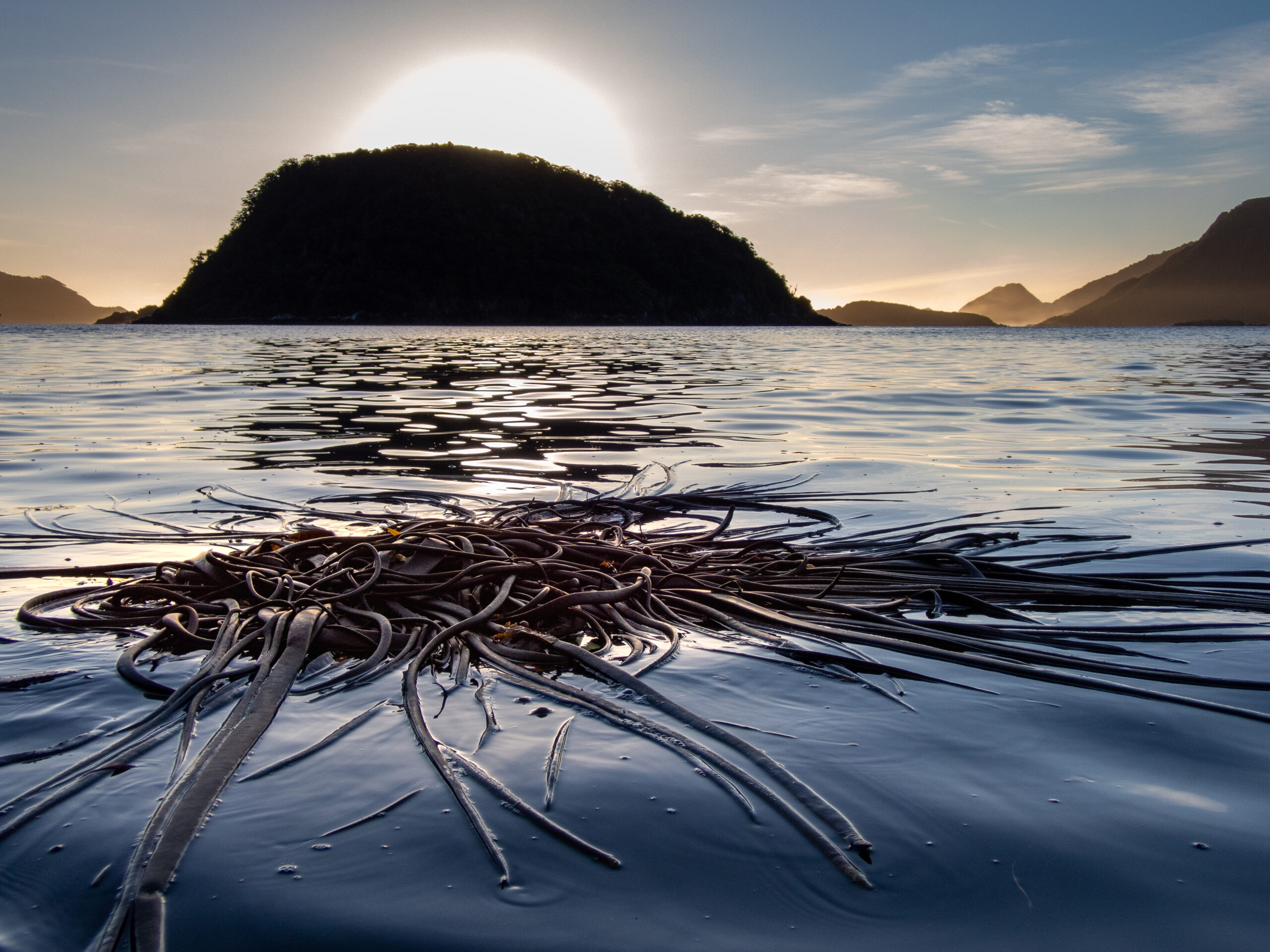
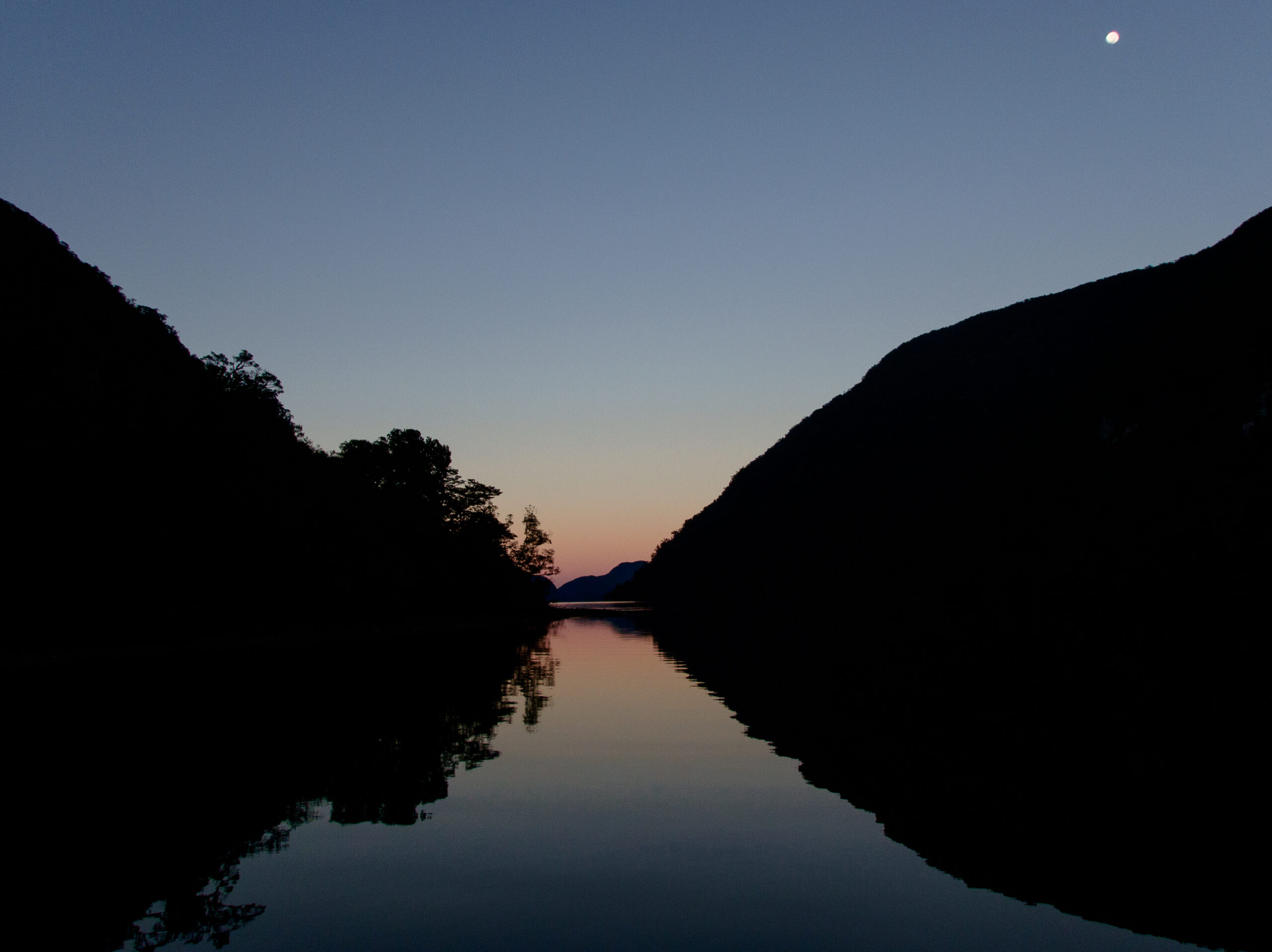
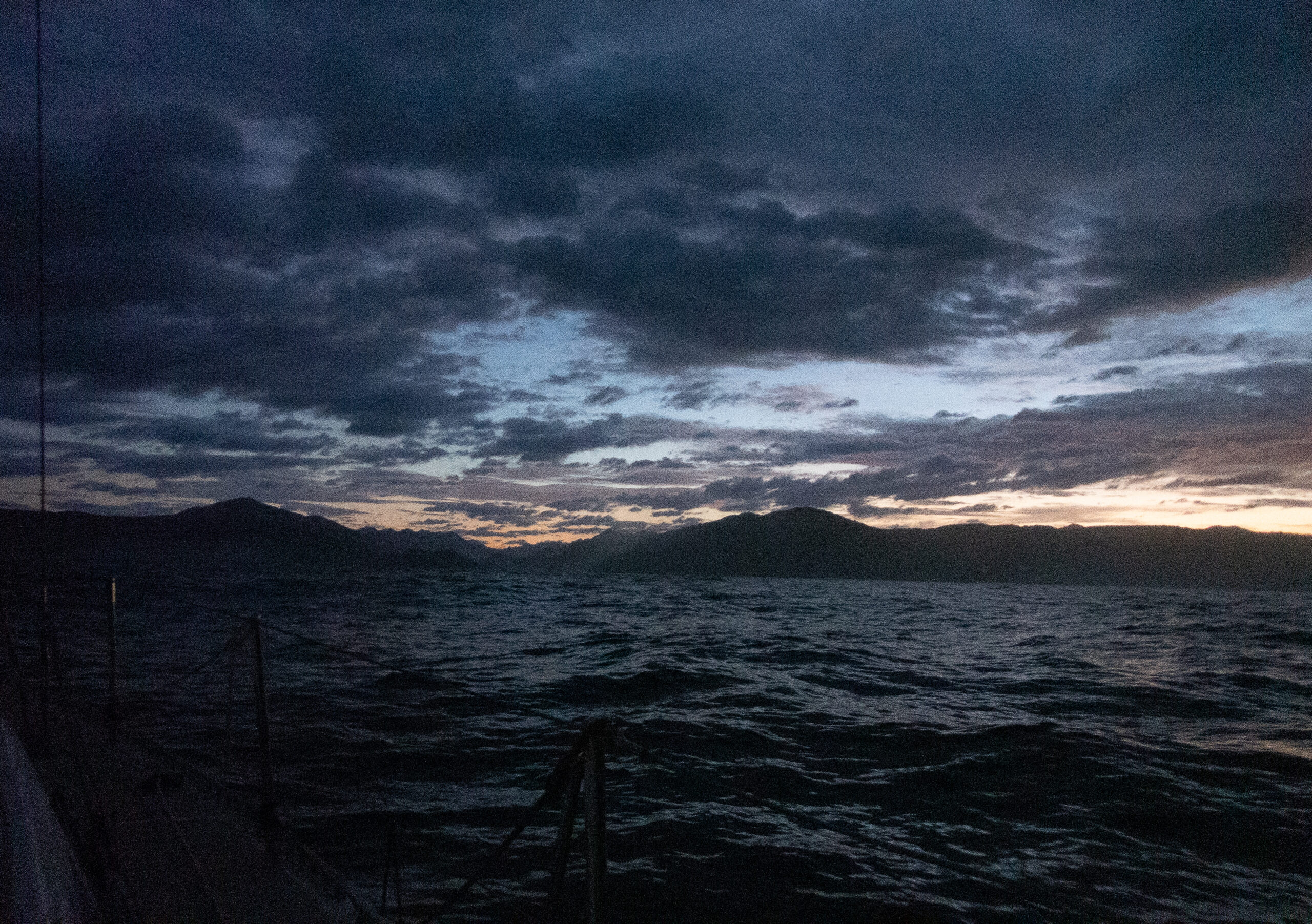
The water at sunset.Preparing to slip away from Stevens Cove, the birds regaled us with some riotous farewell songs! Dagg Sound, here we come!
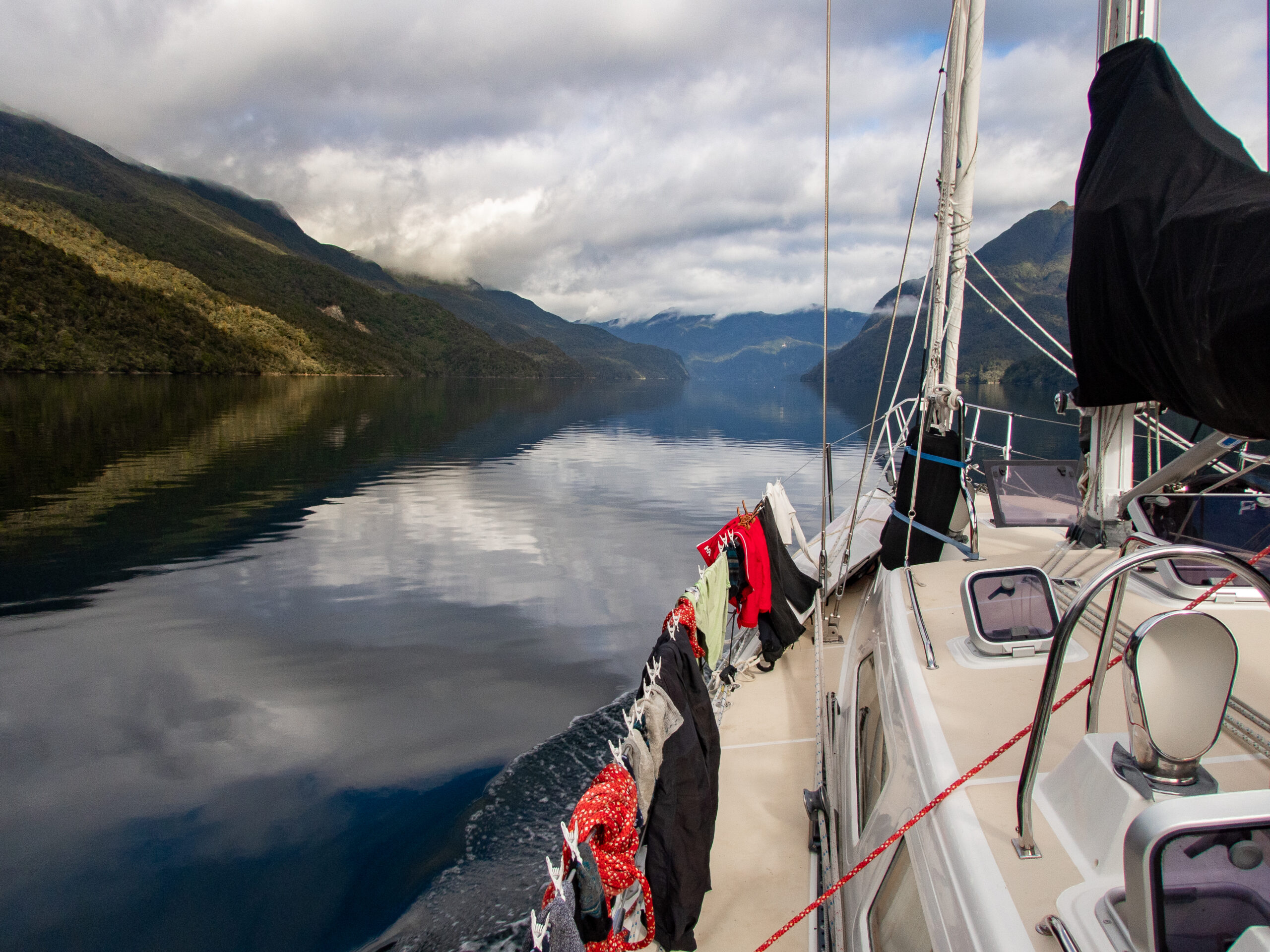
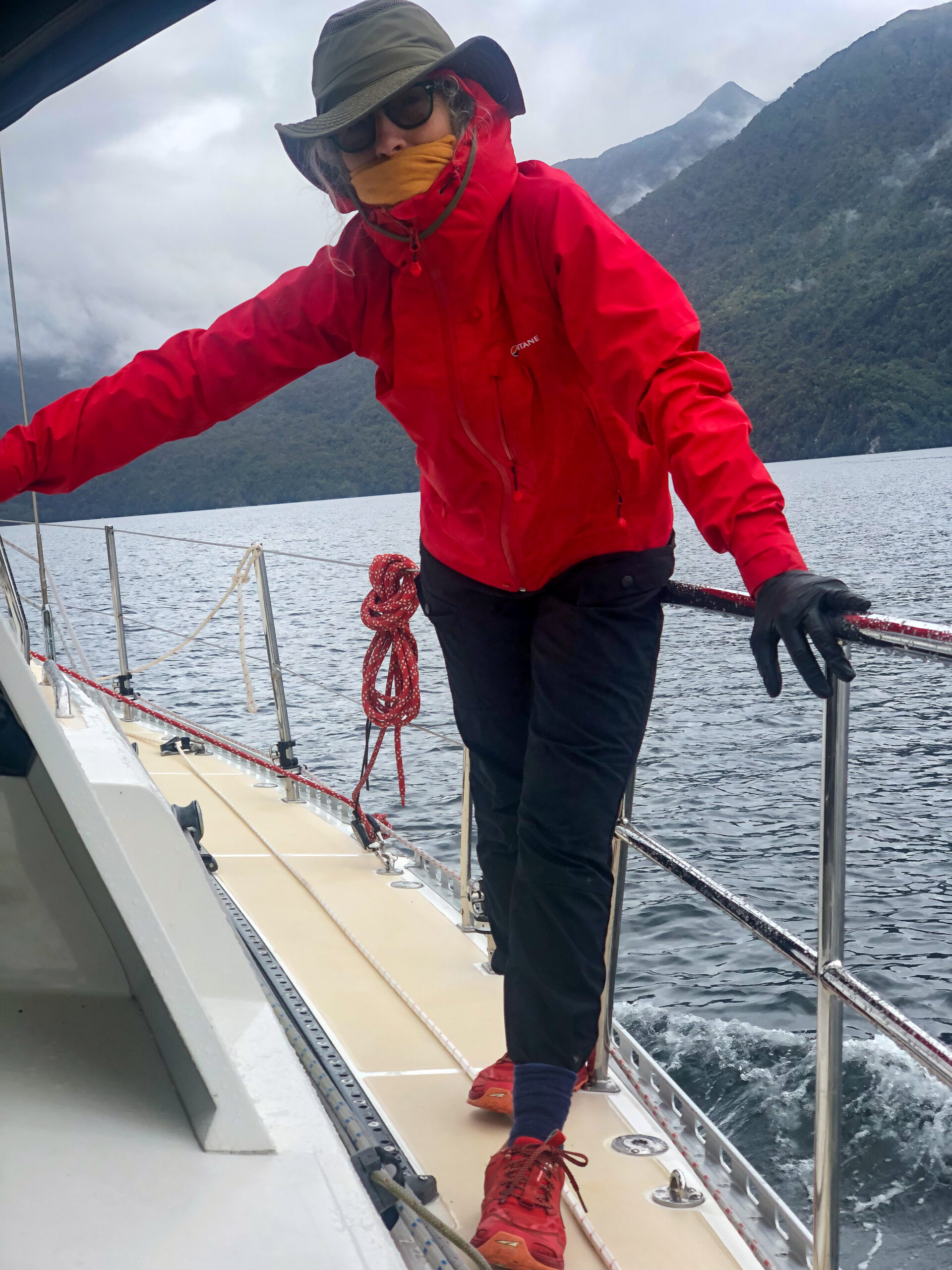
Drying out the PRADA on Allora’s lifelines!Moving from Wet Jacket Arm to Breaksea Sound.
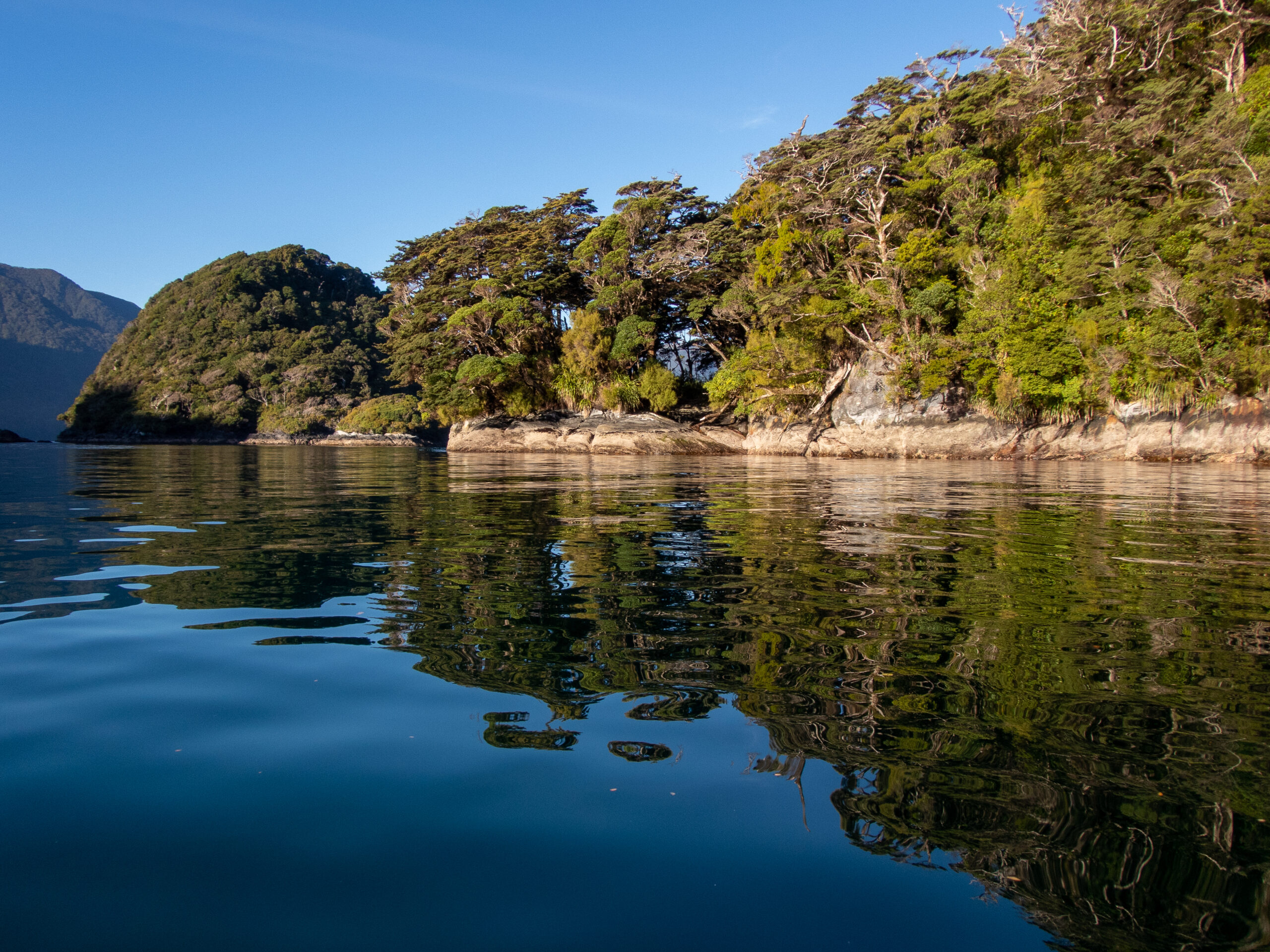
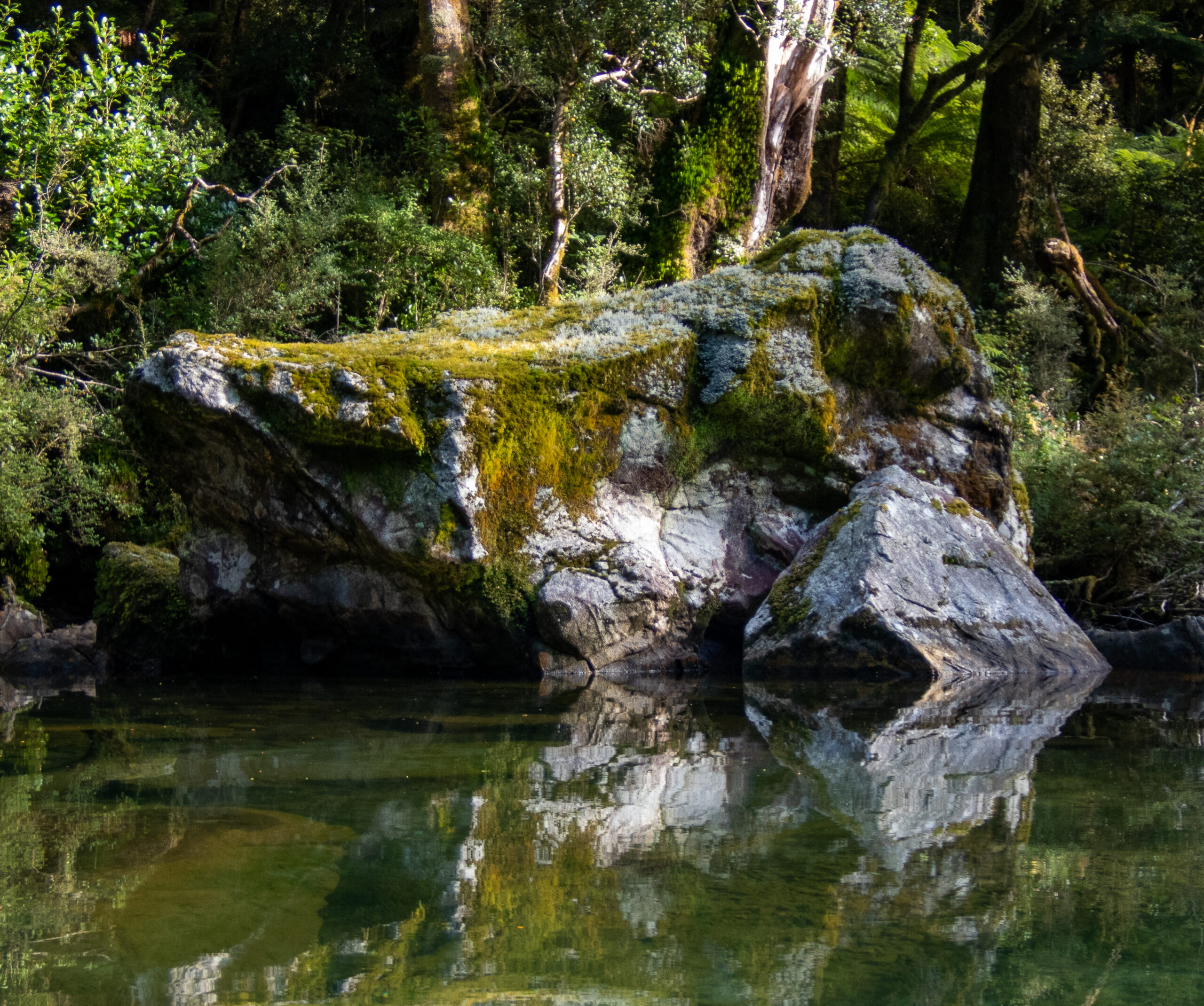
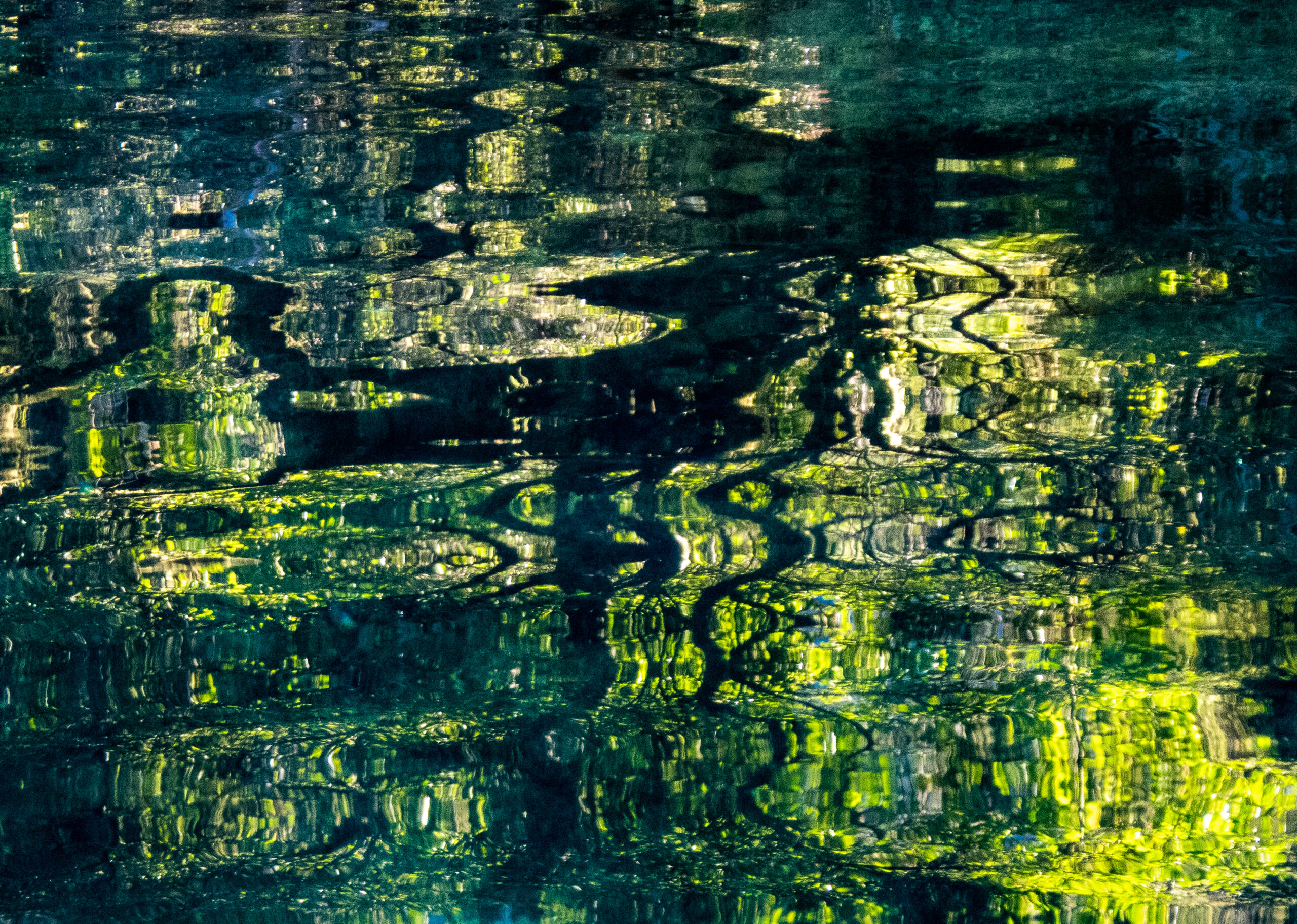
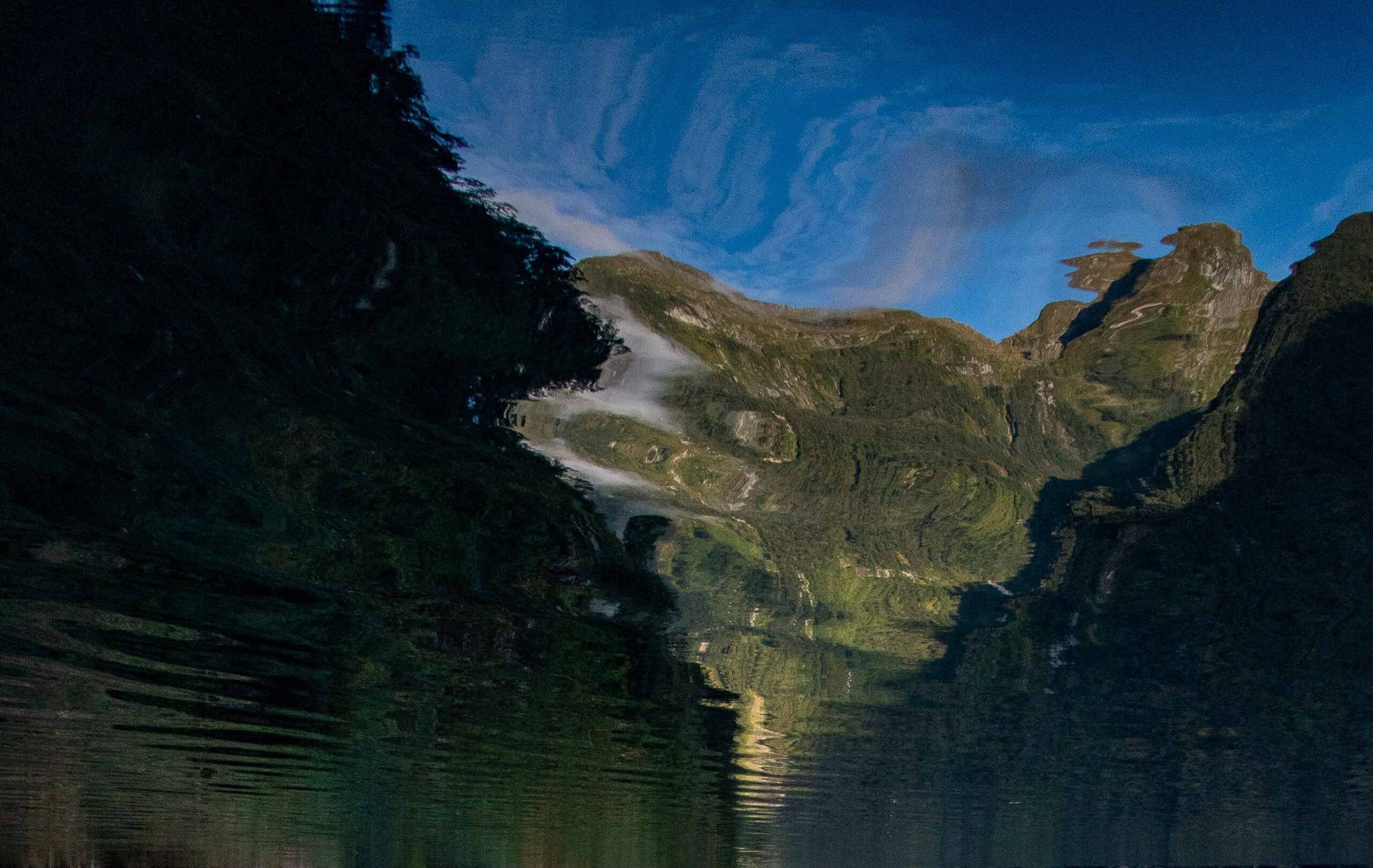
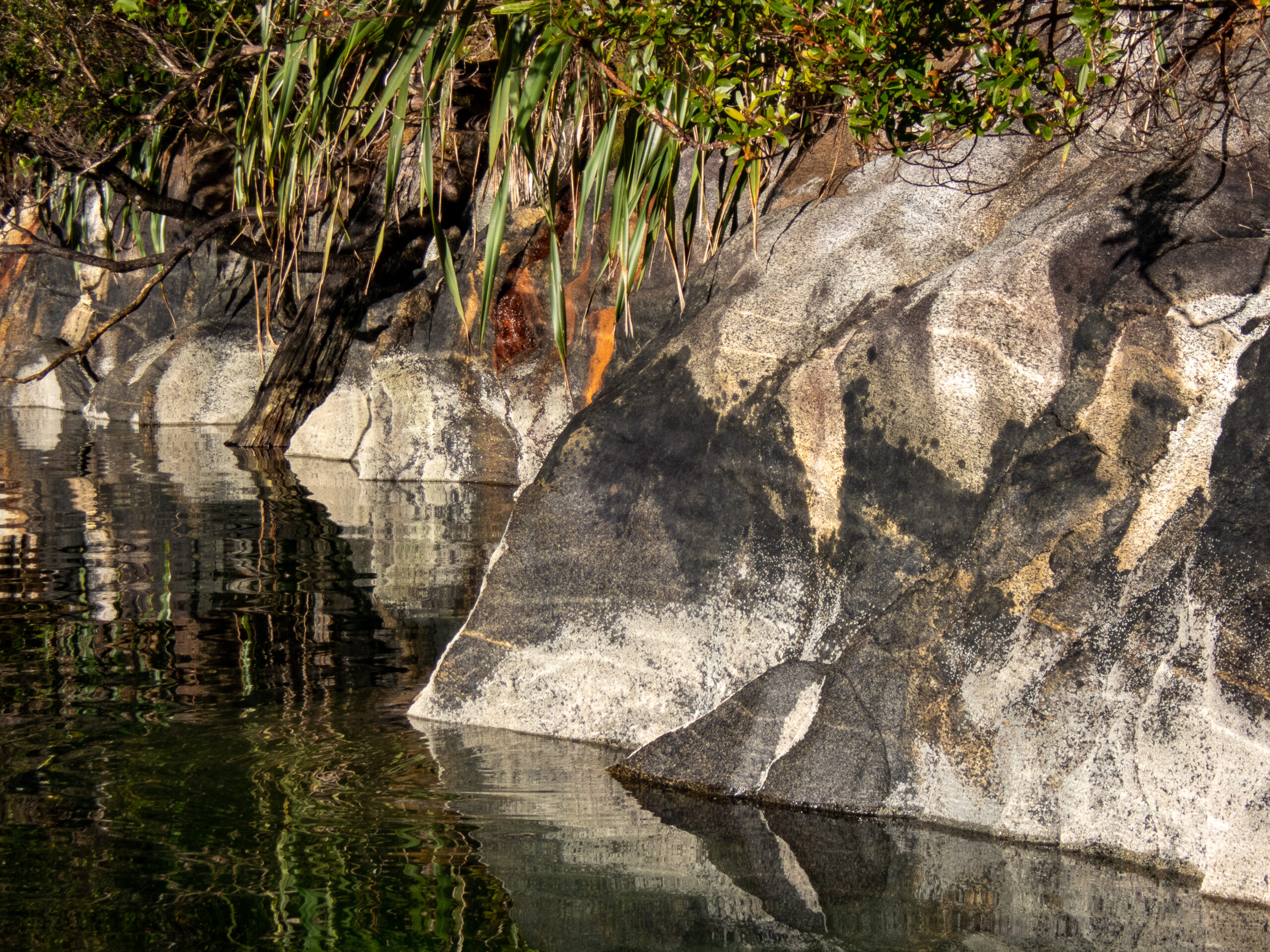
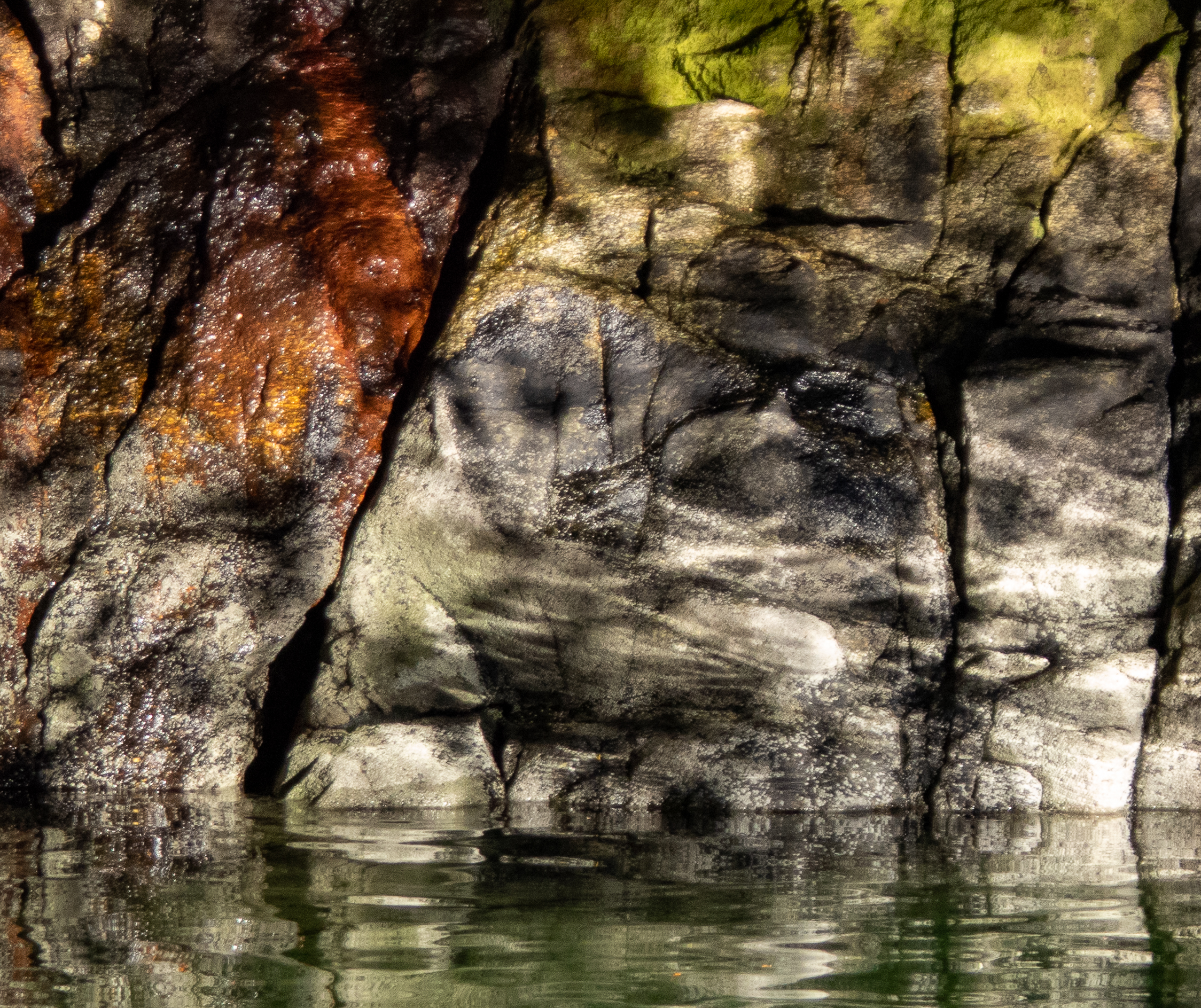
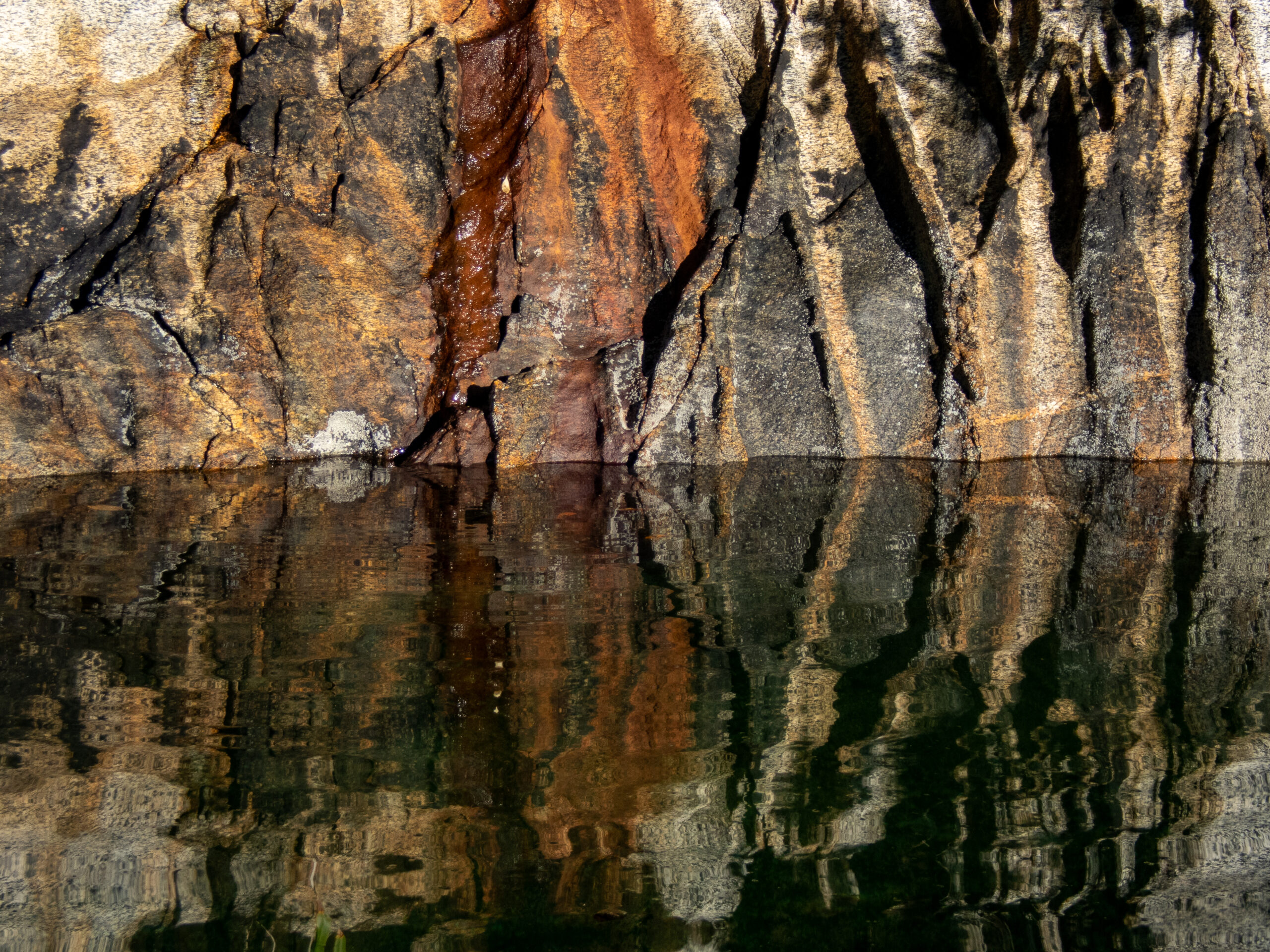
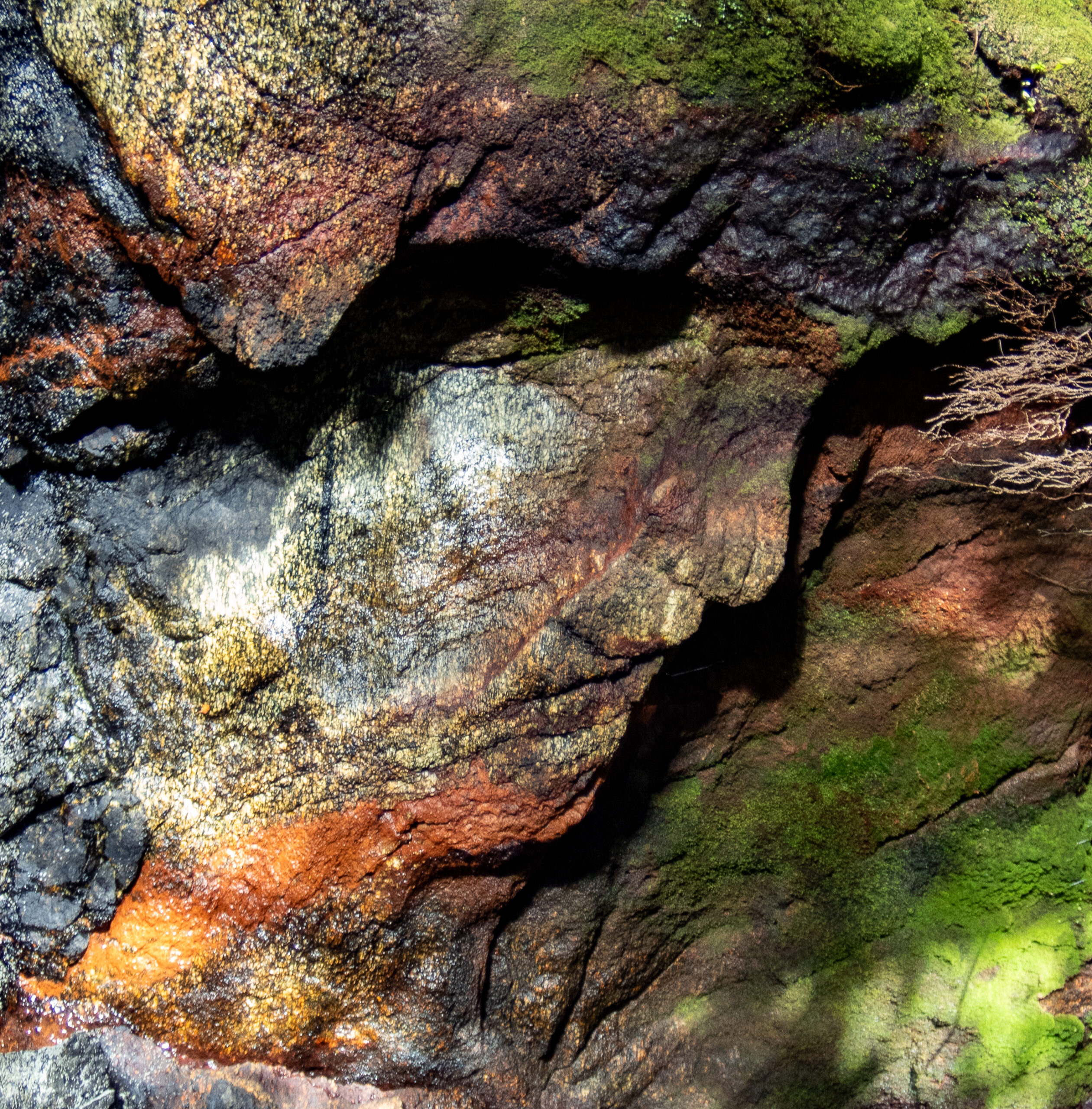
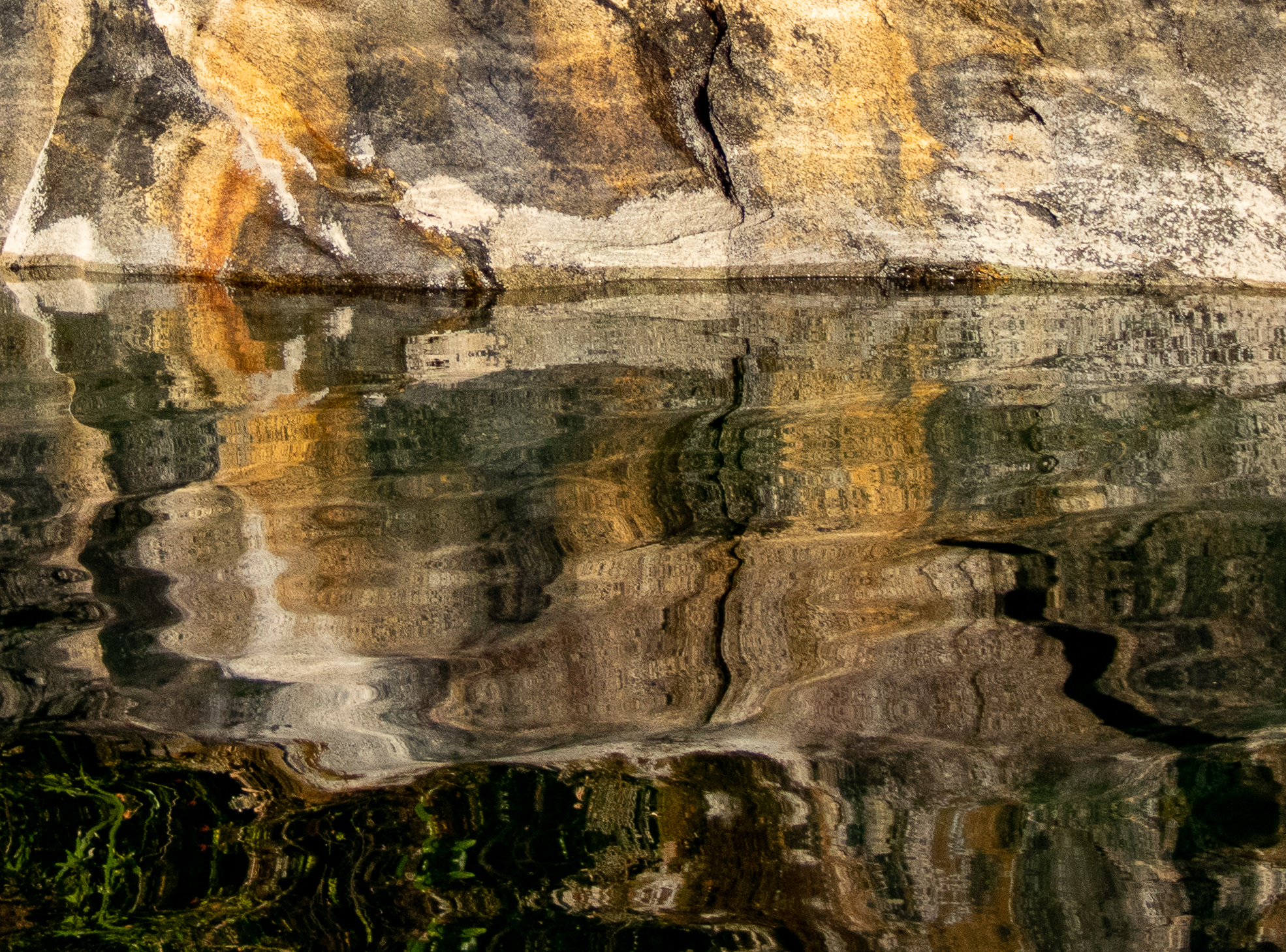
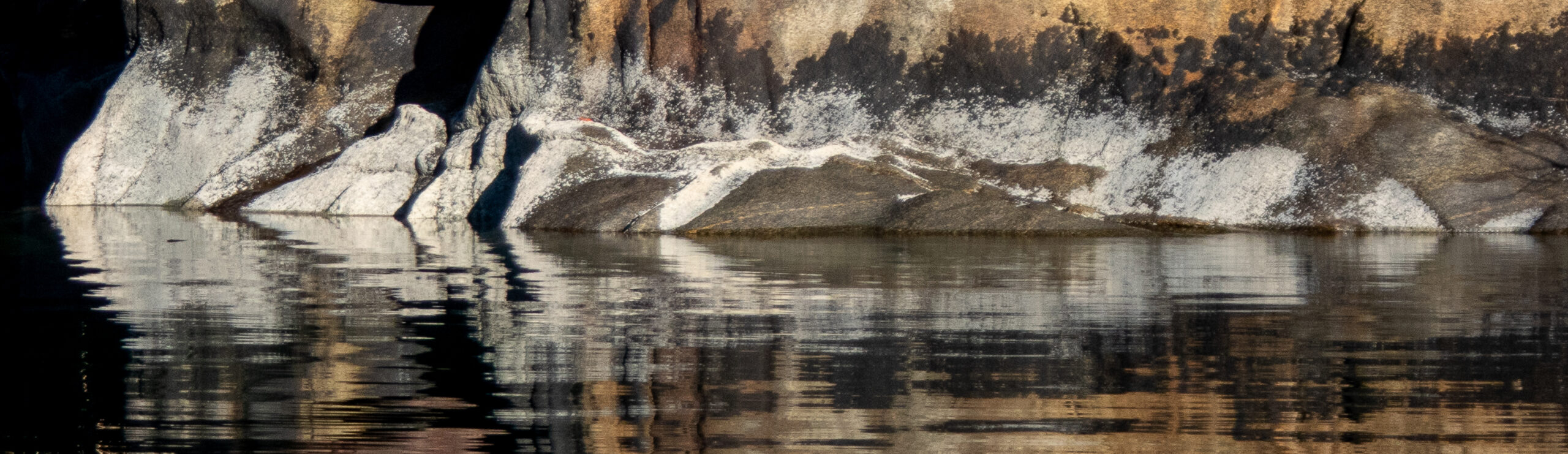
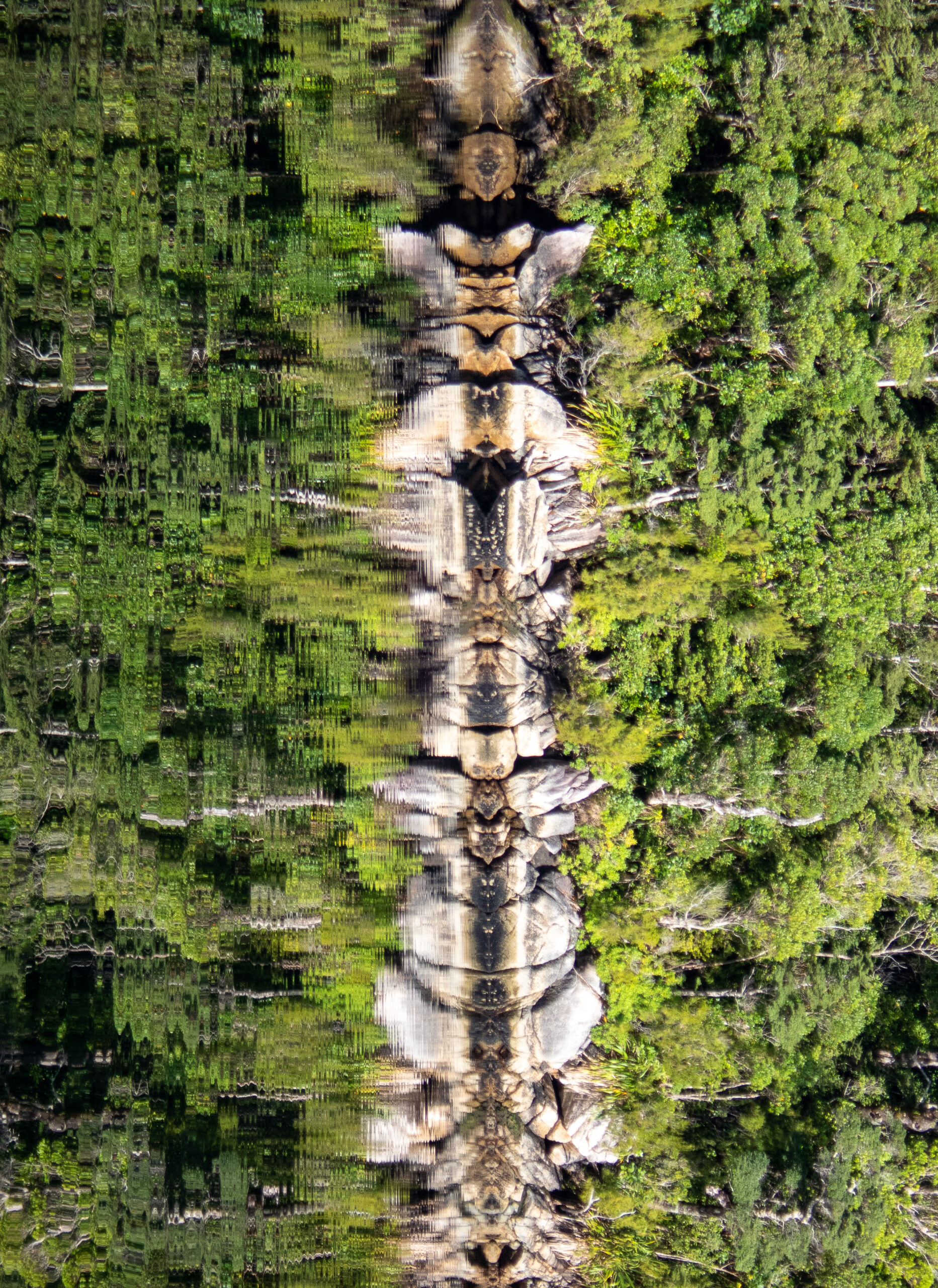
Reflections
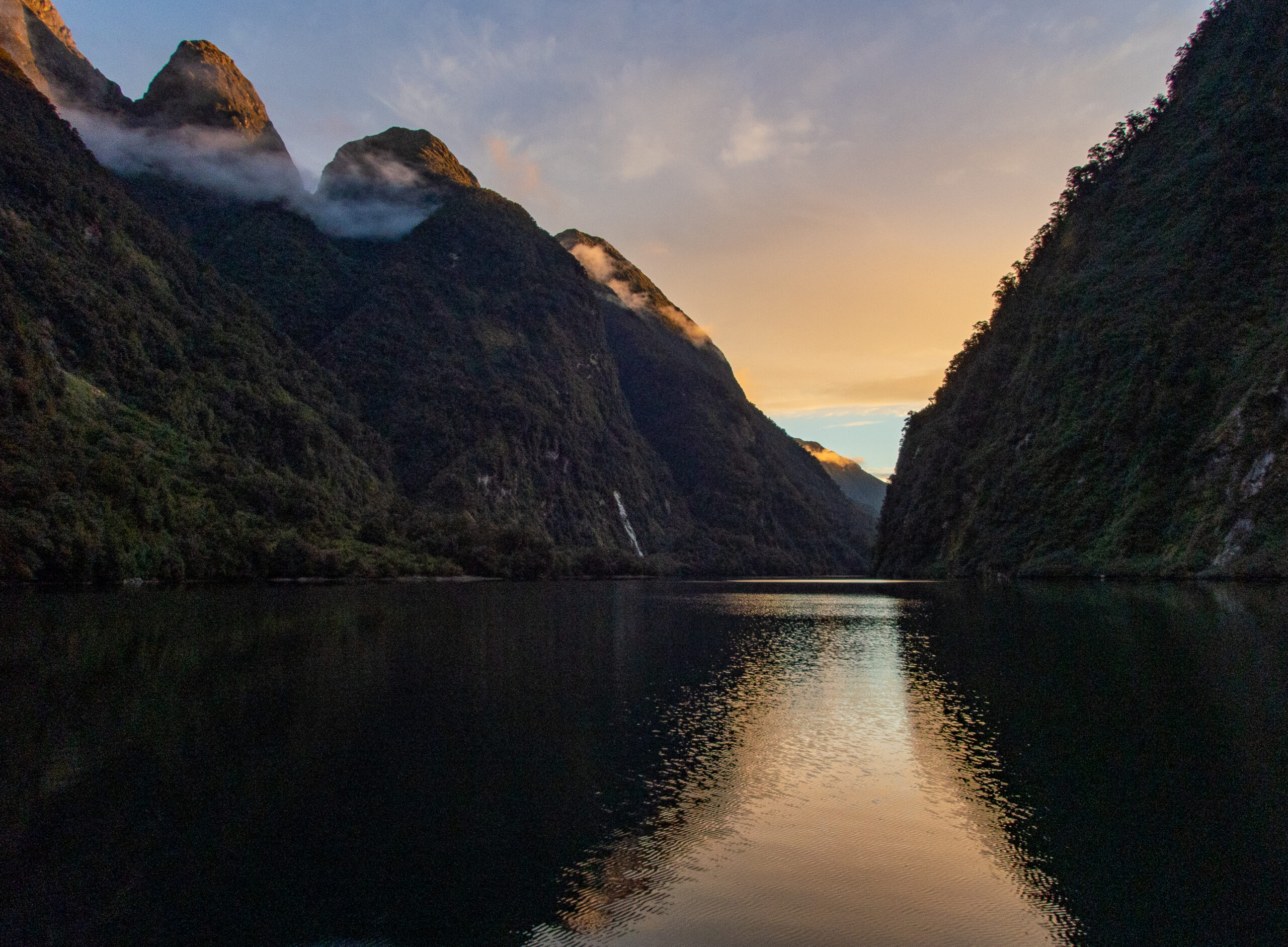
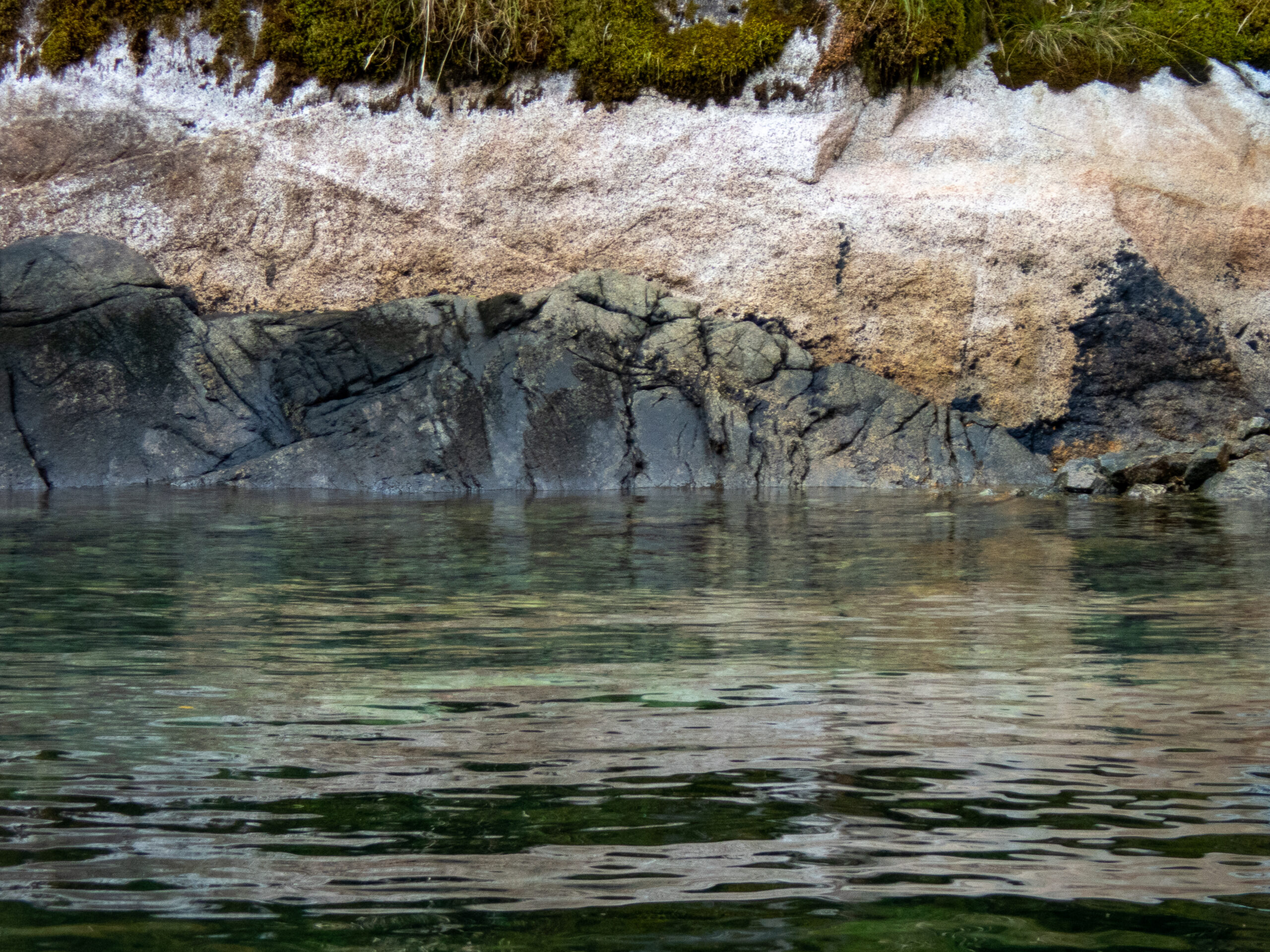
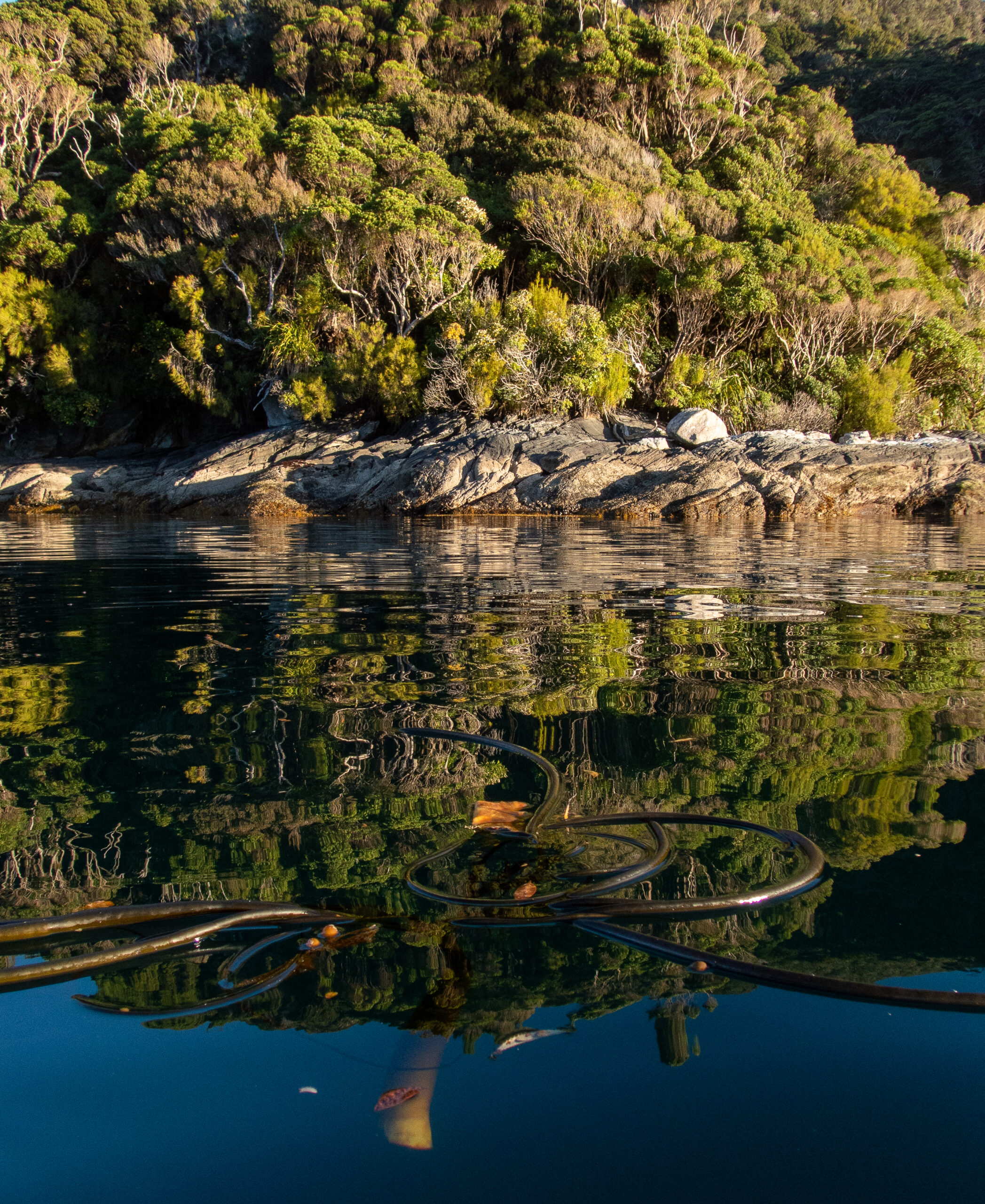
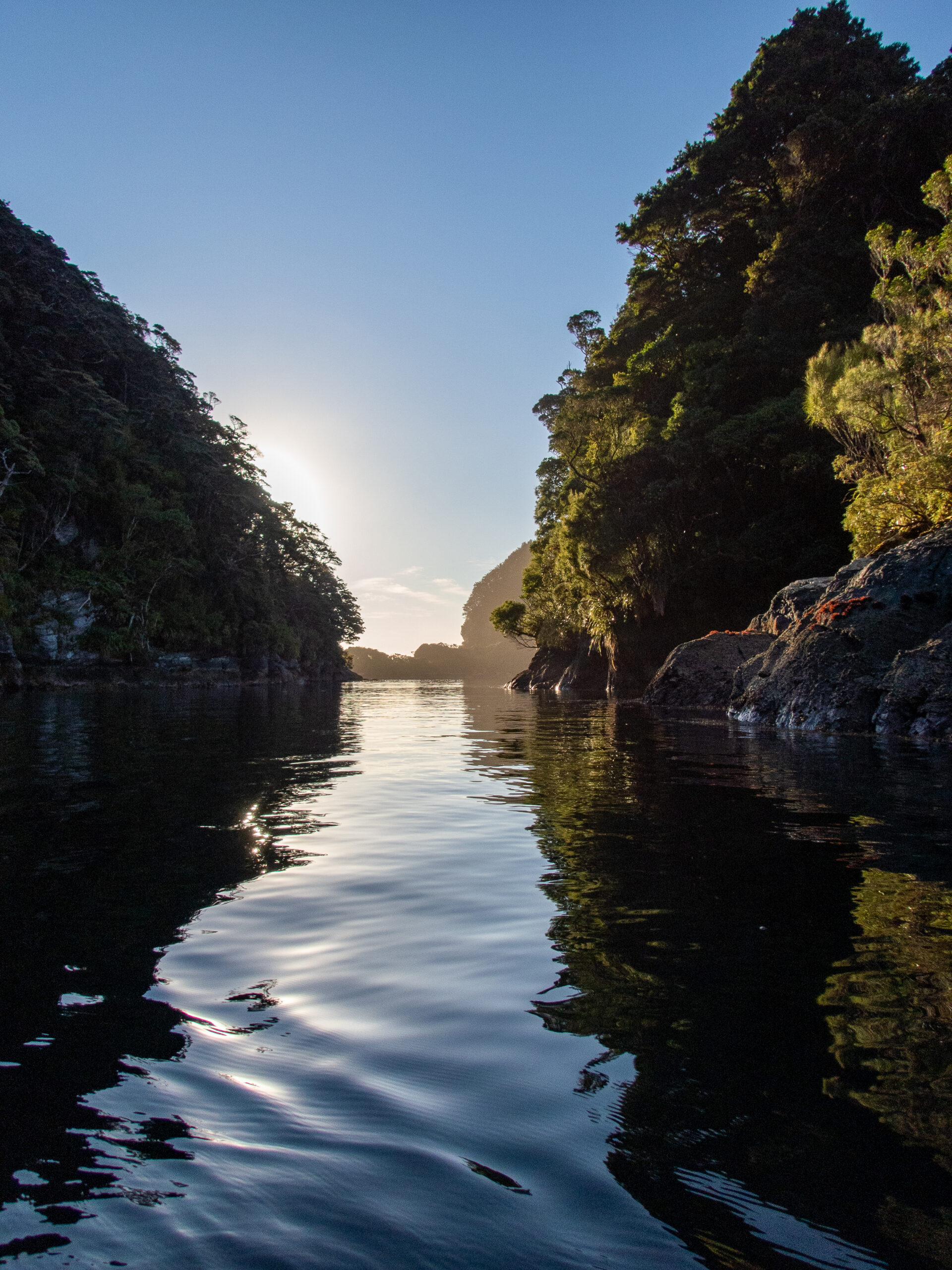
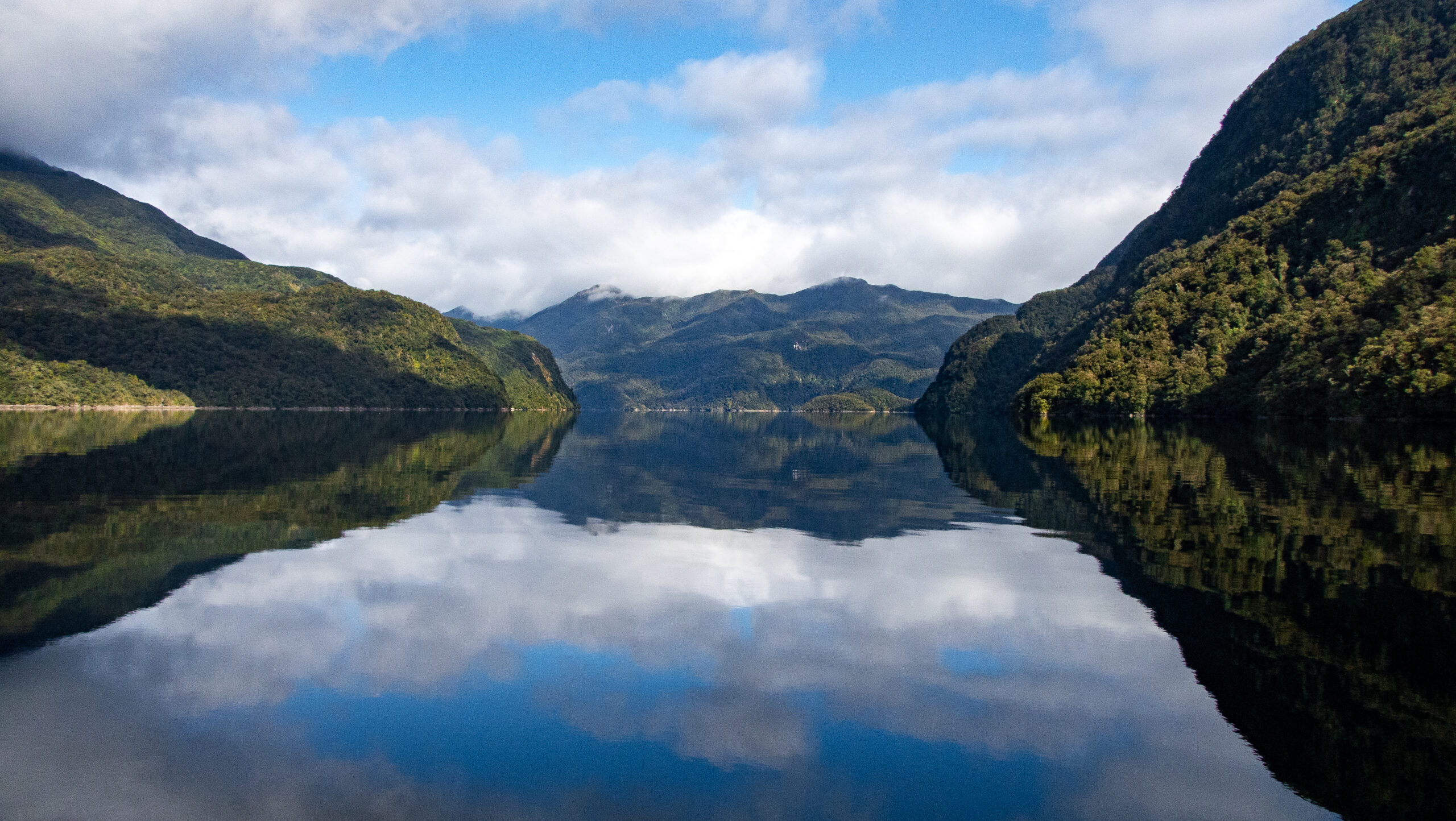
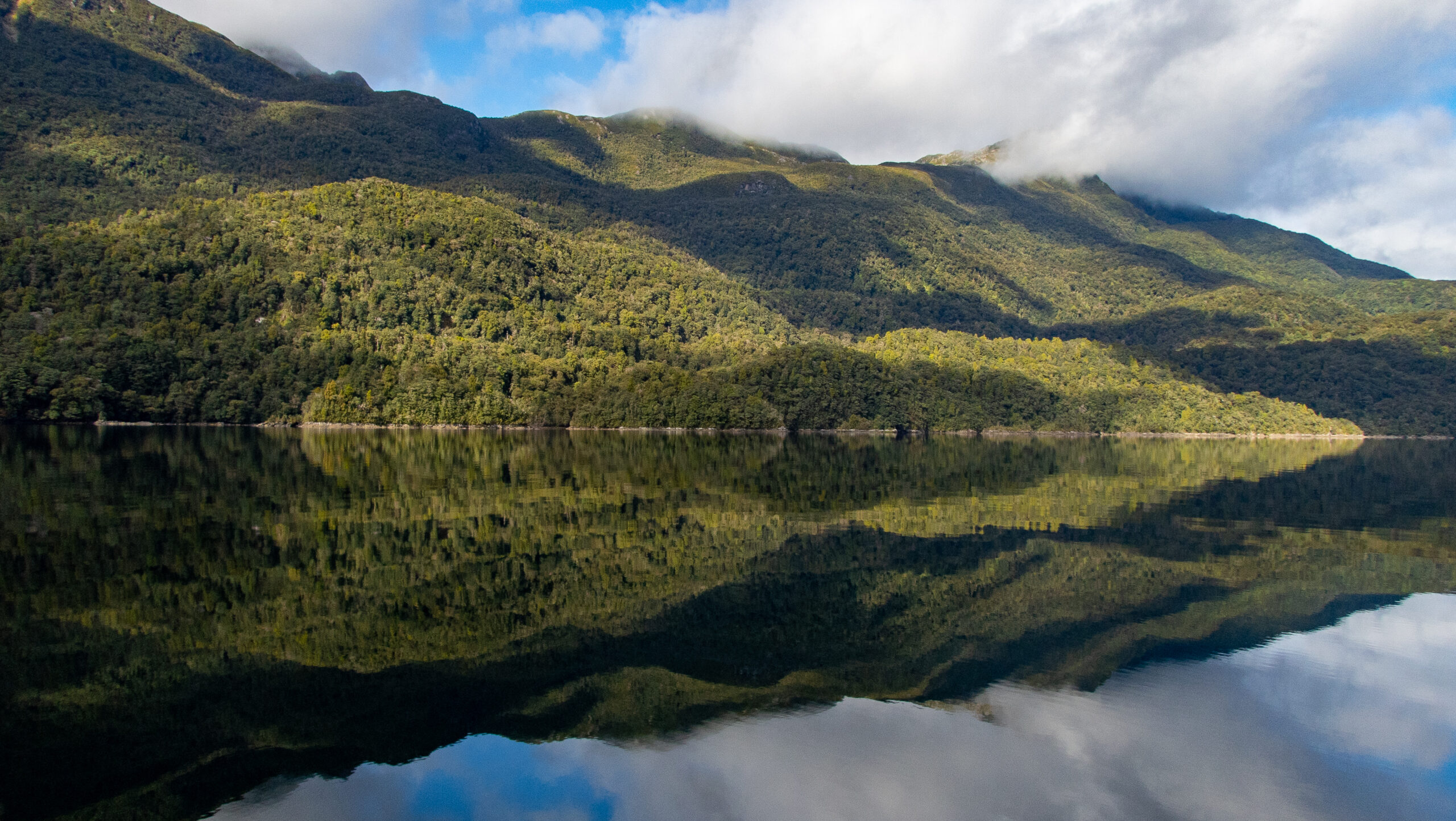
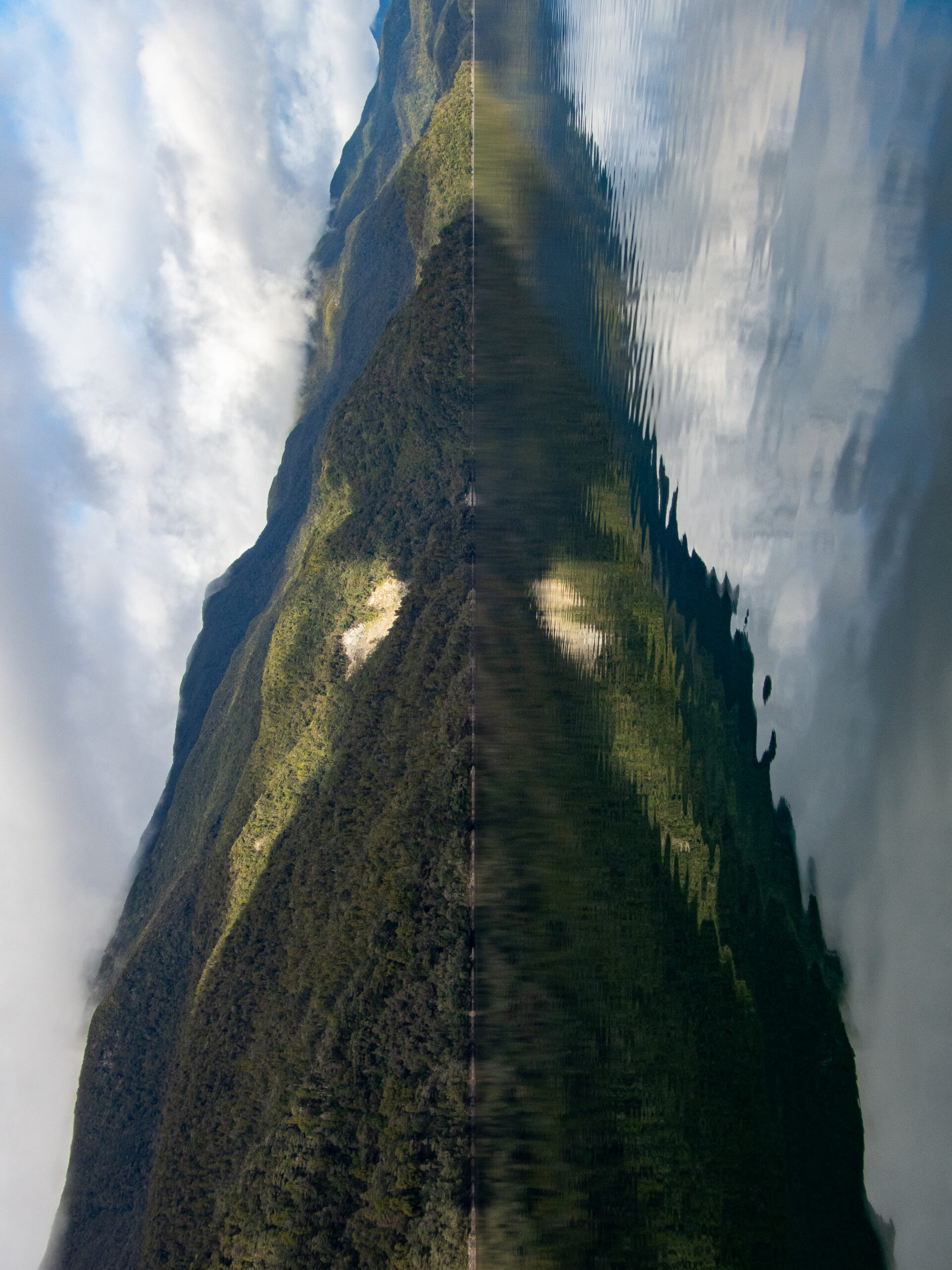
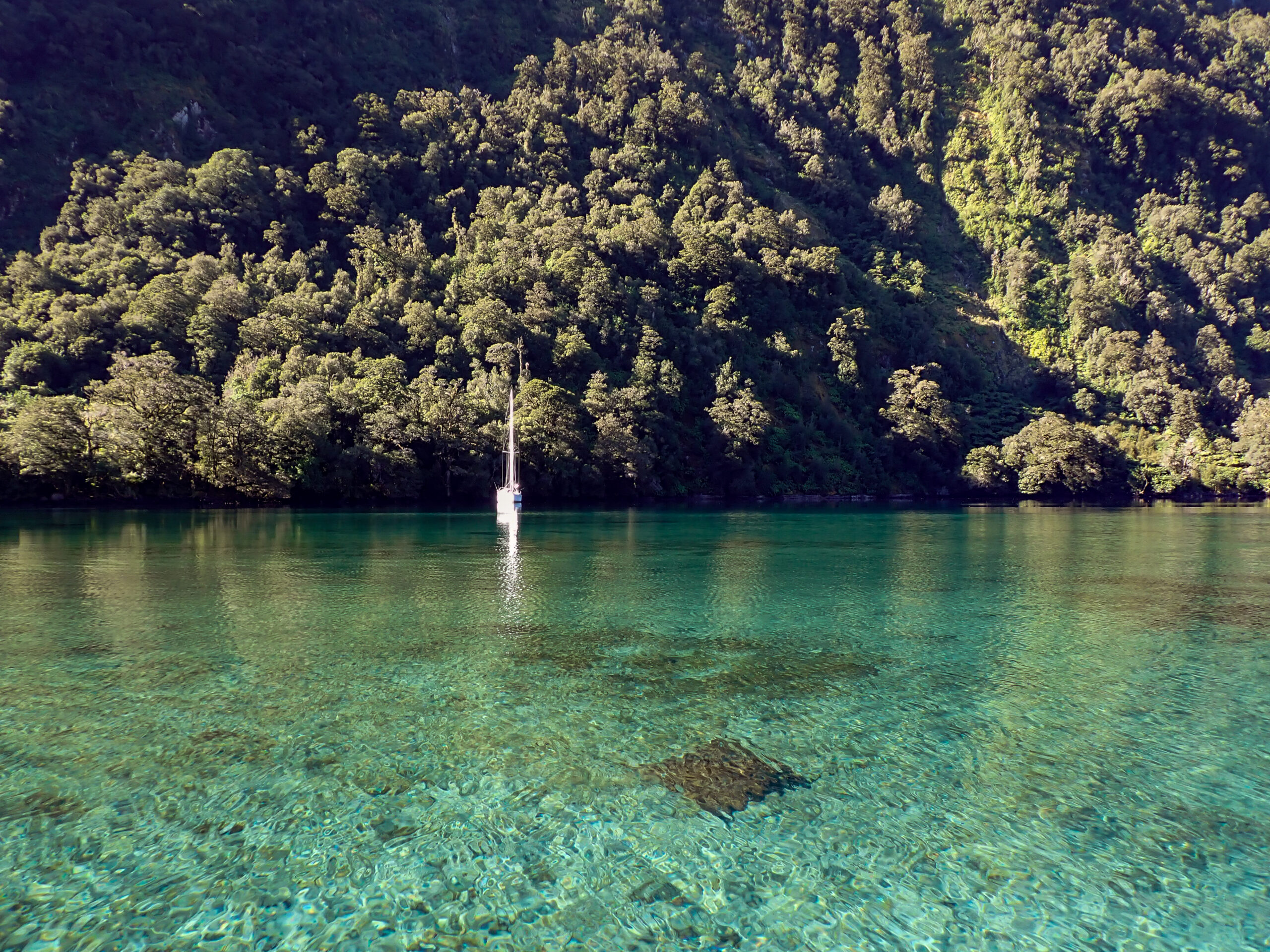
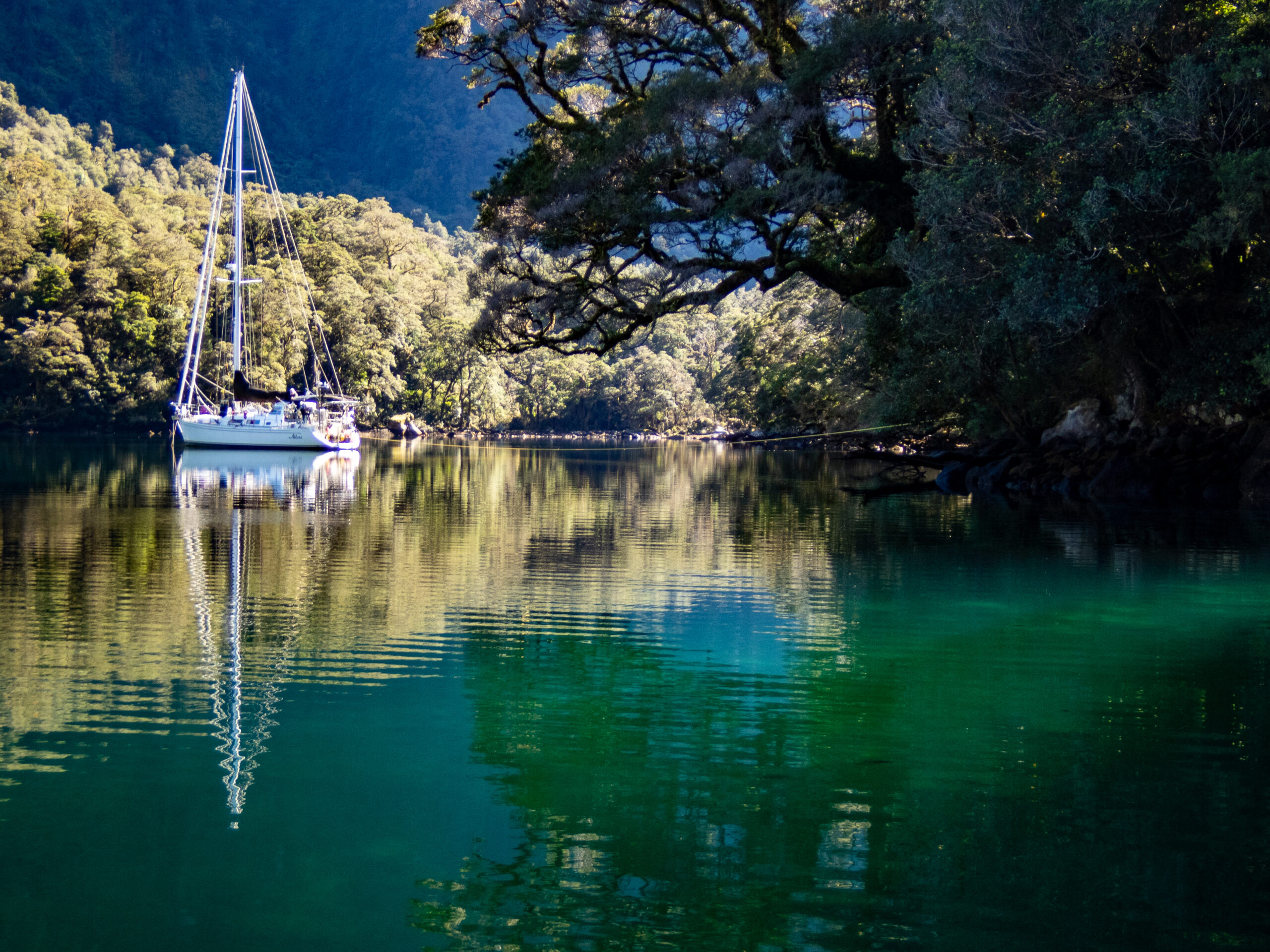
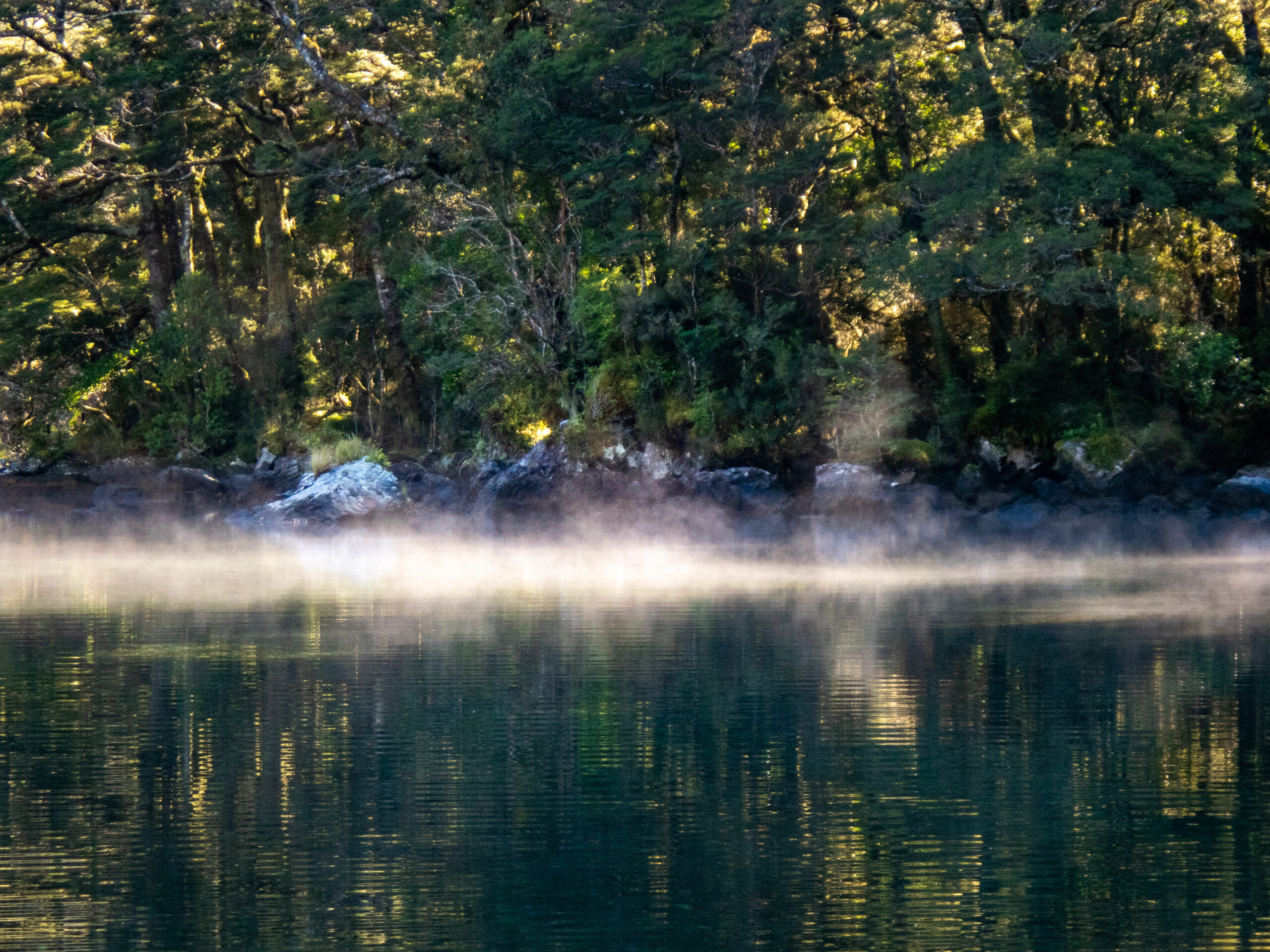
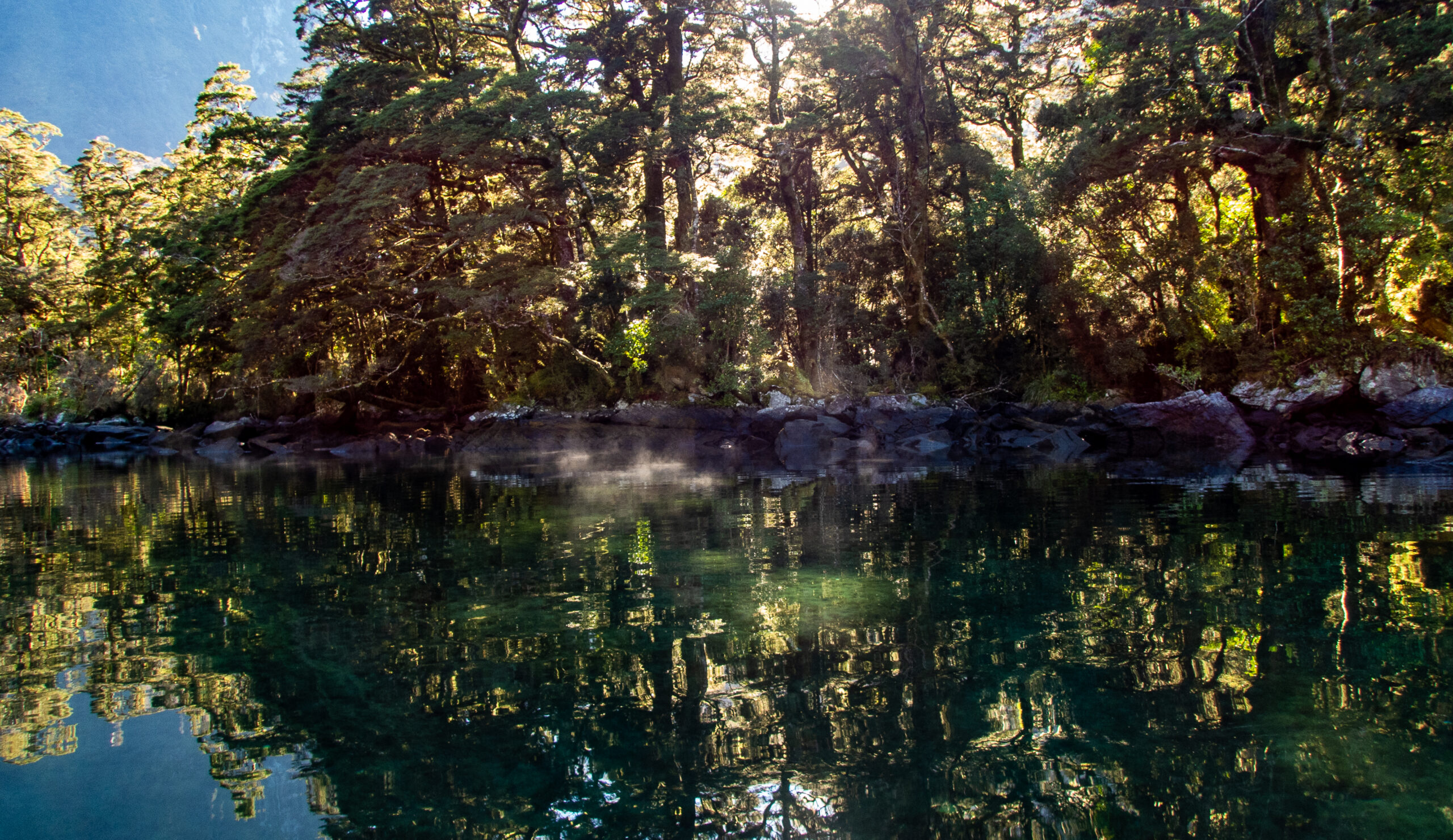
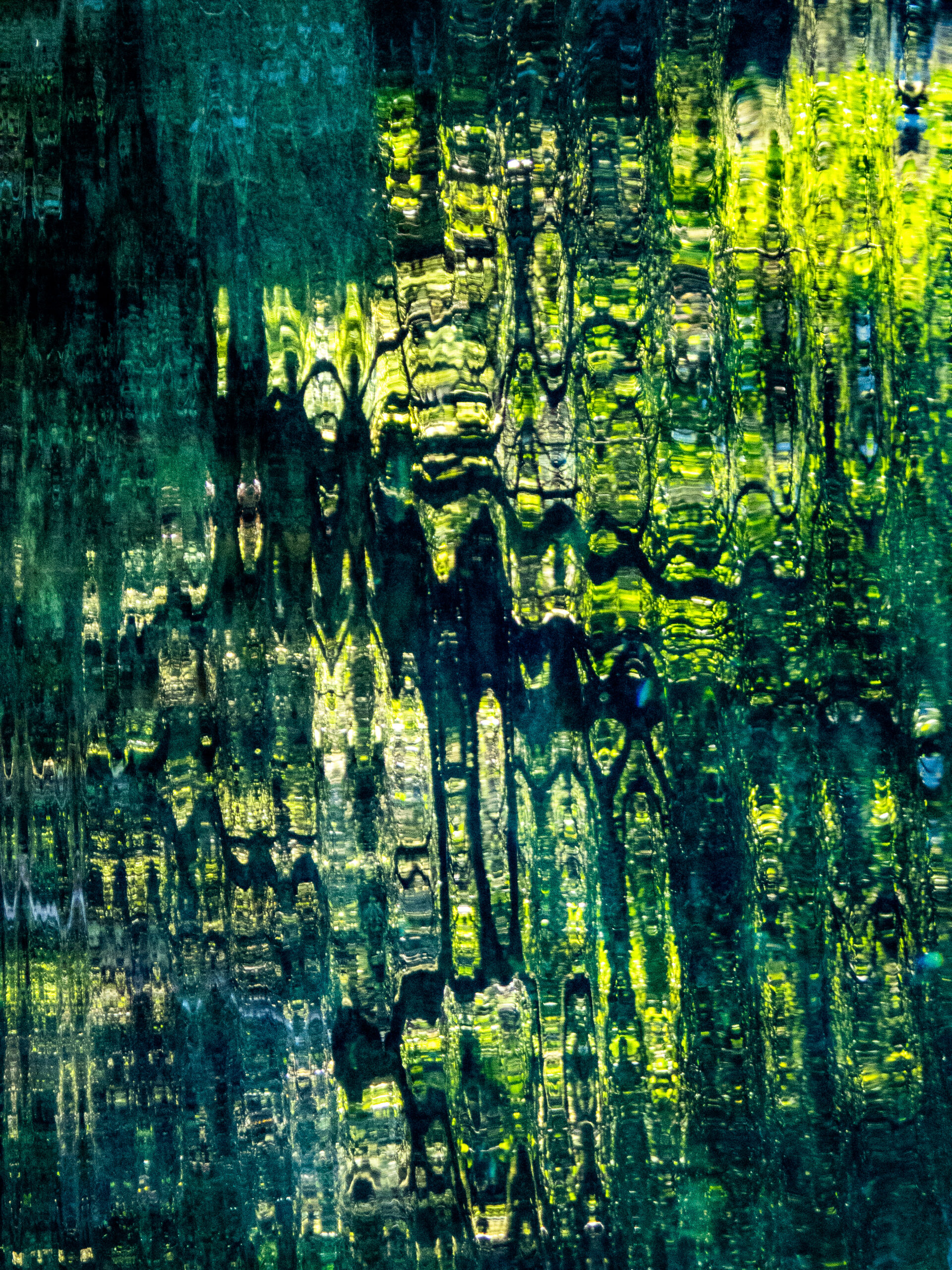
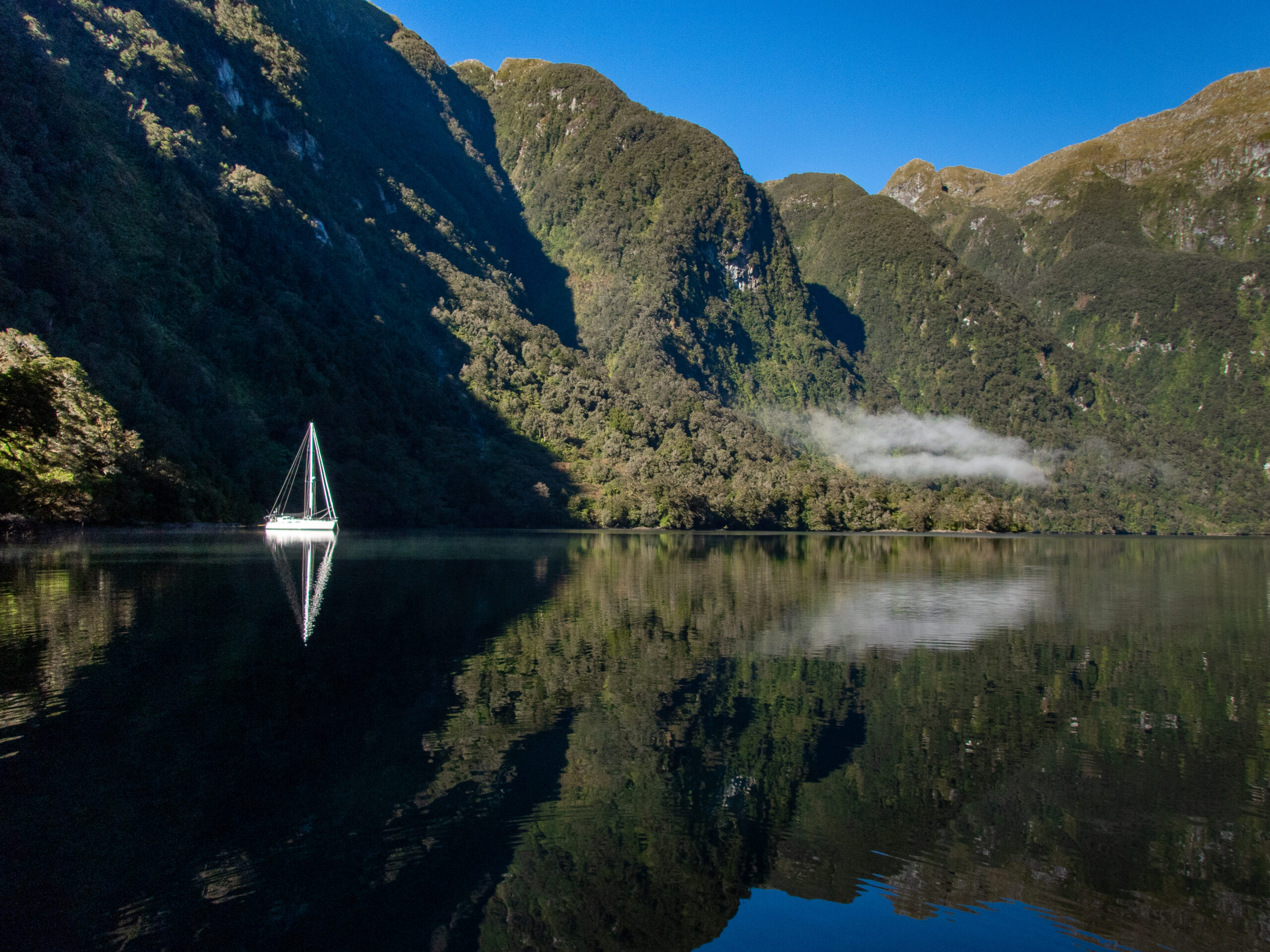
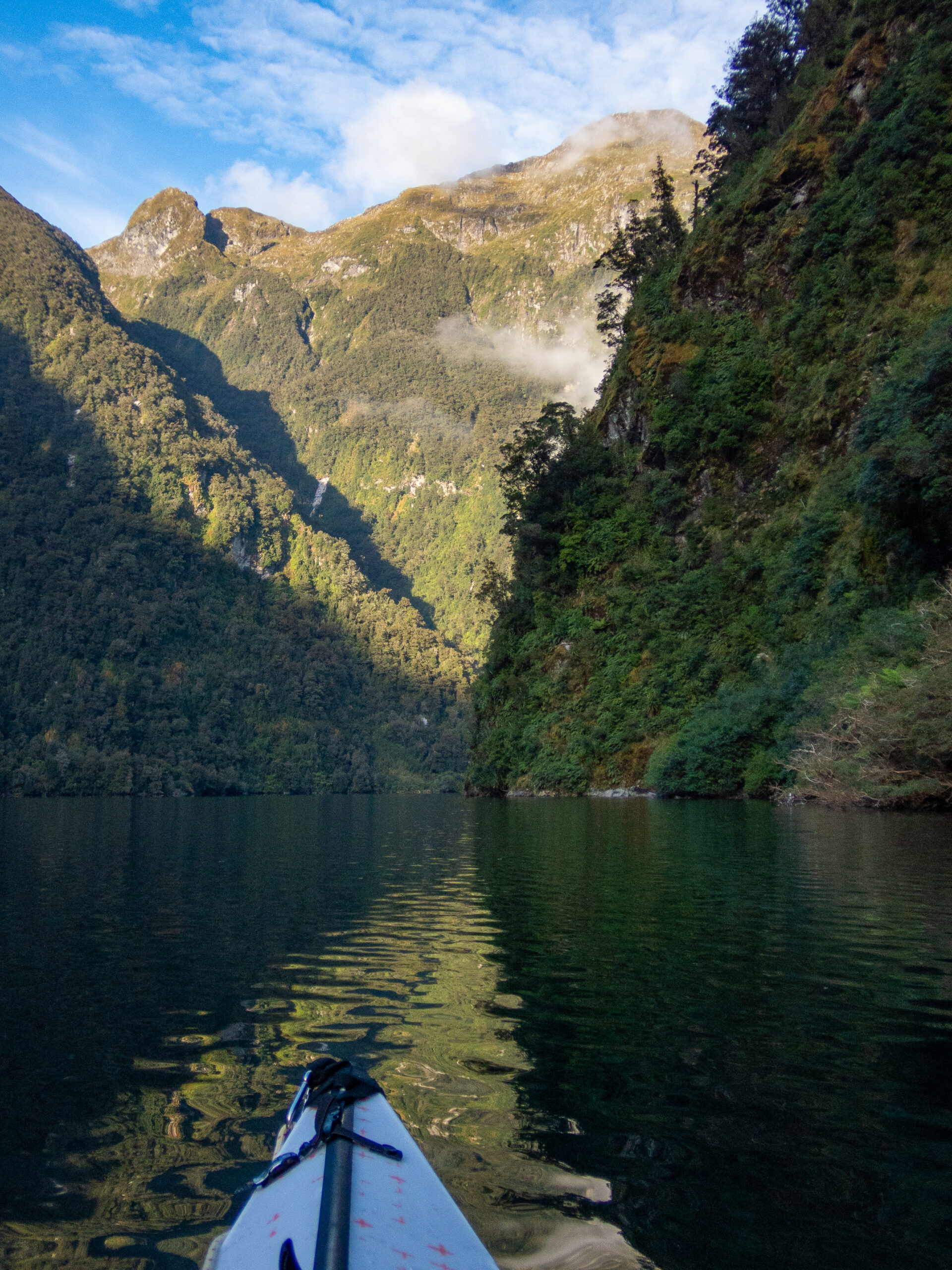
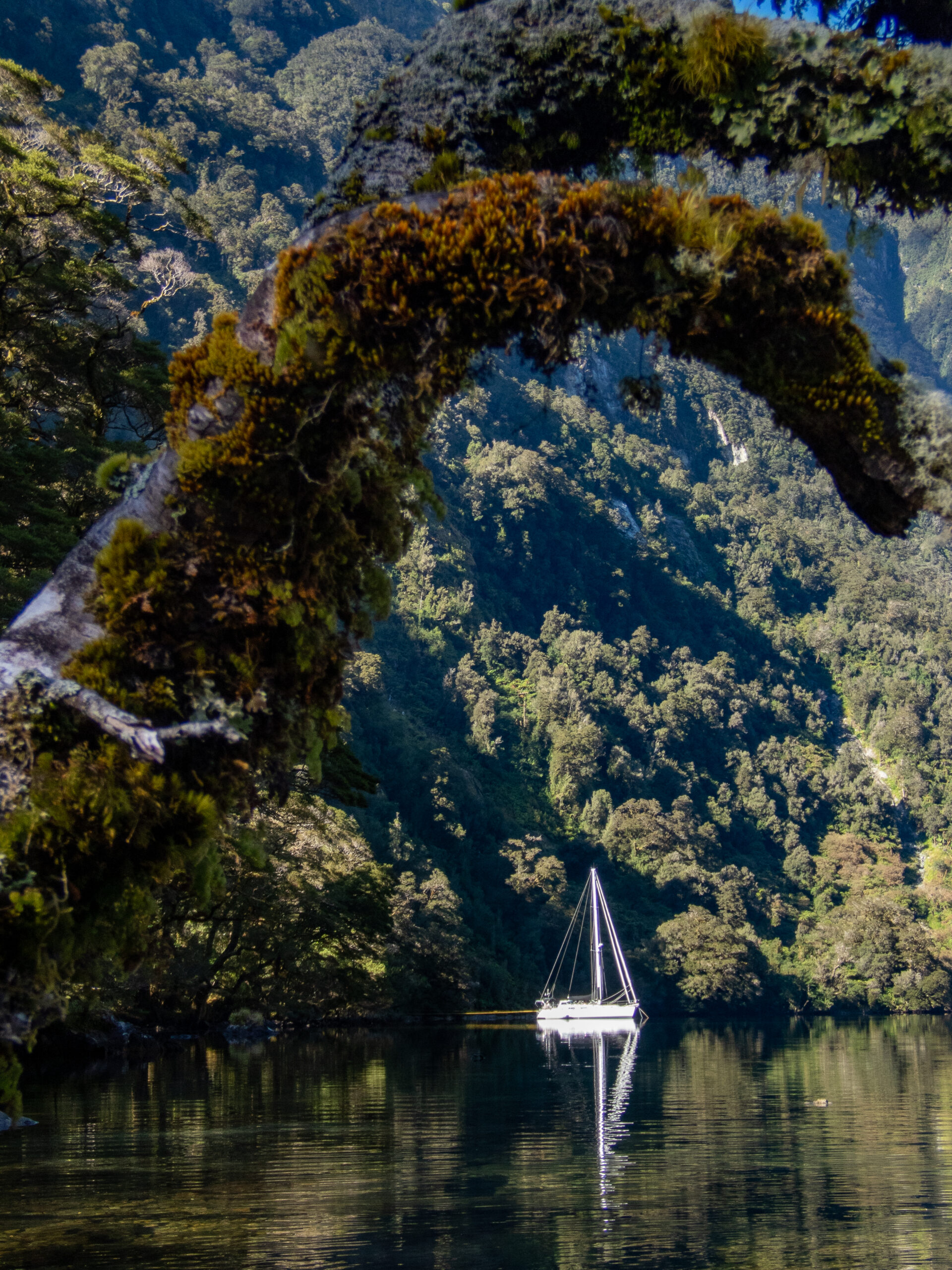
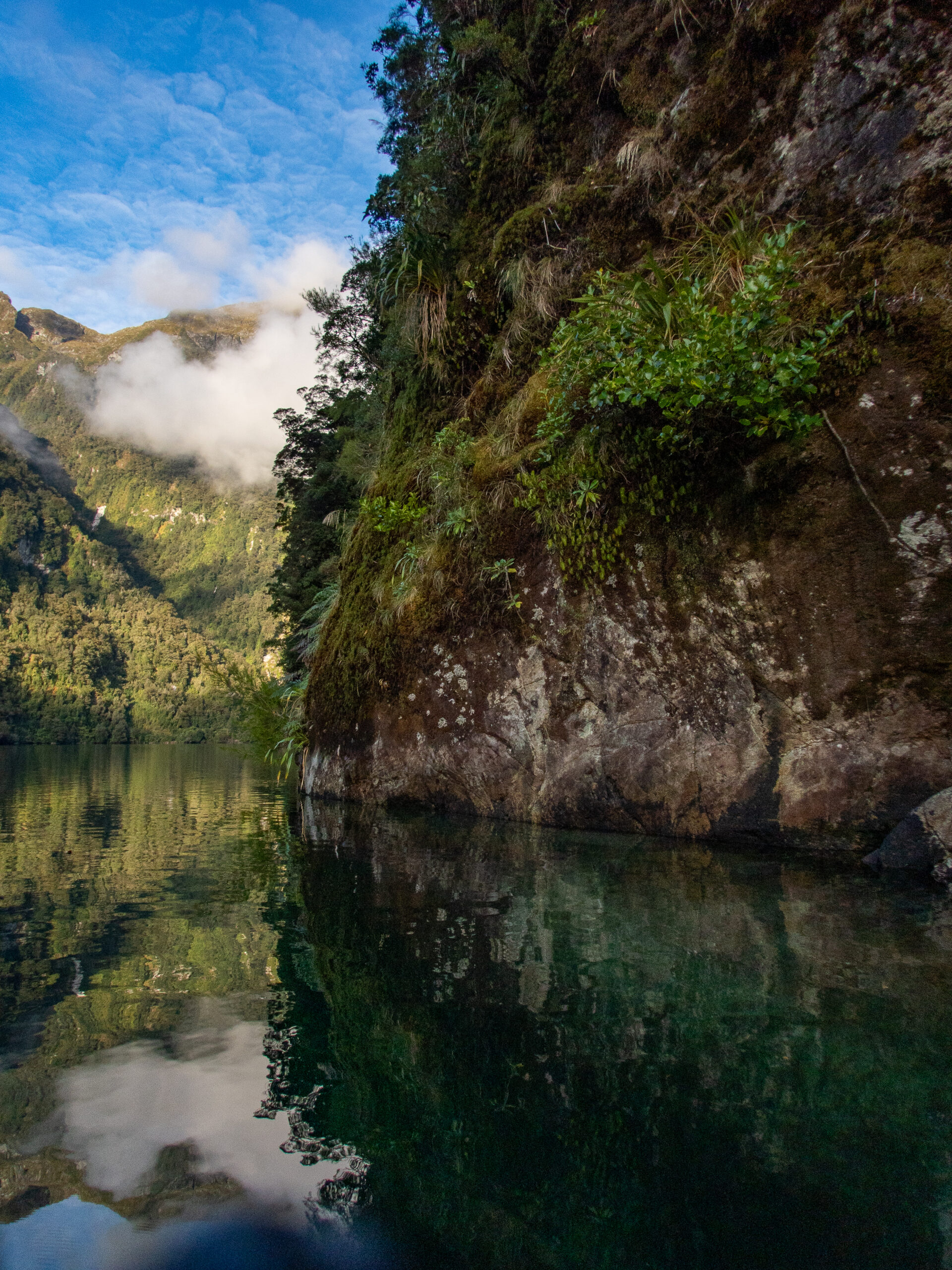
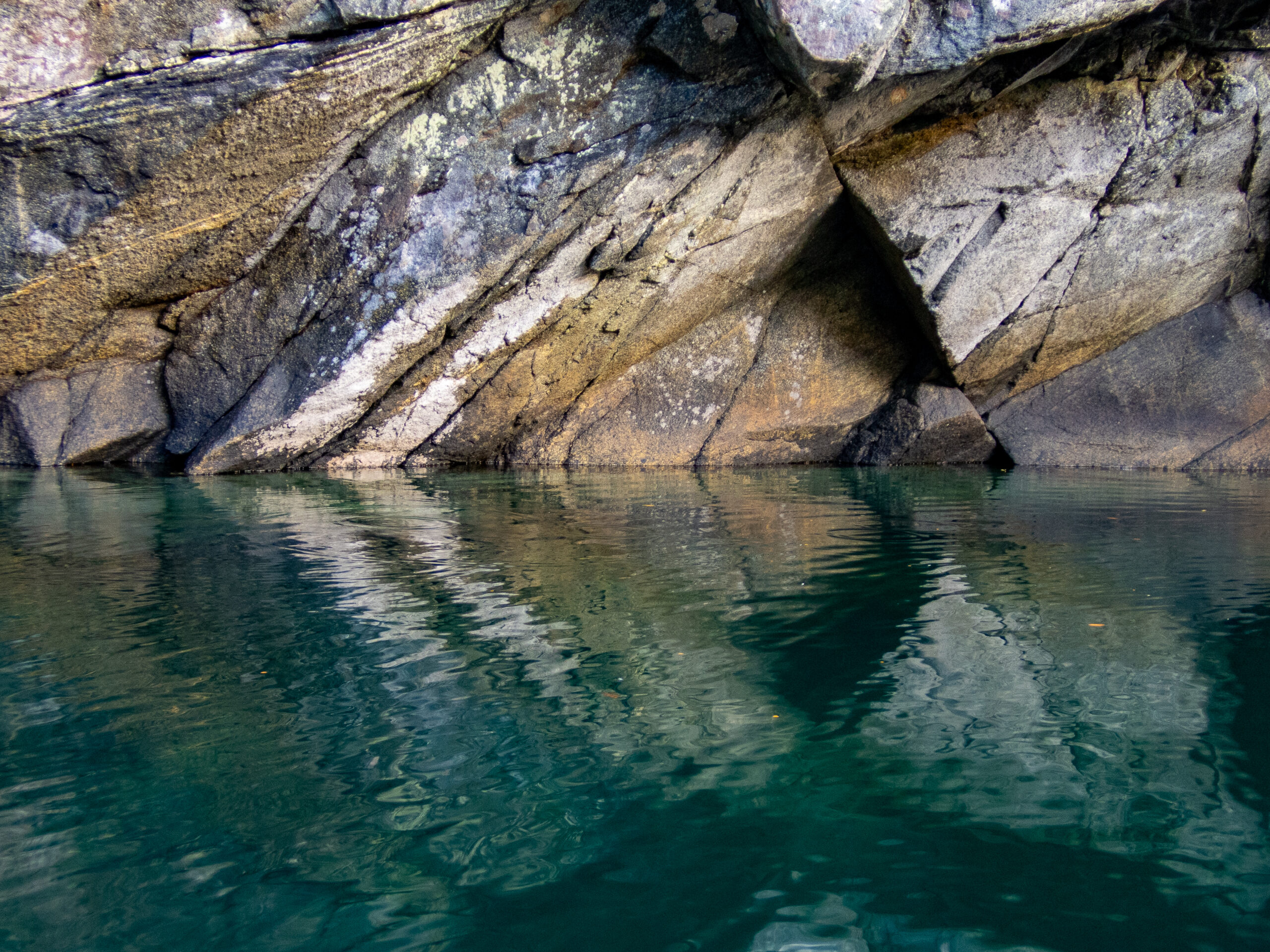
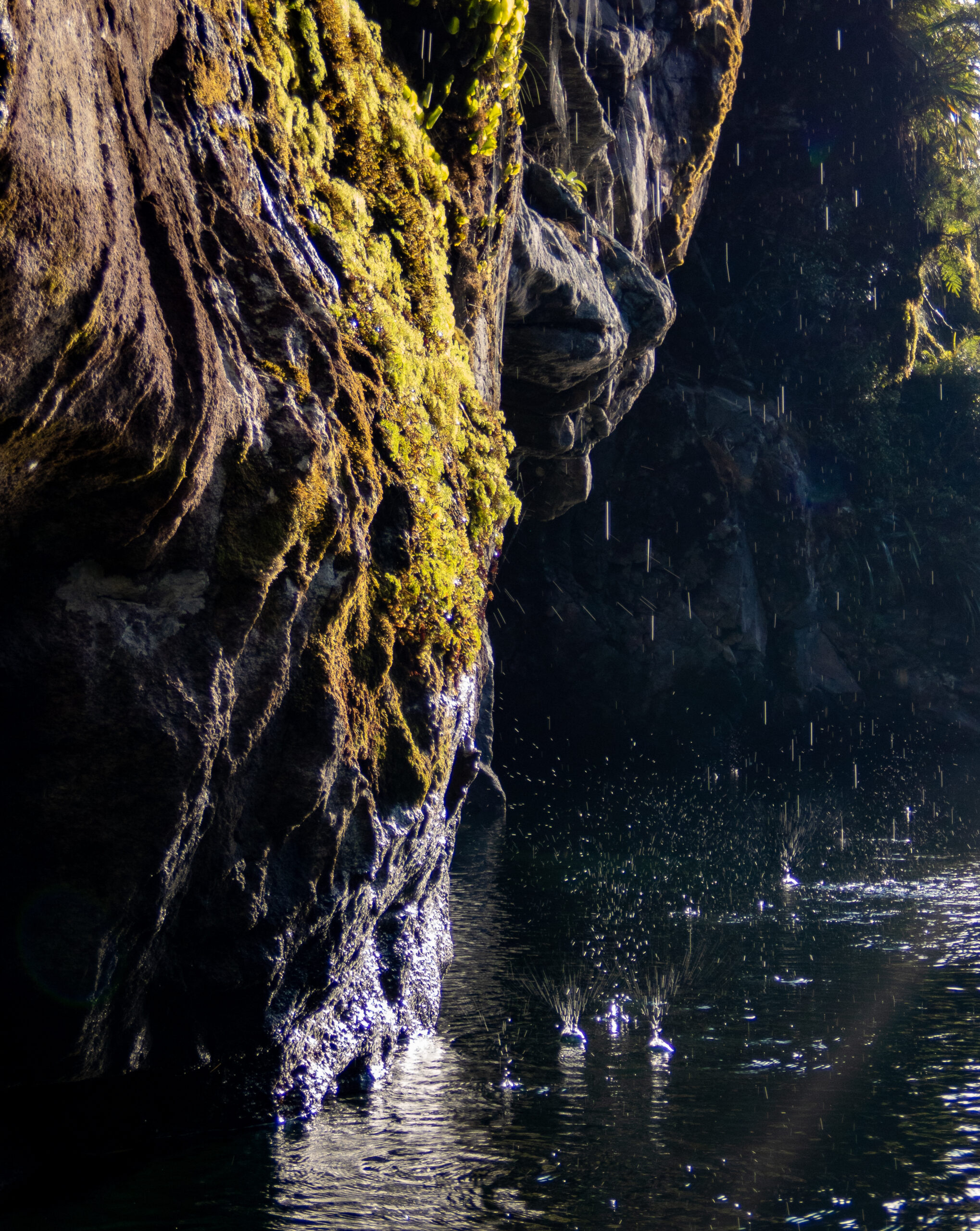
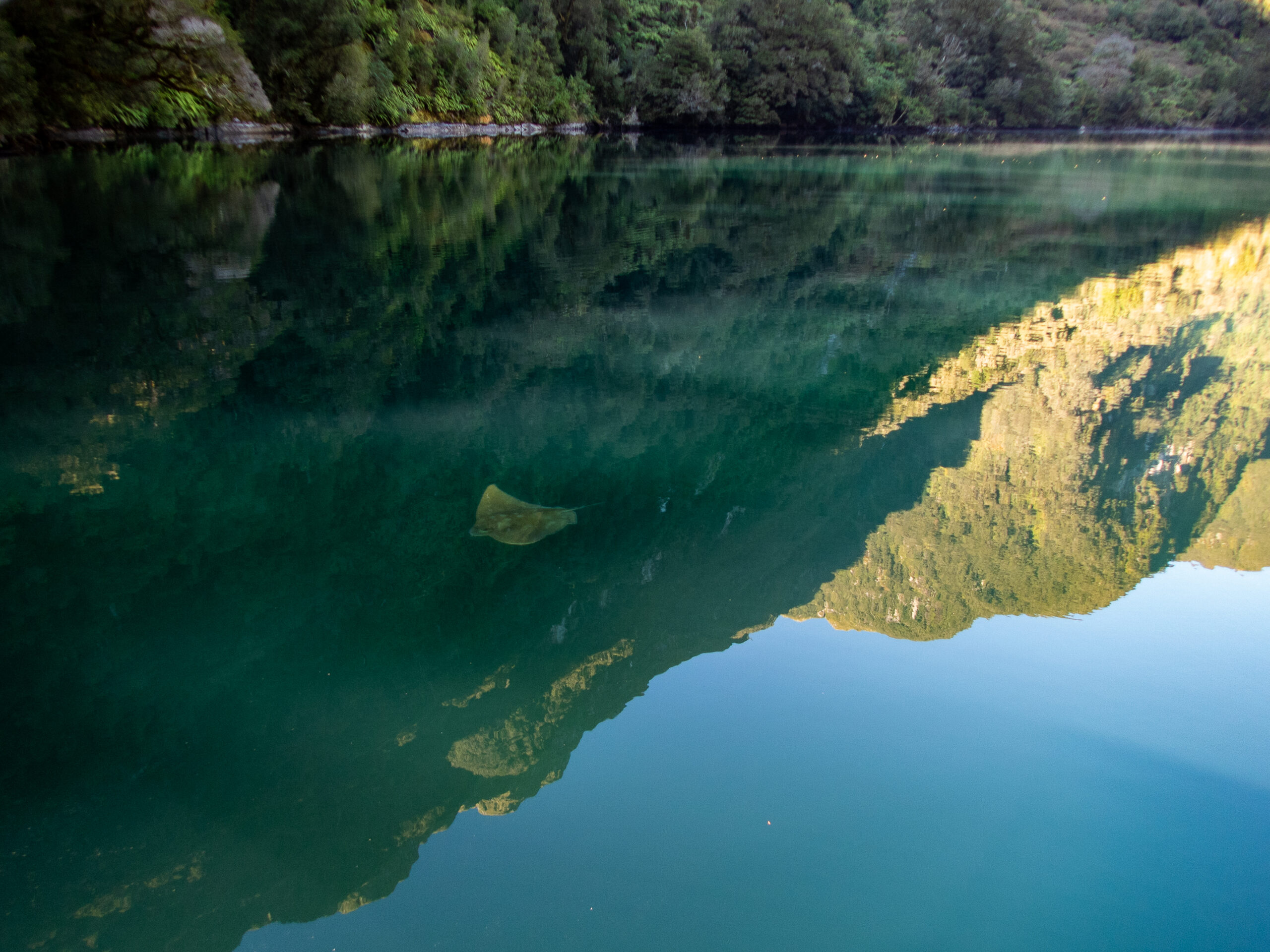
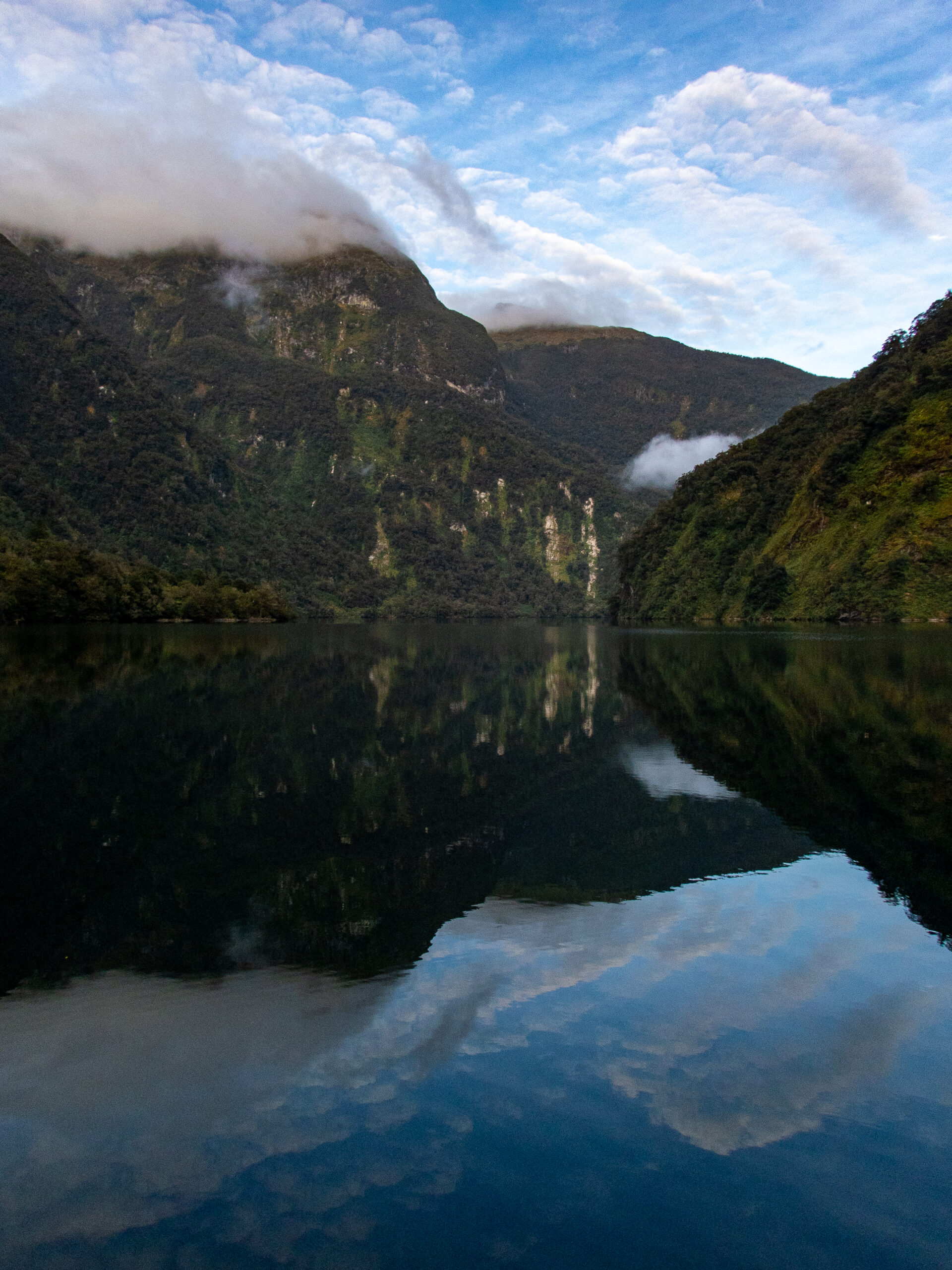
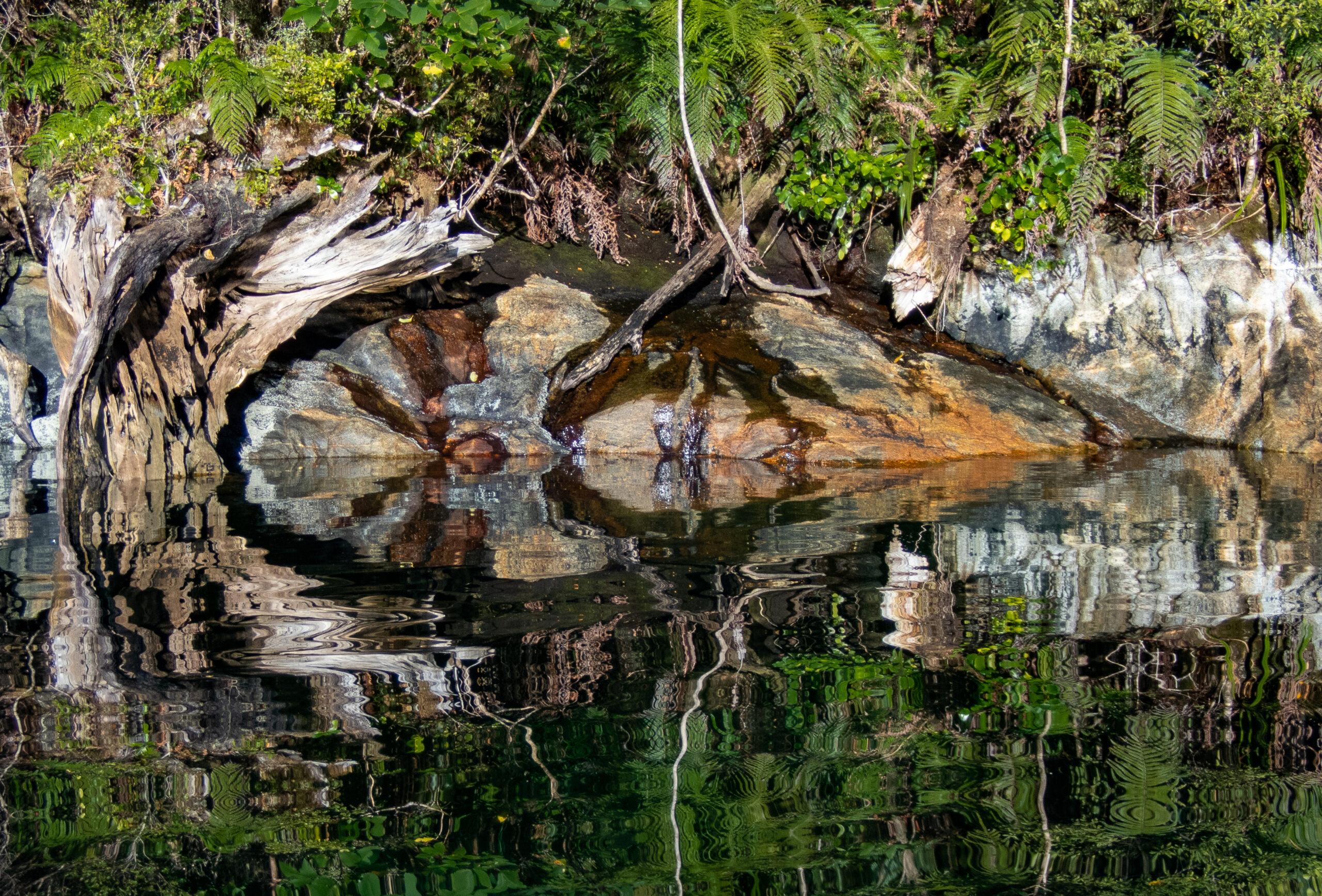
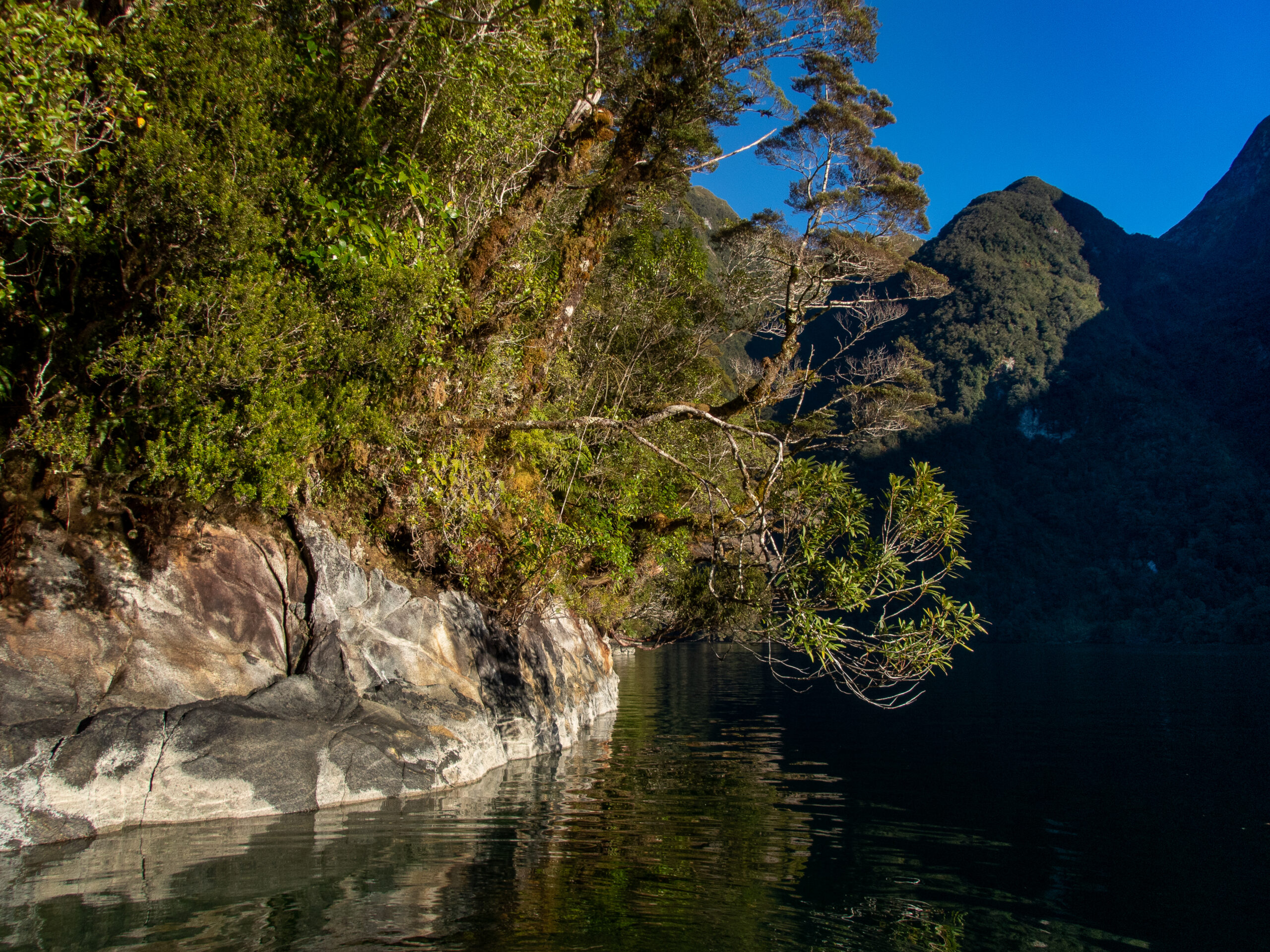
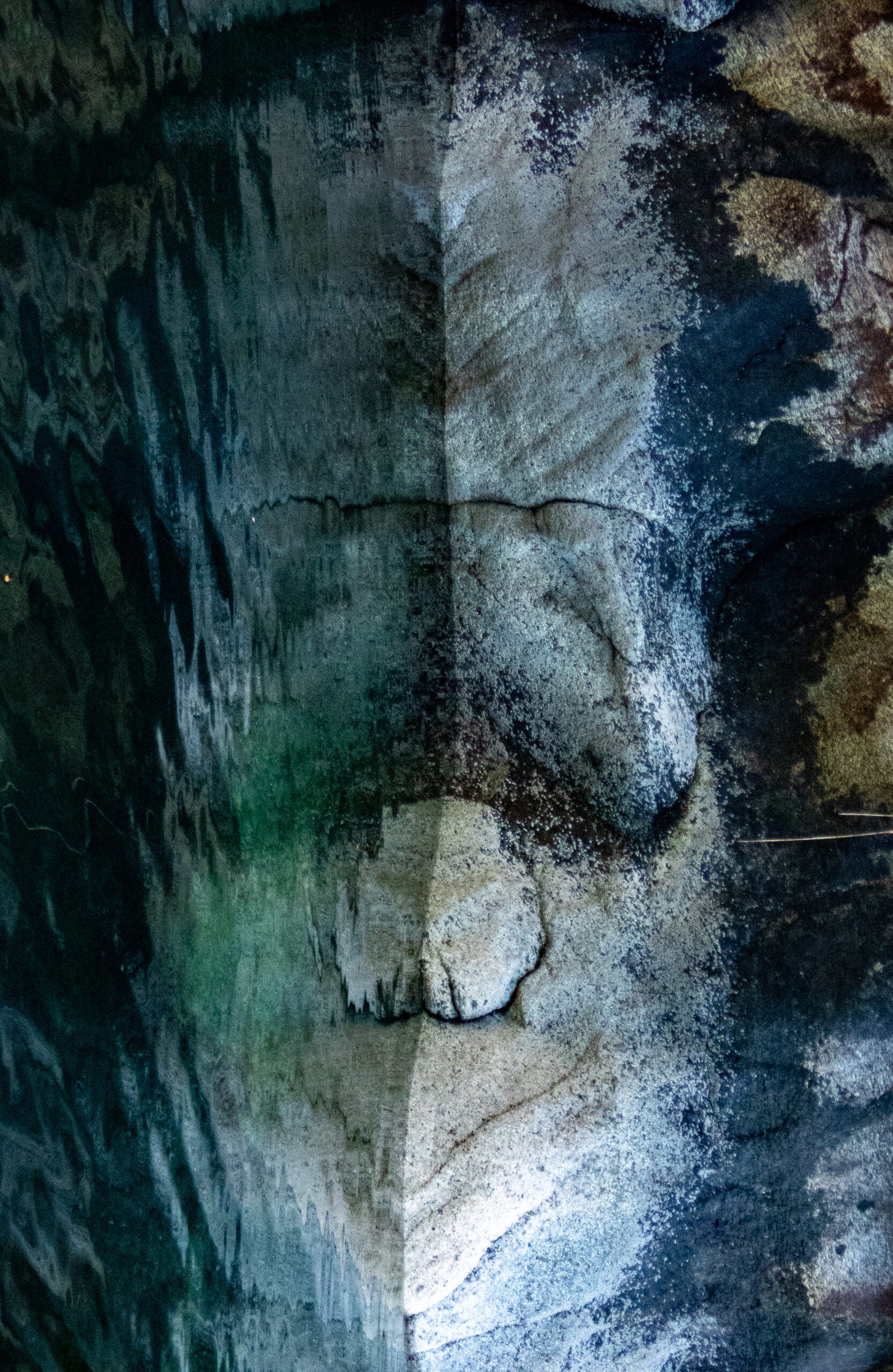
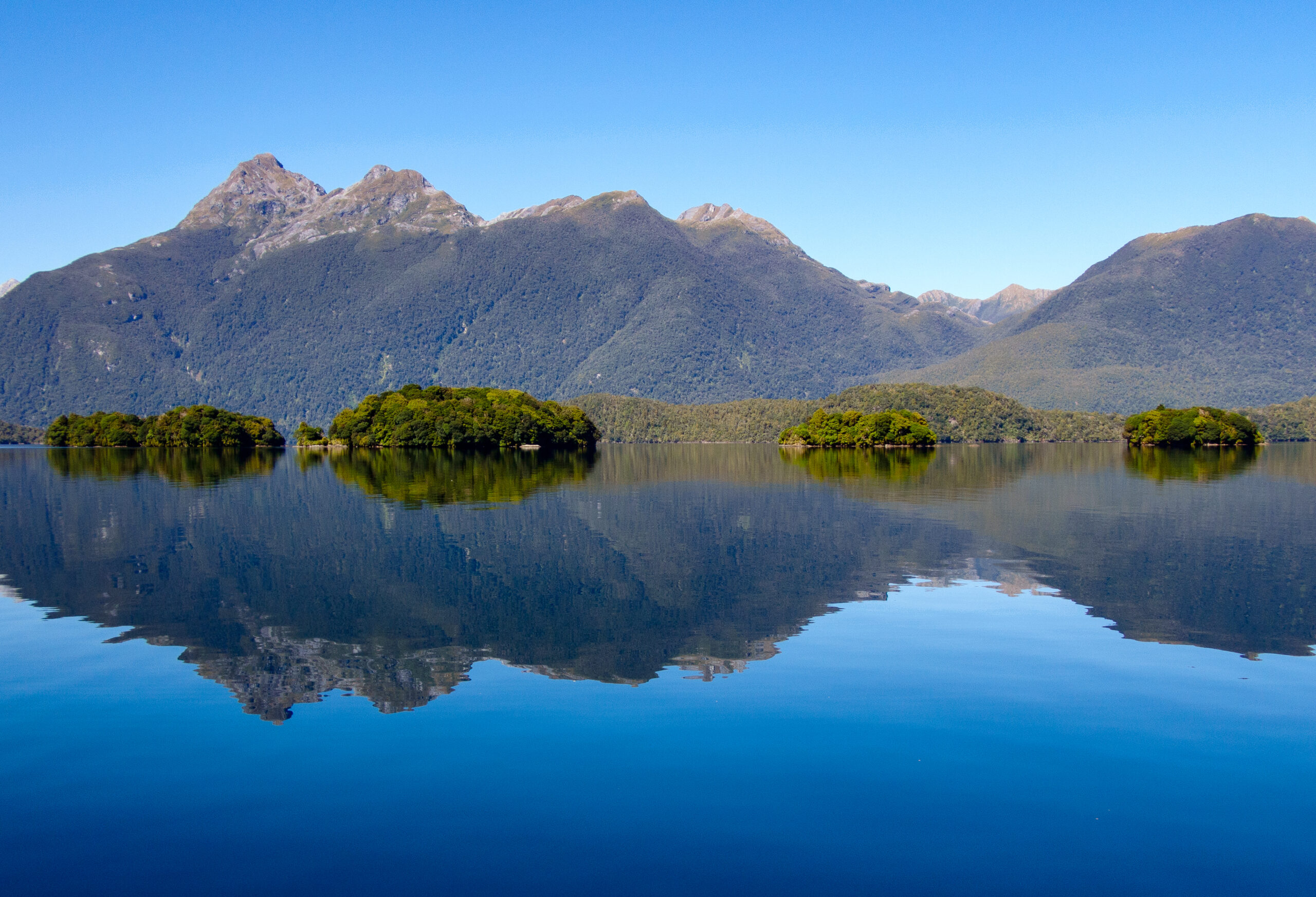
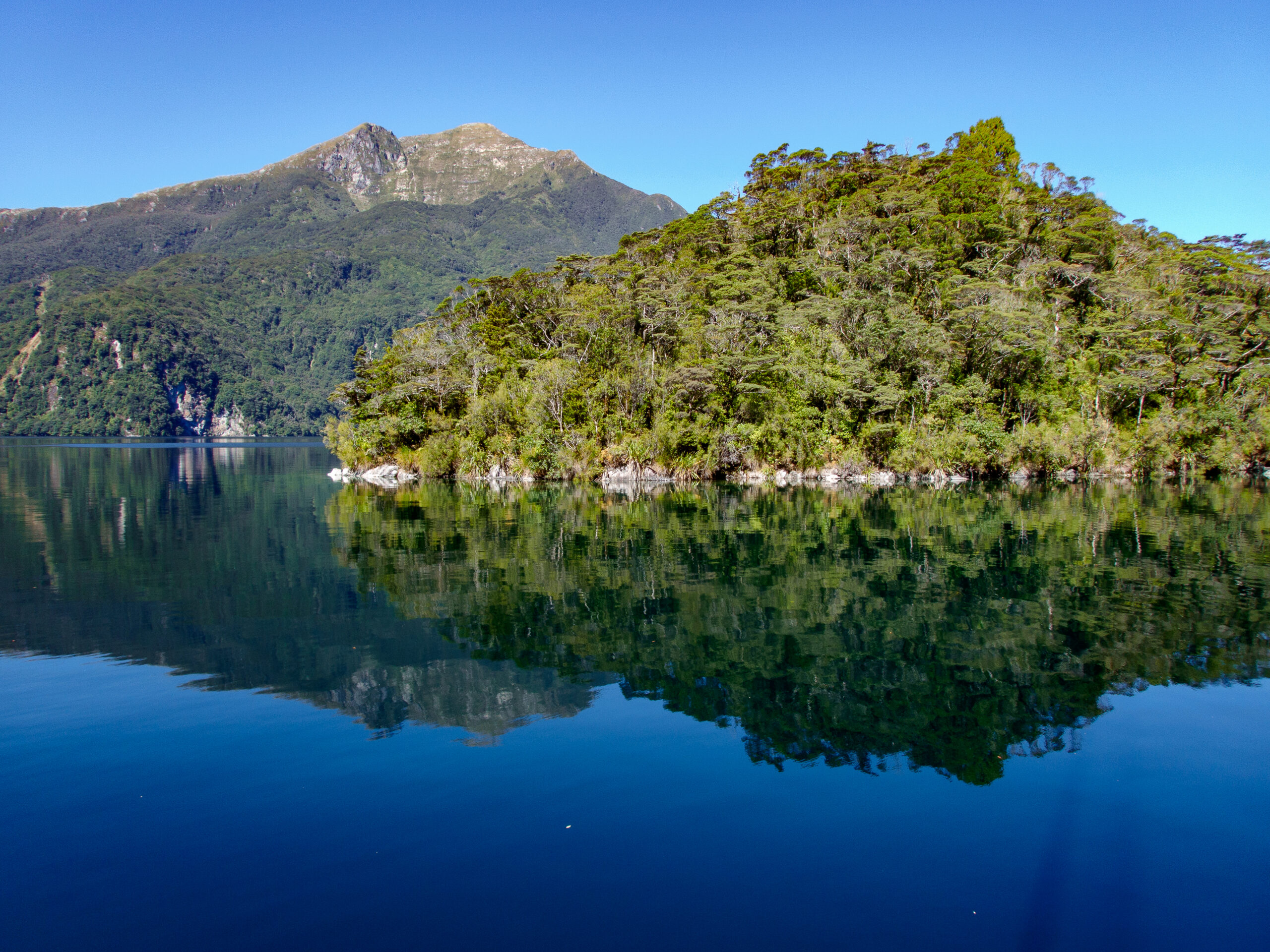
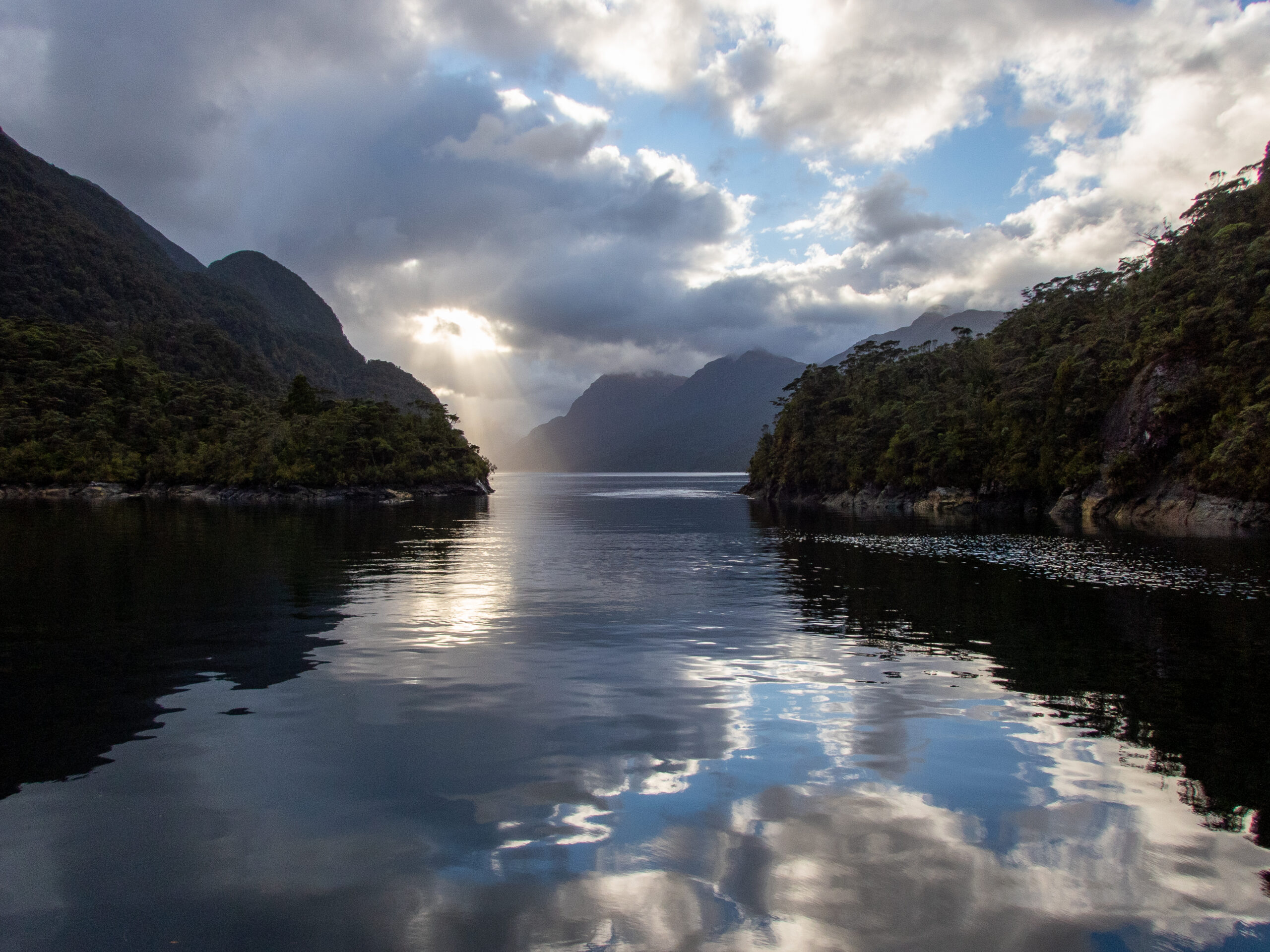
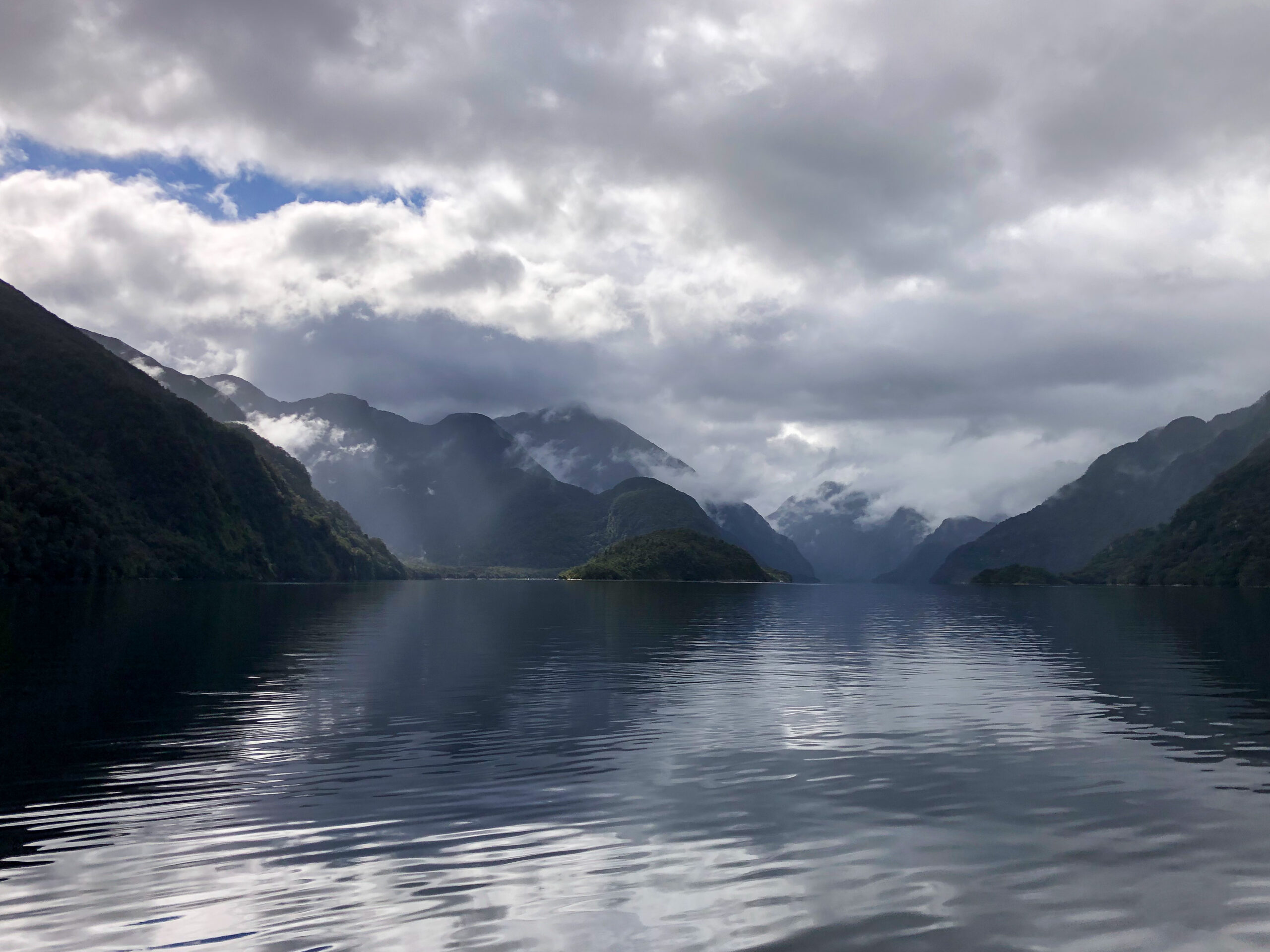
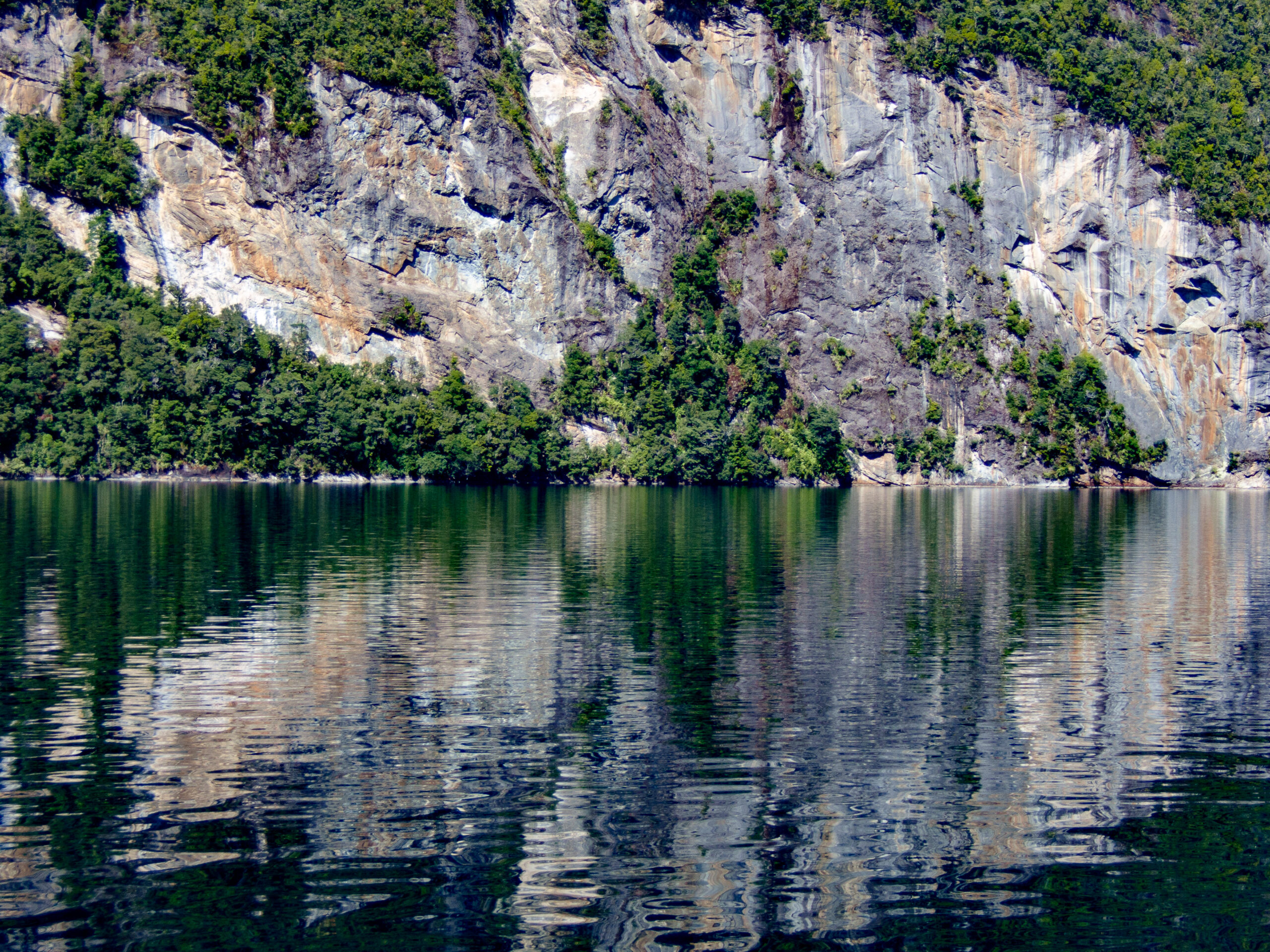
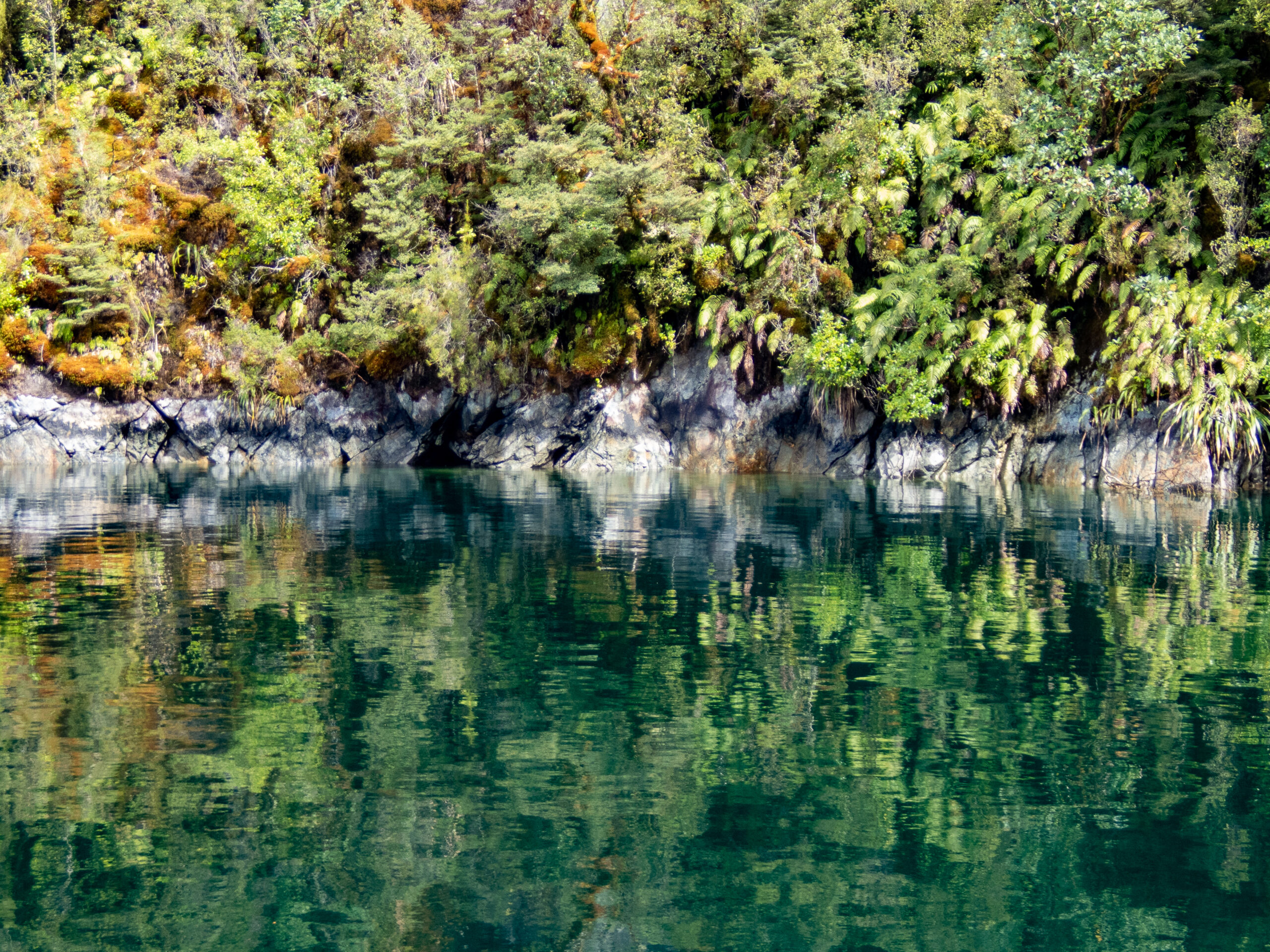
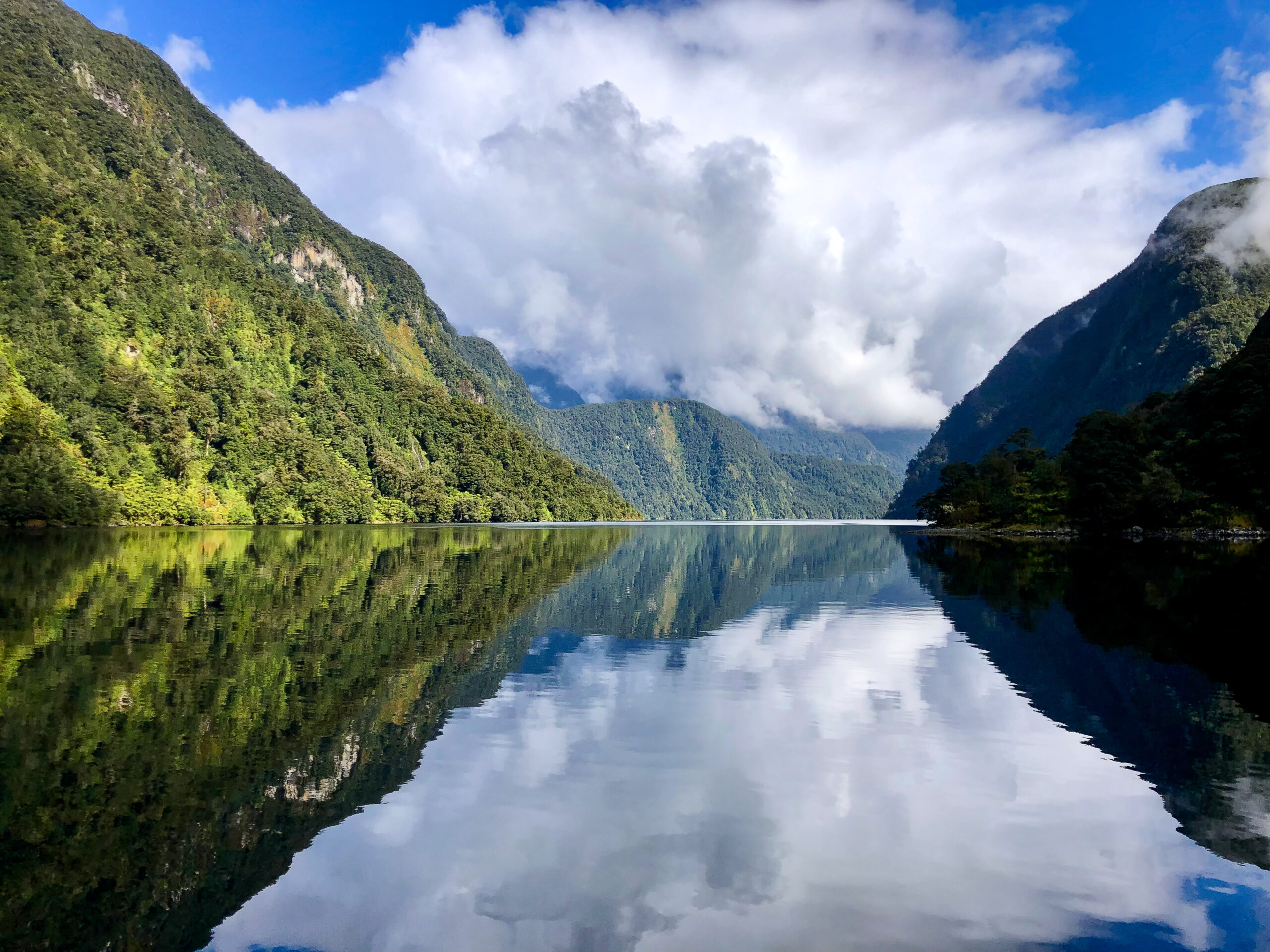
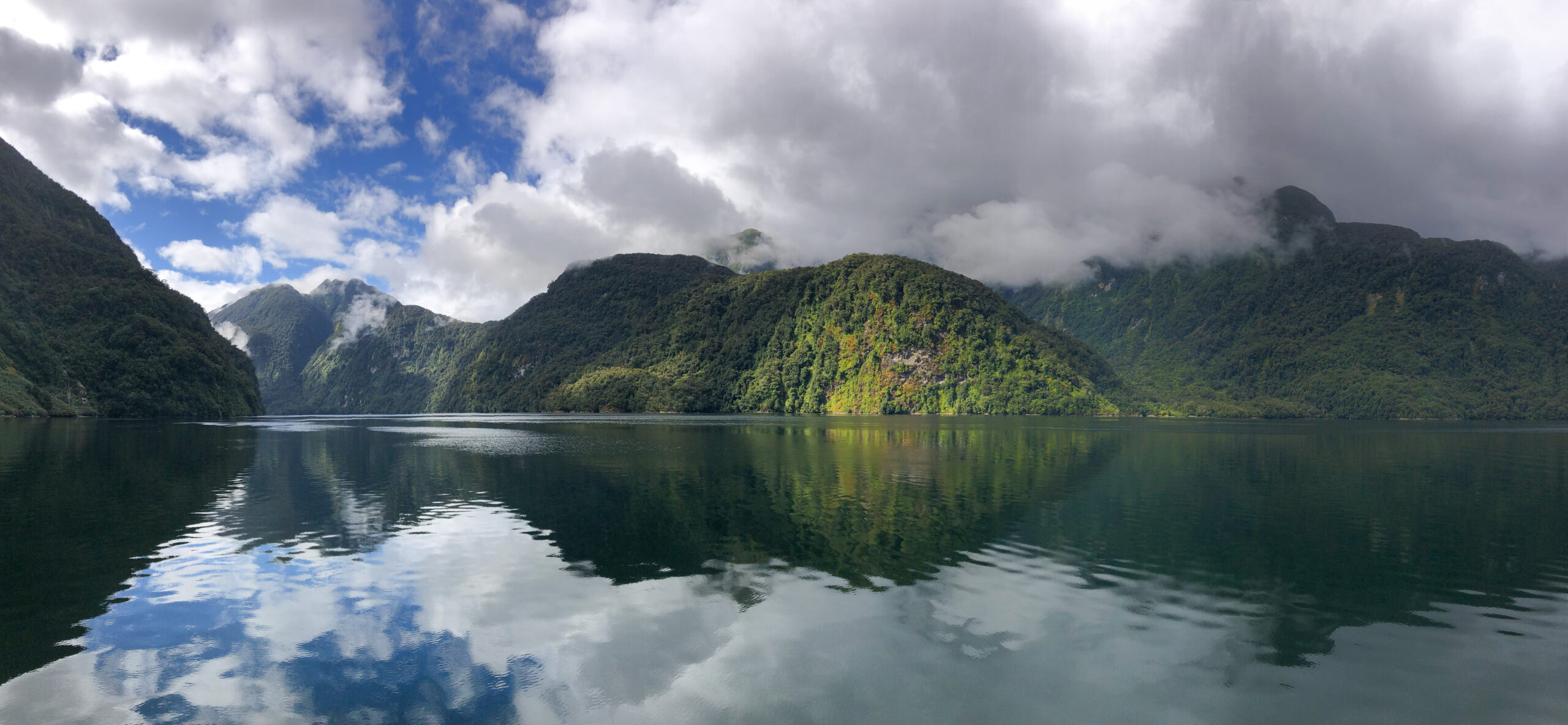
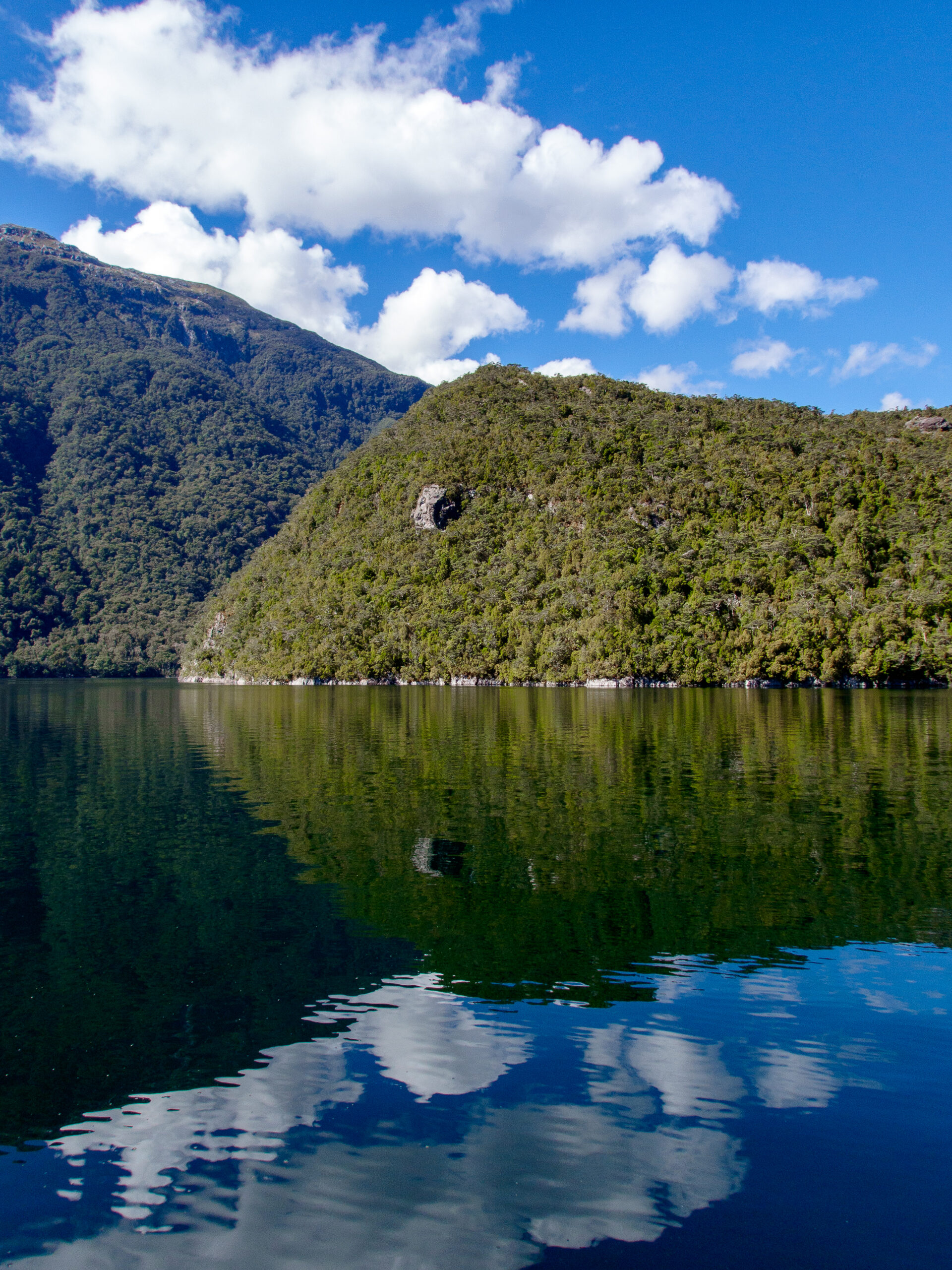
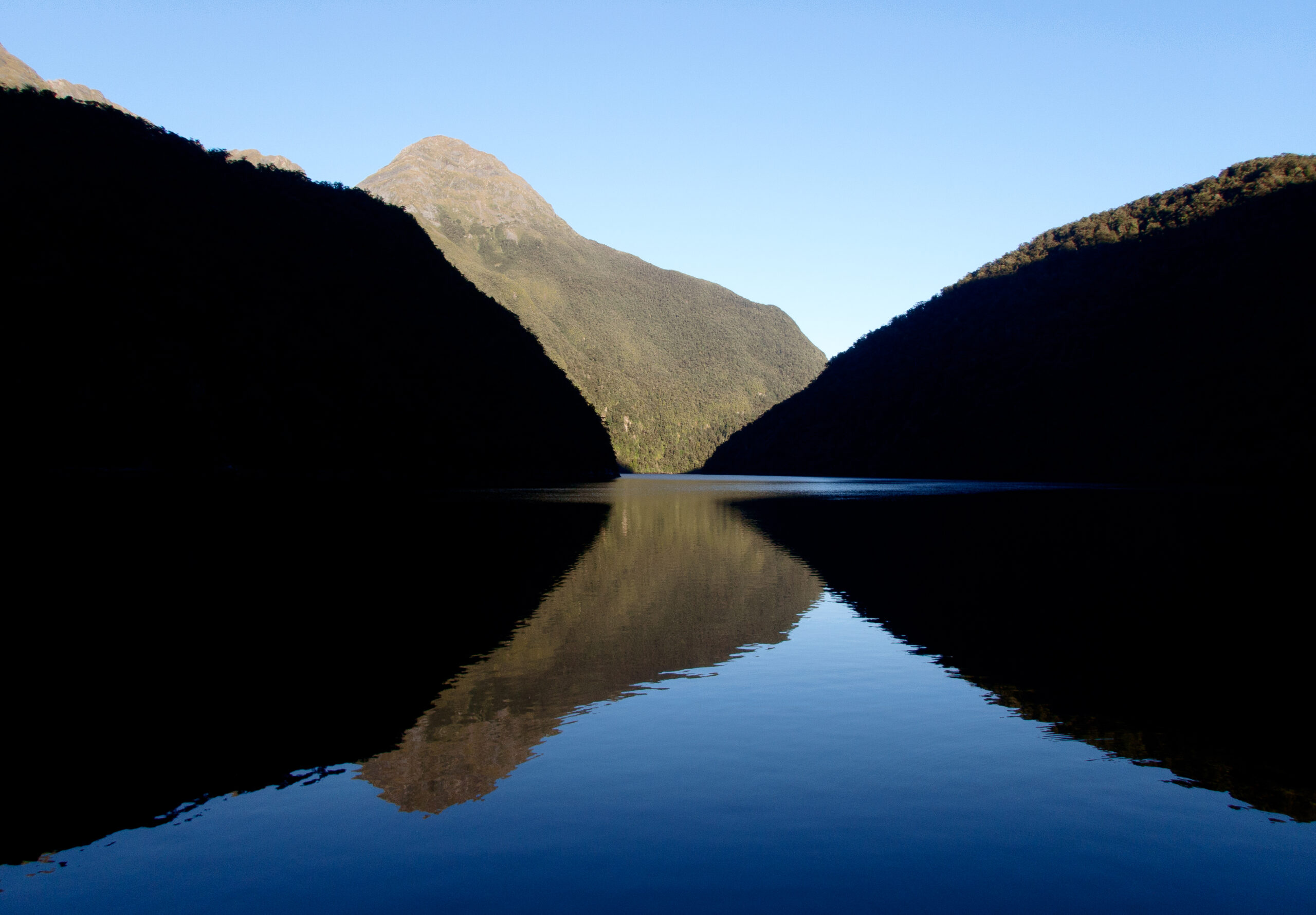
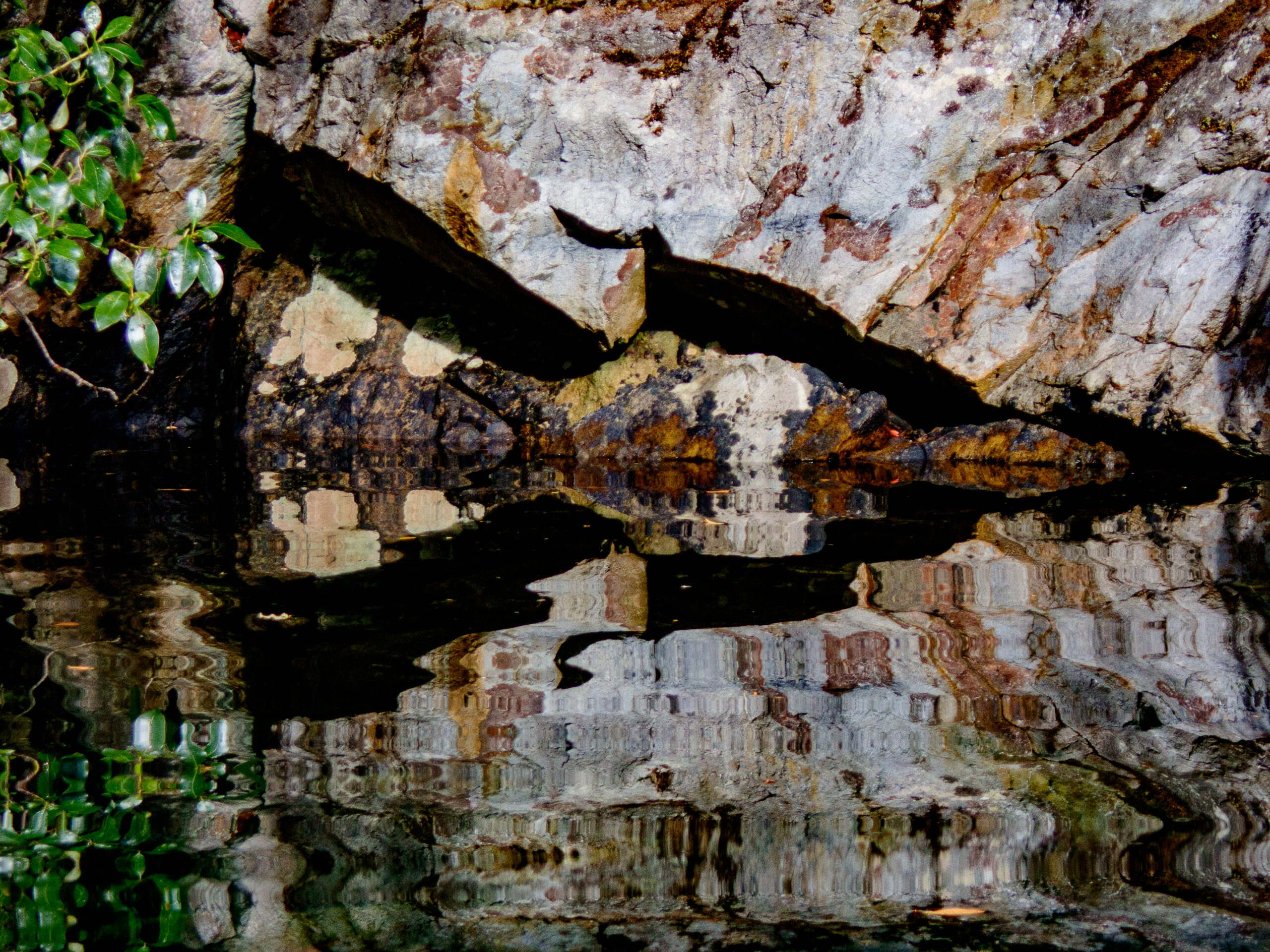
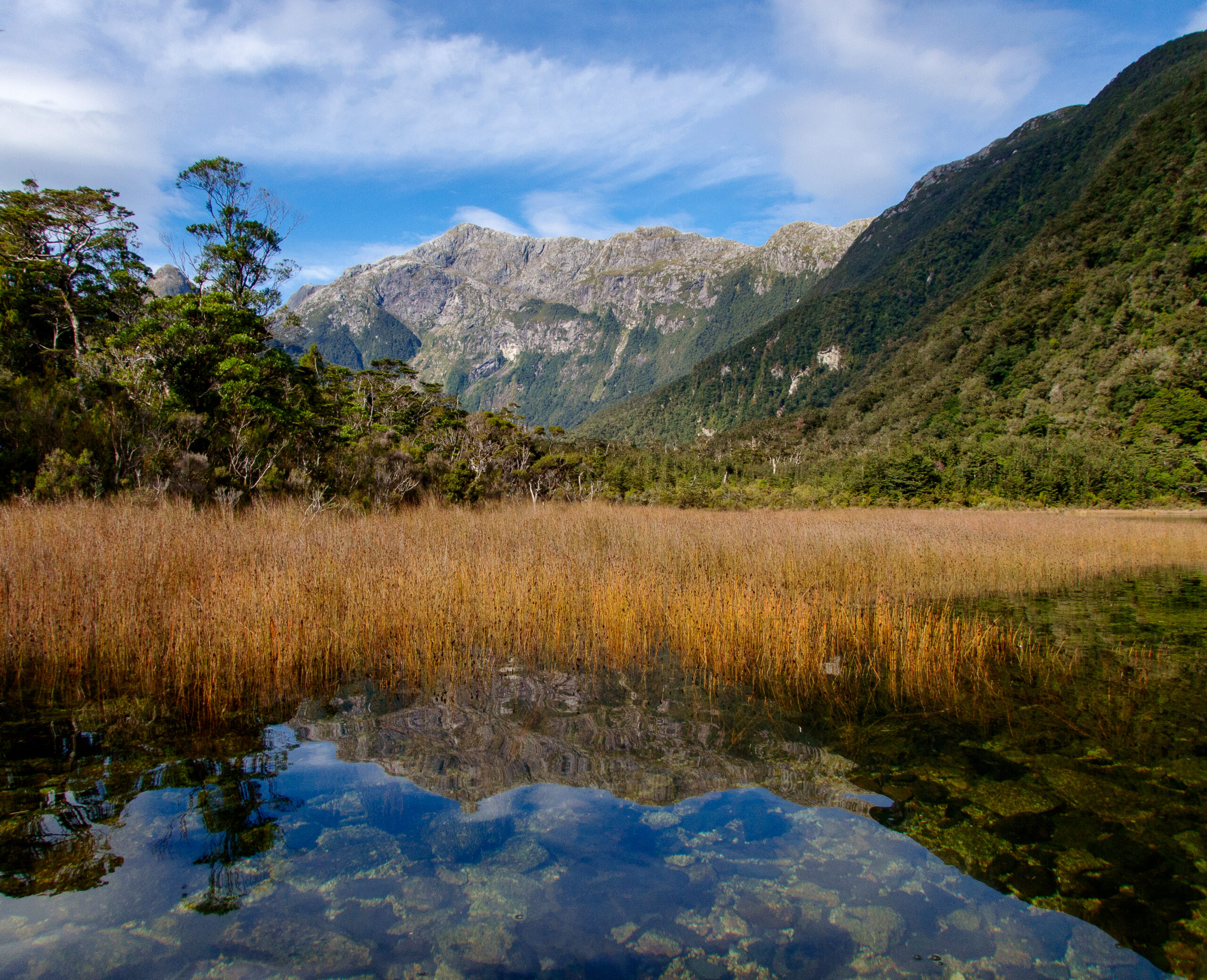
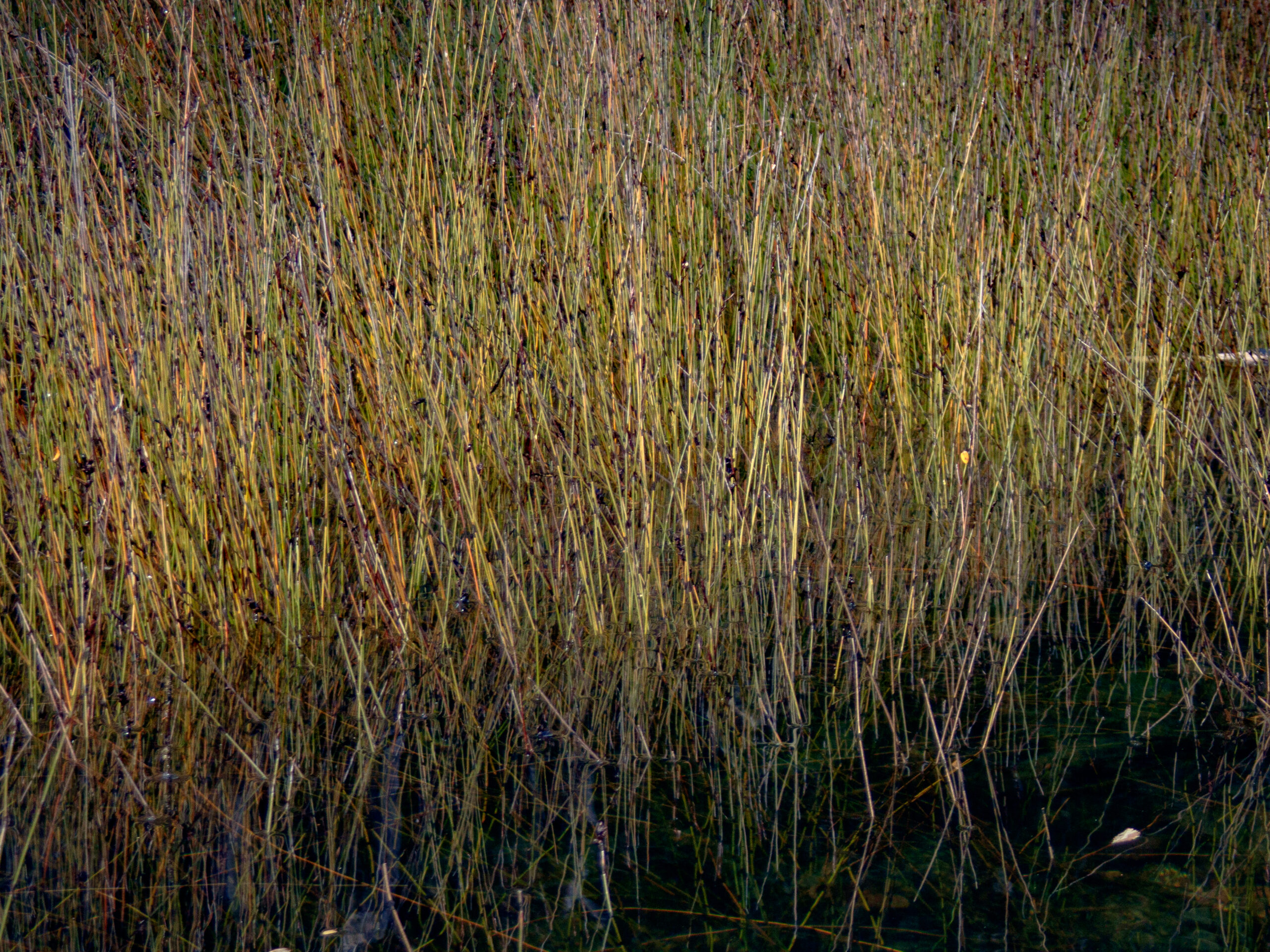
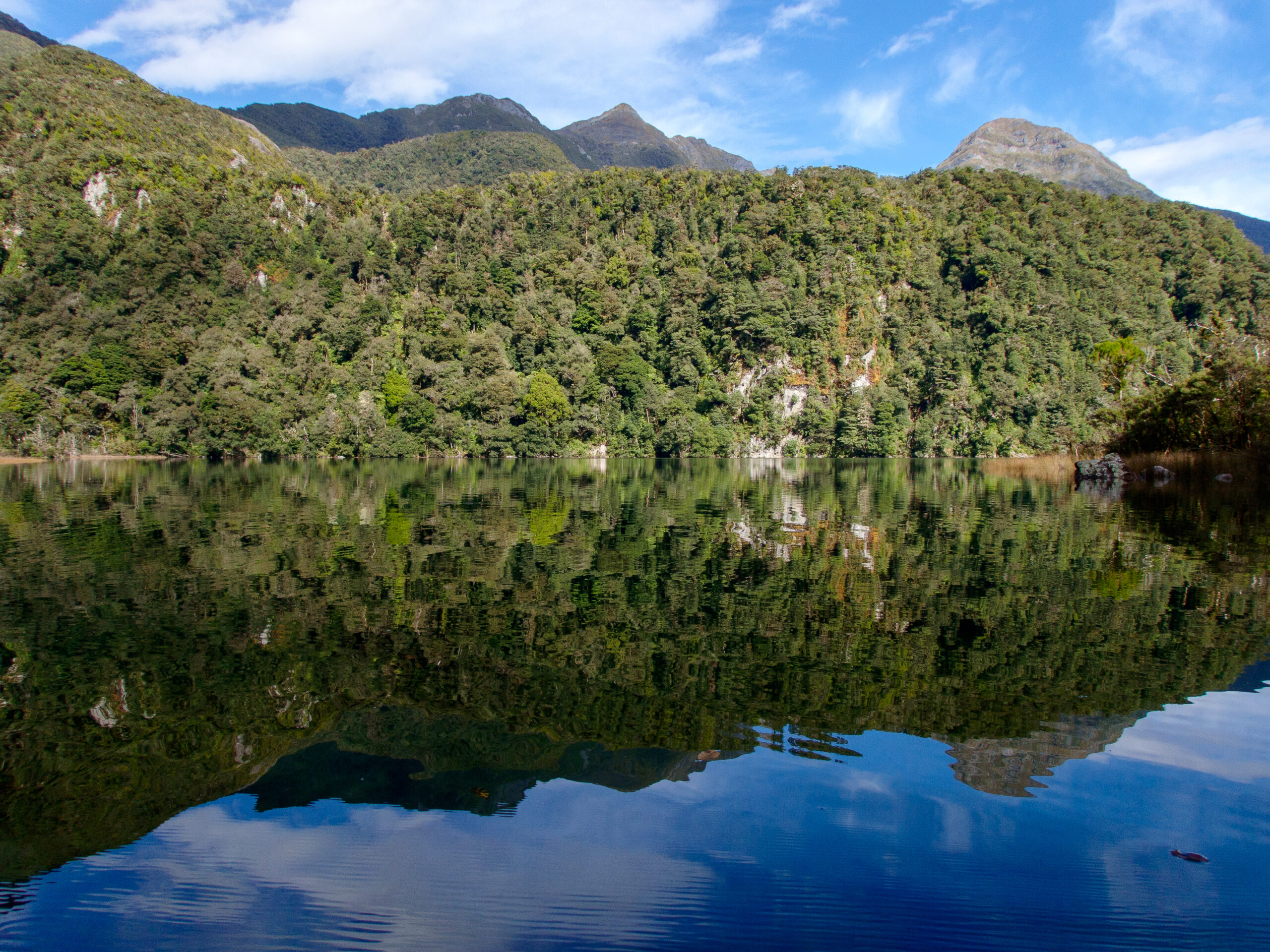
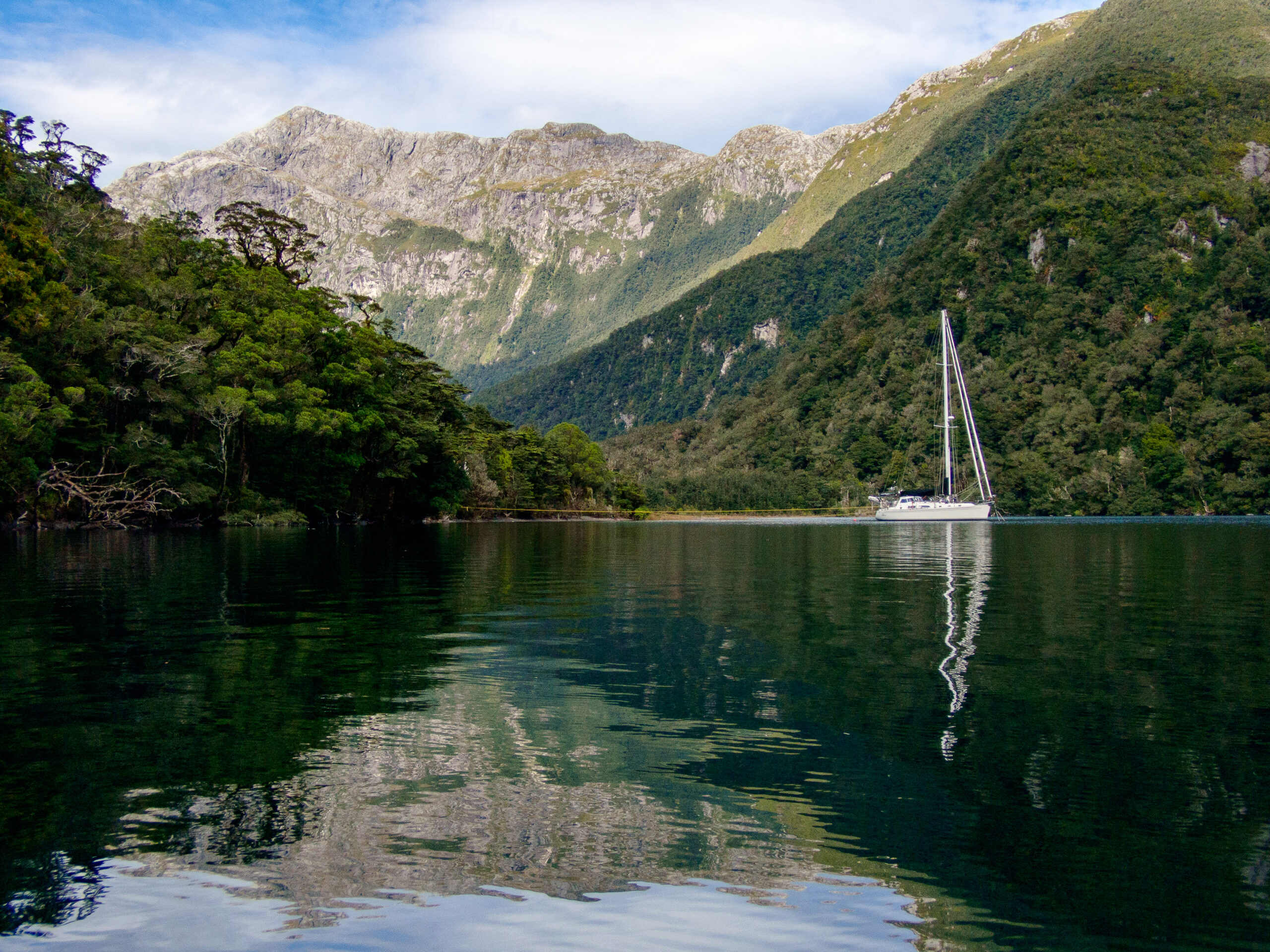
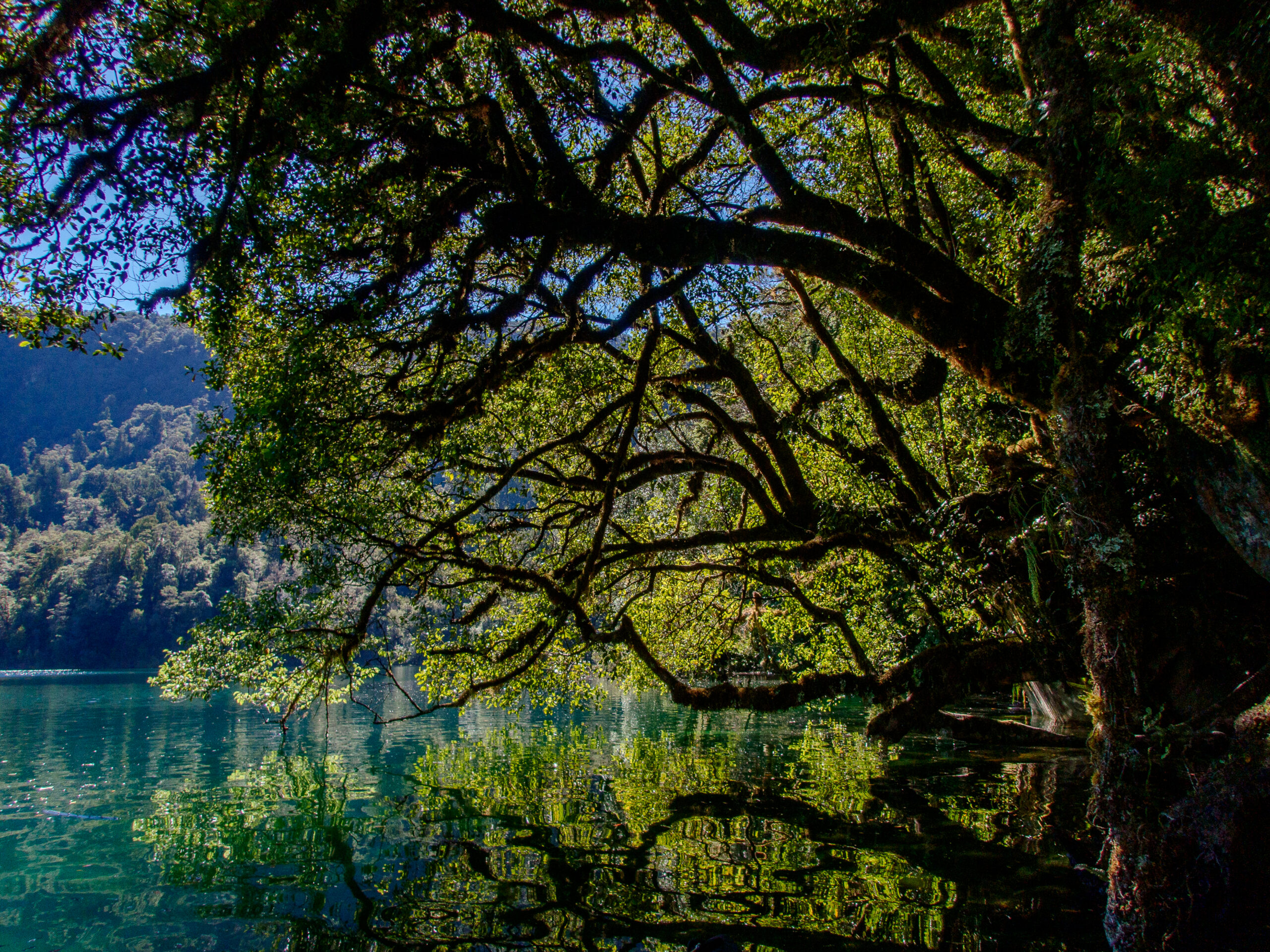
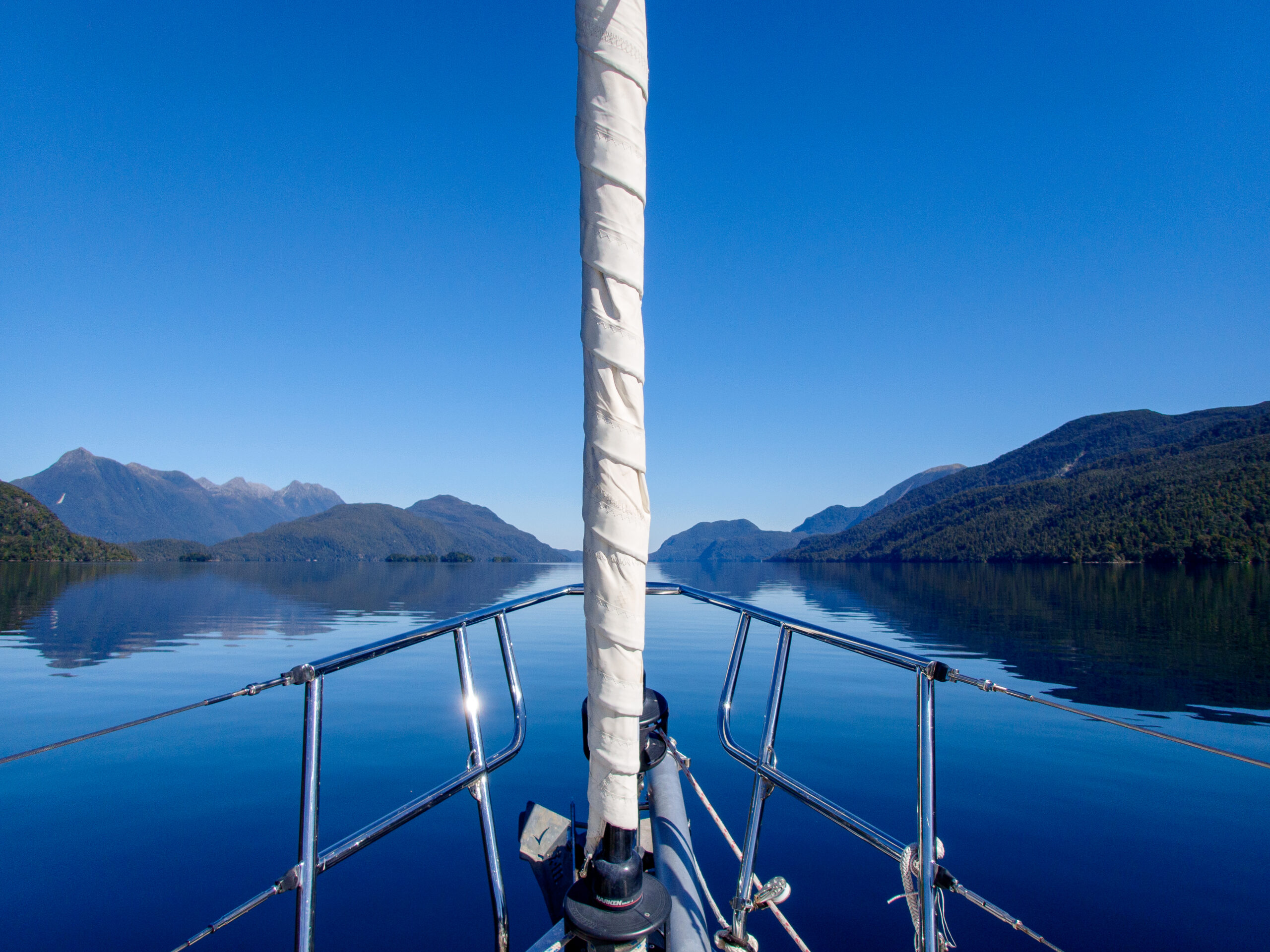
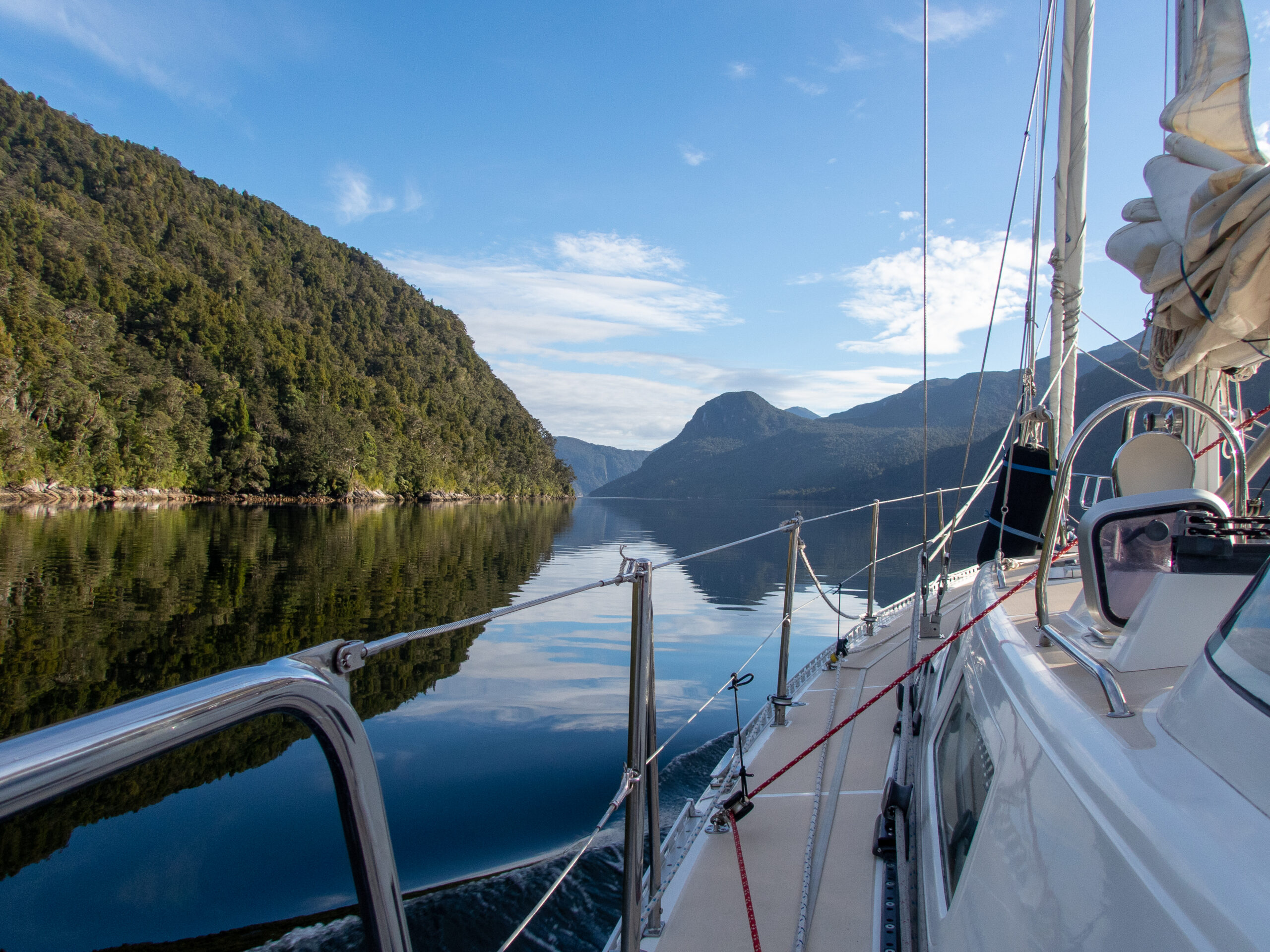
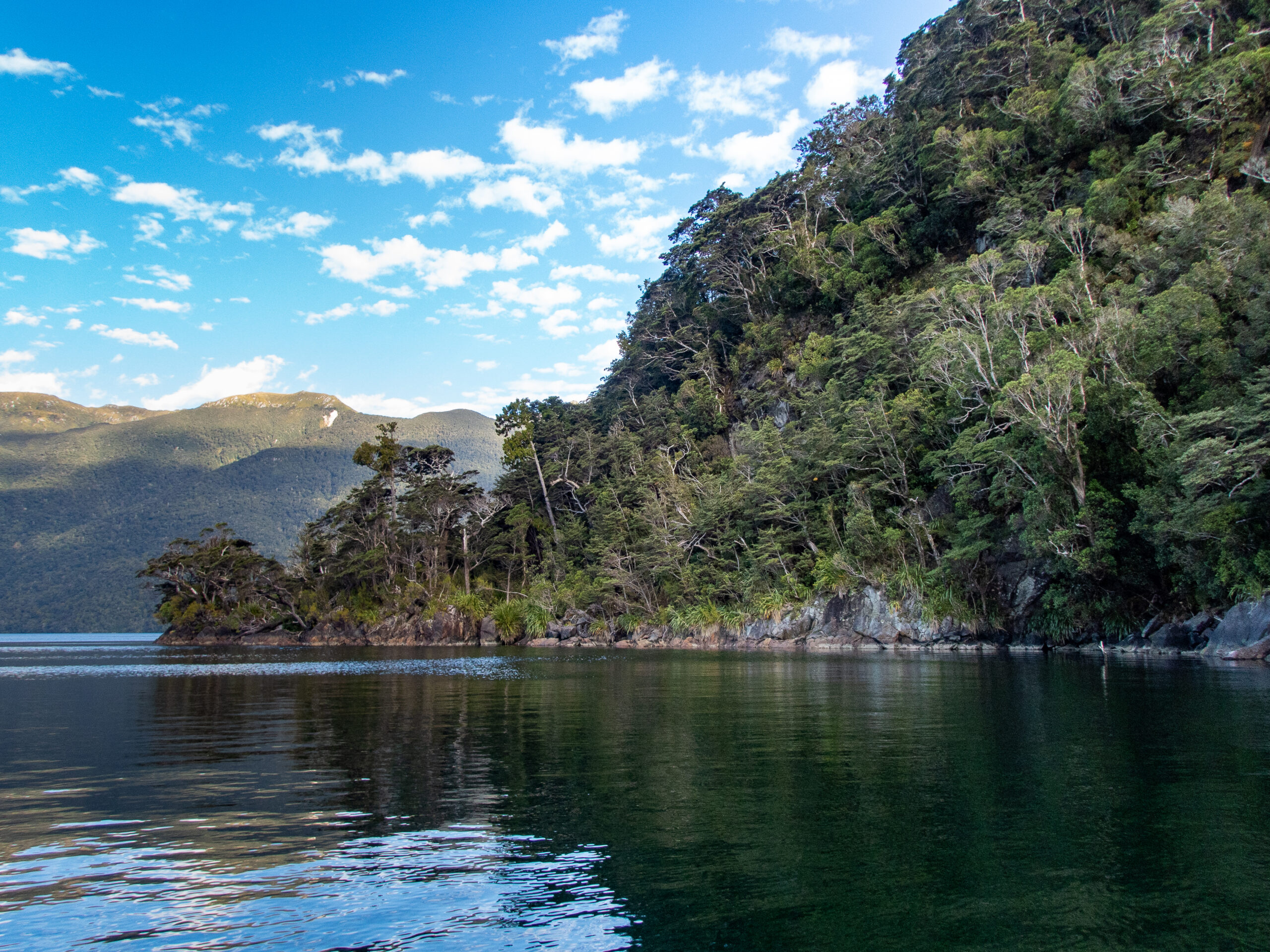
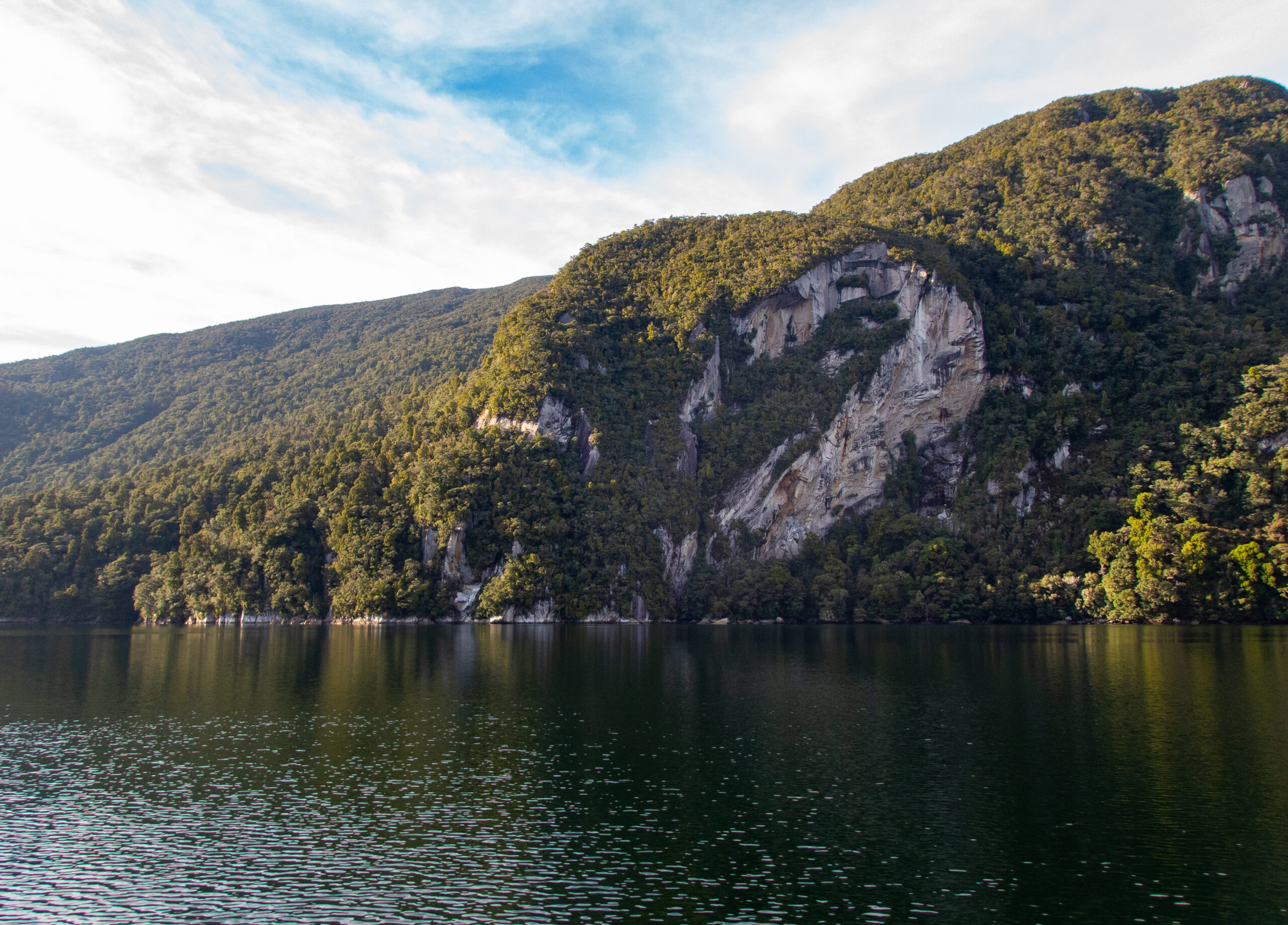
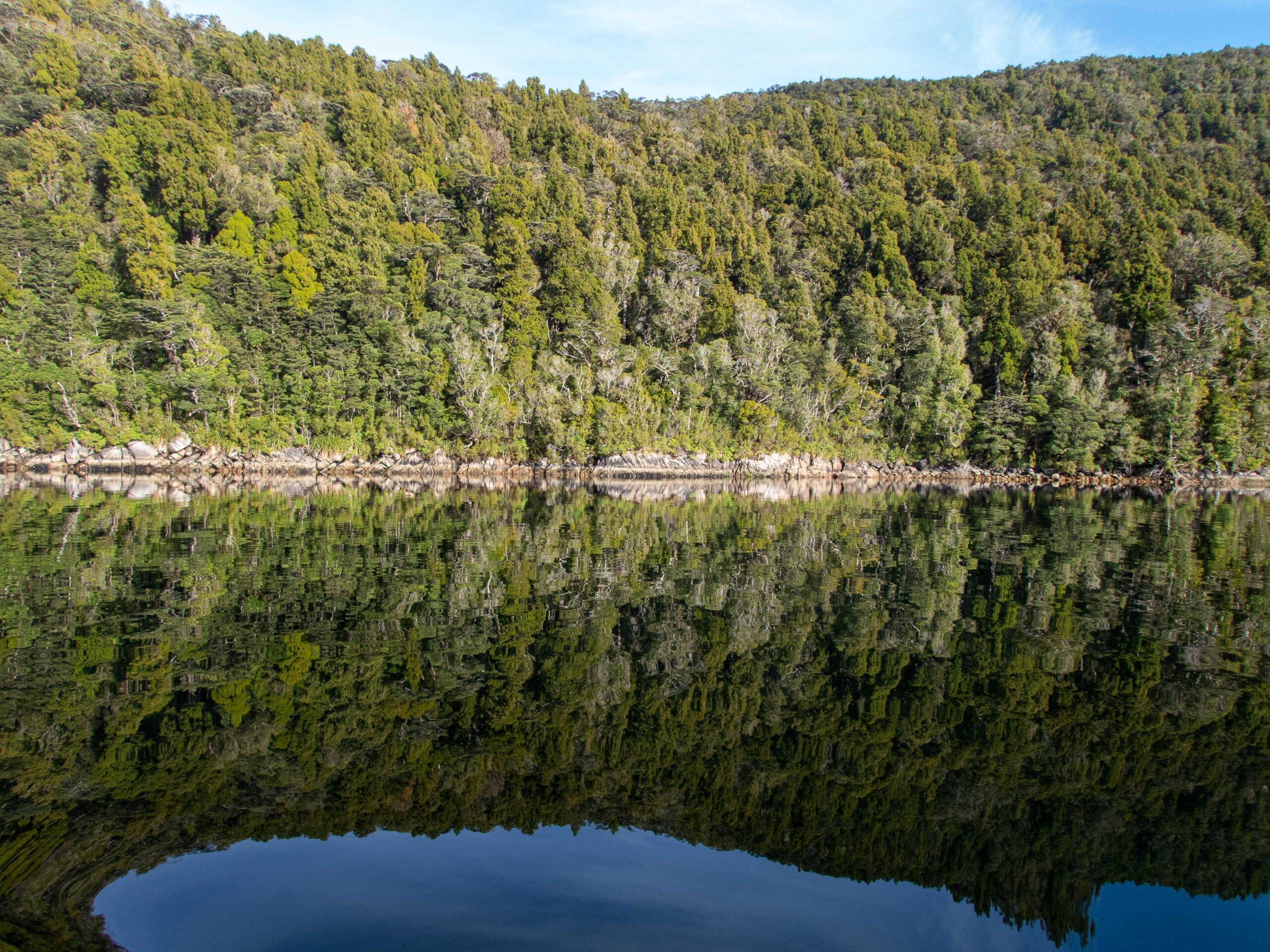
Being at sea, on the sea, there is always a close and present awareness of the line which divides the landed world and the underwater universe, though normally, the waves demand our attention and keep that parallel universe well hidden, and away from our thoughts. The eerie sense of depth creeps in at odd moments when something reminds you of the rocky bottom and the multilayered world of fishes below. In tropical water sometimes the bottom is visible at enormous, ludicrous depths, as the time we motored into the Gambier on a glassy sea and Diana could see sharks clearly in the pass a hundred feet below us. But in Fiordland, the water is usually hundreds of feet deep within just a couple boat lengths away from the “shore.” The water is not murky but light barely penetrates. Stillness is legendary here, also the shimmering layer of freshwater floating atop the tide, that looks like heatwaves in the desert. You can peer straight down and see golden leaves tumbling in the current above the darkened depths. But most of the time, the Sounds keep their secrets well hidden and the water mirrors back the soaring peaks and luxuriant waterfalls and exuberant beach and fern forests, doubling the awe. As stunning as it is, the obvious trick of the mind is to delete the bottom half of the image as “merely” a repetition. Sometimes I had to be reminded to see it another way. Perhaps because she was photographing these landscapes, Diana learned to see these reflection even more vividly, to delight in the ubiquitous natural Rorschach.~MS
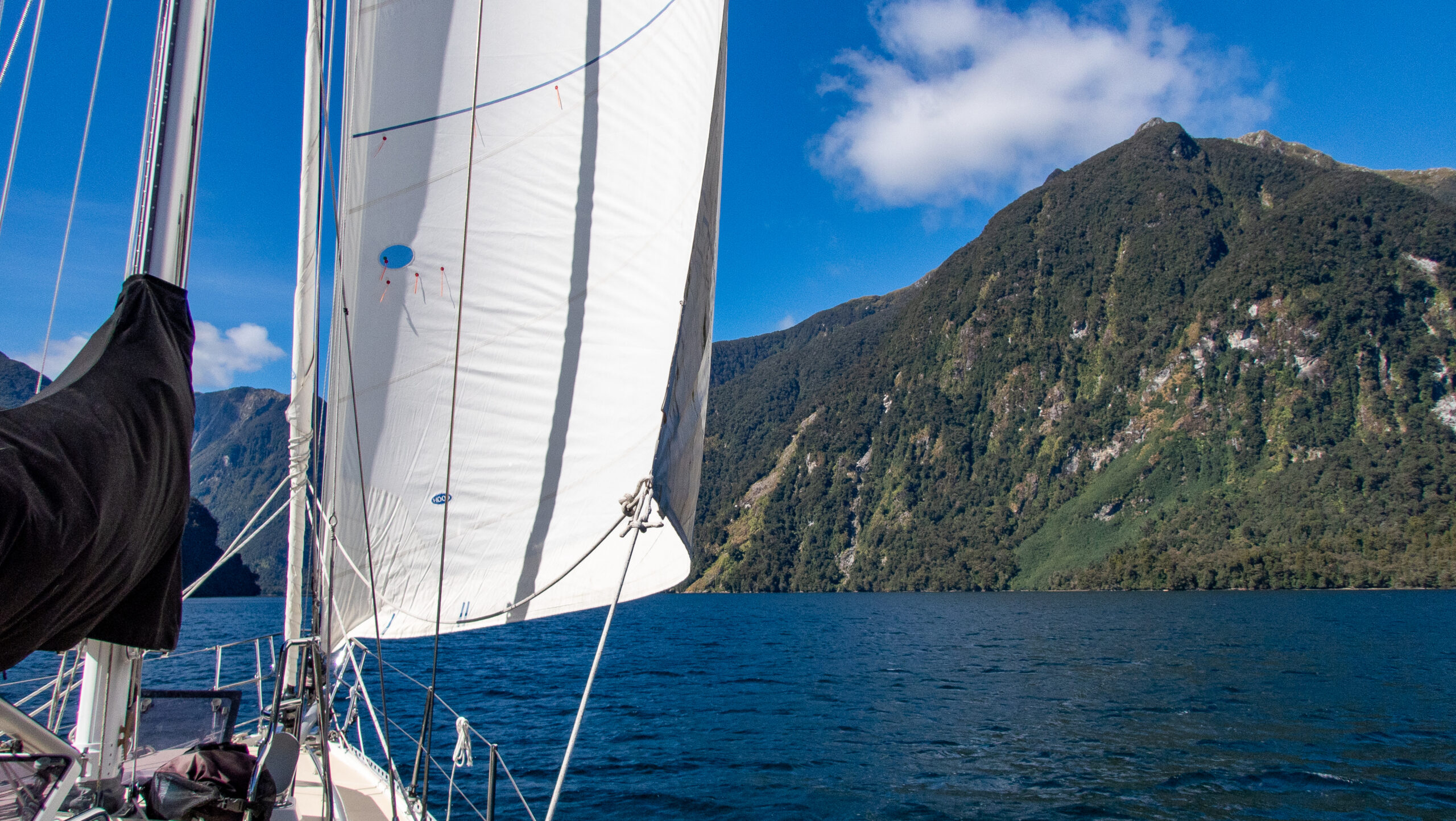
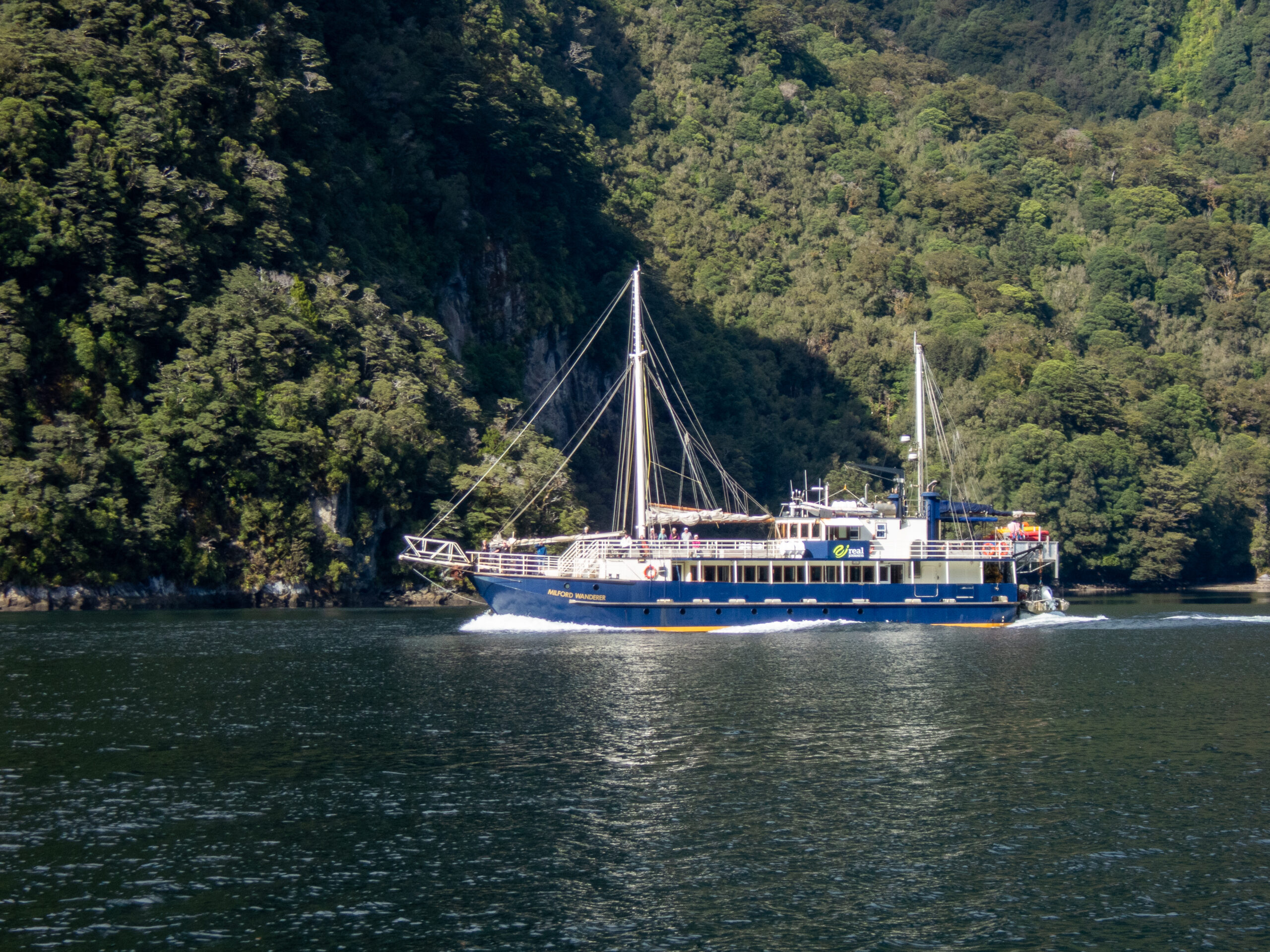
Neat that this stunning landscape so often gets a glimpse of itself!Wile E. CoyoteOne of the handful of times we were able to actually pull a sail out – too much or too little winds to work with.We’re not in the islands anymore!‘Real Journeys’ run tour boats through some of the fiords. They never stay put for long.Approaching the ‘head of the bay,’ to anchor, we’d have to be really cautious about the typically steep sided, silty sandbank which gets created by the river outflow.
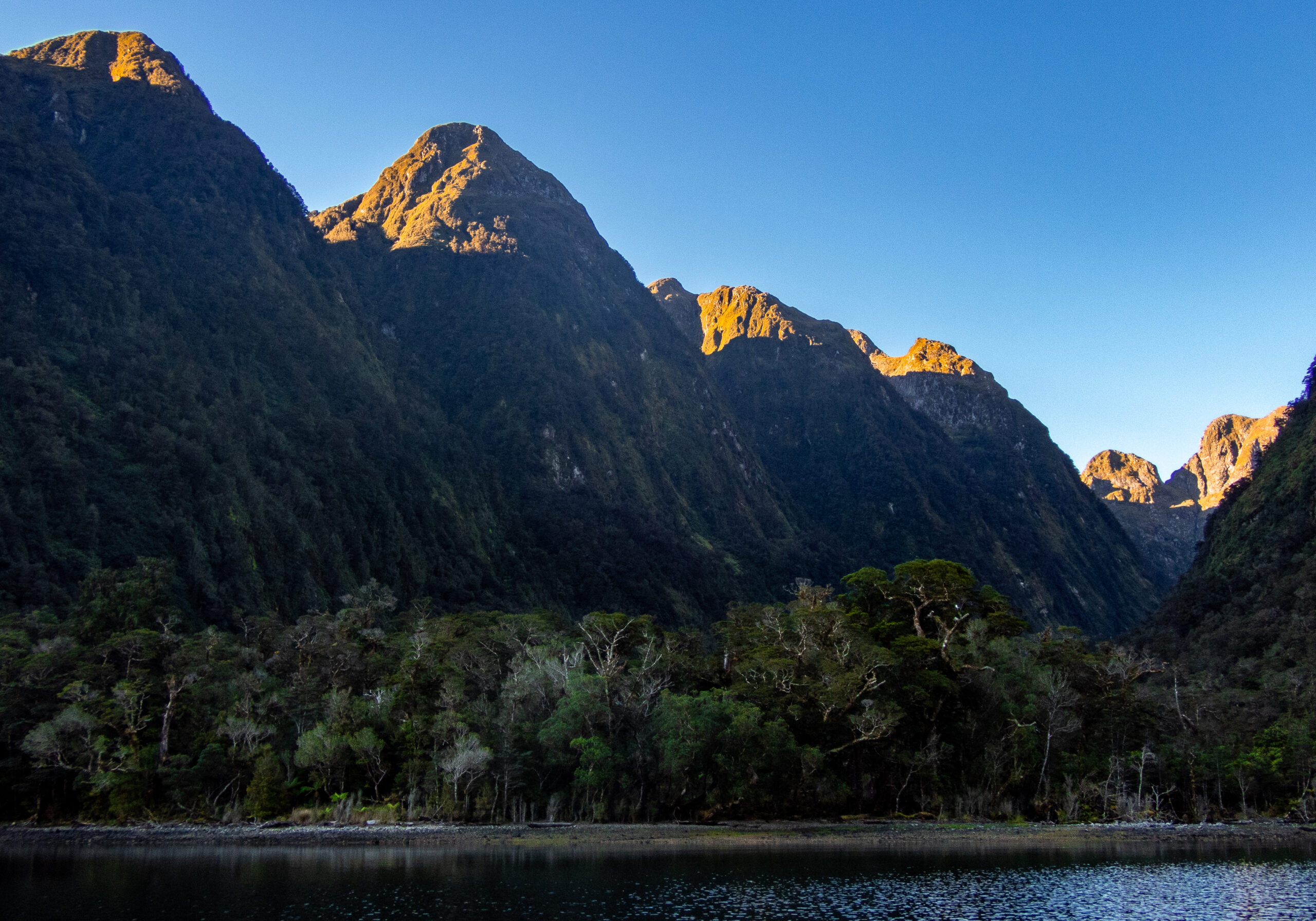
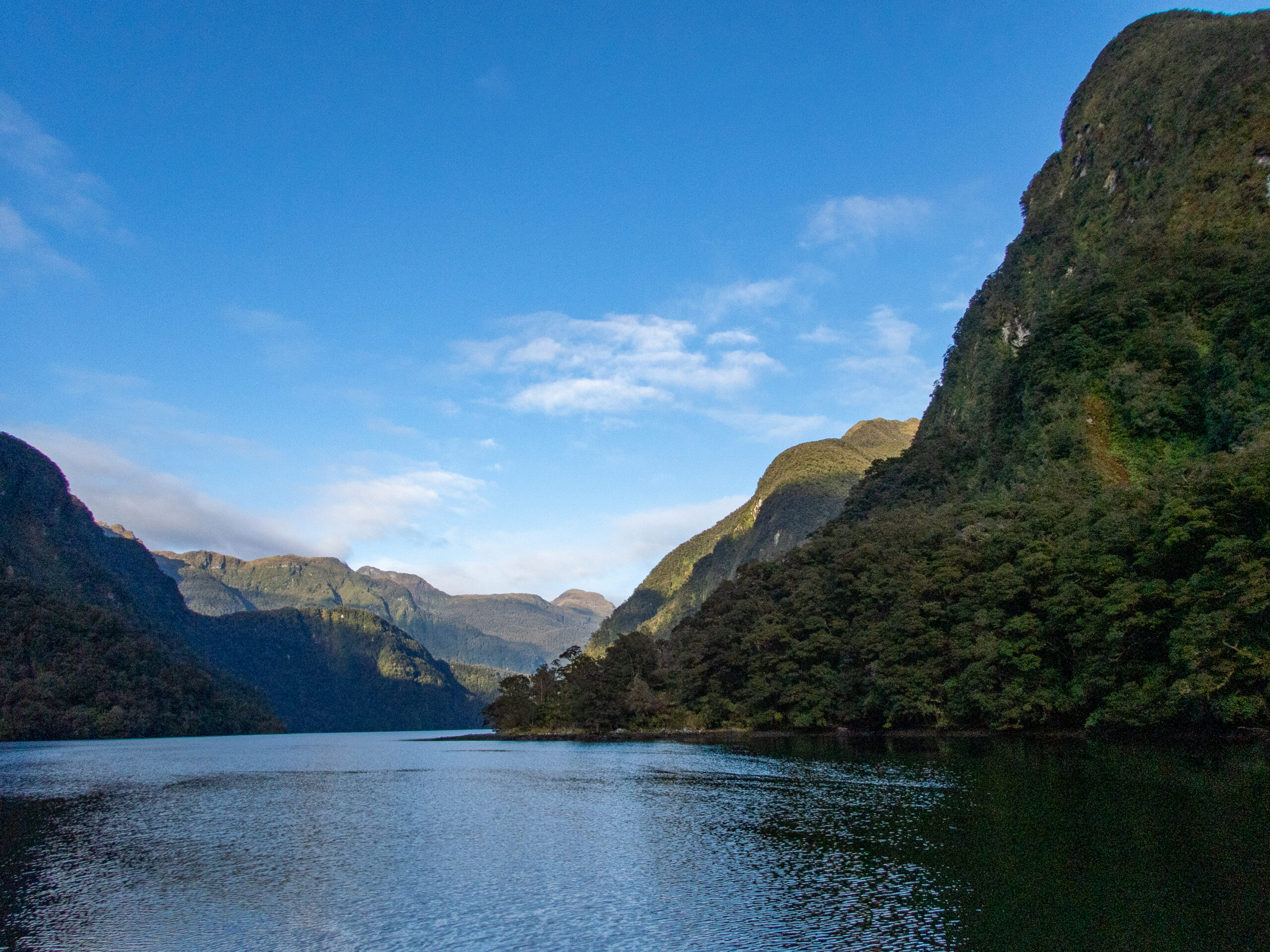
We were primed to love Broughton Arm. Tony, a New Zealand sailor we met in Tonga (from an Auckland sailboat building family) got there ahead of us and posted his impression, the humbling sense of privilege he felt to be in the remote presence of such mighty granite walls and peaks. “Paradise found!,” he exclaimed. It’s hard to think of a way to convey the heart sense of moving through pristine and unpeopled areas like this, the sense that goes beyond the imagery, the waterfalls, and magnificent trees, the wildlife. The sense of living stone and water and place. You look at one of the these peaks soaring above the the fiord continually stunned by the mass and energy represented there, and then by the bounty of life exuberantly, vividly greening those granite flanks. And water, water, water everywhere. ~MS
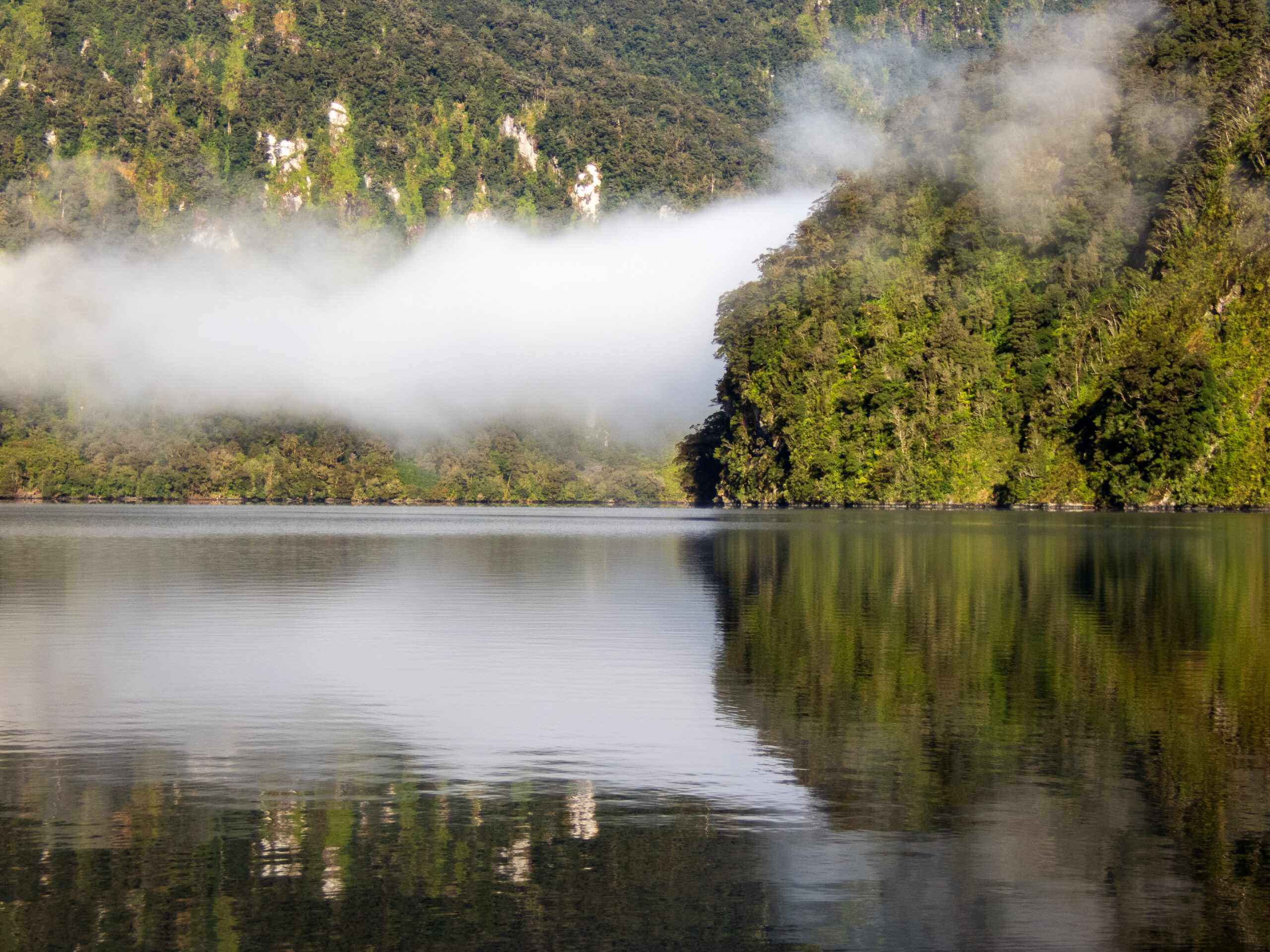
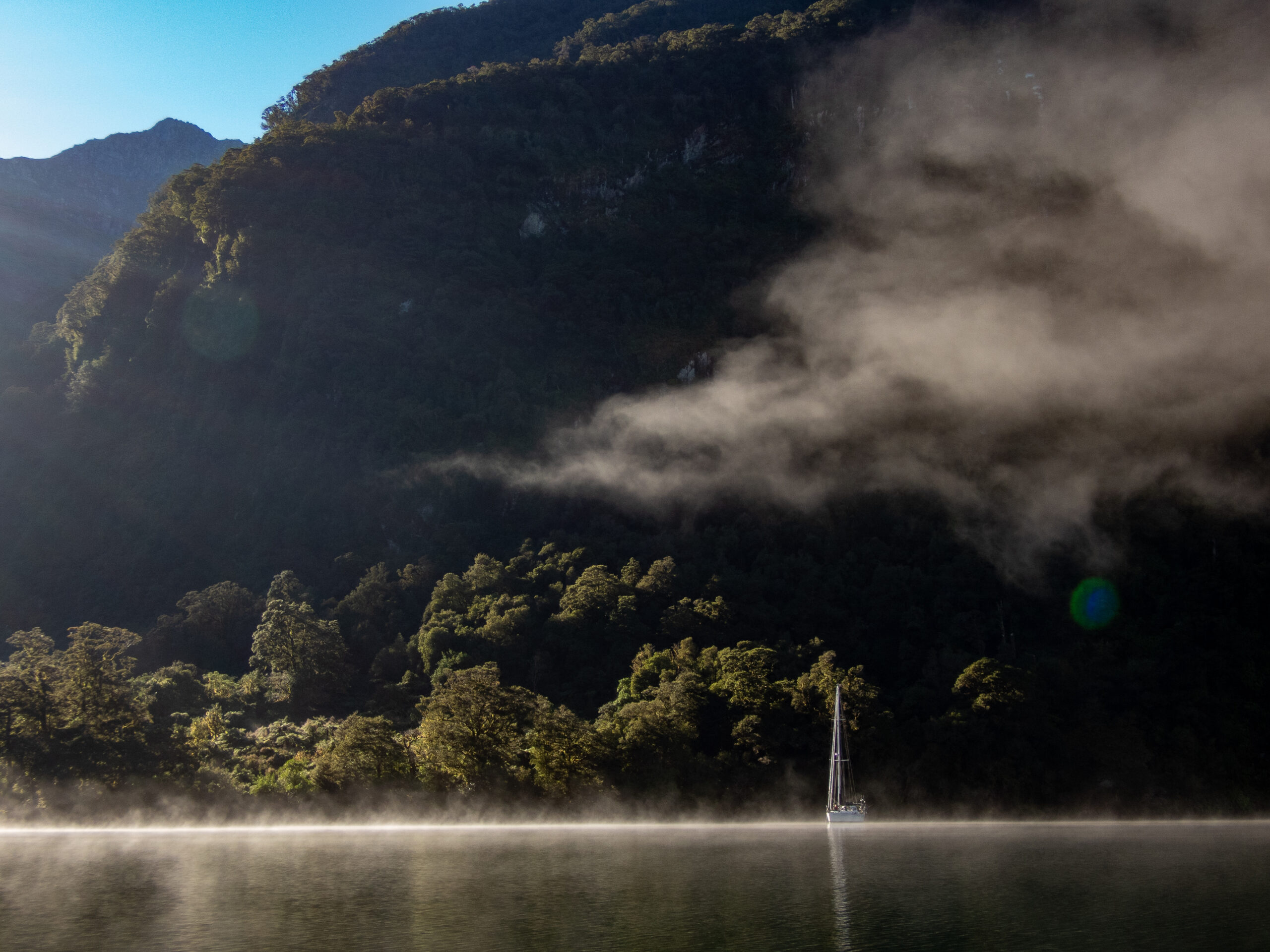
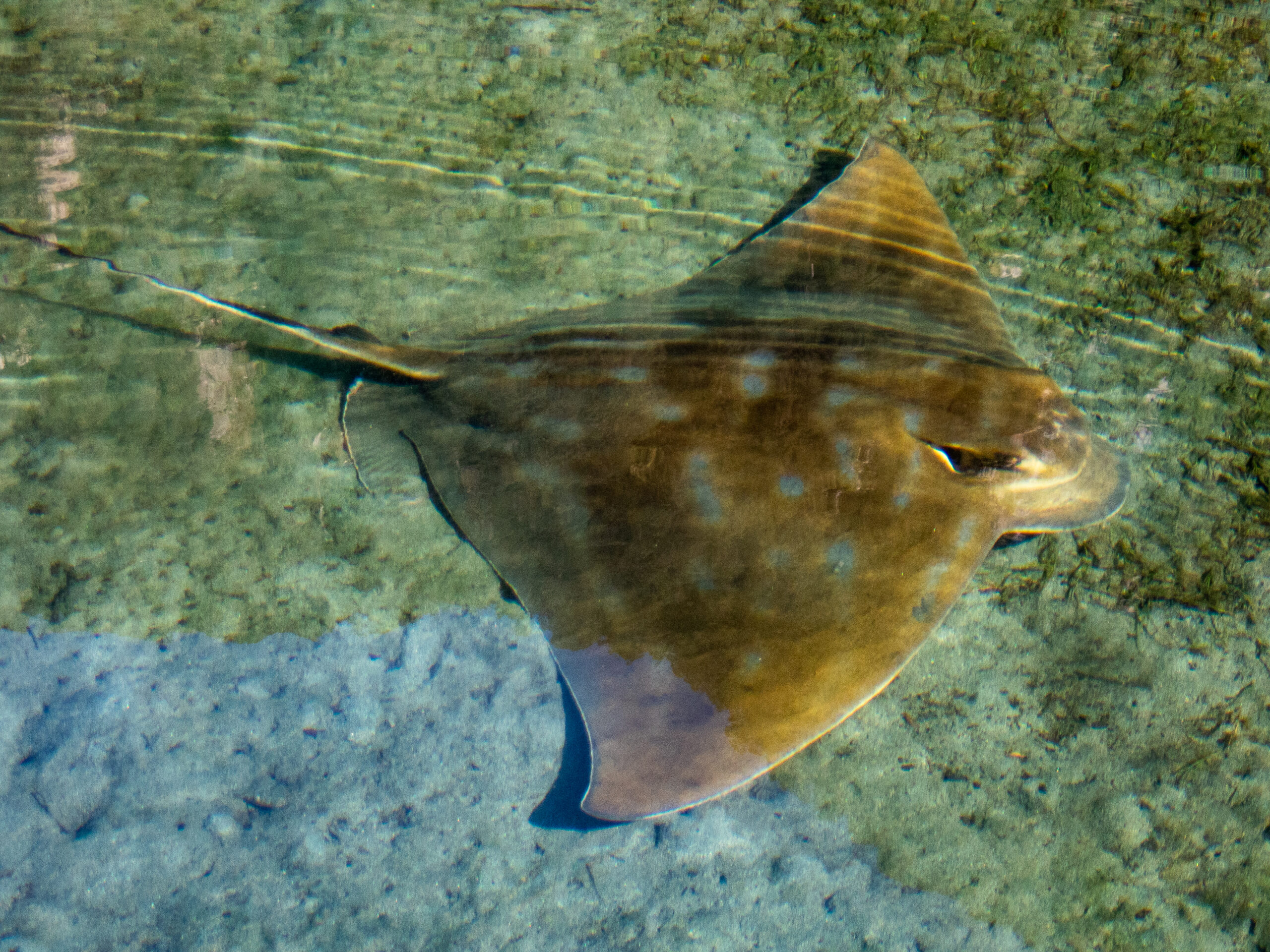
When the sun shines overhead, the sandbank (and its’ creatures – see the ray?) are super visible and too shallow for Allora’s 2m draft.We found a deeper edge (50′) where we dropped our Australian made Sarca Excell anchor. Started with one shore line and added another later when the wind picked up.The fog came flooding out of the canyon head early in the morning and I ran out (coffee in hand), jumped in Namo and started rowing into it to take some pics. Didn’t realize I was still in my warm fleece onesie and had no sandfly protection. Totally worth it.
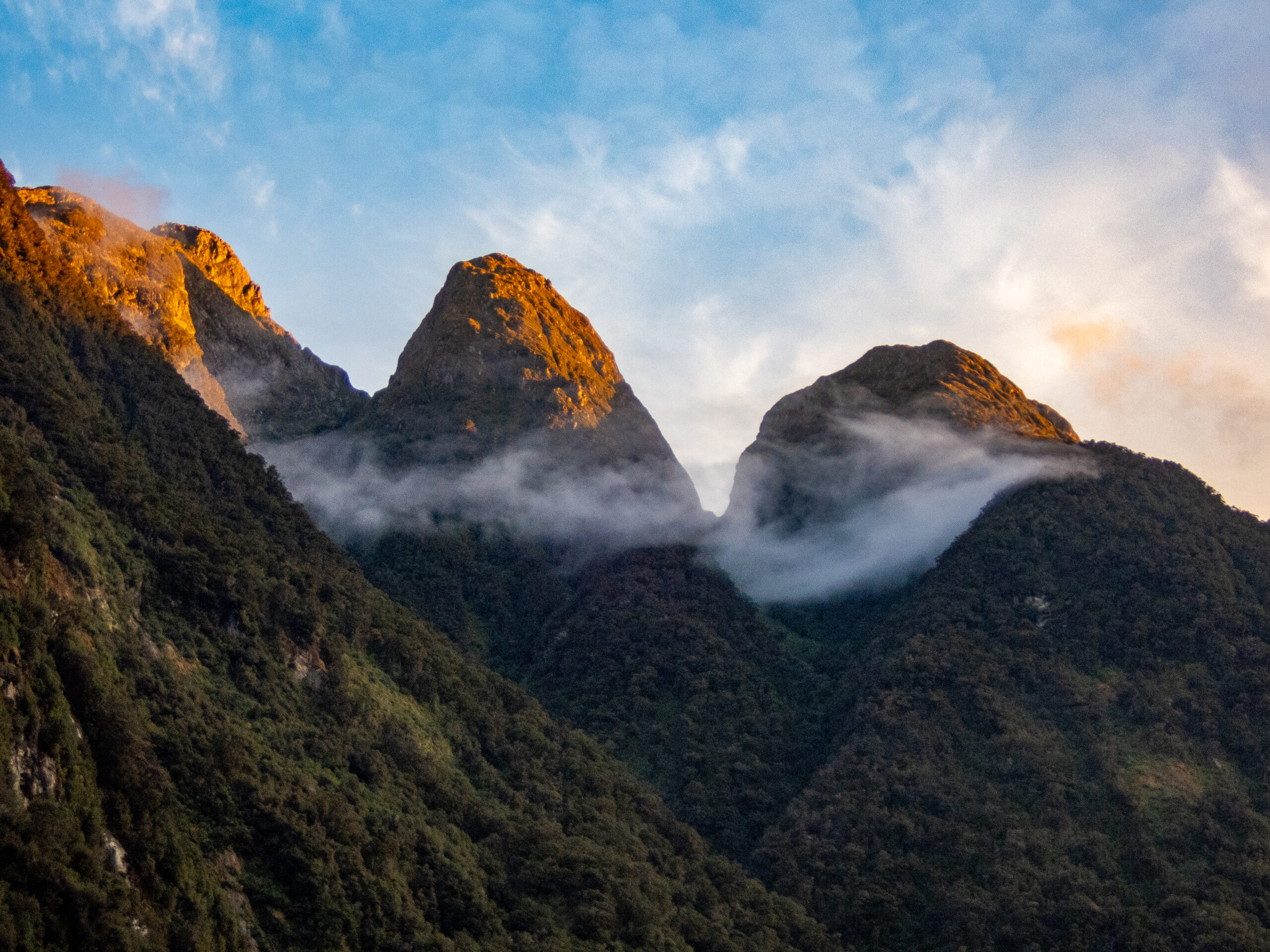
The sun reached the highest peaks and it only morphed the fog into yet more beautiful iterations.
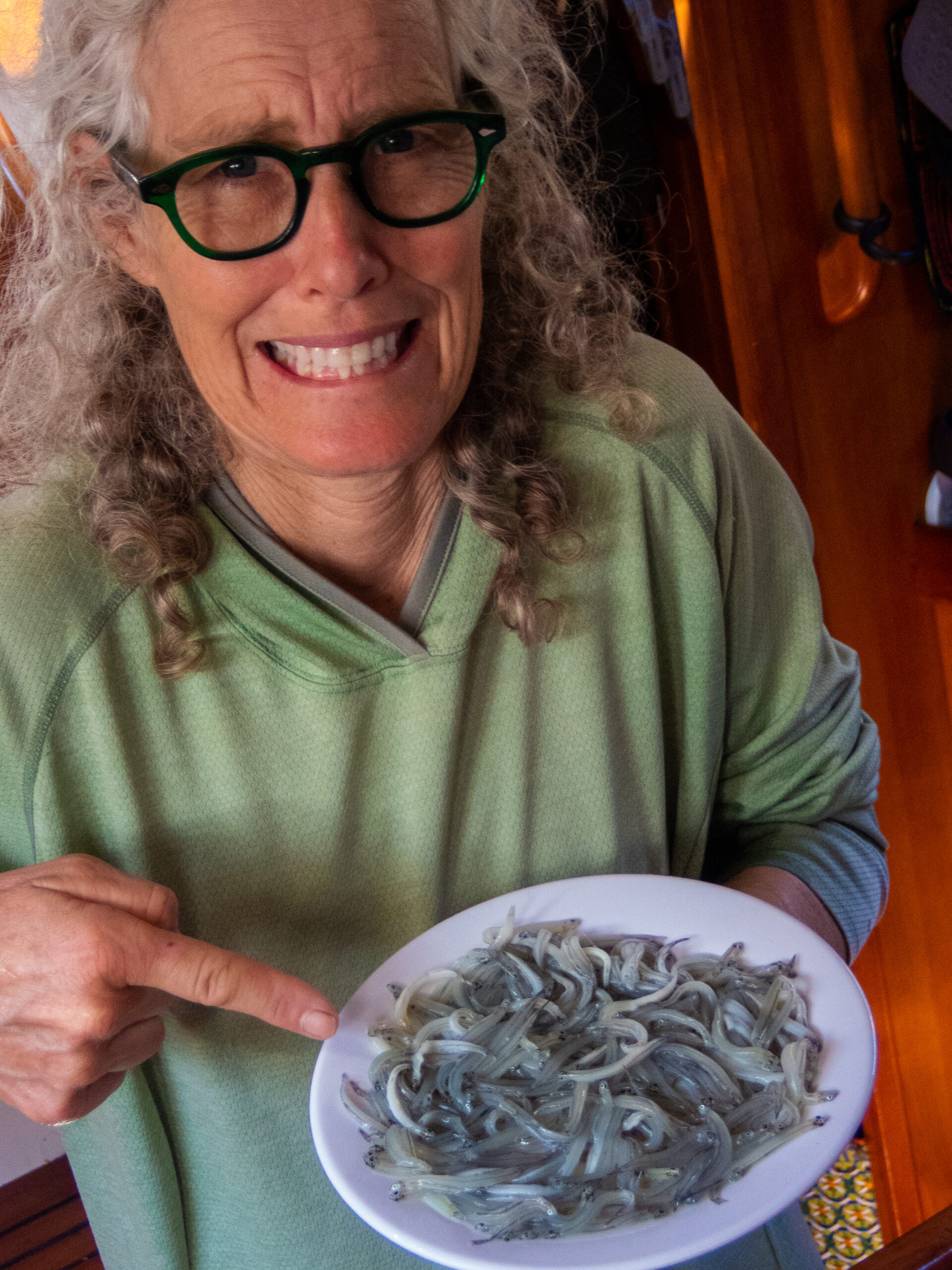
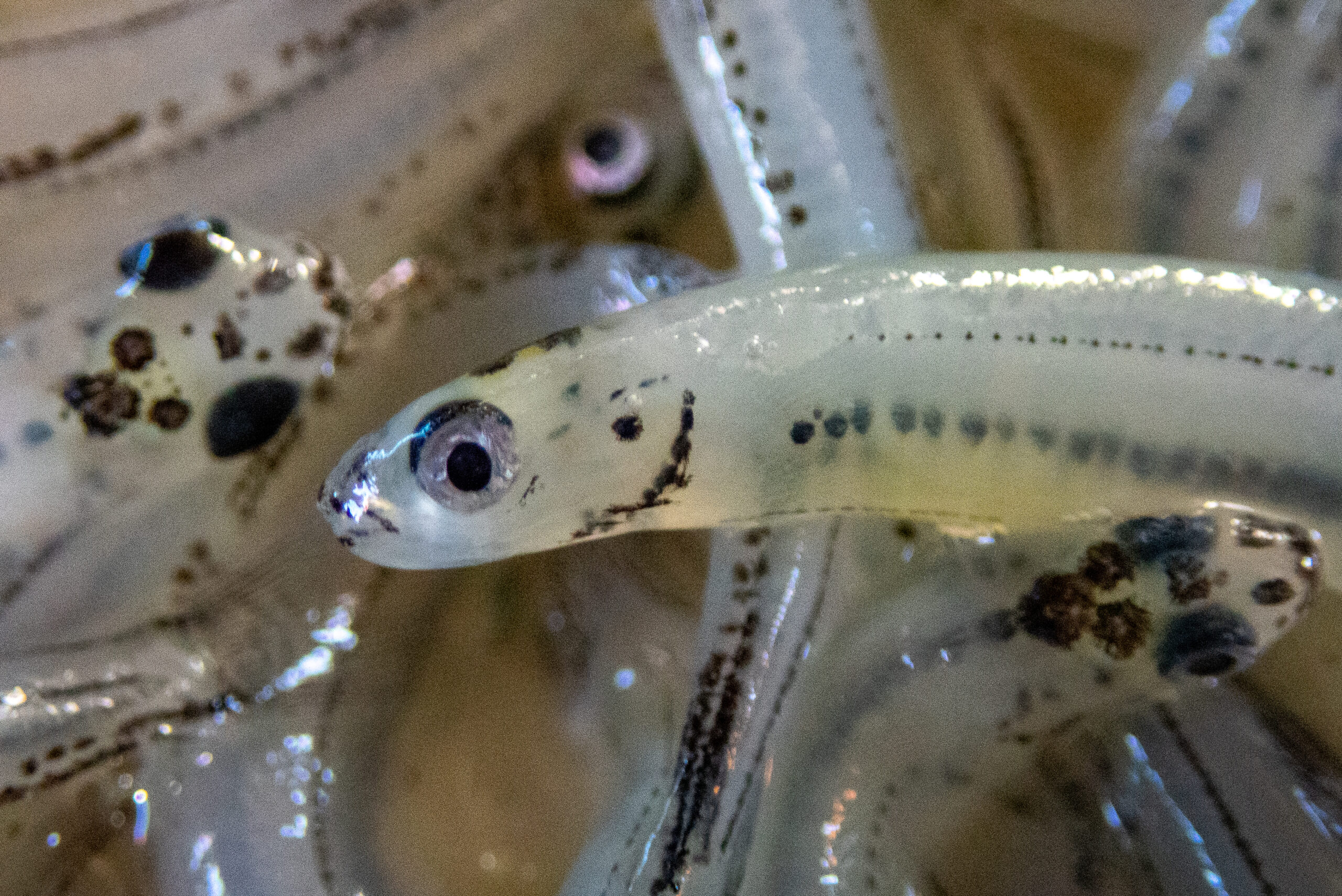
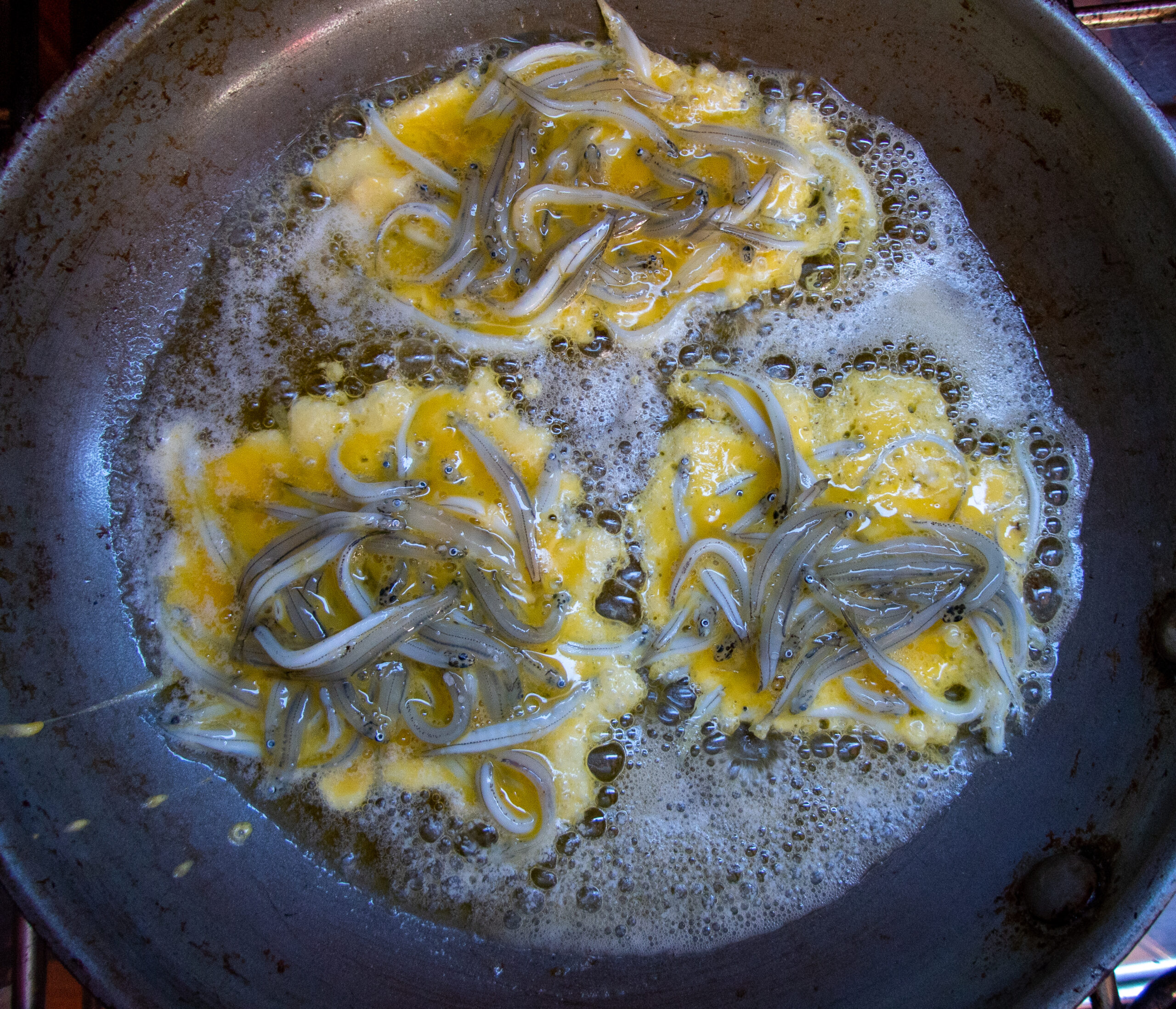
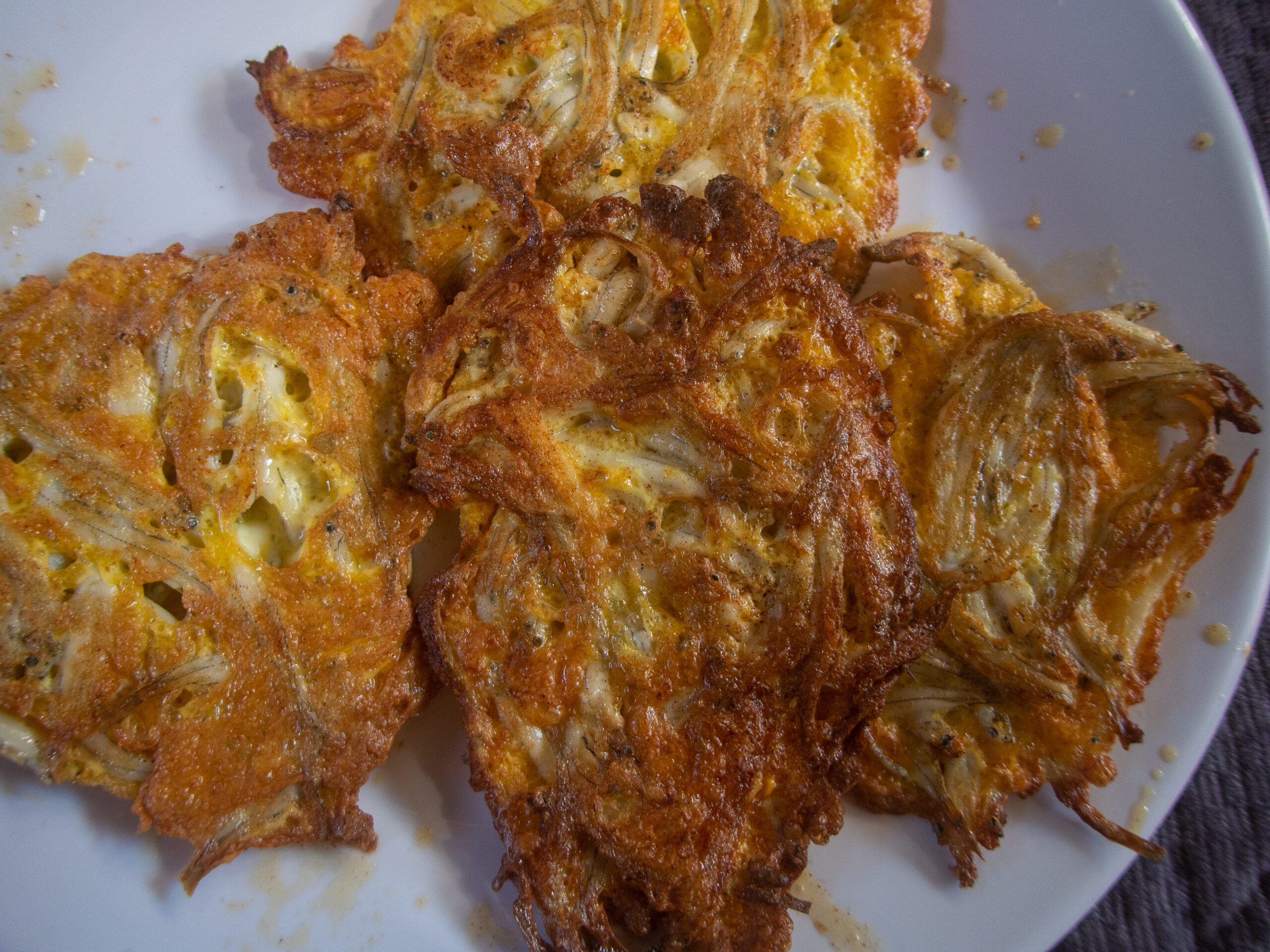
This is a close up from the lower left corner of that last photo!And the last wisps were seen at 11:15!Whitebait are eaten whole with the head, tail guts and the lot still intact – most often fried, the tiny, delicate nature of the fish make them a highly sought-after dish. We were generously given these and they were described as if they were a truffle, so I was hoping they’d taste like lobster!Been vegetarians for a couple years, but pescatarians, really, since we live on the sea and can catch FRESH fish. These were only attempted because they were a gift.RoShamBo: fish beats butter, sadly.Prepared/Disguised as described by the local fishermen, in eggs, but they were a no go for me. Marcus ate them but said he wouldn’t walk across the street to get some more.My kakak excursions were often 2-3 hours and almost a meditation with the slow movement and extreme focus on details. Instead of covering distance, I got into just looking closer and closer at EVERYTHING!
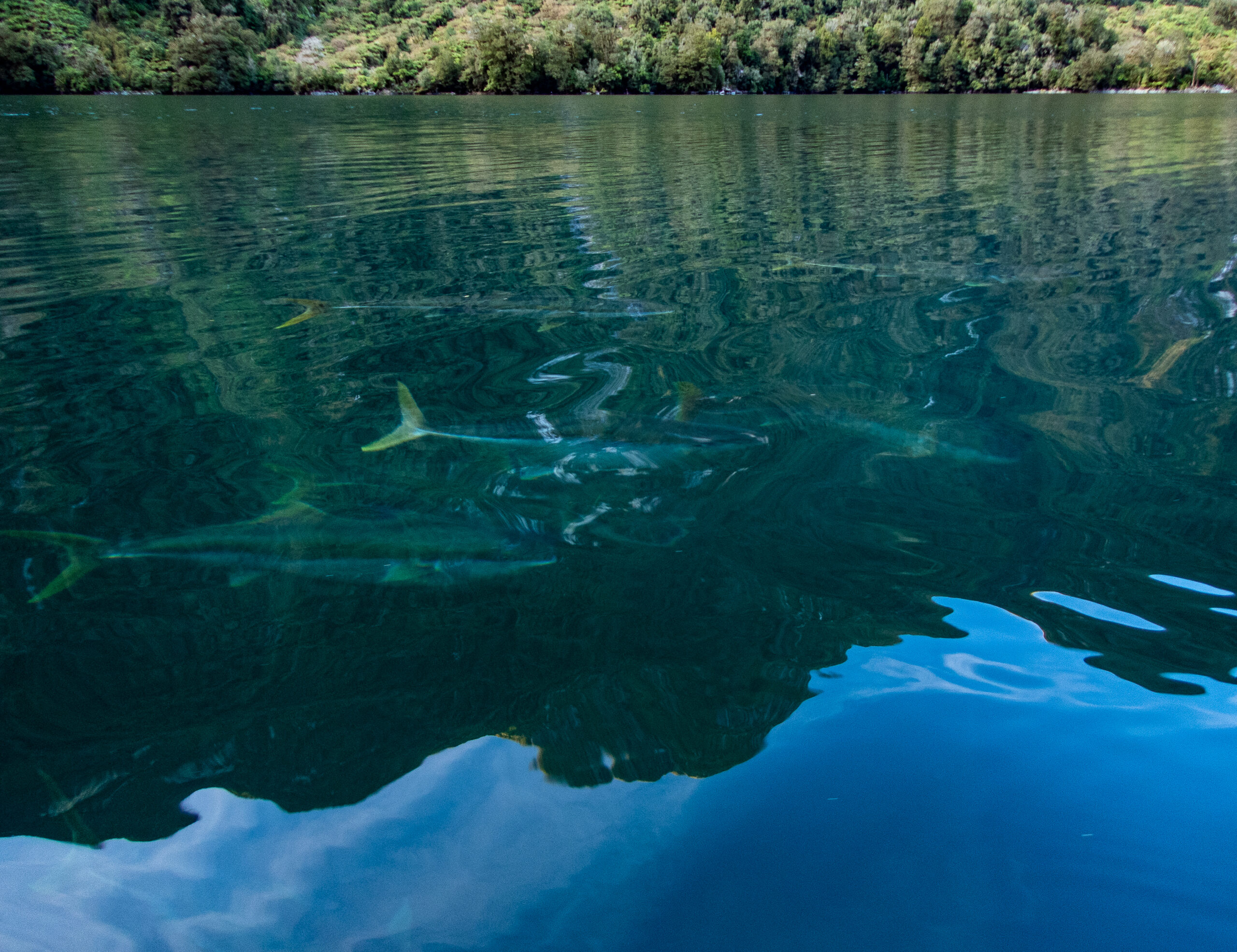
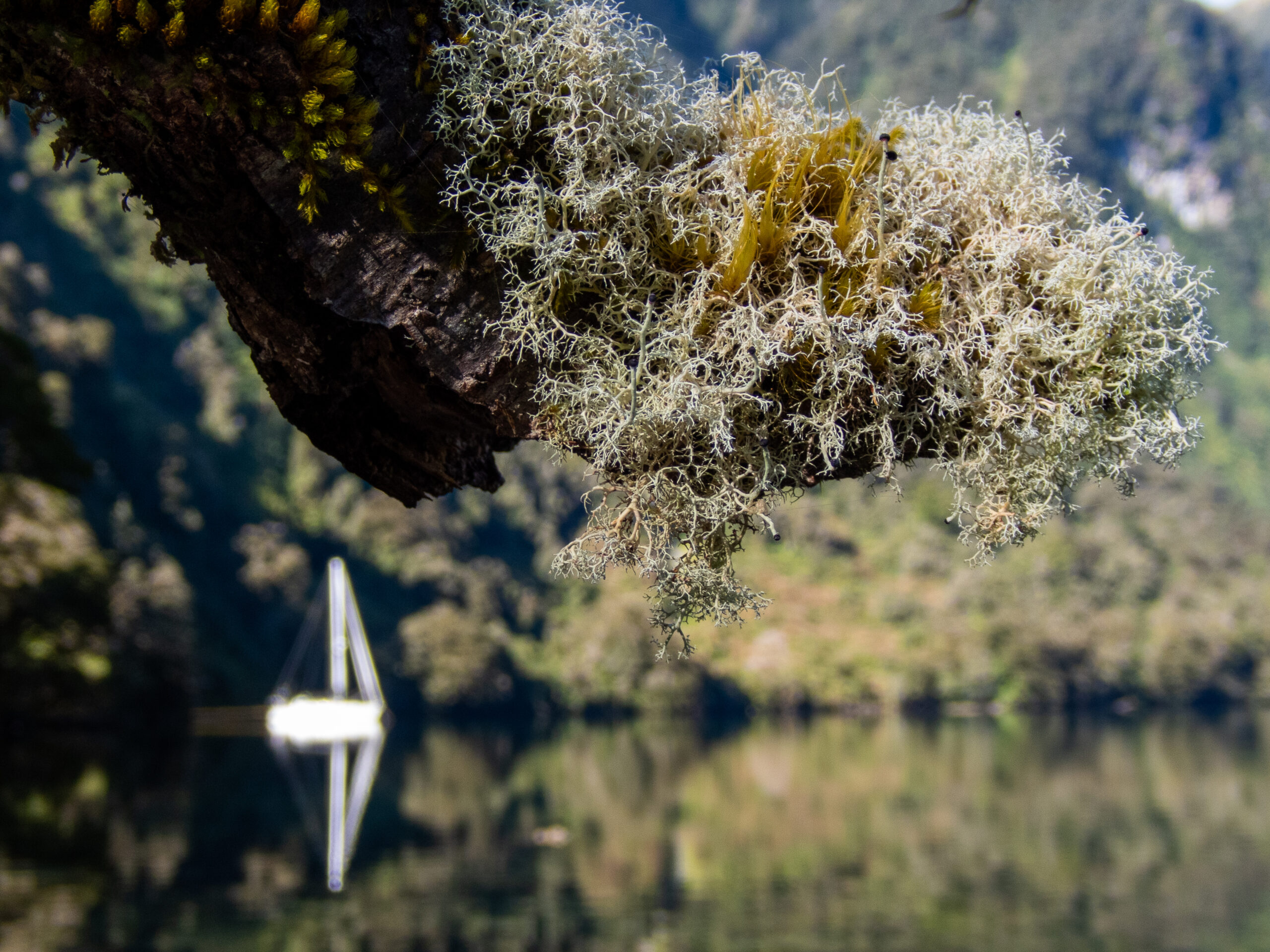
It had rained the night before, so everything was drippy and bathed with fresh water. The top 10 metres or so of the fiord is freshwater. The area gets 7-9 meters (22-29′) of rainfall every year, emptying into the sounds via its many rivers and waterfalls. On its way, this runoff picks up tannins from plants and soil that stain the freshwater the colour of tea.Even the boulders share their world with lichen.Suddenly 10 of these HUGE 1 meter (3-4′) fish darted all around me! They had a shark like, predator attitude and I only learned later that they were Kingfish, or Haku/Kahu in Māori. It definitely broke me out of my close focused, serene mental state!
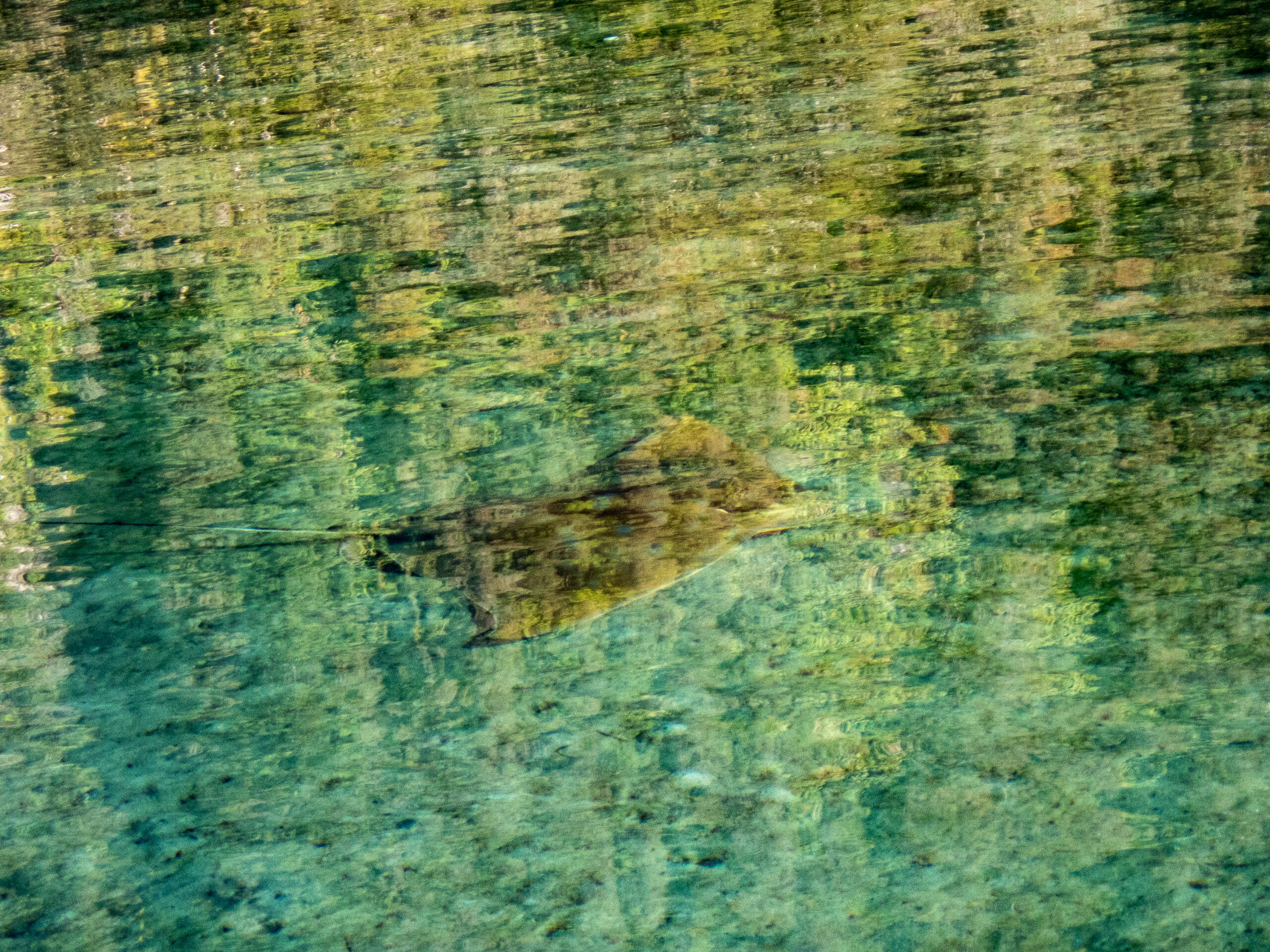
Saw this and had to go closer to see if I was imagining a ray shape?!A New Zealand/Australian Eagle Ray (Myliobatis tenuicaudatus)! (Looked it up later – I have never seen an eagle ray like this).
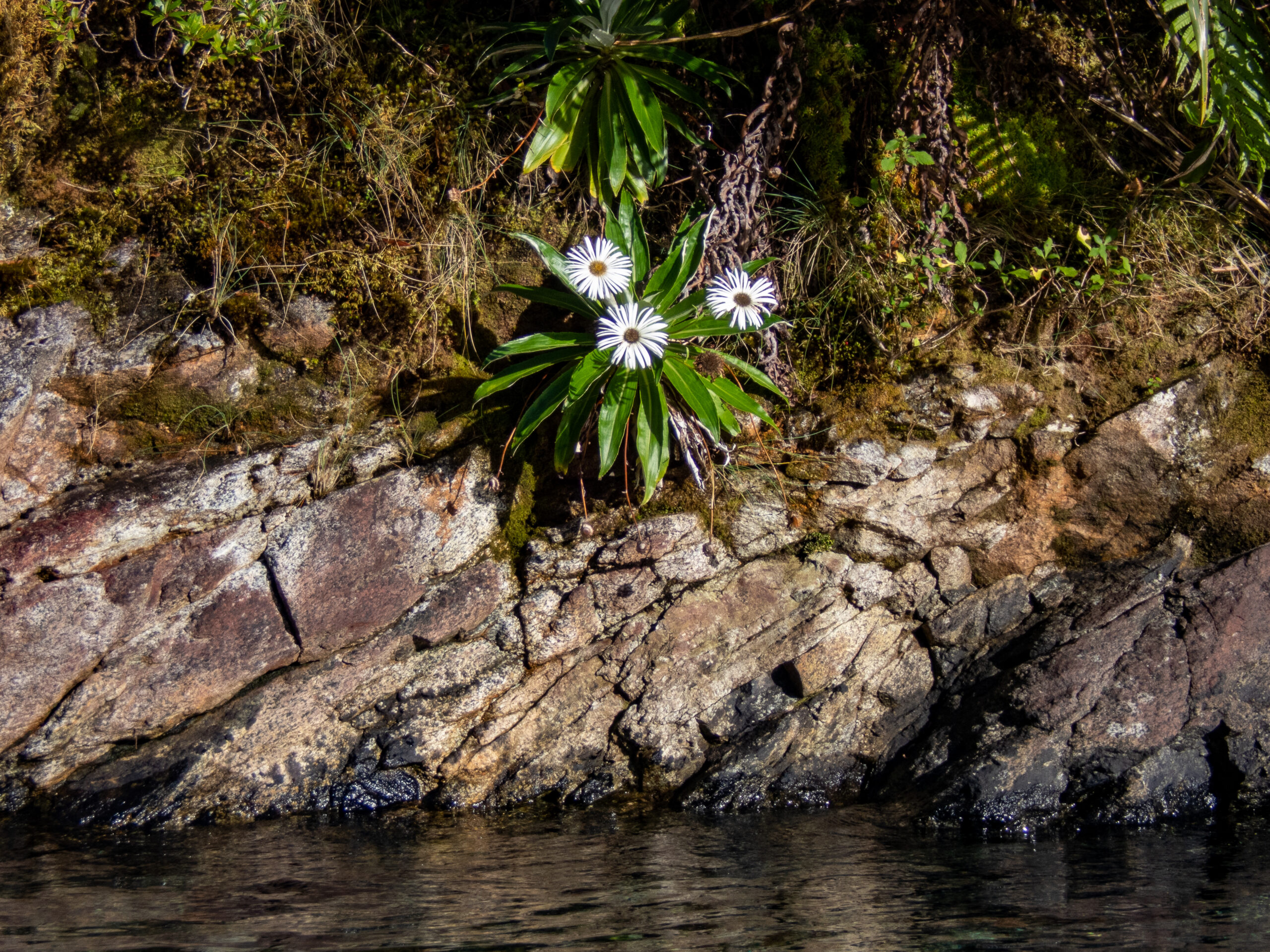
I did a double take on this daisy, as it was the ONLY one I saw in Fiordland, EVER! Must have been early or late season?!
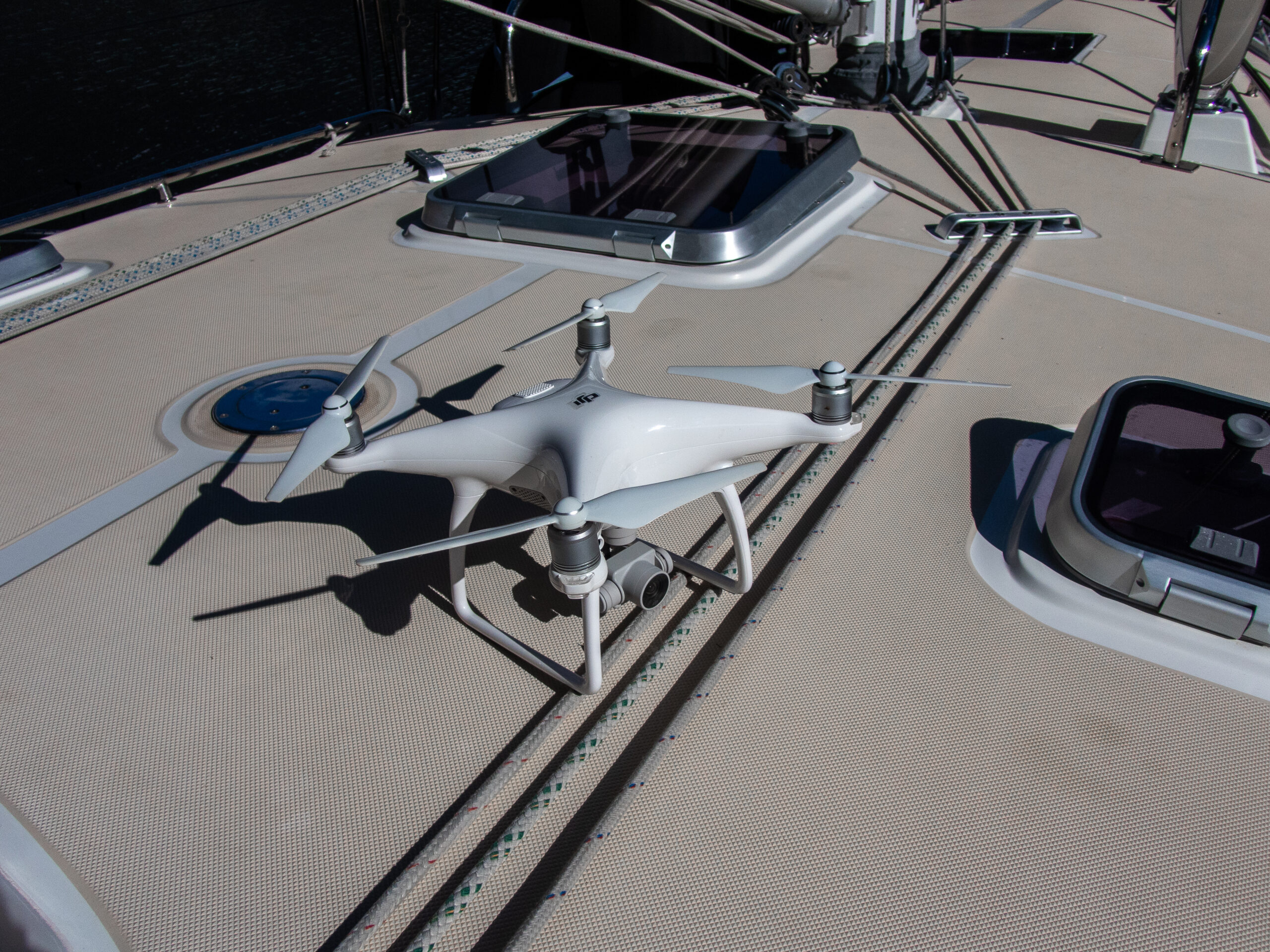
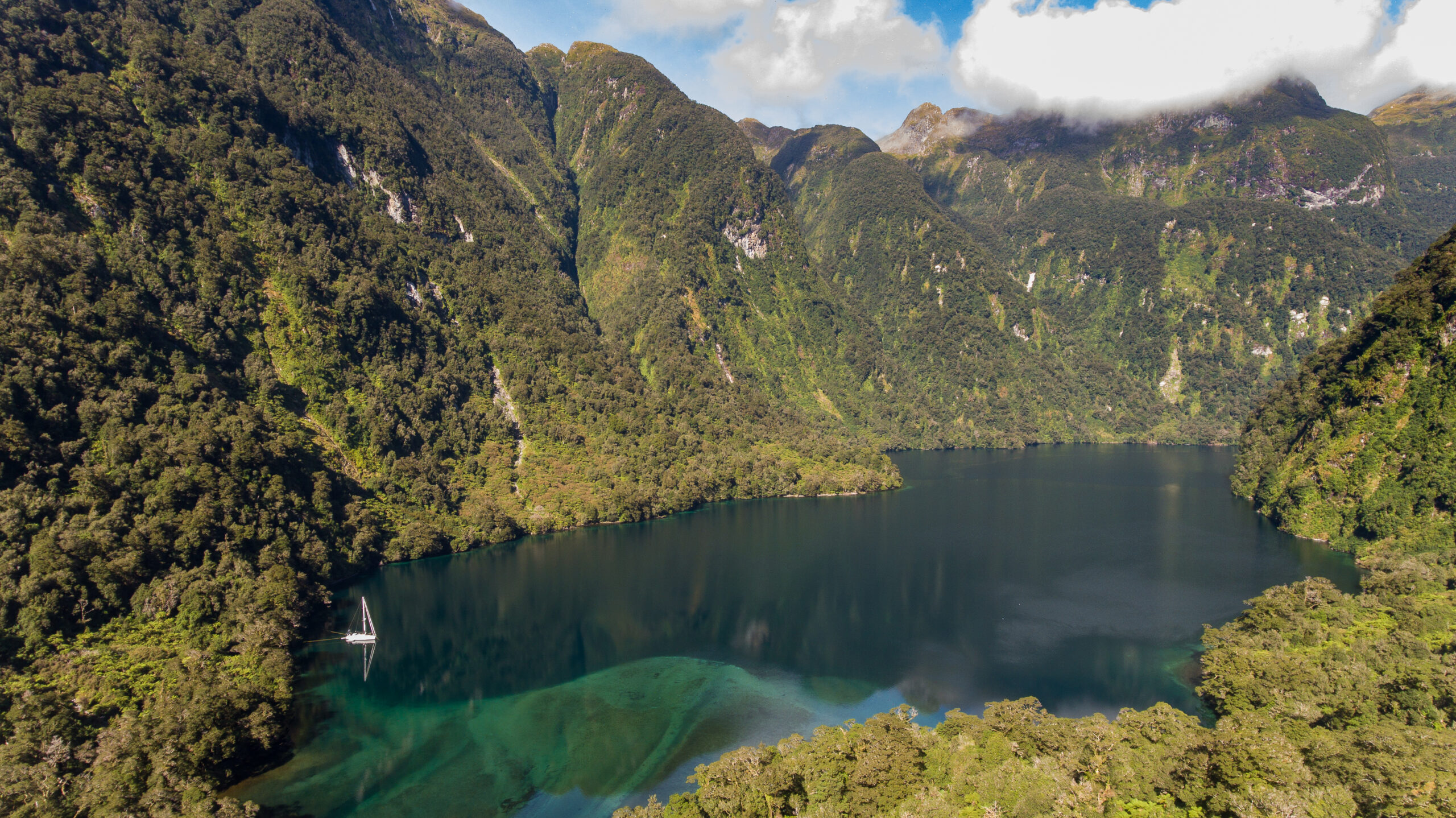
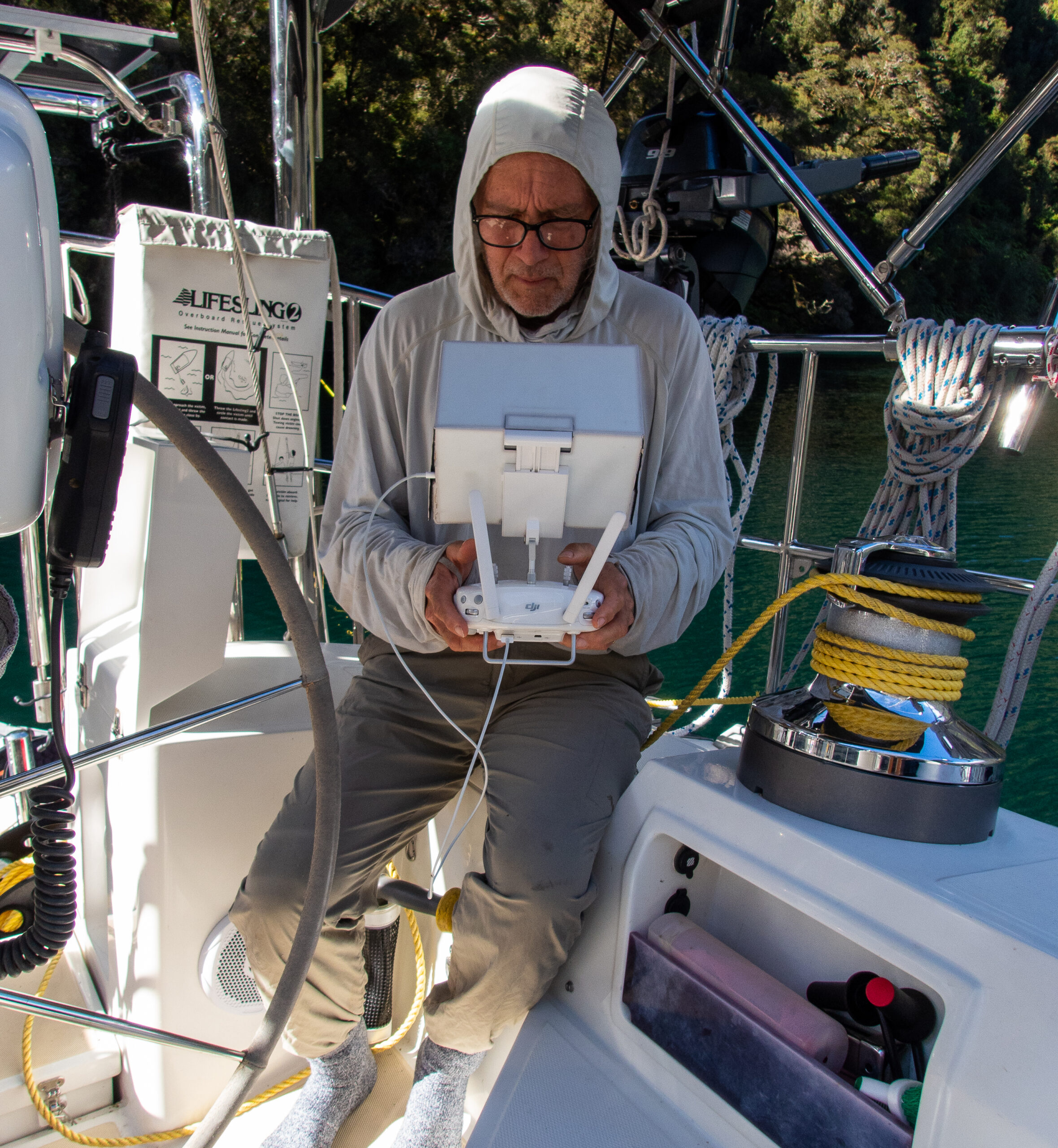
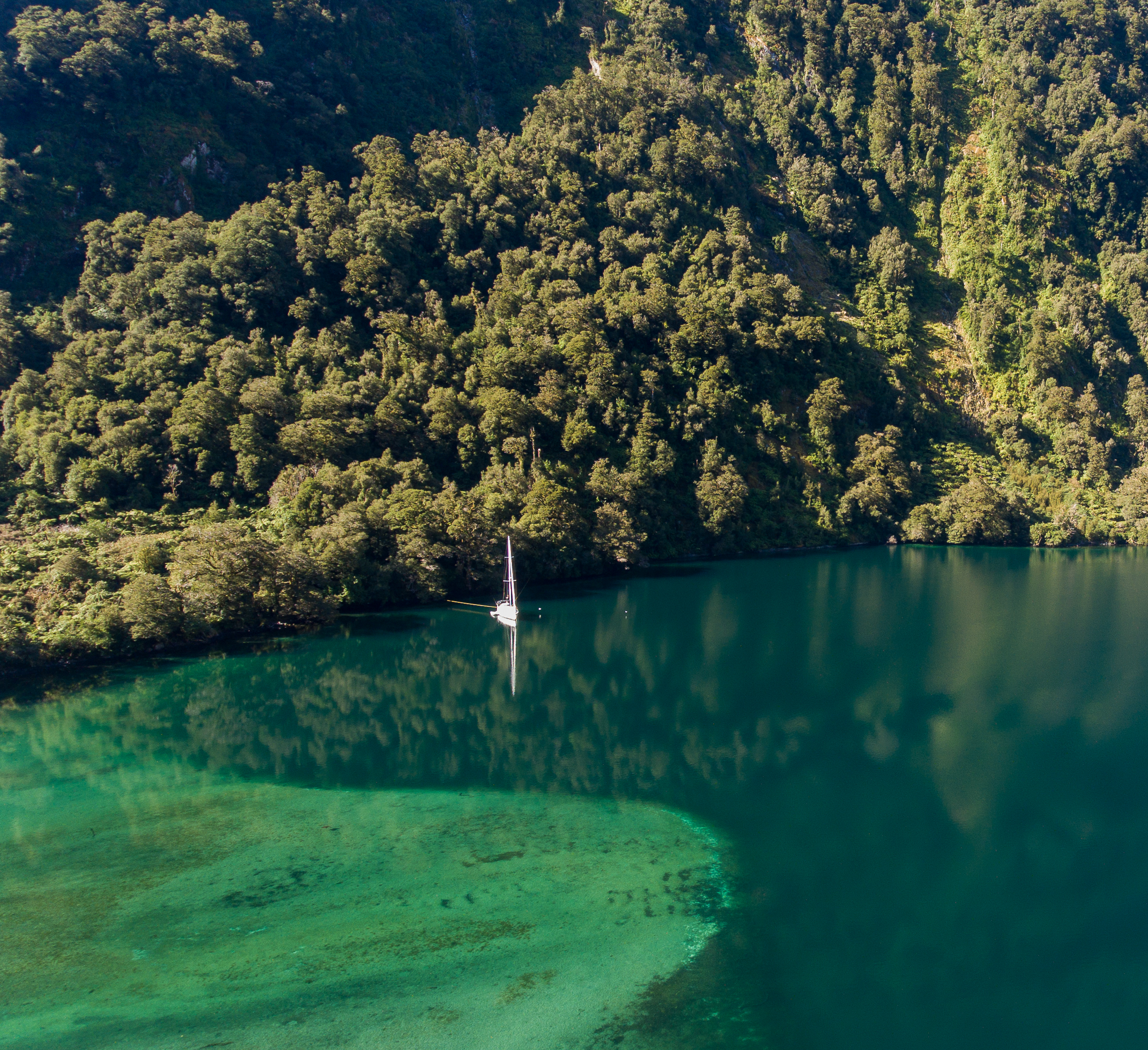
Time to head back to Allora when this is what I’m seeing!Time to get yet another perspective!Bird’s eye view!Not the easiest thing to pilot from aboard a sailboat, but at least we’re at anchor!A much clearer view of that sandbank we need to avoid.Another phenomenal day dawns in Broughton Arm.
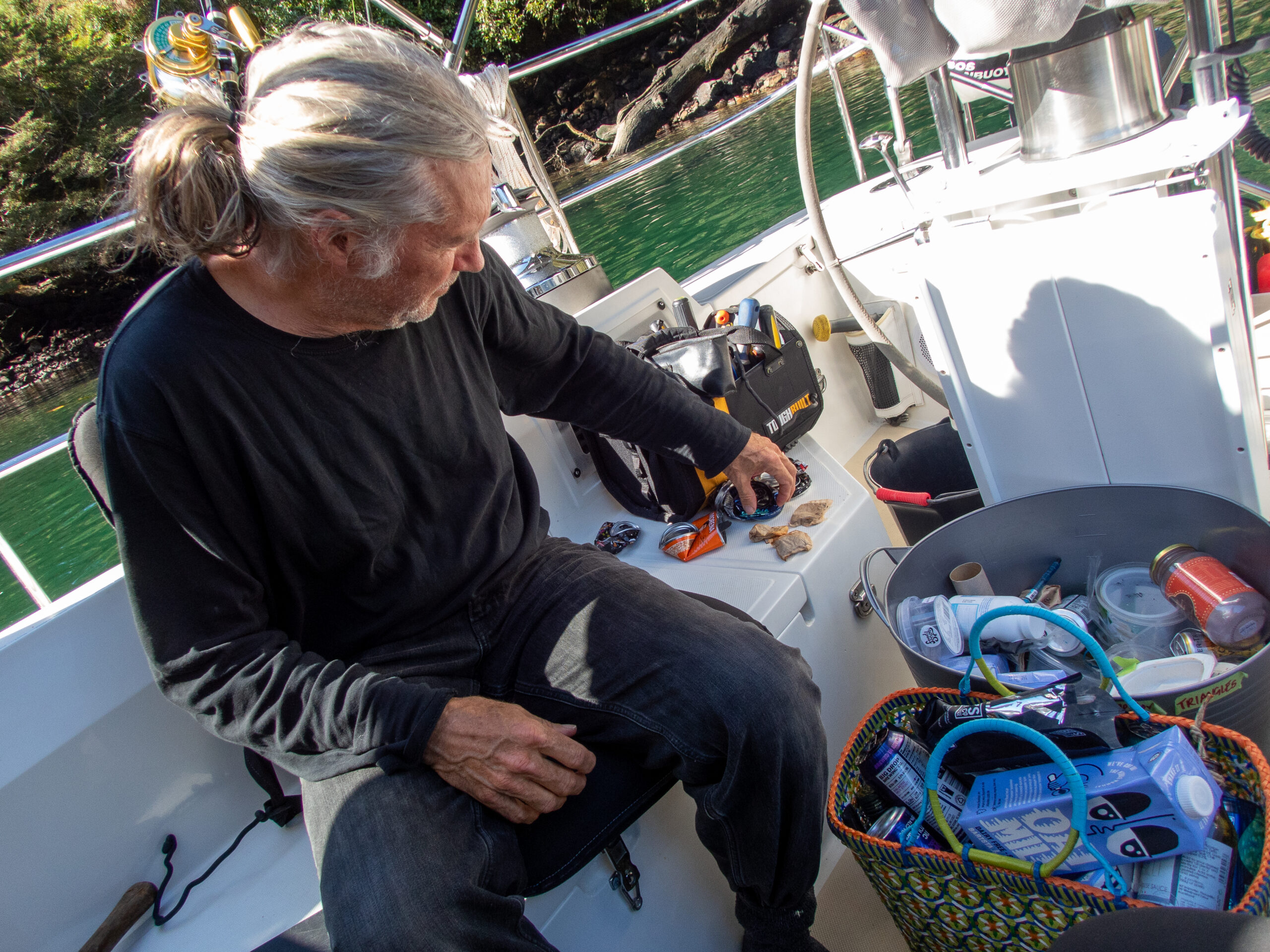
We’ve had to carry all of our trash since leaving Oban in Stewart Island, so we clean and cut any plastics, smash our aluminum cans and stack paper. Talked about making this a weekly practice, but usually we’d wait till the buckets were overflowing!
More kayak time.
See the face?!And the kind of Kokopelli-esque shadow?!
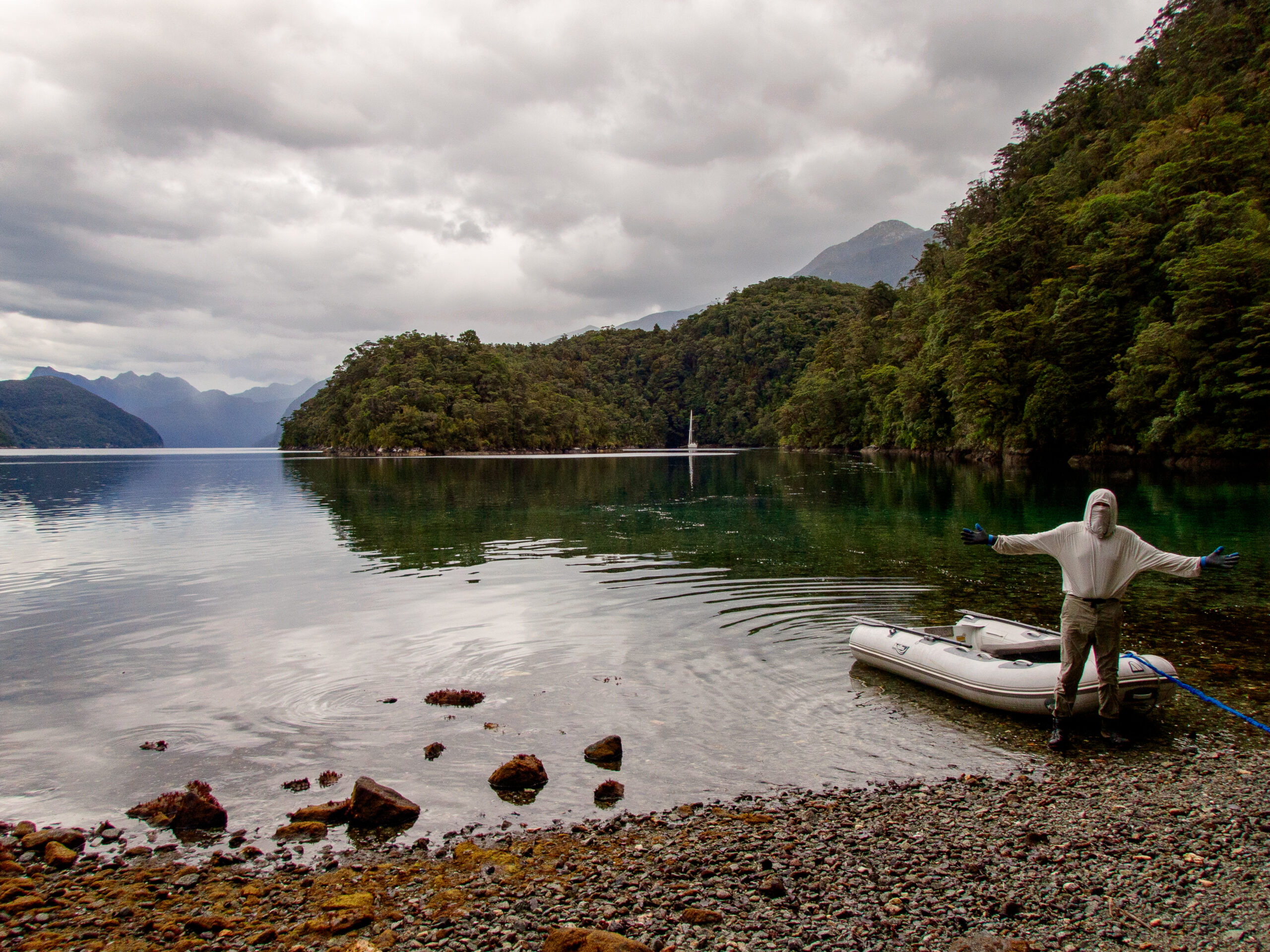
How ’bout Narcissus seeing his own reflection?!Hehe. Couldn’t resist. (Marcus, in sandfly attire, was actually looking at fish!)
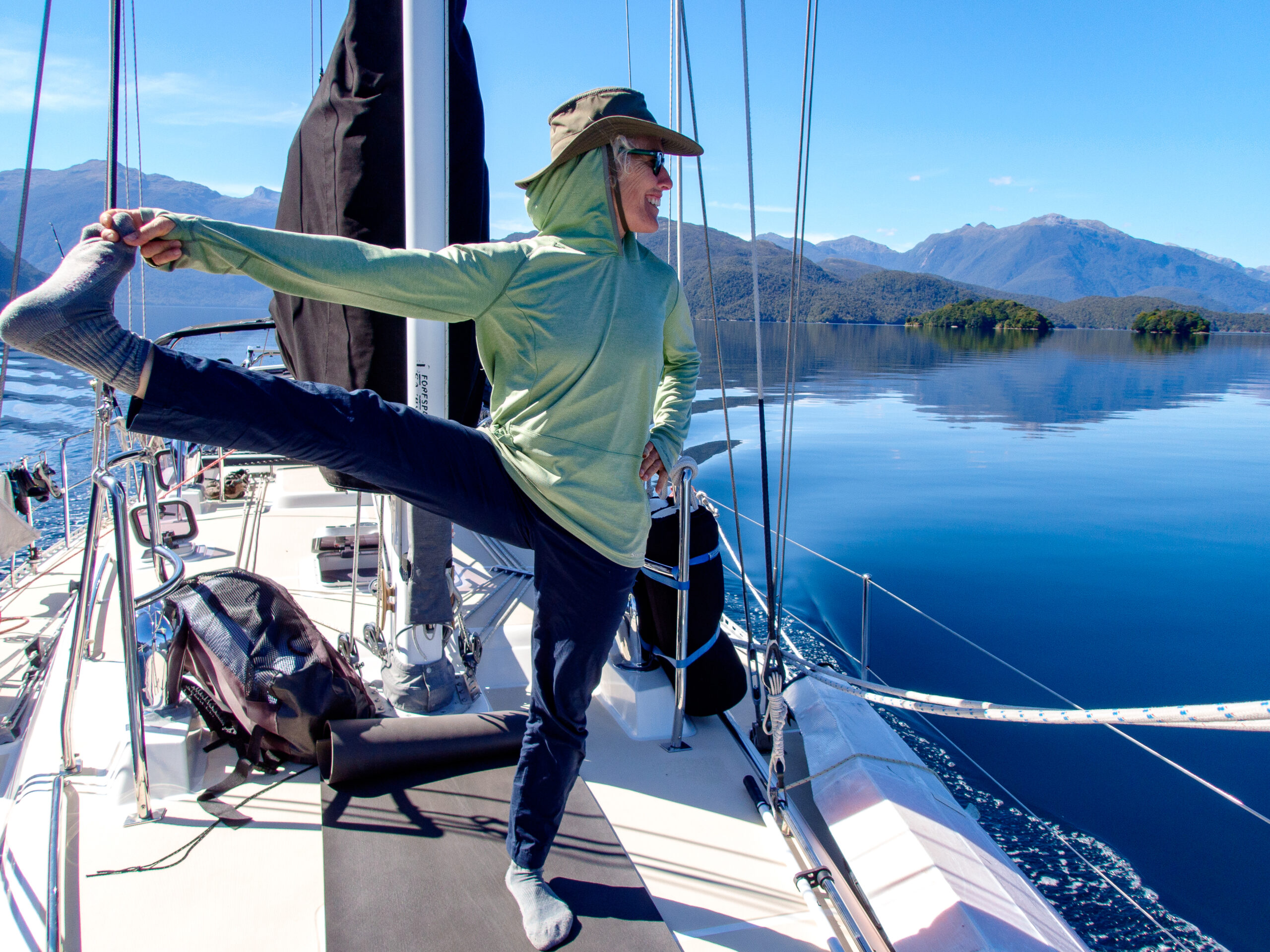
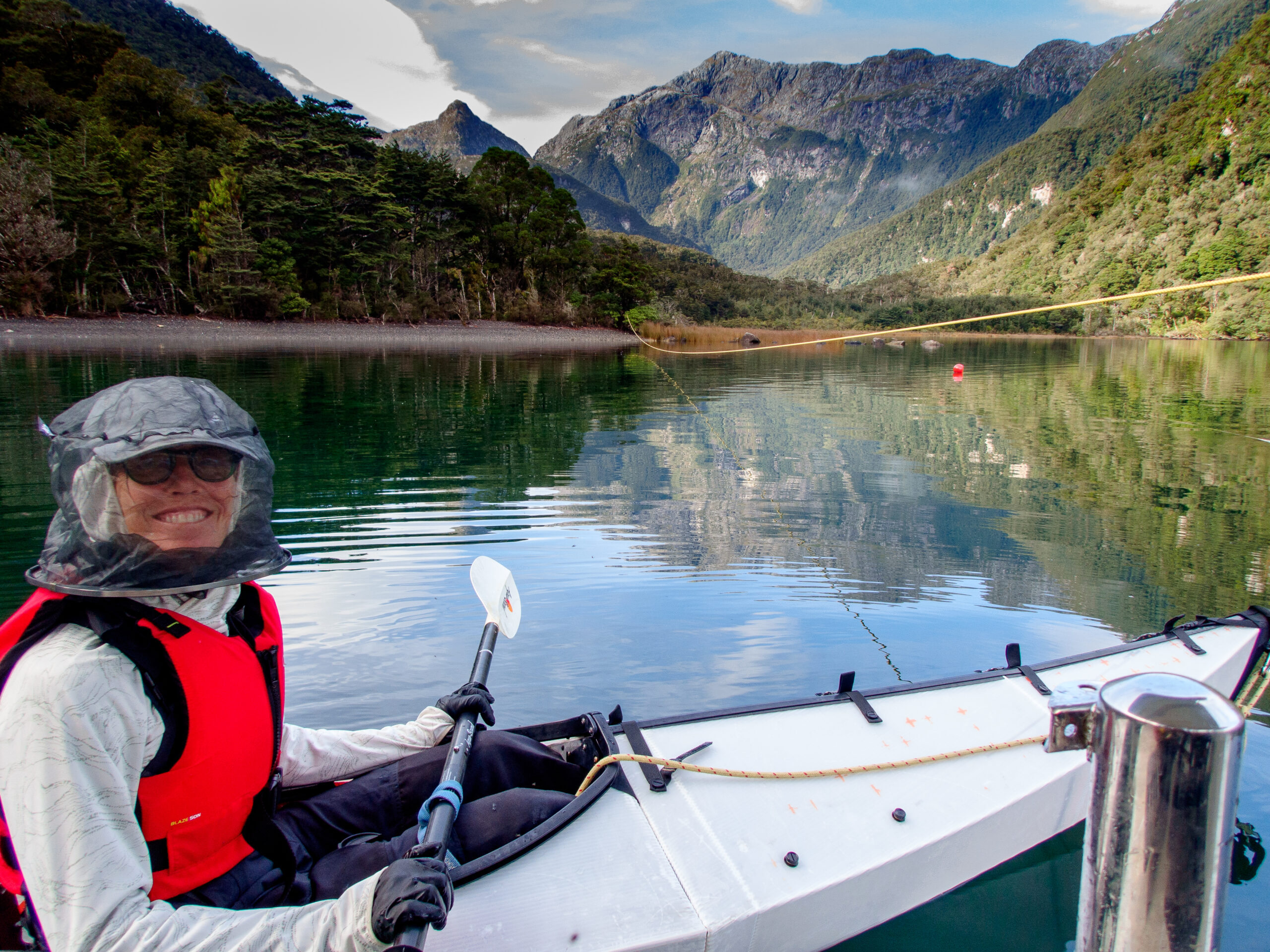
Our wake was the only disturbance as we slinked up Acheron Passage toward Wet Jacket Arm.Did the whole Astanga practice in sandfly attire on the foredeck, underway but oh so calm.
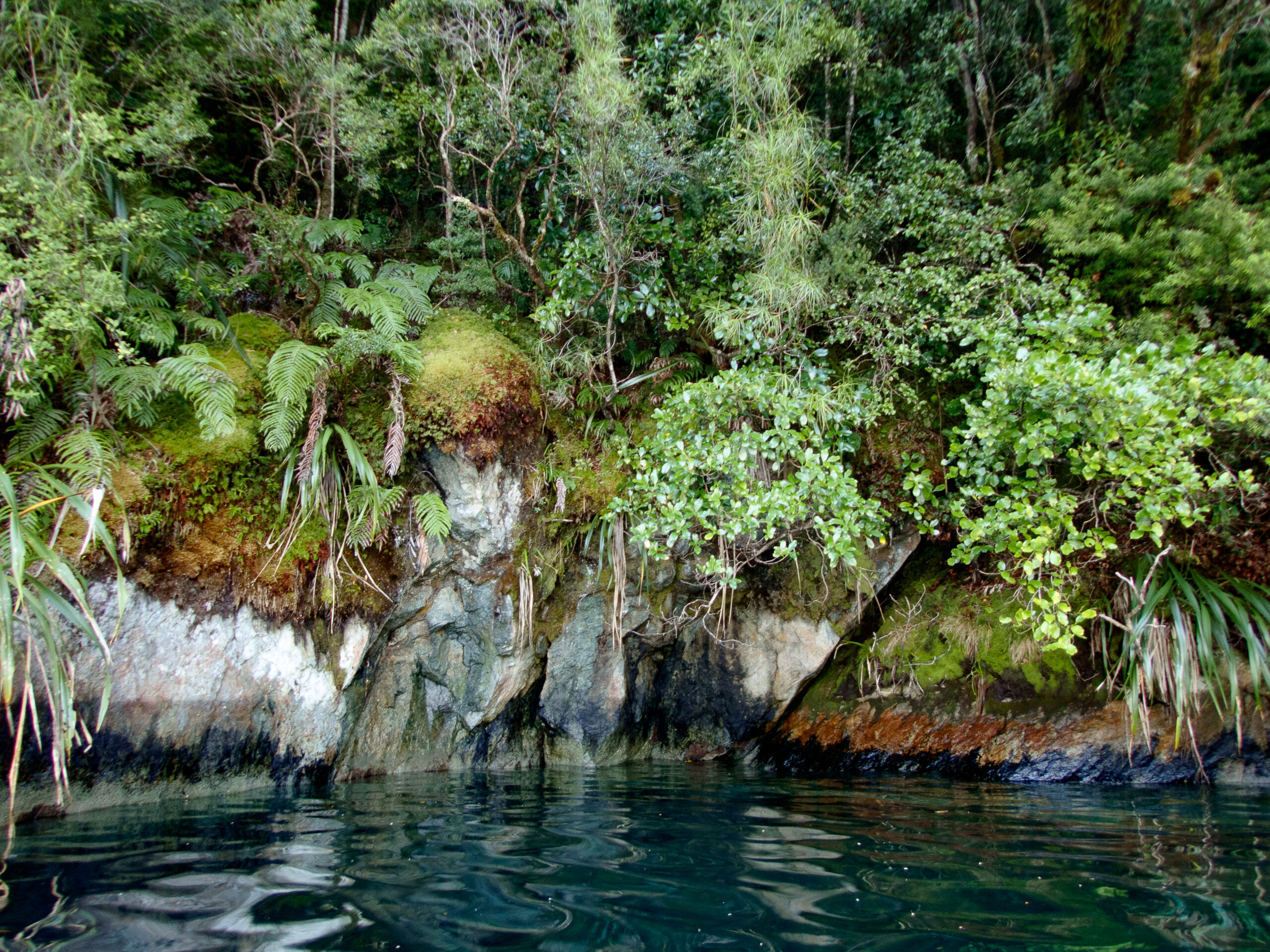
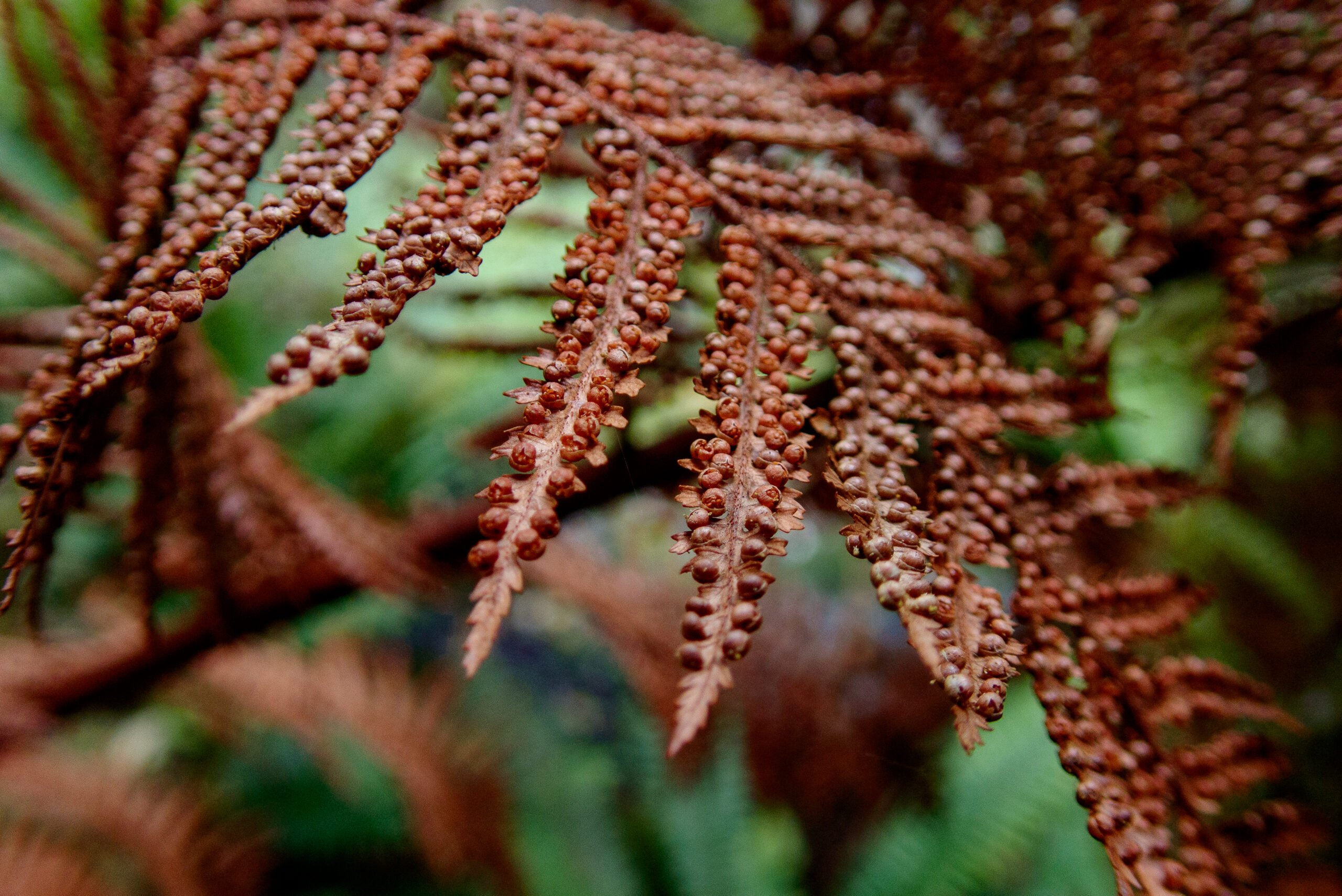
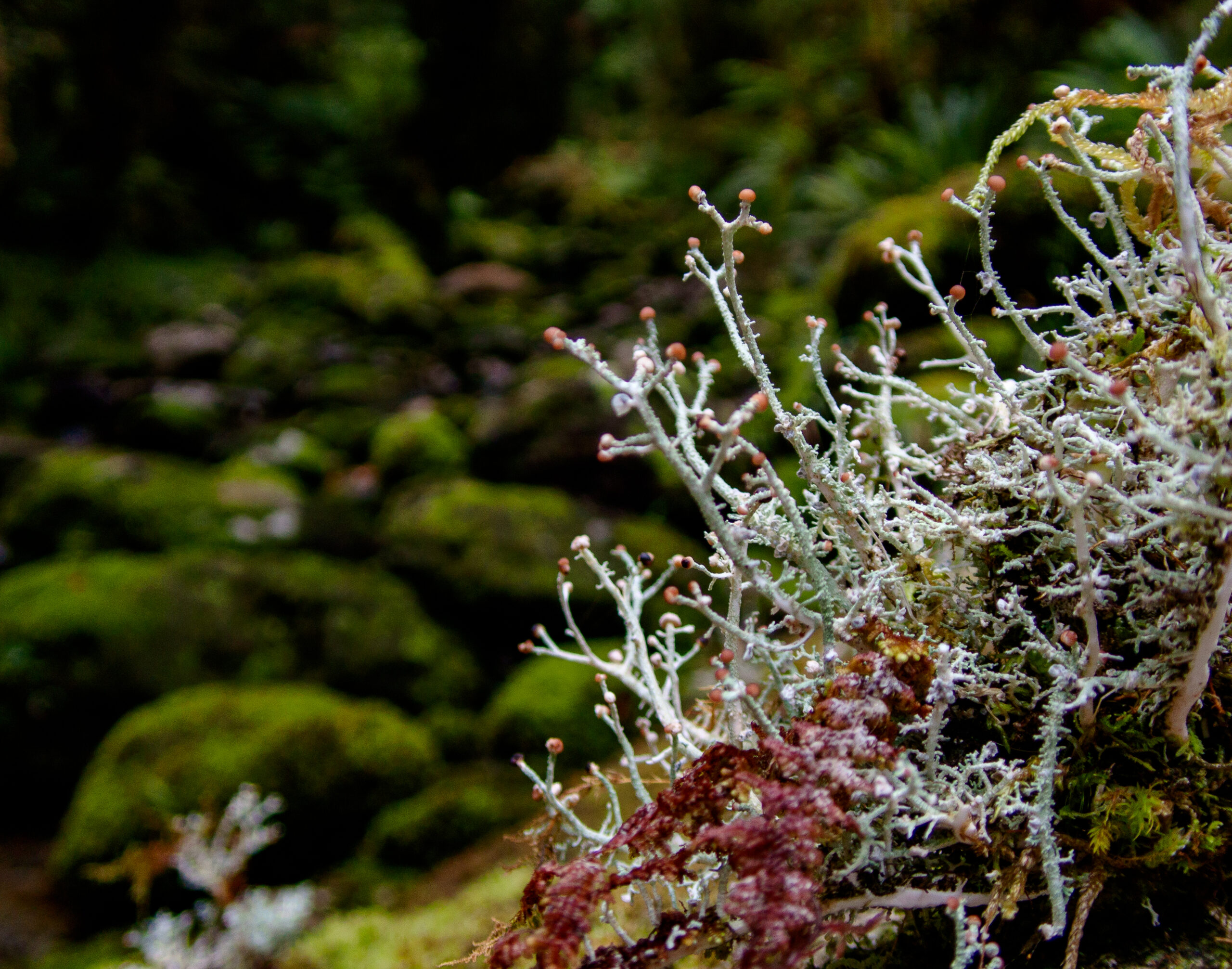
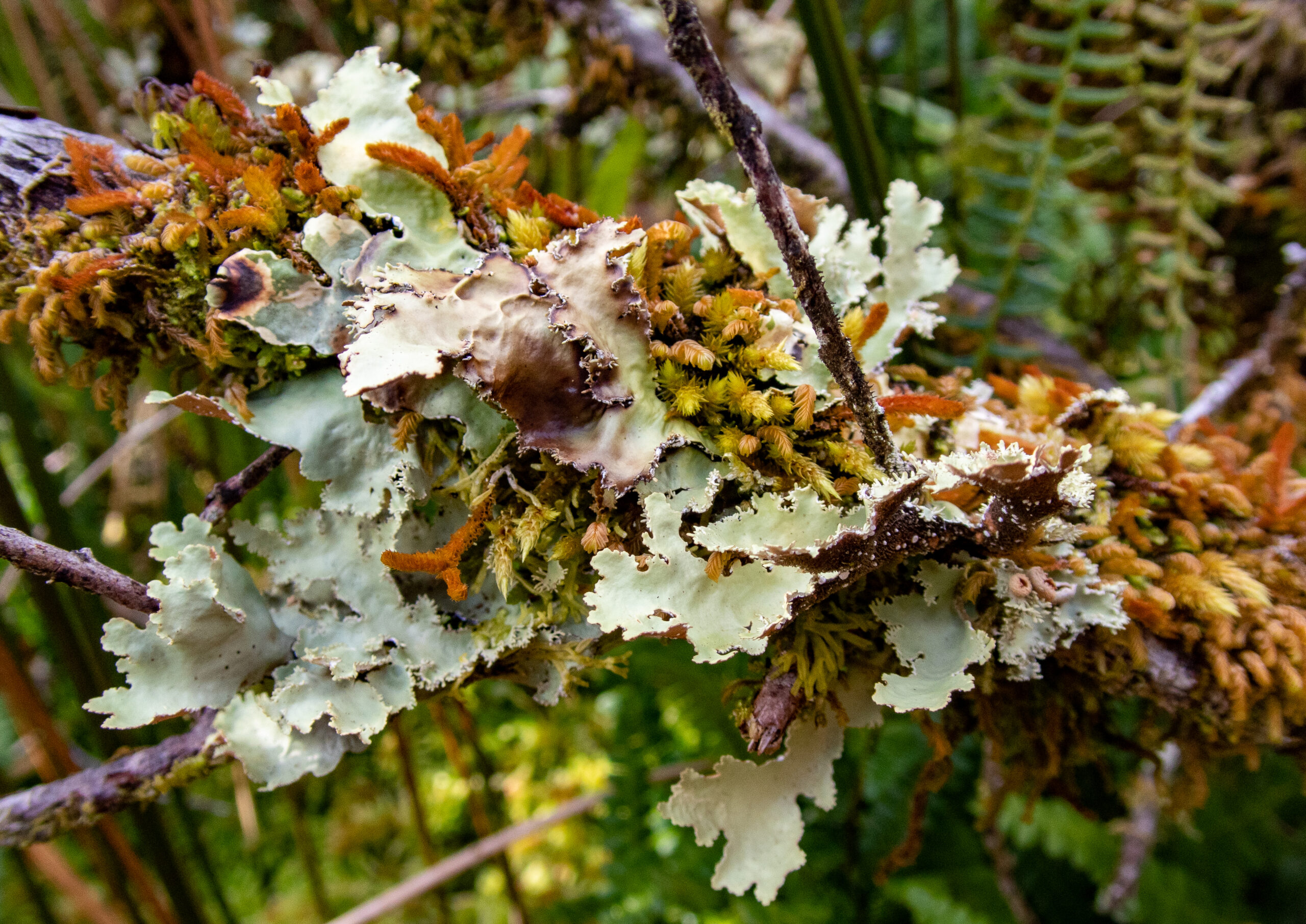
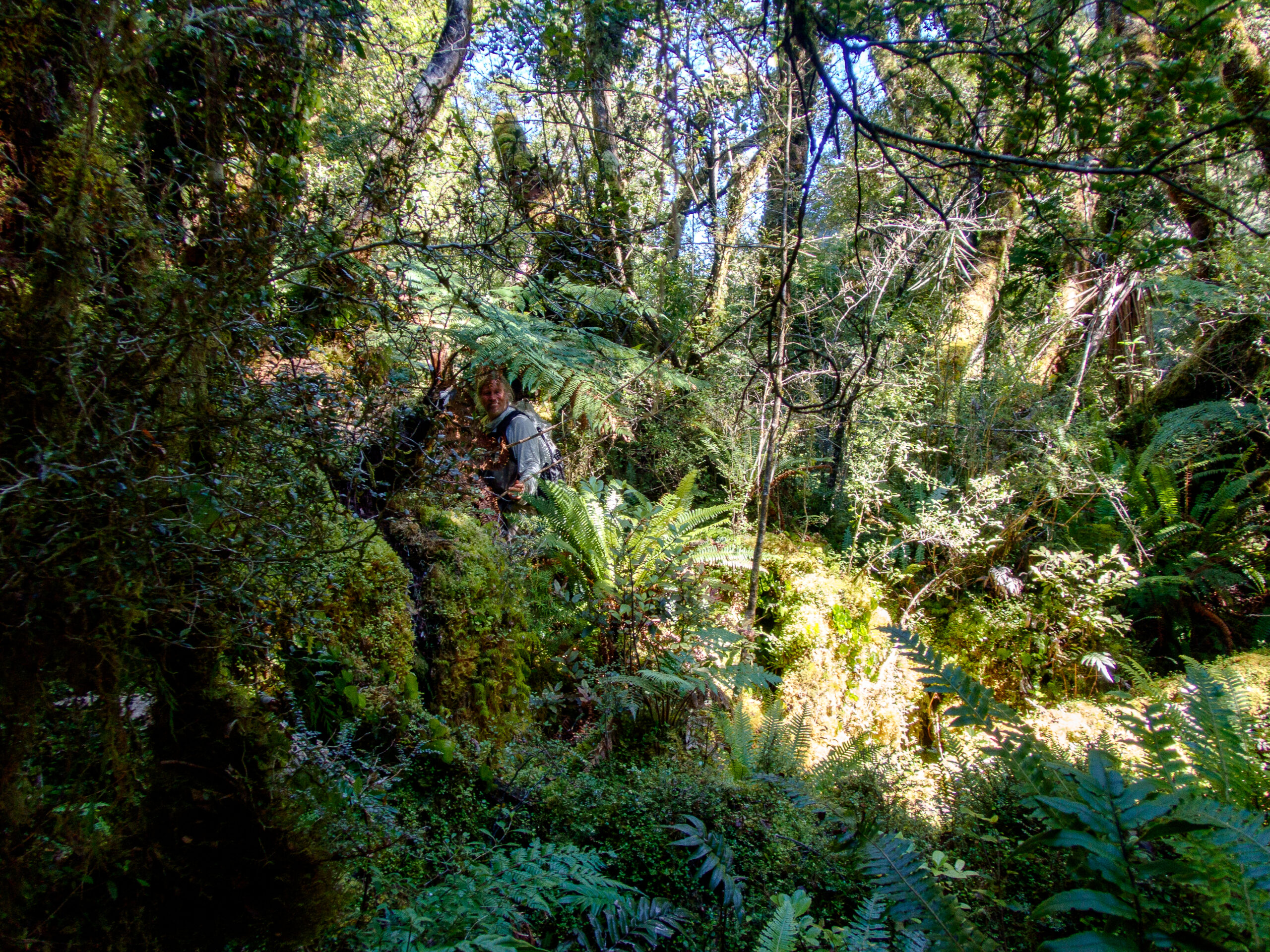
In our past experience, being this close to shore would NOT feel like where you’d want to be in a big blow, but when in Fiordland …We’re tied every which way!Lavishly colored intertidal zones.It’s always fun to explore after we get Allora all set and secure.Not sure if the sandflies avoid us because we’re covered or just too dorky.Me if we stayed in Fiordland much longer.We just kept cracking up at our ‘get ups.’These teensy charmers were just about a half centimeter!Nature has some clever solutions for seed distribution.Walked up this creekbed for a ways. In general, we managed far more hiking than in most places, despite the clear challenges.Possibly another lichenized fungus, but I’m not sure?! Will research!Let the rain begin …
We ended up with buckets of rain and big winds from the west. At night there was bioluminescence as the raindrops hit the water!!!The next day there were waterfalls everywhere, and the creekbed we had walked up was a river!
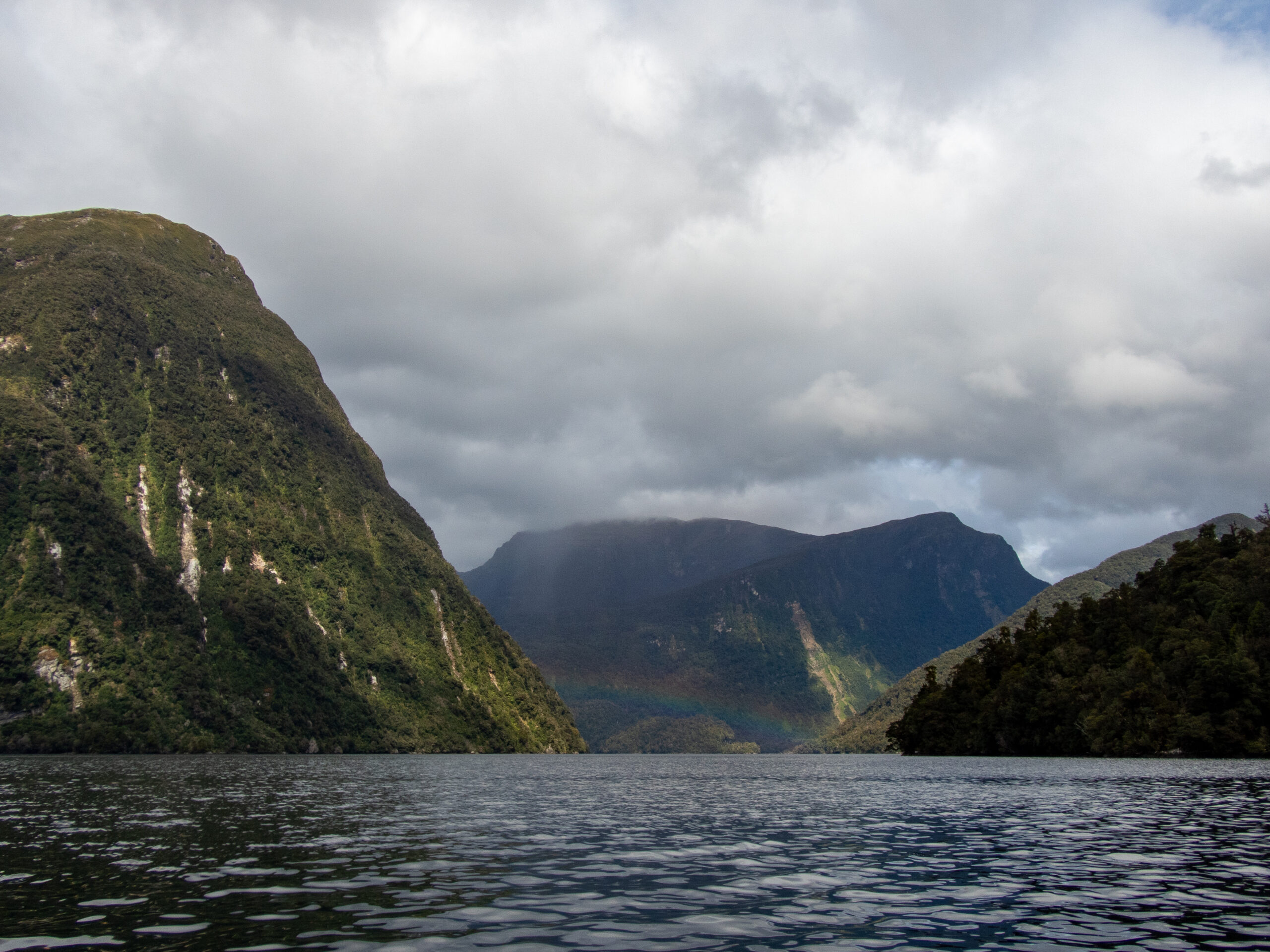
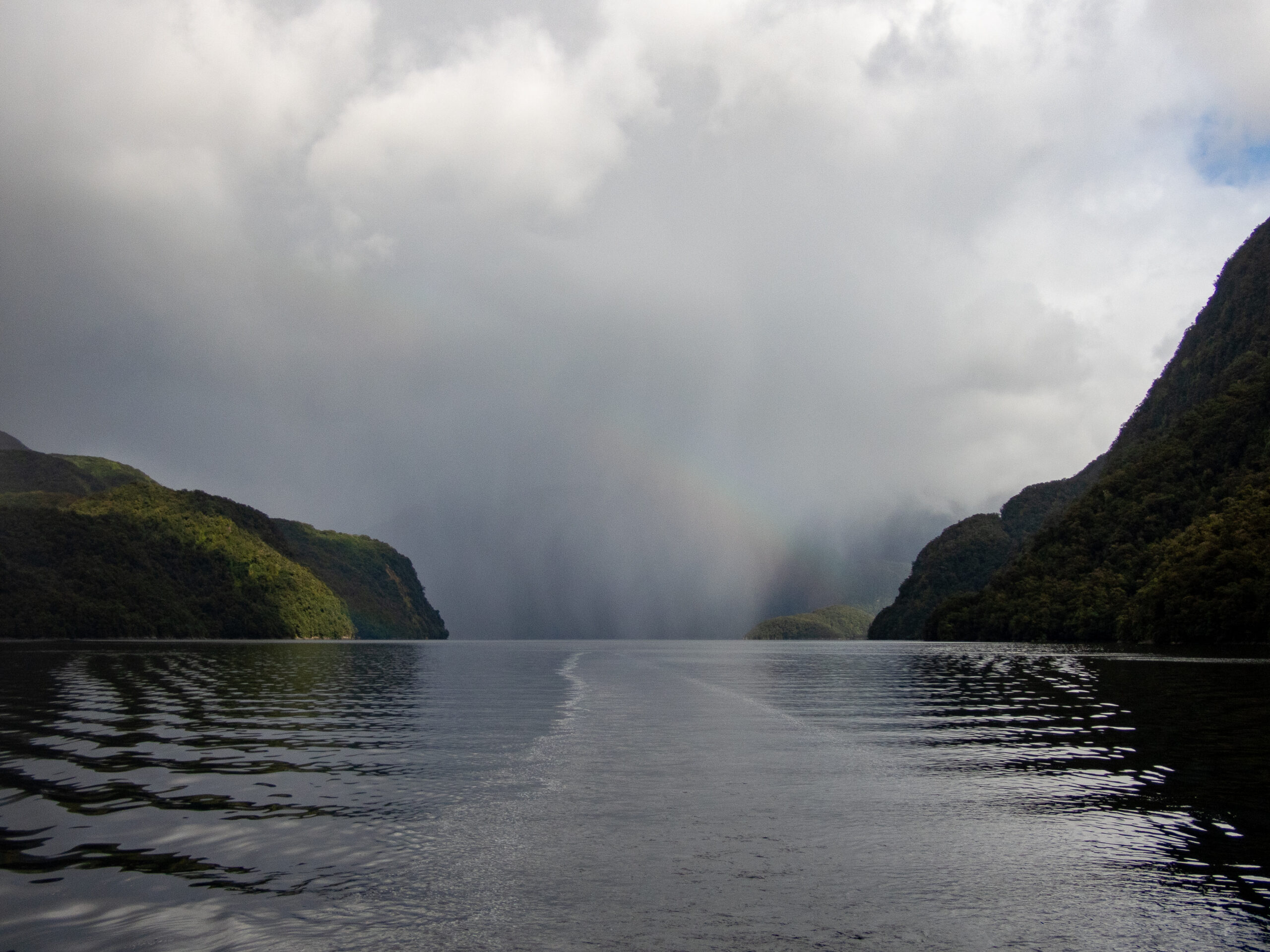
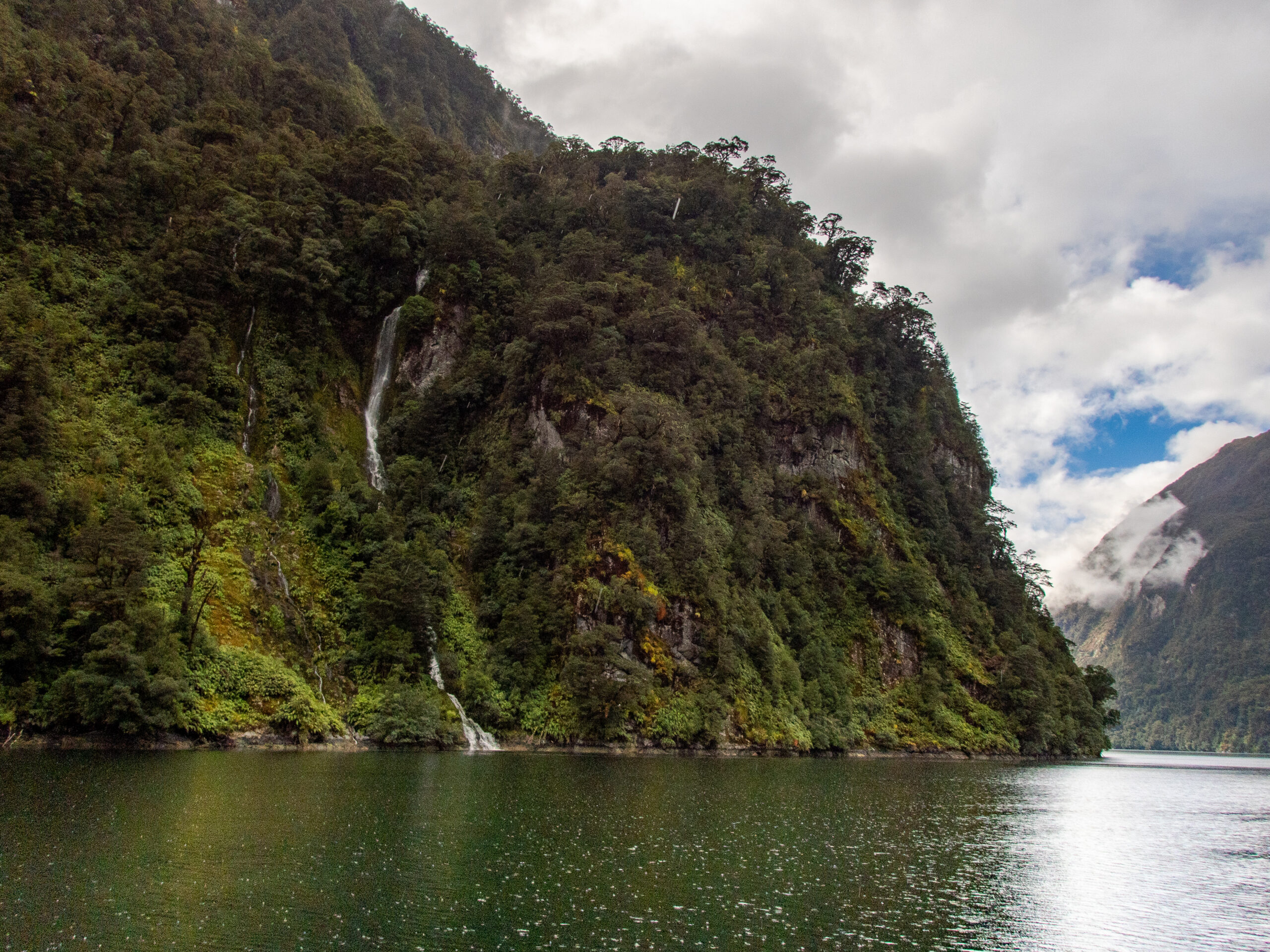
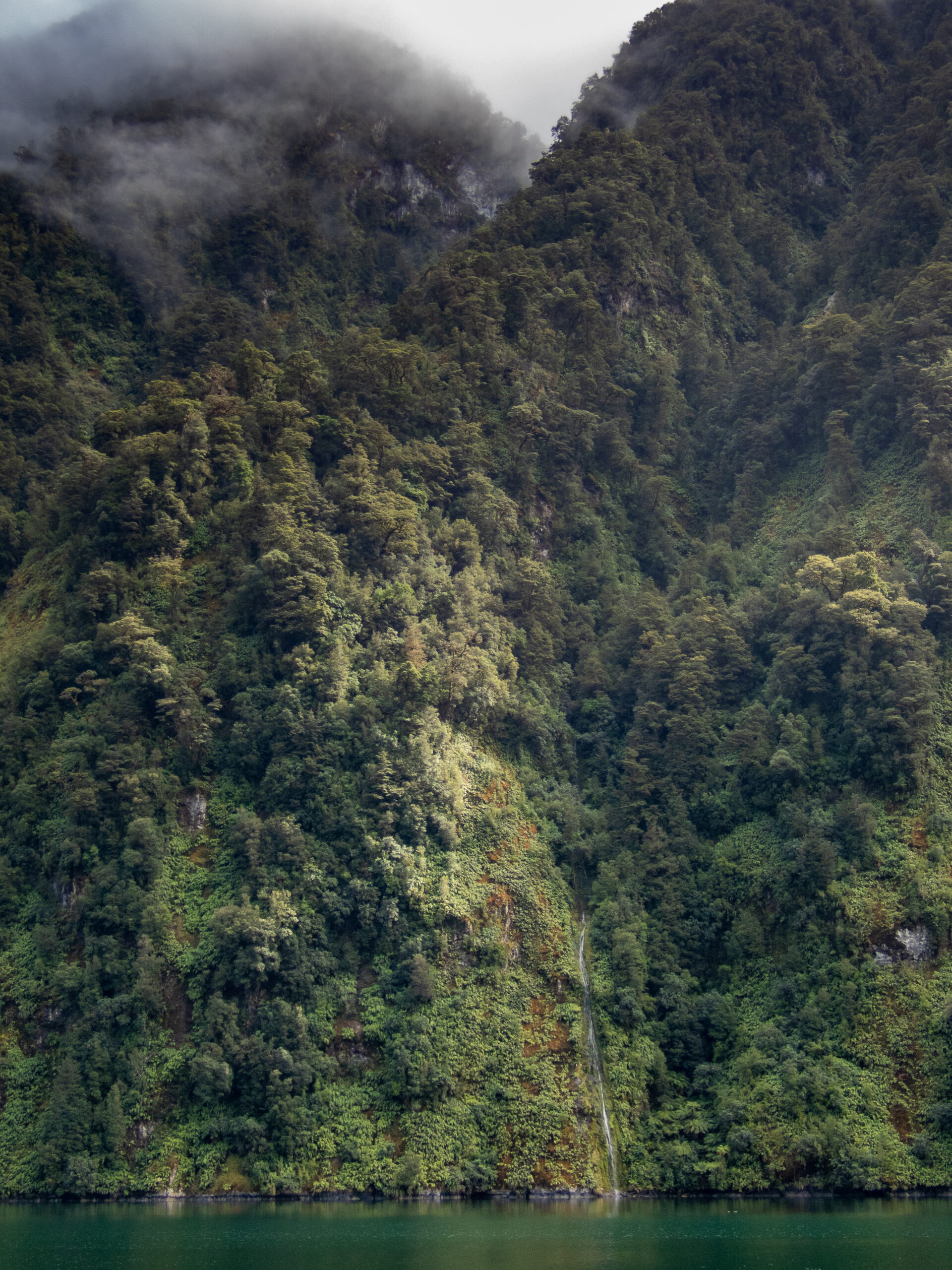
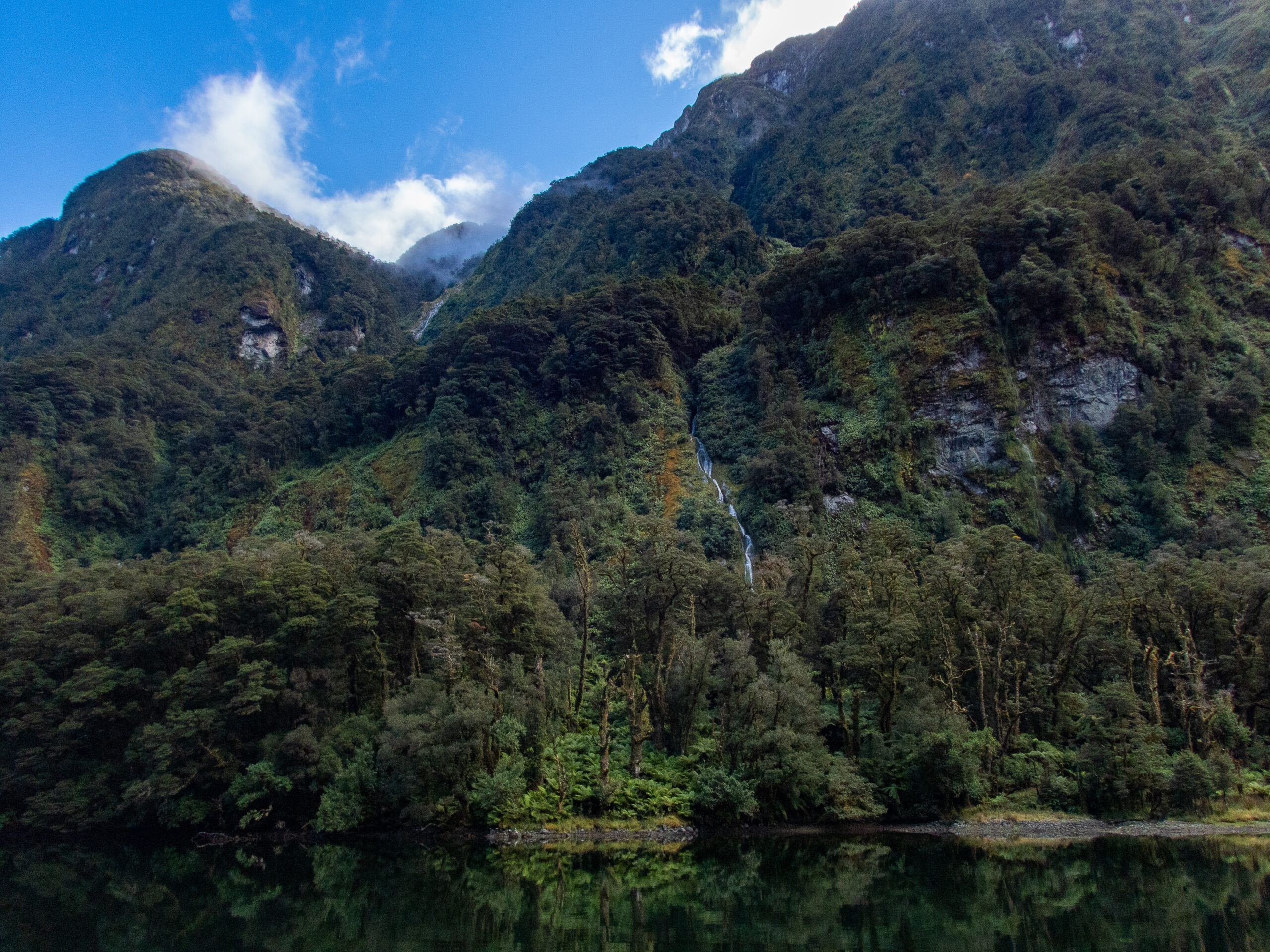
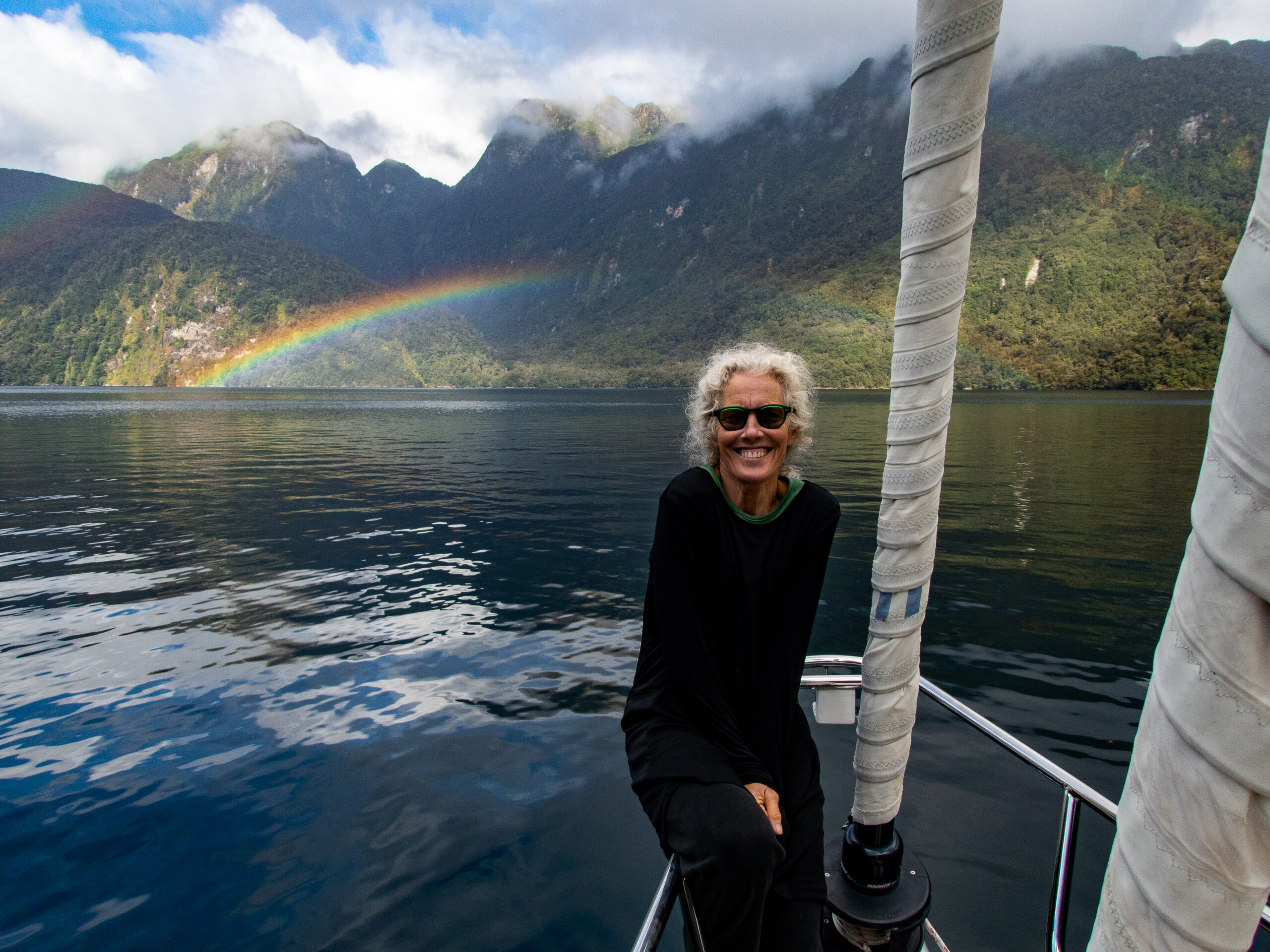
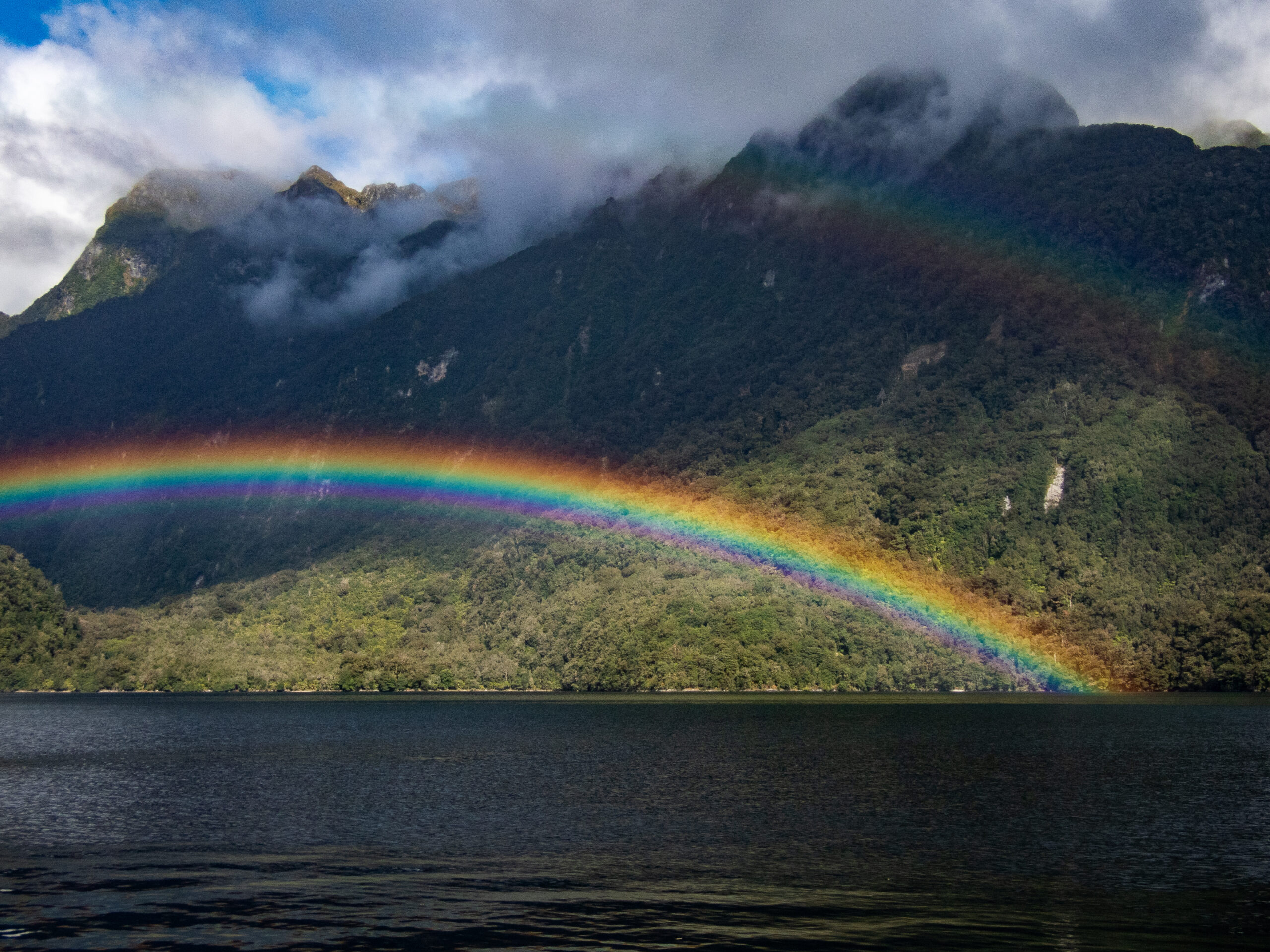
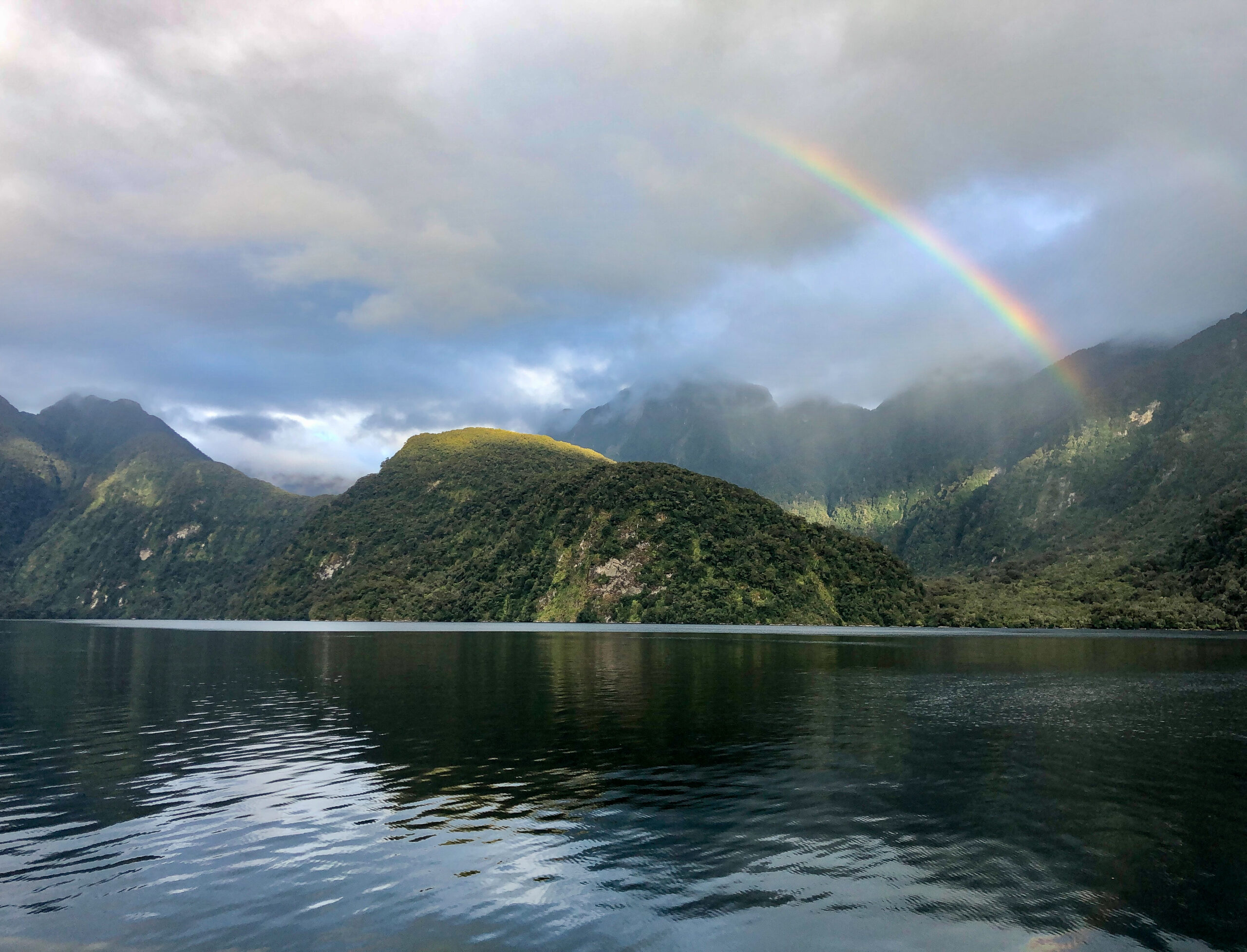
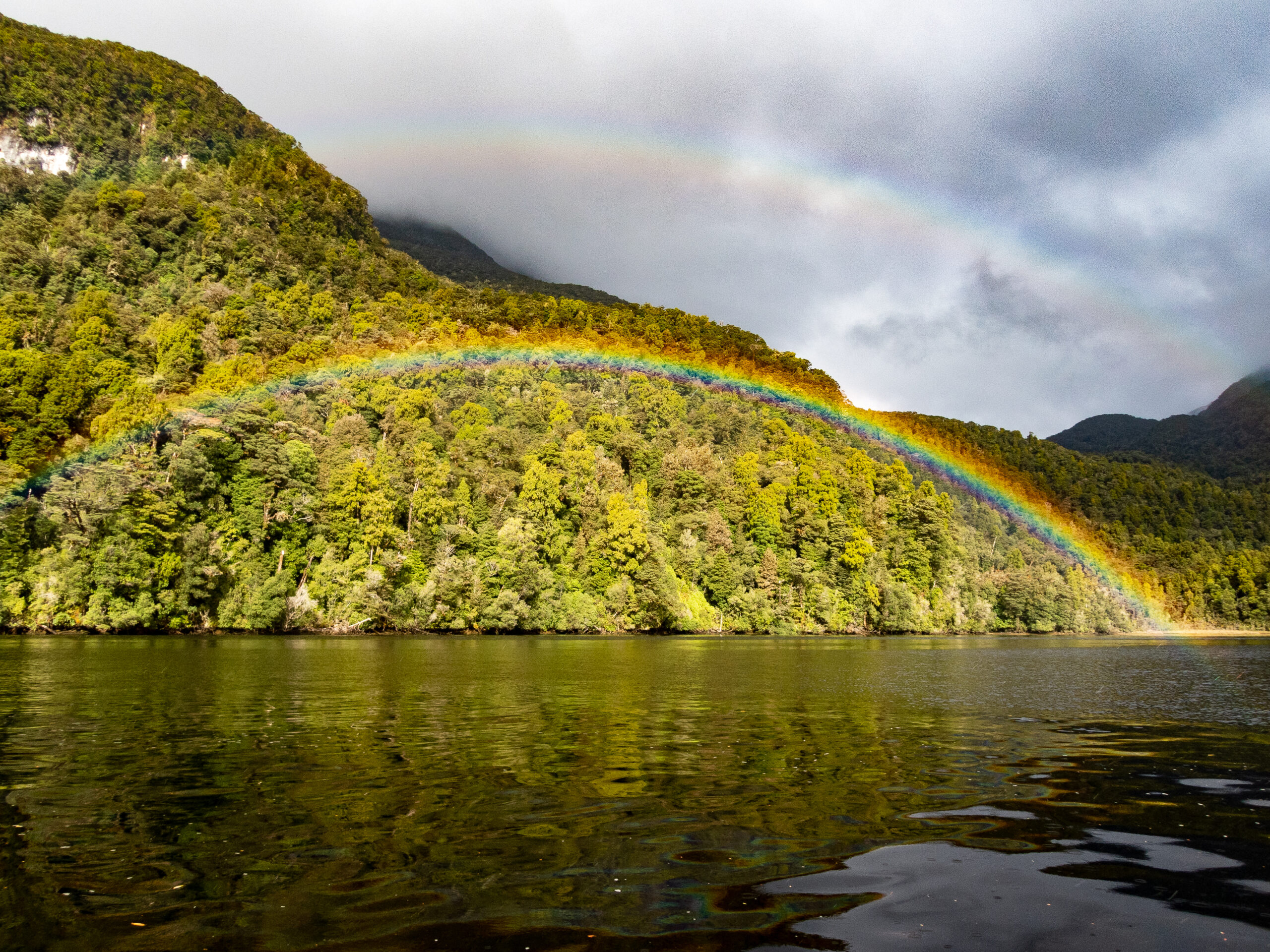
Lots to captivate ~ lingering rainbows, new waterfalls, breathtaking bush, dolphins and surreal reflections while moving up to the end of Wet Jacket Arm. I wrote these words in the logbook from that day: ‘OH MY GOODNESS – A VISUAL FEAST!’
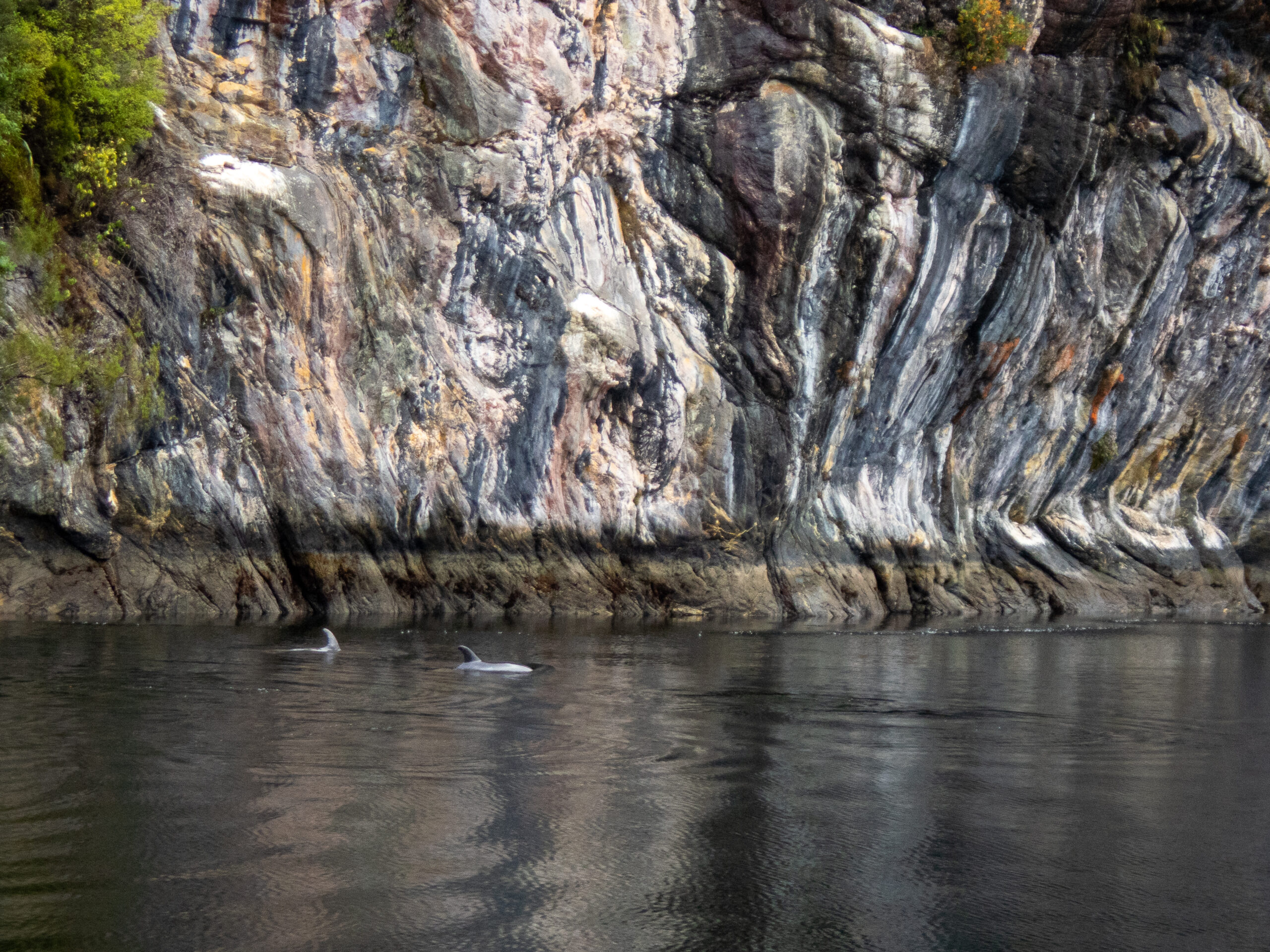
A group of maybe 12 Bottlenose cruised along the shore, paralleling our movements for :45!
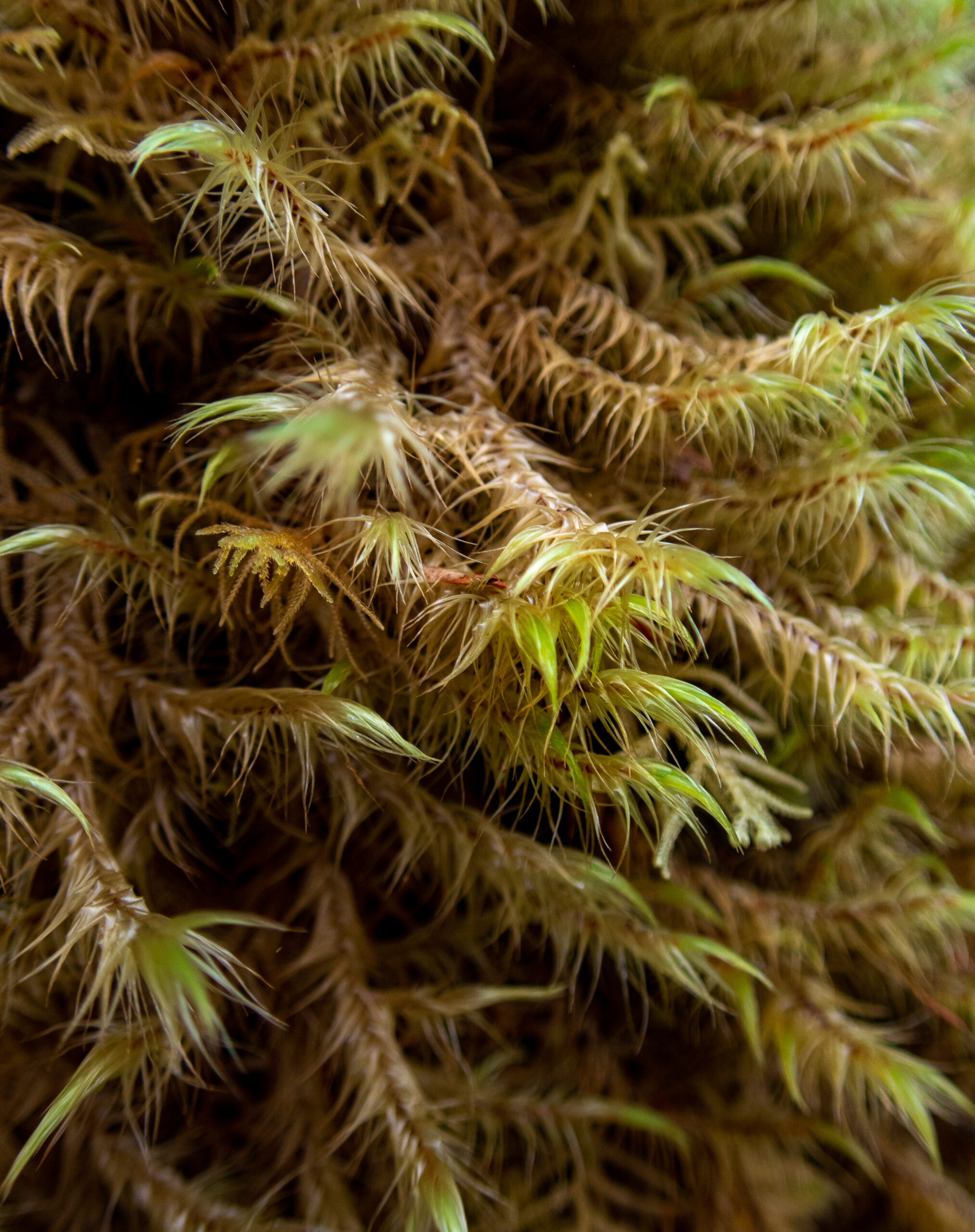
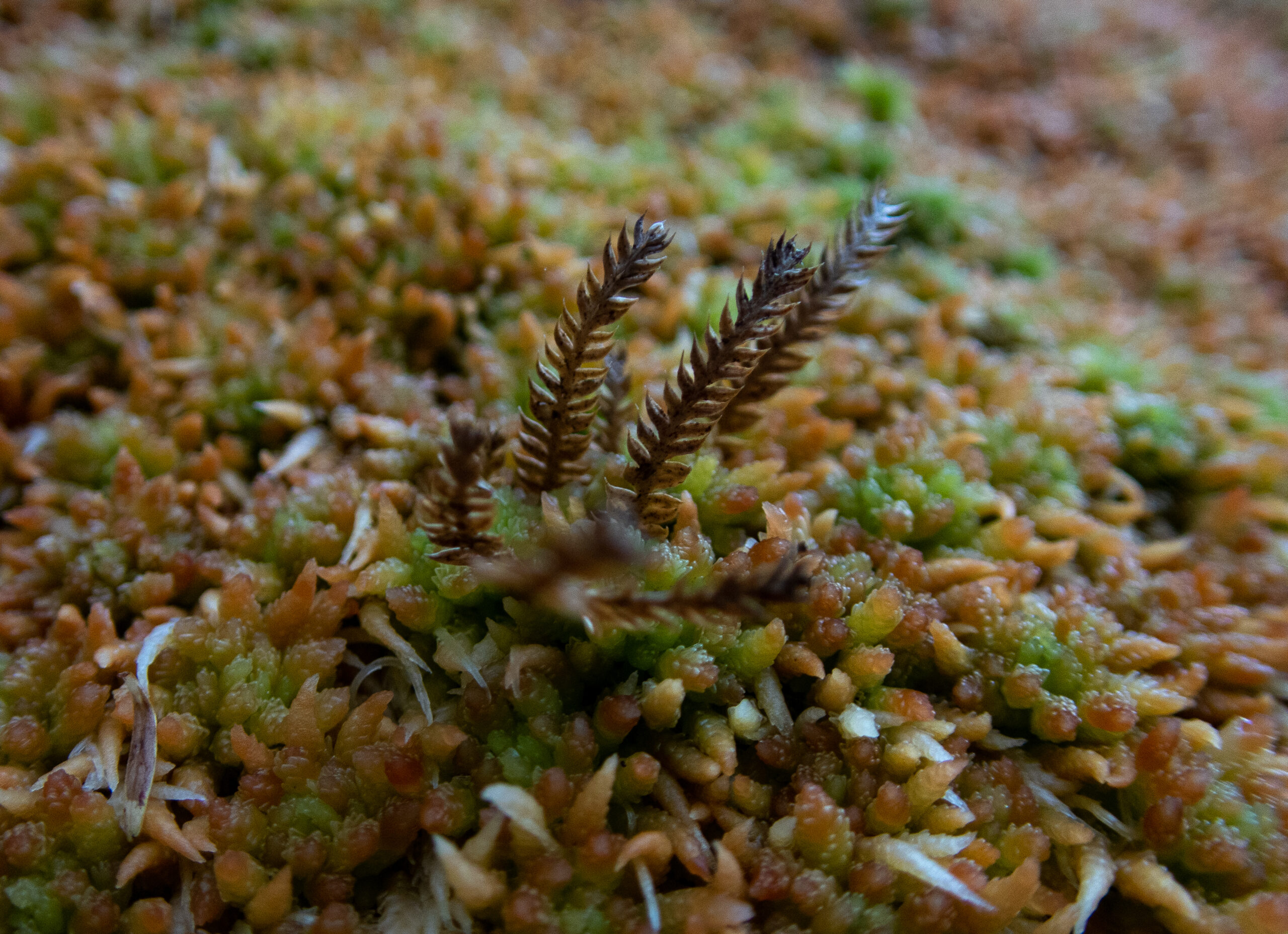
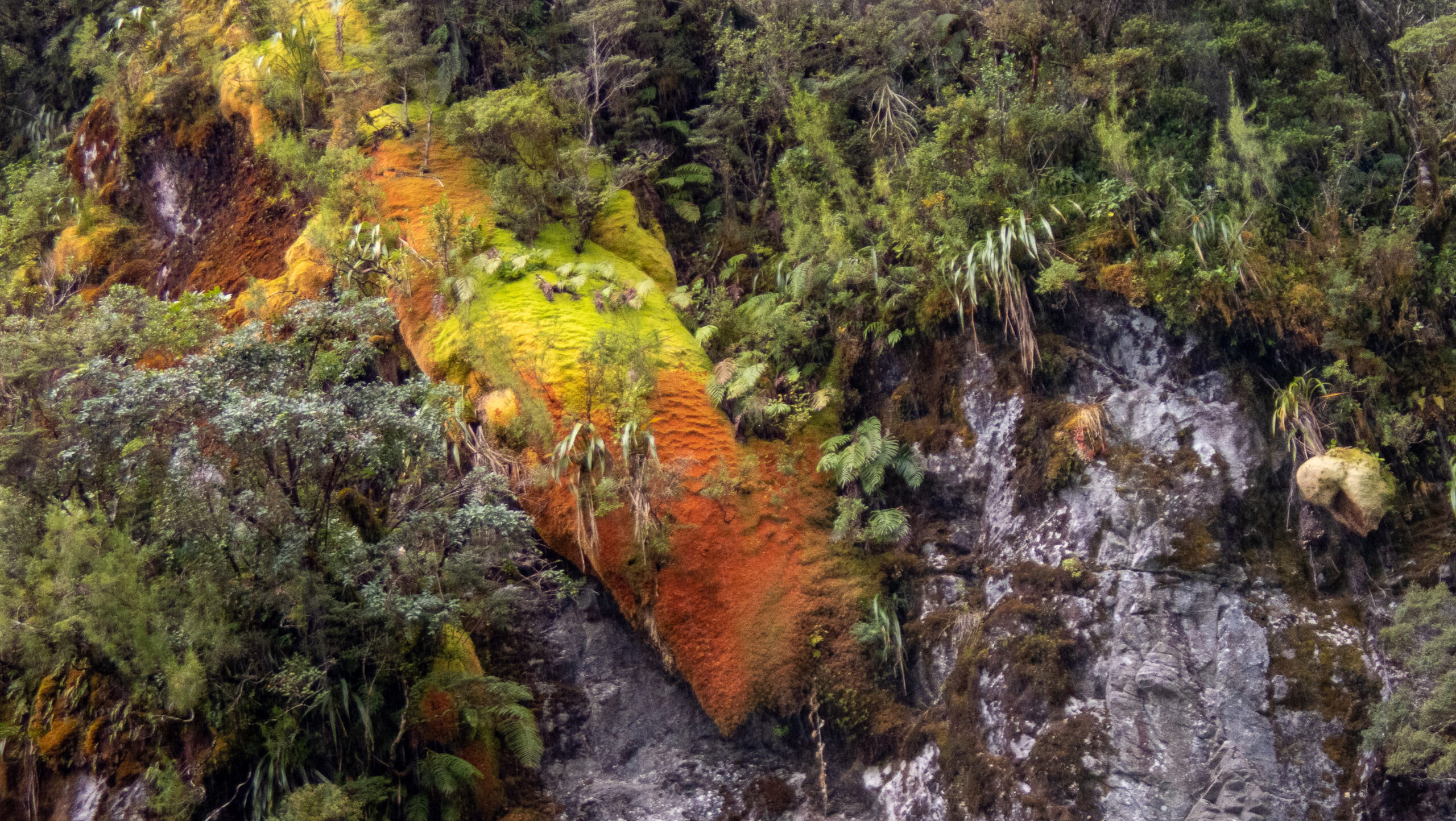
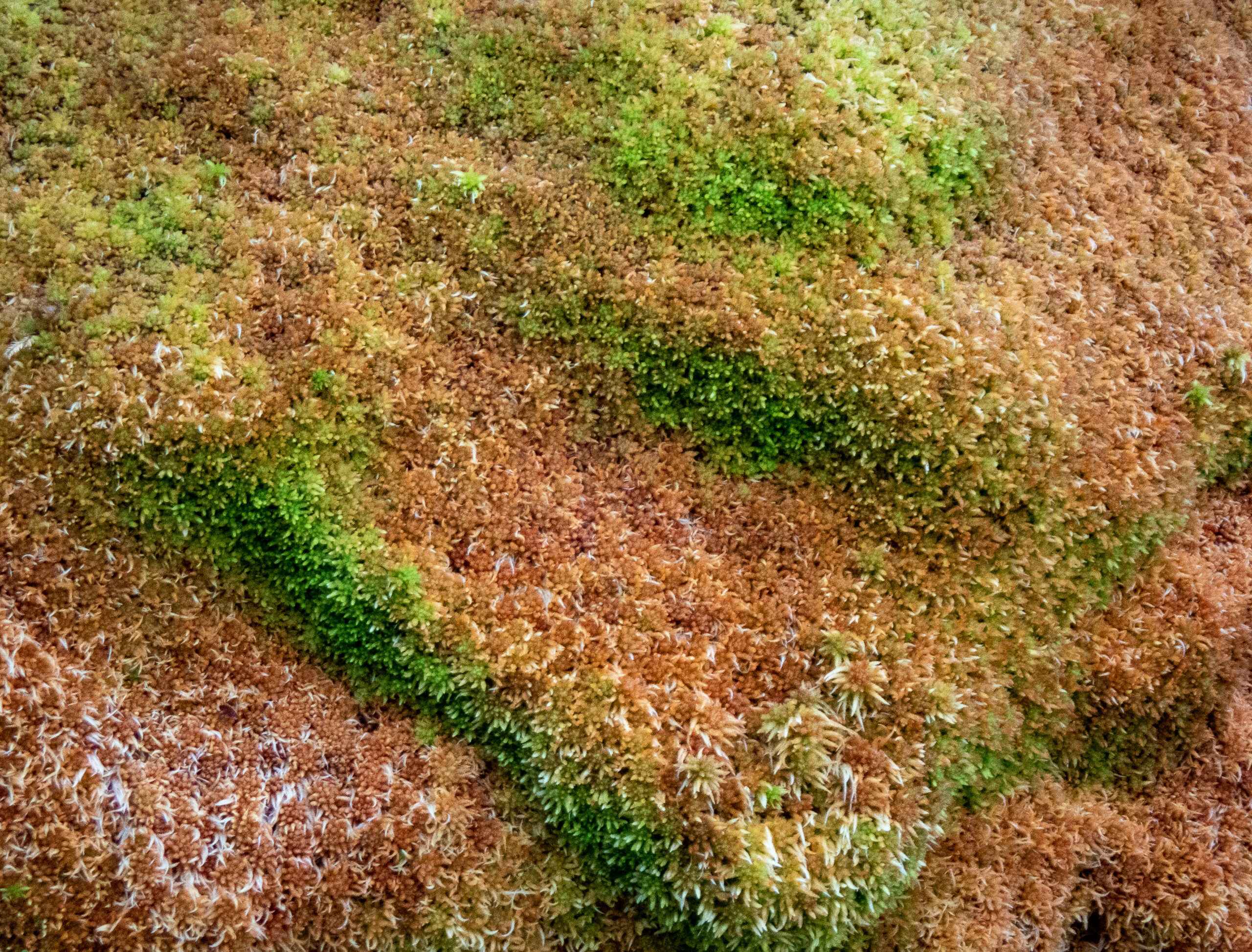
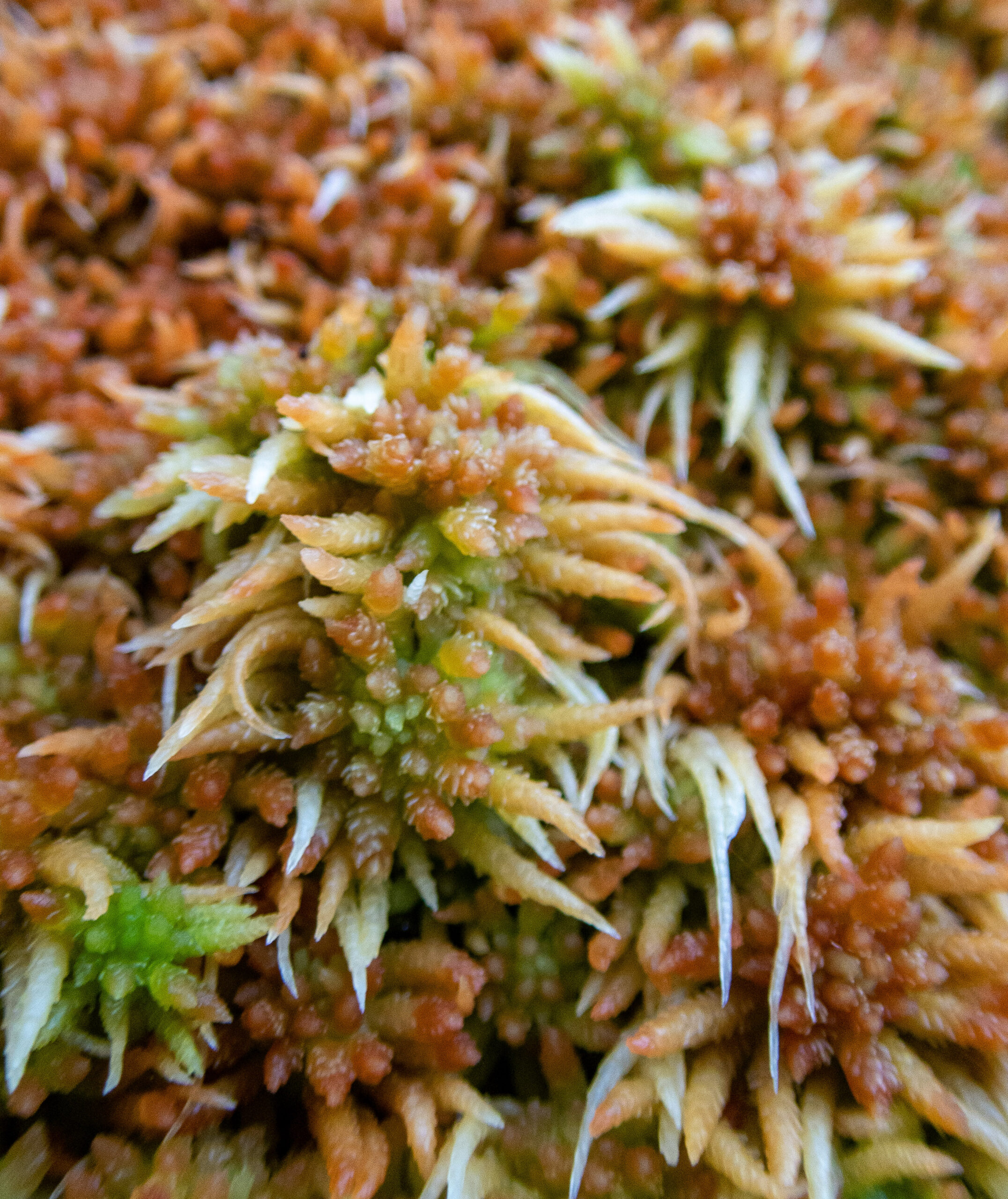
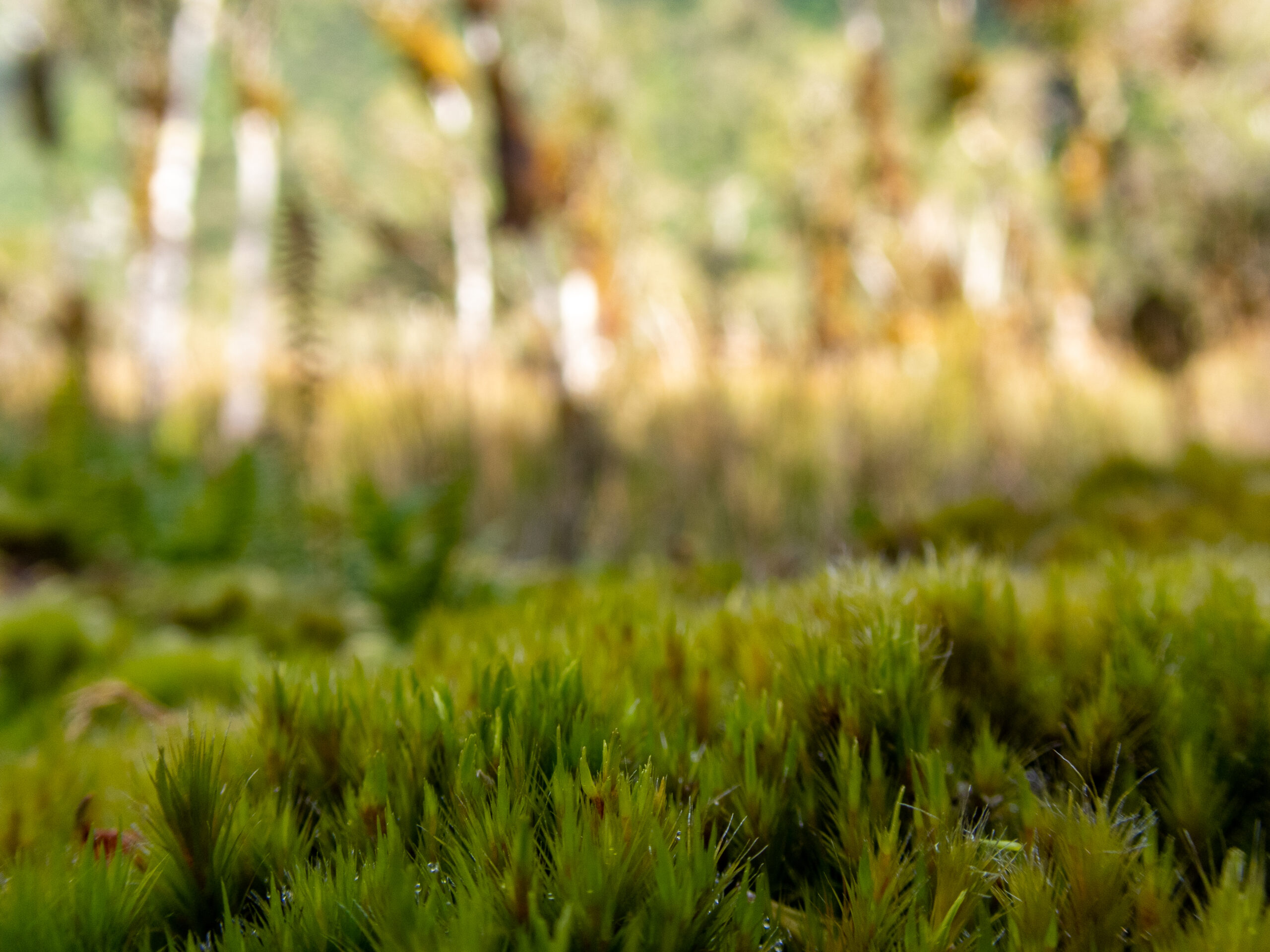
Called this my ‘surfboard.’Such a pretty paletteSphagnum magellanicum, commonly called Magellanic bogmoss.
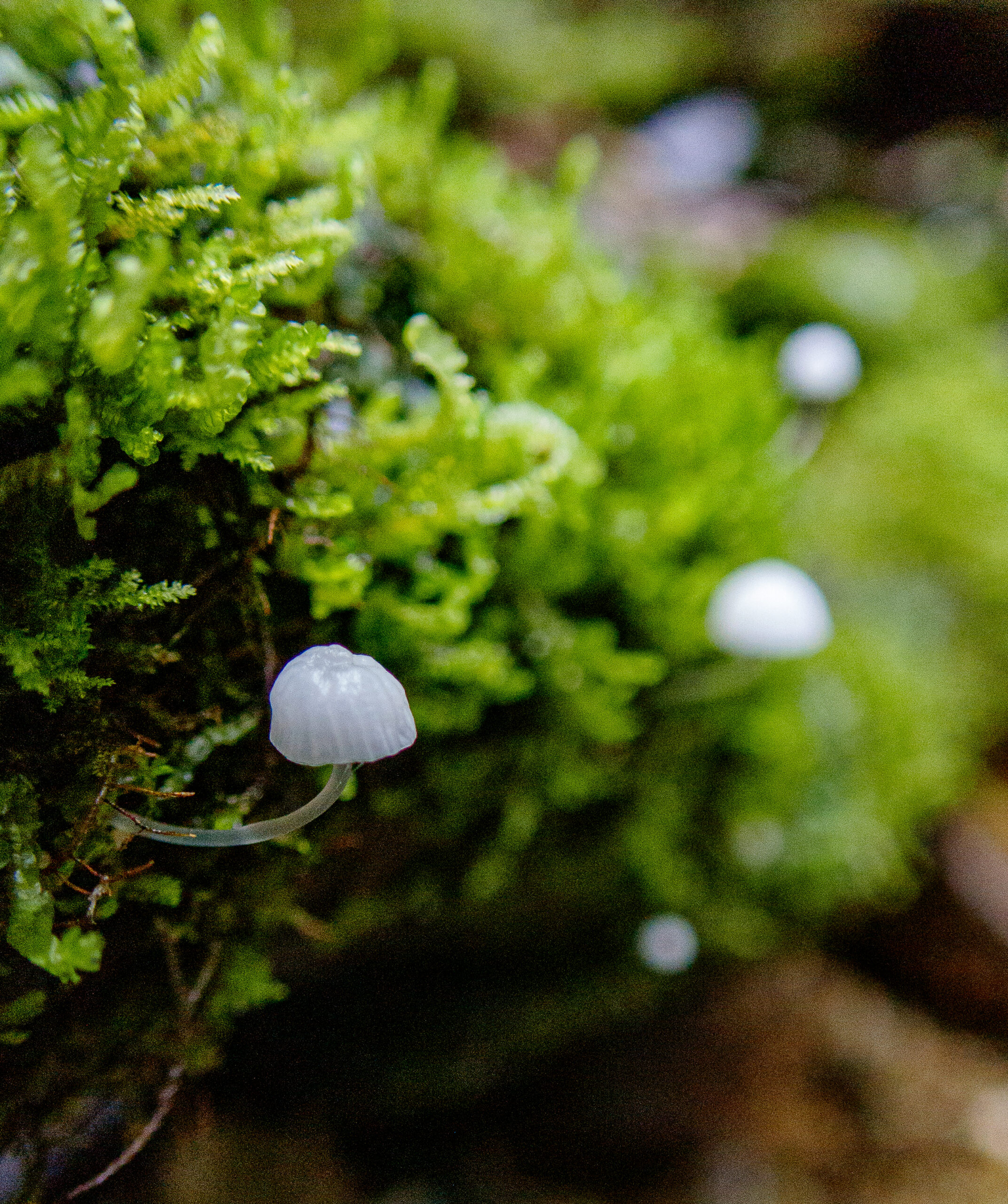
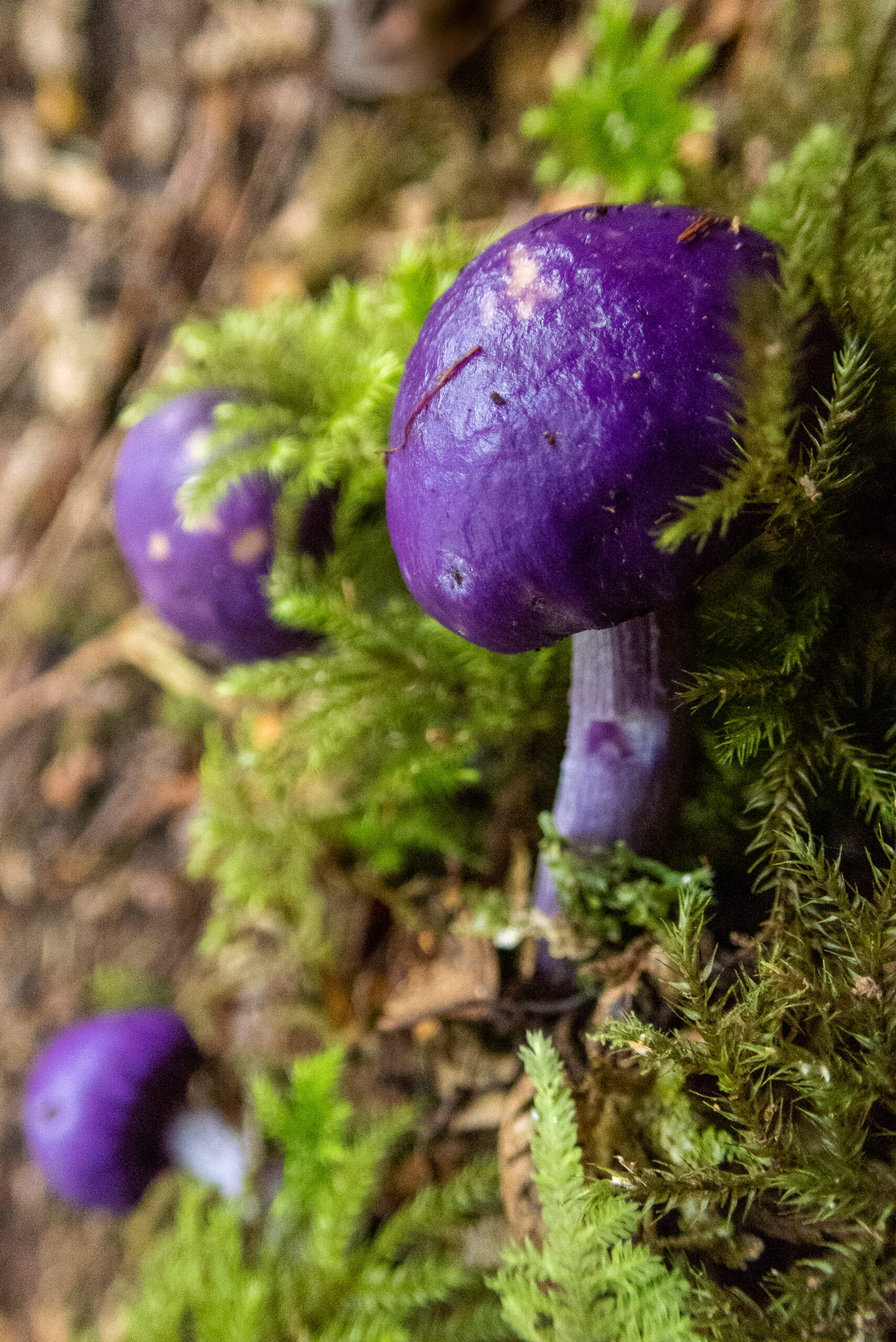
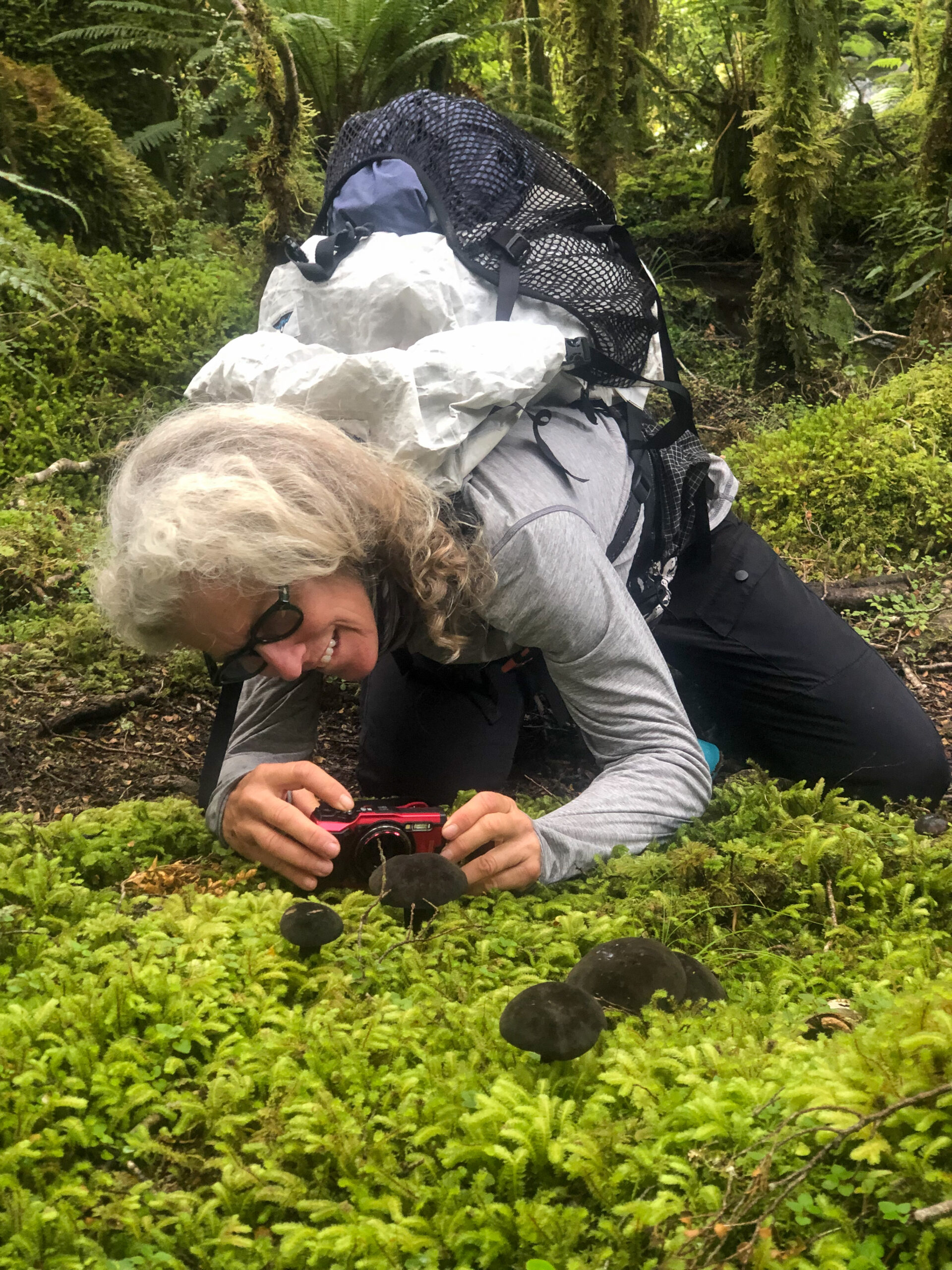
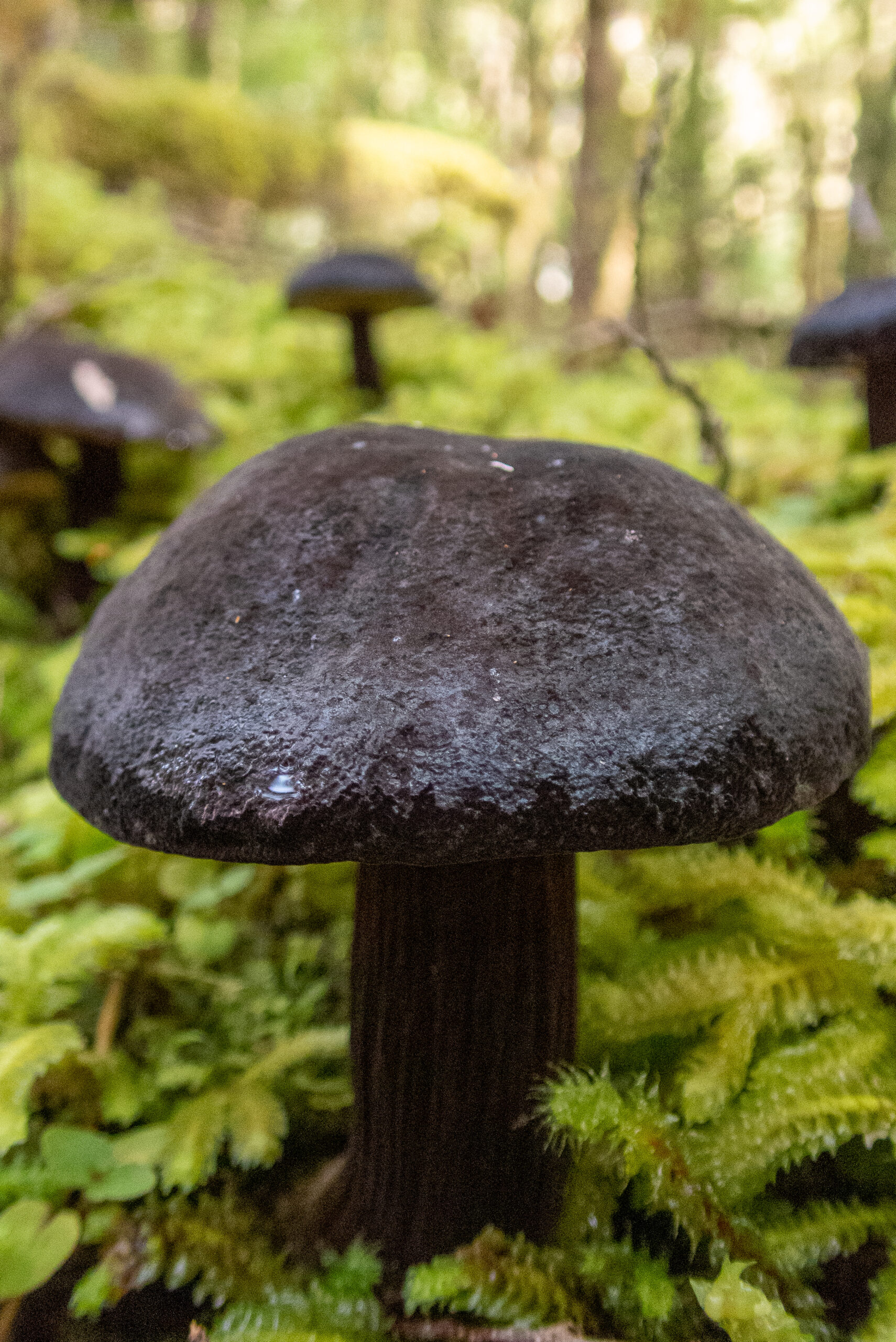
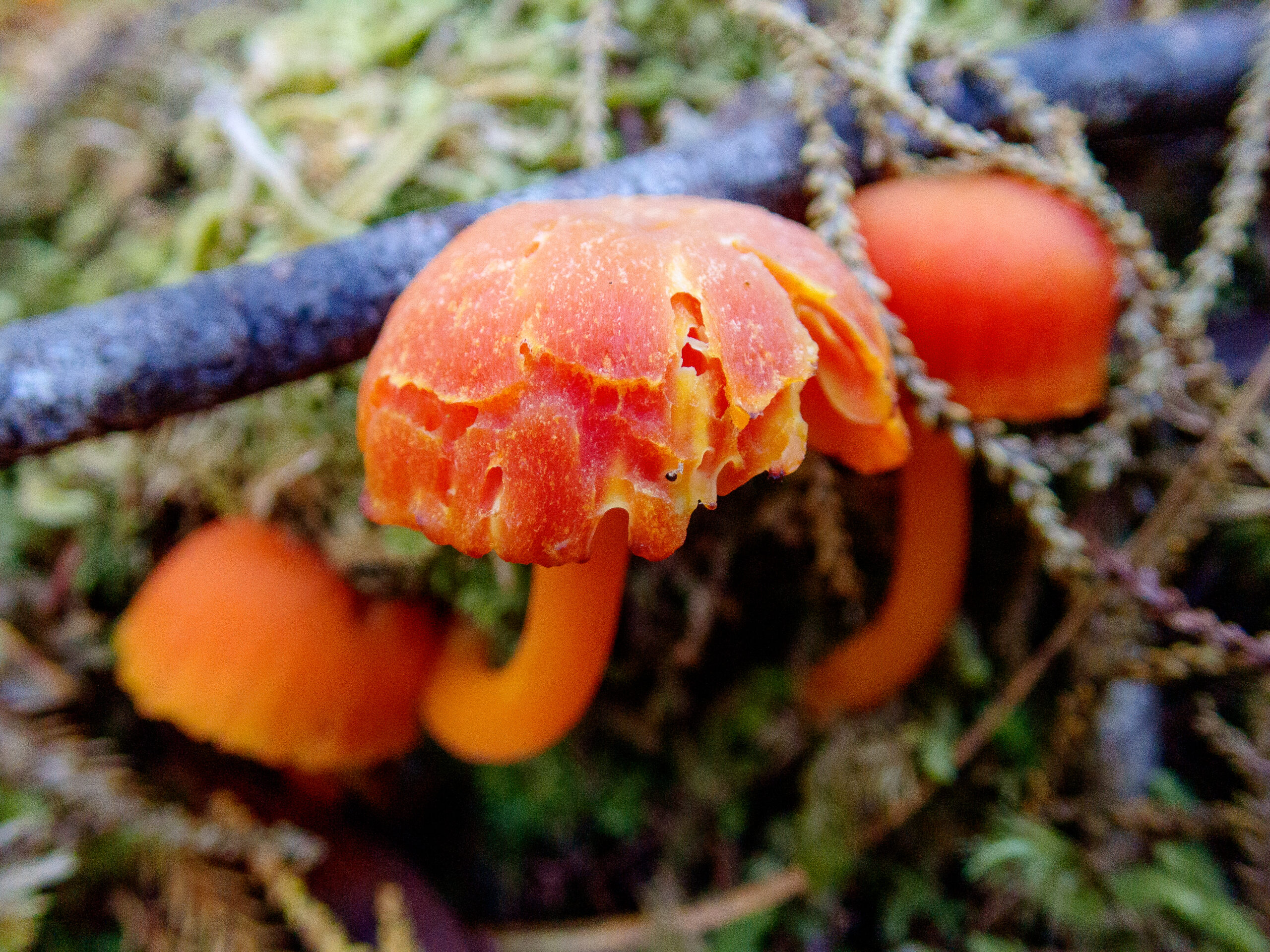
Another stunning move to our next anchorage NE of Oke Island. Happy me.While trying to decide if we’d head out on an afternoon hike at Herrick Creek across the bay, this rainbow arched directly over the access point, so our decision was made!We should most definitely look up to them.As if ‘normal’ colored mushrooms weren’t rad enough already?!
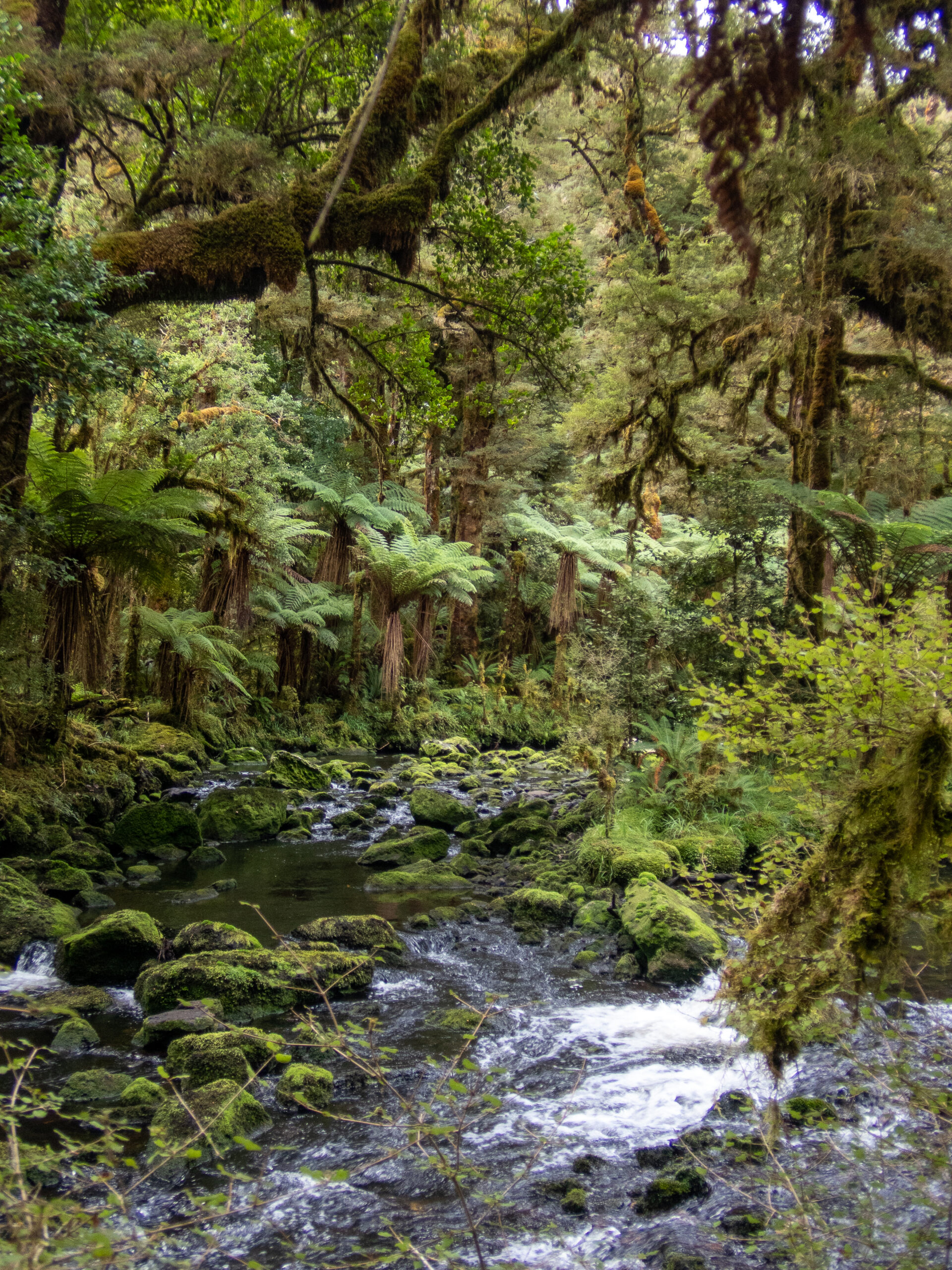
And THESE?!!! (I’ll hope to edit in some names later).Classic Fiordland.
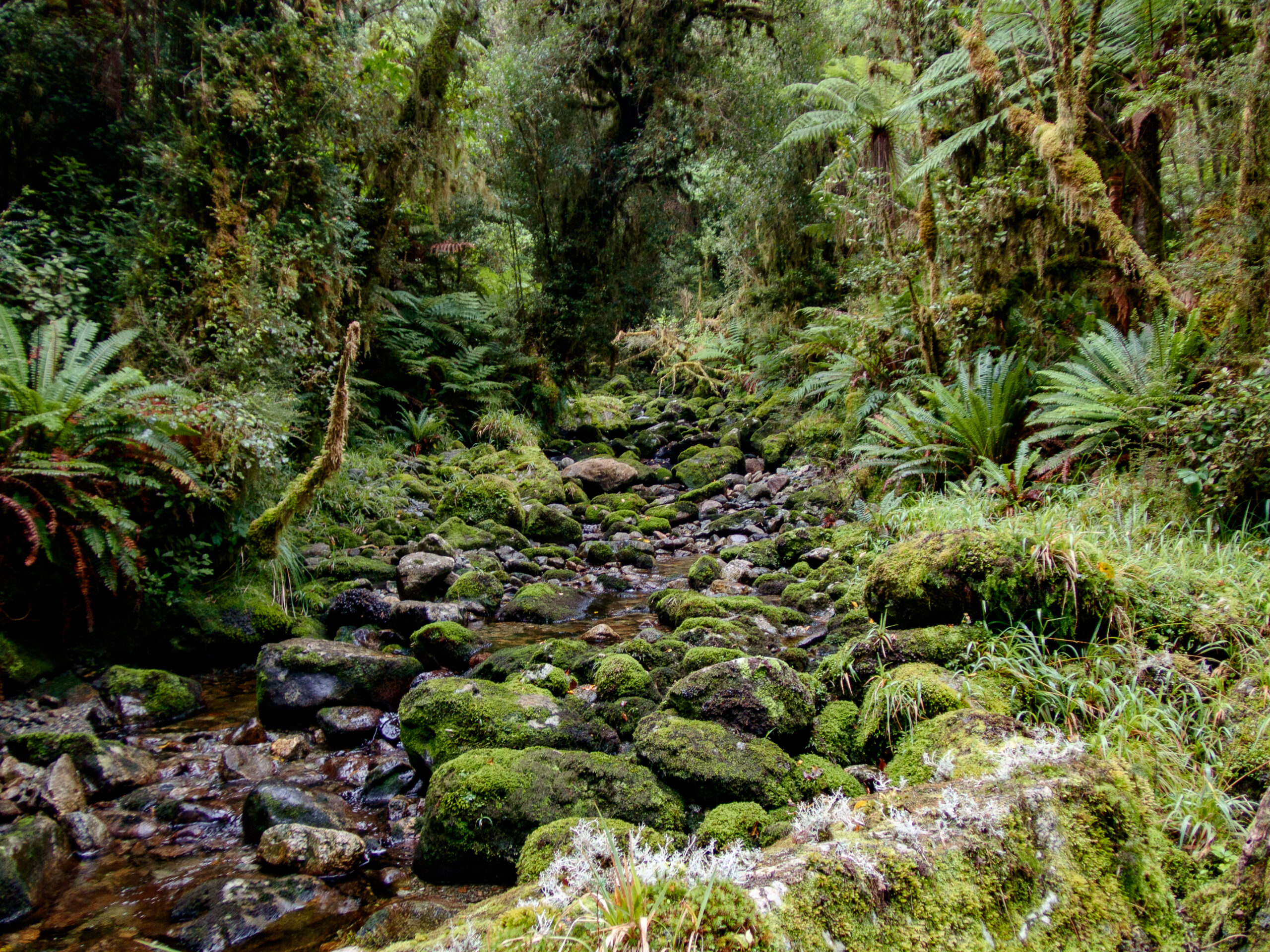
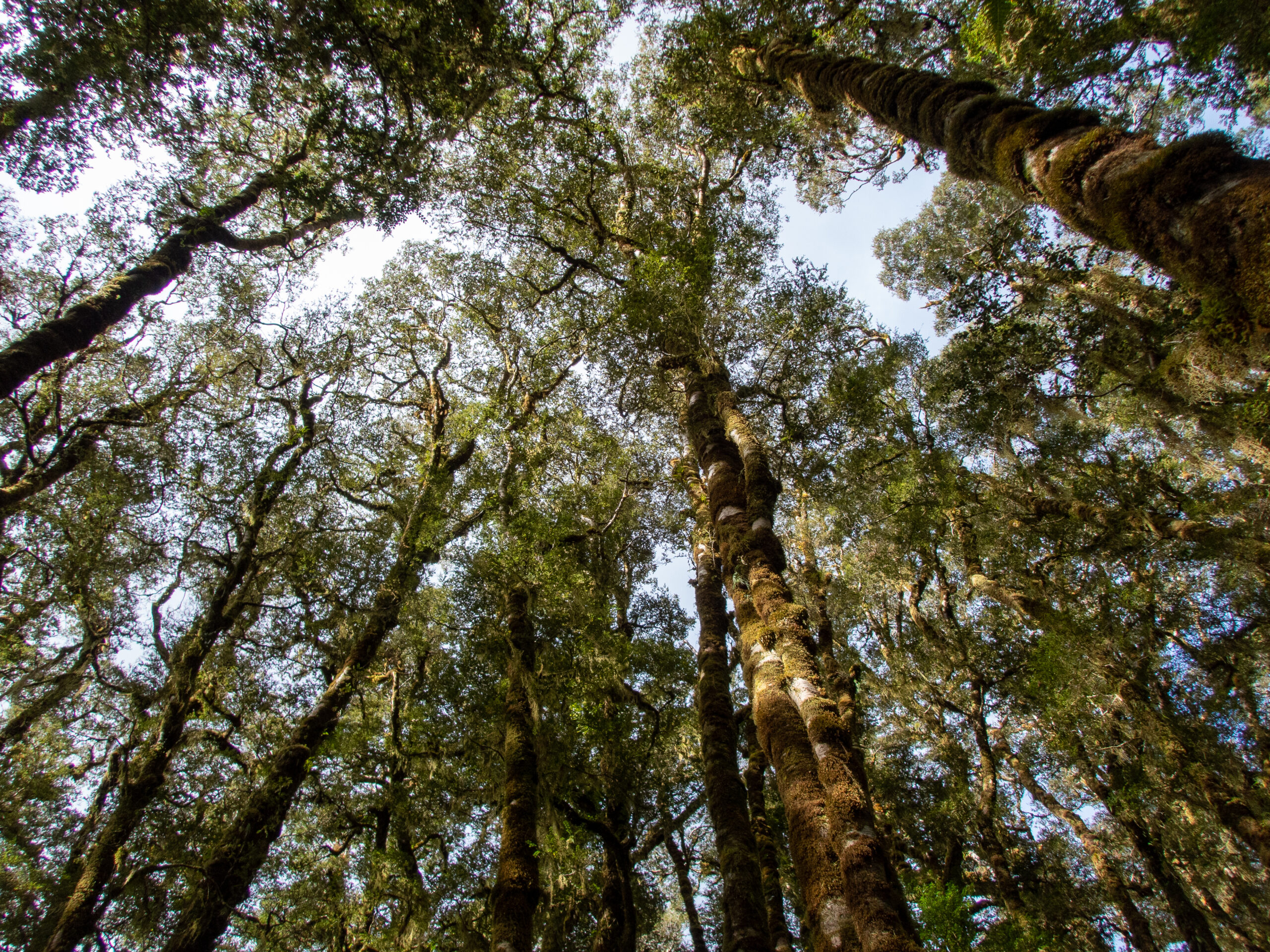
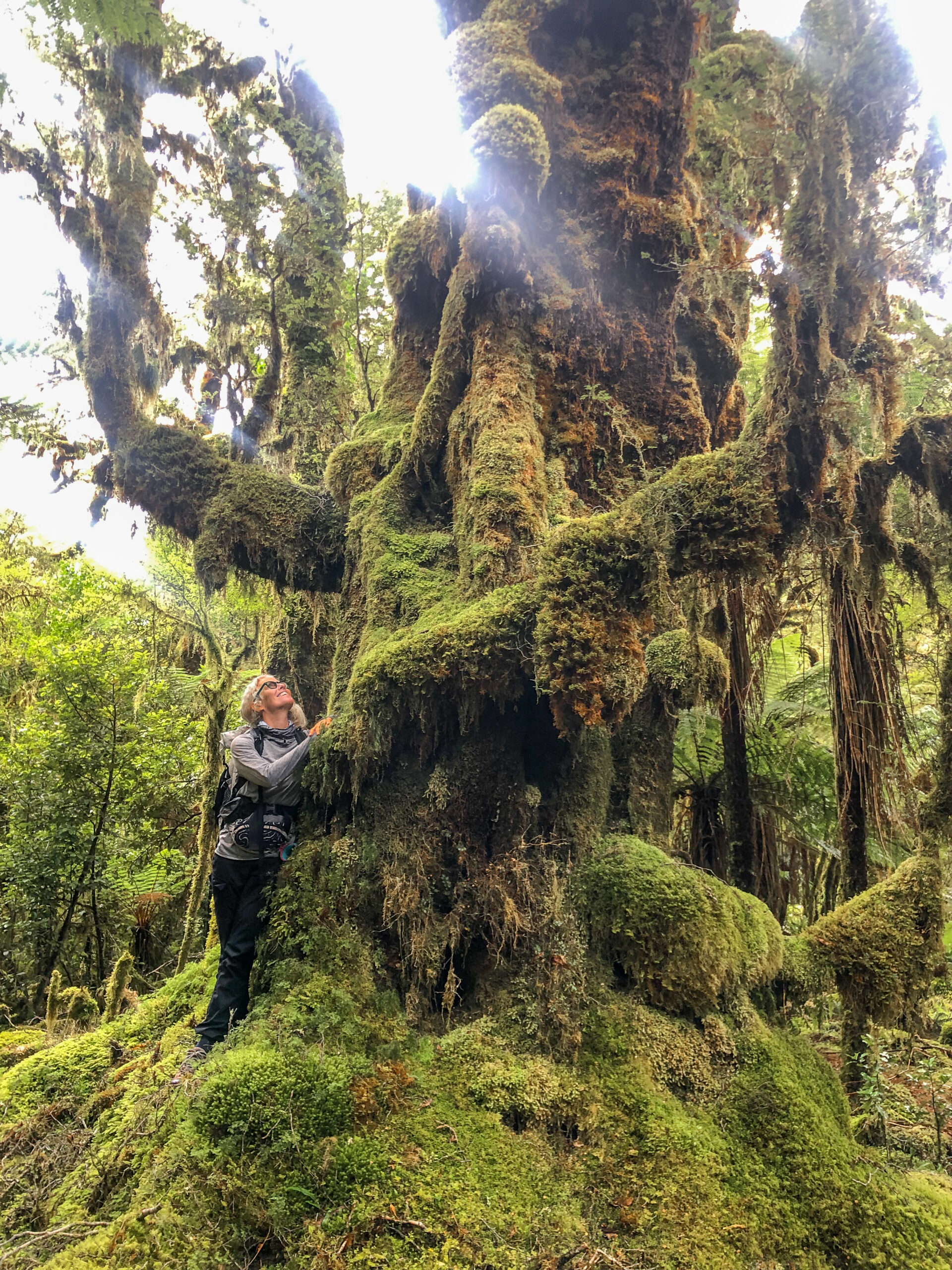
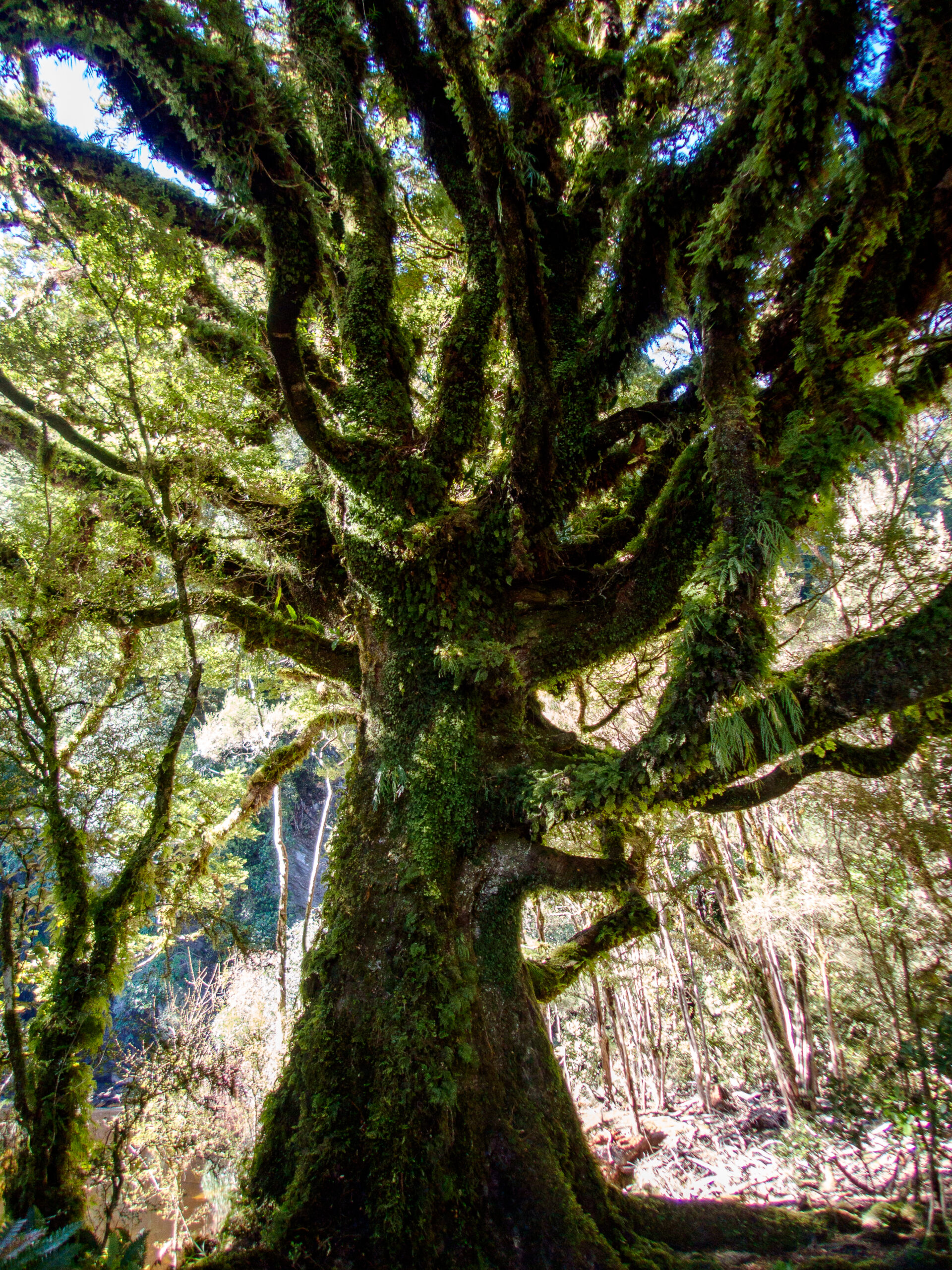
An altar in the woods.Heard there are no poisonous berries in NZ, but we didn’t dare.Lush habitat.Okay, THEN we came upon THIS!!!
Time time time
the blink of an eye
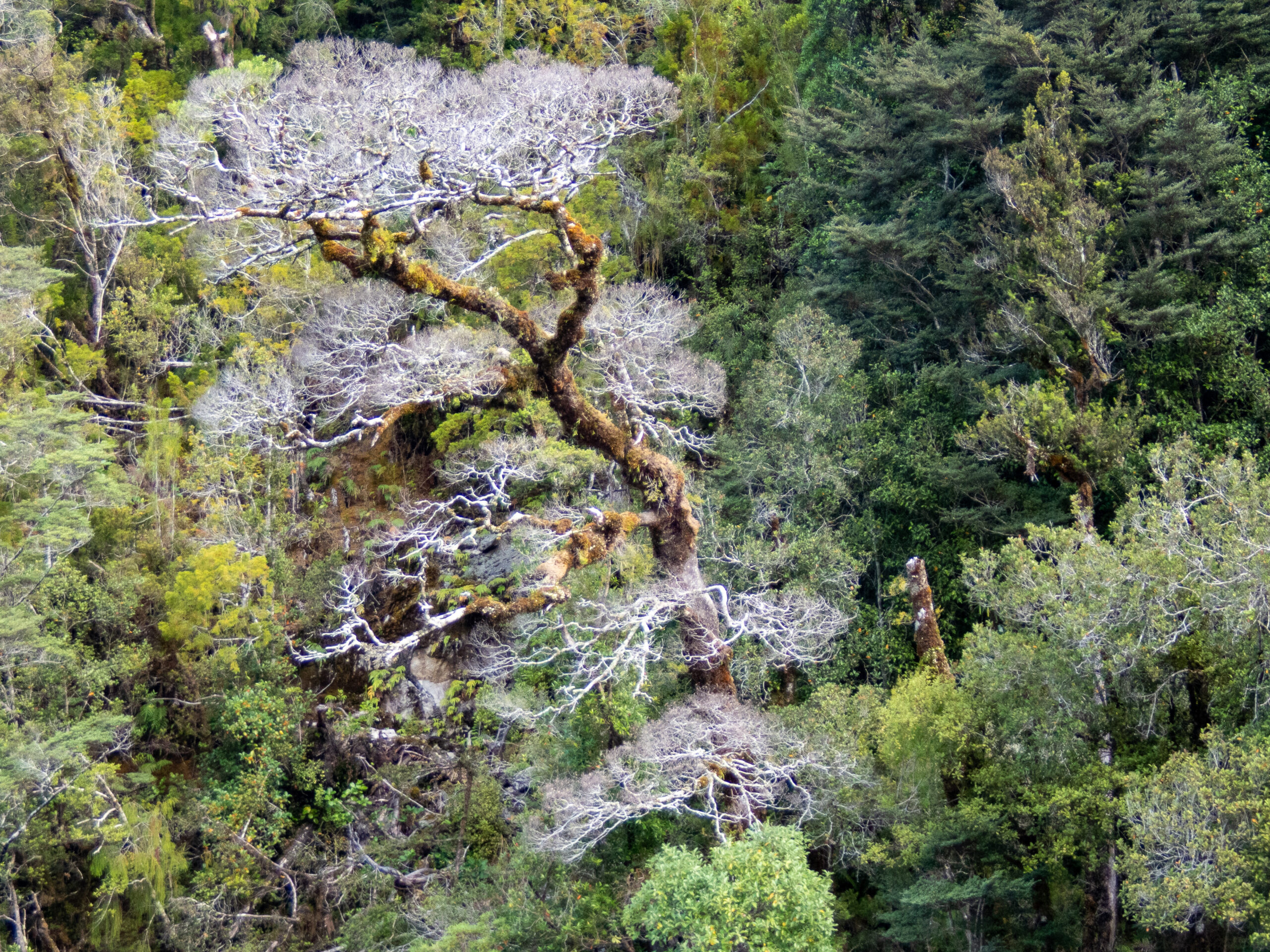
this old tree stands
long passed her prime
twists and turns and bends
green and tattered limbs
once a luxurious crown, thin and brittle now
built a mighty trunk
roots bound to ancient stone
deep fissures of wisdom
etched by sun and boundless sky
age like vines creeps in
dancing with cruel and gentle winds
obliging every whim
mist and storm, drought and deluge
now these wooden branches
broken and hollow
hang as open arms
rings within rings
home of a million creatures
grateful or indifferent
loss and love make her beautiful
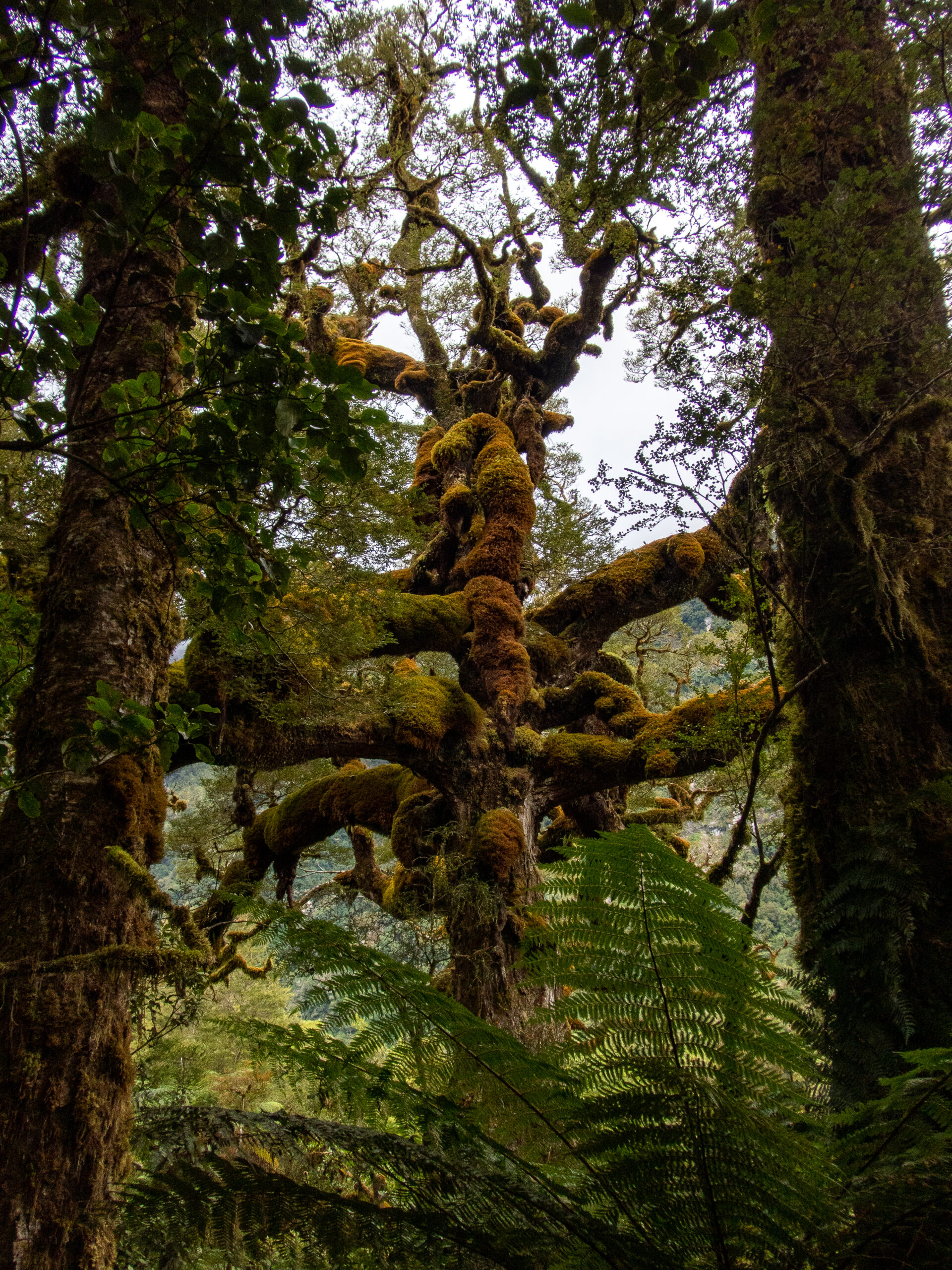
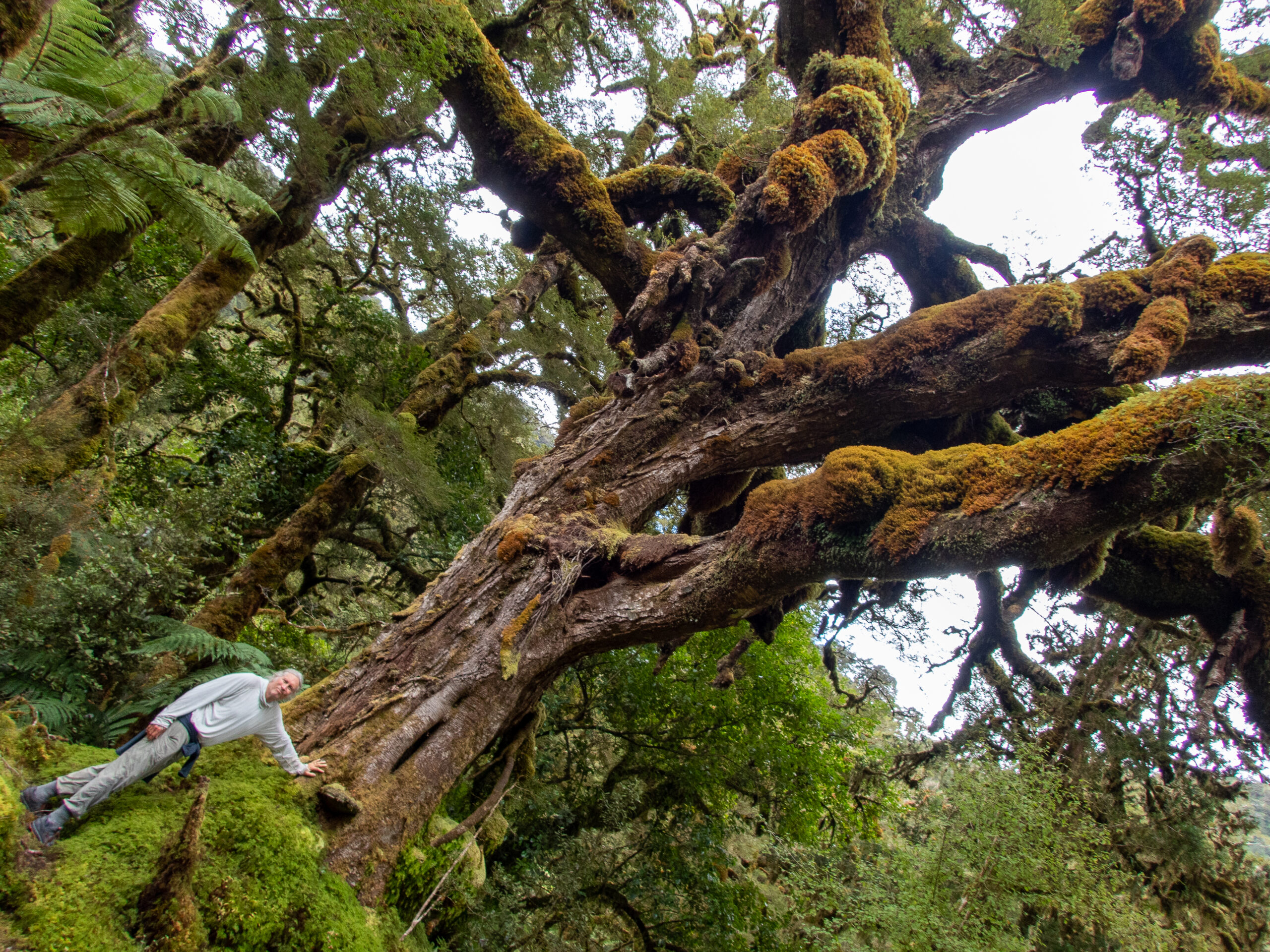
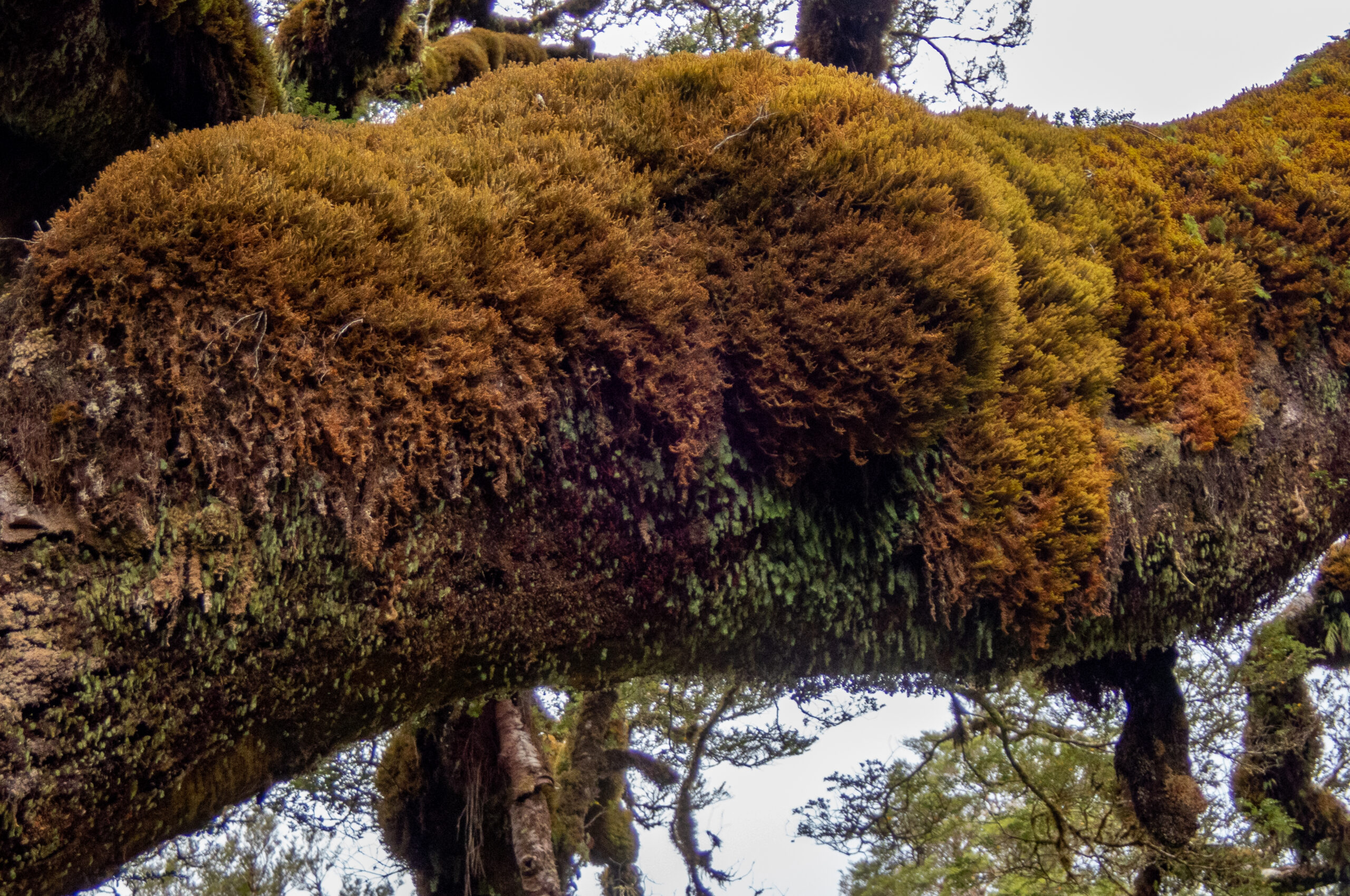
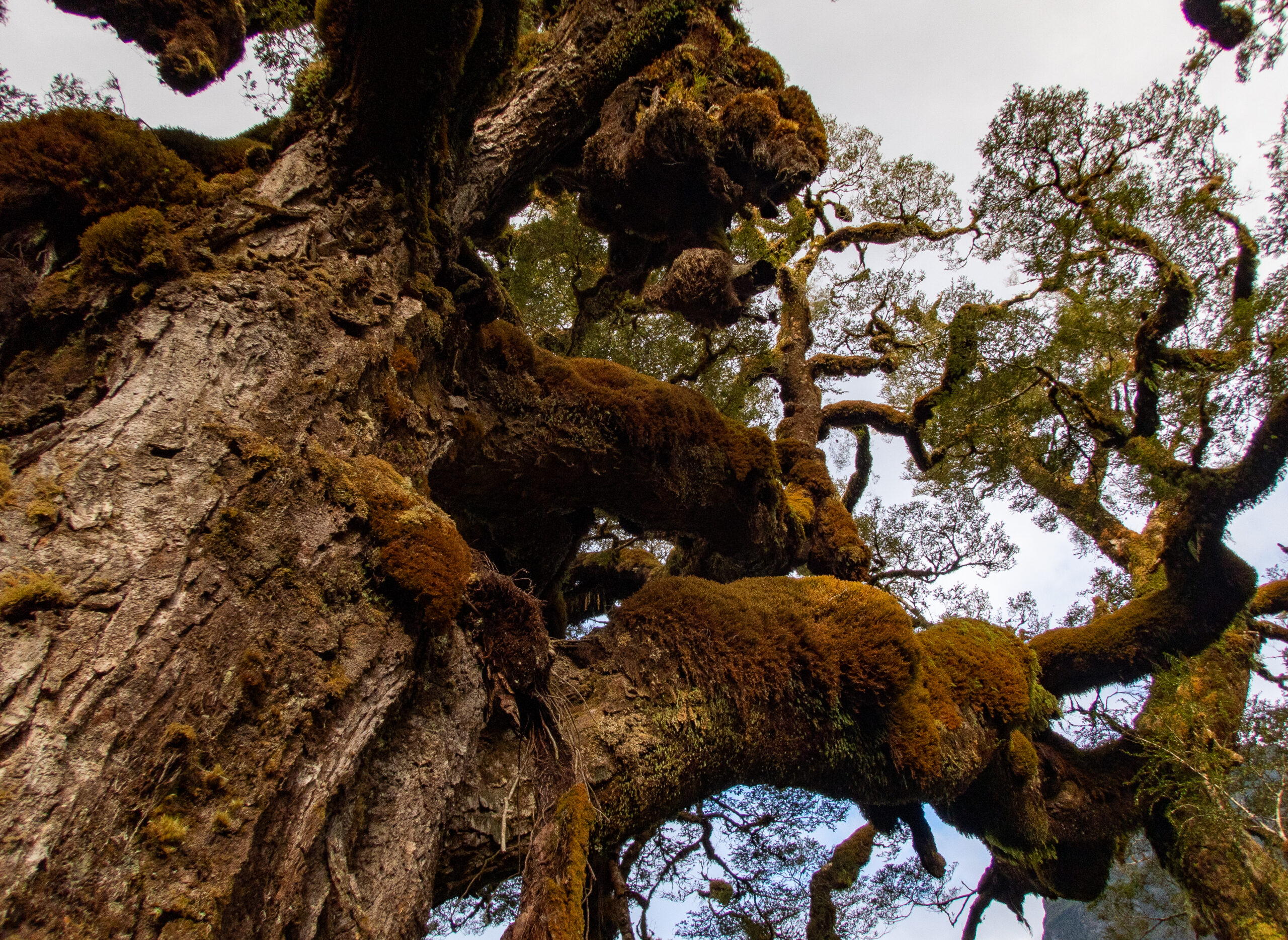
mother to a forest ~MS
Phenomenal, truly.Cohabitation.
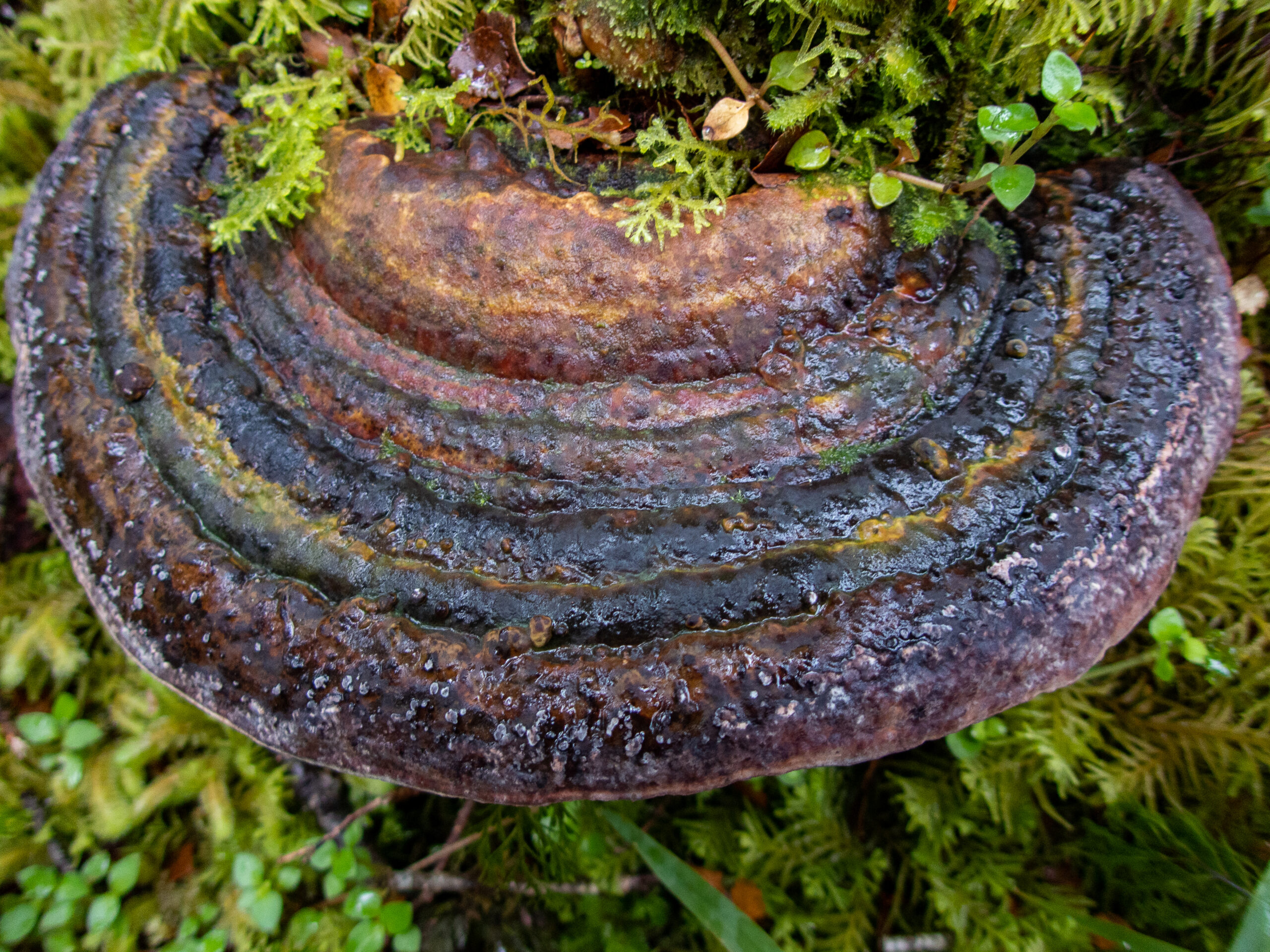
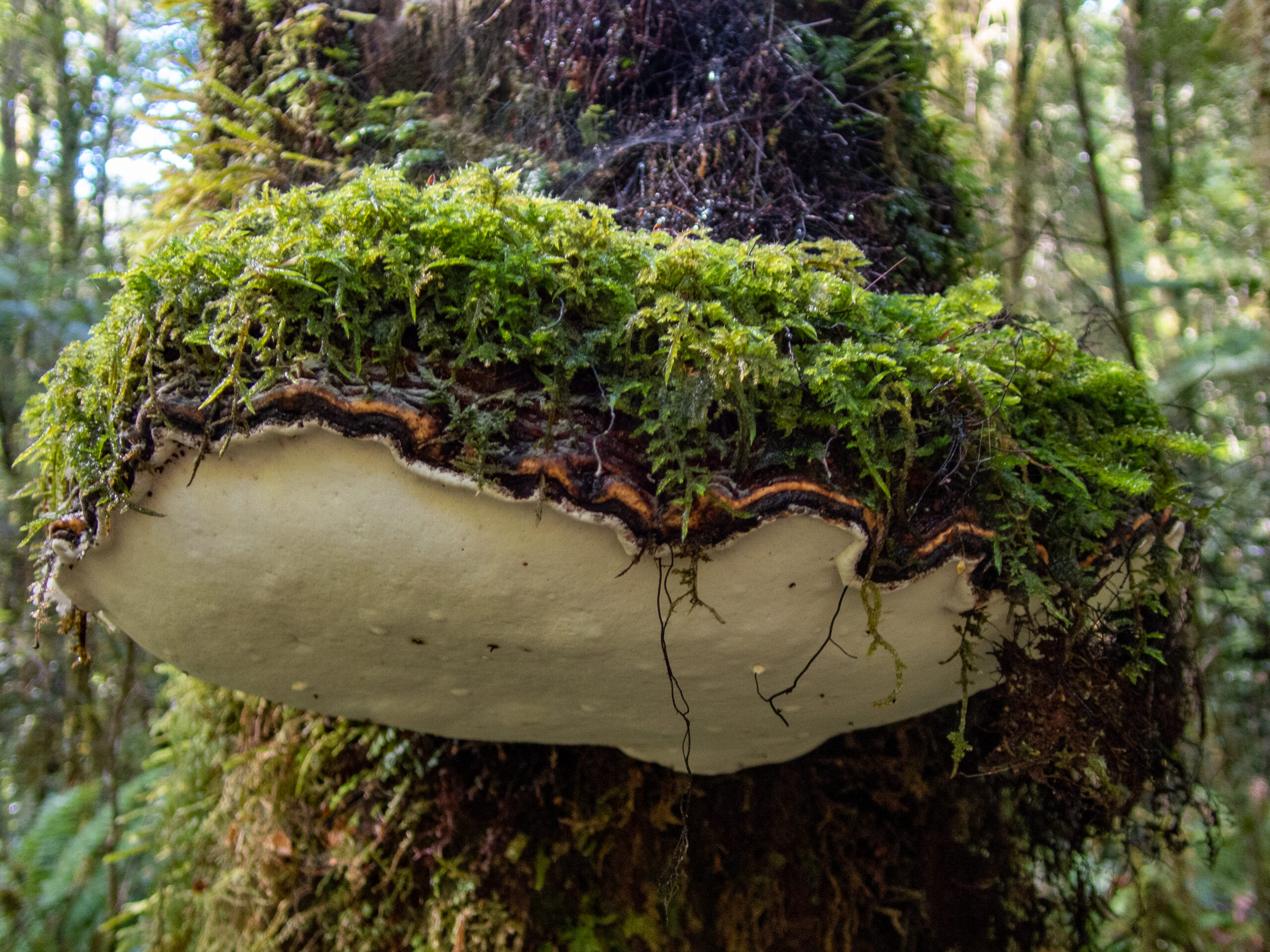
Symbiotic joy!A shelf mushroom with the same myriad colors as our magic tree.These water droplet patterns reminded me of molecular structures from Chemistry.We reached the lake!No context, just expression!There are more. Message me if you want the full repertoire?! I kept thinking that our Magic tree might know just what was being communicated here.
Heading back to Allora.And this was our post hike rainbow!
Dusky is the longest and most extensive fiord in Fiordland at nearly 24 miles in length. Named ‘Dusky’ after Captain Cook’s evening sail by in 1770, and ‘Tamatea’ after the renown Māori explorer who spent much time there. He’s also known for the coining the longest name of a place near Hawke’s Bay ‘Taumatawhakatangihangakoauauotamateaturipukakapikimaungahoronukupokaiwhenuakitanatahu,’ so I’m glad I didn’t have to work that into our logbook! ~DS
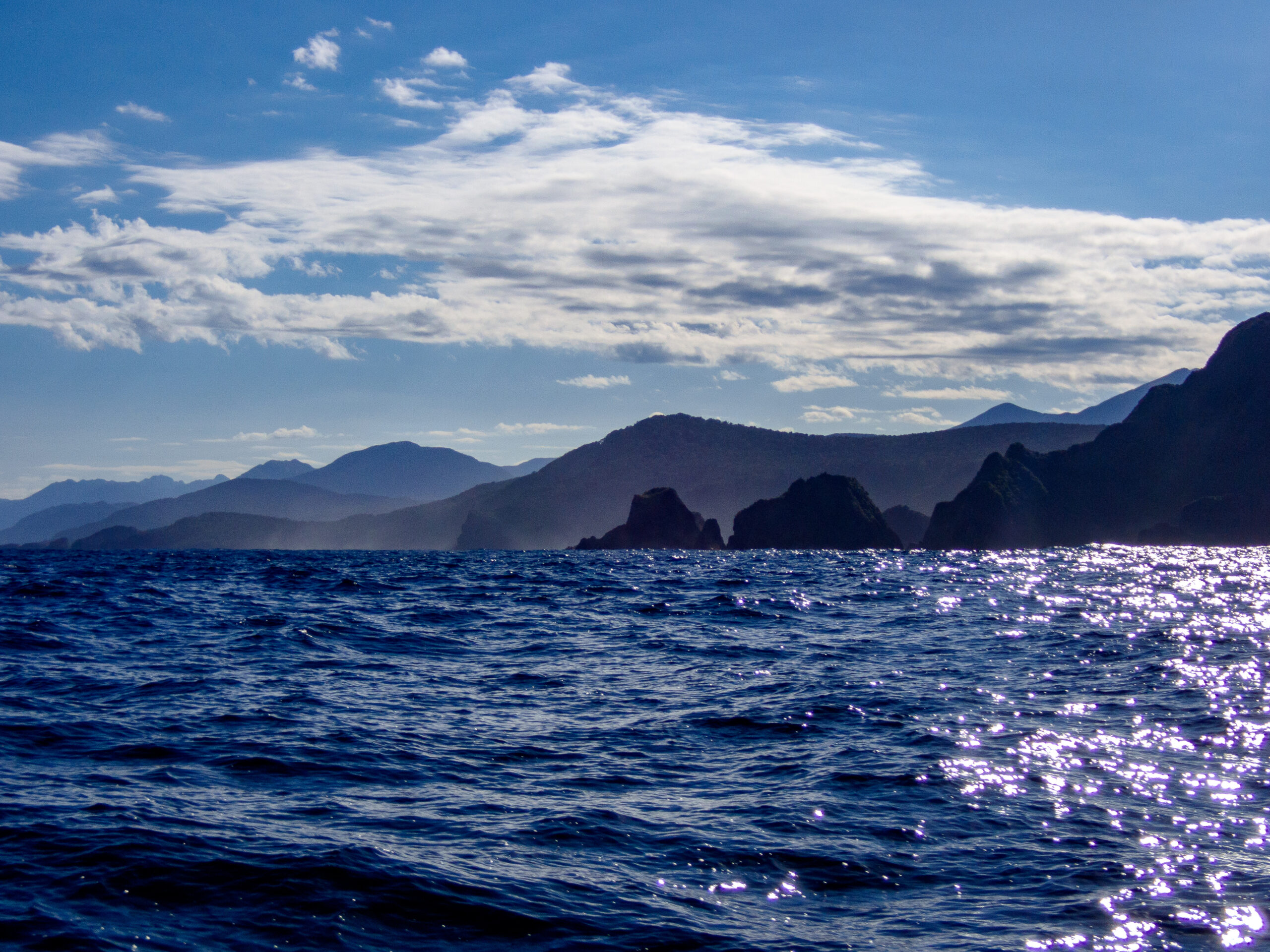
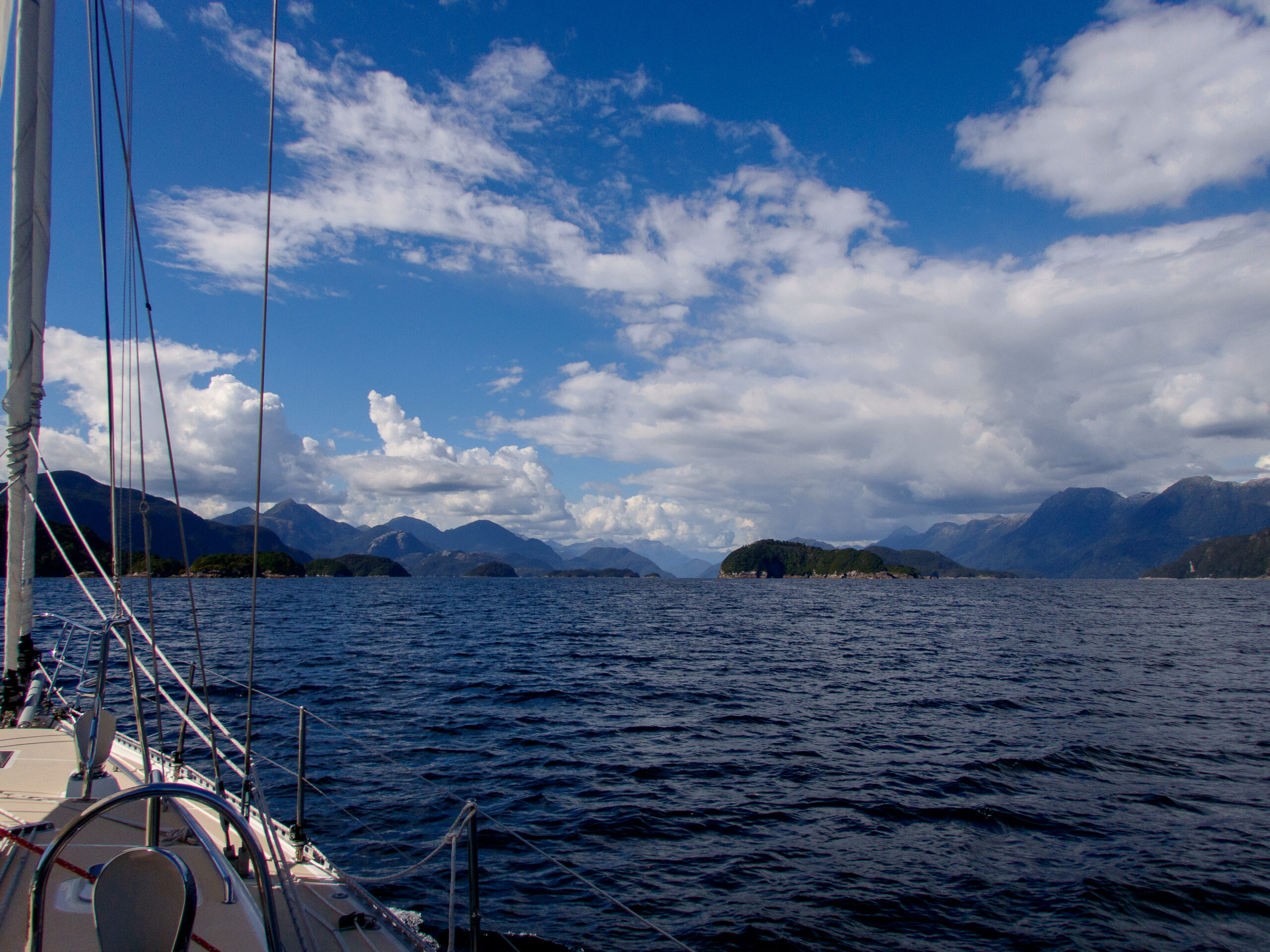
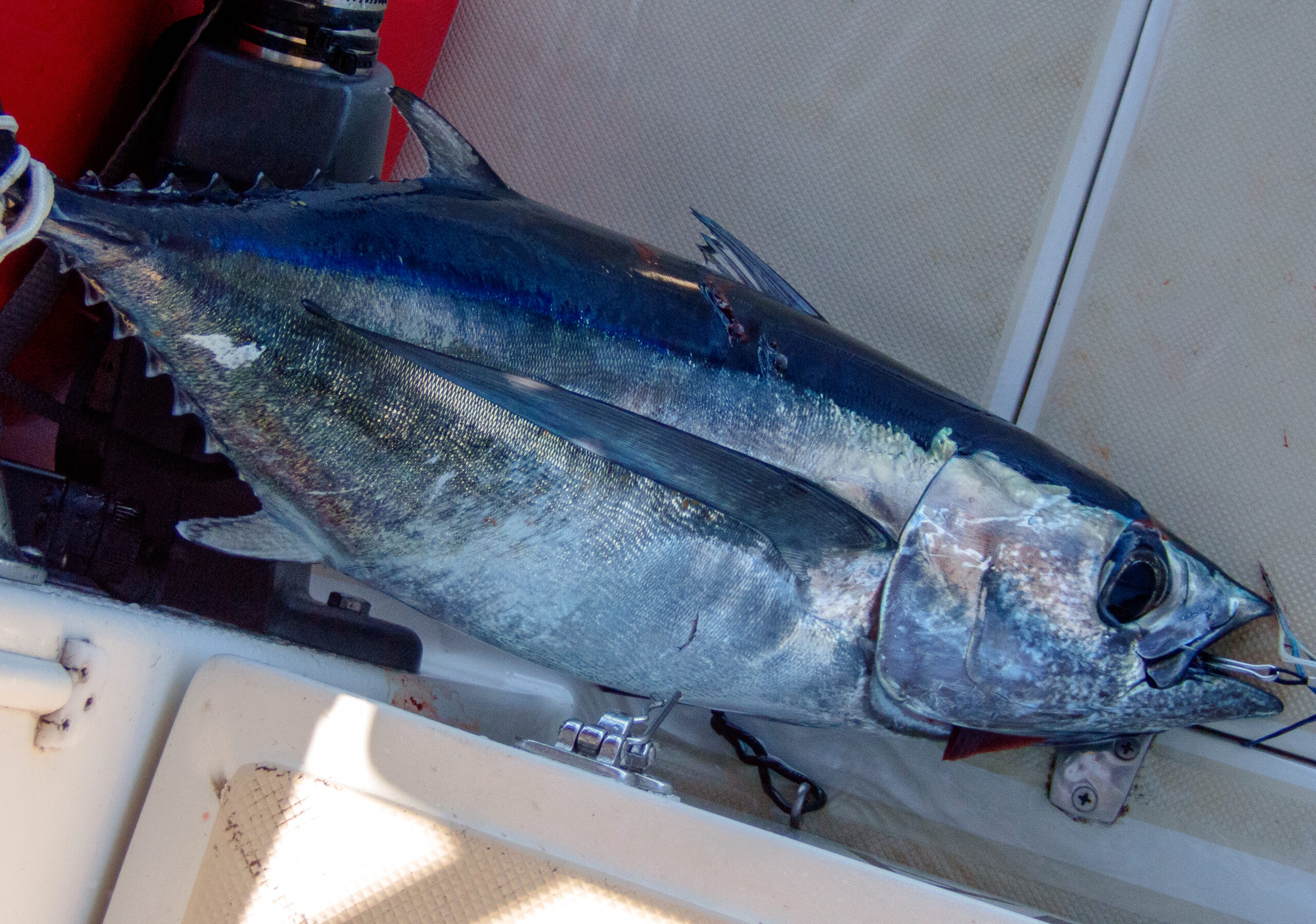
From ‘the outside,’ transiting open ocean between Preservation Inlet to Dusky/Tamatea Complex. The endless layers of blue …Sometimes the entrance to the fiord would be relatively narrow and the transitions could be tough depending on the conditions. We avoided a reef by taking a dishearteningly named shortcut, ‘Broke Adrift Passage,’ leaving Preservation.Thank you, Albacore, for being just the right size and feeding us.We wove our way back through the narrow twists and turns to find ourselves alone in this magical nook.
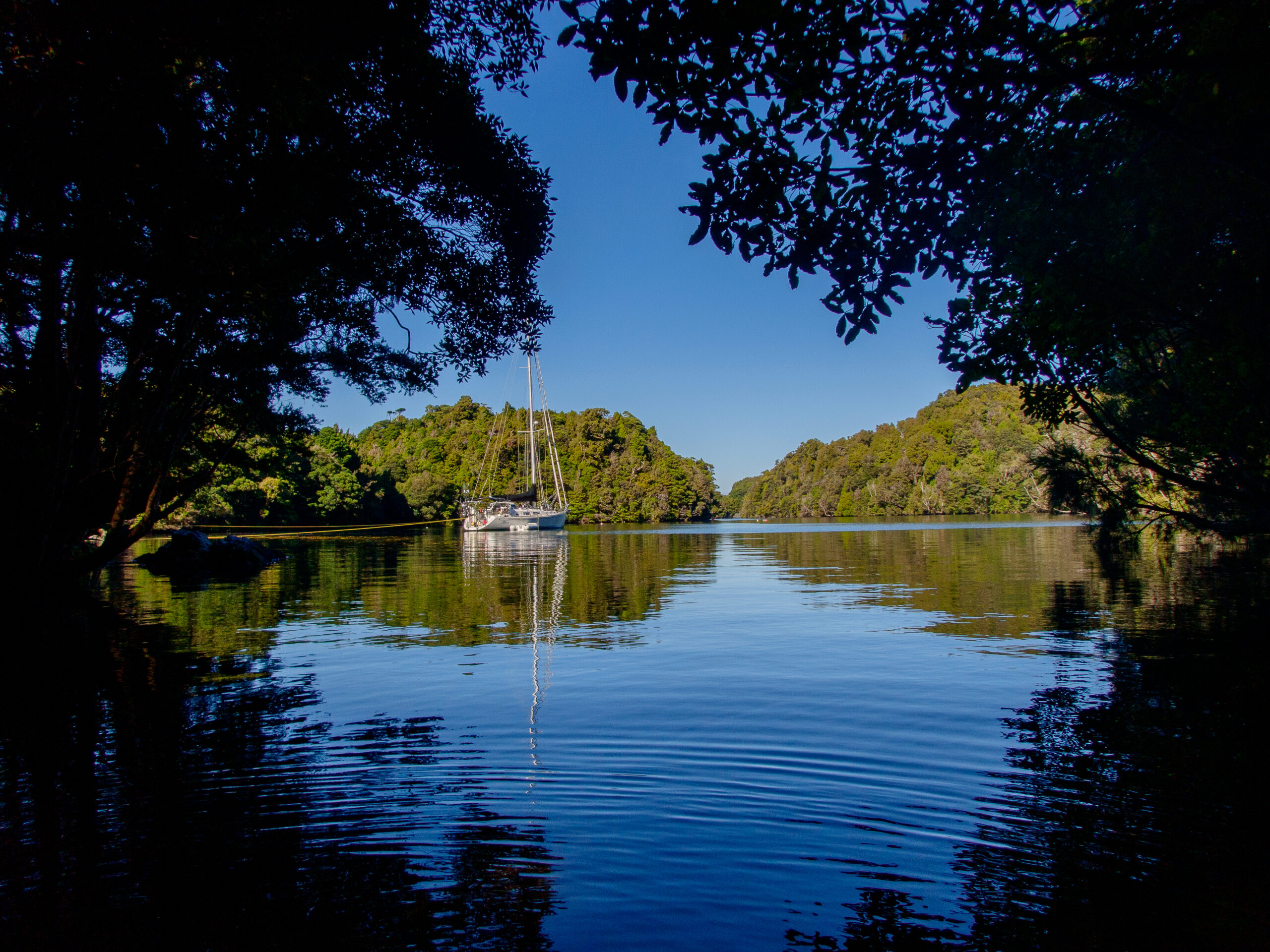
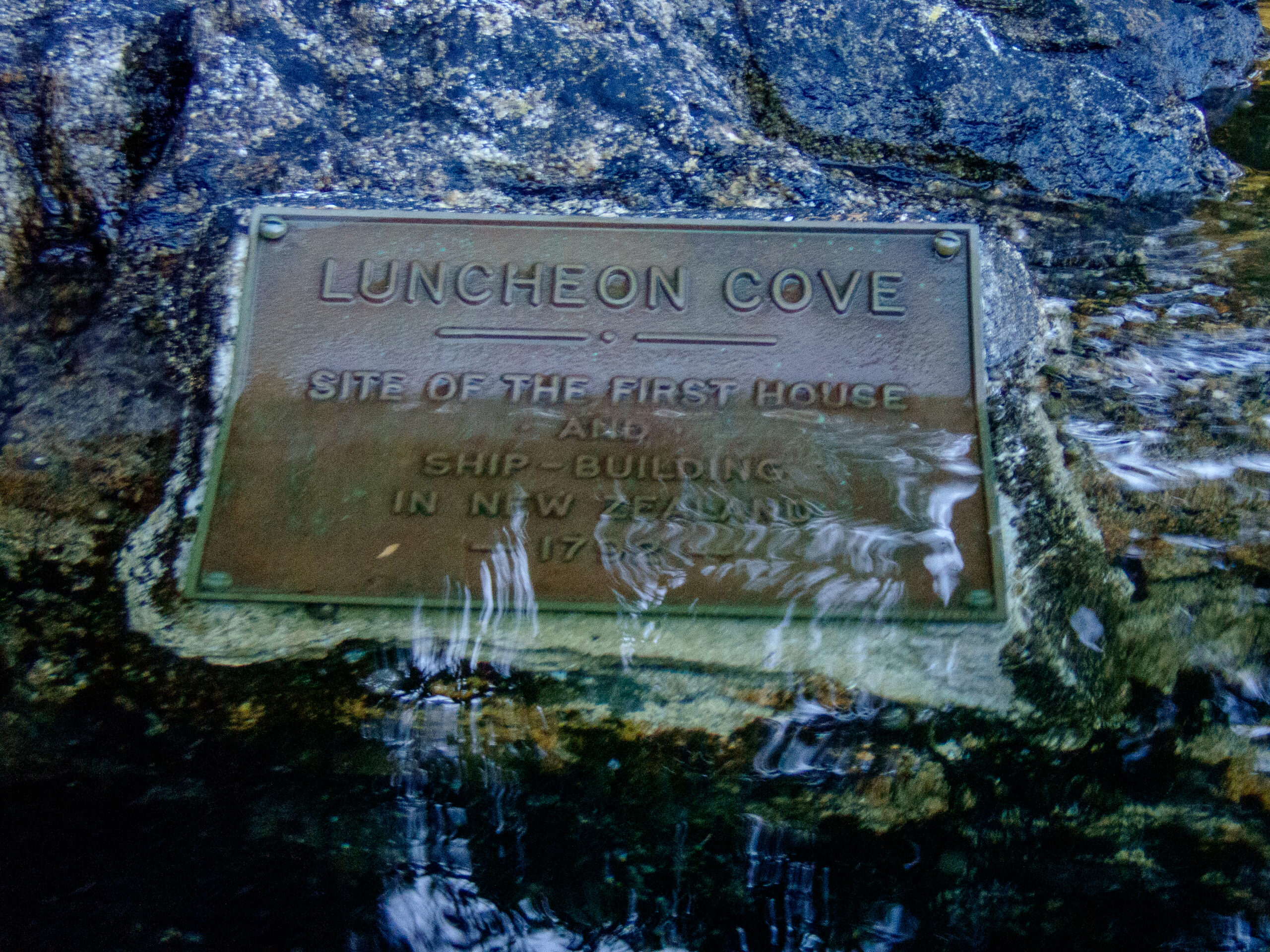
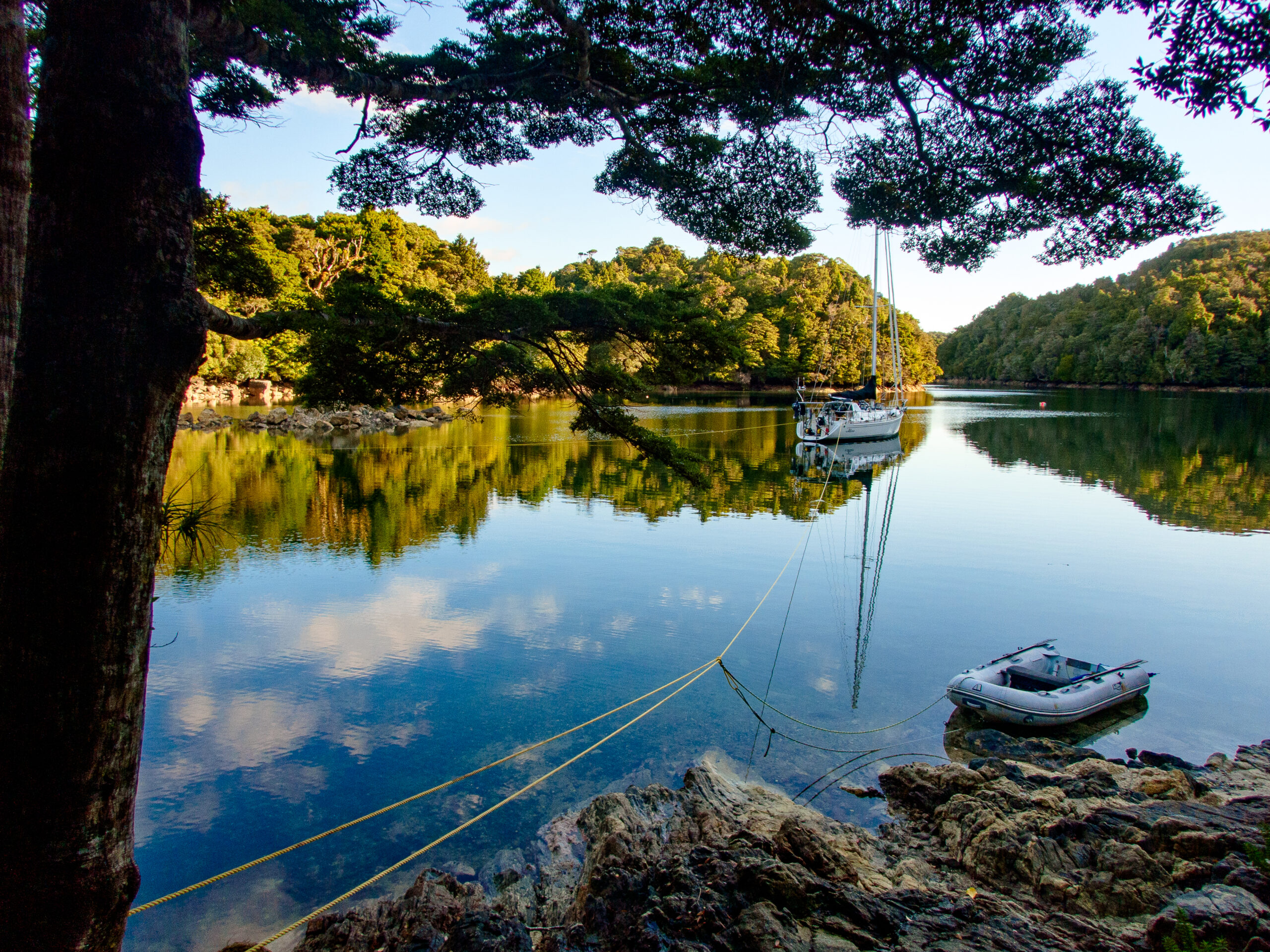
Inner Luncheon Cove on Anchor Island, Dusky Sound
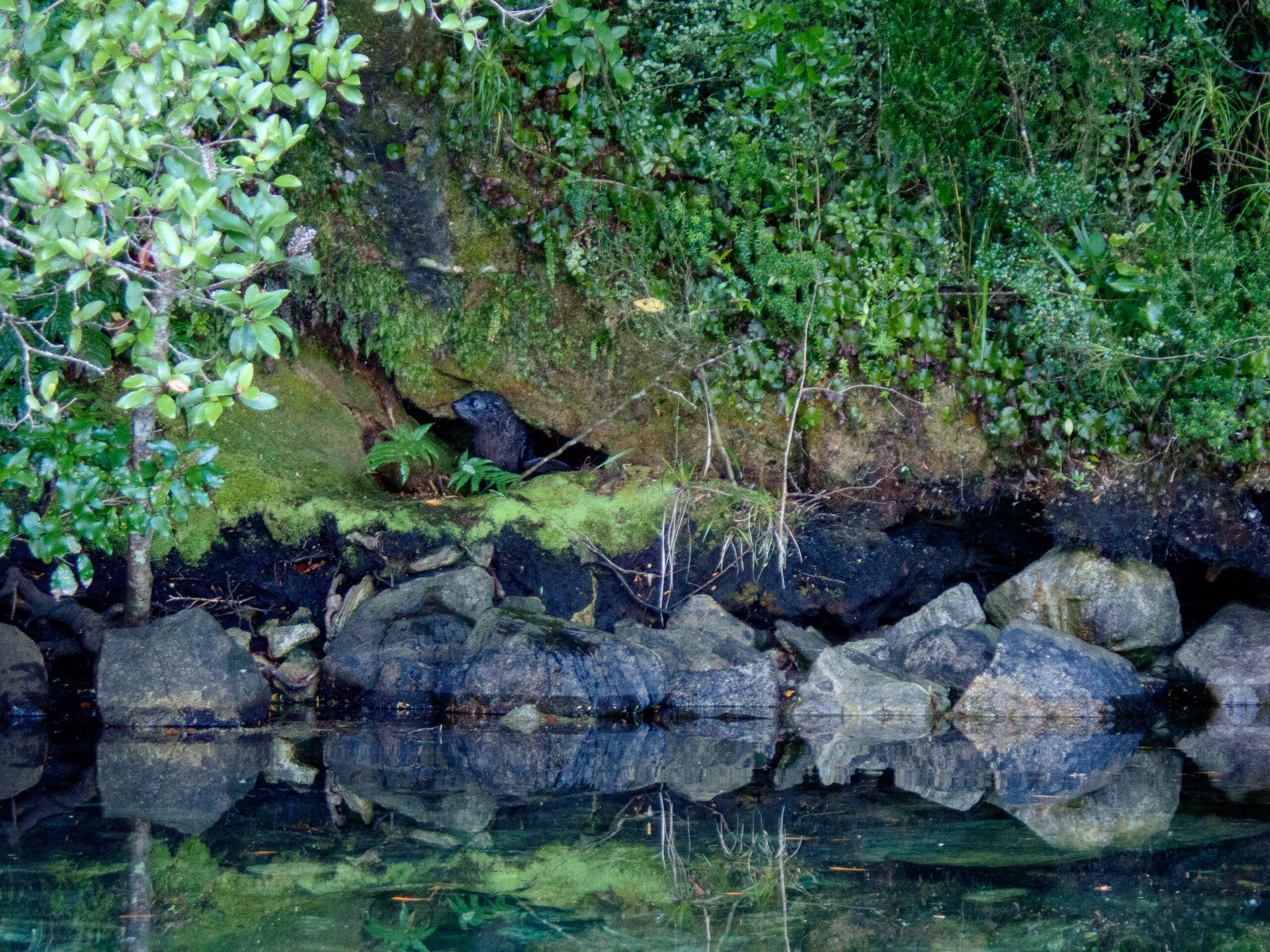
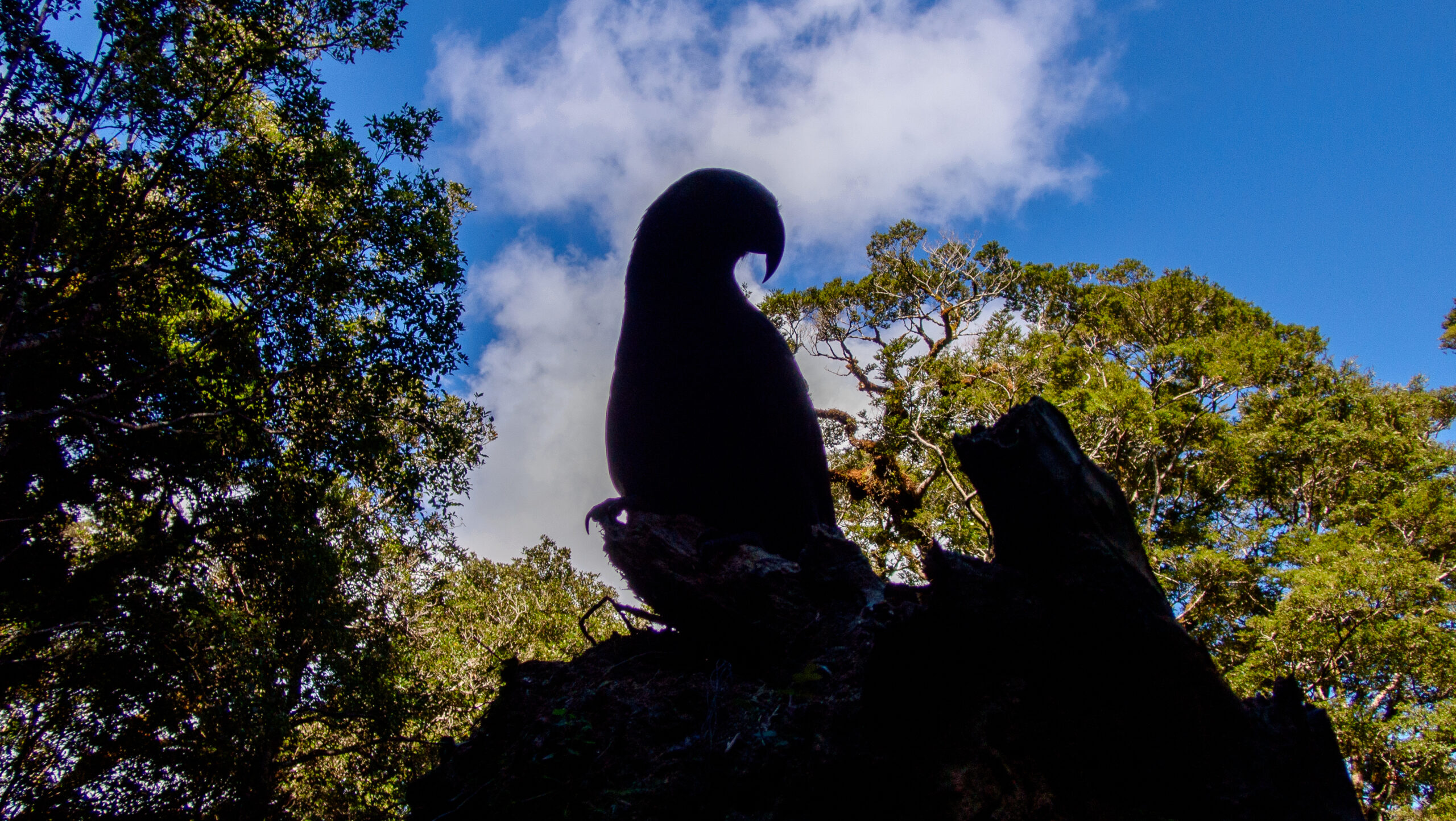
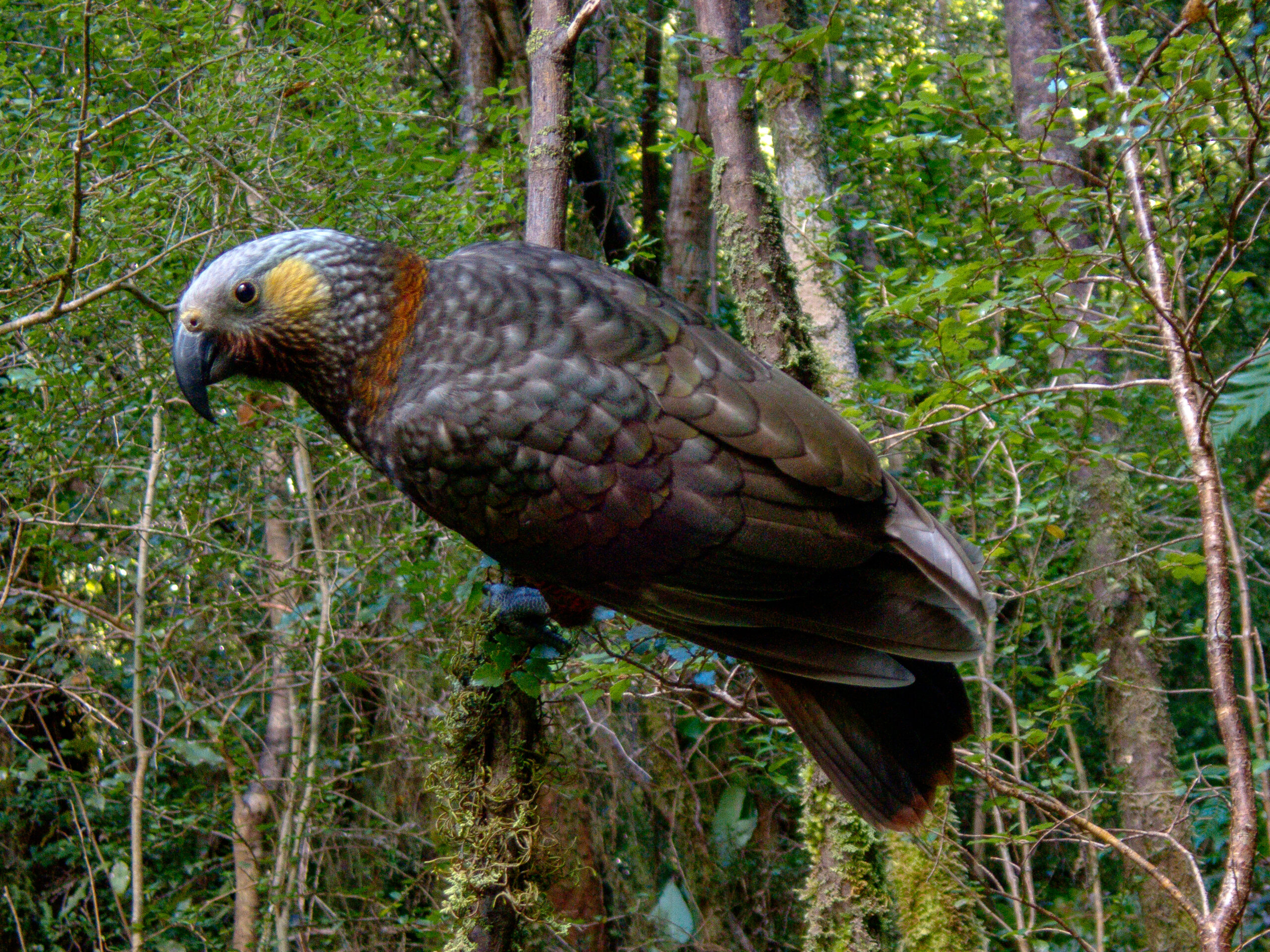
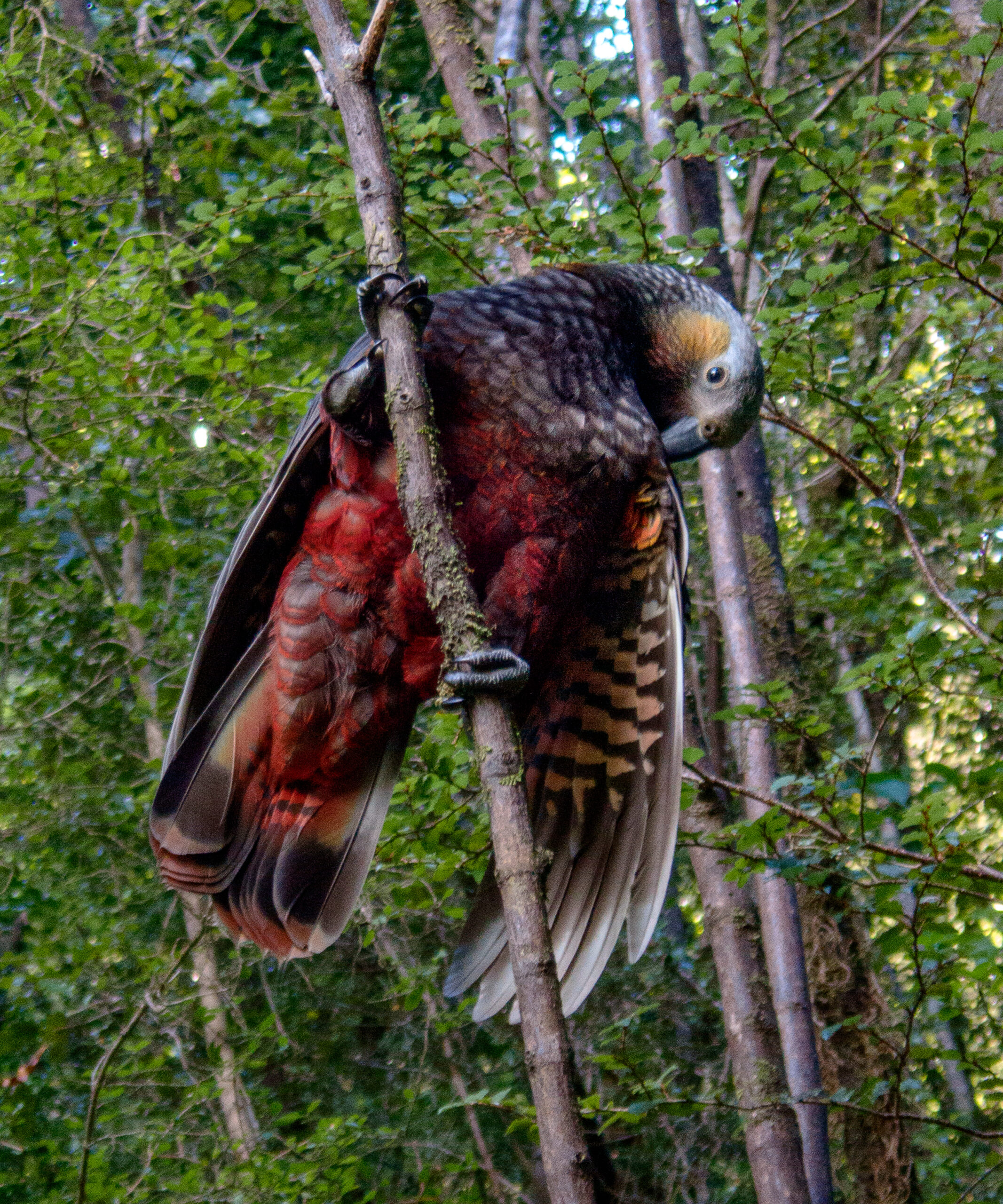
We are anchored in an 18th century naturalist’s illustration. The Kākā, subtly colored parrots, russet and carmine, gray and mossy green, chatter in mobs back and forth. Fur seals and their pups bawl and rumble along the densely wooded shore, draped on rocks, sunning just out of the vivid green tide, or hidden mysteriously in the forest. Rays and Broadnose Sevengill sharks patrol the shallows. Bellbirds chime and Wood Pigeons dive and soar in mating displays, wind whirring in their wings. The water is supernaturally still after the tumult and breaking swell of Broke Adrift Passage, and the long motor up the easing blue Pacific around Cape Providence. The scale of the world is abruptly more intimate. Captain Cook dined on crayfish here in 1773. He left behind a recipe for brewing beer from the bark of Rimu trees, molasses and yeast. The island is also predator free, and refuge to the rare ground parrot, the Kākāpō, once thought to be extinct – rediscovered in Port Pegasus, Stewart Island by Rodney Russ, a sailor/explorer we met in Christchurch.
A chance to sit on the bow and meditate outside, to the constant music of birds, “Here and now boys, here and now.”
The dearth of sandflies and still air made for a pleasant barbecue, cooking up fillets of the Albacore tuna we caught on our way into Dusky.
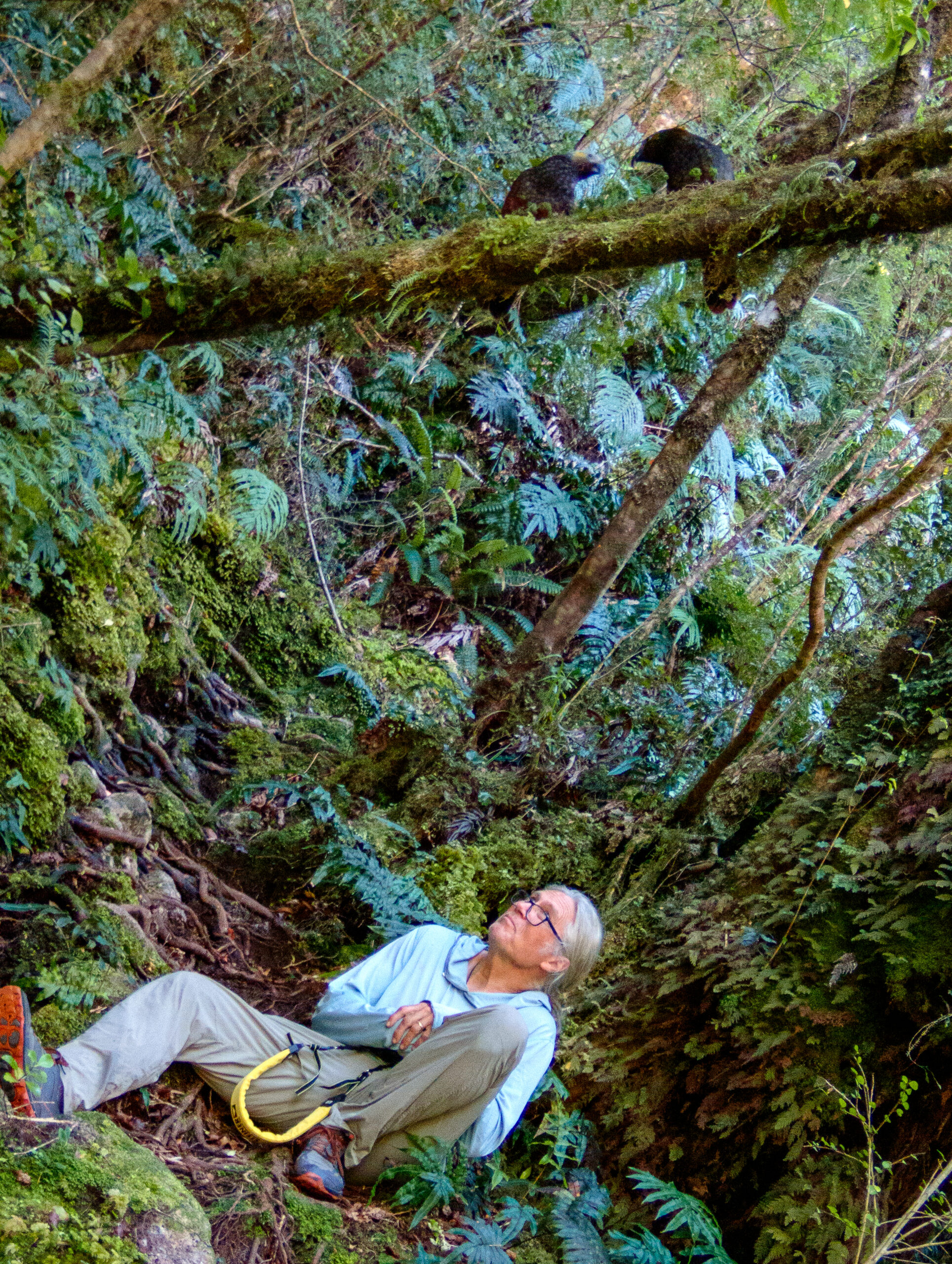
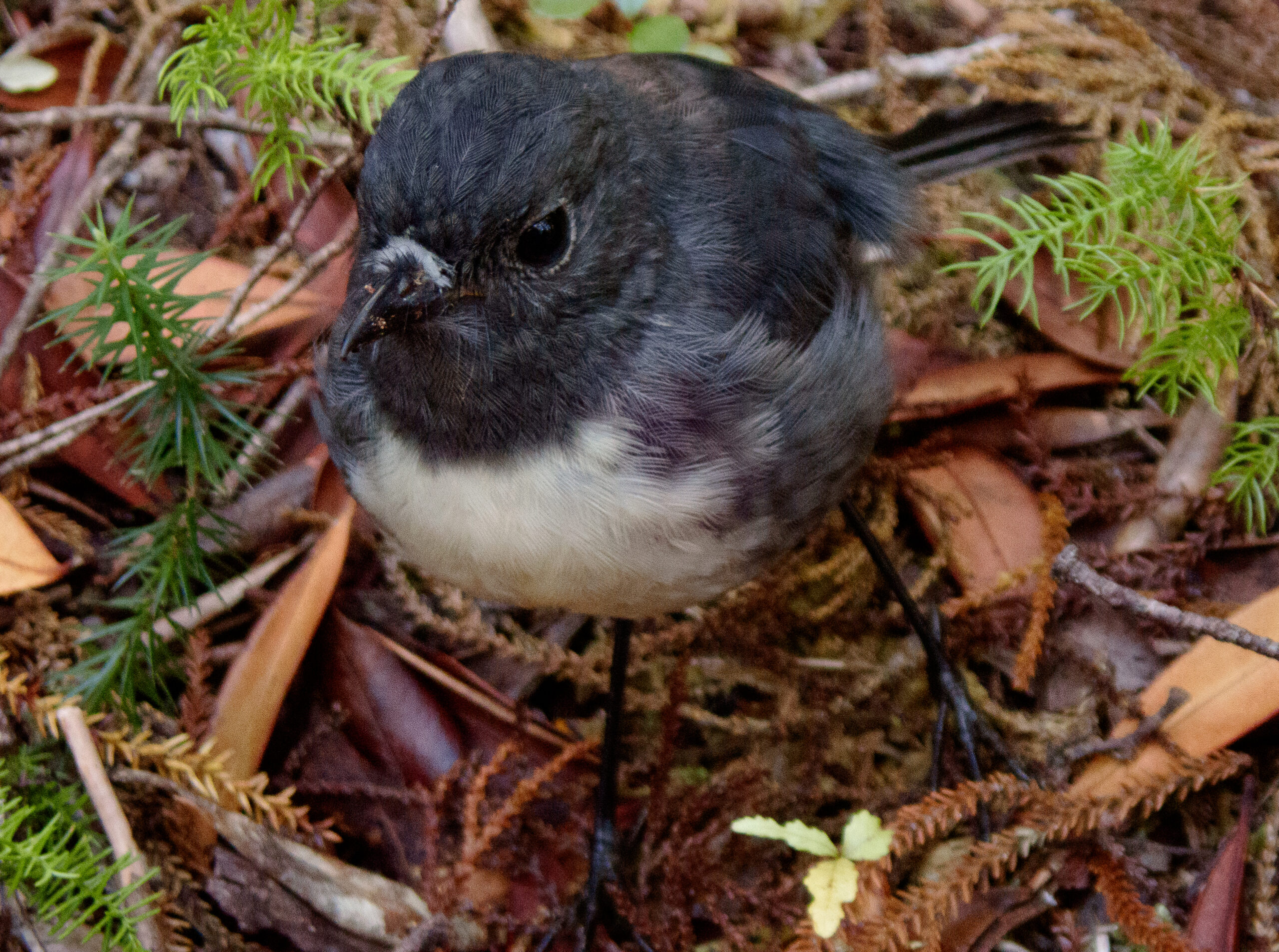
The trails on Anchor Island are named and well marked, though oddly, do not seem to clearly indicate which of the many paths lead to the lake (just a kilometer or two away). We weren’t very far along the “wrong” trail when a mob of Kaka settled noisly into the trees over our heads. We sat still and waited and they ventured closer and closer, sailing back and forth, gnawing at the branches with their strong beaks and then landed a few feet away, turning their heads upside down for a curious closer look. A South Island Robin/Kakaruai (re-introduced in 2002) also hopped over to say hello, as they do, finally summoning the courage to peck at the bottom of my shoe. ~MS
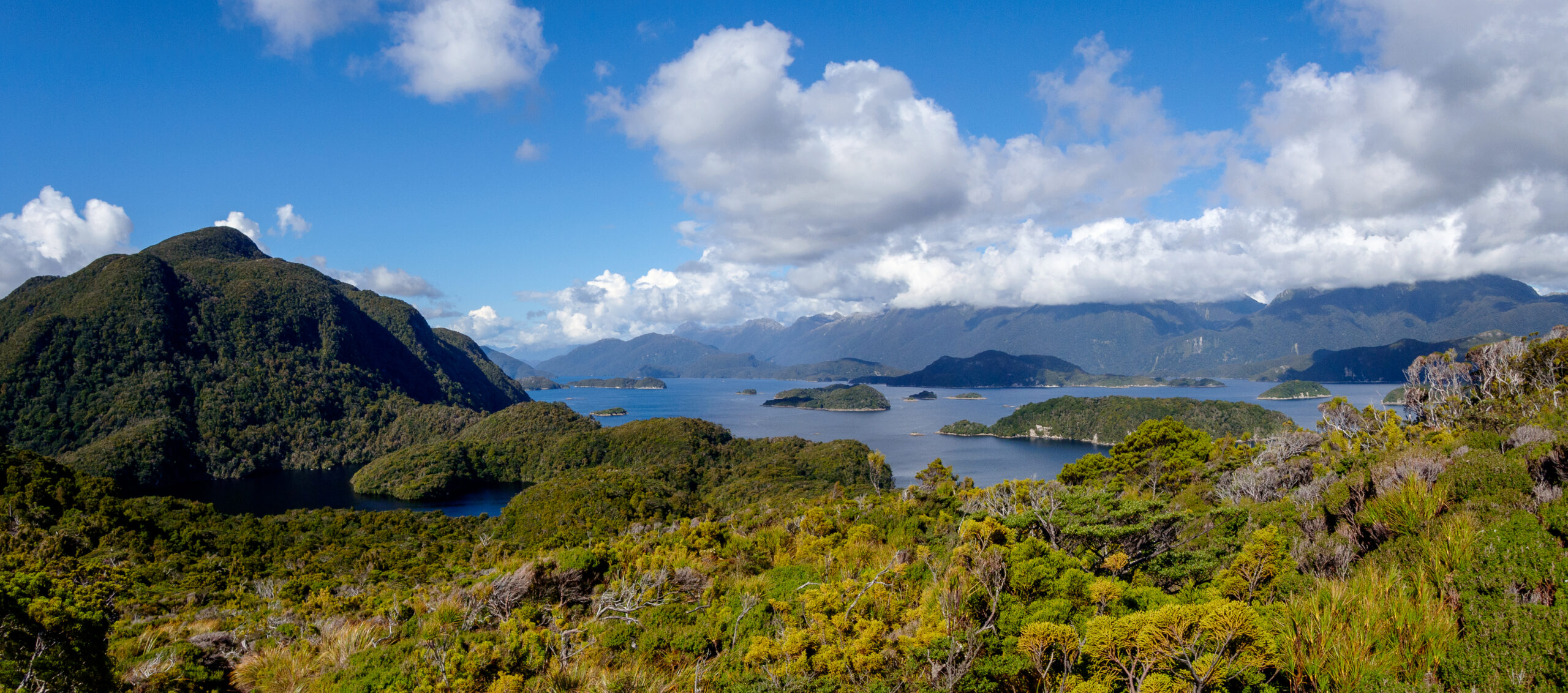
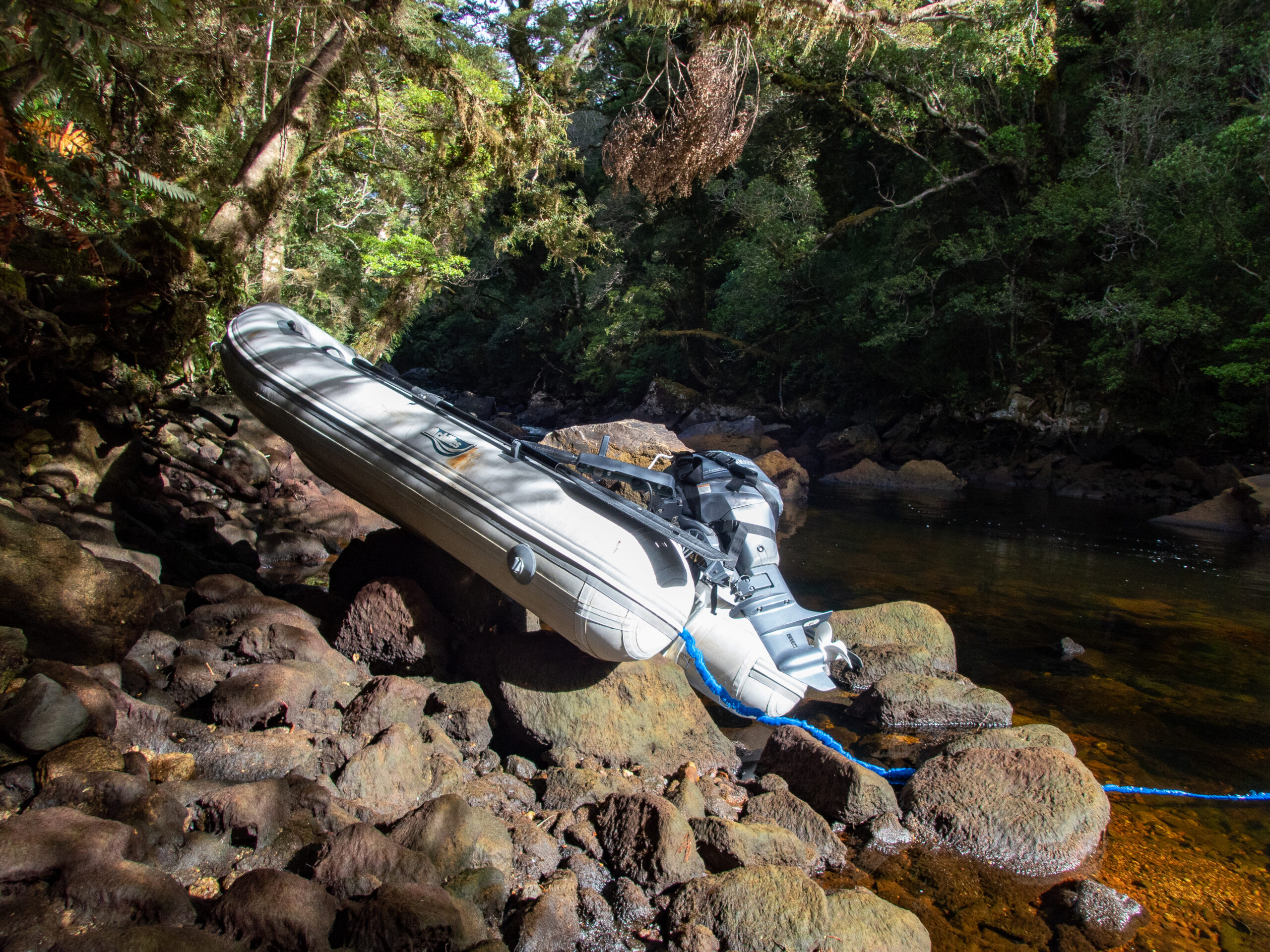
Itty bitty baby fur seal curious about my kayak.Some facts. Thanks Southland Historical Committee!We’d have to consider the sizable tides when tying up Namo (our dinghy).Until this encounter, we’d only seen Kākā from a distance.A connection was made.Gorgeous underbellies!Such a treat!South Island Robins follow hikers, nibbling on what gets stirred up underfoot and generally being joyful.Still haven’t figured out what these are called – besides COOL!!!The view from atop Anchor Island and the freshwater lake in the interior.Coulda stayed here forever!Dusky (Bottlenose) Dolphins bringing GLEE with every splash!!!And smiles …
Fanny Cove, Dusky Sound
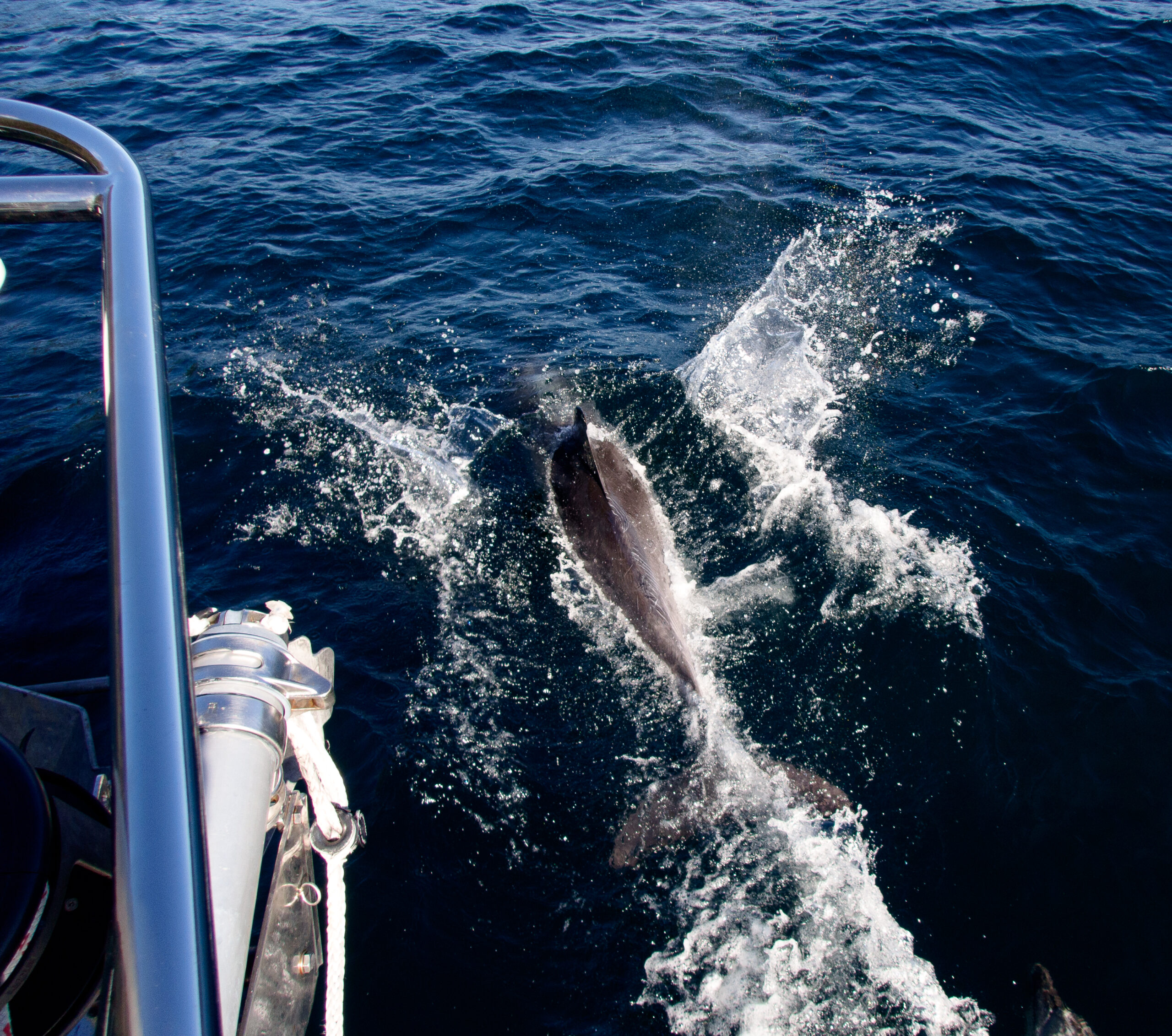
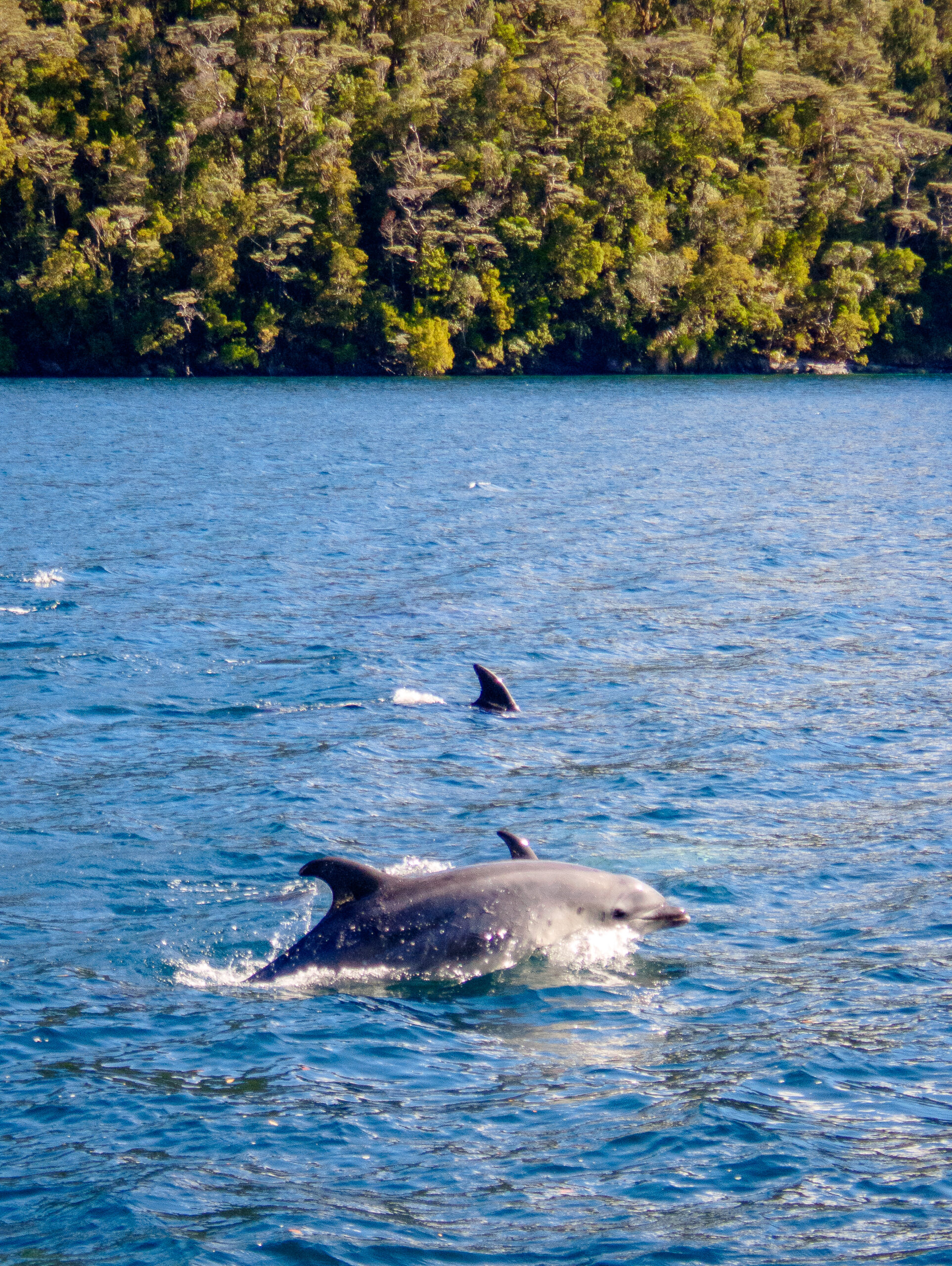
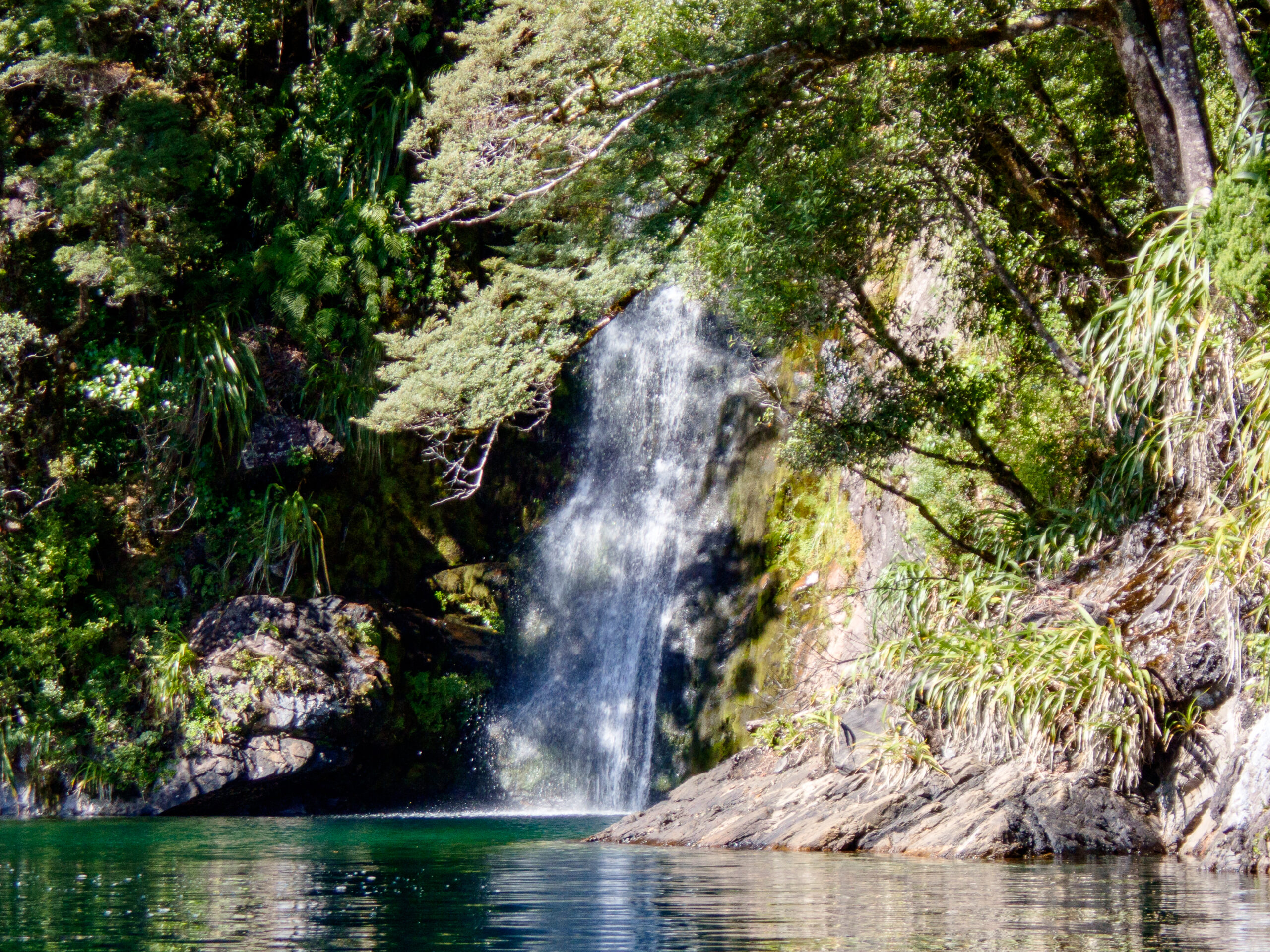
It was still when we arrived after the move from Anchor Island. Along the way we enjoyed the company of some of Dusky Sound’s residence Bottlenose dolphins, and stopped for a closer look at a waterfall, a hundred feet of depth under Allora’s keel a boat length or less from shore. We ate some bread that Diana pulled from the oven just as we entered the broad cove and thought about our plan for anchoring. The forecast was for twenty-five to thirty knots of northerly on the outside (a little less than the full Pusygar gale which prevails three hundred days out of a year), but all the models showed much less fifteen miles inland form the open sea. Still with the wind and williwas, we didn’t really know what we might get. The dramatic cove with the huge granite wall of Perpendicular Peak at the head is much bigger than in looks on the chart. The opposite of intimate Luncheon cove. We dropped in 60 feet of water and laid out all of our 100 meters of chain at a shallow angle along the shoreline, still sitting in thirty feet of water but with rocky shallows close by. Our first line would not really hold us off, and we ran a second as the wind came up and it was clear that the topography of cove seemed to twist the north wind with just a hint of west in it to solid west, coming at Allora from the port side and pushing us toward shore. The cove is big enough for a reasonable bit of fetch too, but the water on the east side is just too deep. Already worn out from setting the first two lines we debated putting out a second anchor from our midships cleat, but we worried about dealing with picking it back up if things got rough and we hand to move. We finally settled on putting out a third shore line using forty feet of chain to tie around a rock and pulled that up tight. By then the wind was pushing us with gusts of 18 knots. It went against every sailor instinct to be holding off a lee shore this way, but as long as our lines held it would take some mighty force indeed to drag 100 meters of chain and an anchor uphill. A power boat came in, and poked around on the east side and dropped anchor along the east side which we thought was too deep and we briefly wondered if we’d read the situation wrong (having no advice in our books about where to anchor in this broad open cove). But then they sent a dinghy over and we recognized the driver as he approached. Junate! from Hokey Pokey, a catamaran we knew from Papeete and the Gambier! We shared a brief excited catch-up about the last three years before he headed back. They’d also decided that it was too deep to anchor on the more protected east side and were zooming off (as only a power boat may) to find a mooring in another cove, much too far away for us to make before dark. And we were left alone with the wind, checking our shorelines and worrying how much more the night would bring. Just before dark the wind gusted to the mid twenties and Allora settled back about fifteen feet closer to shore than she had been. Our starboard shoreline went momentarily slack and the depth rose to twenty five feet. It began to rain.We donned foulies and went on deck ready to take more drastic action if it turned out that our anchor was actually not holding. We tightened up the breast line chained to the rock to pull us out into deeper water, and checked the GPS. We finally decided that the low tide had allowed some slack in our chain which the gusts shook out and we were holding fine. We made sure the dishes were away and everything was ship shape for the night, just in case, and then the wind quit completely, the rain settled in gently. In the middle of the night we woke up to an amazing stillness, just the finest pitter patter of rain. Light from a still nearly full moon softly lit the stunning granite faces that guard the entrance to the cove and the fine rain softened their reflection in the still water. It felt like a big reassuring landscape hug for a wonderful, still, uneventful night of sleep. ~MS
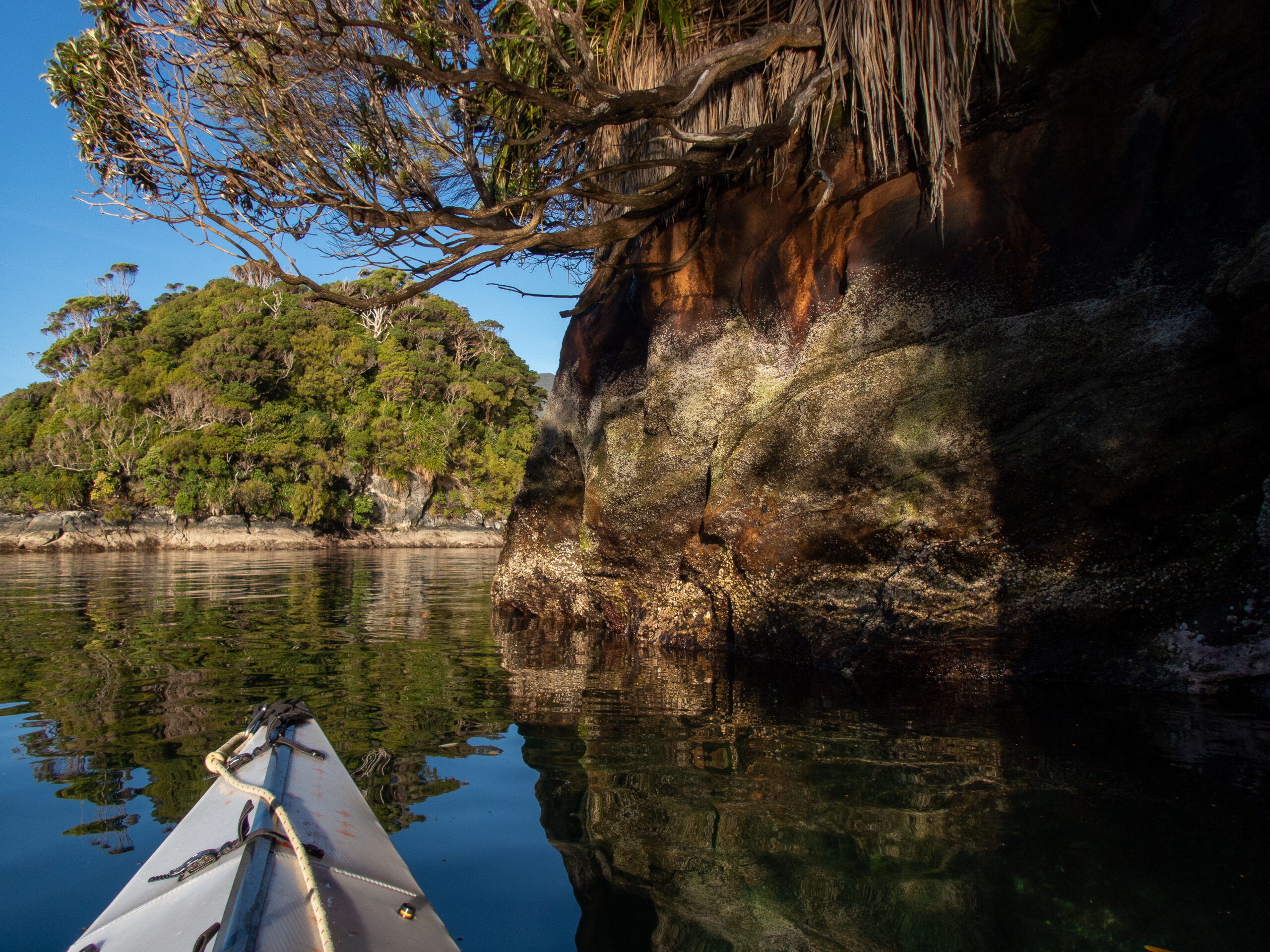
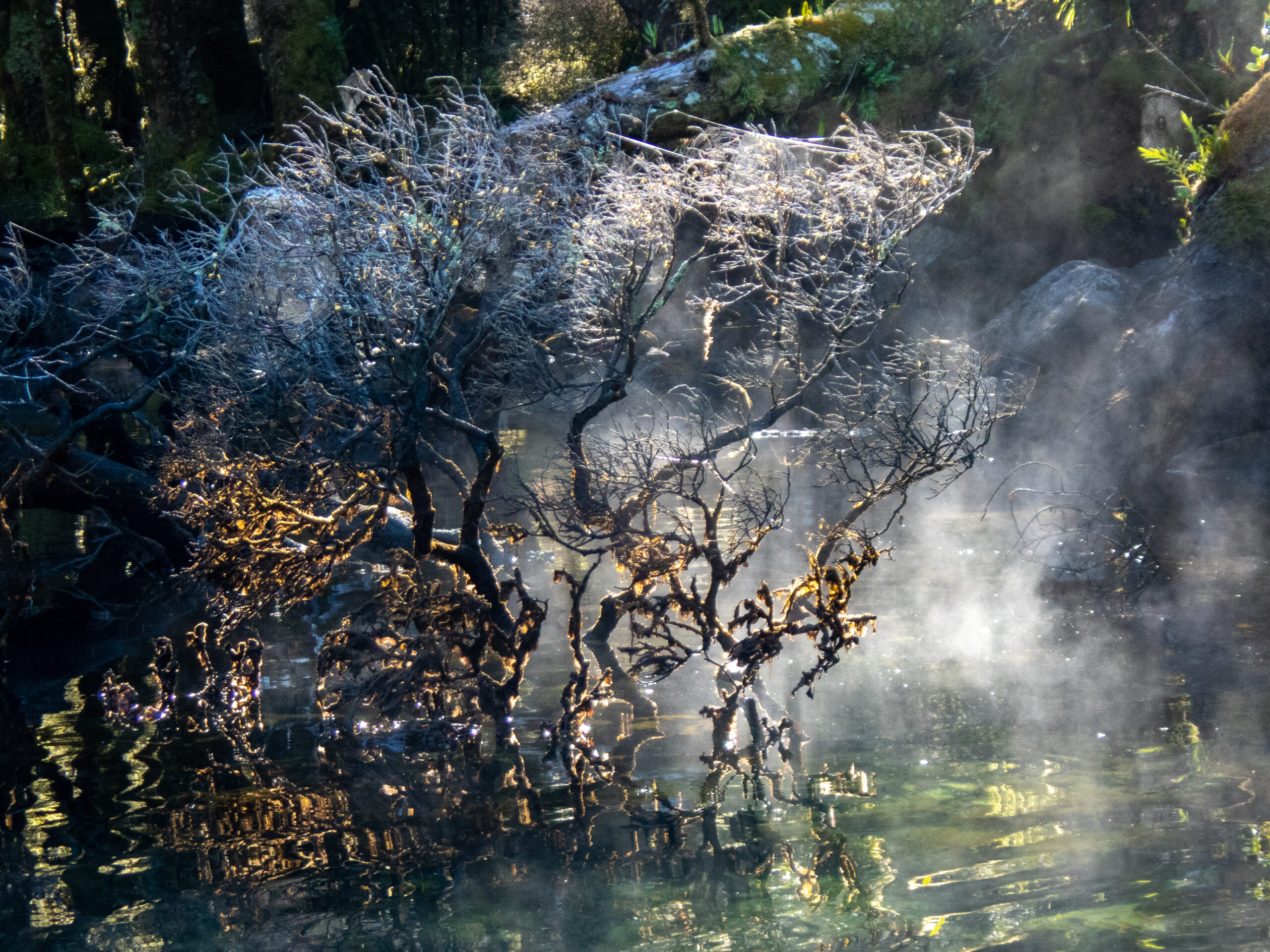
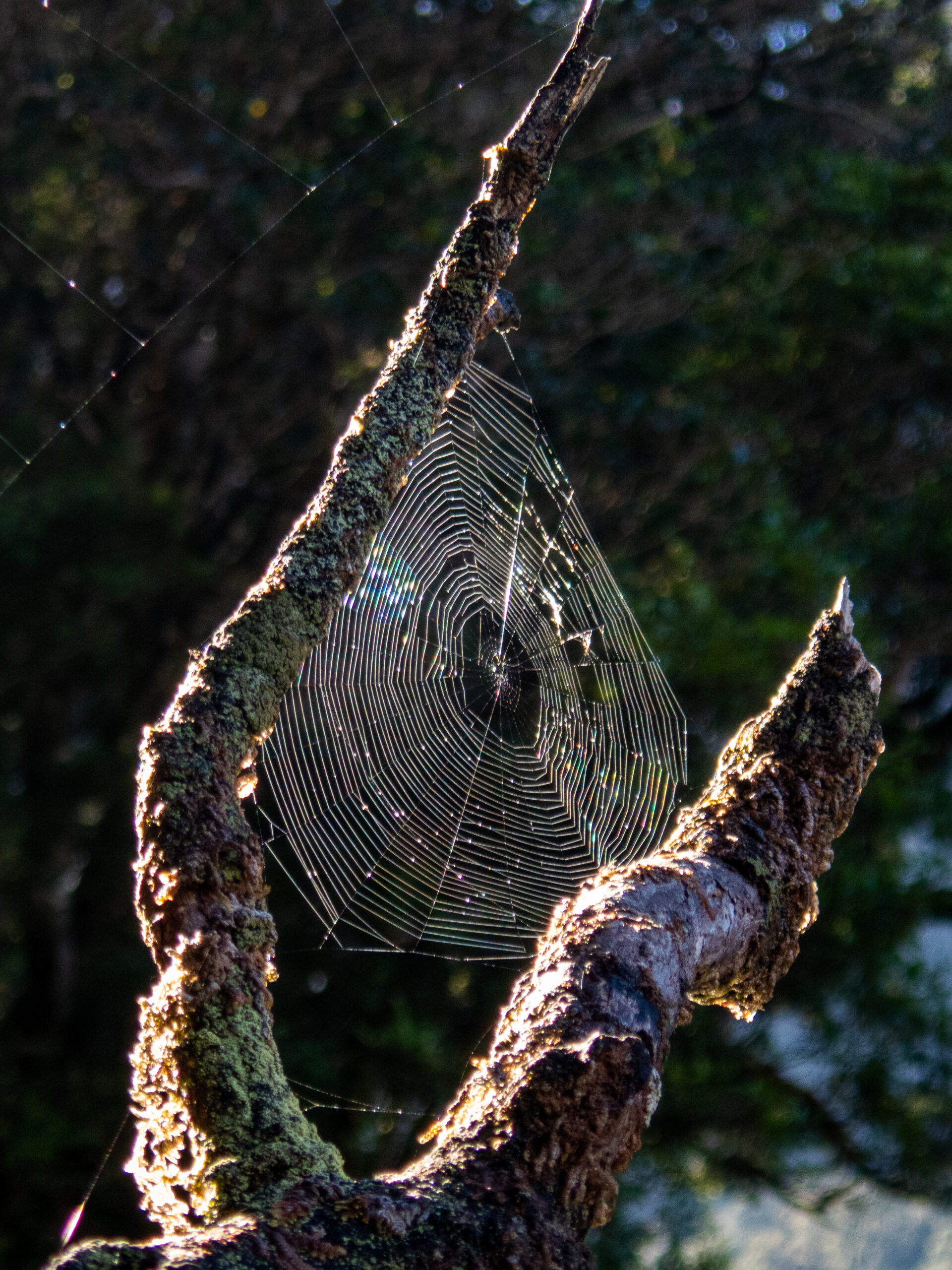
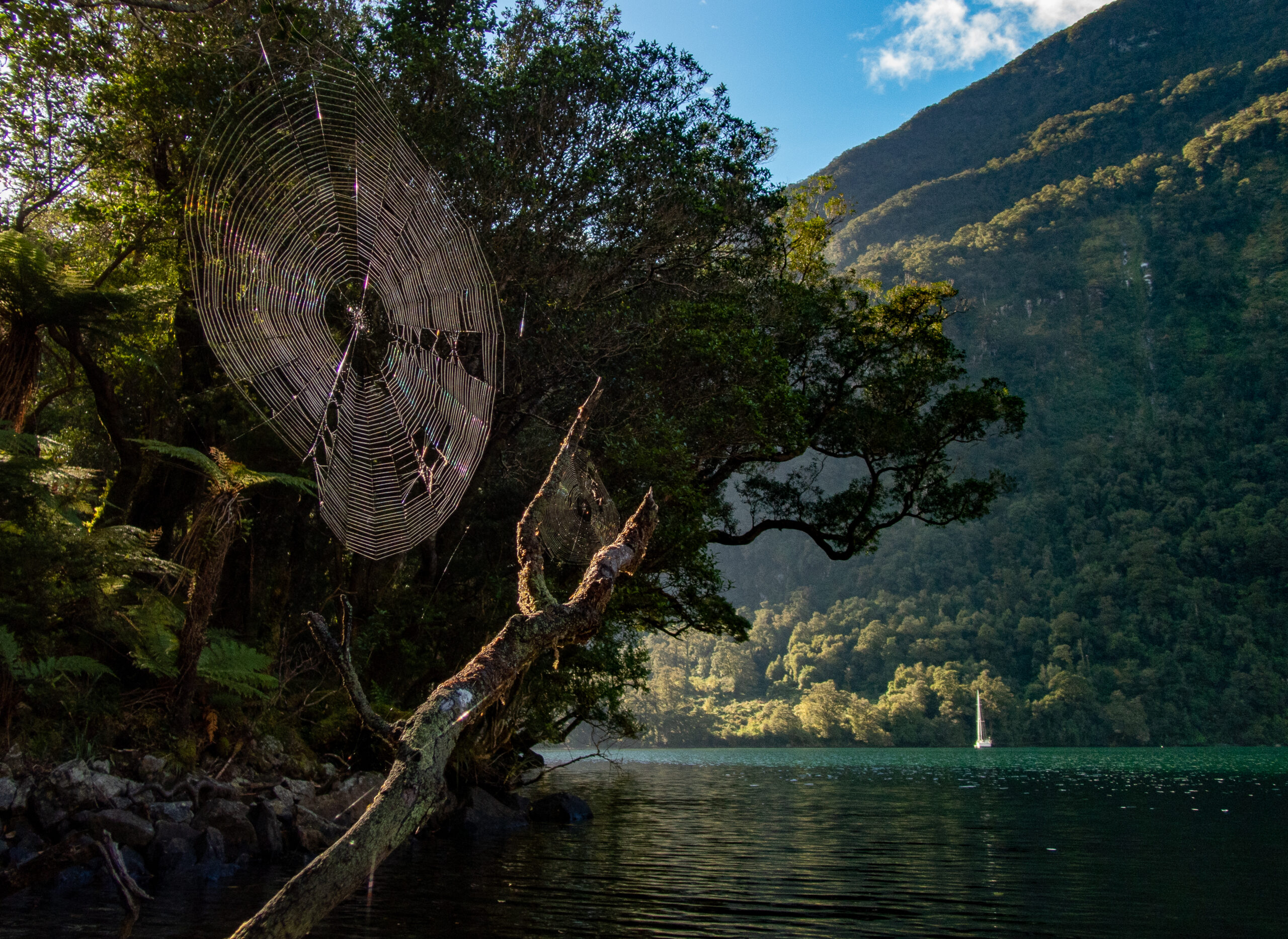
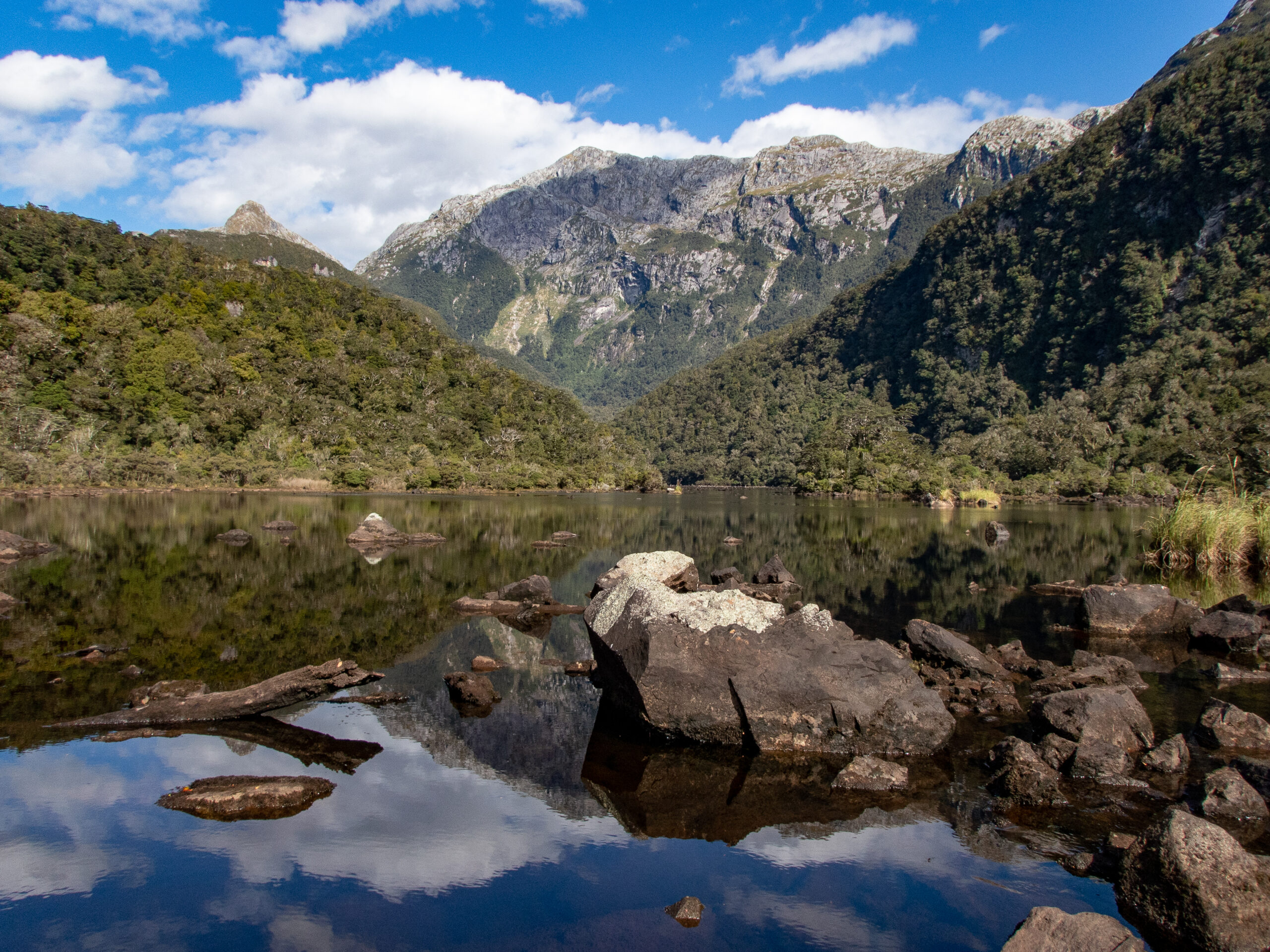
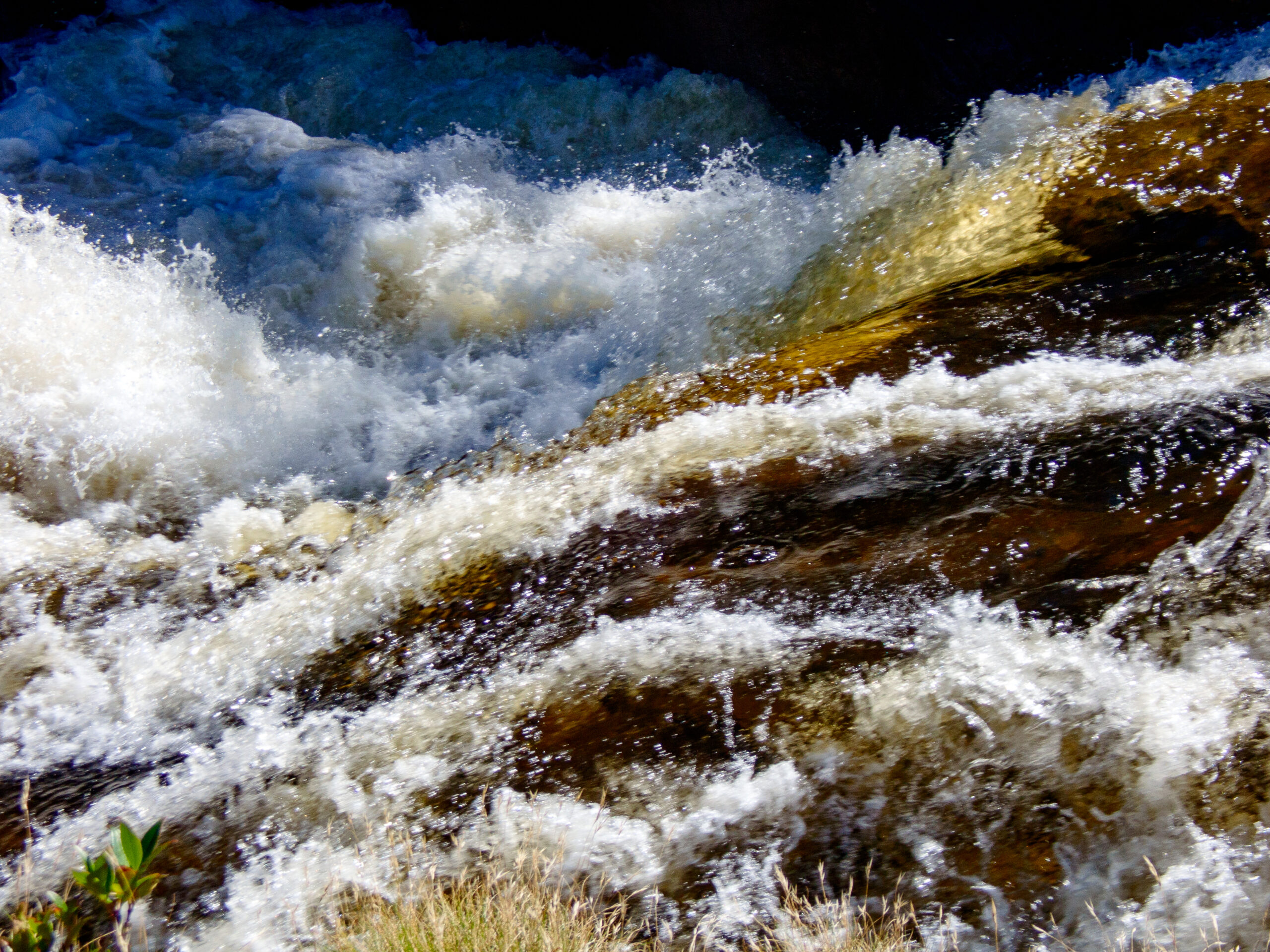
We could motor over and get super close to shore with Allora because of the steep drop offs/depths.Couldn’t resist. Dropped the kayak while Marcus held Allora just off shore. The force of the water was strong enough that I couldn’t swish under it like I’d imagined.This is one frame of one spot in one fiord. Think about the scale and magnitude and impenetrability of this wilderness area?!!I kept seeing an Animé character in this one!Fanny Bay: Choosing the exact whereabouts of where we’d be about!It’s so exciting to add a whole (reflection) dimension to your visual field.After 7 years, my Oru kayak is on its’ last adventure (I was sitting in a fair amount of water!), but boy did we get about! (Me here in full dork garb for sandfly avoidance.)There are more where this came from! I had a blast cruising along the water’s edge and finding snippets to savor.There were heaps of these backlit webs, but no spiders to be seen?
Special spot, Fanny Bay.
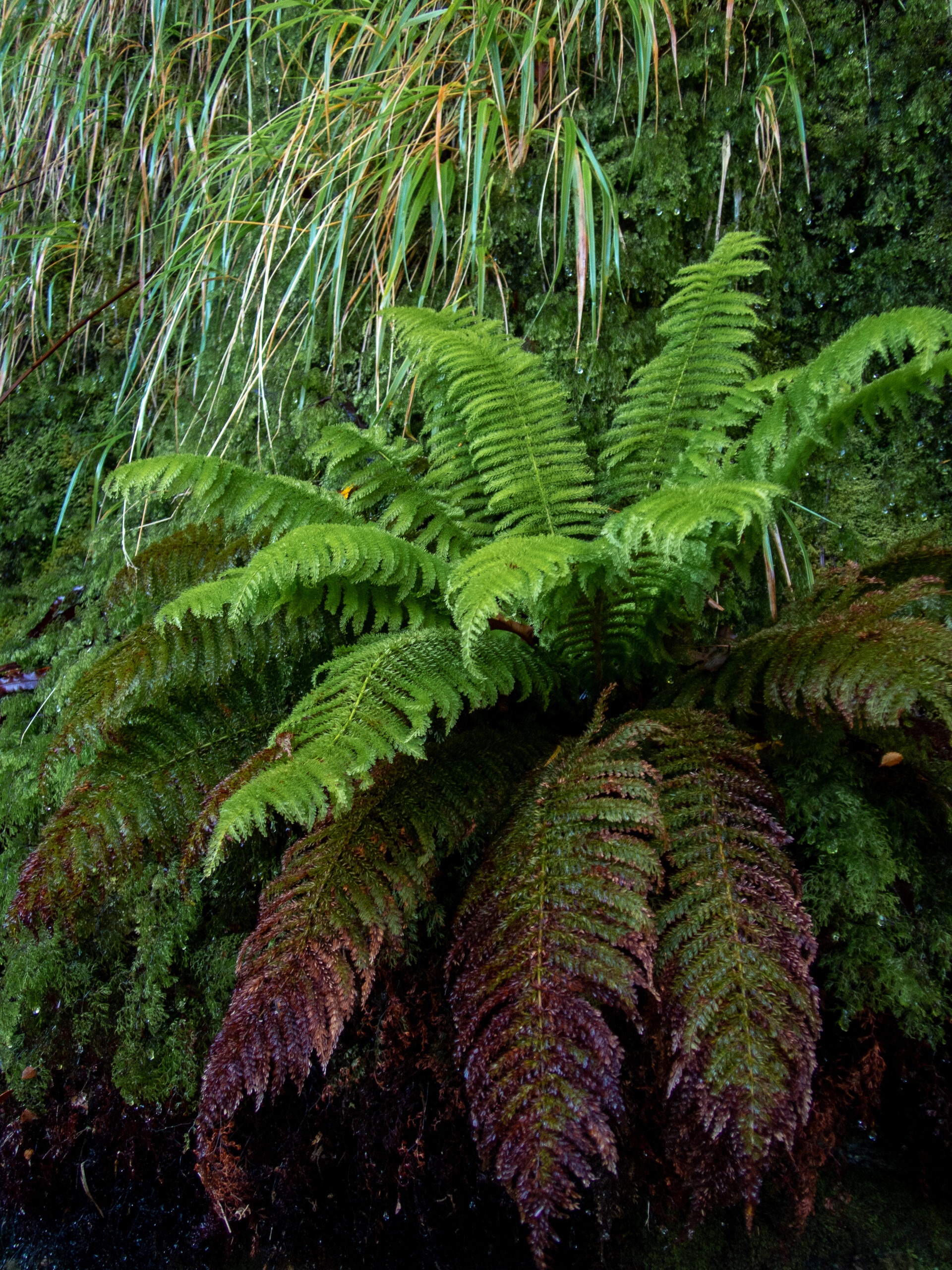
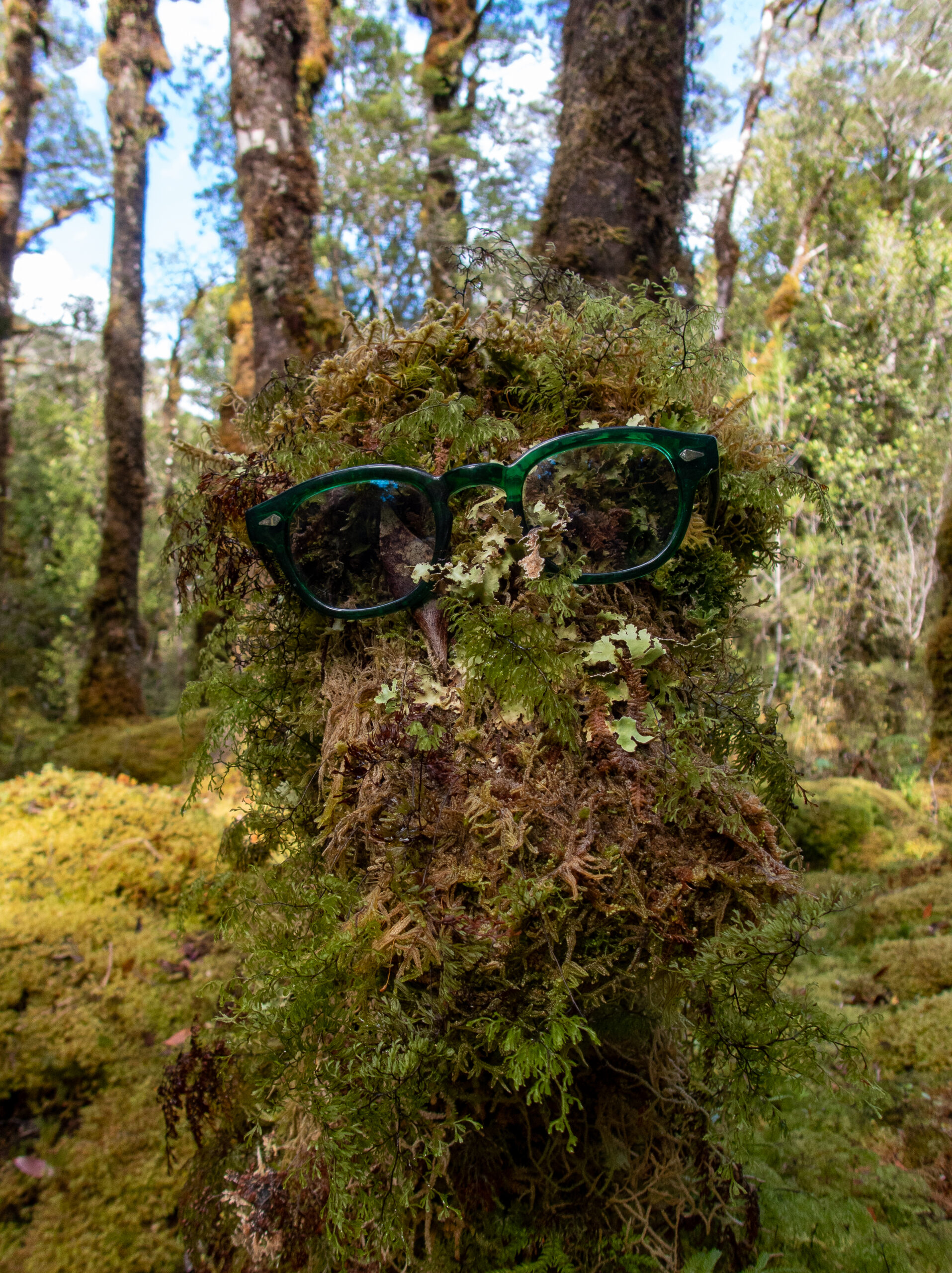
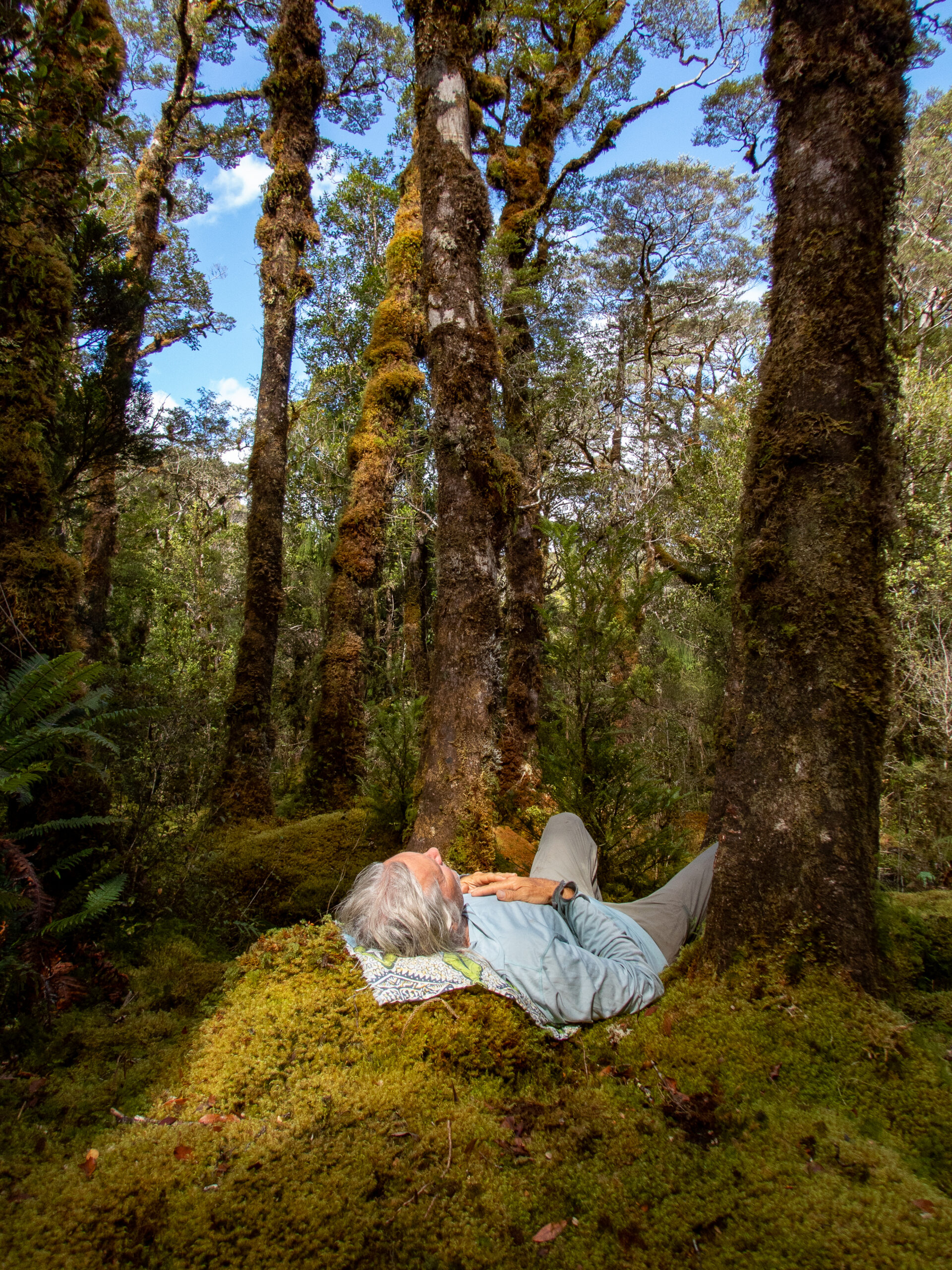
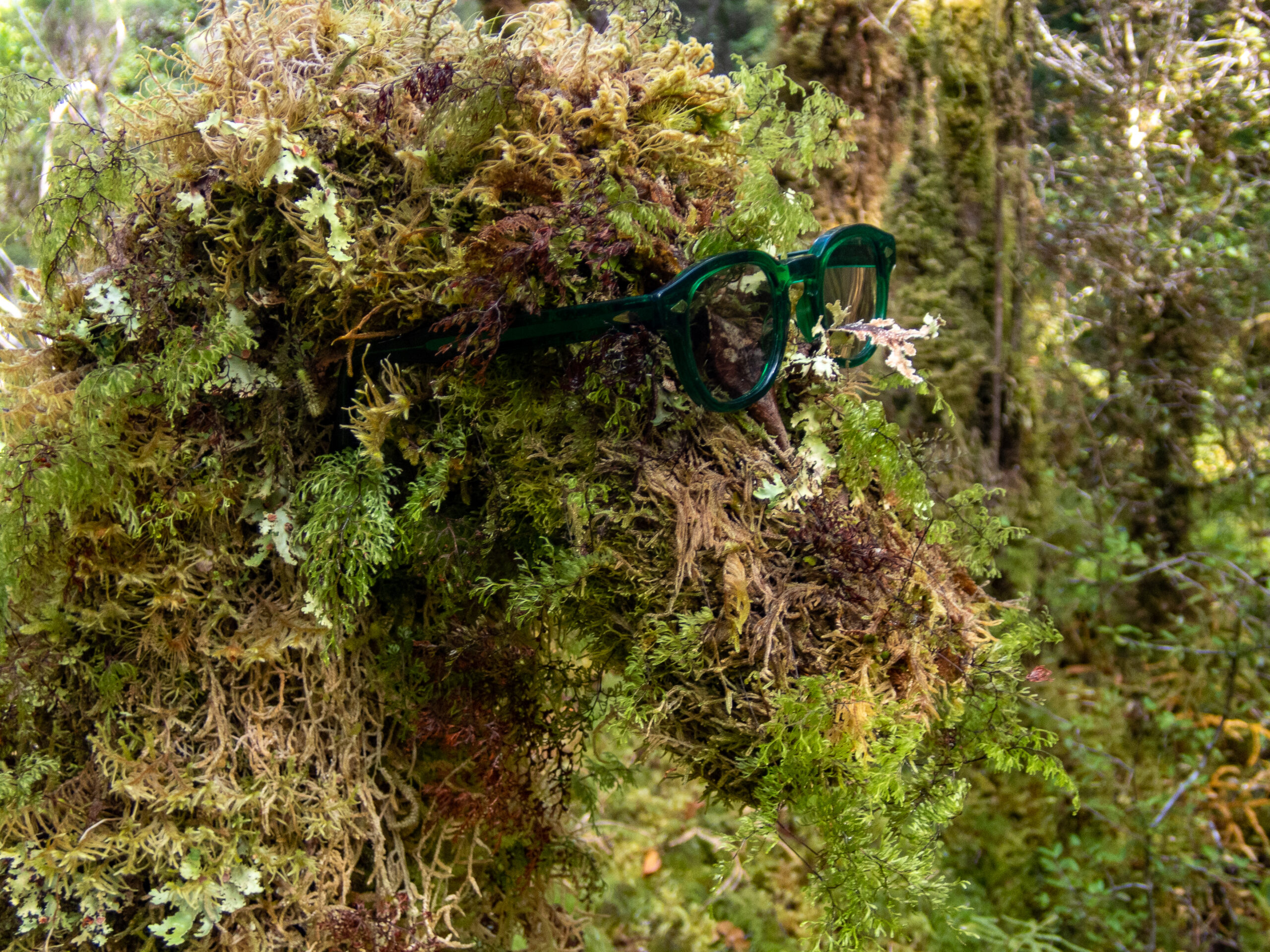
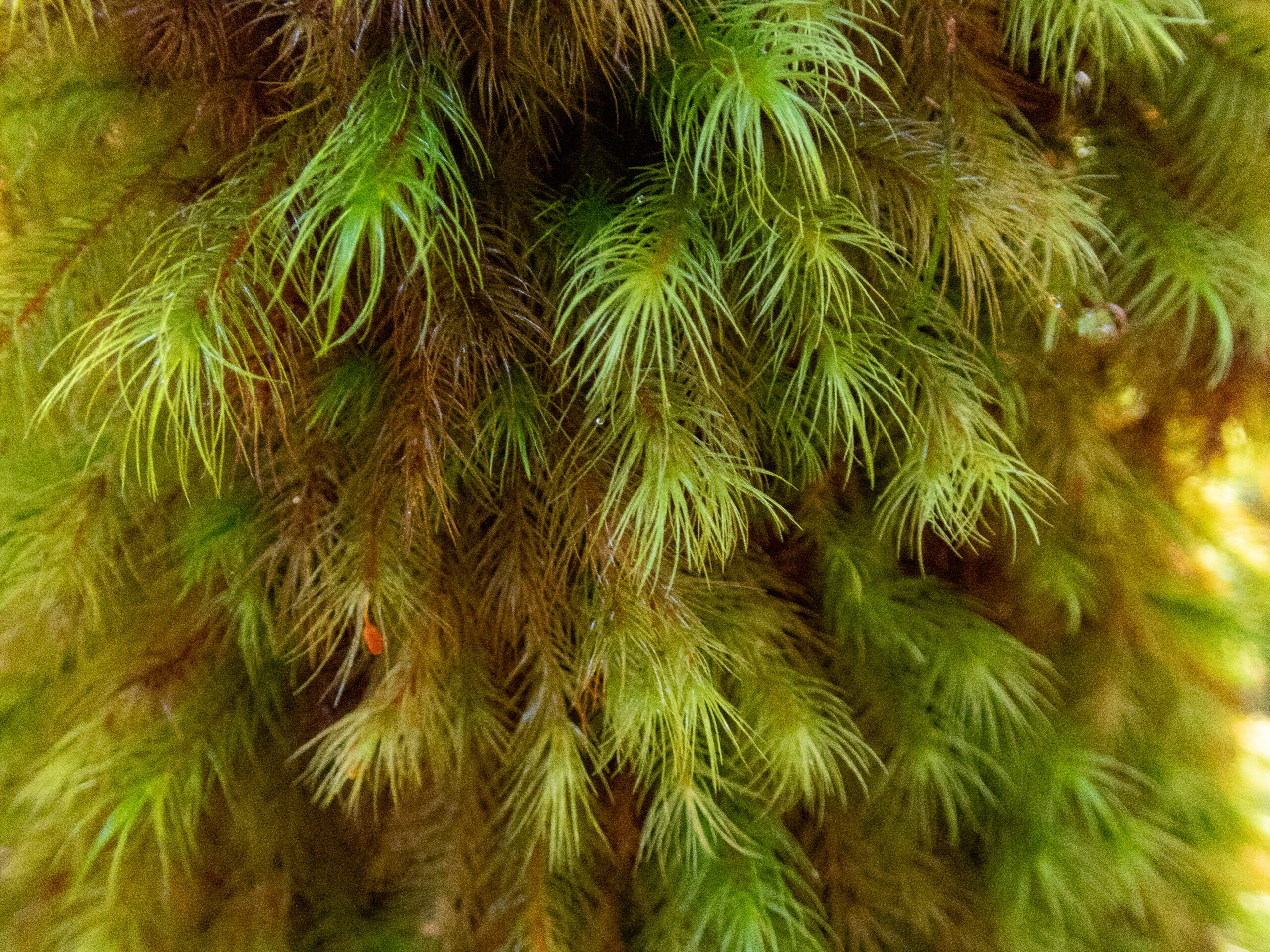
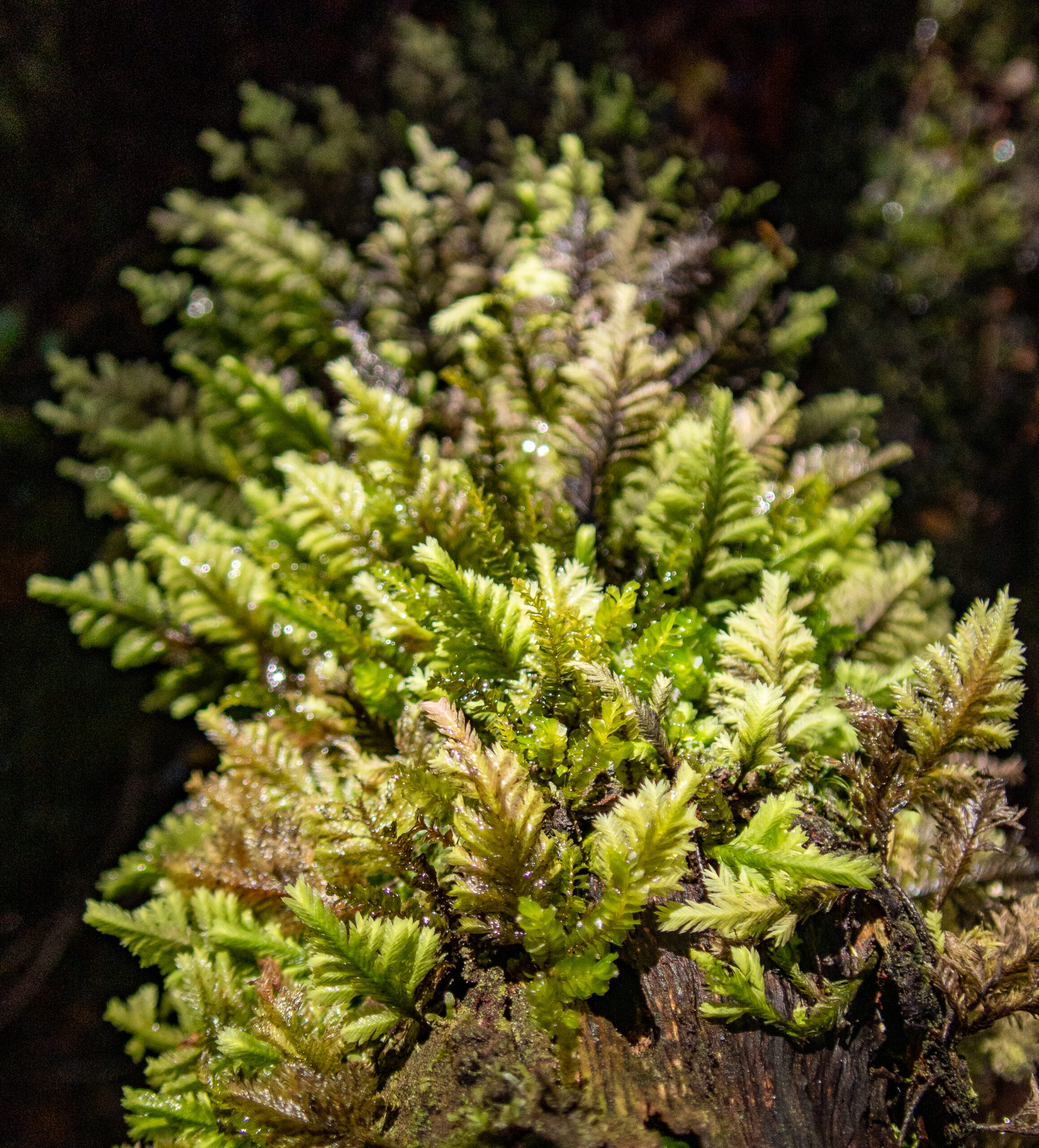
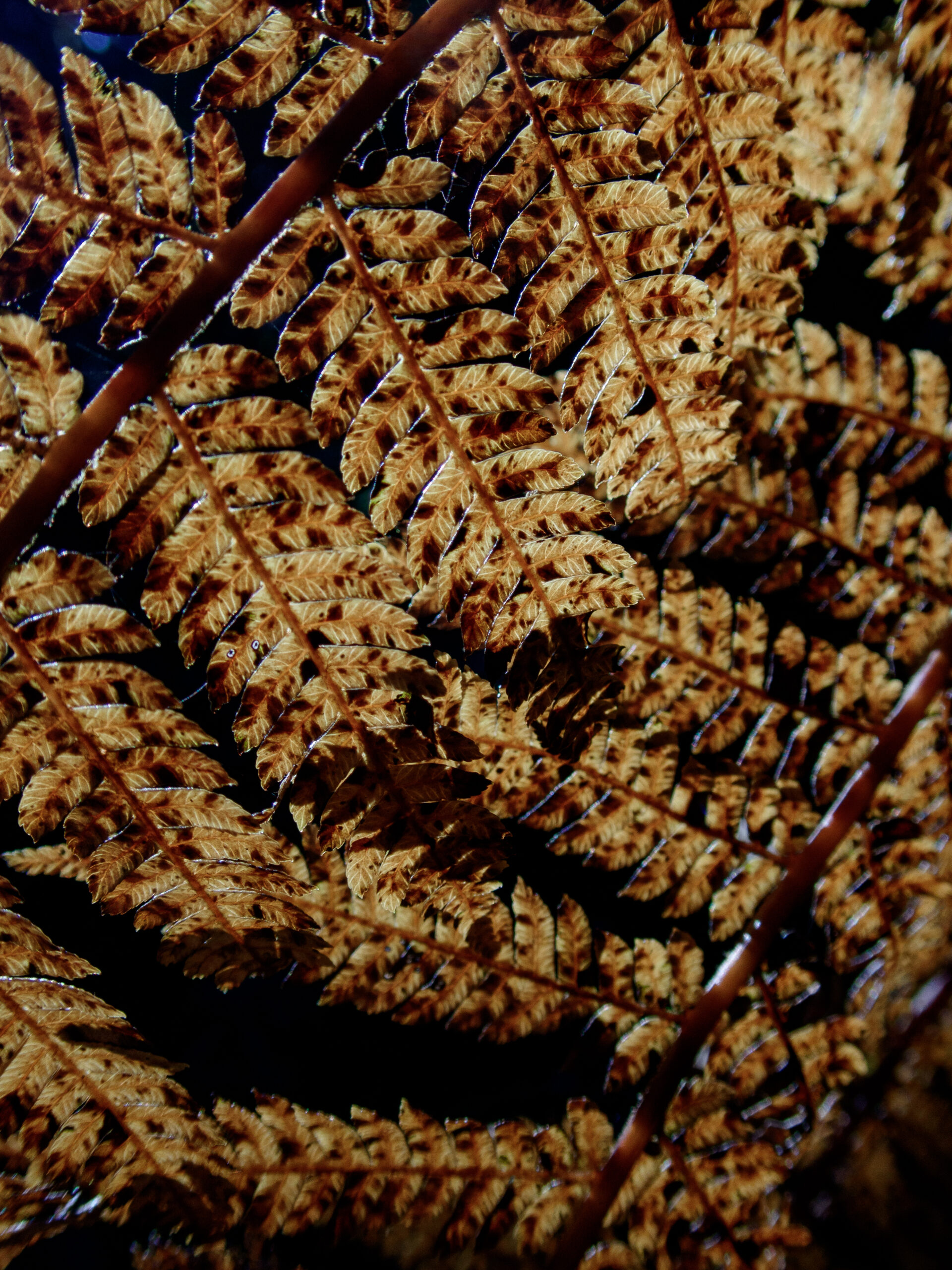
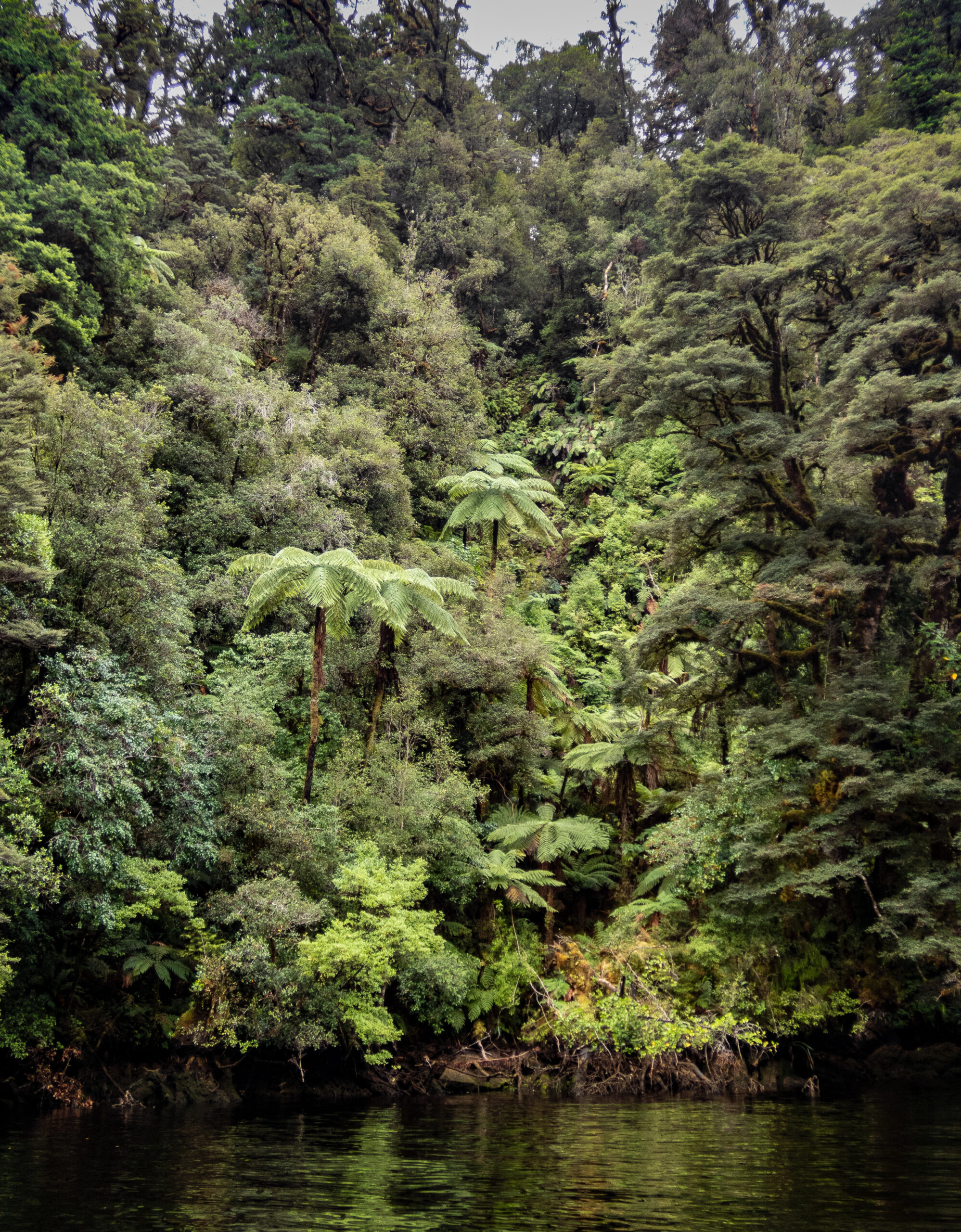
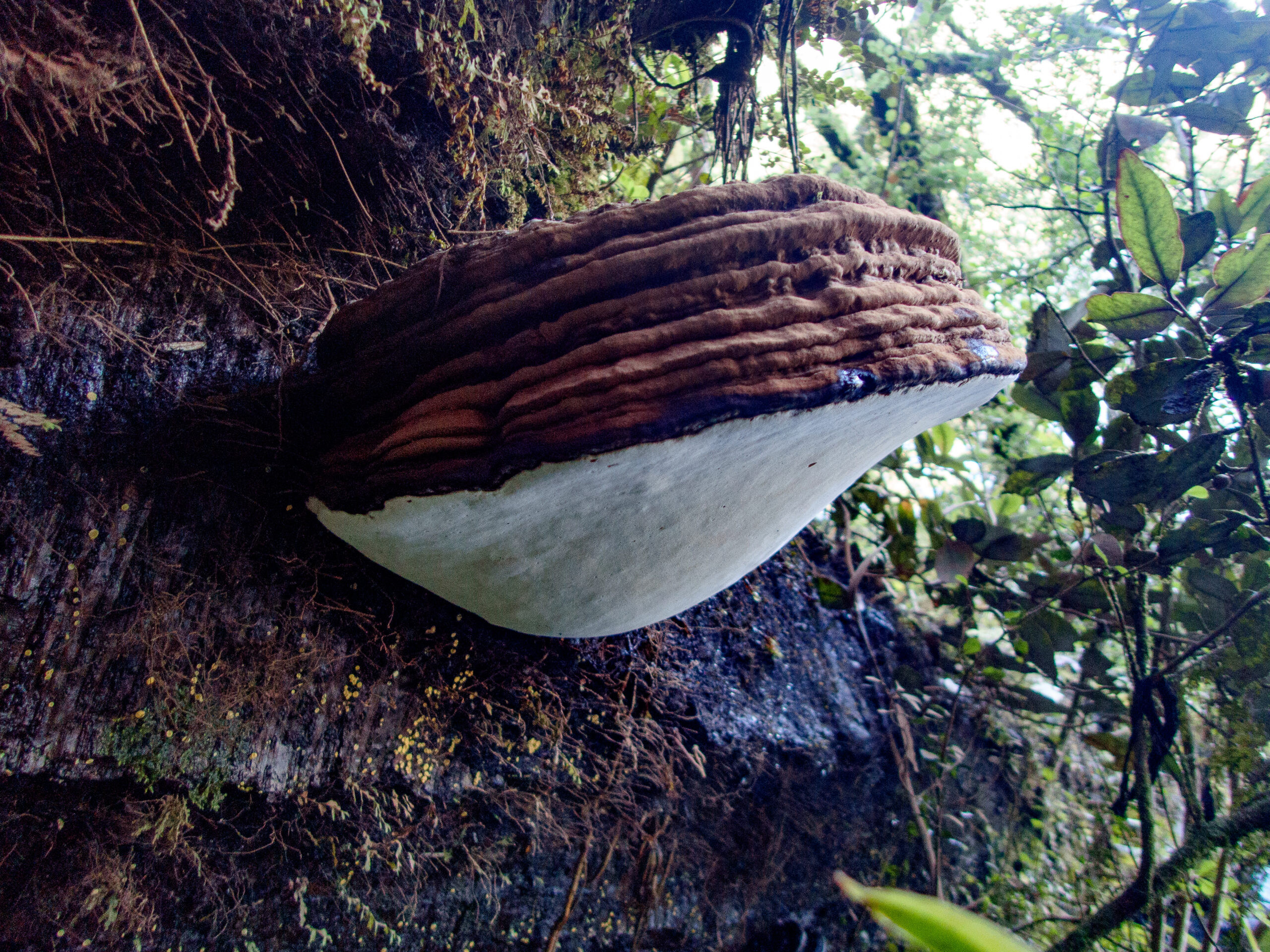
Ahhh, the graceful FERNS!!! So so many!!!The wind in Fiordland has two speeds: gale or glass.We ended up feeling like we wound our own web with all the lines securing Allora!Had some fun trying to find a lake which we’d read was just a kilometer up the forest basin.A healthy shelf fungi – they get HUGE in Fiordland.It was love at first sight – Marcus meets sponge moss! Nap time.Hehe. Seeing through new lenses.
So much green … So much life …Finally made it to the lake, but we’re not getting any FKT’s (fastest known times)!OOPS! Also not making any ‘how to’ videos on leaving your tender! Didn’t quite calculate THAT tide right! Sorry Namo!Back on Allora, watching the moonset.On the move again, heading through Bowen Channel toward Shark Cove.
Shark Cove Anchorage – our bow anchor and two stern lines to shore. See ‘backstory’ below!
Seaforth River, Dusky Sound
It took us three tries to get the anchor to hold in Shark Cove. Communication from bow (Diana) to the helm (Marcus) is always a bit challenging (West Marine sells headsets called “marriage savers”). The view is different, too. We did alright for the first couple of attempted sets, but both got a little impatient and grumpy by the third. It held, and we were finally tied up, but tired and neither of us feeling great about how the teamwork had held up. There’s a lot at stake — sudden weather switches, unpredictable williwaws make it crucial to get this right. Every couple of days we get another chance to see if we can improve on our mutual desire to work together.
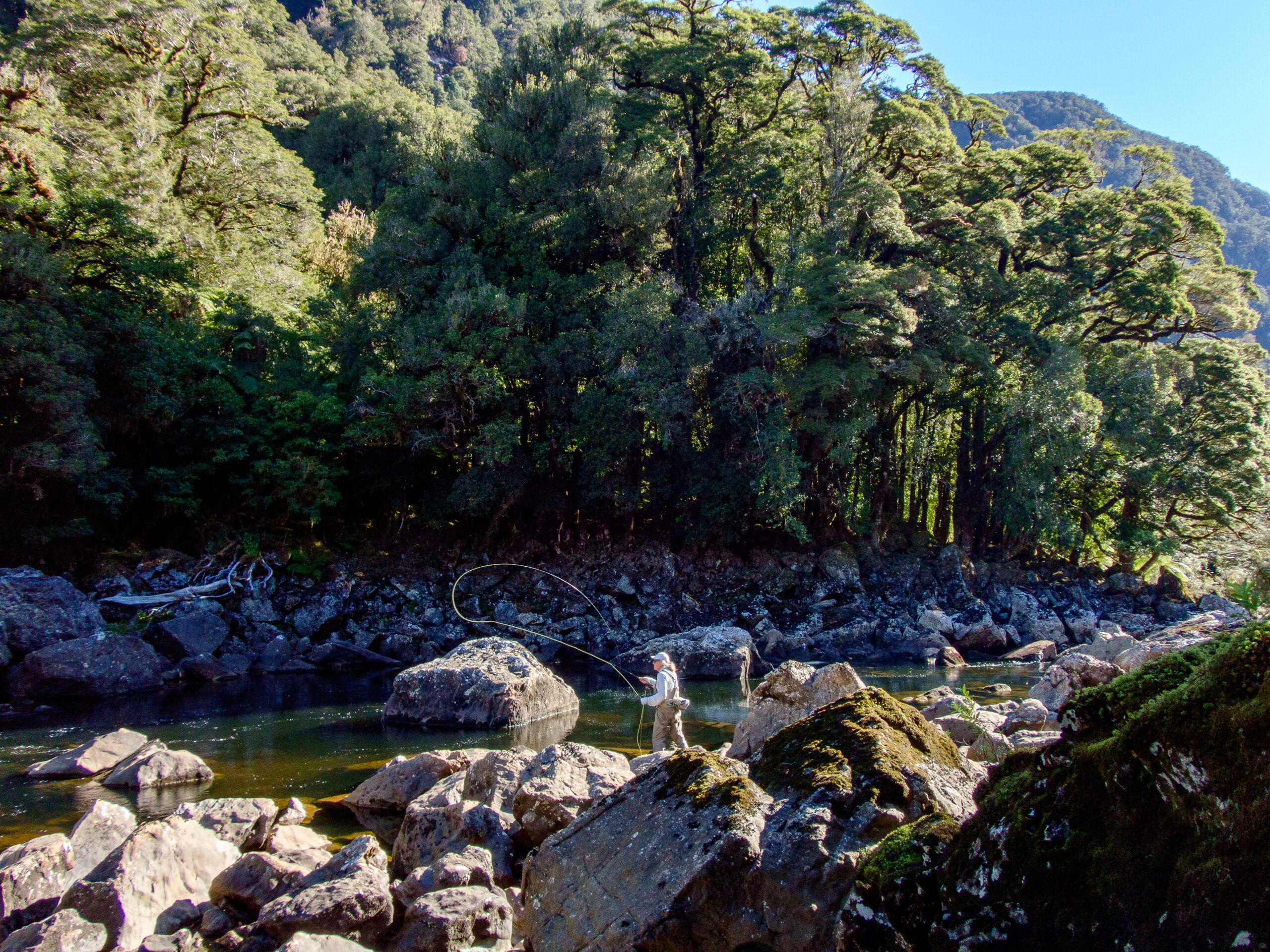
We got a little of a late start for the longish dinghy ride over to Supper Cove where the Seaforth River enters the Sound. It’s reported to hold brown trout! The Dusky trail slopes along the banks, through mud puddles and a podocarp forest of magnificent rimu, kahikatea, miro, mataī and tōtara trees. The river tumbles off some boulders and then flattens like a lake for several kilometers. Tea stained with tannins, spotting fish (the only way to fish in New Zealand) was tough. Ultimately we didn’t see any, though a few rocks got some very intense attention.~MS We took Namo over to the next bay, Supper Cove, to be able to hike on the Dusky Track. It’s an advanced tramper track – 84km one way, but we just did 6km and found it muddy but heavenly (not bushwhacking).
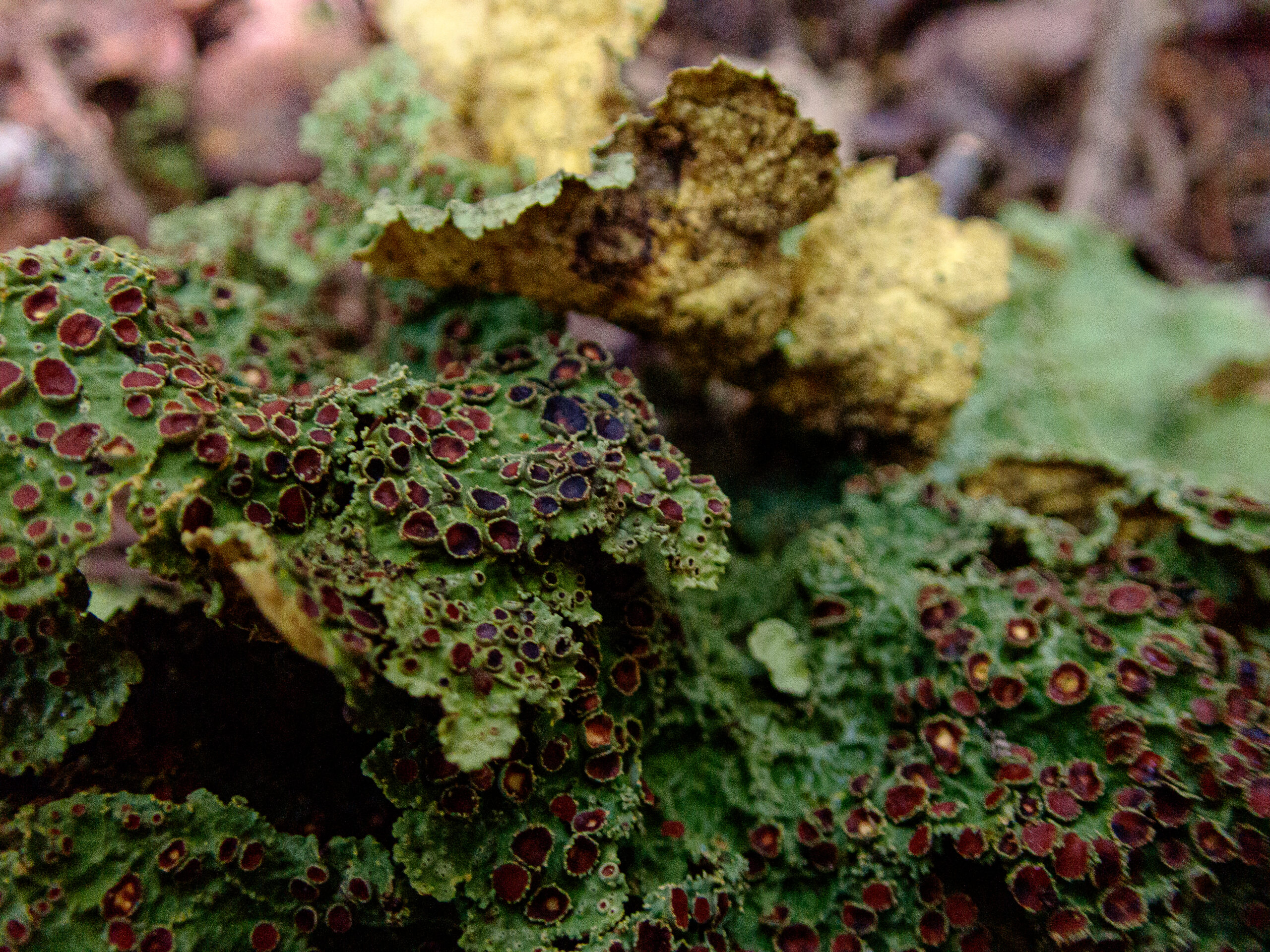
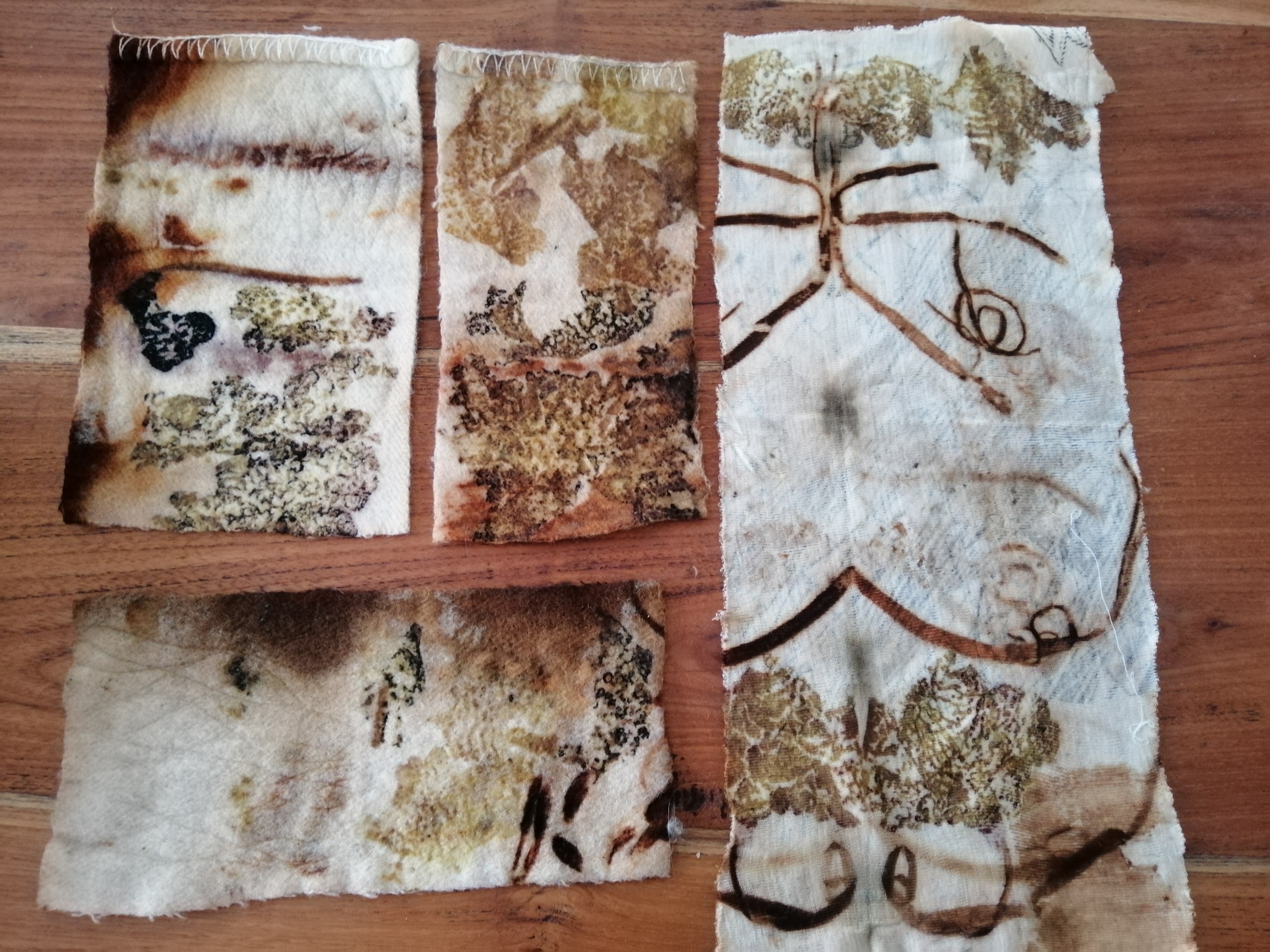
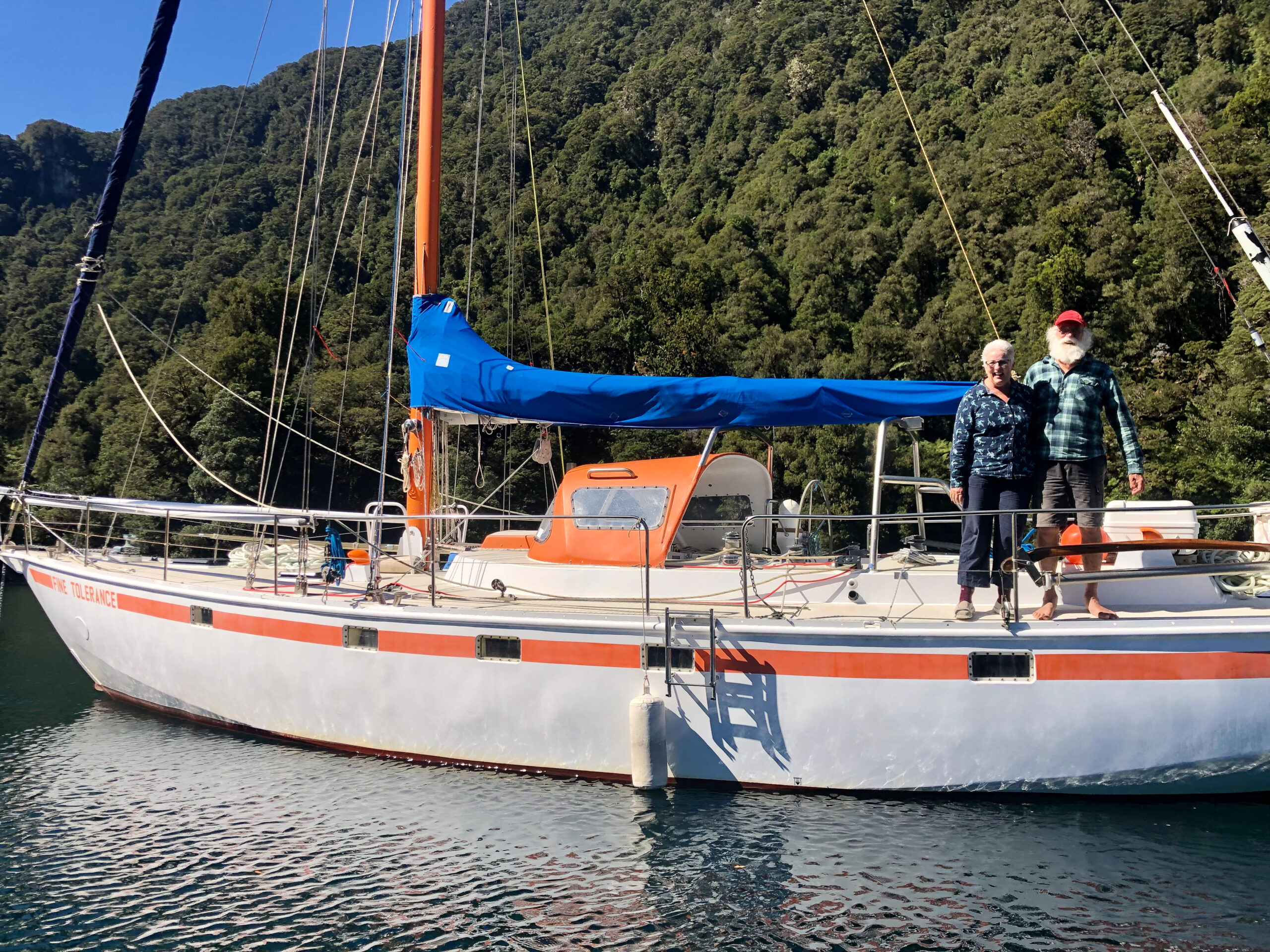
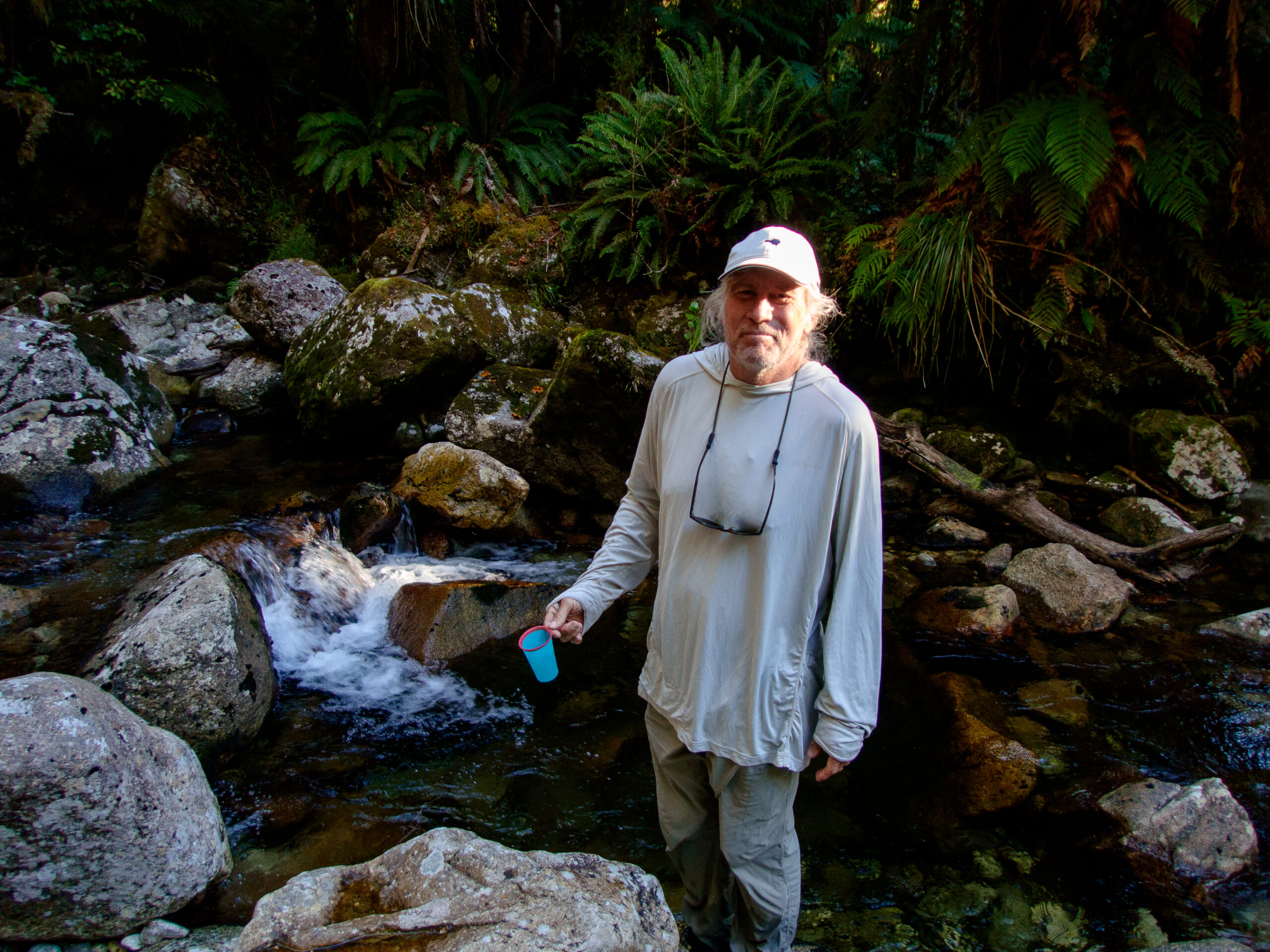
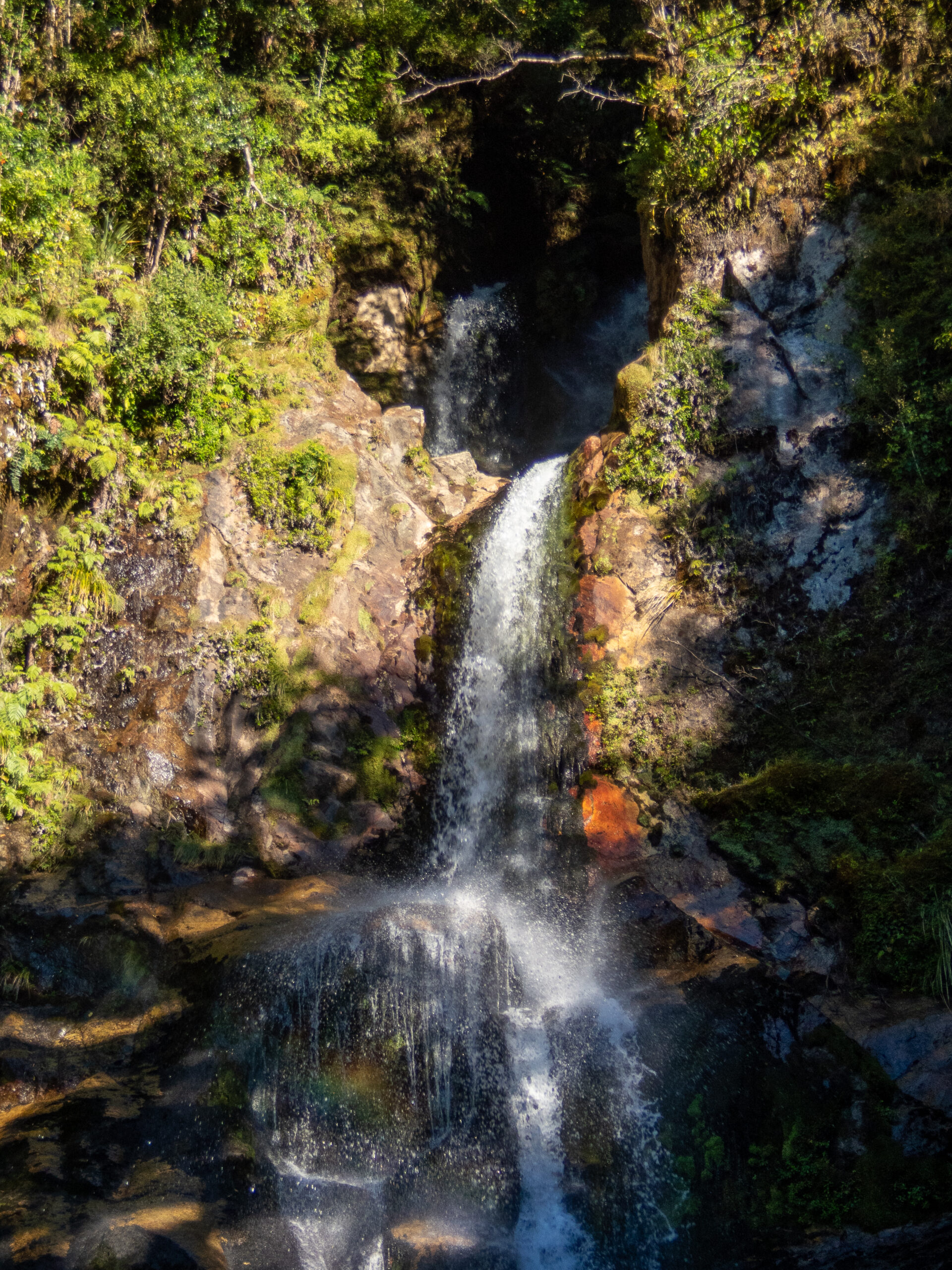
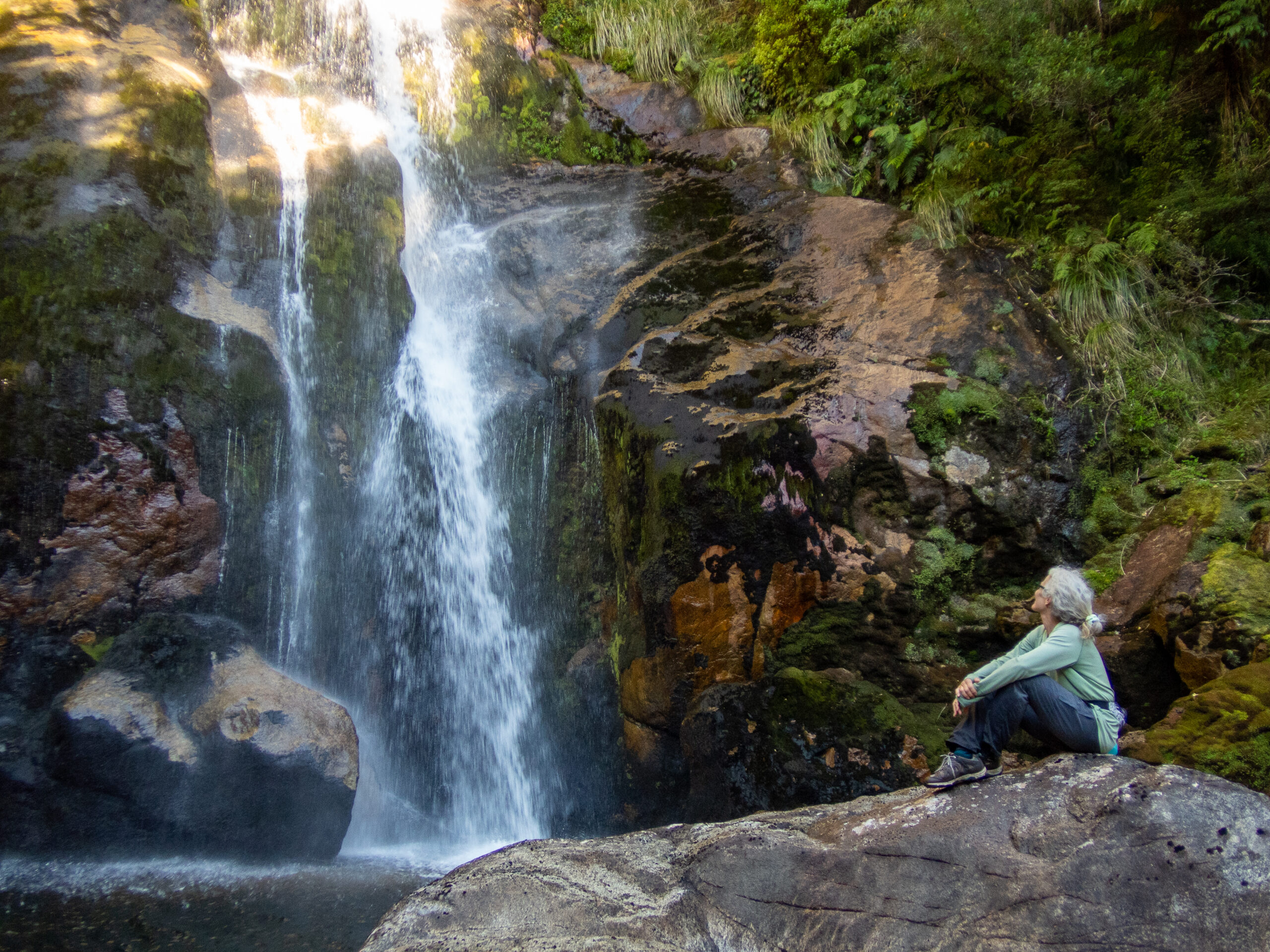
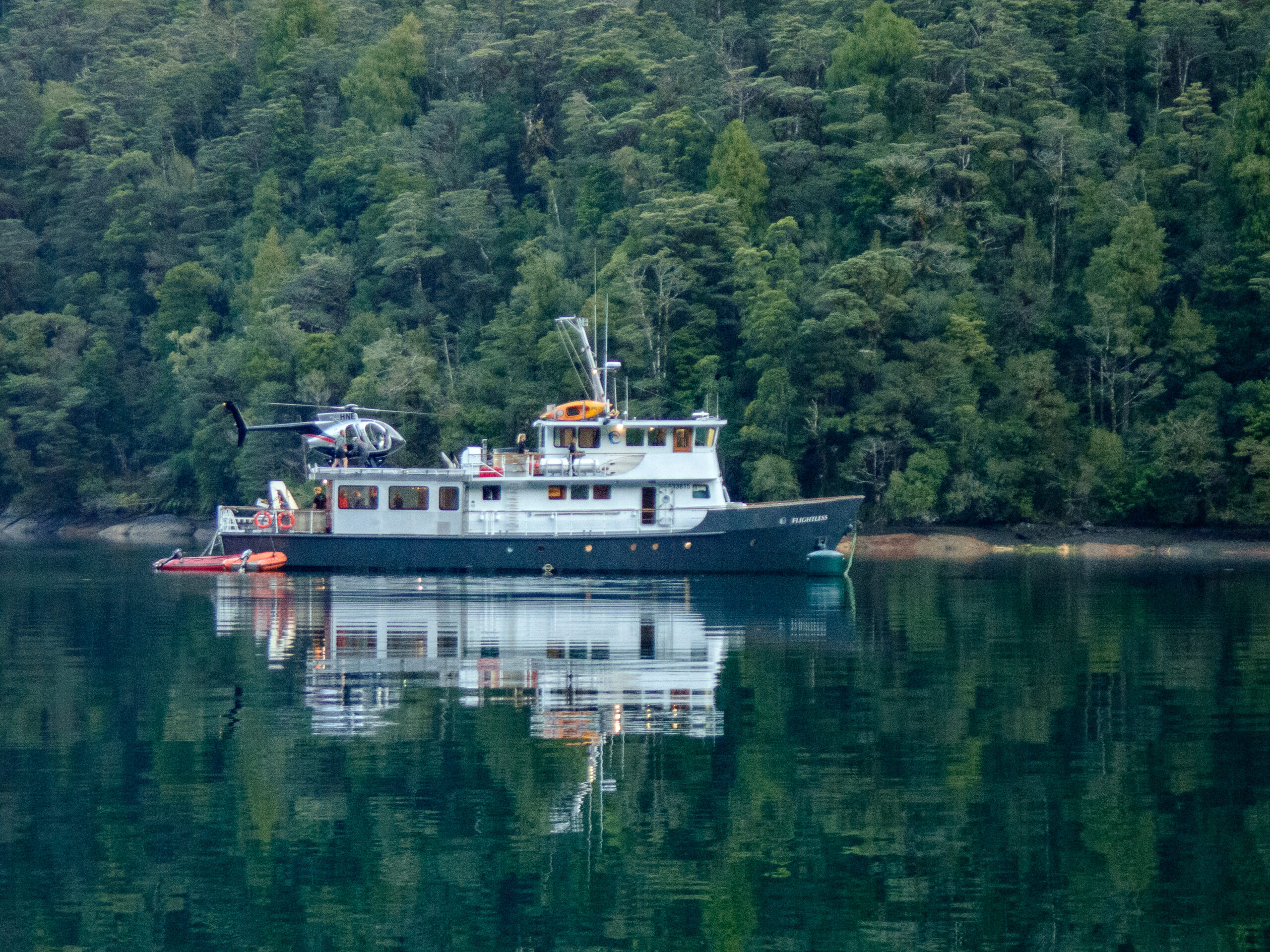
An official TRAIL, baby!Forest light can look like studio light!Focus schmocus, look at those colors!The non-green vegetation really stood out.The leaves of the Beech trees leach acidic tannins into the rivers making them appear ‘tea stained.’Sticta Coronata, a lichenized fungi. We learned from our Lyttelton artist friend, Virginia, that it makes fabulous natural dye for fabric!Virginia’s Sticta dyed wool.Back in Shark Cove. No sharks spotted but some magical kayaking and wise trees!Some really lovely Australians invited us aboard their custom built boat of 30 years, s/v Fine Tolerance for tea!I’d heard a waterfall from the kayak and went back to get Marcus so we could try to find the source! Took this pic to show that we can drink the water ANYWHERE in NZ without fear of getting Giardia. This ‘quick cup’ is our favorite thing from Wyatt’s running world – clip it on your backpack and it’s light as a feather – voila, water at the ready!Paradise found!What is it about falling water?!!Just might have to be a mosaic someday?!Our last night in Shark Cove. We ended up with just under two months in Fiordland and we’d have loved twice as much at least.We saw so few other boats, but at dusk this boat ‘Flightless’ showed up and picked up the big mooring. In the wee hours of the morning (hence the soft focus), the morning, the helicopter dropped in from the head of the bay, landed and shifted out crew for this tour boat operated by a conservation minded company called, ‘Pure Salt.’The Acheron Passage is a north/south running inland route which connects Dusky Sound to Wet Jacket Arm to Breaksea Sound. Quite nice from our perspective as we didn’t need to go ALL the way back out to the open ocean to traverse up to Breaksea. Plus, we had the benefit of securing ourselves in what’s known as an ‘All Weather Anchorage,’ and the safest spot in all of Fiordland for a W/NW blow due in the next day. Sure couldn’t imagine it with these mirror like conditions though …
While Wet Jacket Arm and Breaksea Sound are still part of the Dusky/Tamatea Complex, I’ve broken them up, if for no other reason than my own sanity, so I can feel a sense of progression, ha! ~DS
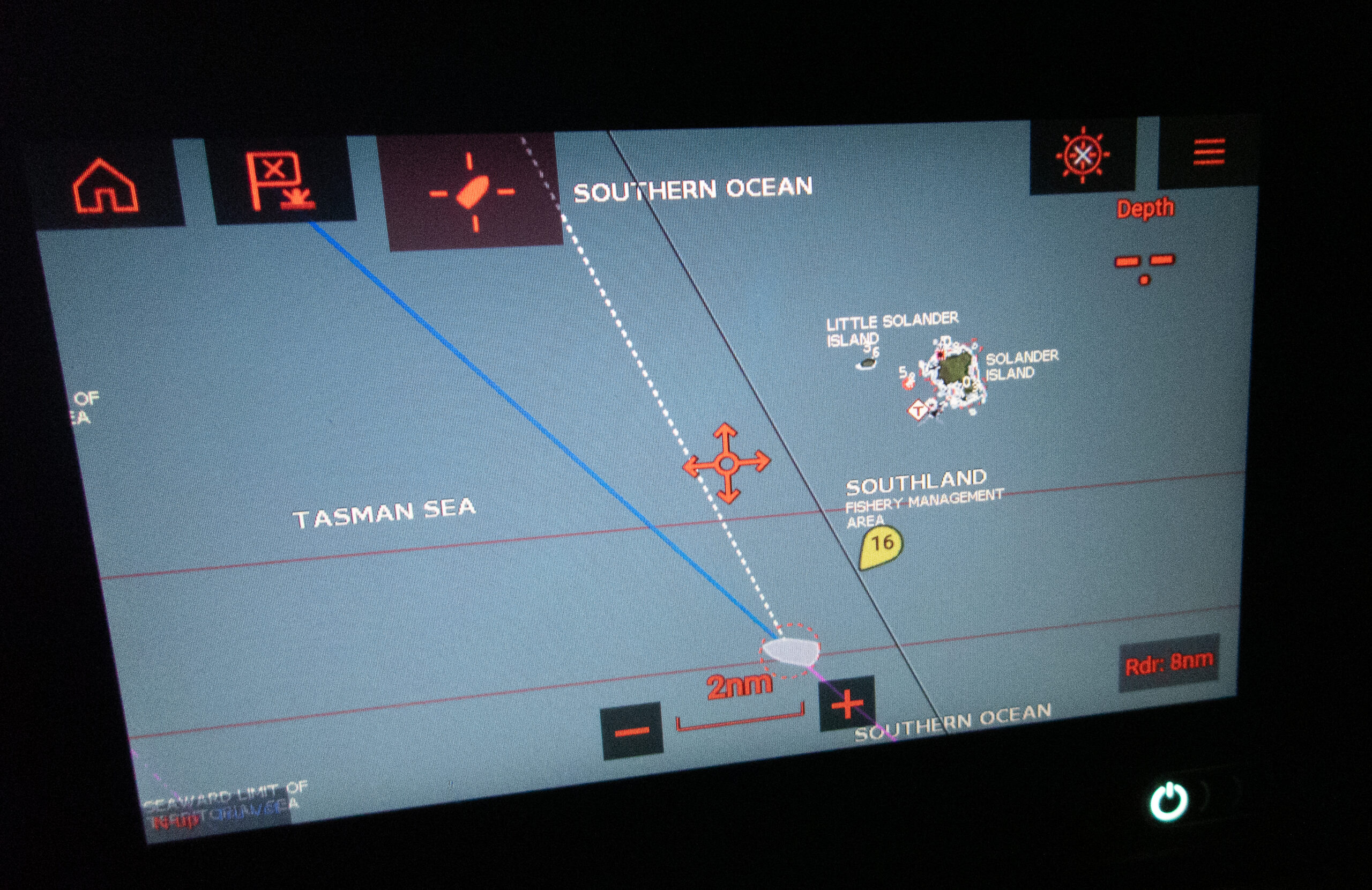
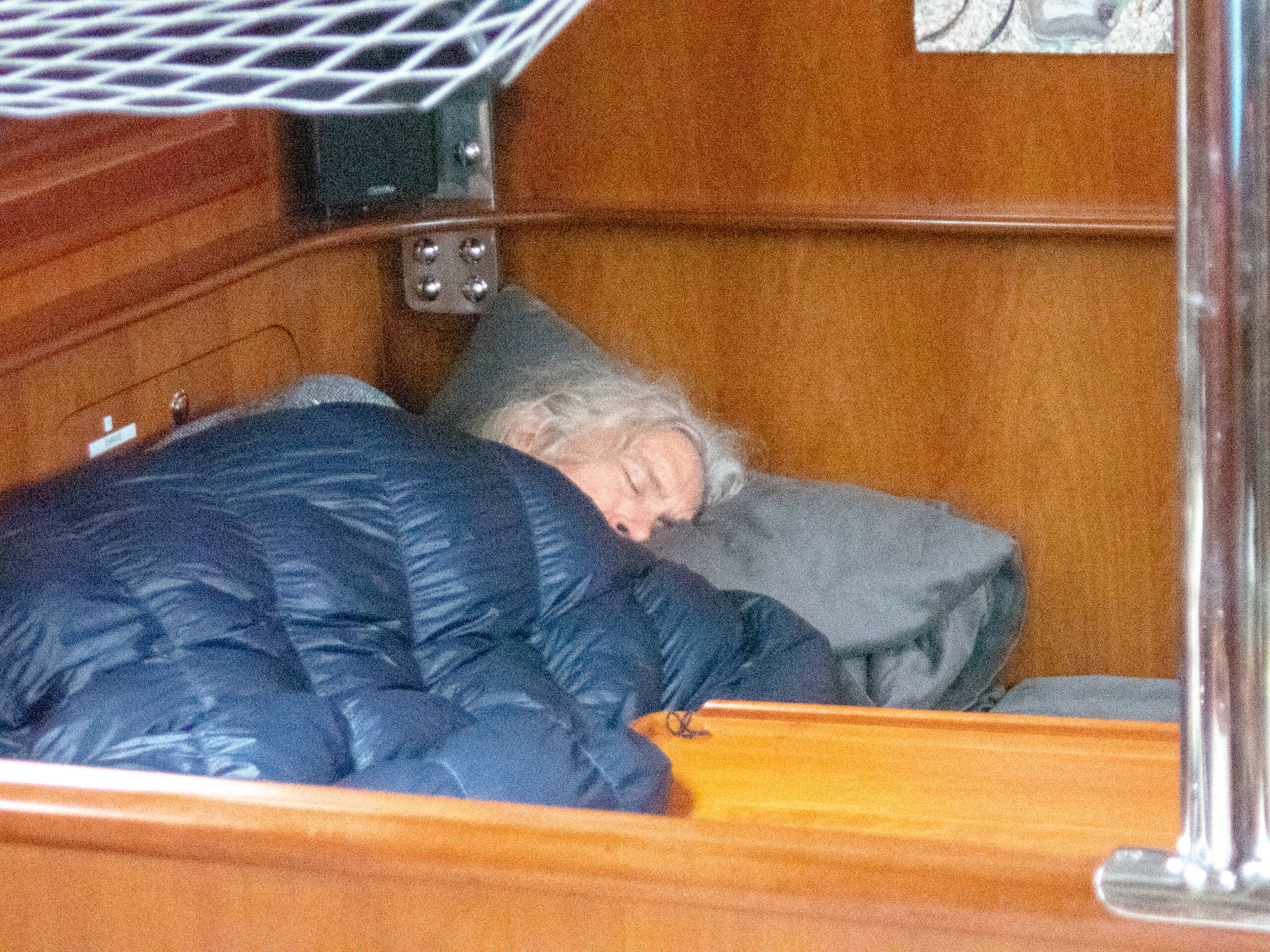
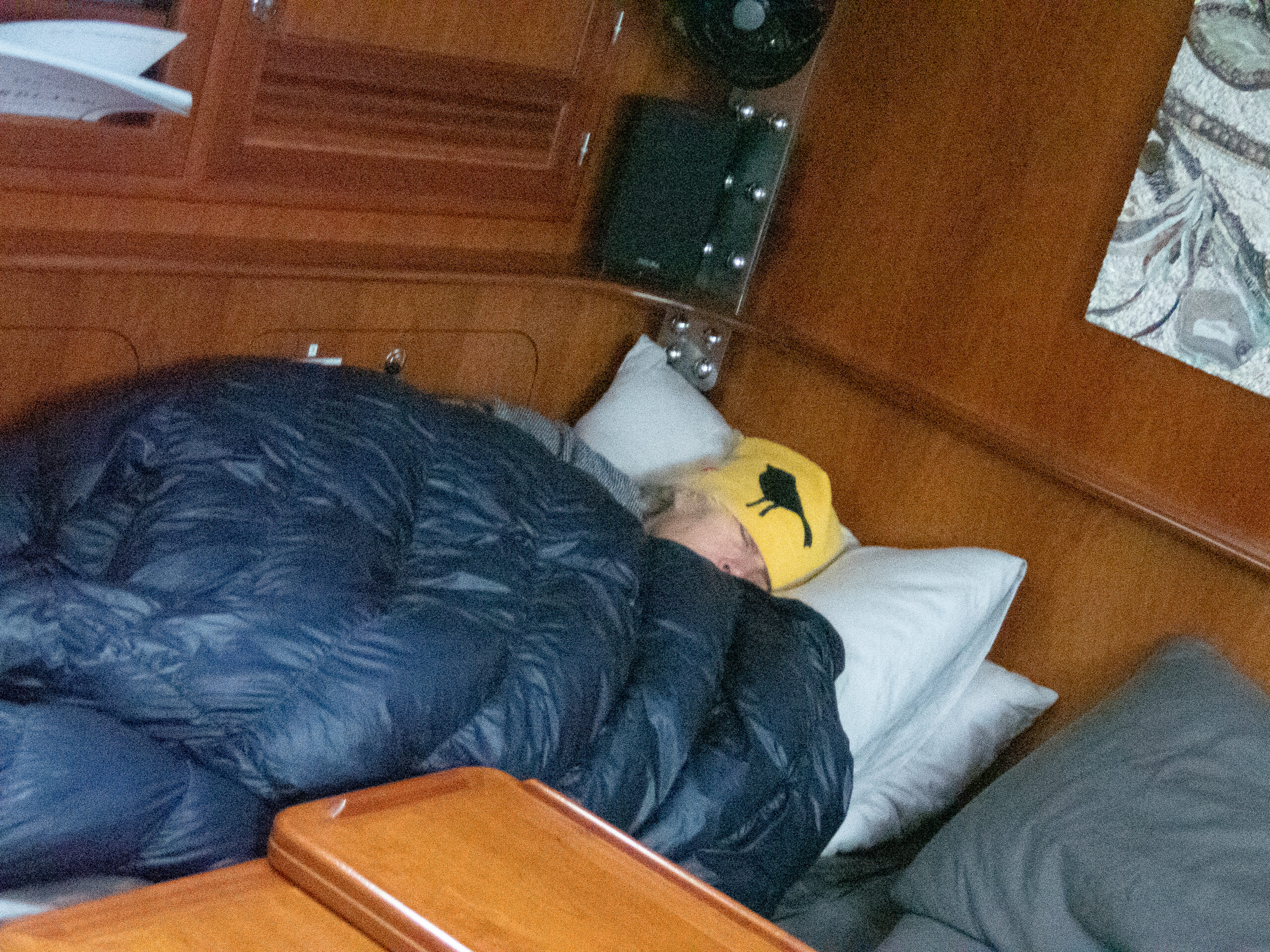
Heading across the Tasman Sea, the farthest South Allora’s ever been!I took this pic of Marcus cozily sleeping off watch …… and without knowing I had, he took this of me in the same state!Arriving early (too early)!
Last Cove, Preservation Inlet
My first series of thoughts were about the precariousness of our situation, and how much we depend on our engine, despite being a sailboat. What in the world would Captain Cook do? We had arrived at the entrance to Preservation Inlet a couple of hours too early, despite our attempts to slow Allora down. No wind but a big southwest swell colliding with a northerly chop was making going slow under power uncomfortable, the mainsail slatting back and forth despite the preventer. We had already decided to edge up toward Dusky Sound (another twenty miles onward) and go in there instead as long as the forecast northerly held off. I’d barely turned Allora in that direction when the wind began building, directly on our nose, gusting up to 16 knots. No harm in poking a little further that way, to kill time. The Puysegur lighthouse flashed bright and high on our beam, a reminder of where in the world’s oceans we were. Puysegur hosts gale winds or stronger 300 days a year. The weather models showed the next gale arriving by afternoon, by which time we needed to be safely tied up at anchor. The first issue with the engine I noticed was that the display at the nav station was off. Weird, I thought. Then I noticed the gauges in the cockpit, shutting offand popping back on. Very weird. Then the engine warning came on, beeping insistently. What the heck? Thinking mainly at this point of not waking Diana who’d had a very rough night already struggling to get to sleep for the first few hours of my watch, I quickly shut the engine down. Then as we slowed in the airless swell, I pushed the button to start it back up. It flashed and went off. I tried again, it stayed on long enough for me to get a couple slow, battery dead, rolls of the engine. I had been thinking it was time to replace this starter battery, in fact, I had just had a conversation with Willy on Pazzo about how you know when your starter battery is dead. I should have known better than to bring this up with him, since the last boat conversation I’d had with him was about our flawless autopilot, which literally failed the next day (the first time in six and half years). For a few panicked moments I couldn’t think about anything except the weather forecasts I’d been looking at that predicted wind on the nose if you tried to sail for Dusky and no wind at Puysegur until the arrival of the gale. I guess Captain Cook would just have had to sit there roll in the three meter swell and wait for however many hours it was going to be until the gale chased him in. I didn’t like the sound of that at all. I went below and switched the starter battery to combine with the house batteries and the engine started up. Phew! But the engine warning was still blaring CHCK ENGINE. Amazingly, Diana was still sound asleep, despite about the blaring warning lights, or me running up and down the companionway, starting and stopping the engine. Okay, I checked the oil. I checked the temperature. I checked the cooling system. I checked the transmission. All good. The engine sounded absolutely fine. I’d installed the display at the Nav because supposedly it might give me more information than just CHCK ENGINE… how about check battery, or check electrical system? I reluctantly woke up Diana to tell her about the situation. It definitely did not seem like a good idea to head toward Dusky, we agreed. I figured out how to make the engine warning beep a little bit quieter below and she tried to get back to sleep. I started a slow zig zag toward Puysegur lighthouse, chugging along at under 3 knots, keeping a wary eye on the churning cauldron of Balleny Breaks less than a mile northeast of us and slowly got used to the steady ringing of the engine warning. We motored up the stunning Preservation Inlet to Last Cove as I kicked myself for ignoring my instinct to replace that starter battery. I’d checked it and it seemed okay, but it would have been relatively cheap and easy to replace it, just in case, and not be in this situation. Our first anchorage in Fiordland. We’ve been working on how to set our anchor and lines, a sleepless night from the passage and an engine with a steady CHCK ENGINE still blaring did not make it easier. With a big blow coming we wanted to get it right. 300 feet of rode and two lines to shore.
The weather models, all four that we download via satellite, predicted this narrow window for rounding the great cape on Stewart Island and sailing with an easterly breeze up to the notorious Puysegur before the wind switched northerly with forecast 50+ knot gusts. We put a lot of faith in them, and they were spot on. After a long nap, I started the project of dealing with the starter battery. My idea was to replace it with one of the house batteries. In the process, I had the thought to check the Duo Charger which regulates the battery charging from the engine’s alternators. The installation showed two fuses and as I pulled the wires to find the inline fuse, I noticed the one for the starter battery was a bit loose. I tightened it up, started the engine, and the charging voltage jumped up right to where it belonged. A loose wire. That was all. Three turns of a screw. ~MS
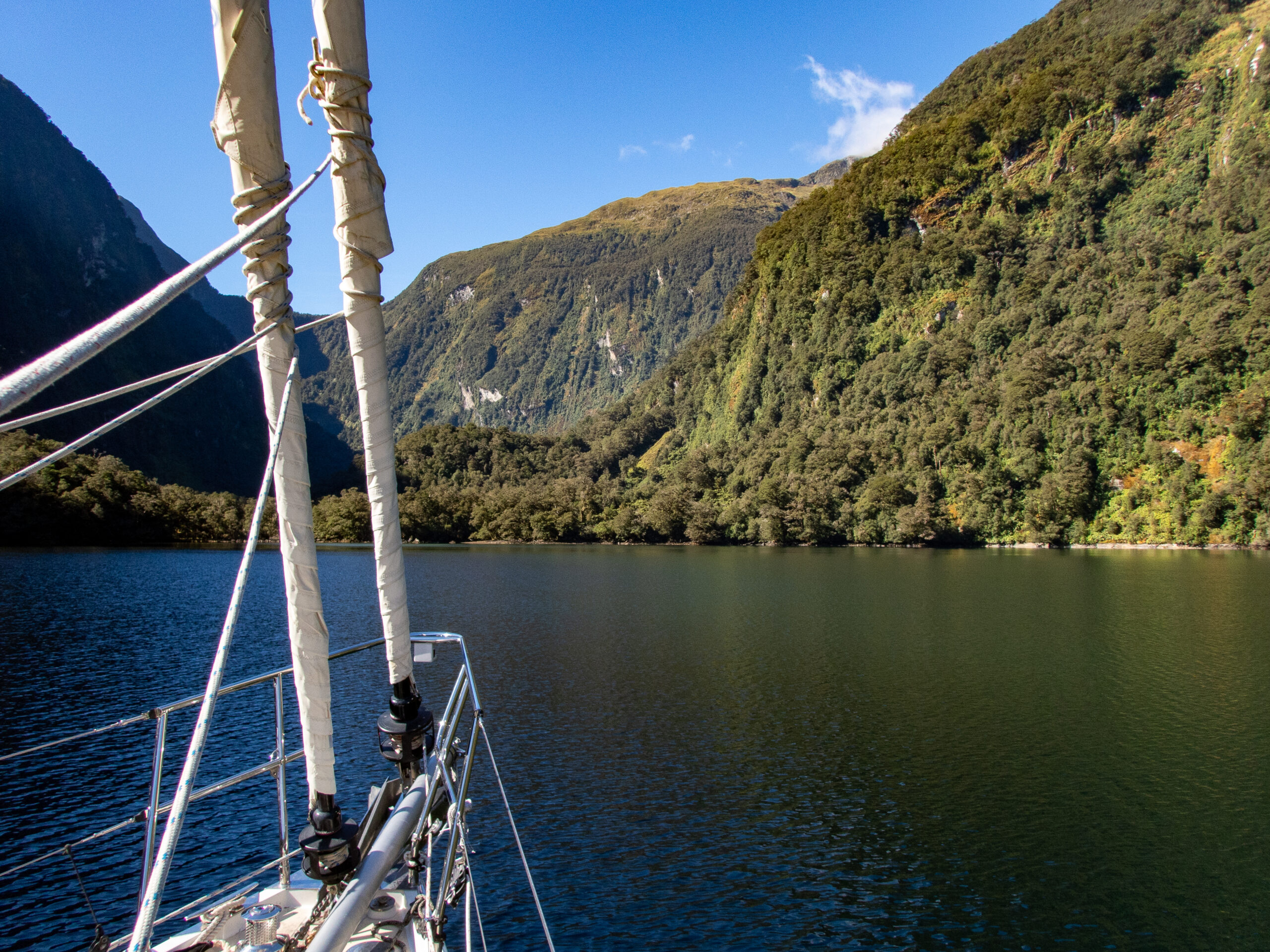
Dropping the Mainsail. Last time we’ll be sailing for quite awhile. Fiordland is either glassy calm or all out gales.Oh so happy to be in Fiordland!!
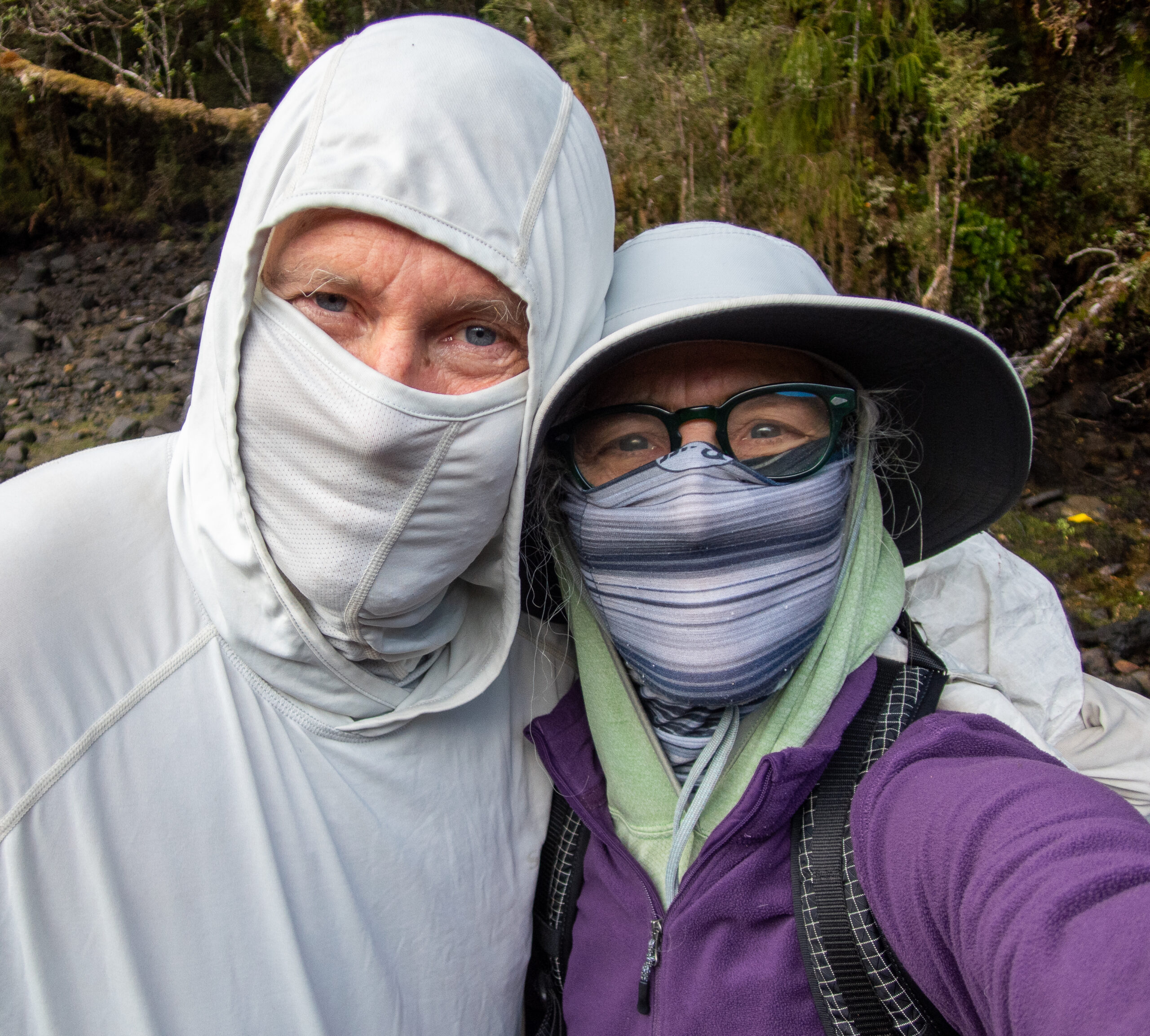
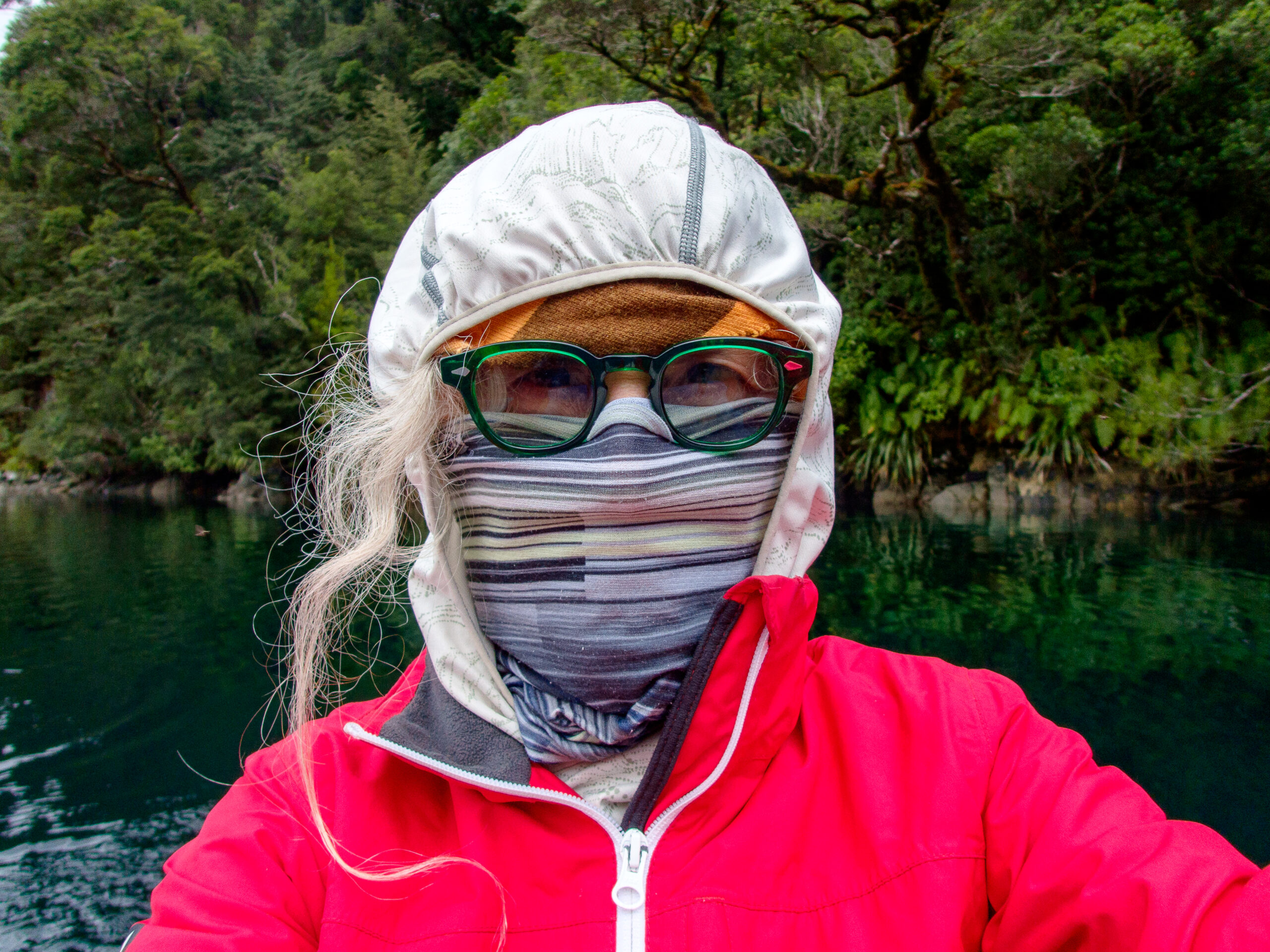
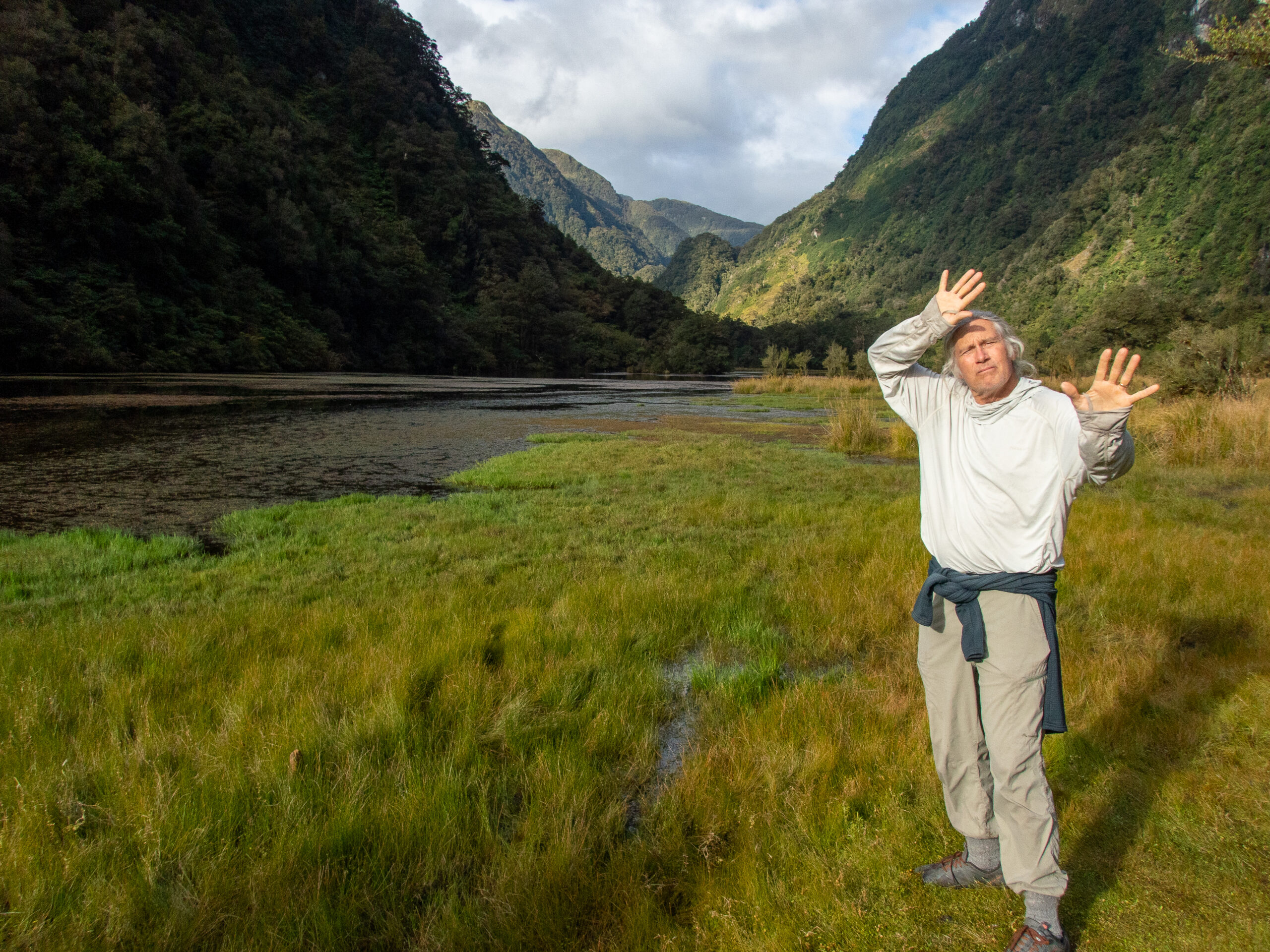
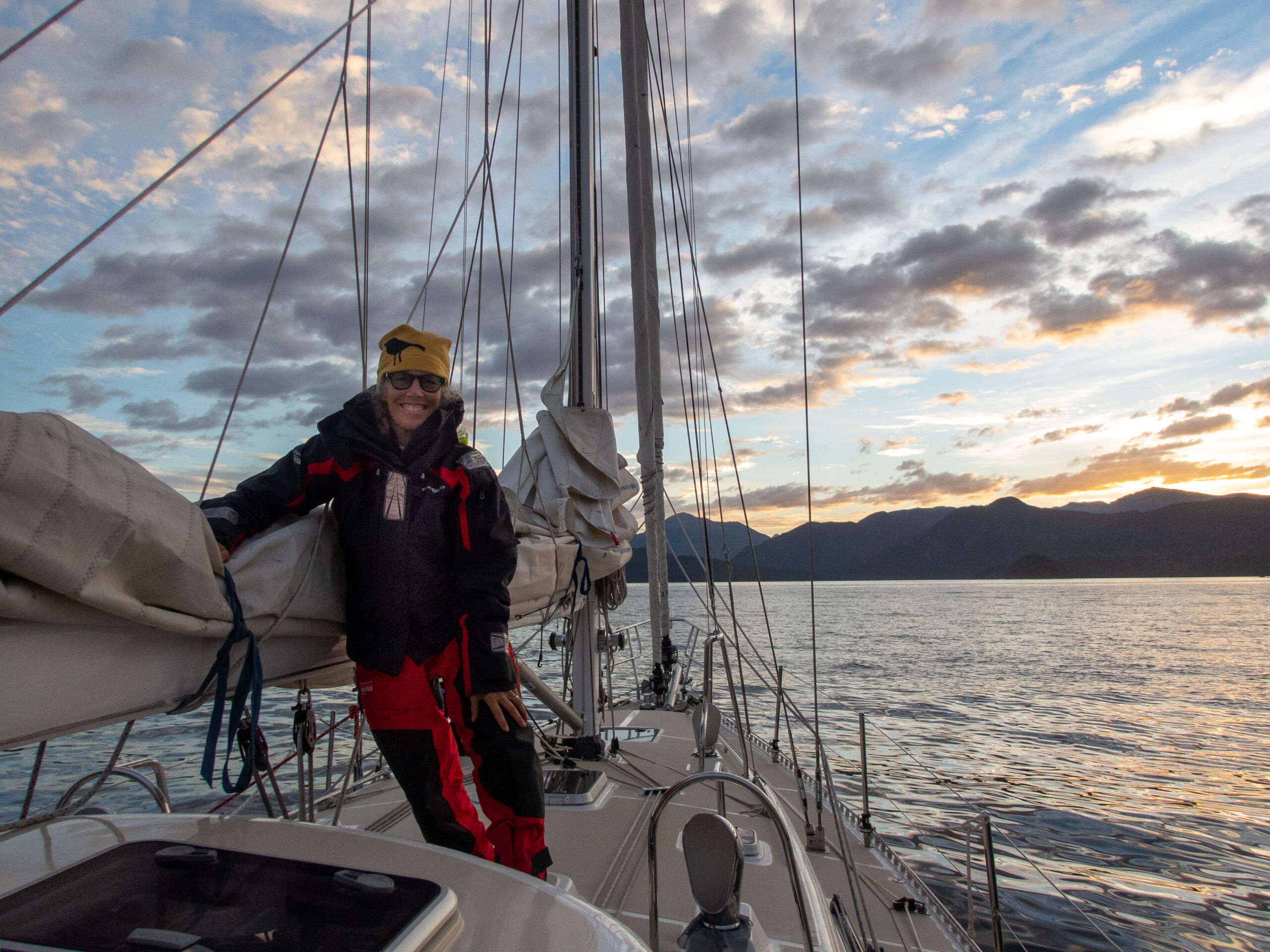
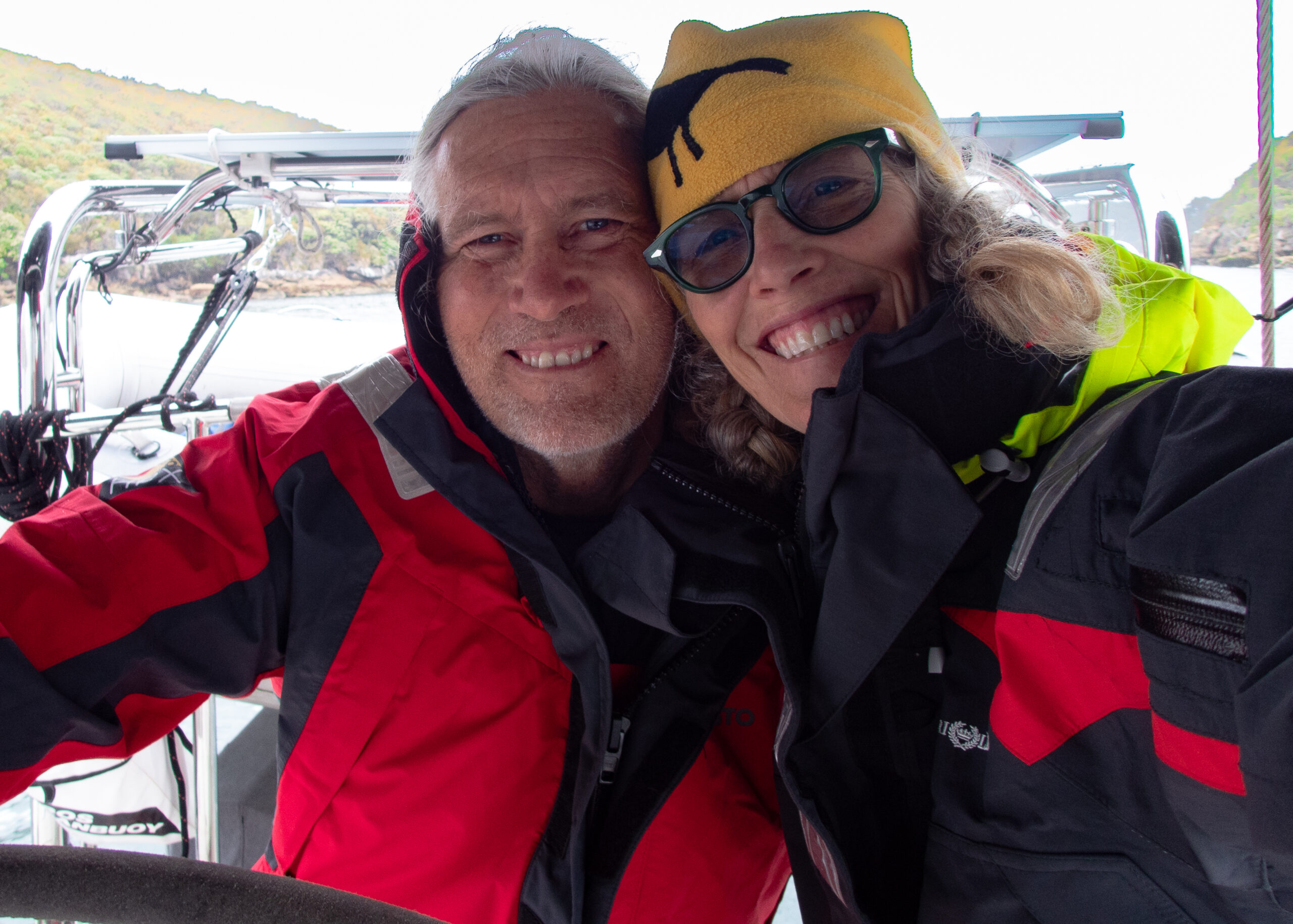
The new GEEK garb, protected (hopefully) from sandflies and the chilly temps!
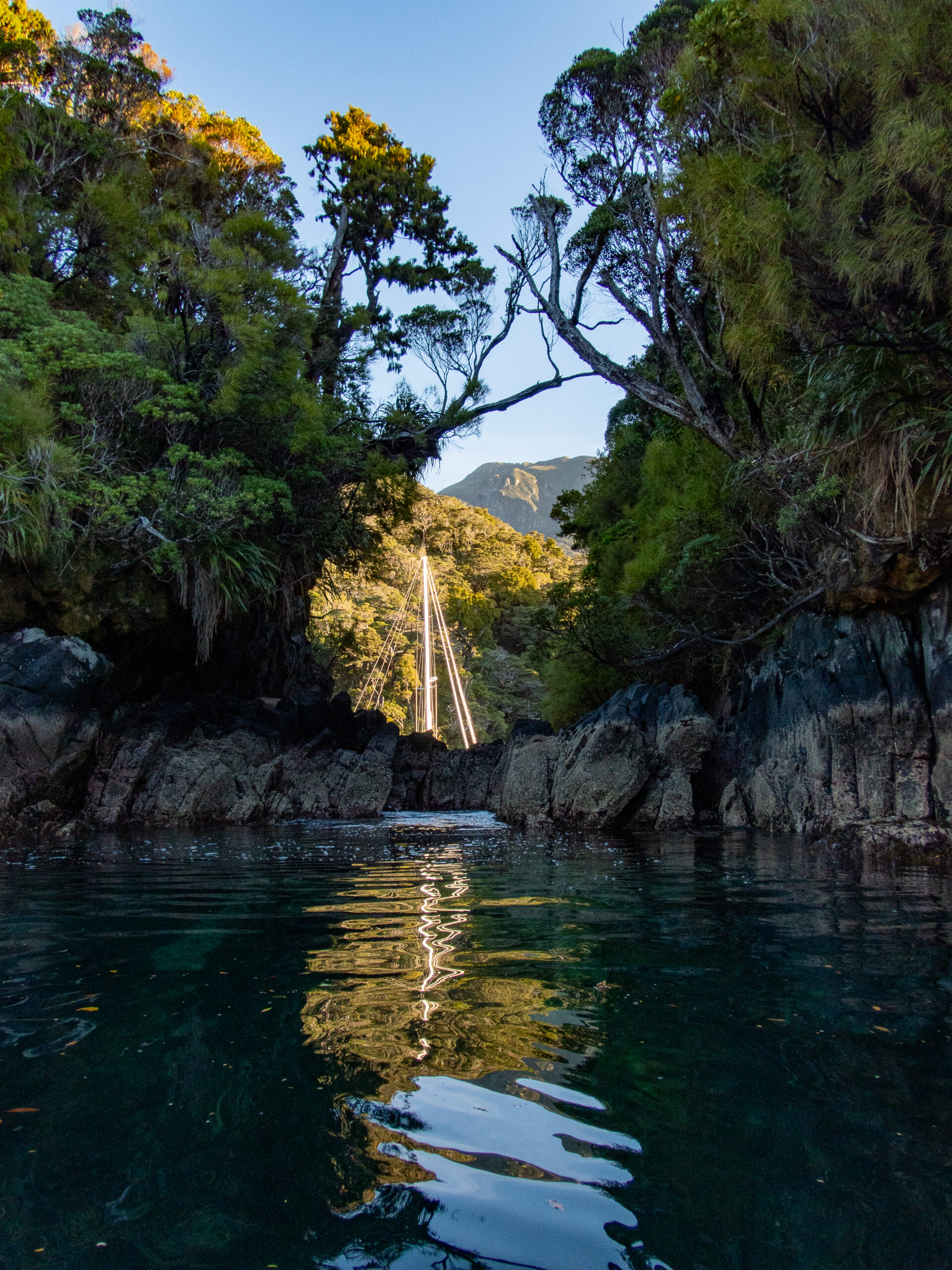
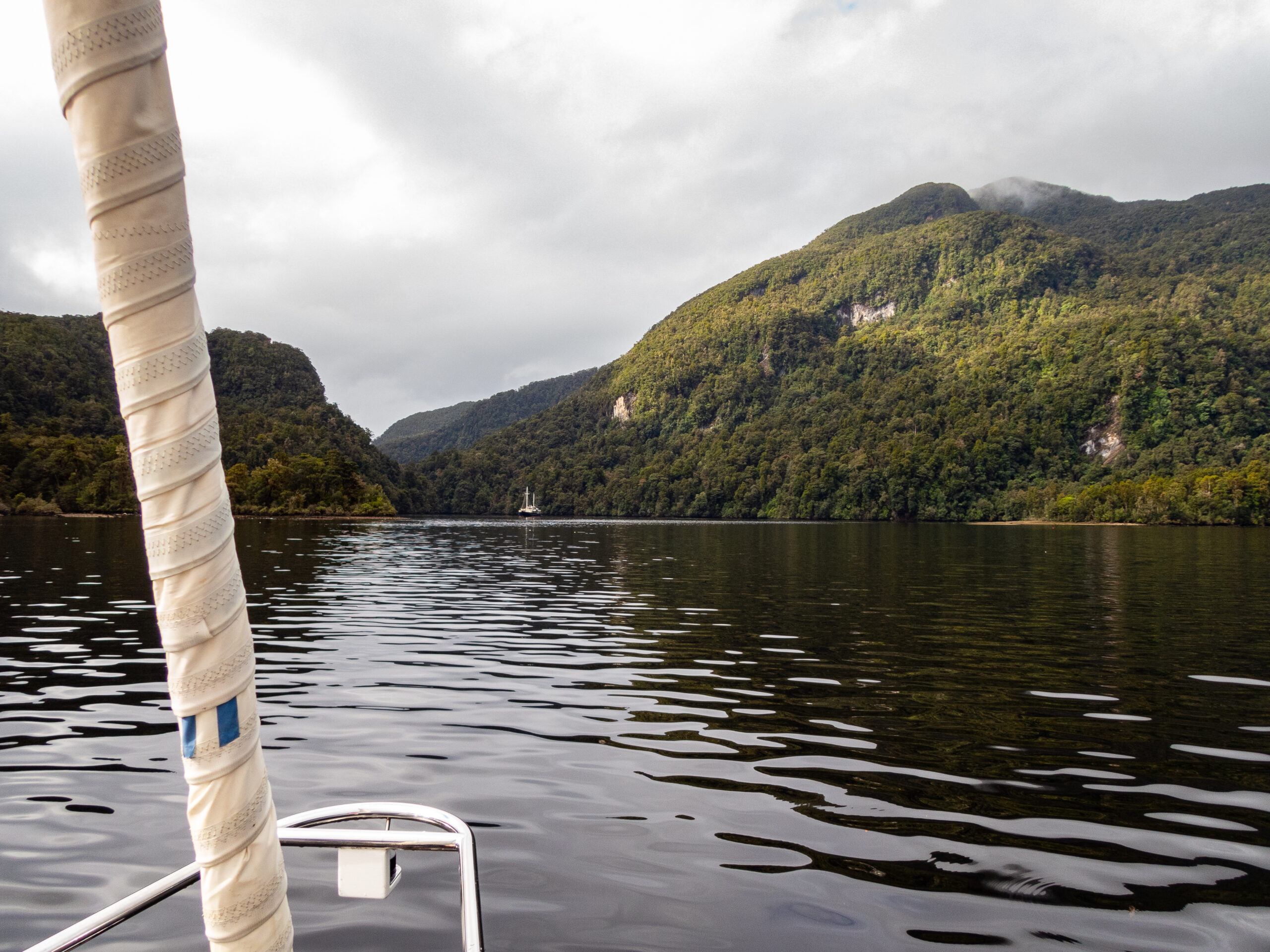
We started to learn about seeing in this new dimension of the reflection!Totem
The tides can be sizable and what’s revealed at low can be a wonderland of color.Last CoveStern tying still takes awhile to finesse.Let the storm begin! This is another ‘all weather anchorage,’ so we hoped the name was apt.Most of the time it was calm inside and were spared the fury of the wind.Adjusting the snubber and letting every bit of rode out.
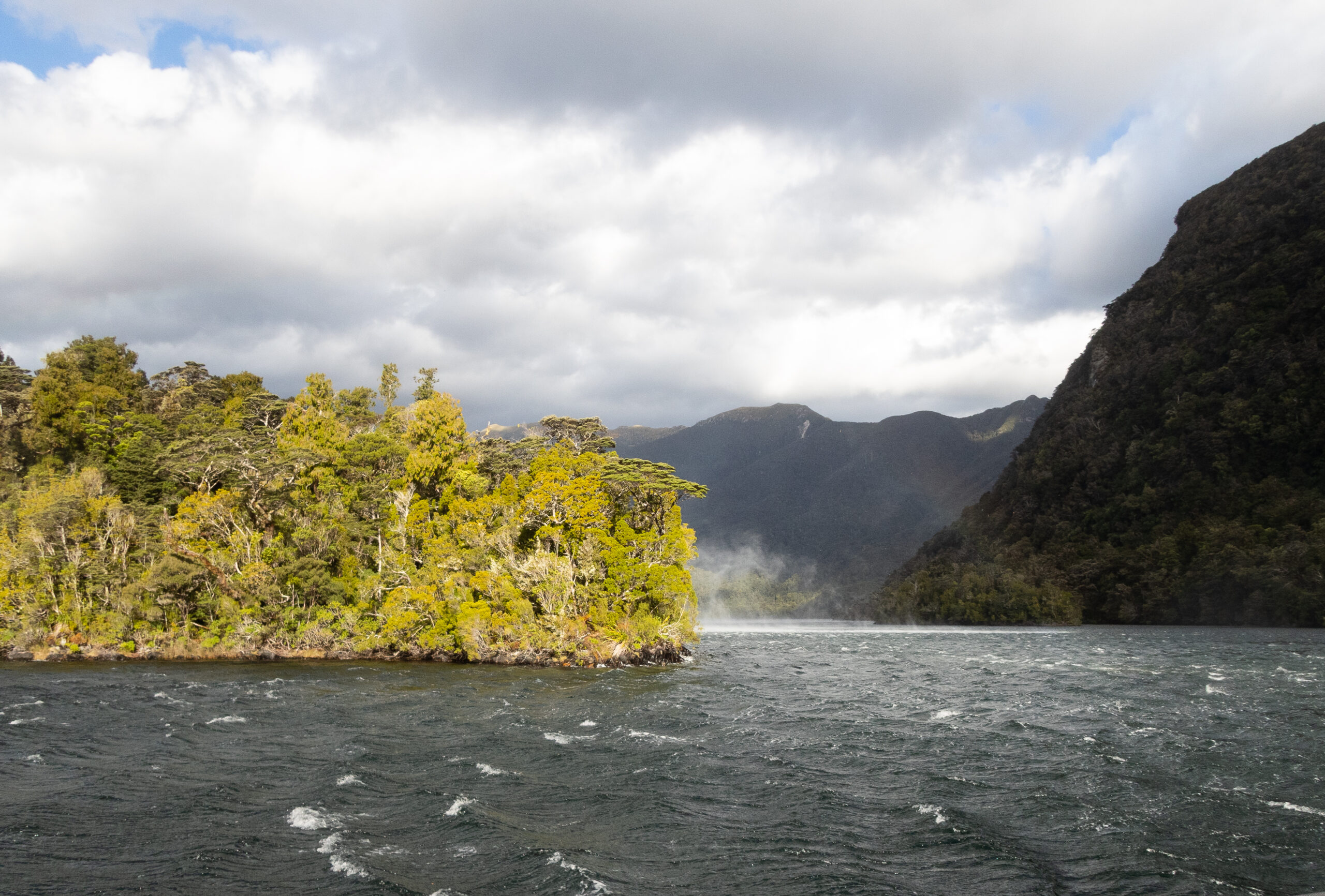
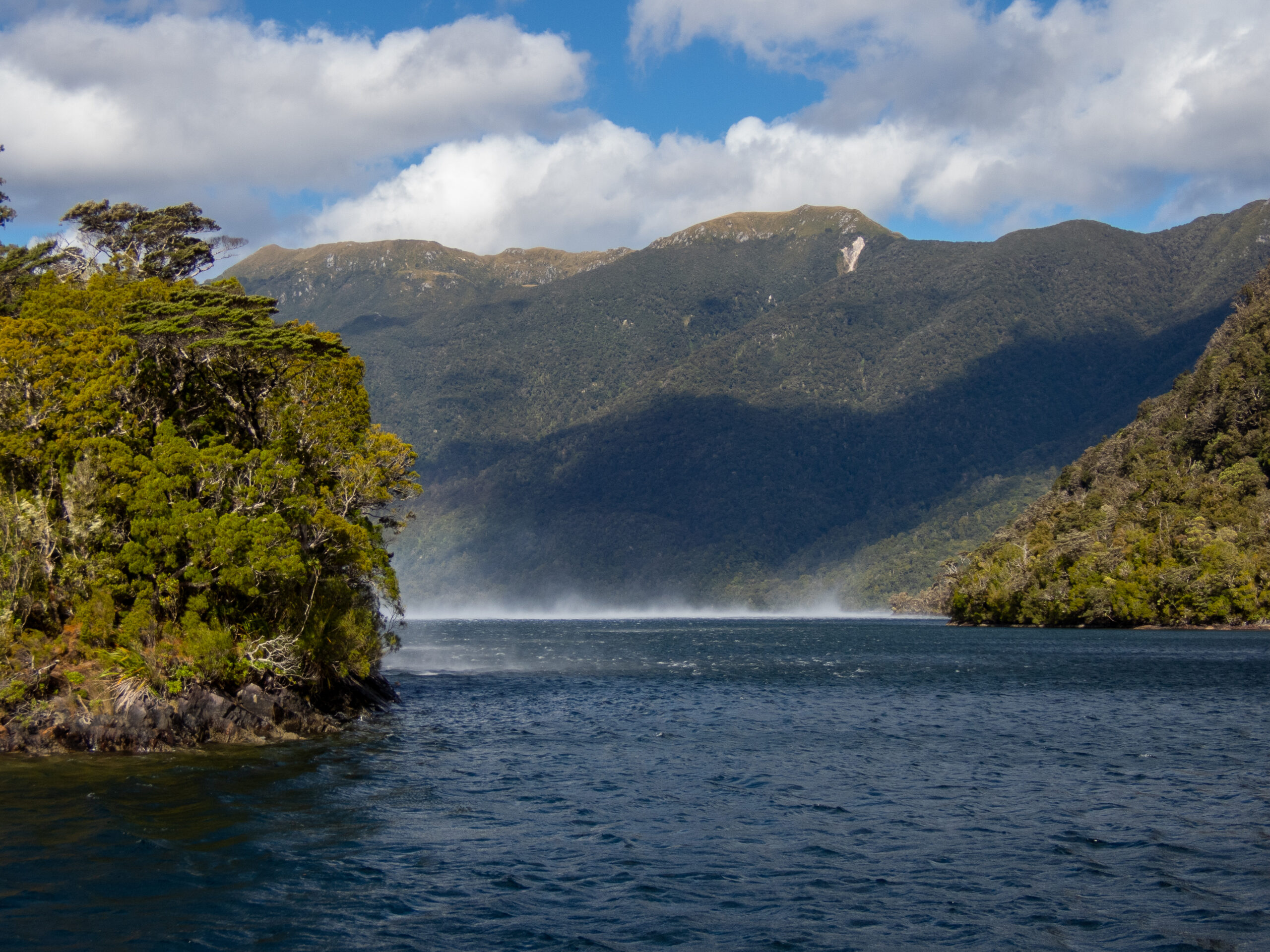
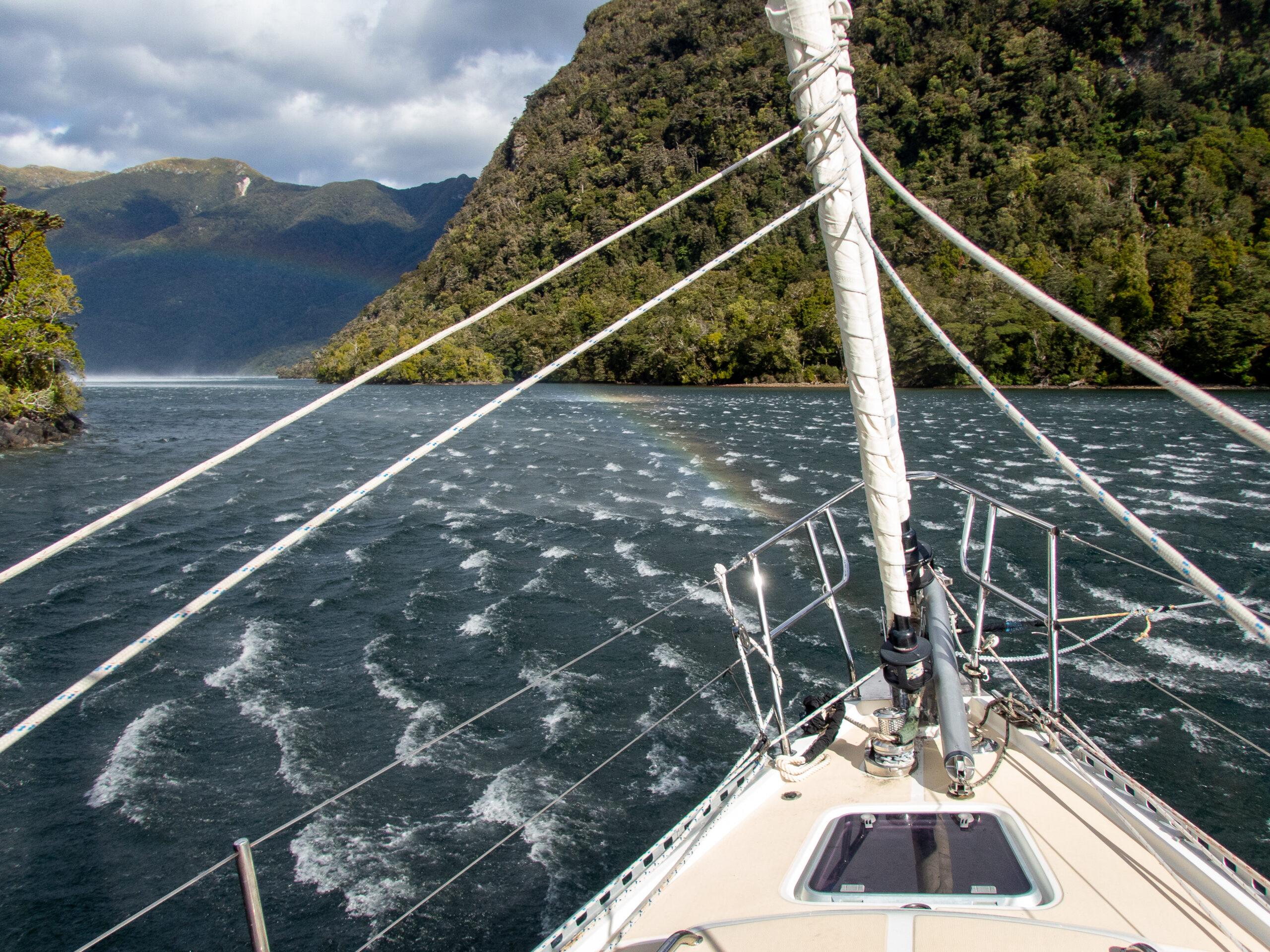
These rainbow williwaw’s would wash over Allora with about 40kts of wind – I had to hold on tightly to get the pic!
Cascade Cove, Preservation Inlet
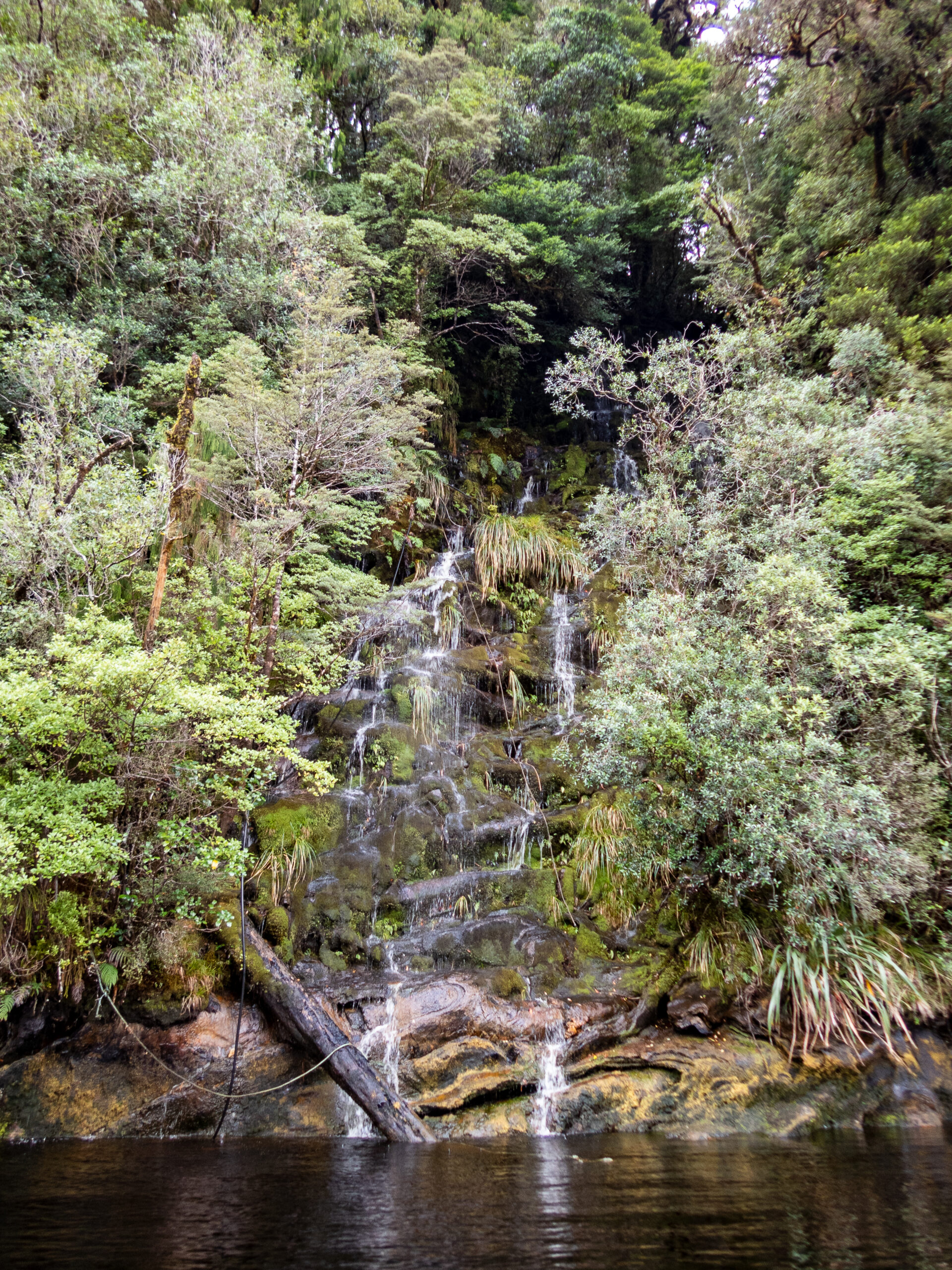
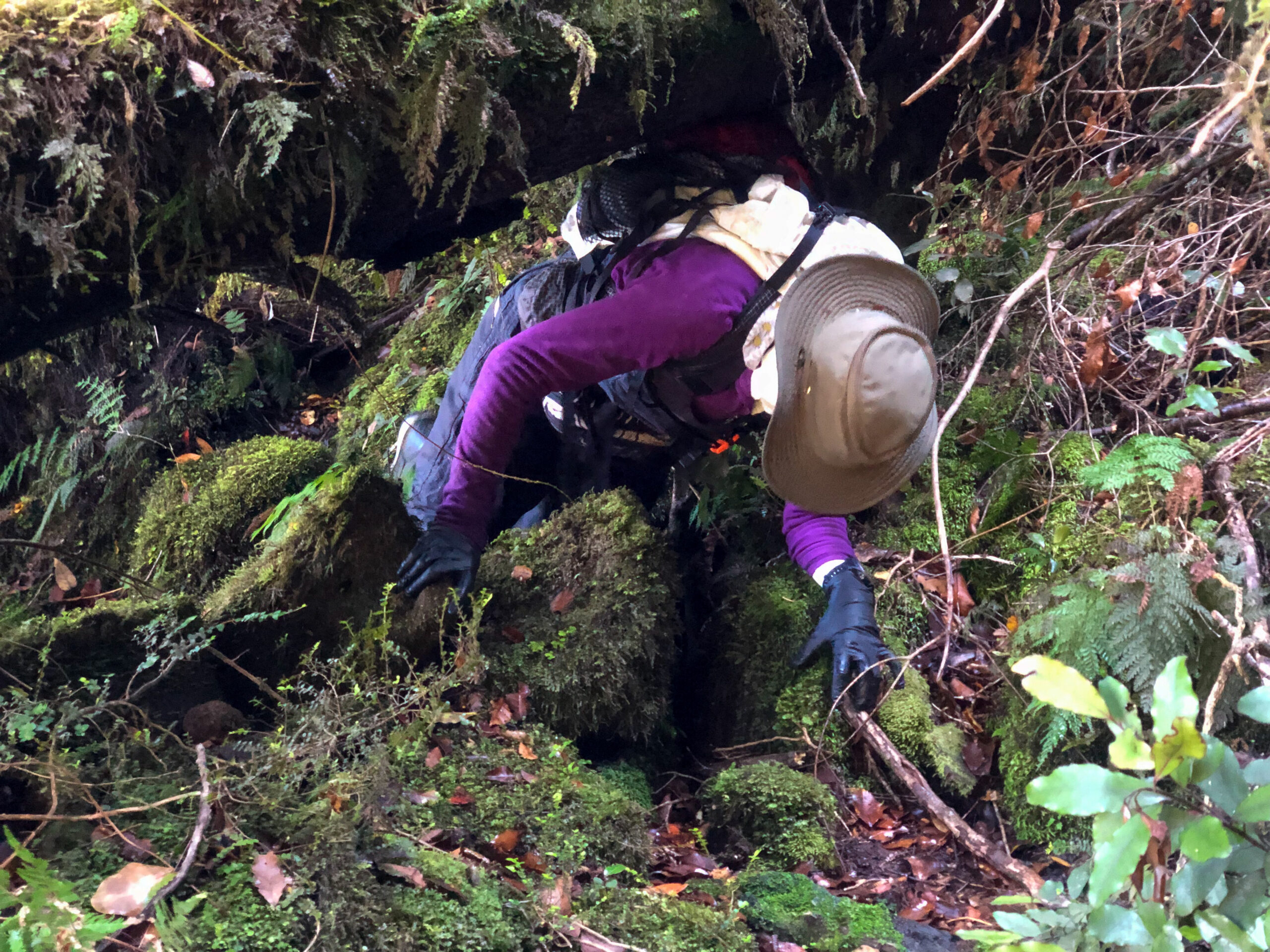
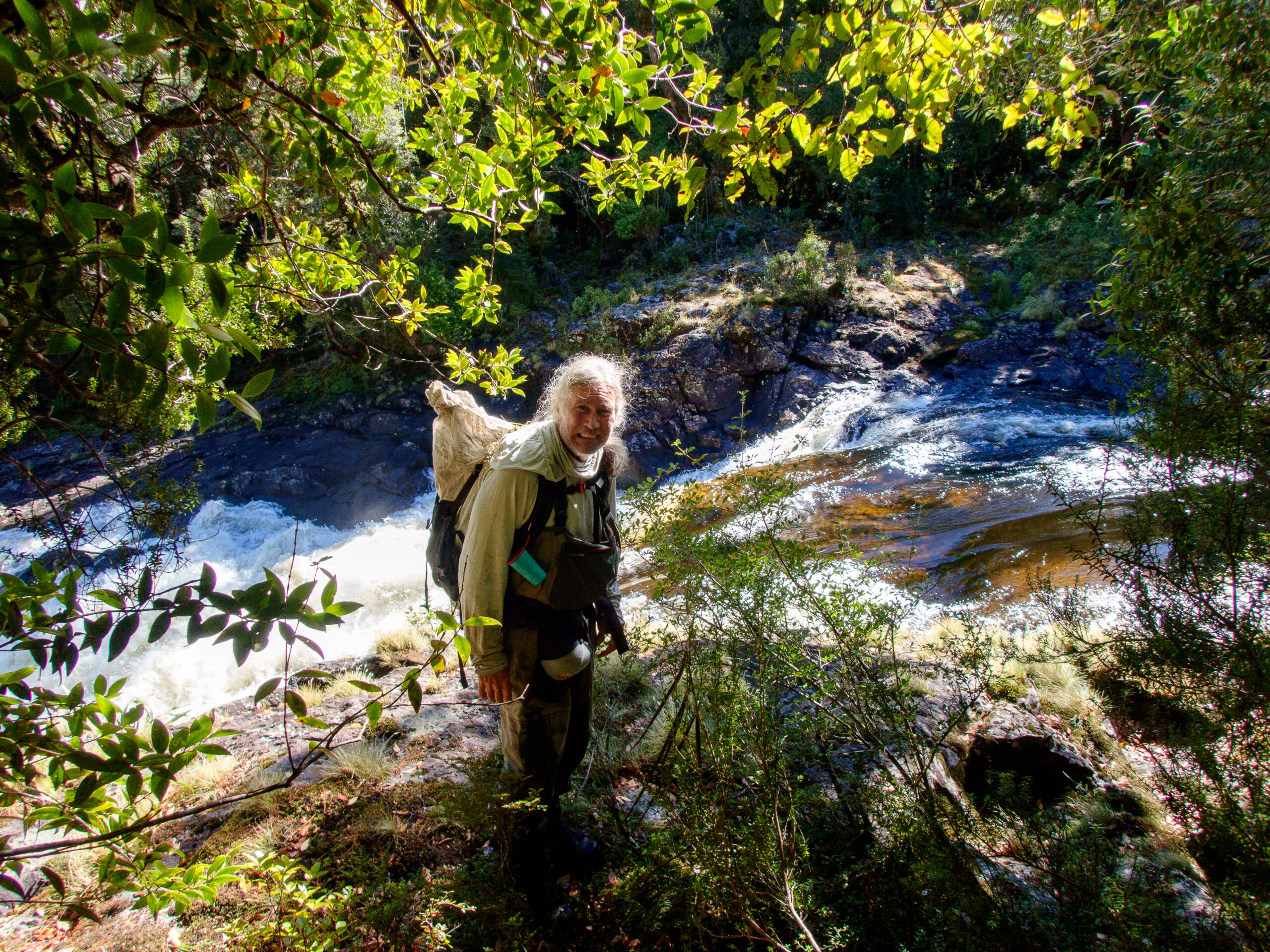
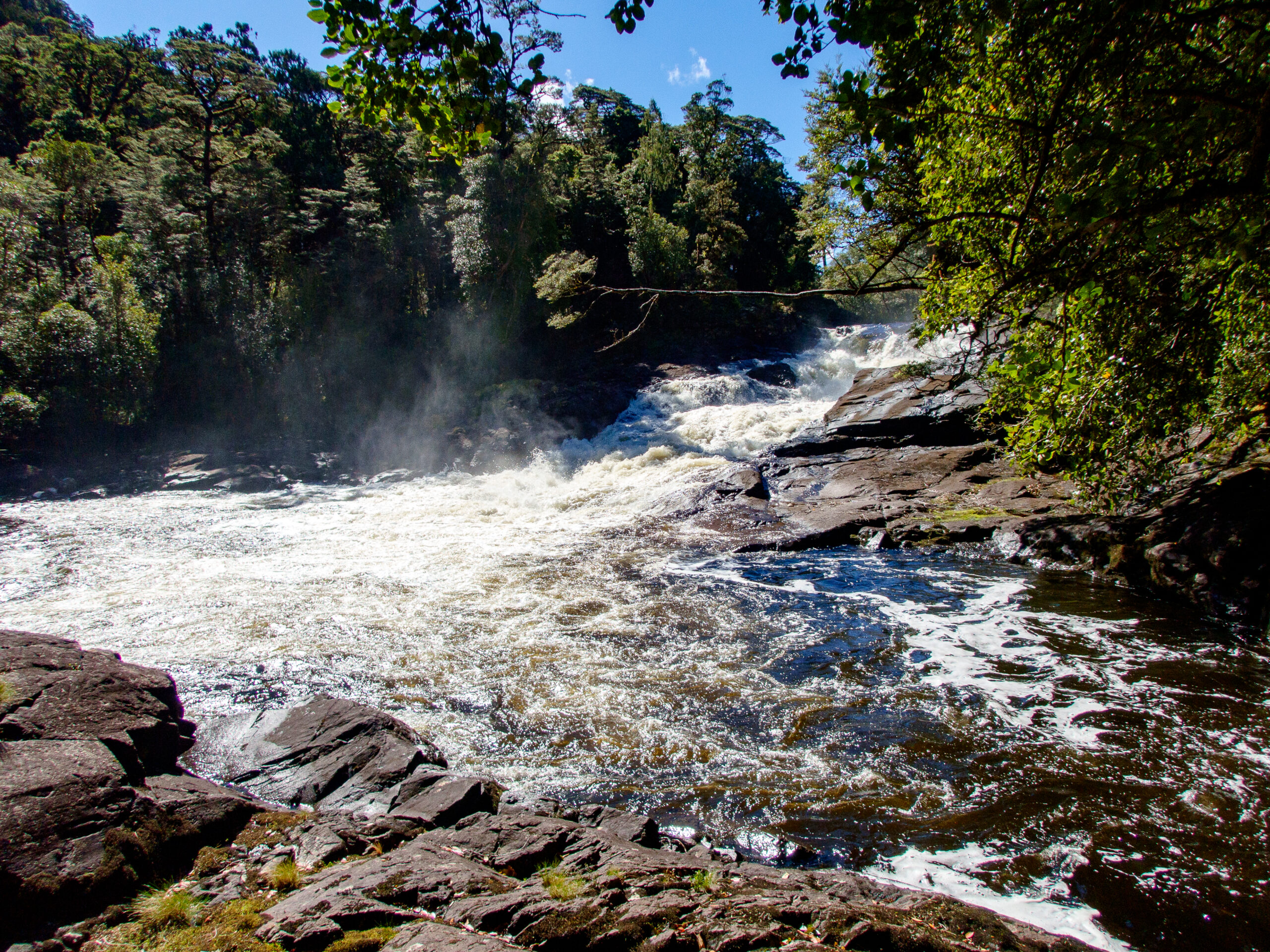
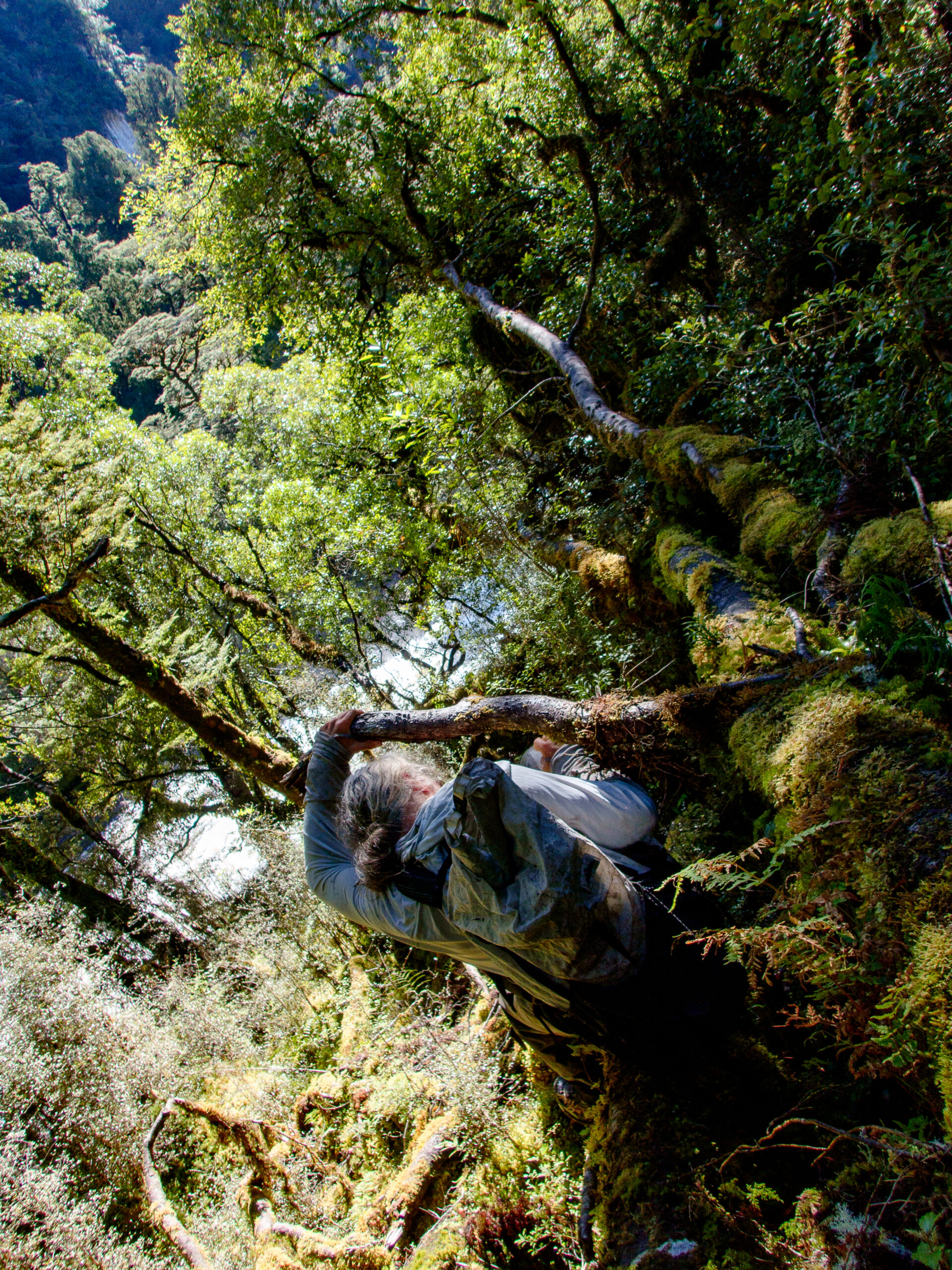
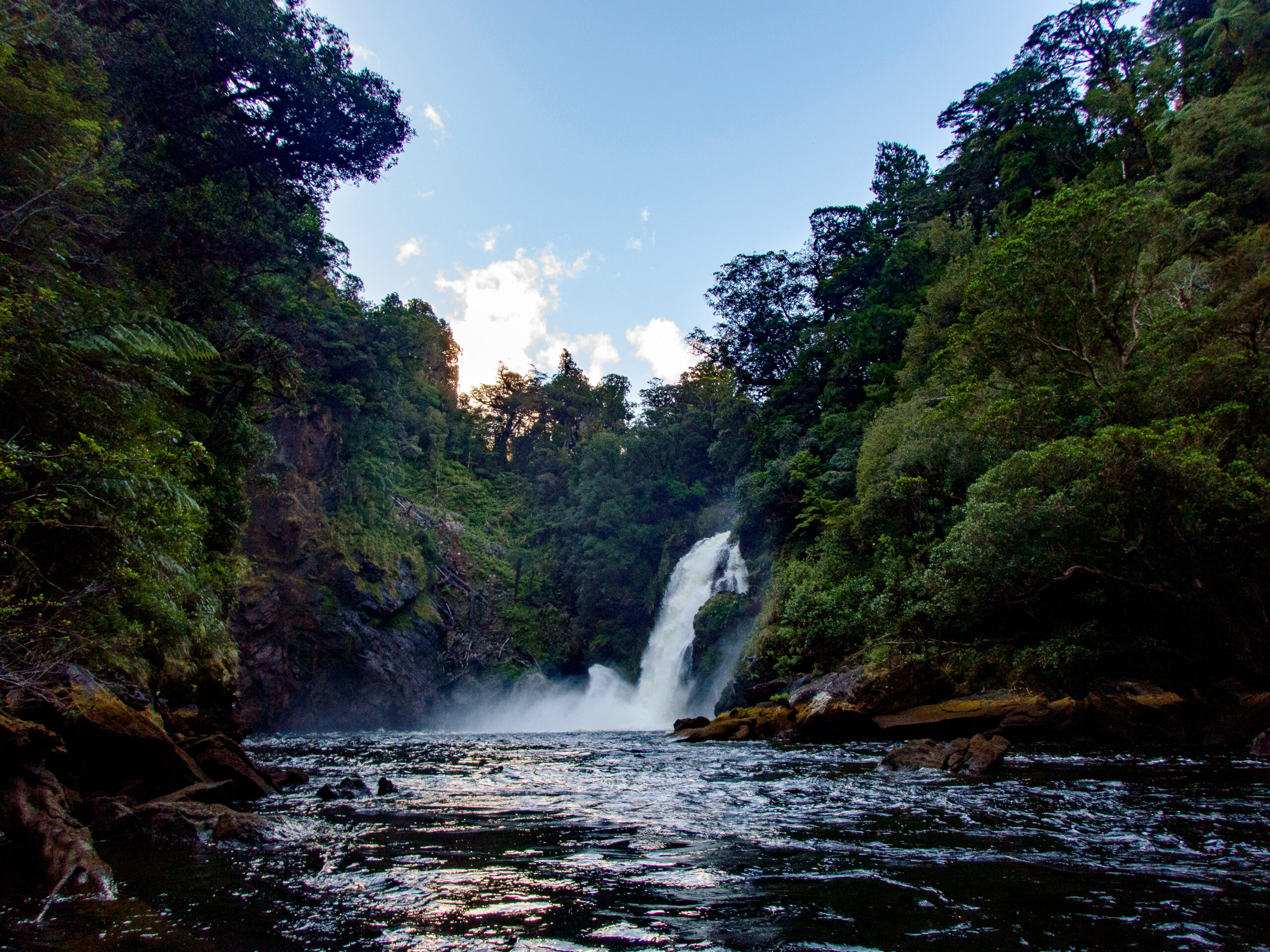
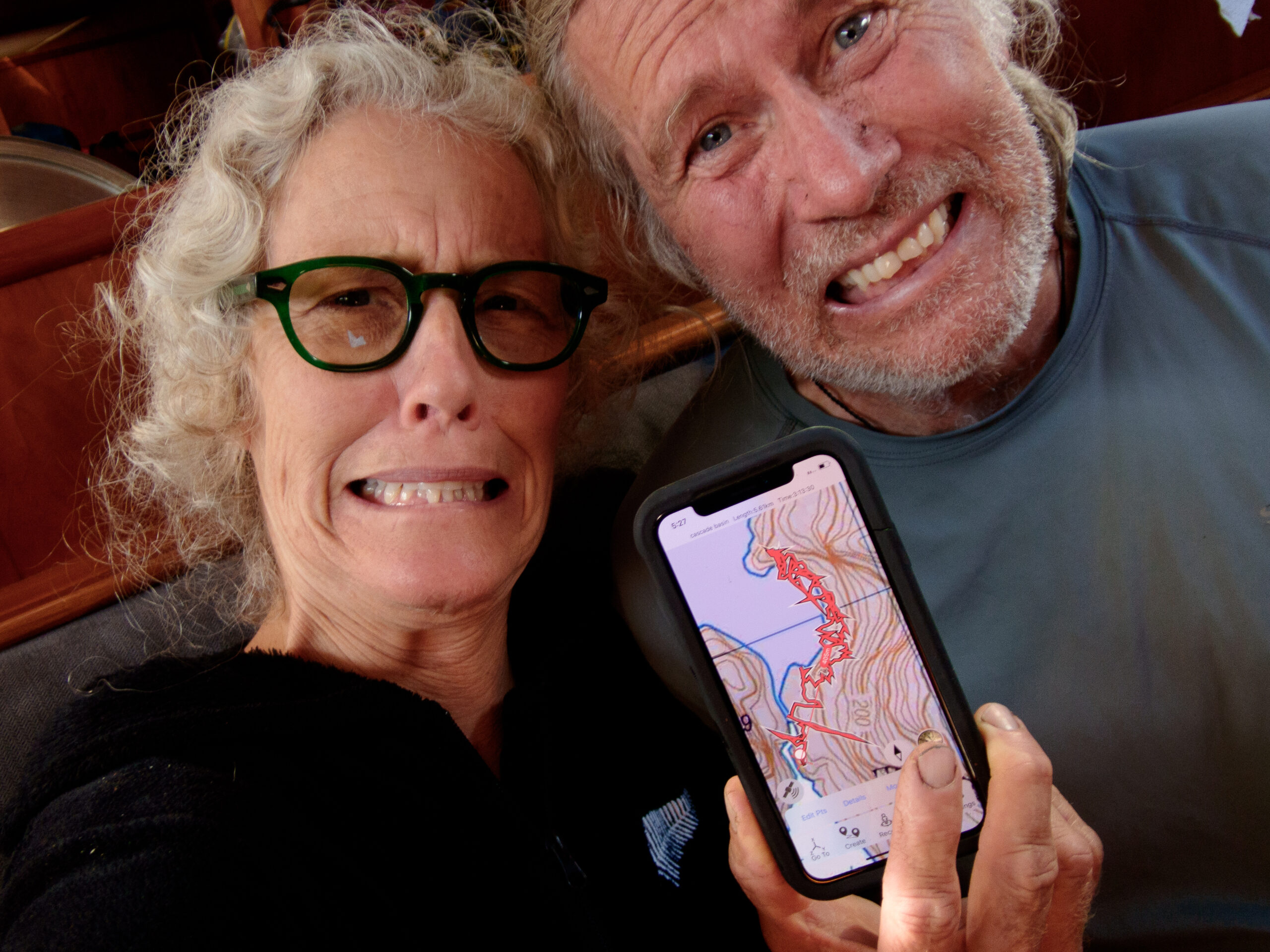
We arrived as the announcement came over the PA on a small Real Adventures cruise boat anchored at dead center in the cove, “the generator will be turned off at 9:30 and then back on again at 6:00 for your convenience…” Two crew walked to the bow, short sleeved black uniforms and to our delight, weighed anchor, the boat disappeared past the head of the cove and left us to the cheerful sound of a small waterfall pouring down the rocks next to a stout blue shoreline. We dropped our own anchor and tied up a boat length from shore. One of our books said that brown trout inhabit the river which flows into the lake above the dramatic falls at the head of the cove. A mere two kilometers as the Tui flies. All we needed to do is scramble up the side of the falls, then bushwack along the lakeshore. We clambered up, relying on roots and branches for hand holds, worrying about the way back down, and somehow made it to the top of the falls. The steep sided outlet of the lake forced us up and up over fallen mossy logs and broken rock faces. Every step was a miniature triumph as we inched and wiggled and scooted minutely closer. The edge of the lake, walking in the shallow was better for a while, until it became a mote of surprise waist deep holes and fallen logs. After hours invested in about a kilometer of progress, we admitted defeat and turned back, now knowing what lay ahead. Many times we expressed gratitude for the near absence of sandflies and the forest herself was pure magic of green mosses and deep ferns and wise old trees. Back at the outlet of the lake where for a brief time there had been trail flags to follow, we found a row boat pulled ashore that we had walked right by. Those Long River brown trout will never know how close them came. The biggest challenge was finding our way back down to the dinghy tied up in the outflow below the falls. We had cleverly laid out markings with sticks on our way up to mark the way, but those didn’t work out any better than bread crumbs did for Hansel and Gretel. We cliffed out, over and over again, but eventually, banged, bruised and muddy found a way down, never more happy to find Namo, dutifully waiting to take us home.
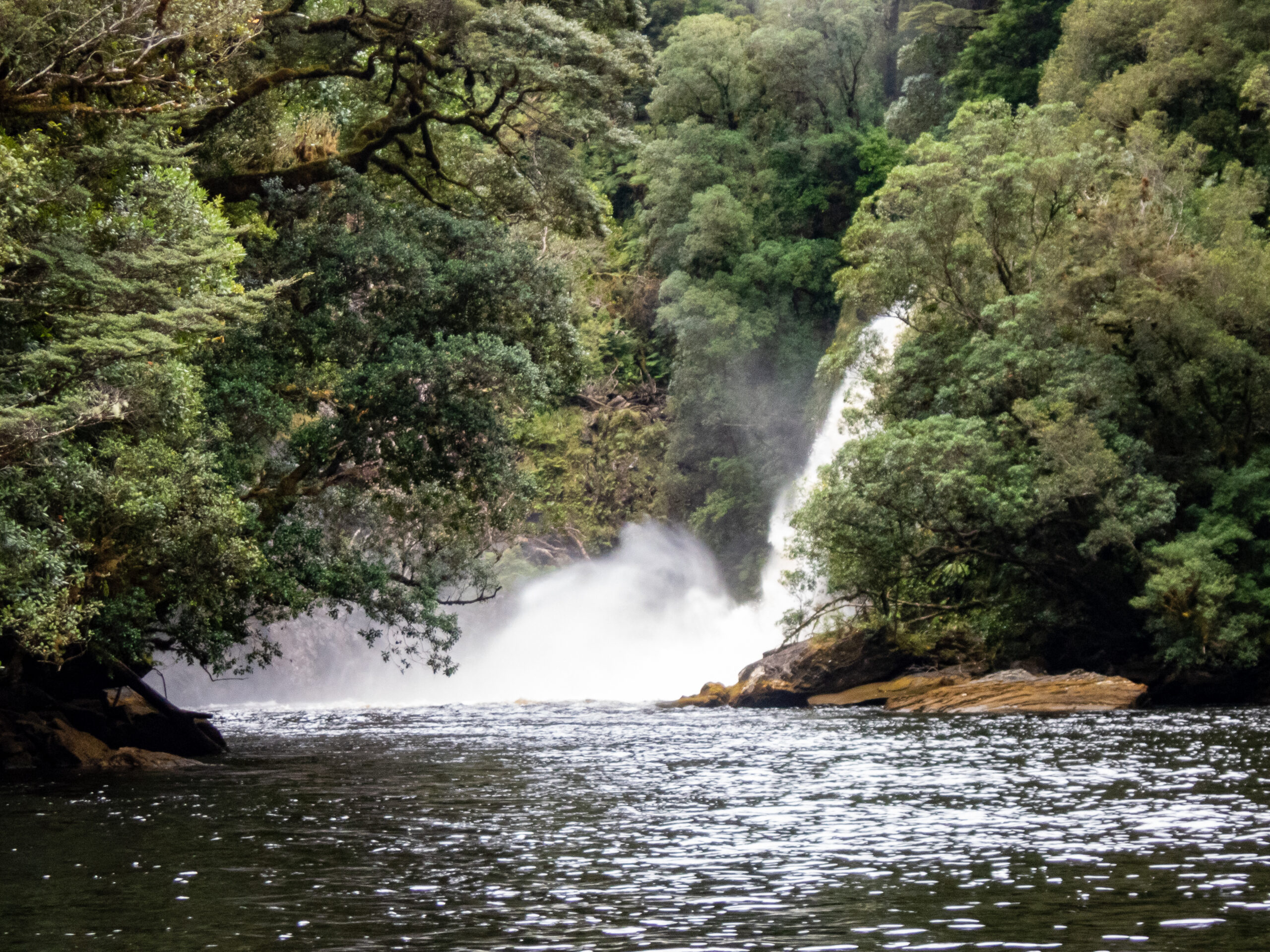
Real Journey’s boat on mooring.Cascade Falls, as seen from our anchorage.Waterfalls appeared after every rain.Some anchorages had water hoses attached to falls (fishermen installed) so we filled up our tanks by scooting RIGHT alongside this wall, keeping Allora’s mast clear of the overhanging trees.I know, let’s climb to the top of the Falls! And then cross that lake up there to get to the river beyond. Extricating limbs from branches. The adventure begins …Where to now?Fiordland’s stunning (and impenetrable) bush.I am wild about Umbrella Moss!We kept calling out to each other, so as not to get completely lost!You could spend a lifetime learning about all the ferns of Fiordland.
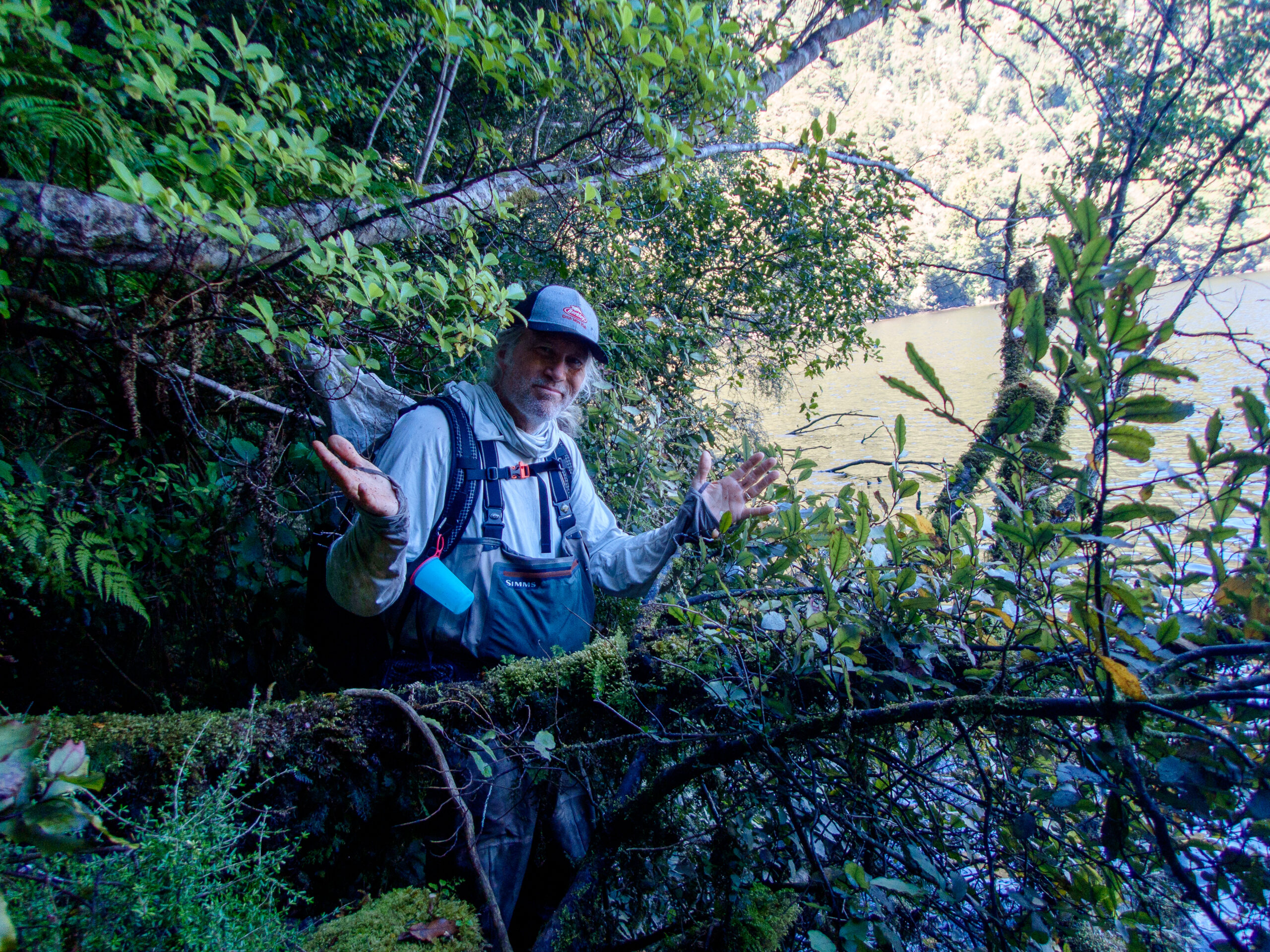
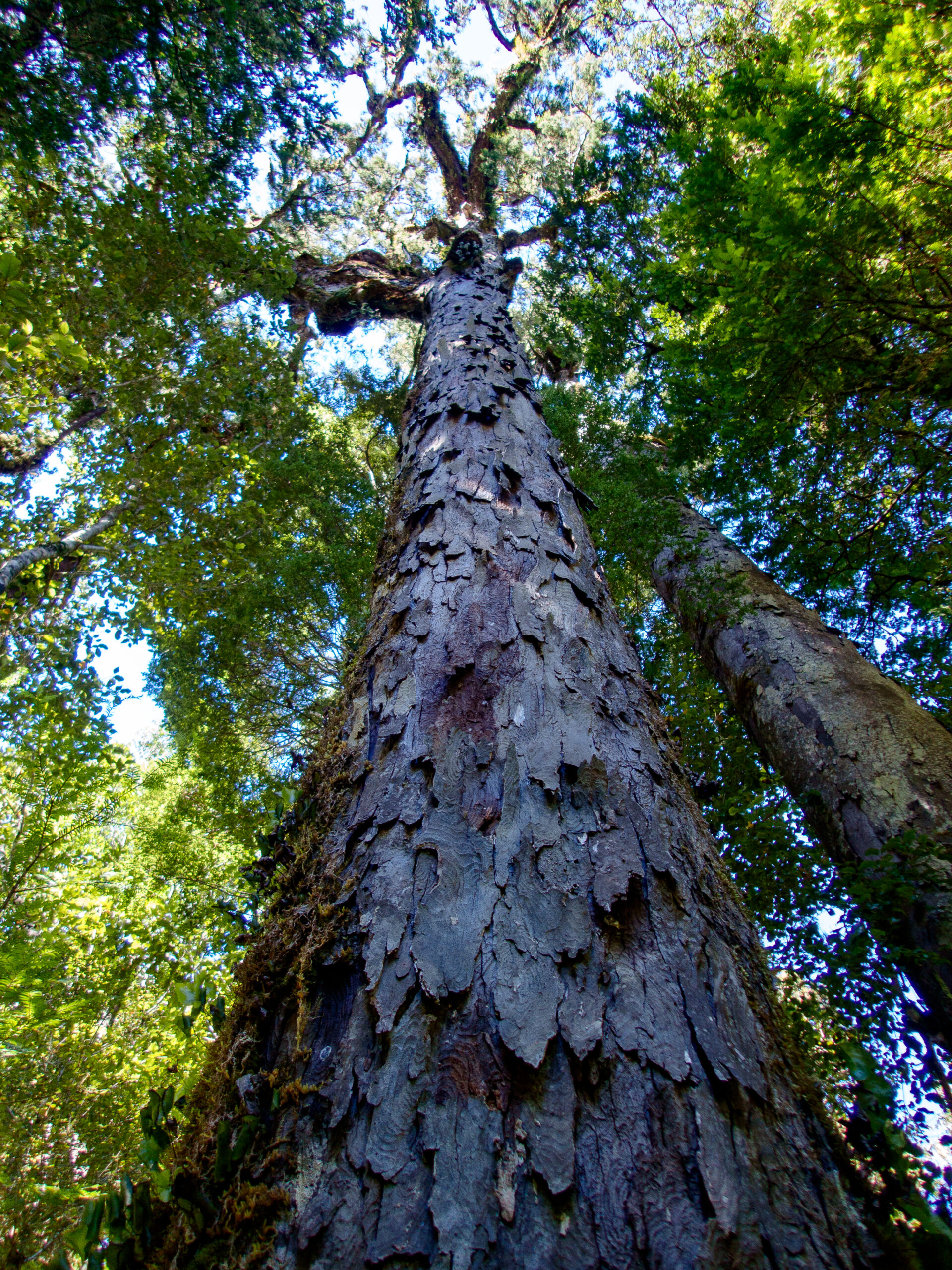
Not going that way.Cascade Falls cascading and falling.A majestic Rimu.Dancing with the vegetation.Wild man Marcus with a sandfly friend!Plate fungi.Words cannot describe the magical trees of Fiordland’s bush.Giddy despite the challenges.So close to that river, and yet so far …Gorgeous cliff faces.We ‘hiked’ to the top of Cascade Falls/Cascade BasinThat river is so close, but without deciding to swim, we just couldn’t get there.Cascade Falls in low light upon our return.What a day!A circuitous track, indeed!Allora stays put while we go off adventuring.We’re where we’re meant to be!Heading over to our last anchorage in Preservation, Isthmus Cove.Marcus was able to maneuver Allora crazy close to these walls because the steep drop offs and sufficient depths.
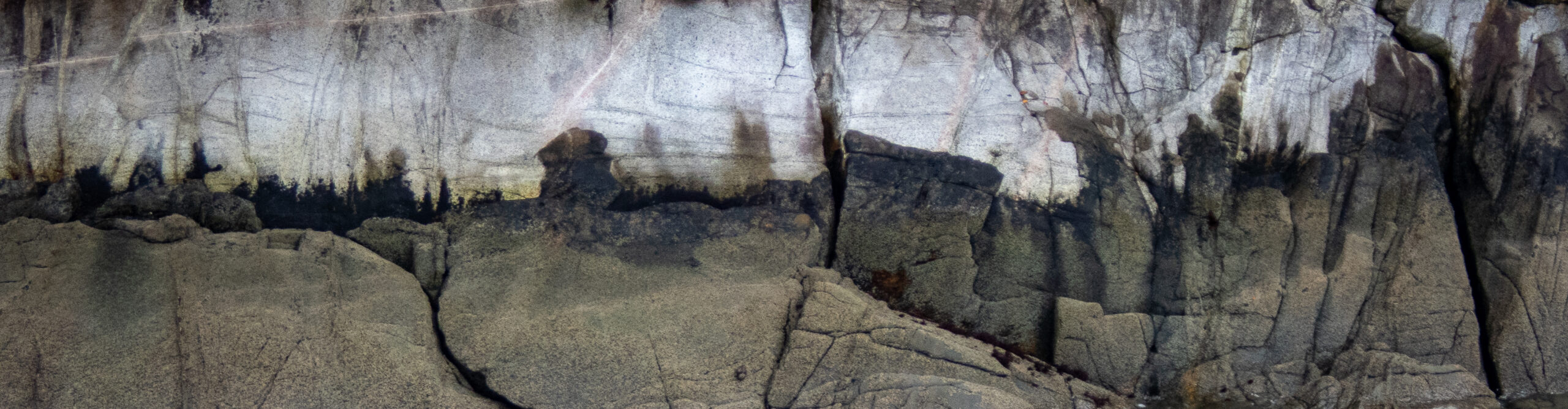
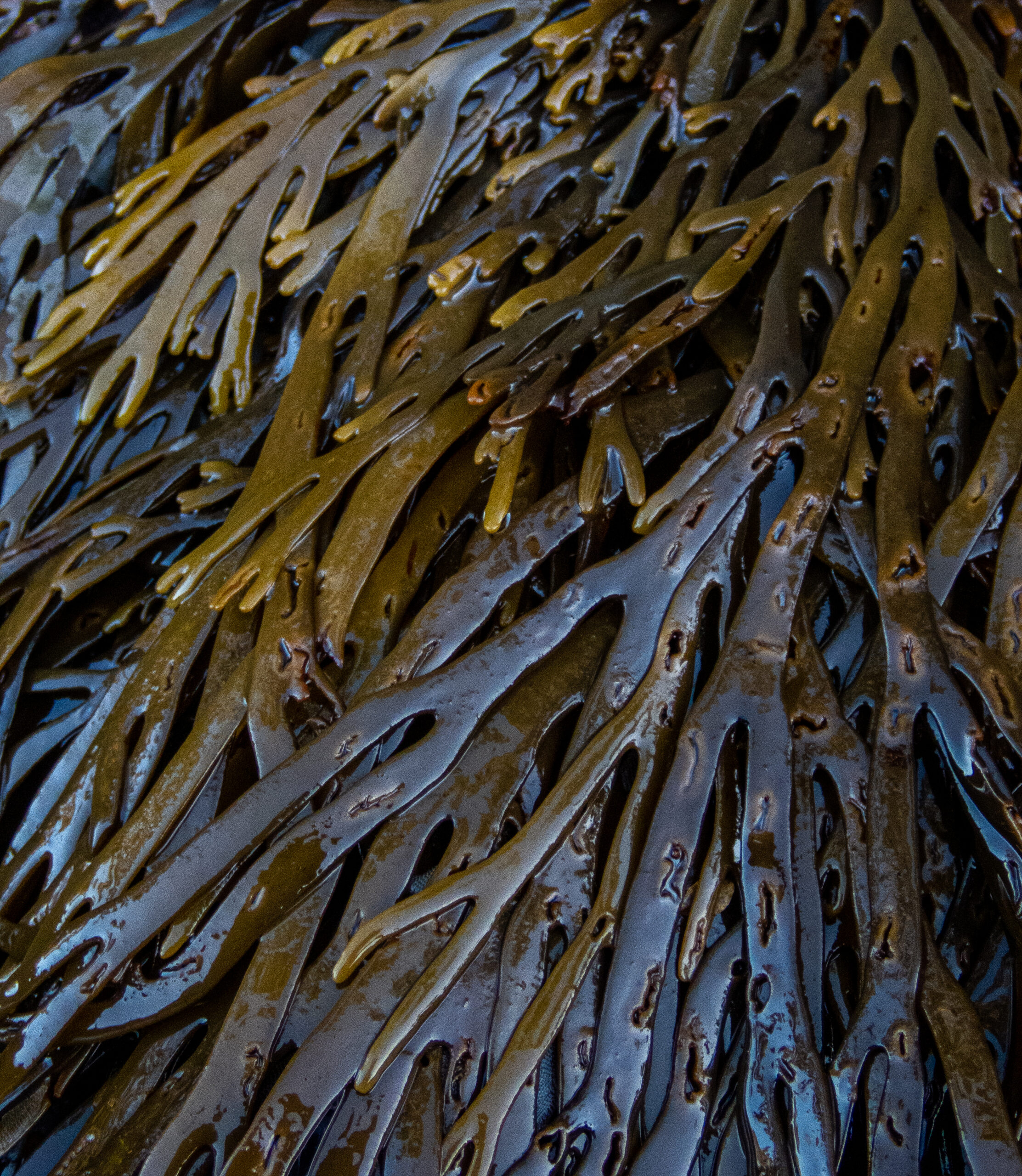
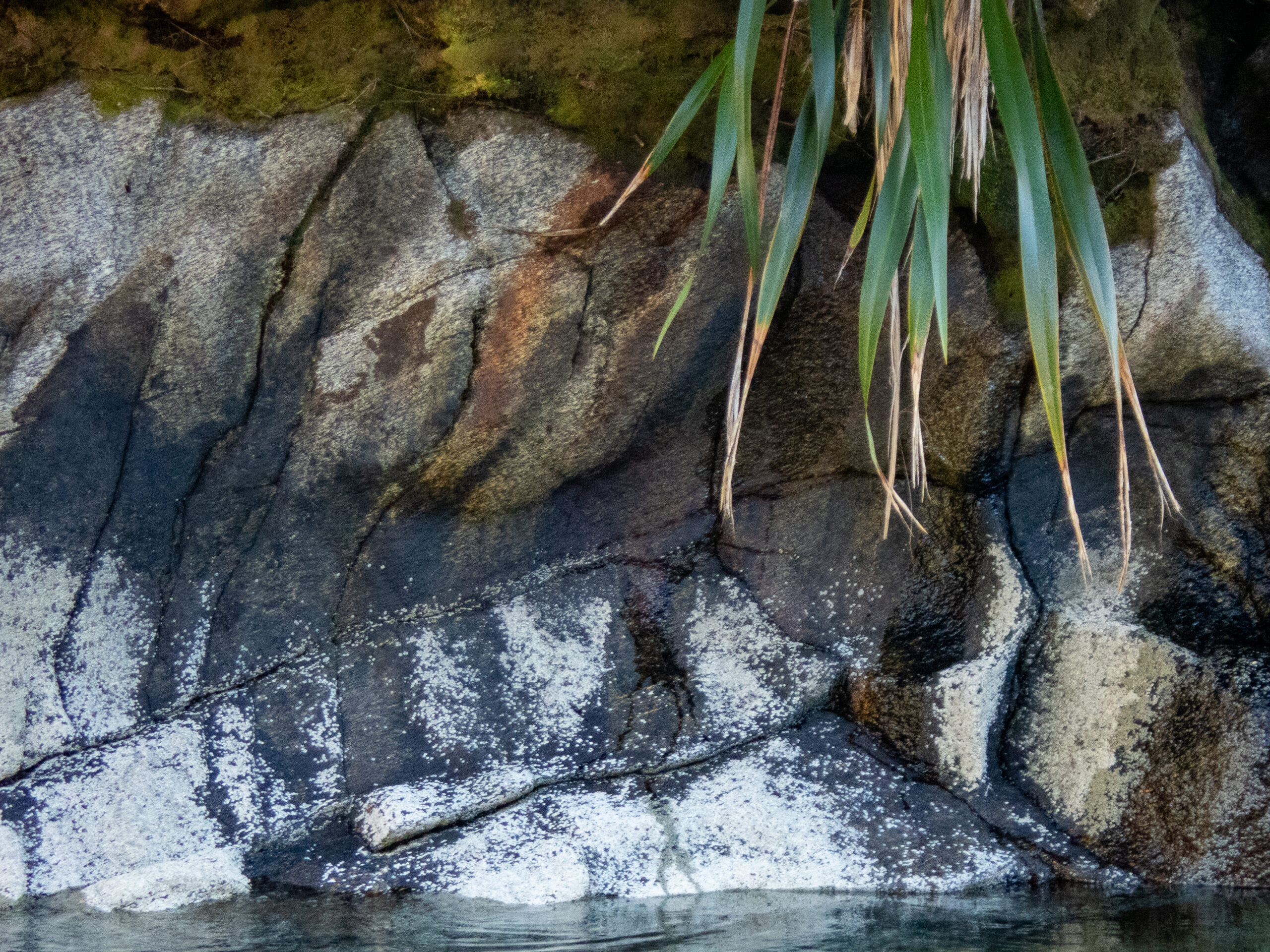
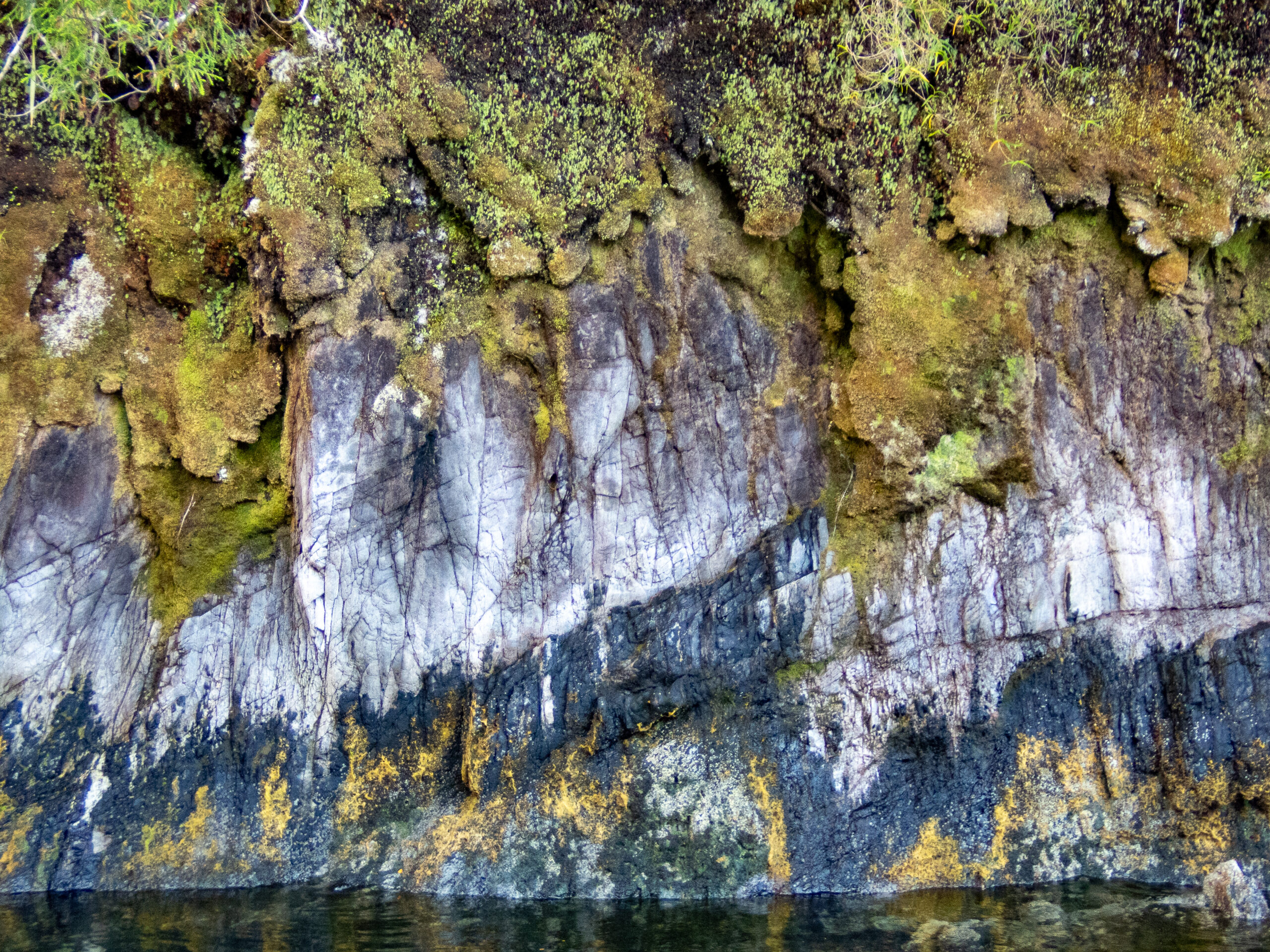
I found myself seeing abstracts in the tidal zone.Our last anchorage.