Passagemaking: Milford Sound to Abel Tasman National Park, South Island/NZ

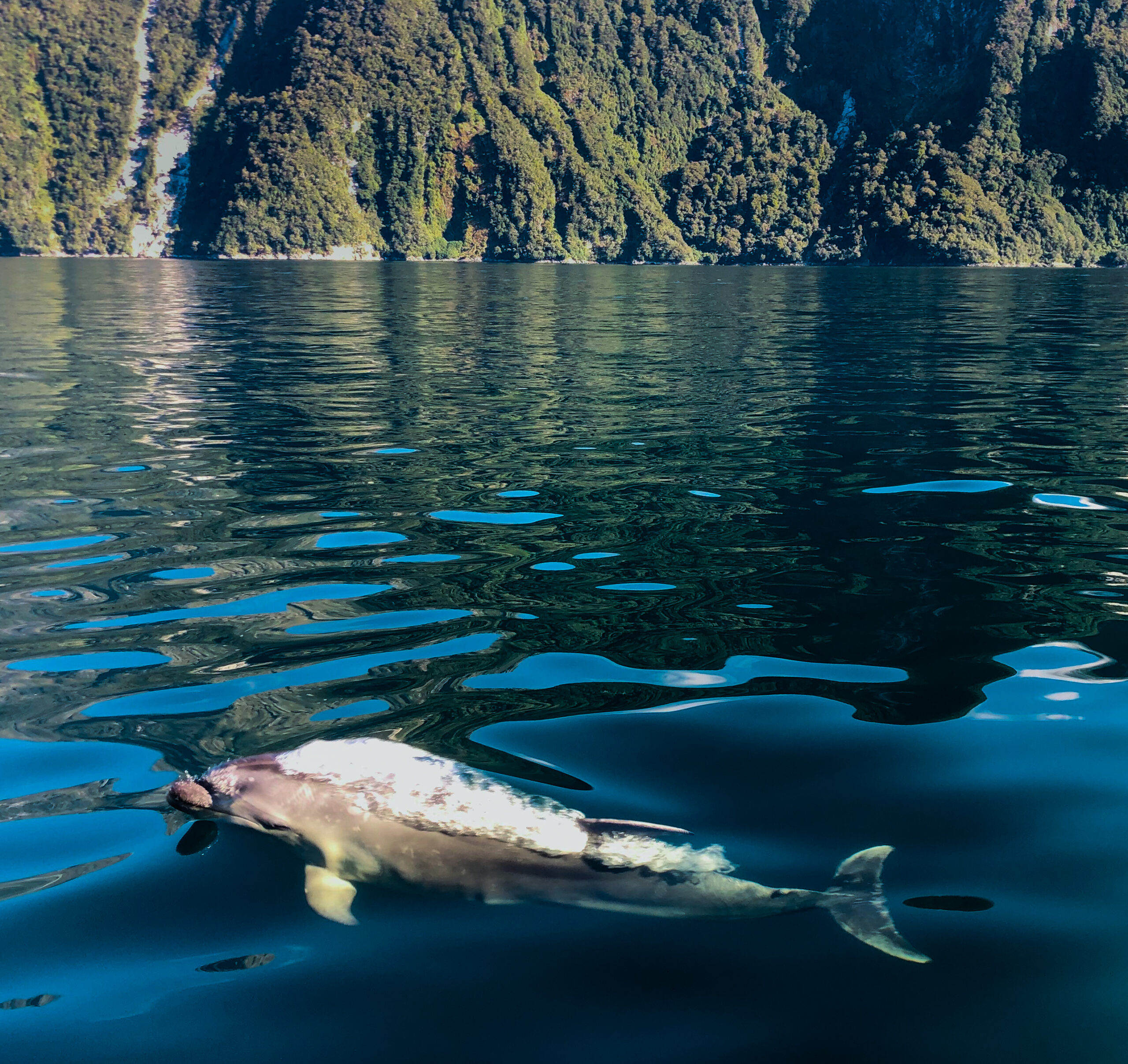
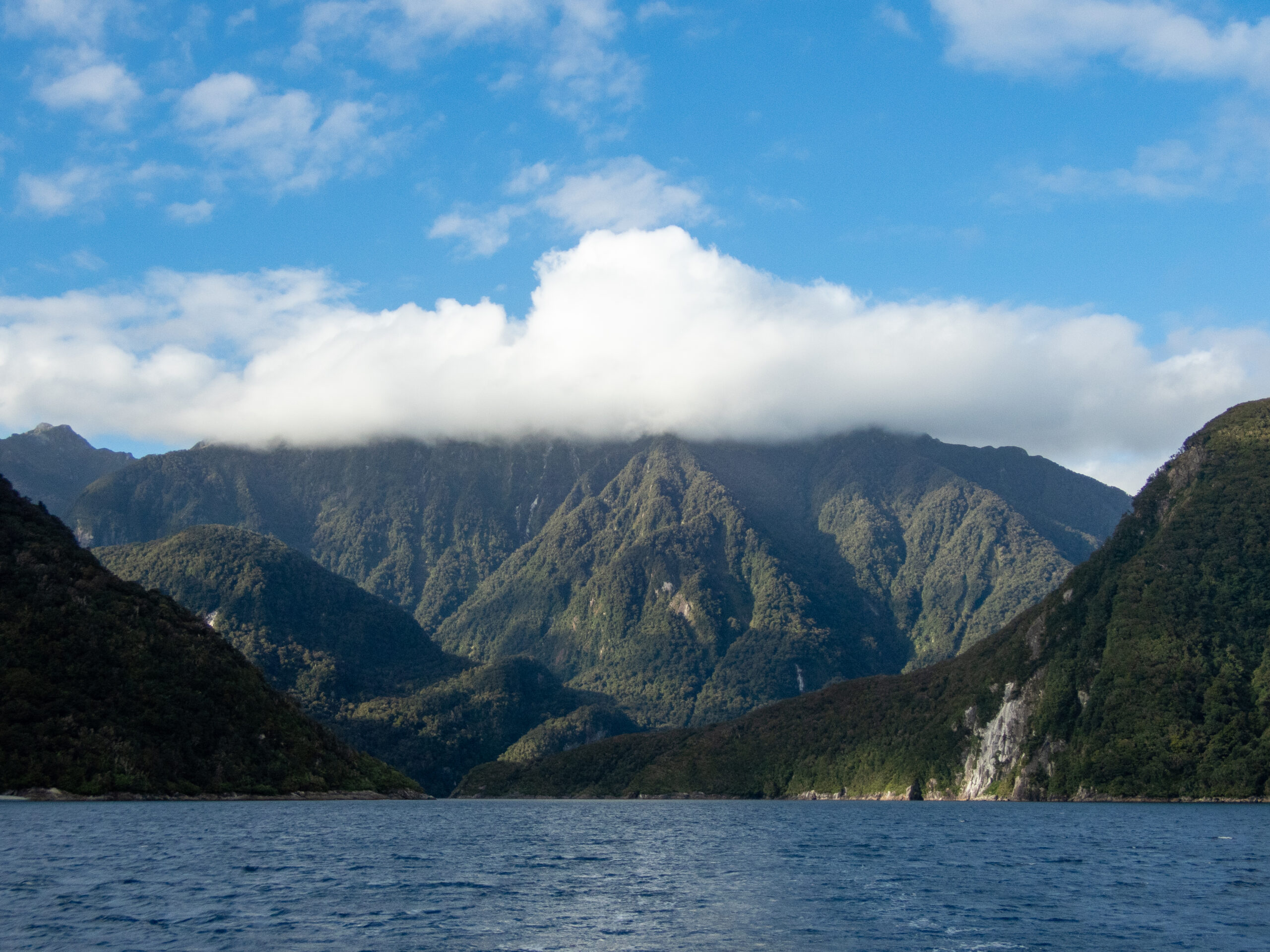
It was a bit spooky sailing out of Milford at midnight without a moon. We had our inbound tracks on the chartplotter to follow, but it’s pretty amazing how disorienting darkness can be, even for feeling whether to turn to port or starboard to follow a line. Also with the steep granite walls, we didn’t feel 100% confident in our GPS. Diana went to the bow, and I stepped away from the helm to try to orient myself every few minutes, as we moved cautiously down the fiord. Though the GPS did seem to have a decent idea about where we were, it was also reassuring to have radar confirming the distance to the rock walls on either side. But what helped me relax most at the helm, was when Diana shouted that the dolphins had come to escort us out. I leaned over the rail and could just see and hear them splashing off our port headed for the bow. It was hard not to feel like they’d showed up intentionally to reassure us.
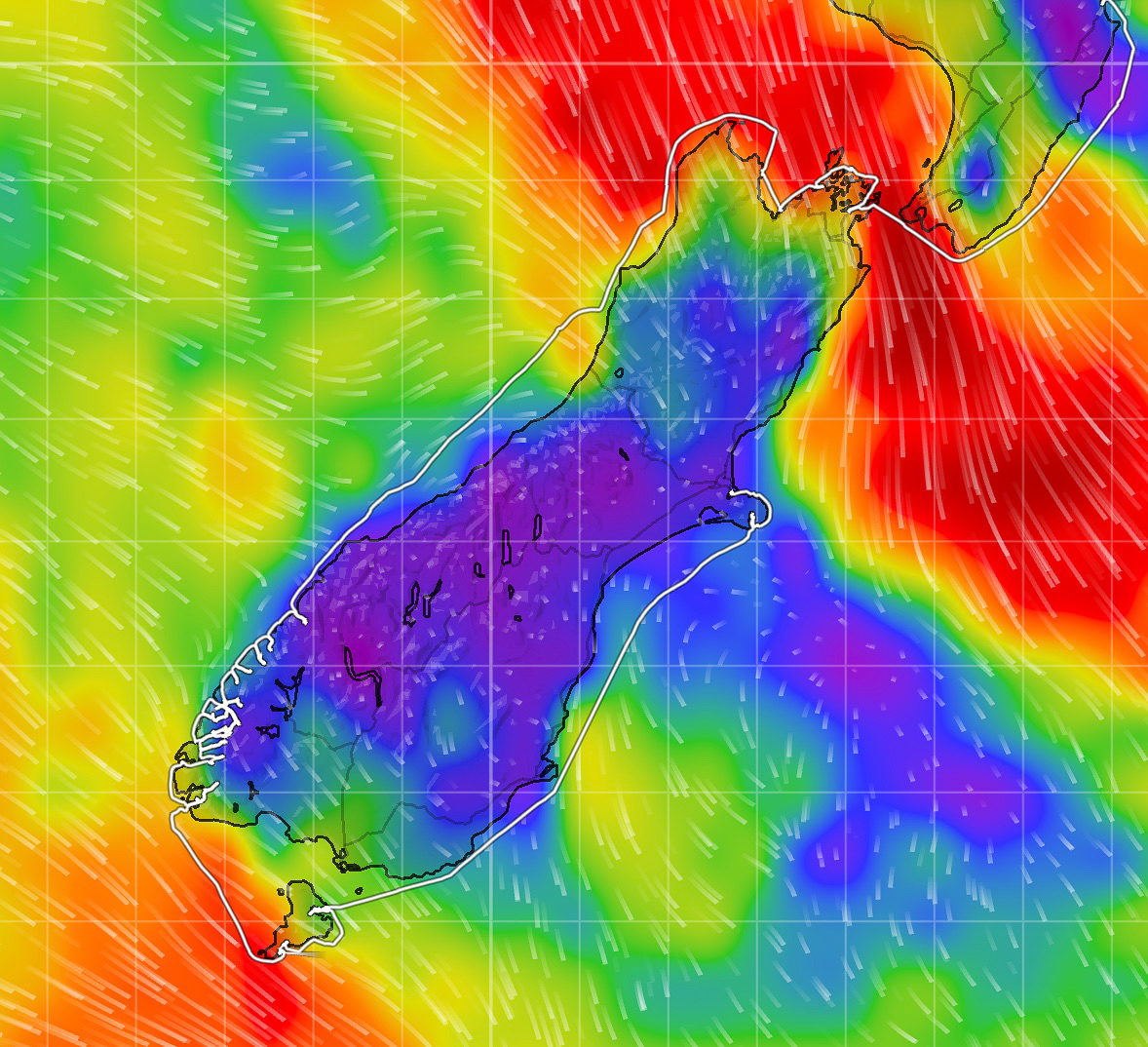
South Island of NZ and our sailing track. We spent 3 months in that lower SW corner and then dashed up the whole island on the west side in 3 days!

One of the many challenges of the passage from Milford up around Cape Farewell into the Cook Strait, is that there is only one place you might possibly stop, but that requires negotiating a river bar entrance at Westport (just north of Cape Foulwind!), which is safe only in decent weather. Otherwise, it’s a solid three day run (if you keep your speed up), which just barely fits into the cycle of weather shifting from South to North. The weather window that presented itself to us seemed pretty typical, catching the end of a southerly, motoring and motor-sailing through variable winds in a race to meet the Cape with relatively light winds rather than the usual NW or SE gale.Leaving sooner, we’d have had more wind to sail with, but we’d risk arriving too early for the switch of winds at Cape Farewell.

Diana took the first watch just after 2 AM after we cleared the hazards on the north side of the entrance to Milford and could head more directly north. “Really cold, icy hands,” she wrote in the margins of the logbook. “Overcast skies heading further out to clear Arawua Point/Big Bay Bluff.” Just after sunrise on my watch, I got a glimpse of the mountains south of Mt Aspiring, which reminded me of Wyatt’s 100 mile run the length Aspiring National Park. I wondered if he could have seen the Tasman Sea from any of those lofty ridge lines he traversed?

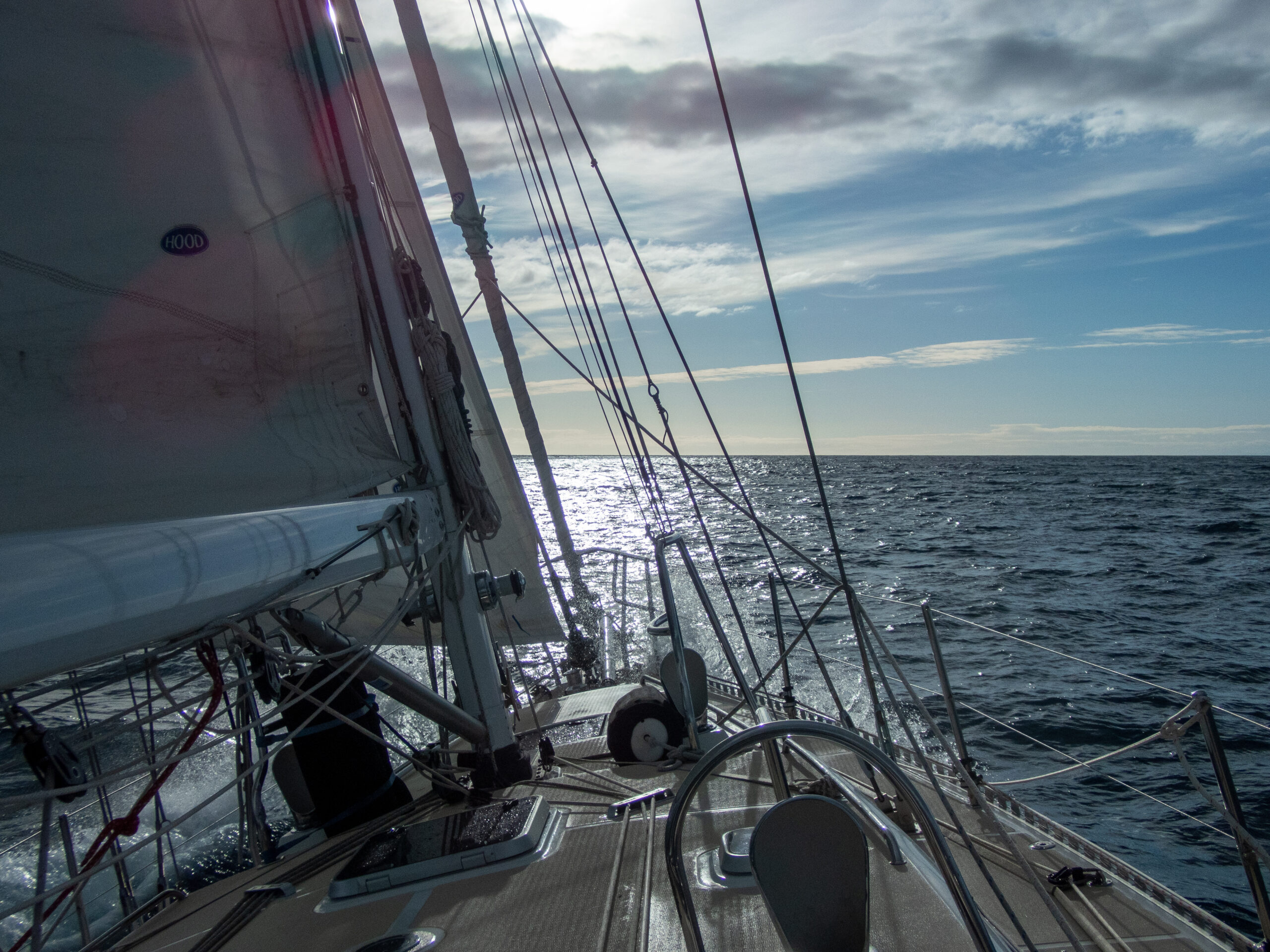
NZ’s wild west.
Hard to sail away from that remarkable corner of the universe. Allora always seems up to the task, even if we’re a bit reluctant.
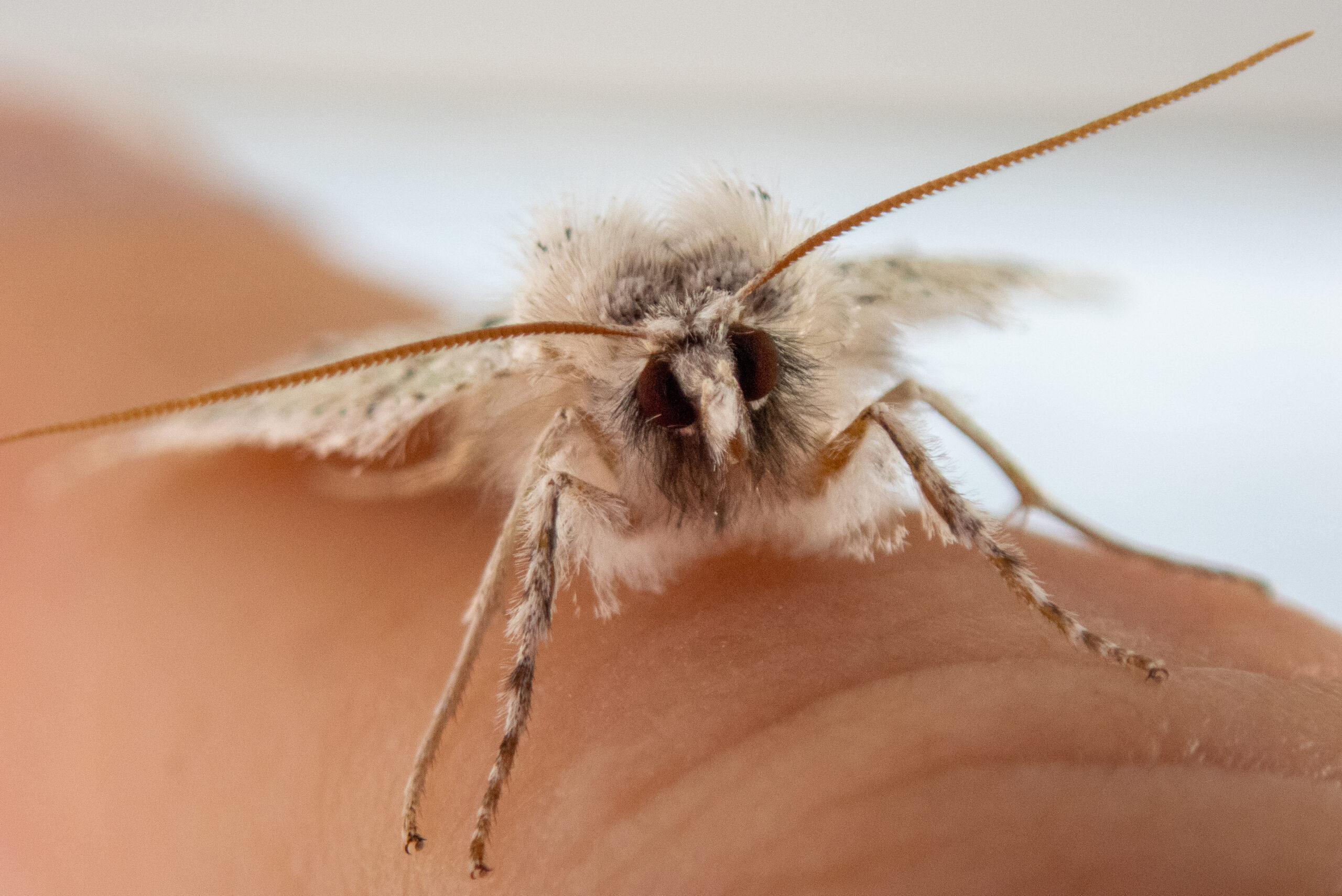
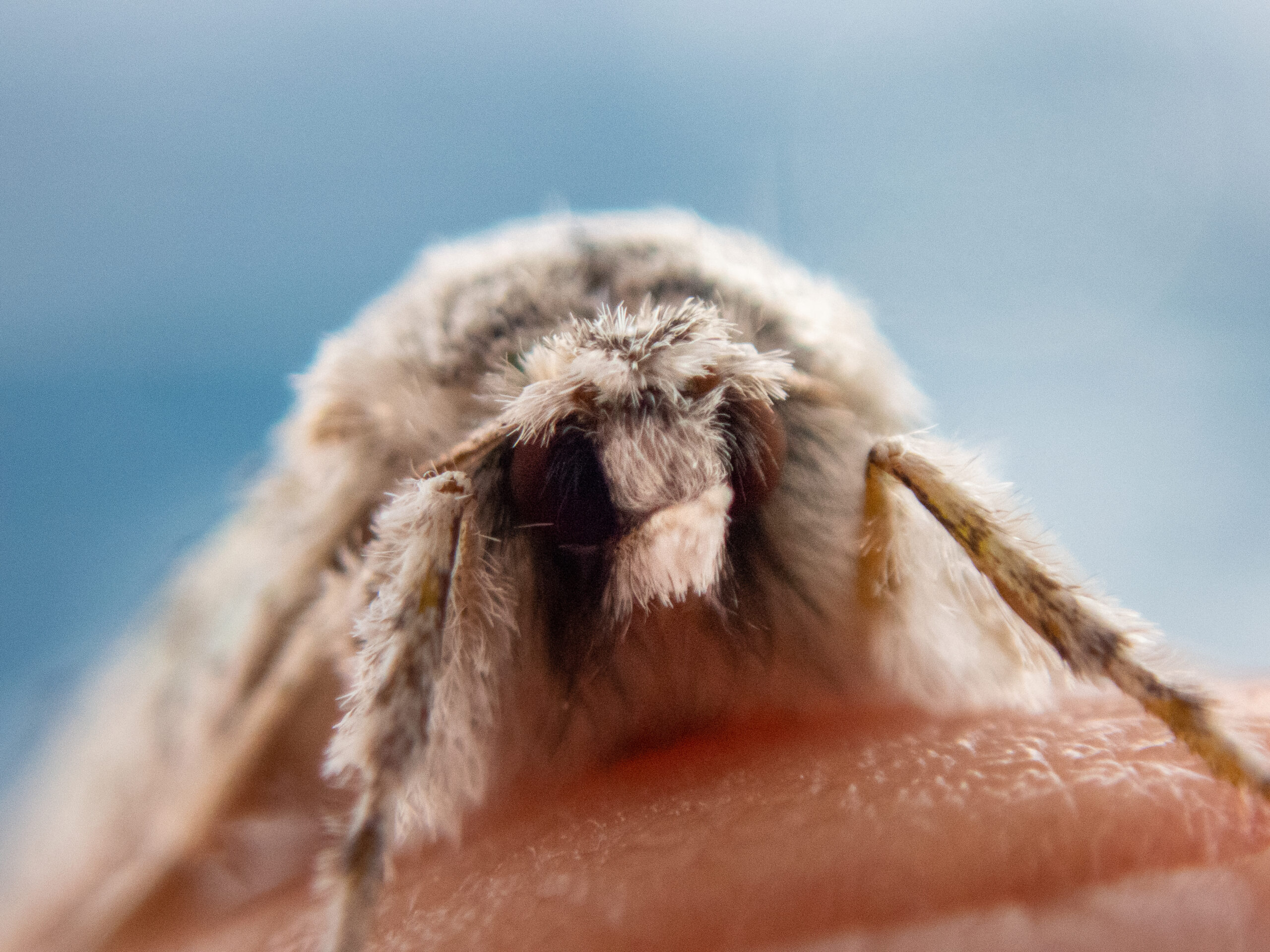
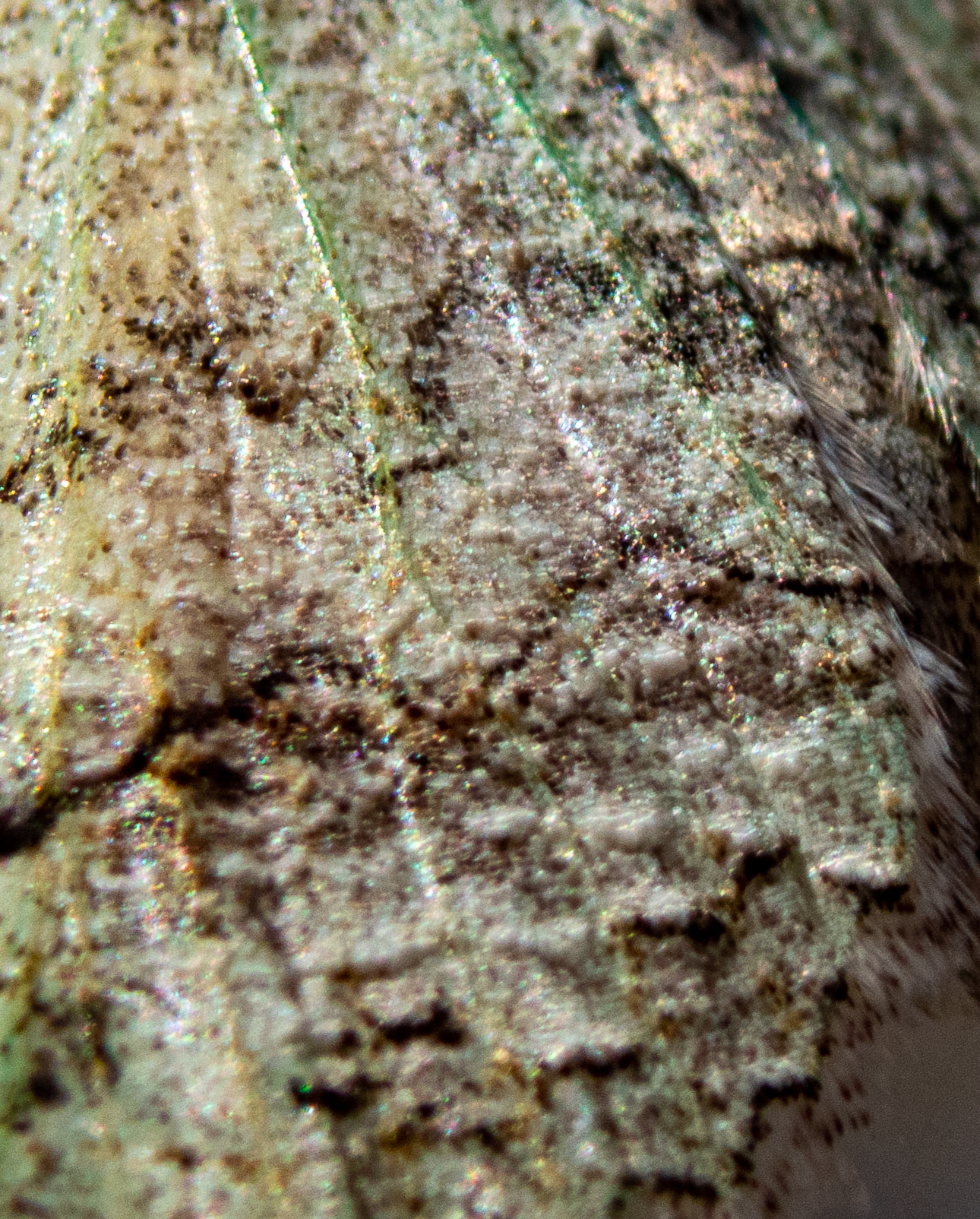
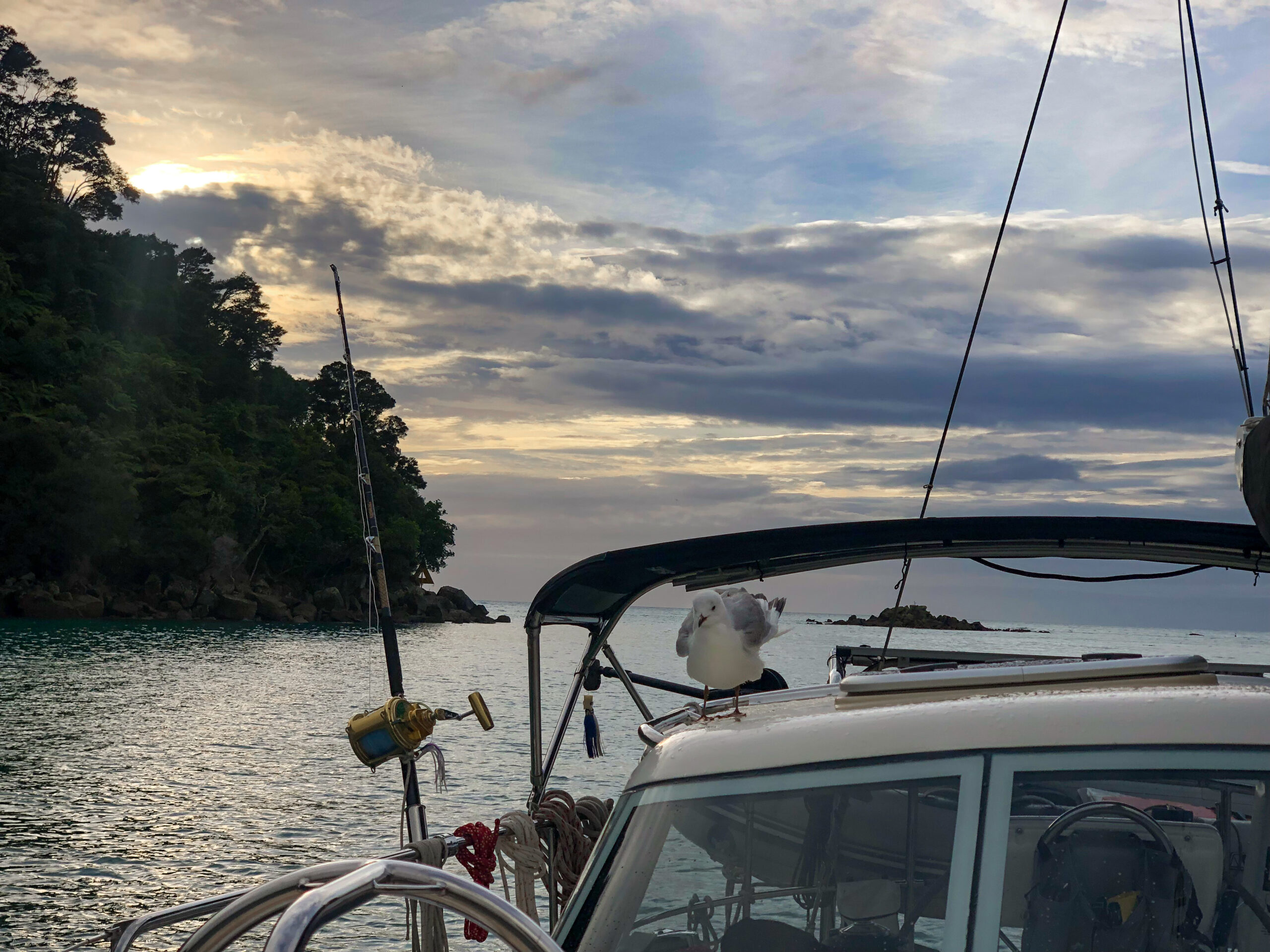
I’m afraid we have a stowaway!
He looks about as eager as I did for this passage.
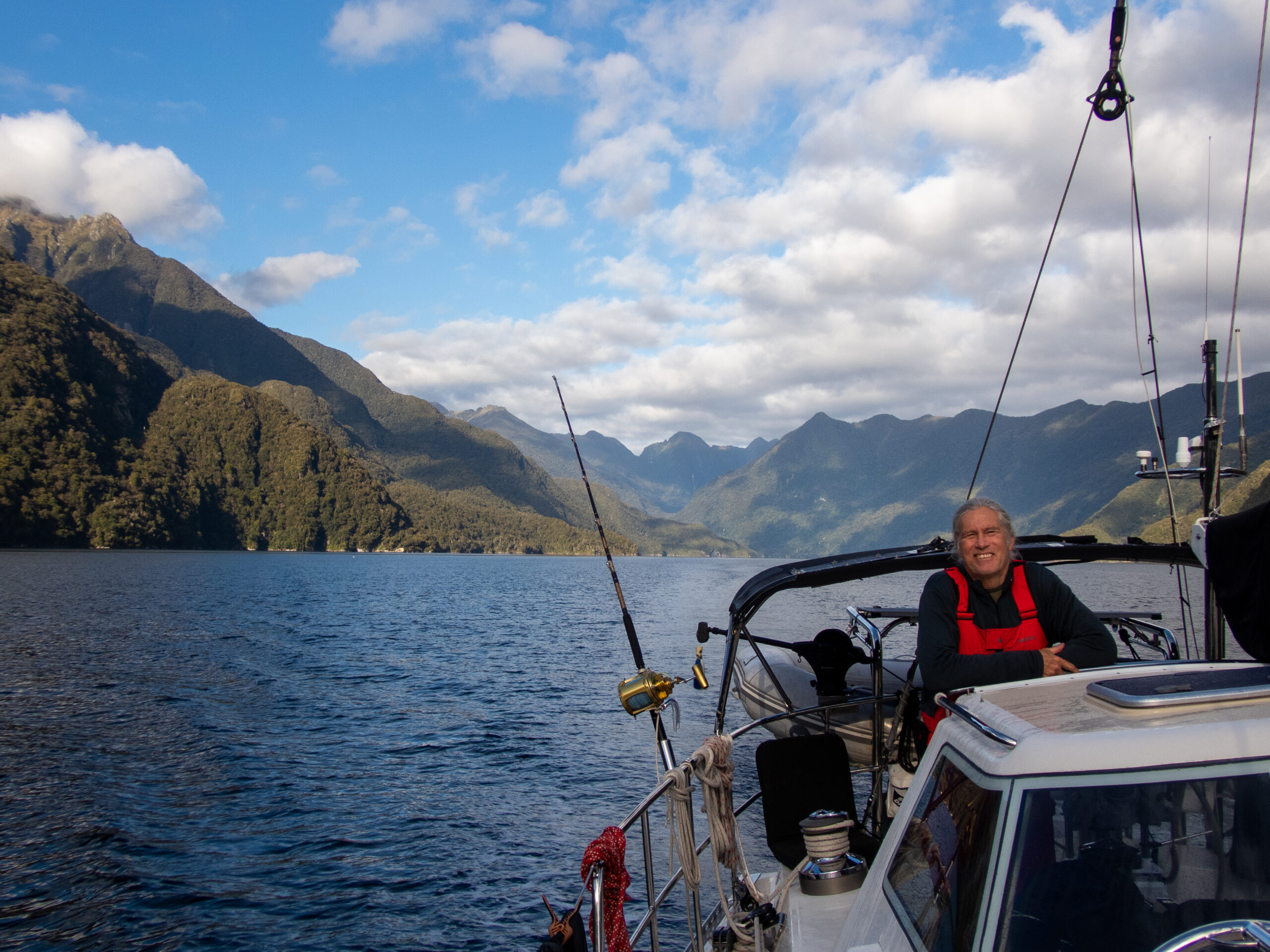
His ‘foulies’ are cooler than ours!
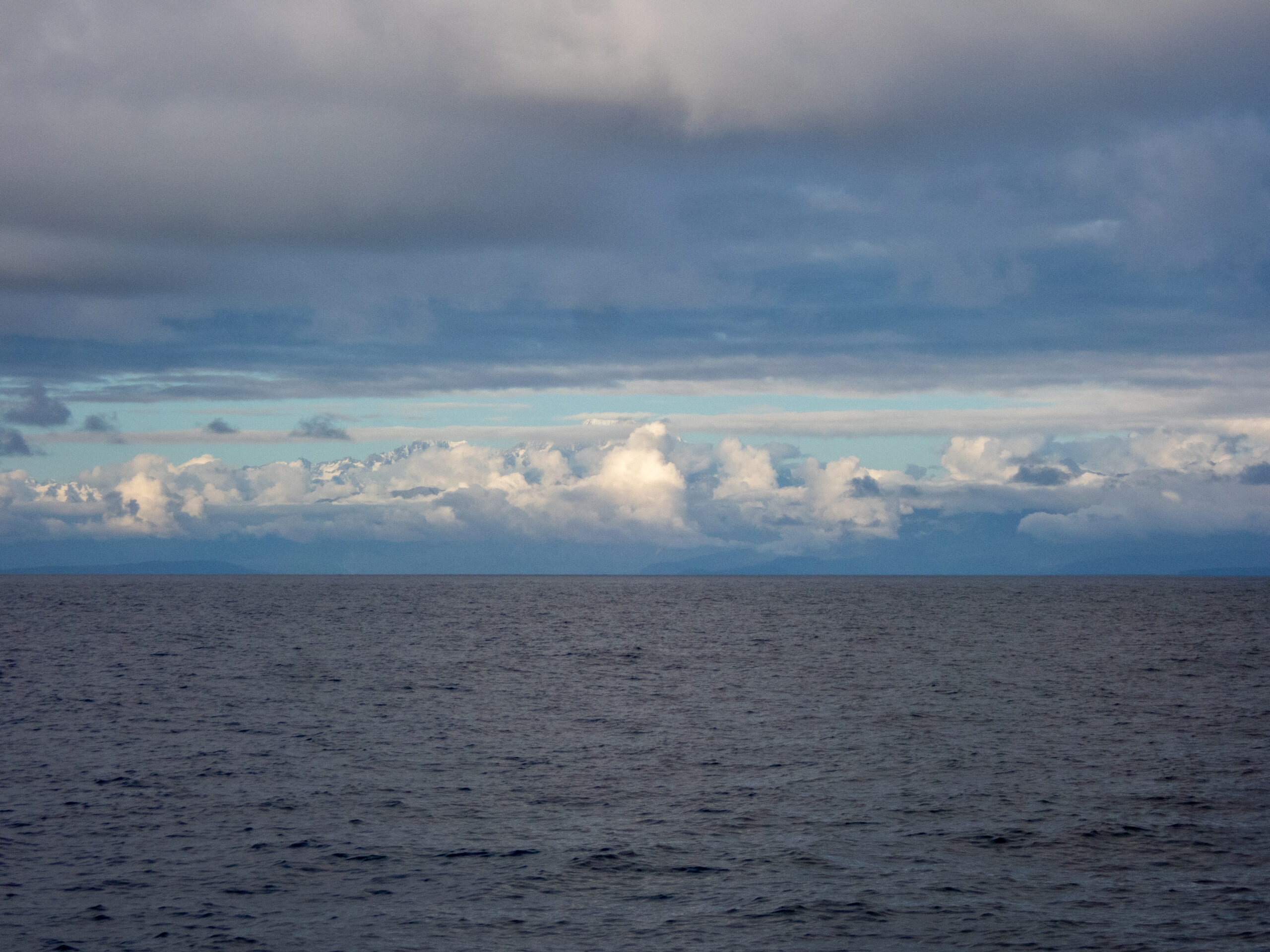
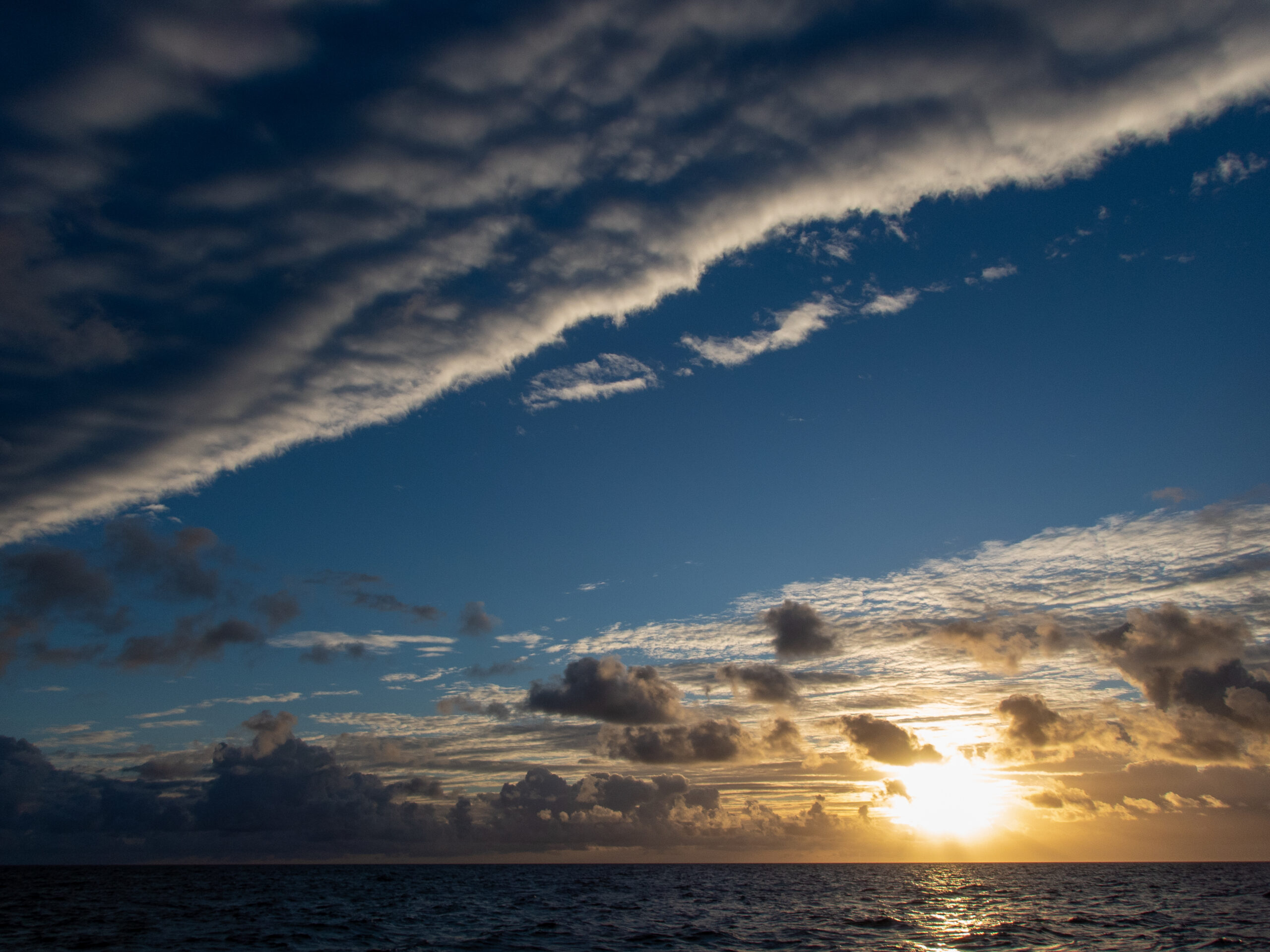
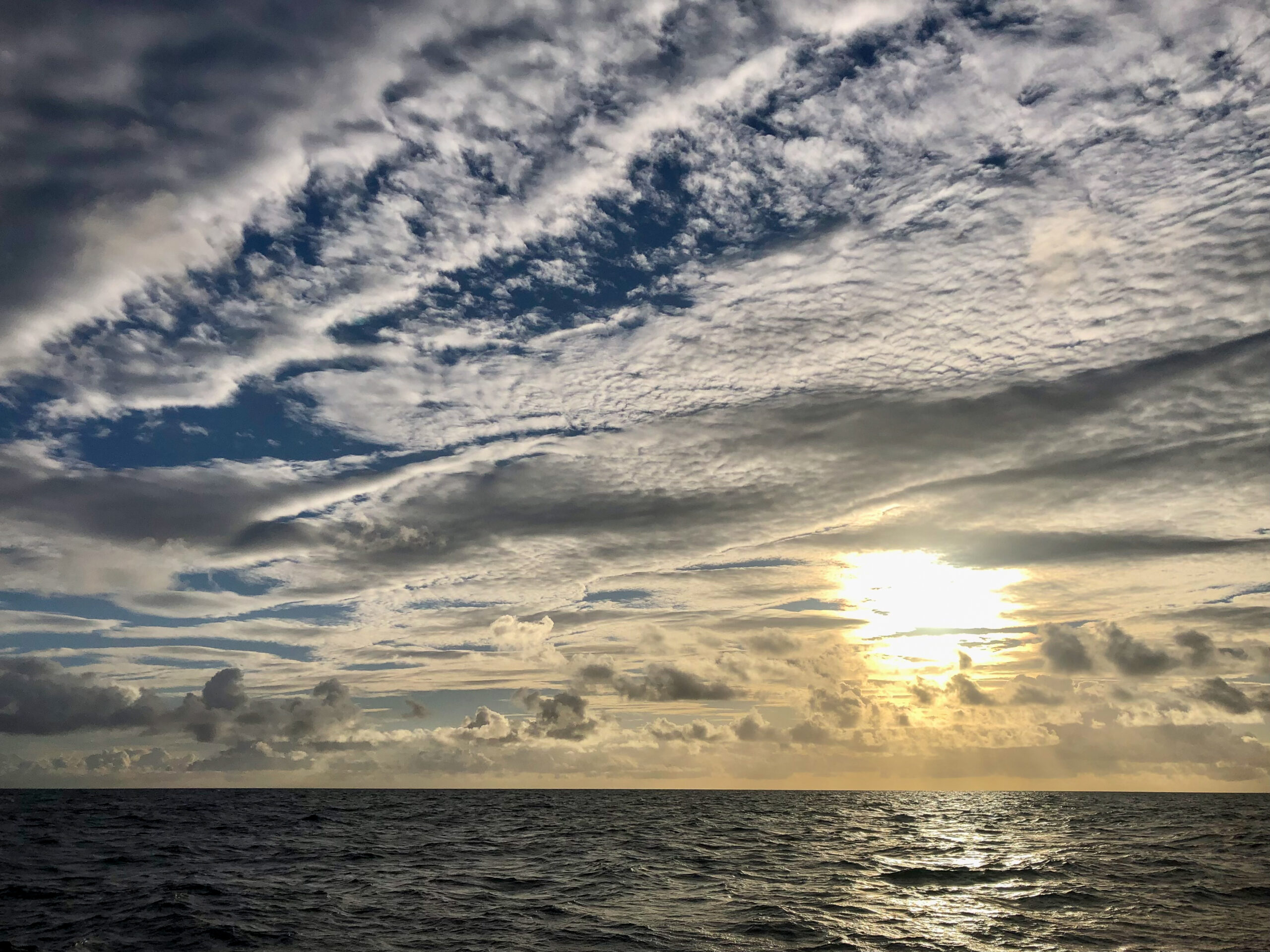
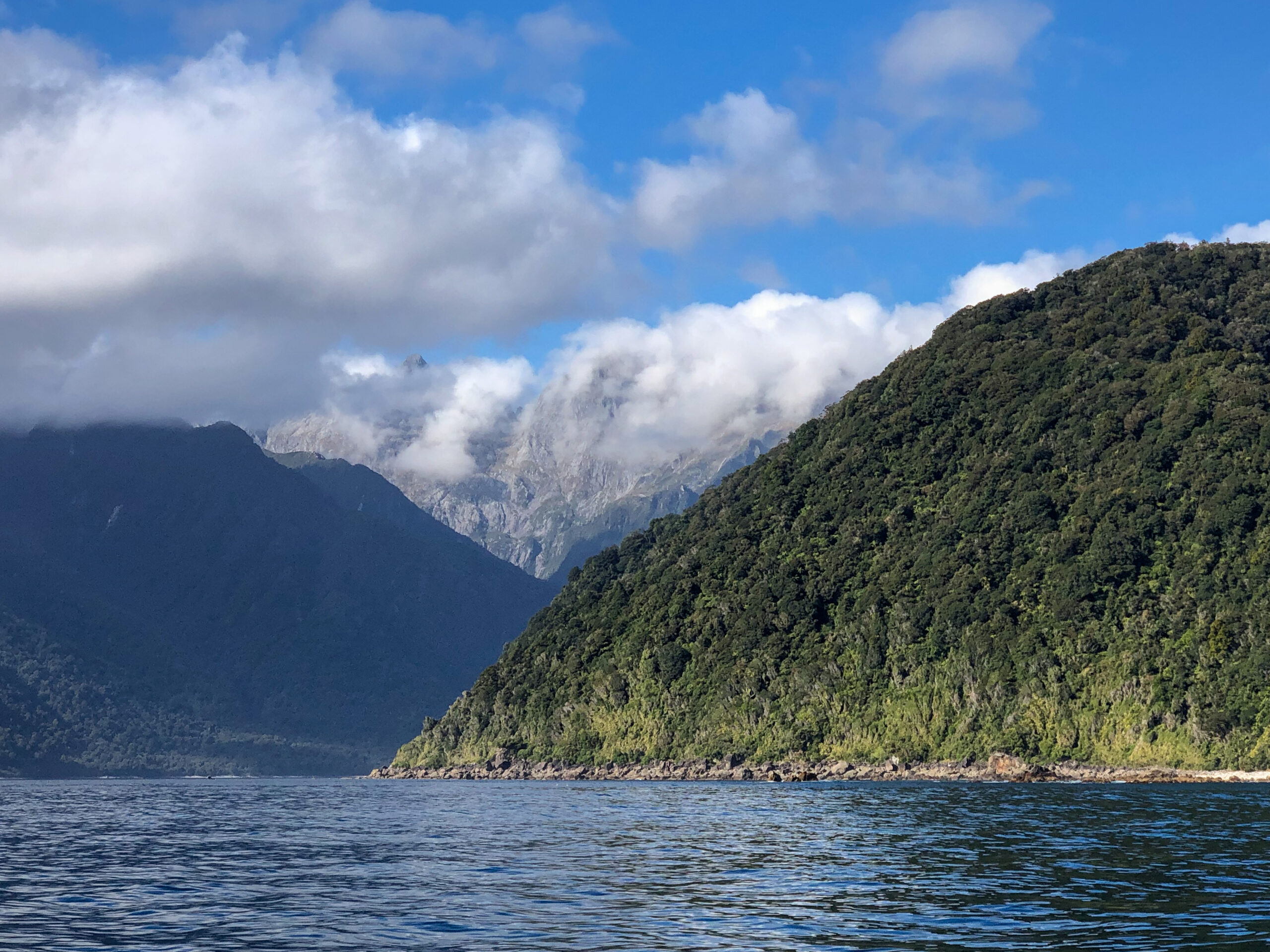
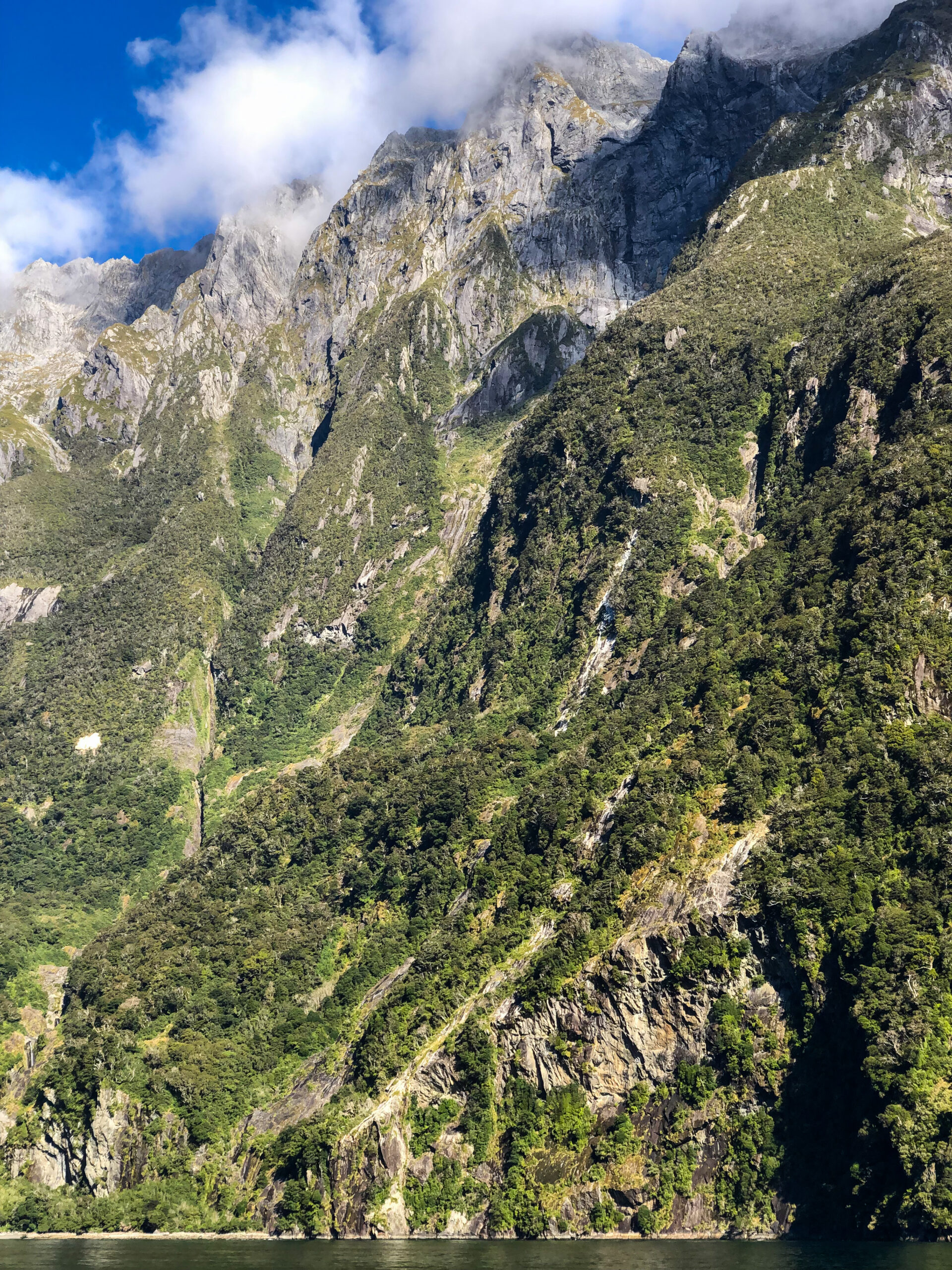
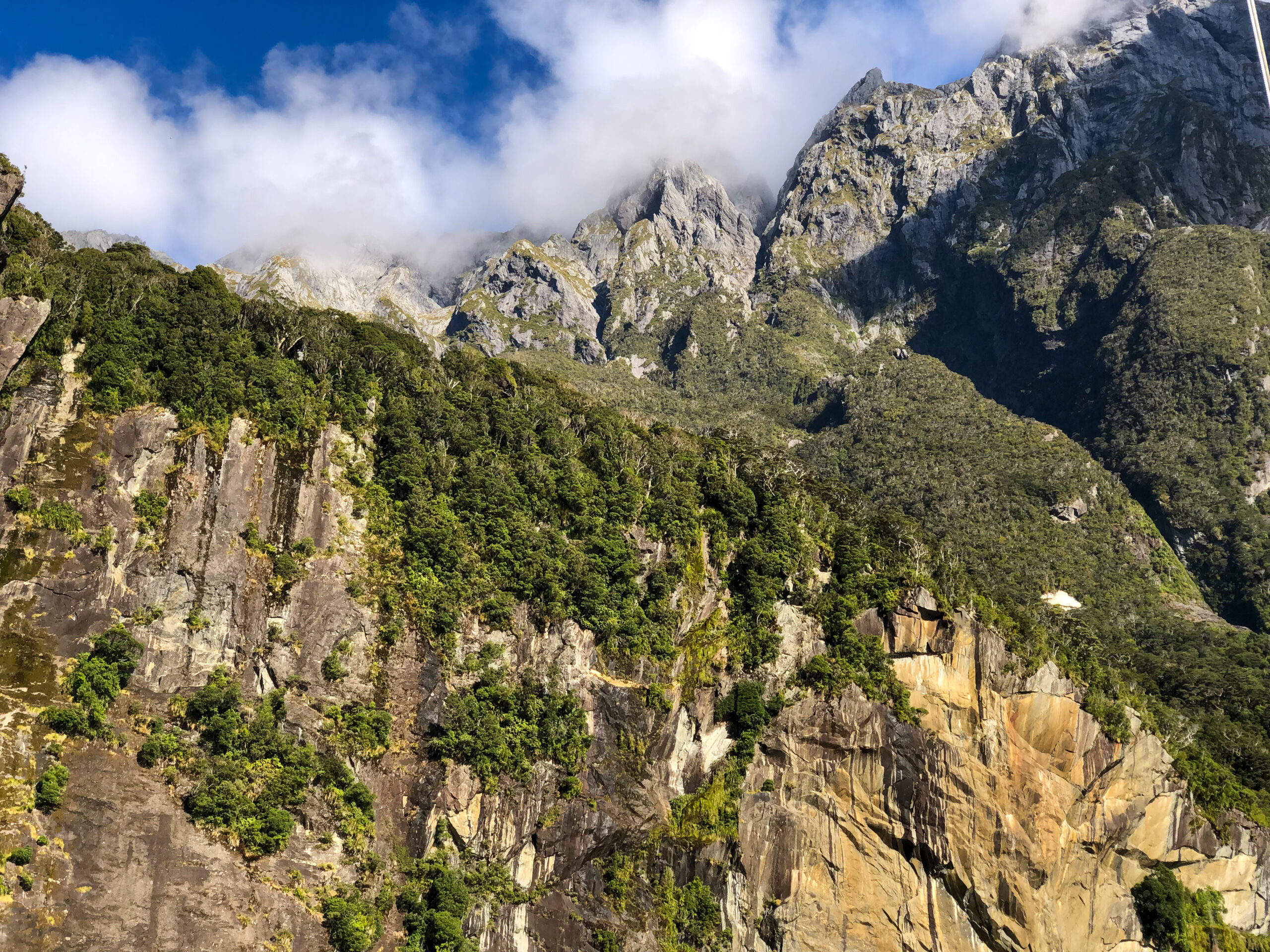
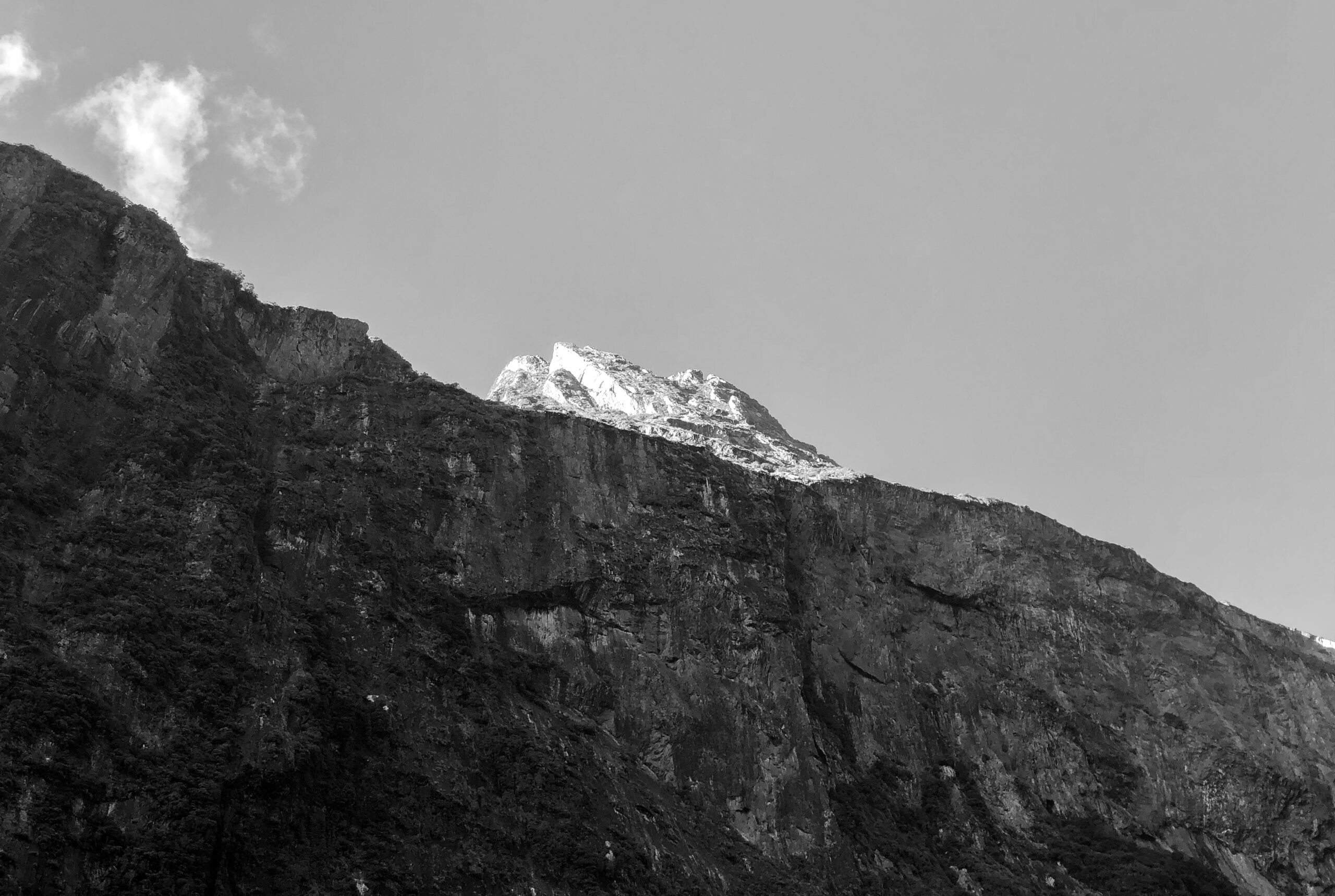
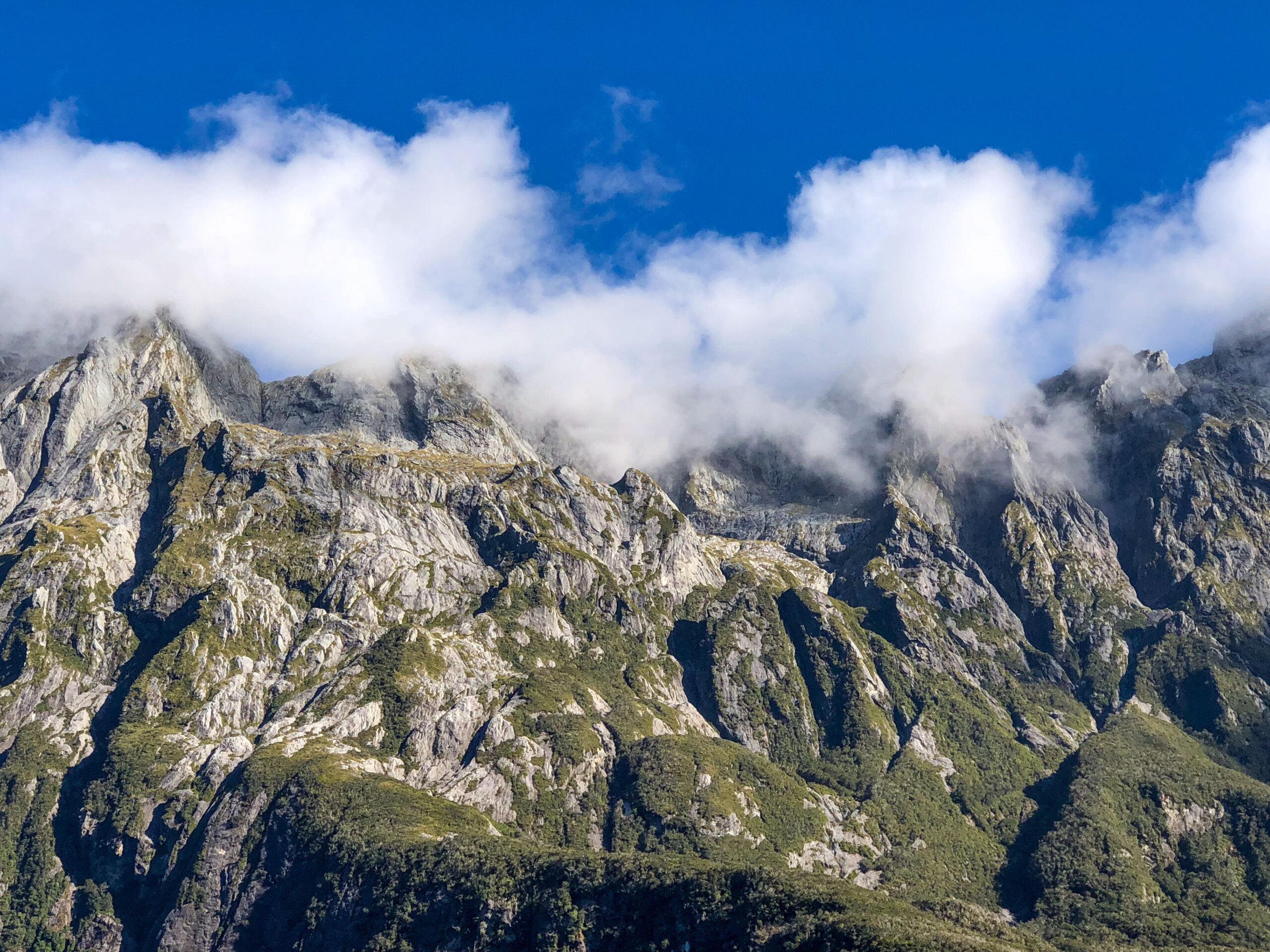
There are mountains in them thar clouds!
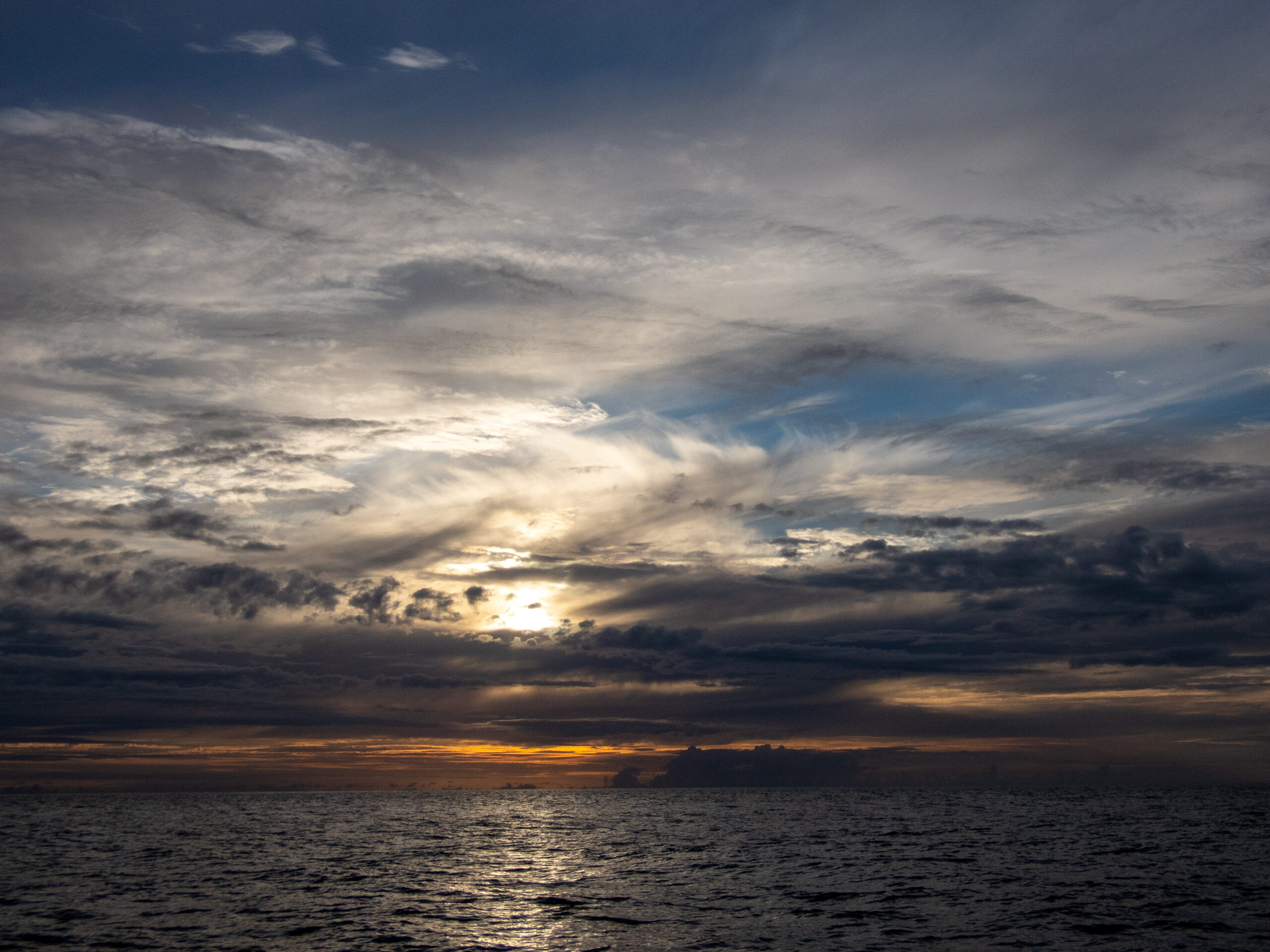
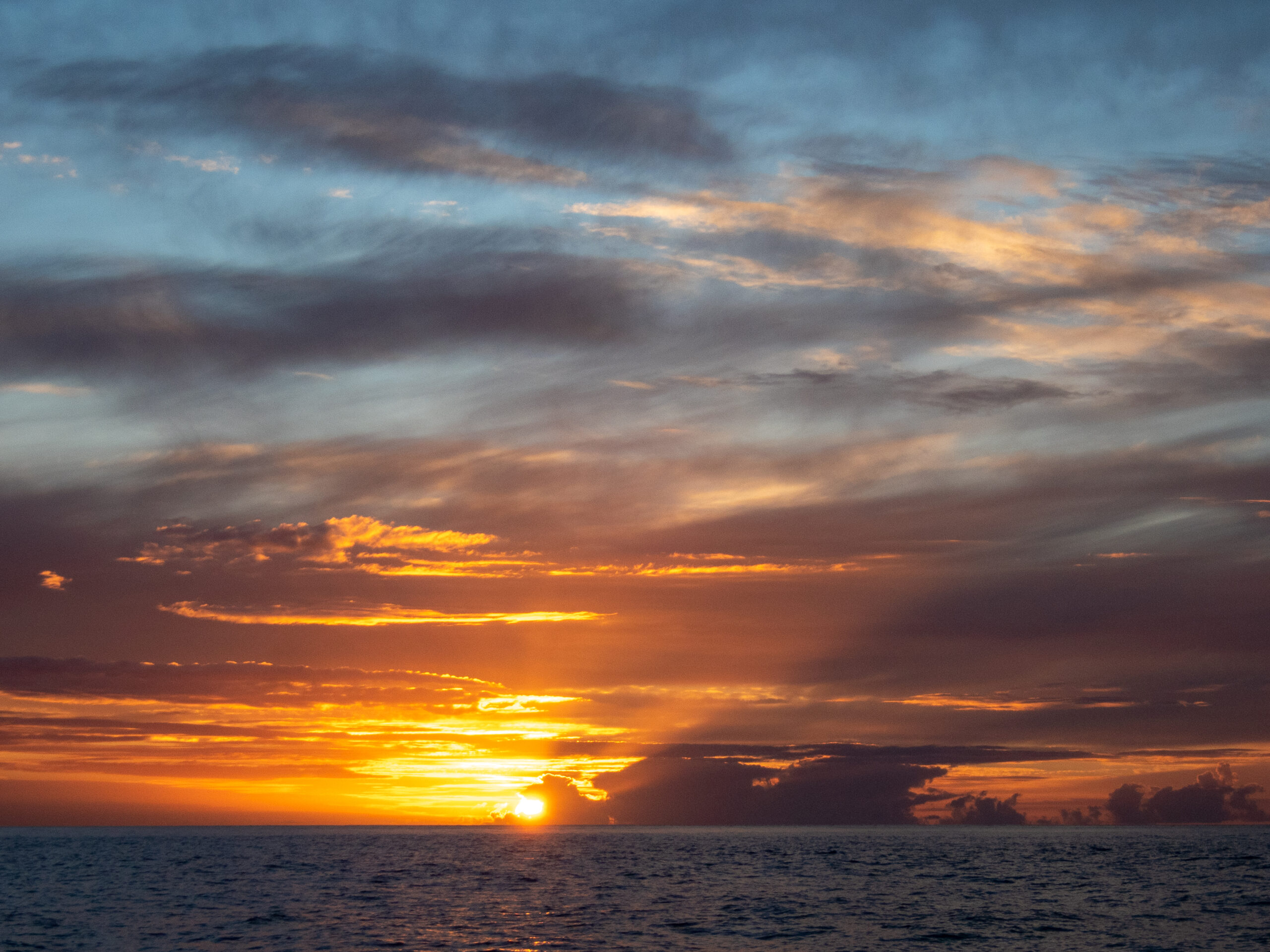
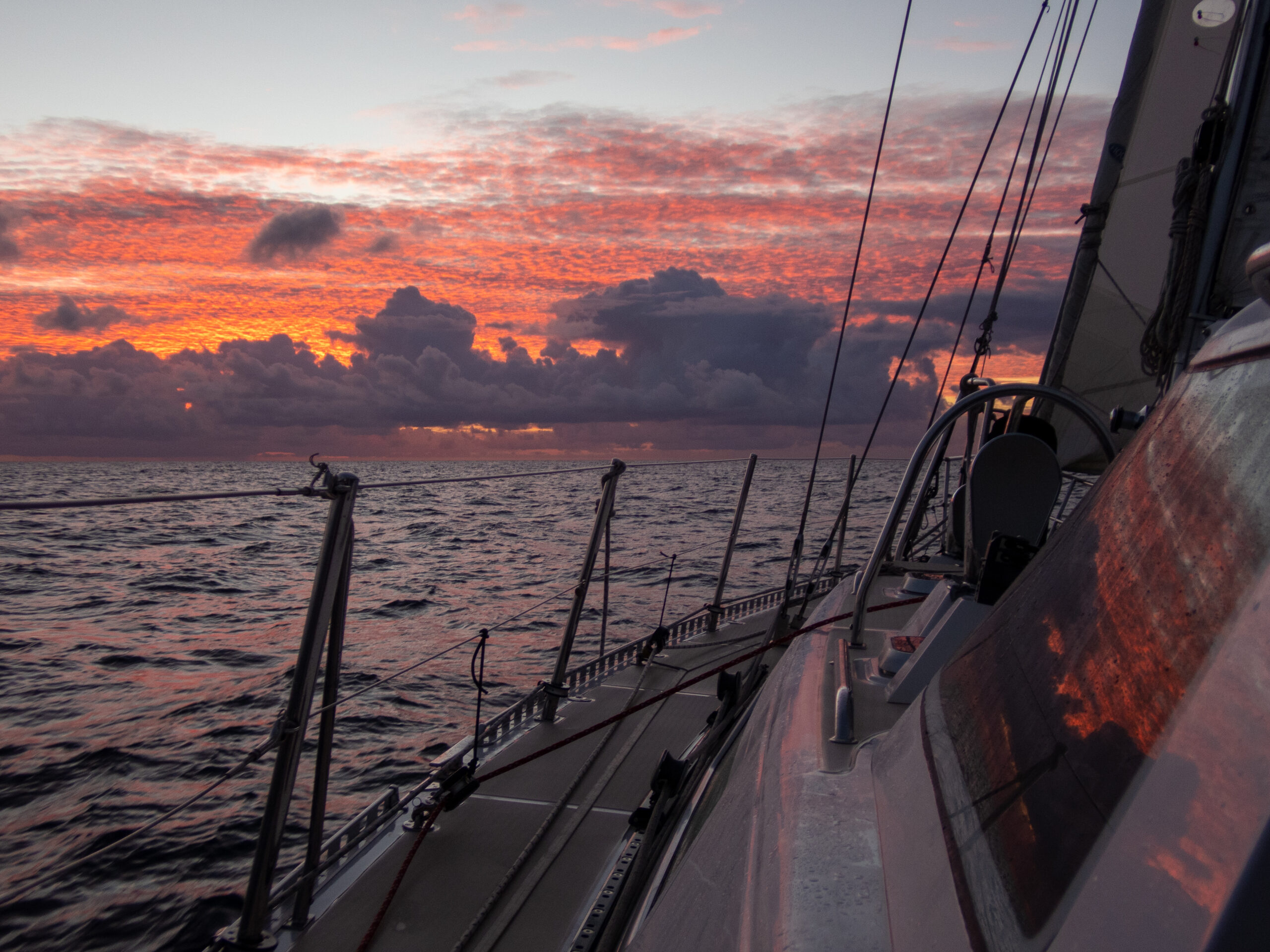
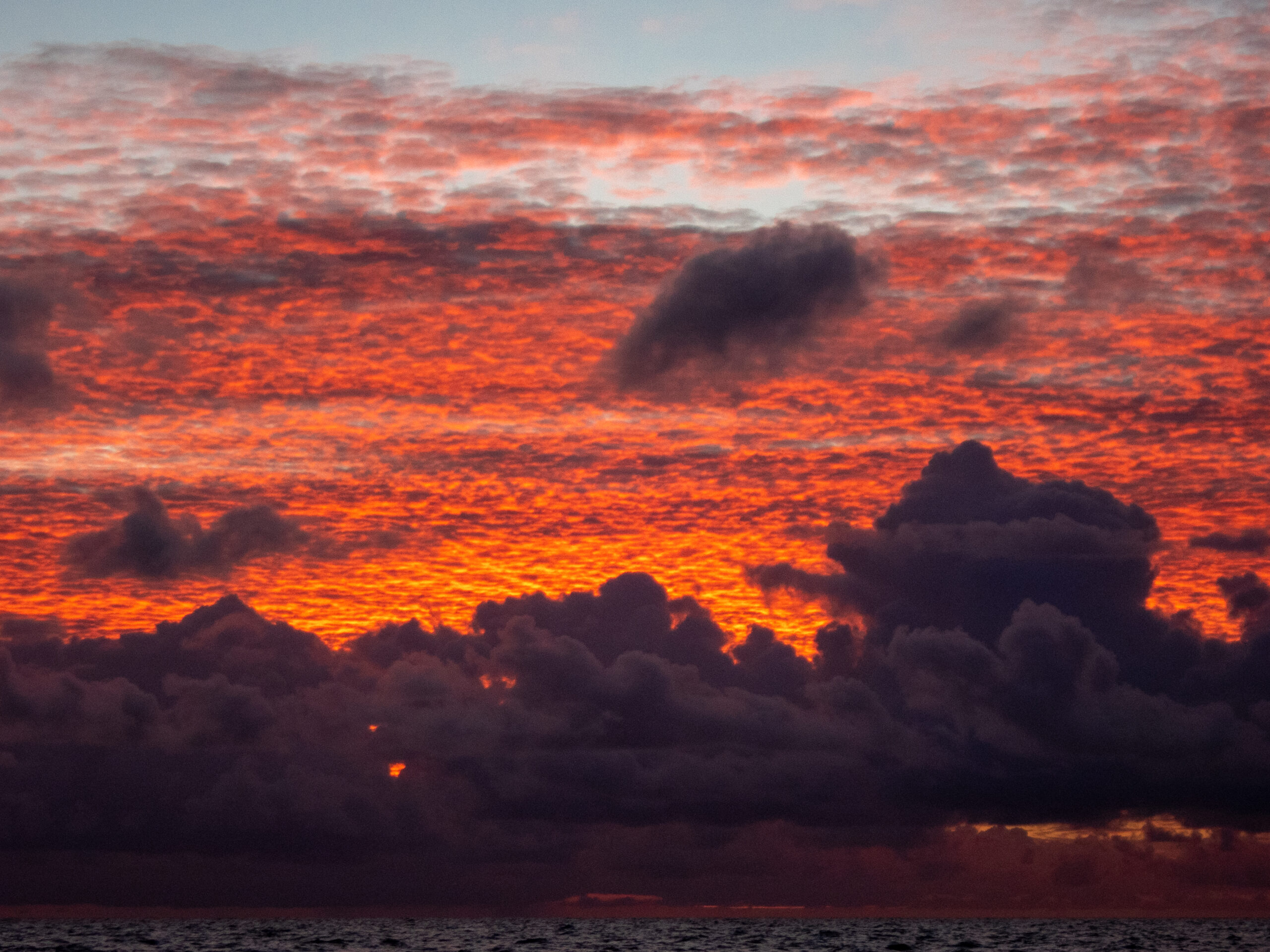
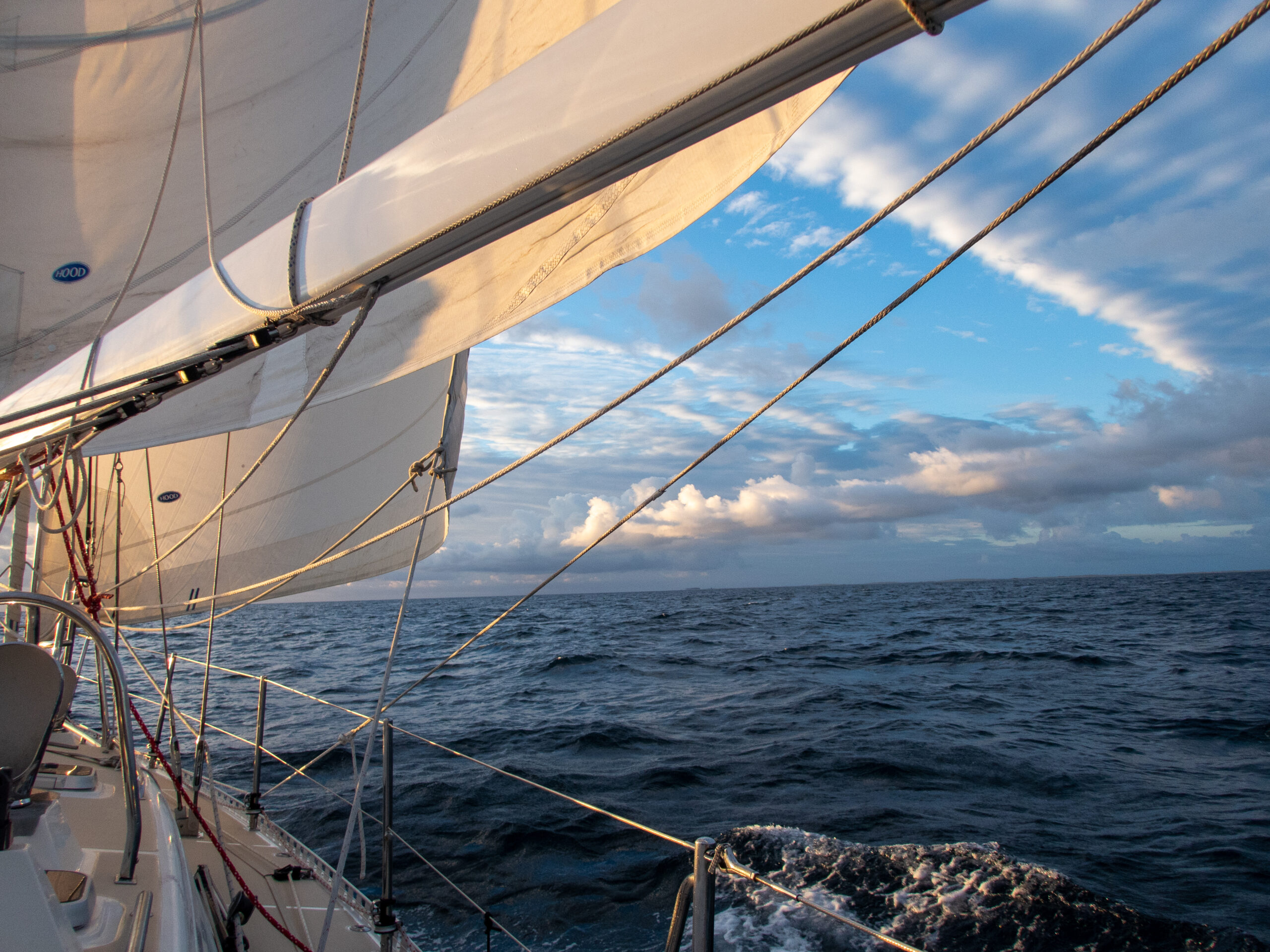
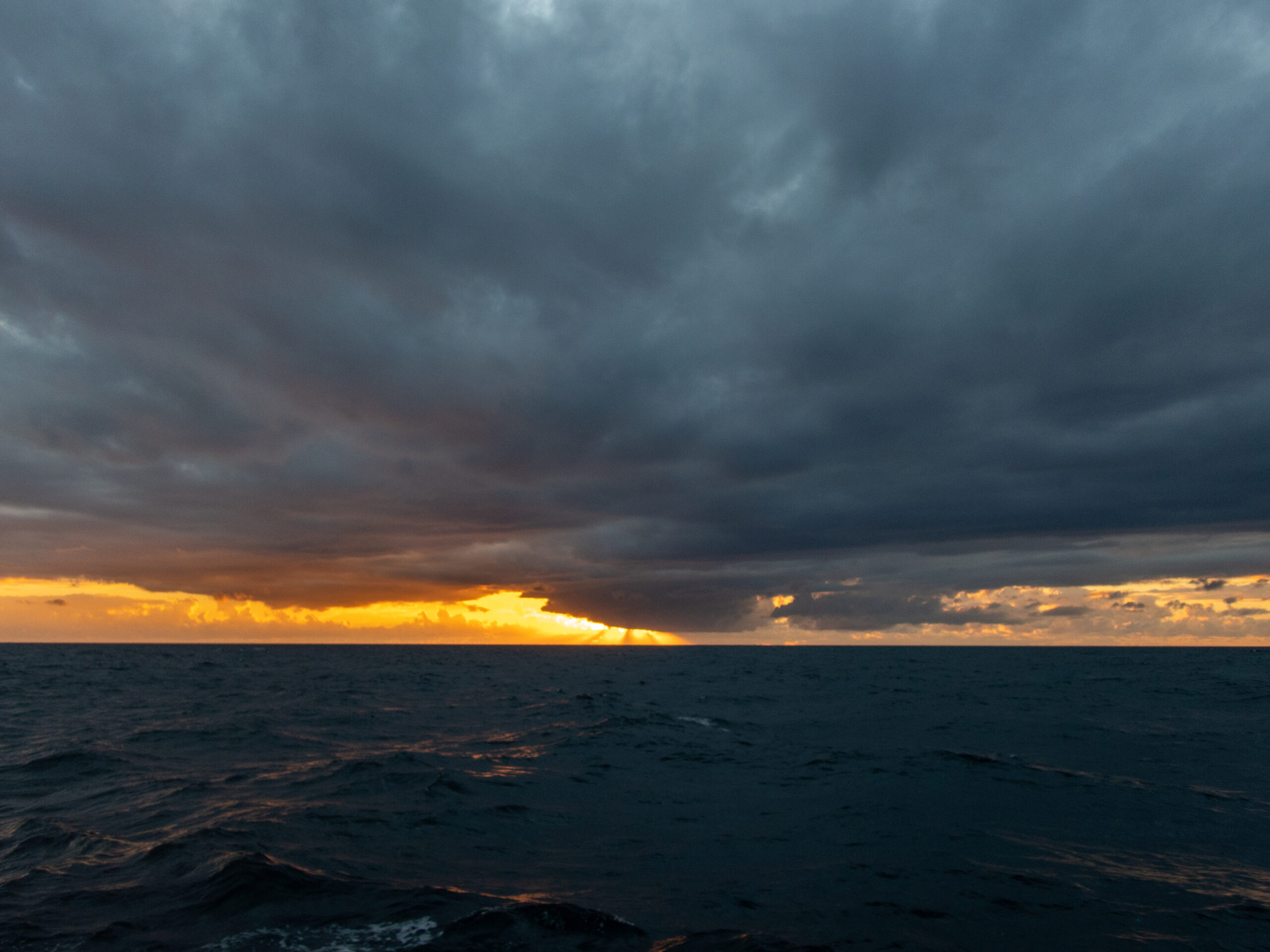
Sunrises and sunsets don’t go unnoticed out here.

Also in the logbook, I see a lot of scribbles in these notes about fuel rates, and estimates of actual fuel burned for miles ‘made good.’ Allora carries 190 gallons full which is more than enough for the distance as long as the weather is reasonably cooperative, but it makes a difference if you’re burning 1.5 gallons/hour or pushing the engine and burning 2.5 gallons/hour. The extra gallon doesn’t double your speed. People better at the maths would probably be able to calculate exactly what fuel rate is most efficient. I settled upon 1.6 or 1.7 as an nice compromise of efficiency, speed (to make our date at Cape Farewell) and comfort.
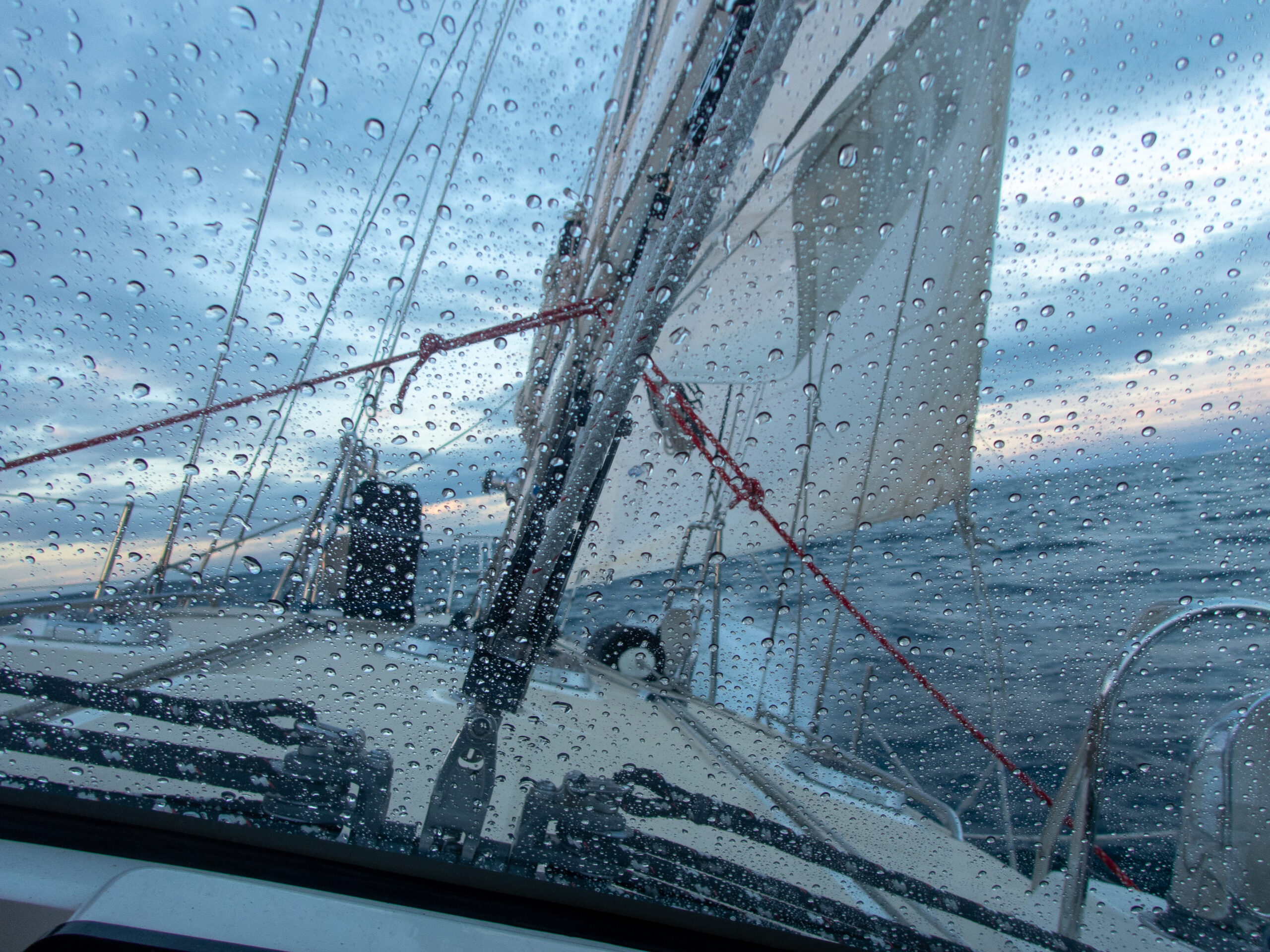
We had rain. We had current steadily set against us. We had dolphins streak by in the night leaving comet trails in the bioluminescence. We fussed about the wind, almost-but-not-quite-enough to sail, ever creeping up on the nose. We almost lost a batten in the mainsail. Then later, Otto, our autopilot made a sudden decision to turn hard to starboard out of nowhere. The switch for the high pressure pump on the watermaker heated up and set off the smoke alarm (naturally at night-while I was off watch). We saw no other boats besides the occasional fishing boat working closer to shore. We caught a glimpse of Aoraki (Mt Cook) at sunset, and at Cape Foulwind a couple of seal lions waved as we passed by.
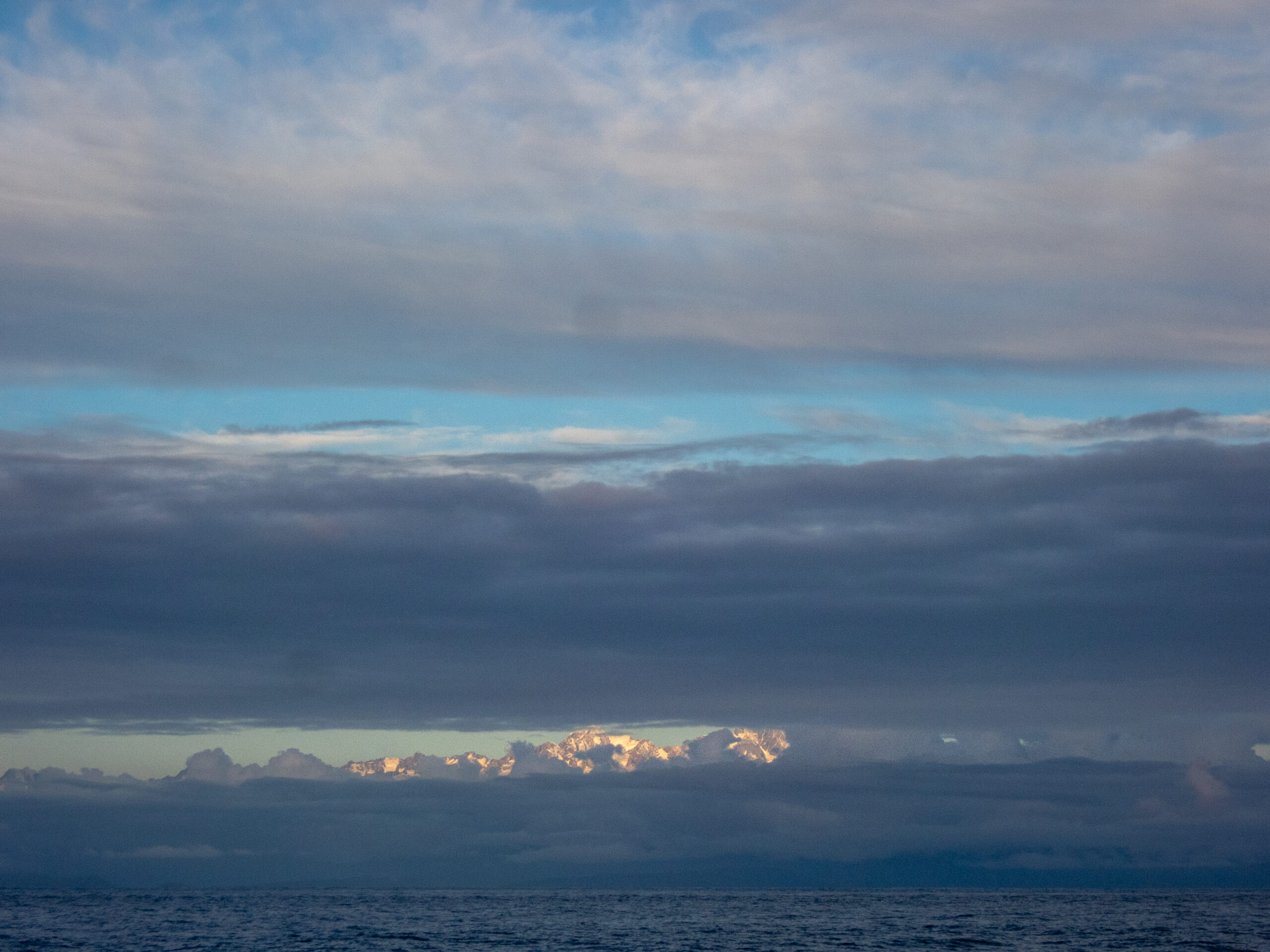
And my lil’ camera could not capture how stunning this scene was!

On the last night, as seems to be a theme lately, Diana drew the toughest watch of the passage. There was just no way to completely avoid a patch of heavy winds slated to meet us as we approached the Cape, straight on the nose. We tried to time it for the least possible, but Poseidon wasn’t going to let us off feeling too clever. For her whole watch, Allora slammed into 20 knots on the bow clawing her way up the last bit of coast to Cape Farewell. Finally, after calling Farewell Maritime radio to try to find out whether it was generally considered advisable to cut the corner at Kahurangi shoals (which they weren’t really able to commit to), we decided it probably wasn’t, so we slogged on. Diana went off watch and very soon after, we were able to fall off the wind. Just five degrees made a big difference. Pretty soon we were motor-sailing and by Diana’s last sunrise watch she was able to shut the engine off and sail along Farewell Spit, an amazing 25km sandbank off the northwestern corner of the South Island at the opening of Cook Strait. The winds were light but sweet. Finally! ~MS
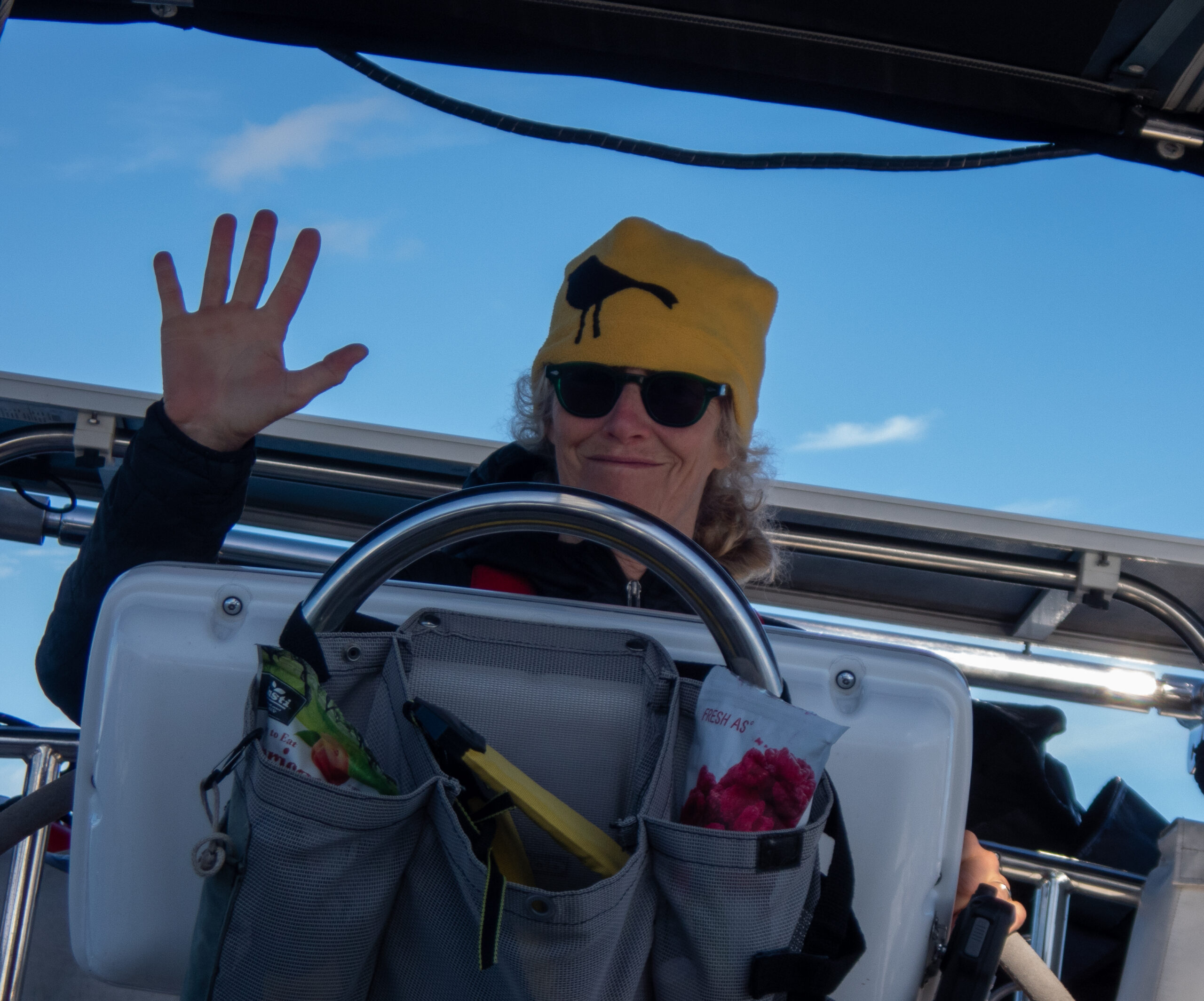
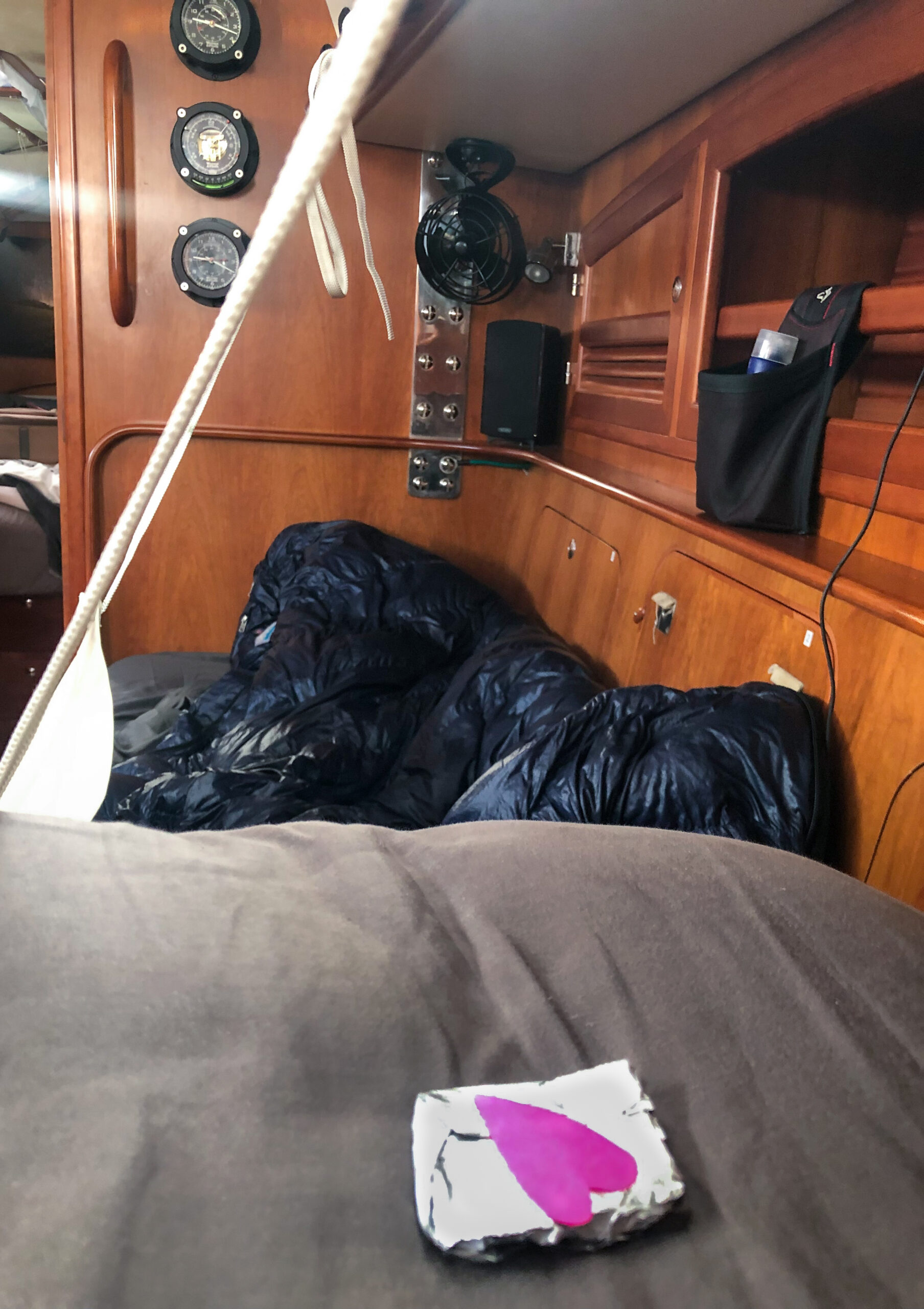
We had to ‘hot bunk’ which (sounds better than it is), means sharing the same berth in shifts because the boat is heeling too much in one direction to utilize the other side. I left Marcus a chocolate on his pillow to further sweeten his off watch experience!
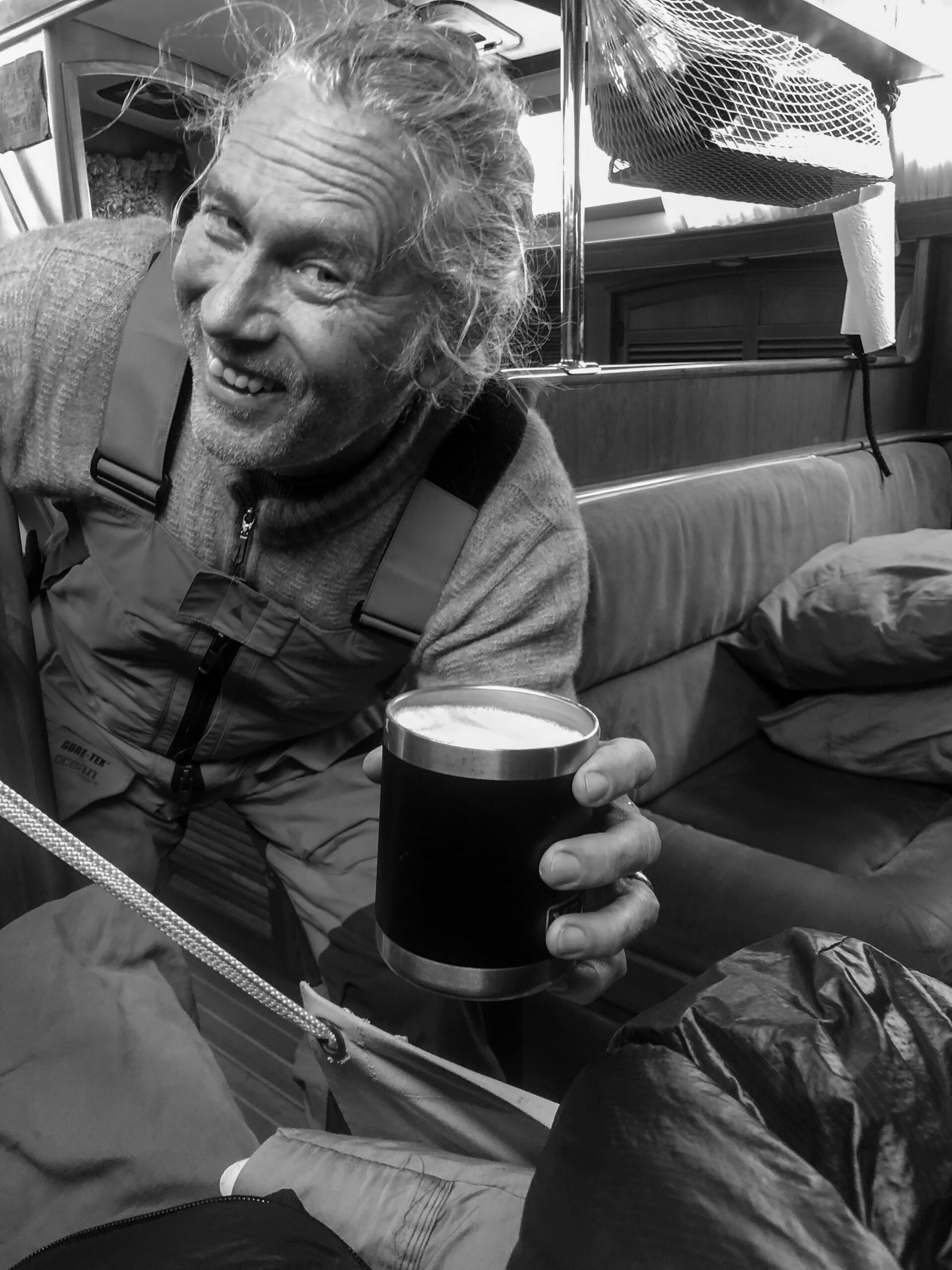
Gotta love modern times – ship captains of yore didn’t used to provide their first mates with latte’s as a wake up! Feeling grateful …
First light on the last day of our passage.
Oh hello dawn, we see you!
The same sunrise unfurling.
Allora and her crew get some sweet, smooth motion before finally rounding Farewell Spit and finding an anchorage.
Allora seems to keep a steady pace, but her crew at this point can feel like horses heading back to the barn, anxious to just GET THERE! It’s definitely a lesson in savoring what IS!
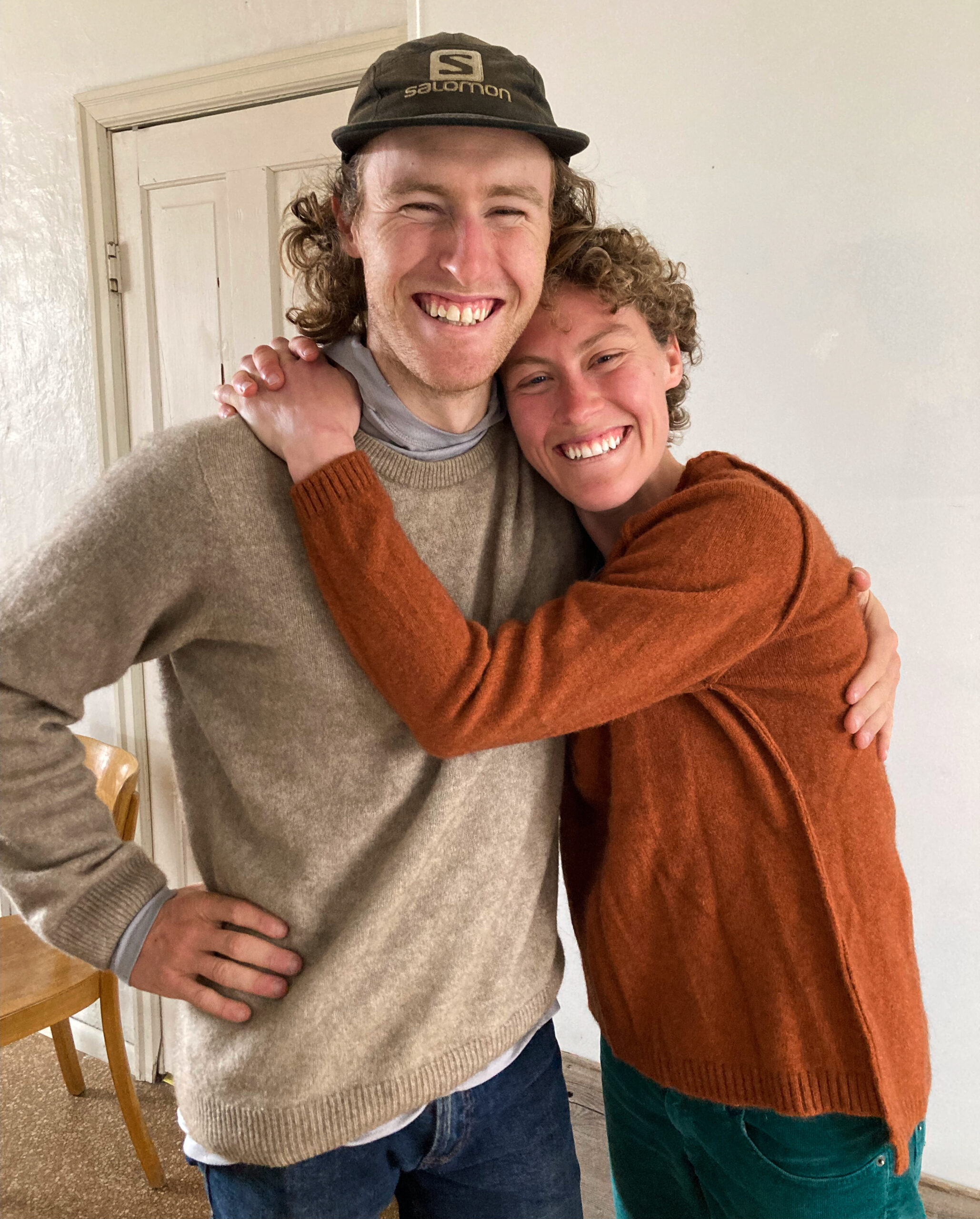
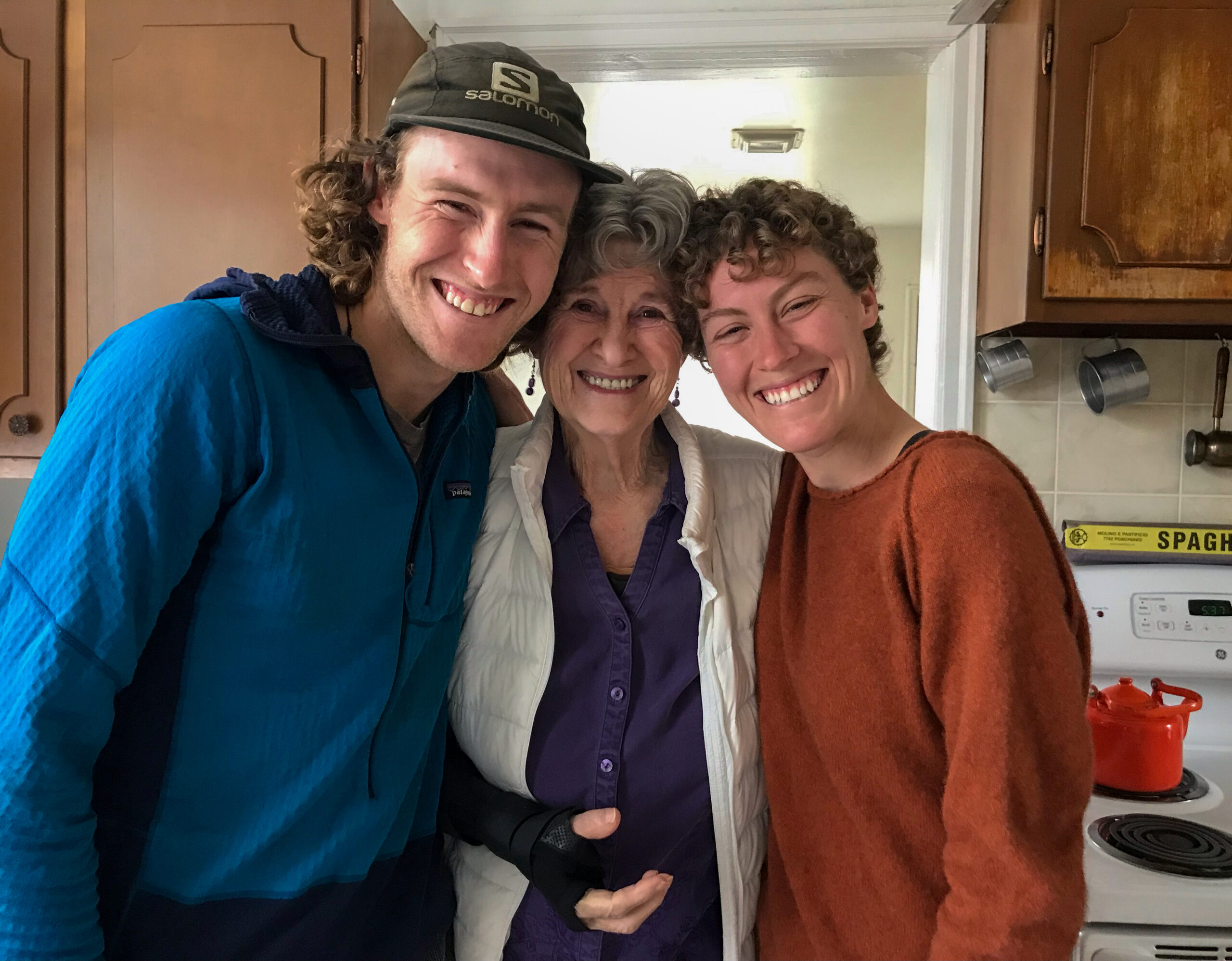
Before we even tucked into Abel Tasman, my phone started ‘bleeping’ frantically, the first Wifi messages in nearly 3 months came flooding in. I have to say, both sides of the phone equation are awesome – putting it away, disconnected from the world and then THIS! Siblings reunited for the first time in 3 years! Love in pixels!
And Grandma Elizabeth sandwiches are always delicious!
Marcus’ reaction when I shared these pics.
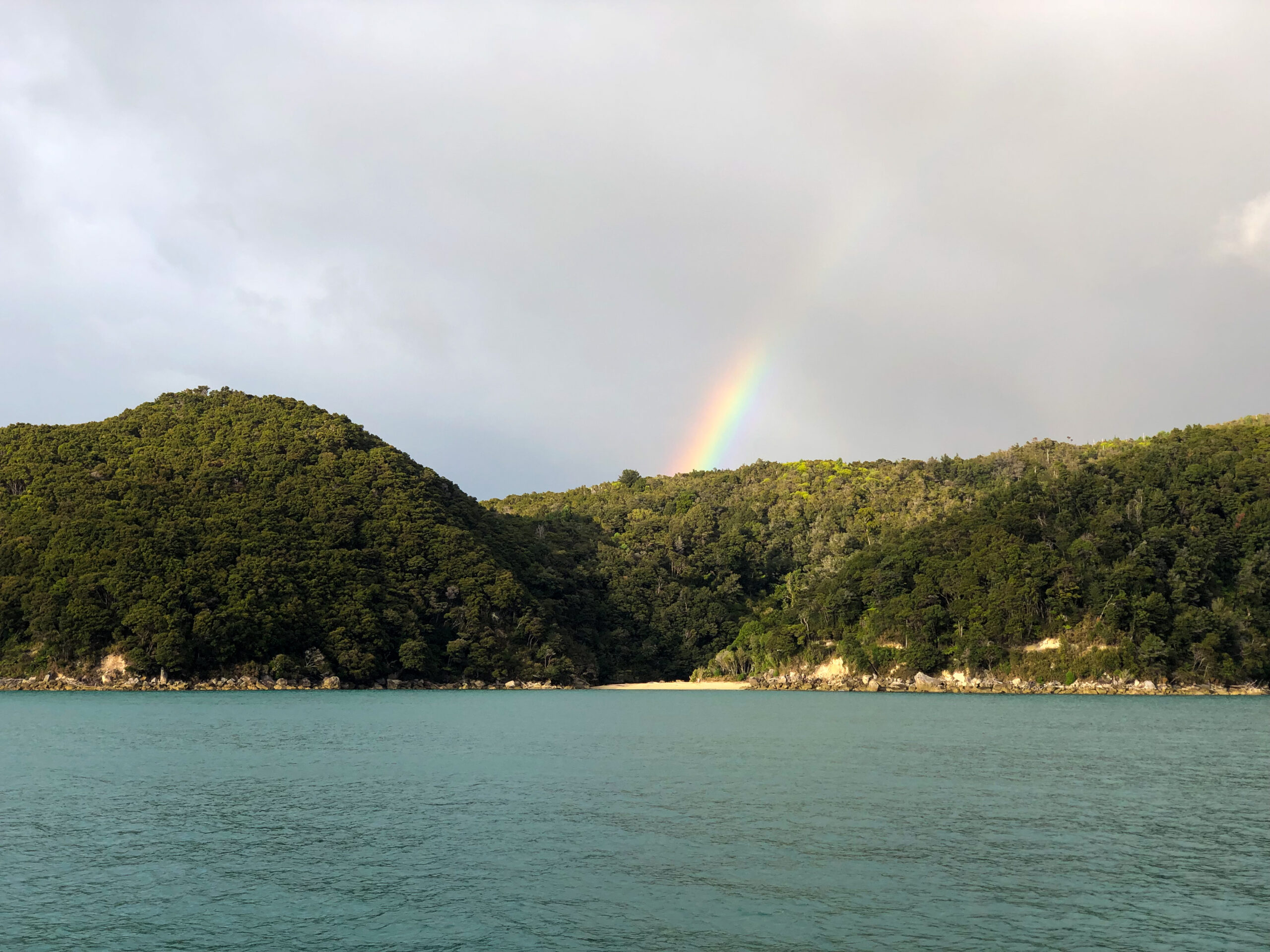
Bark Bay, our first anchorage in Abel Tasman. We contemplated getting Namo off our foredeck and exploring that little sweet beach, but instead, we just sat on deck and savored the stillness.
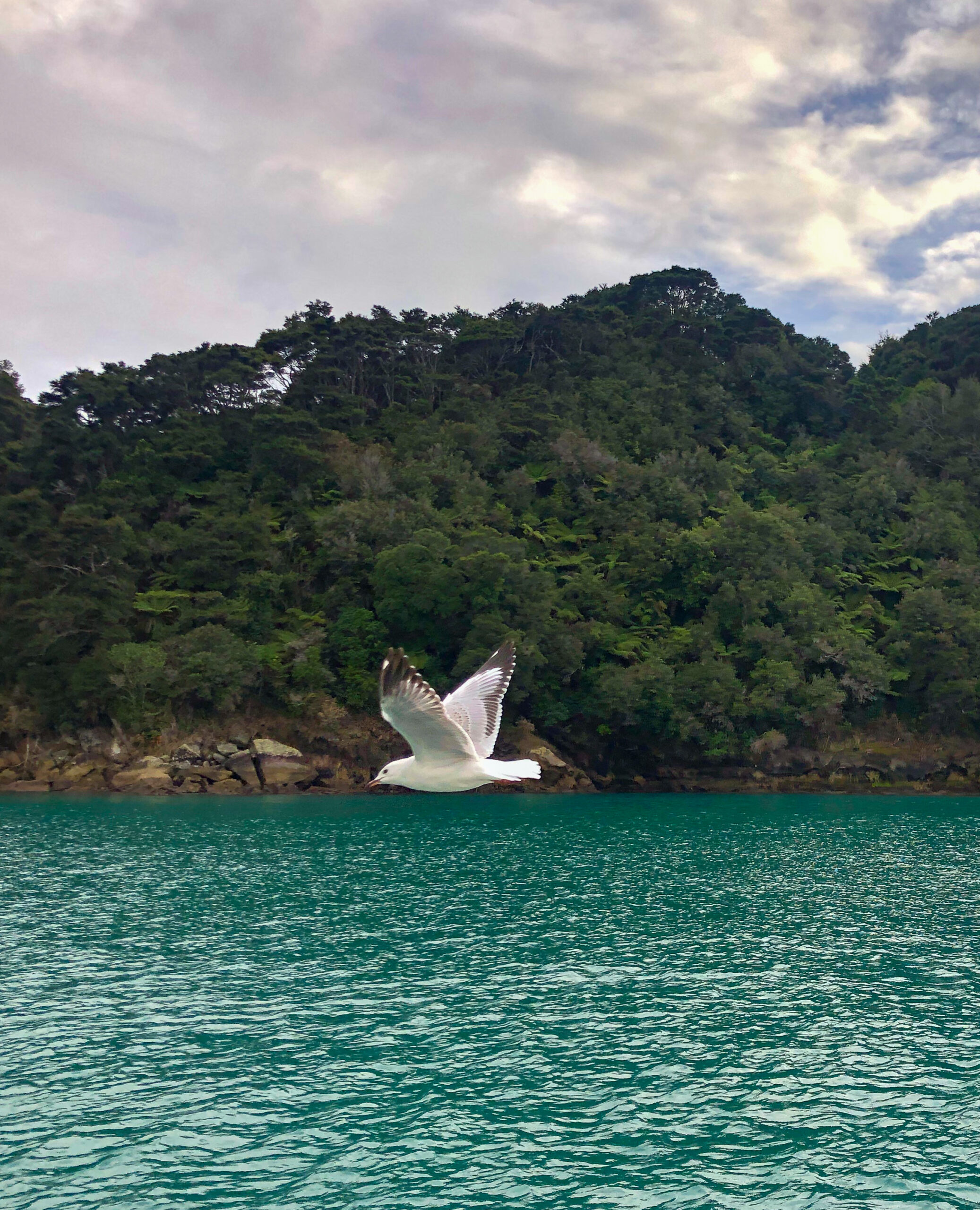
This gull landed as we were just feet away on deck.
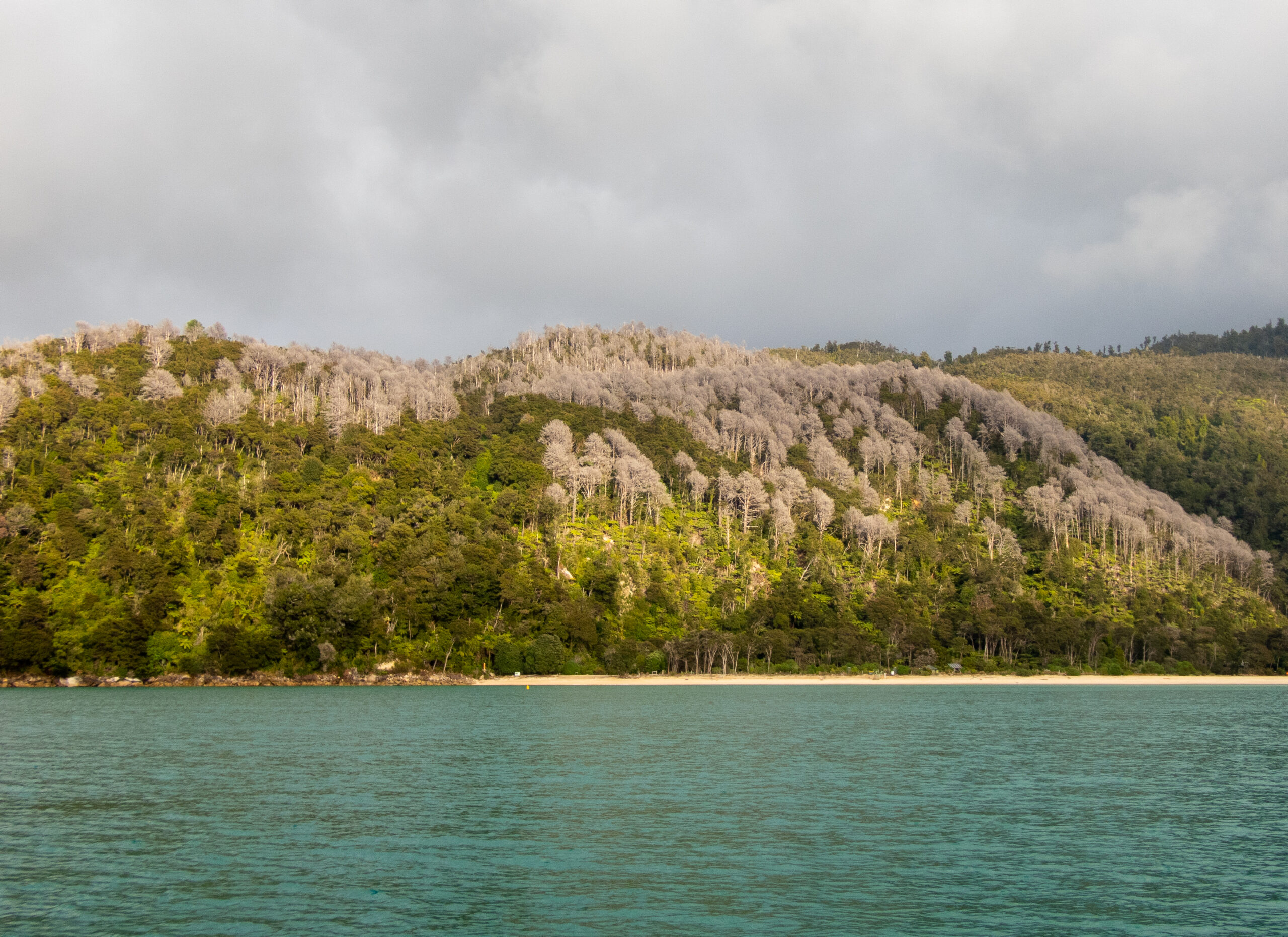
Grey skeletal remains of wilding pines (invasive conifers in NZ).


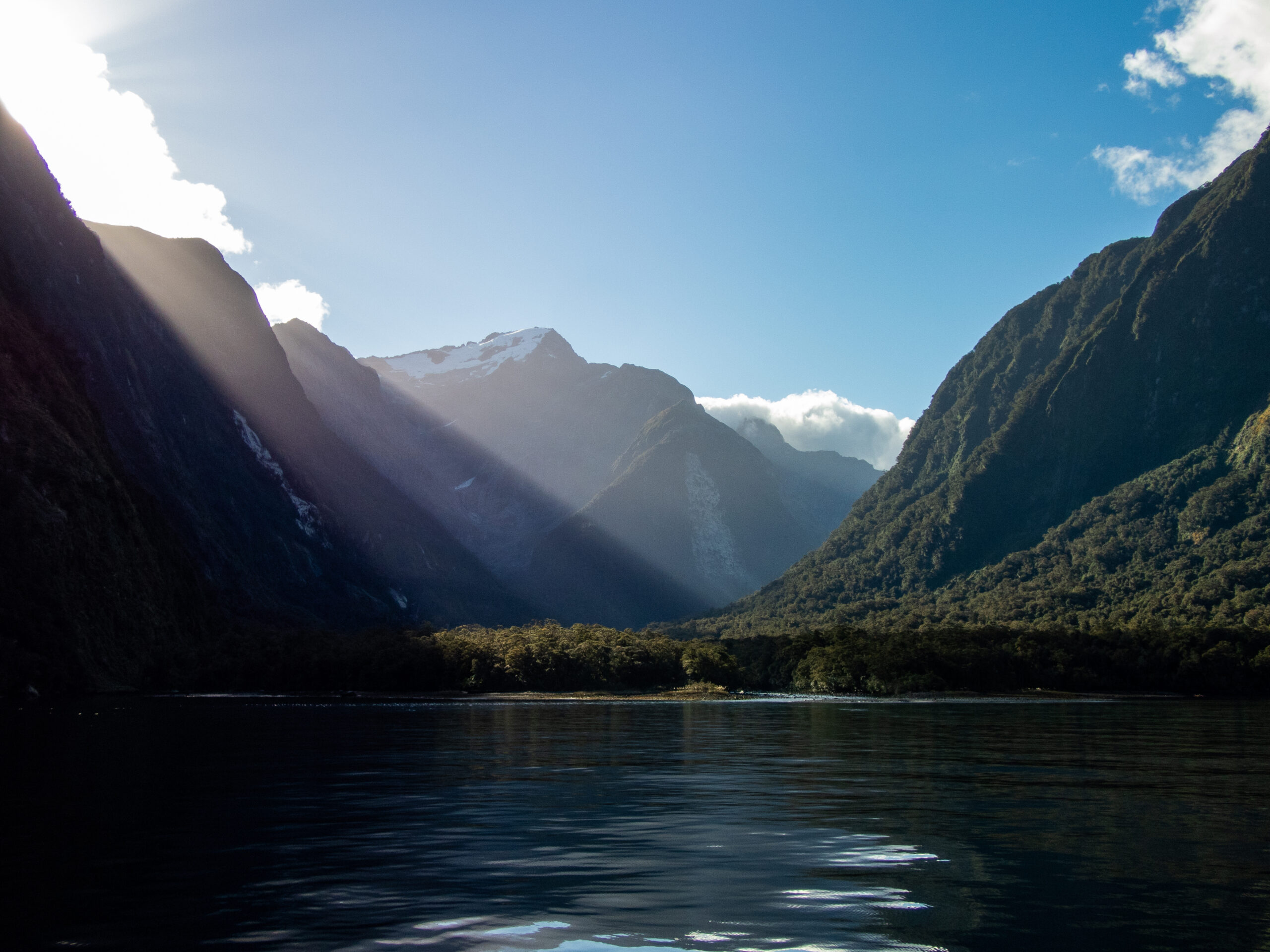
Magical Milford Sound/Piopiotahi! – Fiordland

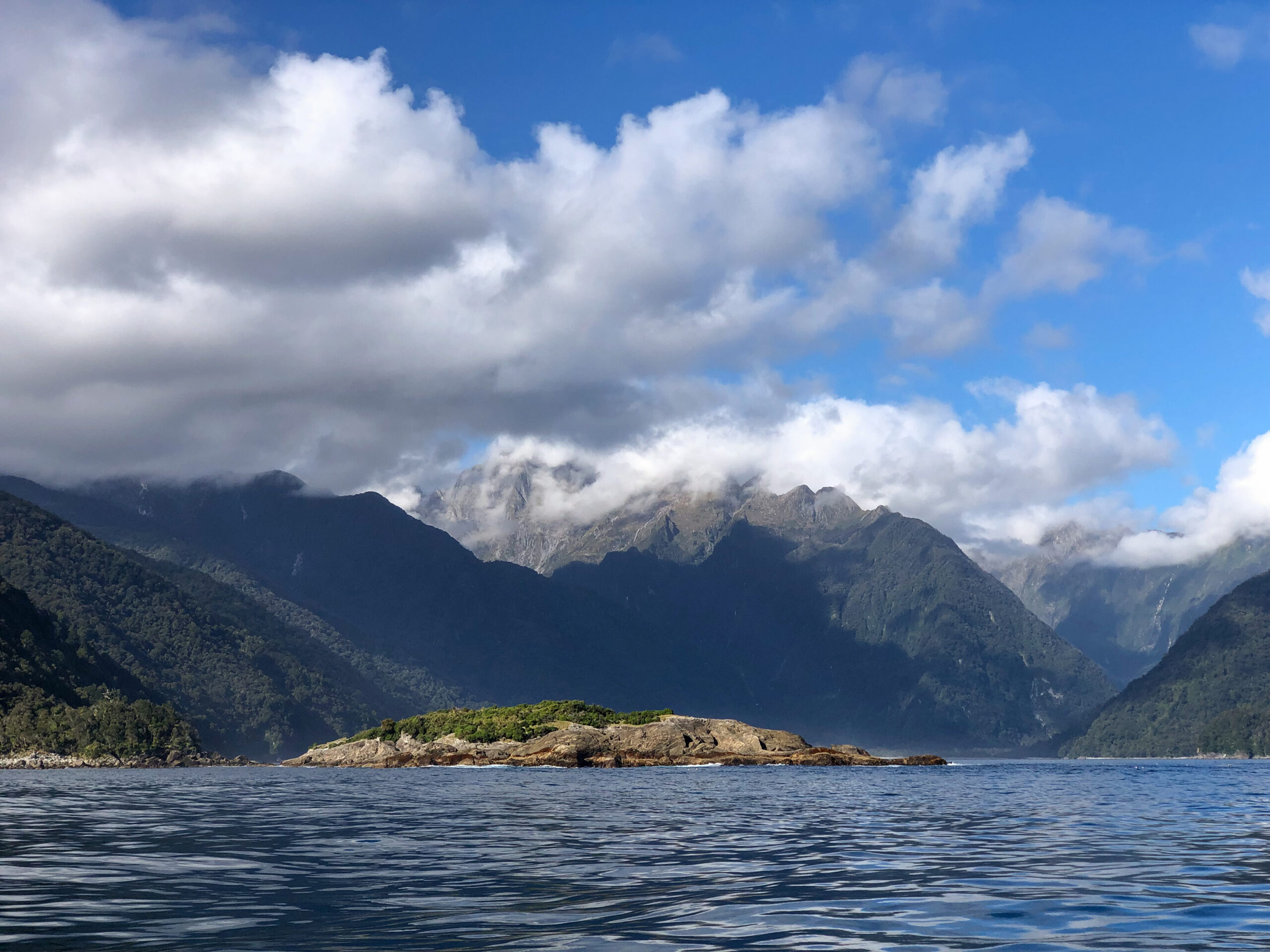
The seaward side of Sutherland Sound is blocked by a sand/gravel bar, so deep draft vessels can’t venture far ‘inside,’ and there are no recognized anchorages for yachts.
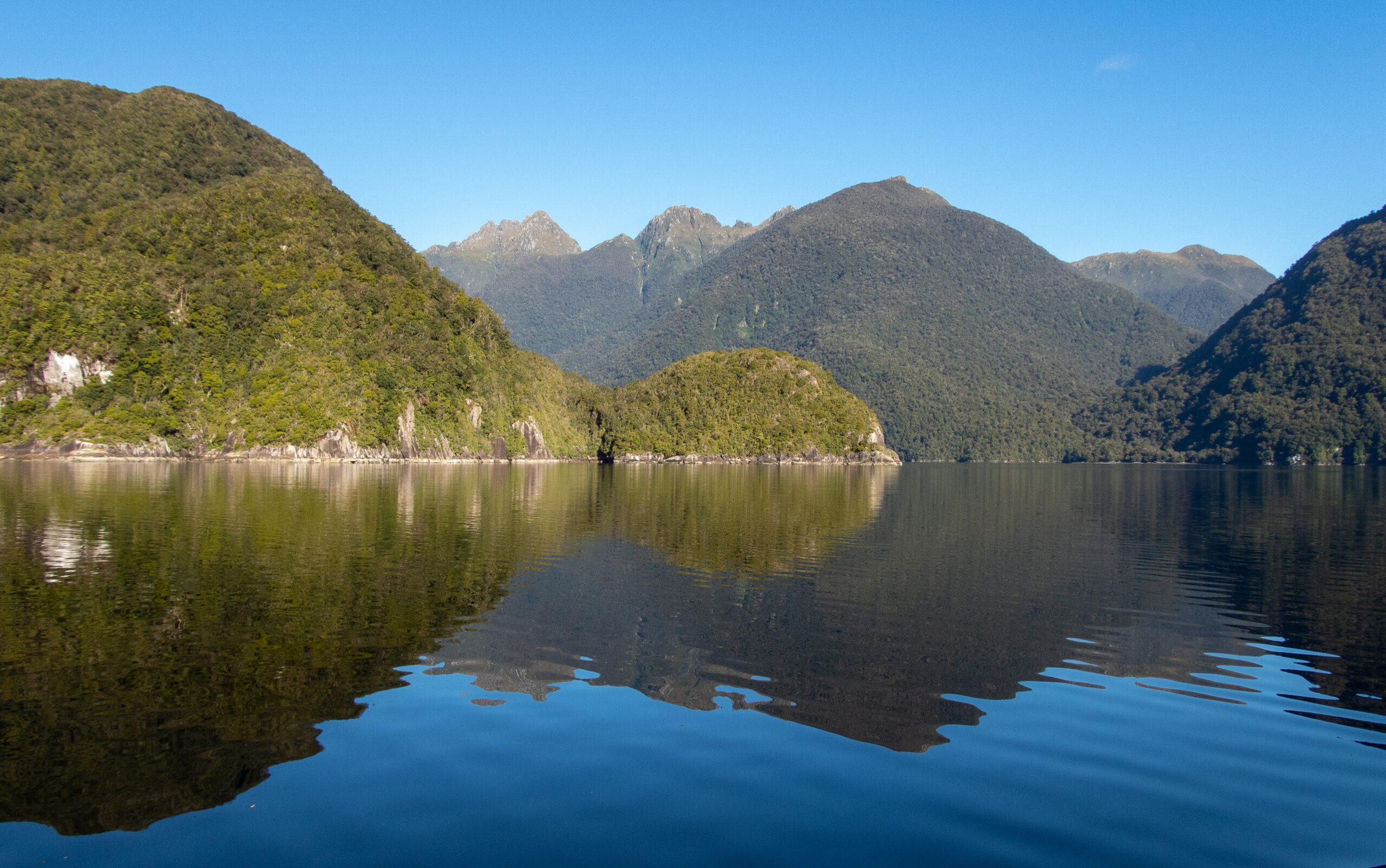
Couldn’t resist slipping in to Poison Bay/Papa Pounamu, just to take it in.
These would have been the calm conditions described in our book as being necessary to spend the night in Poison Bay, but we didn’t have the time, sadly.
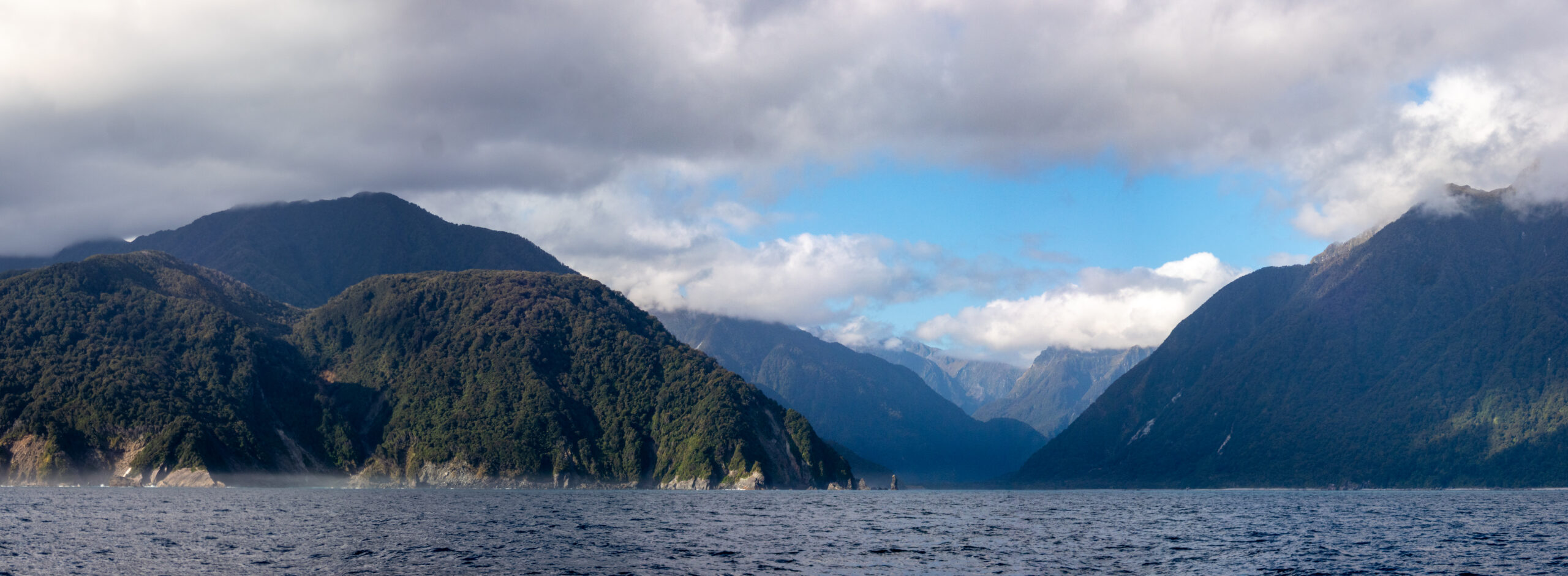
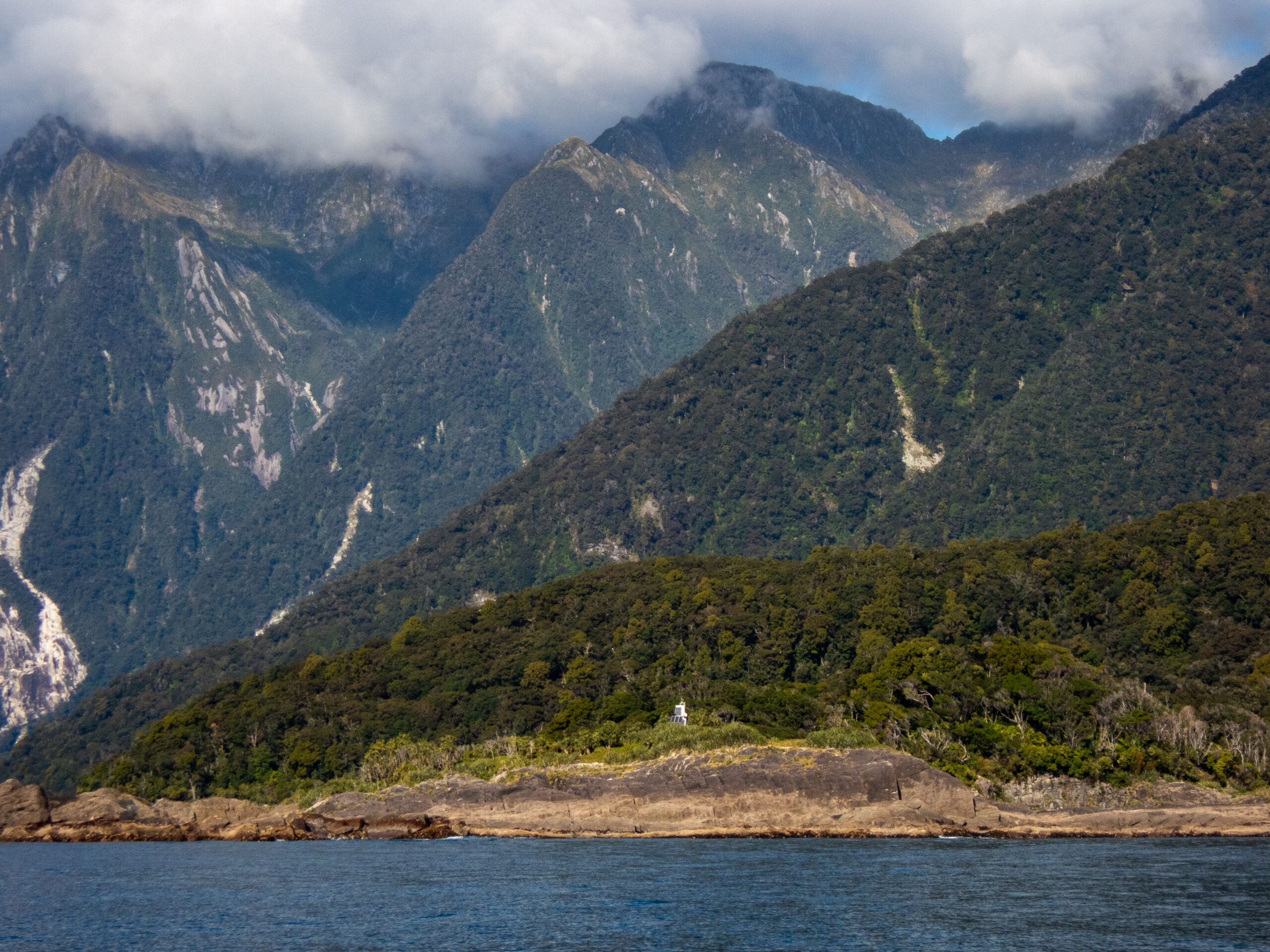
The very dwarfed looking Stirling lighthouse at the entrance of Milford Sound where it meets the Tasman Sea.

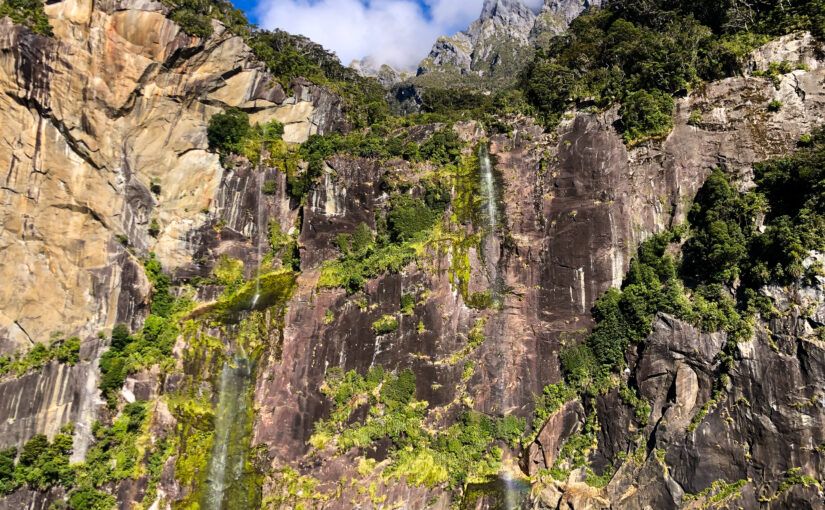
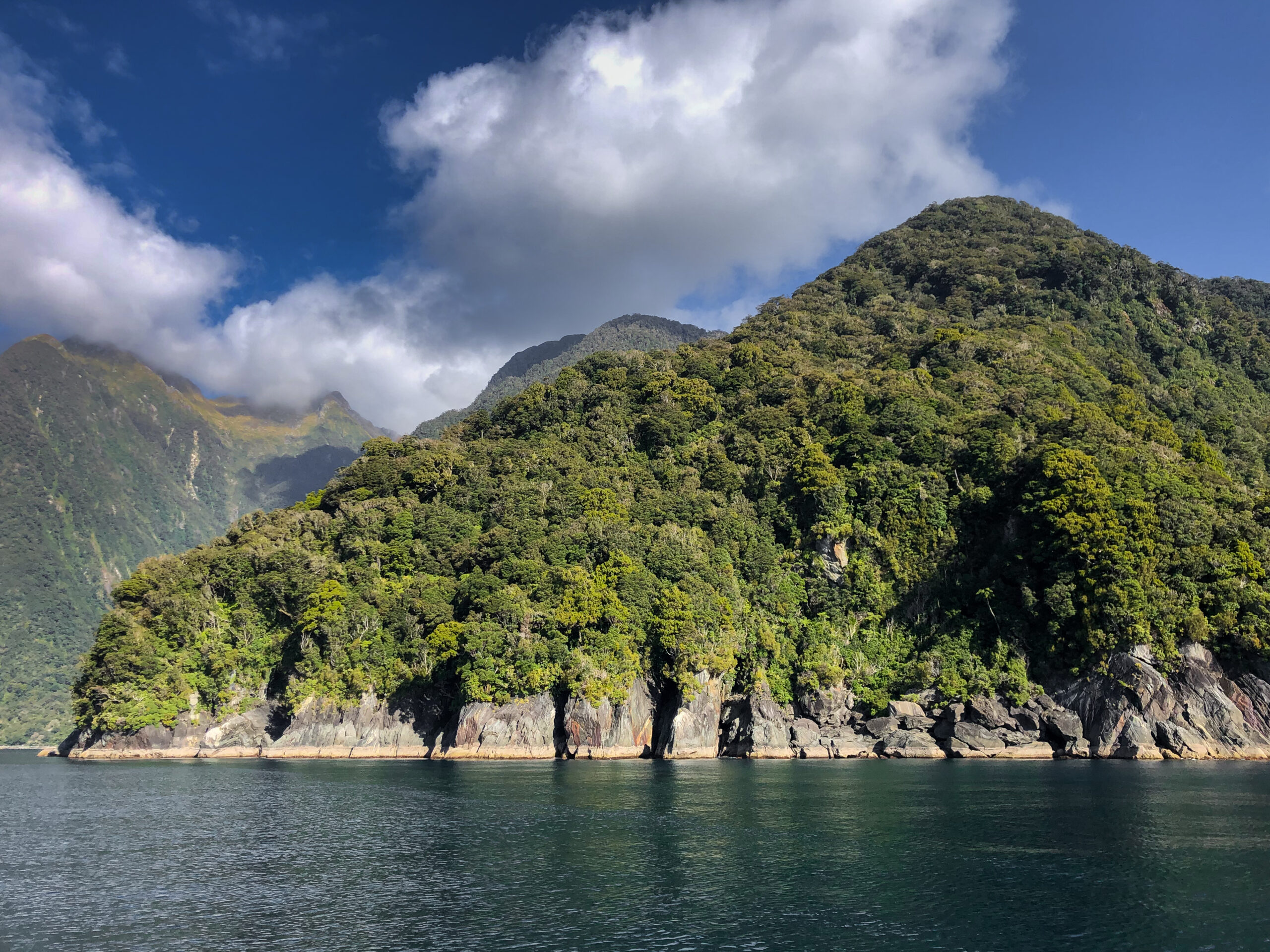
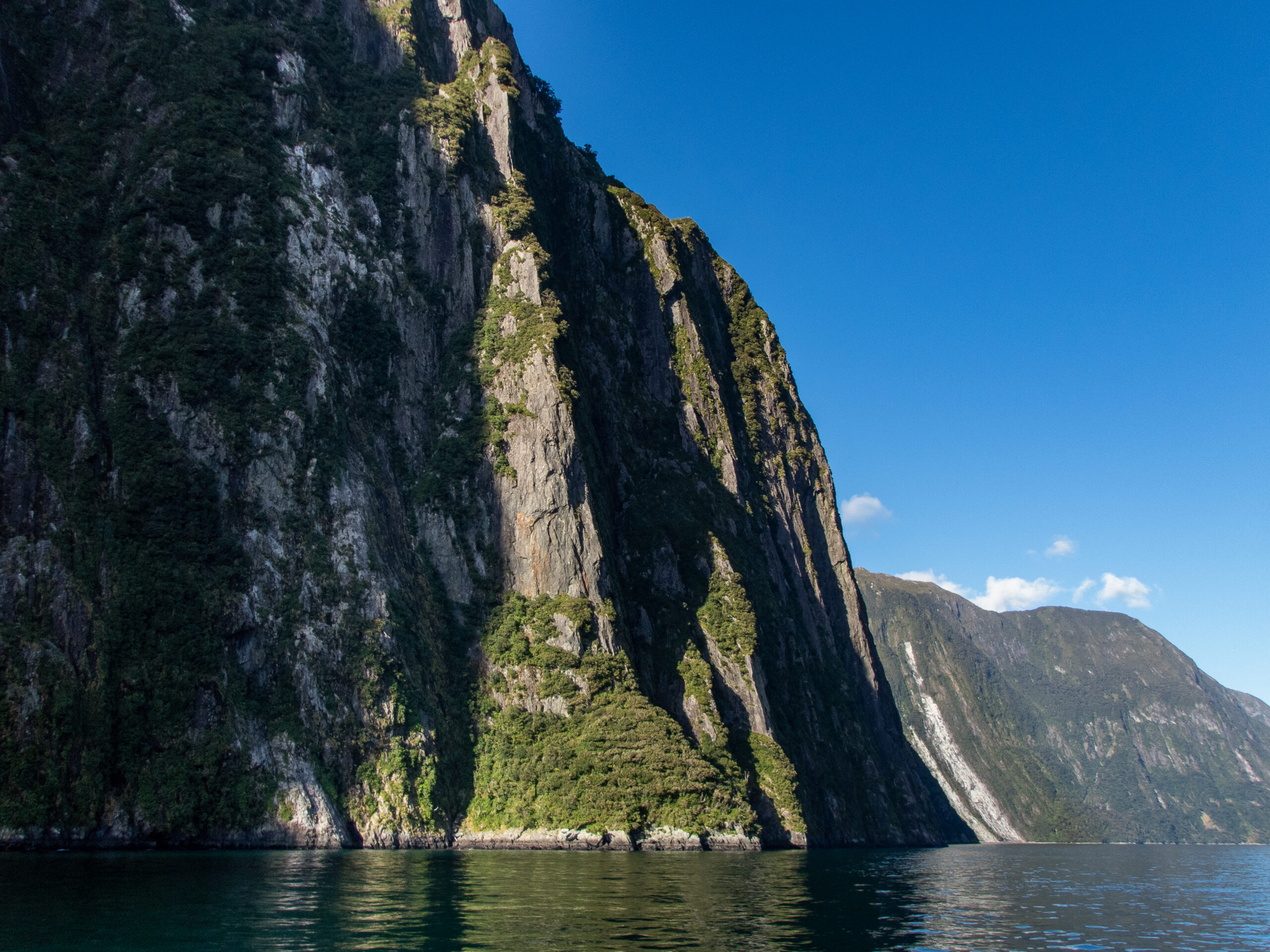
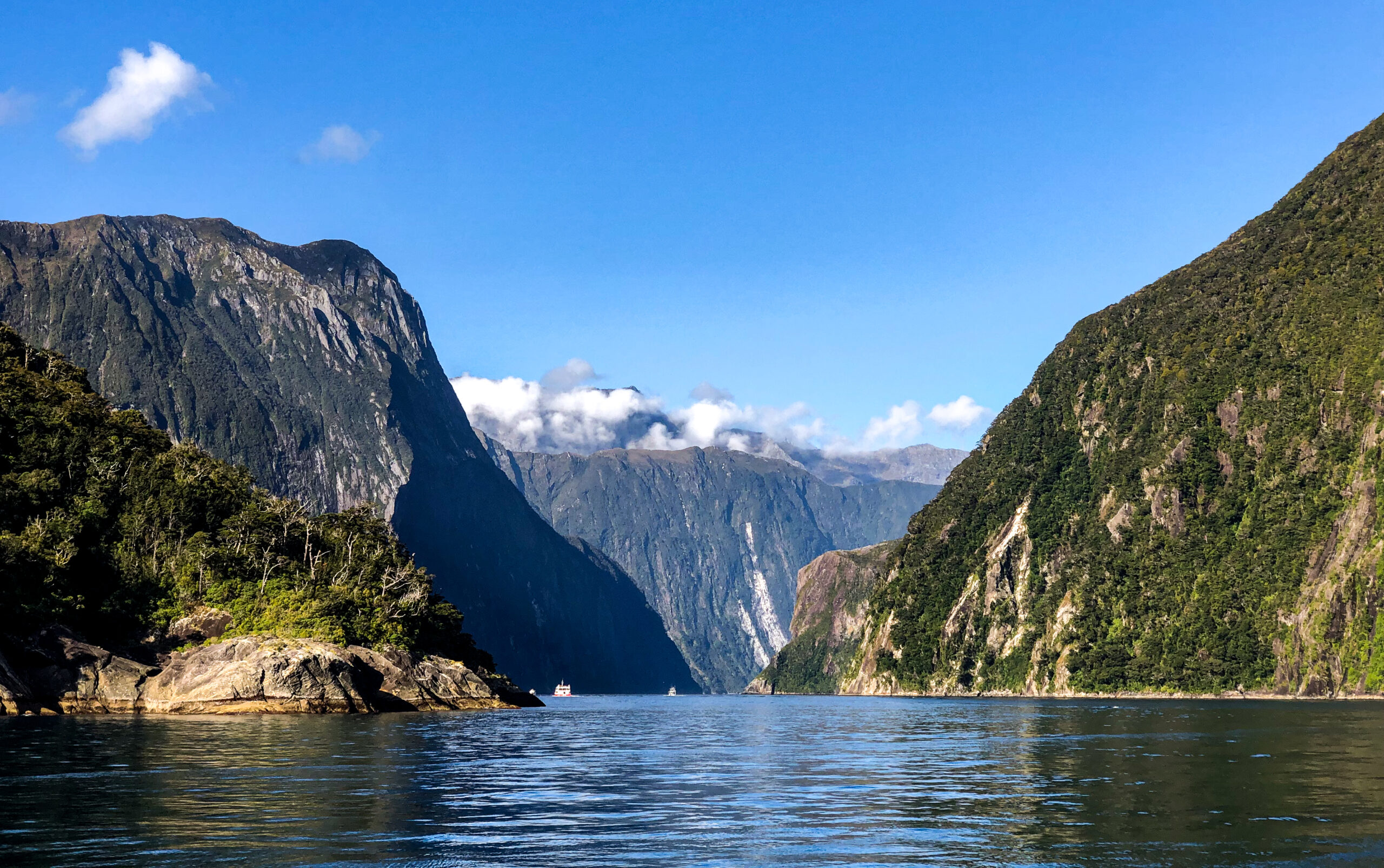
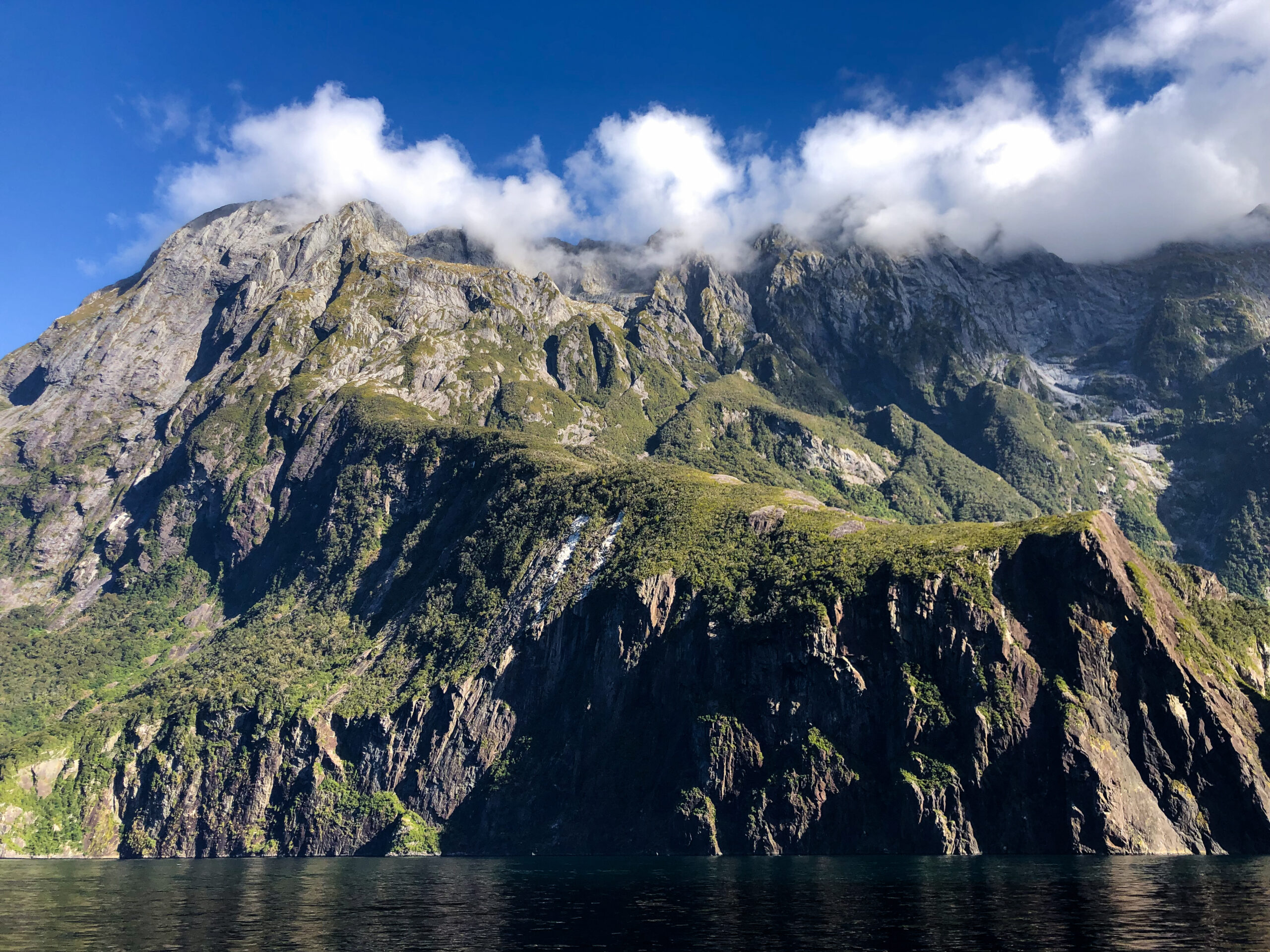
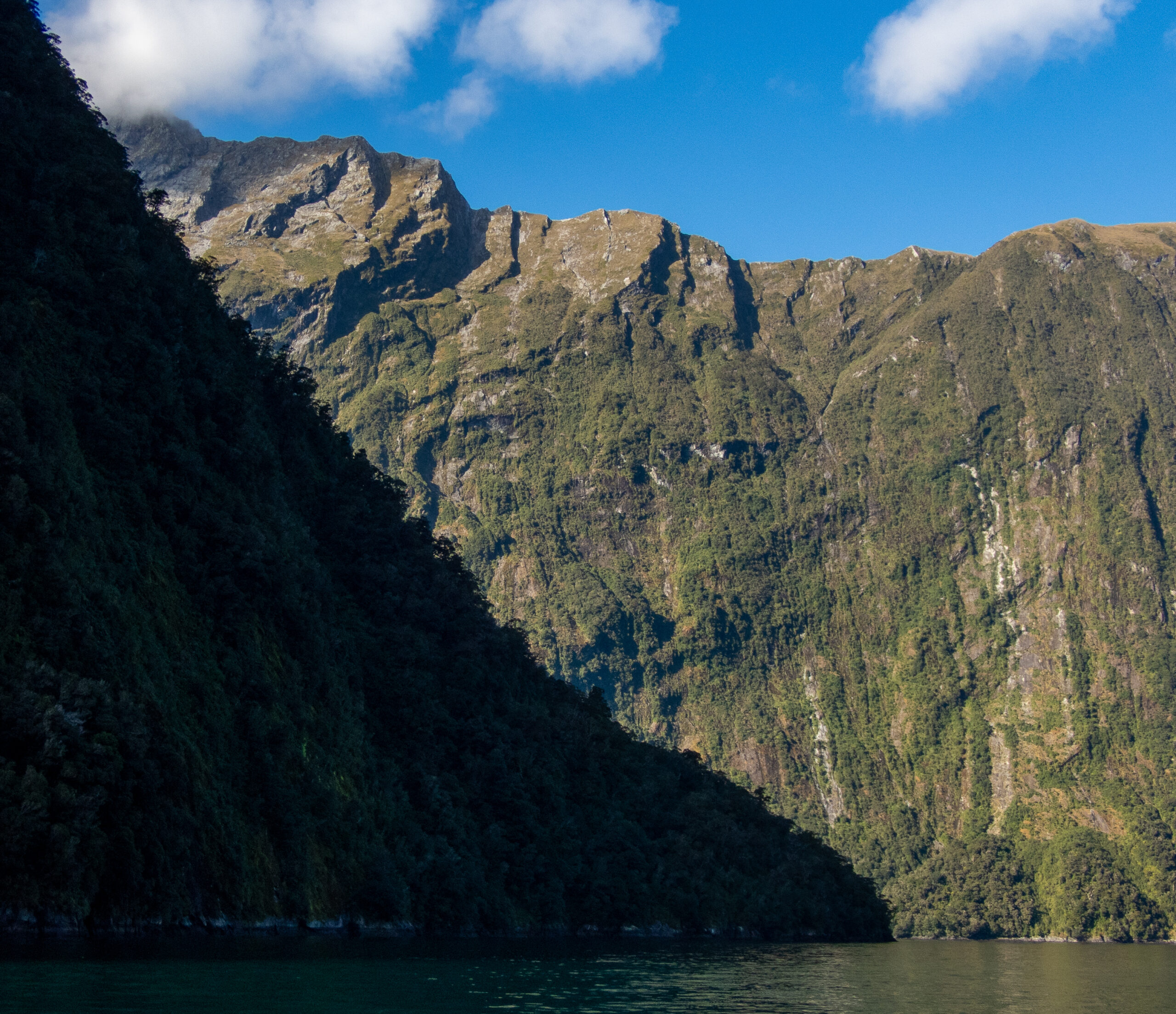
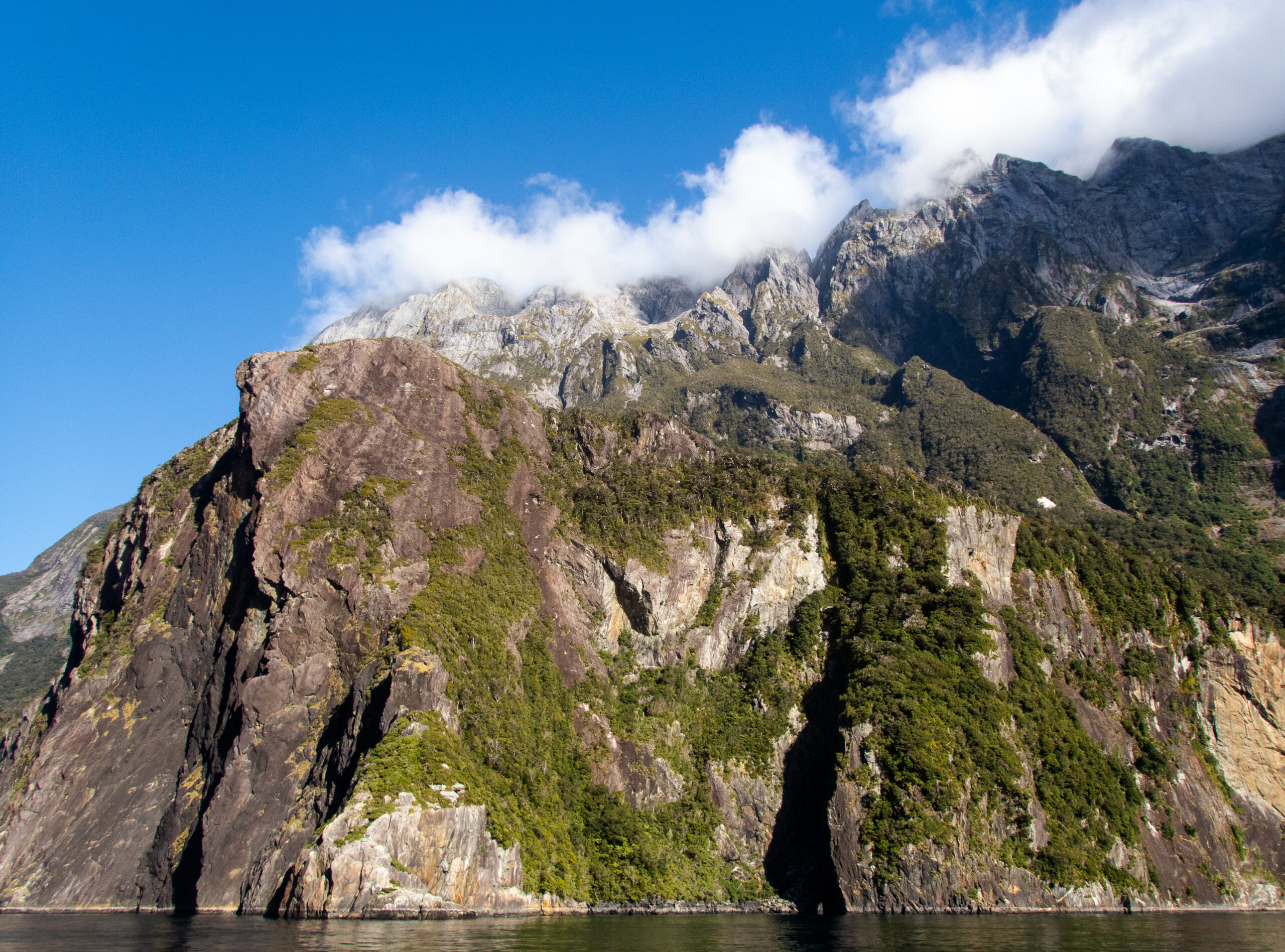
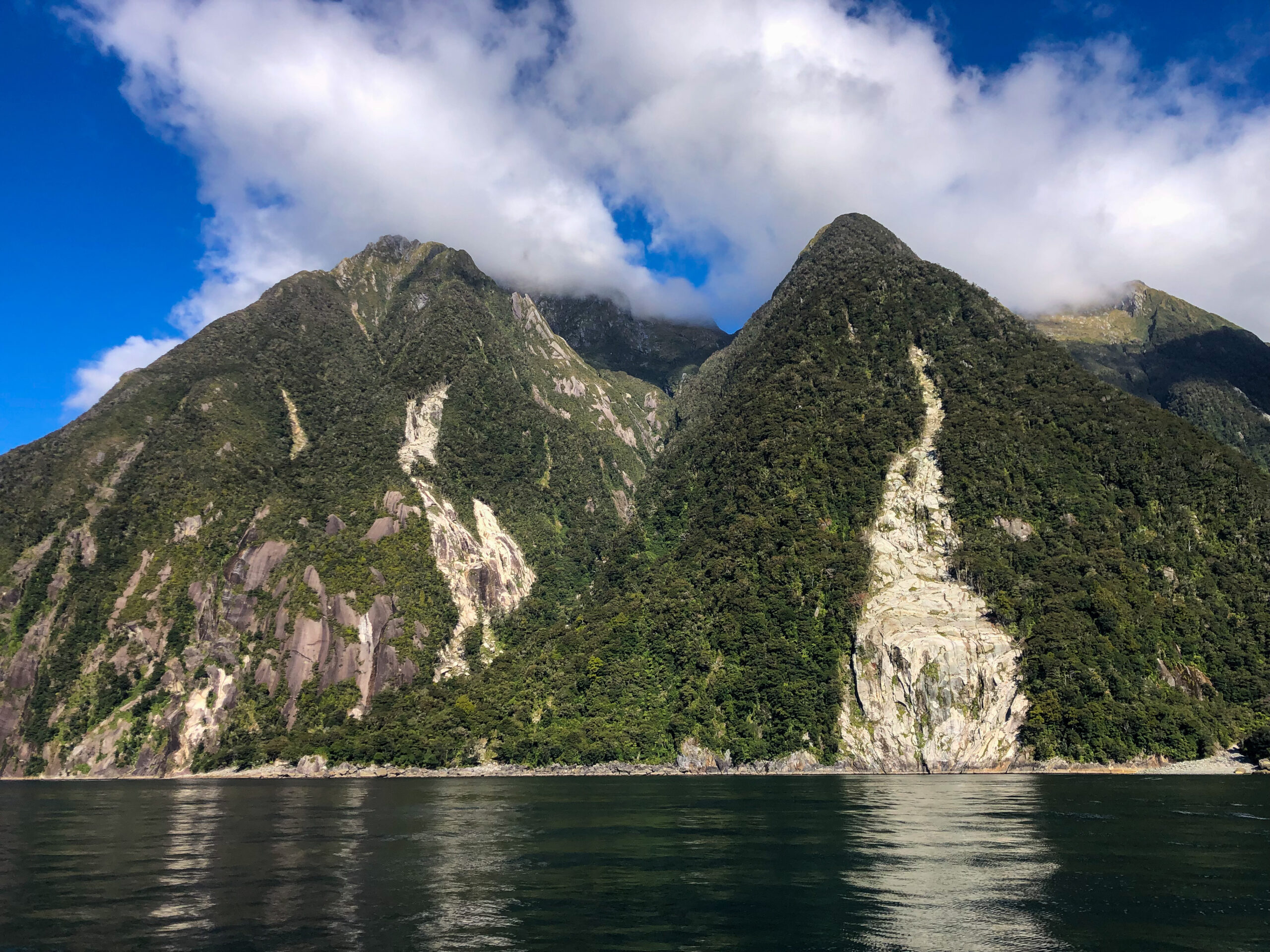
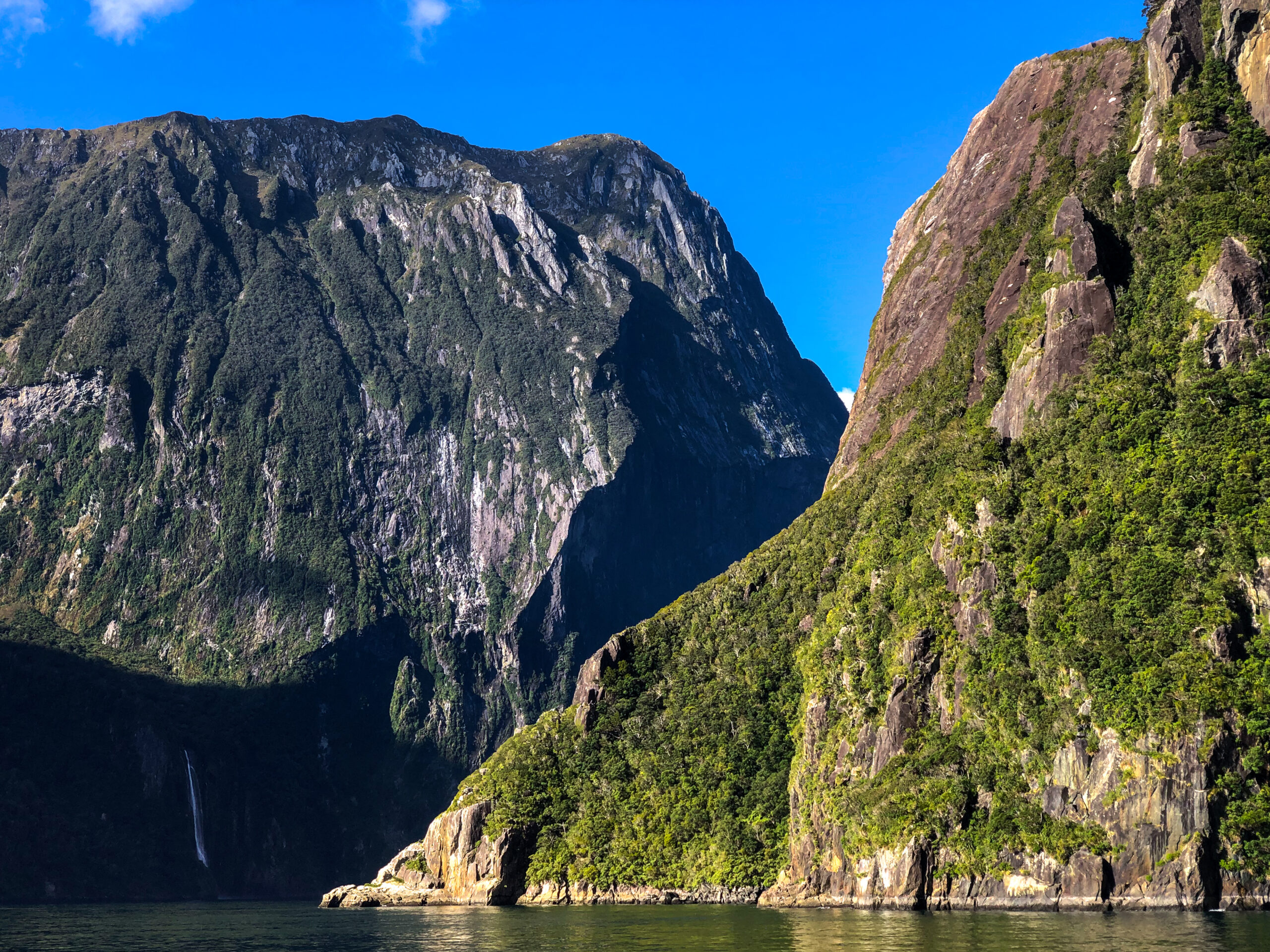
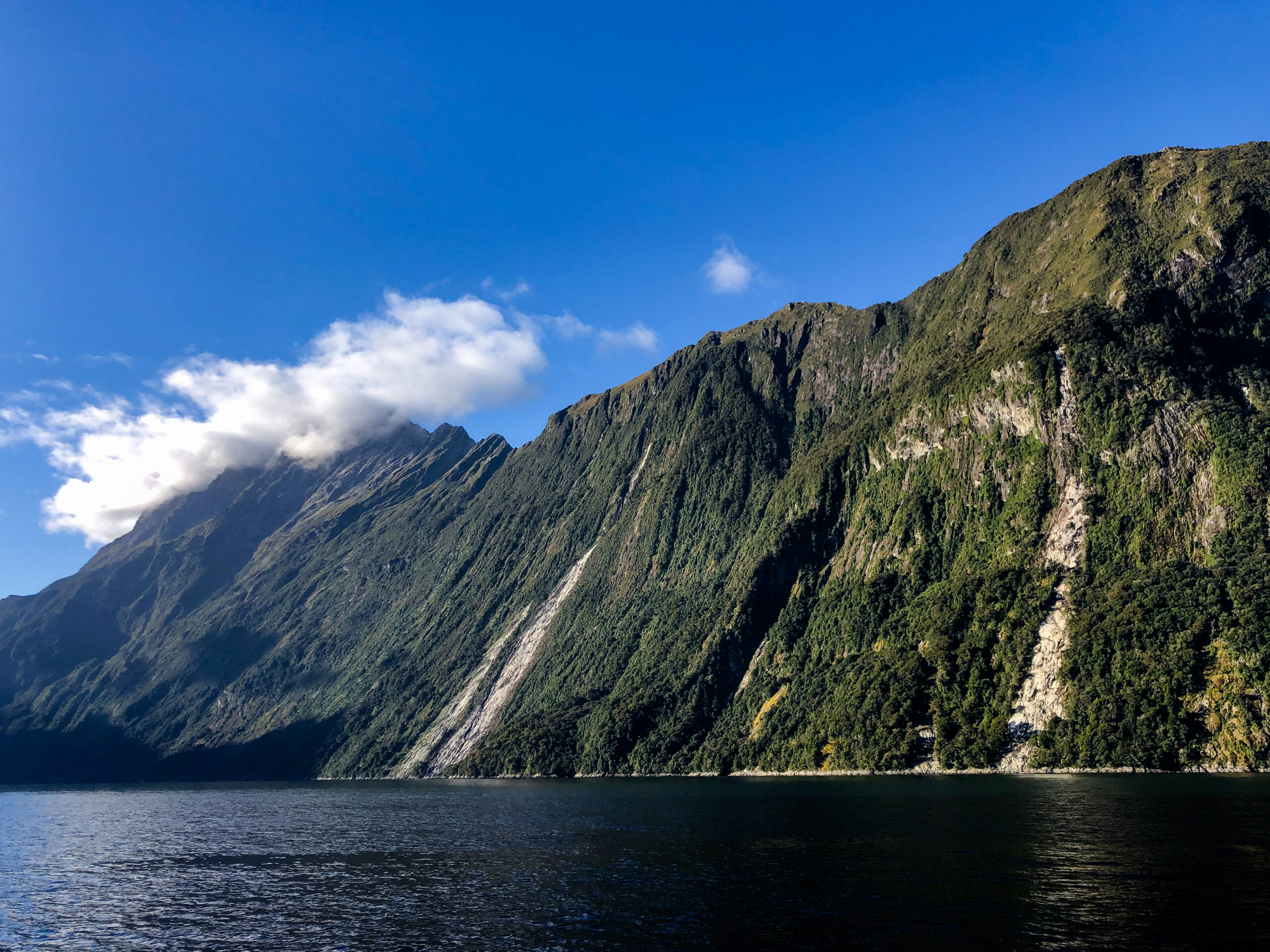
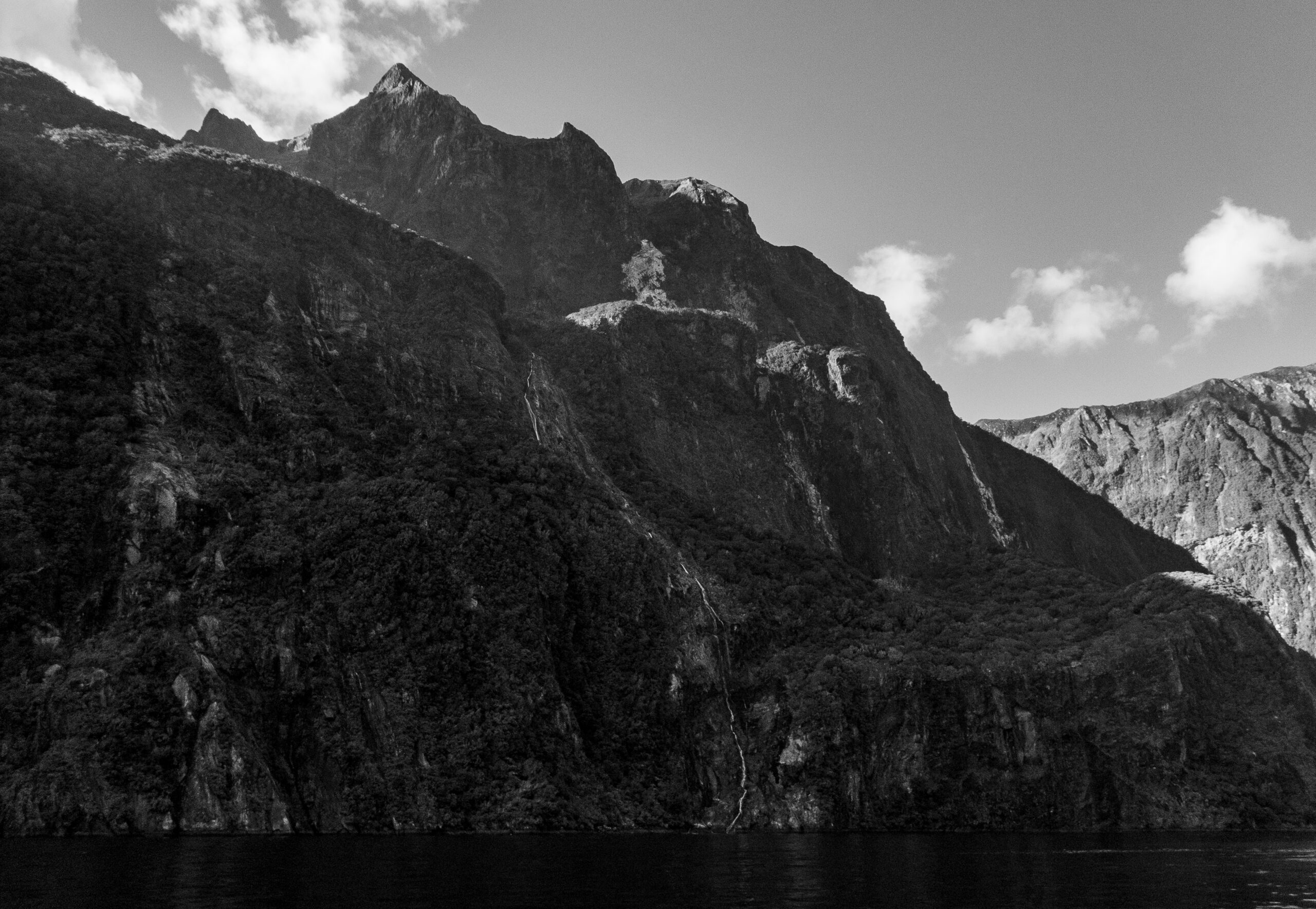
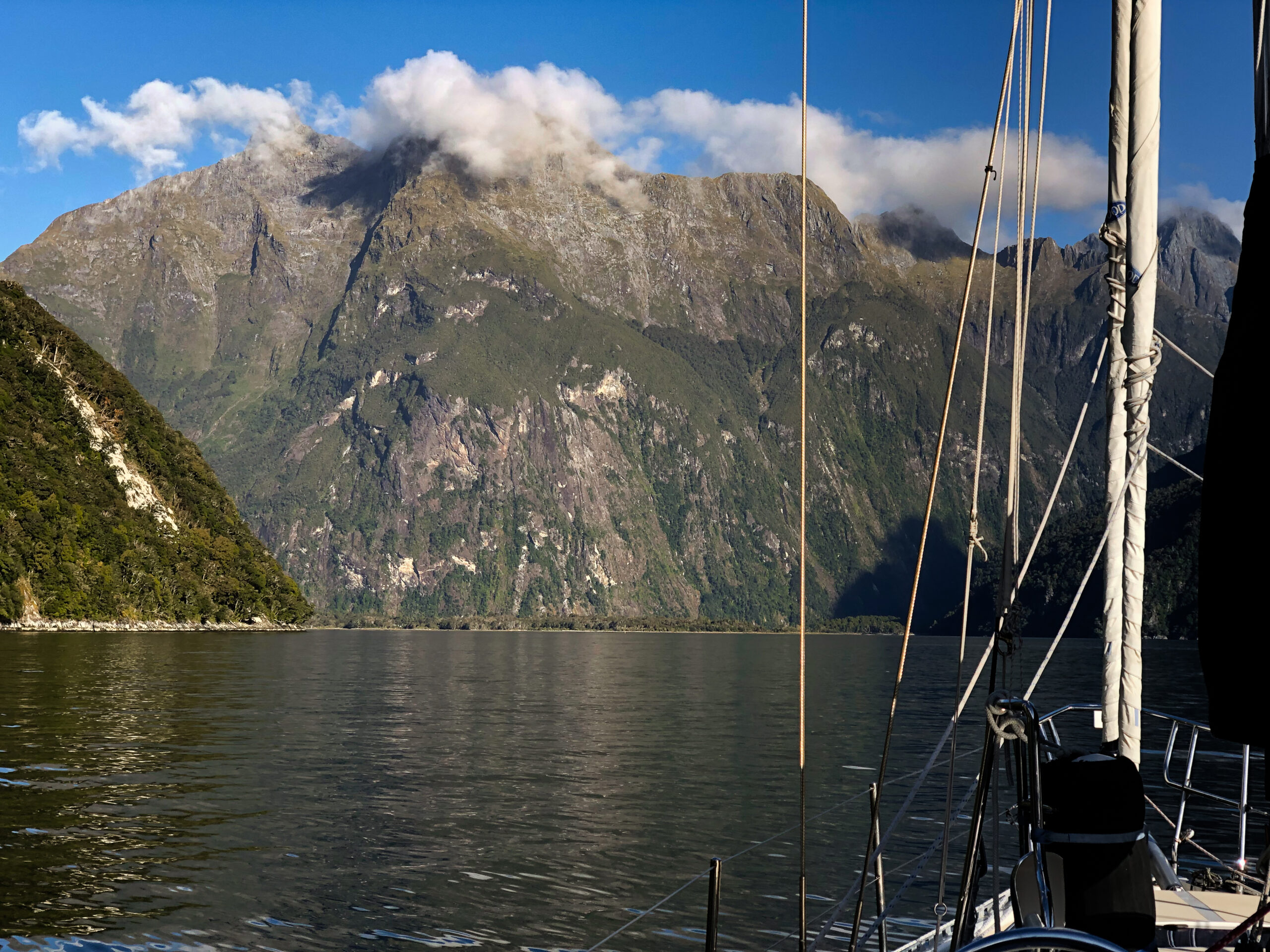
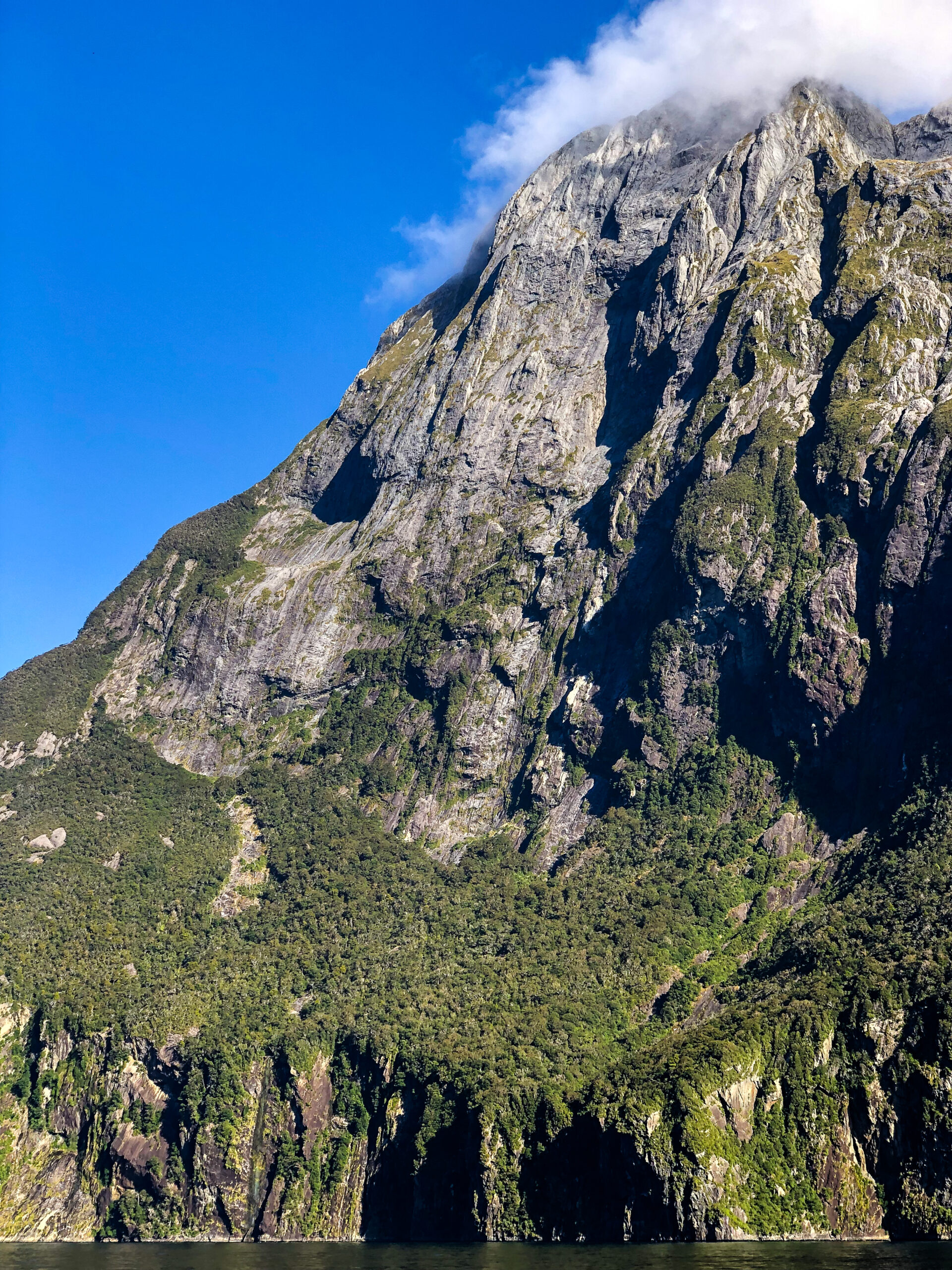
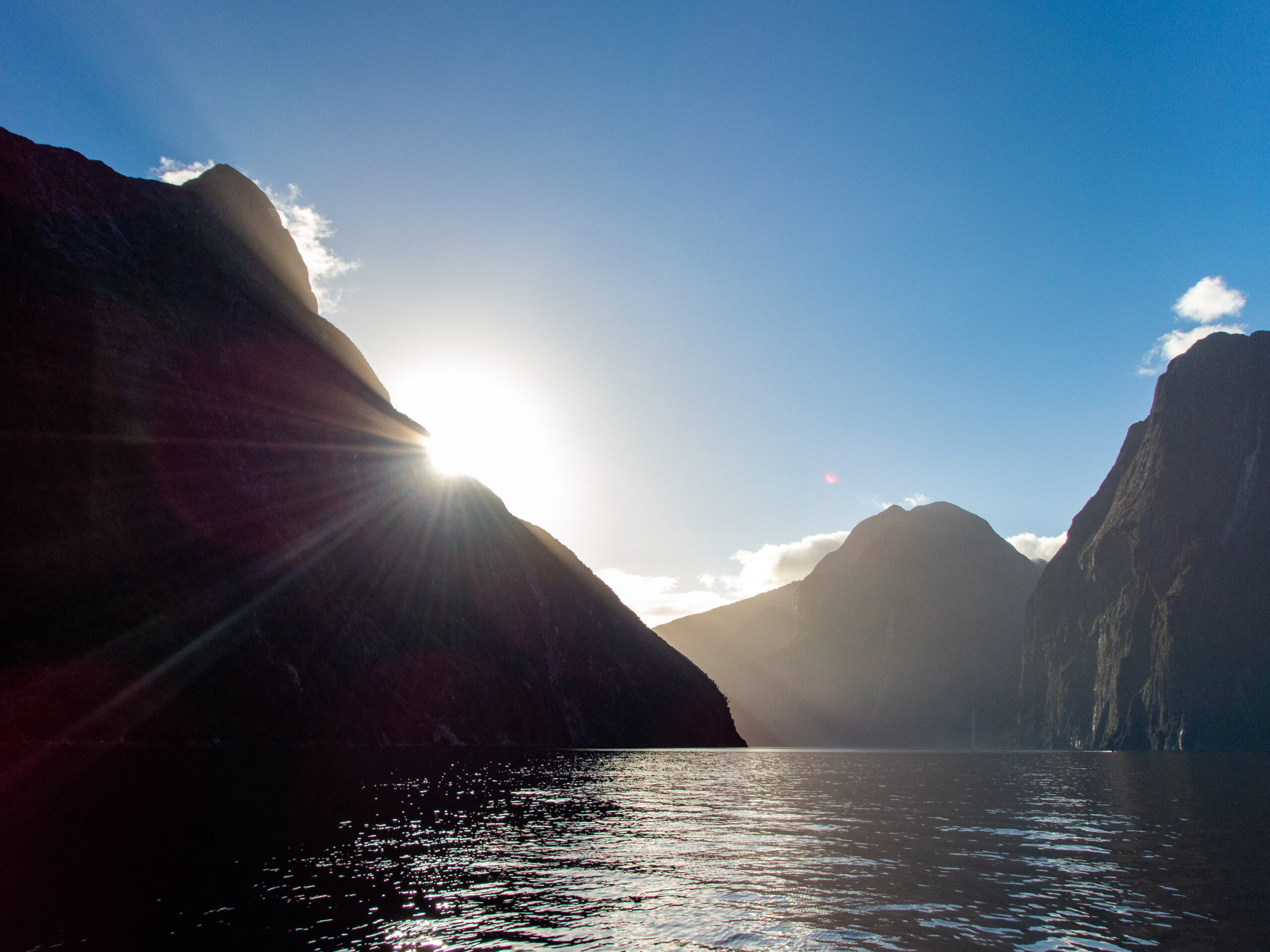
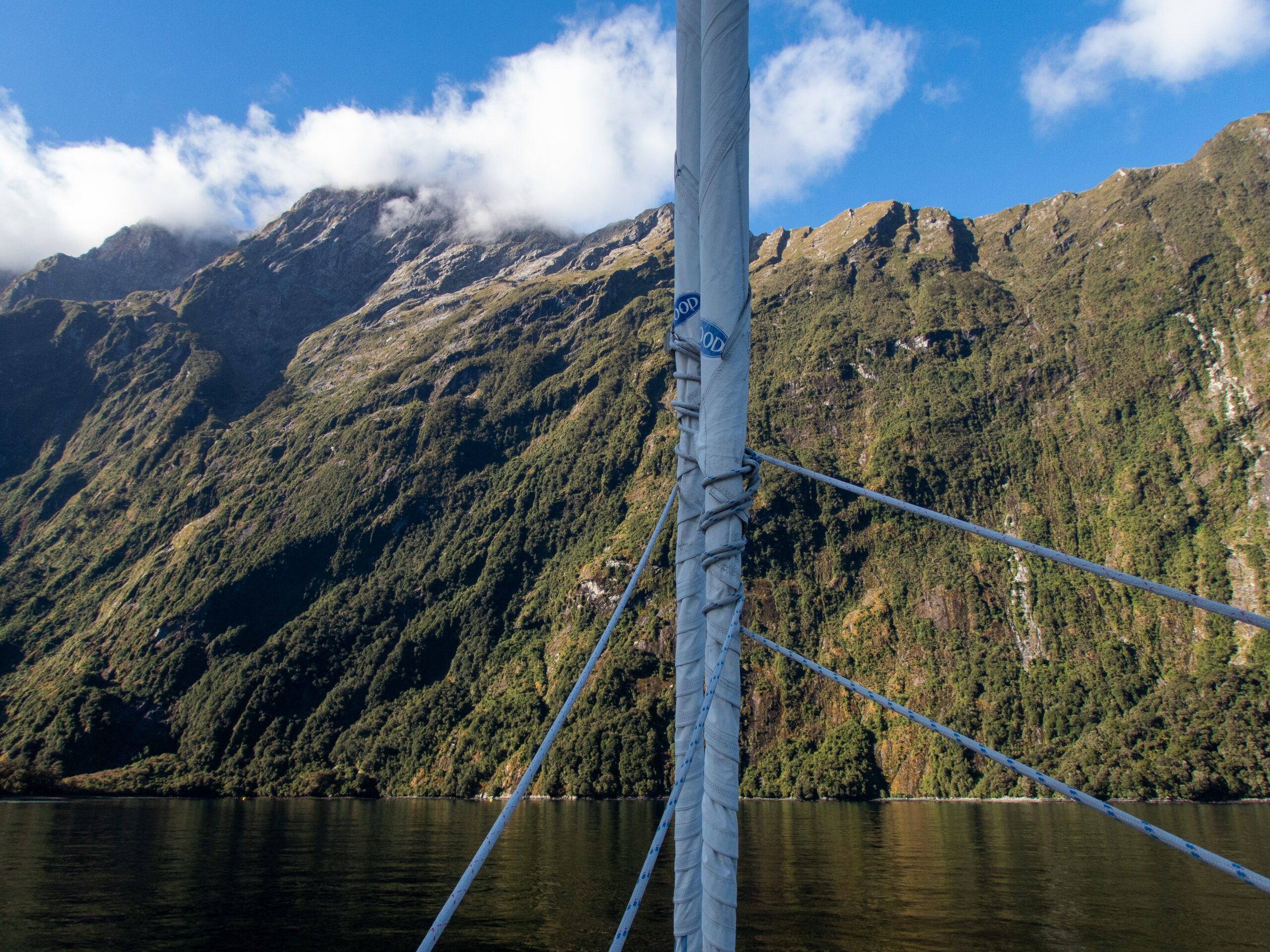
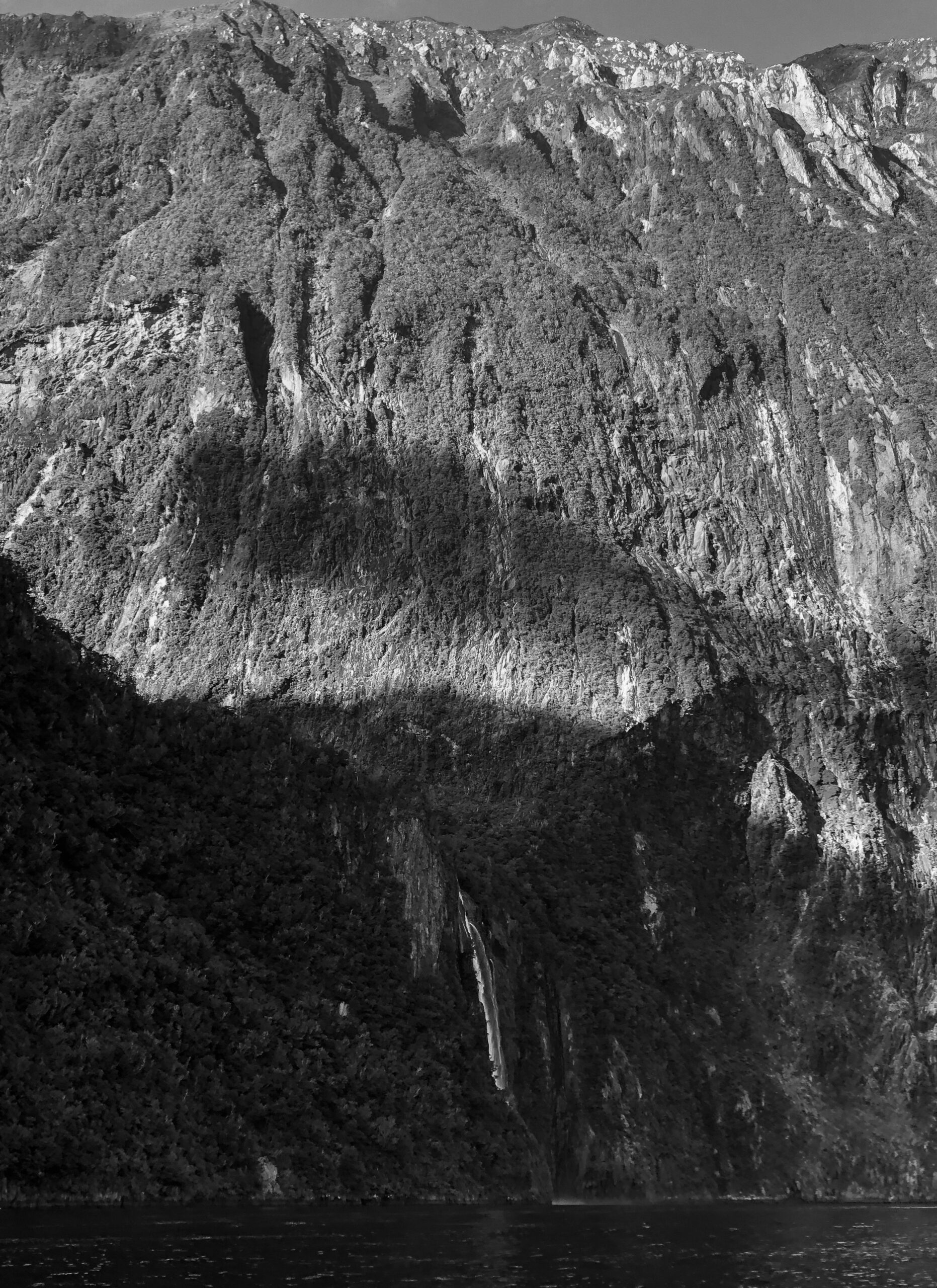
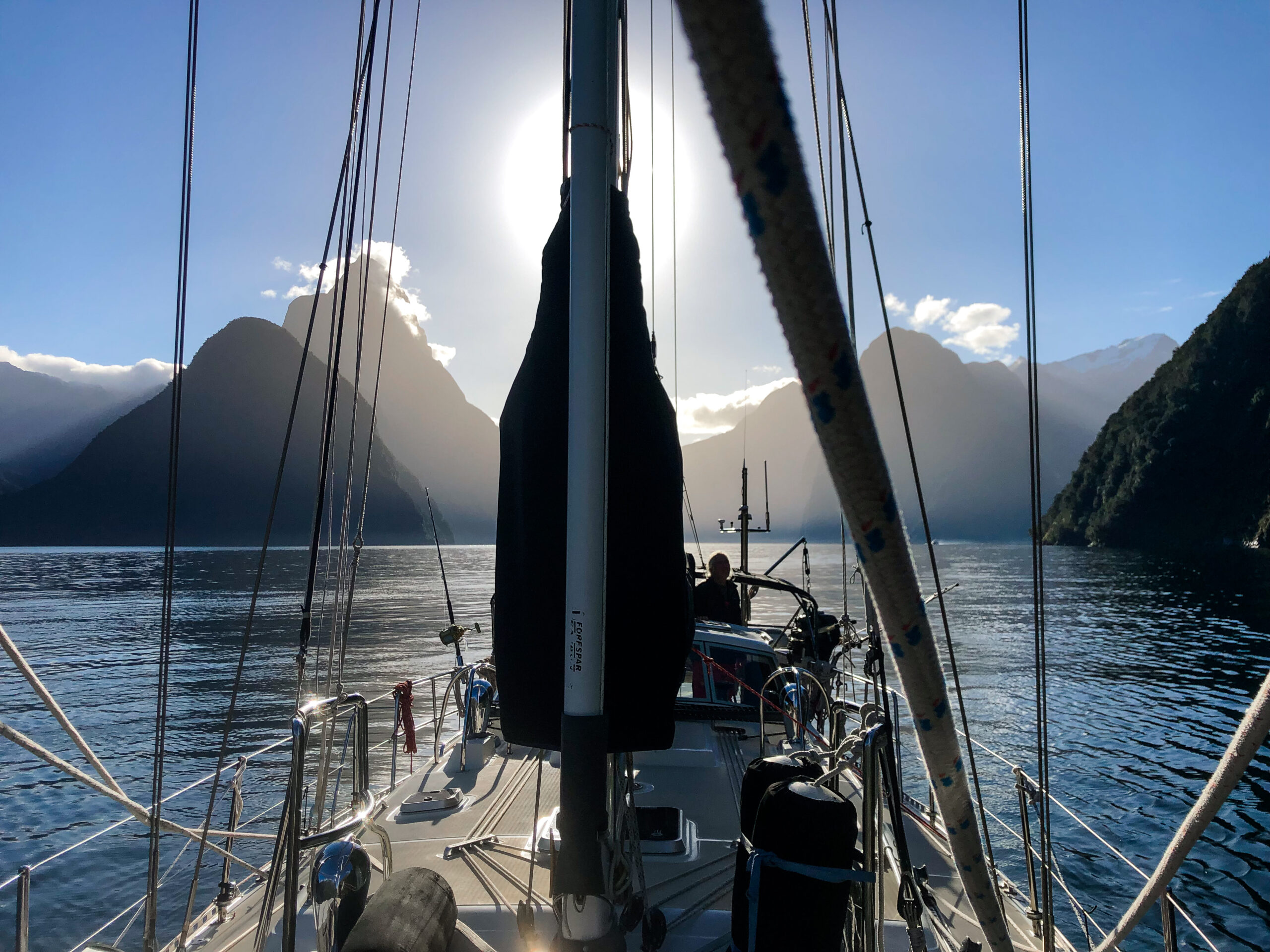
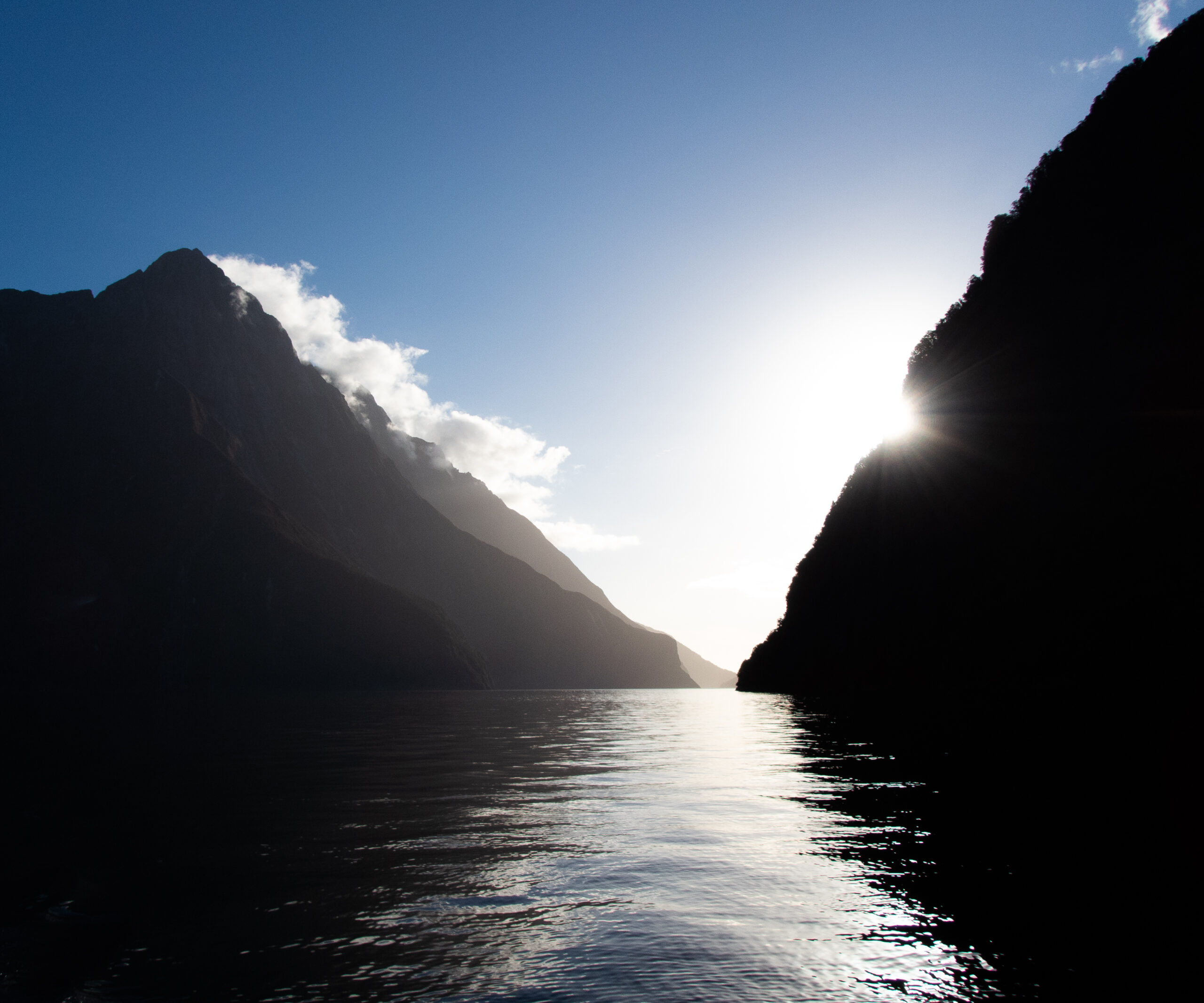
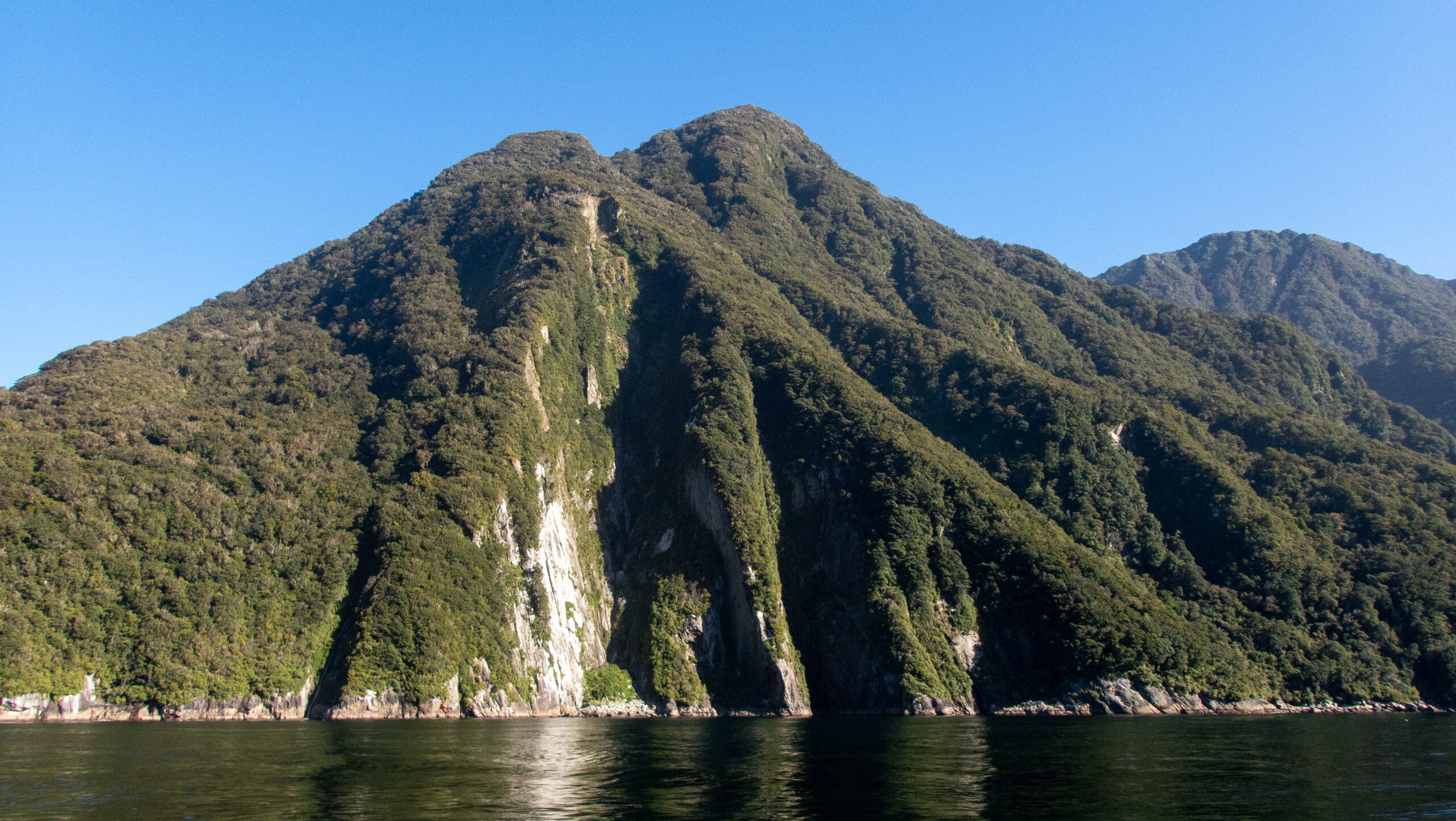
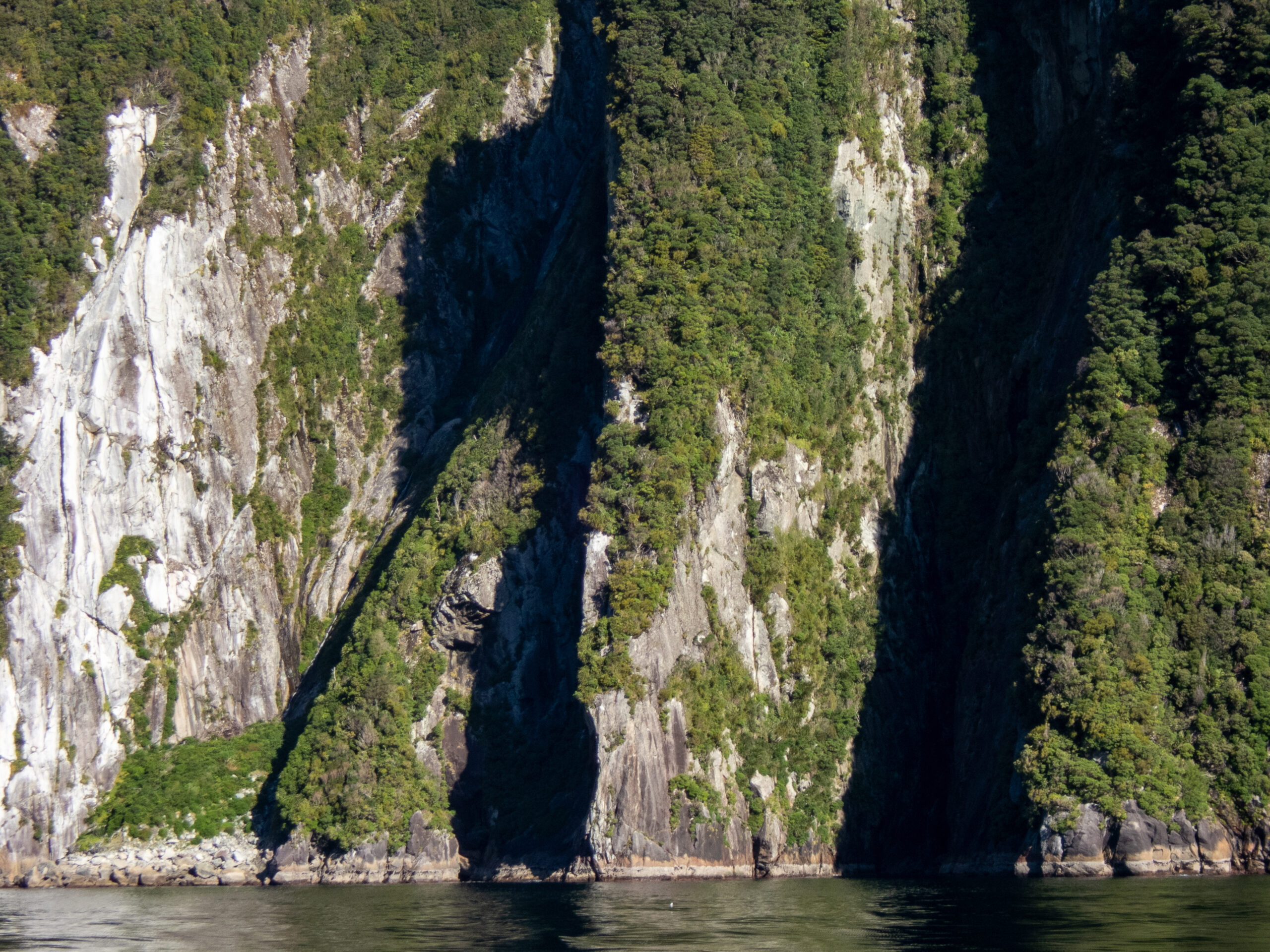
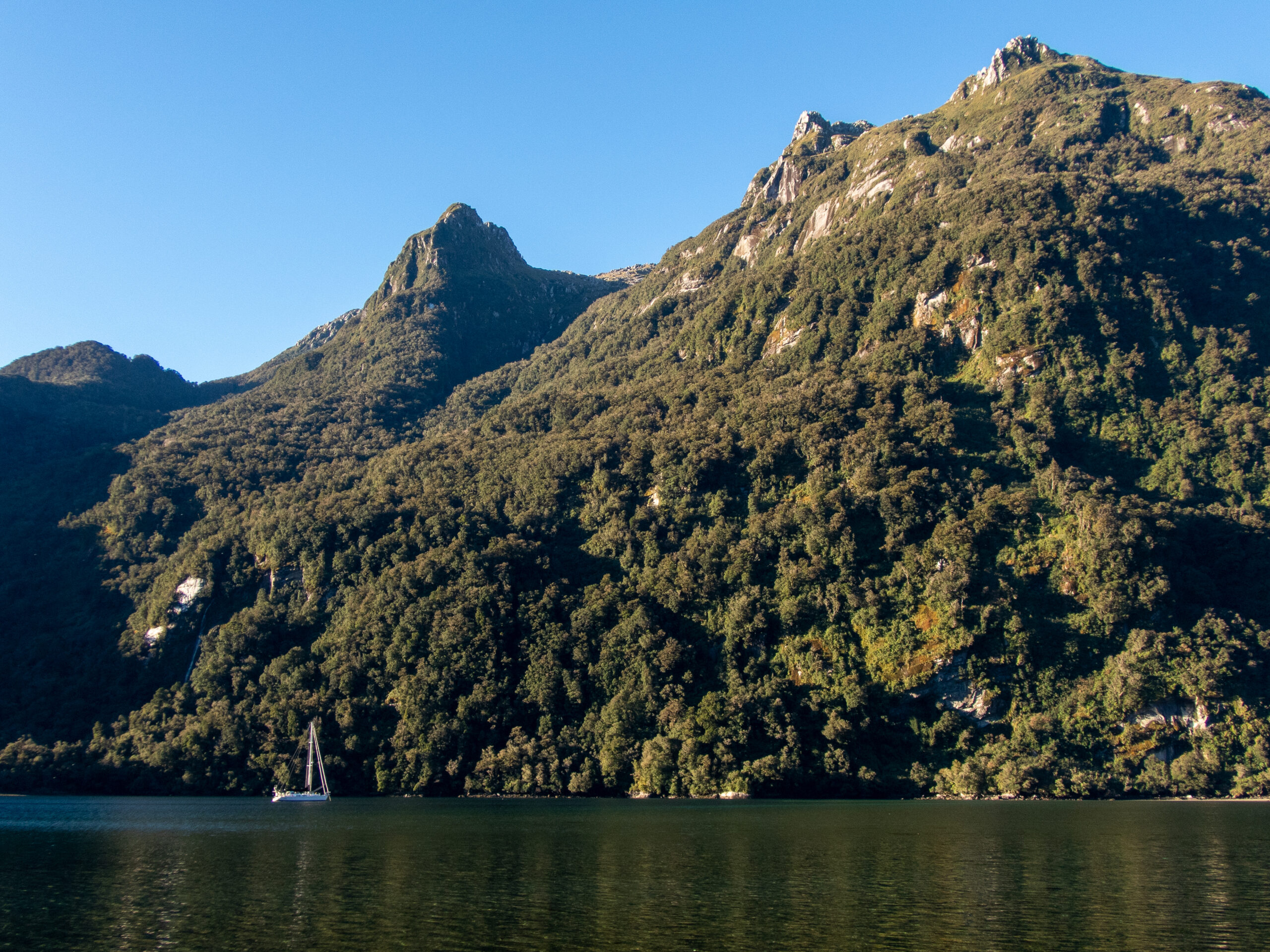
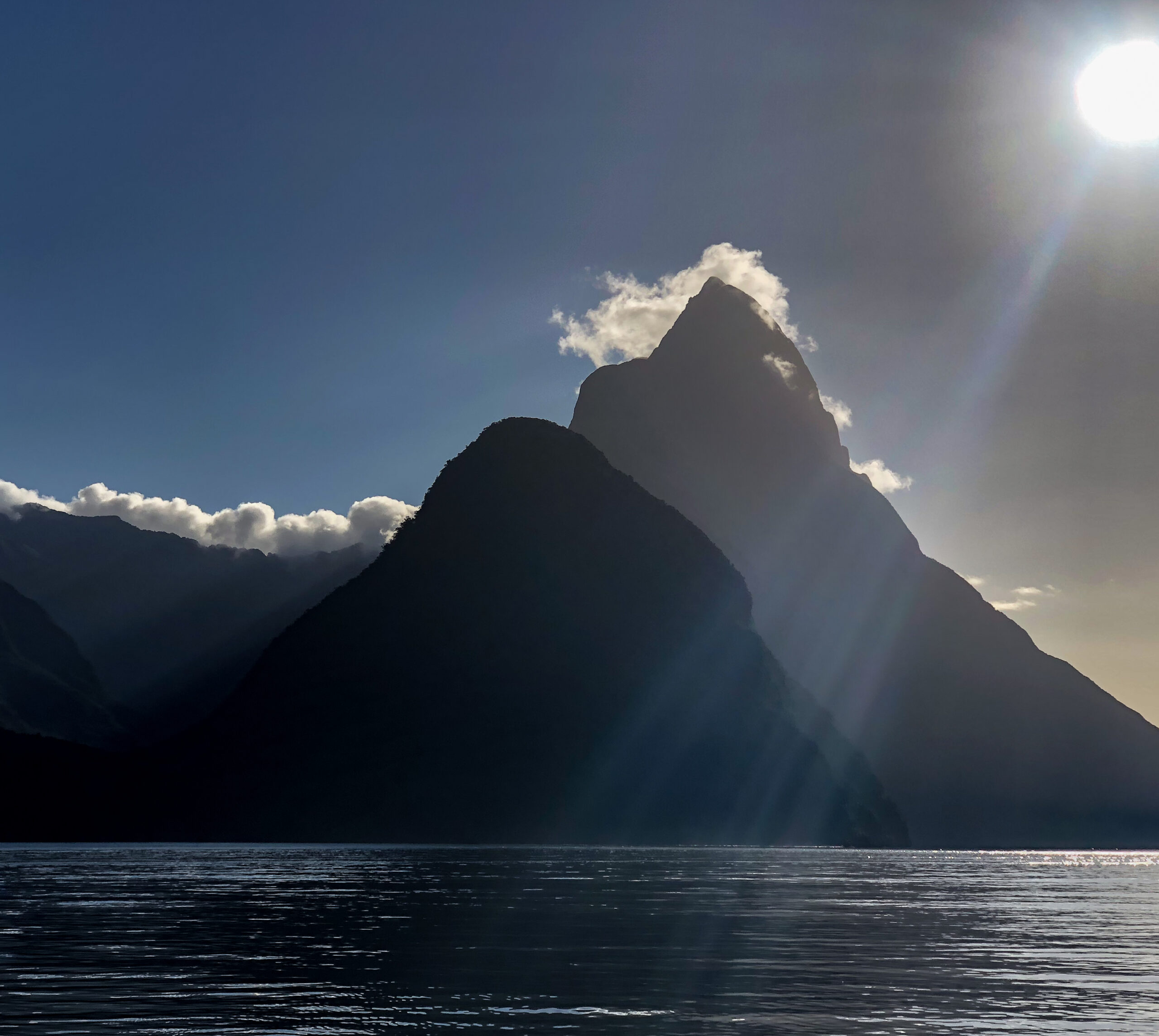
Piopiotahi (Milford Sound) resonates with awe and leaves us speechless, like the Grand Canyon or Machu Picchu, or the Magellanic Clouds on a vividly starry night at sea. The sheer mass and scale, the soaring beauty, each breathtaking turn. Words just pour out, but fail to capture what it feels like to sail into this magnificent fiord. The day we spent in this unique-in-the world place, was blue and lit with sun, the water impenetrably deep, granite walls towered over us, beyond imagination and comprehension, the waterfalls gushed bountifully without end. Apparently Captain Cook missed Milford on his first pass, and actually that’s not entirely surprising. Approaching from the sea the fiord begins rather humbly and then builds and builds in its symphonic crescendo of magnificence. A bit much? Not really. Every time I stepped away from the helm and out from under the dodger I caught my breath as I looked up and up. ~MS
The tour boats run in a clockwise loop around Milford, and there were probably FAR fewer than in non-Covid affected years, (saw maybe 12 all day), but we were able to stay quite clear of them just by scooting to the middle or going the other way – basically we had the luxury of no rules! But who’s looking at boats with these sheer rock faces in our midst?

Excited visitors to this breathtaking sound are at risk for ‘Milford Neck Syndrome.’ By the end of the day, my neck wouldn’t support my head anymore – had been looking up too much!!

There’s a resident pod of Bottlenose Dolphins in Milford – they dashed over eagerly to welcome Allora!

Heading up toward Deepwater Basin, the tourist concession. Milford is the only fiord that can be reached directly by vehicle and because of that, it normally receives up to 500,000 visitors per year! When we went via car (with Wyatt) in April 2021, ours was the ONLY car in the massive parking lot. Now, a year later, tourism is inching its way back.
Iconic Mitre Peak, 1683m
Some people book their big Milford trip a year in advance and then get one of the 182 rainy days/year. Feeling such gratitude to the weather gods!
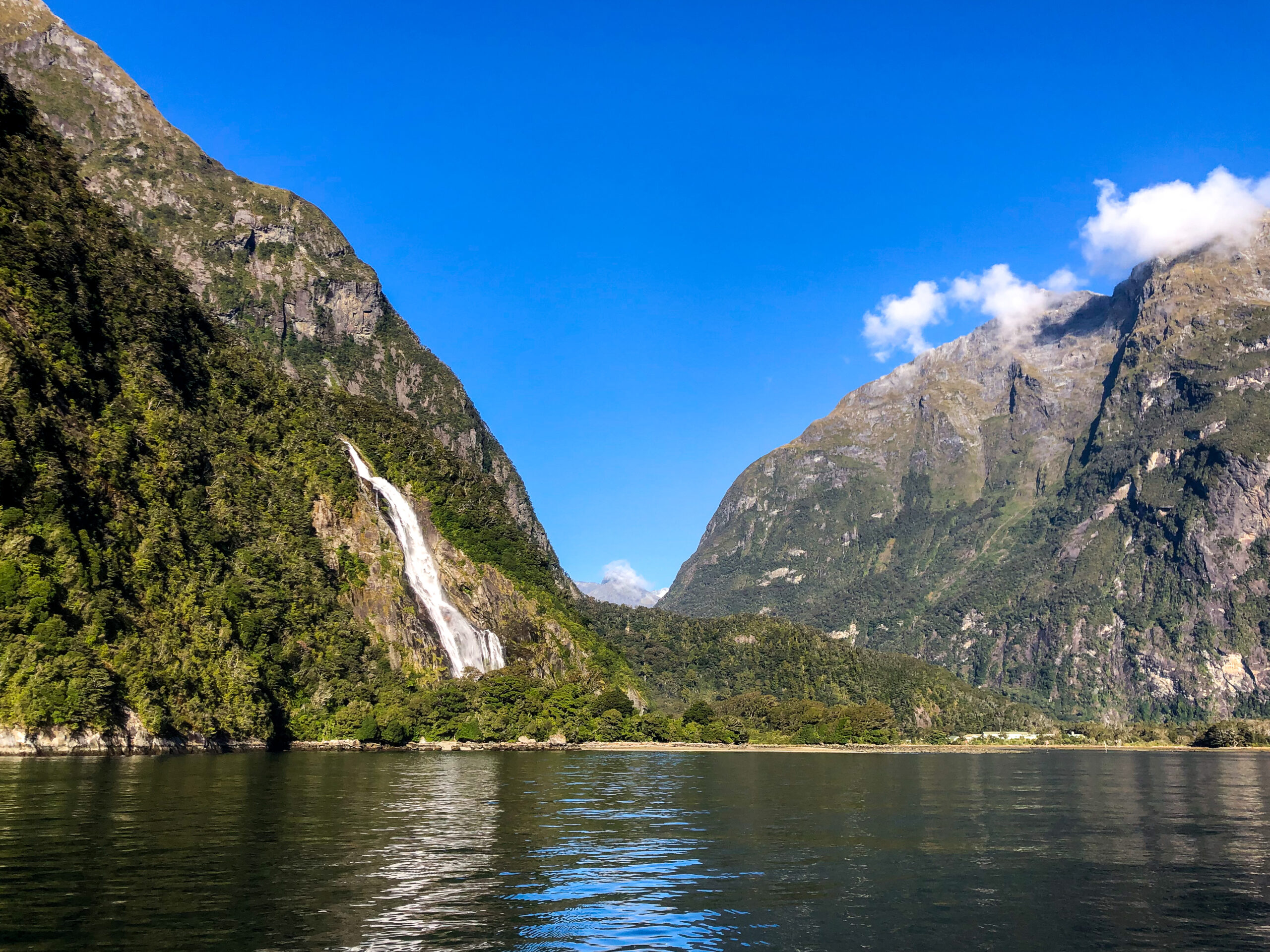
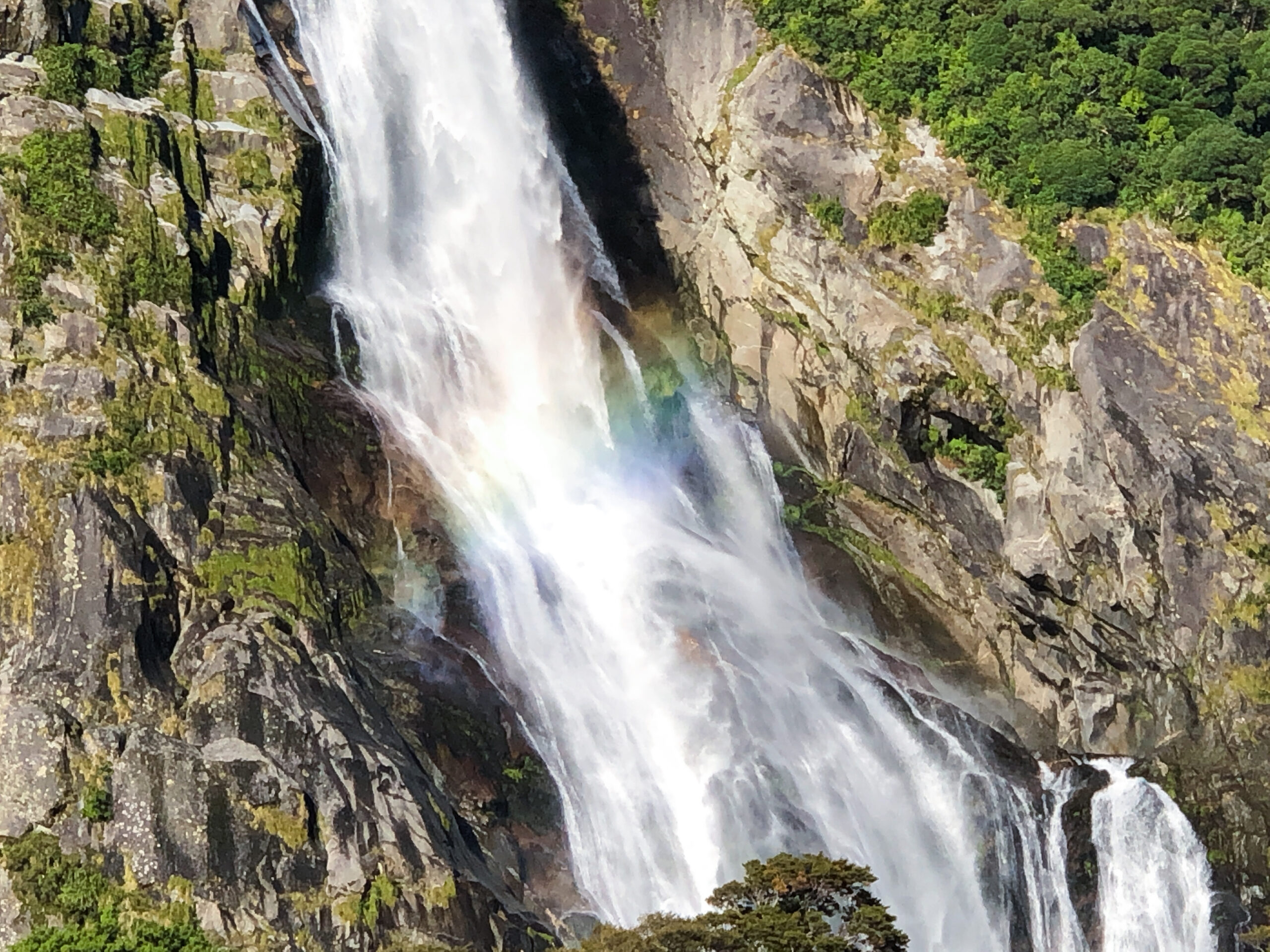
Bowen Falls adorned by a rainbow, as if it needed more?!

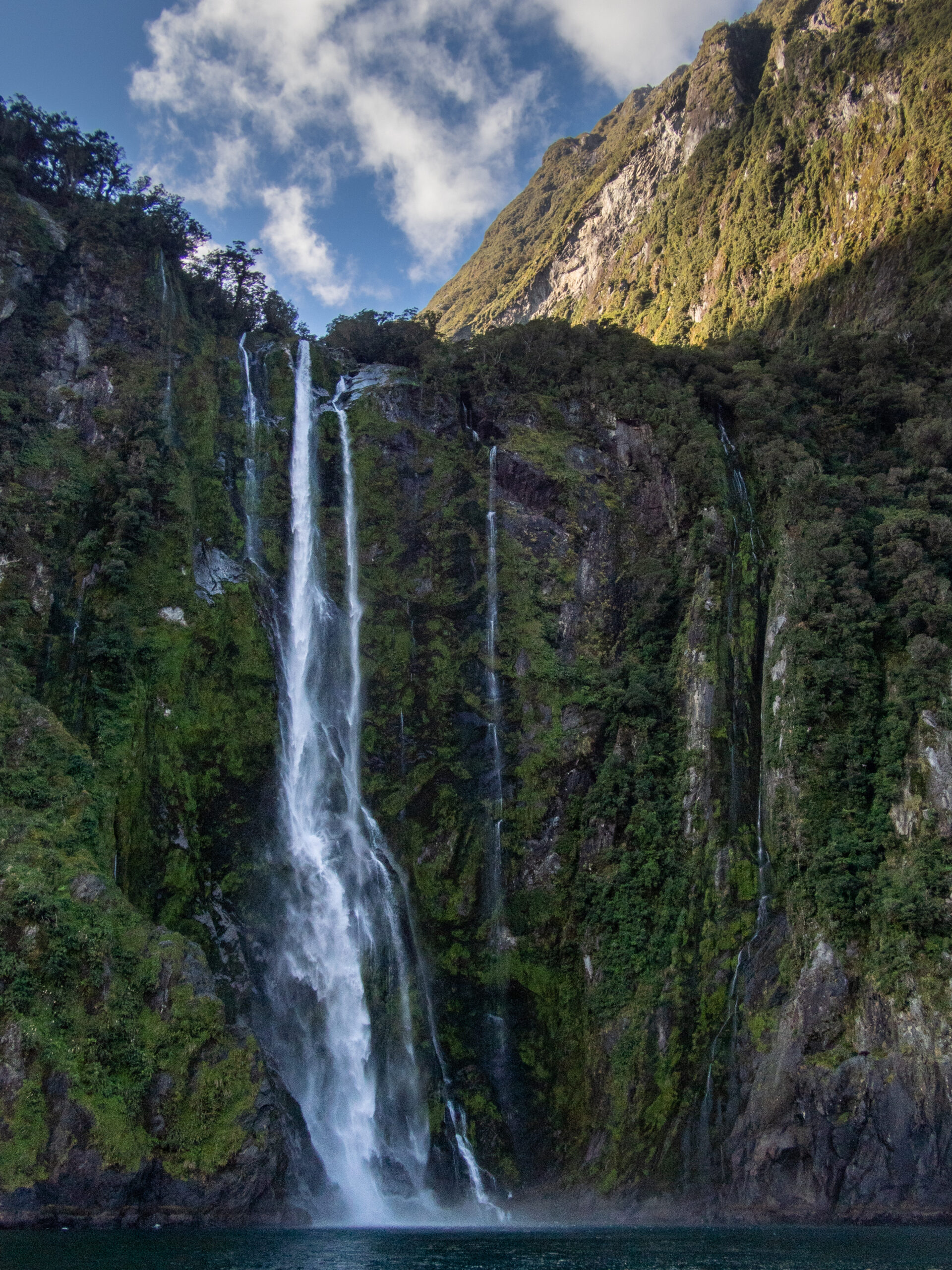
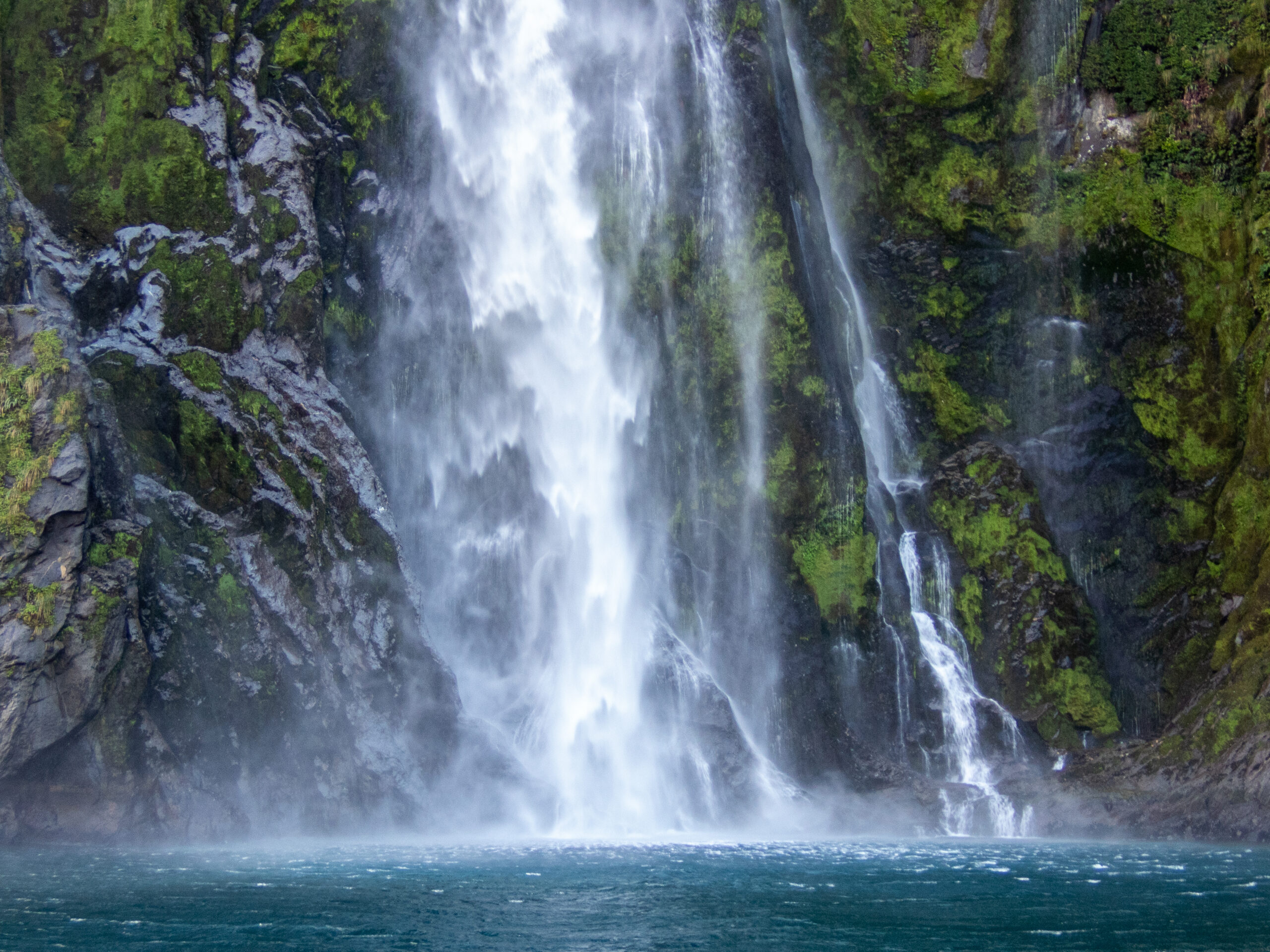
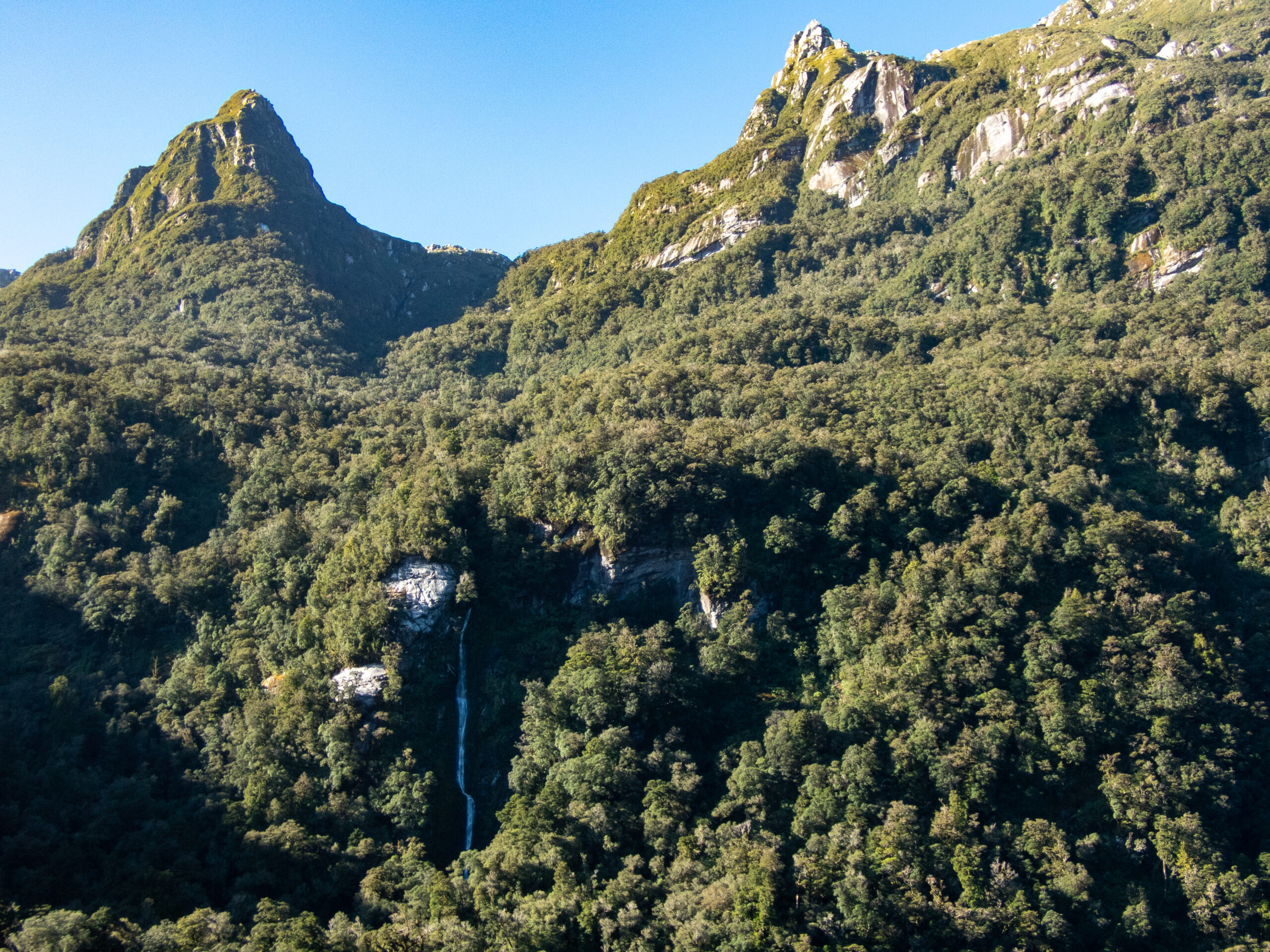
We had to keep Allora off shore just enough to avoid a full shower from the downpour of Stirling Falls. She drops 150 meters (a 35 story building worth!)

We were both giddy all day and so so glad we made this quick but rich visit!

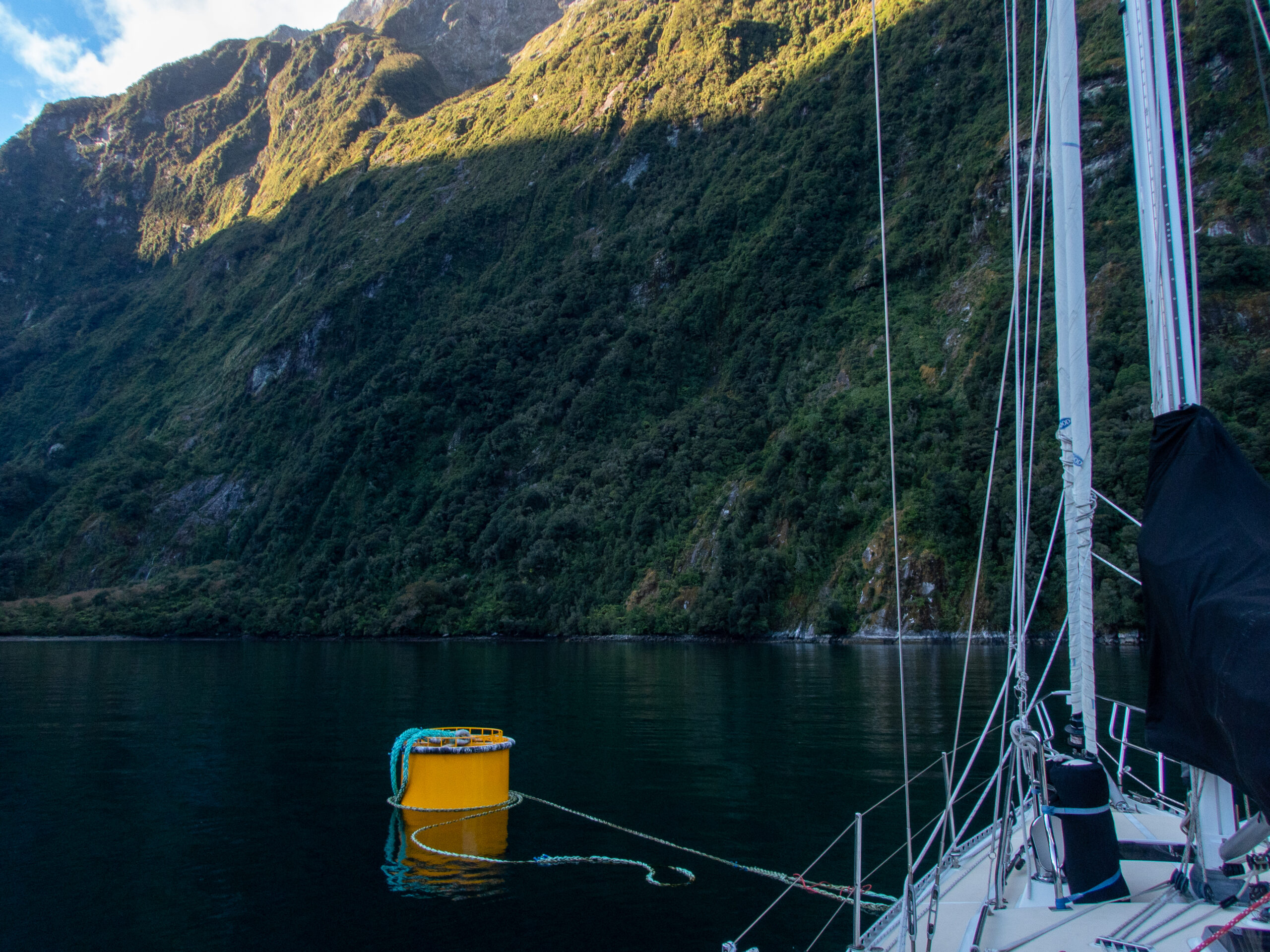
Real Journeys offered up their mooring in Harrison Cove since they wouldn’t be using it. This saved us figuring out how to find a suitable anchoring spot in otherwise super deep water.
So EASY! No kayaking multiple lines to shore anymore!
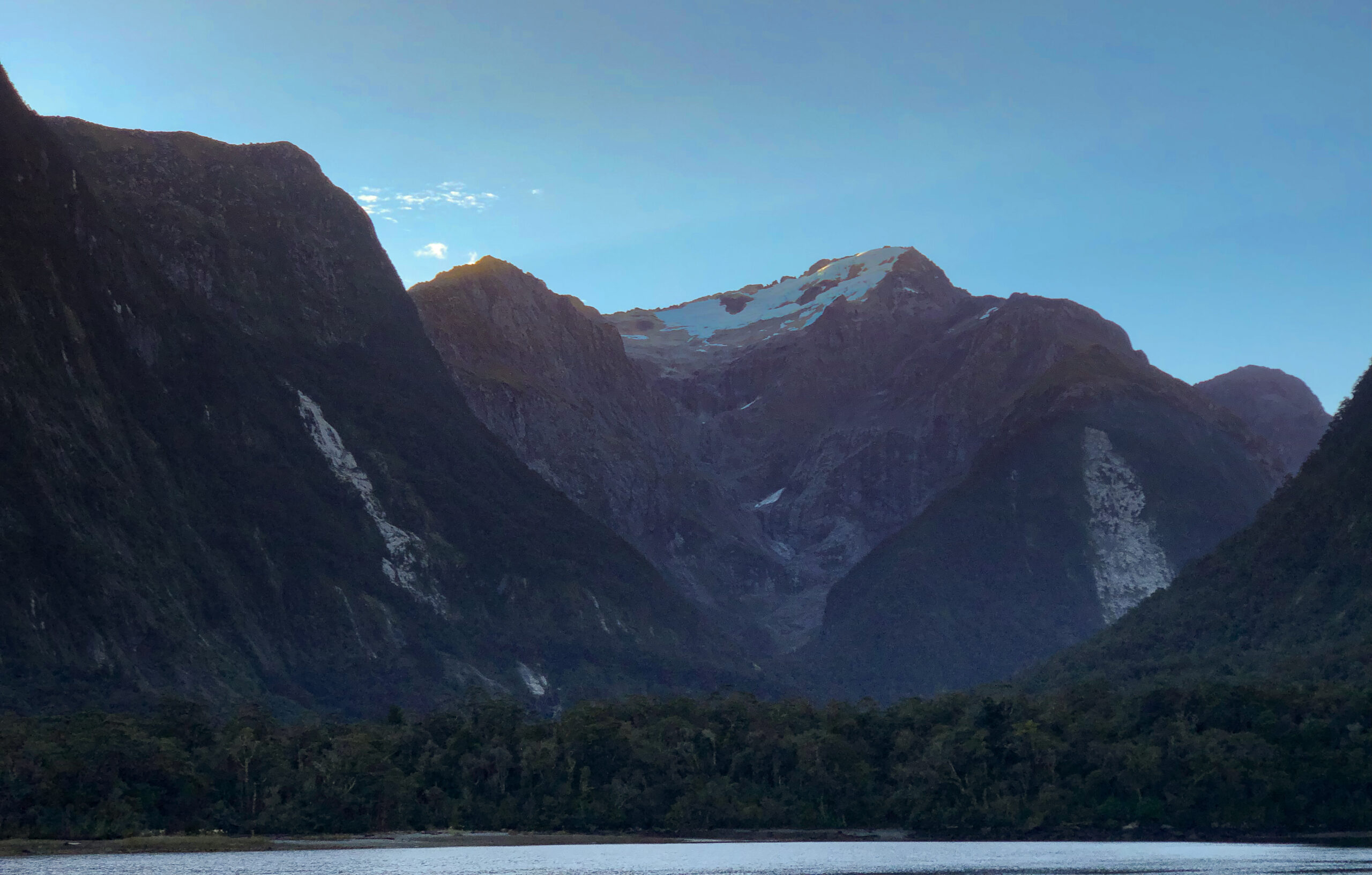
Low light on Donne Glacier, but there’s a GLACIER in our anchorage?!!!
Sweetness!
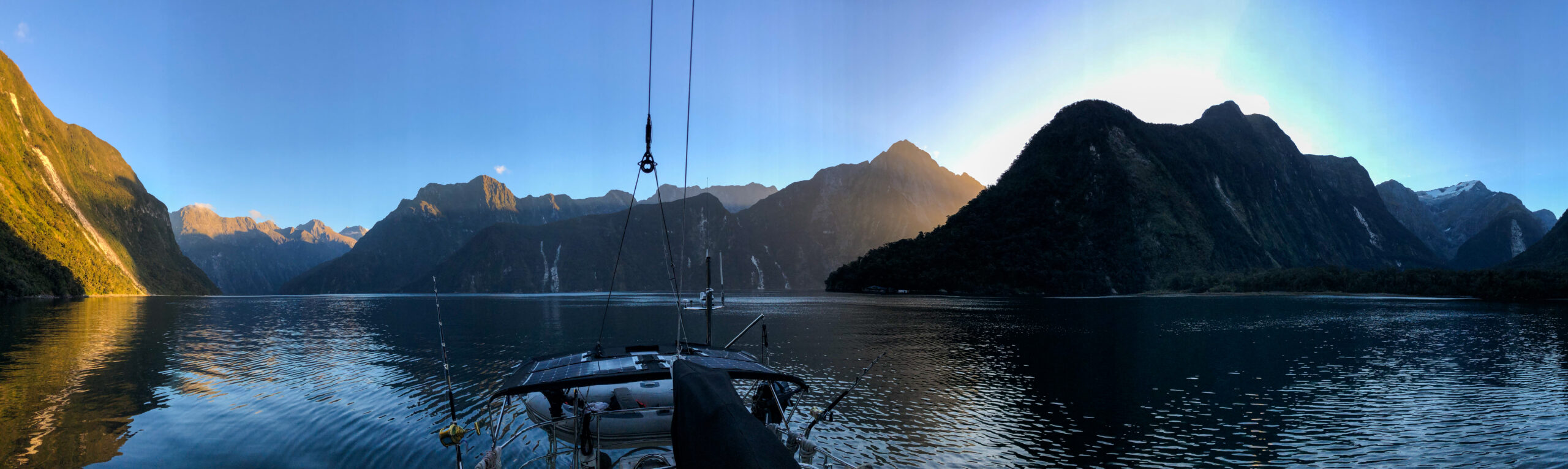
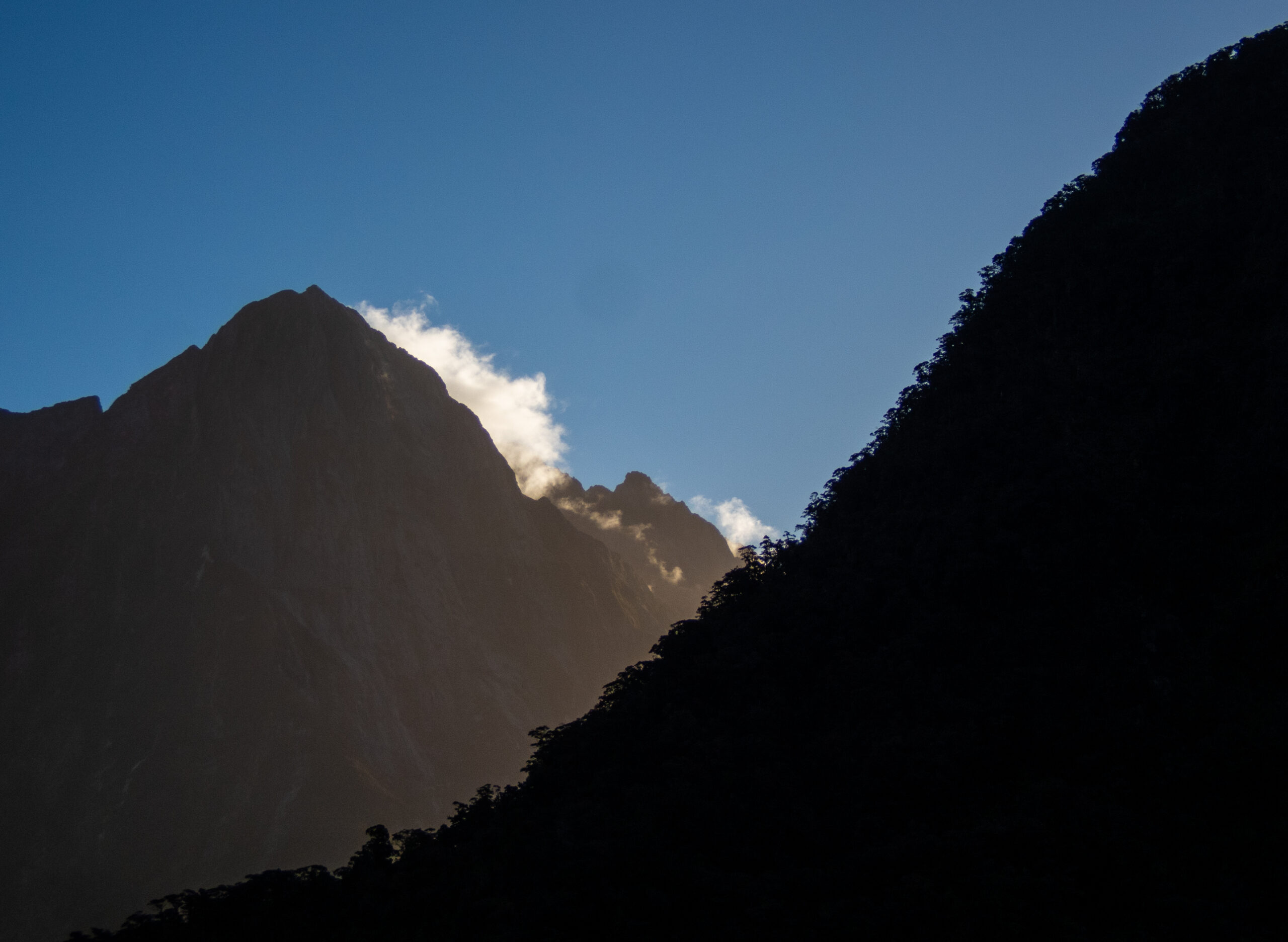
Last light on the peaks.
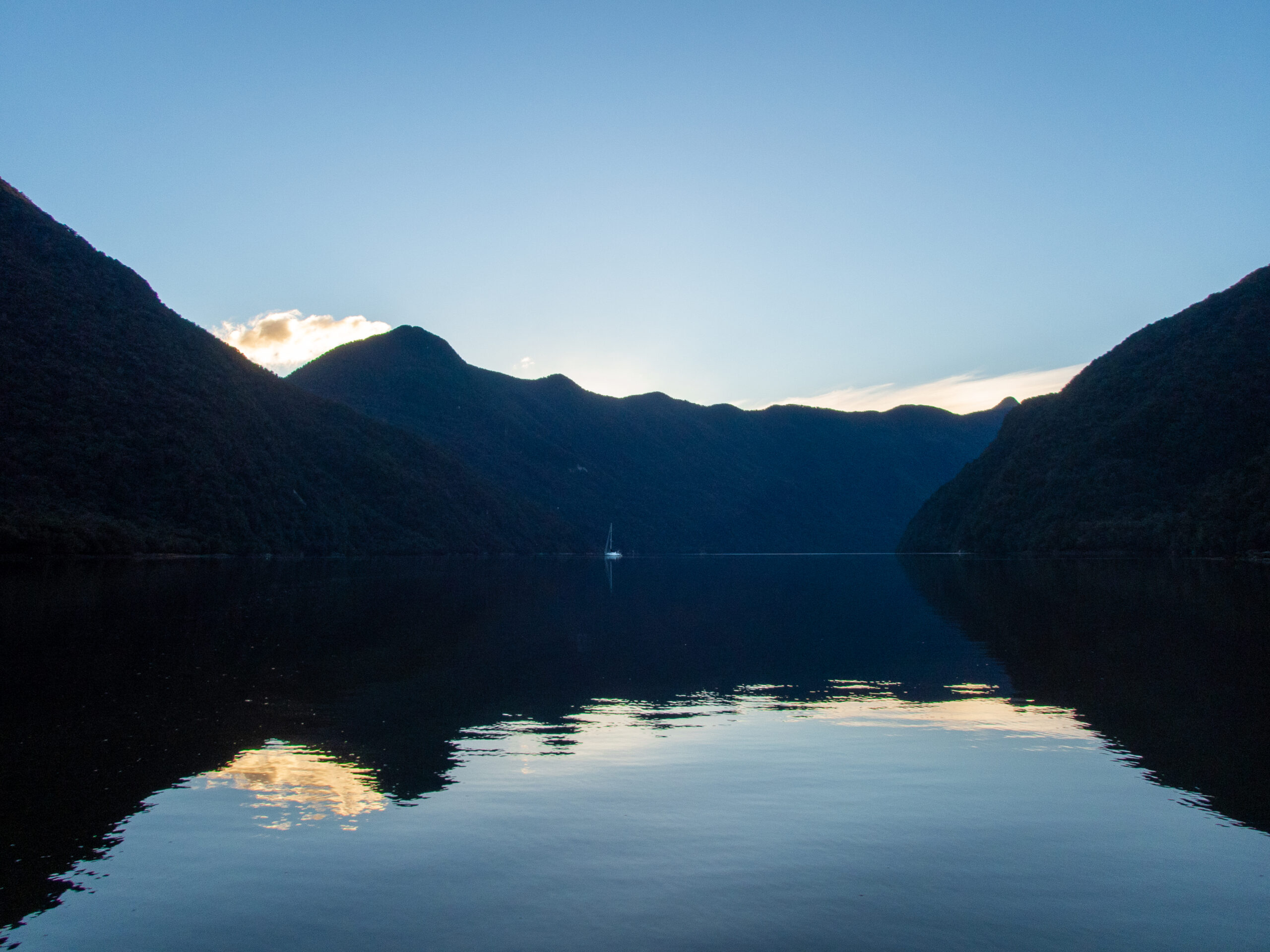
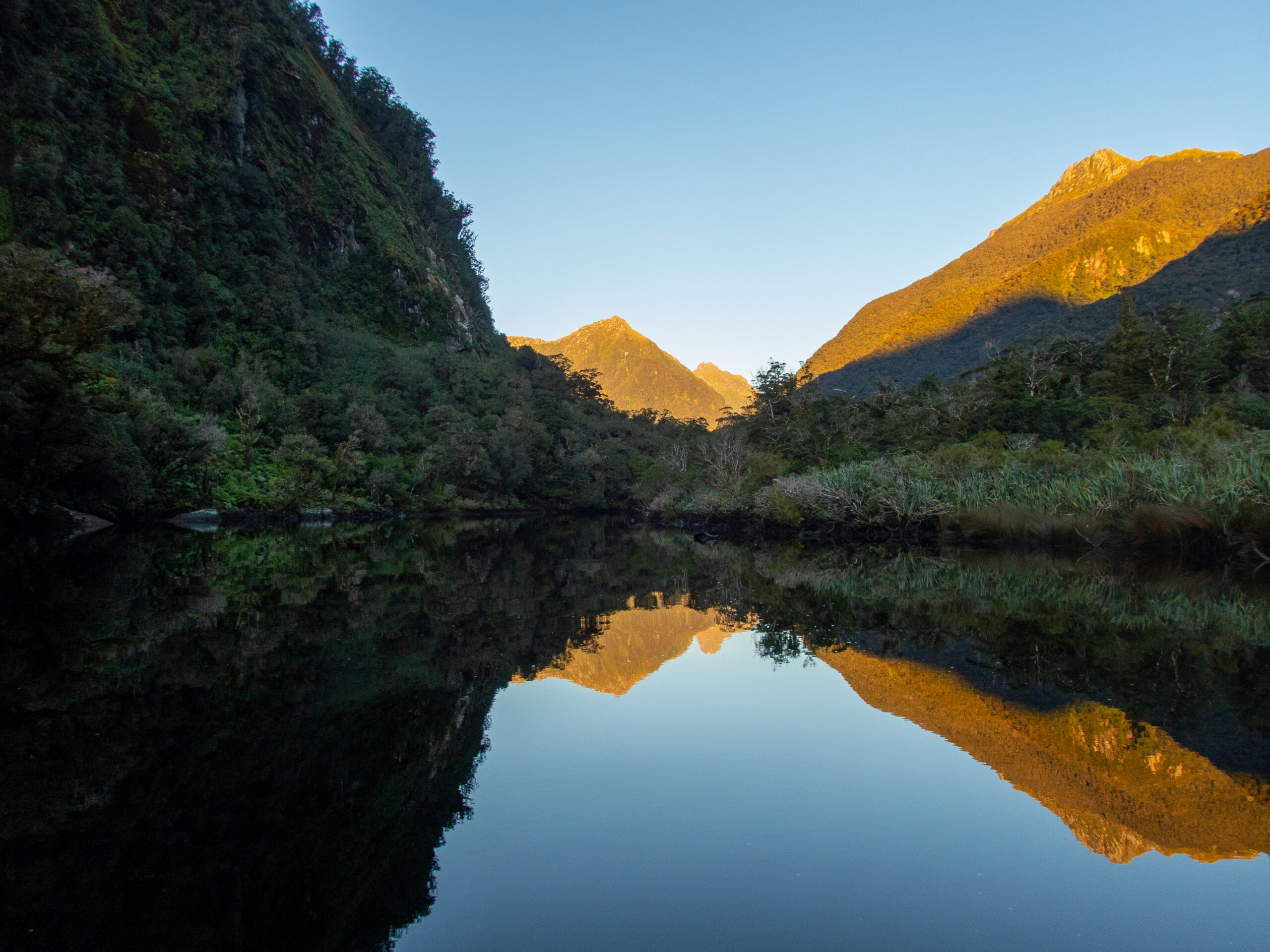
Wyatt left NZ for the States on this day. Something about that fact coupled with our sort of ceremonially special last hours in Fiordland left us feeling a bit stunned. We fell asleep super early and woke back up at midnight to start our passage up the West Coast. At 12:15 am, we left Harrison Cove in such pitch blackness that we were grateful for the silhouetted ‘steep as’ granite walls and the resident dolphins which escorted us out with an utterly magical and hushed Fiordland goodbye. Haere rā!


A quick blink in Bligh Sound/Hawea, – Fiordland

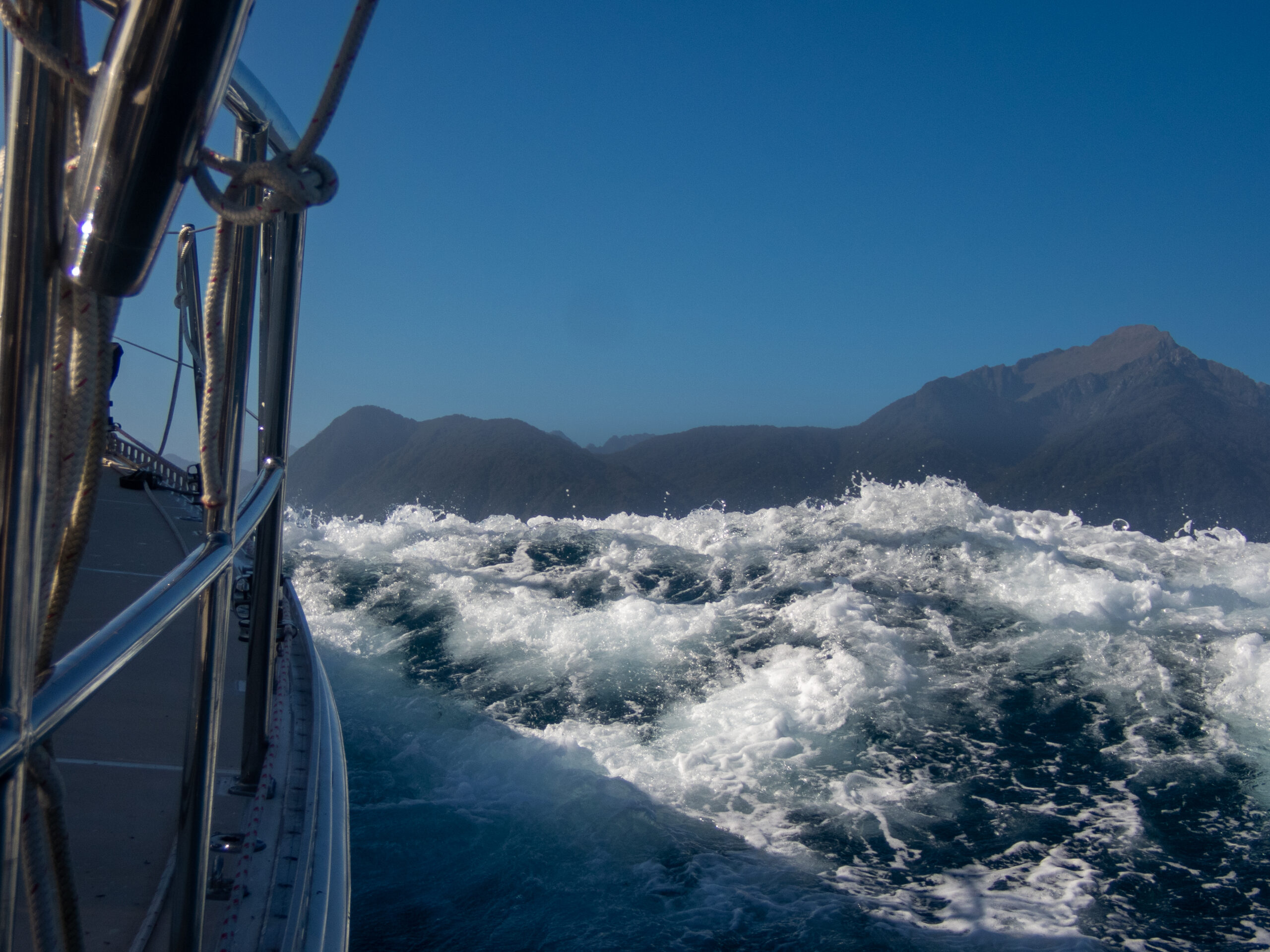
Our logbook for the run from George to Bligh says, ‘expecting 4 meter seas, so ‘battening down the hatches on Allora.’ This pic doesn’t begin to show the waves, but we are getting pretty used to these quick hops being worthy of our full attention!

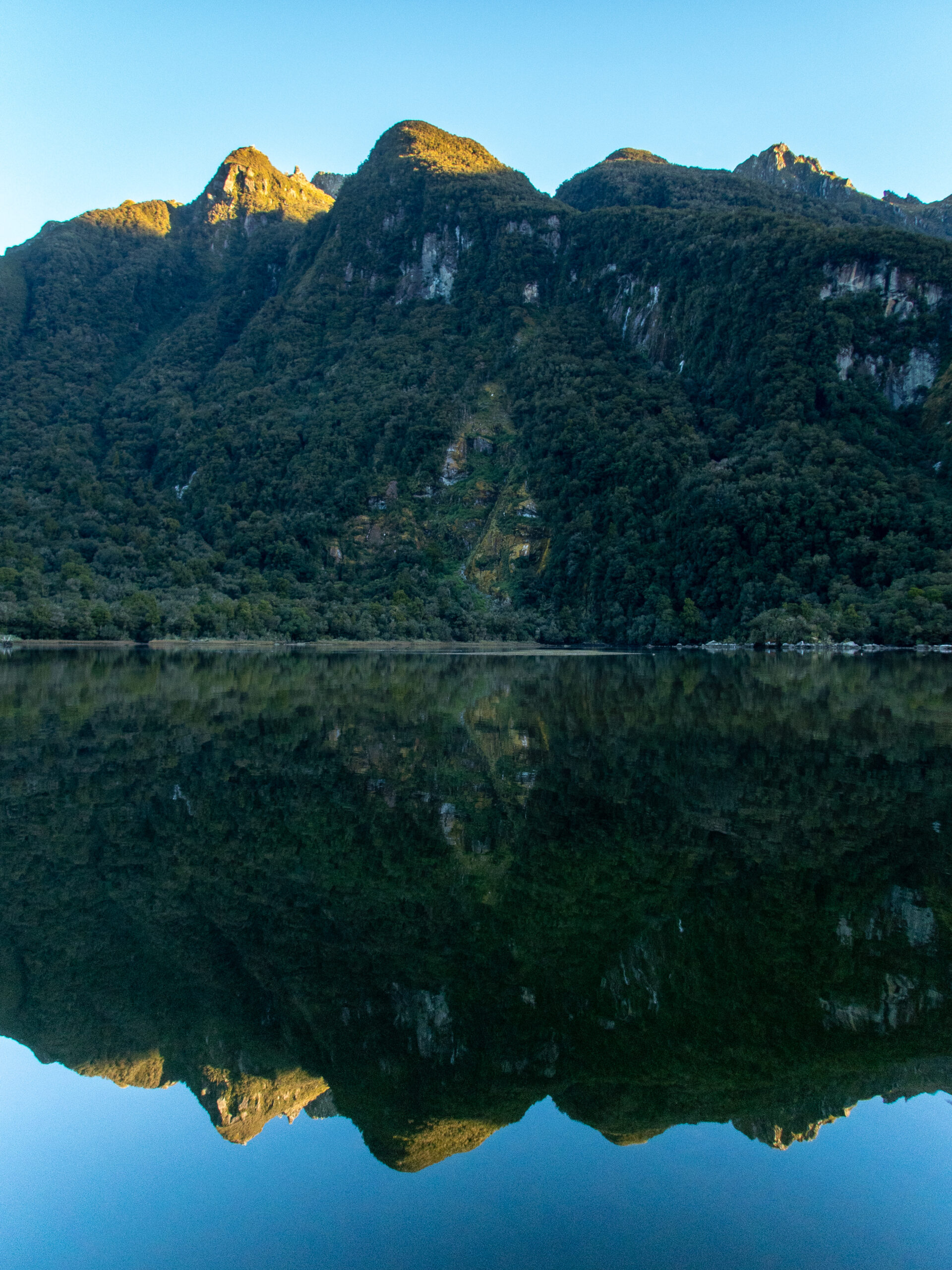
This northern fiord zigzags around 18 kilometers inland to the head at Wild Natives River (surely on a list to be renamed?)
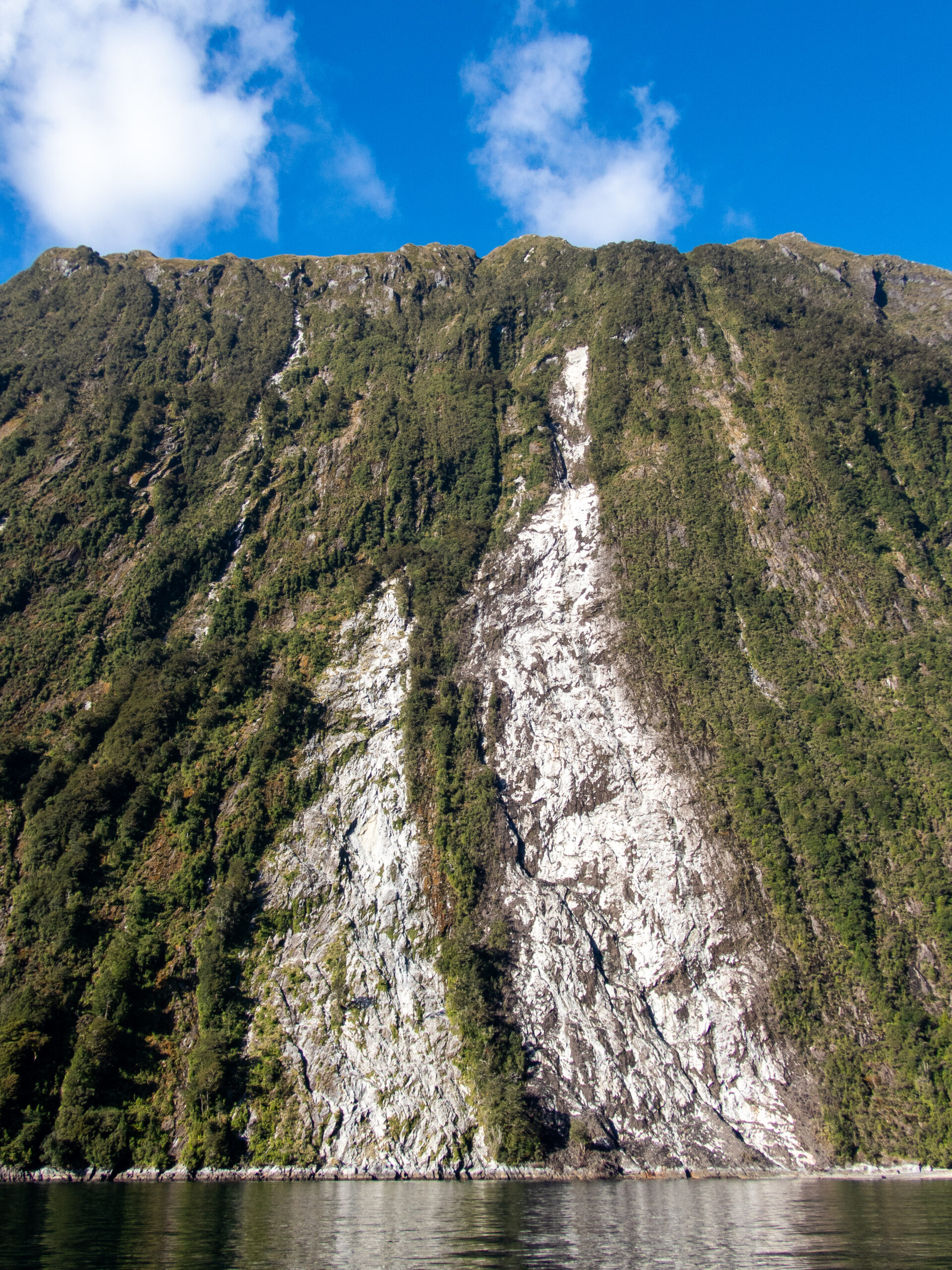
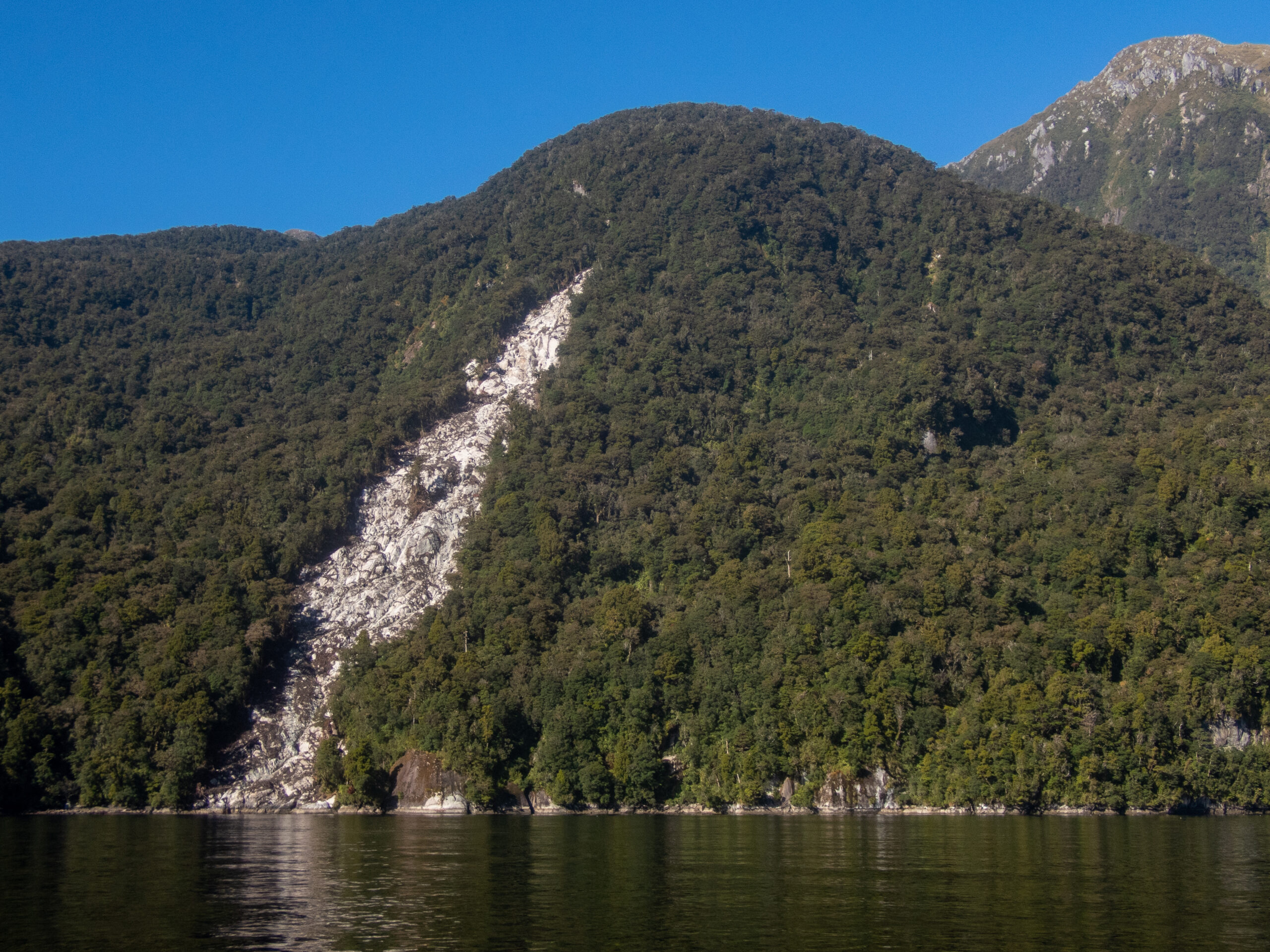
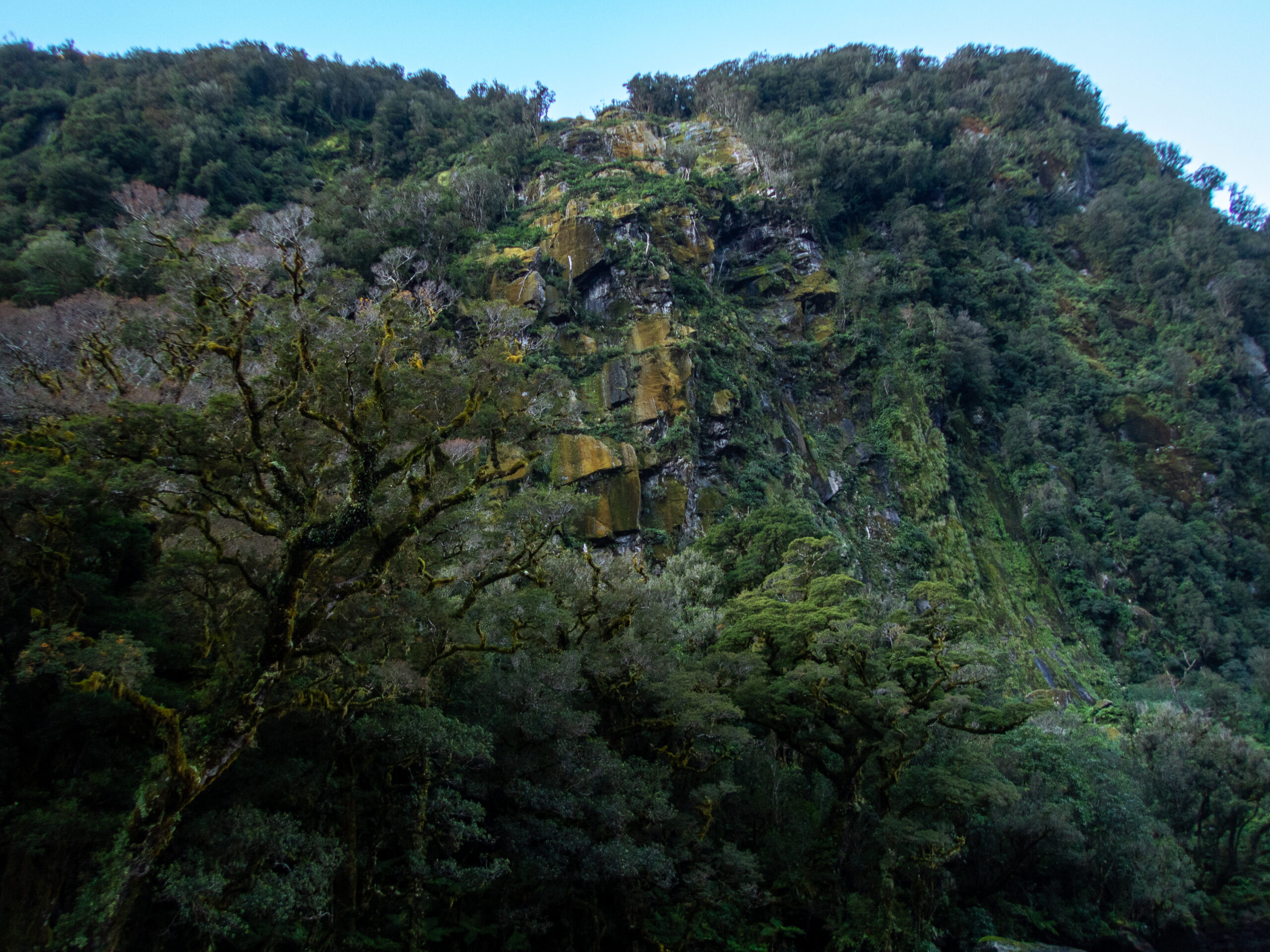
Sizable slip. Some of these are so dramatic you can just imagine the sound and drama of the actual moment when it let go.

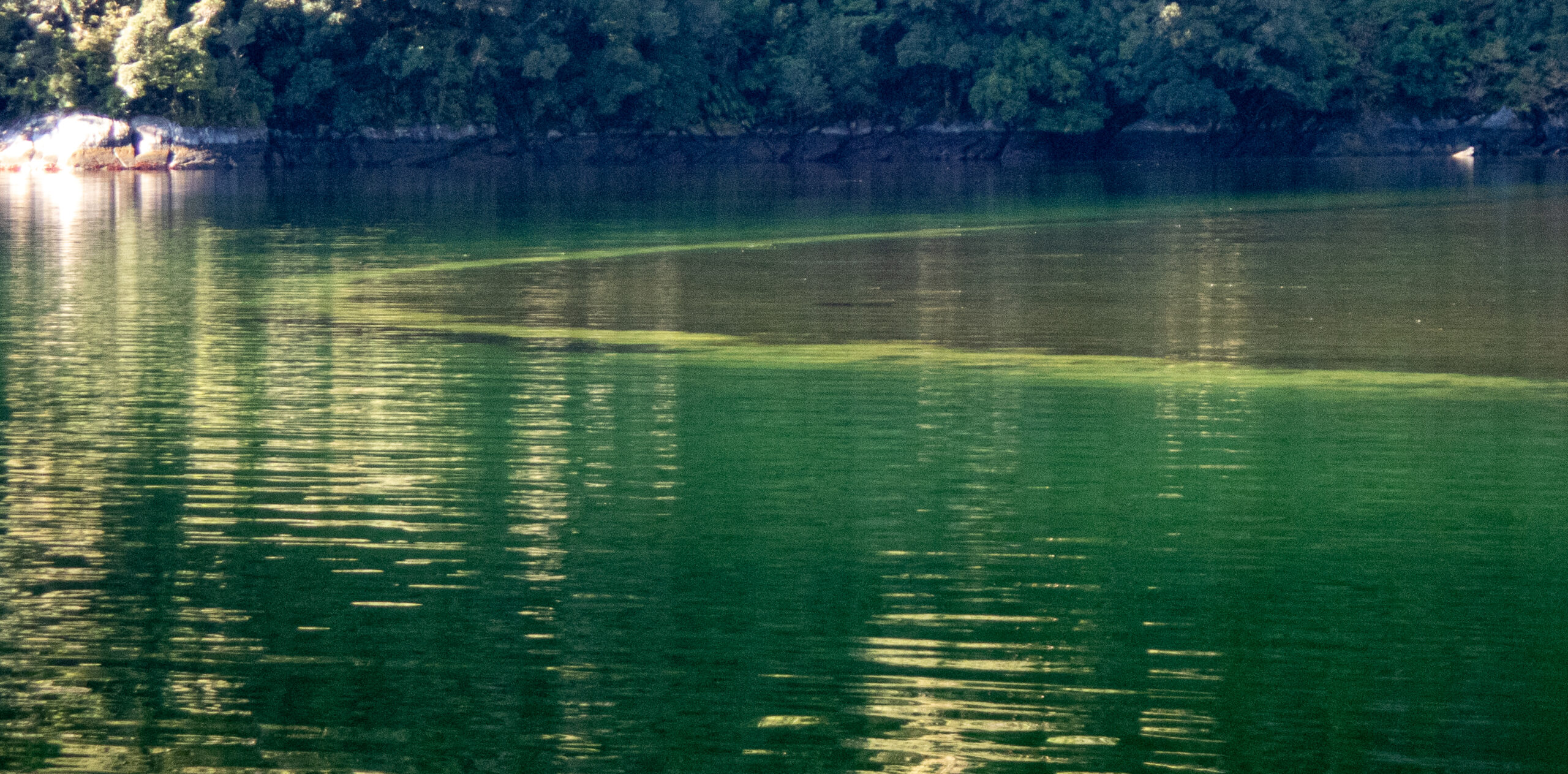
The very steep demarkation between mud bank and deep water.
We finally found a spot to anchor in the middle in 80′ of water, so we had all our 330′ of rode out and were ‘free swinging’ without any lines to shore.

On our one full day in Bligh, Marcus took Namo up the Wild Natives River and hiked up with just enough time (with the tide) to fish one nice pool, landing two fish.
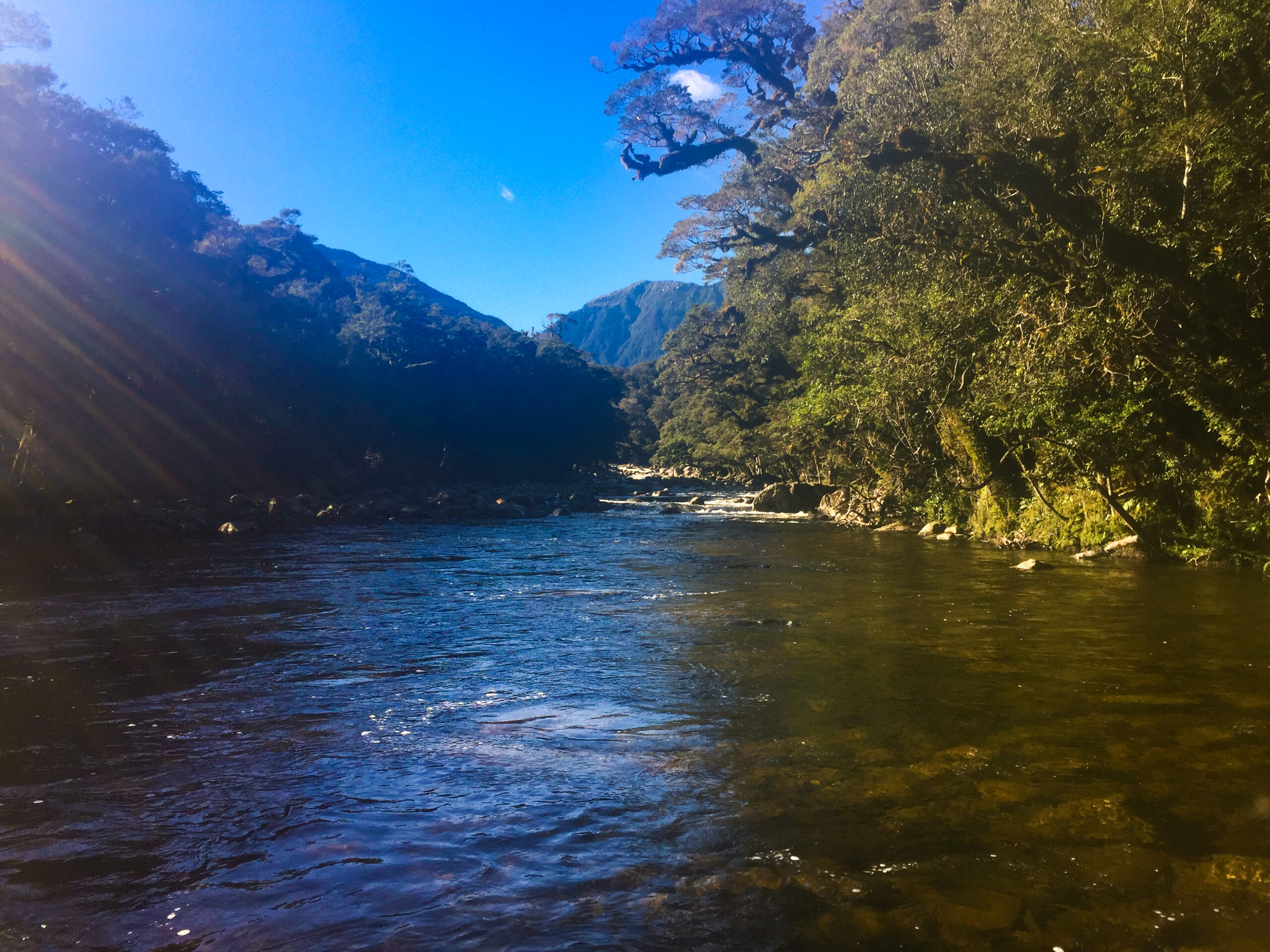
‘Marcus’ Pool,’ Wild Natives River.
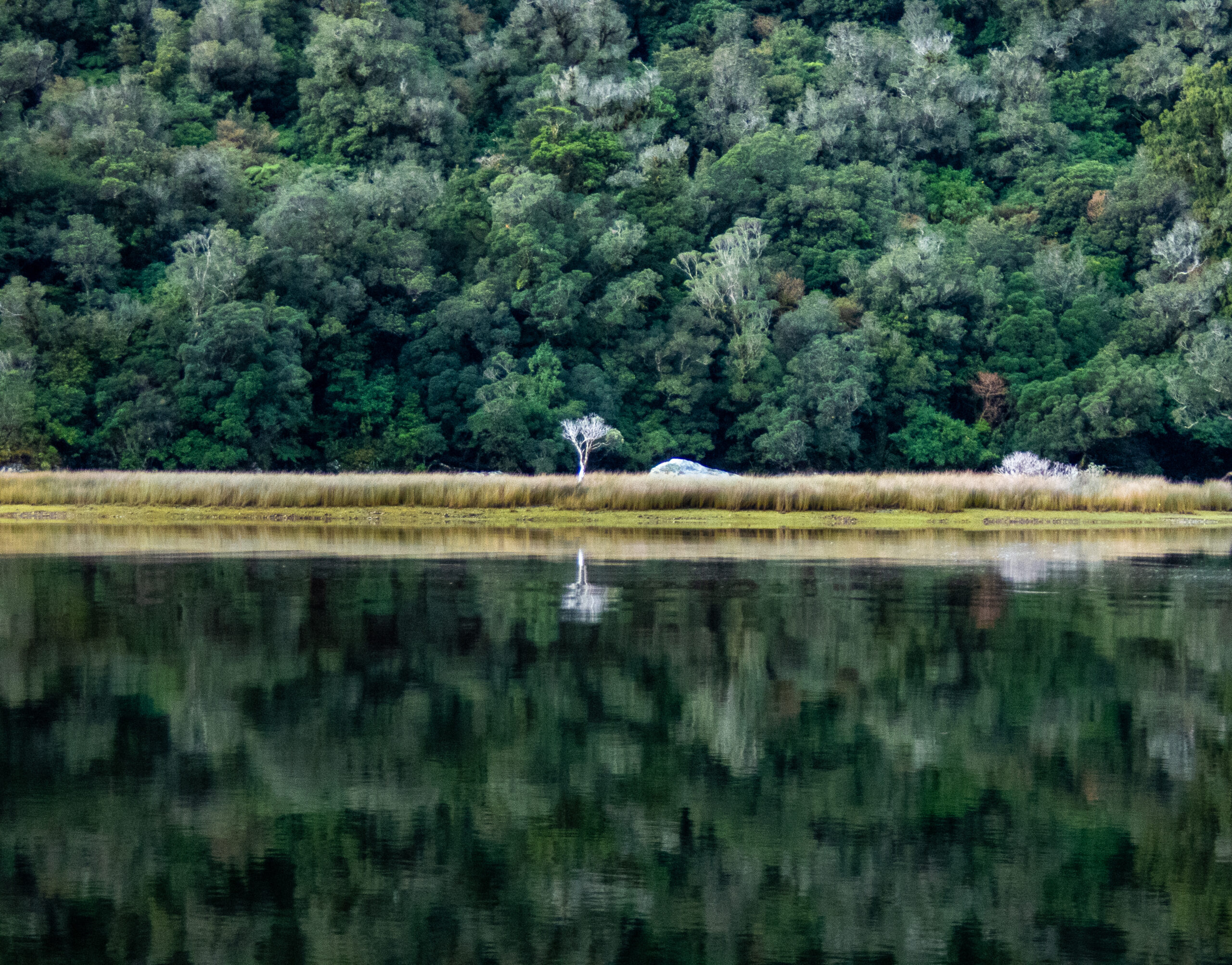
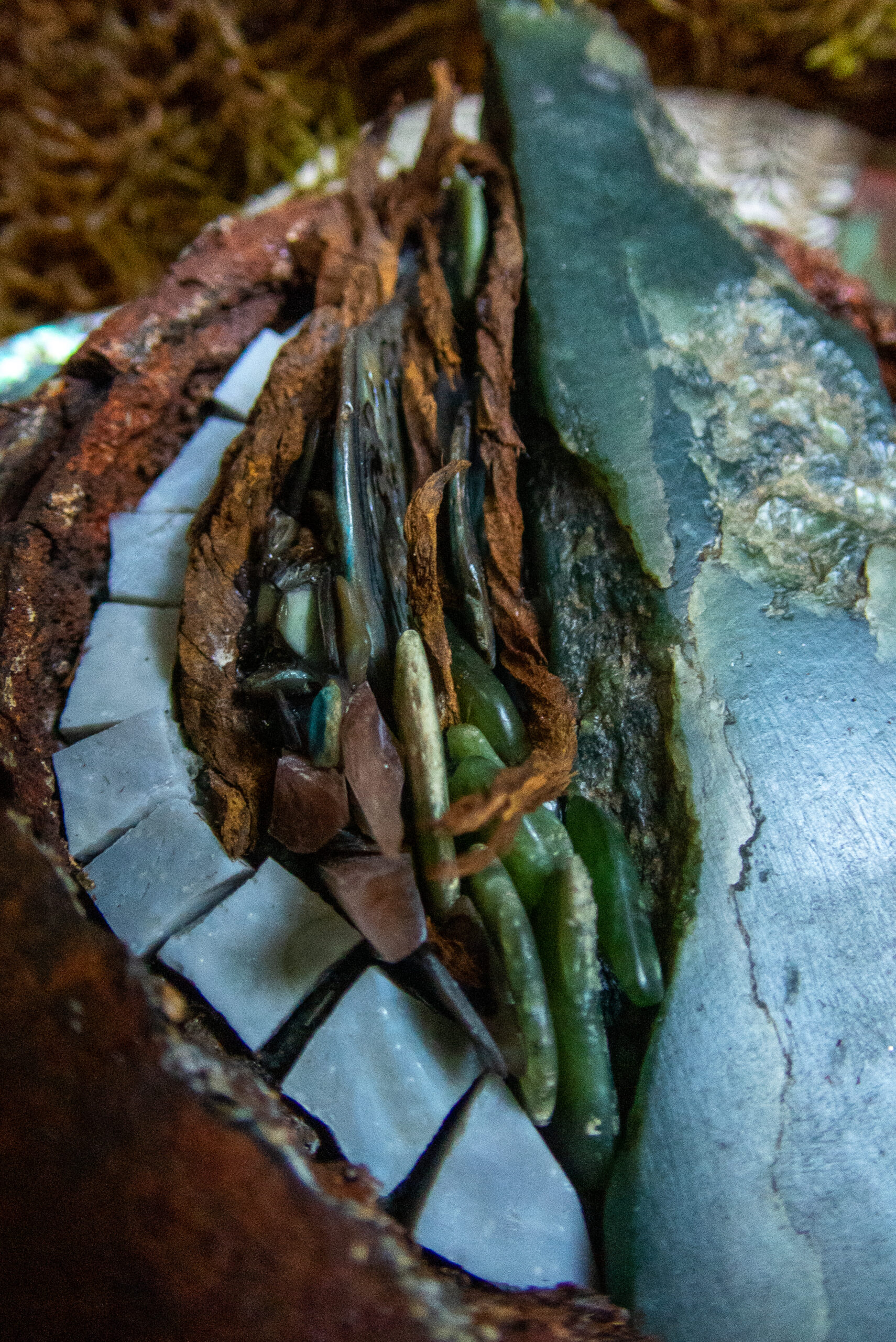
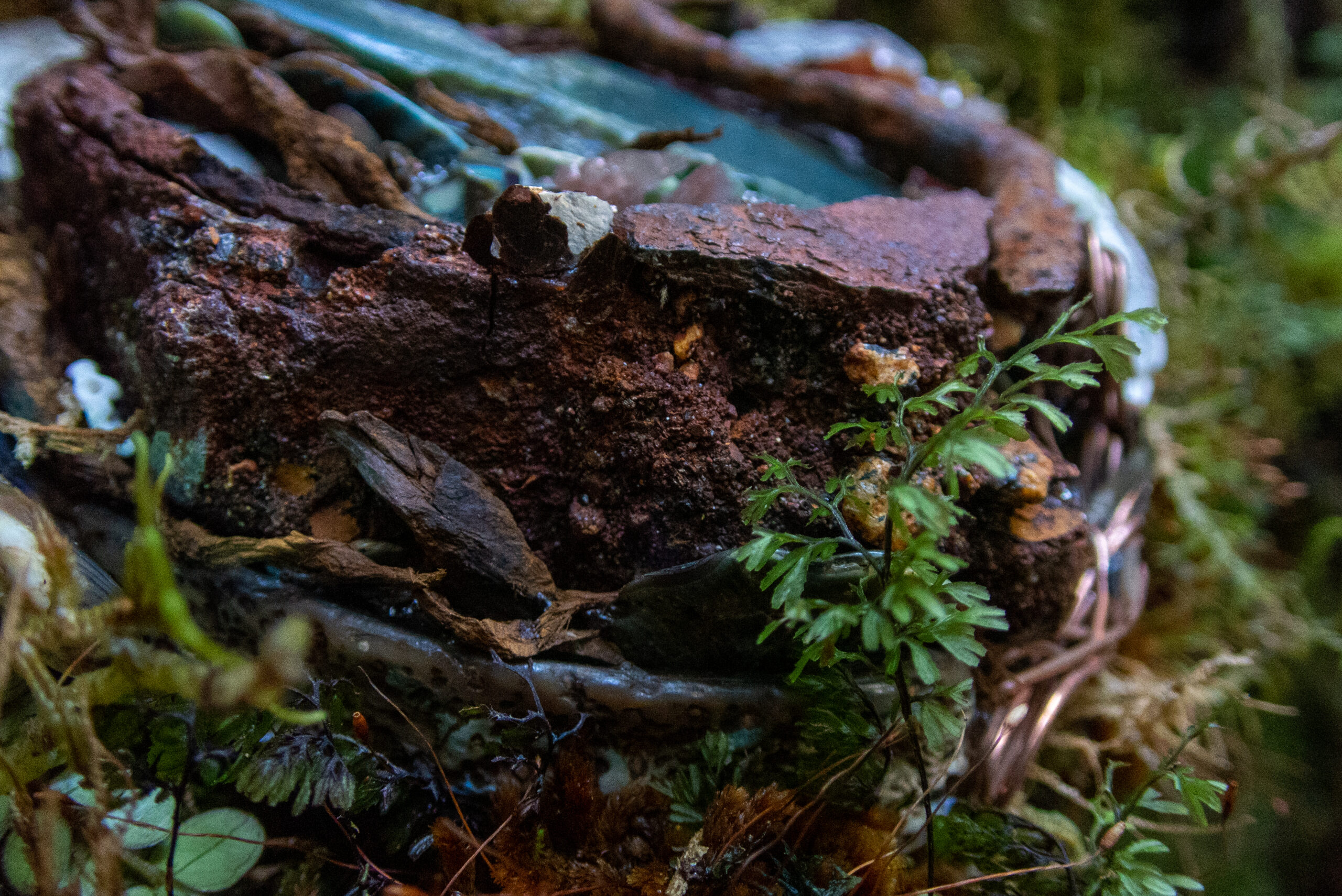
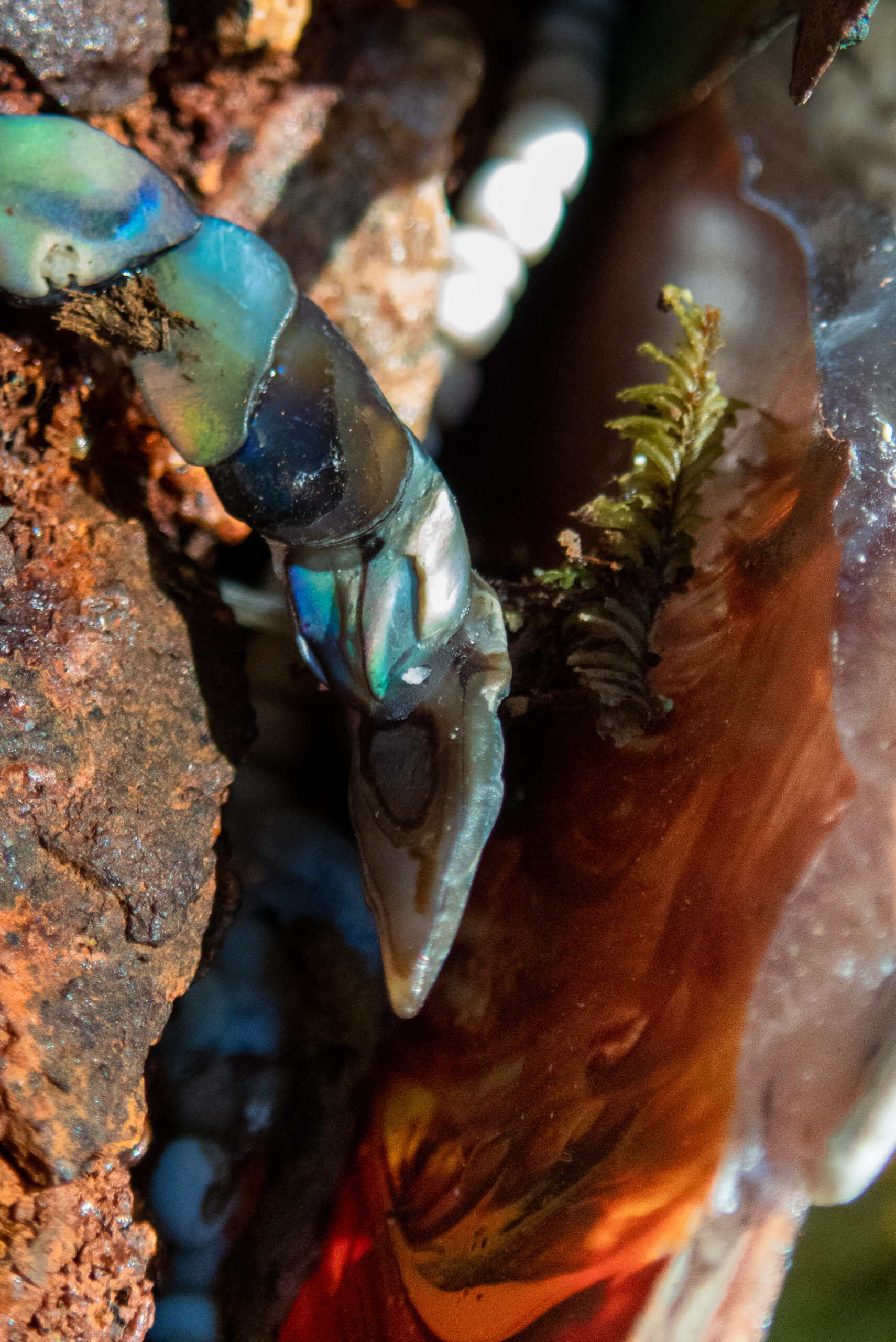
I stayed back on Allora and did one of my ‘flash’ mosaics. Here and there along our 7 year journey, I’ve tucked these offerings, almost ‘dialogues with nature,’ into various locations. Here, I share some close ups, mainly because that’s all I got up to in Bligh, but I will save the full images for another post!

As much as we choose to be present for what IS, we are starting to really look at forward at the weather for our tough West Coast passage from Milford to Abel Tasman.
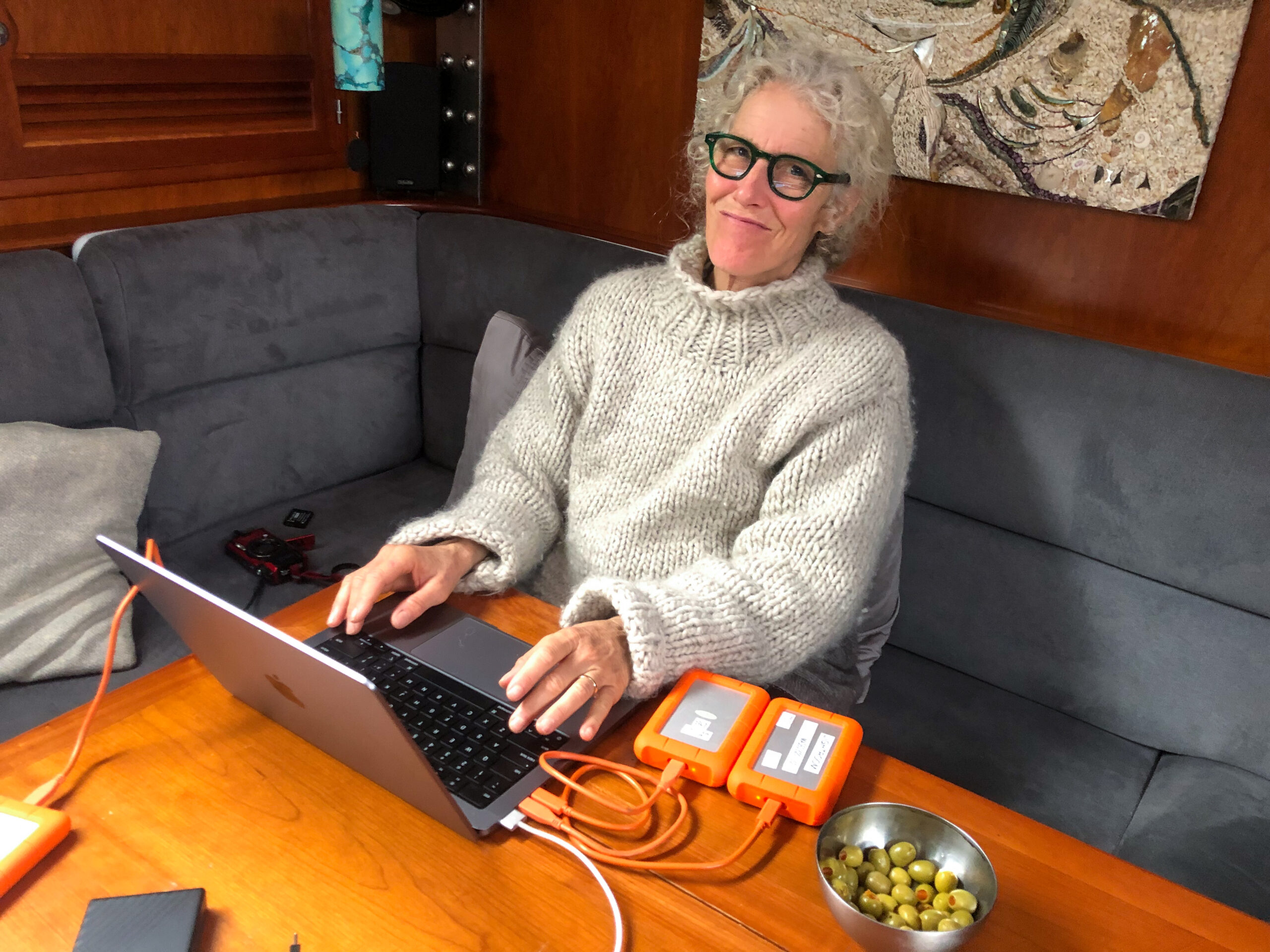
I’m thankful for Lightroom so I can prep some of these blogs before finally getting back into Wifi zone.


Bye Bligh!
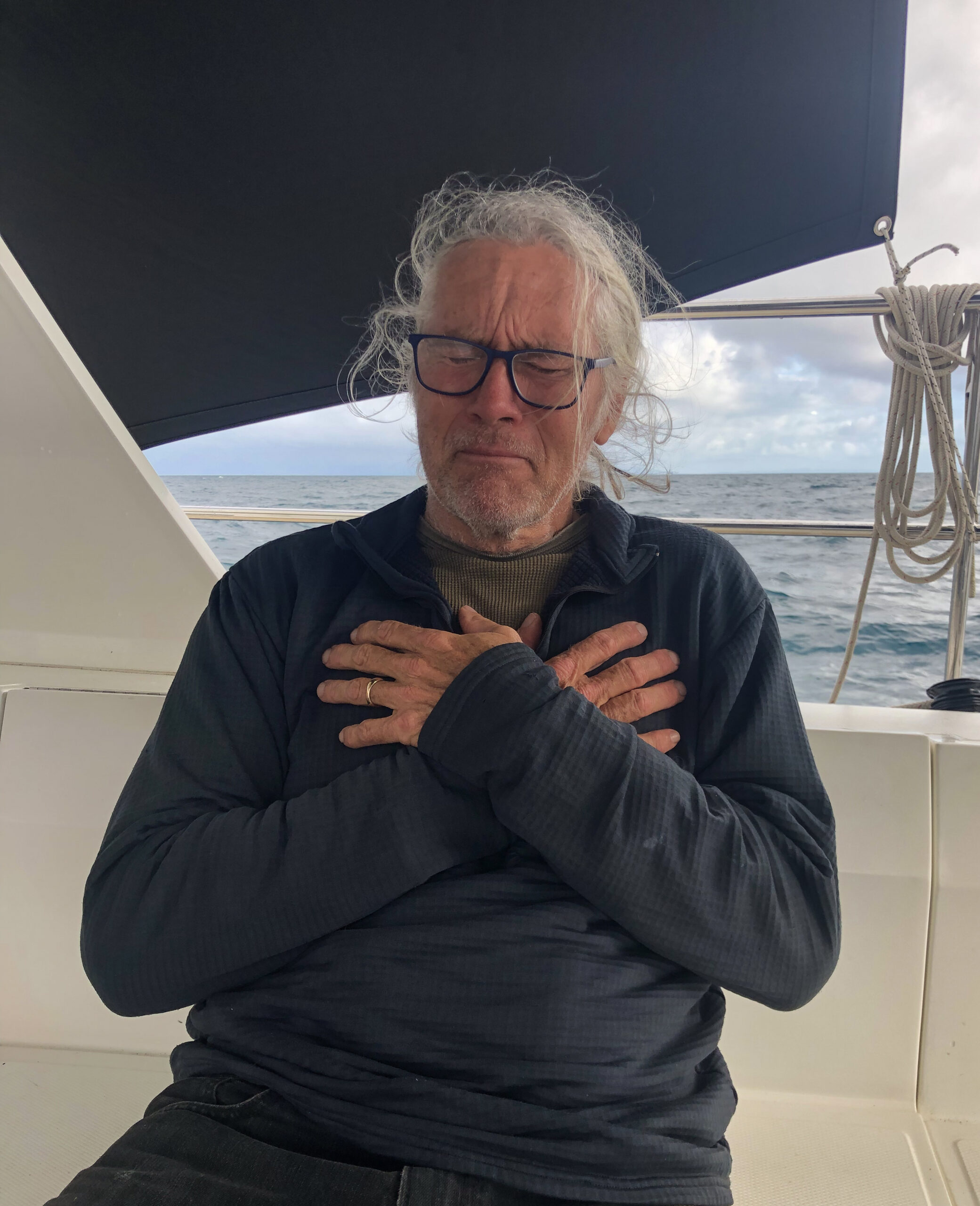
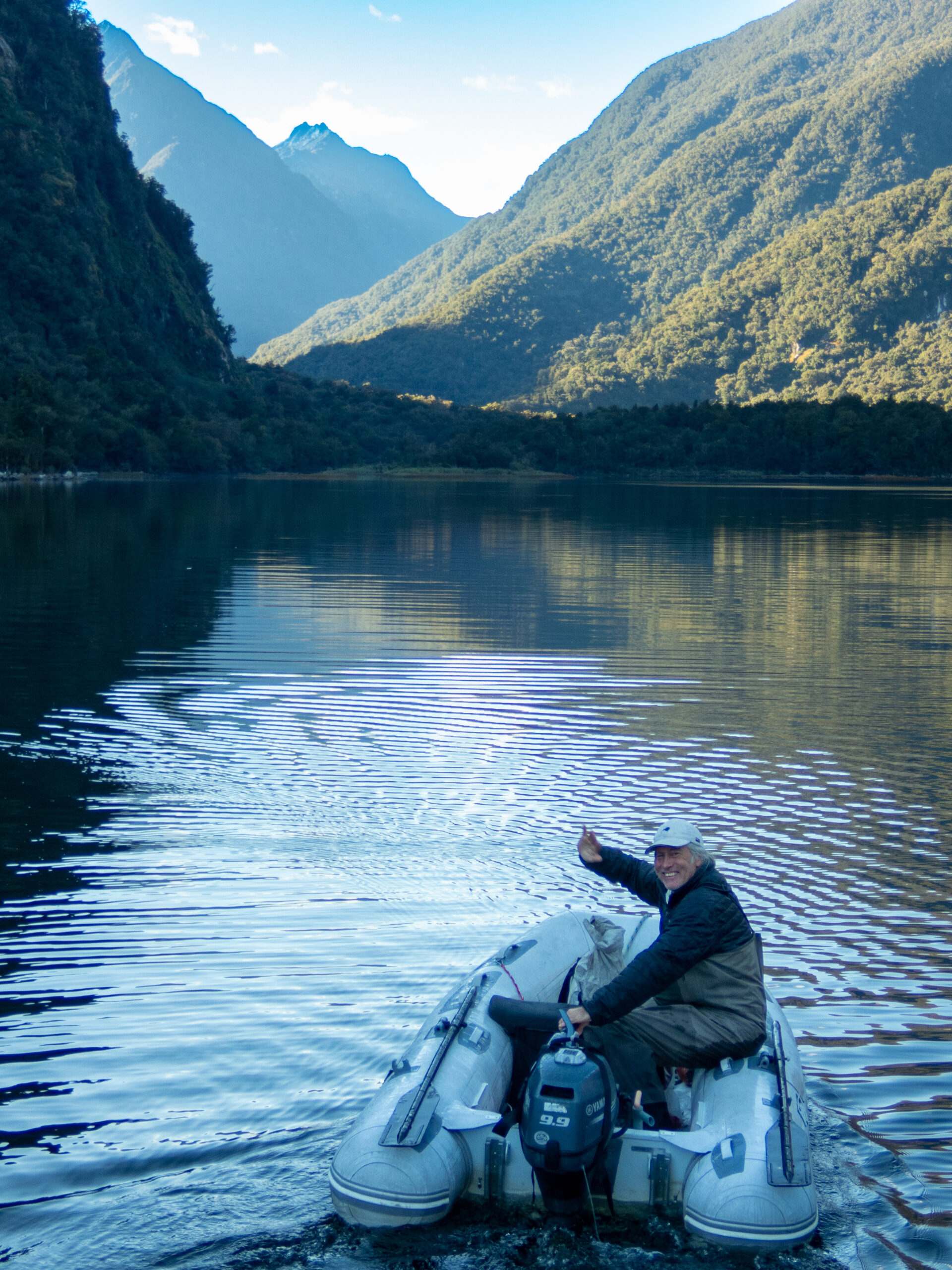
I feel like I can SEE the richness of this journey in Marcus’ expression!