Manta LOVE in Tikehau, Tuamotus

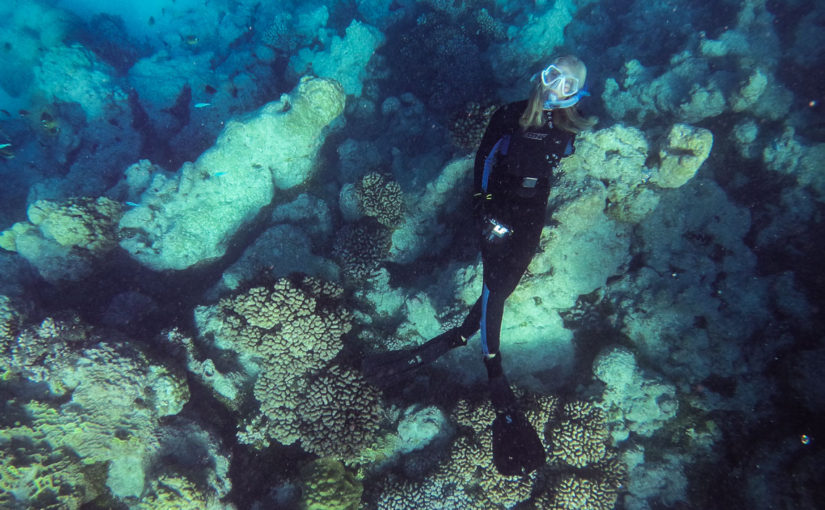
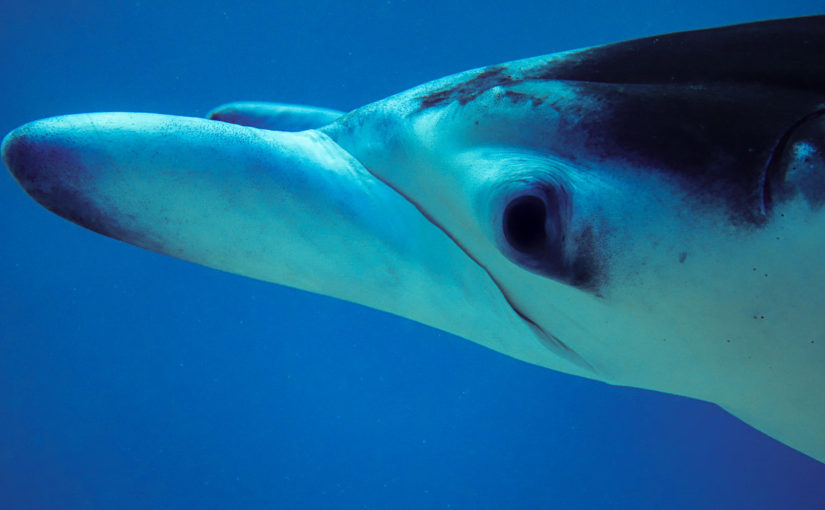
Pictures are going to do most of the talking here. Just think about the size of these amazing creatures, ten, twelve feet wing span (Manta Alfredi get up to 18’ across).  Watching them move, like huge underwater birds, is mesmerizing. One bunch of six or seven literally bowled us over. You can find them in this spot pretty reliably because it’s a cleaning station. Diana was hooked. Another boat came to join us, Jacaranda, who we knew from their blog and got to know on the Single-Sideband radio net that covers this part of the South Pacfic (called the Polynesian Magellan Net, at 8173 USB, 0800 and 0600 local time). Linda is as crazy about looking for new fish as Diana, and she and Chuck had some amazing experiences hanging out with Manta researches on the remote island of Socorro in Mexico. I spent the morning writing, but Diana and her dive buddies got out with the Mantas early each morning. During one of their best sessions they watched a pair doing a courtship dance and then mating which is a rare thing to observe in the wild. 

Diana dove with the Mantas twice a day for the week we hung out and took, you might imagine, thousands of pictures. Some of those she sent to an organization called the Manta Trust, (https://www.mantatrust.org) which uses the unique patterns of spots on a Manta’s belly to identify individuals. They encourage people to send in their photos, and then experts in each region identify and catalogue them. Diana sent them pictures of seven distinct individuals. Six of them had been identified before, and they shared some of the information they had from previous sightings, where when, doing what. One of them was brand new to the researchers. They told Diana that they have identified 70 mantas just in Tikehau, so now that’s 71. The next fun part, was that all seven had numbers for identification but needed names. So Diana gave them Polynesian names. Haley’s boyfriend suggested that ‘Liam the Manta’ would make a fine name, though inspiring a Manta name as that would be, it did not make the final cut. 

Meet the Mantas:
Ma taa raara – (A shining, or bright eye)
Vavevave – (Speedily!)
Atae – (Surprise)
Marema re – (Sparkling as the saltwater at night)
Tamure – (Dance Together)
Atavai – (Elegant)
Manino – (Calm, Smooth) 

We had hopes of finding the Mantas at this known cleaning station. We’d seen them briefly last year, but were drawn for more!

Polynesian beauty with an Emperorfish. I brought the dinghy over to say hi and see what they were up to and she shared two fish with us for dinner.


Return to Paradise – French Polynesia

Fakarava North

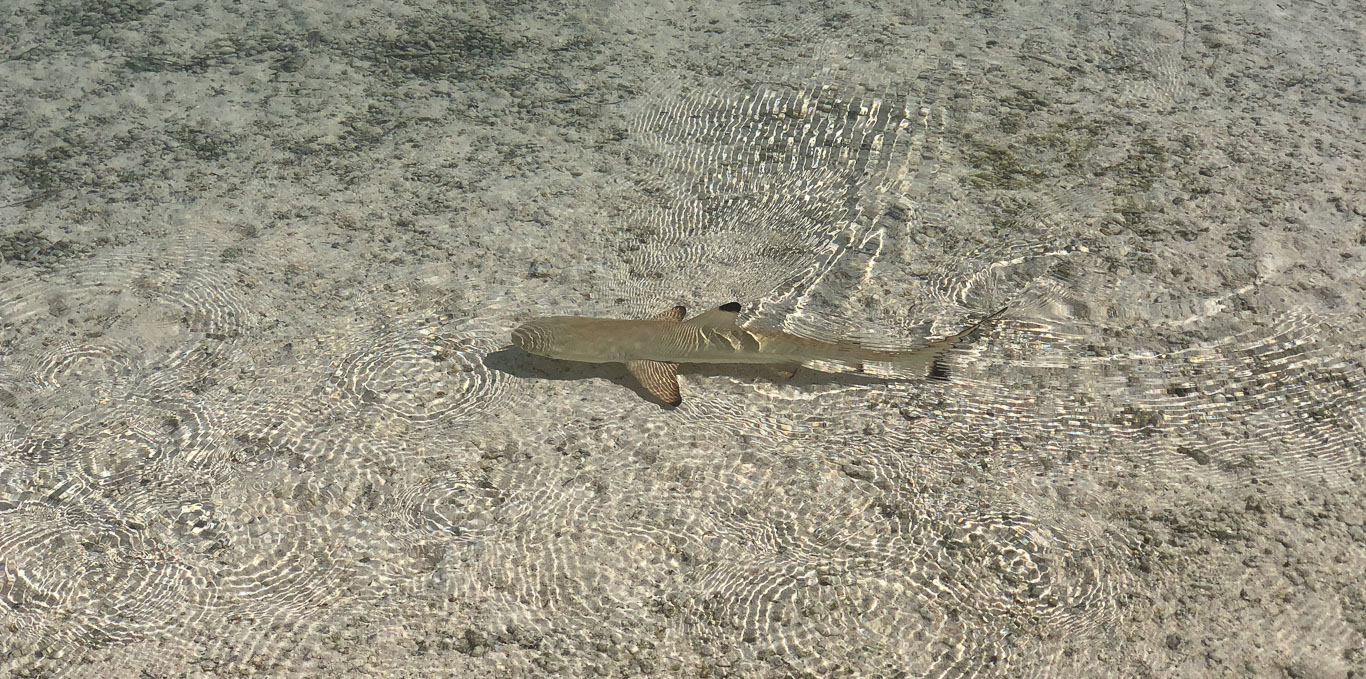
Anyone watching us might have wondered what we were up to, bouncing back and forth between the anchorage off of Rotoava and a spot near the north pass of Fakarava. Part of the story is that you need winds with some north in them to be able to sit by the pass comfortably. There’s a nice public buoy by the channel marker and the snorkeling there is pretty awesome. Diana became quite familiar with its retinue of sharks and one particularly friendly triggerfish. I liked the spot because it’s a jumping off point for going to the far northwest corner of Fakarava. This is a nature preserve area, so no anchoring allowed. It’s about a five mile dinghy ride, but a pretty cool spot with some really nice fishing. Diana explored with me the first time, and I did the 10 mile round trip a few more times on my own. I brought a VHS radio in case I had any problems. Occasionally, a few boats brought tourists from visiting cruise ships to a place out that way they like to call the blue lagoon (every atolls got to have one). It’s a pretty spot and they bring lunch. I was lucky this time that they did, or not lucky depending on how you look at it. While I was off wandering across the endless flats in search of bonefish, one of these tour operators spotted Namo anchored by the shore of one of the motus. Apparently, he could not think of a single earthly reason that anyone would park a dinghy in that remote spot (not by the blue lagoon). So while I was out of sight, he “rescued” Namo and towed her away. It’s true that if one of the sailboats in Rotoava lost a dinghy this is where it would float to. Lucky for me there was still one other tour operator in the area, though it was a bit of hike to get to them. He was able to get one cell phone call out before he lost the signal, and after about an hour of chit chatting with the cruise ship passengers, Namo reappeared with the apologetic tour operator at the helm. ~MS

Toau

I think we’ve been to Toau four times now, maybe more. Diana’s posted about it before. The difference this time was that a new group of sailors was moving through, having done their crossing this year. It was interesting to see the island get new visitors, sailors who migrate through each year, visit the same spots, have barbecues on the beach, talk about their experiences crossing the big ocean, and think about the mysterious way the wind messes with the tides. There’ll be another group next year, too. We are so remote and still there is a steady presence. Toau is a popular spot, despite its tricky pass, for good reason.

Among the new crew were friends we made in Baja, Mike and Katie on Adagio. They have dive tanks and a compressor, so we got to do a little scuba diving. Mike is also a pretty fanatical fisherman and gets as excited about the subject as I do. He’d only been fly fishing once before, kind of on a lark in Yellowstone. But we grabbed a couple rods and went out a few times to see if he could hook one. Fortunately, he’s a good enough fisherman to understand that’s a pretty tall order for a first time, but he got a few shots, enough to get a fair idea of how addictive it can be. The fish were being tough in Toau this year, giving me a hard time, too.

We spent a little time on our own, too, doing what we do. Freediving to photograph fish, and yep, more fishing. Lots of water time.

We moved around to Anse Amyot, (the ‘false pass’ outside the atoll in the north),  for a little more diving with Adagio, which was excellent, including some caves in the reef absolutely jam packed with sea life. I fished a little more. We bought some wildly overpriced lobster from Valentine, the snaky operator of the business there and had a wonderful lobster dinner with Mike and Katie. Valentine tells the story that she came to Toau as a little girl from nearby Arutua in a small boat with a two horse outboard. She says she was brought by her father to keep her grandfather from stealing her. She has his name, is the explanation. She’s been there a long time. She’s very, very religious. But she doesn’t seem particularly happy with her lot. There’s a defunct phone booth on the motu and a very funky pension. They installed buoys for sailors ($5/night) from the time there was a village here. This is the first place we’ve been where we felt this proprietary vibe, but the option to tuck in safely on the outside was sure nice.  ~MS