Manta LOVE in Tikehau, Tuamotus

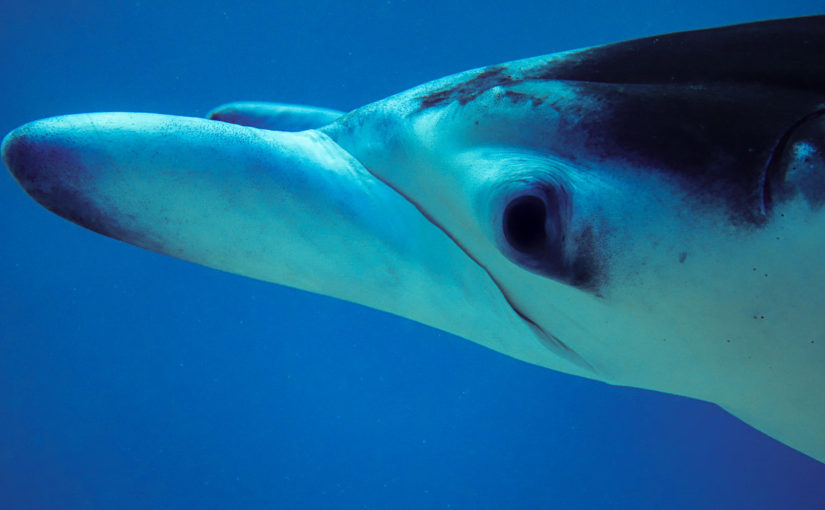
Pictures are going to do most of the talking here. Just think about the size of these amazing creatures, ten, twelve feet wing span (Manta Alfredi get up to 18’ across).  Watching them move, like huge underwater birds, is mesmerizing. One bunch of six or seven literally bowled us over. You can find them in this spot pretty reliably because it’s a cleaning station. Diana was hooked. Another boat came to join us, Jacaranda, who we knew from their blog and got to know on the Single-Sideband radio net that covers this part of the South Pacfic (called the Polynesian Magellan Net, at 8173 USB, 0800 and 0600 local time). Linda is as crazy about looking for new fish as Diana, and she and Chuck had some amazing experiences hanging out with Manta researches on the remote island of Socorro in Mexico. I spent the morning writing, but Diana and her dive buddies got out with the Mantas early each morning. During one of their best sessions they watched a pair doing a courtship dance and then mating which is a rare thing to observe in the wild. 

Diana dove with the Mantas twice a day for the week we hung out and took, you might imagine, thousands of pictures. Some of those she sent to an organization called the Manta Trust, (https://www.mantatrust.org) which uses the unique patterns of spots on a Manta’s belly to identify individuals. They encourage people to send in their photos, and then experts in each region identify and catalogue them. Diana sent them pictures of seven distinct individuals. Six of them had been identified before, and they shared some of the information they had from previous sightings, where when, doing what. One of them was brand new to the researchers. They told Diana that they have identified 70 mantas just in Tikehau, so now that’s 71. The next fun part, was that all seven had numbers for identification but needed names. So Diana gave them Polynesian names. Haley’s boyfriend suggested that ‘Liam the Manta’ would make a fine name, though inspiring a Manta name as that would be, it did not make the final cut. 

Meet the Mantas:
Ma taa raara – (A shining, or bright eye)
Vavevave – (Speedily!)
Atae – (Surprise)
Marema re – (Sparkling as the saltwater at night)
Tamure – (Dance Together)
Atavai – (Elegant)
Manino – (Calm, Smooth) 

We had hopes of finding the Mantas at this known cleaning station. We’d seen them briefly last year, but were drawn for more!

Polynesian beauty with an Emperorfish. I brought the dinghy over to say hi and see what they were up to and she shared two fish with us for dinner.


Rangiroa -The Tuamotu Folks Have Heard Of

Our first instinct, on our initial pass through the Tuamotus last year, was to avoid Rangiroa. It seemed too popular – with actual hotels for tourists, including those ‘elegant’ thatched roof bungalows out over the water that plague Bora Bora. But on our second pass this year, we ended up spending a month in this largest of the Tuamotus atolls. 

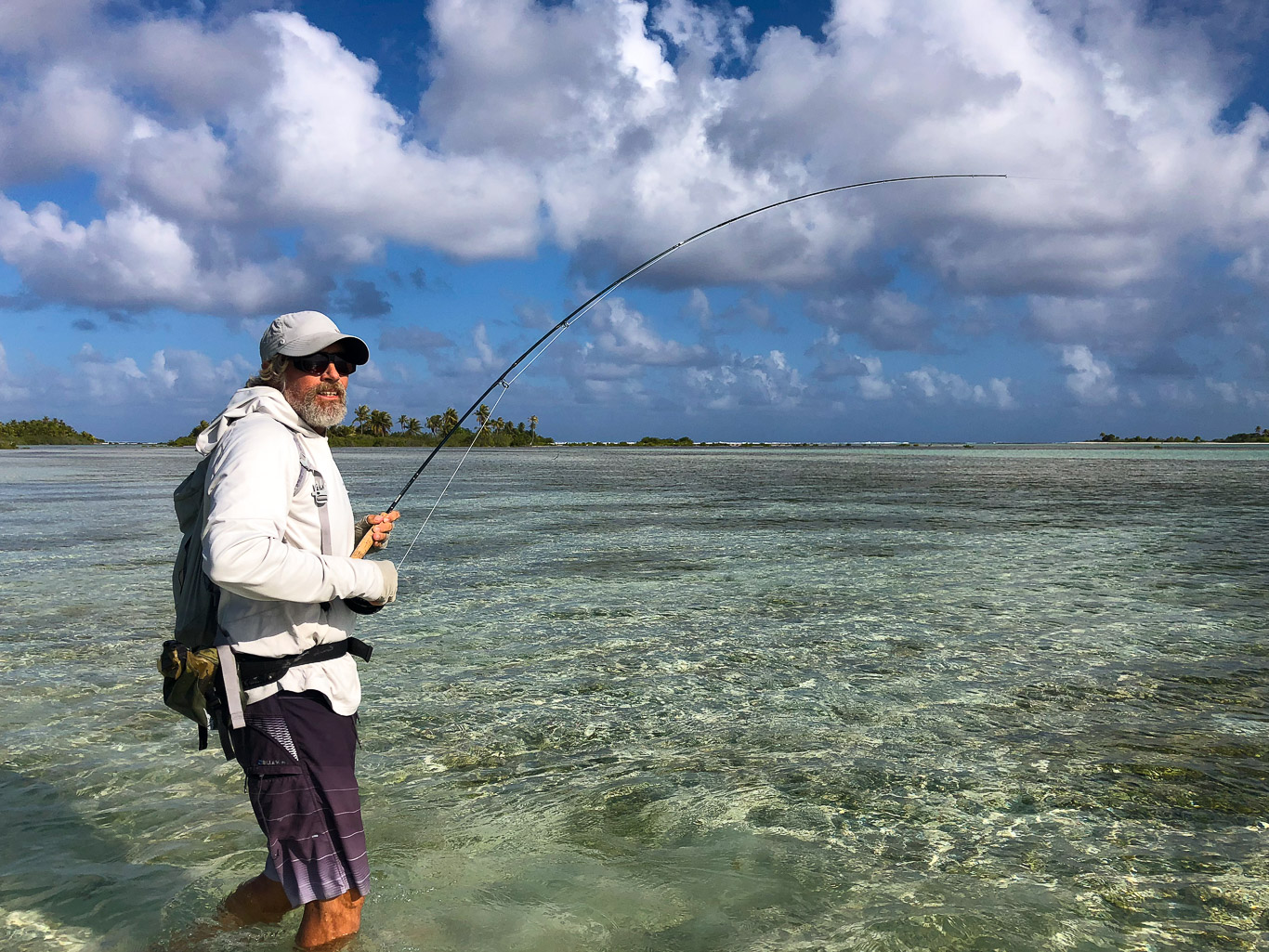
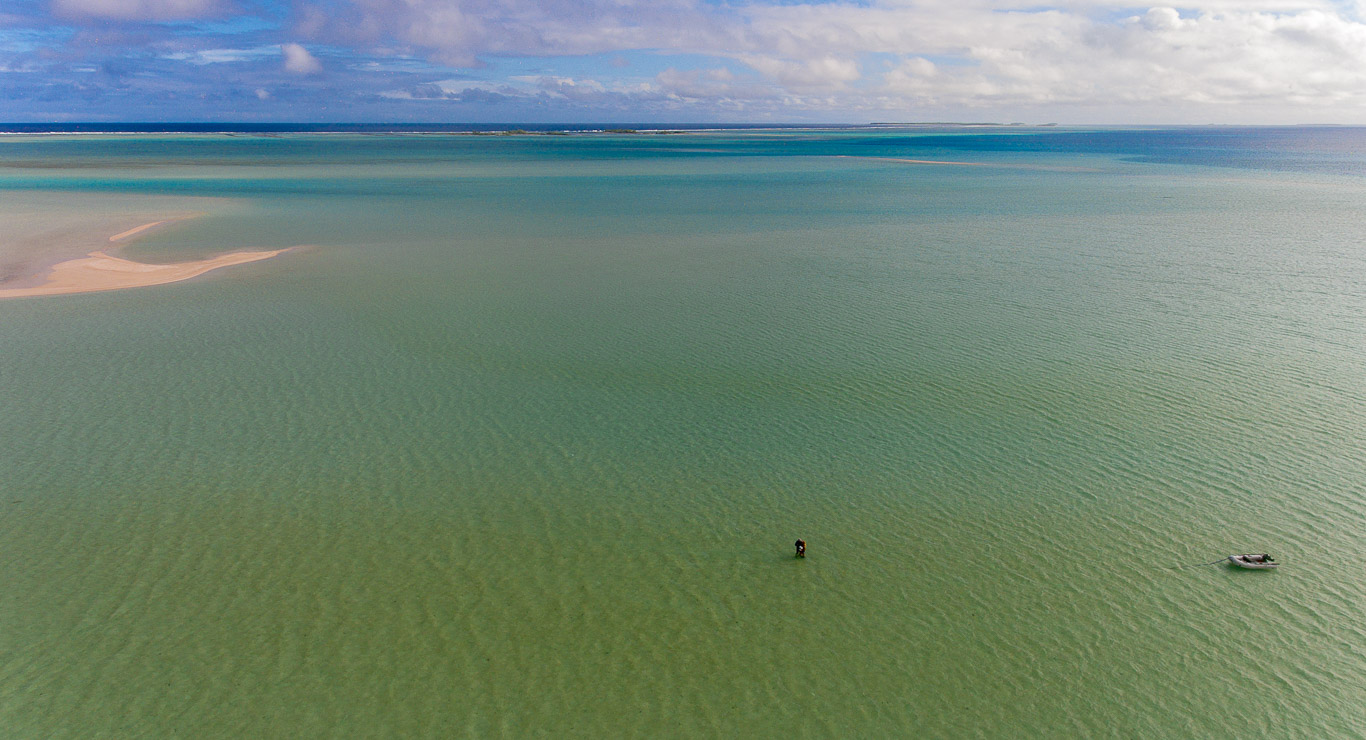
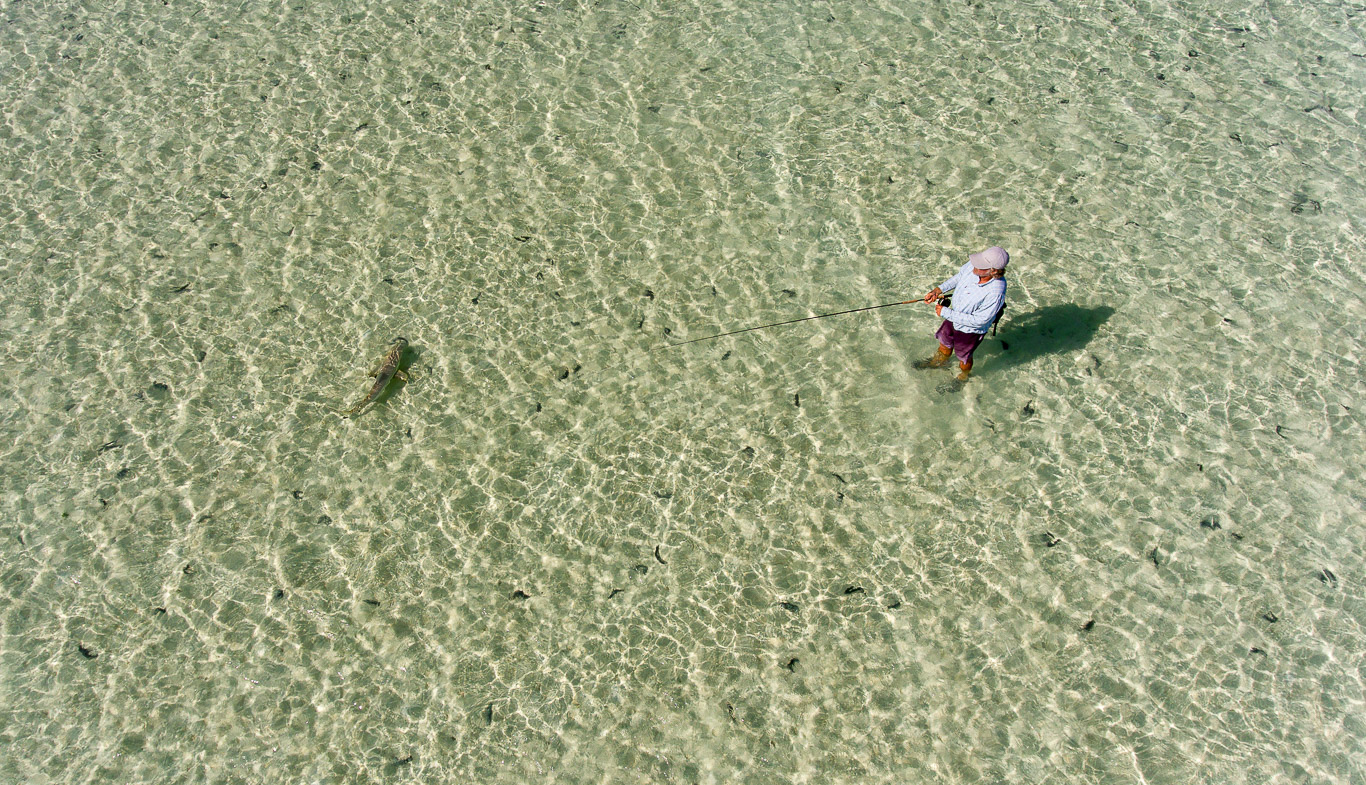
I’ll keep my part of the motivation for staying so long to one sentence: Rangiroa has the best bonefishing in the Tuamotus. Okay, moving on. Okay, well maybe not moving on. I broke both my nine and eight weight rods on these fish. I used up my entire stock of number 4 hooks. I fished everyday, and there were bonefish wherever we went, even at the touristy Blue Lagoon. We’re not talking armies of tourists, lets say a couple dozen for a whole day in three or four small boats. One group even waved me over and fed me lunch. The tour operator was an avid fisherman and pure Polynesian friendly. He told about a spot where he’d seen a giant bonefish, so big that at first he’d mistaken it for a shark. 

Unfortunately, I never got over there. The wind shifted and we had to pull up anchor – which is a short sentence for describing a pretty harrowing situation where our anchor windlass failed, and we had to untangle the anchor from some nasty bottom, manually, and then with a little luck and jimmying of the windlass control, we raised the Rocna, just as the waves and wind built in earnest. Fortunately, we figured out the wiring problem at the next anchorage and it was an easy repair. ~MS

To Be A Dolphin!

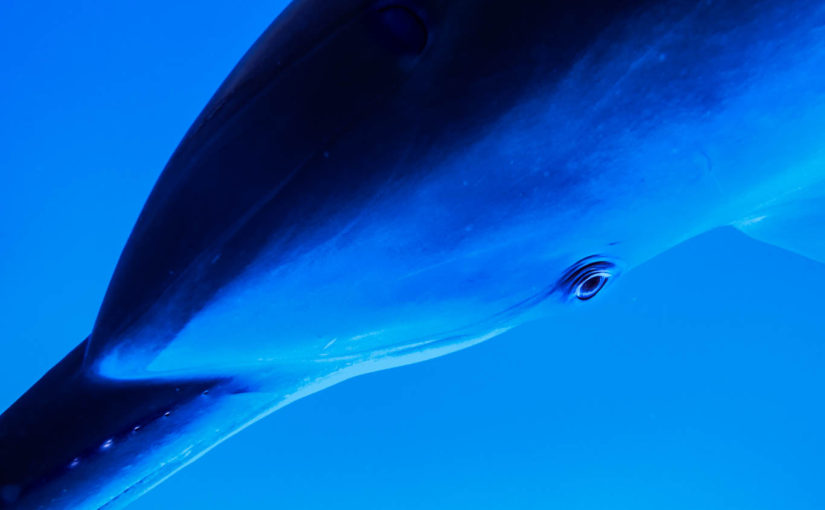
I don’t know quite how to describe the magic of diving with dolphins. They played, they chatted, they rolled and swooped, they came over begging us to rub their bellies. We lost track of our depth and where we were. They came to see us two out of our three dives in Rangiroa’s Tiputa Pass. It was probably better the second time, because it was easier to slow down and take it in, rather than worry that they would only be there for a moment. It was wonderful to swim with them in their element, to watch one jump up out of the water, looking from below. In Baja we always debated which we loved more dolphins or whales (now there’s a silly argument), and it generally depended on which we’d seen most recently. I remember us saying, ‘dolphins, definitely dolphins’ once, and seriously just few minutes later a humpback breached out of nowhere and it was ‘whales, definitely whales.’ Guess what the sentence is now? ~MS

©DS You’d see them from a distance and then in a flash, they’d be swirling all around you, doing all the tricks you maybe once saw on Flipper?!
©DS Master swimmers, elegant gliders, they move as if in a choreographed, perfect dance.
©DS Something to behold!
©DS Not sure whether I was more enamored with their clicking sounds or their smiles?!
©DS They’d go up to the surface to breathe and we’d just wait and hope they’d come back down and find us! We met a family with young enough kids that they were just snorkeling, but they shared stories of these moments when the dolphins would come up playing on the surface as well.
©DS The rostrum is the hard, beak-like mouthpart. Their sense of smell is poor, with no olfactory nerves or lobe in the brain.
©DS This is a world class dive spot mainly because of these dolphin pods, so they are quite accustomed to human swimmers and their curiosity matches ours, or so it seems.
©DS They normally travel from 4 – 10 feet per second, but they can reach speeds of 26-31 feet per second for short bursts of time.
This school of Longfin Bannerfish lends a bit of scale!
@DS Appreciating the abstracts in-between forays with the dolphins!

The wildlife of these remote atolls, which were originally called the Puamotus (poor islands) where lesser chiefs were once exiled, is addictive. It never stops. ~MS

©BB The dive club sends out a pro photographer (Bernard Beaussier), so he has some fun shots which show the scale of these rather large and gentle lovelies and a bit of our awe!
©BB They’d disappear and then WHOOSH, they’d be back in a flash and spinning circles around us! AHHHH!!!


©BB The Common Bottlenose Dolphin has impressive measurements; an average of 3 meters and weighs about 300 kg!
©BB Sometimes I’d just pause with my own camera, to be sure to really take in the magic.