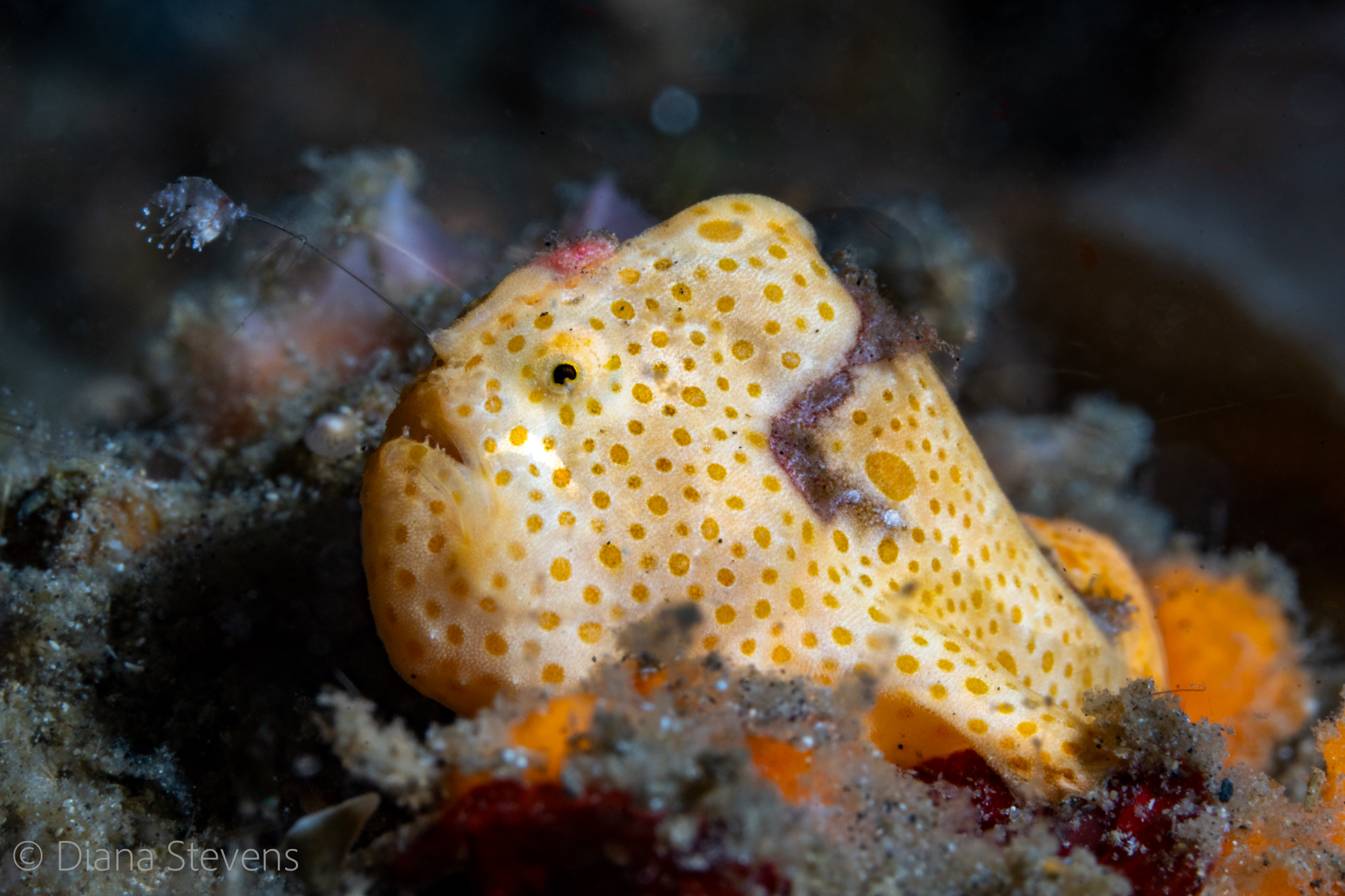
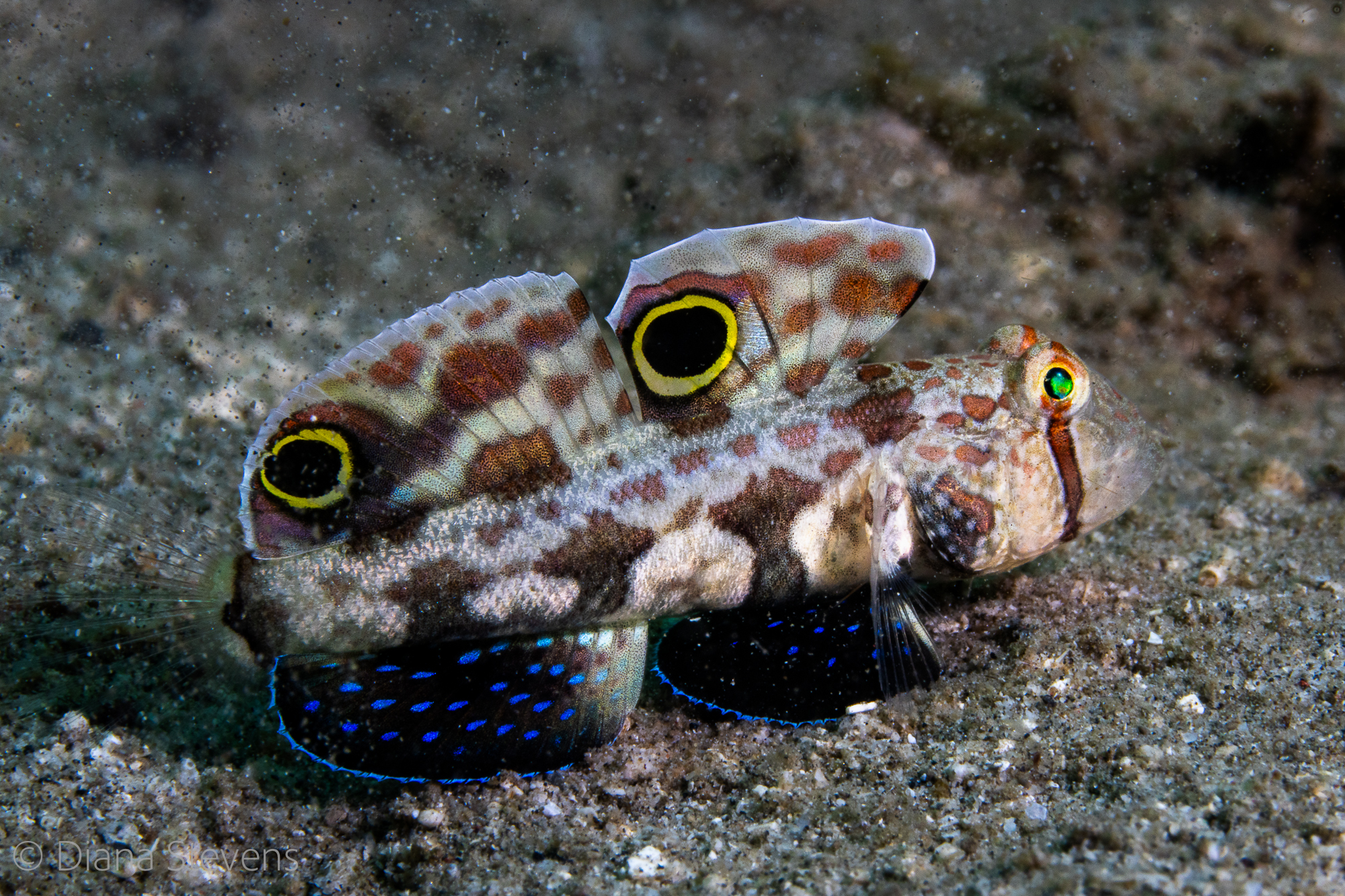
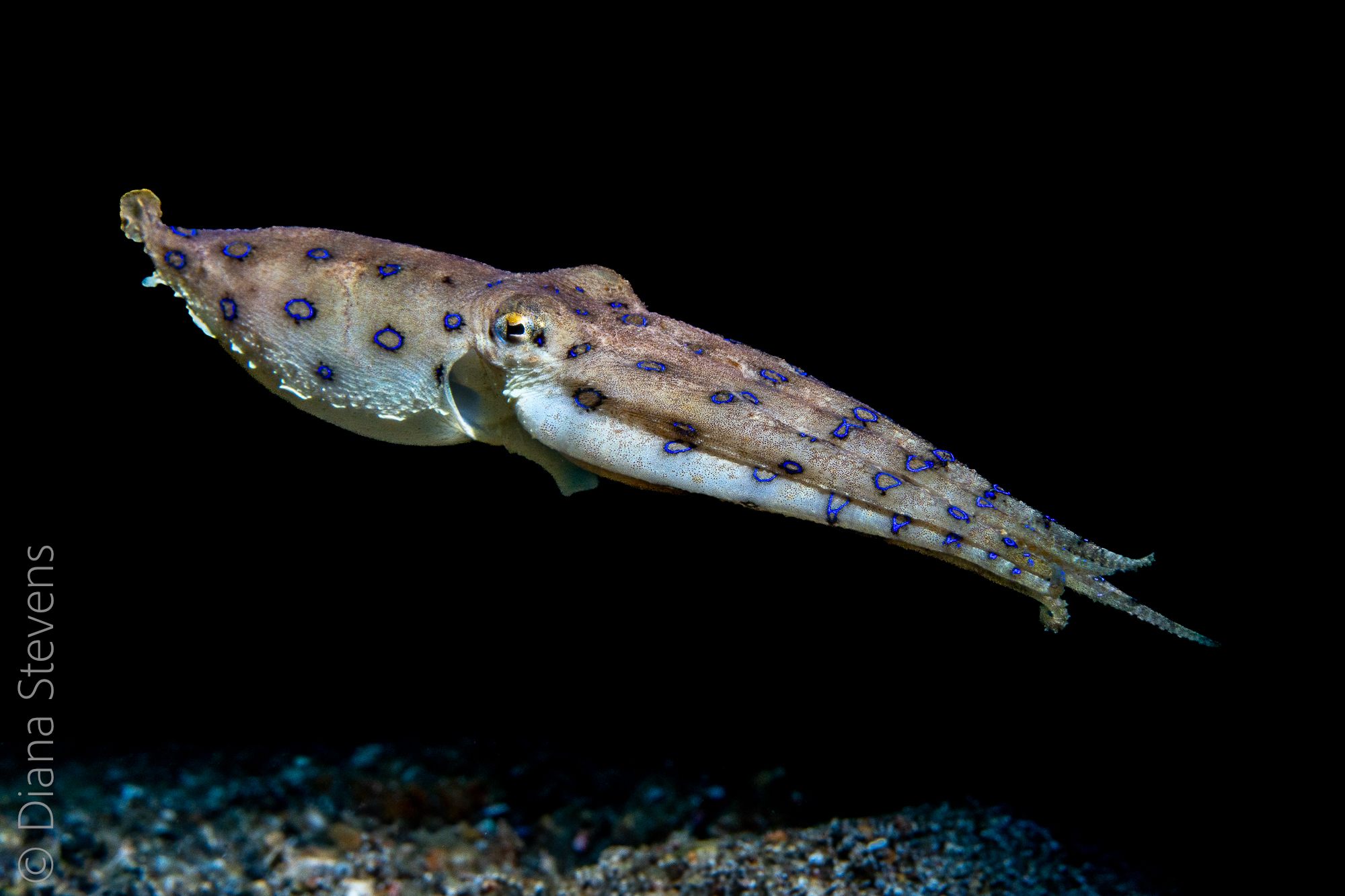
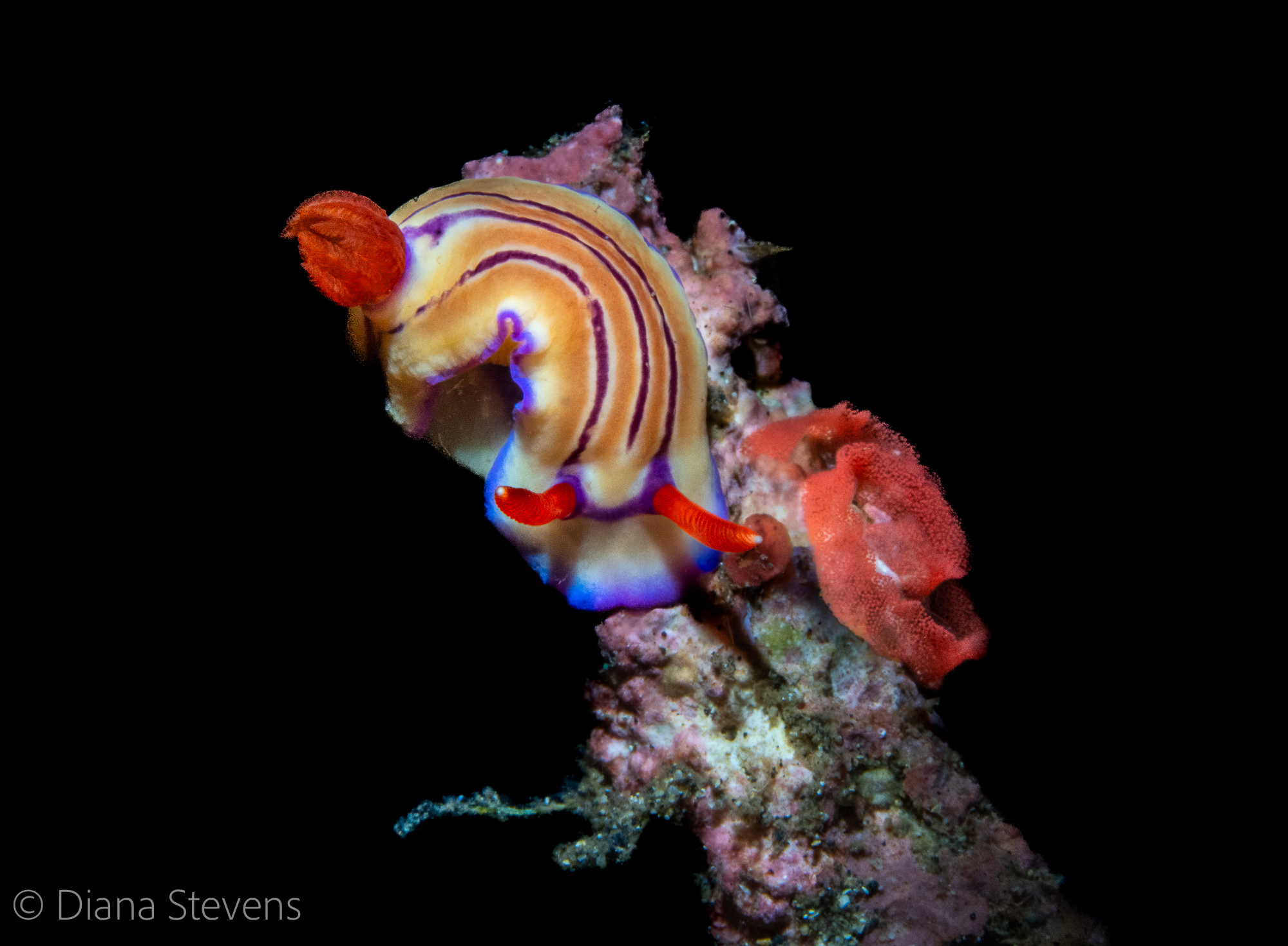
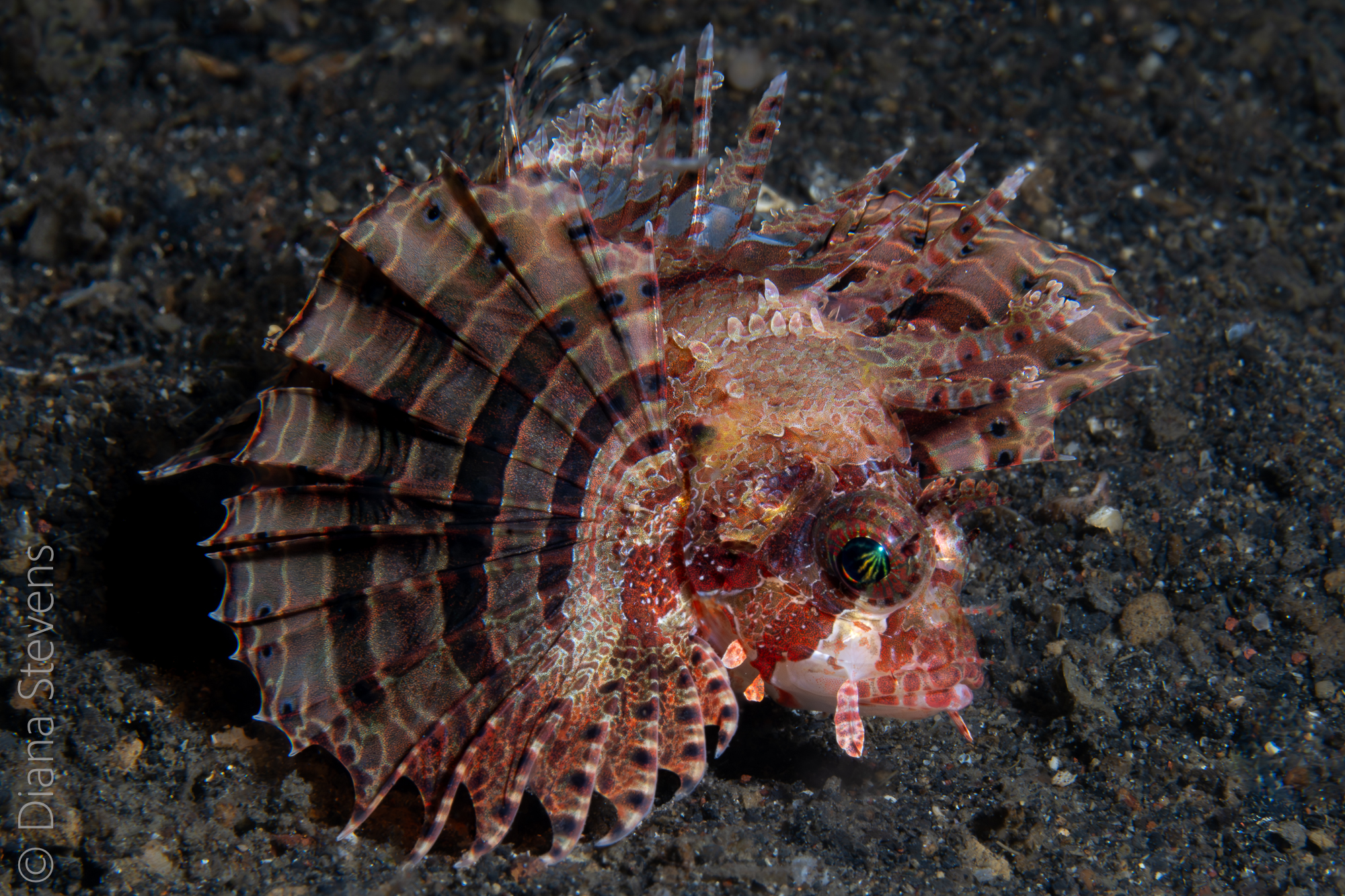
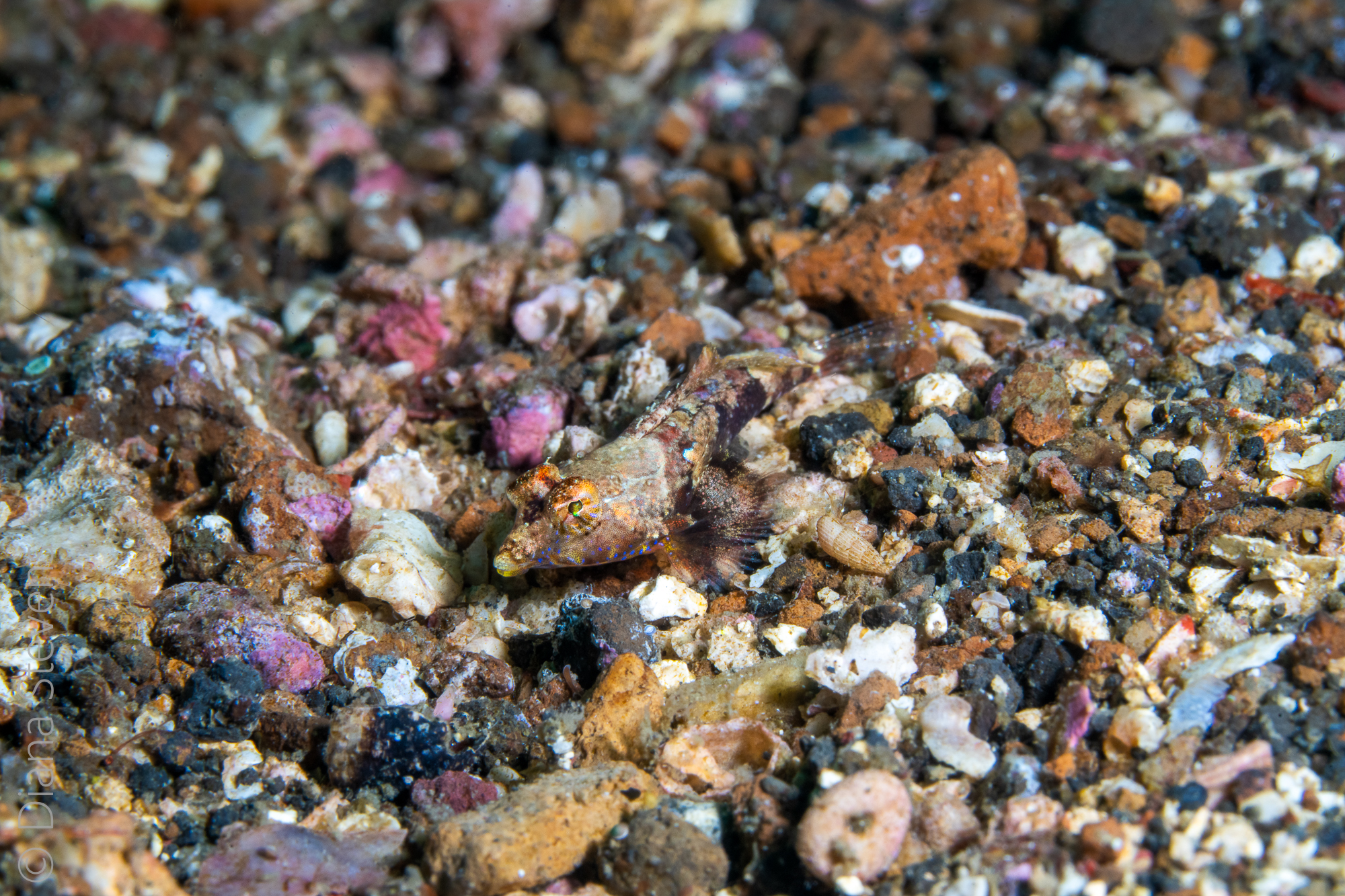
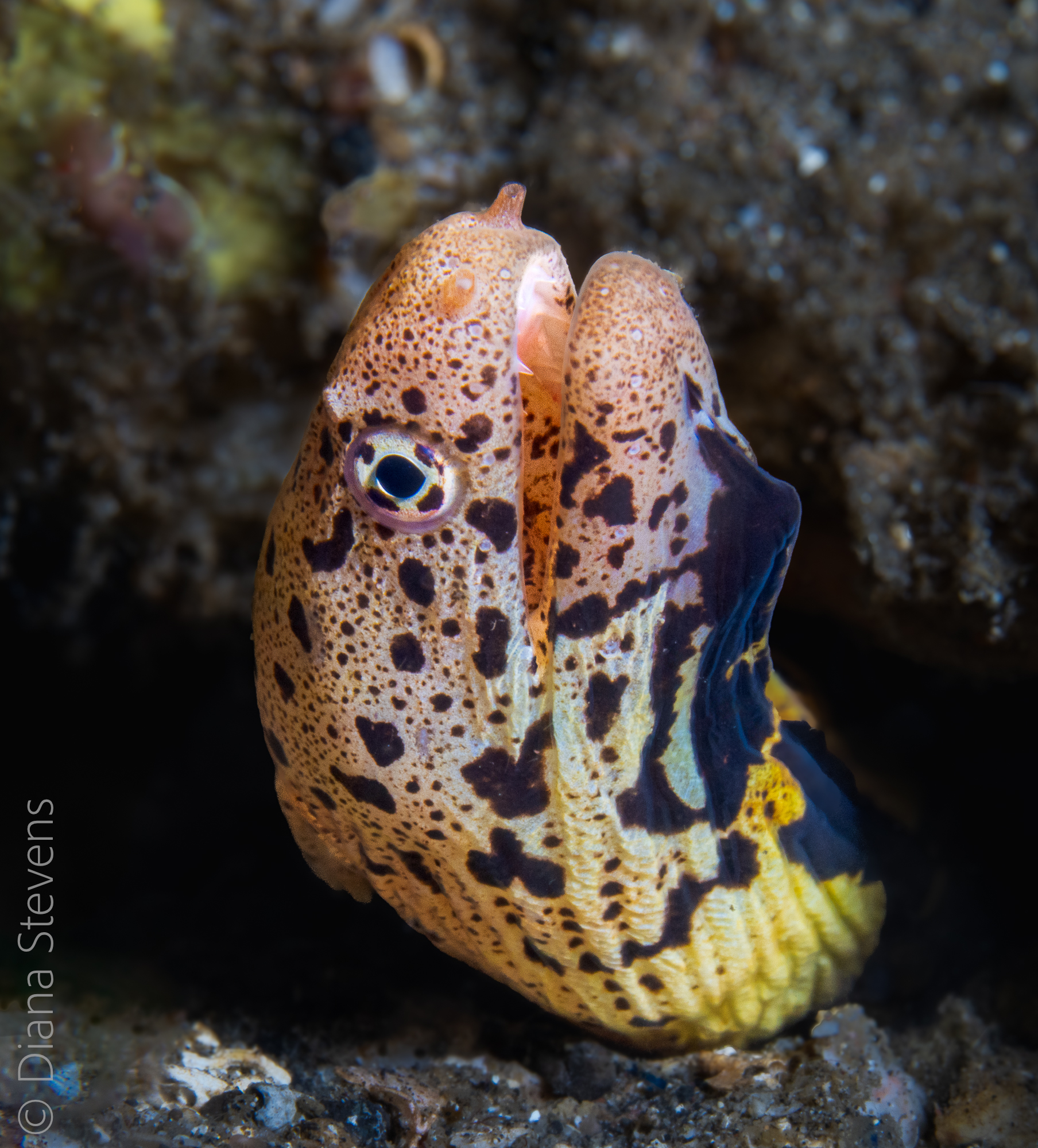
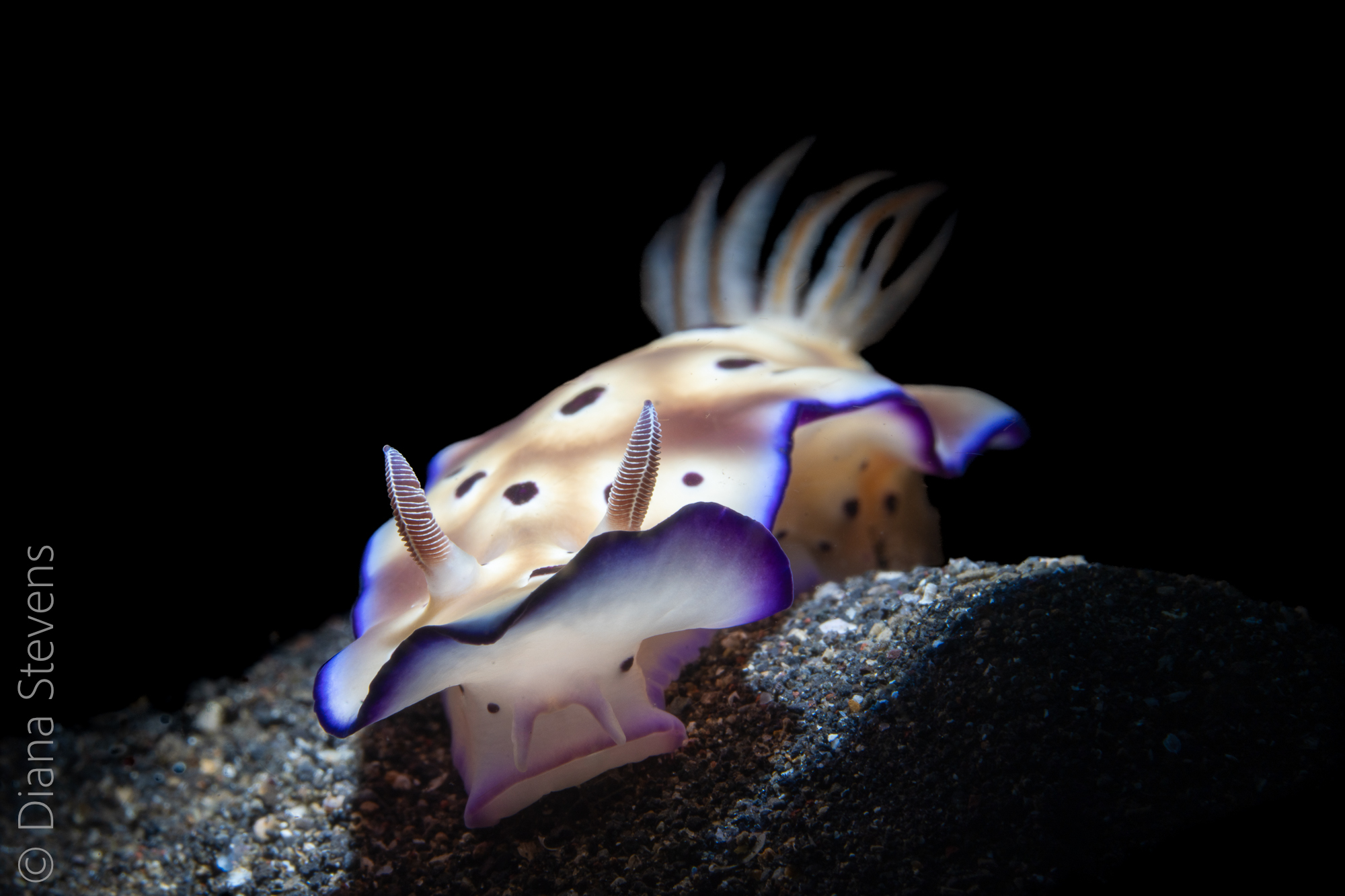
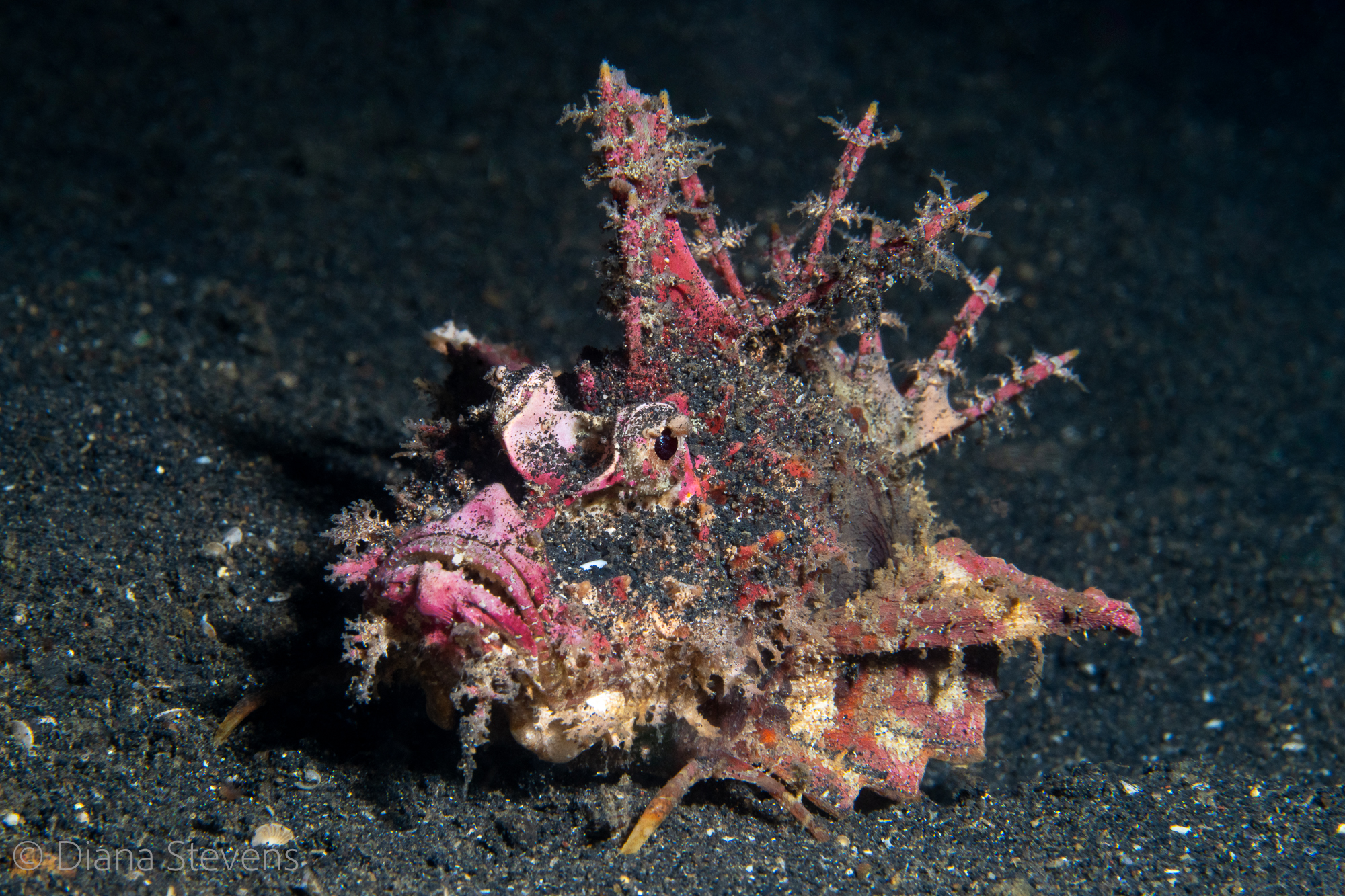


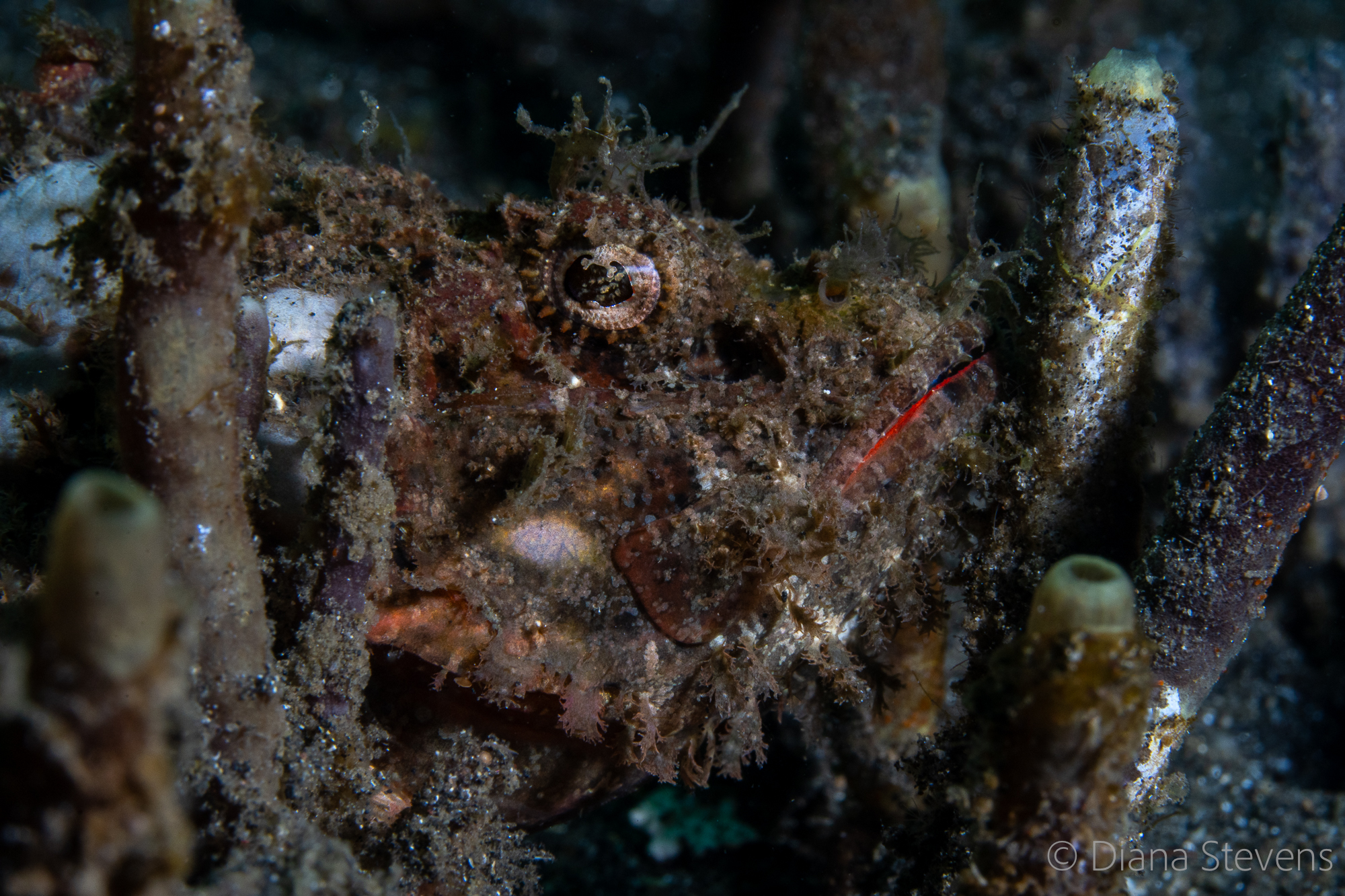
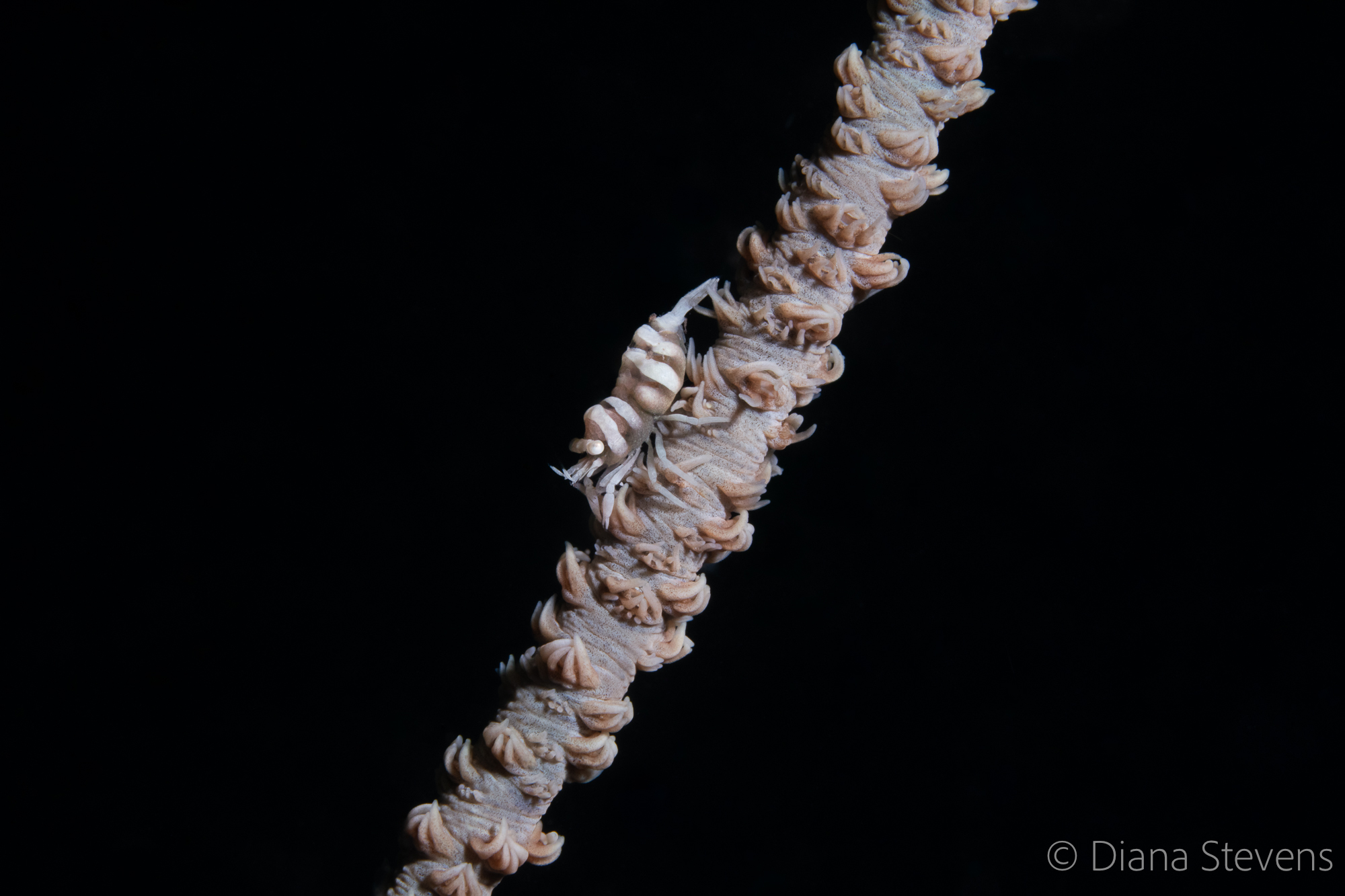


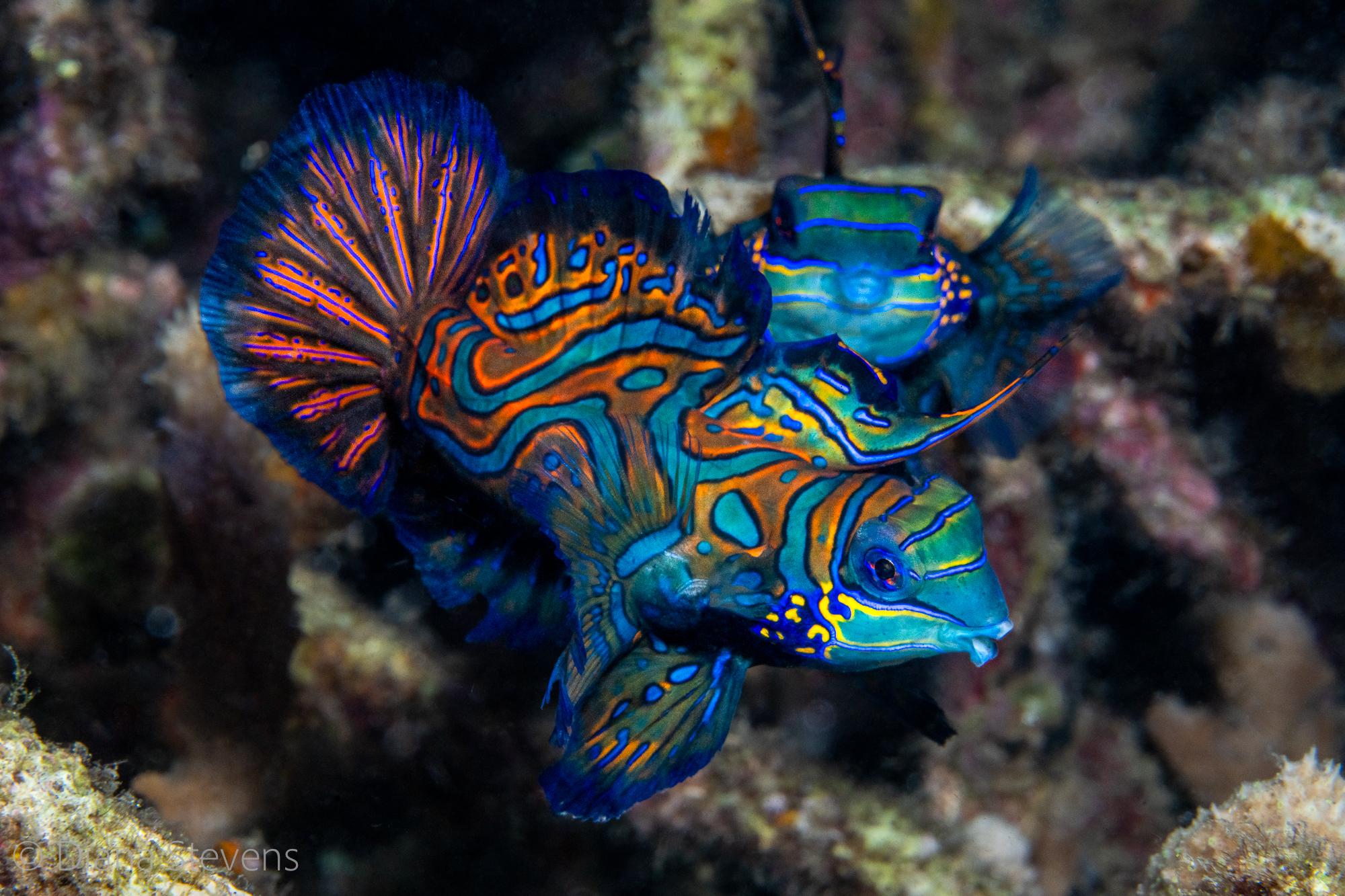
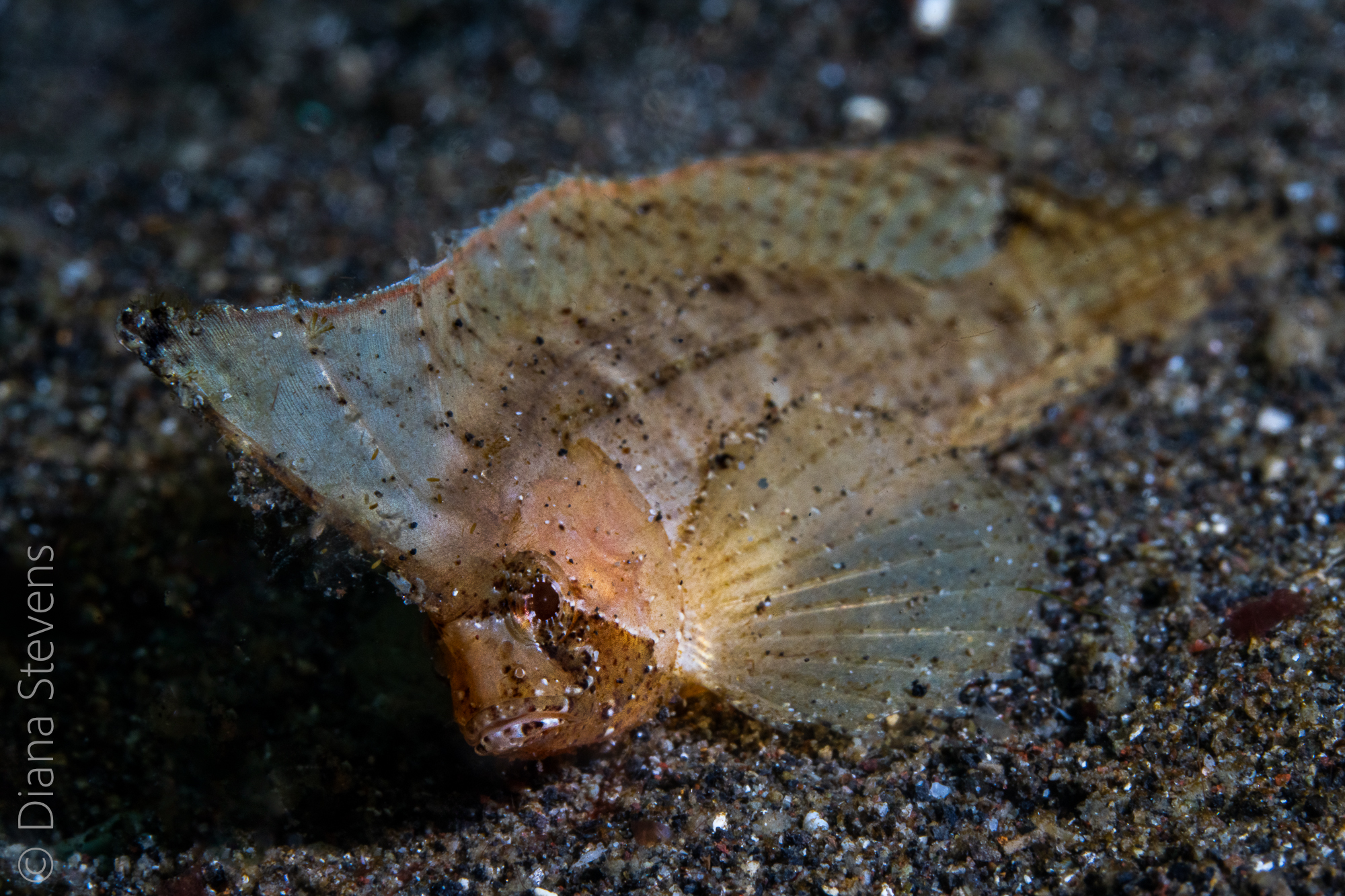

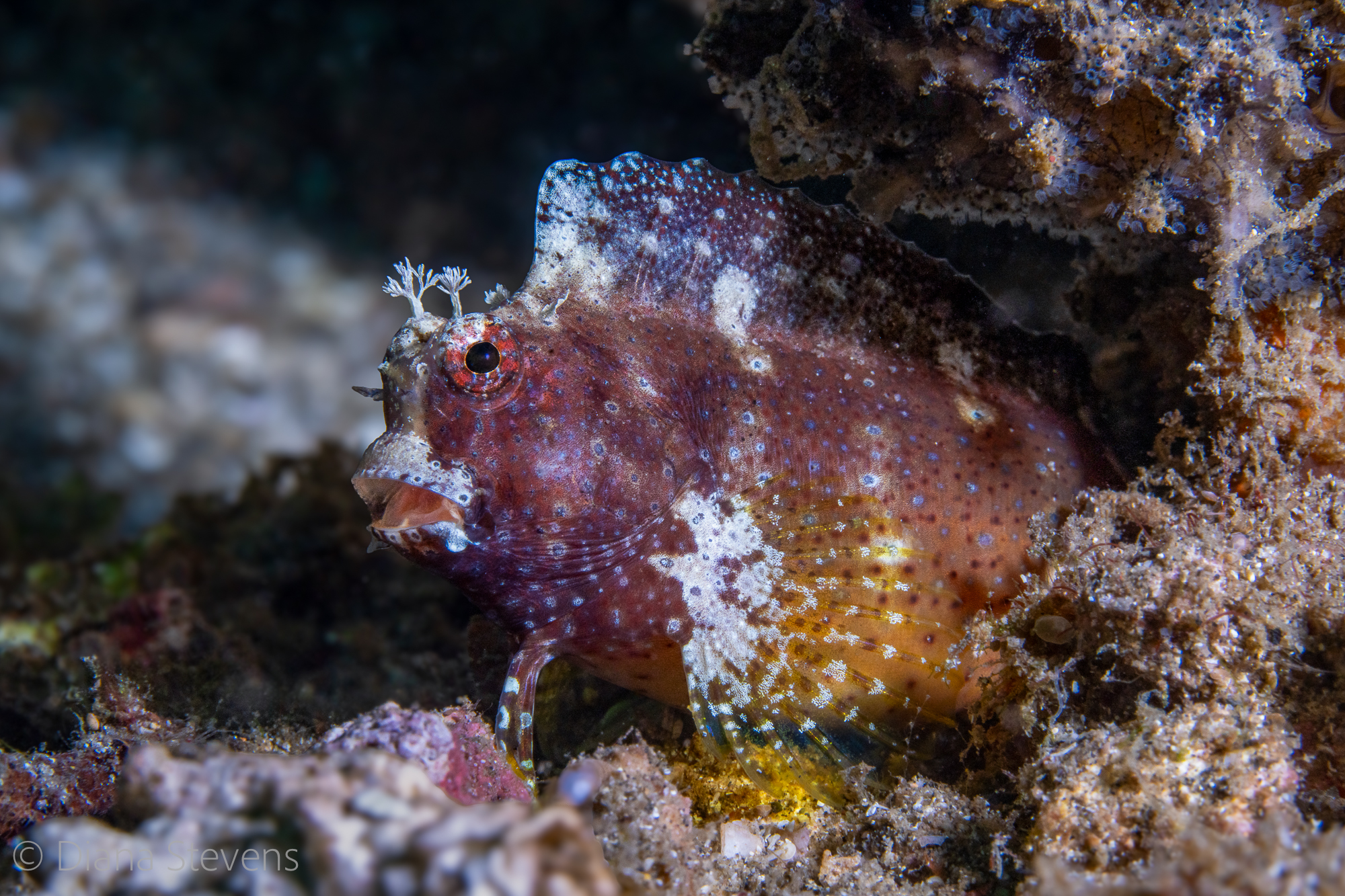
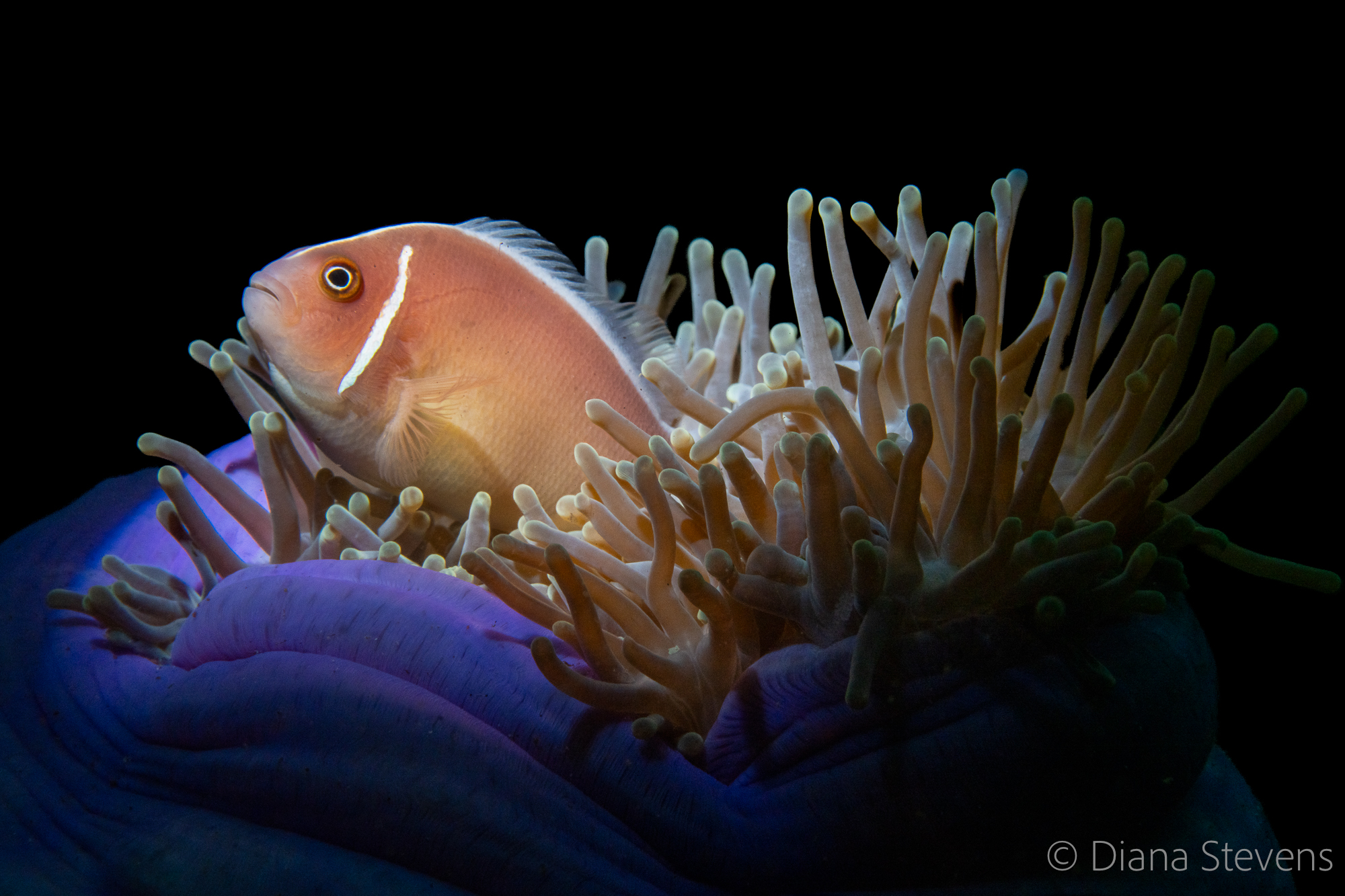
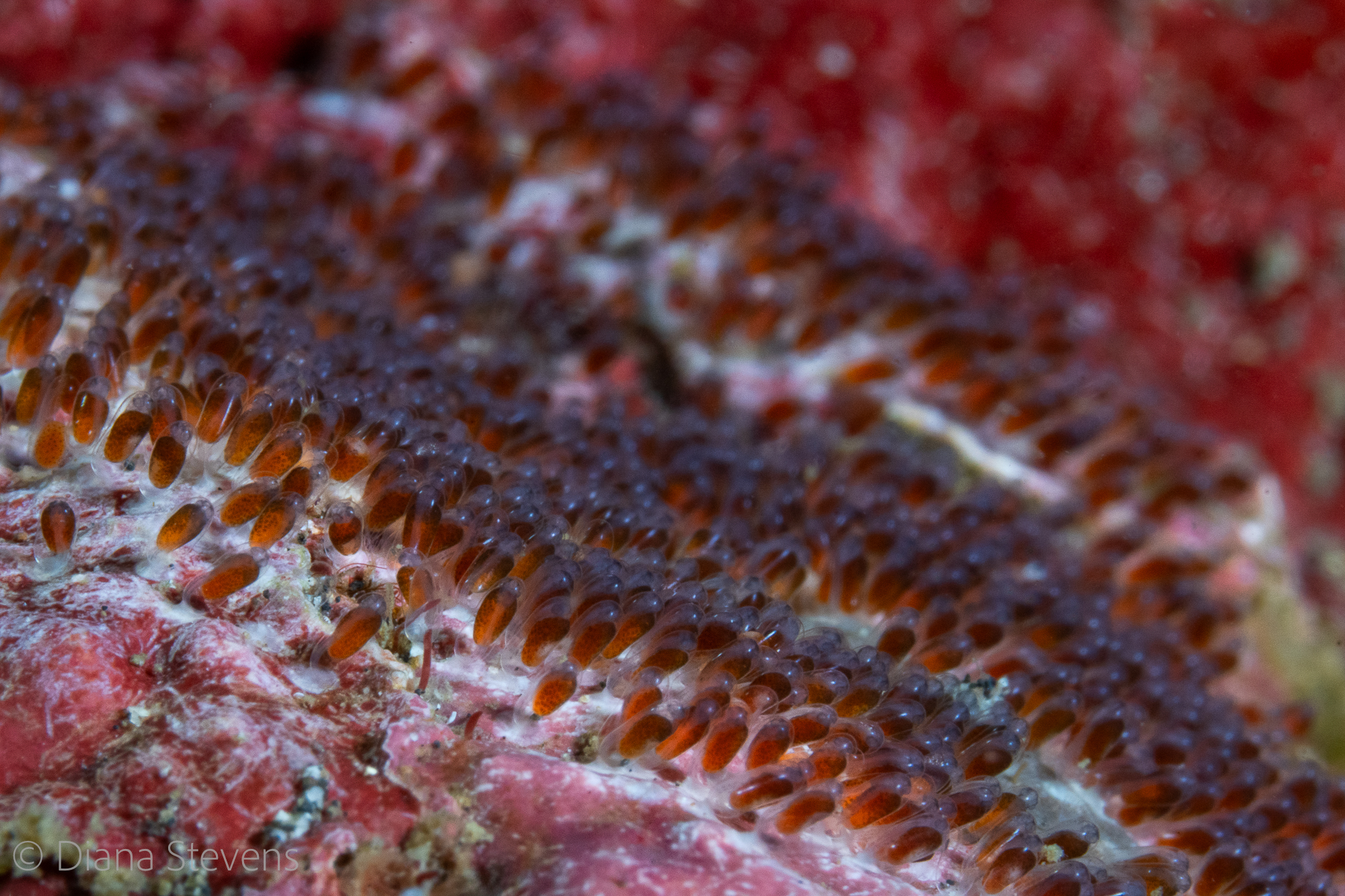
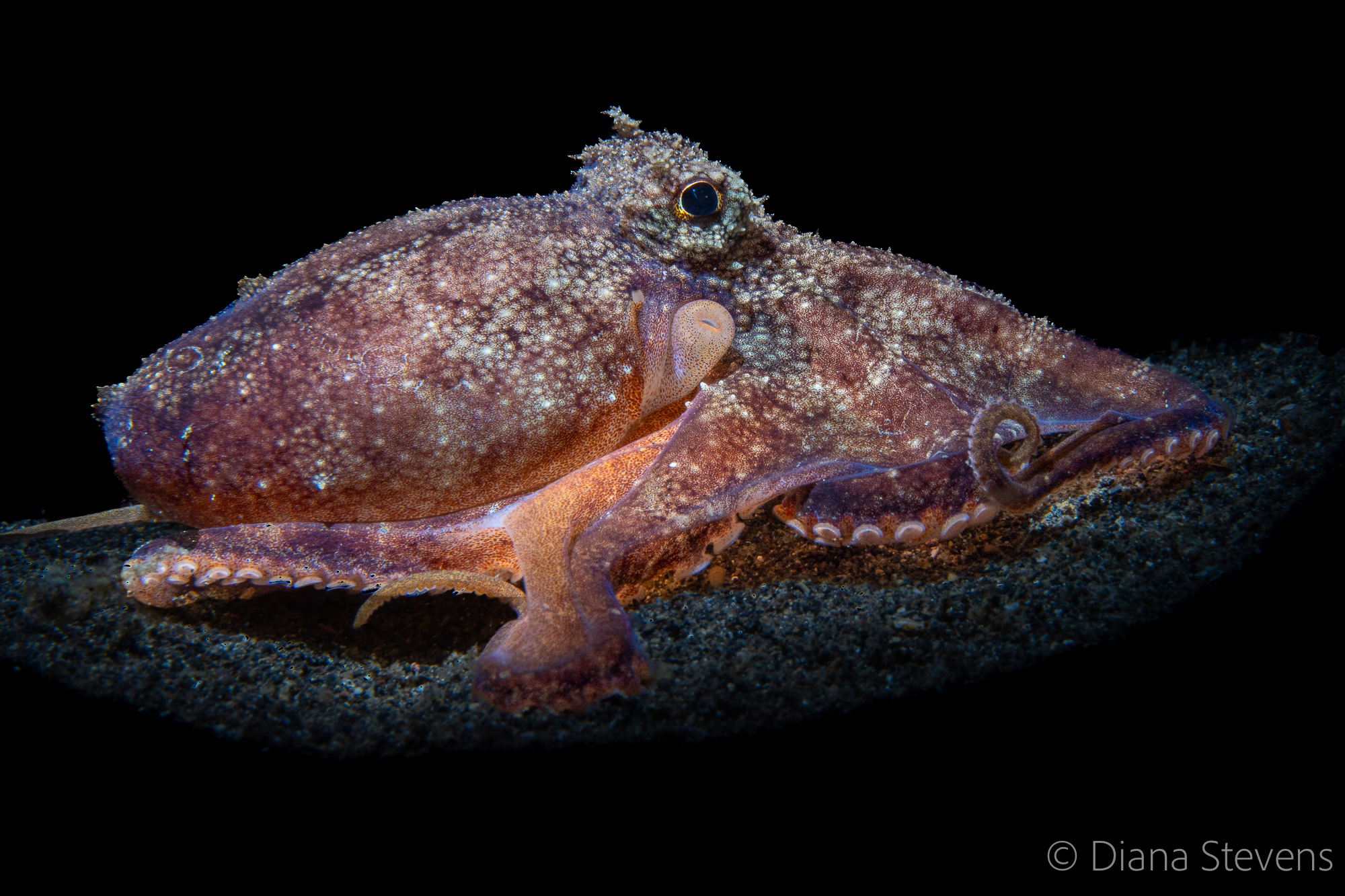
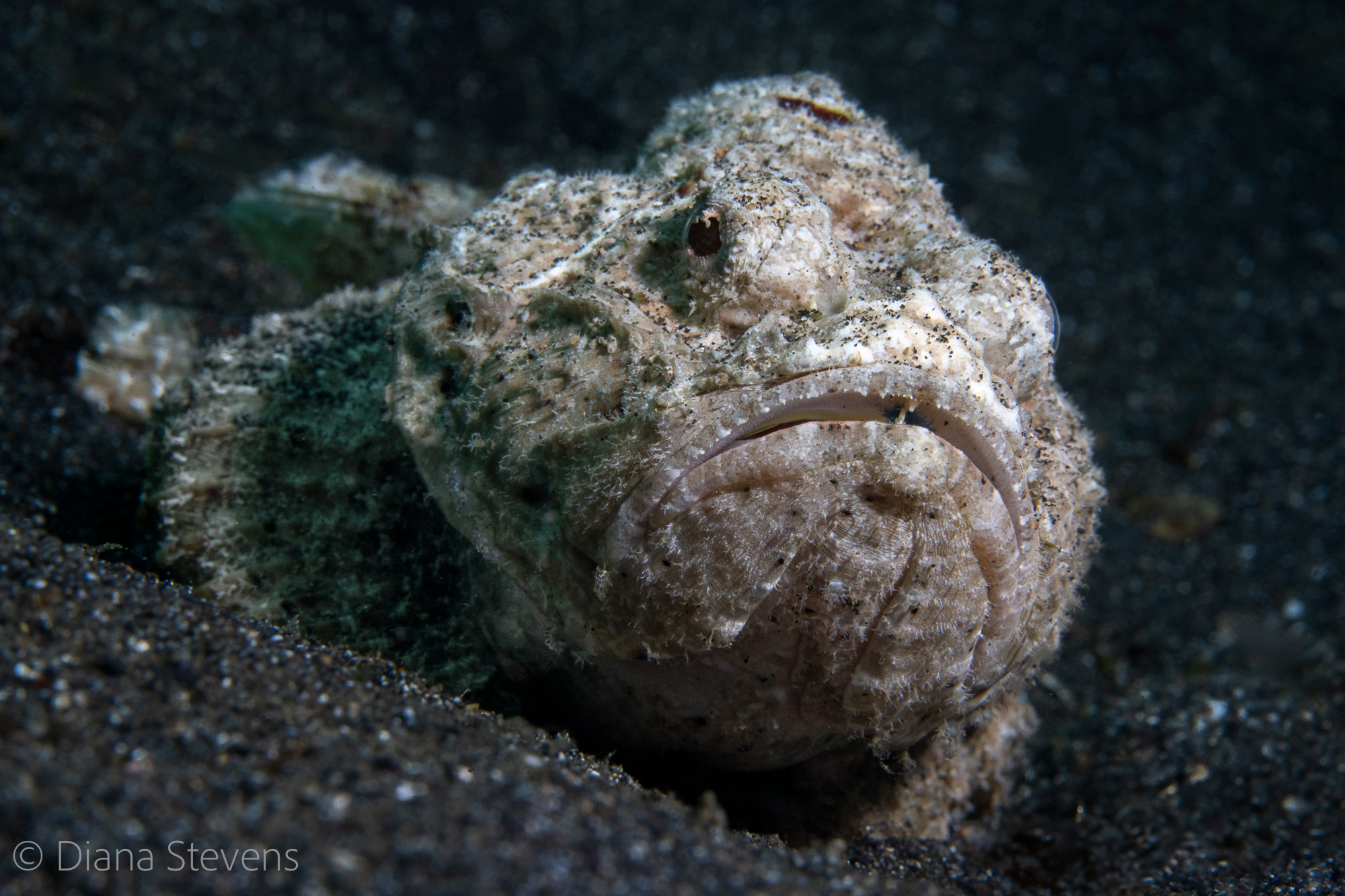
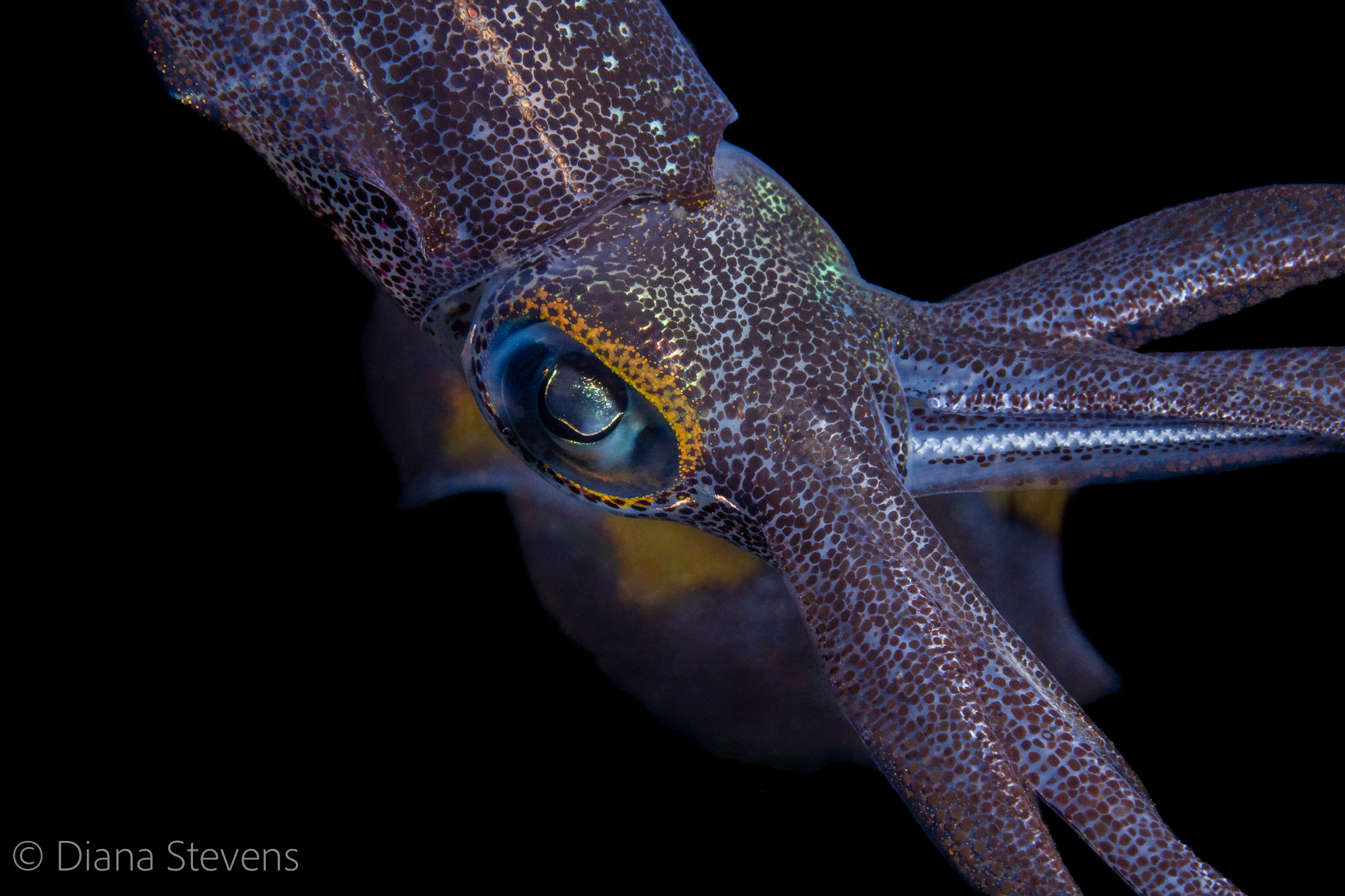
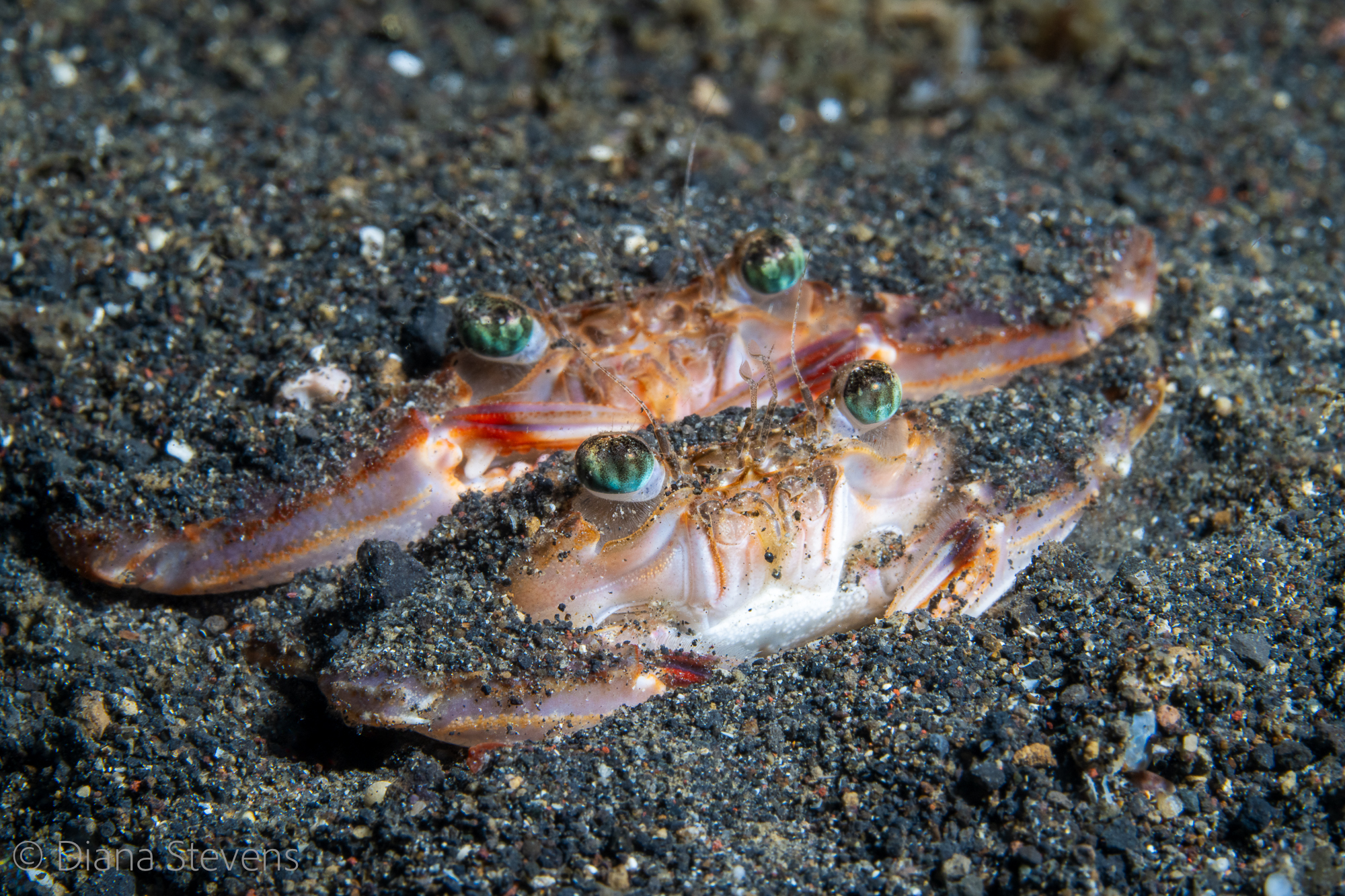
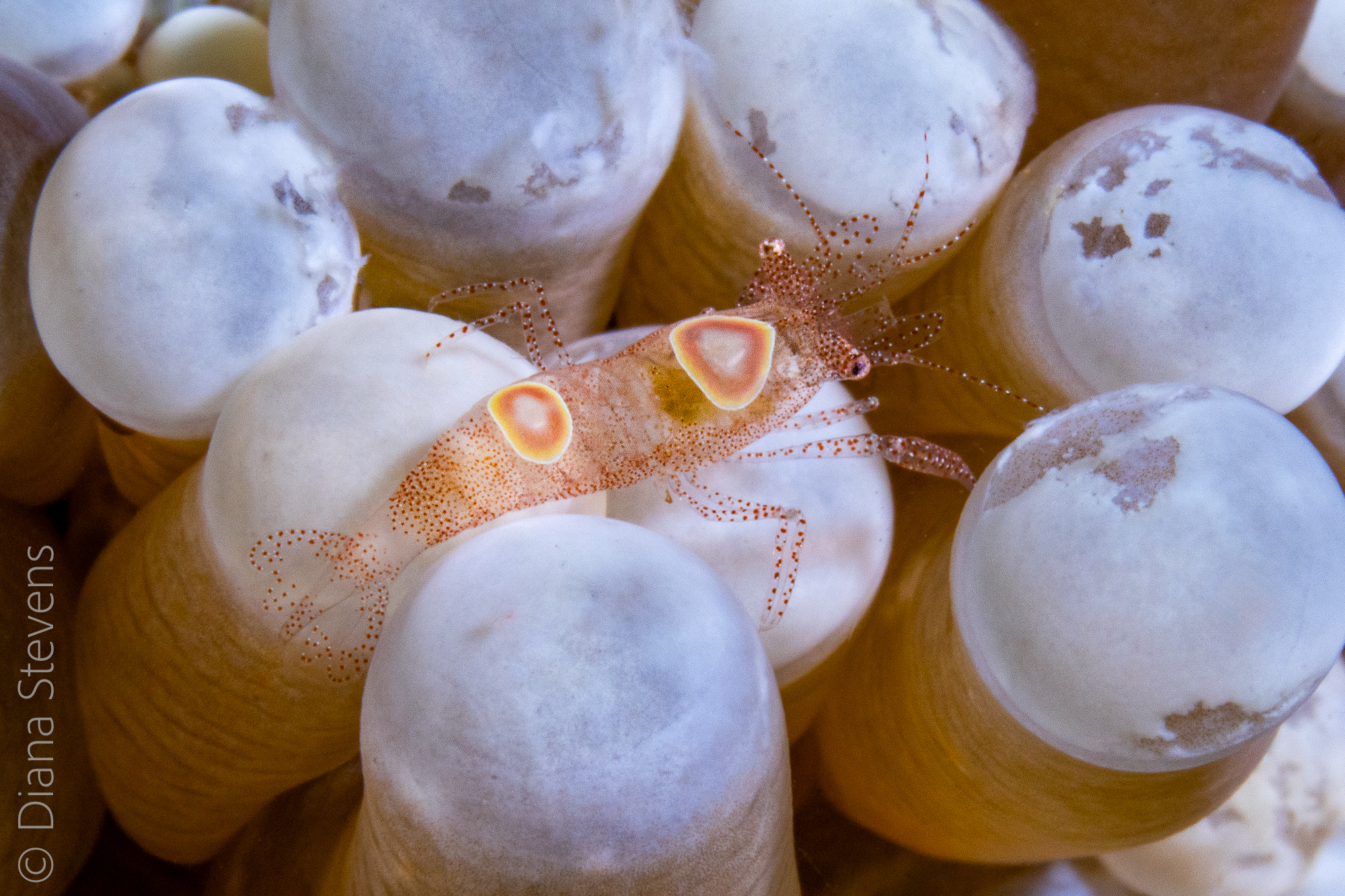
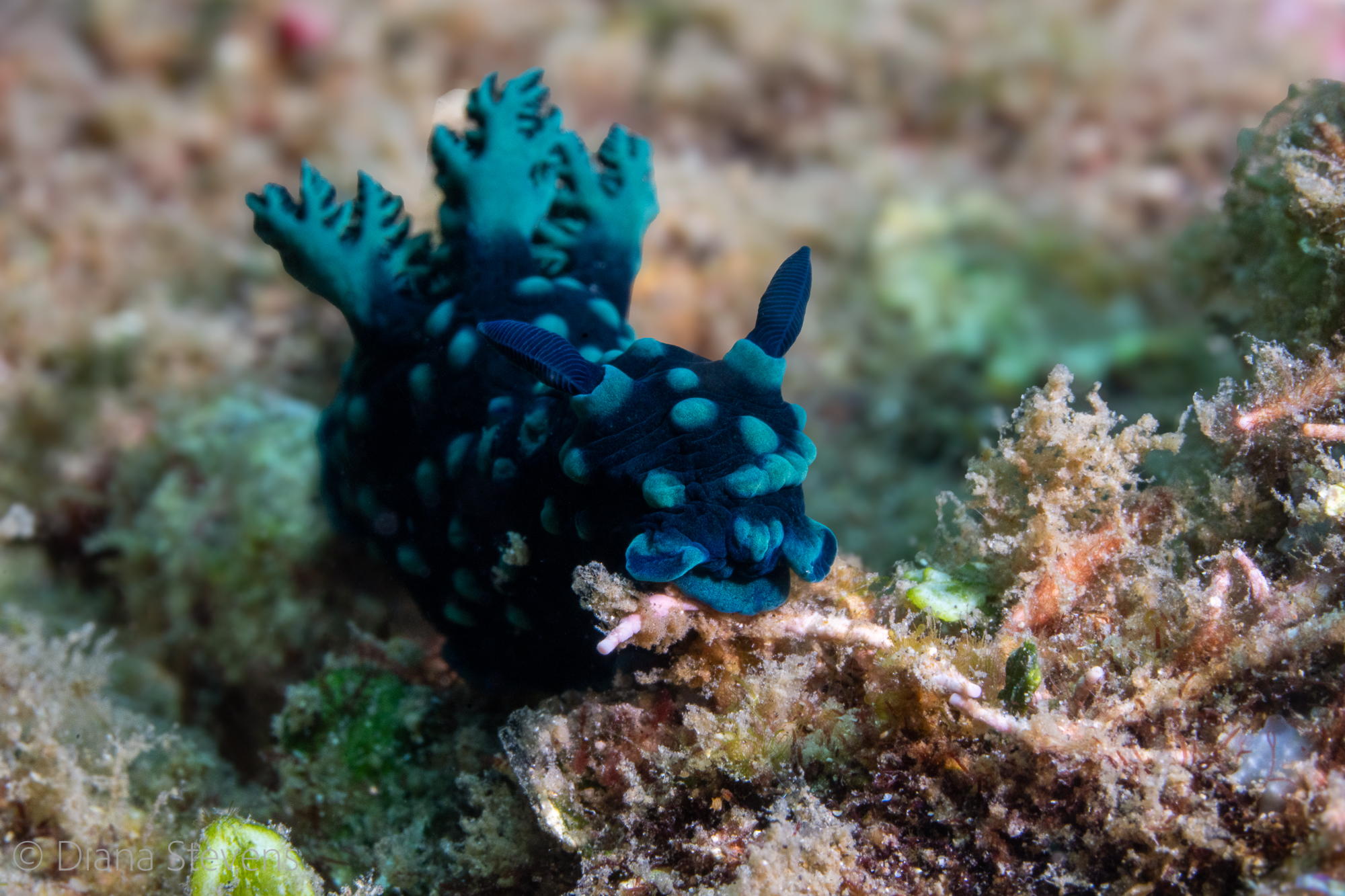
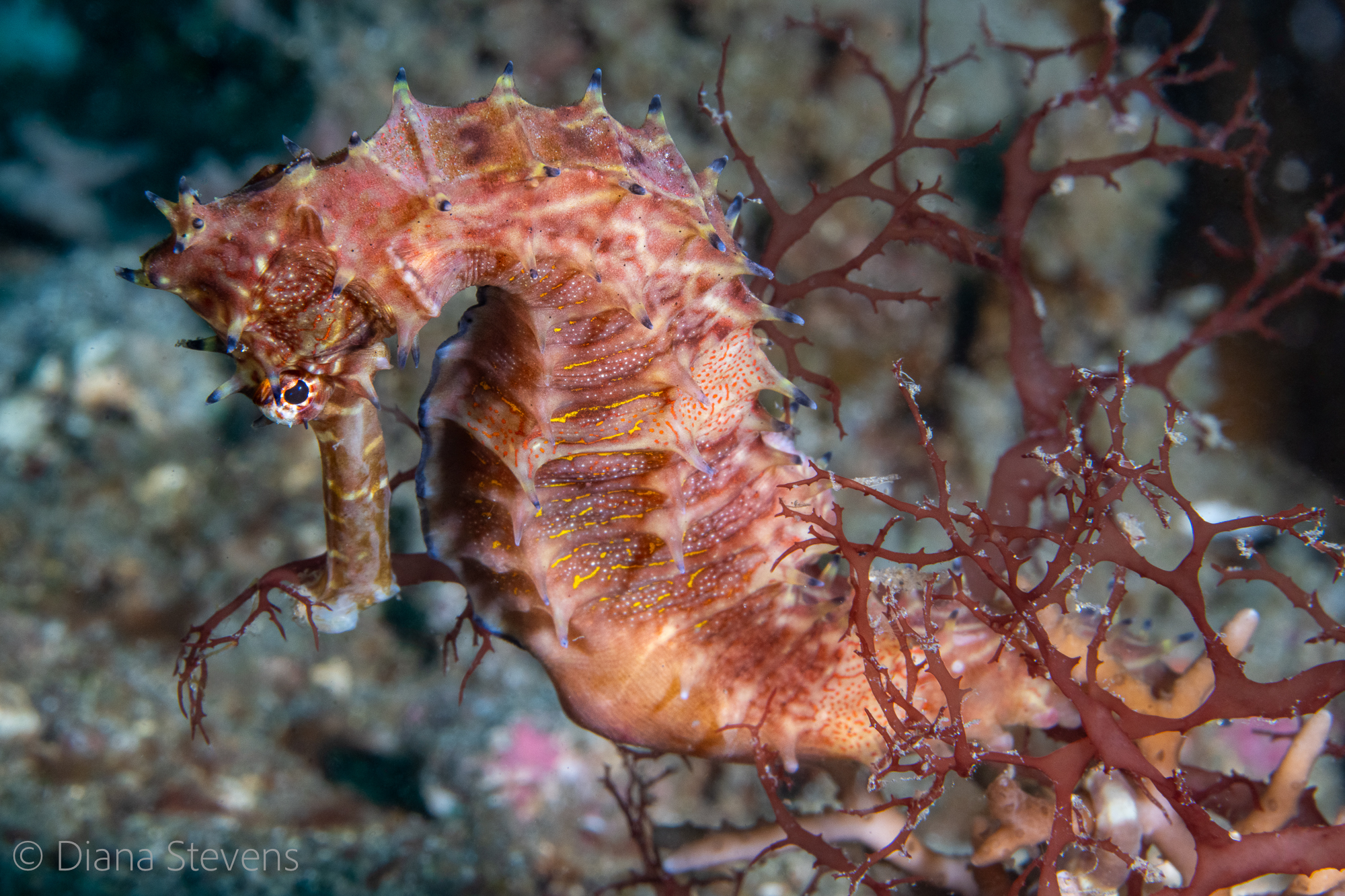
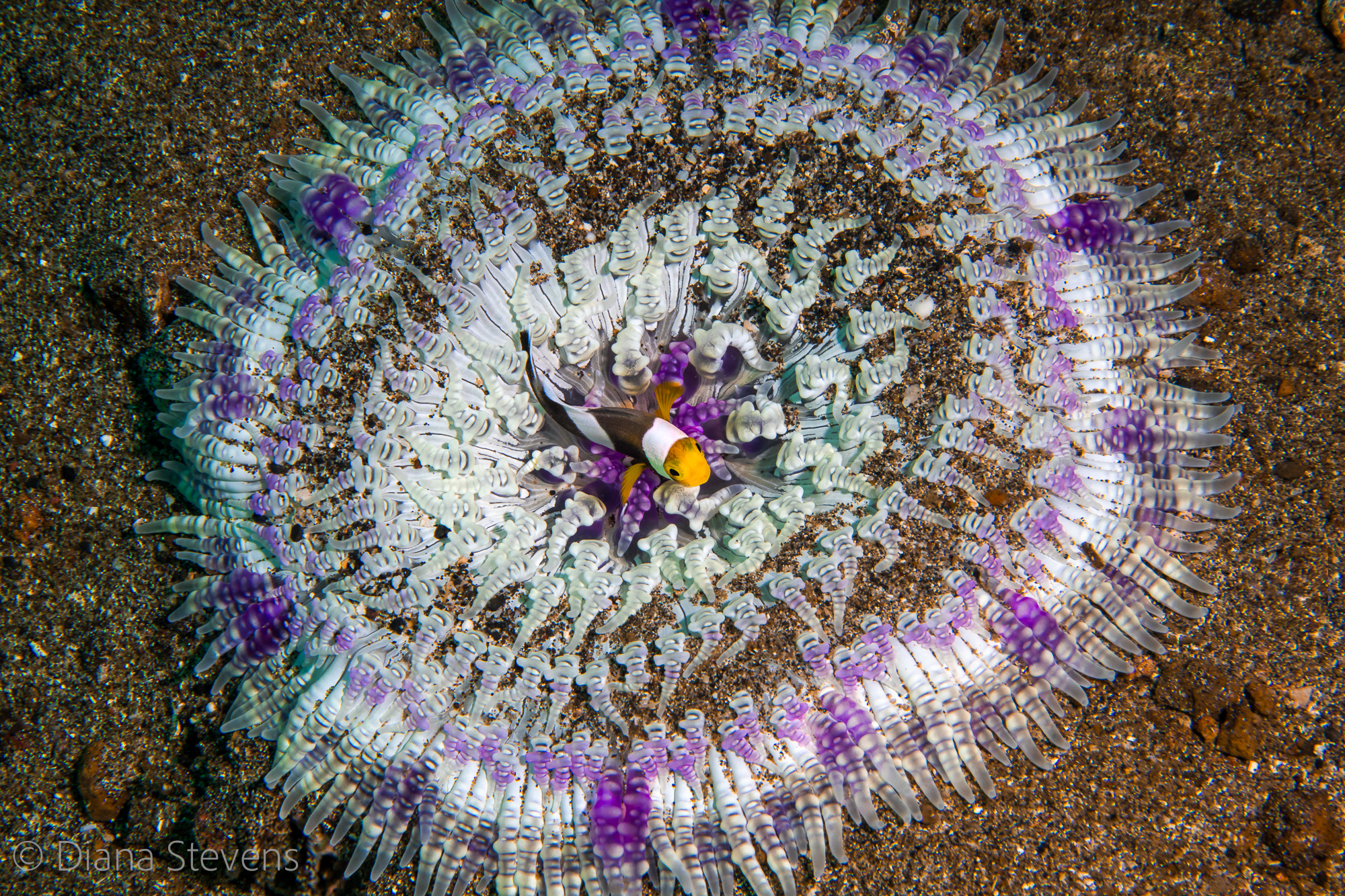
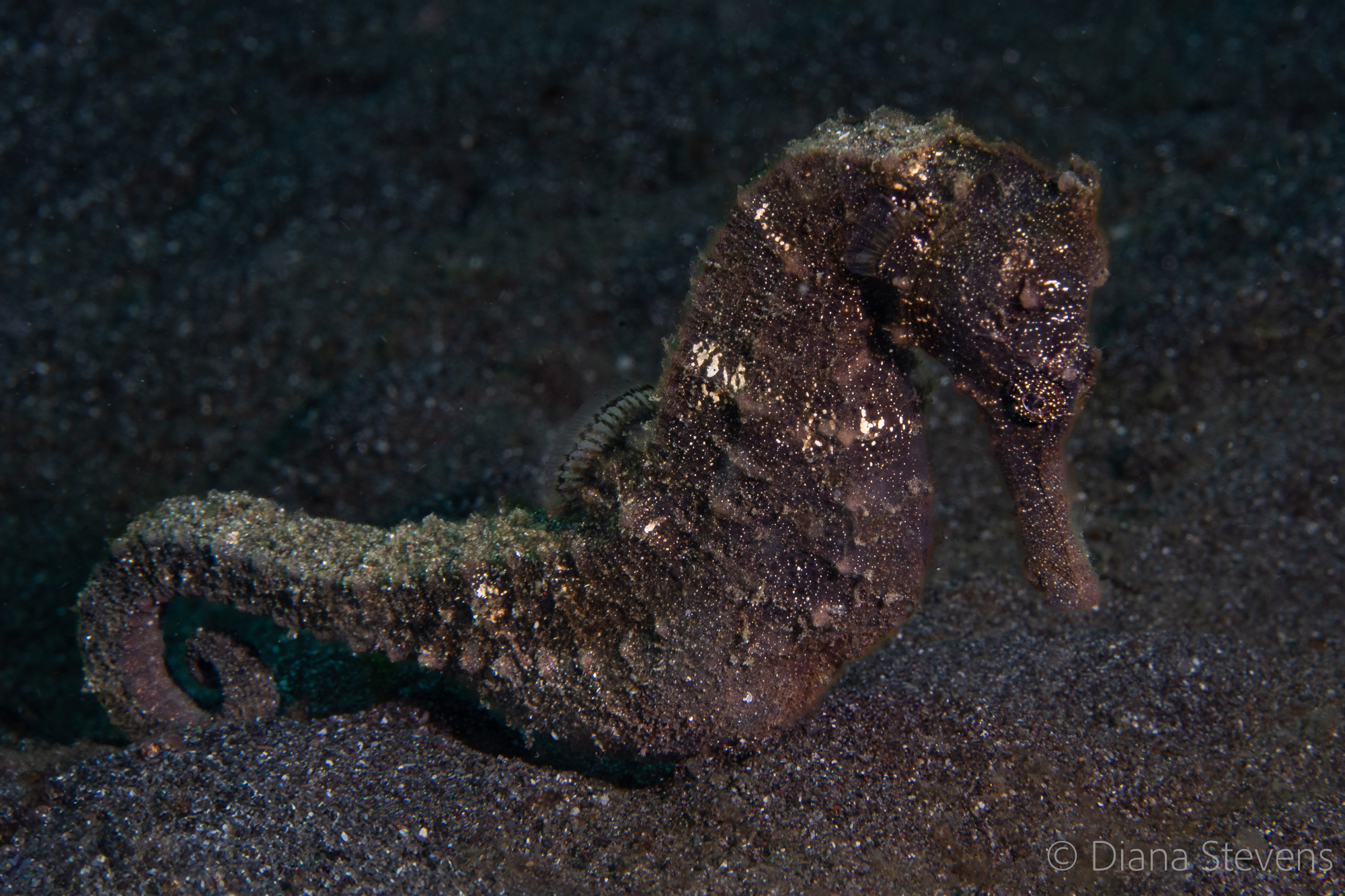
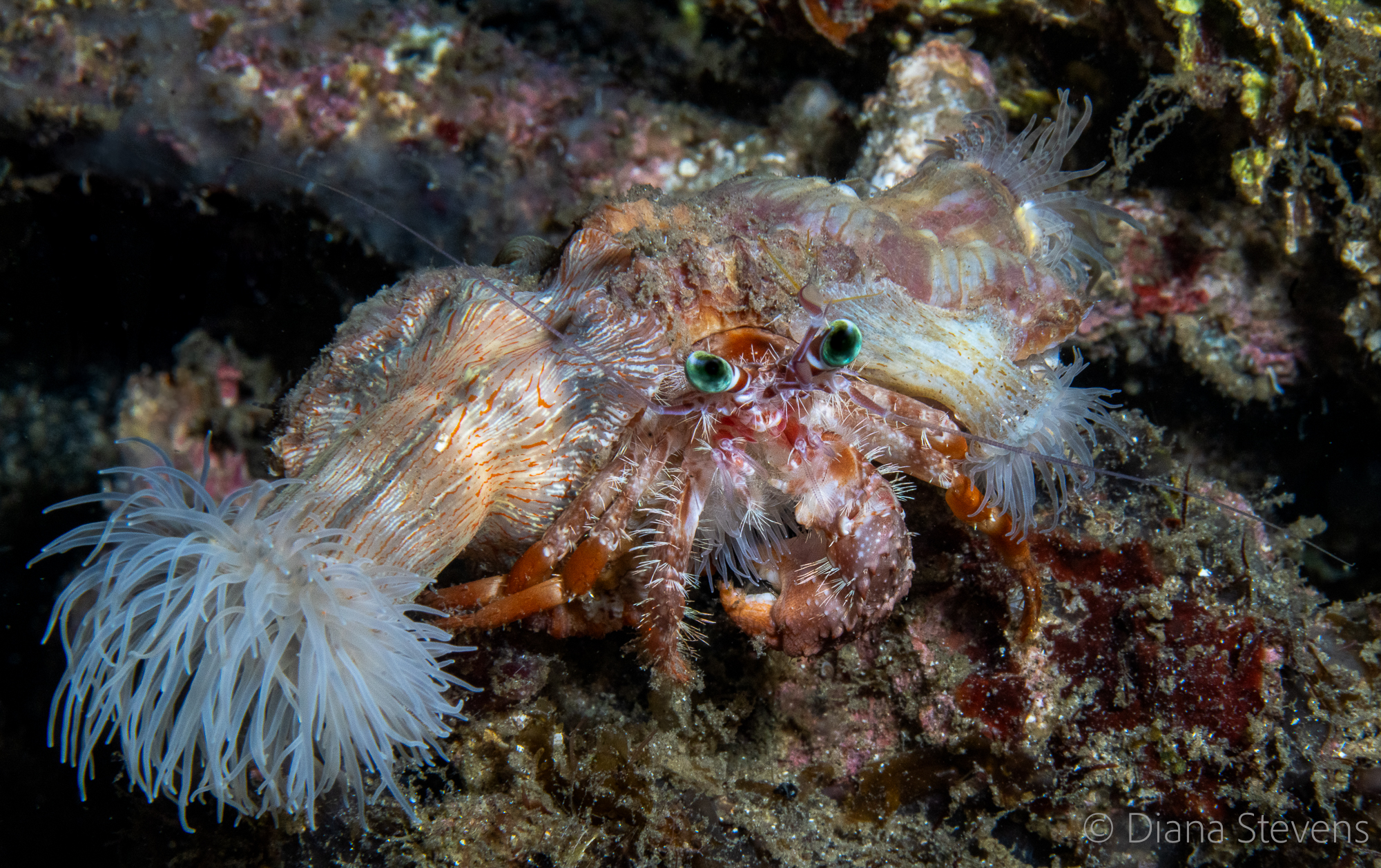
The final Lembeh Strait muck diving album (see the previous two posts for more crazy creatures from these murky waters).
The final Lembeh Strait muck diving album (see the previous two posts for more crazy creatures from these murky waters).
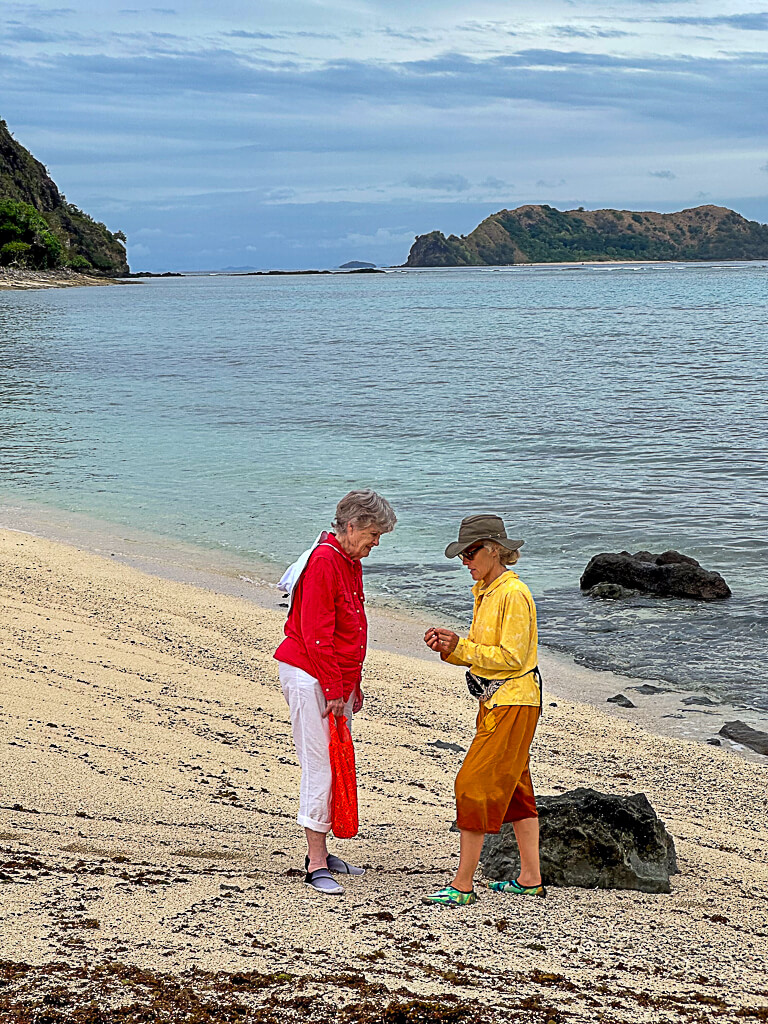
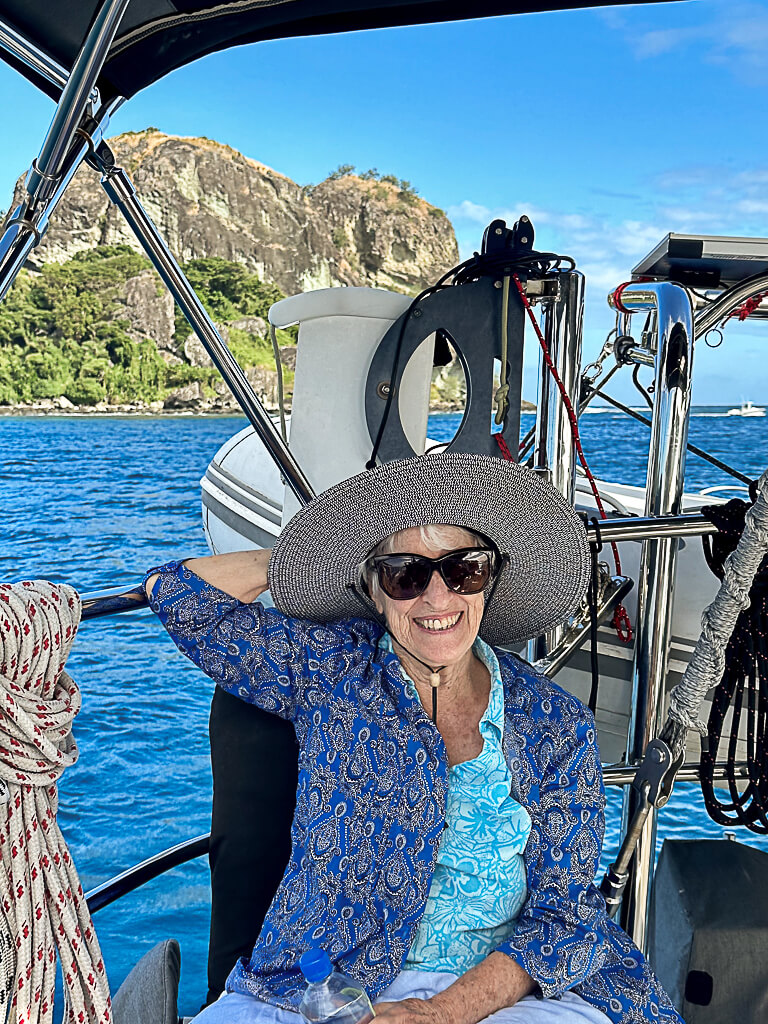
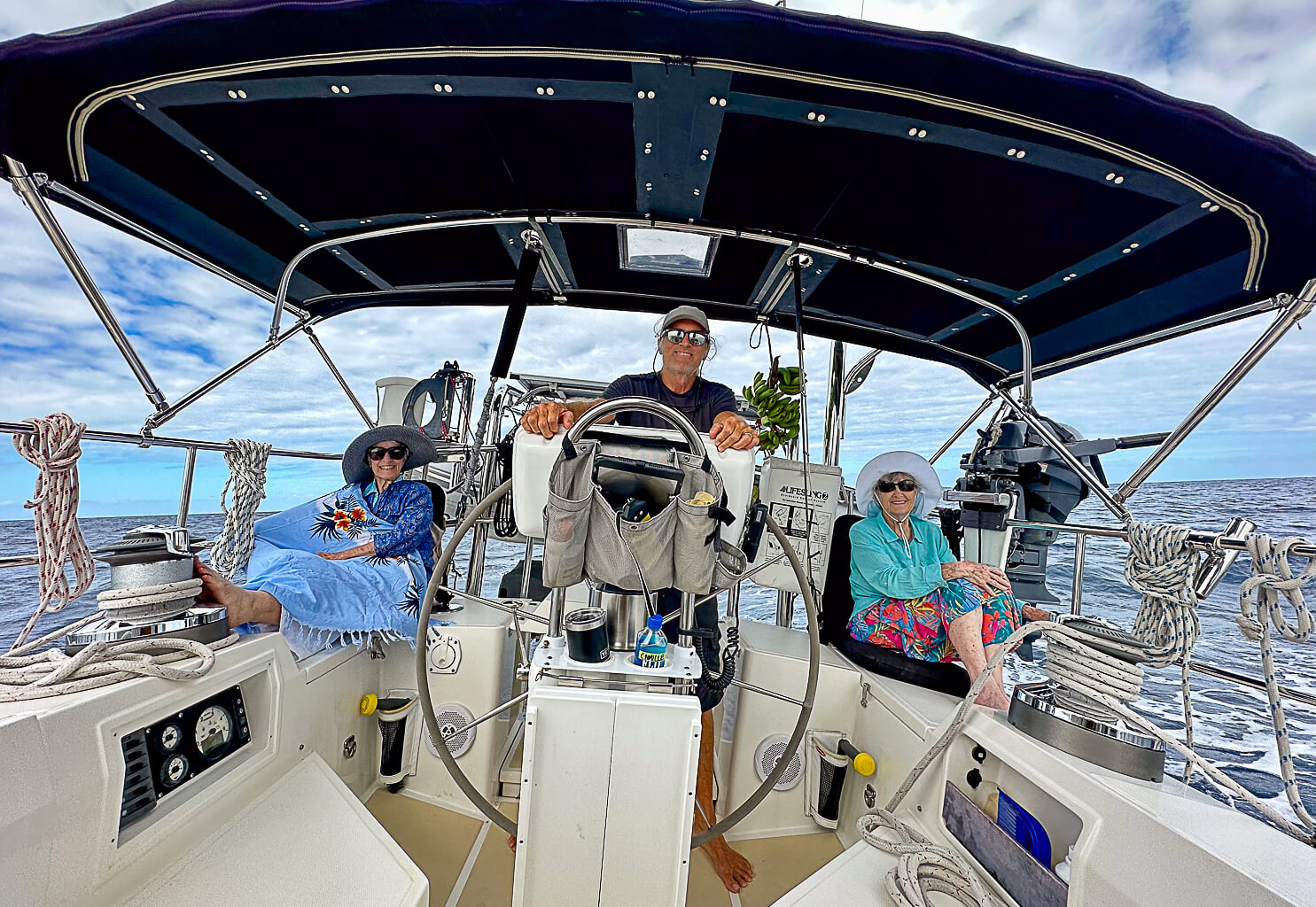
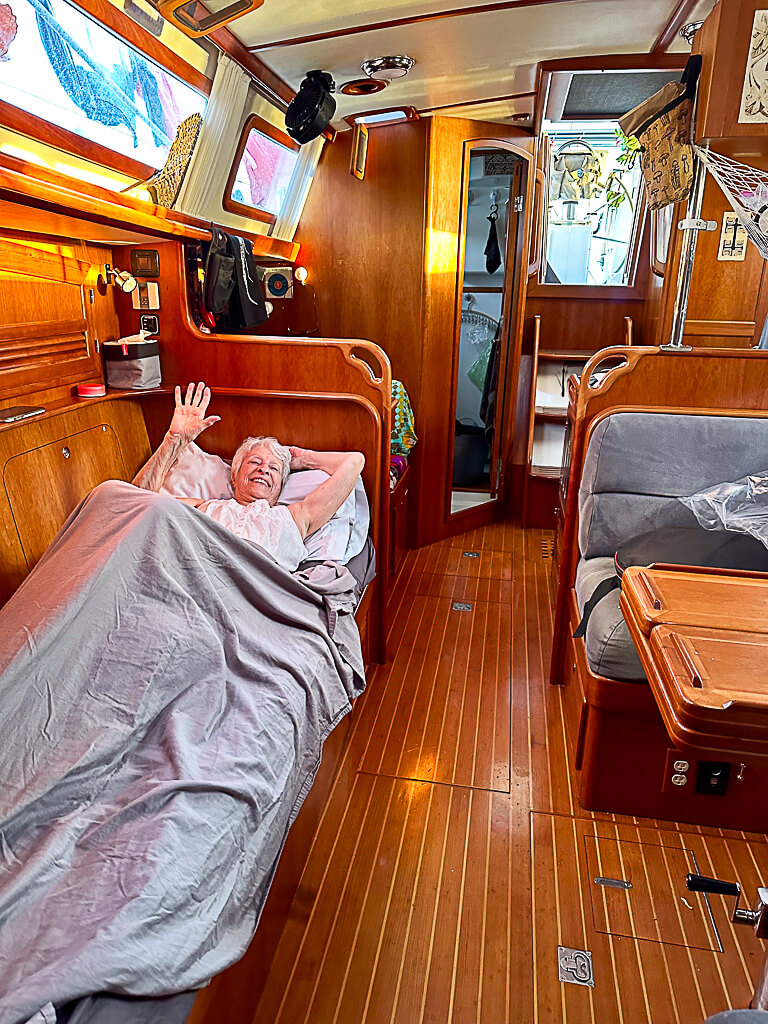
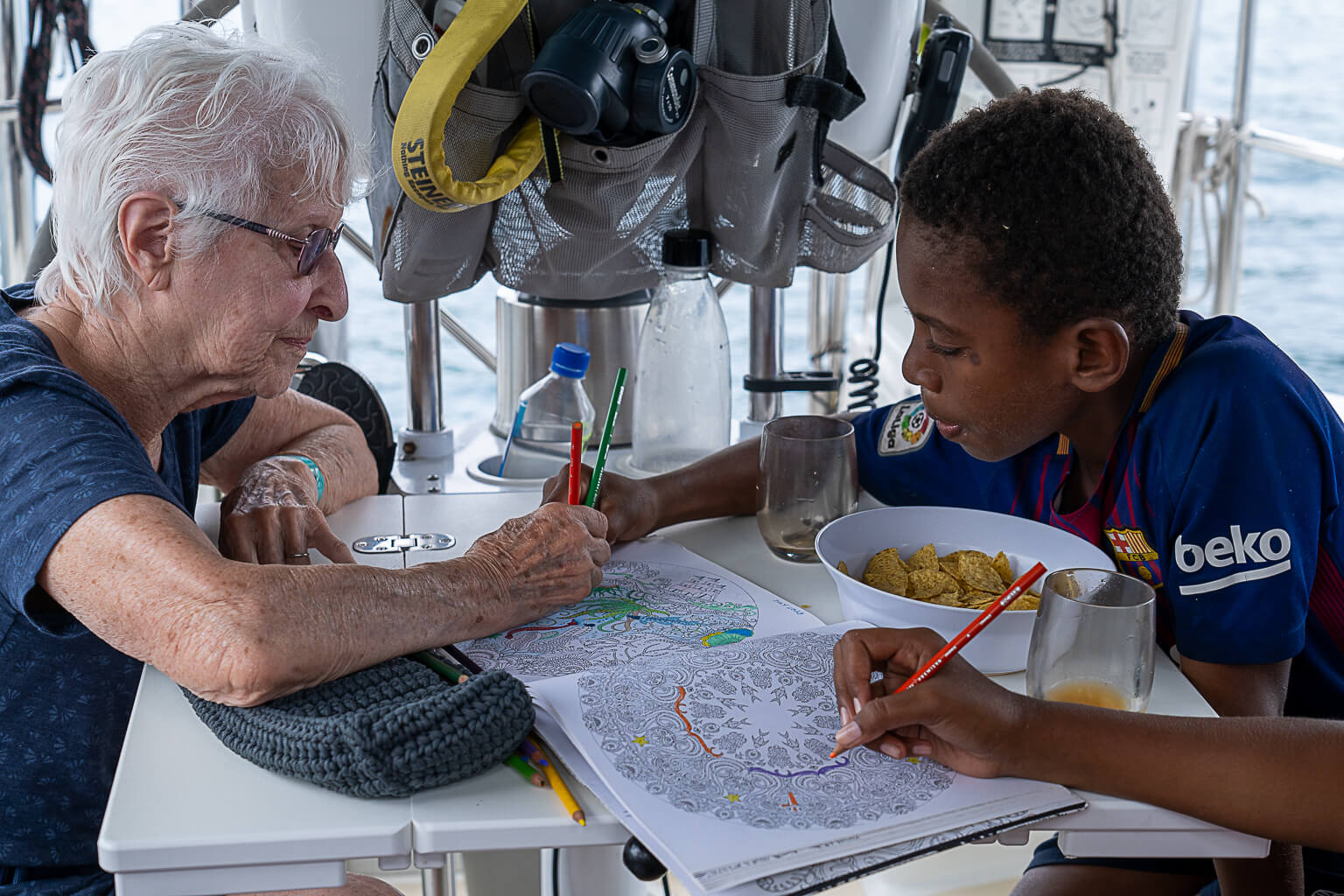
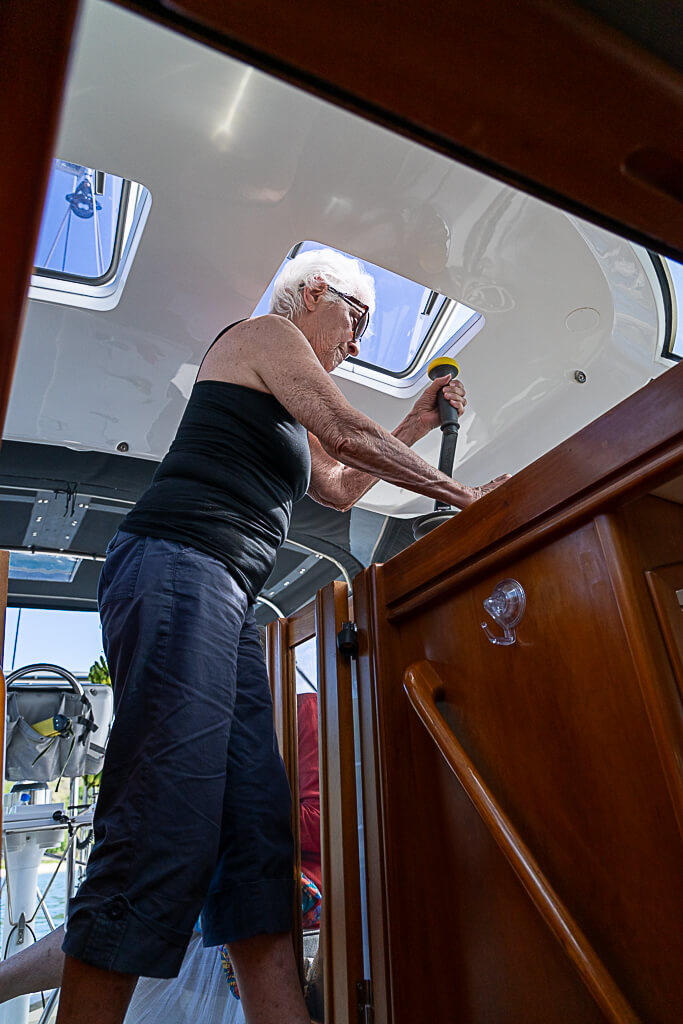
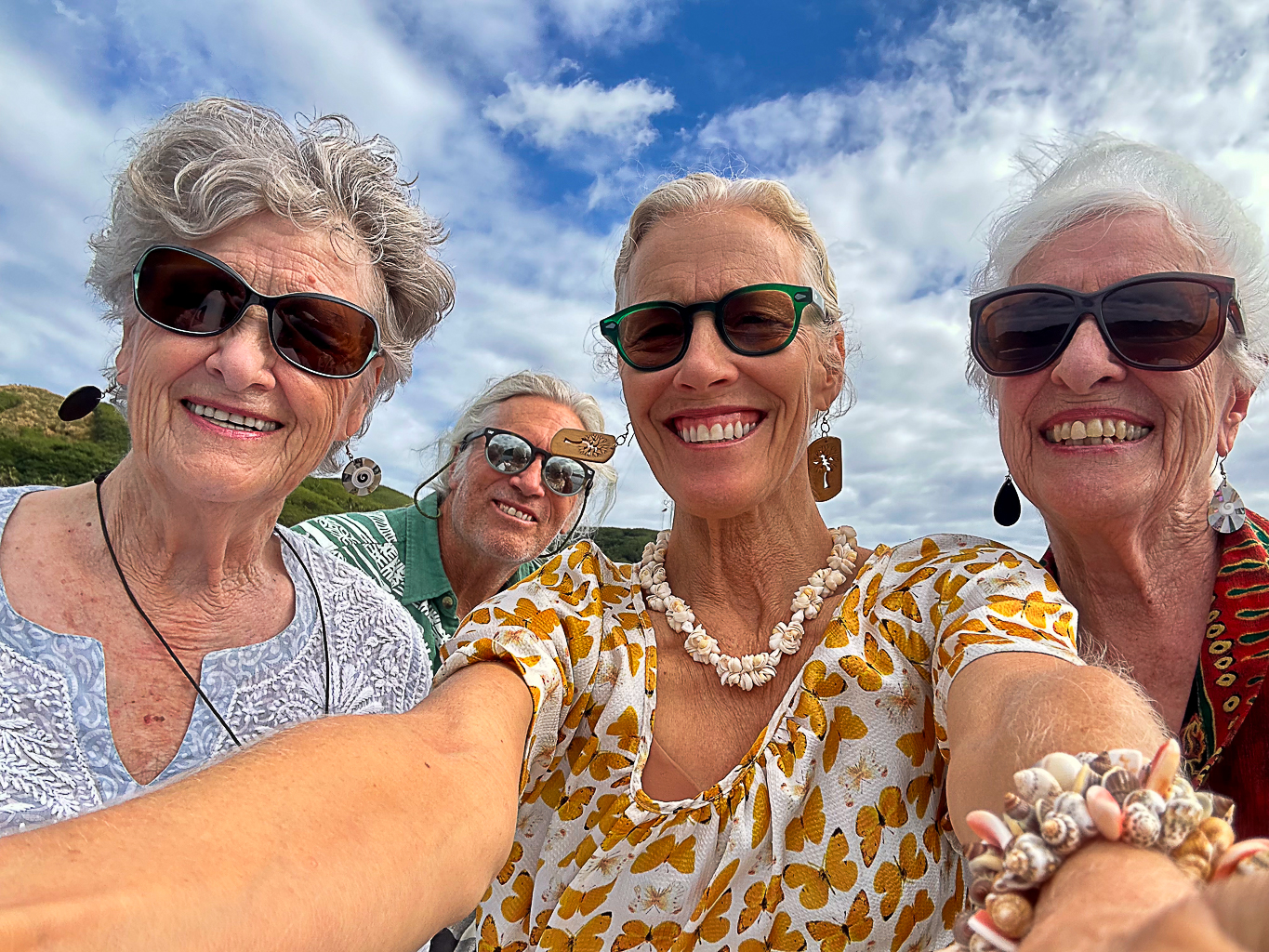
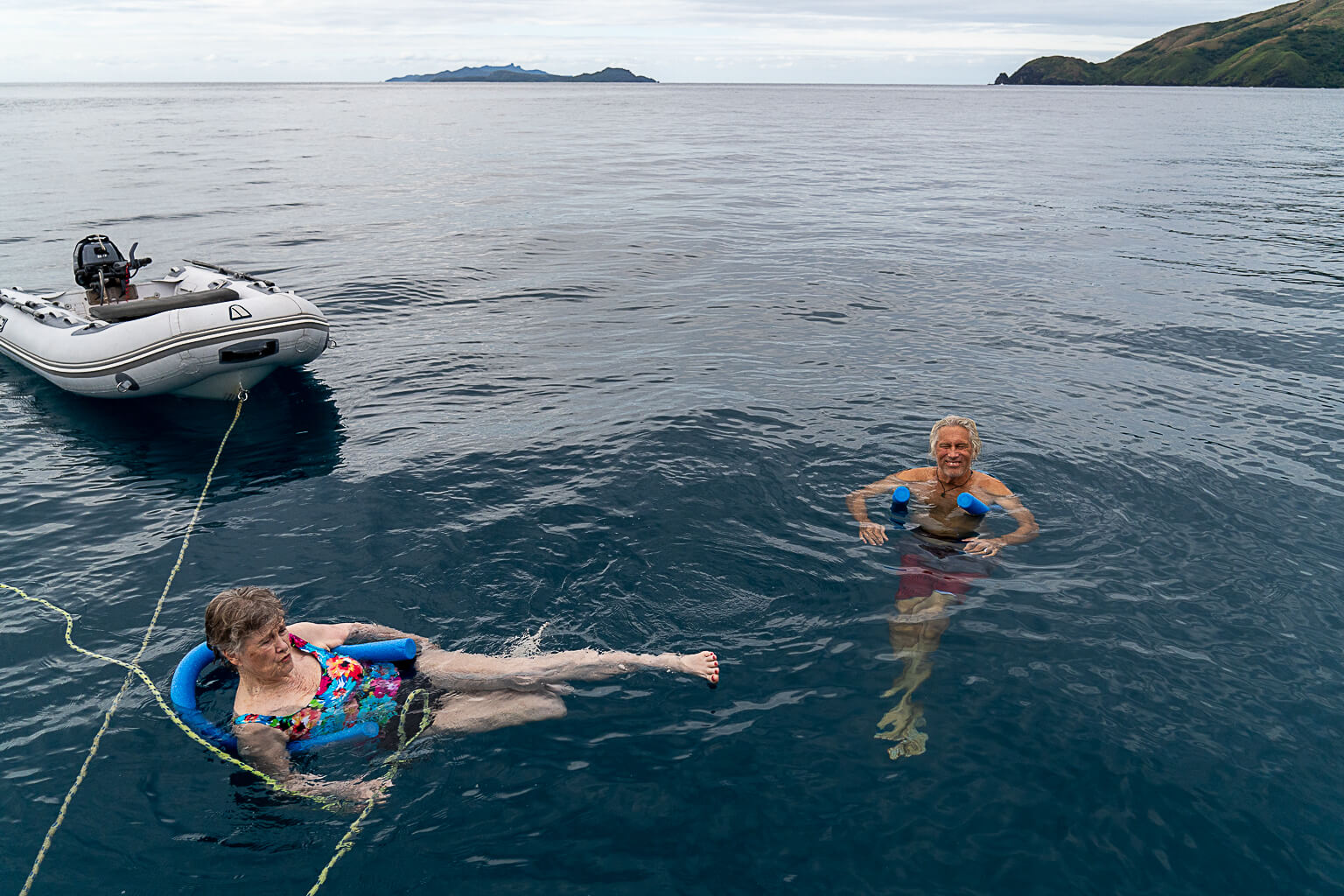
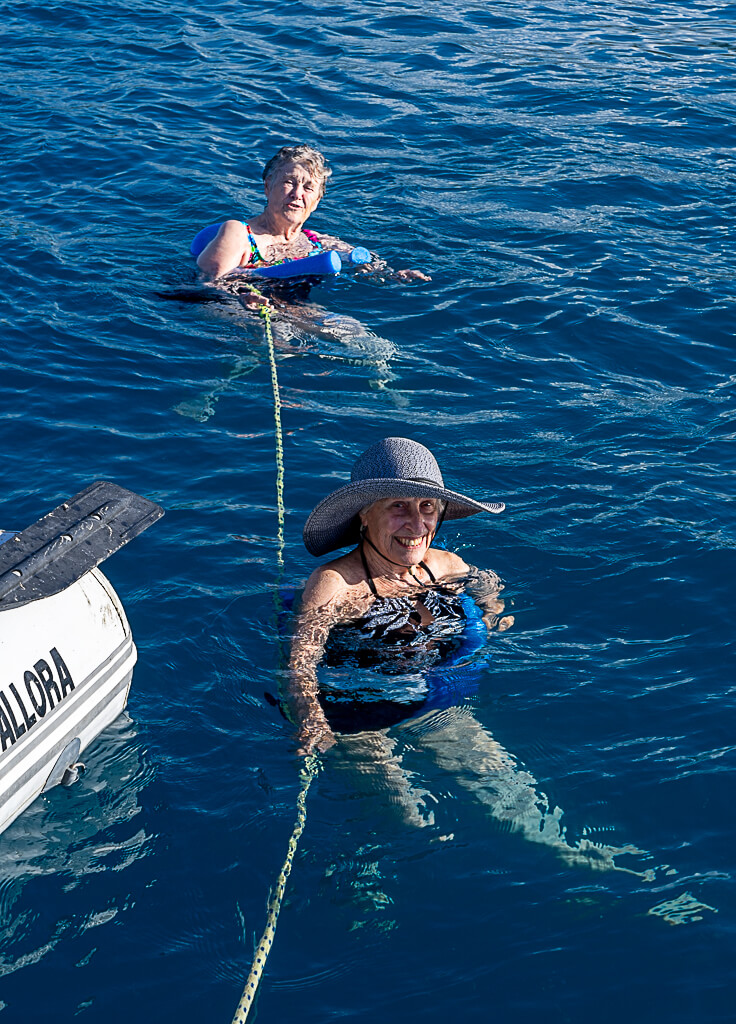
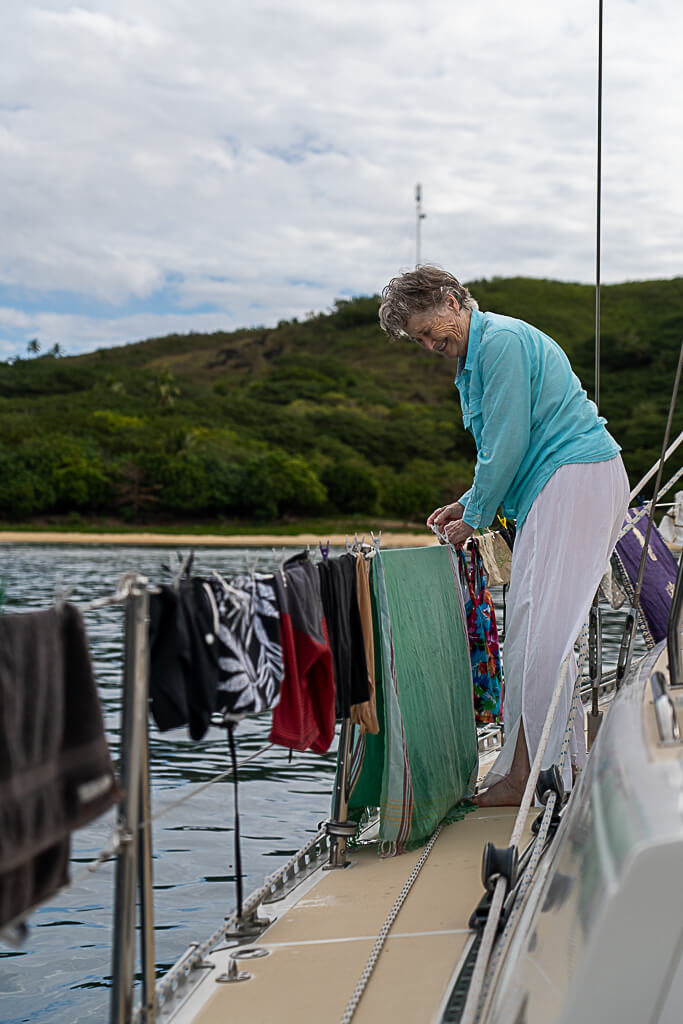
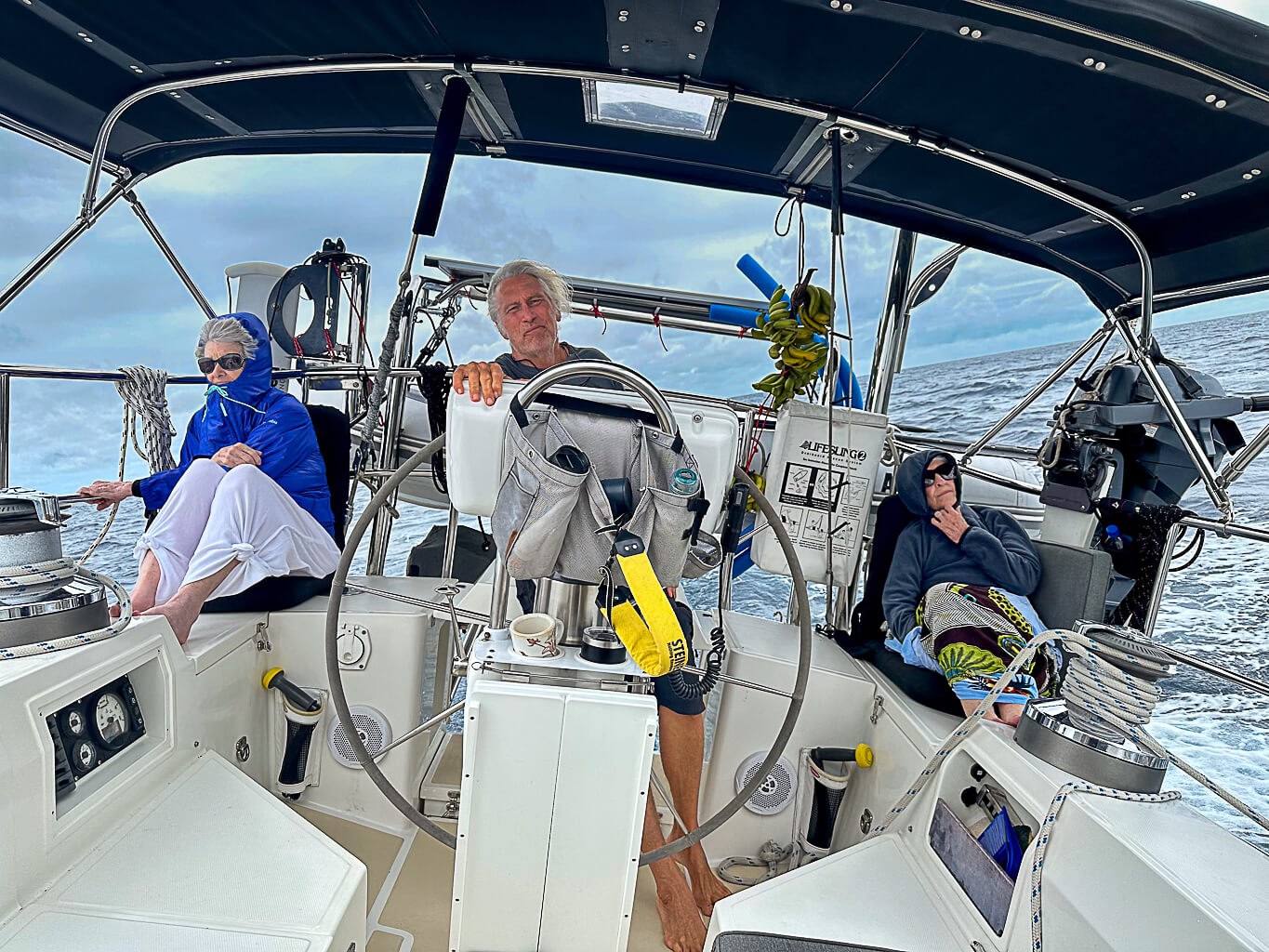
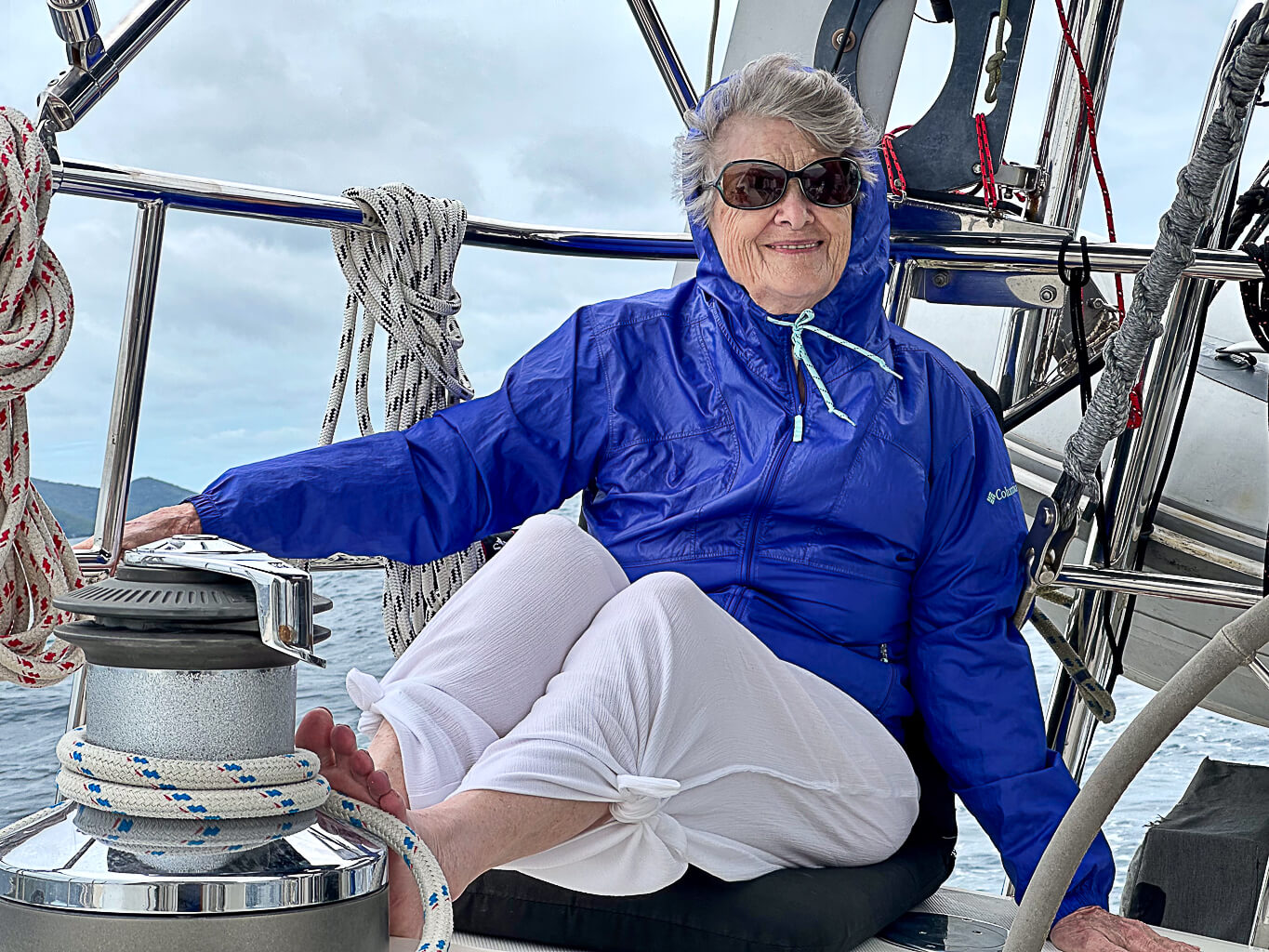
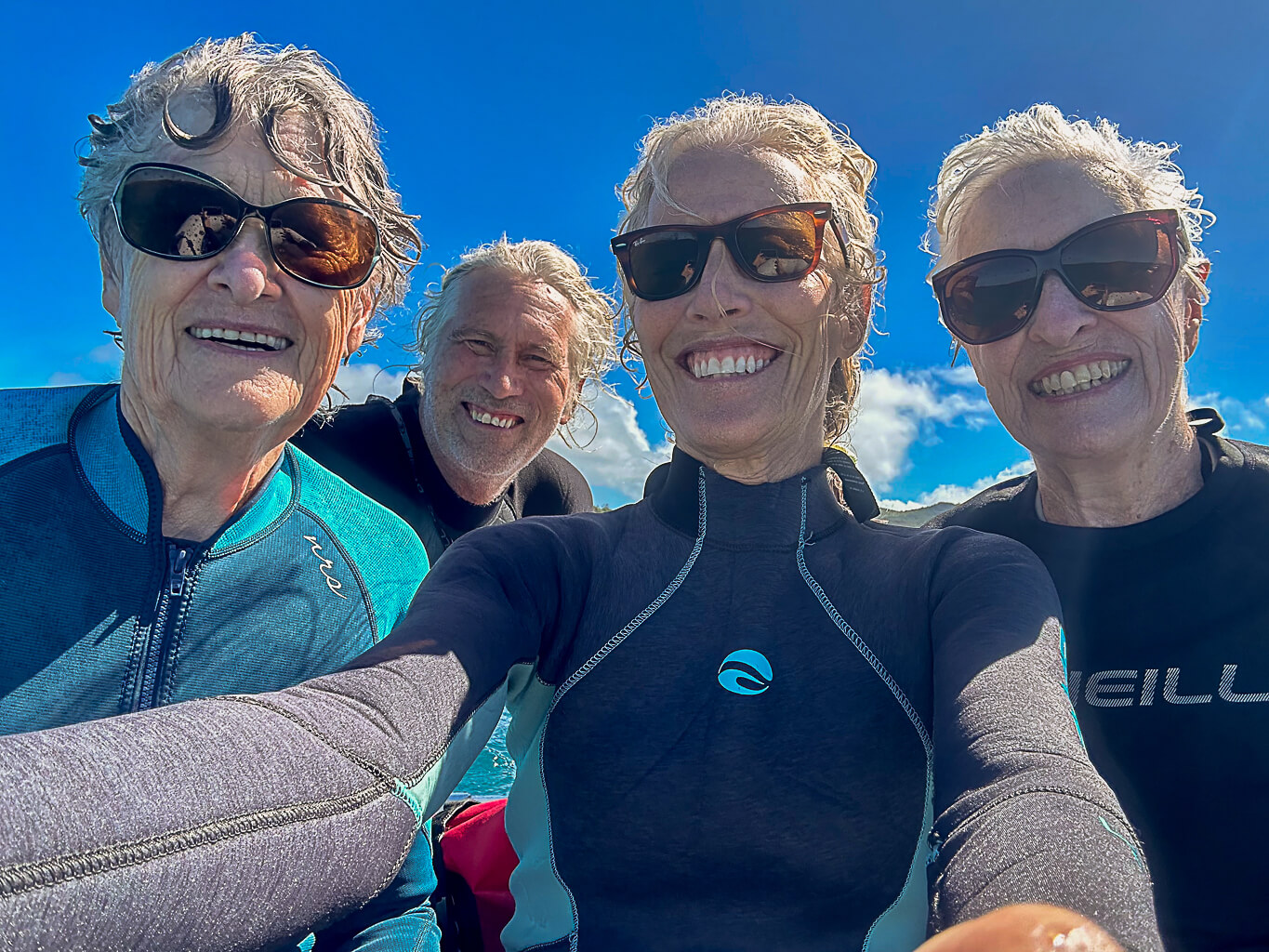
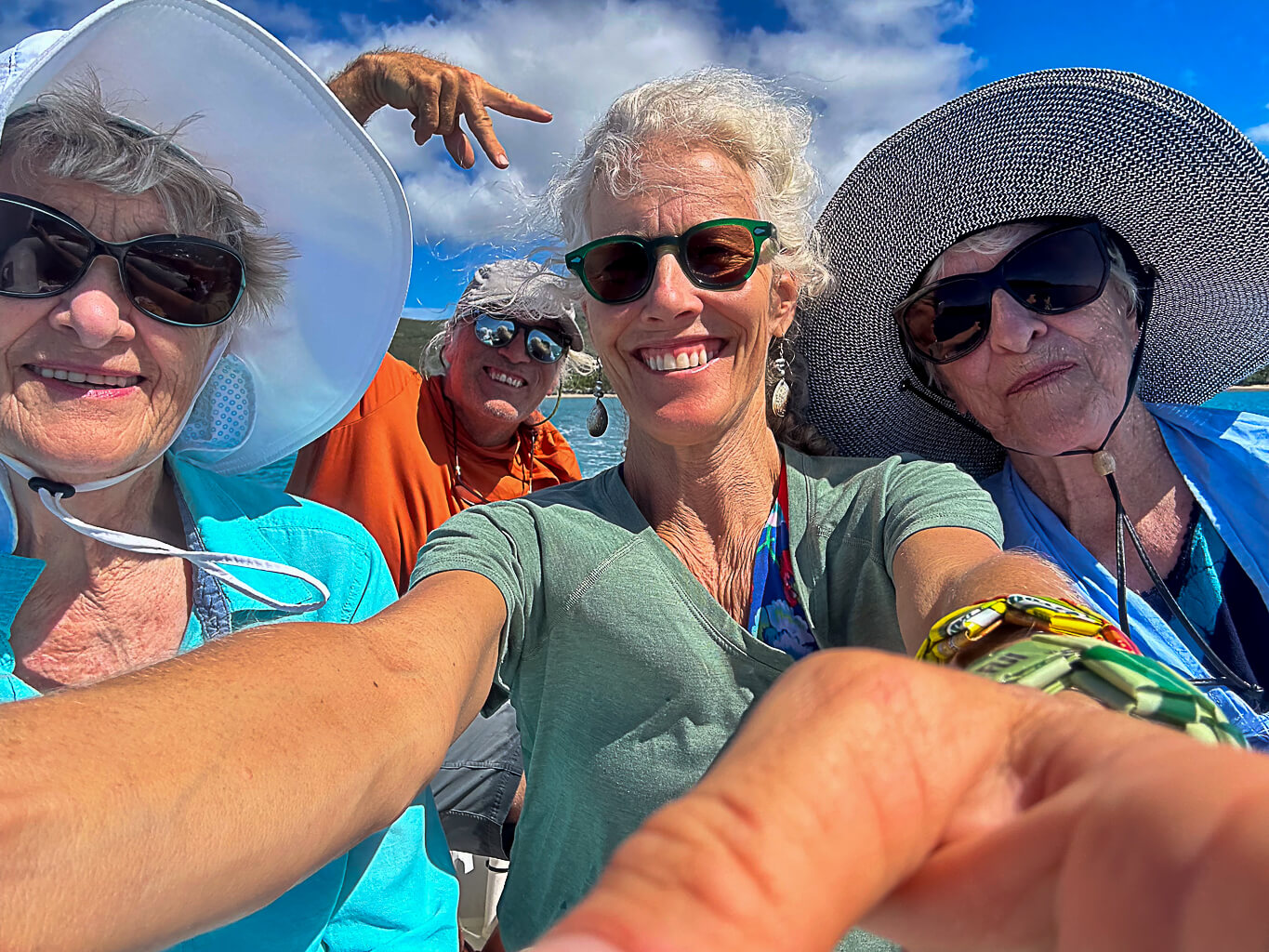
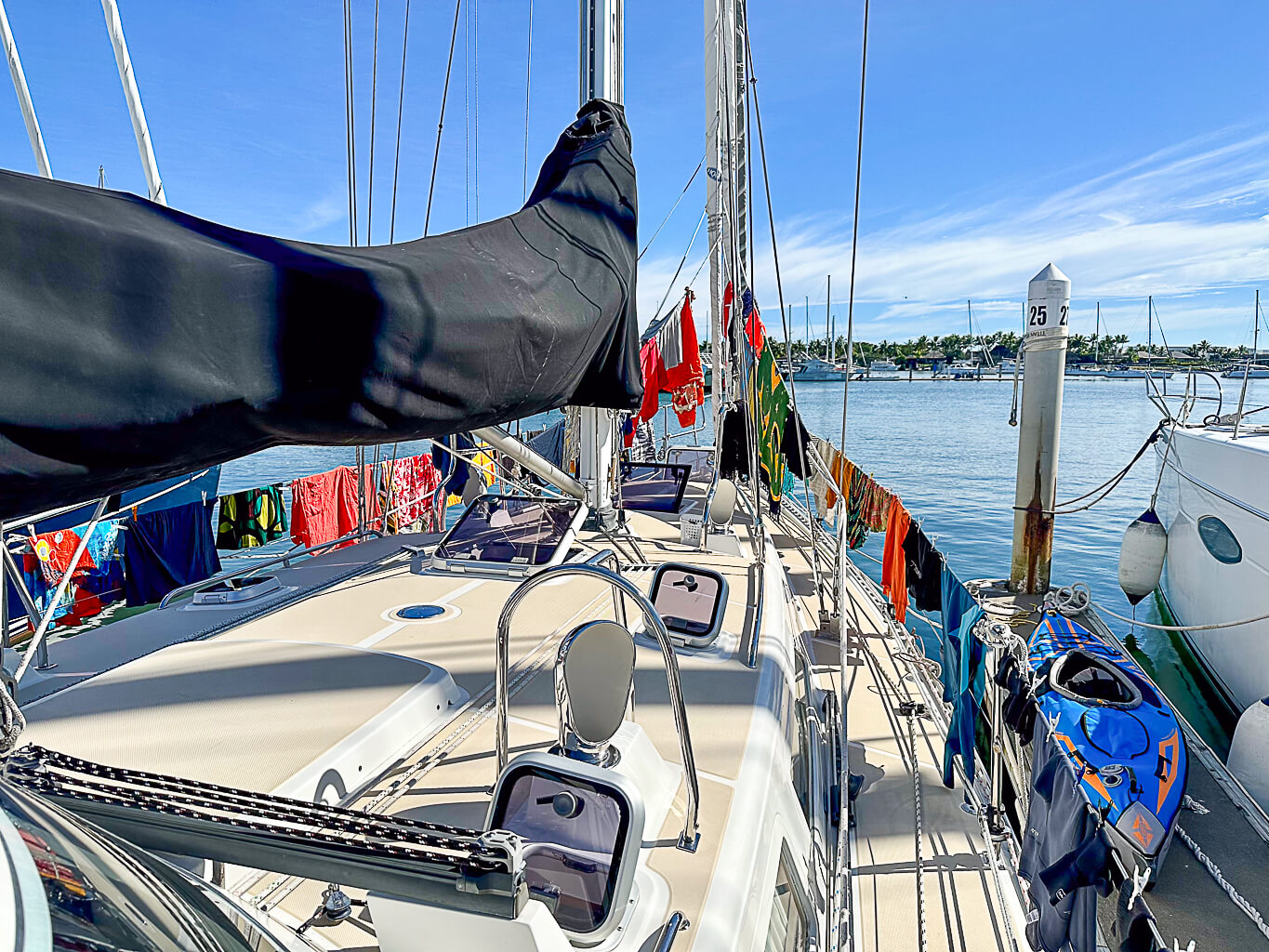
It’s winter in Fiji, which can be easy to forget, usually. Last year we spent a sweltering July in Vuda marina waiting for our transmission, and absolutely no one was talking about cold. This “winter” has felt different (El Niño has officially replaced La Niña). In Viani bay the local dive master talked about rainy weather hanging on longer than usual, hills that were still very very green. “The Moms” arrived for the Fijian version of what overly excited weather people in Montana used to call a Polar Vortex. Fijians donned hoodies and parkas as temps plummeted into the mid-sixties (the lowest temperature ever recorded in Fiji was 12.3 C or 54 F). Meanwhile, “the Moms” counted their lucky stars and gave thanks for overcast days. I put on a T-shirt. Our biggest challenge was finding anchorages that were reasonably calm. Diana tied up the lee cloth for Camille and gave Elizabeth extra cushions to wedge herself in at night. I think I remember Diana suggesting that she handed out more sea sickness medication on this visit than she did on the entire Pacific Crossing. On the bright side, Camille says she has never slept so well (we discussed the feasibility of installing hydraulics in the foundation of her Northern California cottage to replicate these soporific Fijian seas). I think Diana and I had both imagined leisurely lagoon sailing with the Moms, based on our quick survey of the western islands last year. For sure, neither of us imagined gusts to gale force (36 knots), and sailing at 8 knots with a handkerchief of jib rolled out. But by now the Mom’s are seasoned sailors, and weathered it all like old salts, quite happily nestled in their accustomed spots. ~MS
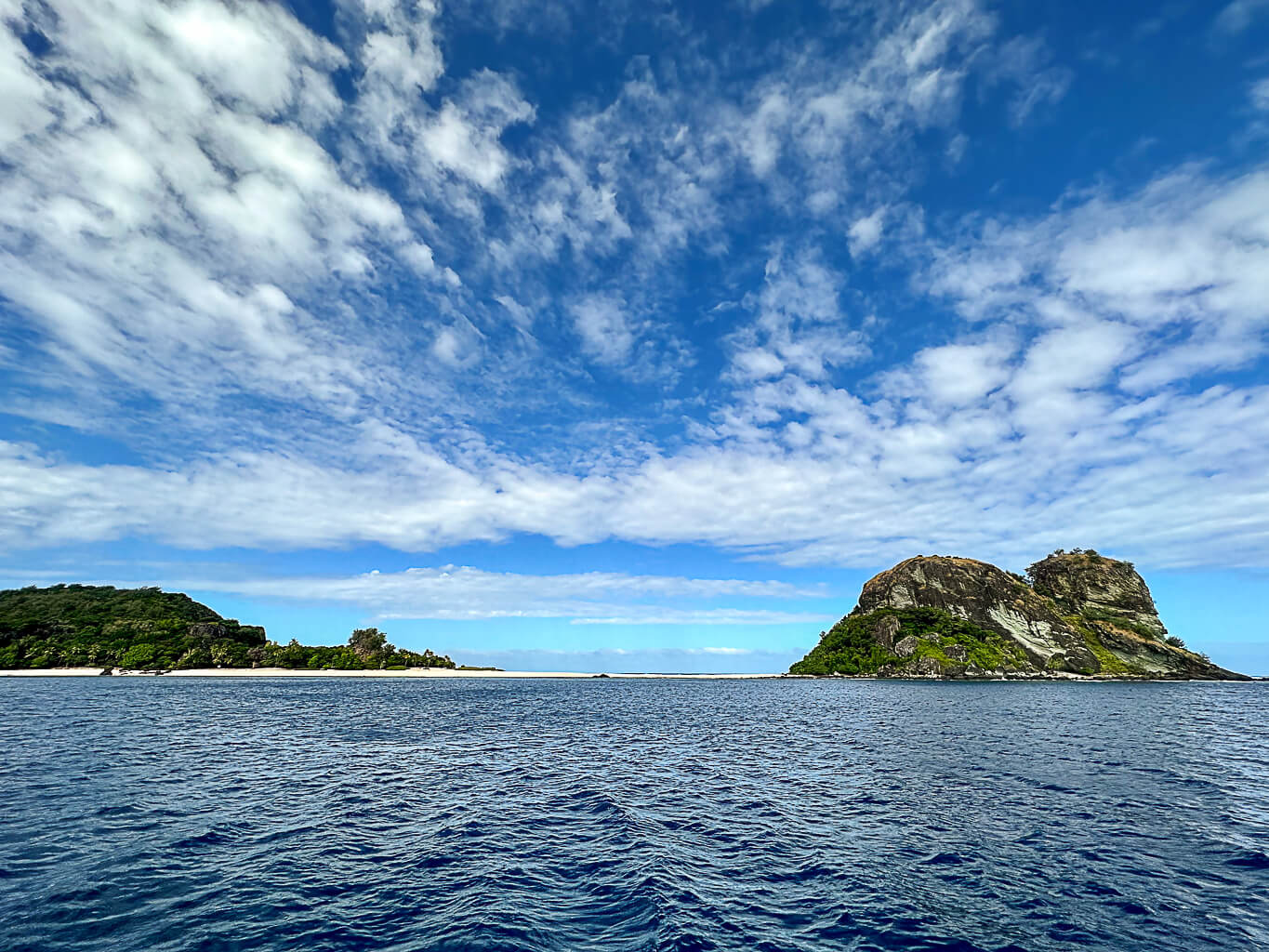
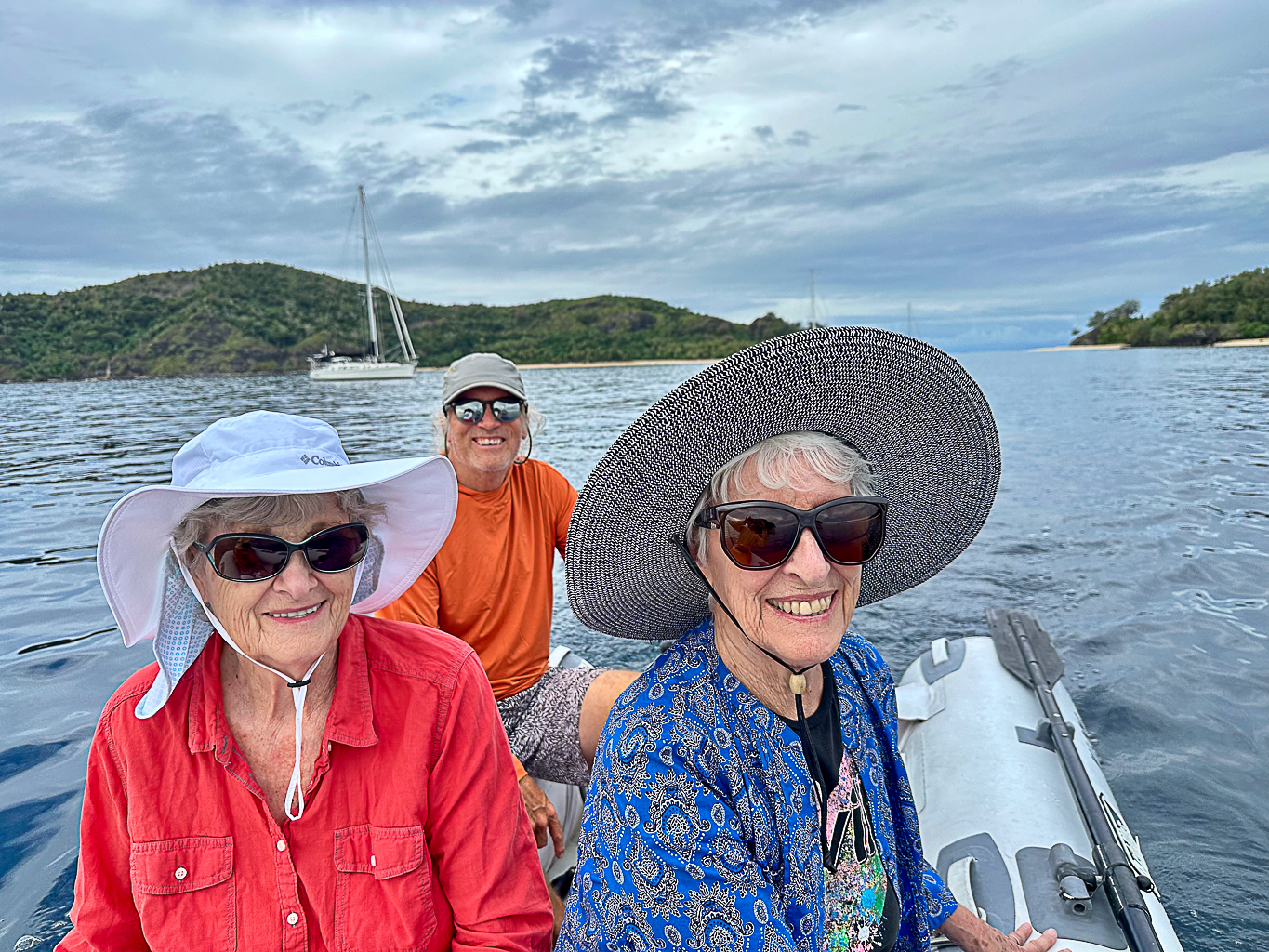
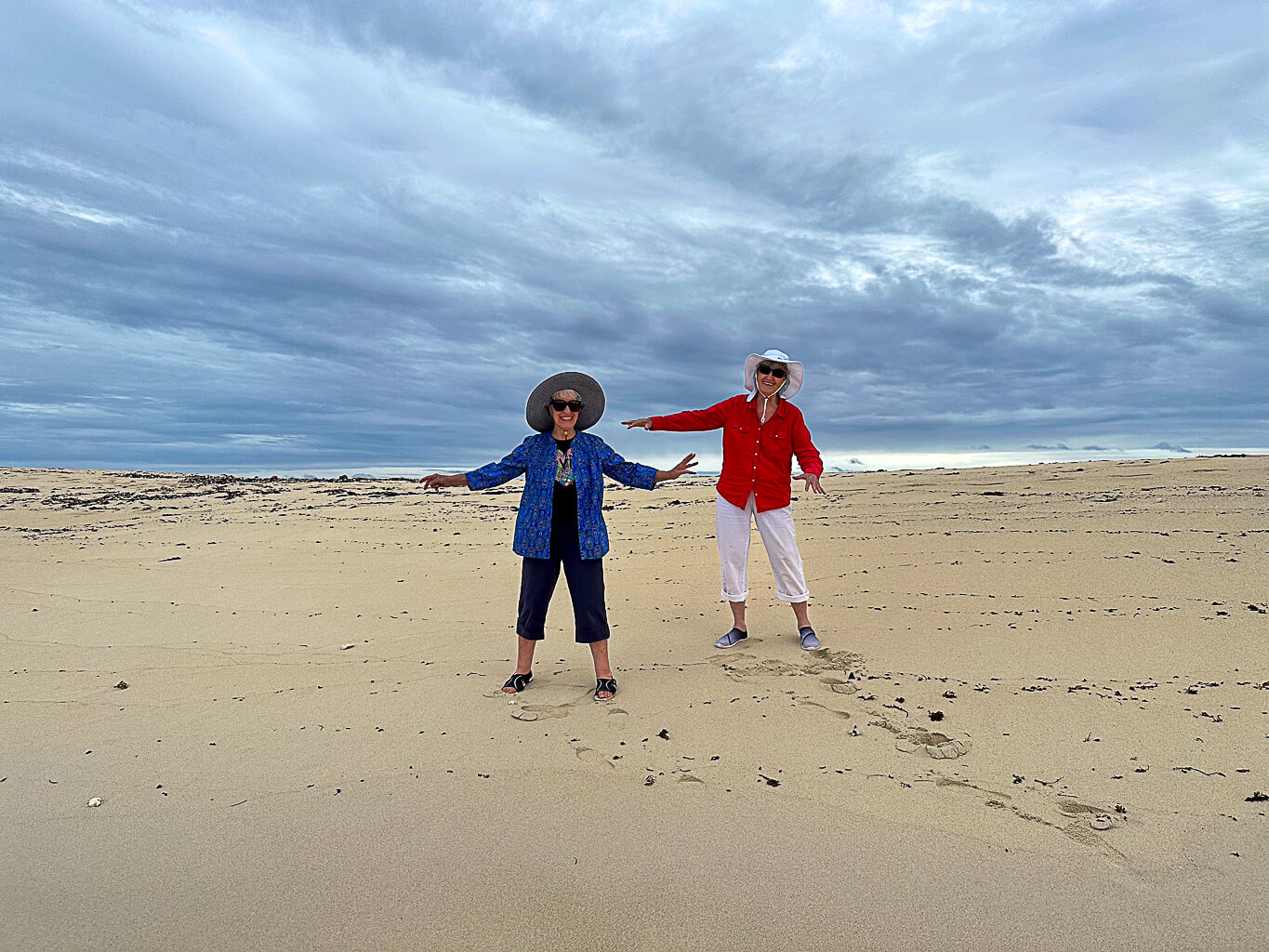
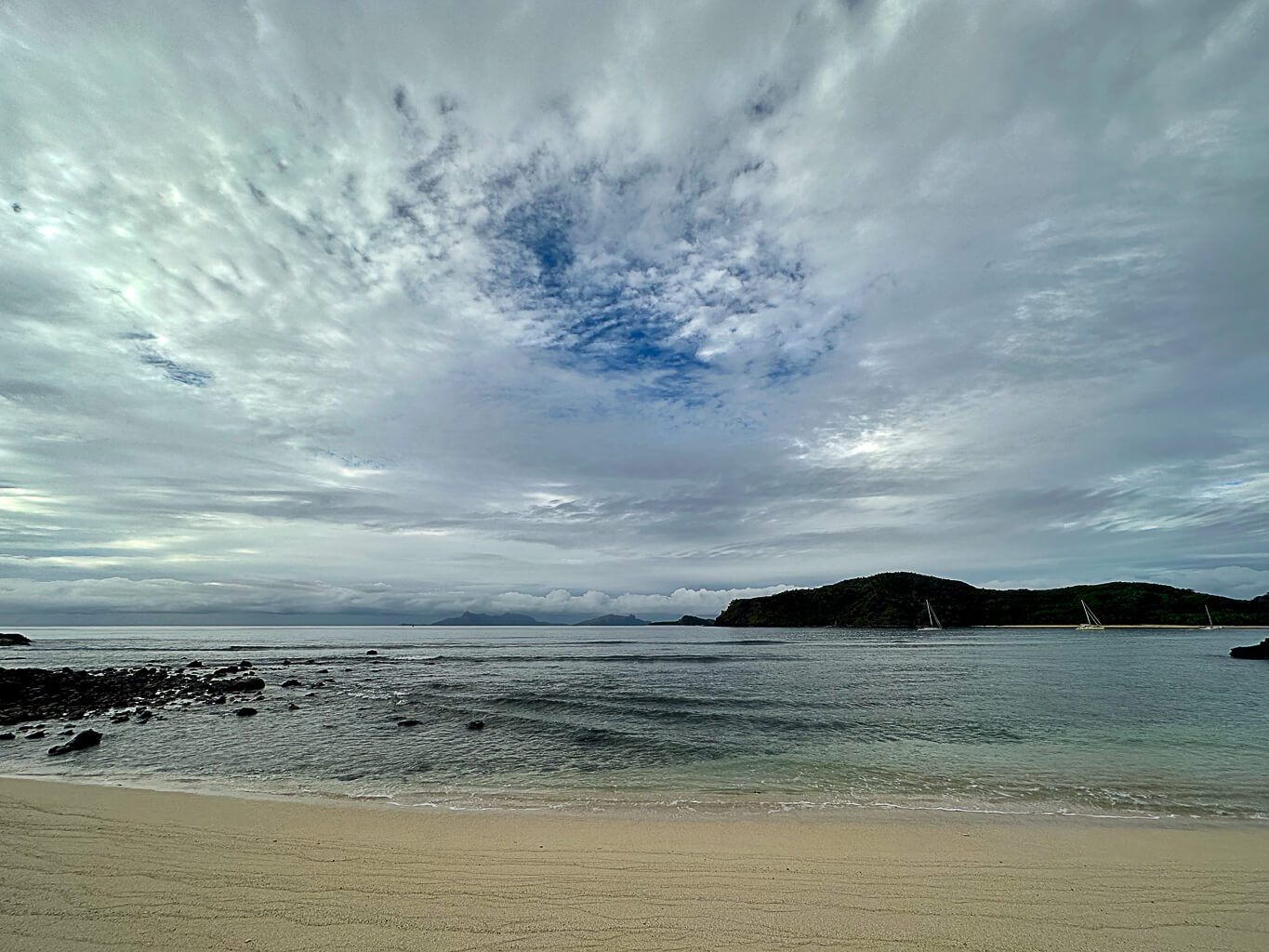
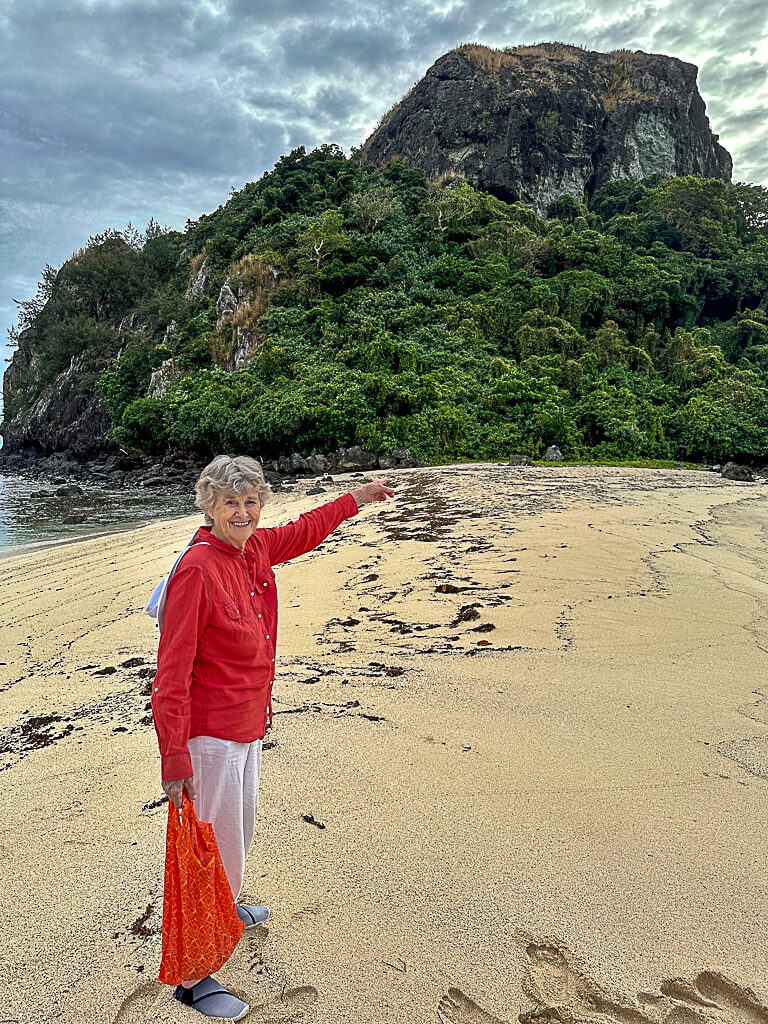
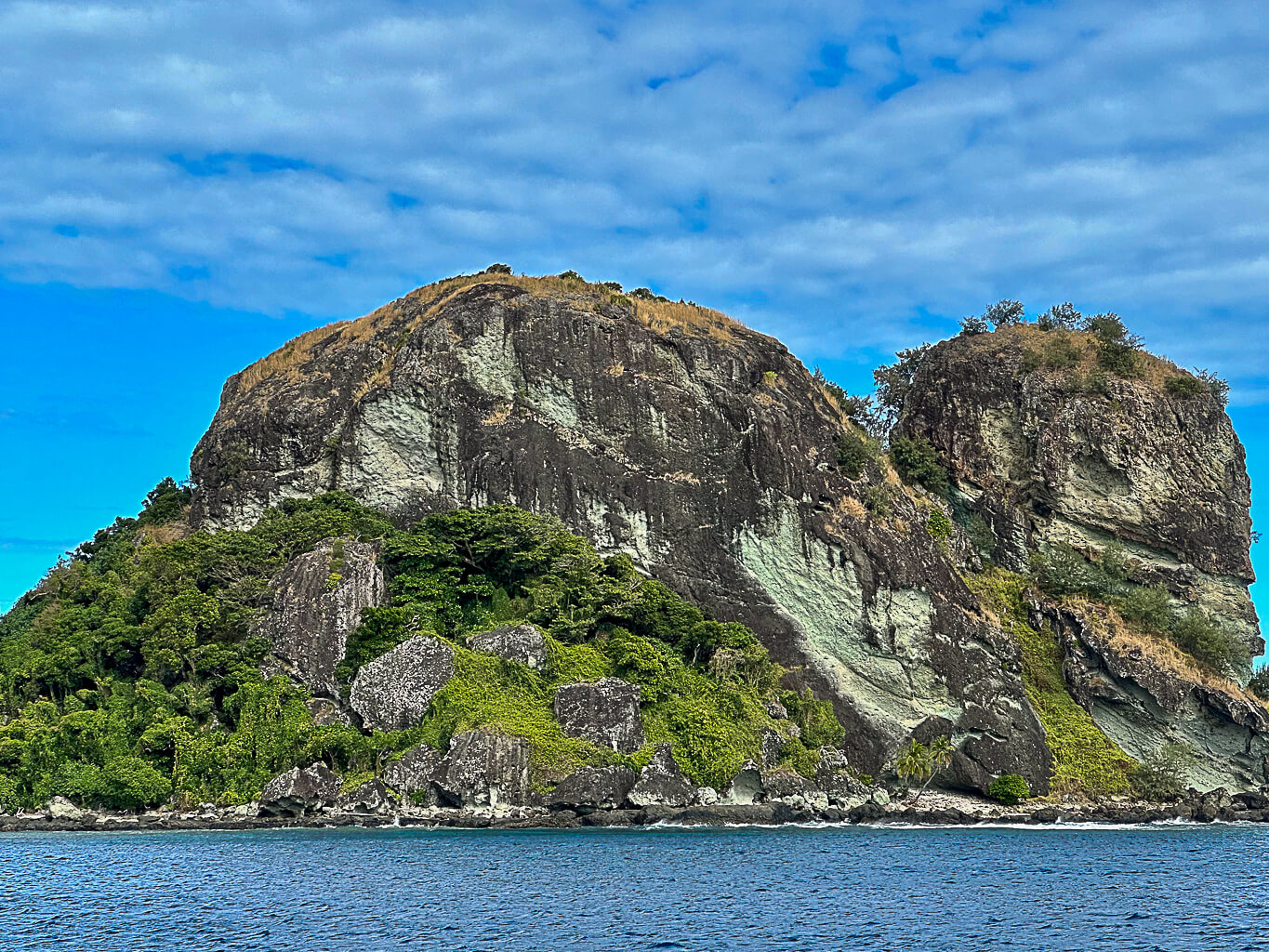
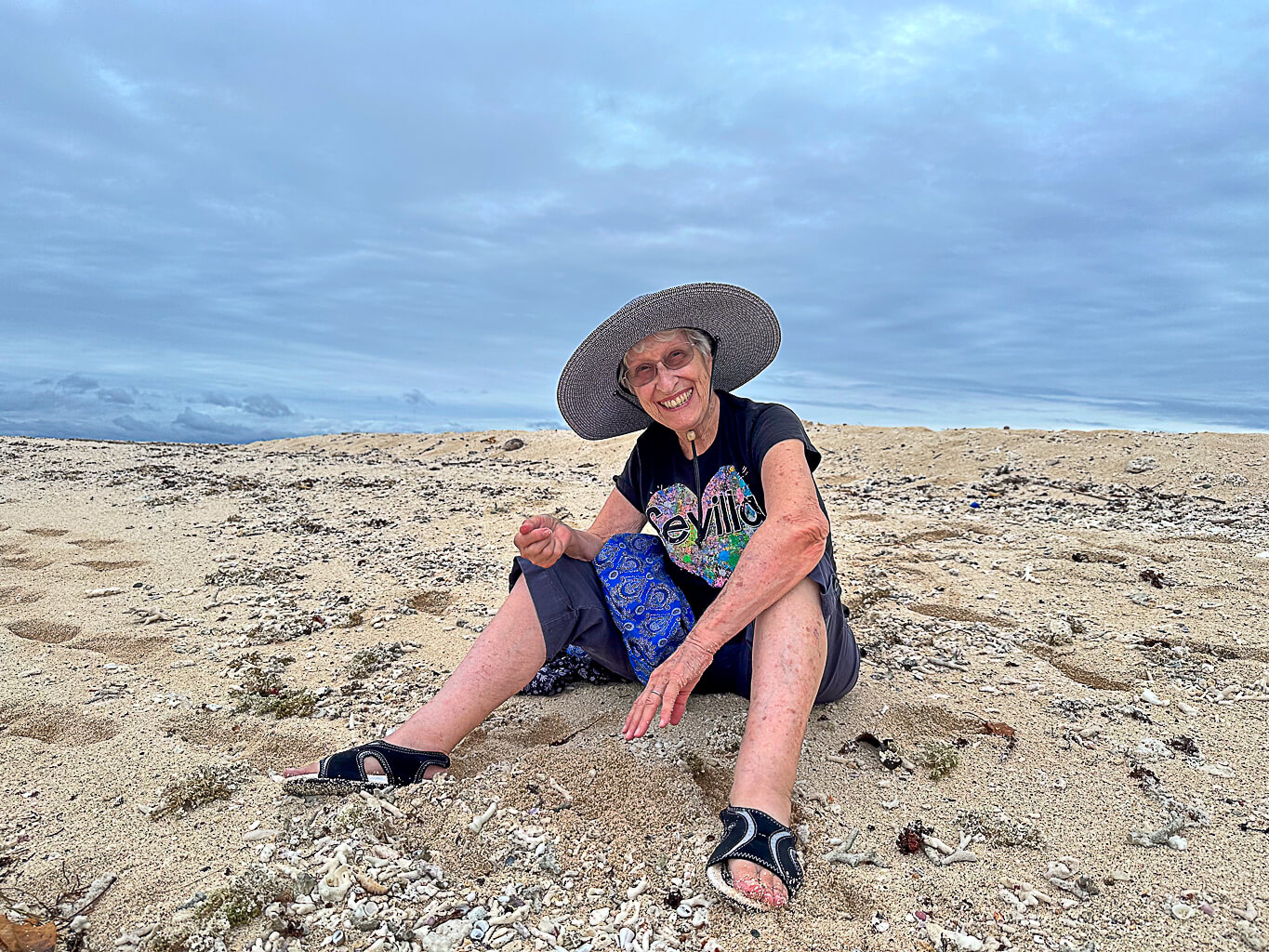
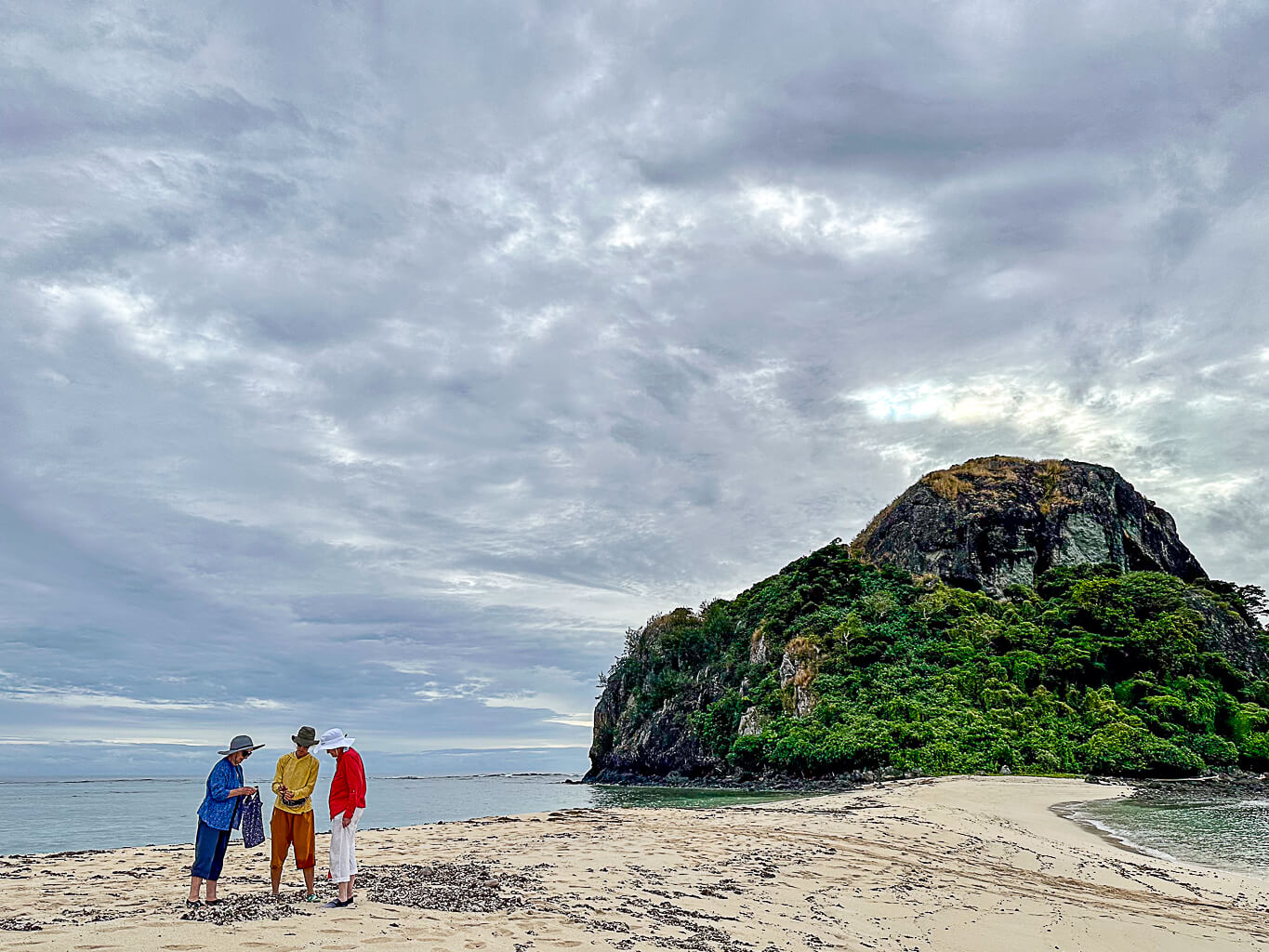
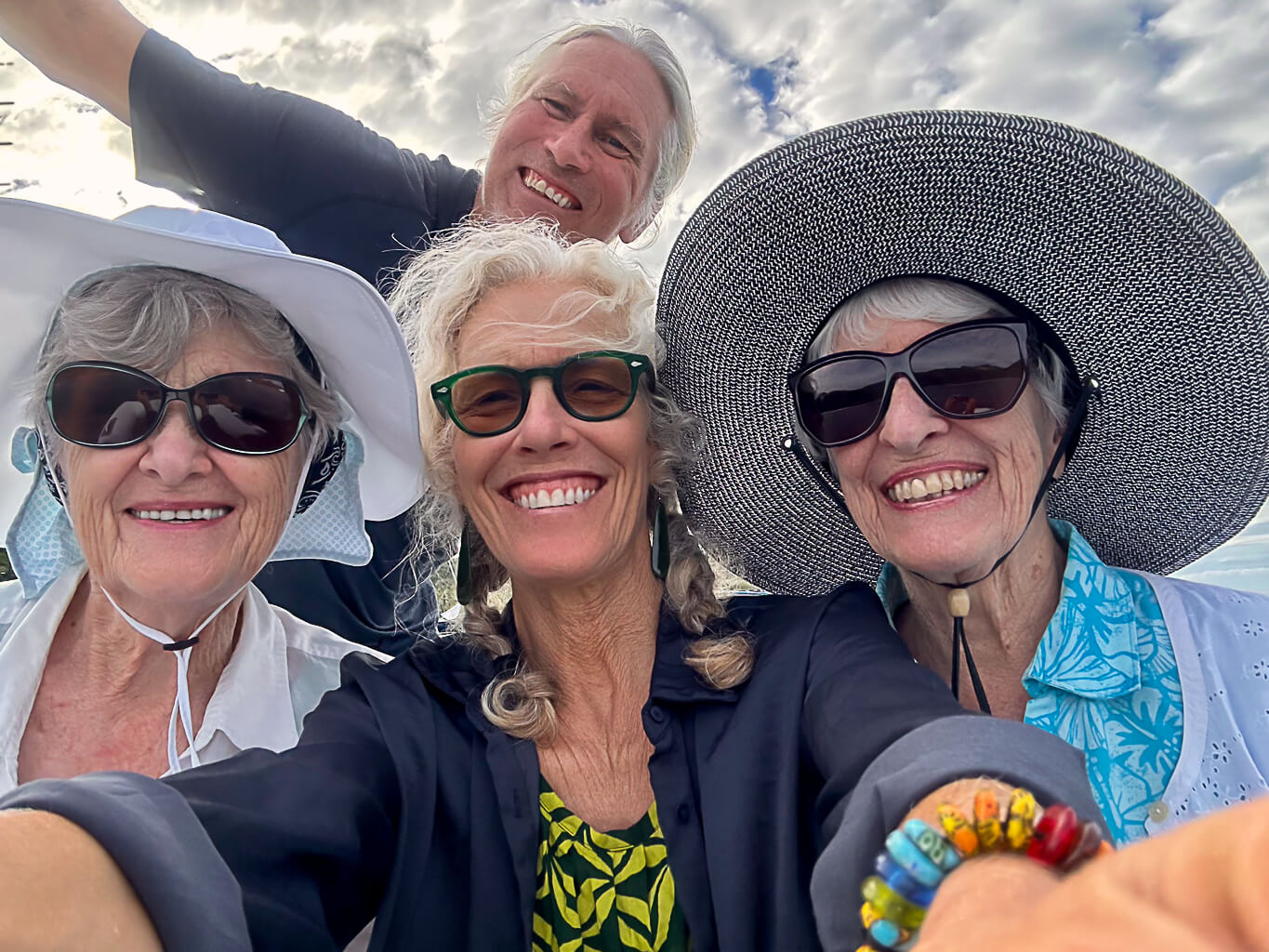
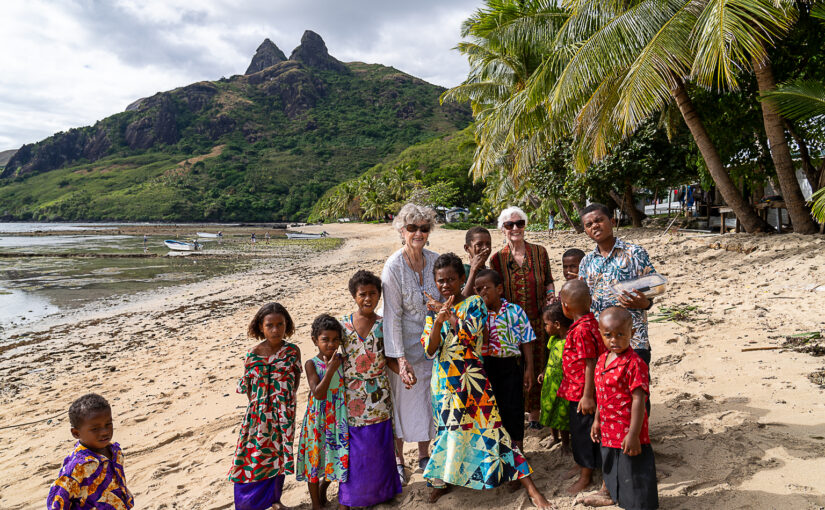
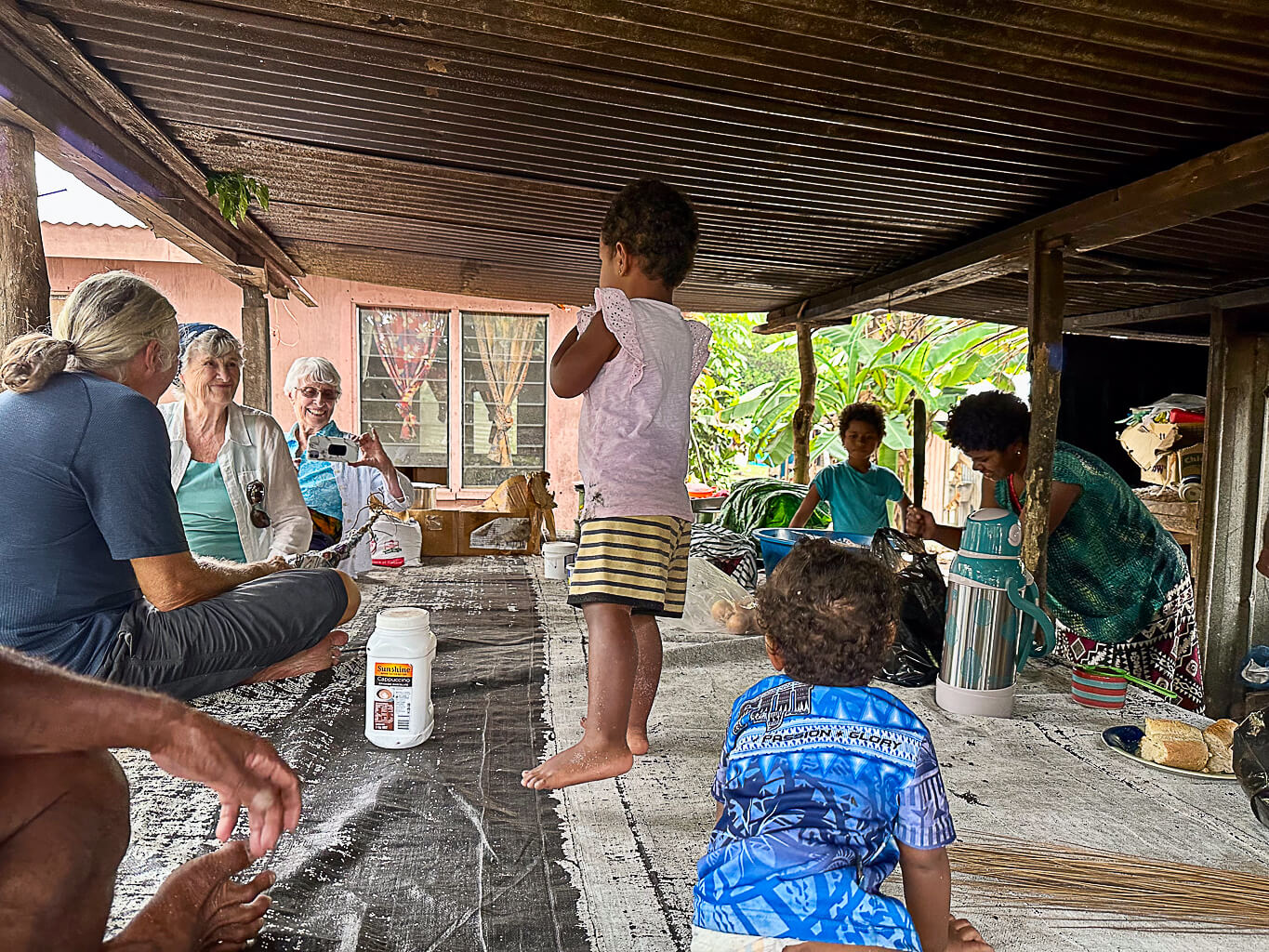
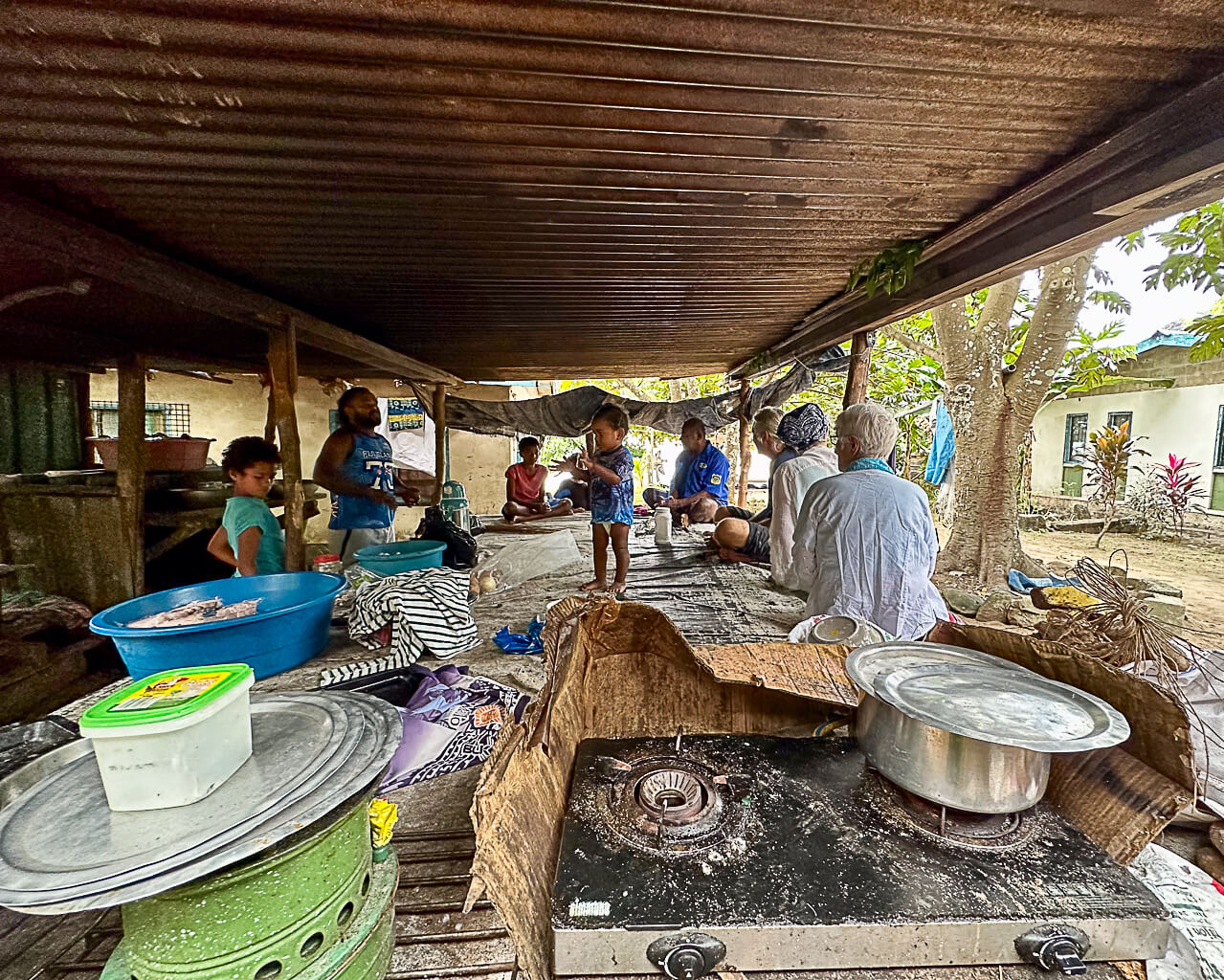
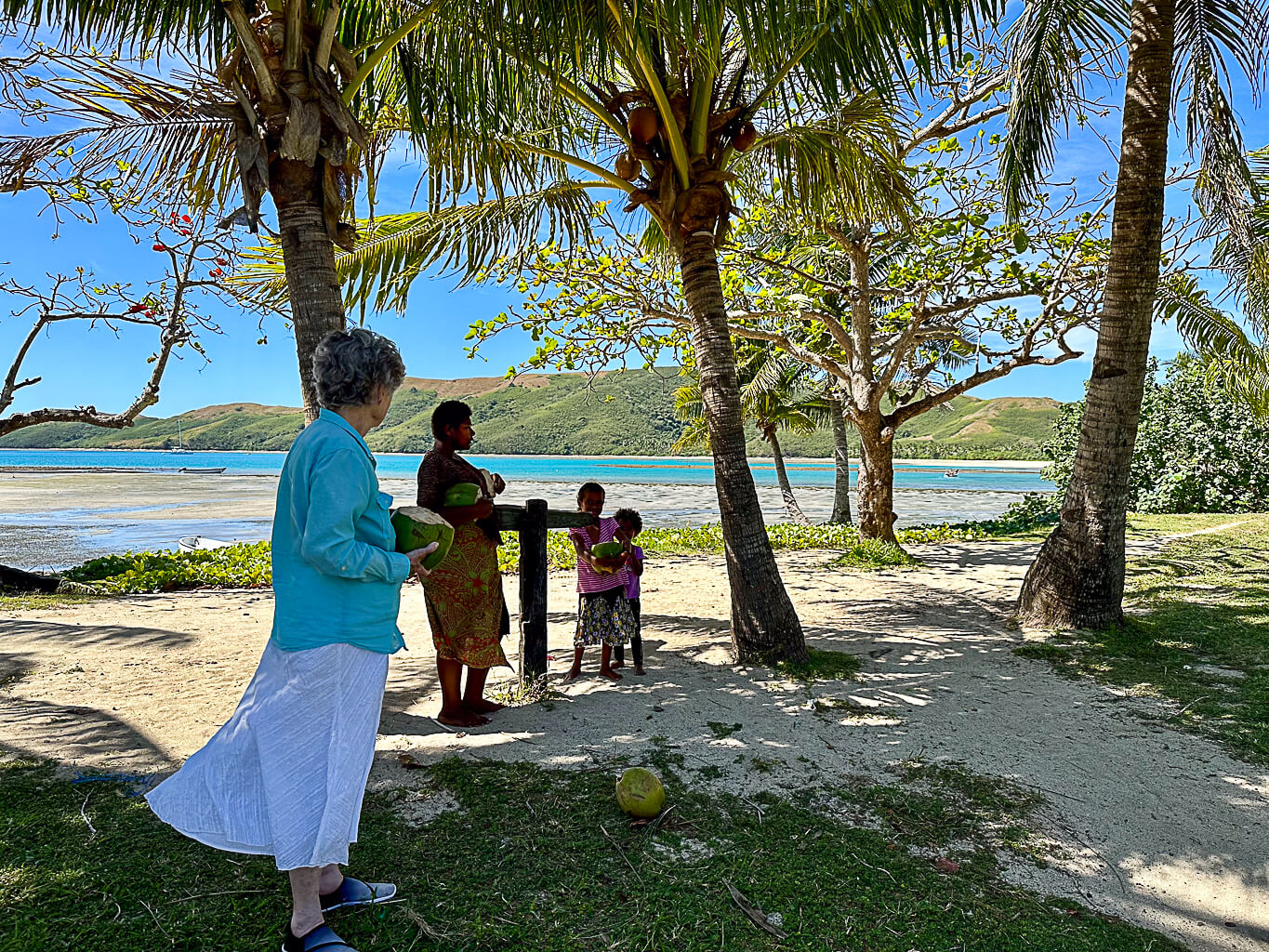
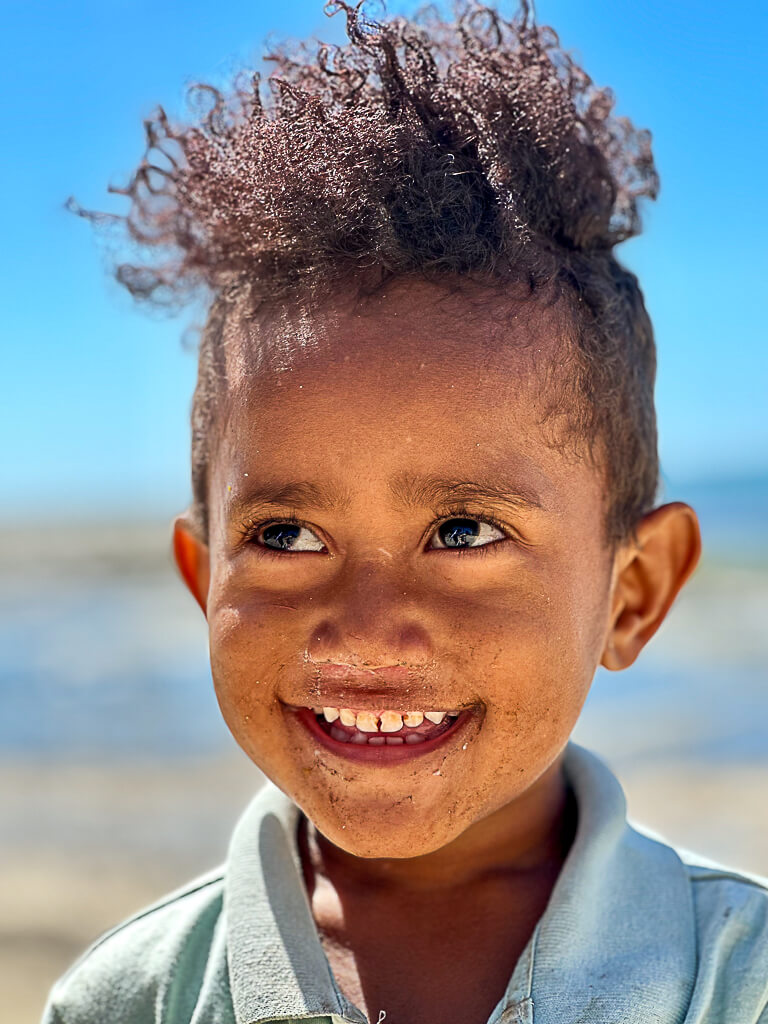
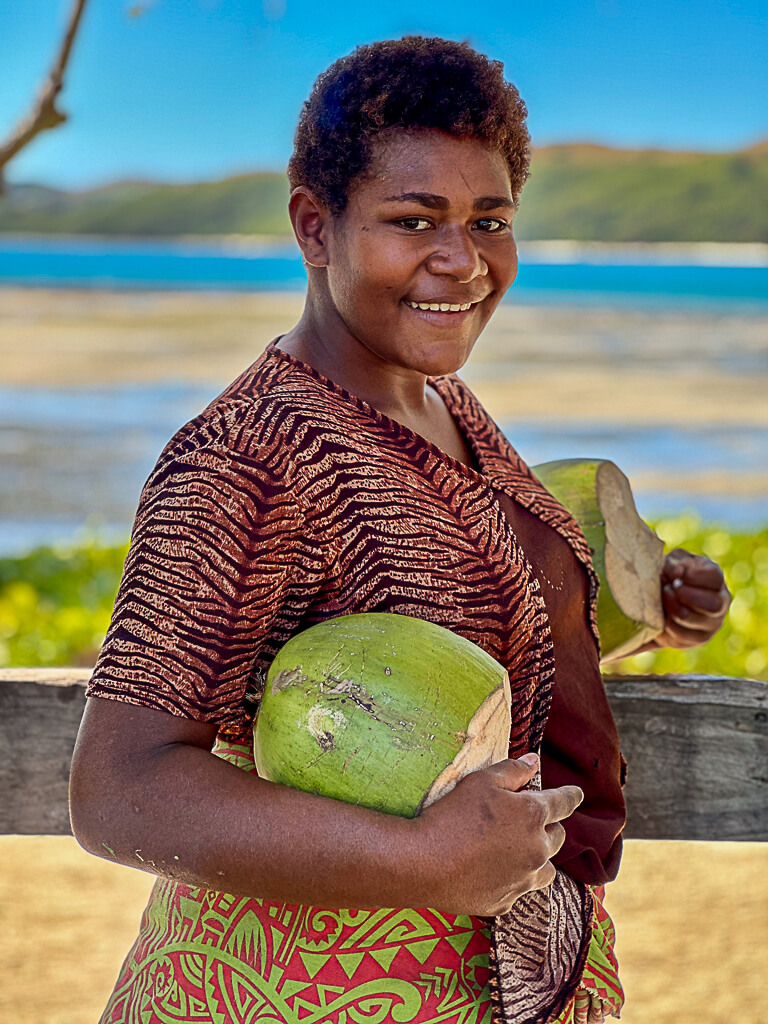
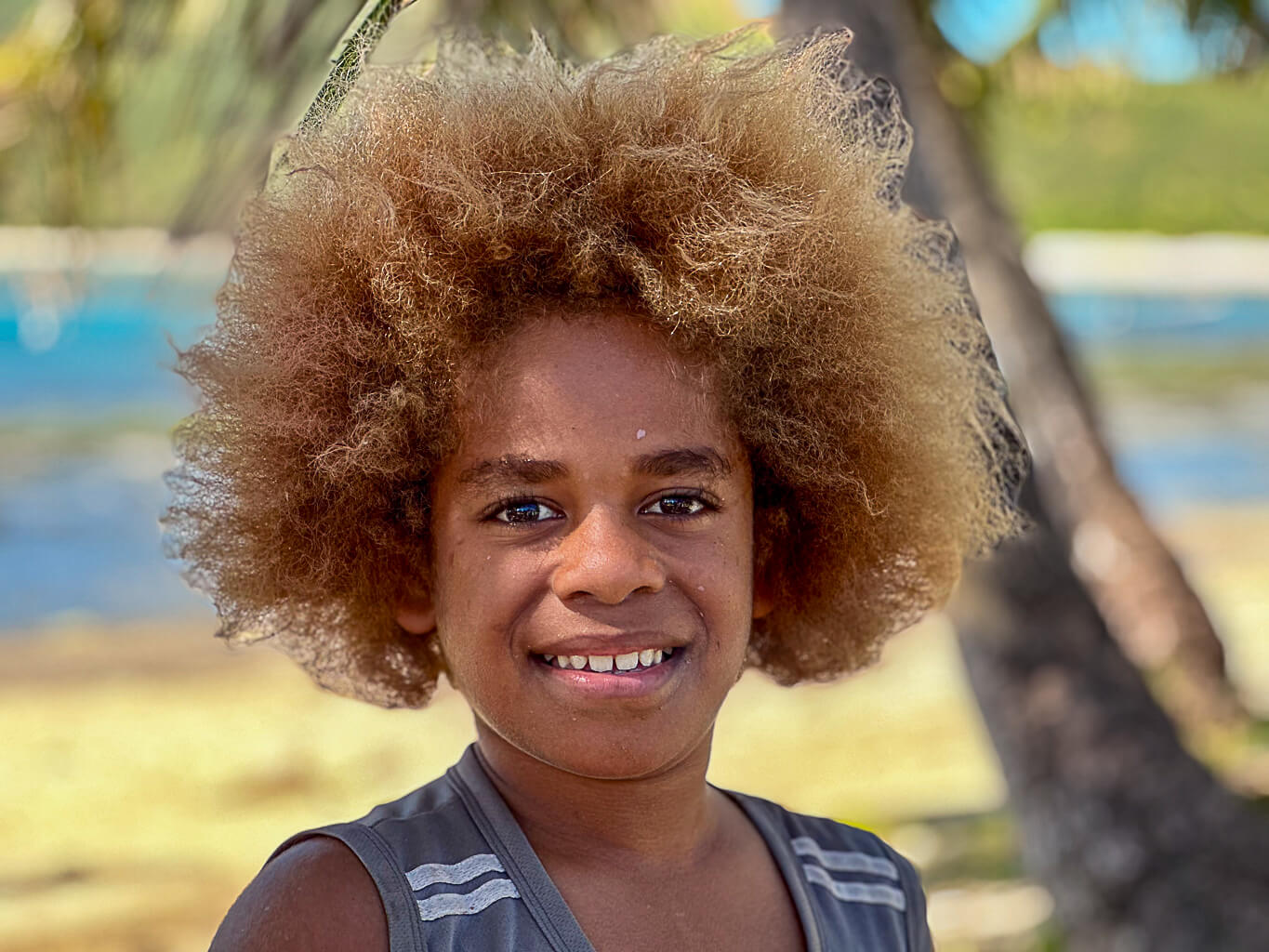
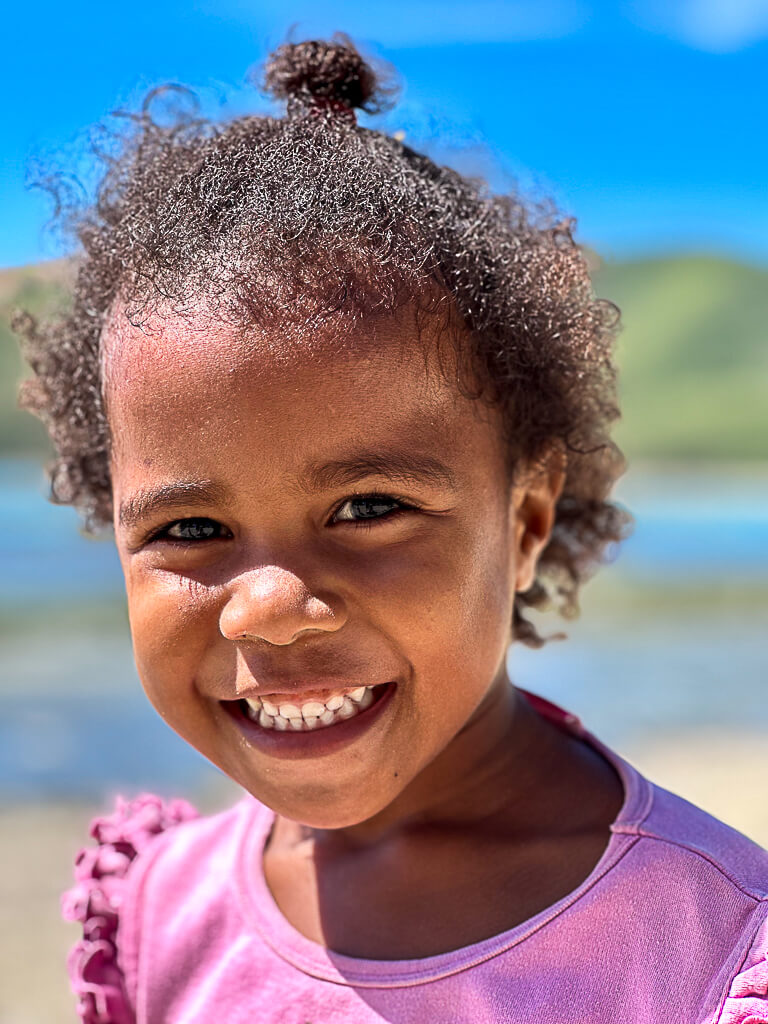
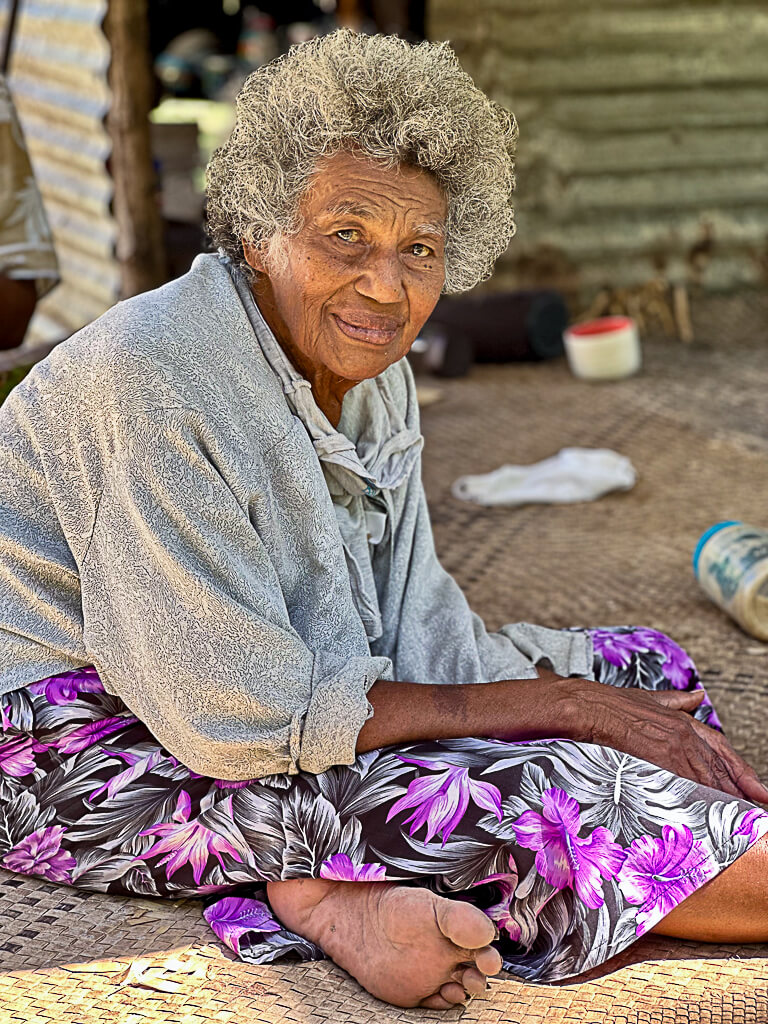
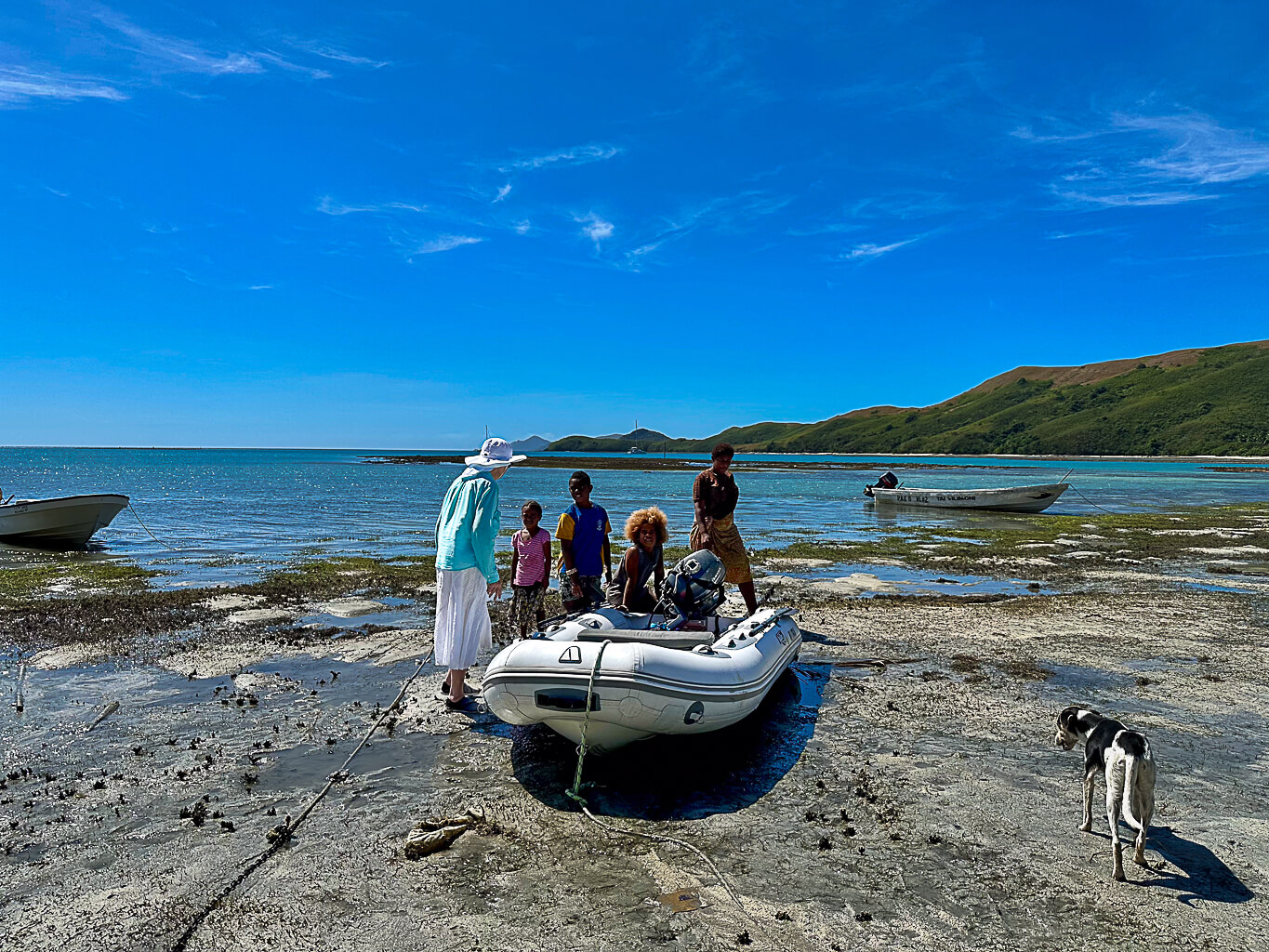
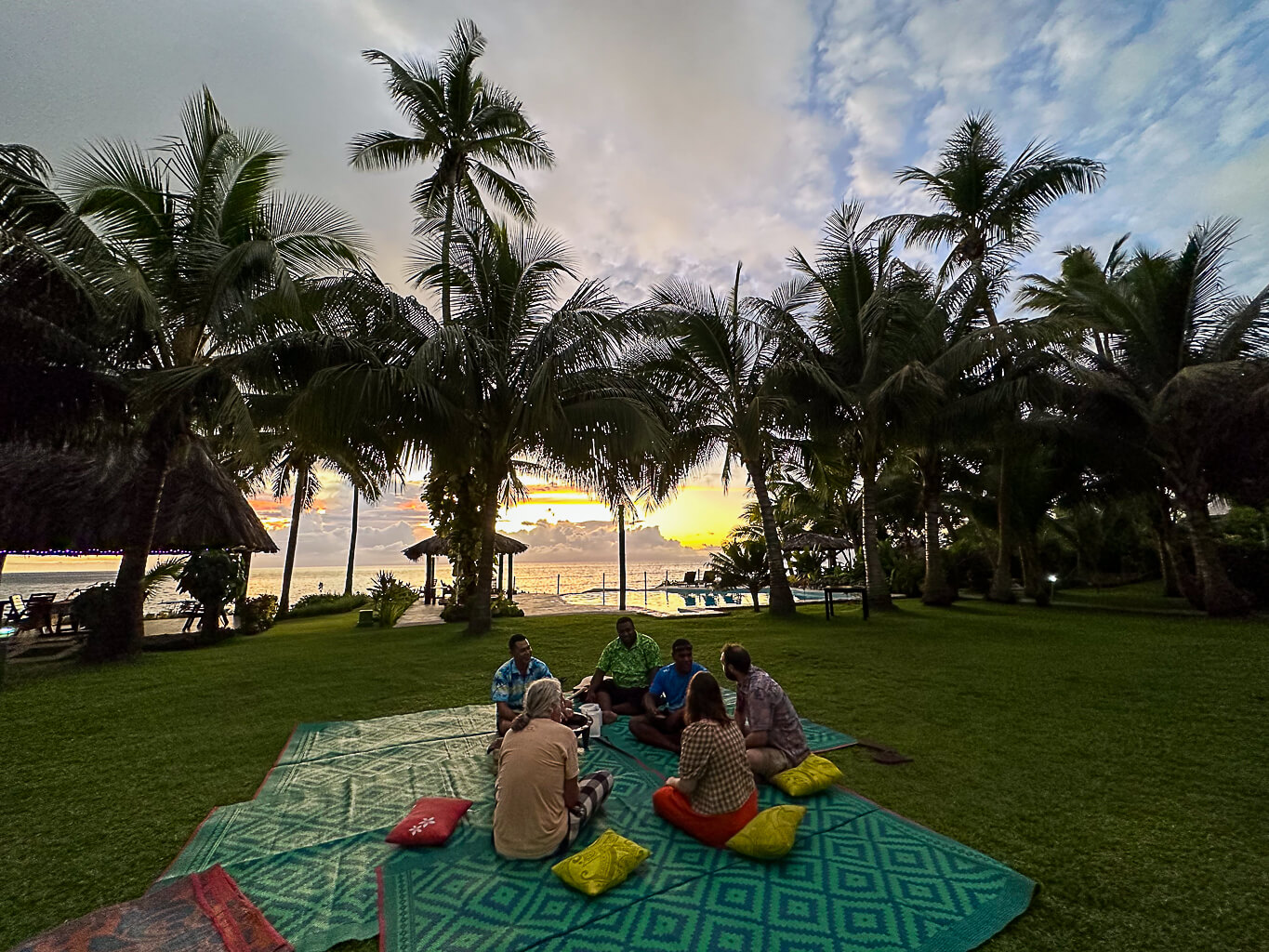
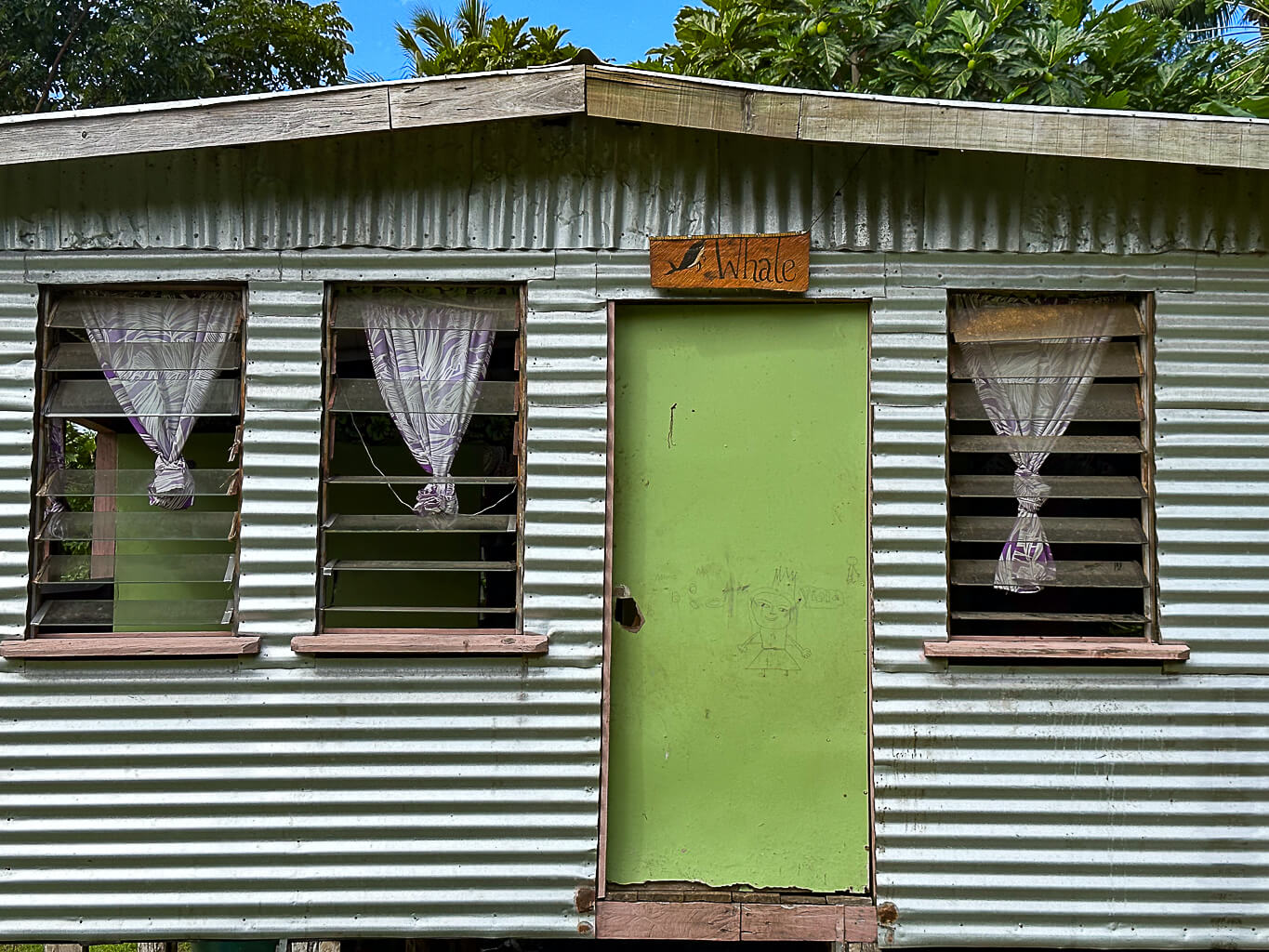
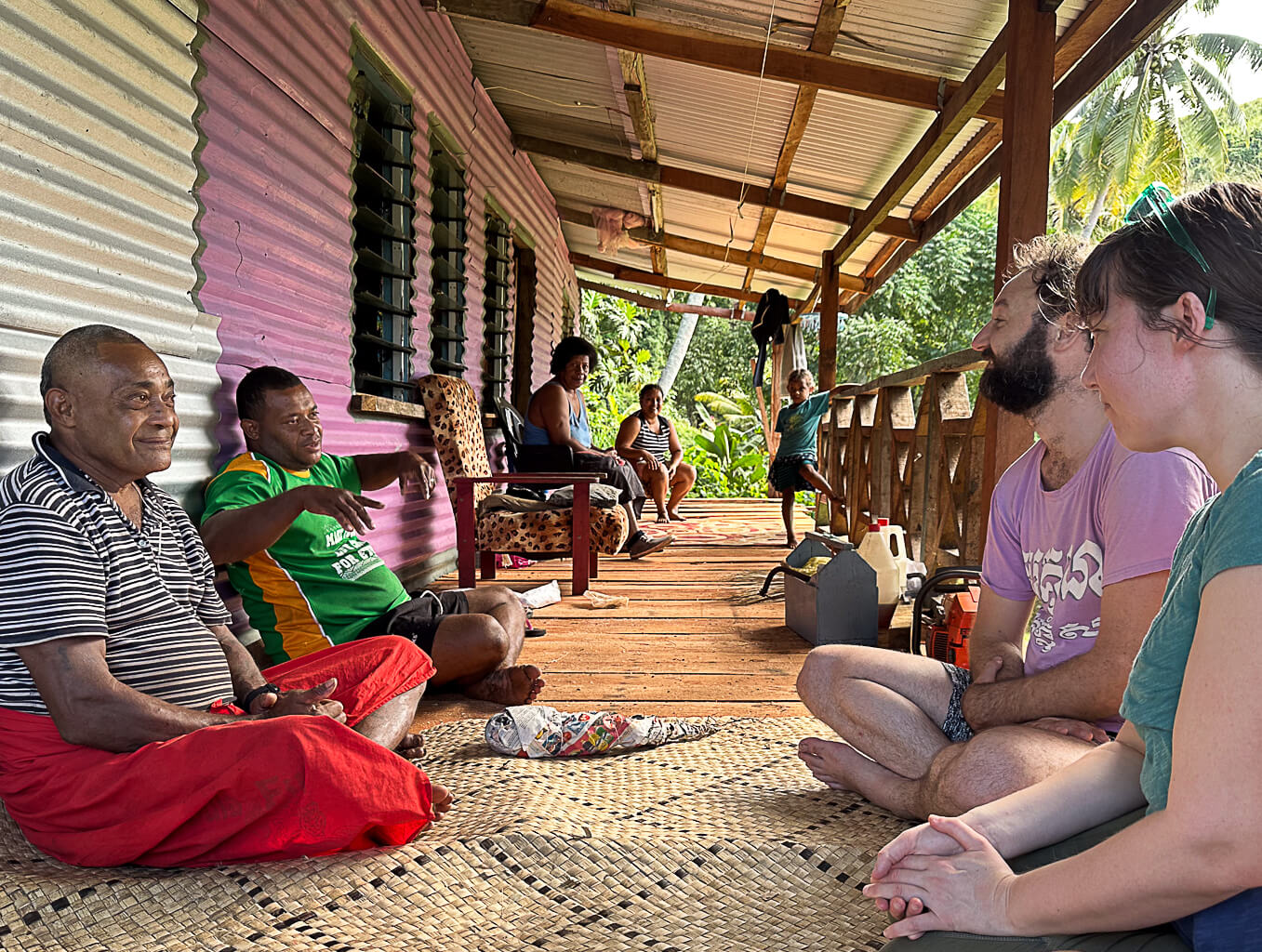
Though the Yasawa’s and Mamanucas (pronounced mamanutha) are more accessible than some areas of Fiji, the culture here seems pretty resilient in coping with the pressures of tourism. All over Fiji people seem to smile a lot — relaxed, unhurried and generally optimistic. I think the Moms particularly enjoyed our cultural interactions. Our first sevusevu ceremony was at Nalauwaki Village in the northern bay of Waya island. The idea of sevusevu is that you must go to the chief of the village to make an offering of kava before you do anything else (swim, hike, fish etc…). Typically you find someone as you land the dinghy on the beach who can take you to the right place (take me to your leader!). The ceremony is usually fascilitated by the chiefs spokesperson, the Turanga Ni Koro. You sit on the floor in the chief’s house or the community hall and pass your kava roots (usually wrapped up in newspaper which is also valued for rolling very long thin cigarettes called Suki) to the spokesperson who passes it onto the chief. He recites a speech (in Fijian) welcoming you, often by name, giving permission to walk about the village, snorkel, dive etc. The spokesperson translates that you are now guests and the chief and the village also take responsibility for your welfare. The ceremony is usually followed by a tour of the village and the school. Apparently Nalauwaki has been without a chief for a while, so this first sevusevu was a very low key version with an elder, but still had the intended effect of making us feel connected to the village rather than outsiders. All over Fiji the custom of not wearing hats, sunglasses, or carrying backpacks on your shoulders is a way that tourists can show their respect for the village. In the Lau group of eastern islands, I also started wearing a sulu (a wrap around skirt for men and women) for the ceremony as another sign of respect. It feels surprisingly good to be welcomed in this formal way and the ceremony really does create a feeling of attachment and mutual responsibility. ~MS
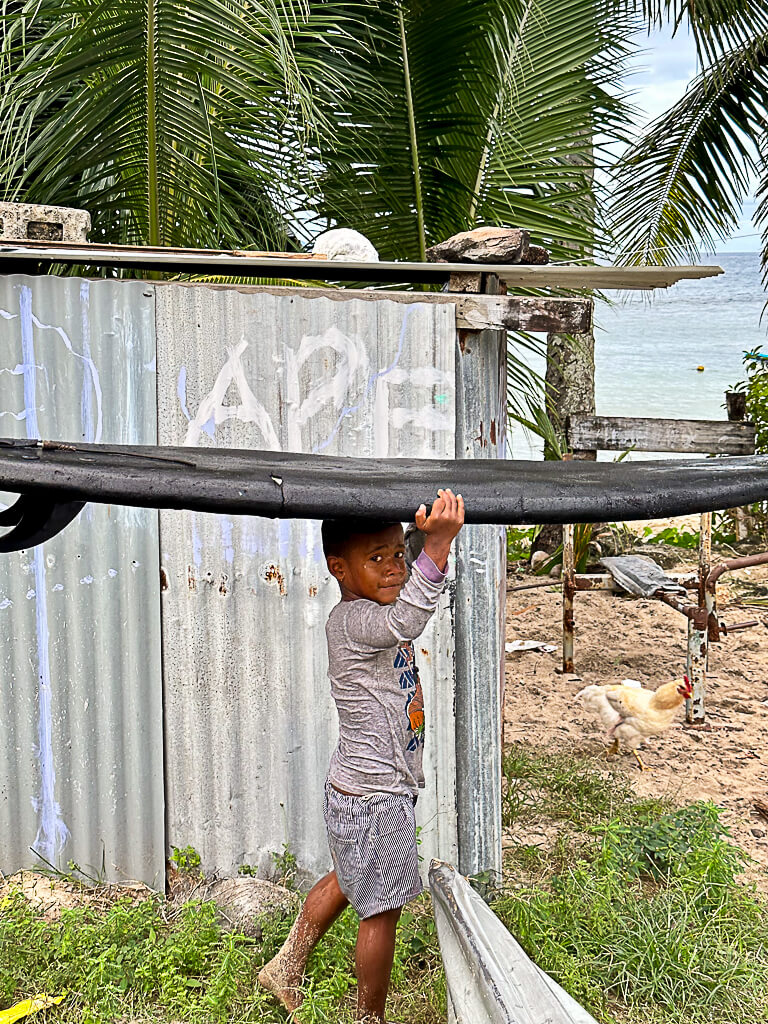
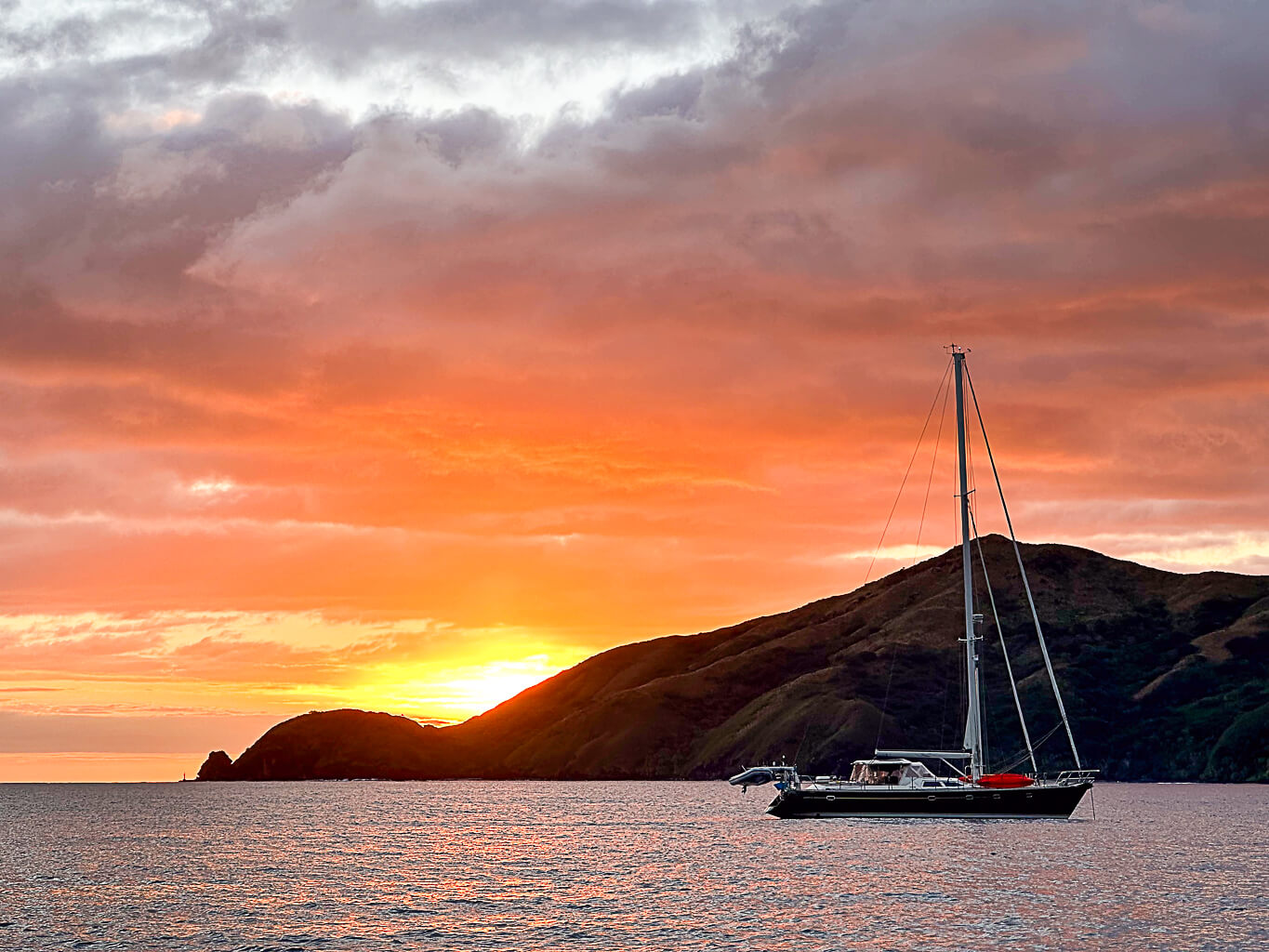
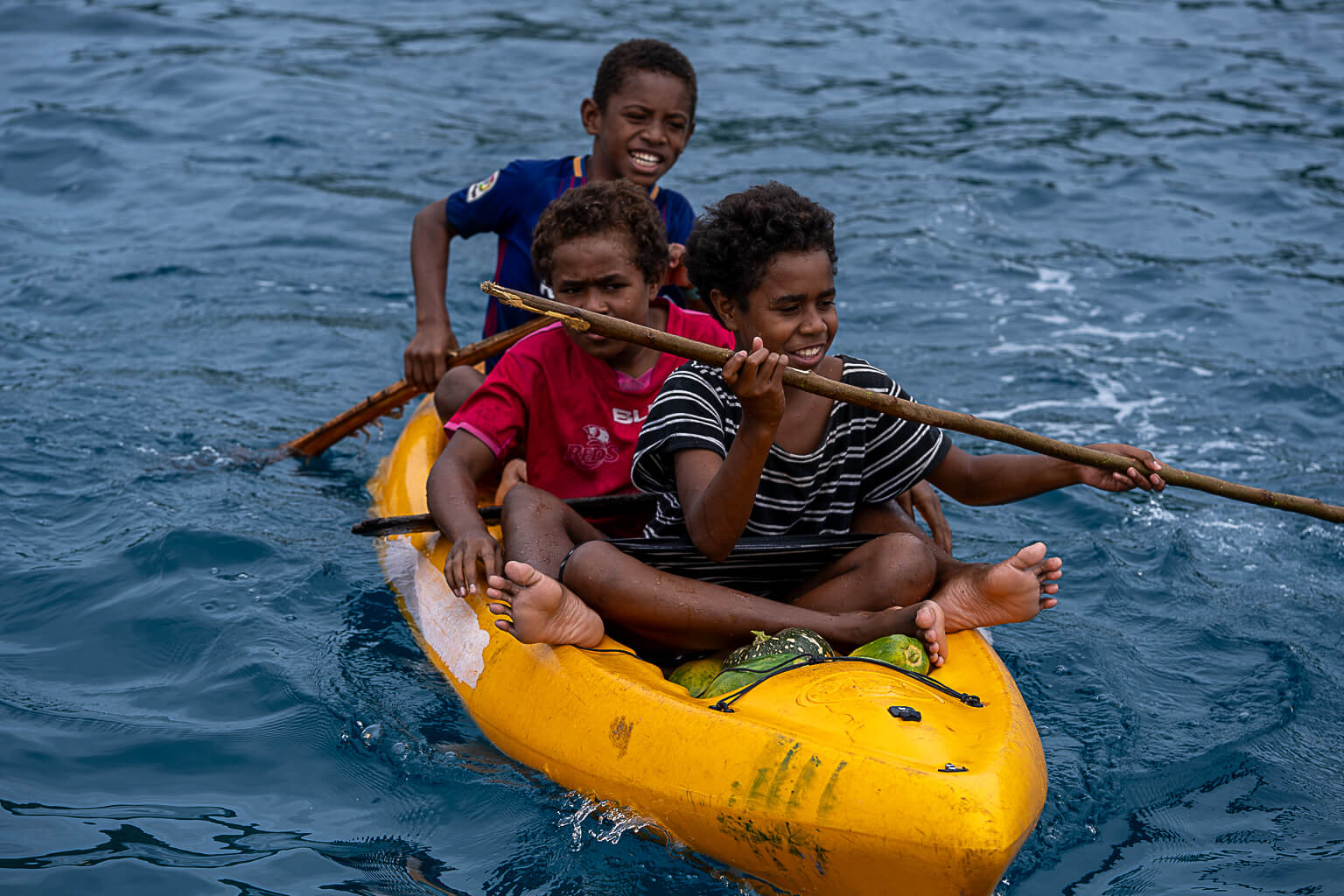
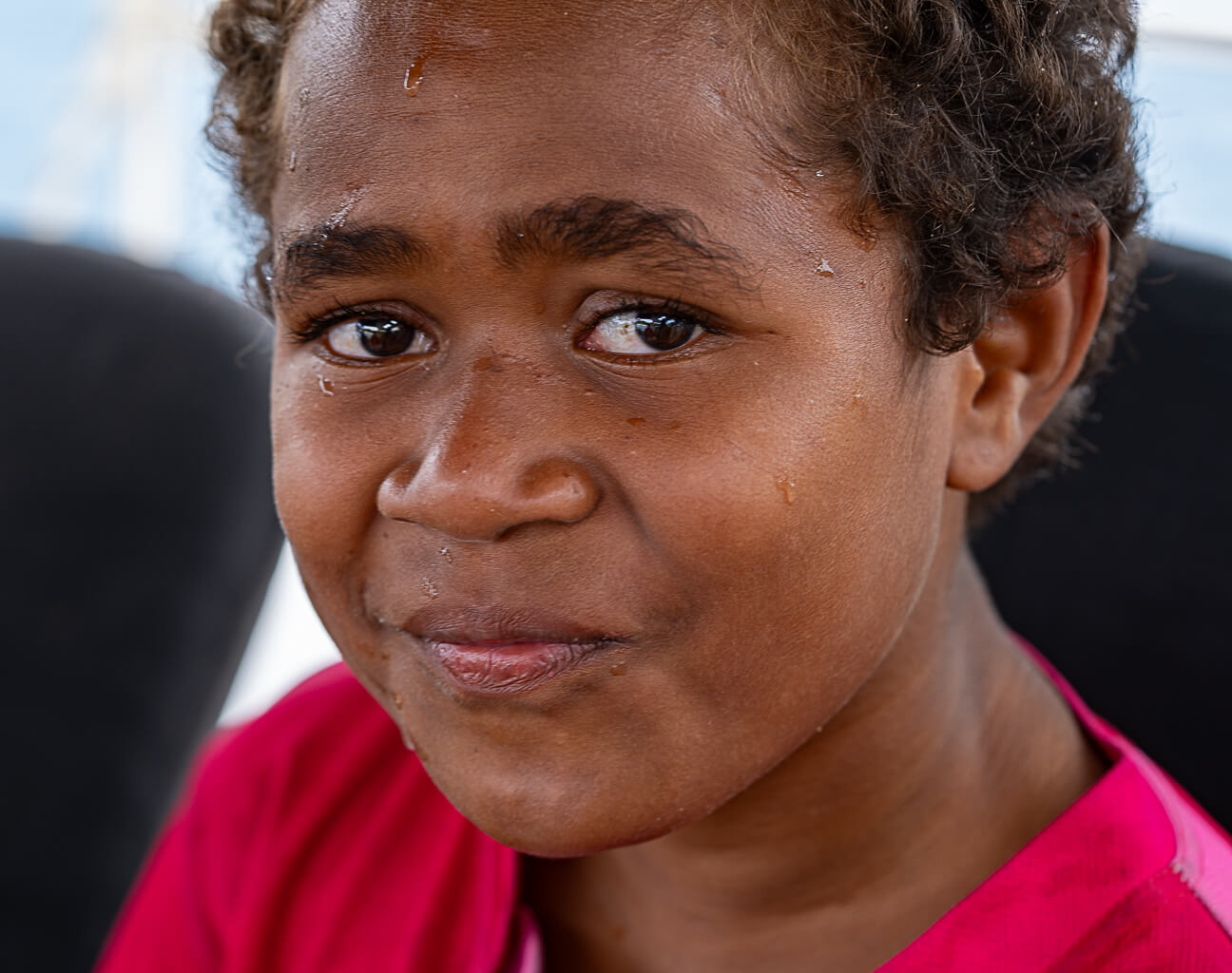
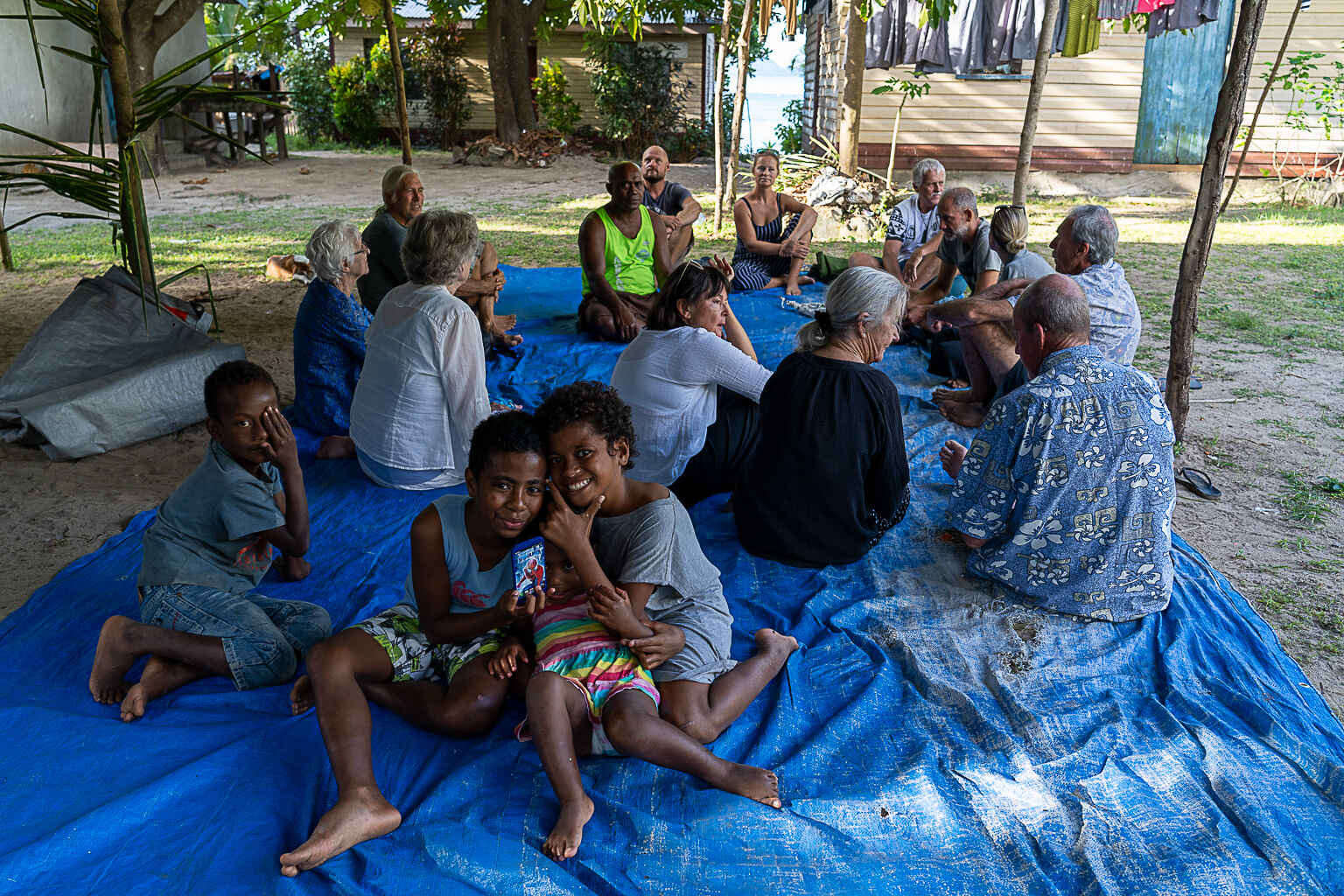
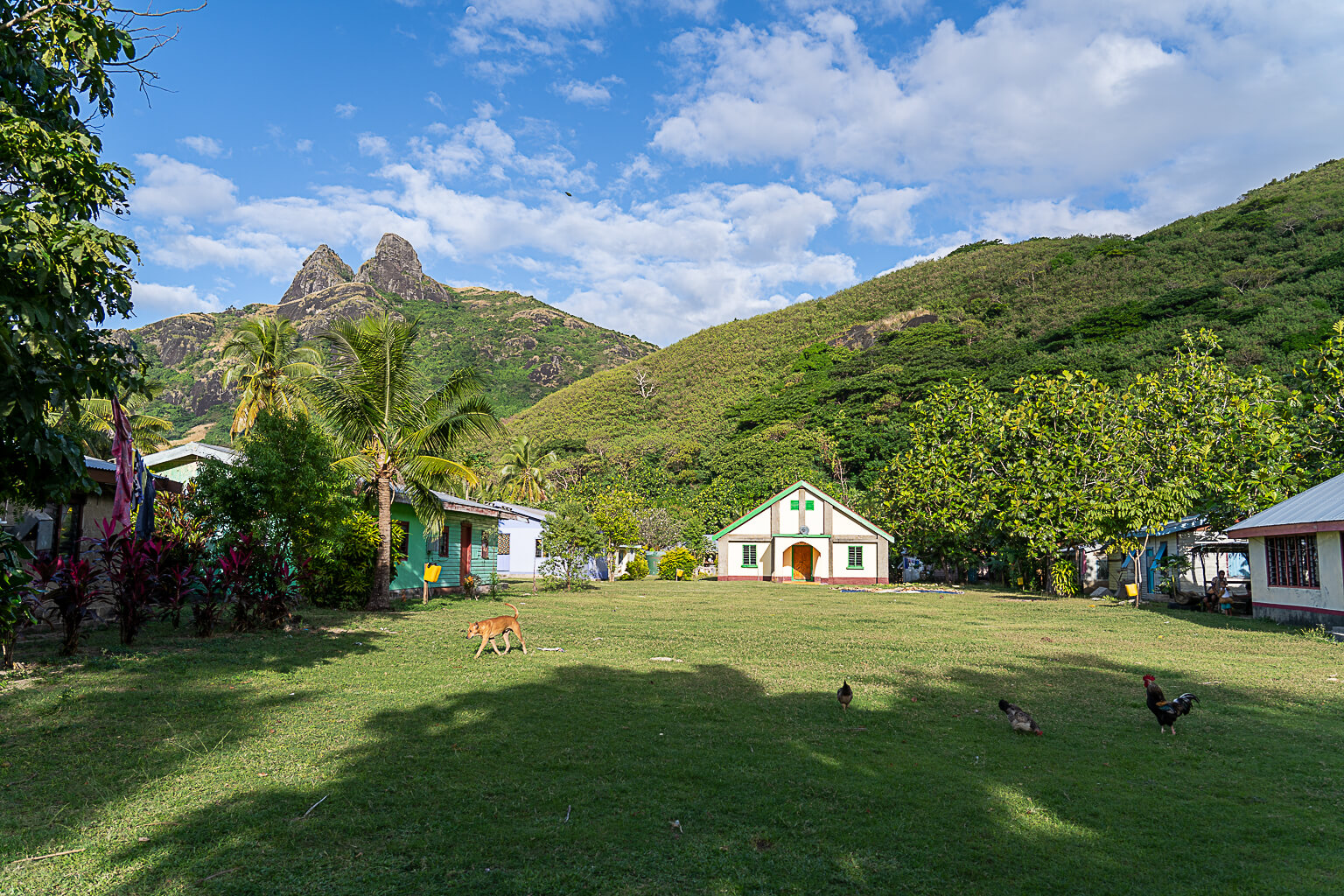
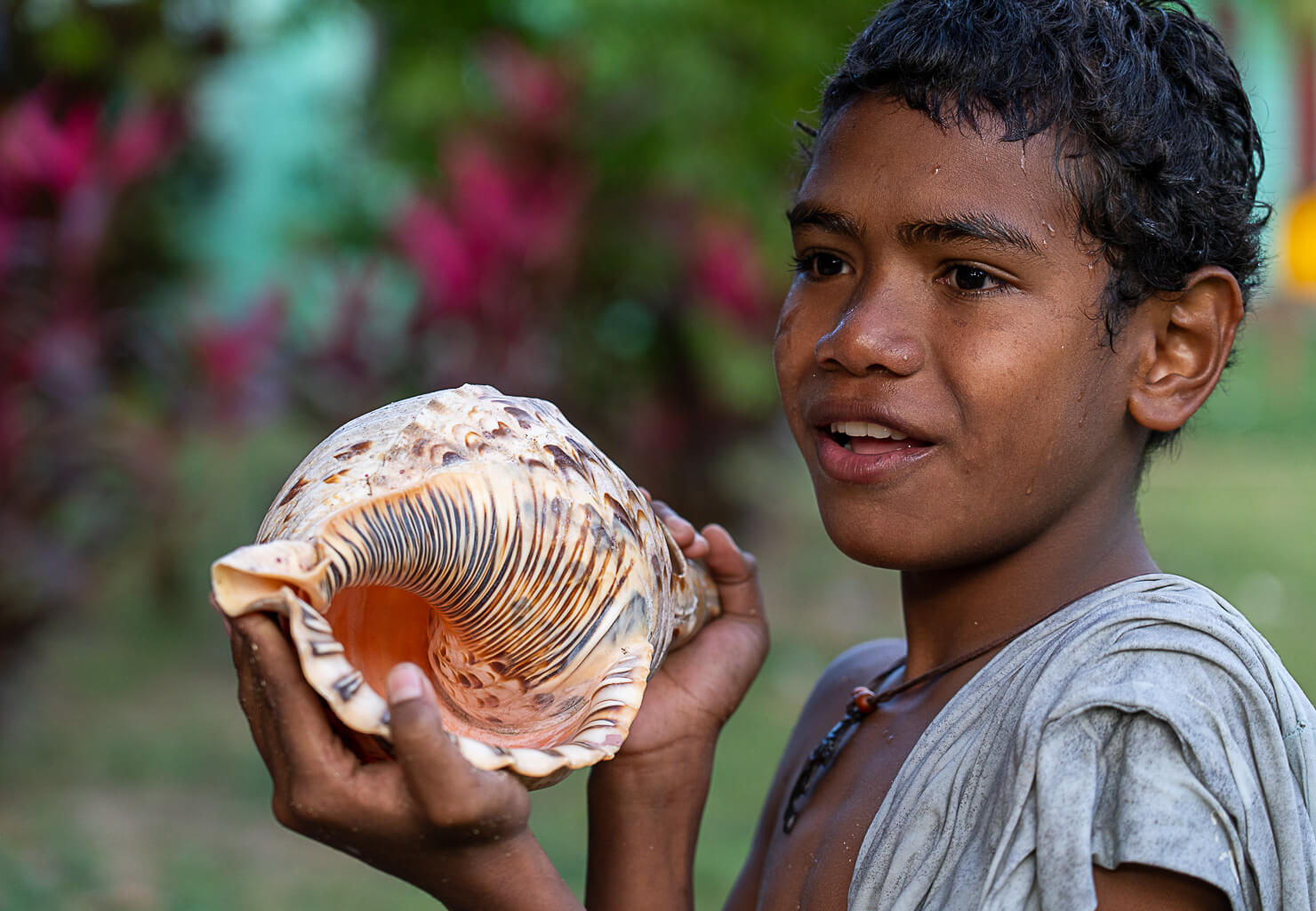
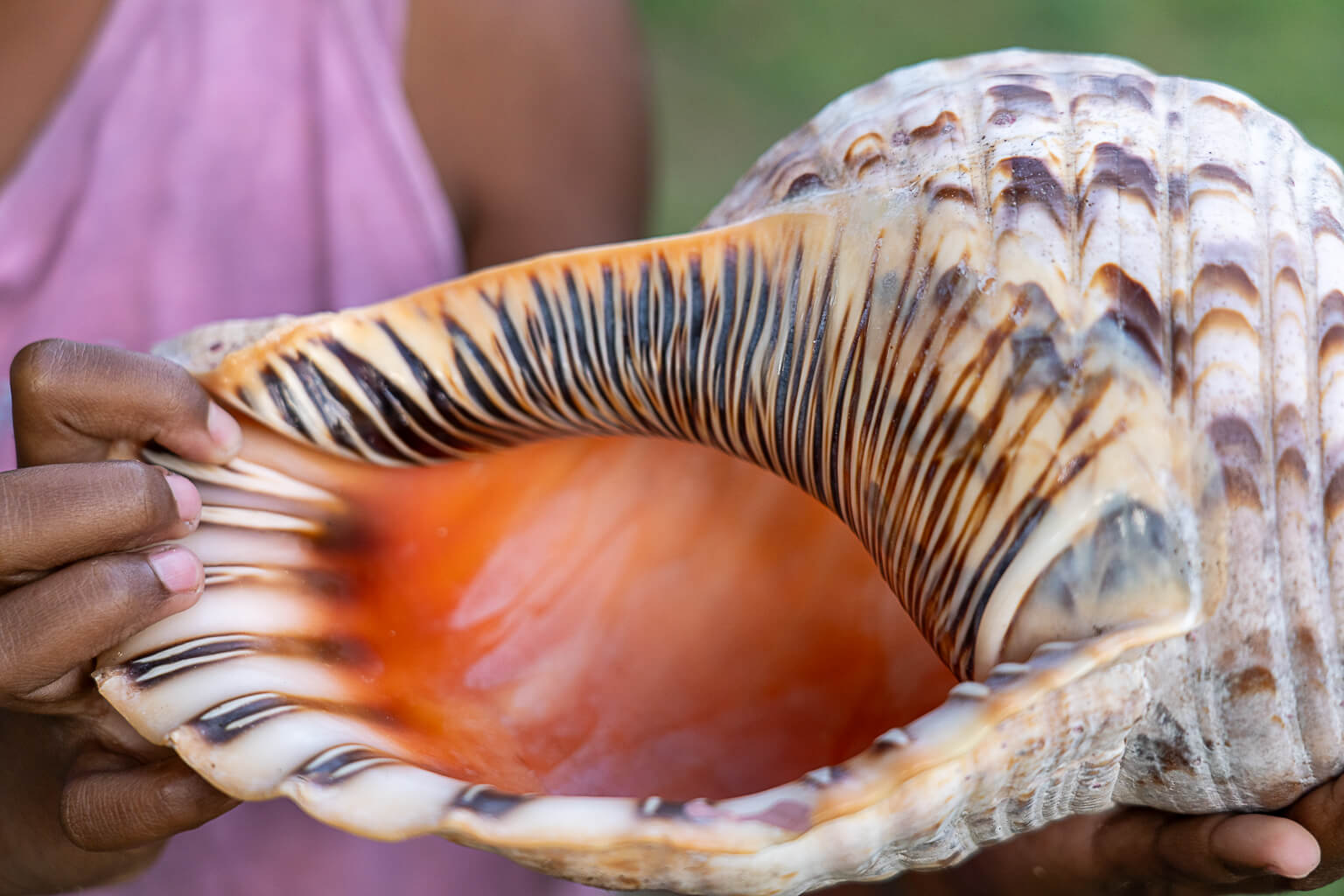
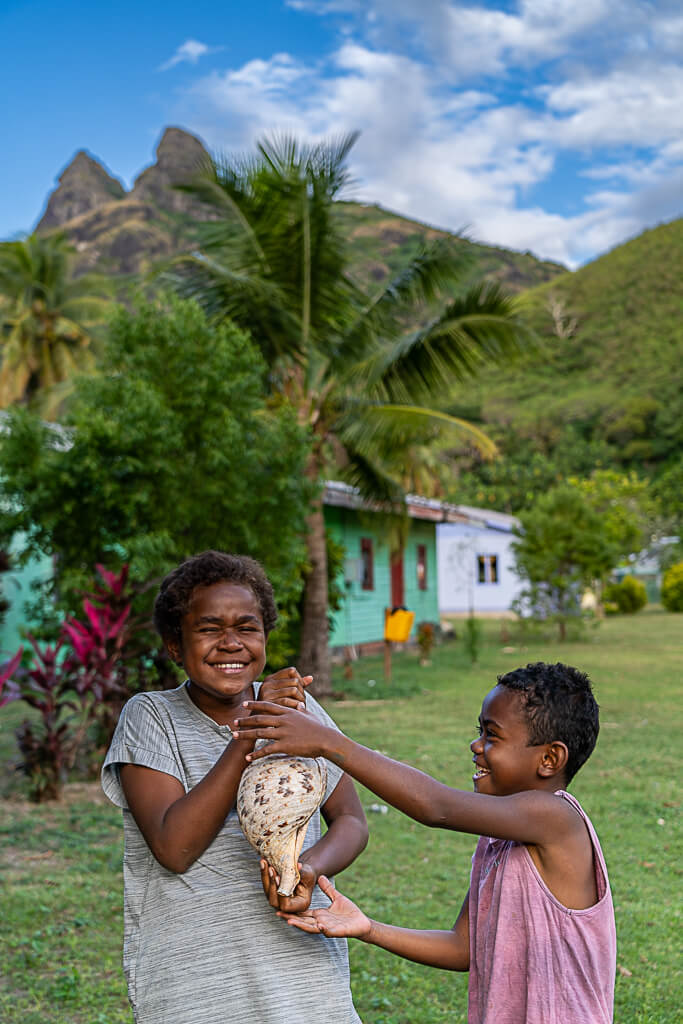
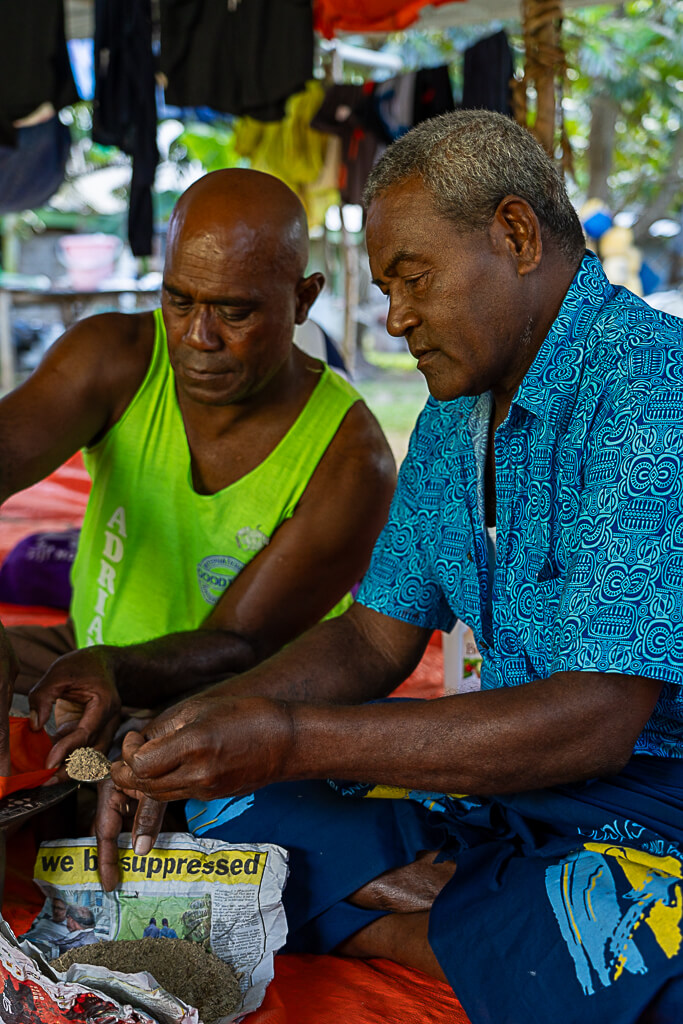
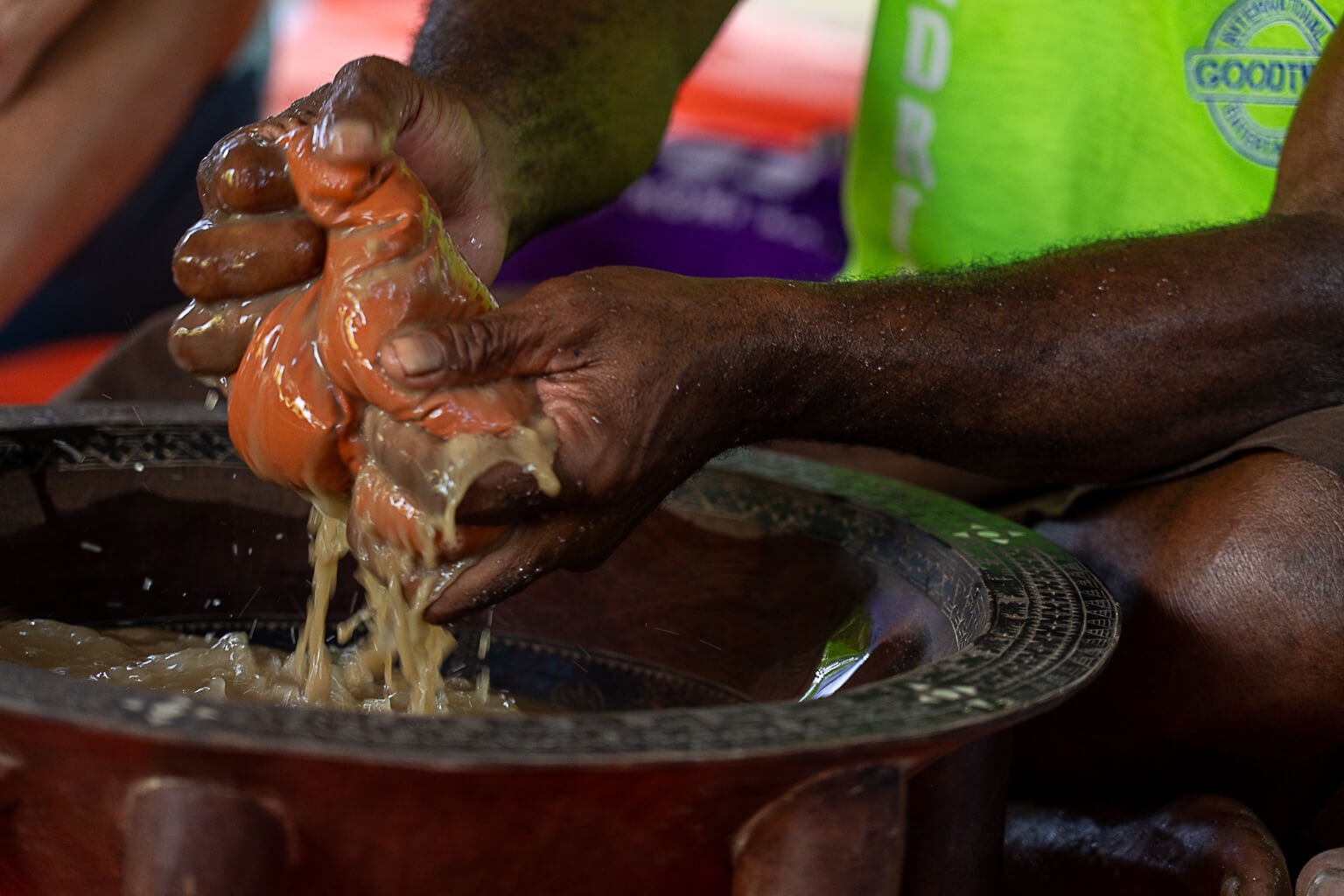
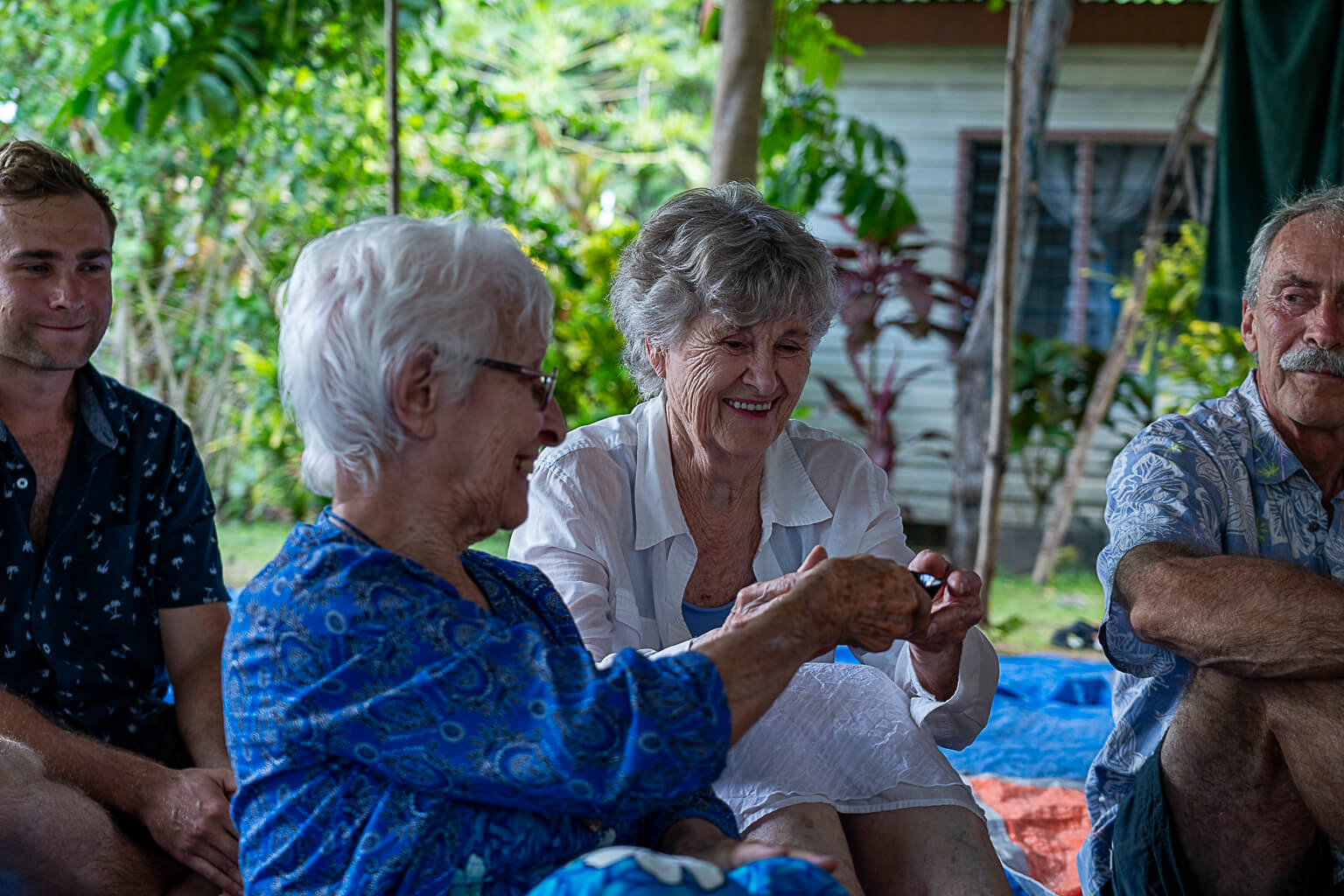
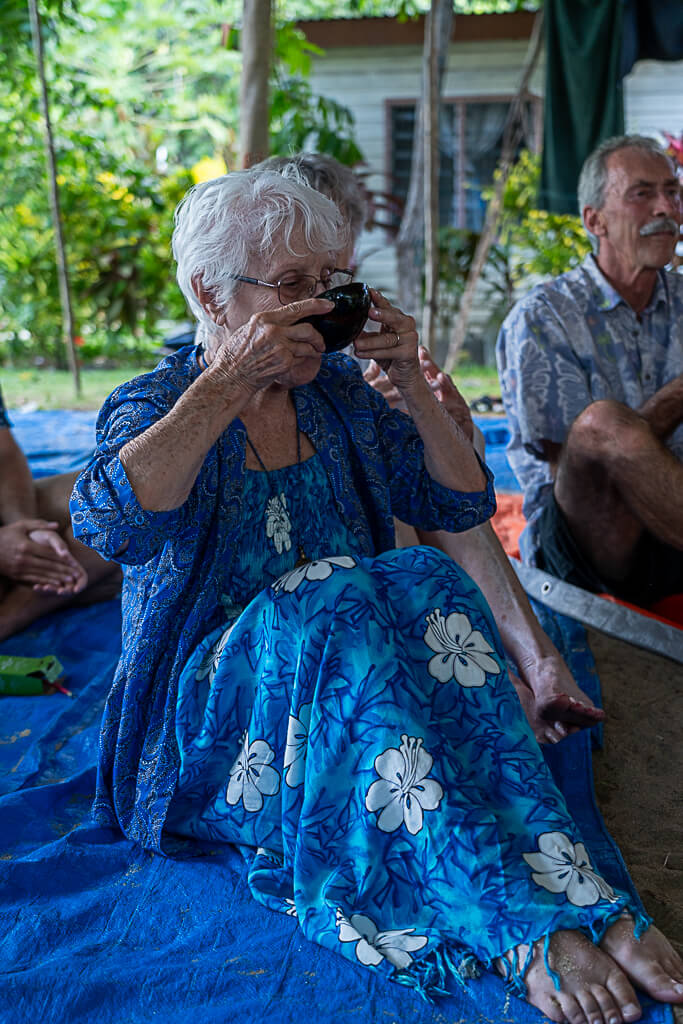
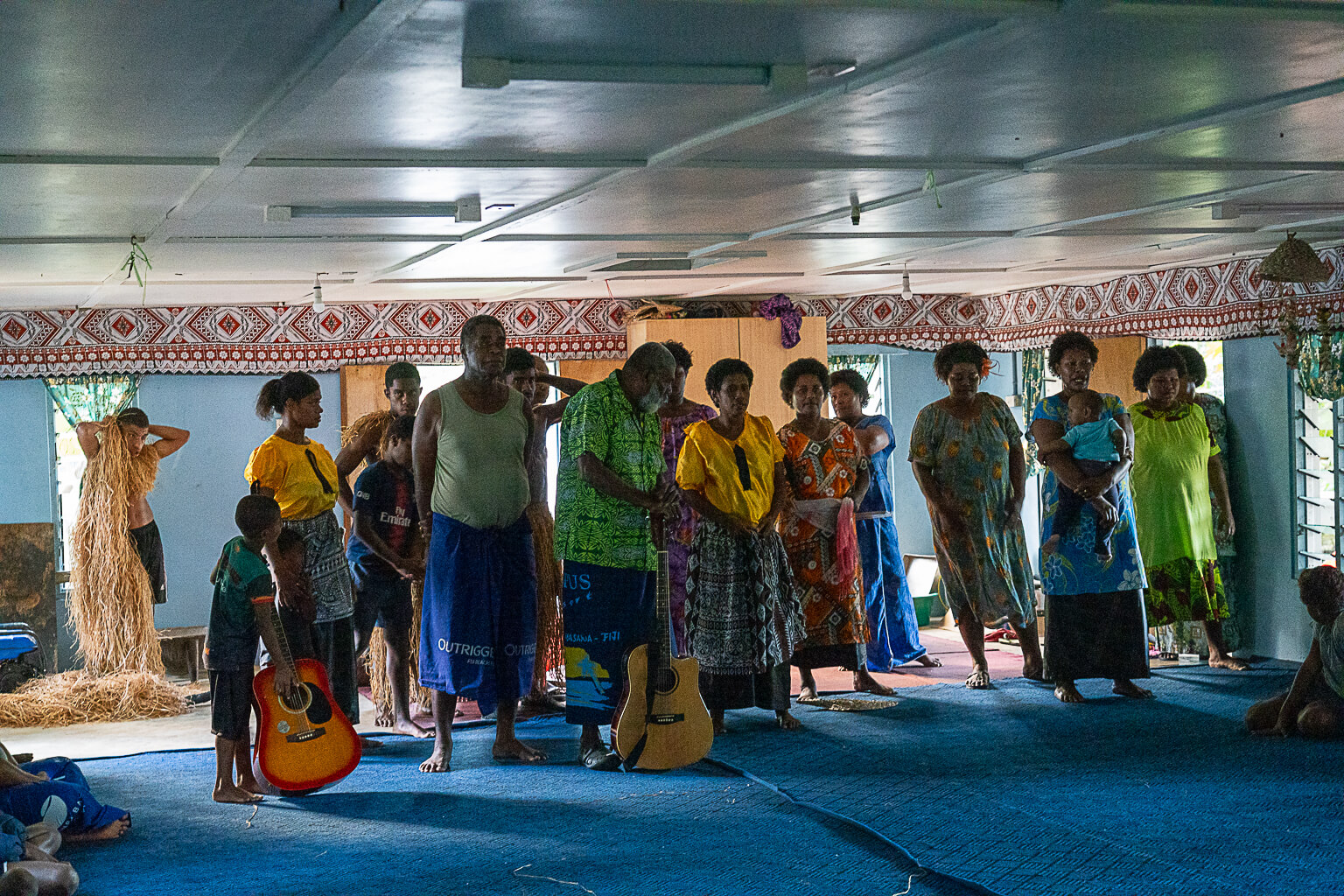
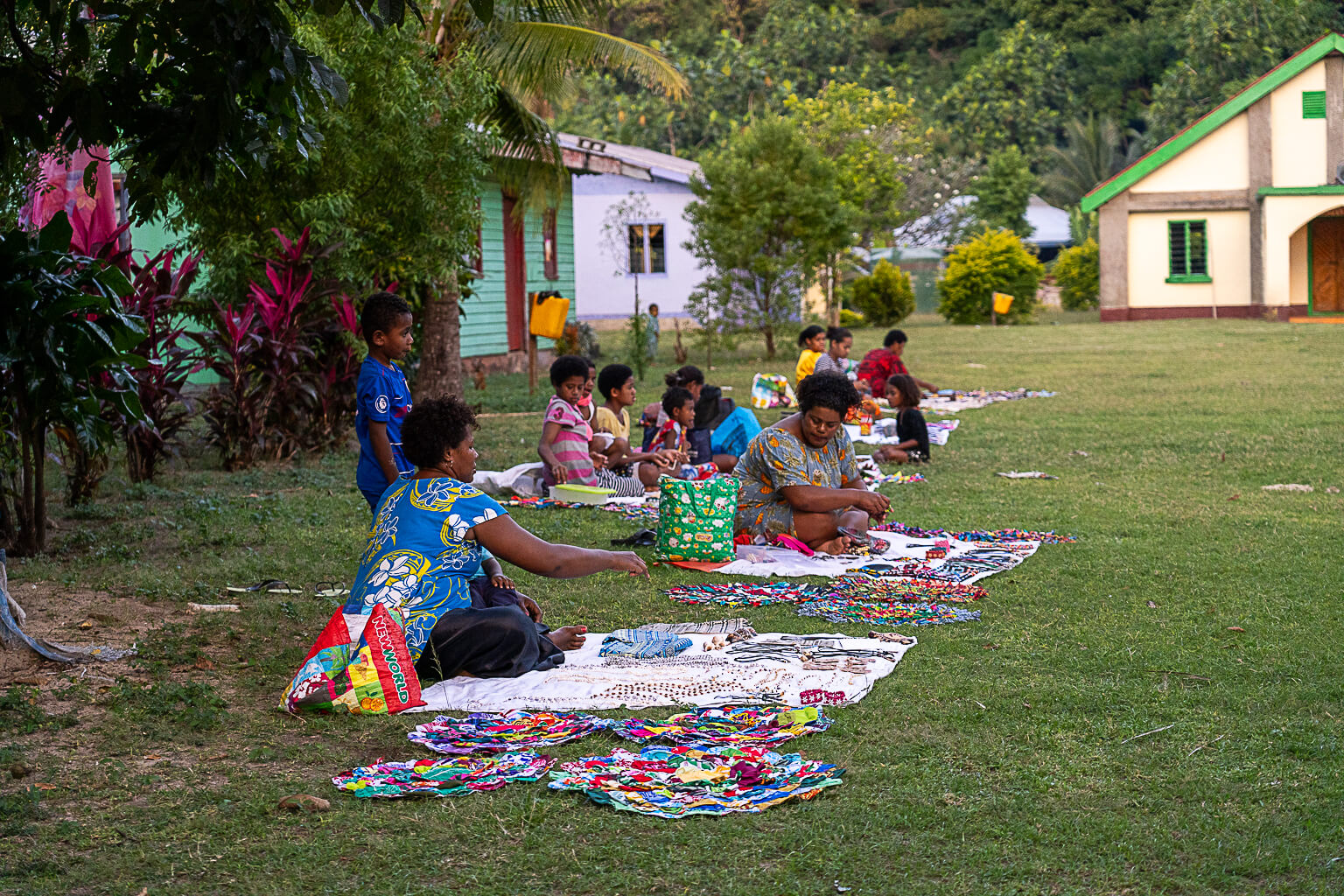
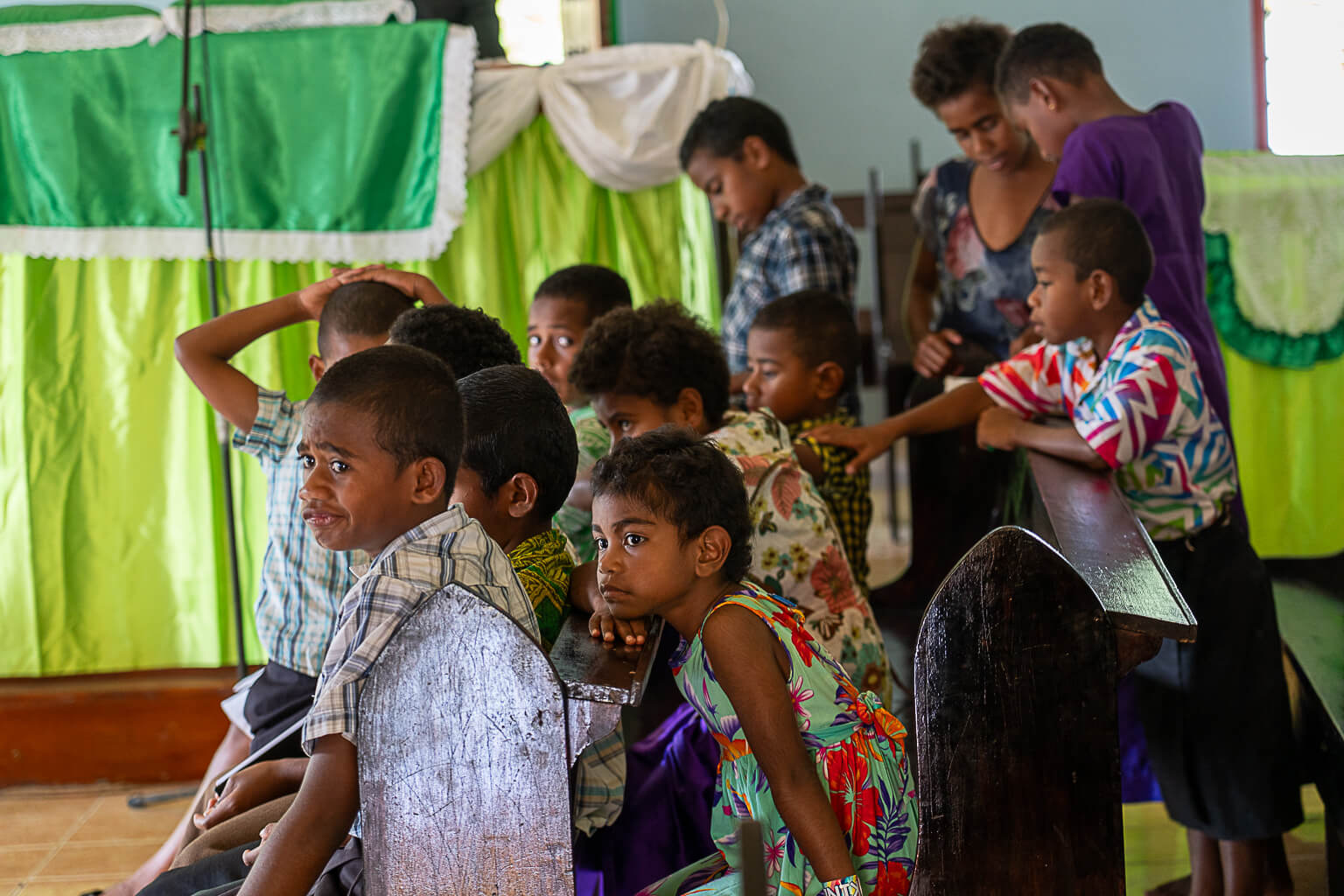
 Since we arrived and offered our sevusevu on a Saturday we knew we would be invited to come to church on Sunday. Since it involves singing, Elizabeth and Camille were all in. We’ve been to church a few times in French Polynesia, the Cook islands and in Fiji. Mostly they’ve been very traditional, patriarchal affairs. Here they are conducted in Fijian, with a brief nod in English to visitors. The singing is the standout part of these Sunday gatherings with stunning acapela harmonies that were very moving. The tone of the sermon at the beginning also seemed softer than we have encountered elsewhere. What really stood out for me, which I’m sure I will never forget was when the pastor asked all the parishioners to offer their own private prayers aloud at the same time. The murmur of all those voices blending together was pure magic. The congregation then endured a very long scolding which seems de rigeuer for these weekly sermons (thrice each Sunday minimum, at 5AM, 10AM and 3PM). The children deserve special mention for managing superhuman patience without the usual oversight of one of the villager elders wielding a long stick which we’ve seen most other places. ~MS
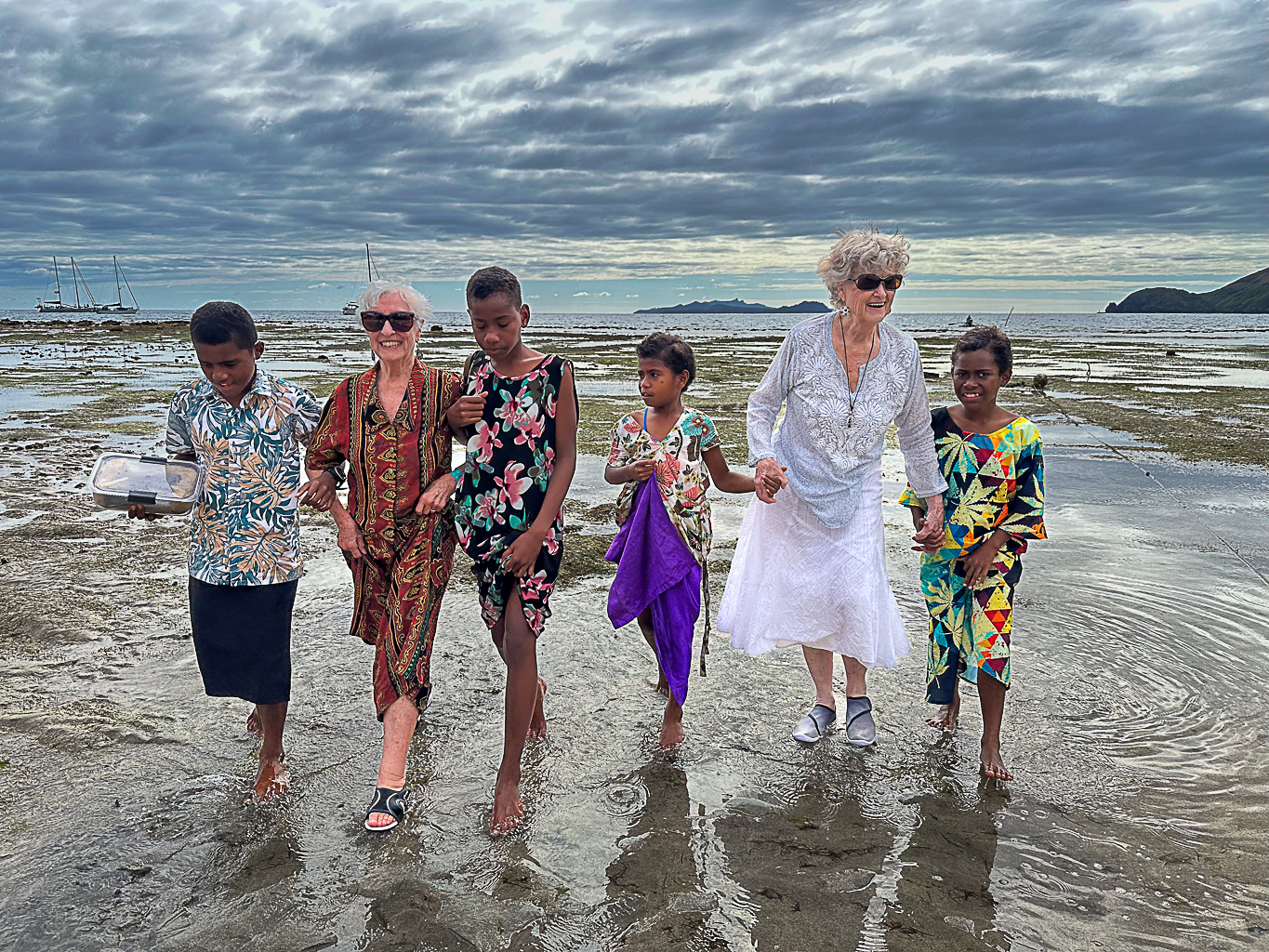
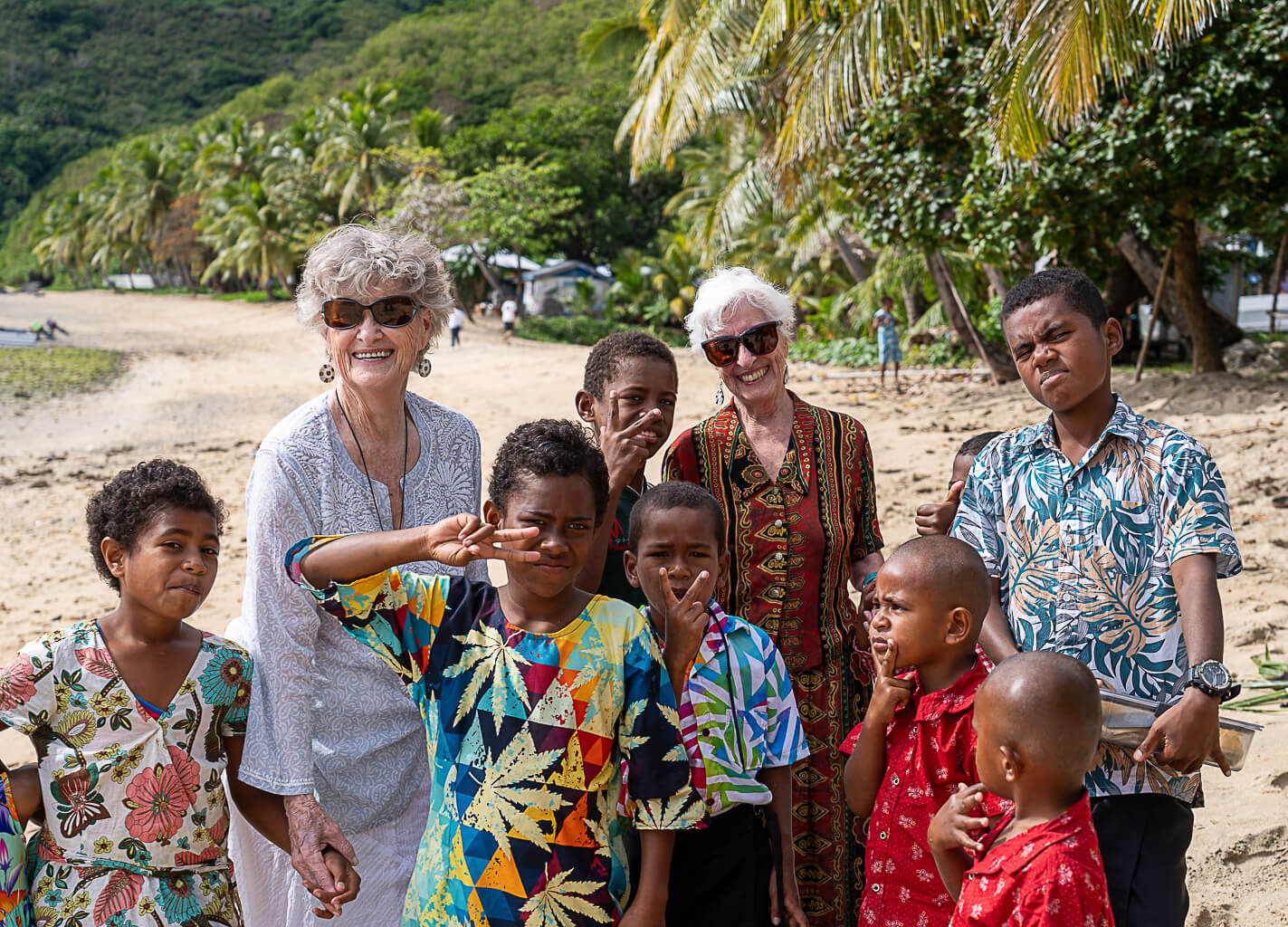
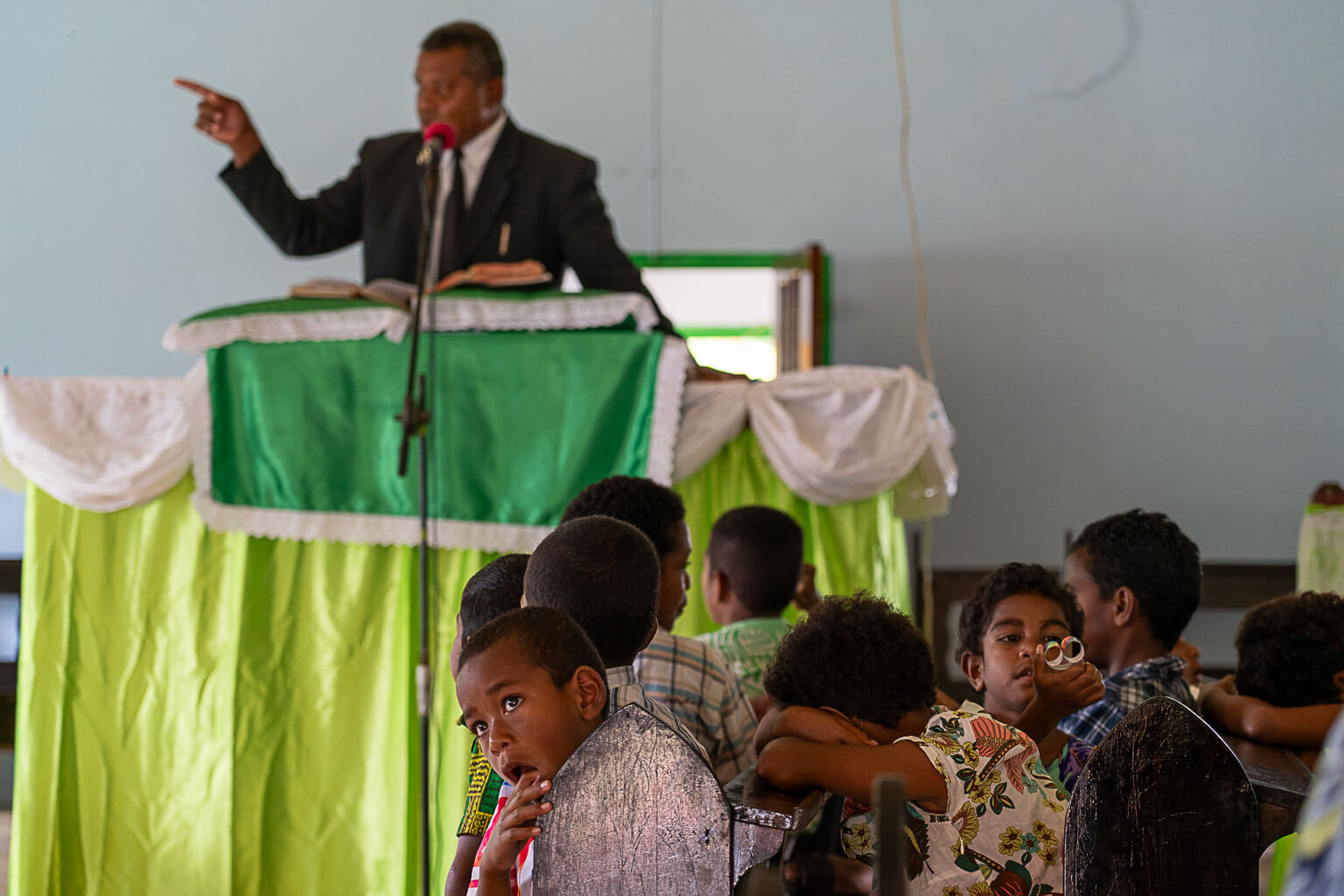
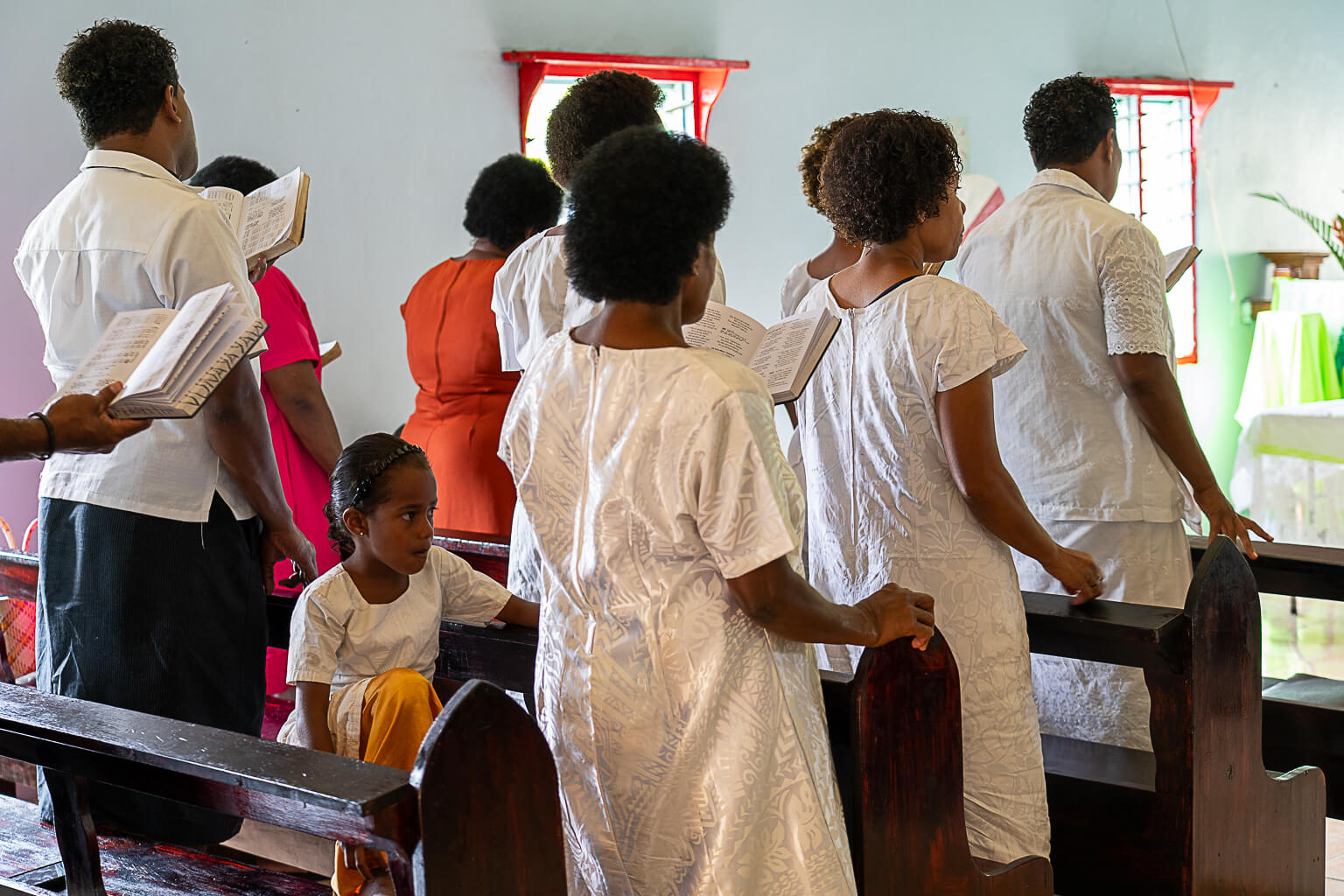
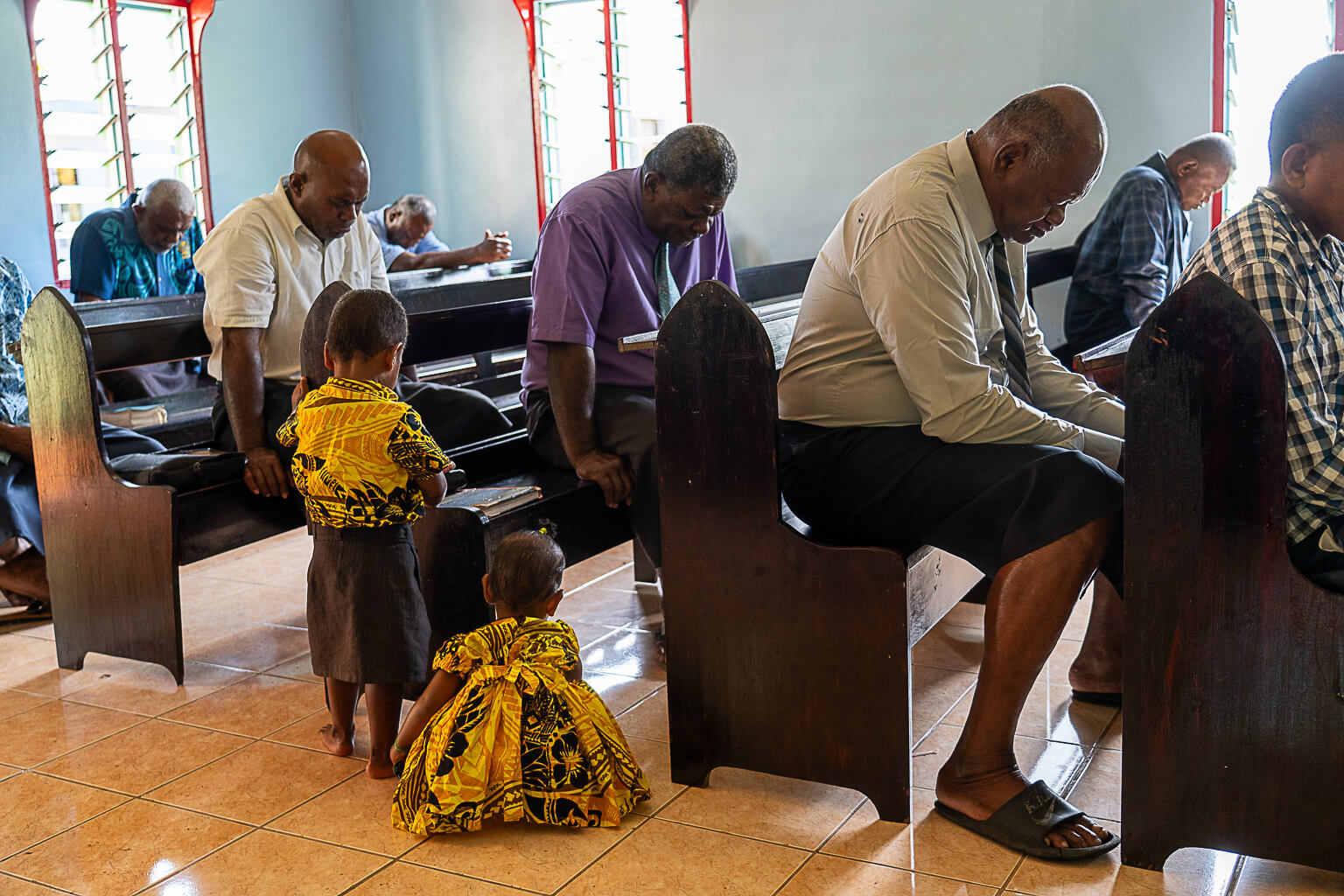
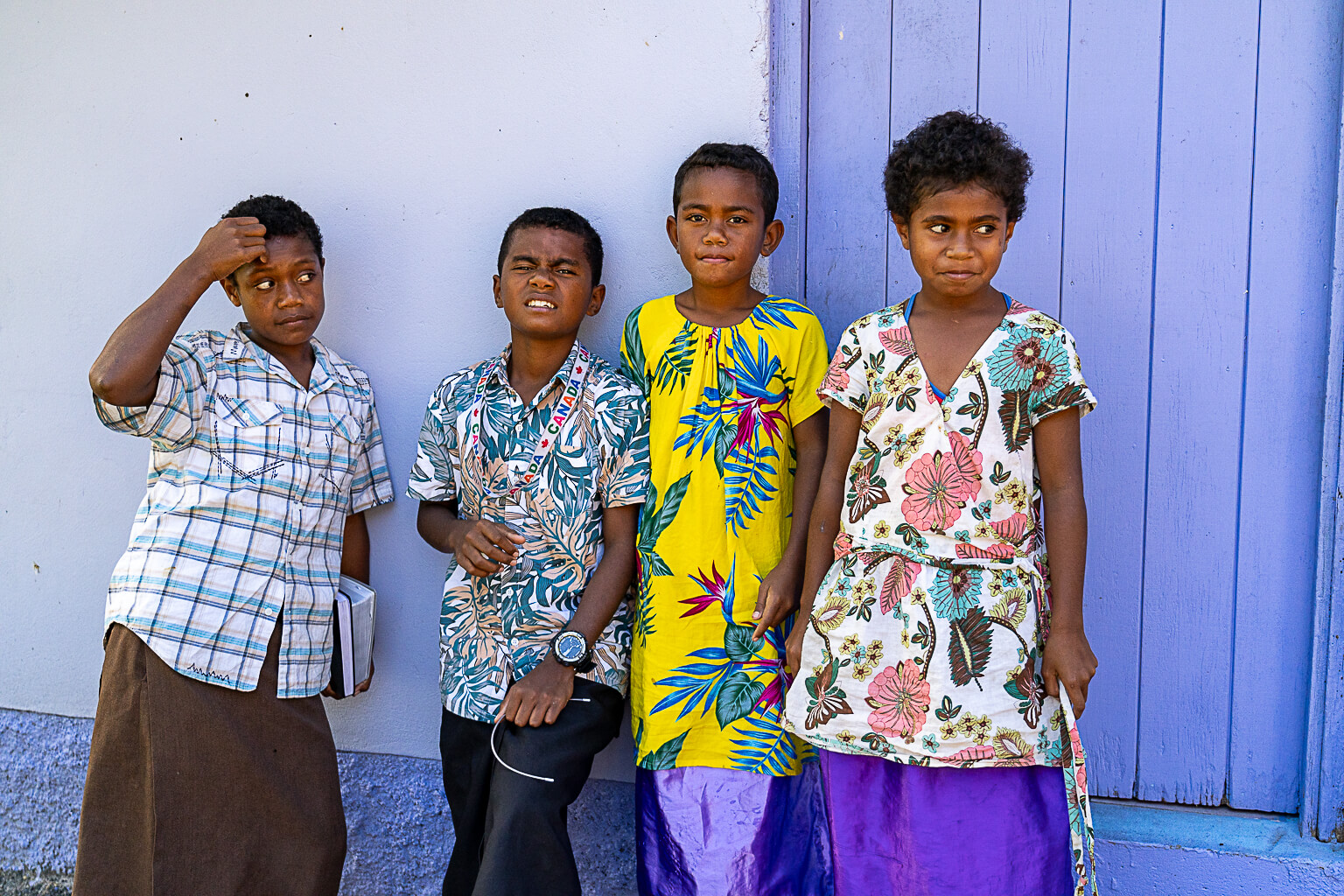
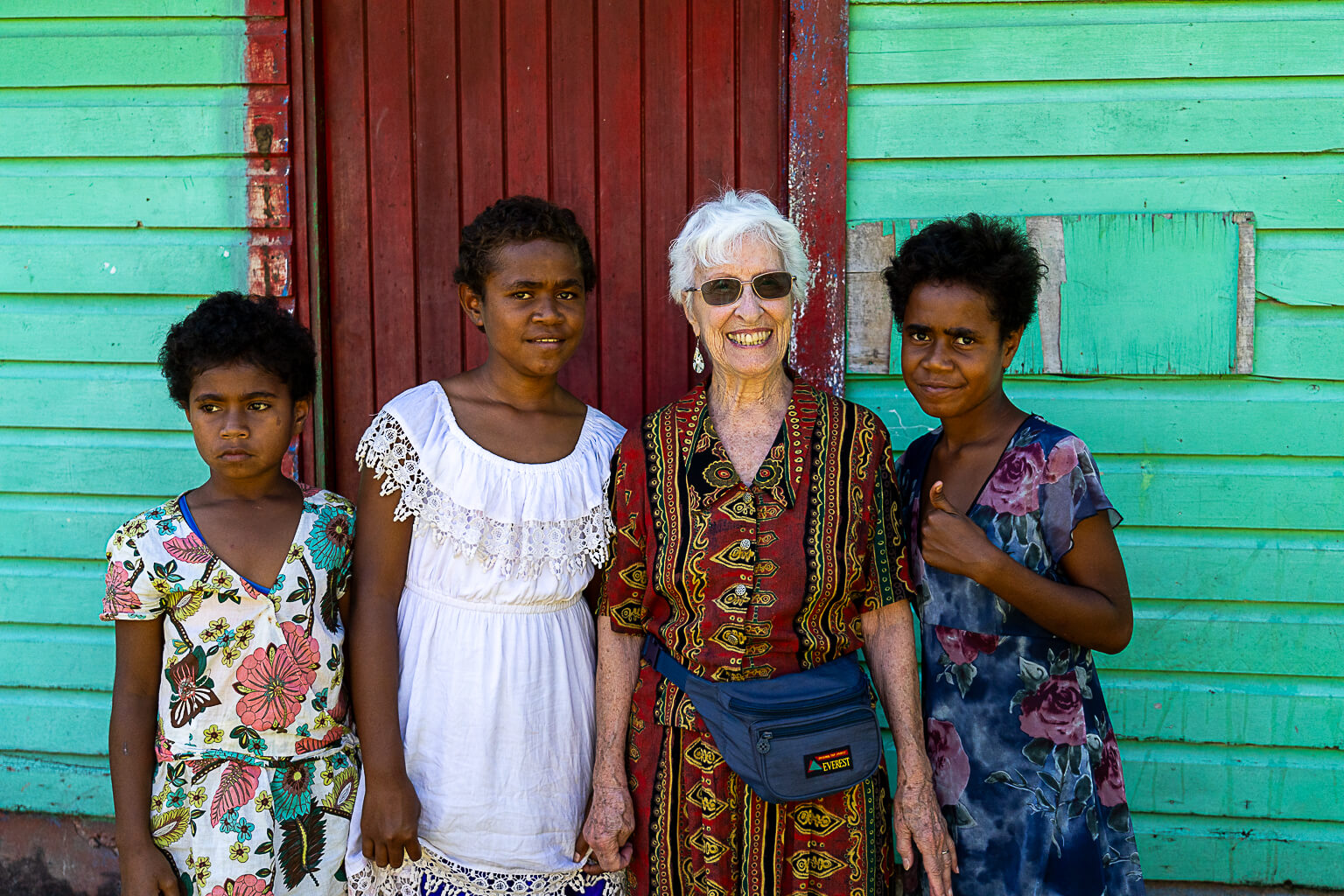
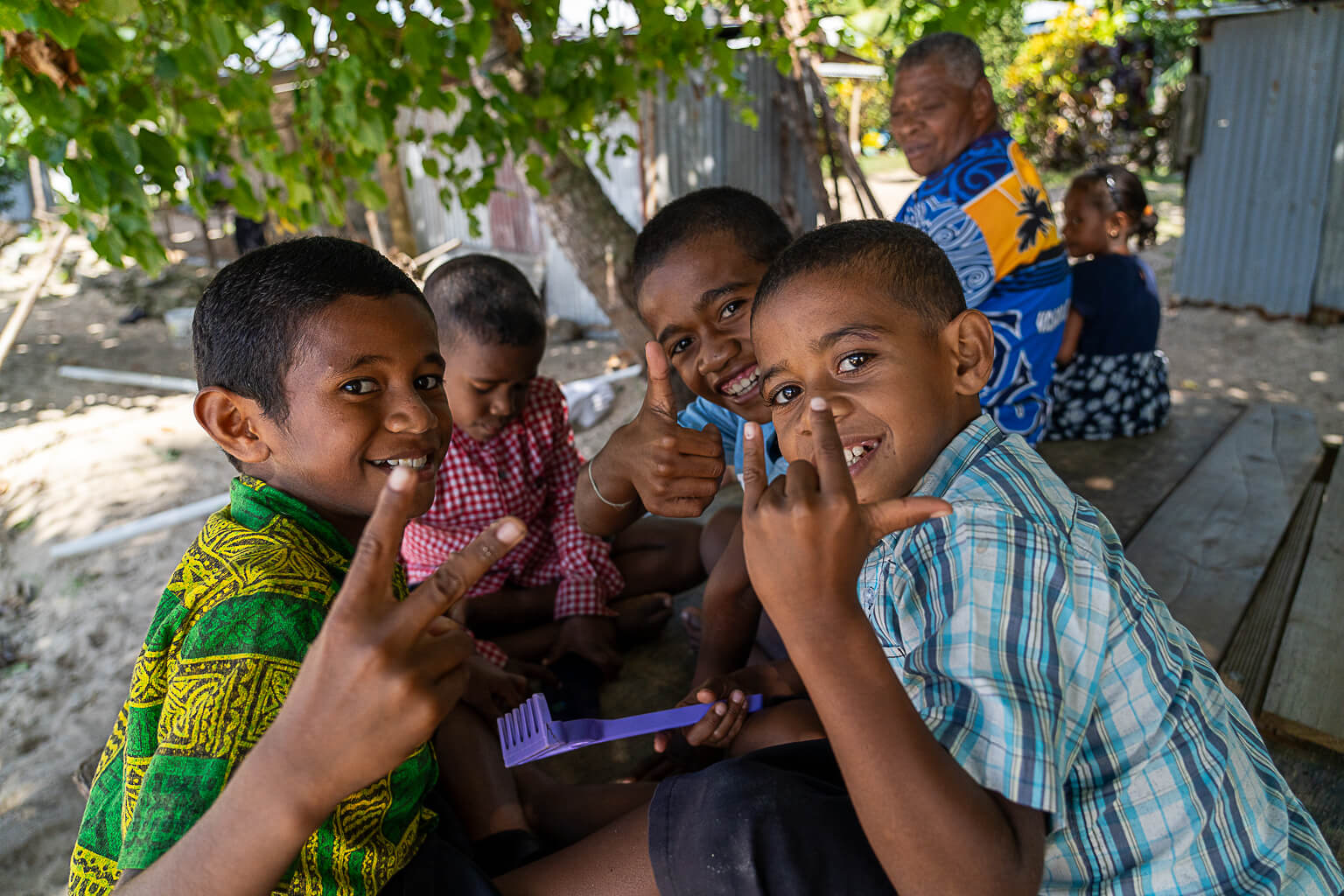
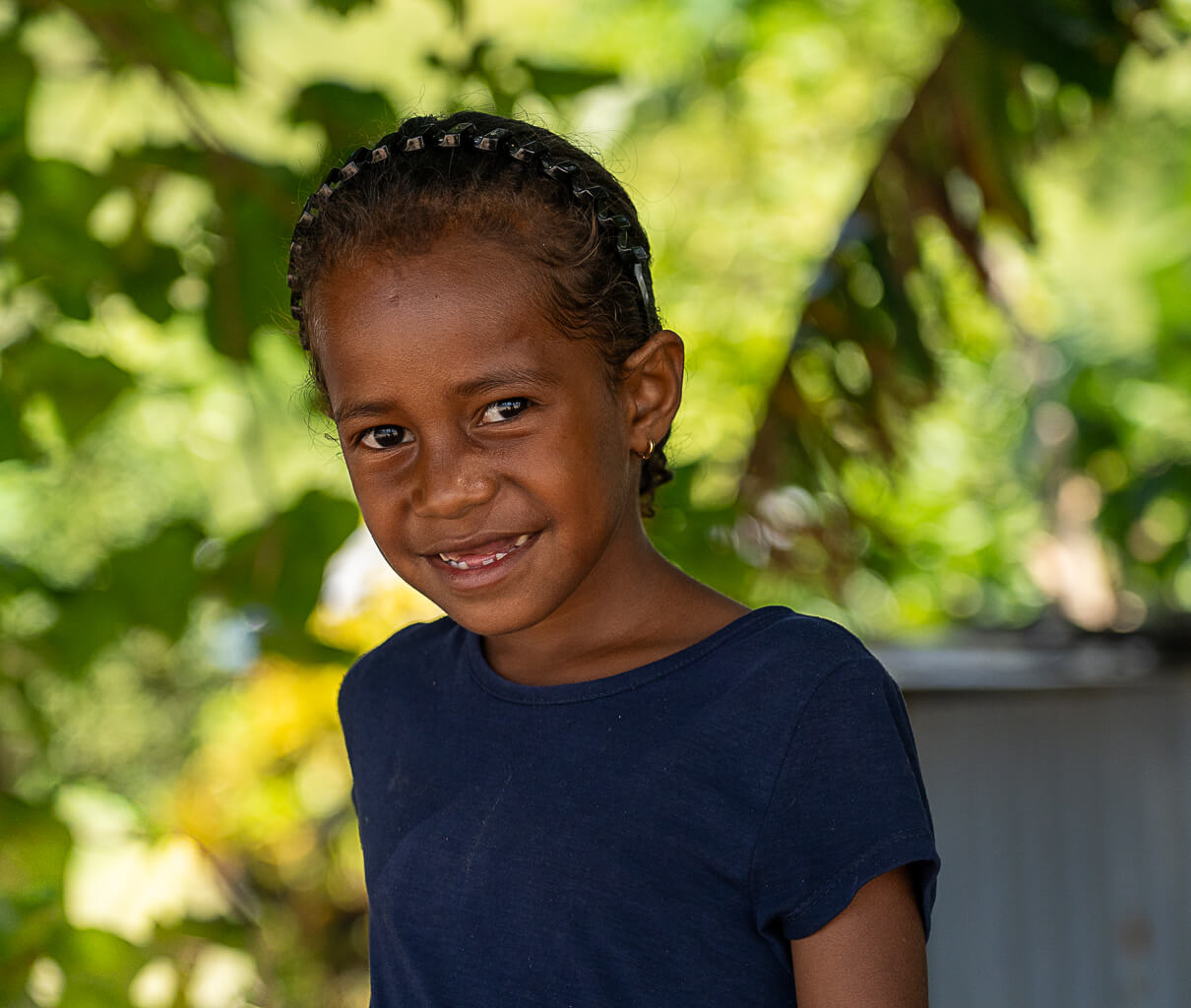
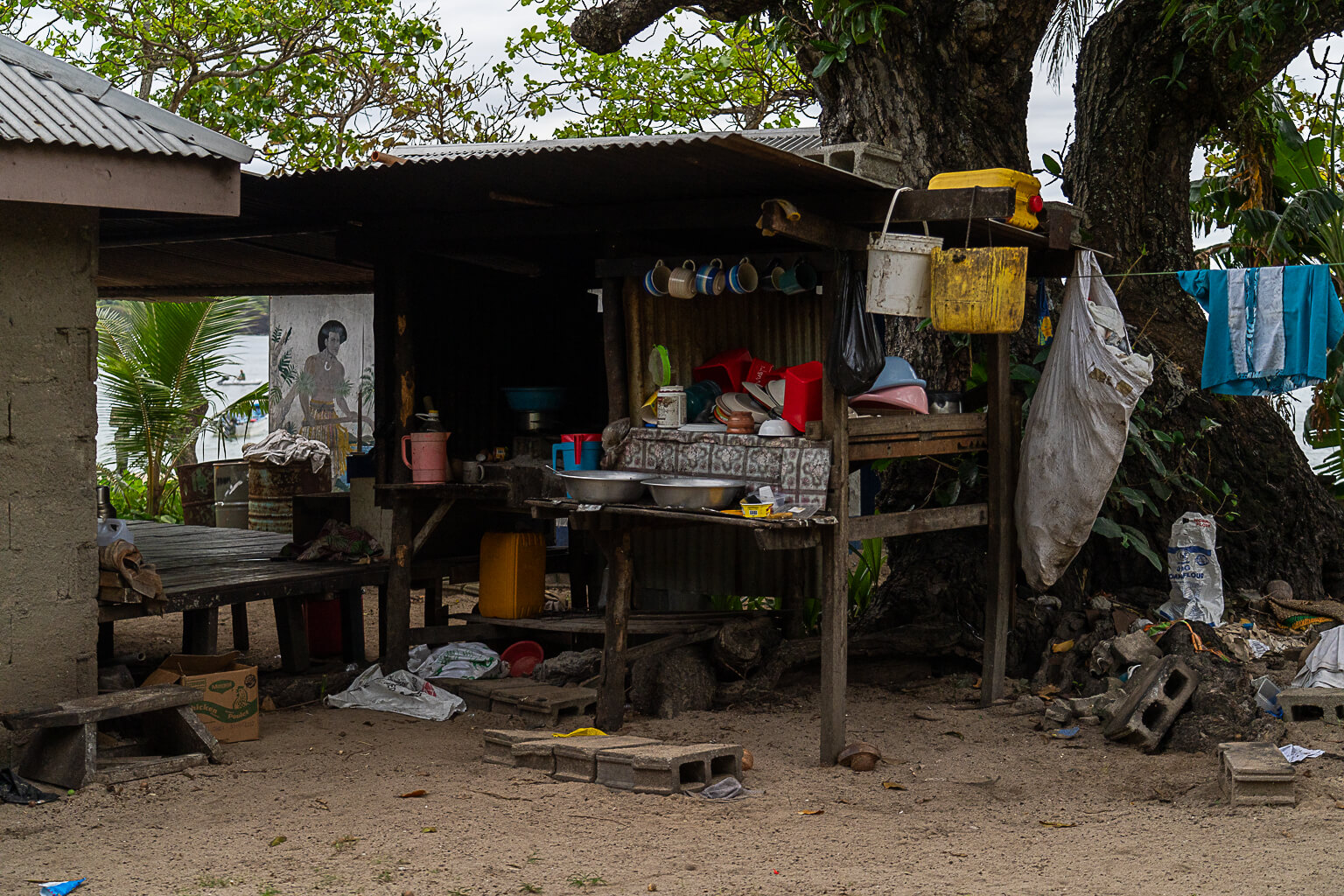
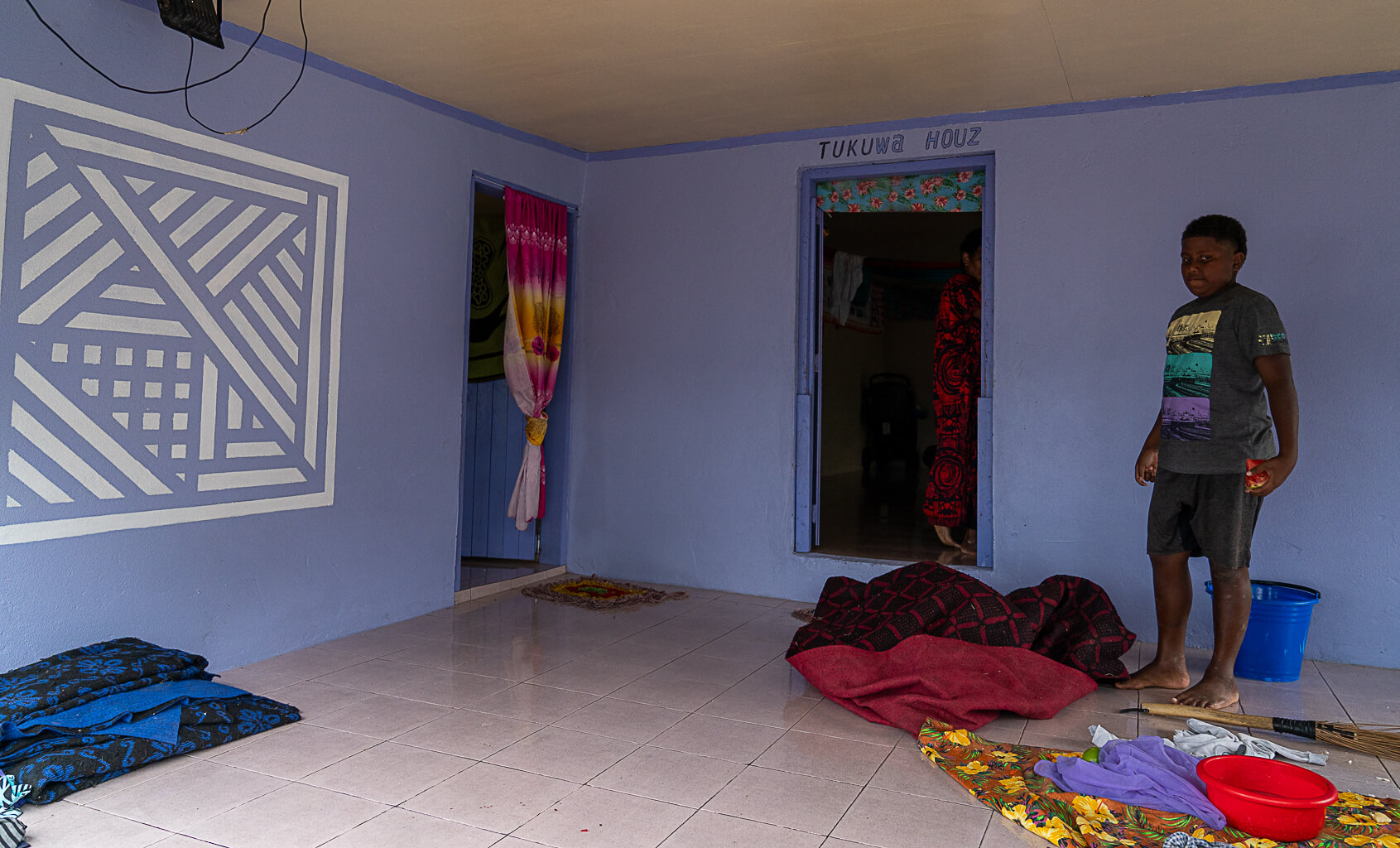
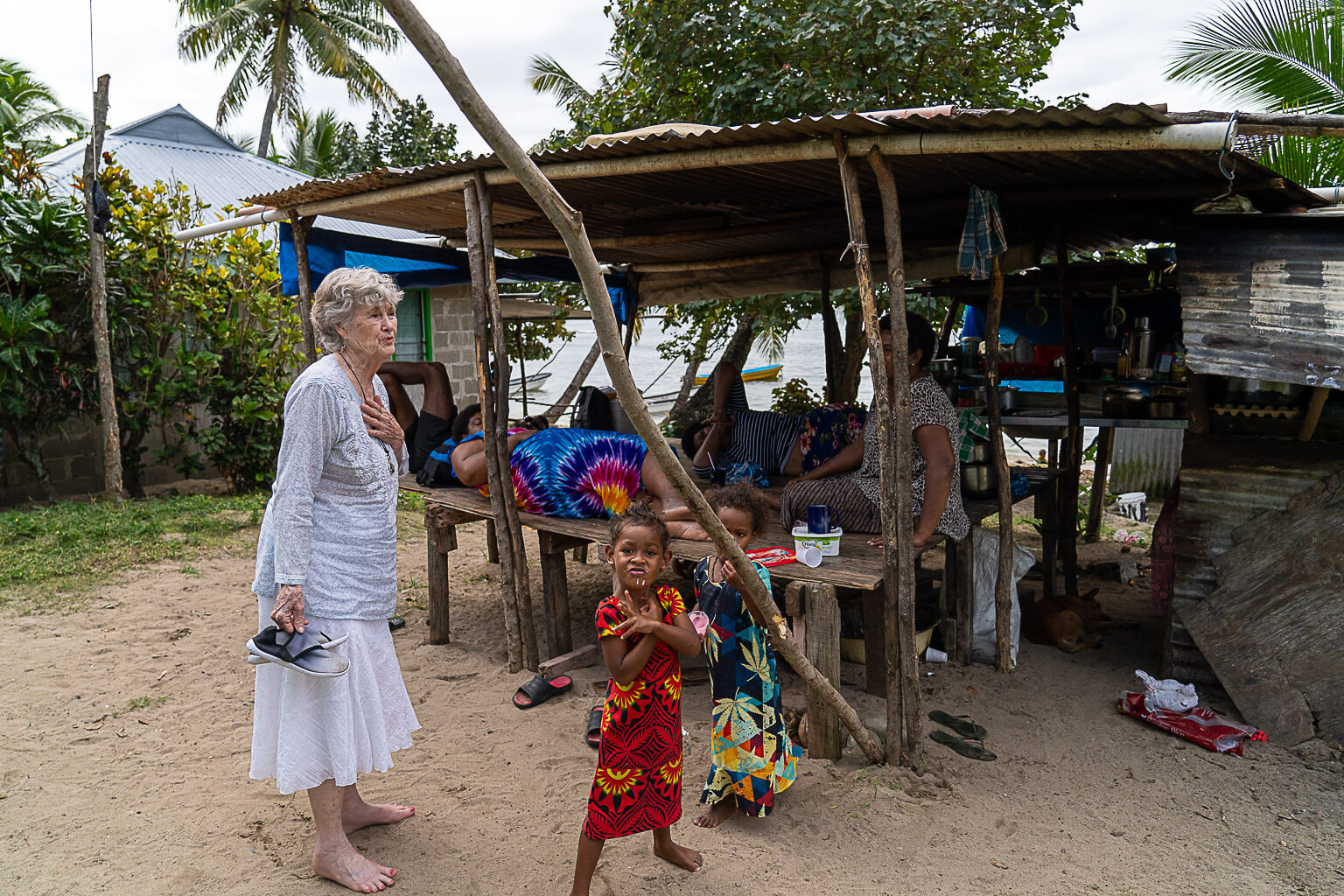
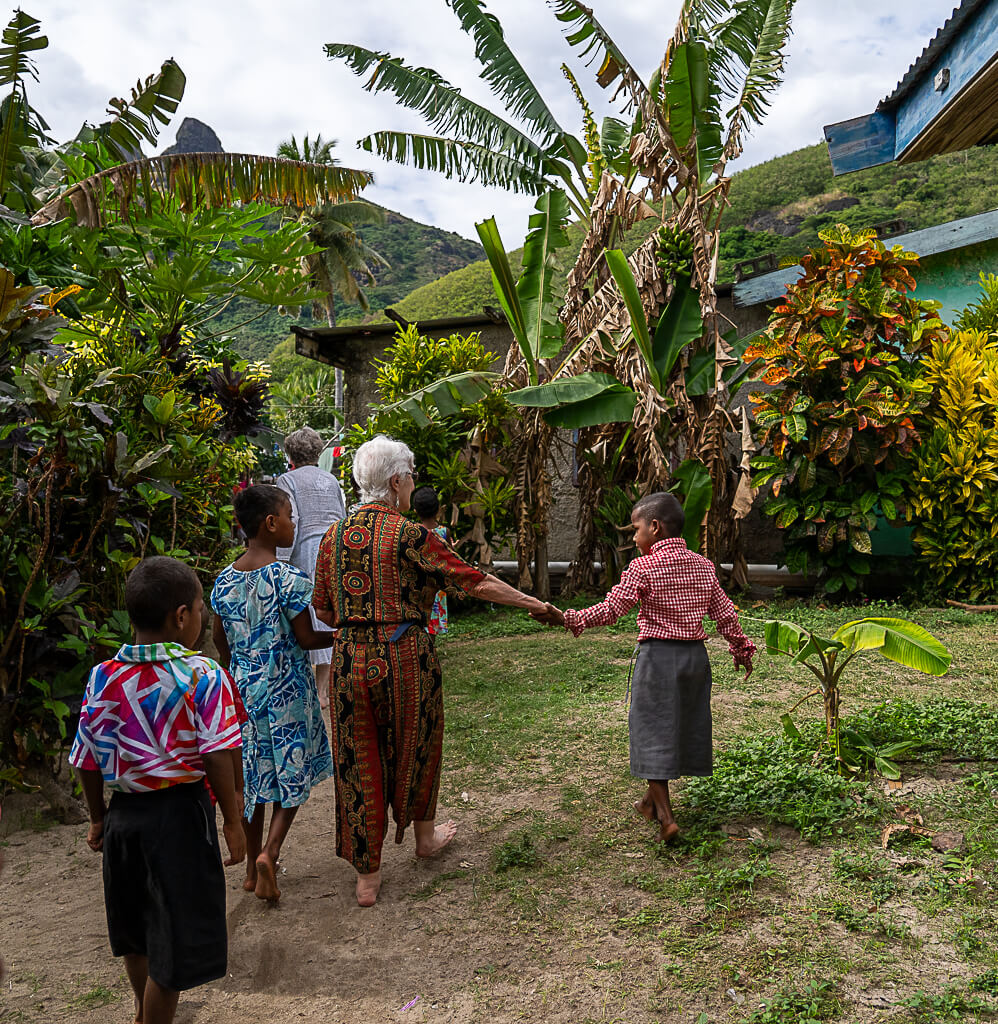
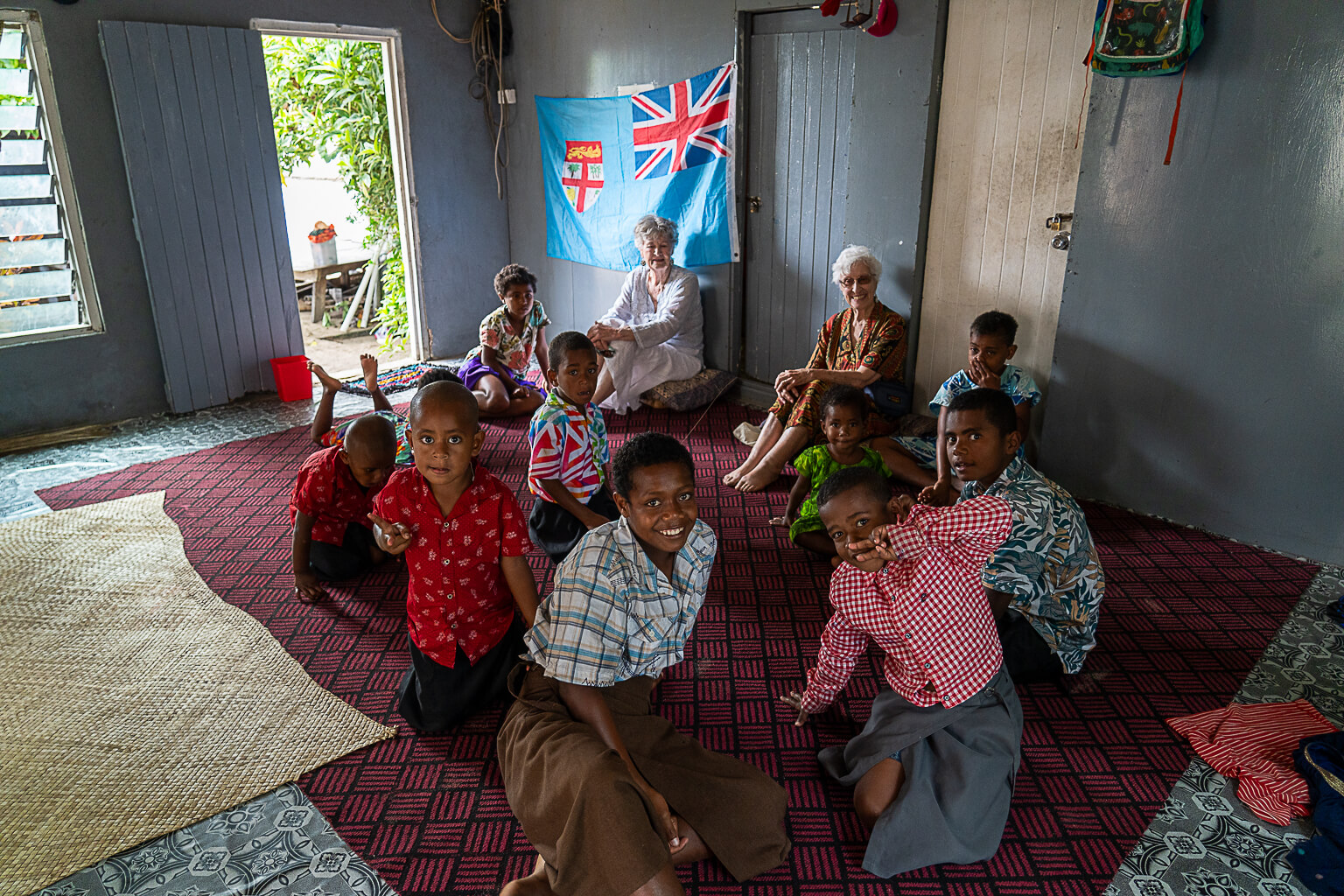
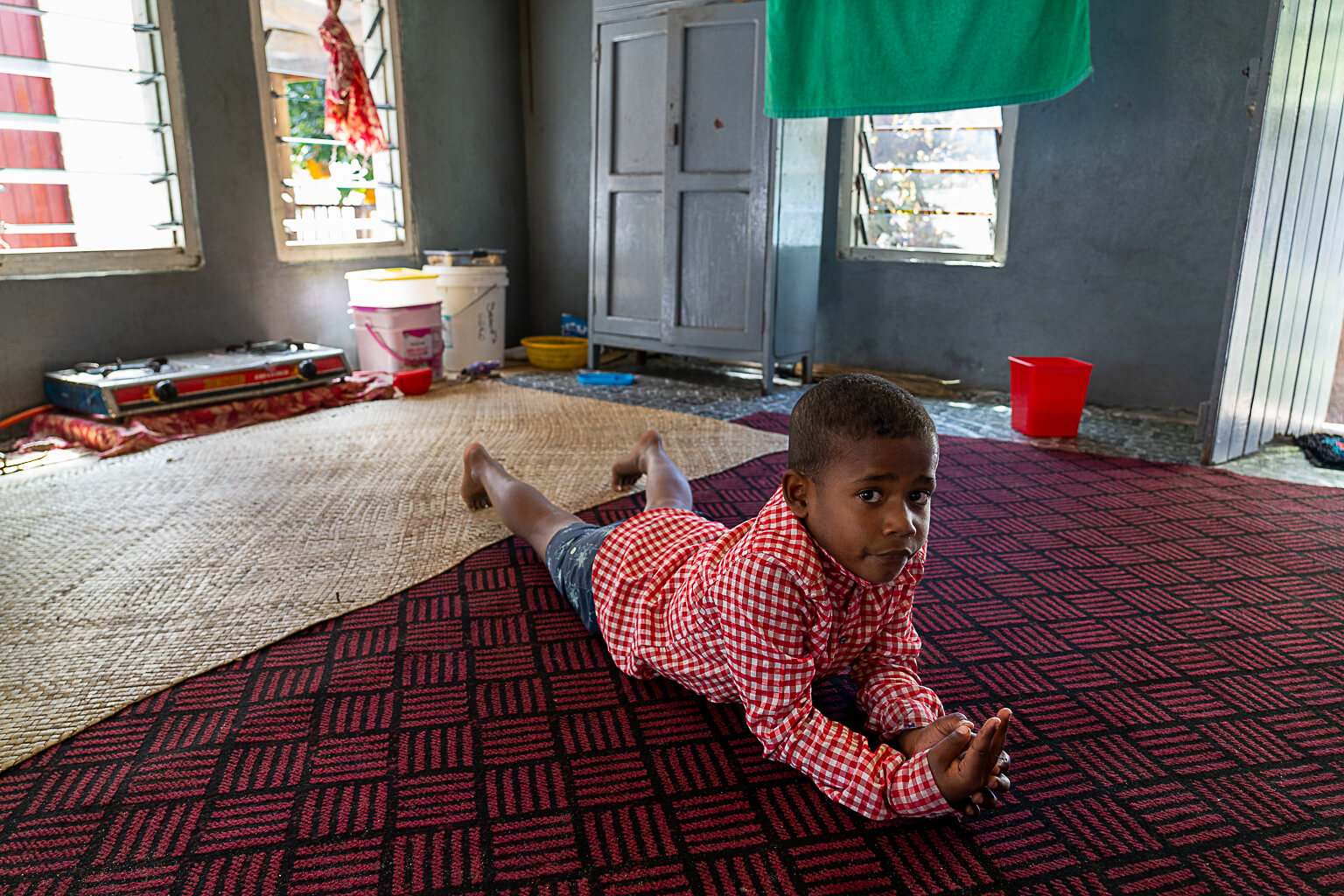
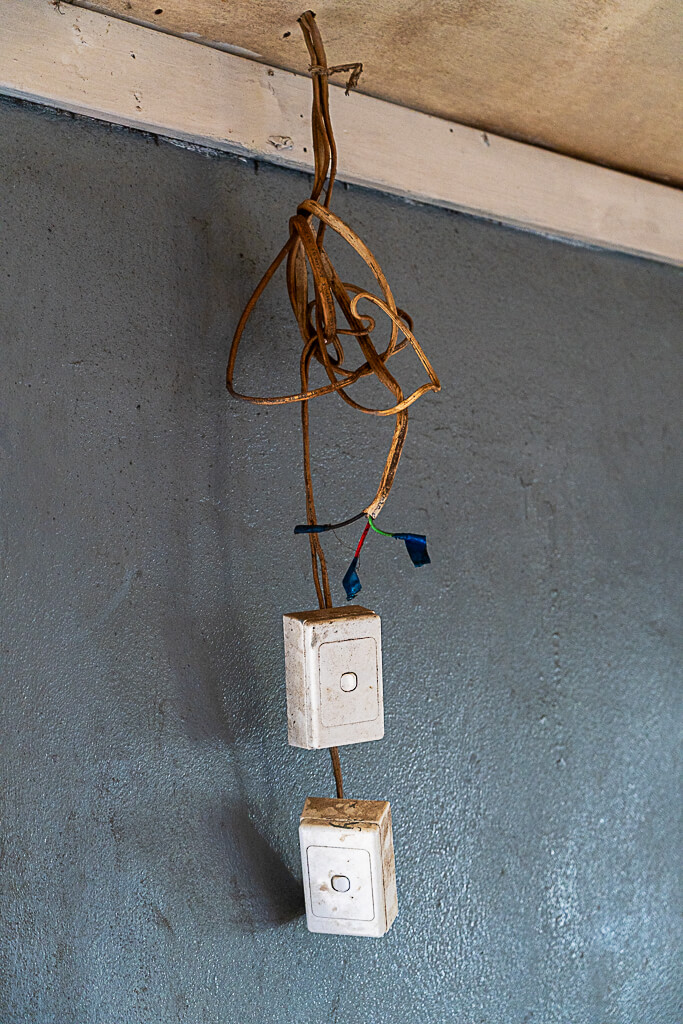
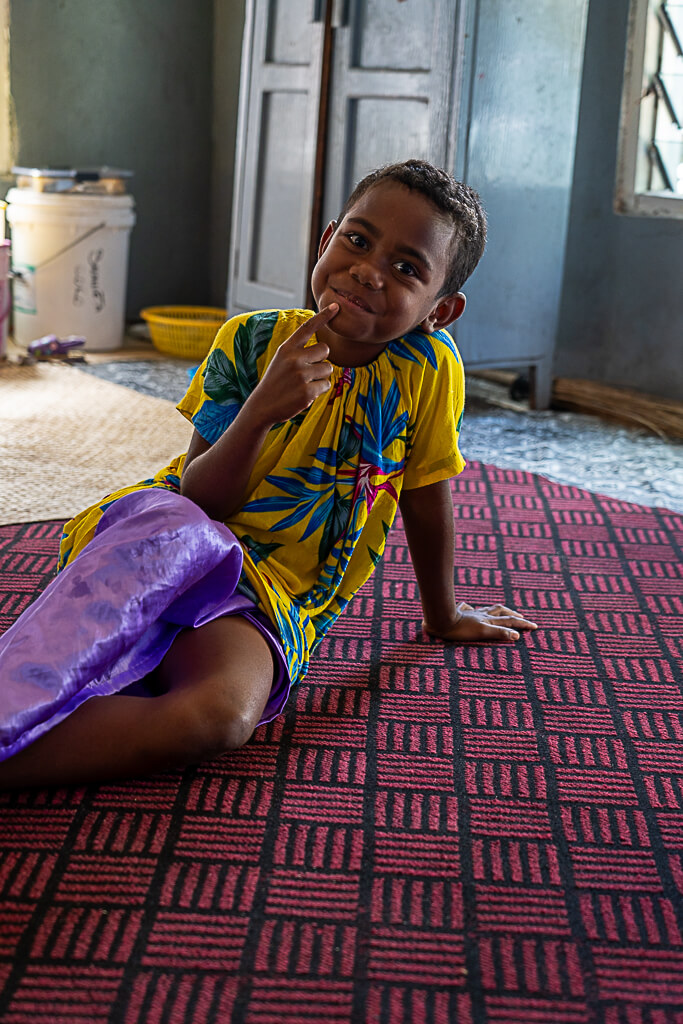
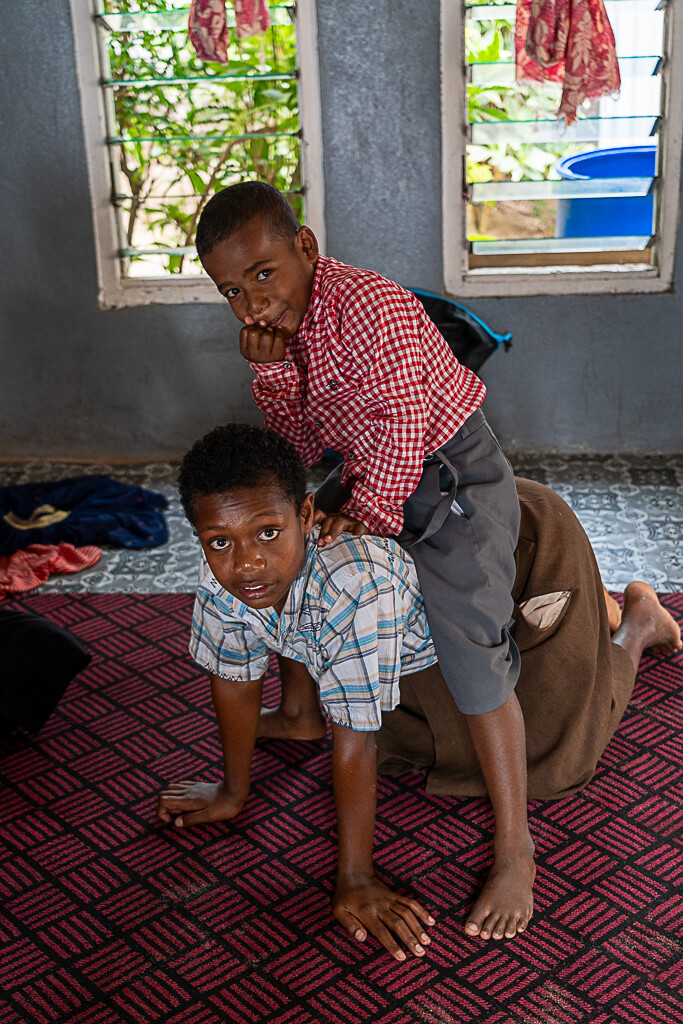
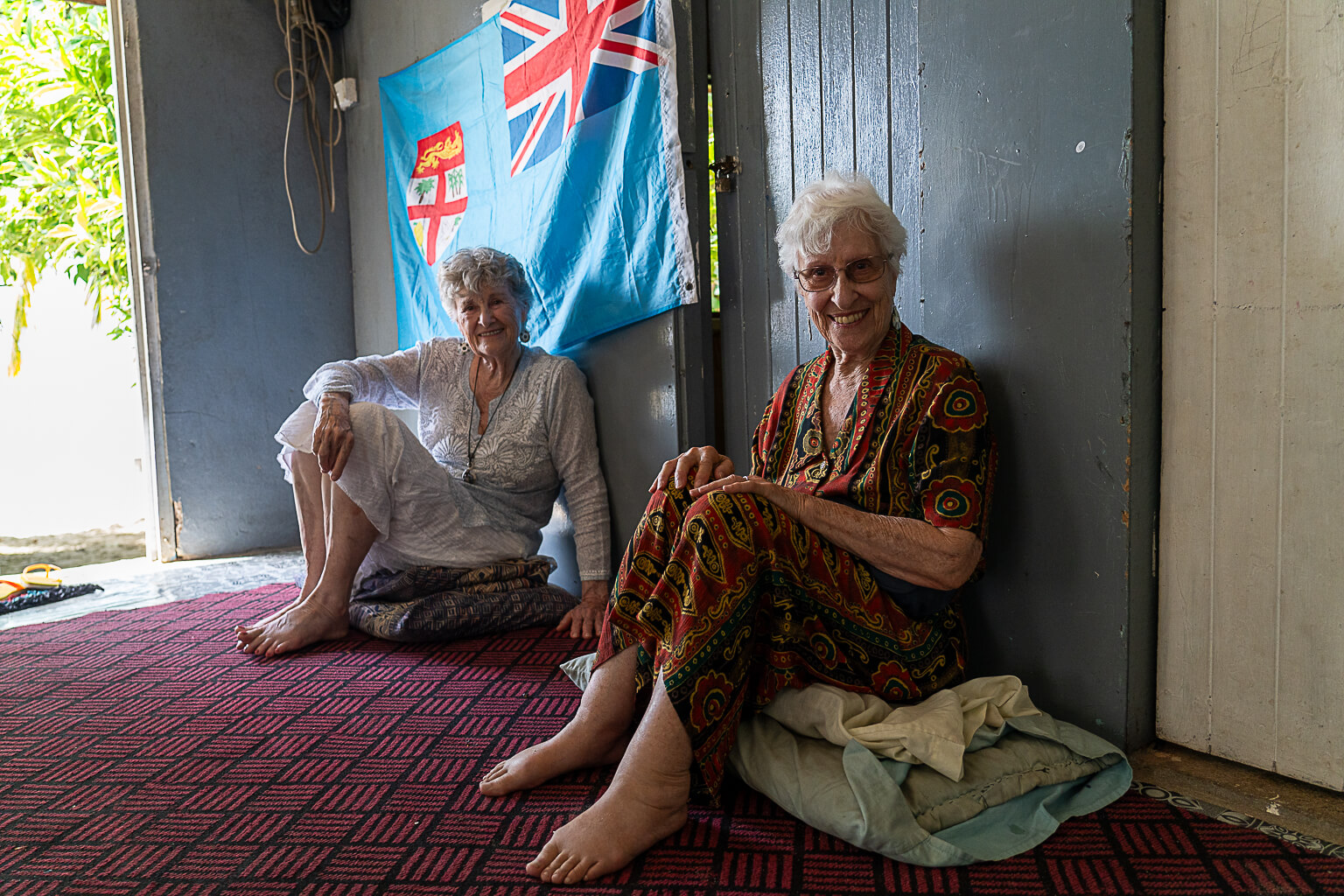
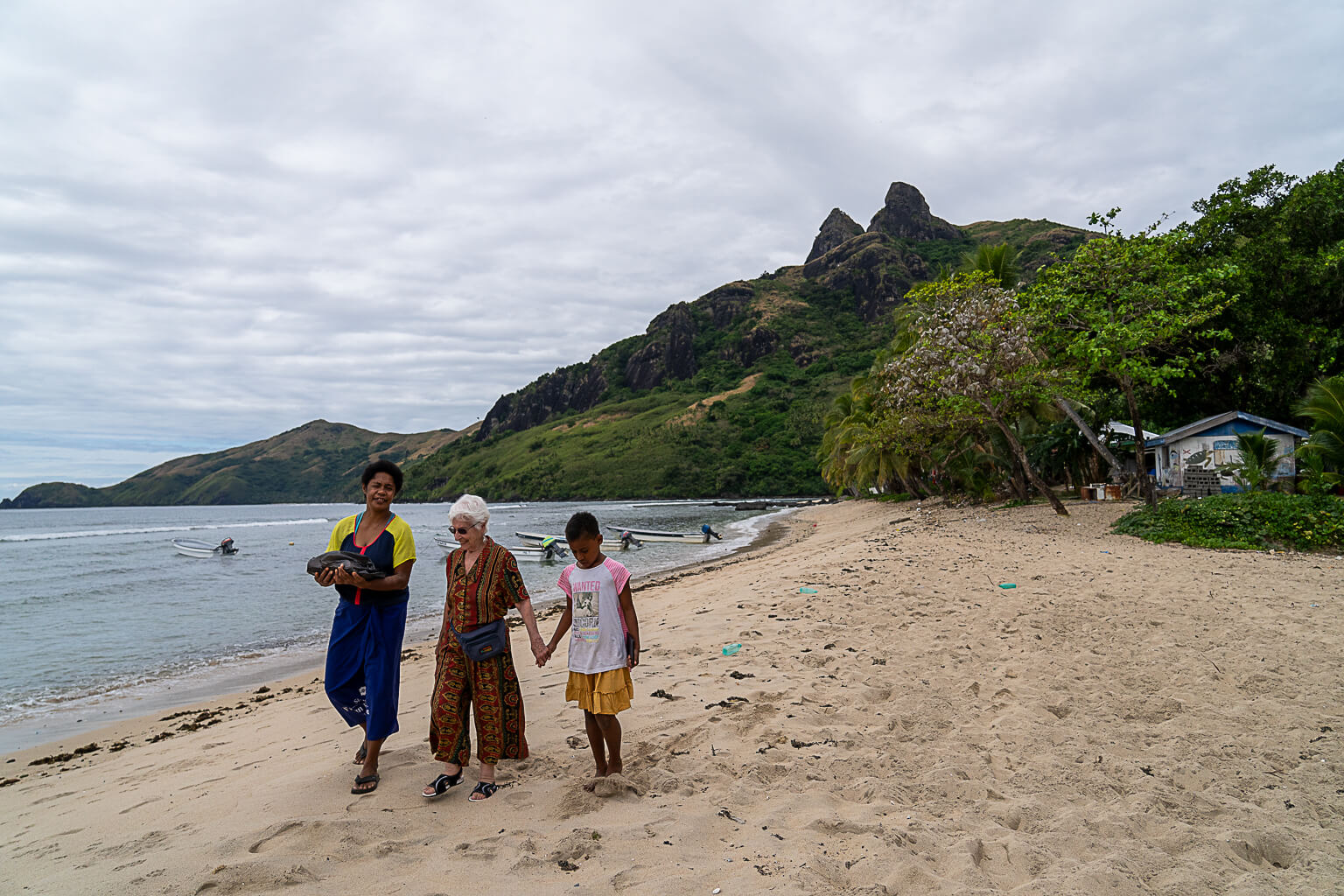
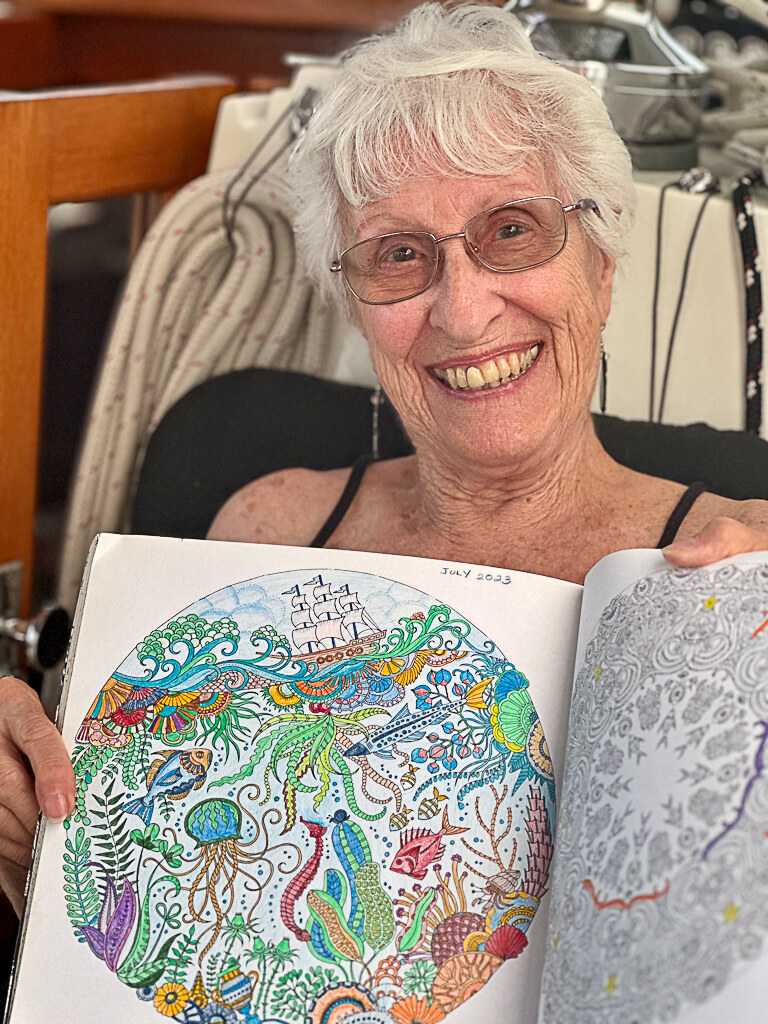

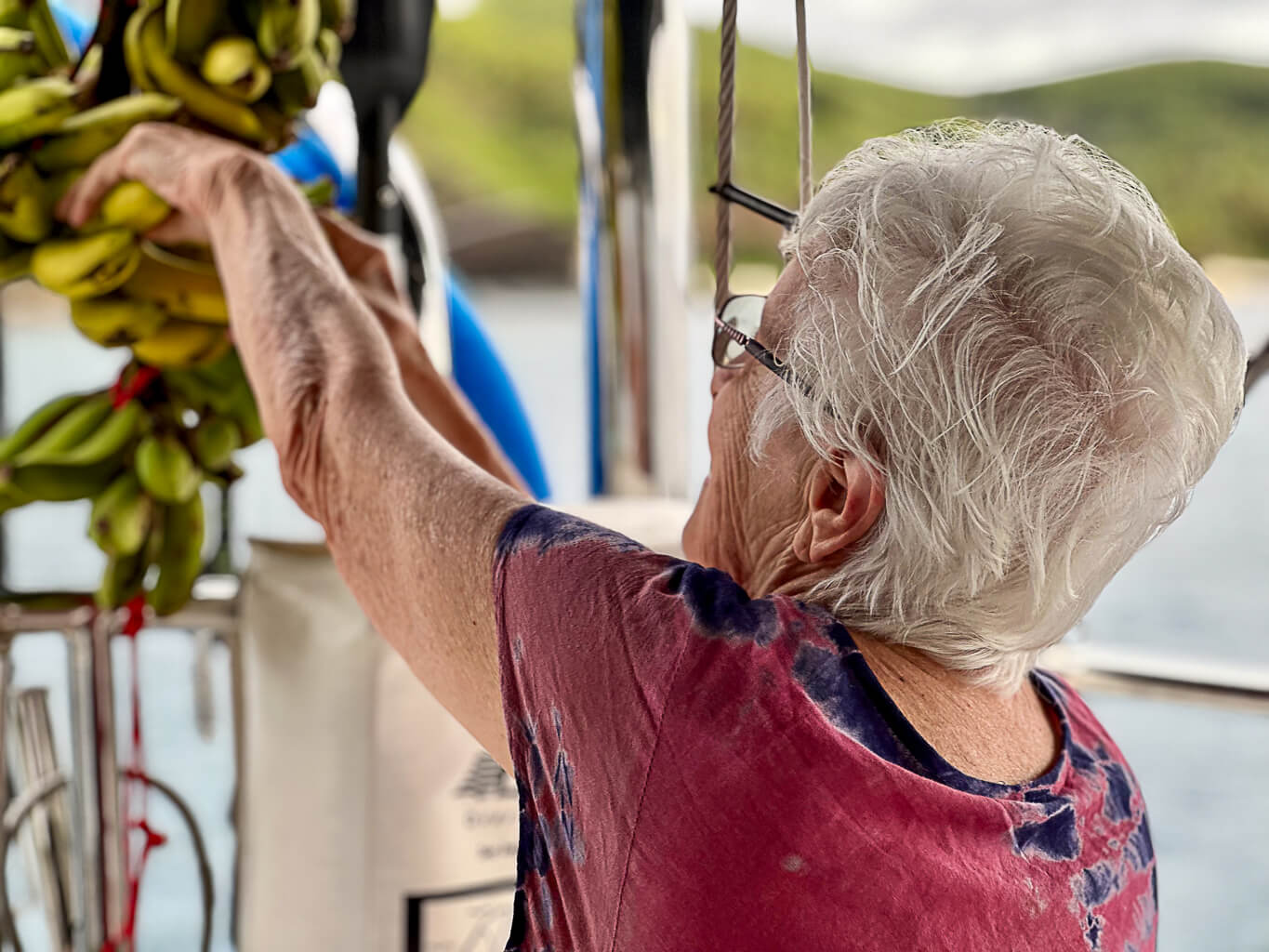
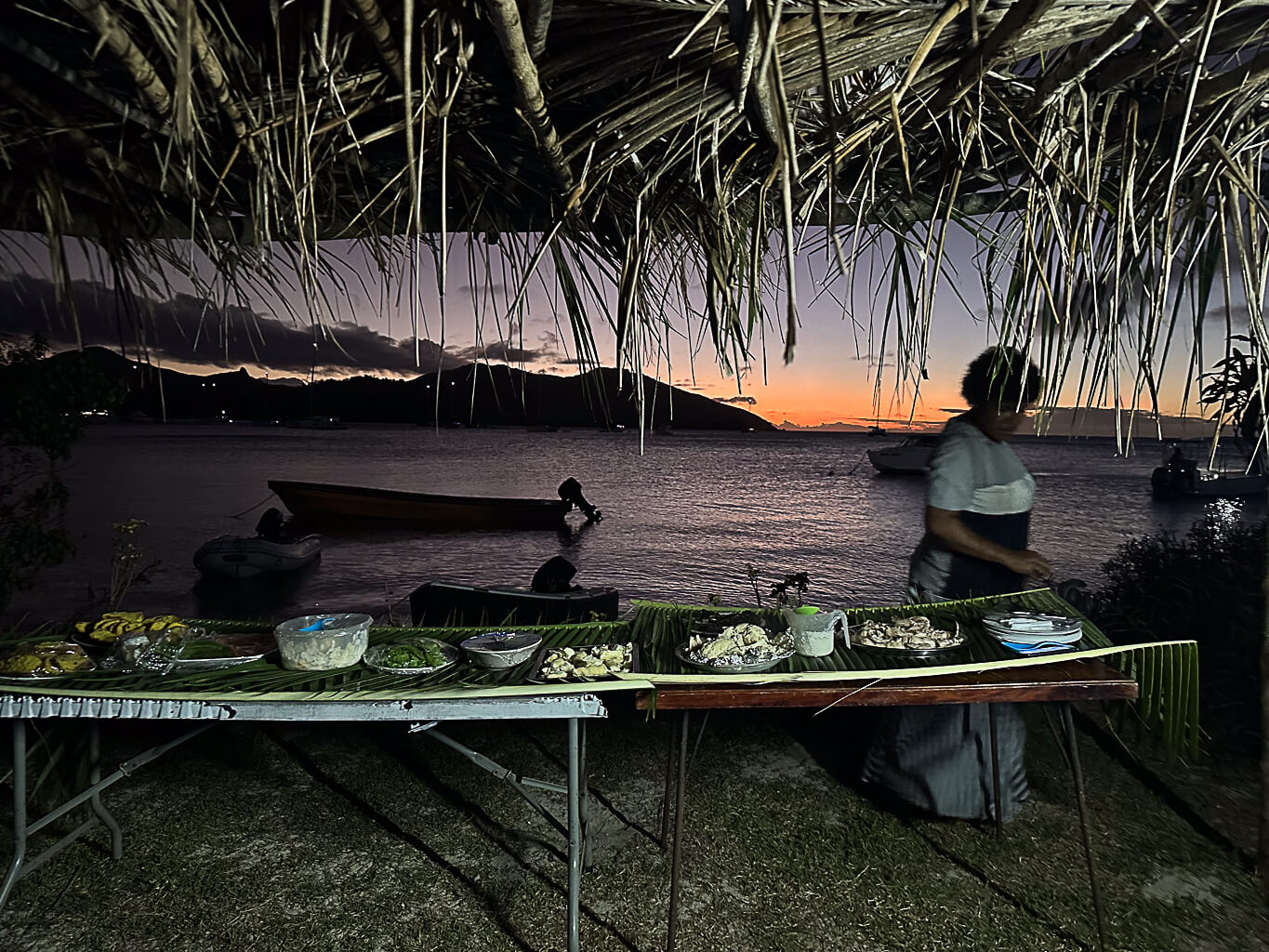
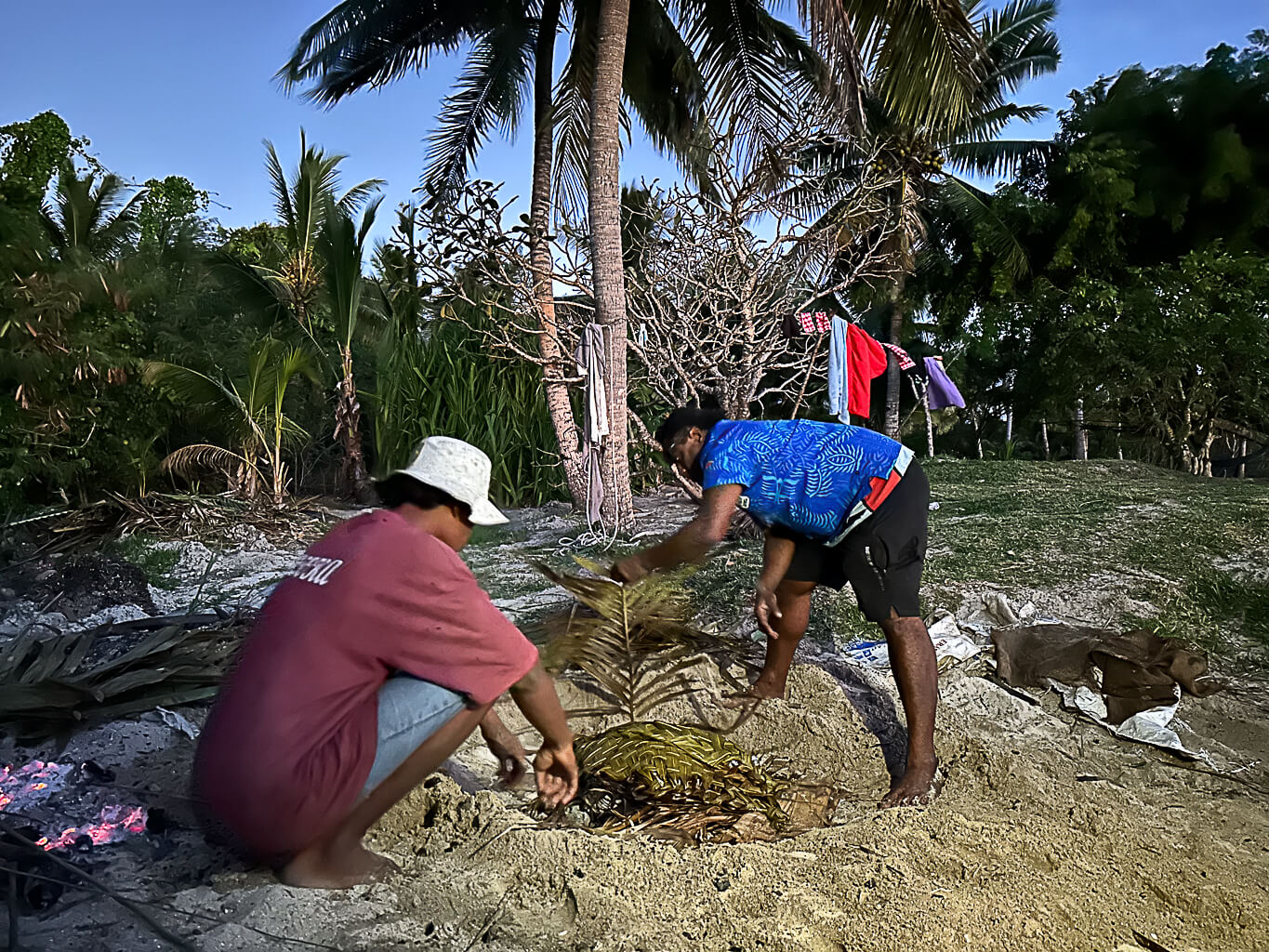
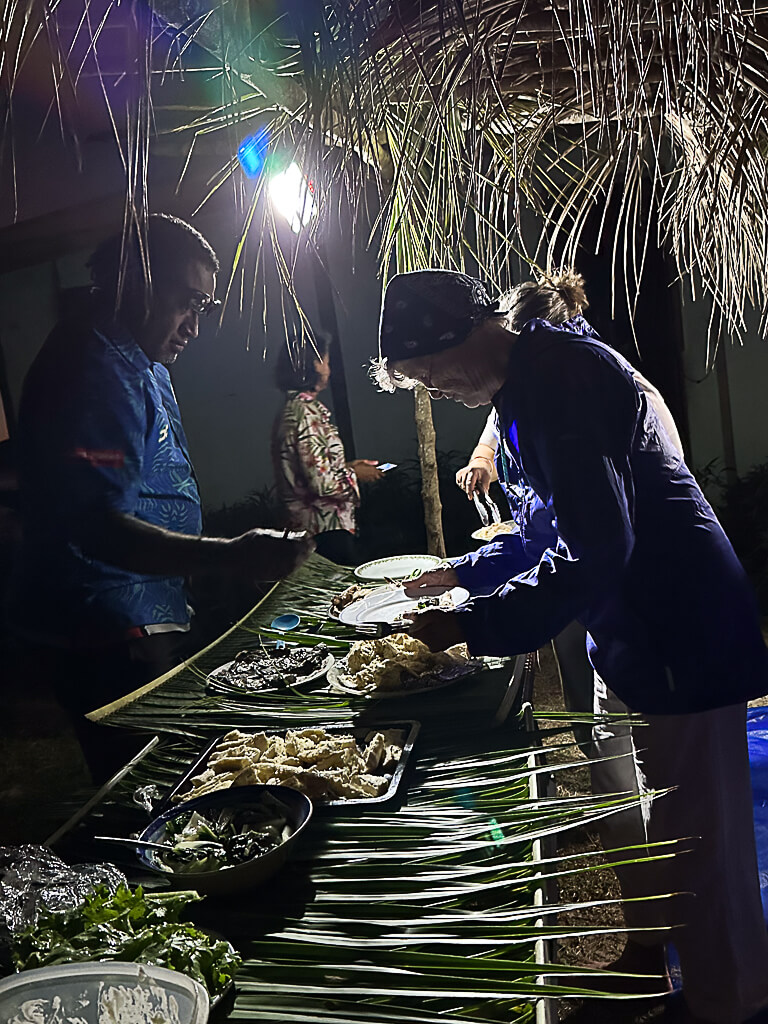
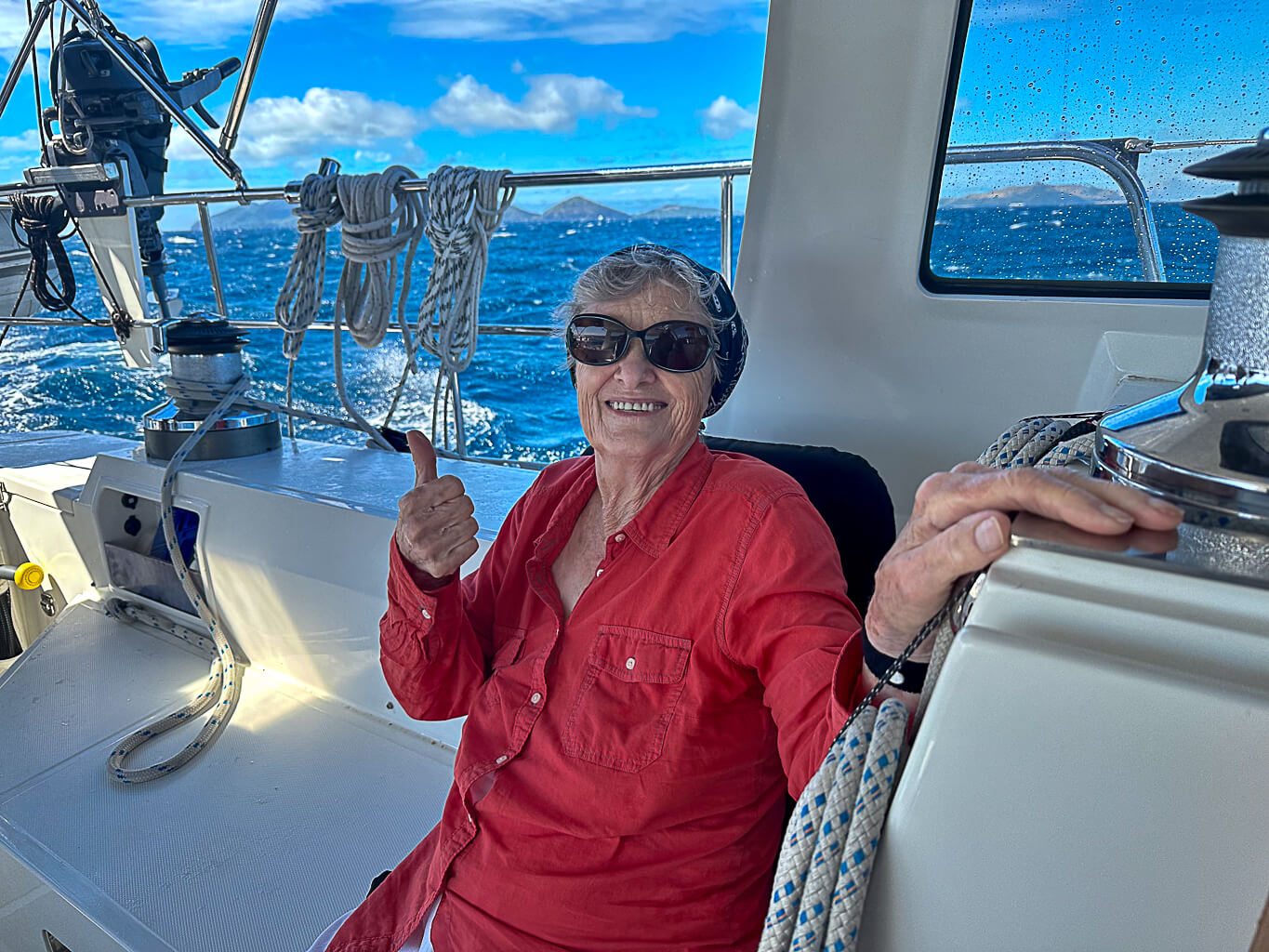
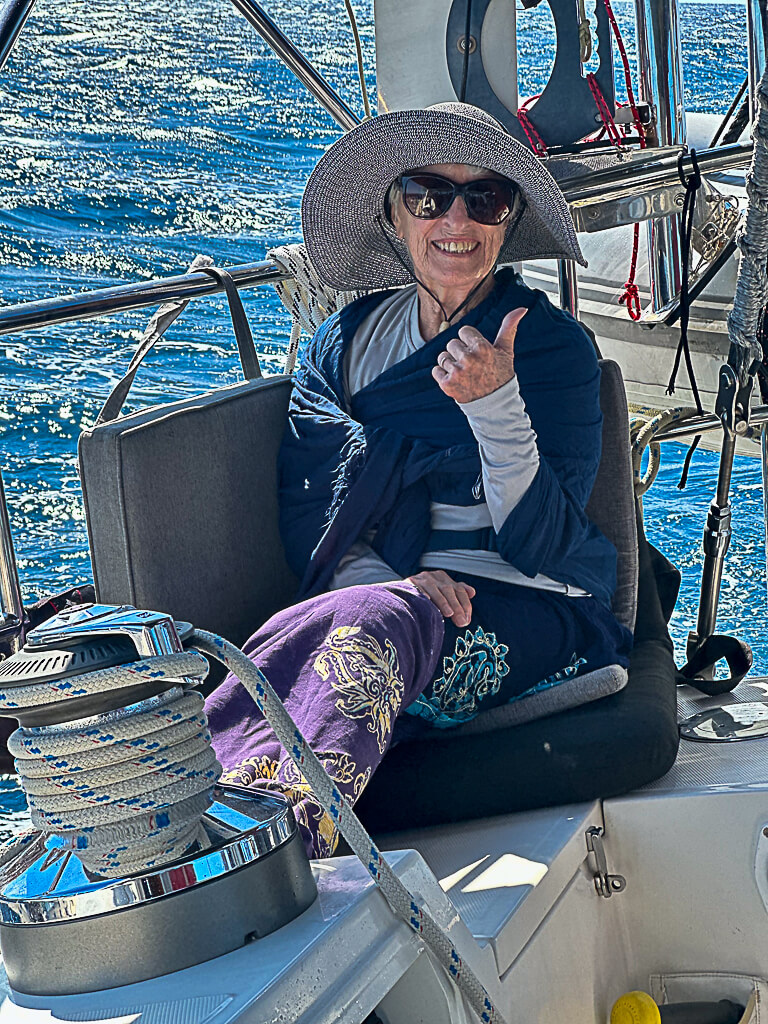
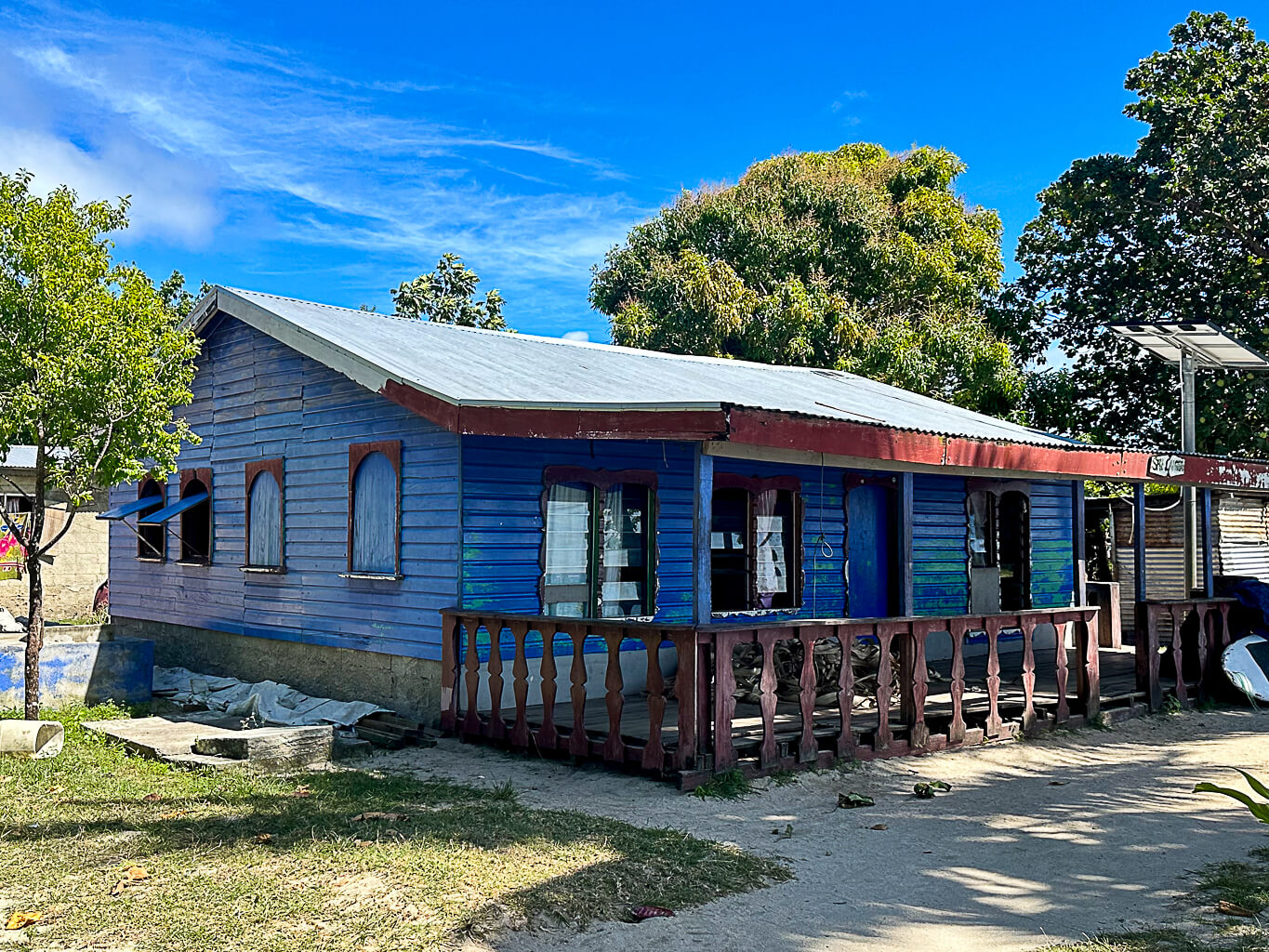
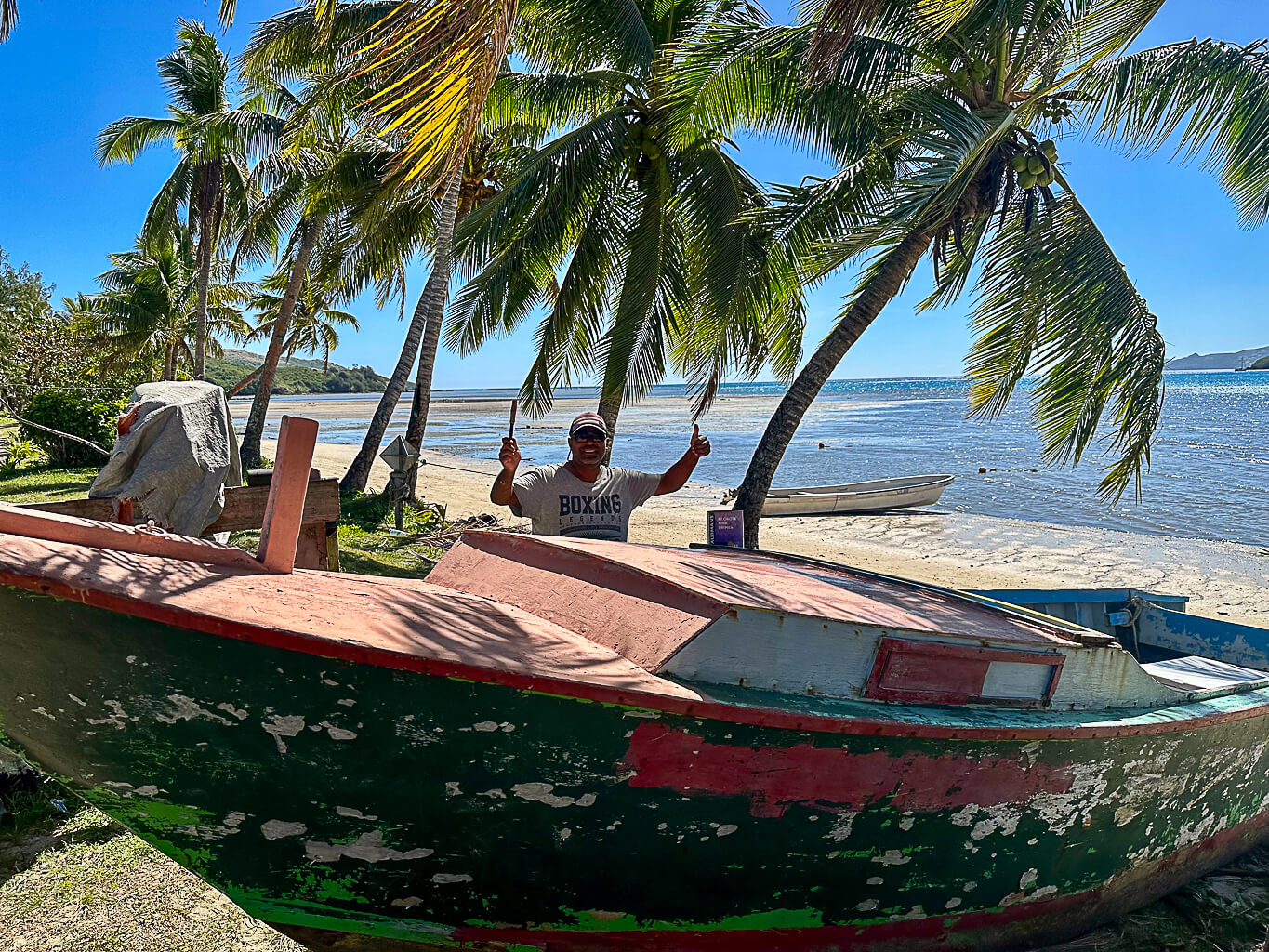
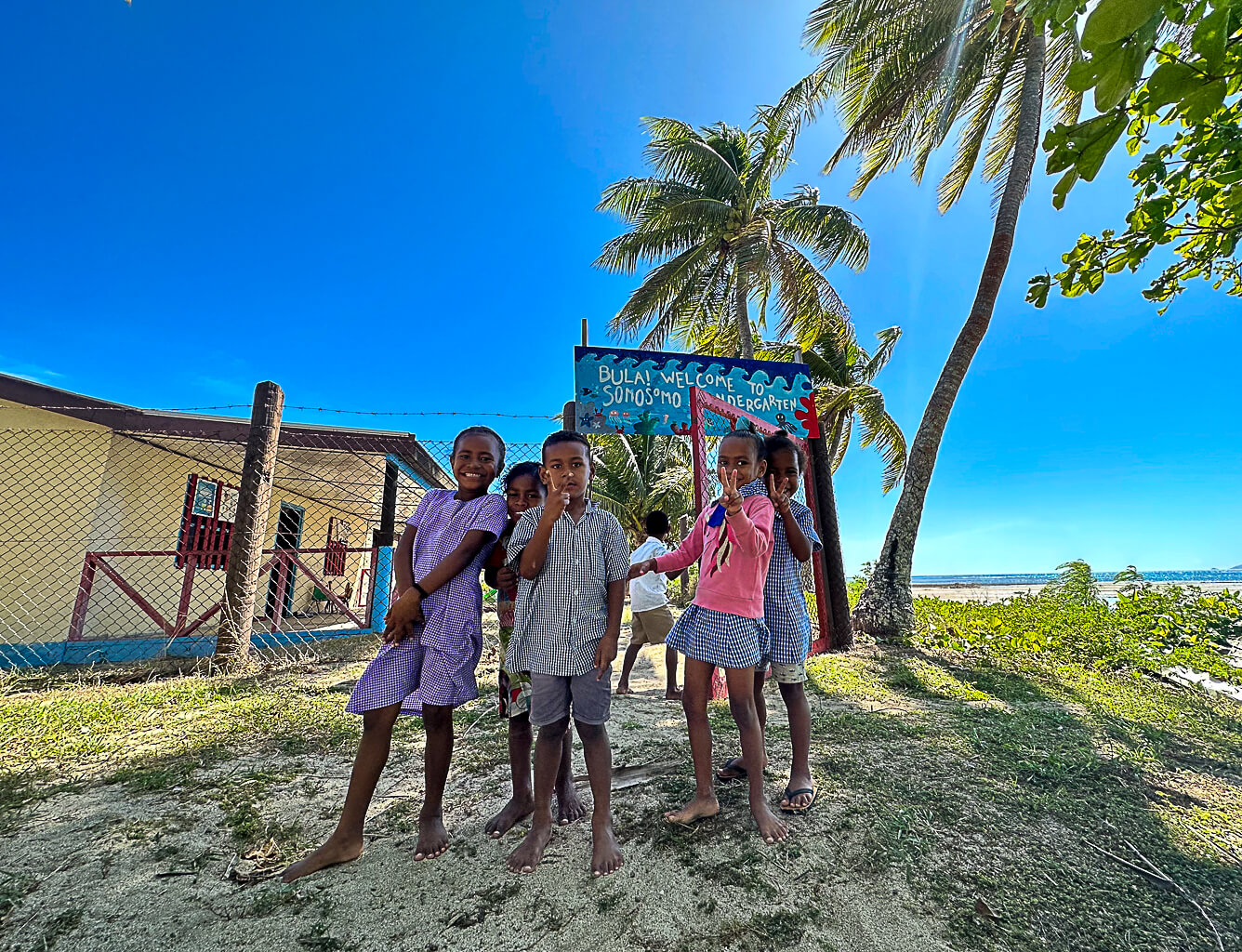
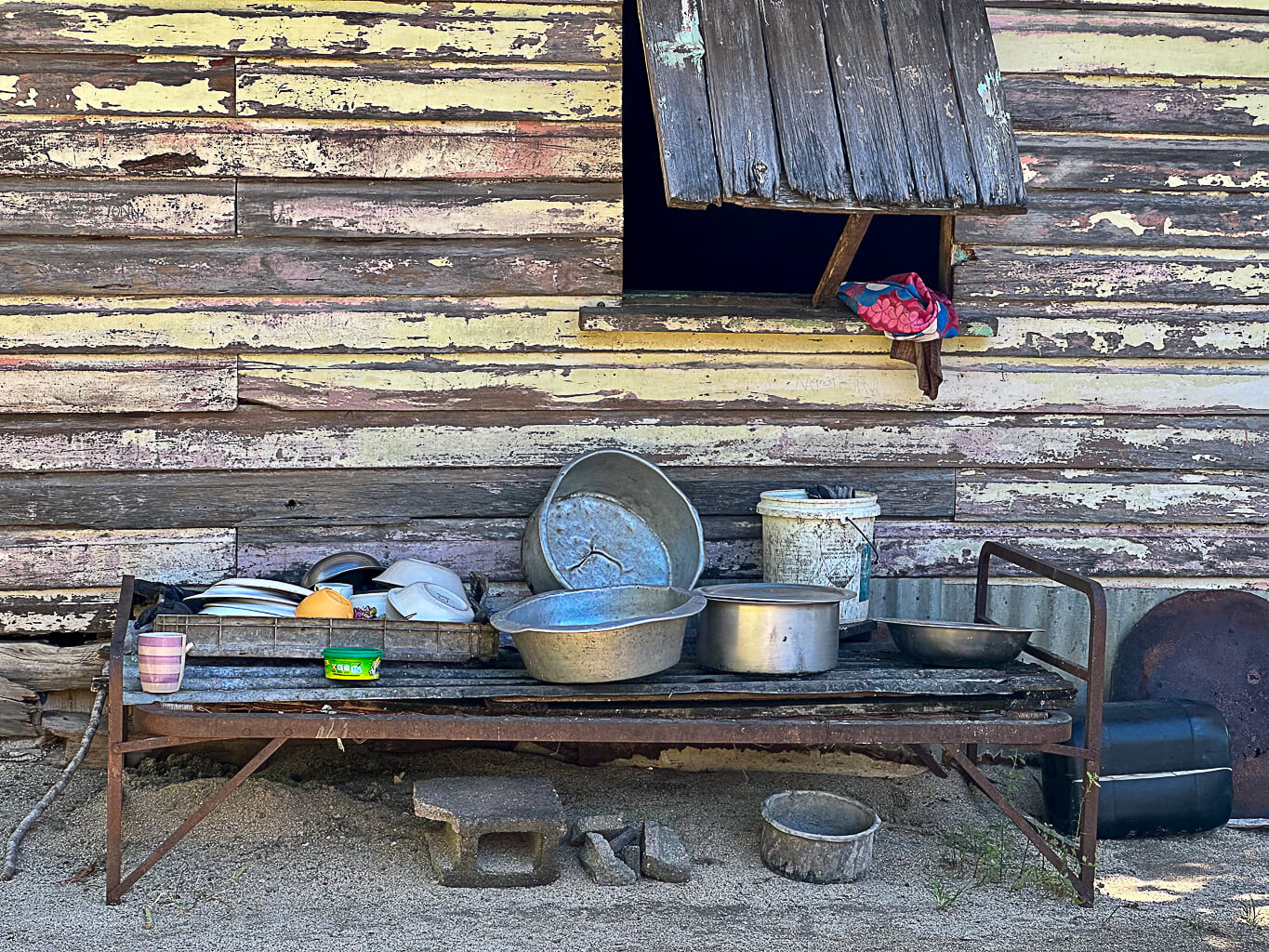
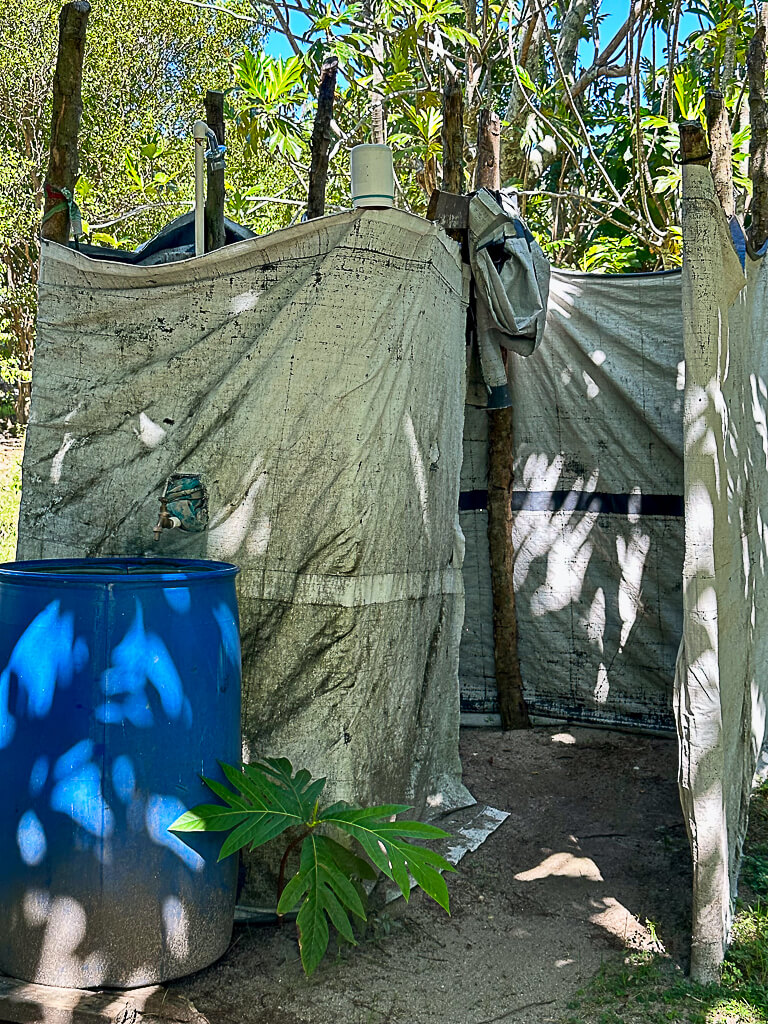
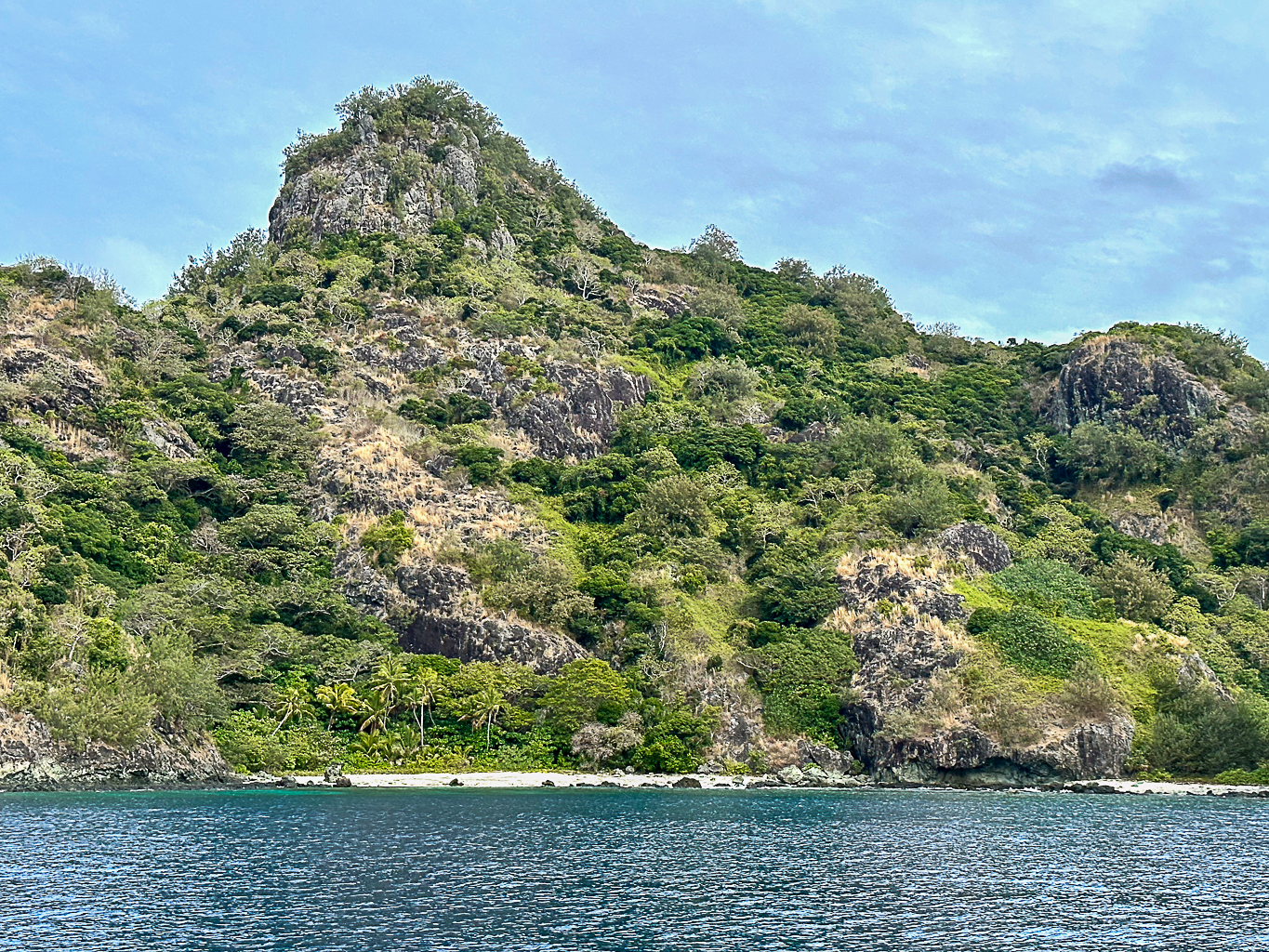
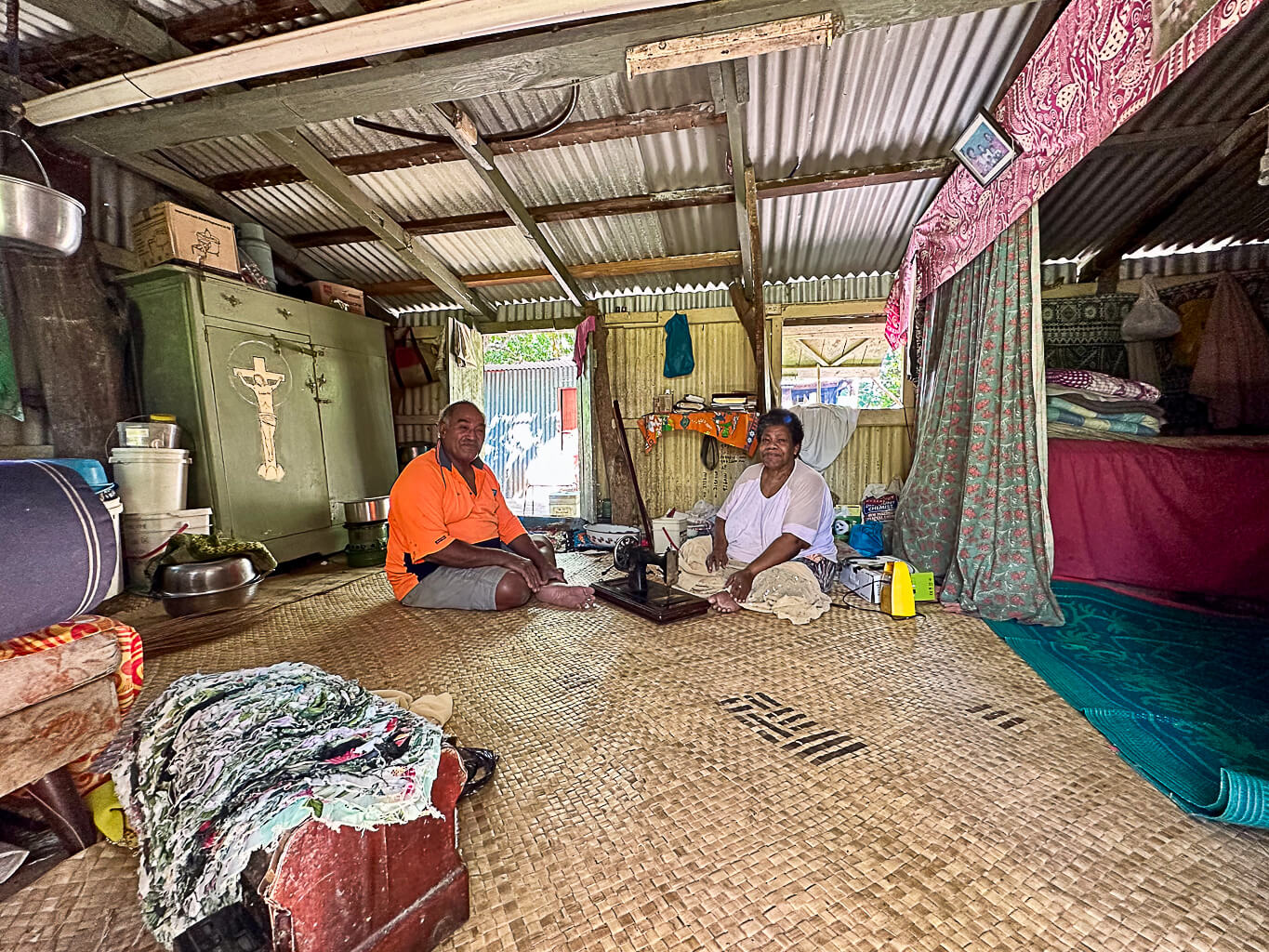
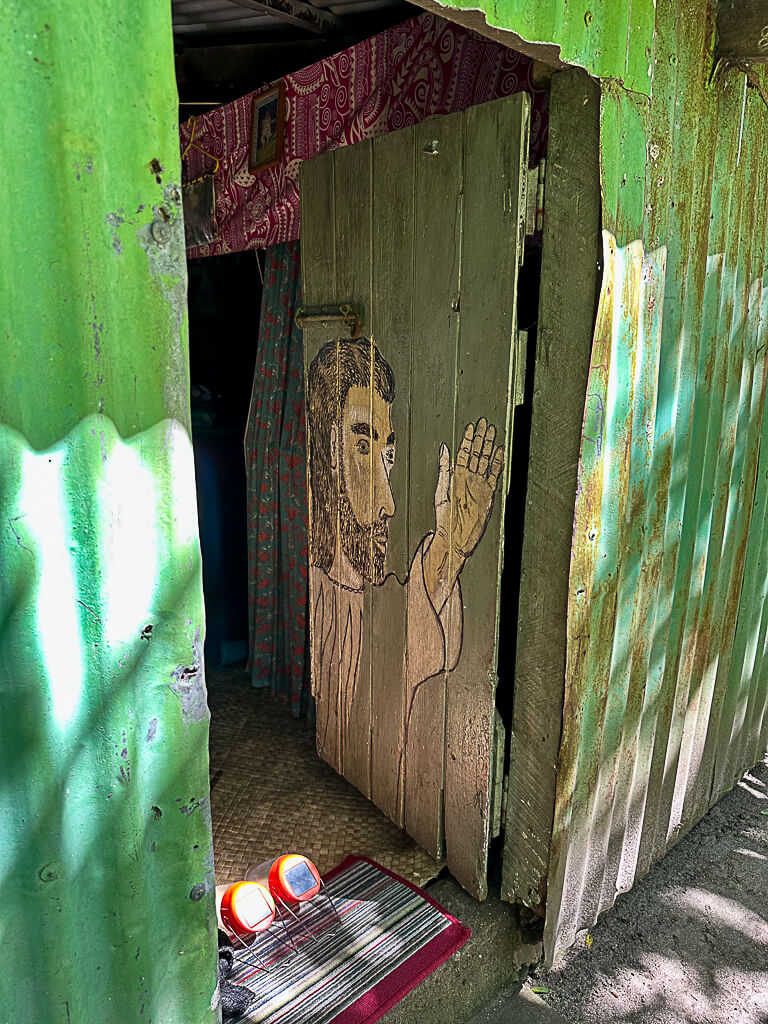
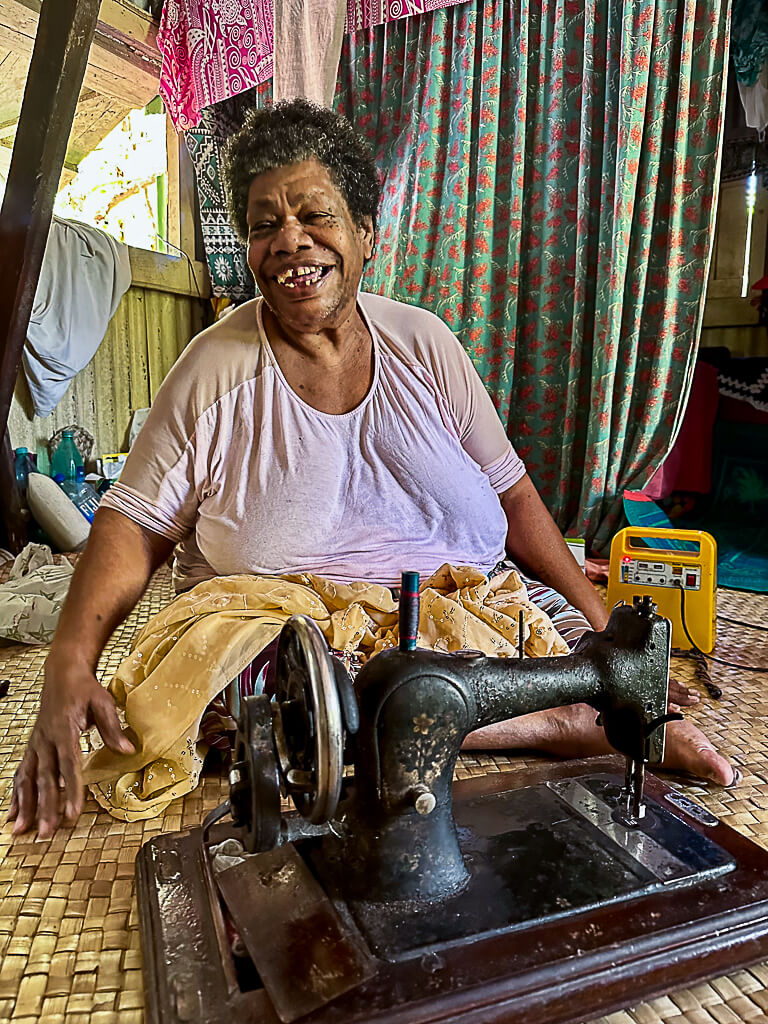
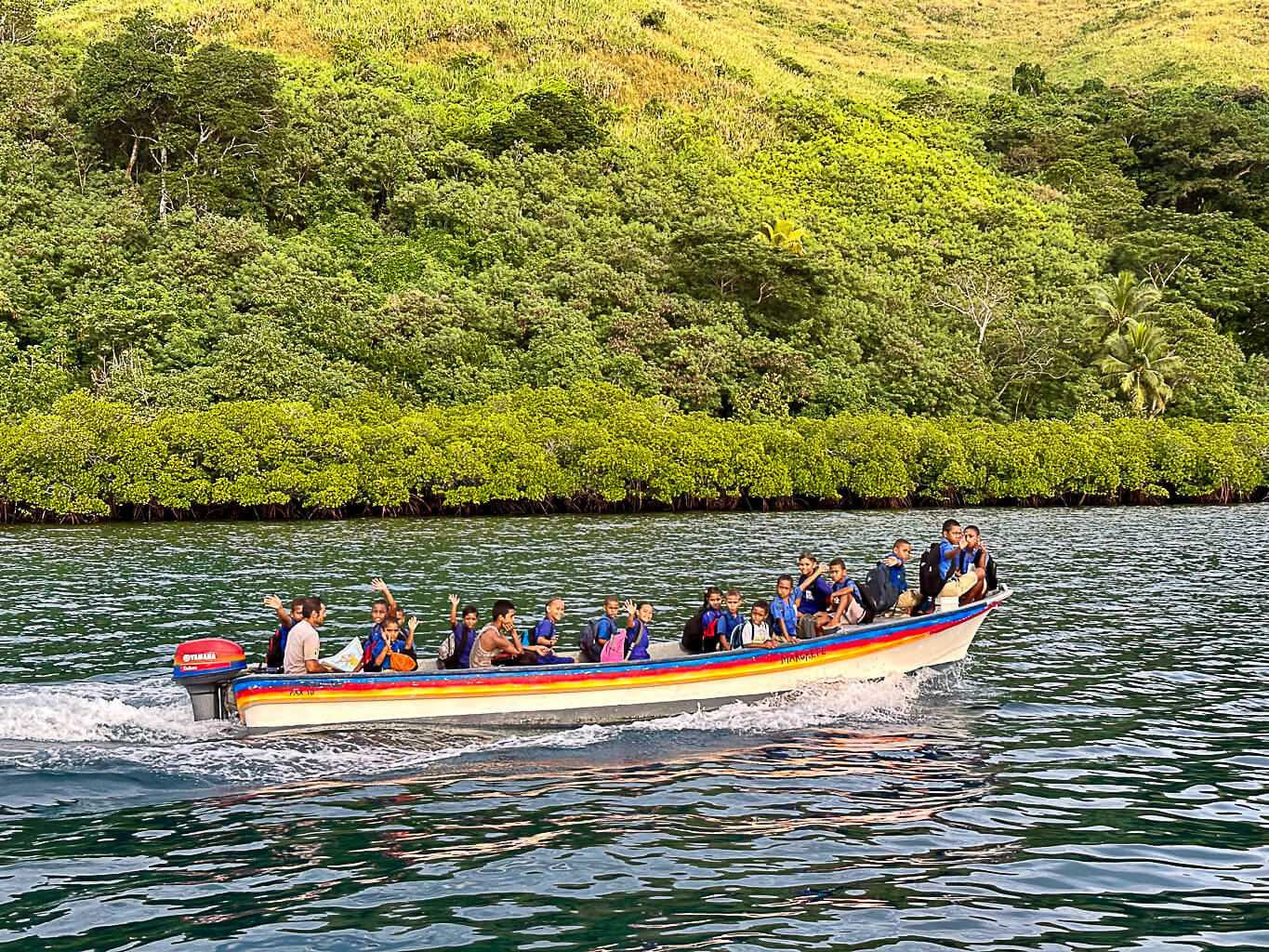
There’s not a whole lot of material wealth in most of the Fijian villages we visited, and an obvious shortage of healthcare. People here are pretty self sufficient and work hard to supply their own needs. They mainly sleep on the floor in very simple, but colorful houses. Still, the land and sea also seem generously willing to provide the basics. Papaya (and a lot of other things) do grow on trees. While we anchored off a small uninhabited island wondering if the rain and cold weather might ease, if the northern swell might finally cede the battle to a southeastern blow and give Allora some peace, I noticed a local fishing boat anchored further out where there was no protection. Their single light bounced and rolled all night as they fished, despite the seriously uncomfortable weather for two days. Fishermen in the islands spearfish at night just like the sharks because the fish are hiding out in the rocks and make easier pickings. No bunks or cushions on that boat, no seasickness medicine or Diana cooked meals either. ~MS
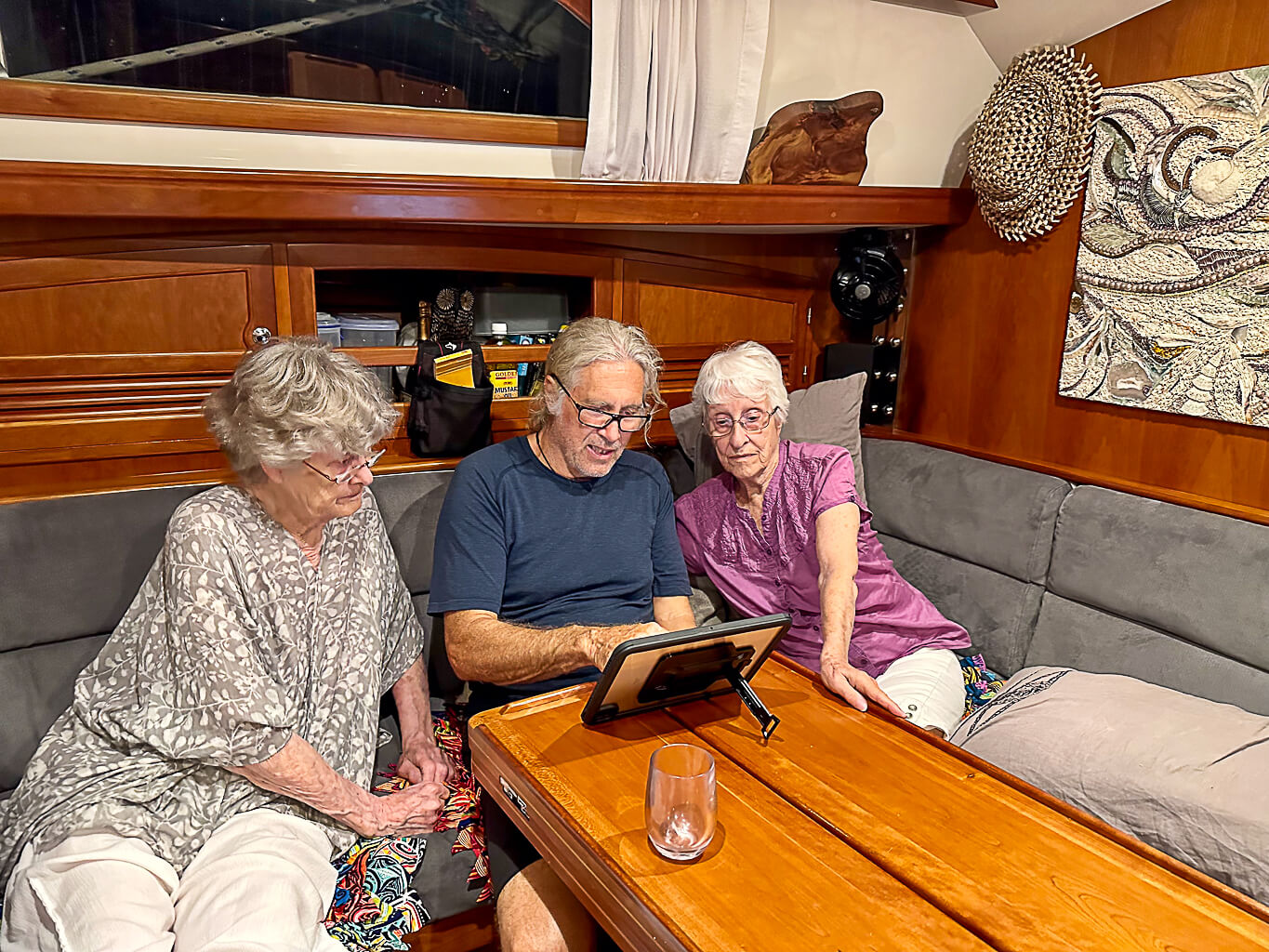
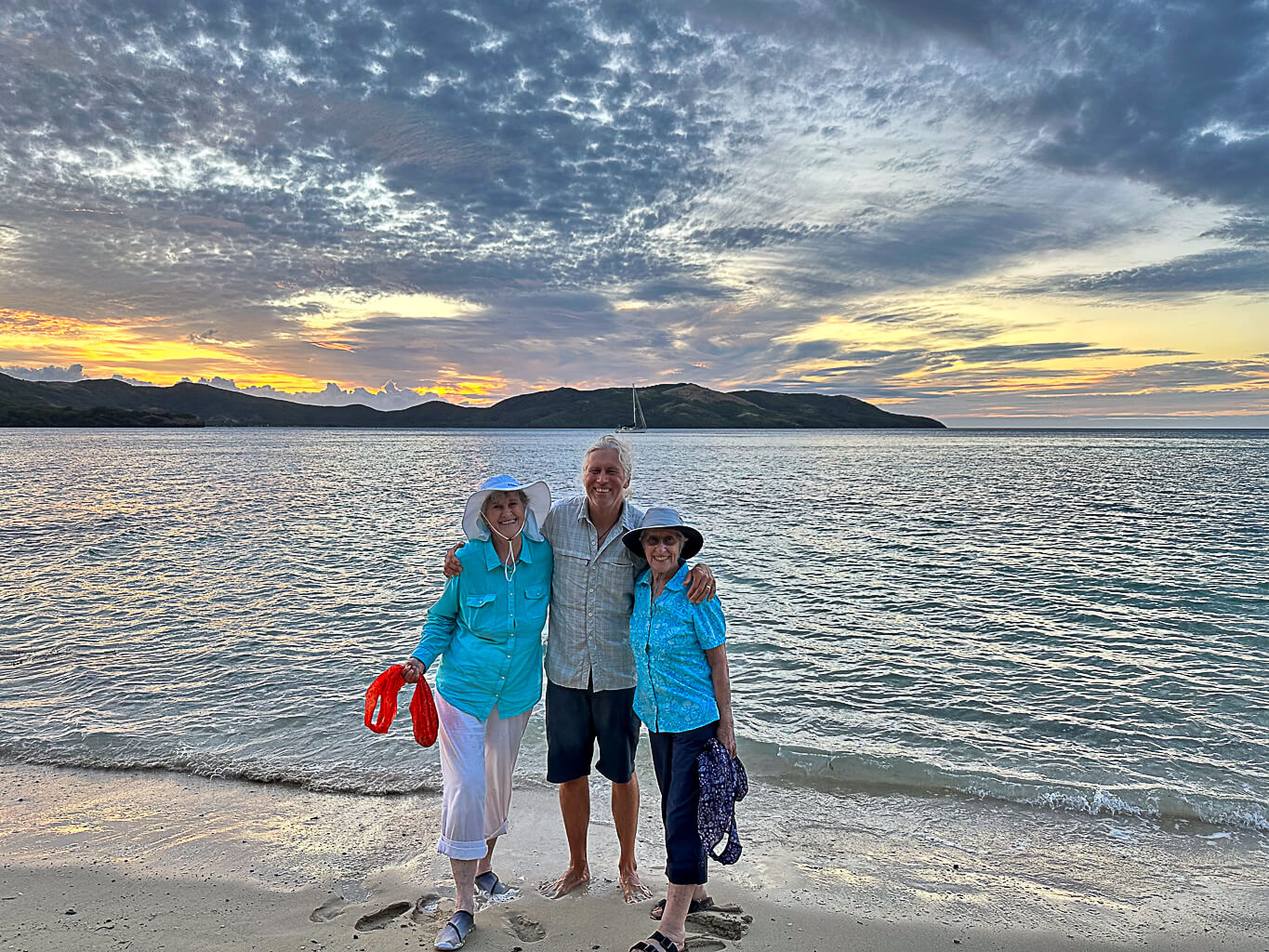
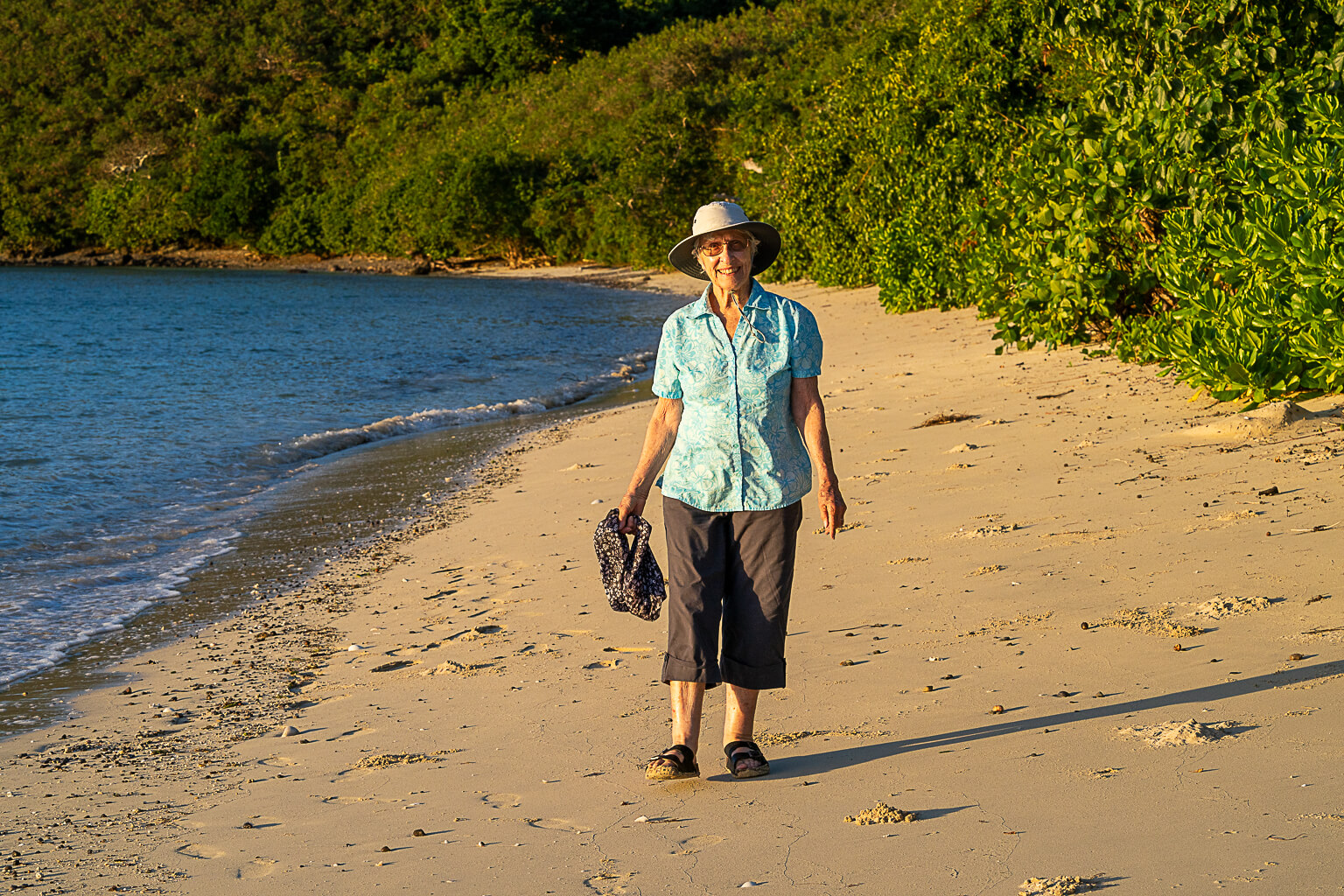
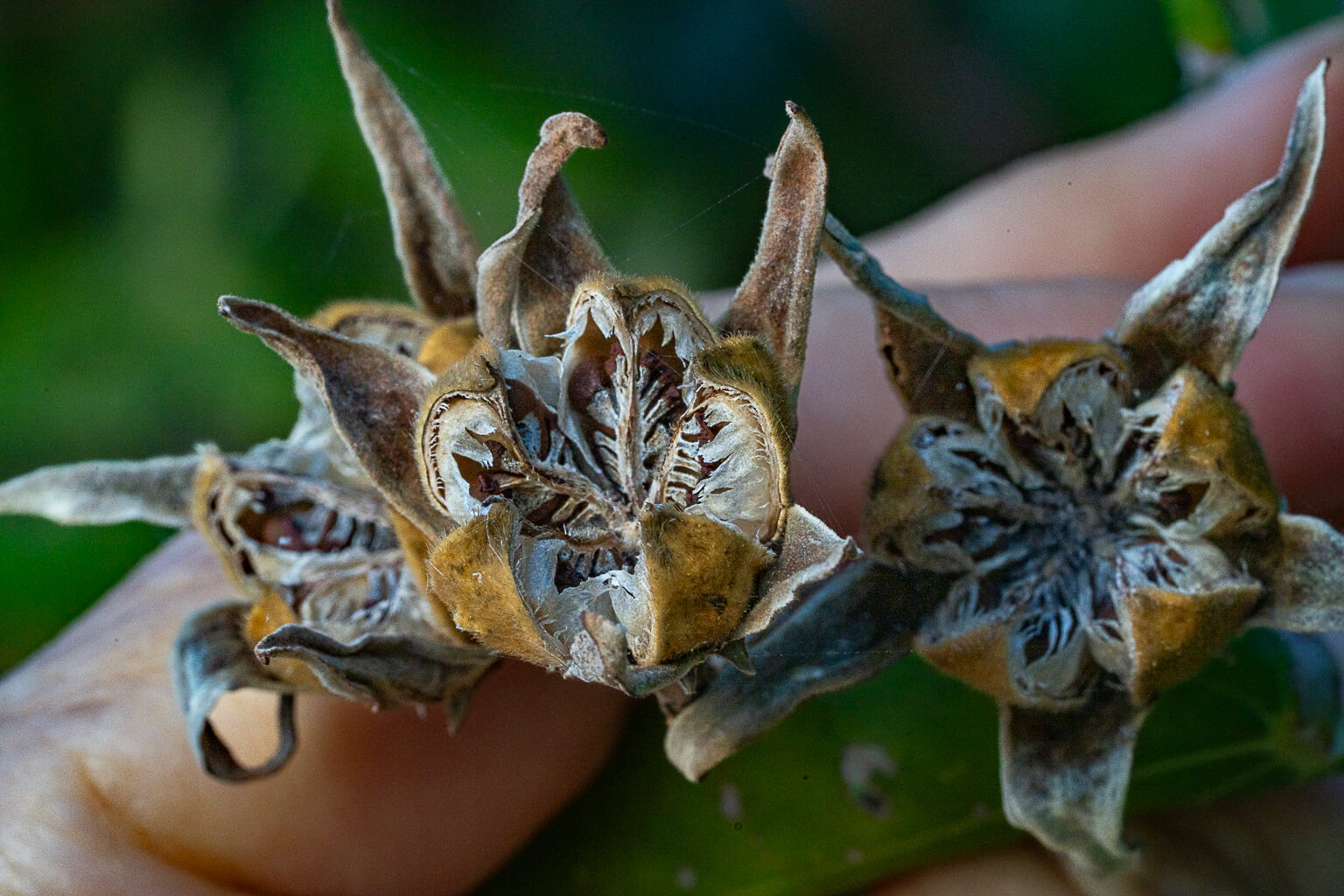
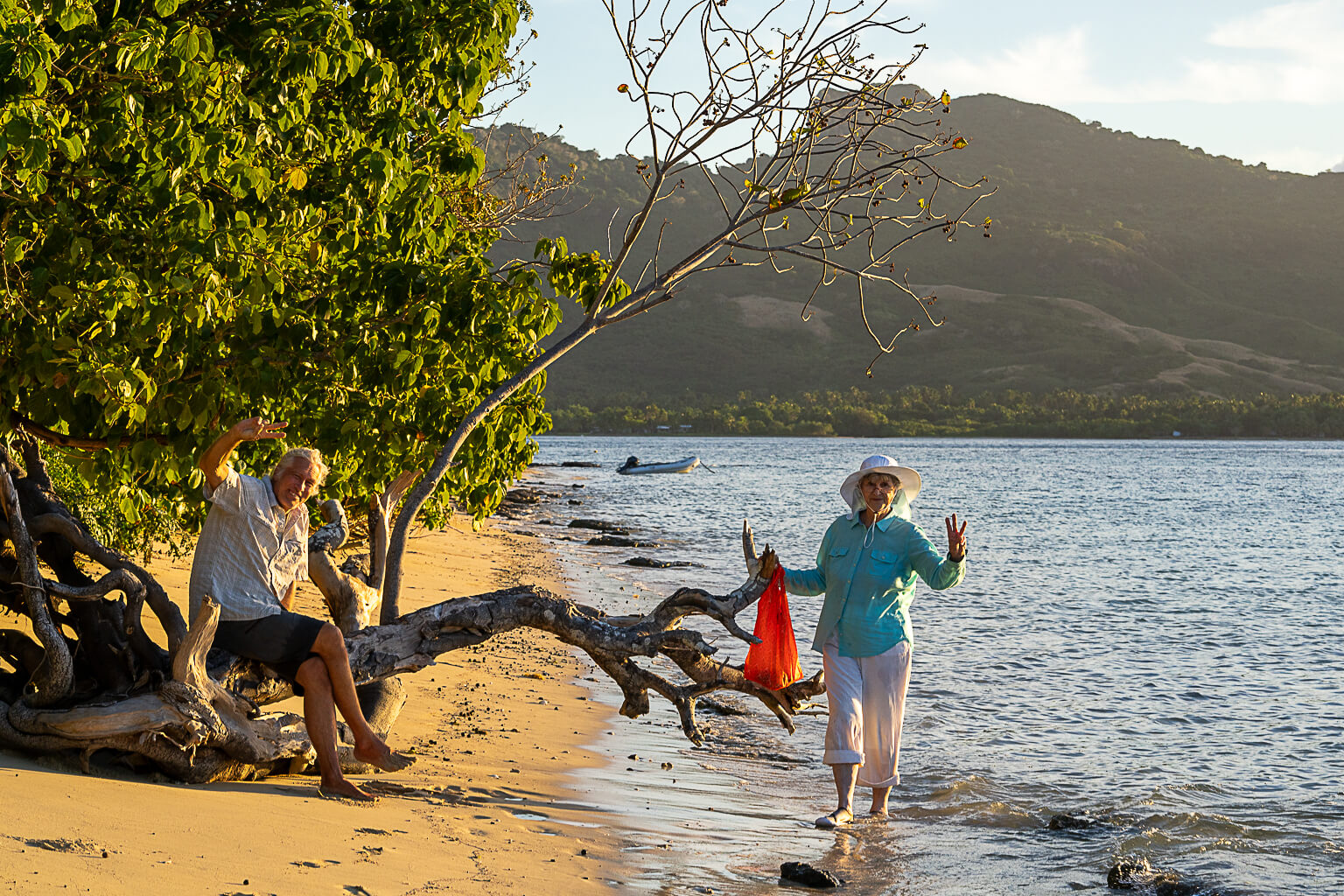
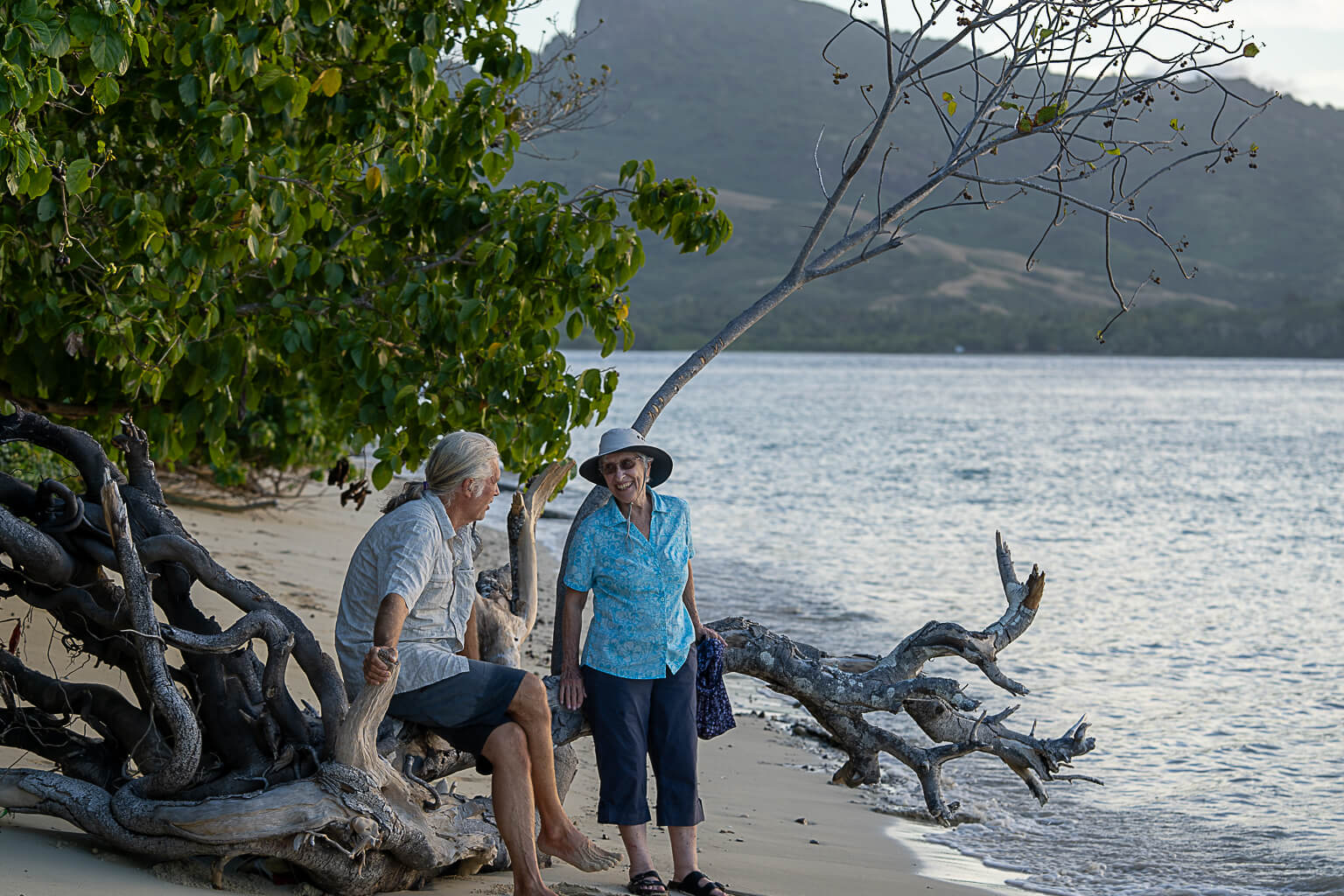
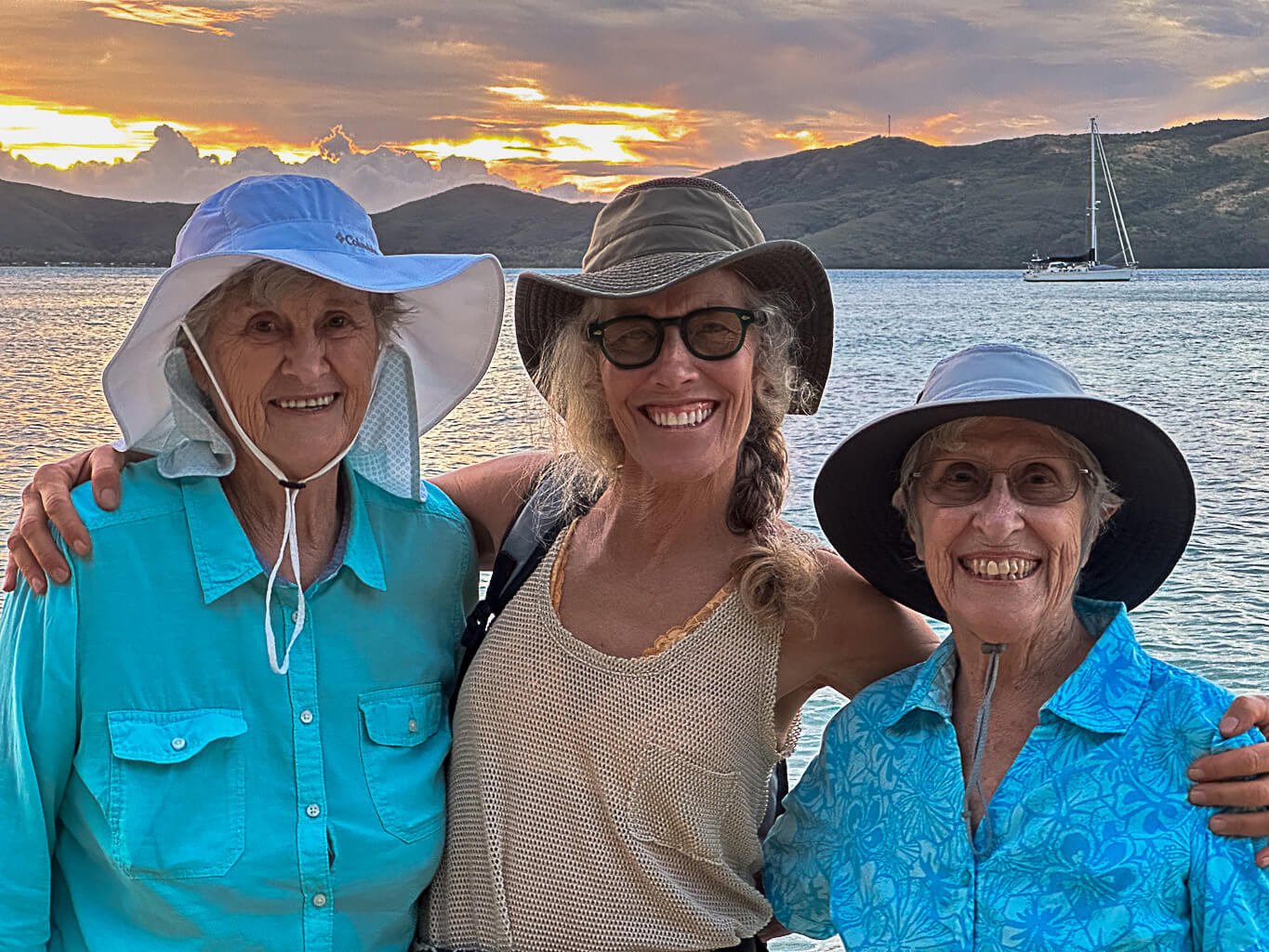
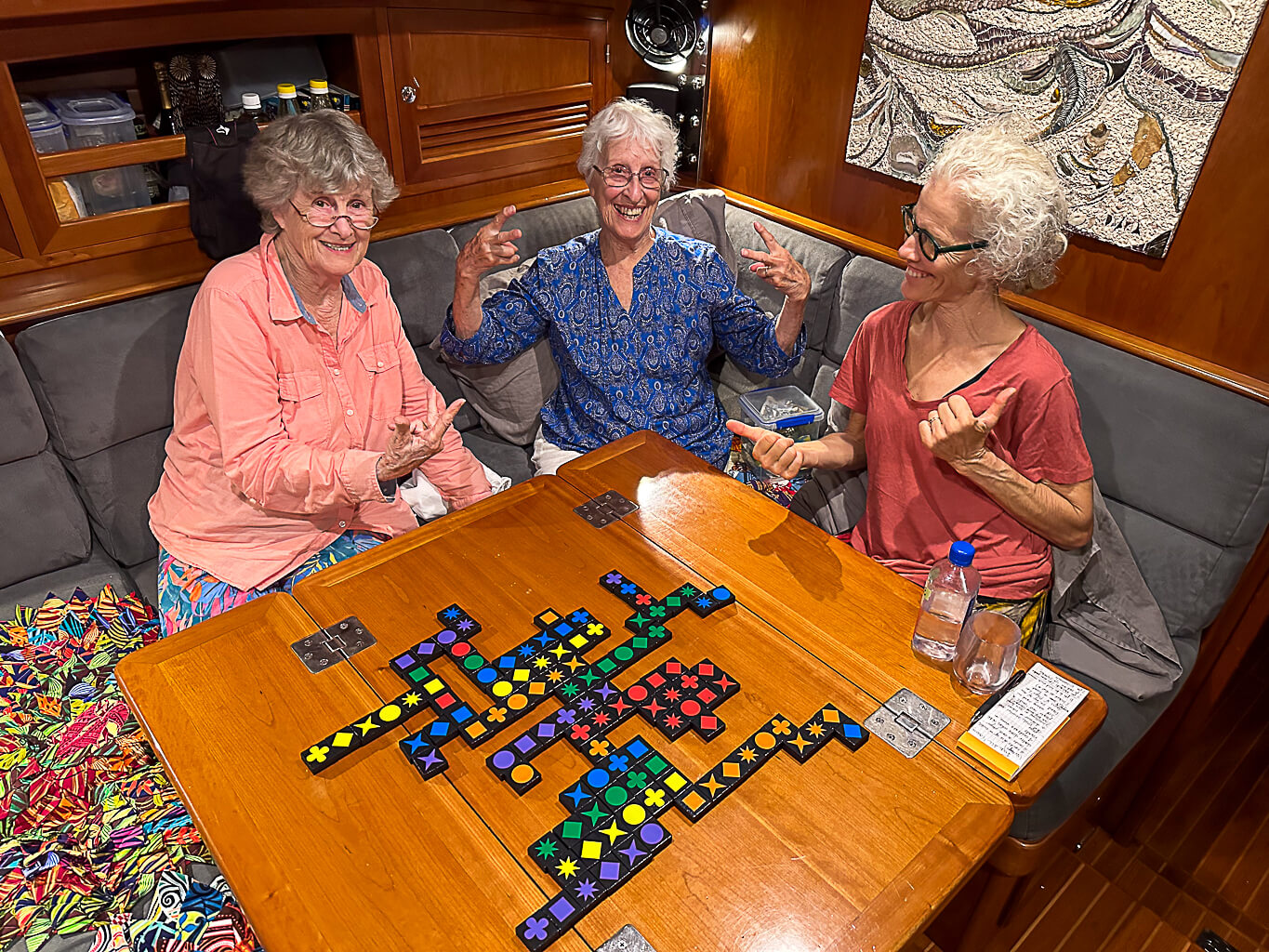
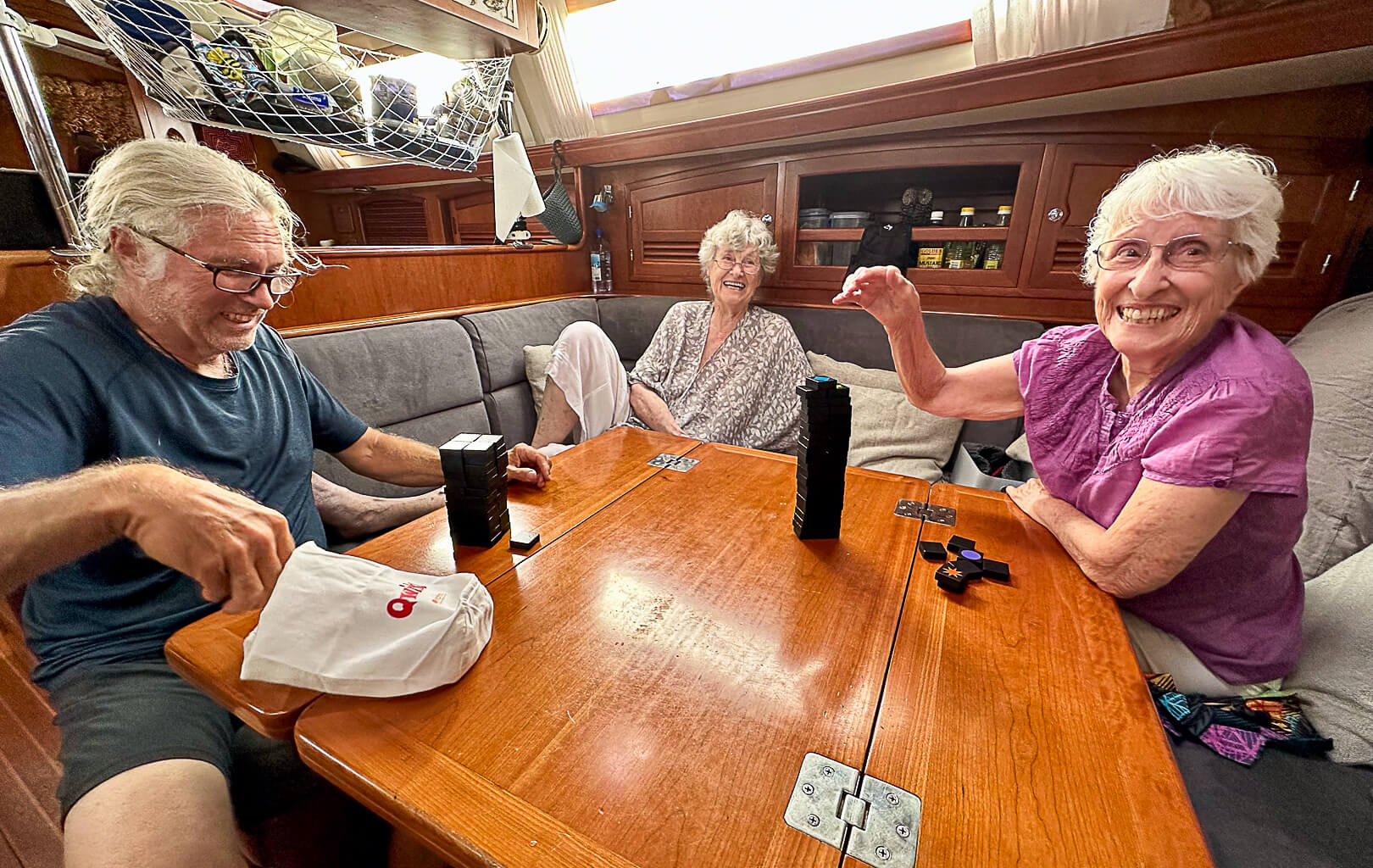
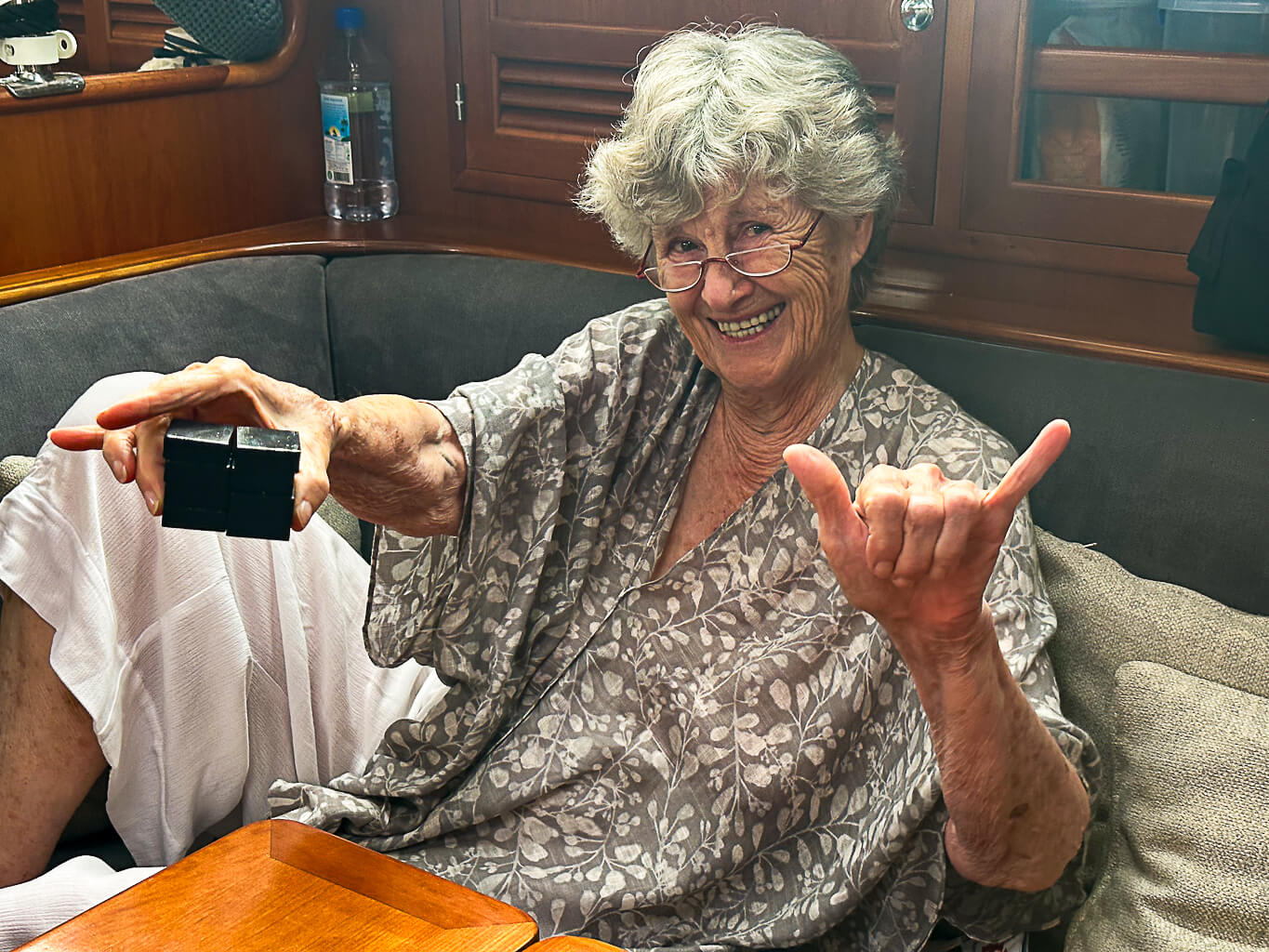
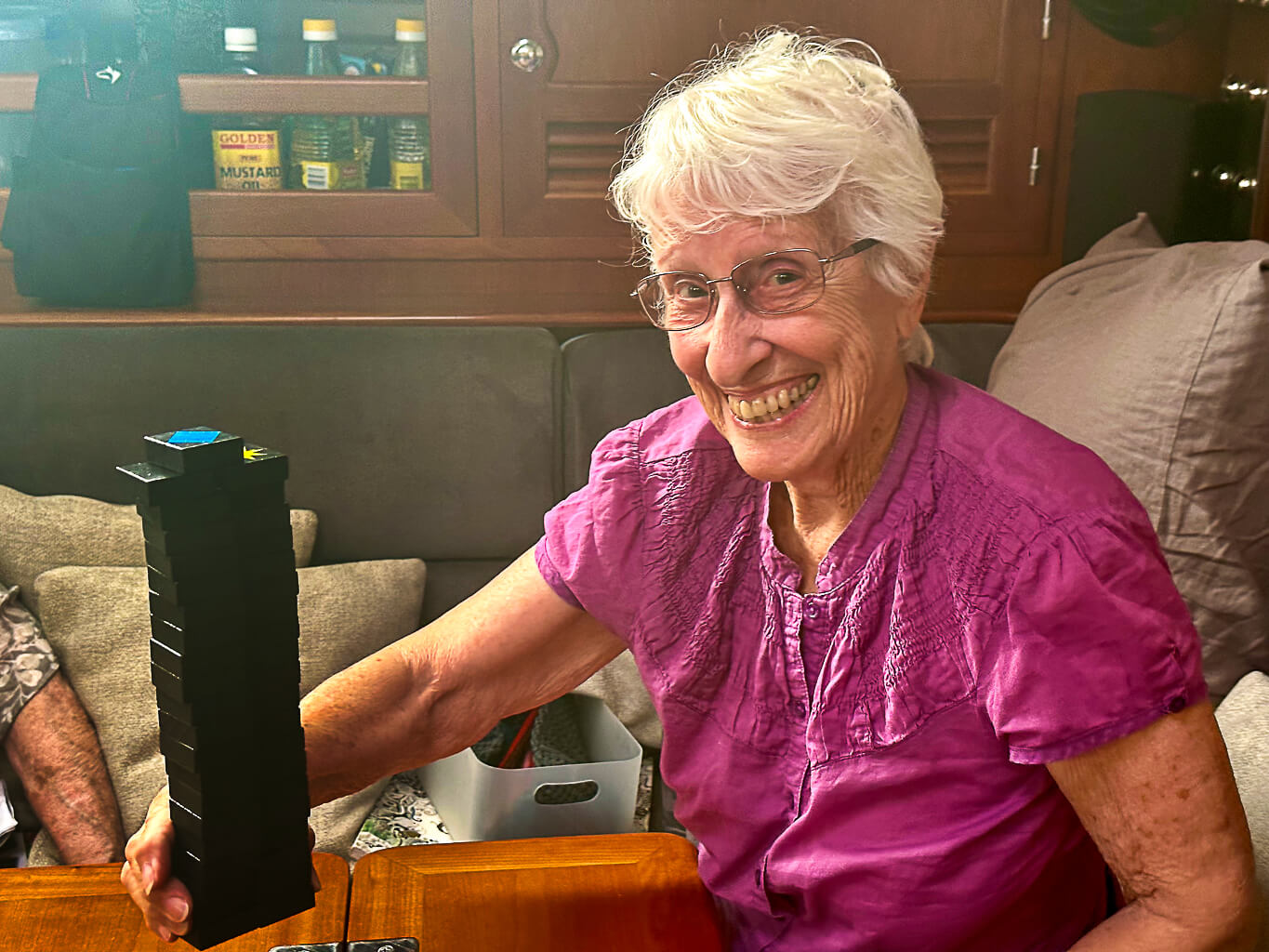
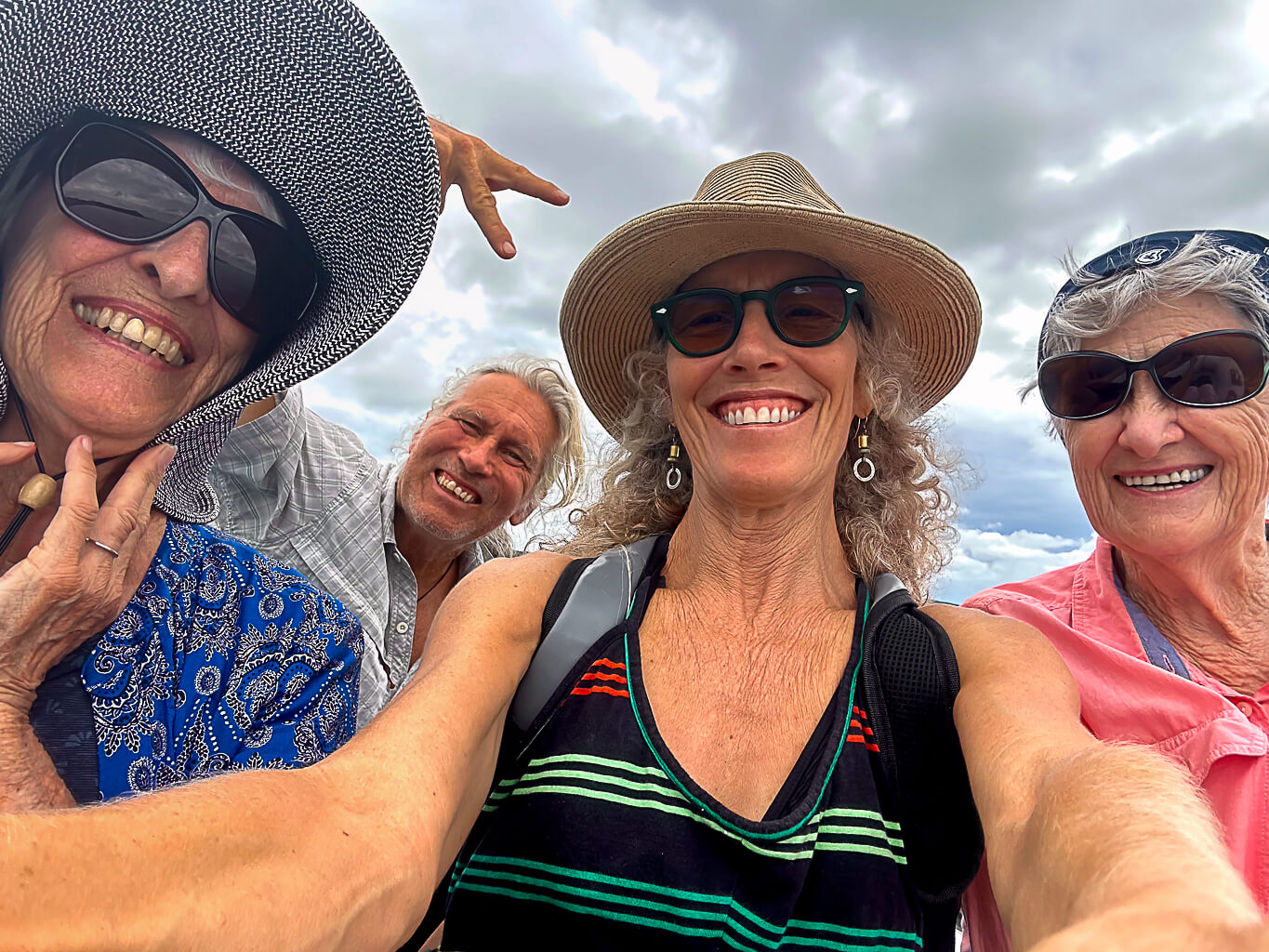
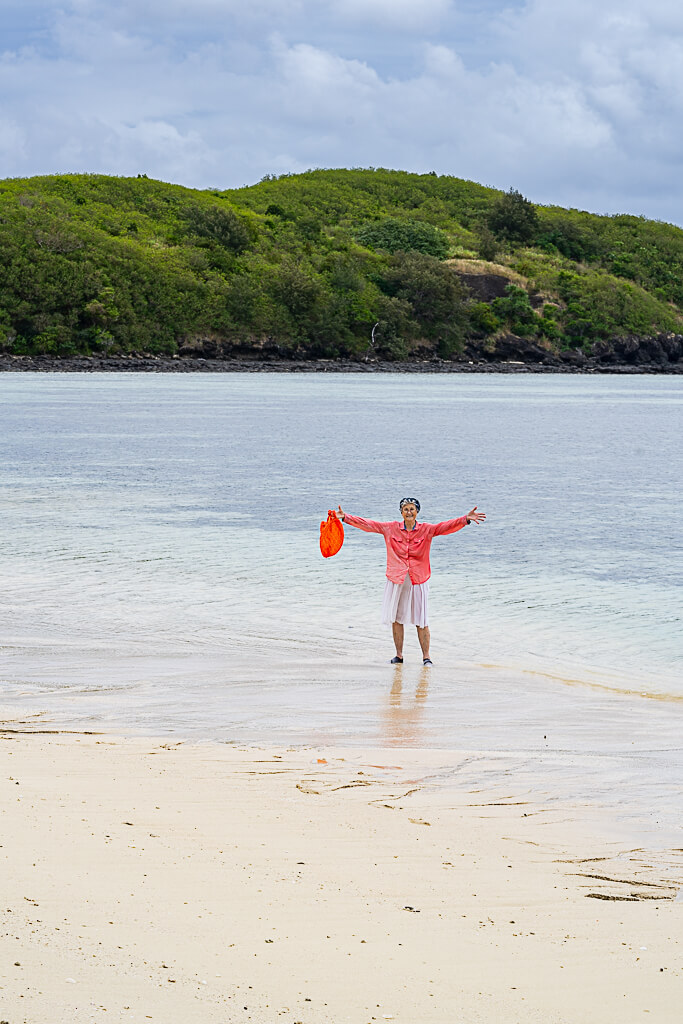
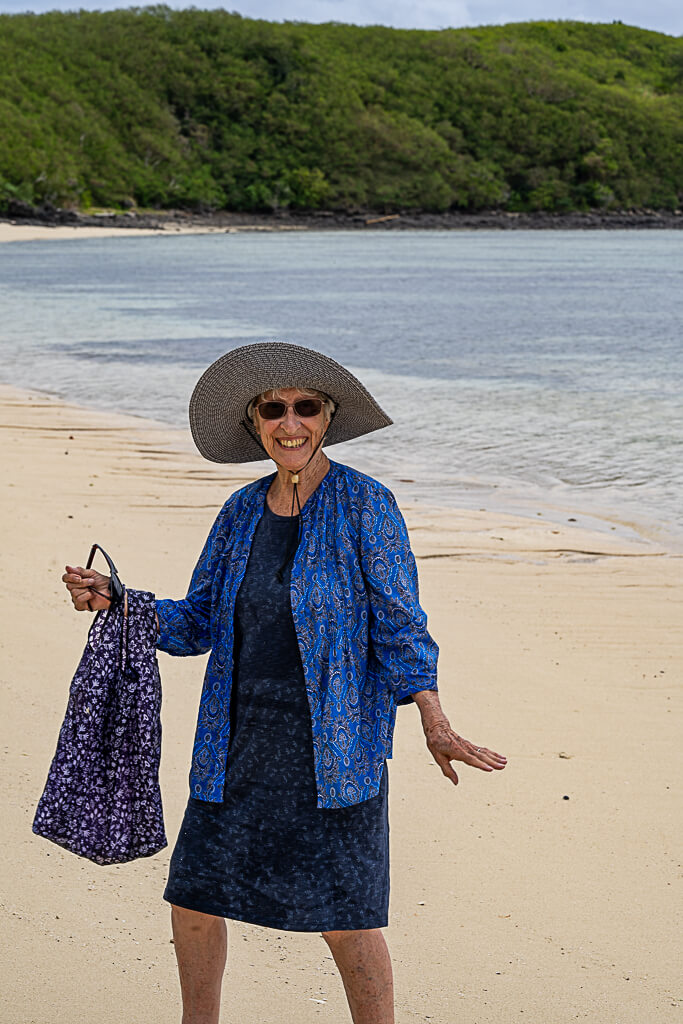
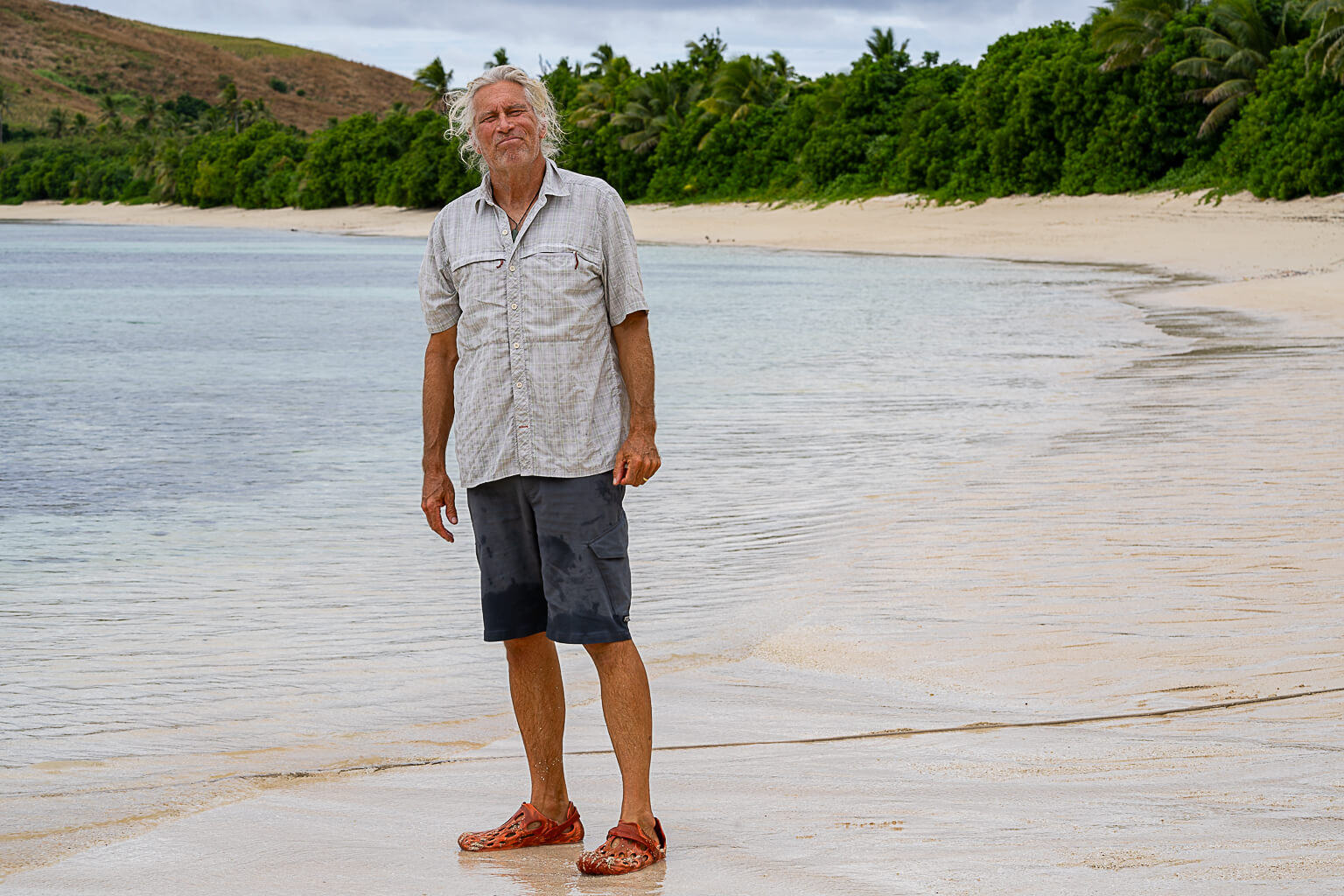
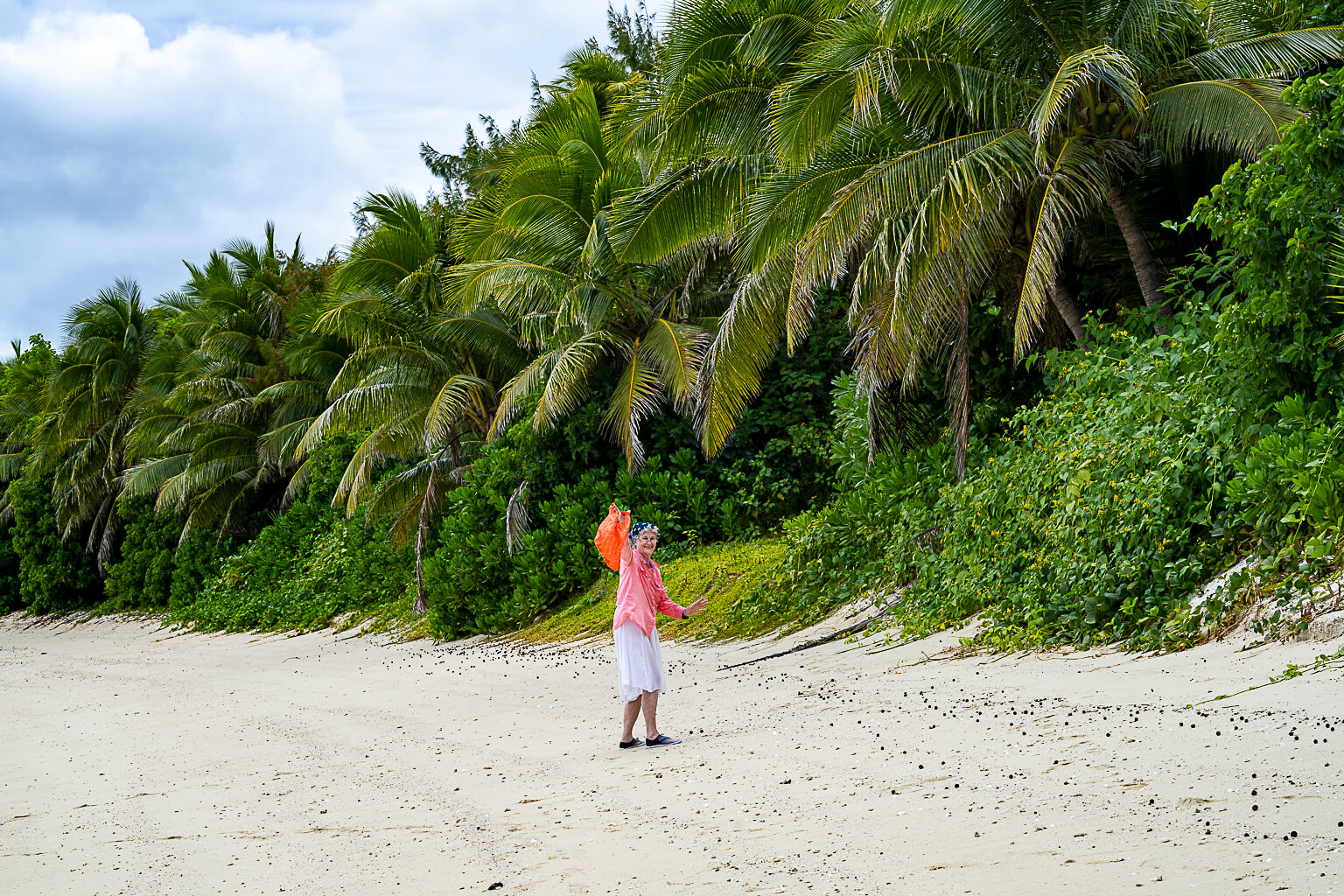
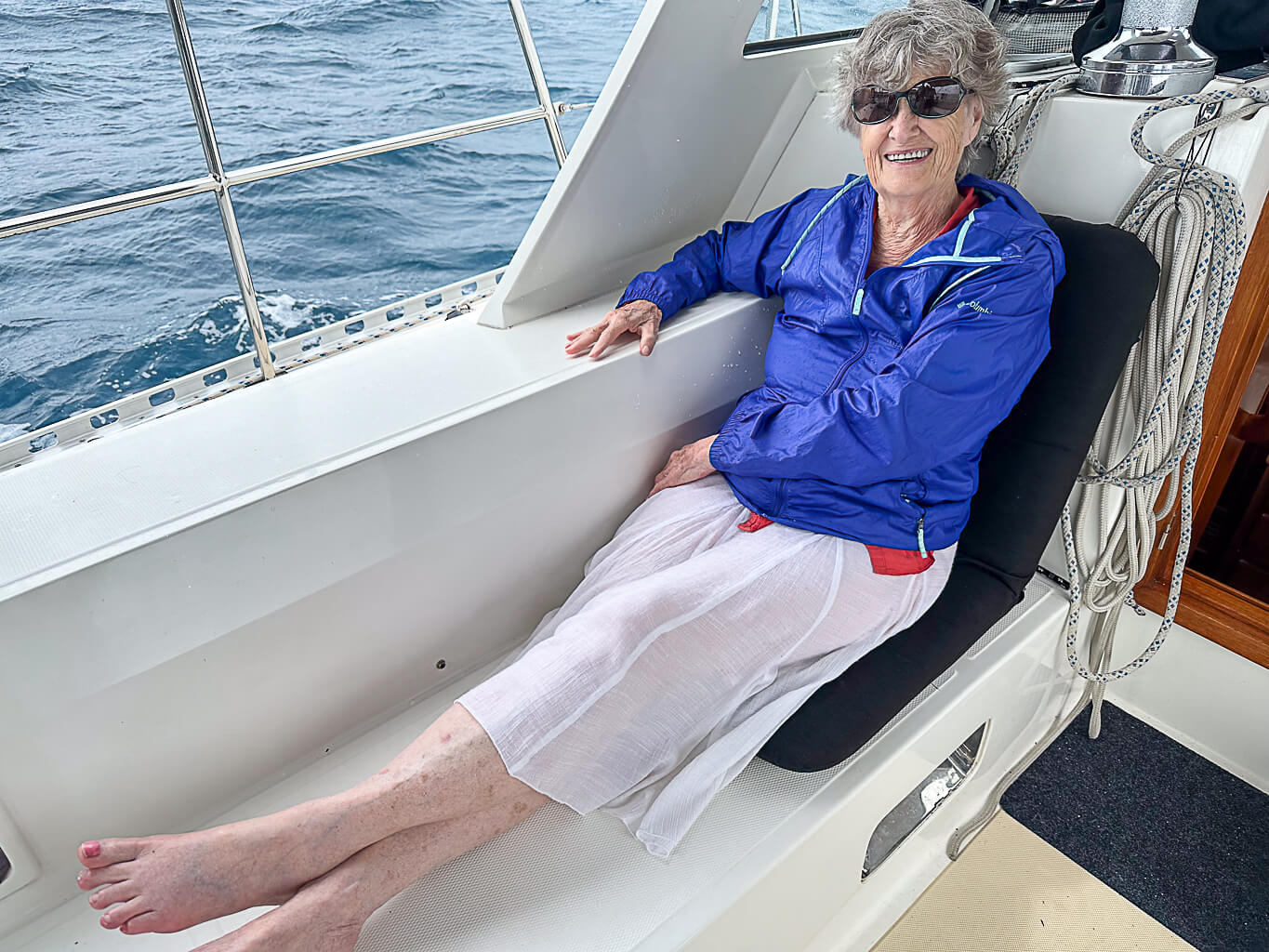
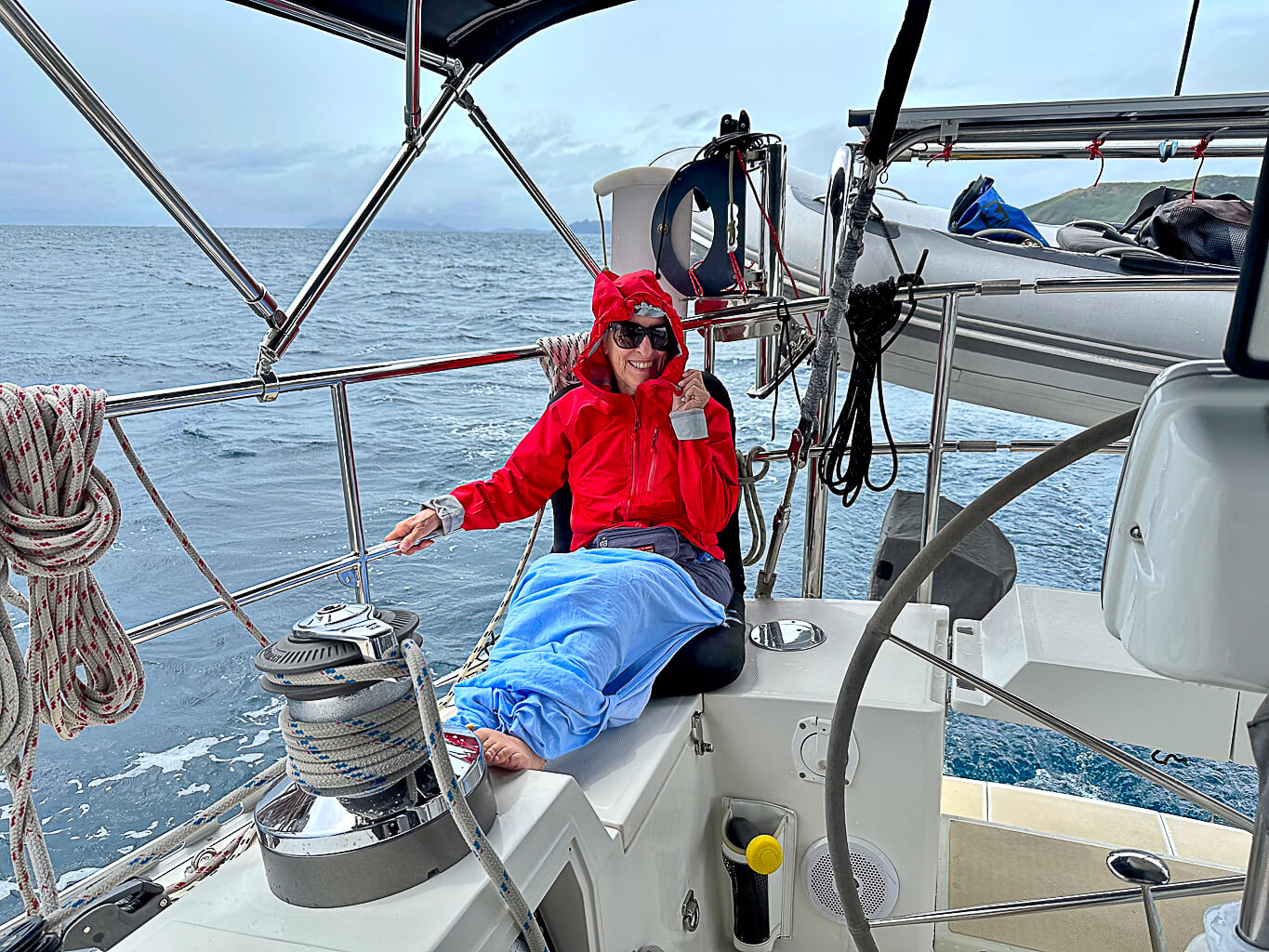
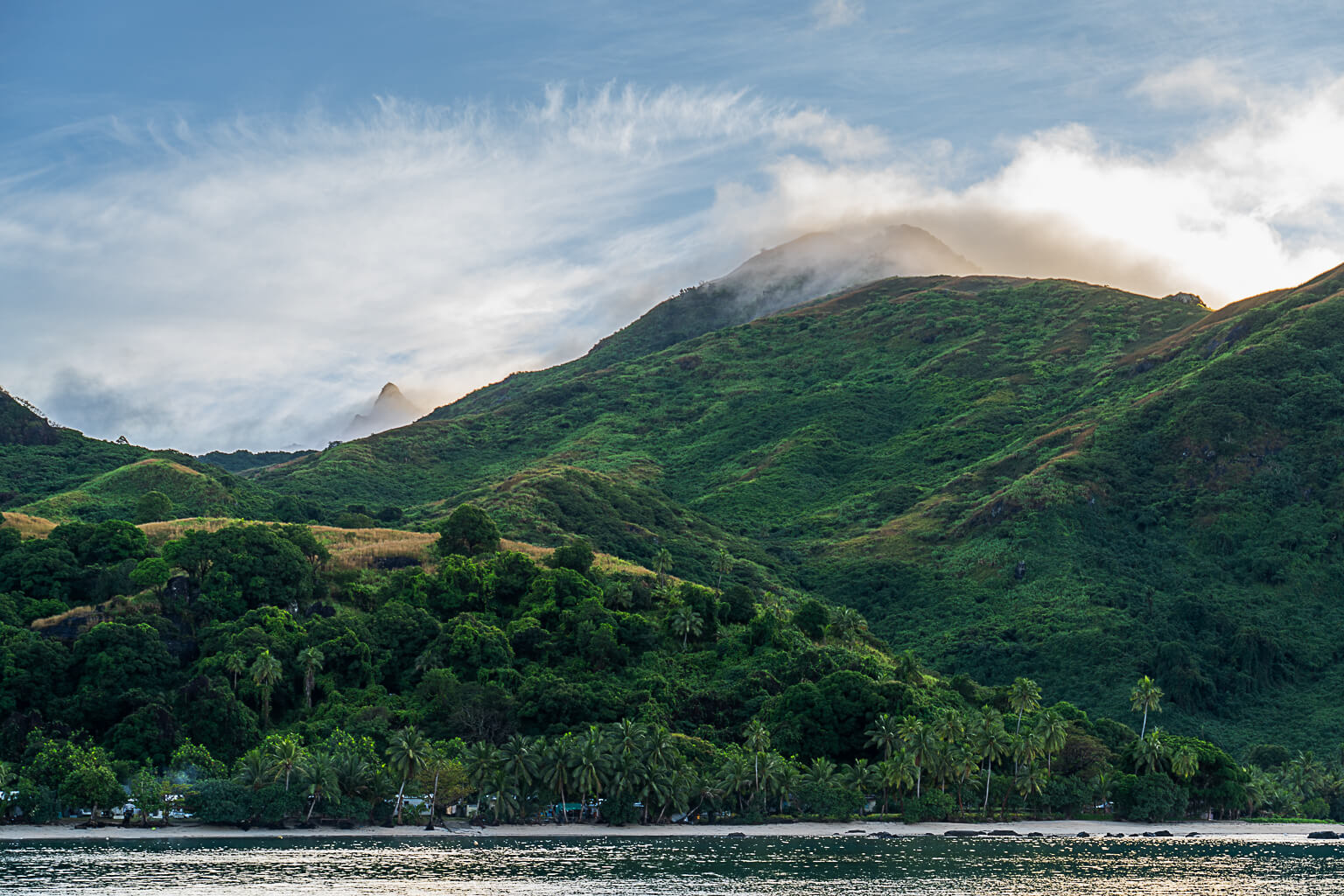
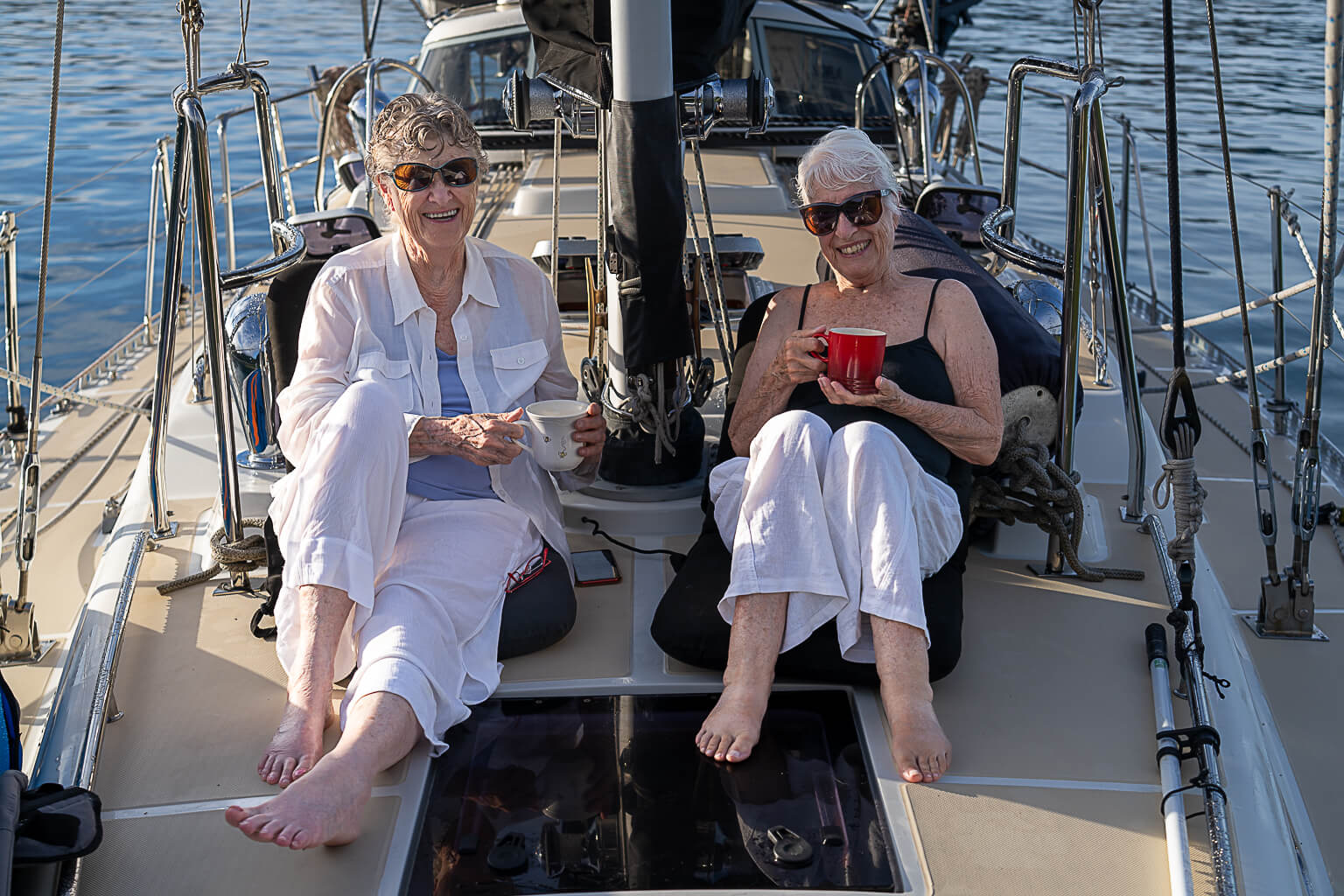
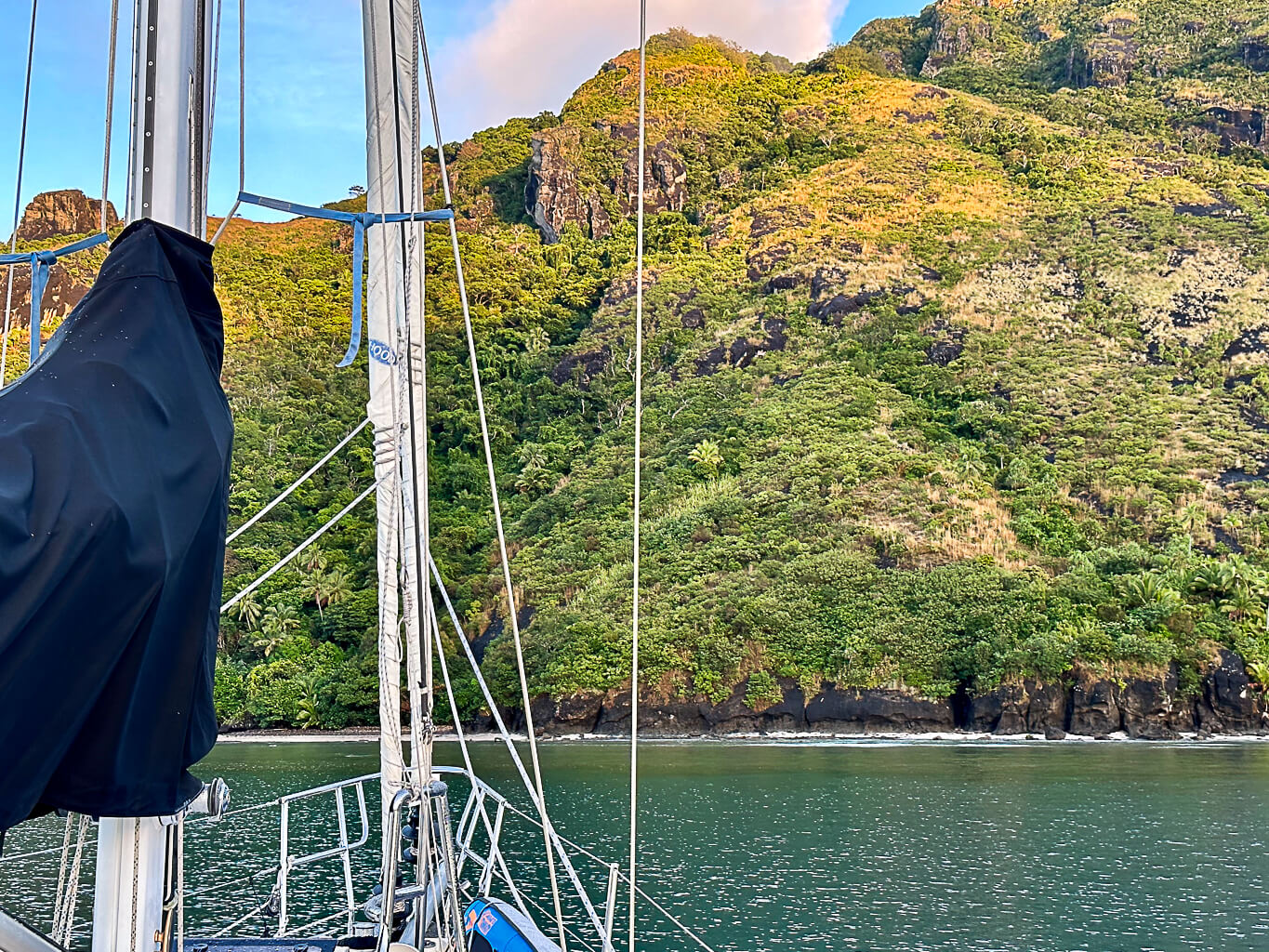
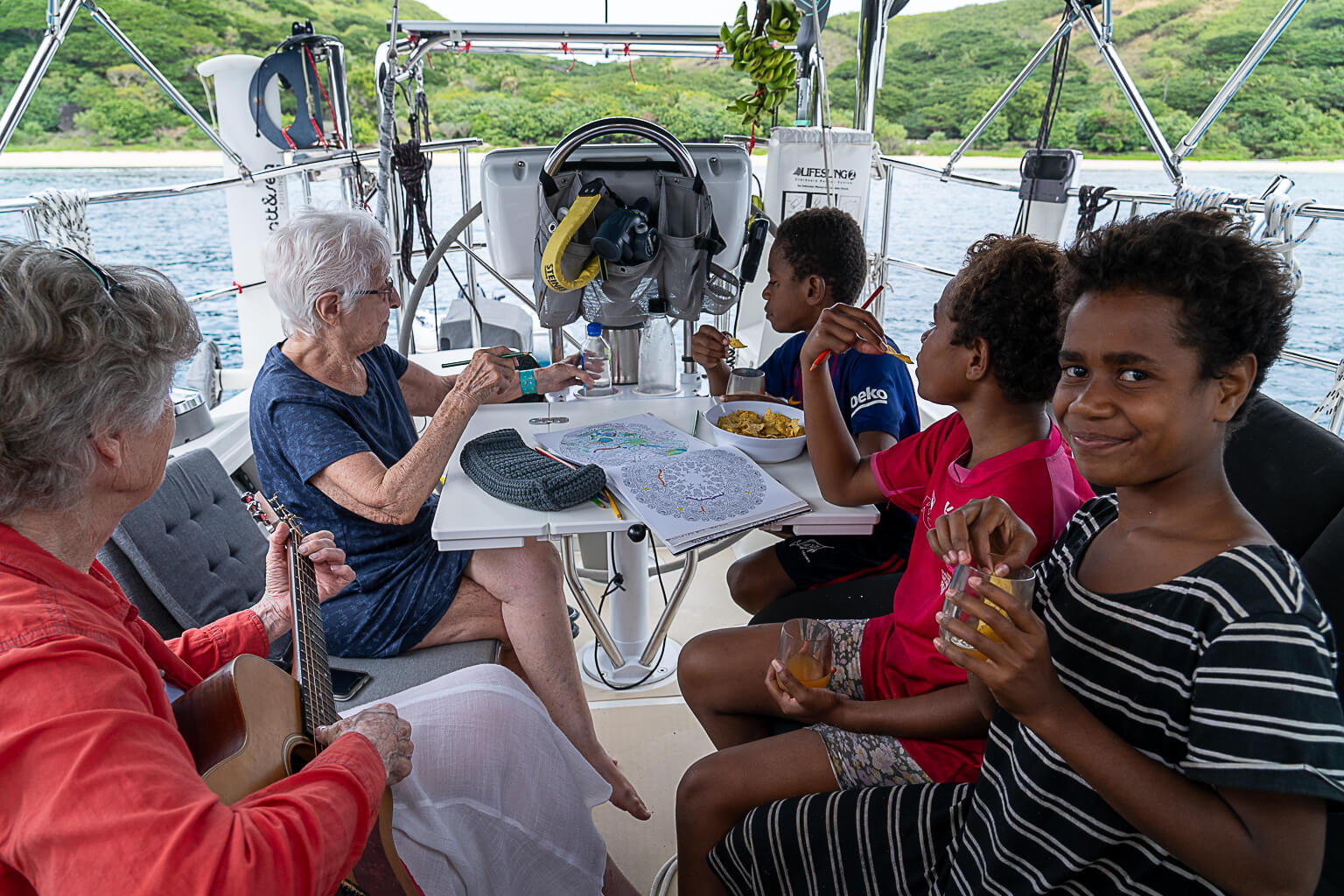
The highlight of the Moms’ visit (besides the music), was the slow mornings and conversation. It seems like most days we sat in the cockpit losing track of time until almost noon, typically with a wonderful brunch whipped up by Diana (with assistance from her favorite sous chef). Just being in the same space together with Allora gently (or sometimes not so gently) rocking, turning in the breeze (or gale) was all we needed. We covered most topics ranging from the essential meaning of the universe to childhood memories of mixing the yellow coloring into margarine. Maybe the same thing, actually, as I think about it. ~MS
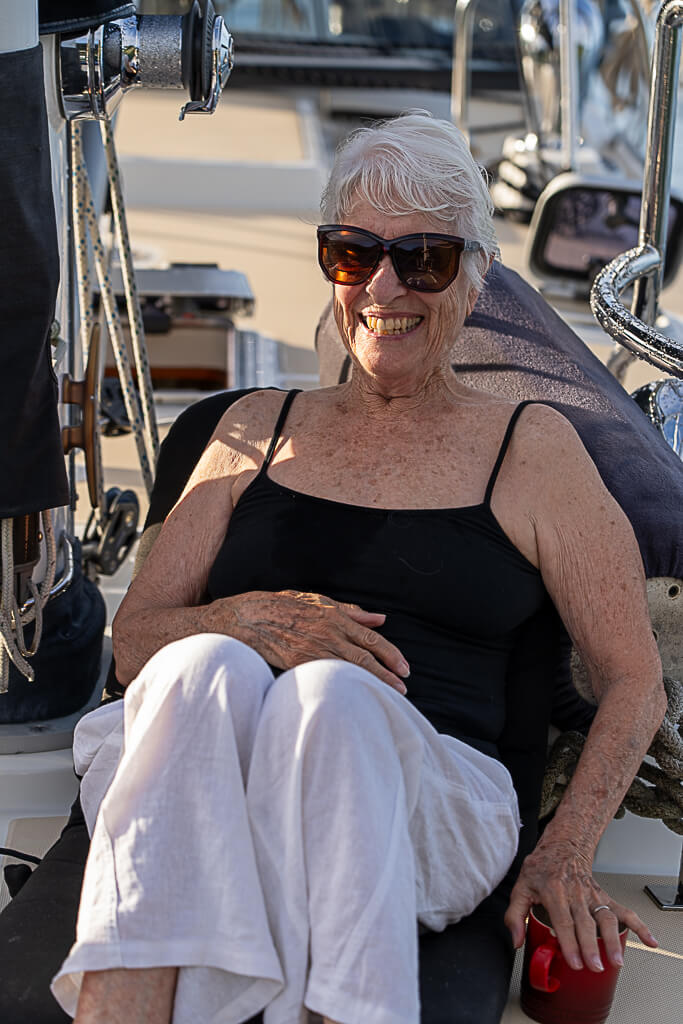
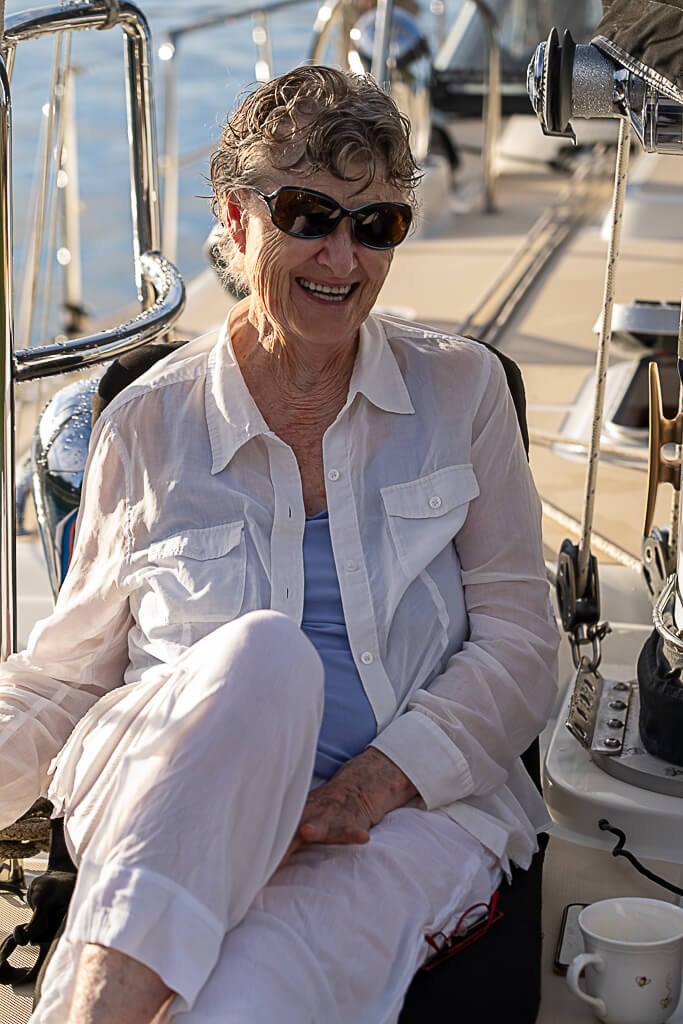

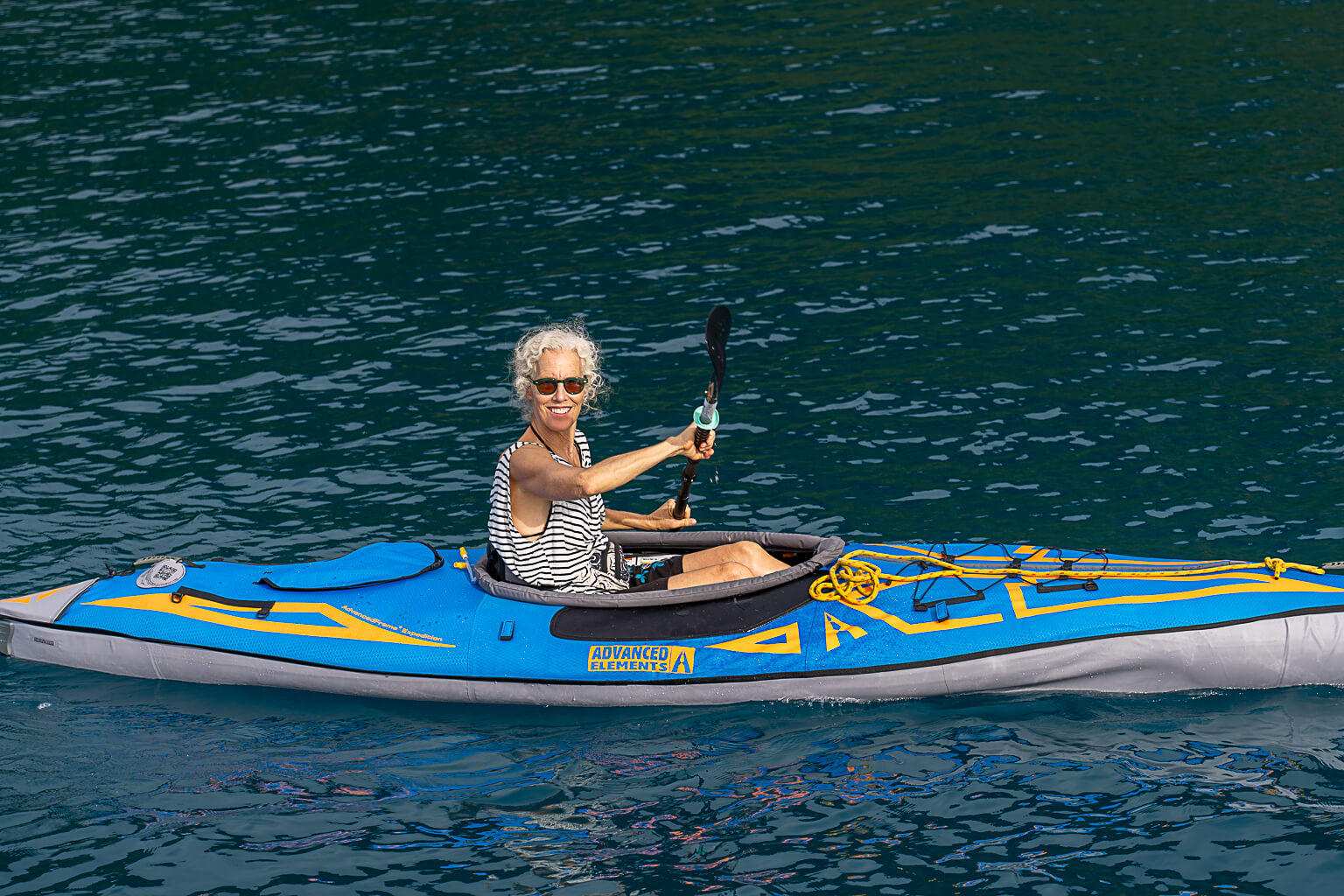
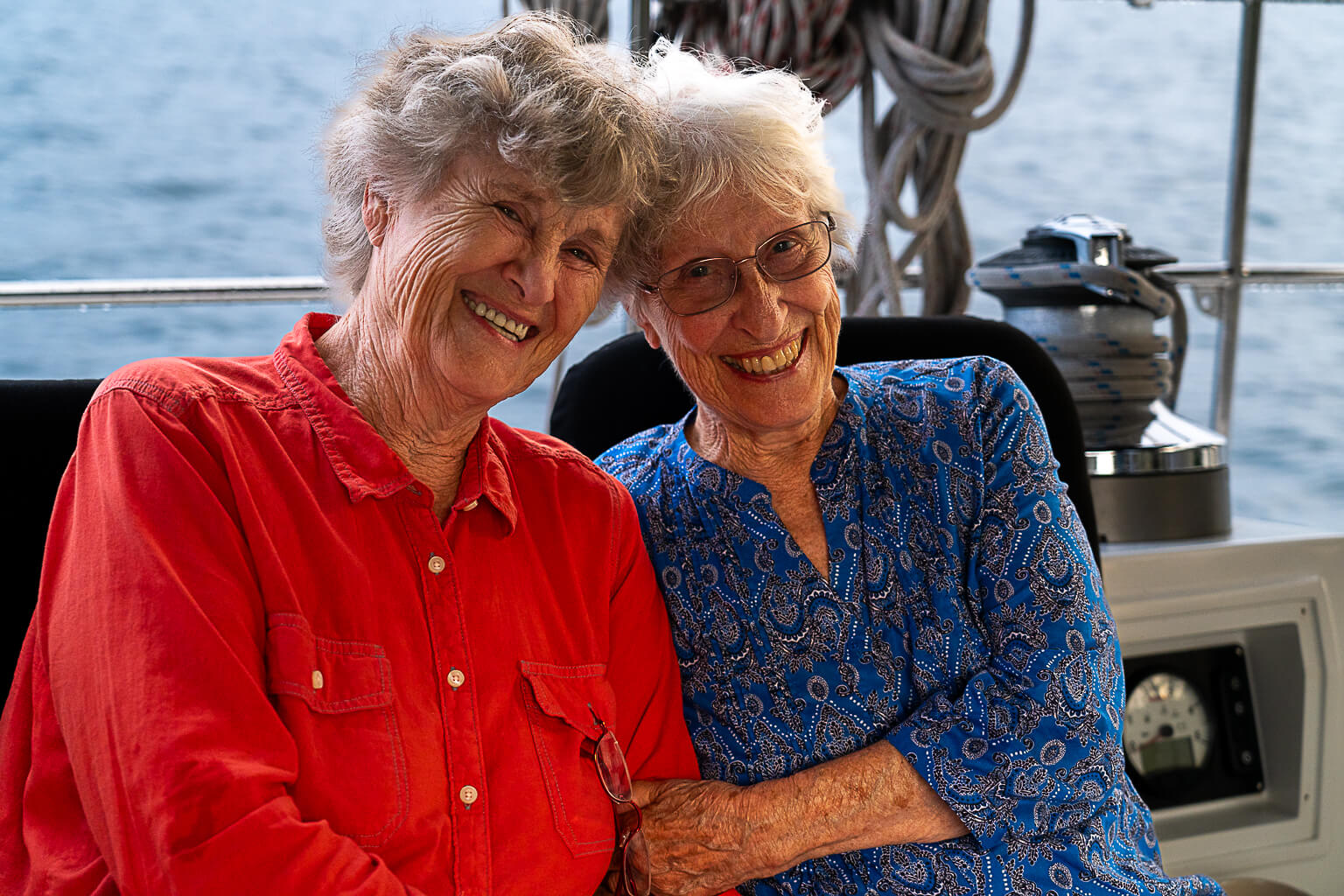
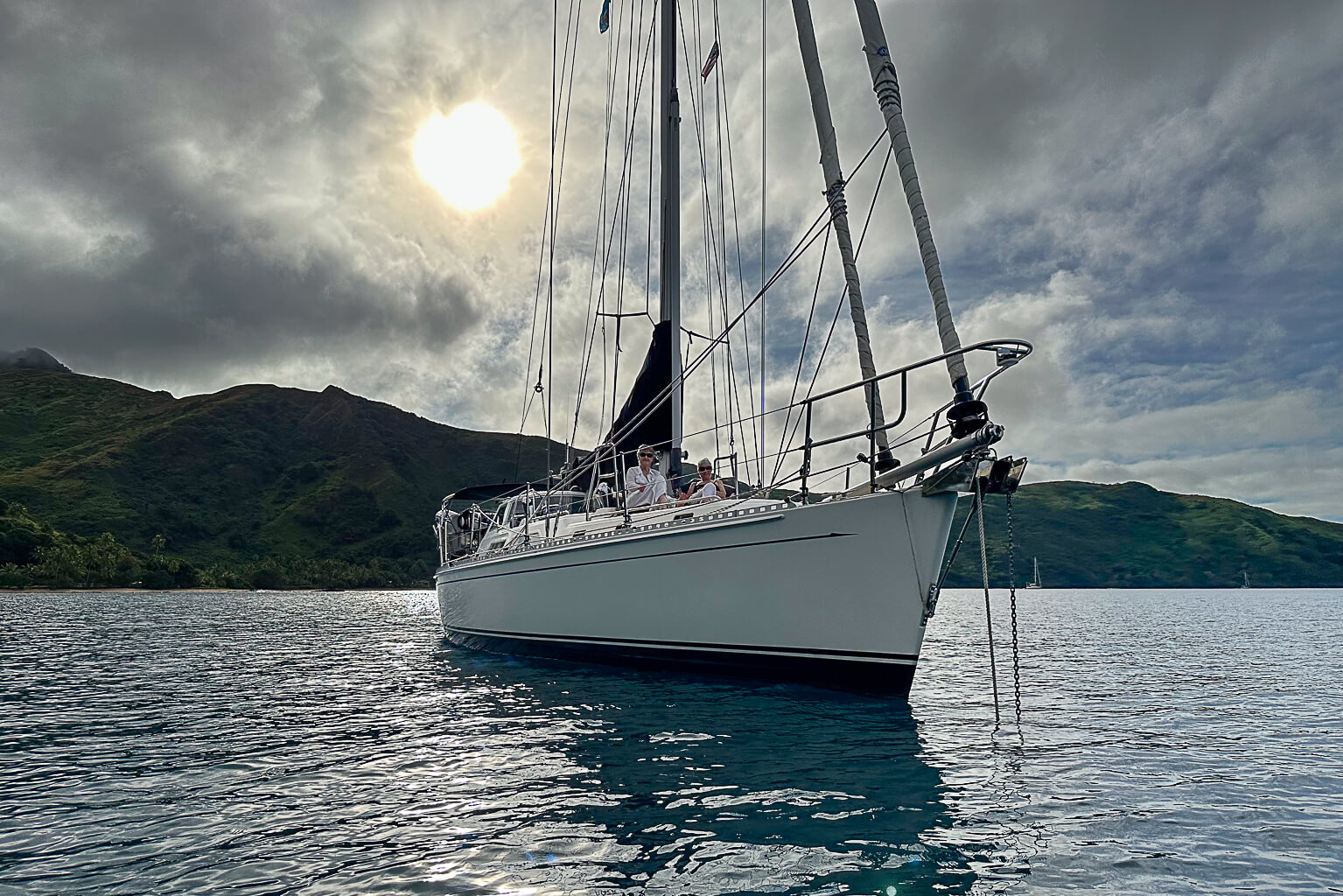
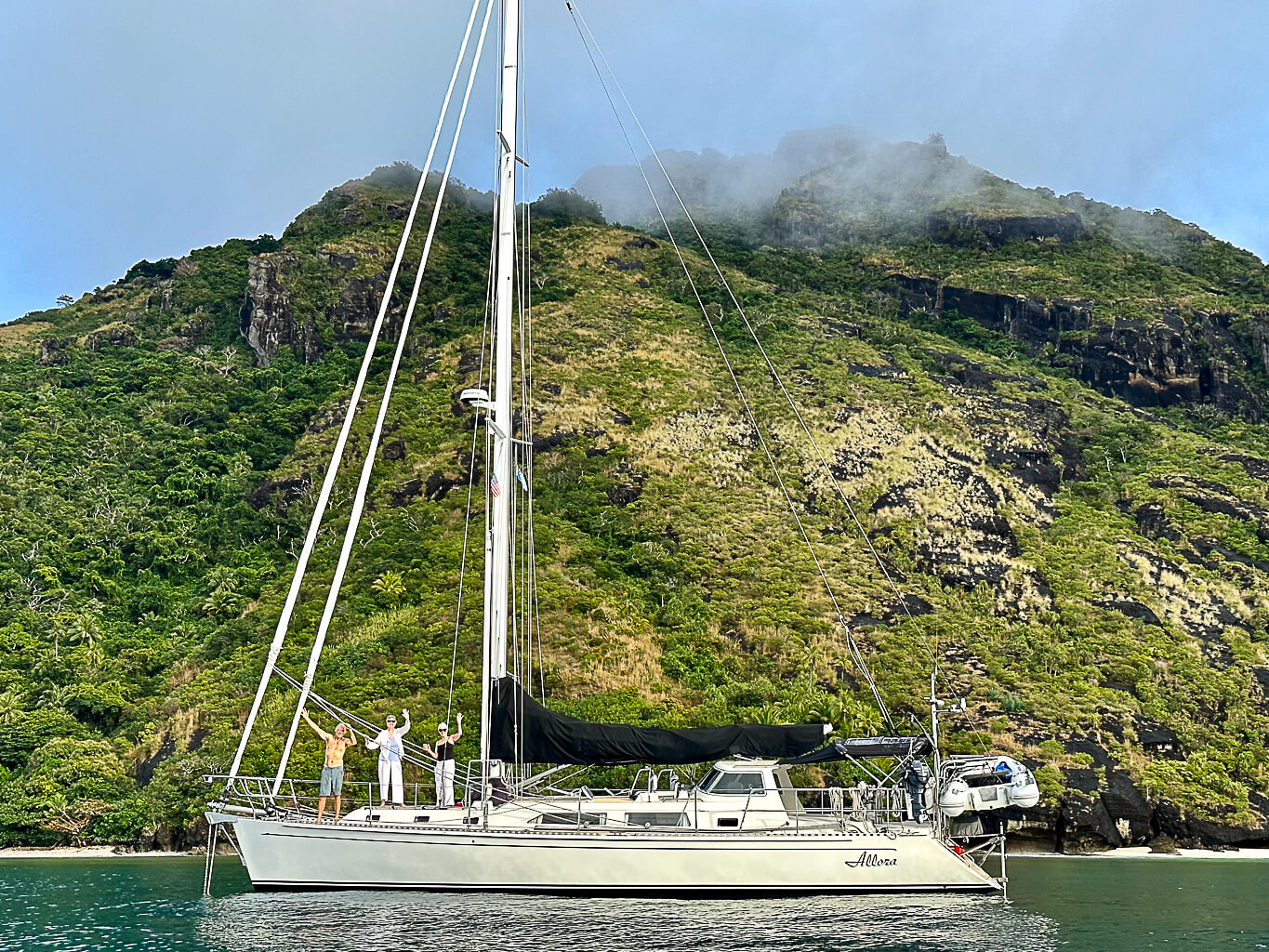
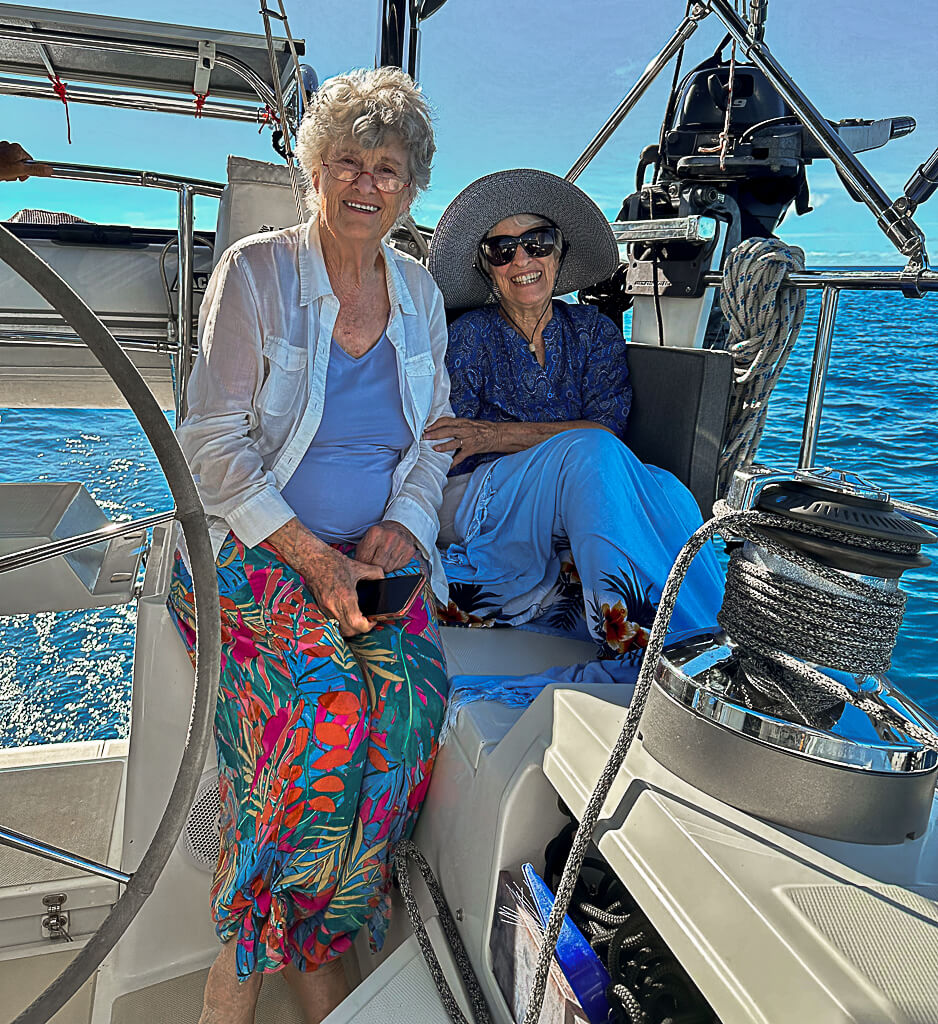
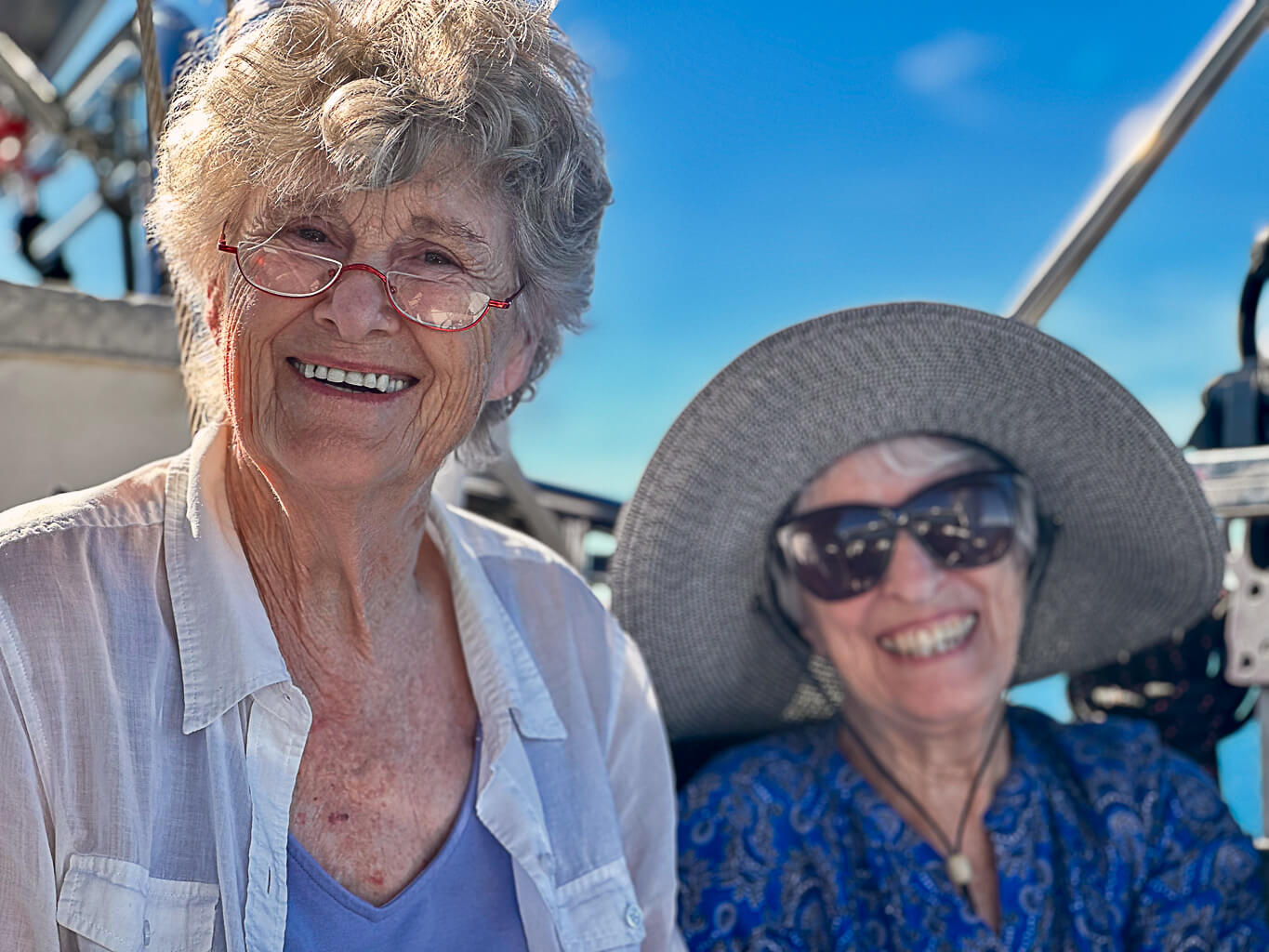
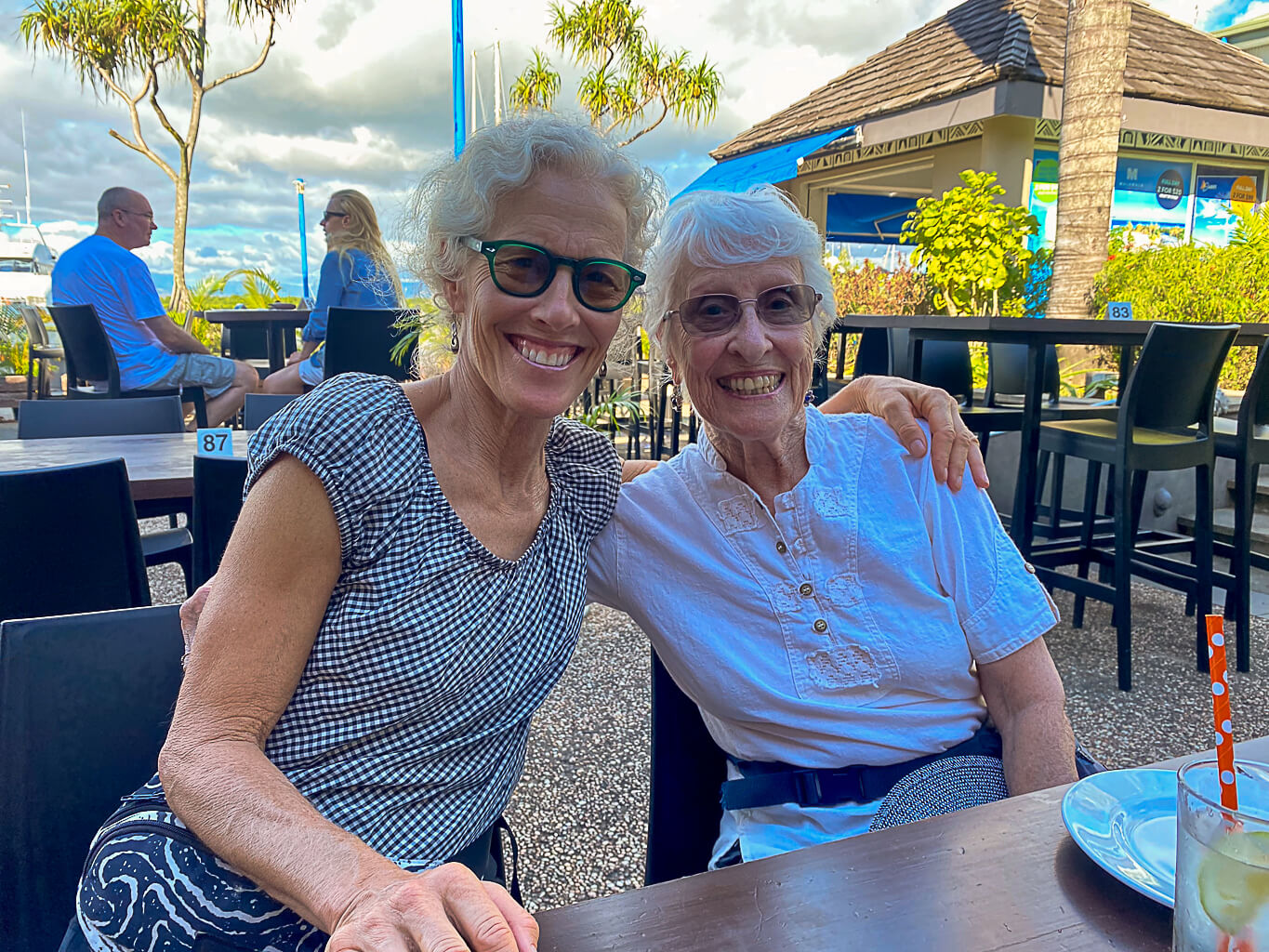
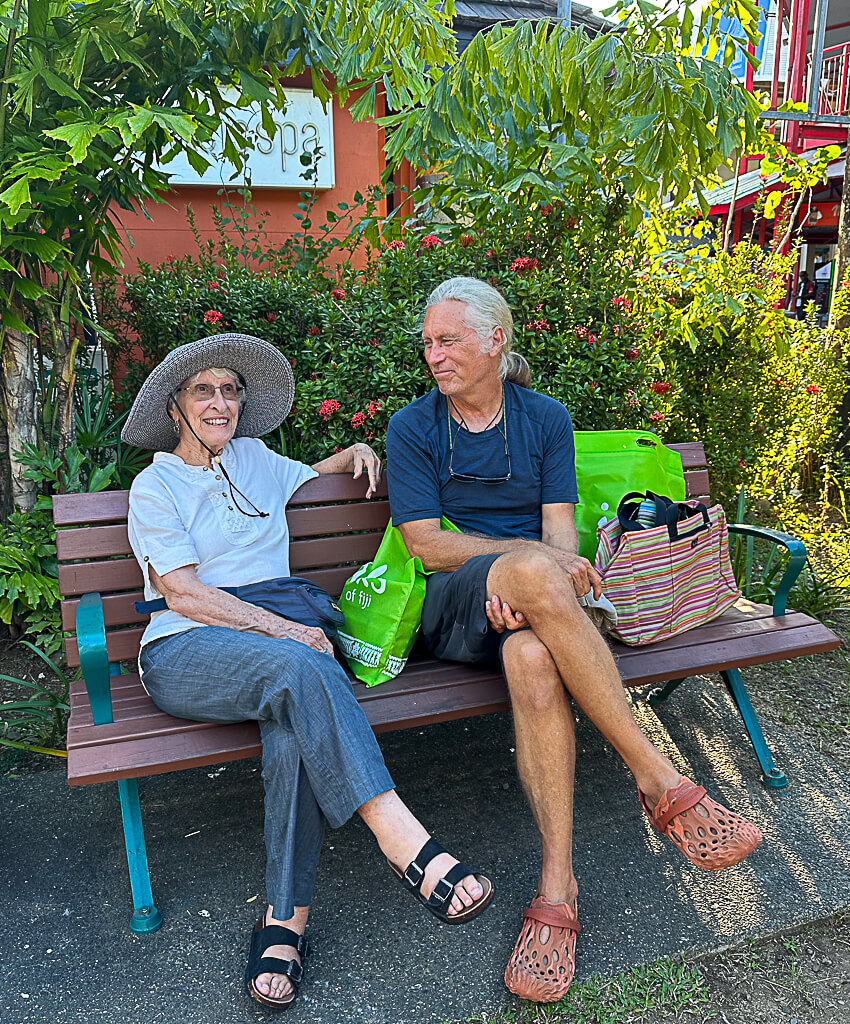
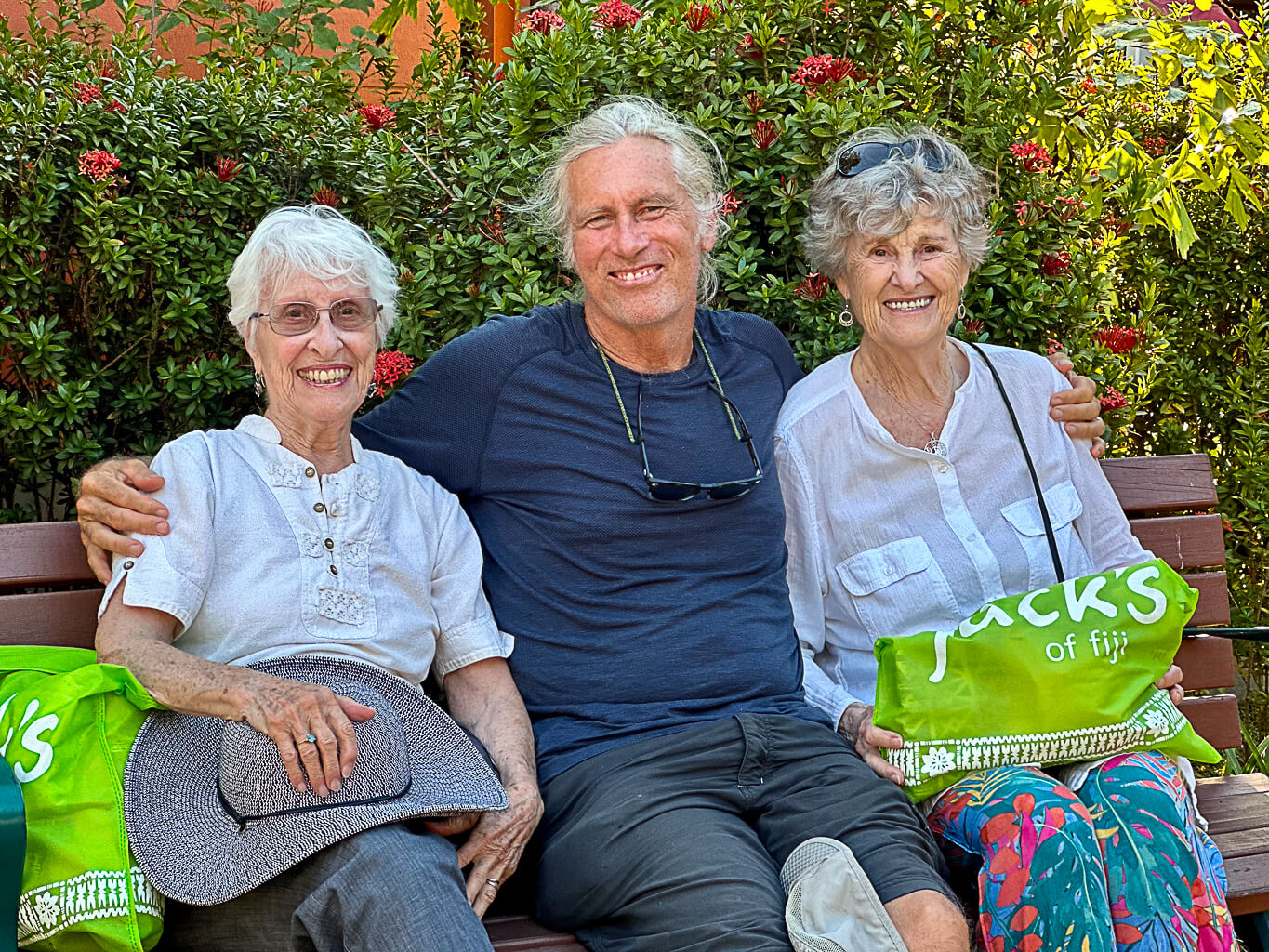
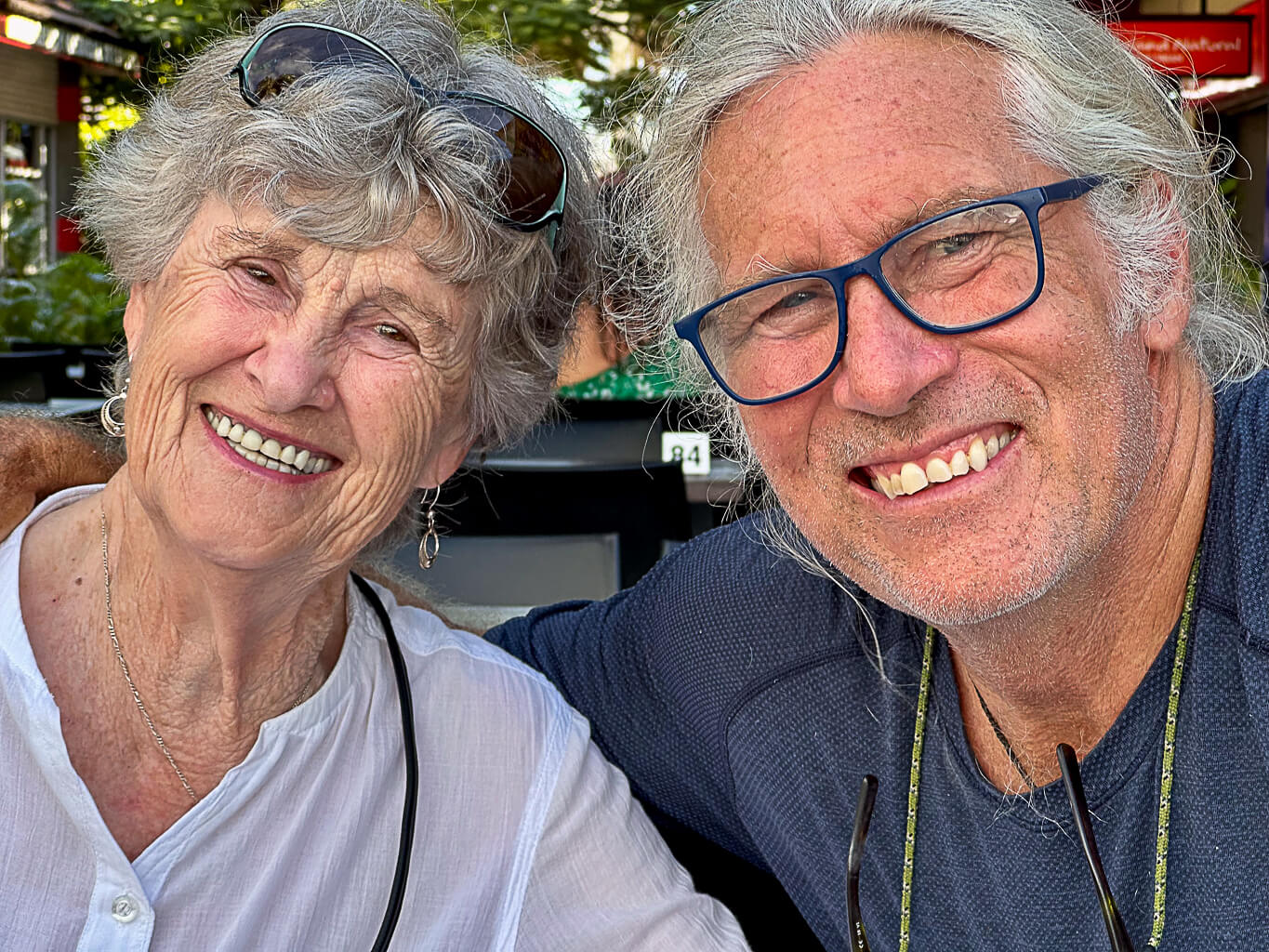
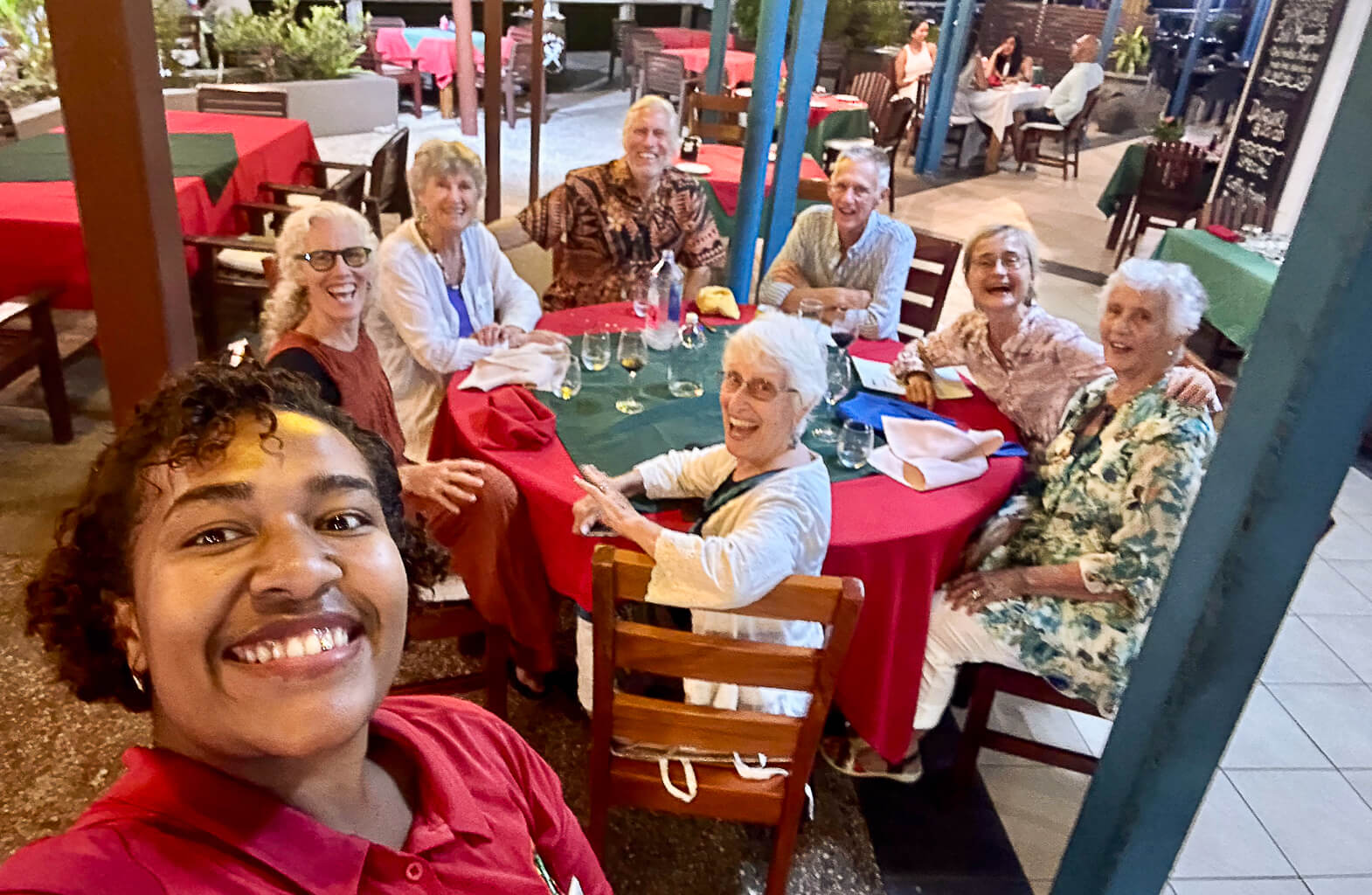
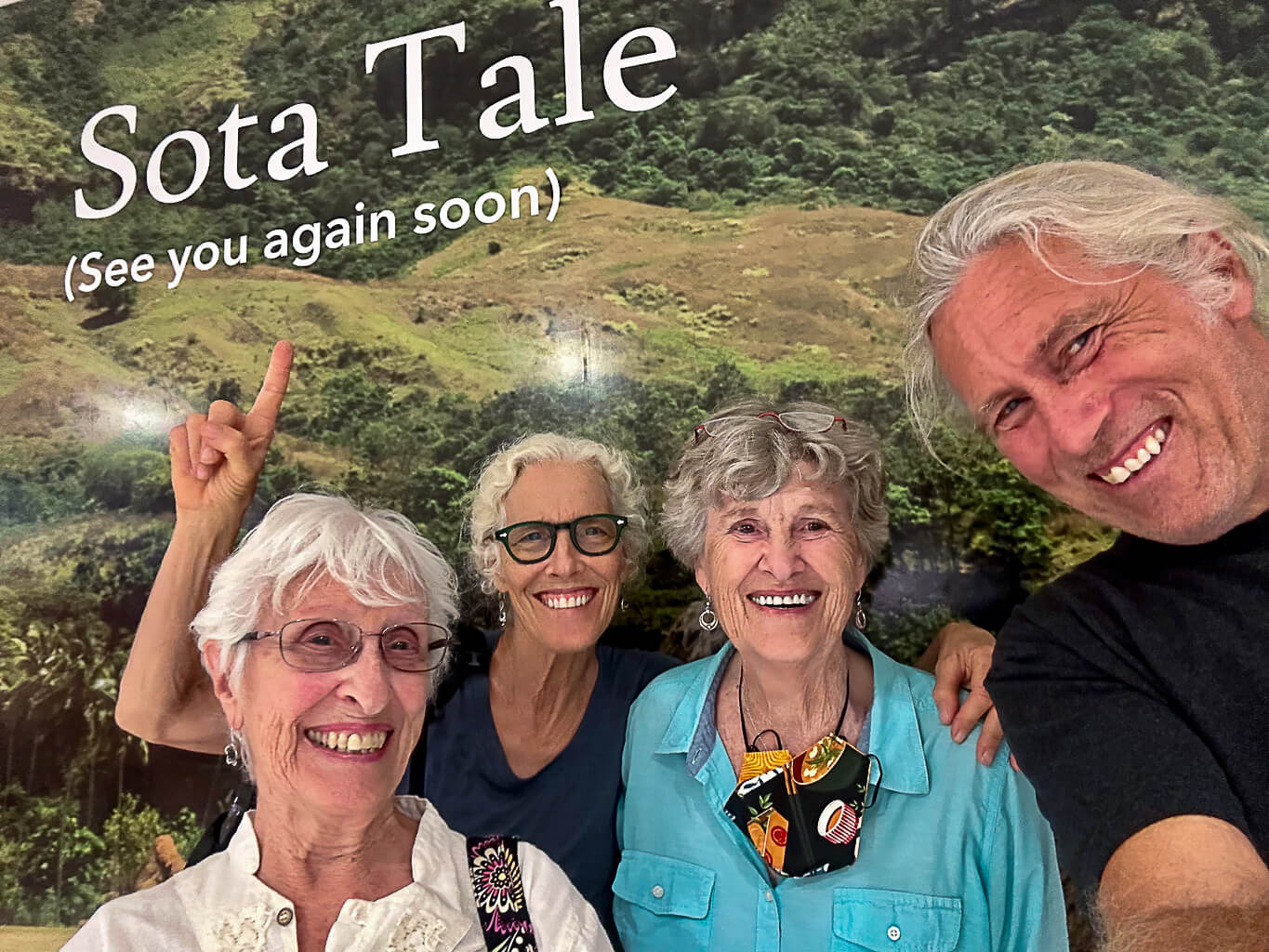
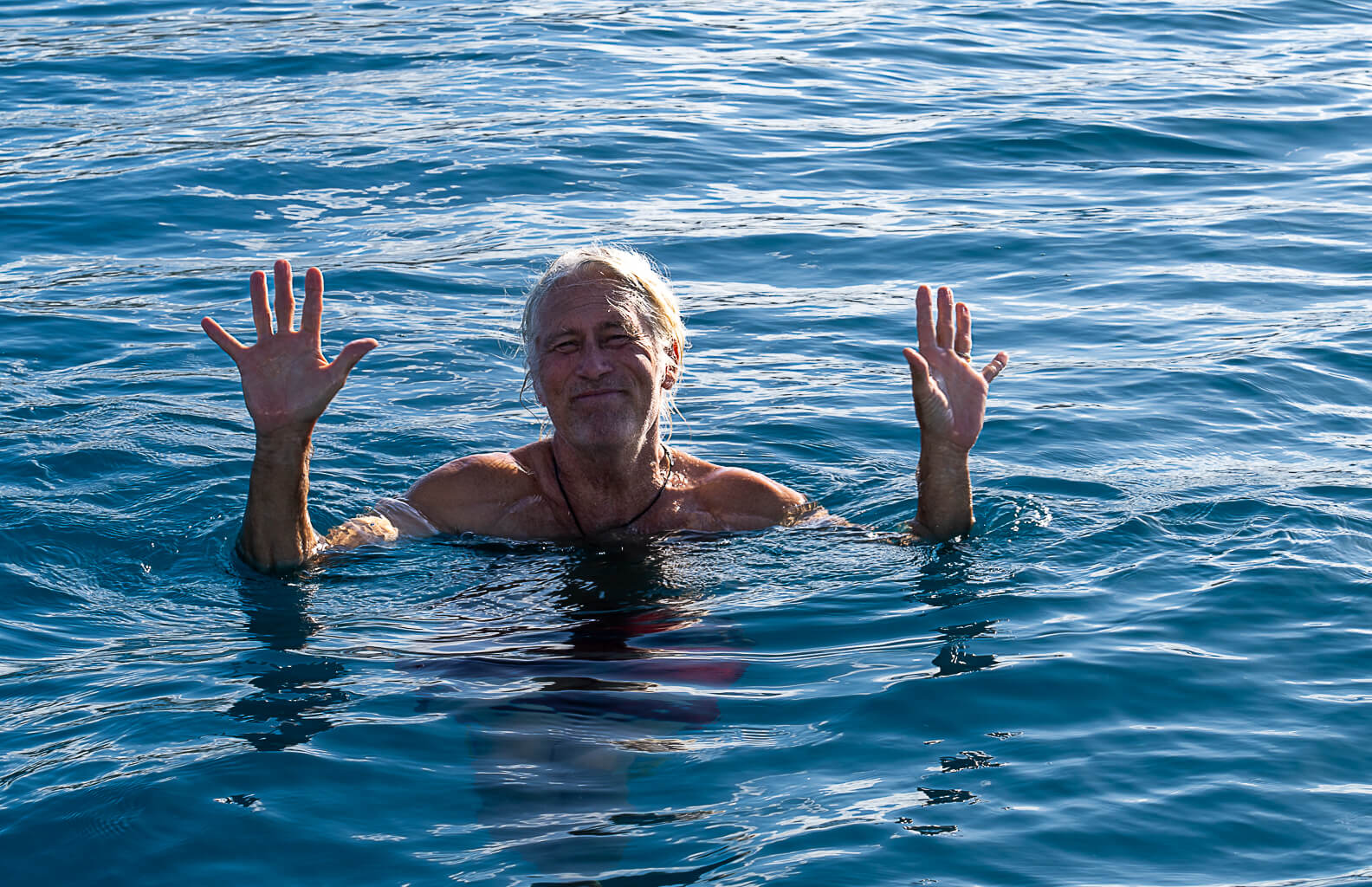
These Mama visits always leave me filled to the brim with what feels like elemental GOLD, but as we say our goodbyes, the fullness gives way quickly to a longing for more. Though the days are relatively few, they are packed with meaning: laughter, stories, music, belonging, acceptance … how would I resist this grasping? In the days following their departure, I am reminded that all the gifts of being in the graceful company of these two women are still right here with us. Vinaka vakalevu. What treasures our Mamas are! Till the next time, you two … Sota Tale! ~DS
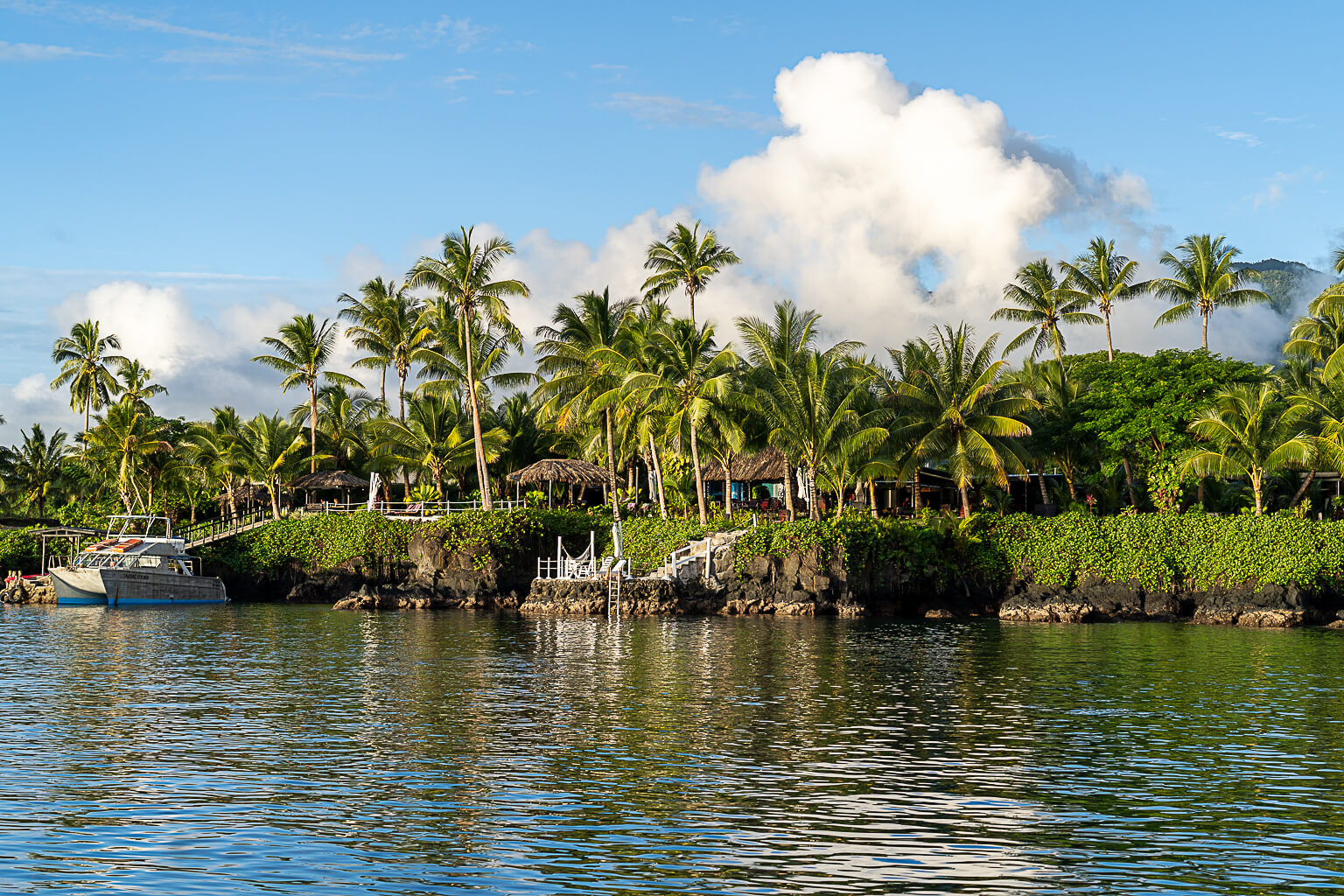
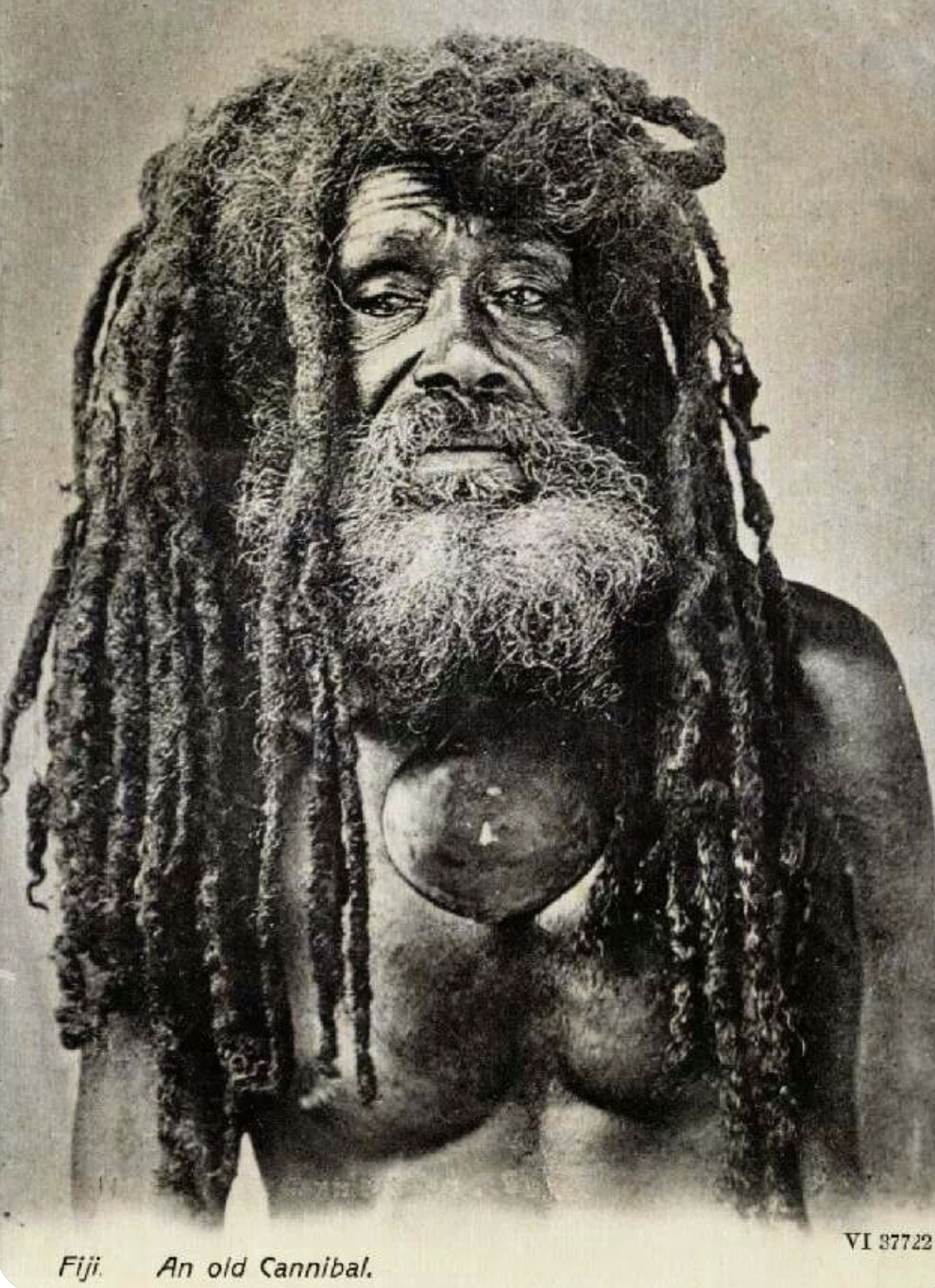
In the bar at Paradise resort, there’s an historically dubious caption pasted on a black and white picture of a dreadlocked Fijian, claiming to be of Udre Udre, famous for eating 872 or 999 people, which raises the question of who’s keeping those records? Seems a bit incredible until google informs you that the average American will consume 7,000 animals in a lifetime (vegetarianism anyone?). ~MS
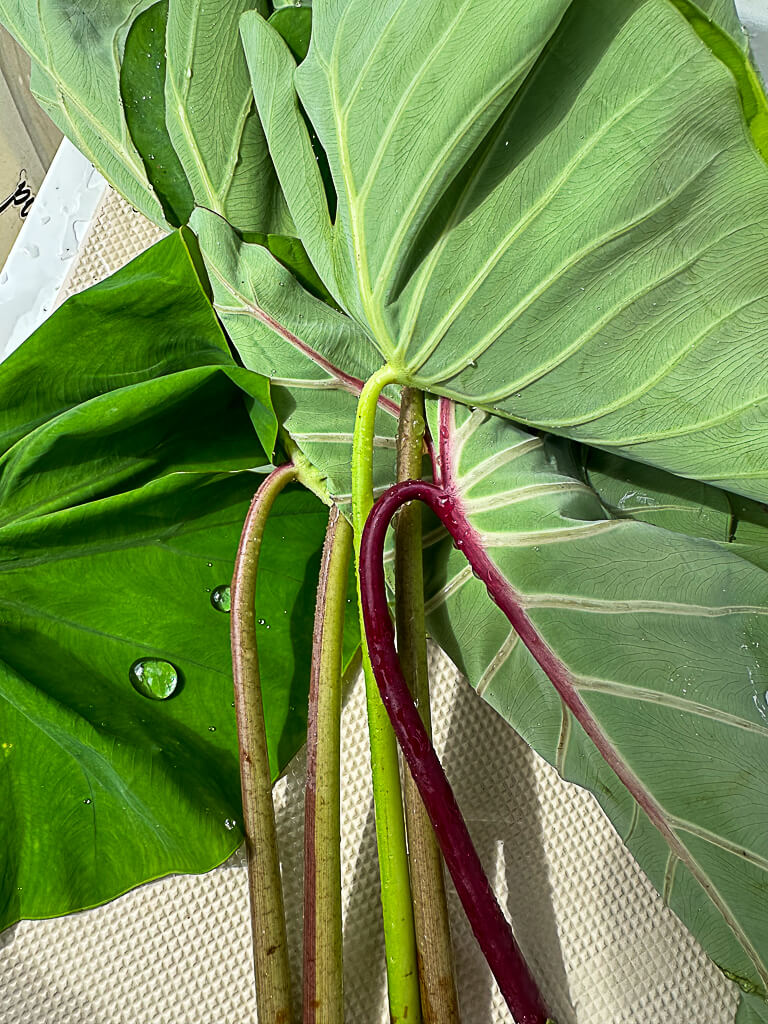
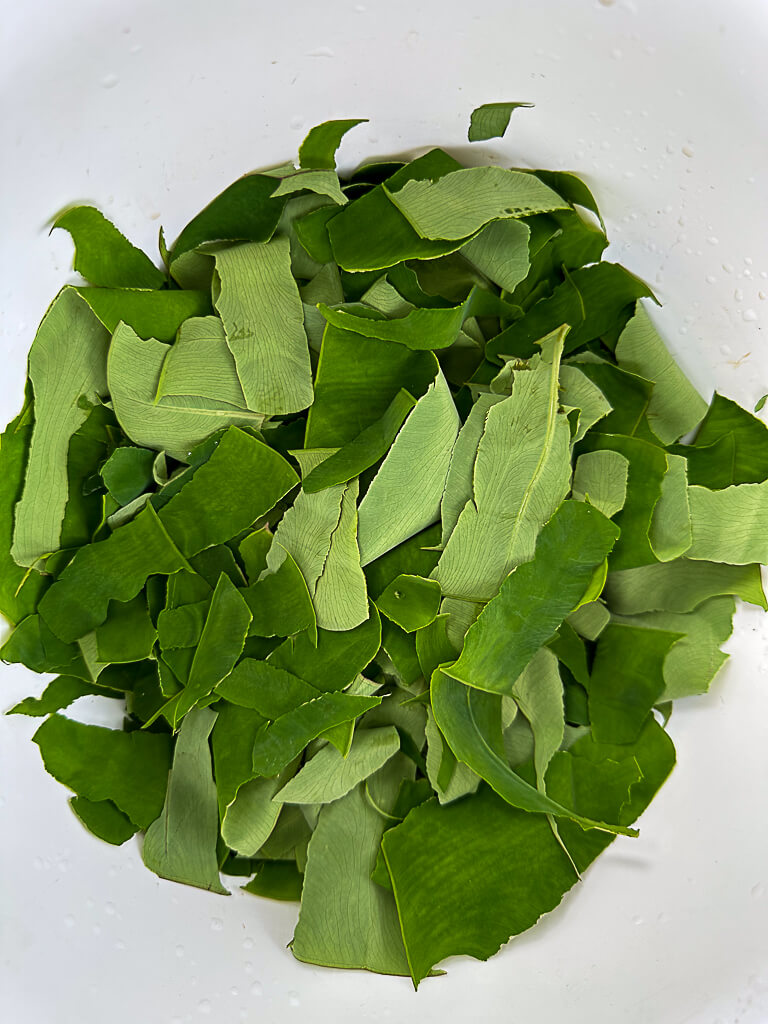
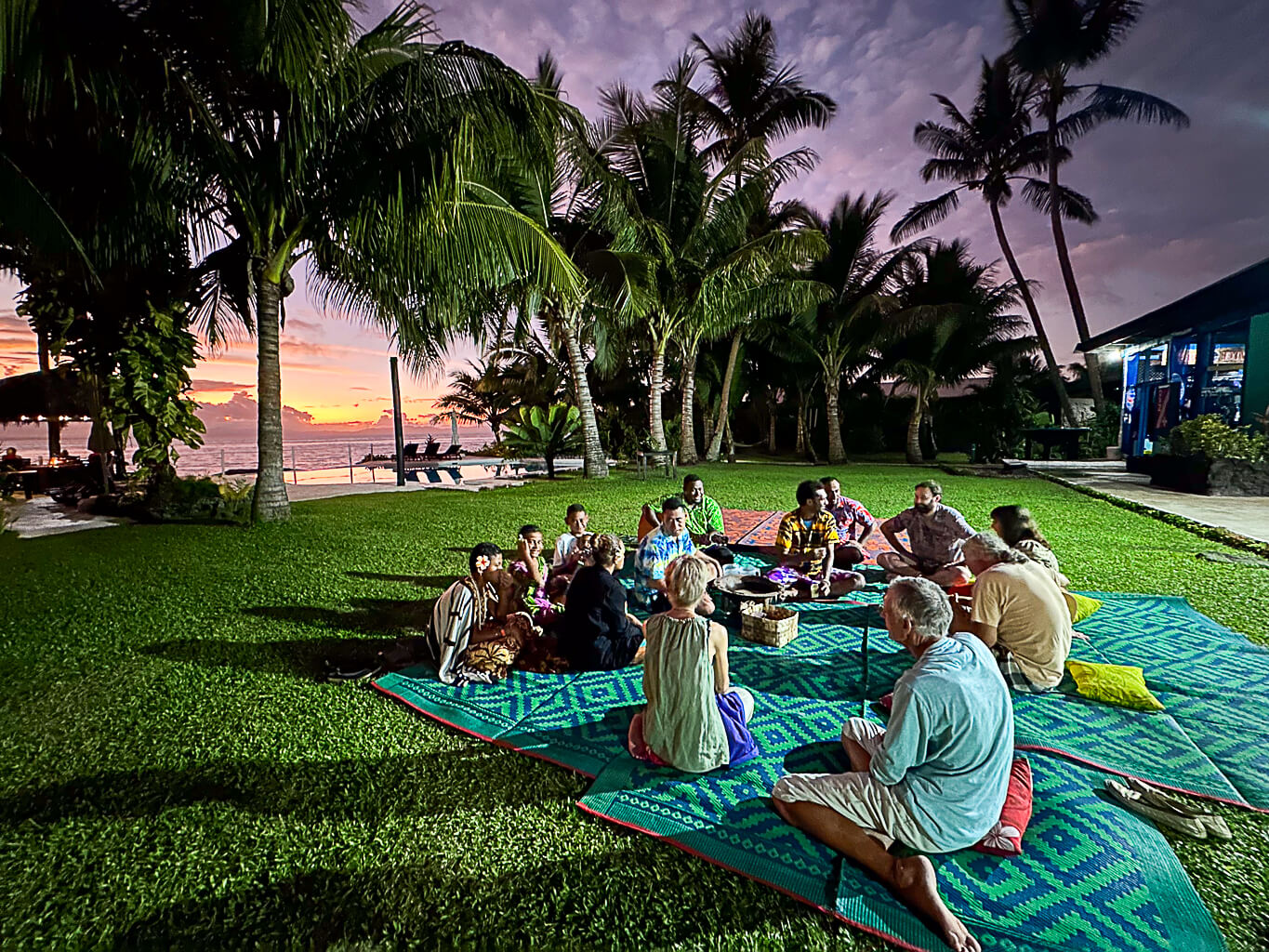
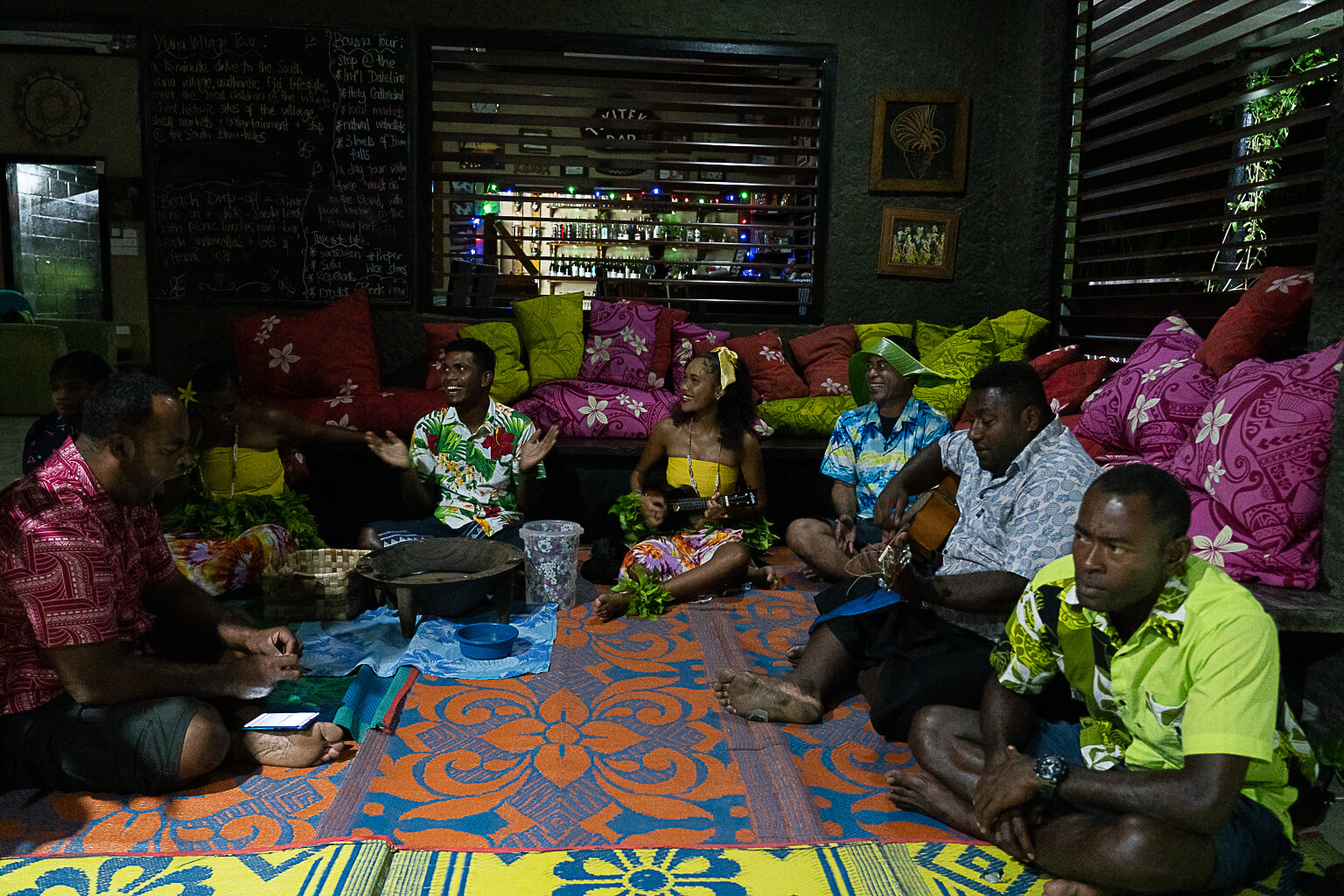
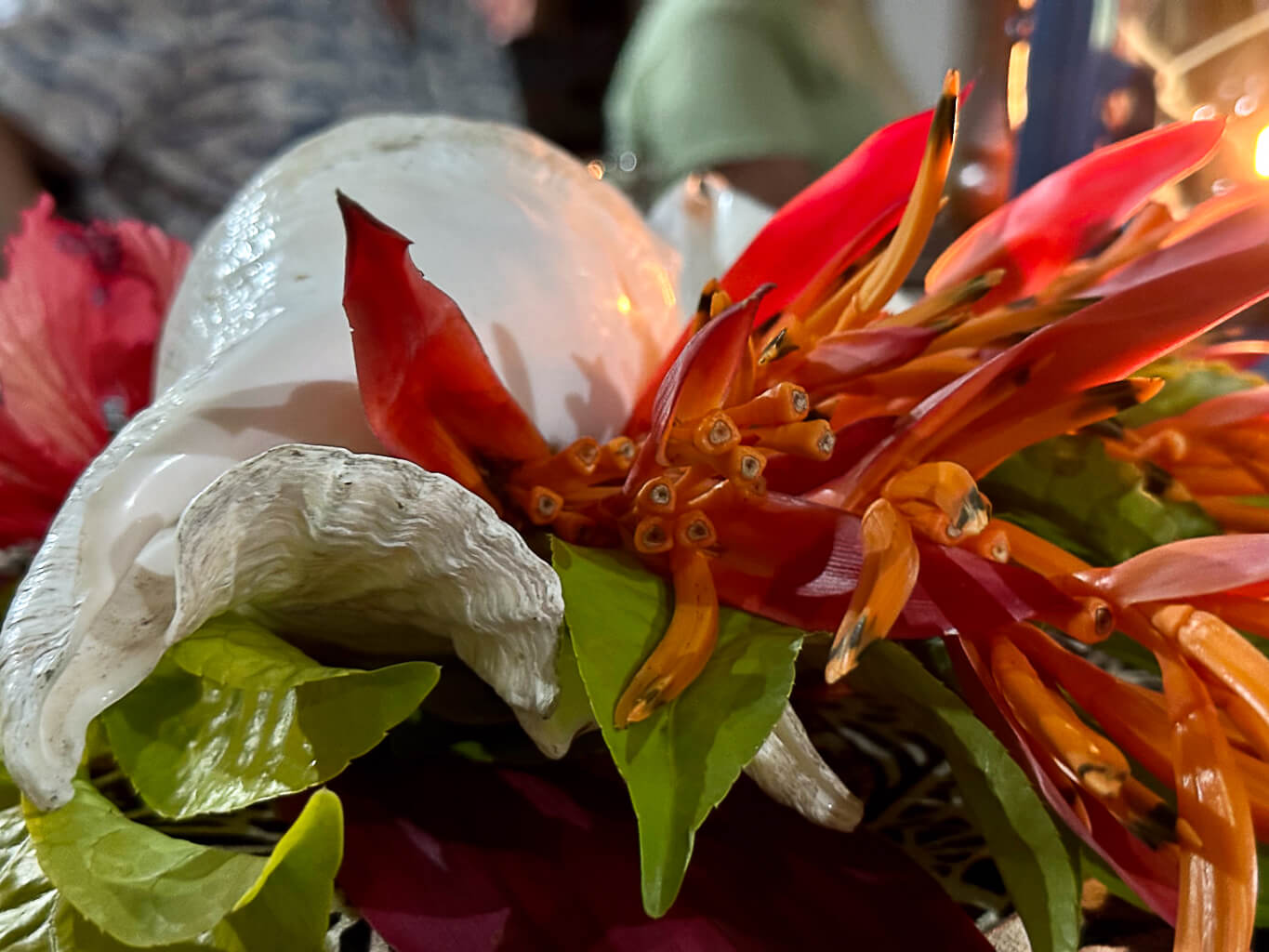
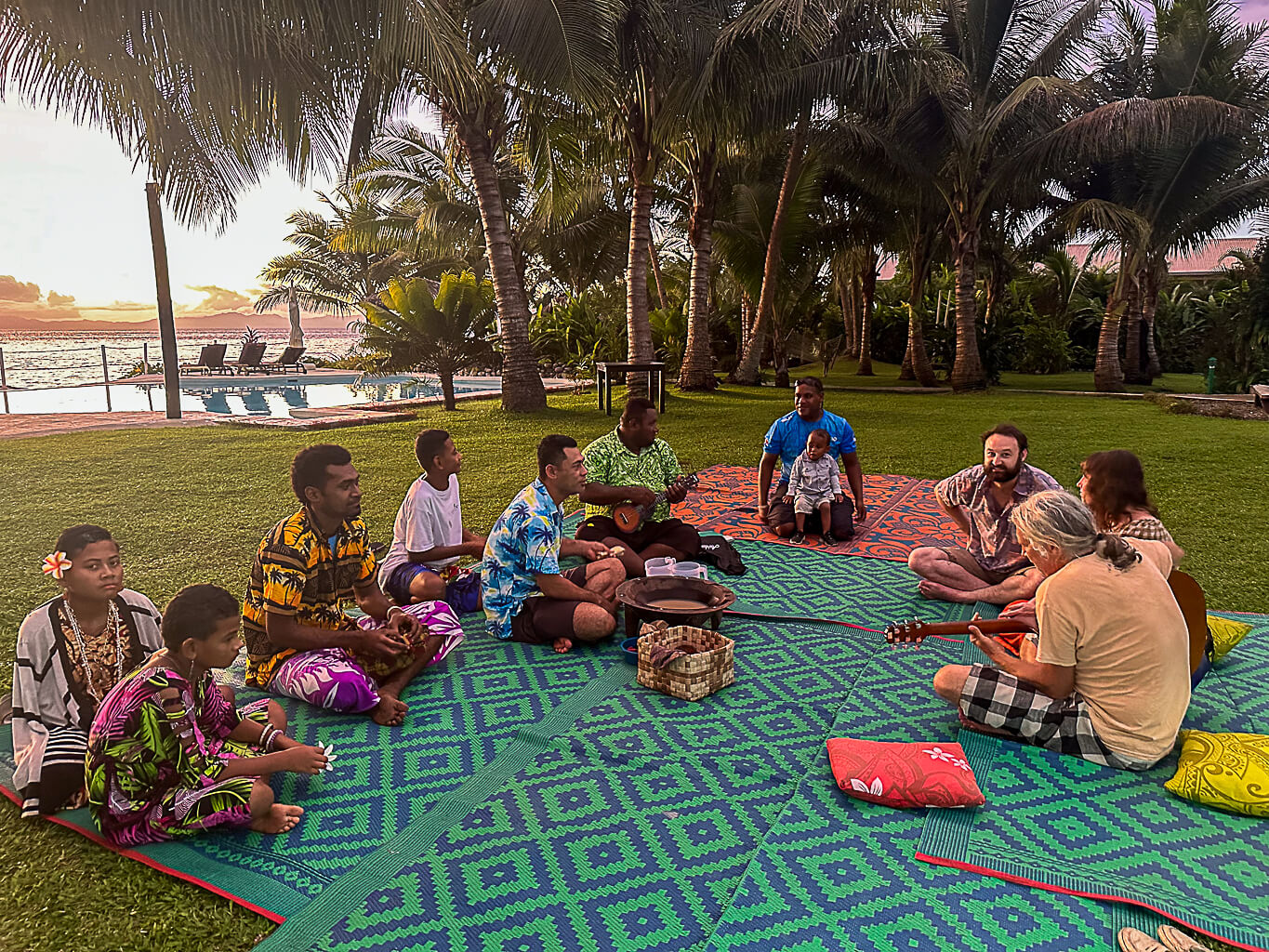
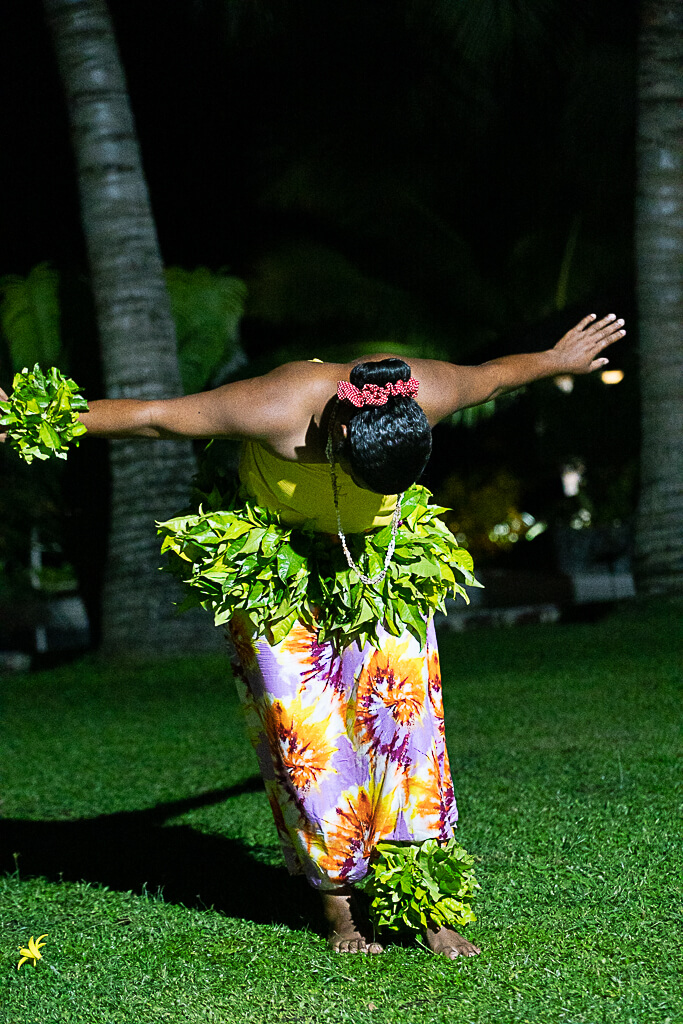
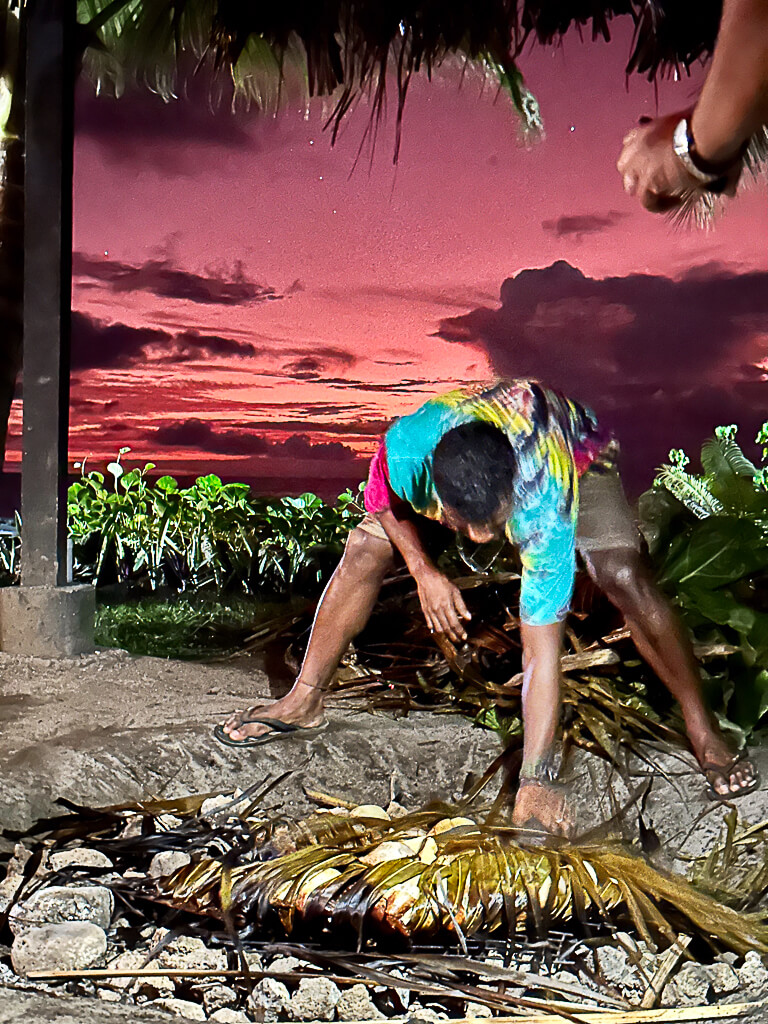
“Fiji night” kava and a guitar missing the D string. Traditional dances offered by the employees (which they must learn as kids) casual enough to feel authentic. We share the end of the table with doctors and nurses from San Diego who come to the island each year to volunteer their services for local women, long days providing surgeries that otherwise require a long trip to the mainland. Paradise is their reward at the end of a non-stop week. ~MS
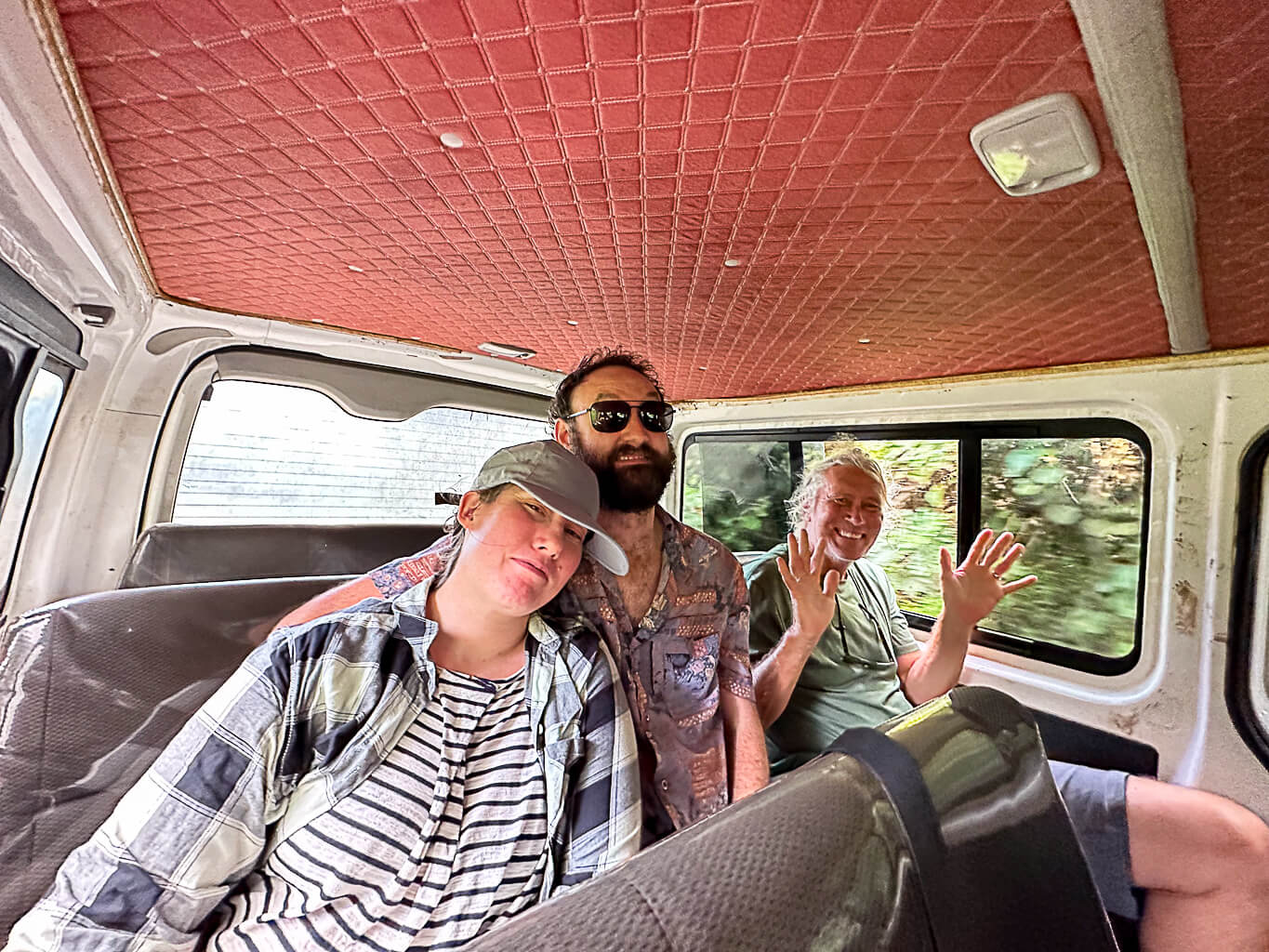
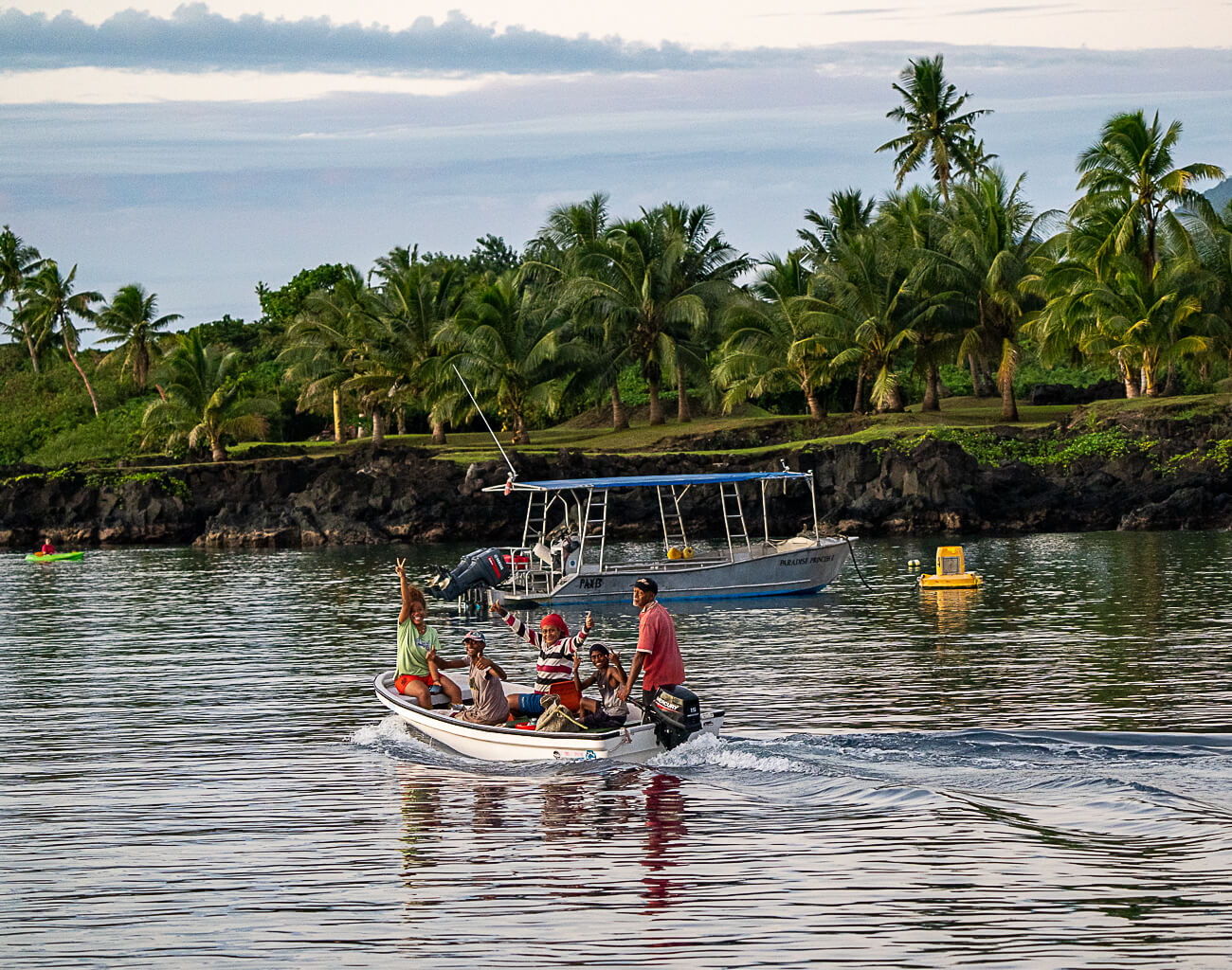
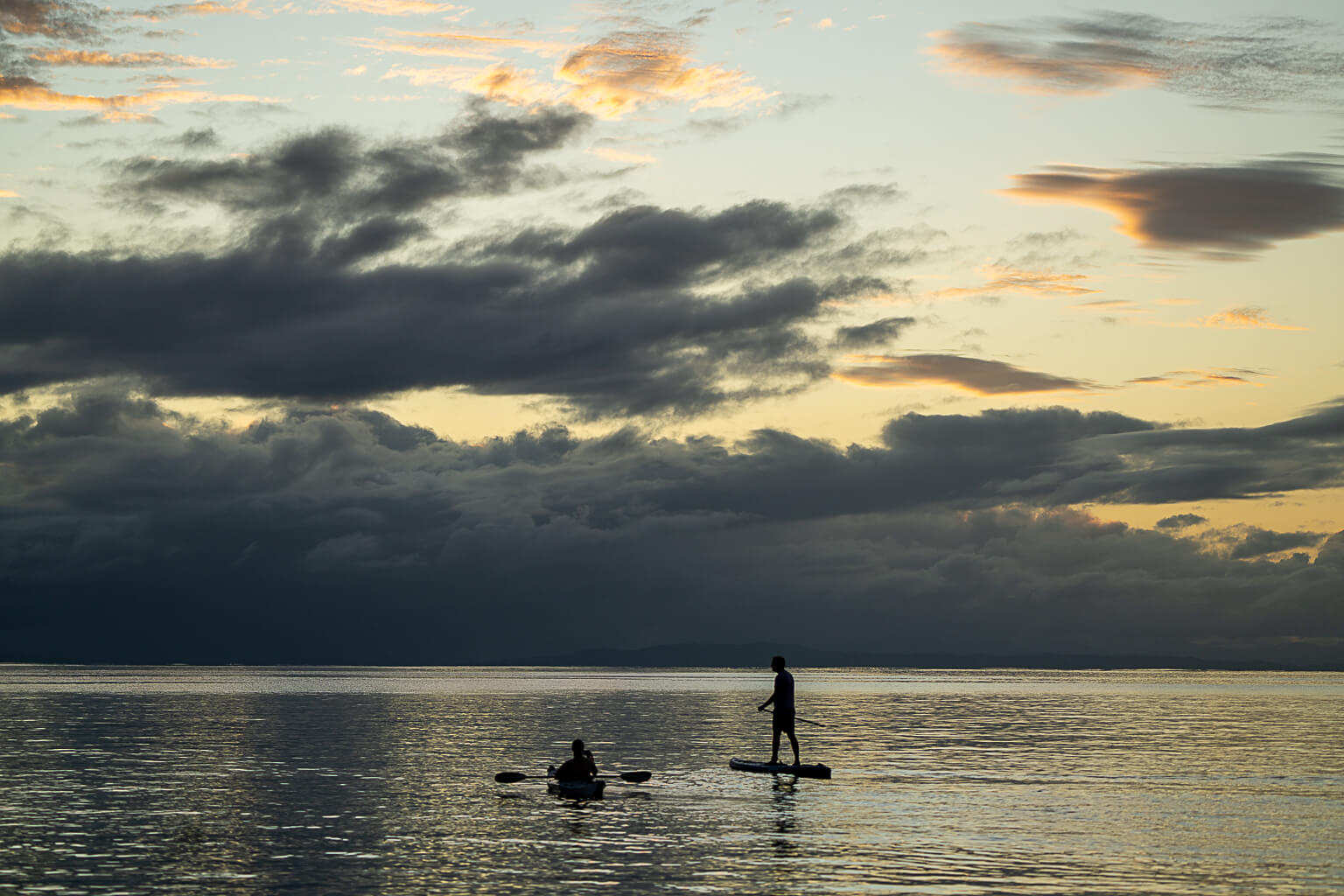
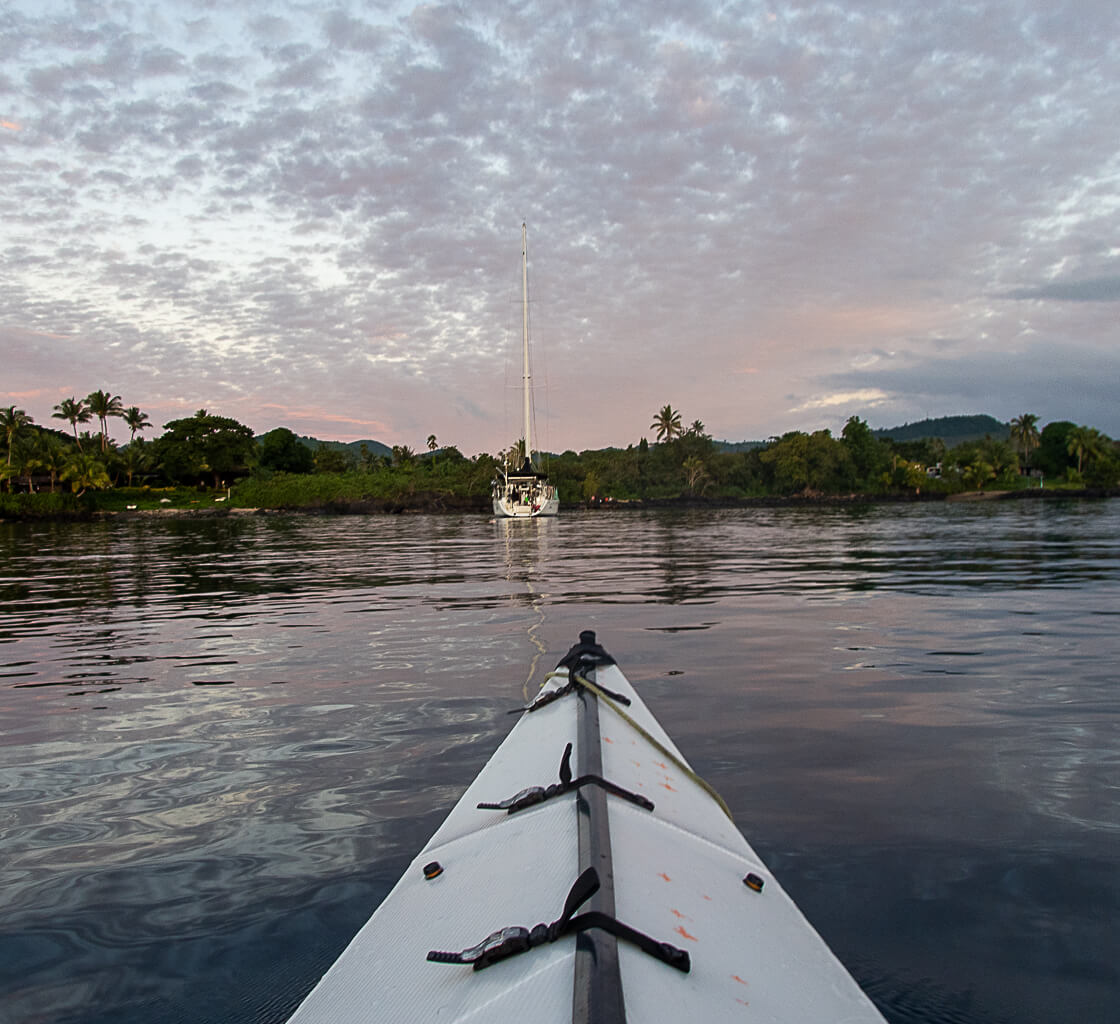
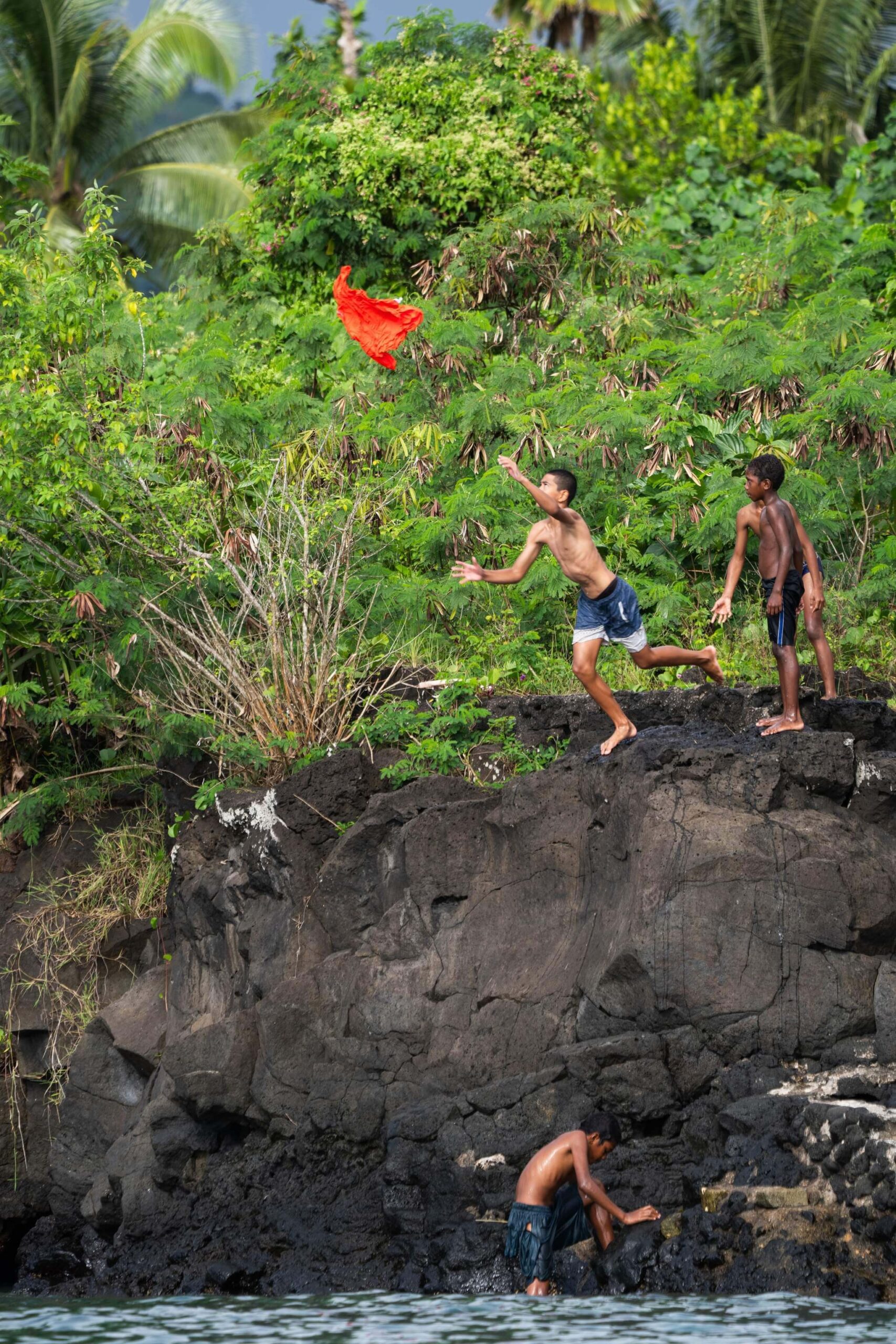
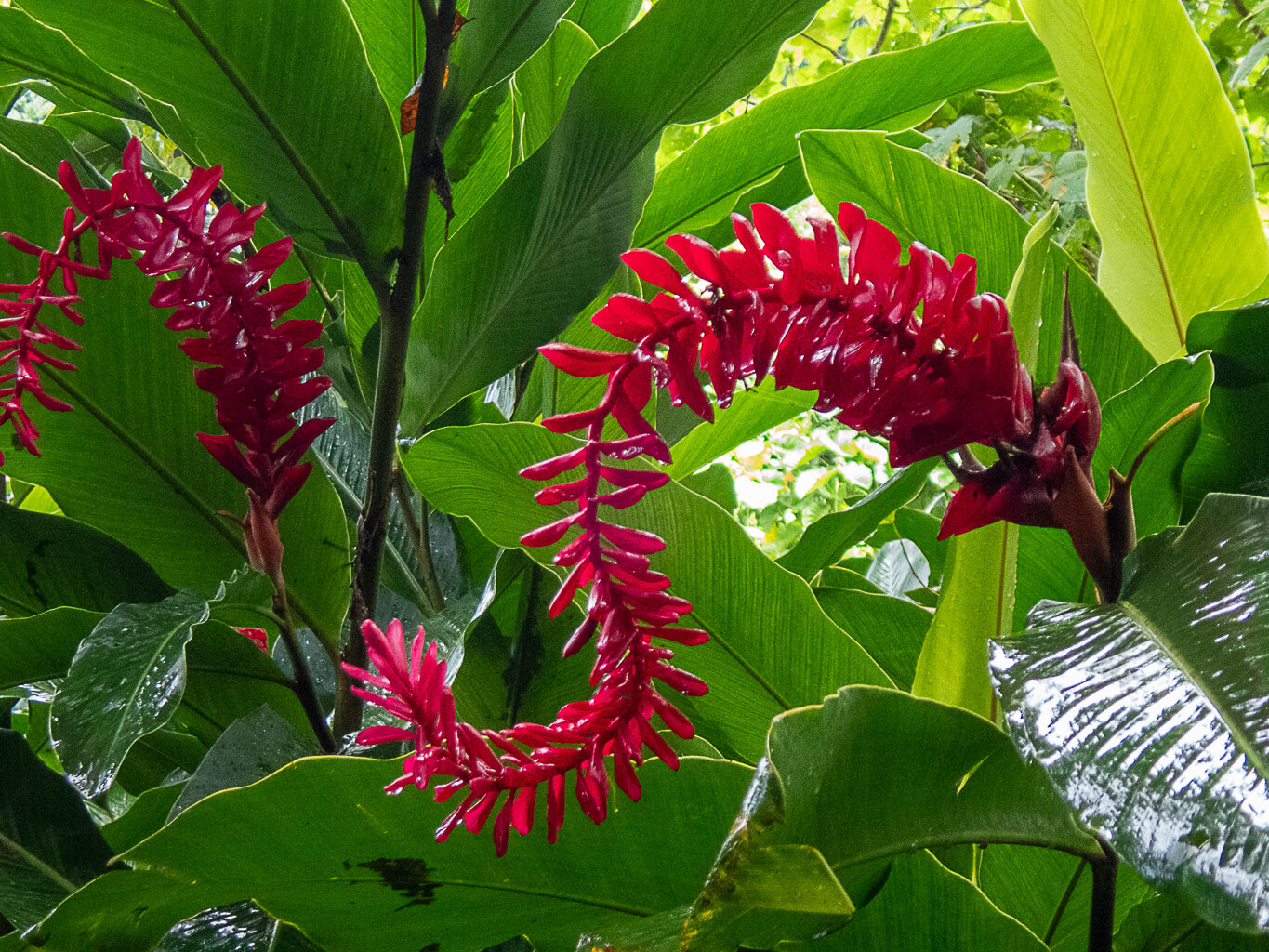
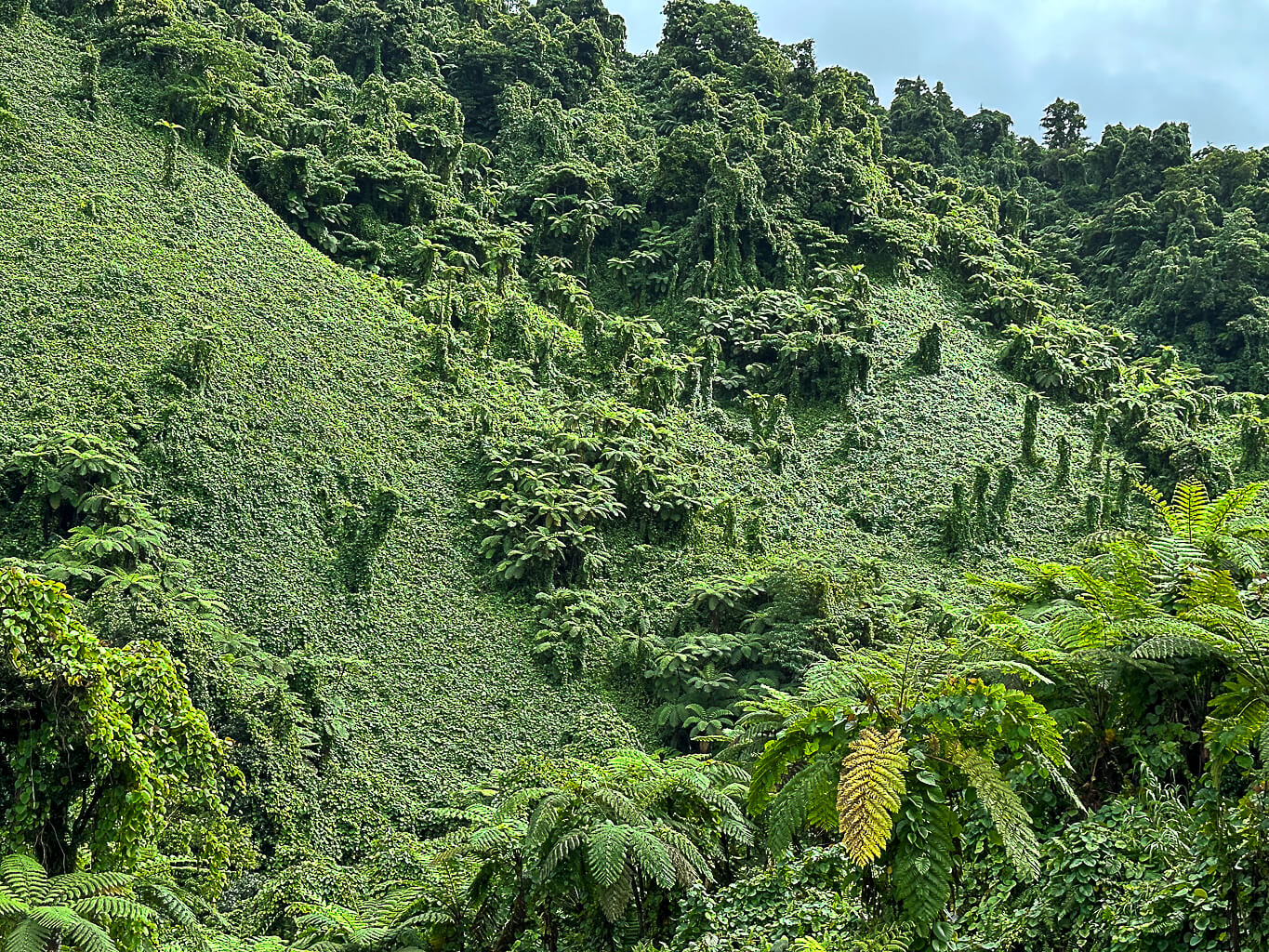
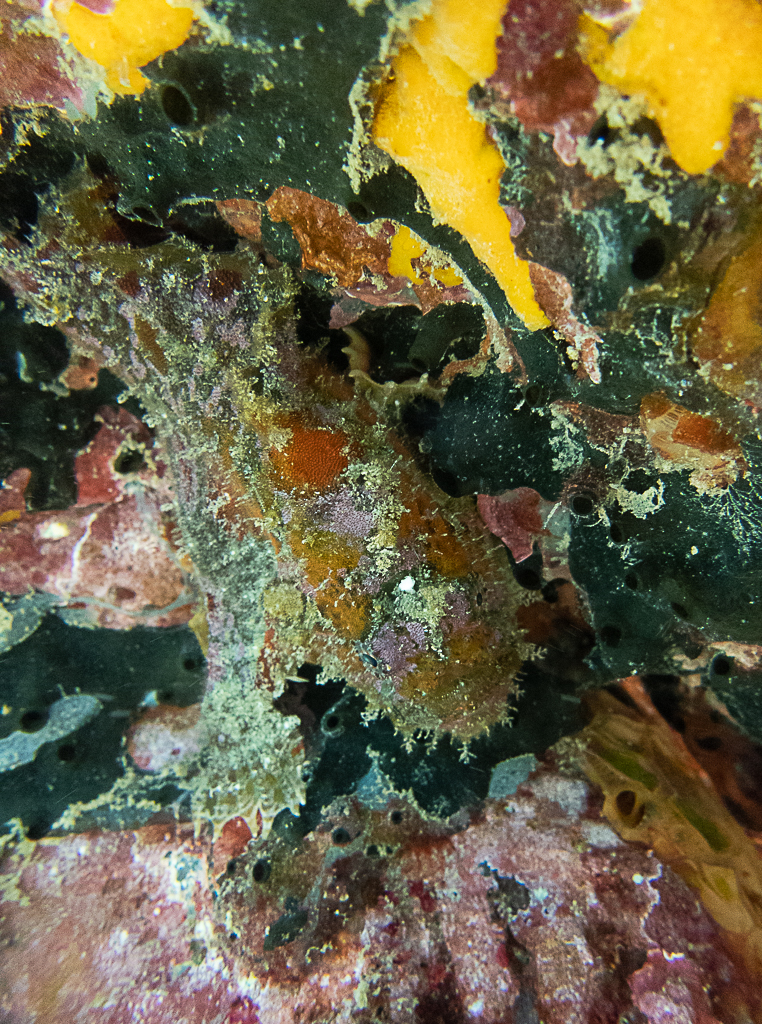
Liam remarked on the mighty trees that line the long ride down the island of Taveuni, arched over the battered road, lush and green. Glimpses of the blue tropical water in the Somosomo Strait between Vanua Levu and Fiji’s rainiest island. Here’s where the 180th meridian plays funny games with our navigation programs, and astronomically speaking the date should properly change. The dive resort at the end of Taveuni, calls itself Paradise. “Welcome to Paradise” probably gets old for the staff. Or maybe not. Green vines with blue flowers tumble down black volcanic rocks and red dirt off shore. After school, kids leap into the gentle blue surge in the glowing warm sunset. Tucked under the dock a frog fish holds perfectly still, out by the yellow can bouy, blue ribbon eels poke their heads out of the sand, waving back an forth with as must bluster as they can muster. ~MS
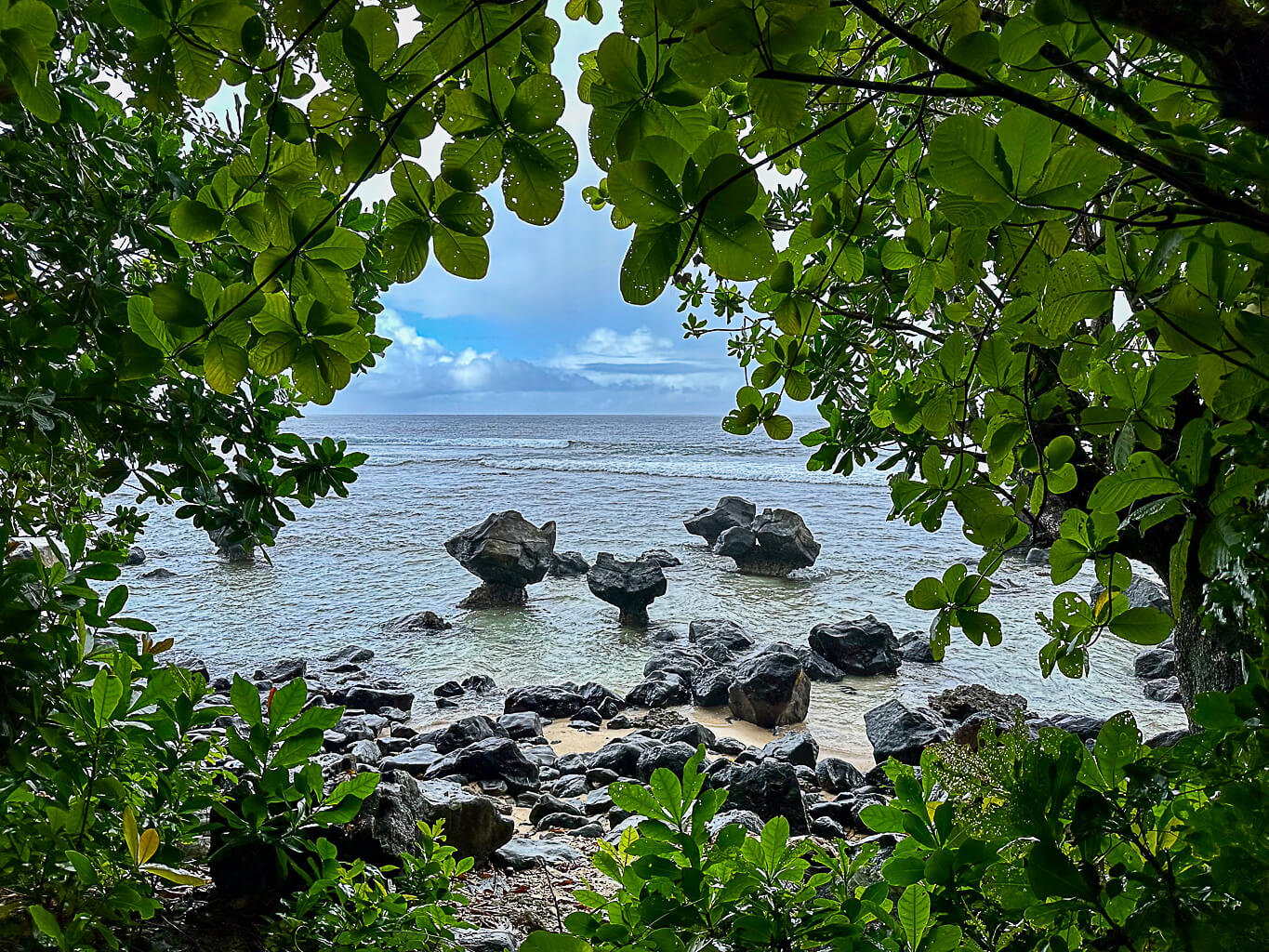
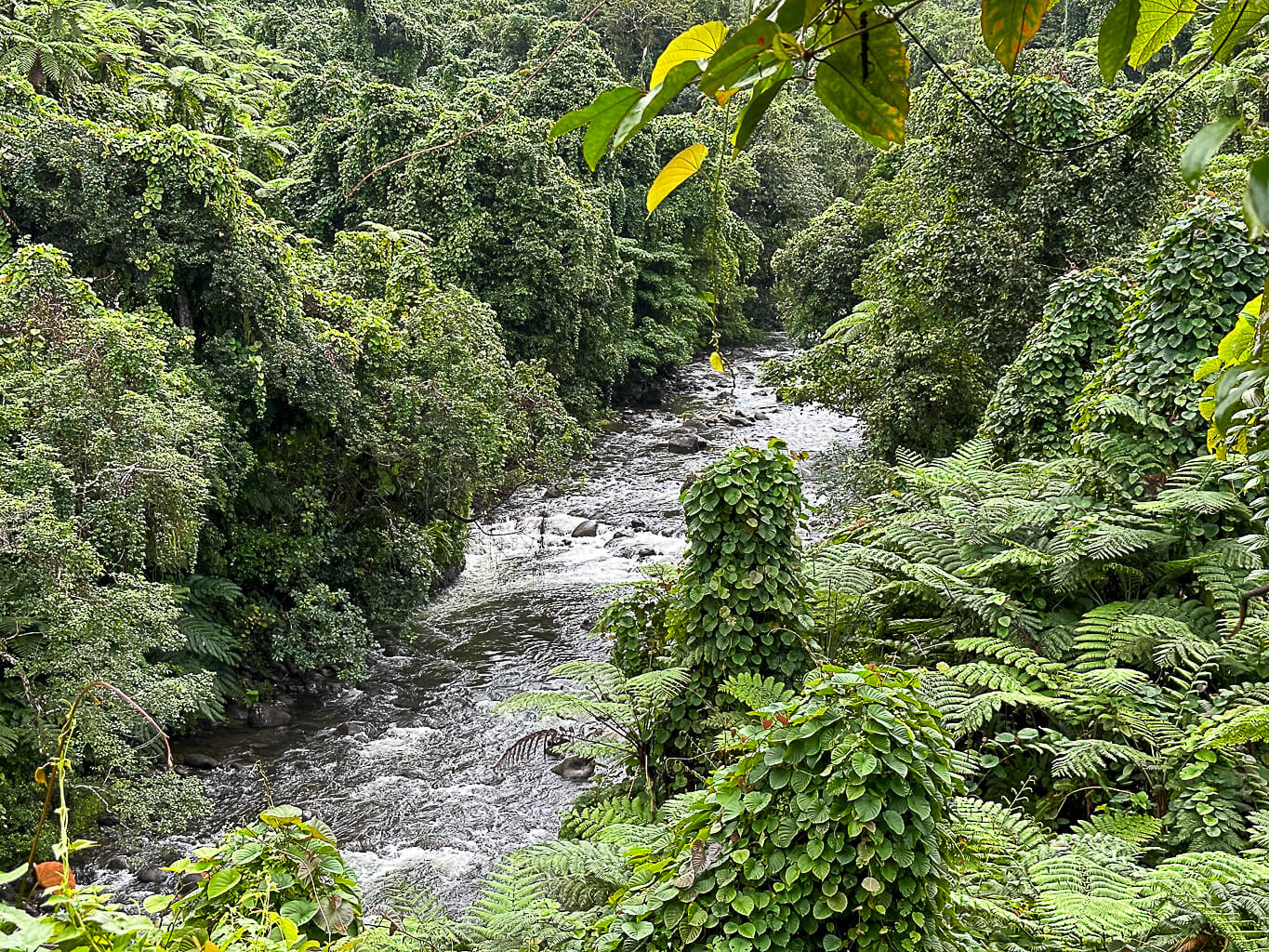

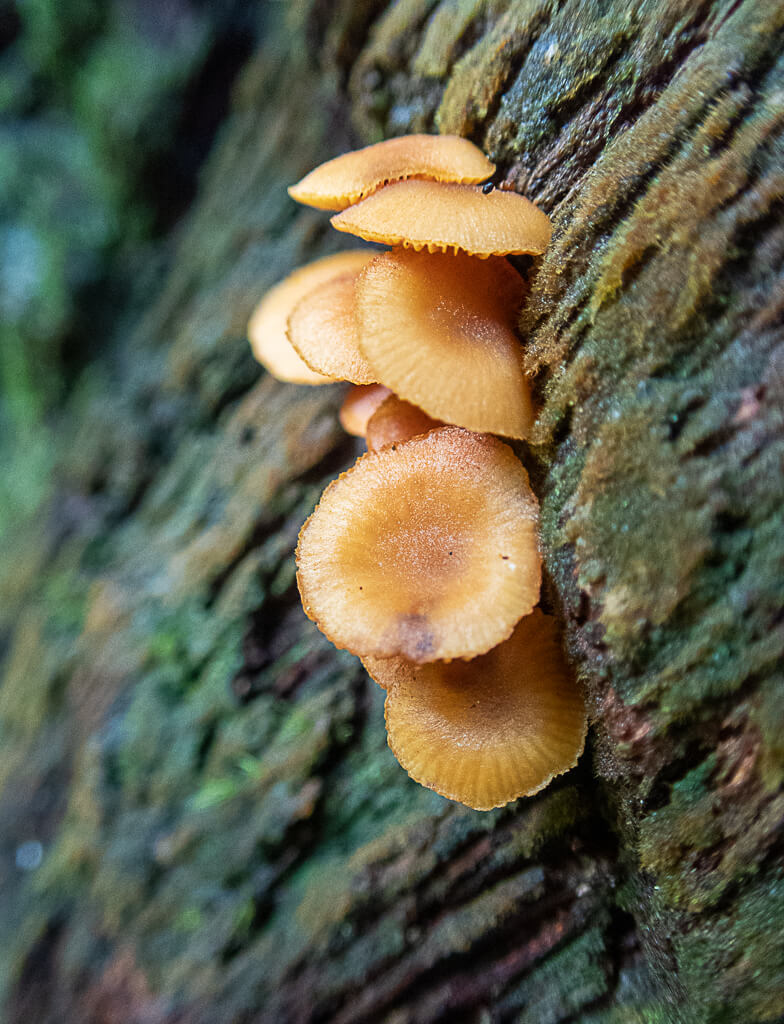
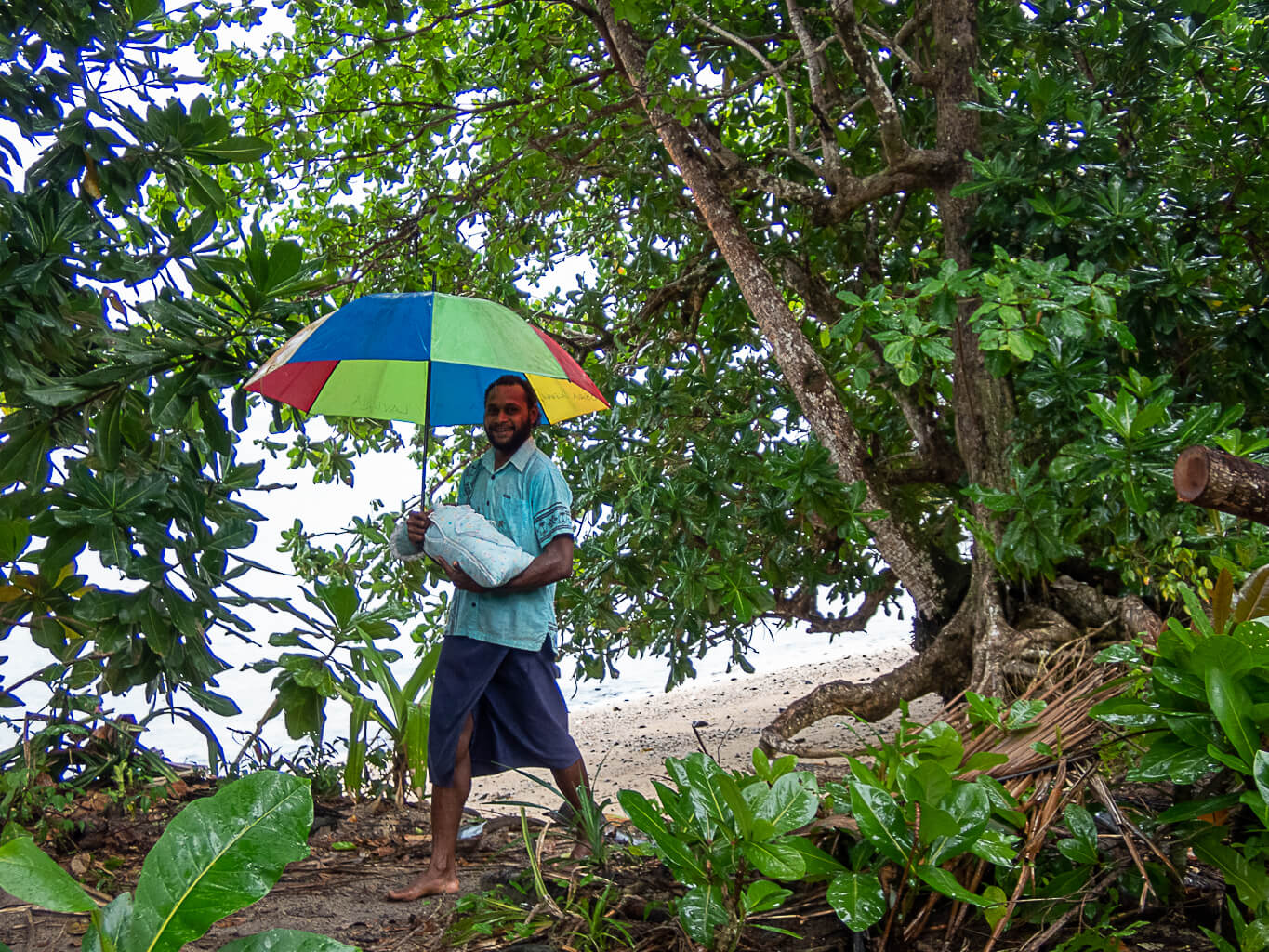
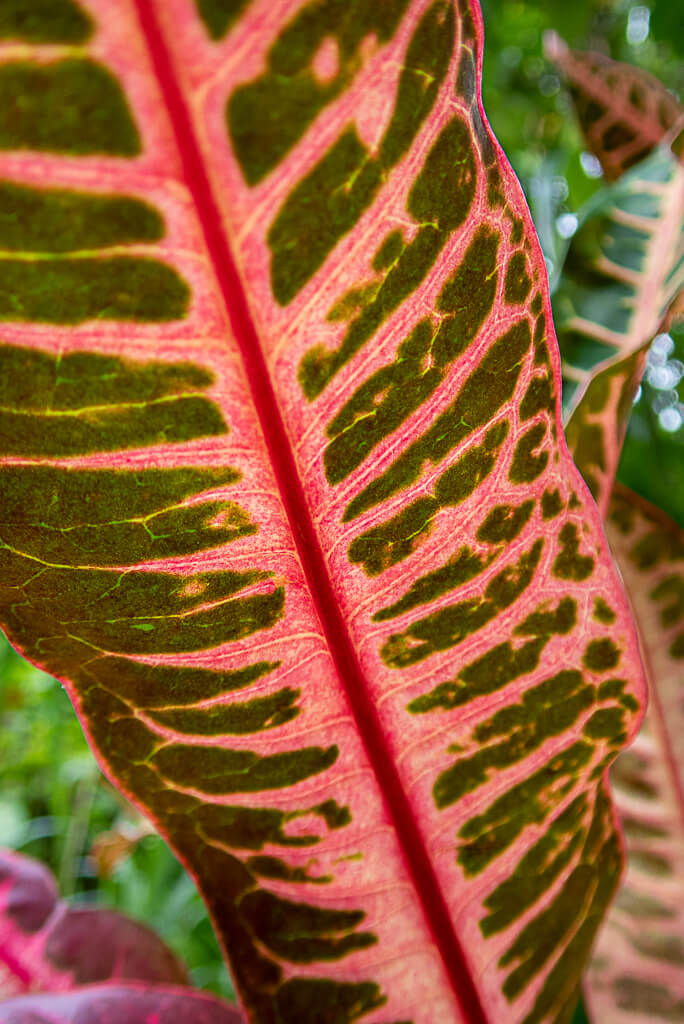
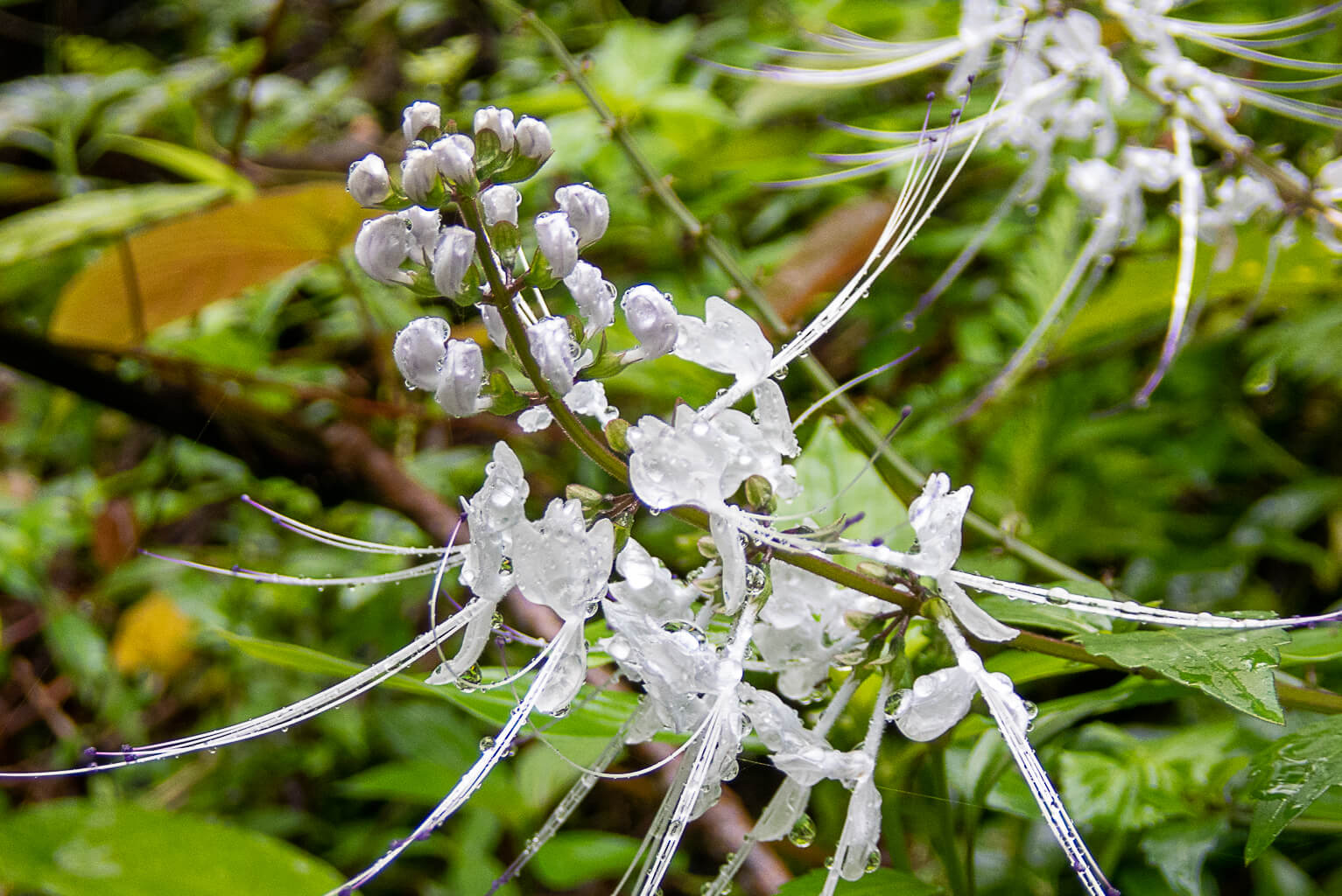
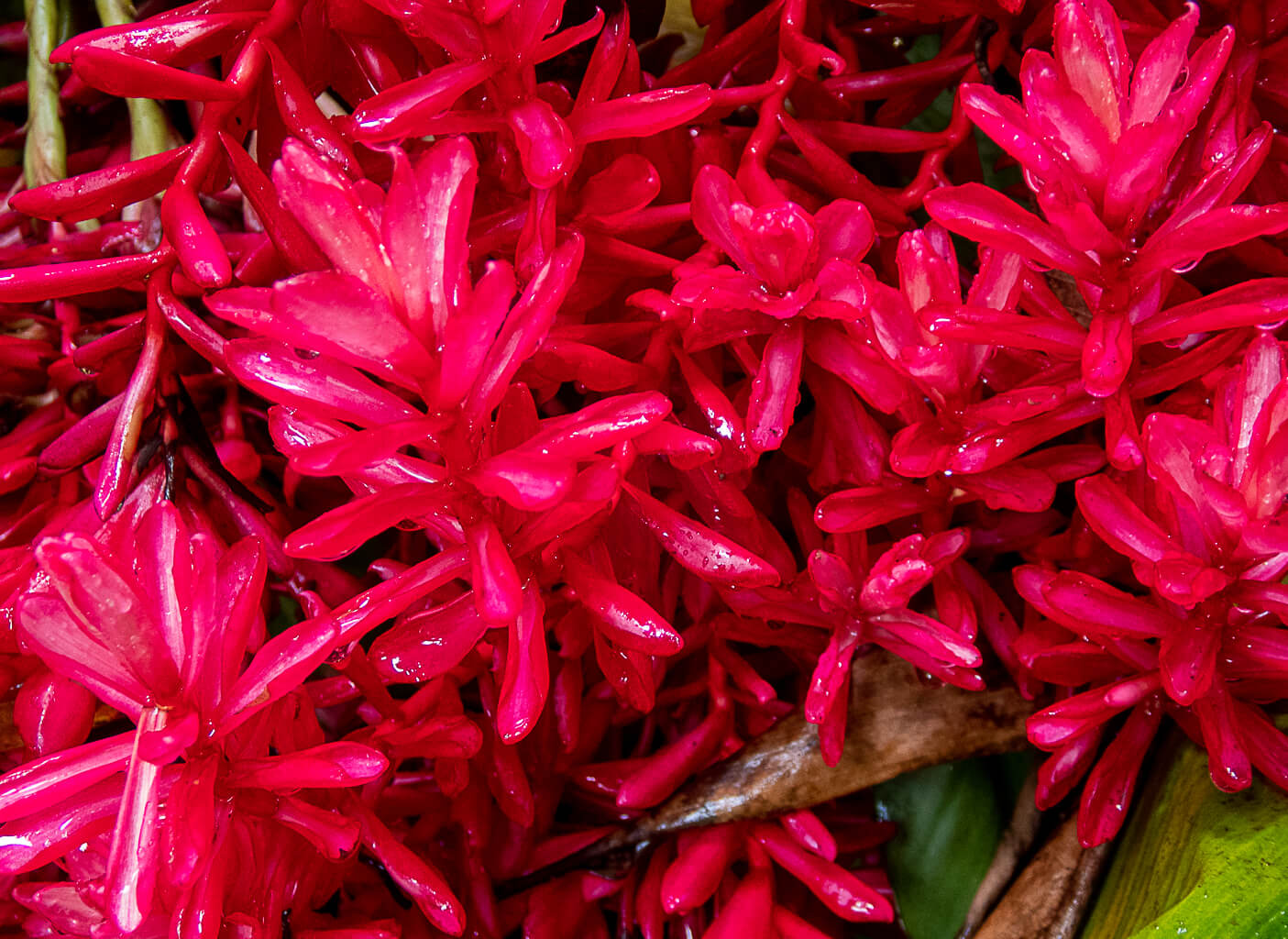
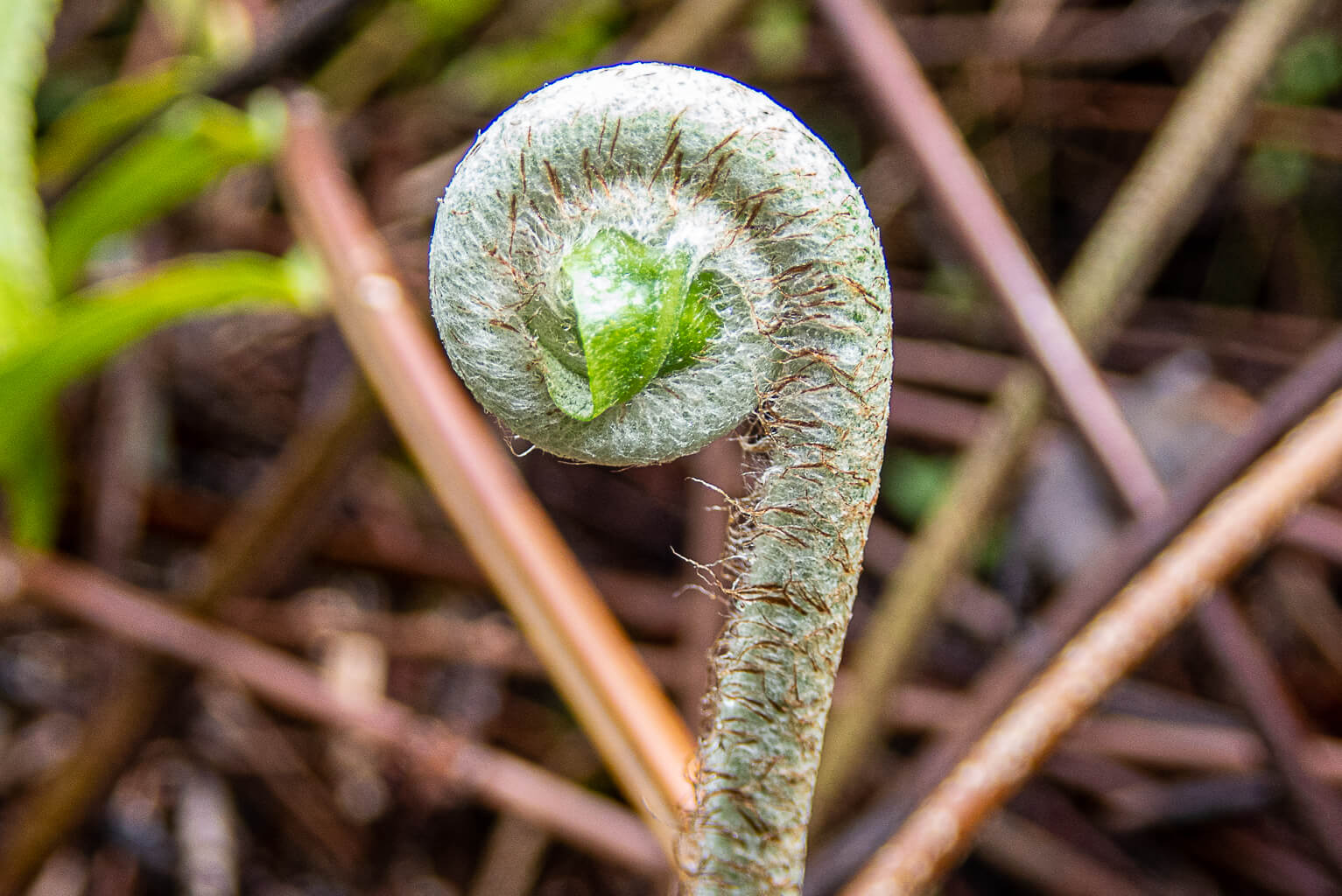
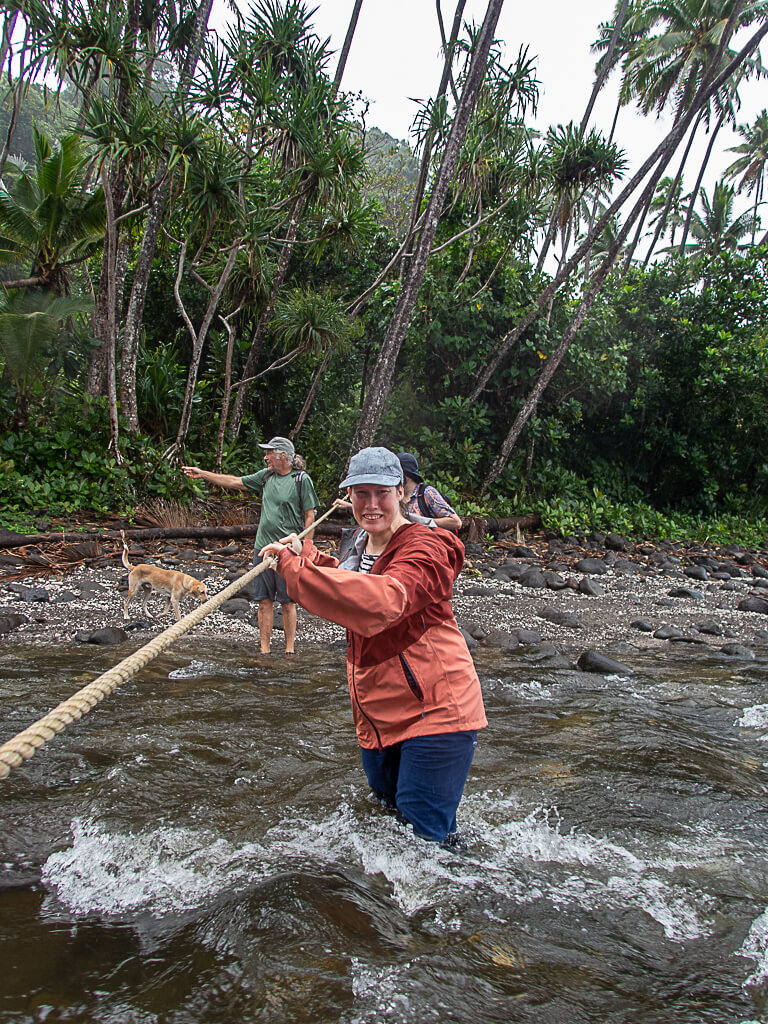
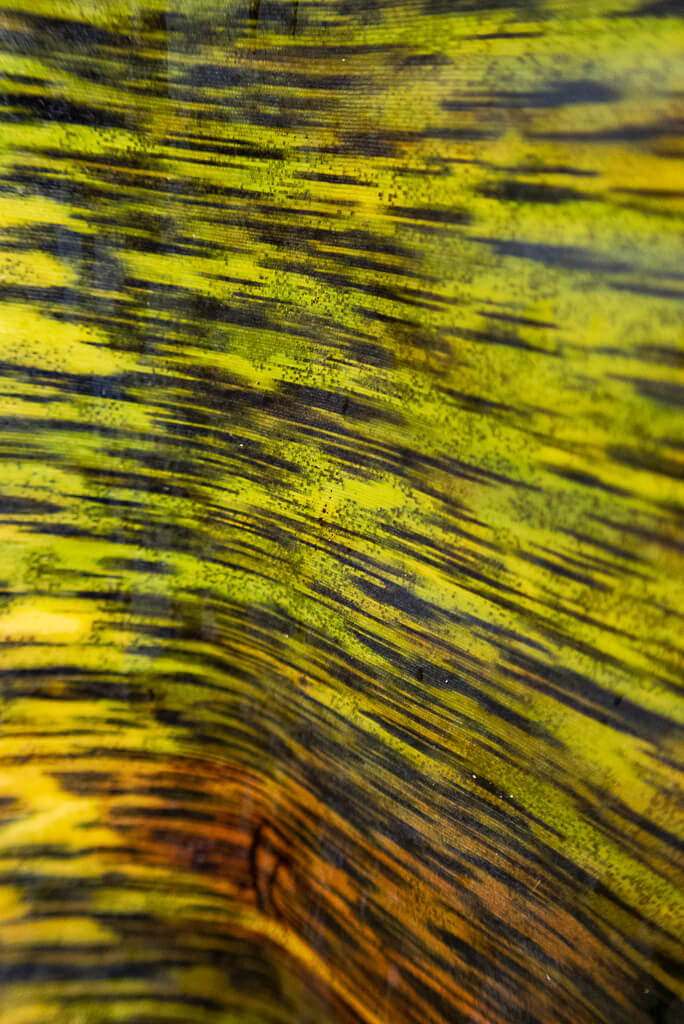
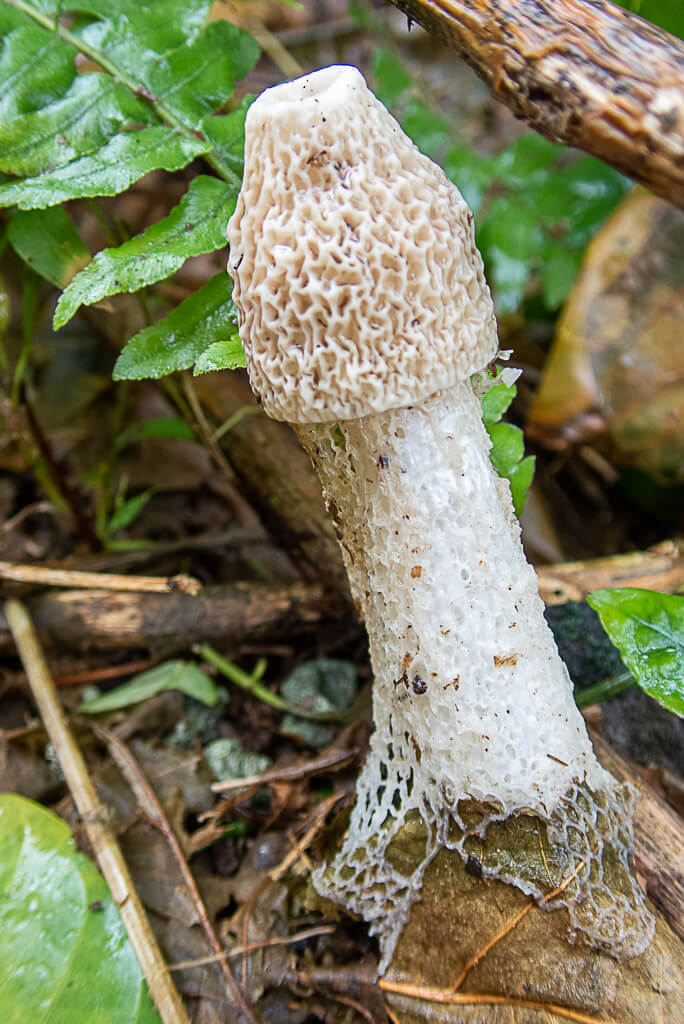
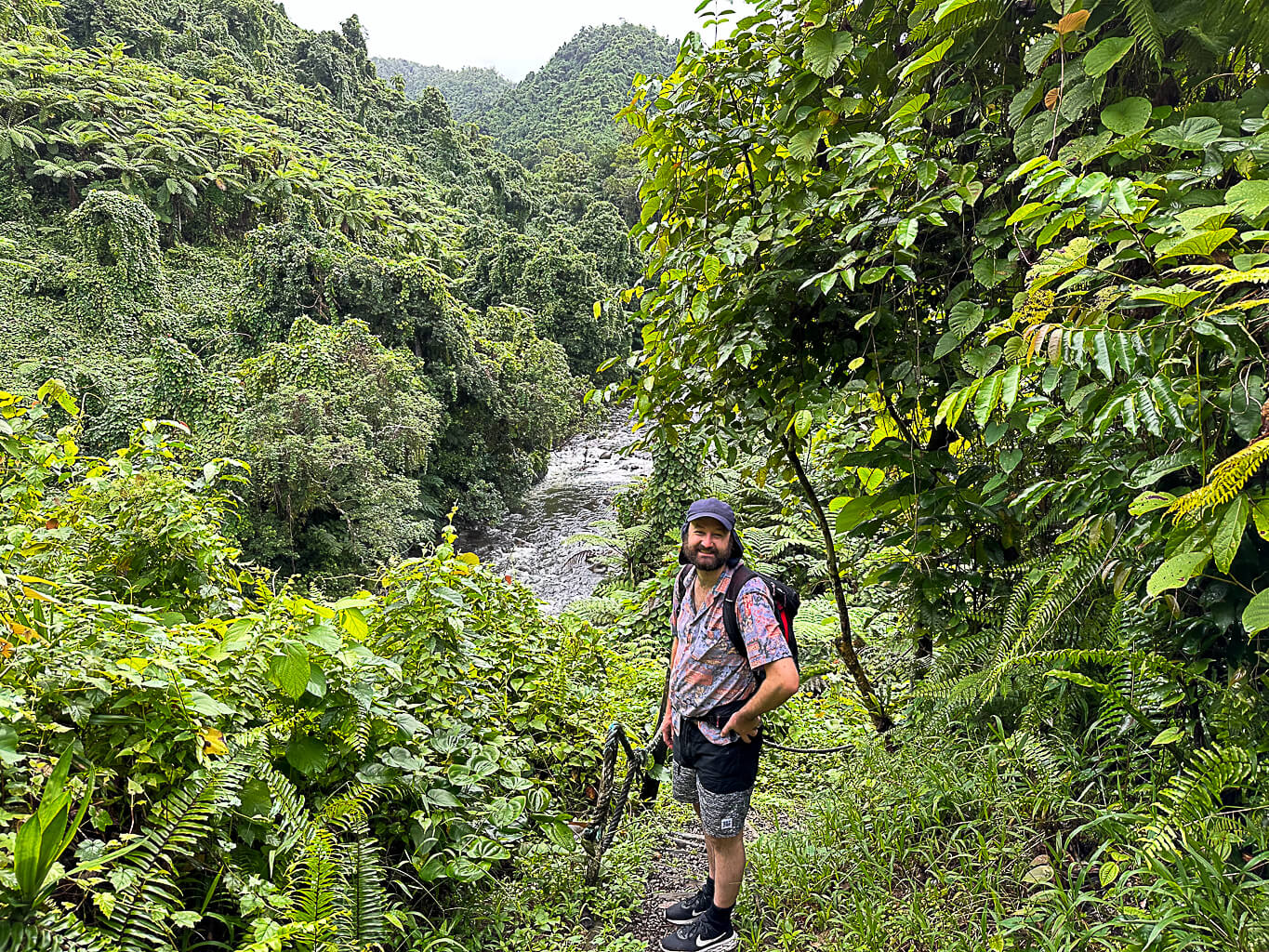
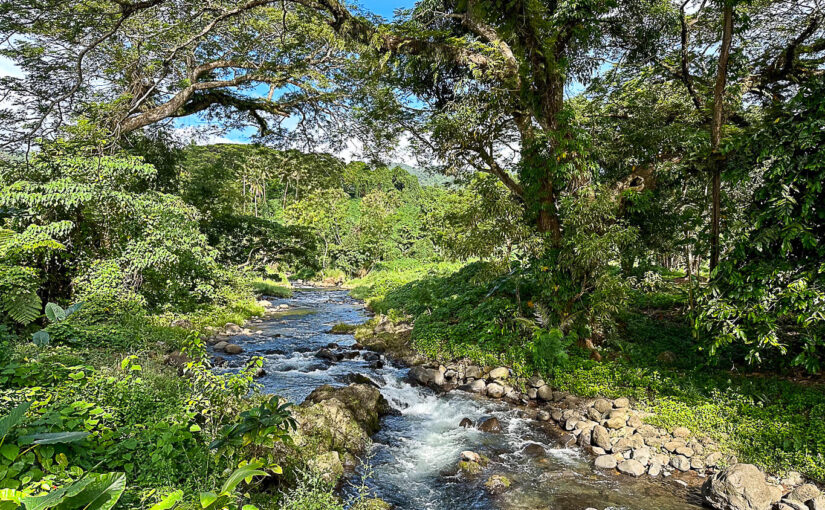
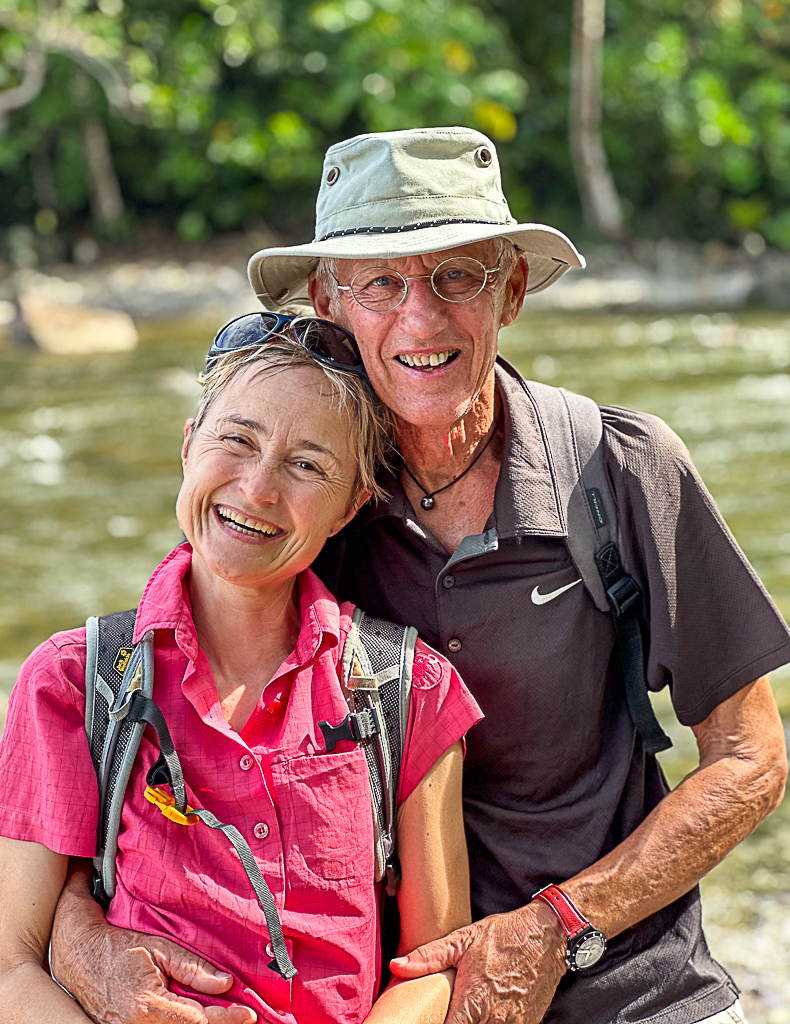
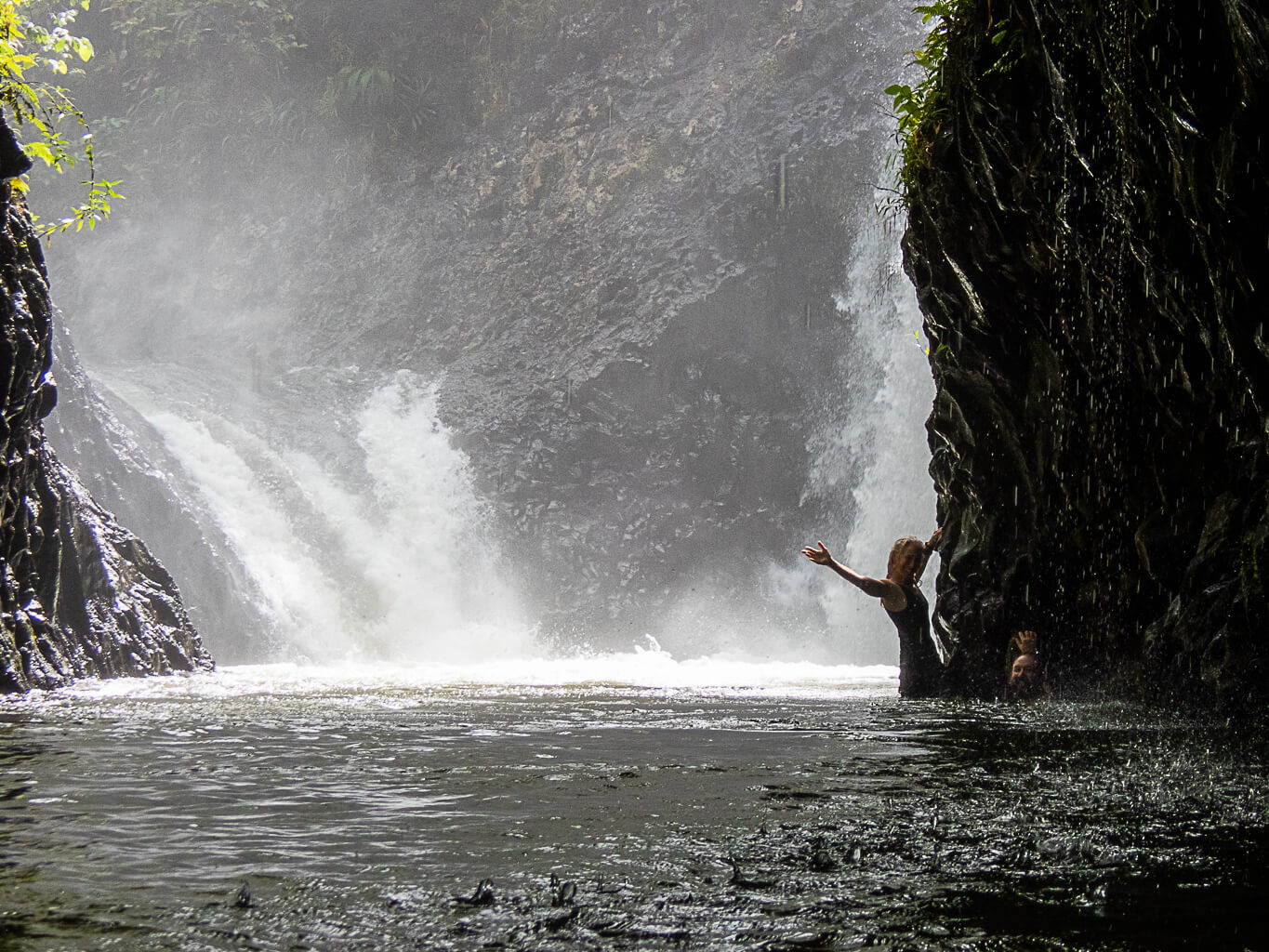
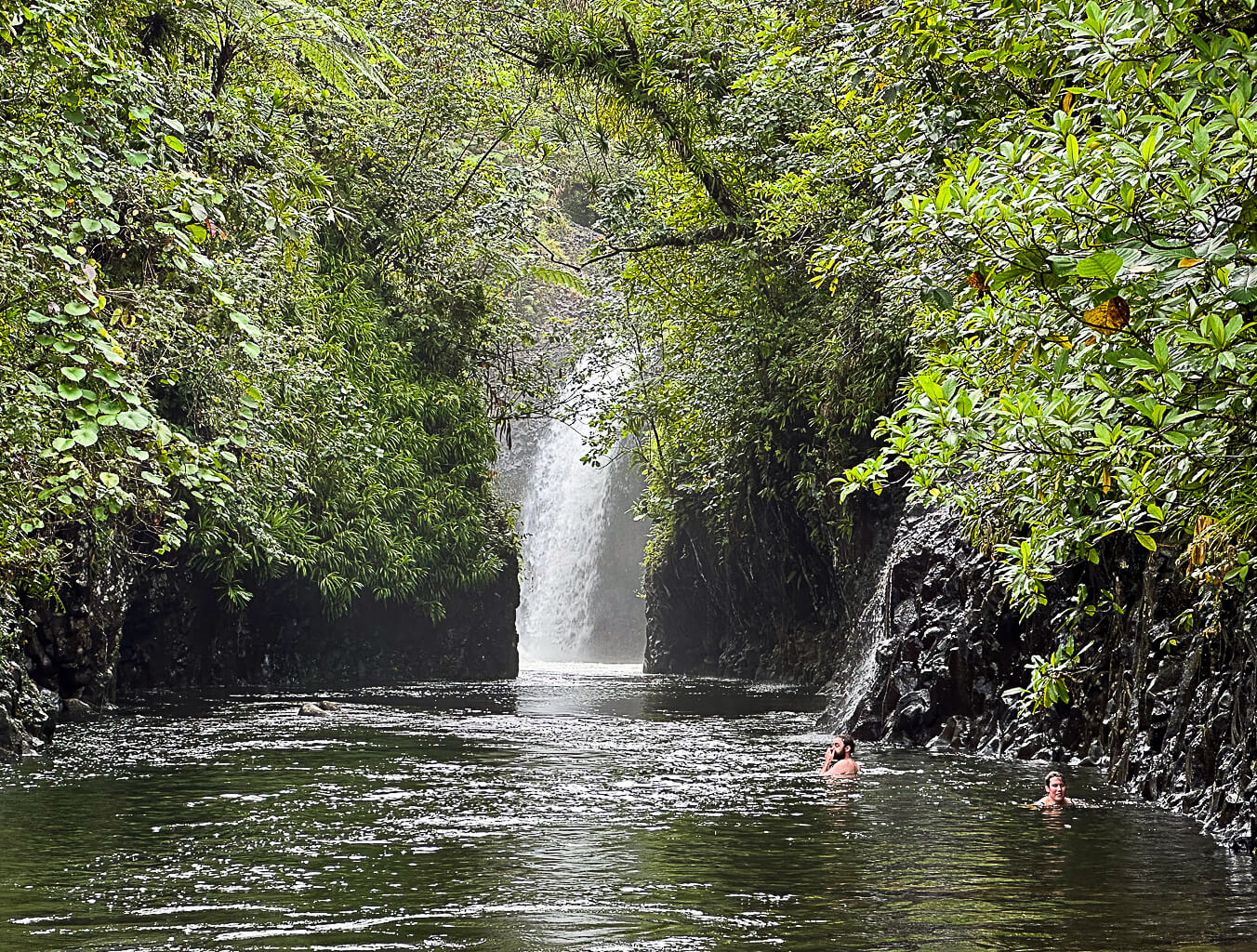
A windy Lavena coastal walk, winding up the luxuriant Wainibau valley to the thundering falls. The usual swim against the current in warm fresh water, clinging to the cliff walls between dashes across the torrent. Liam and Diana make it the whole way. A 70 year old Fijian guide urges his charges on, climbs the cliff for a daring dive he must have made since a child. ~MS
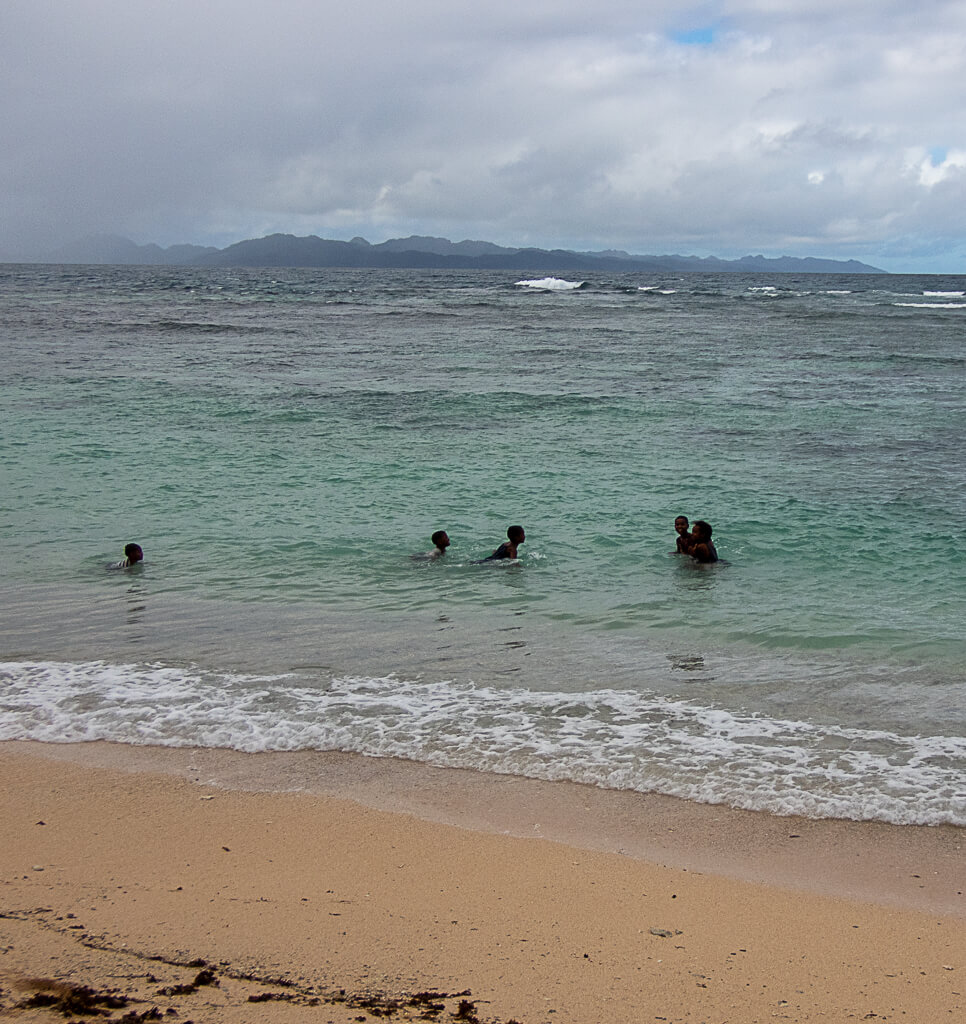
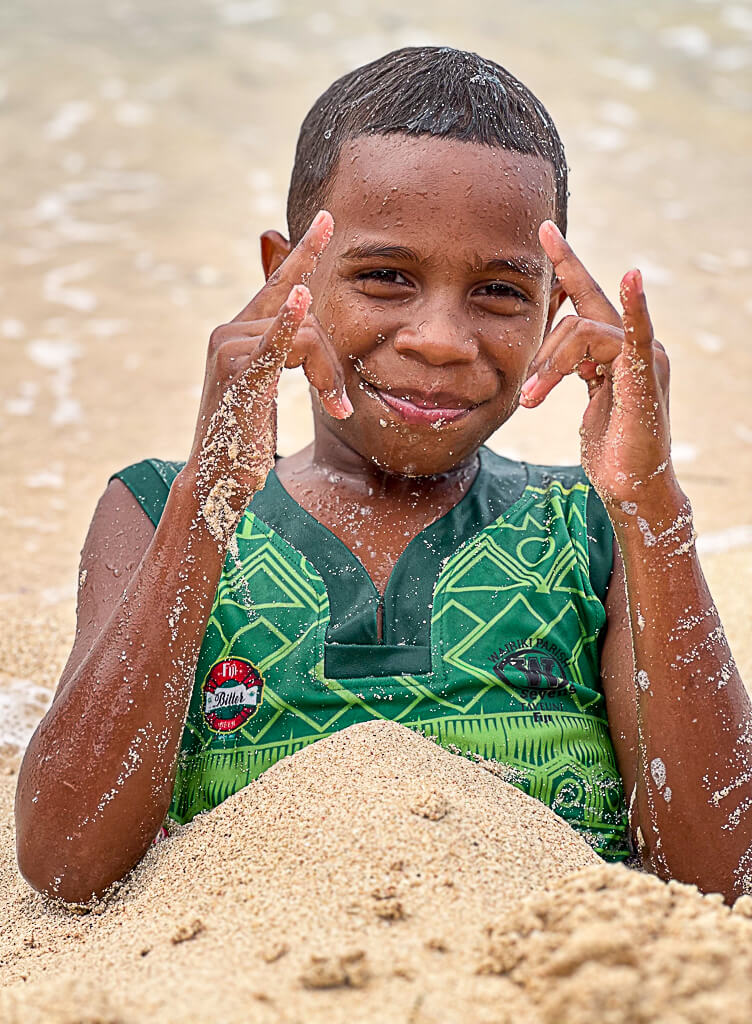
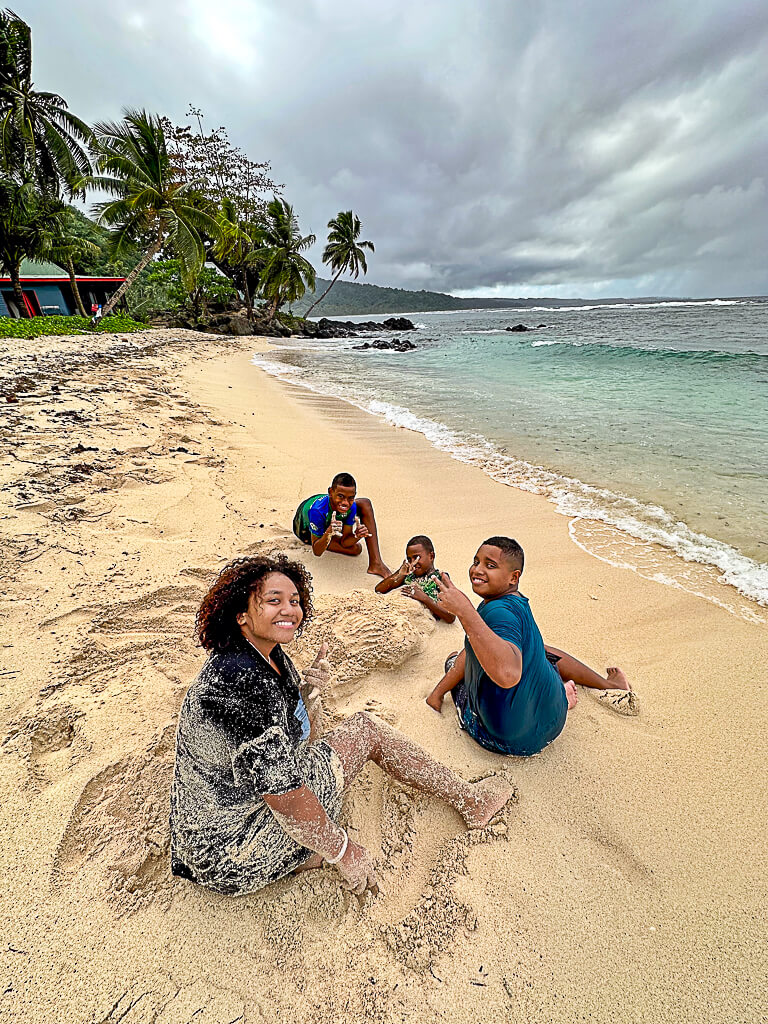
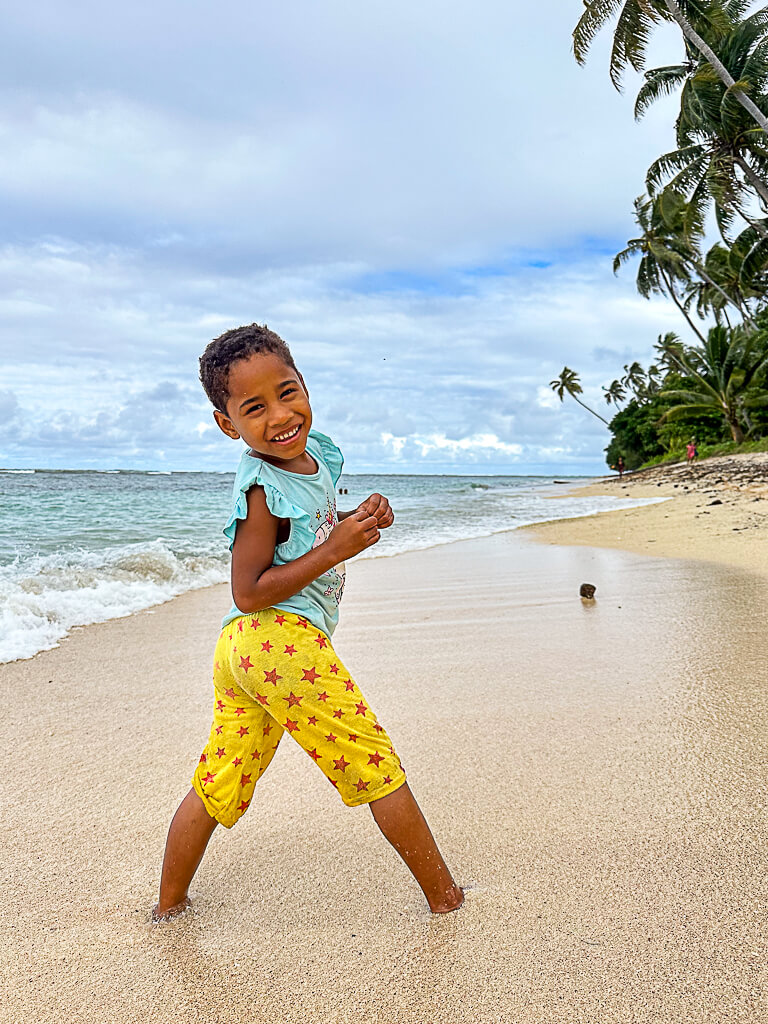
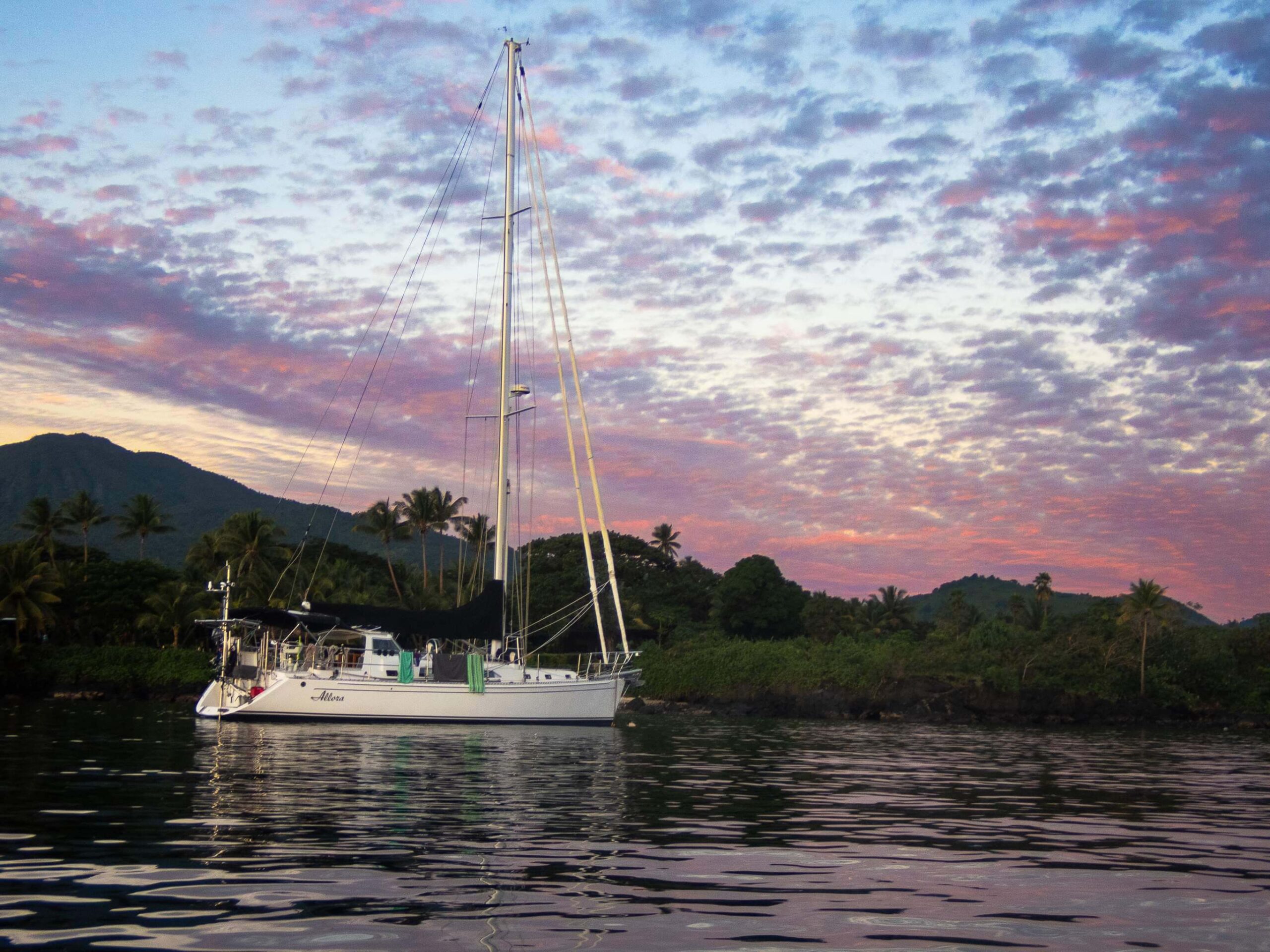
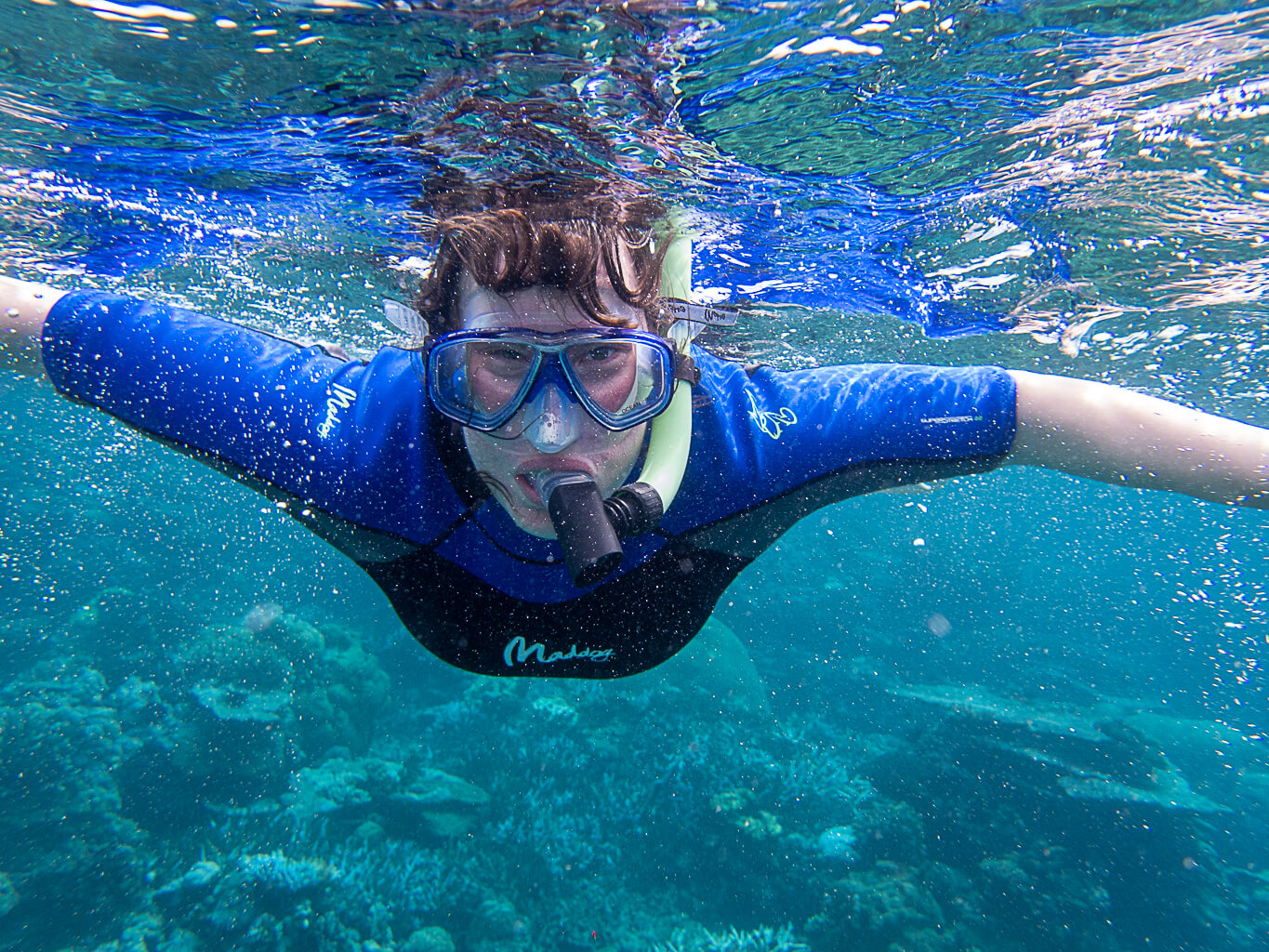
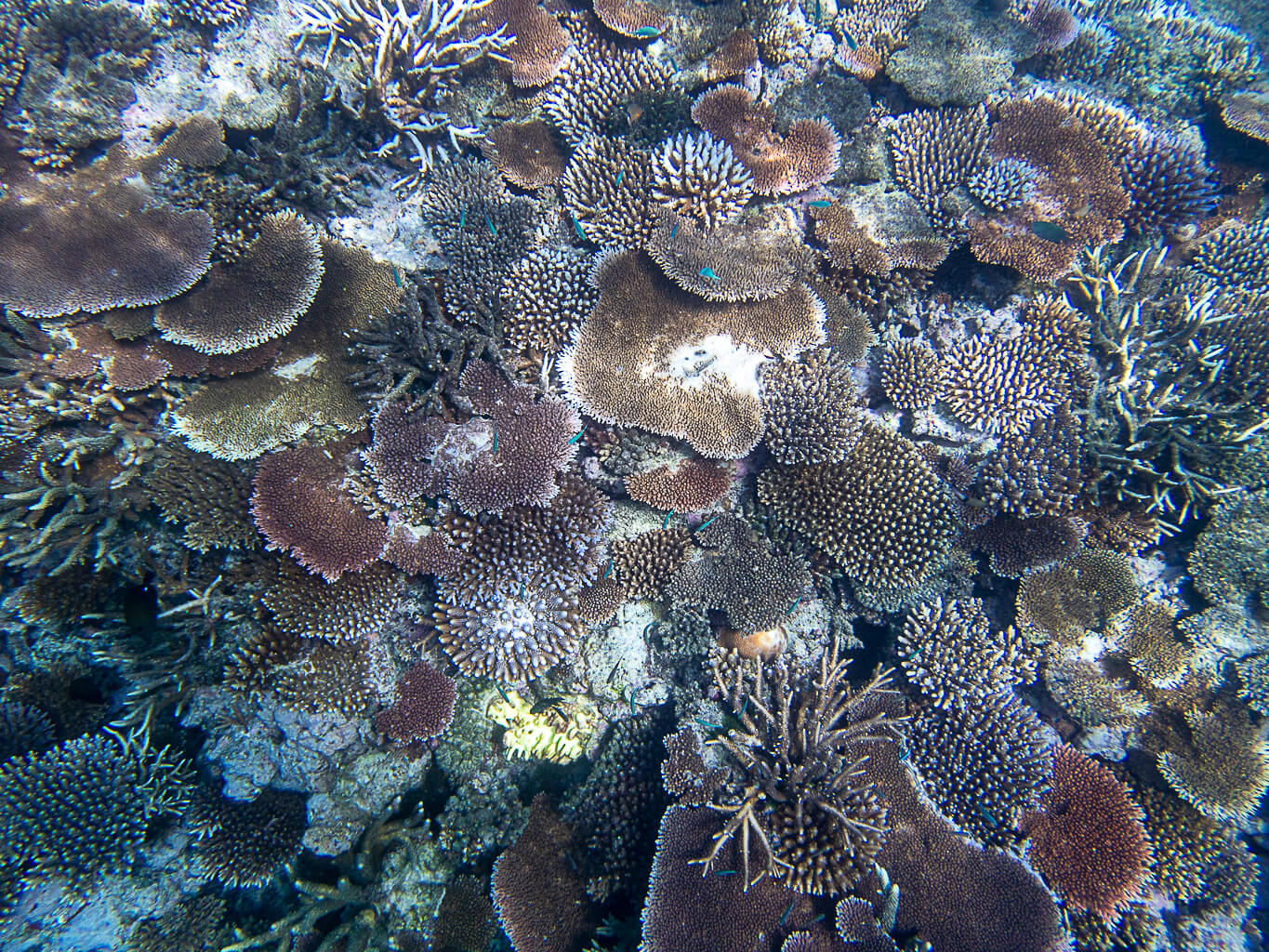
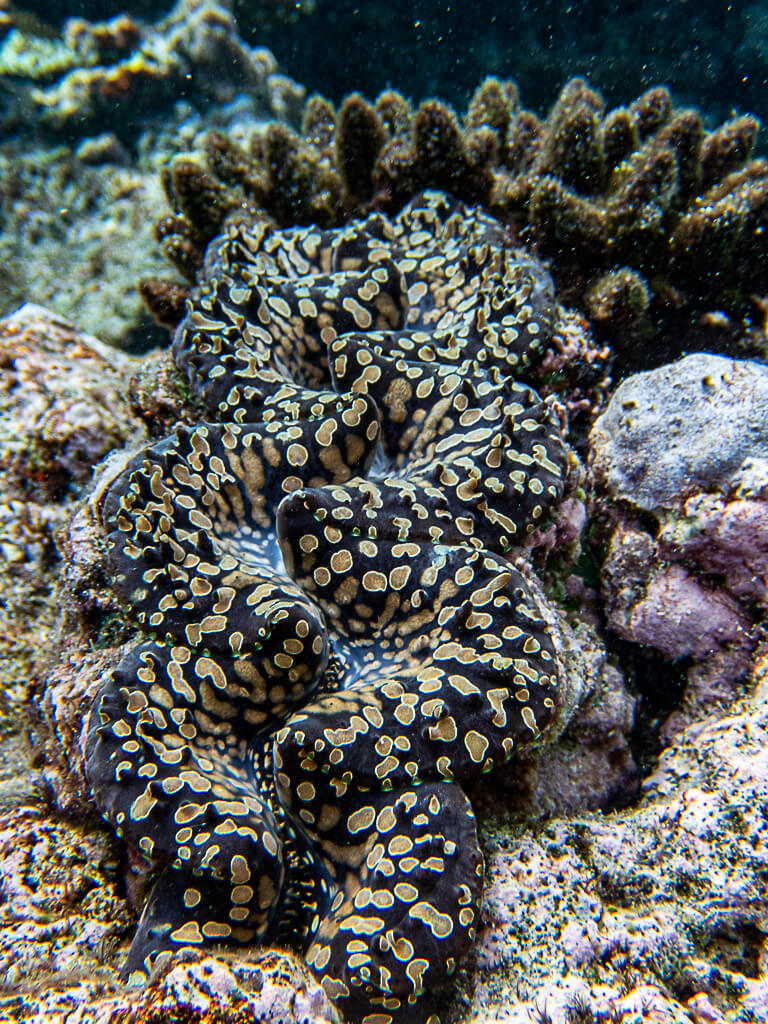
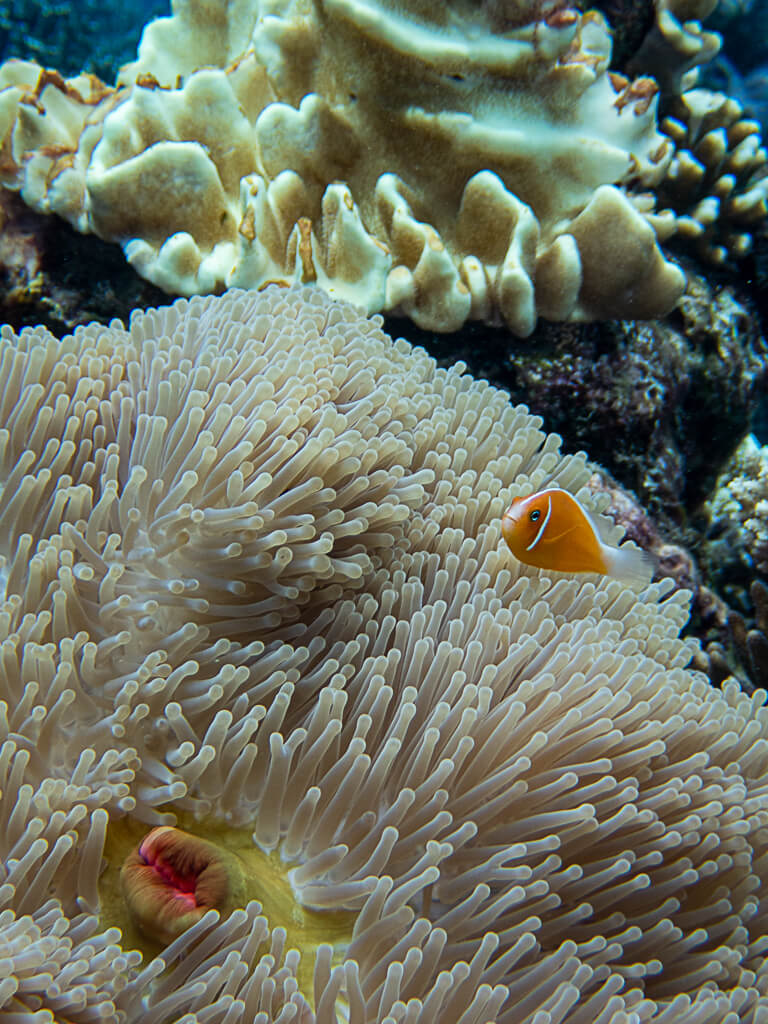
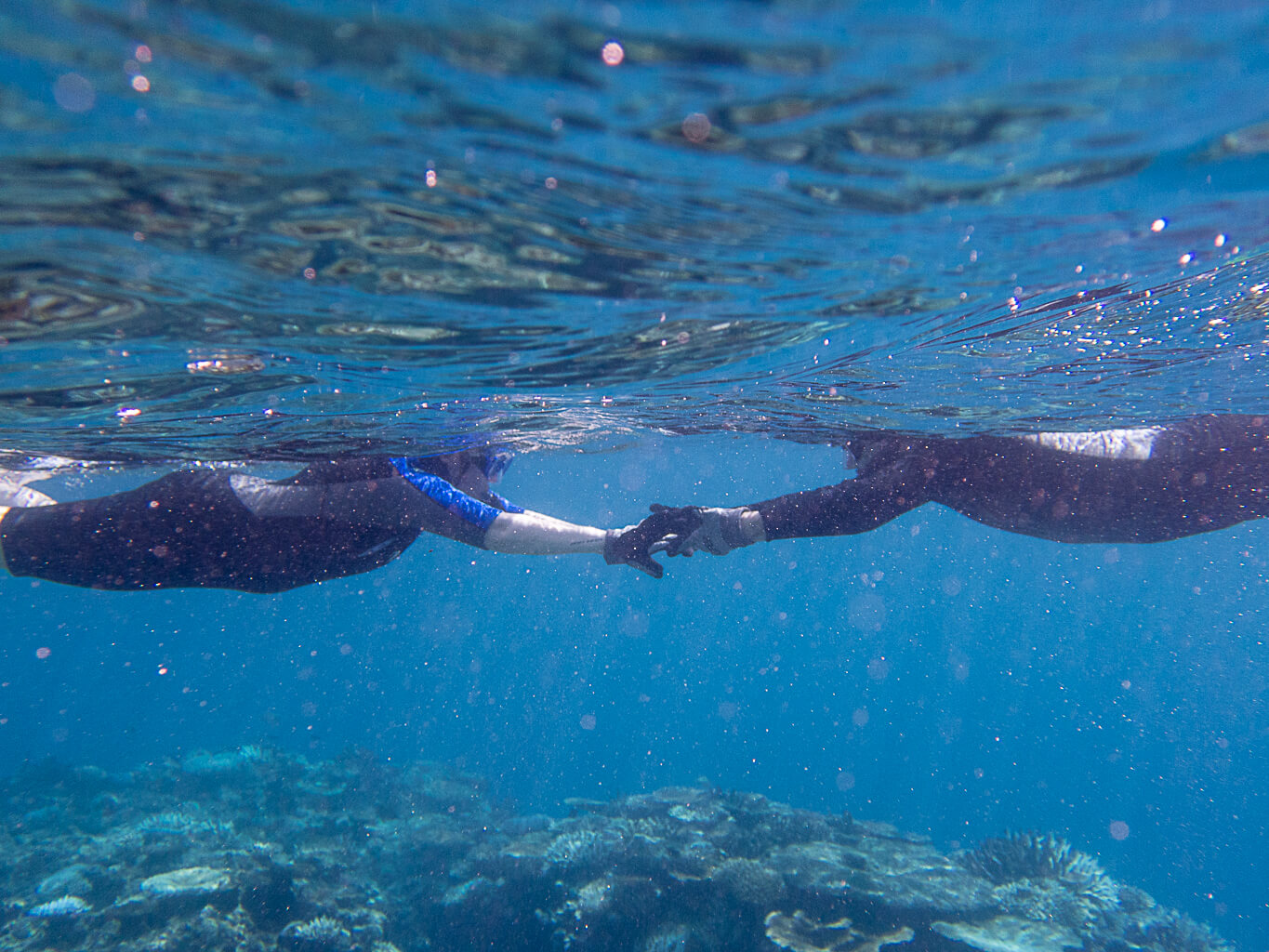
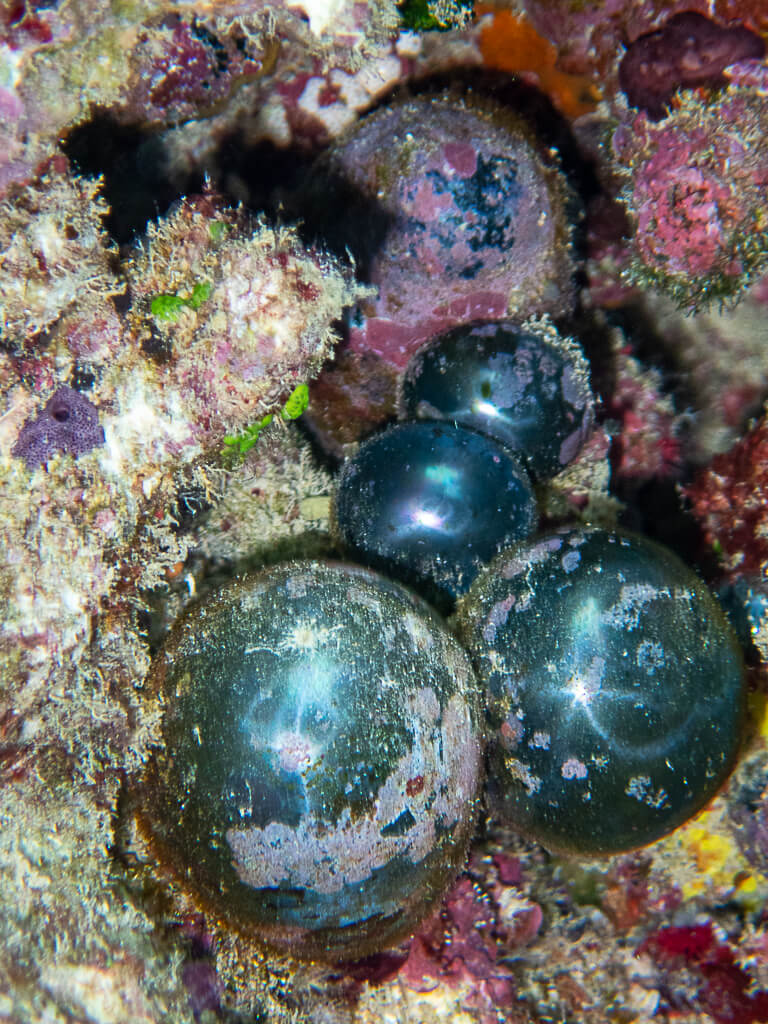
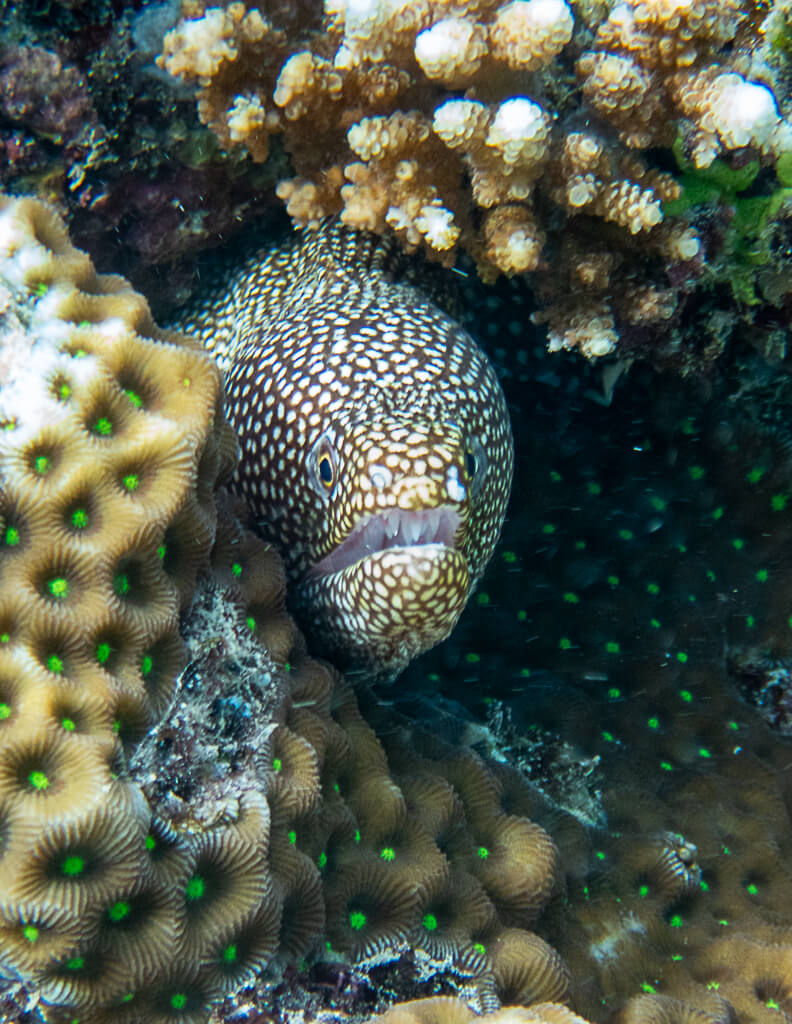
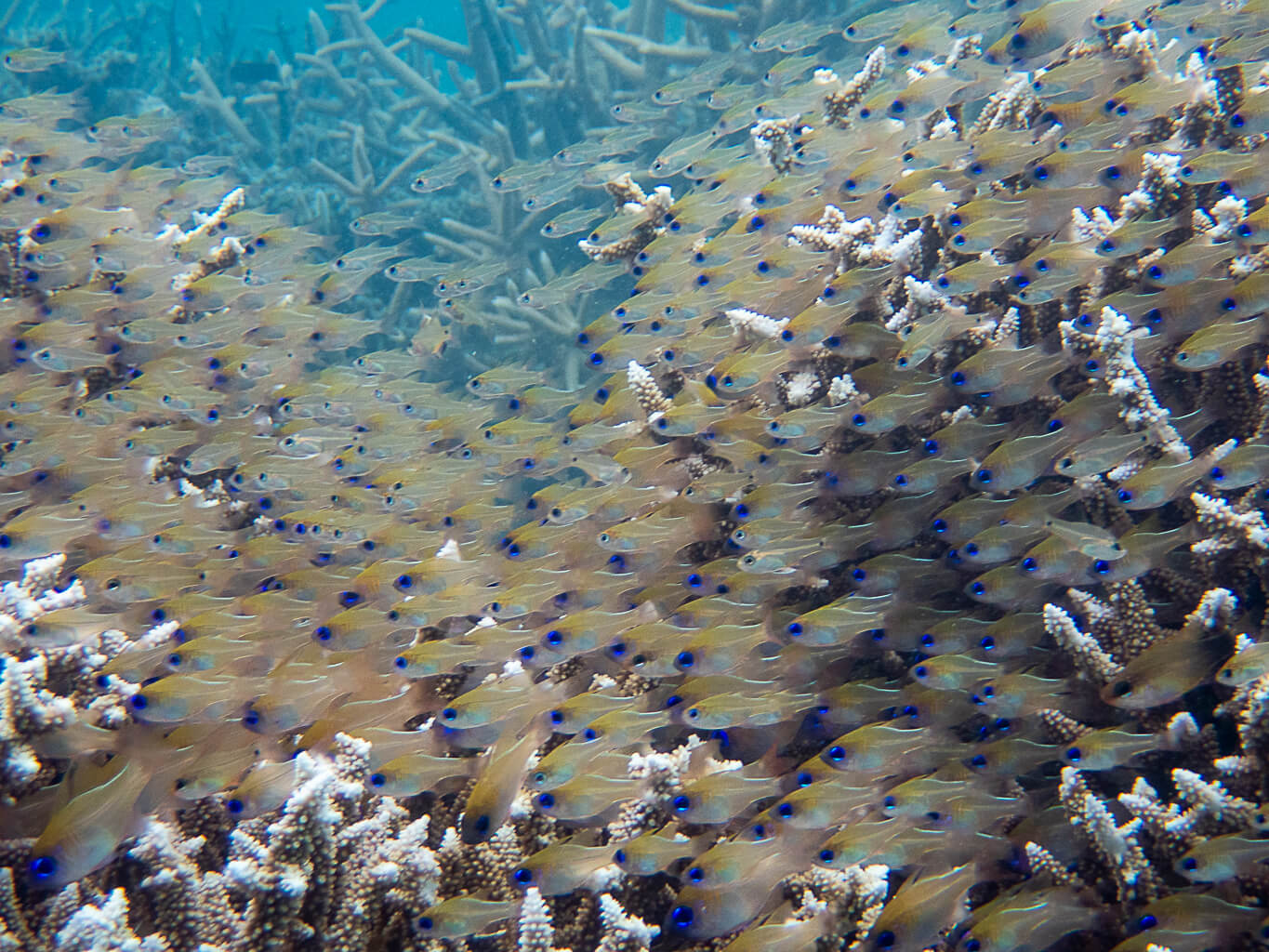
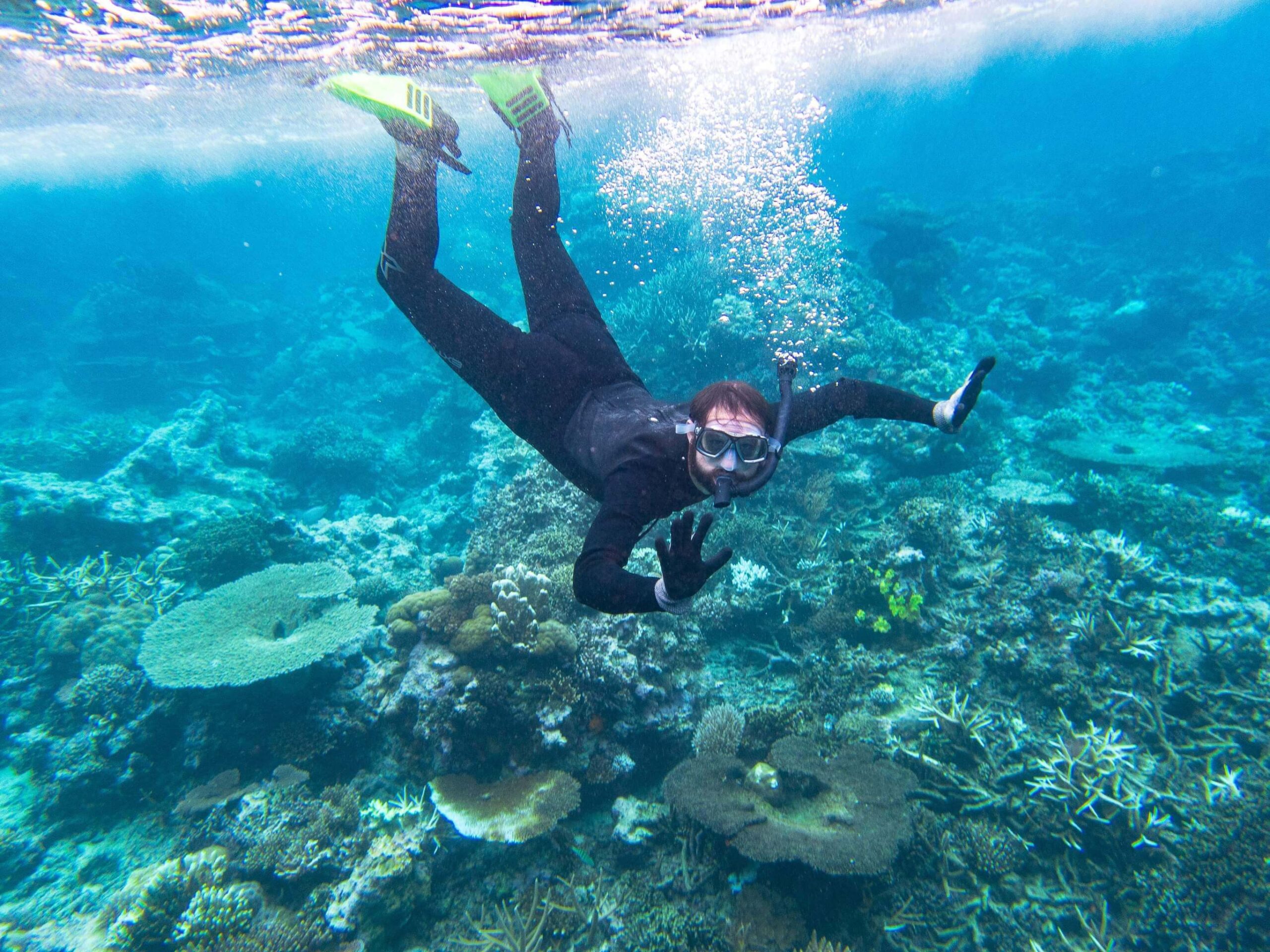
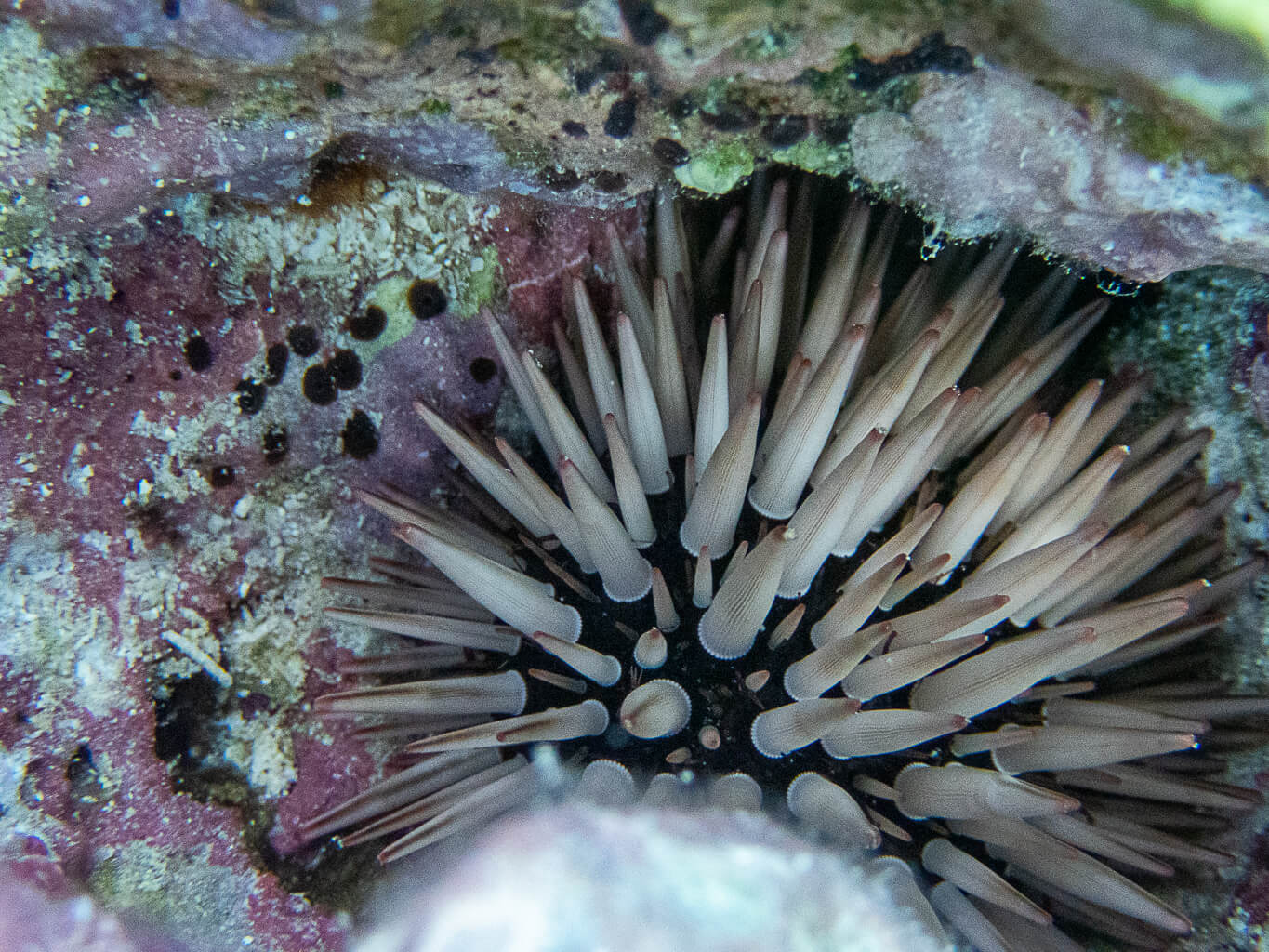
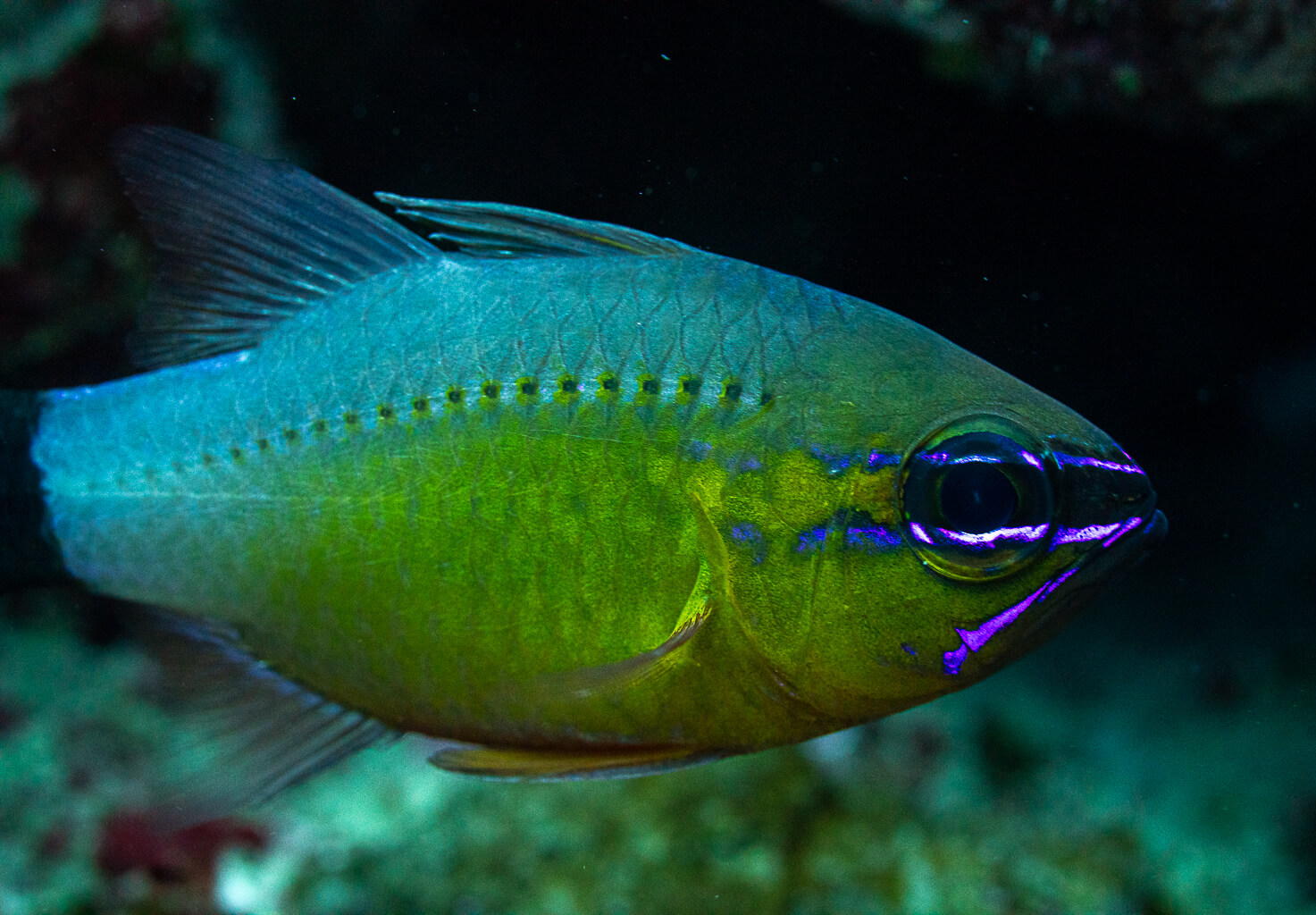
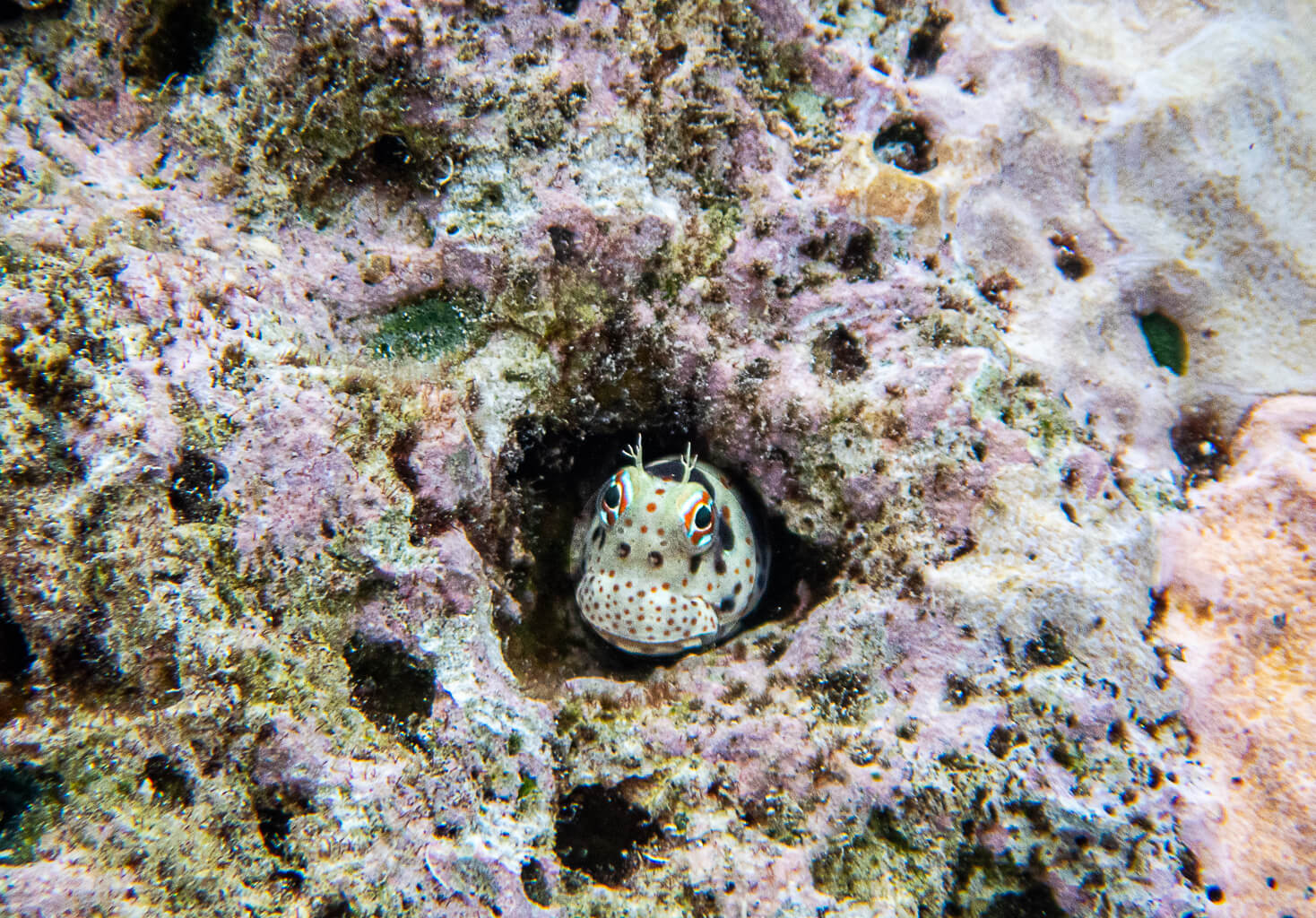
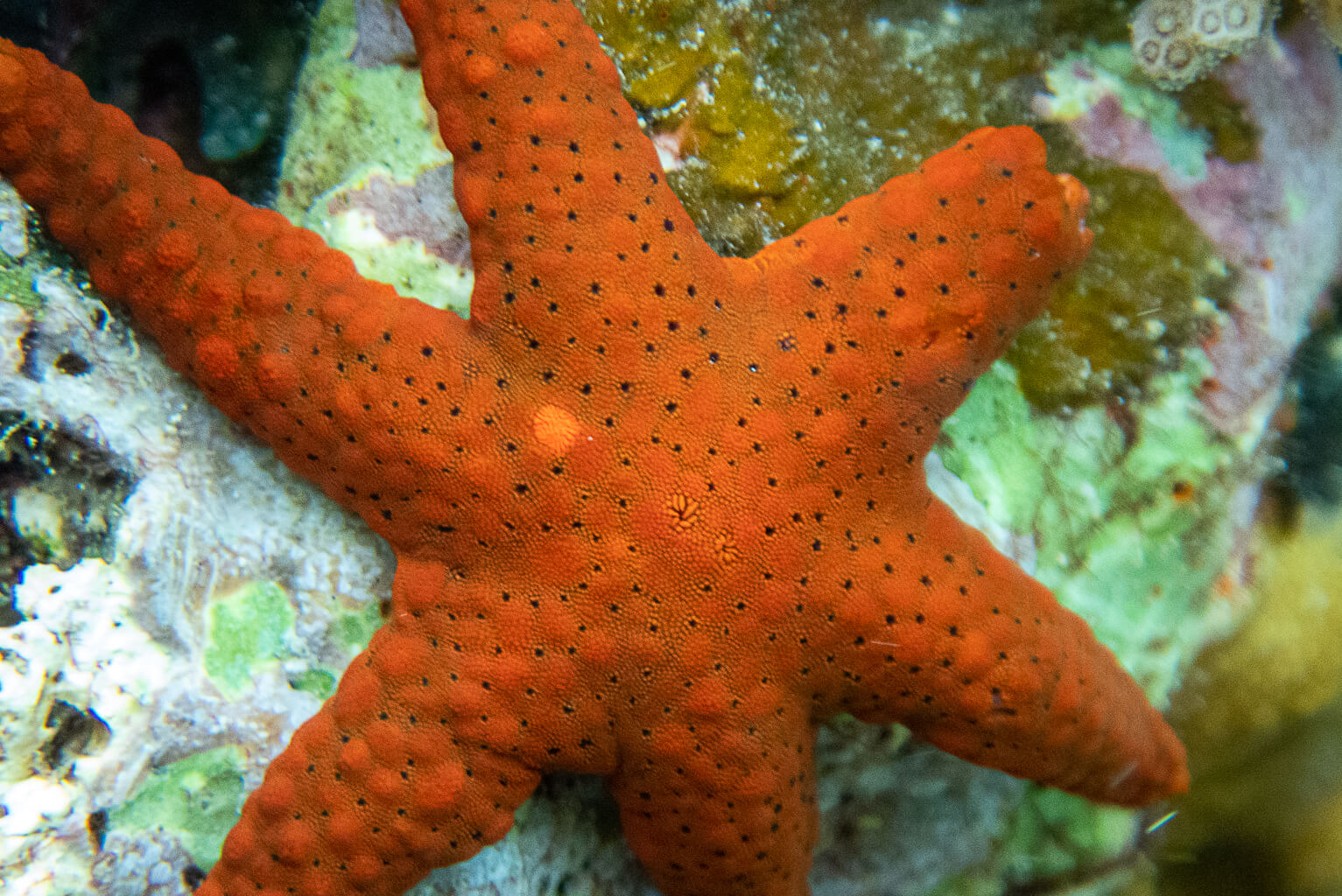
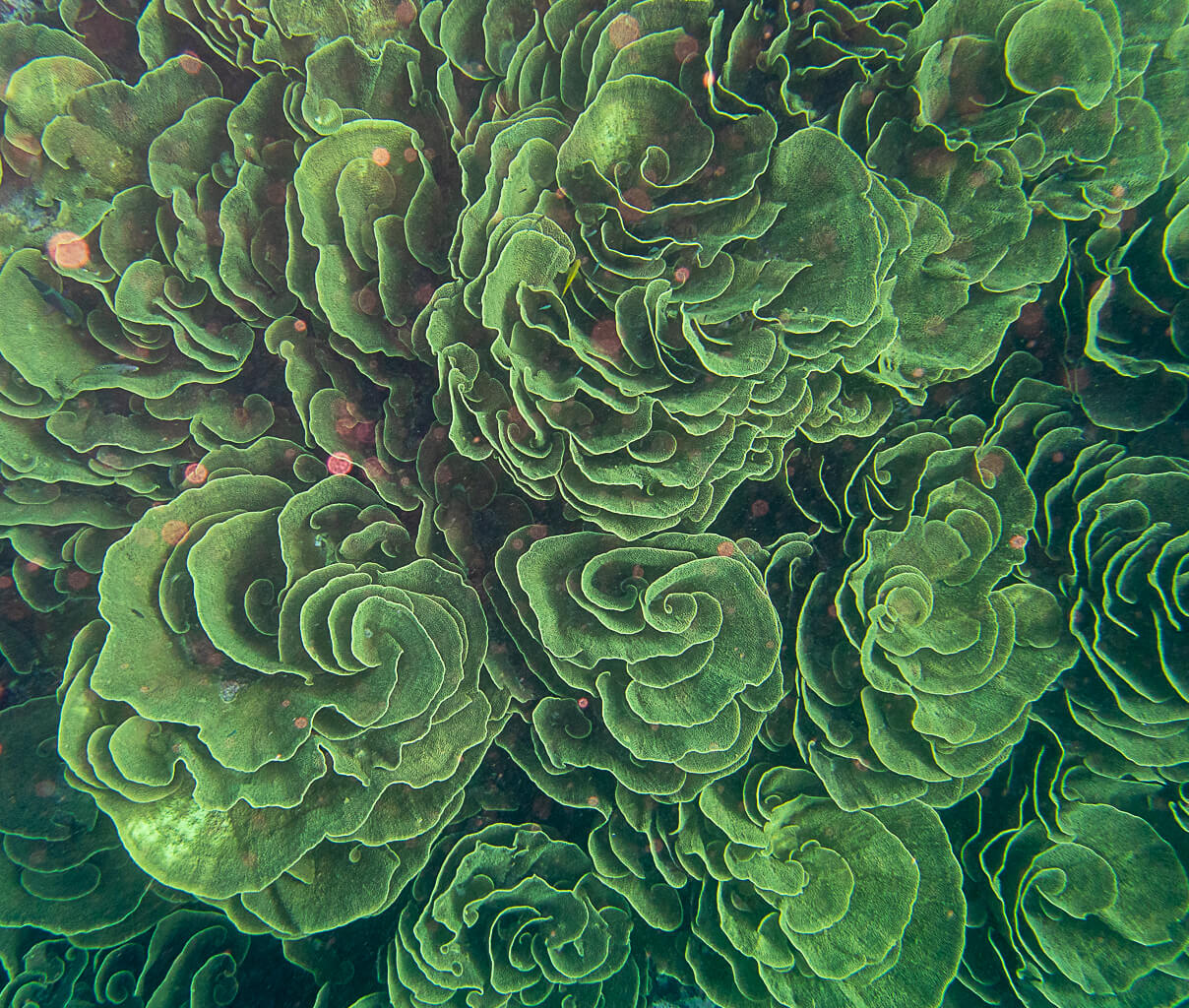
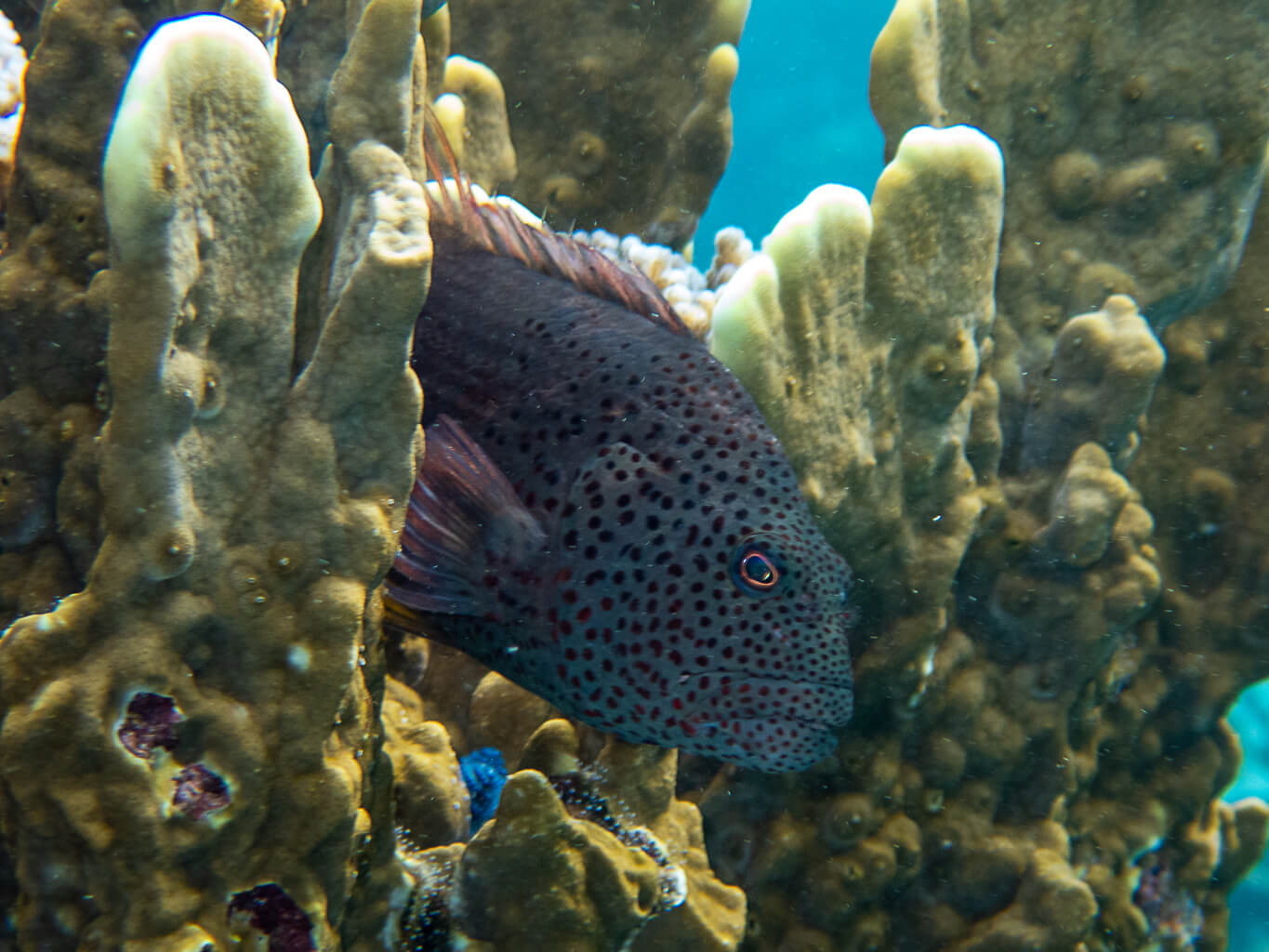
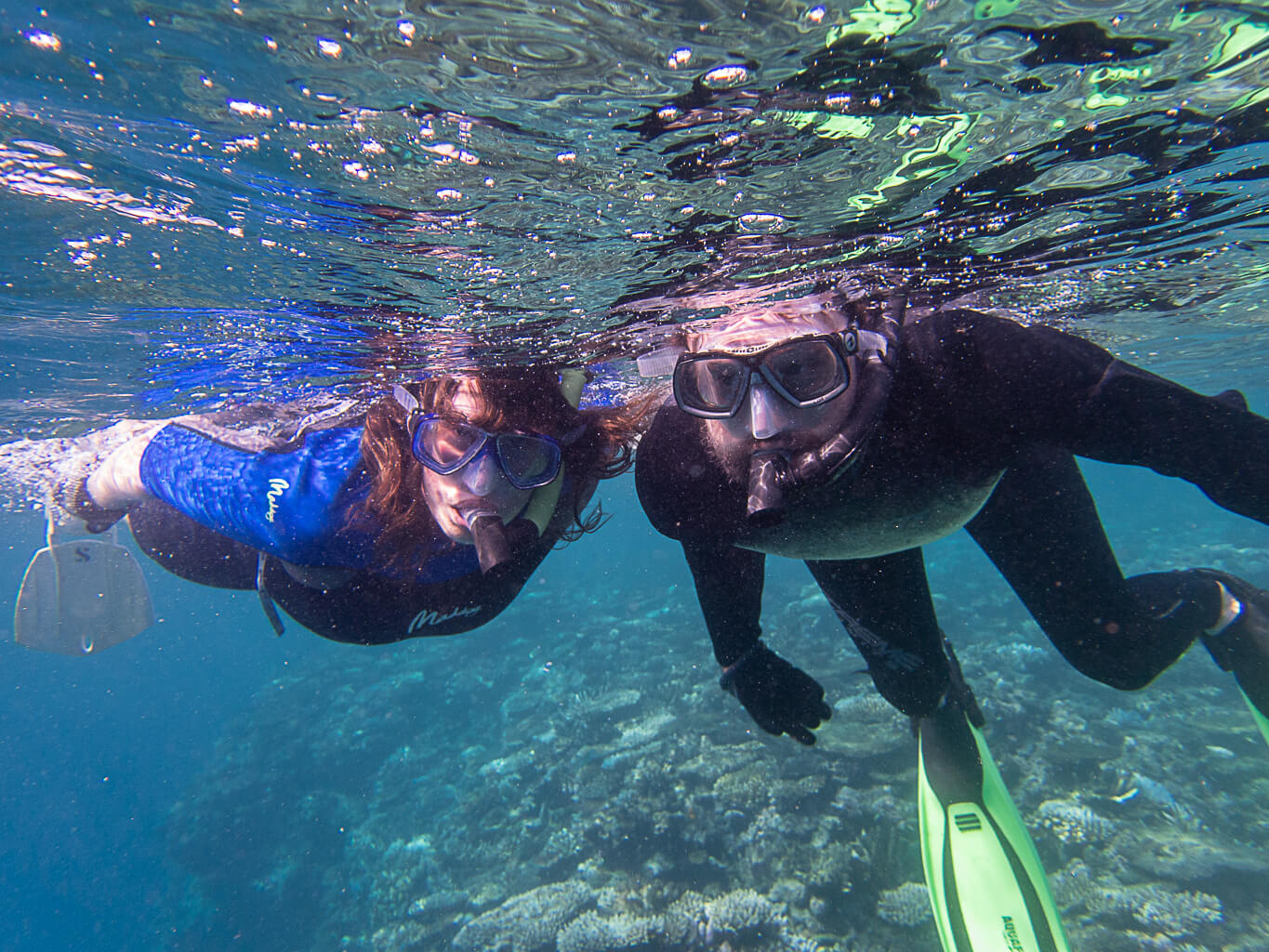
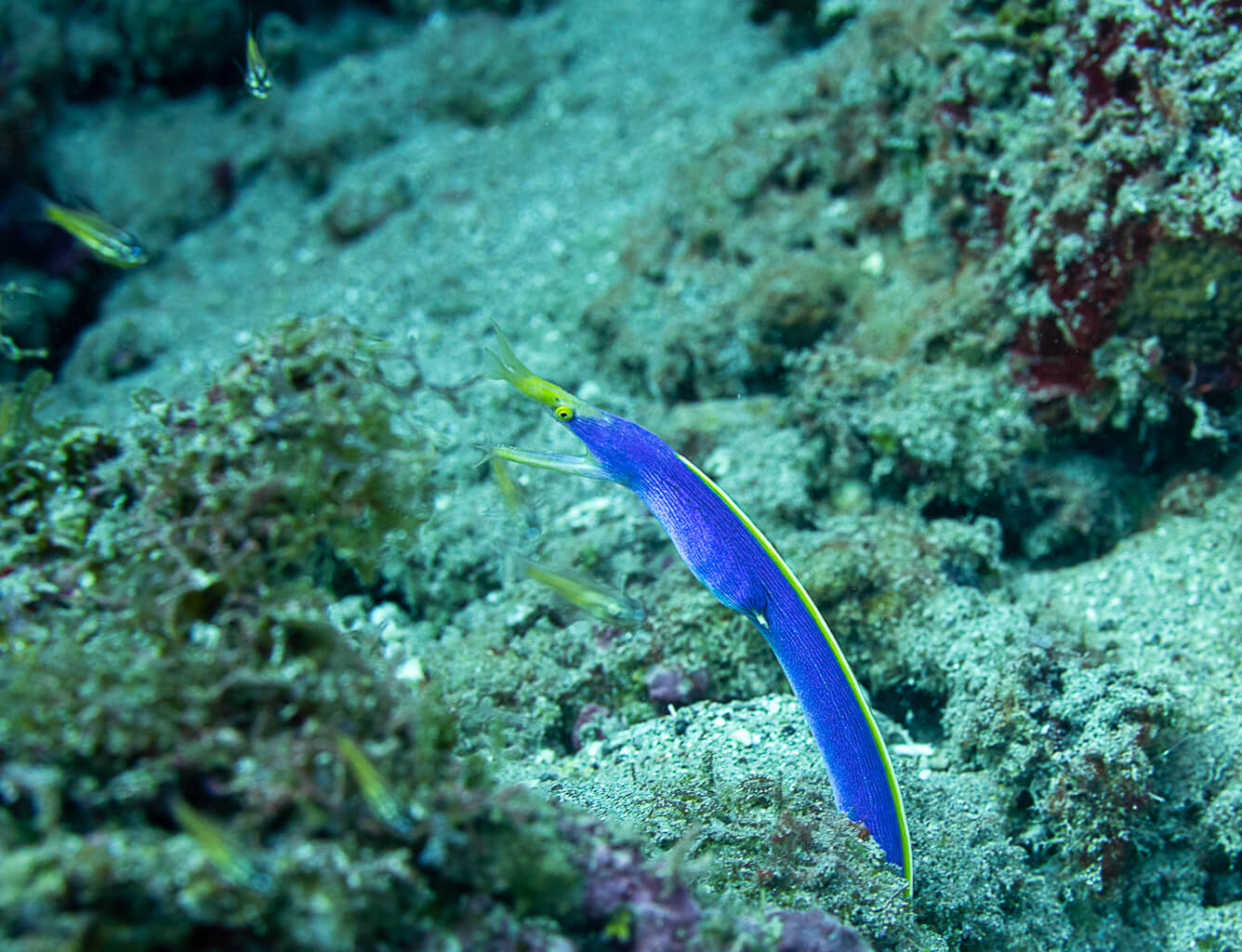
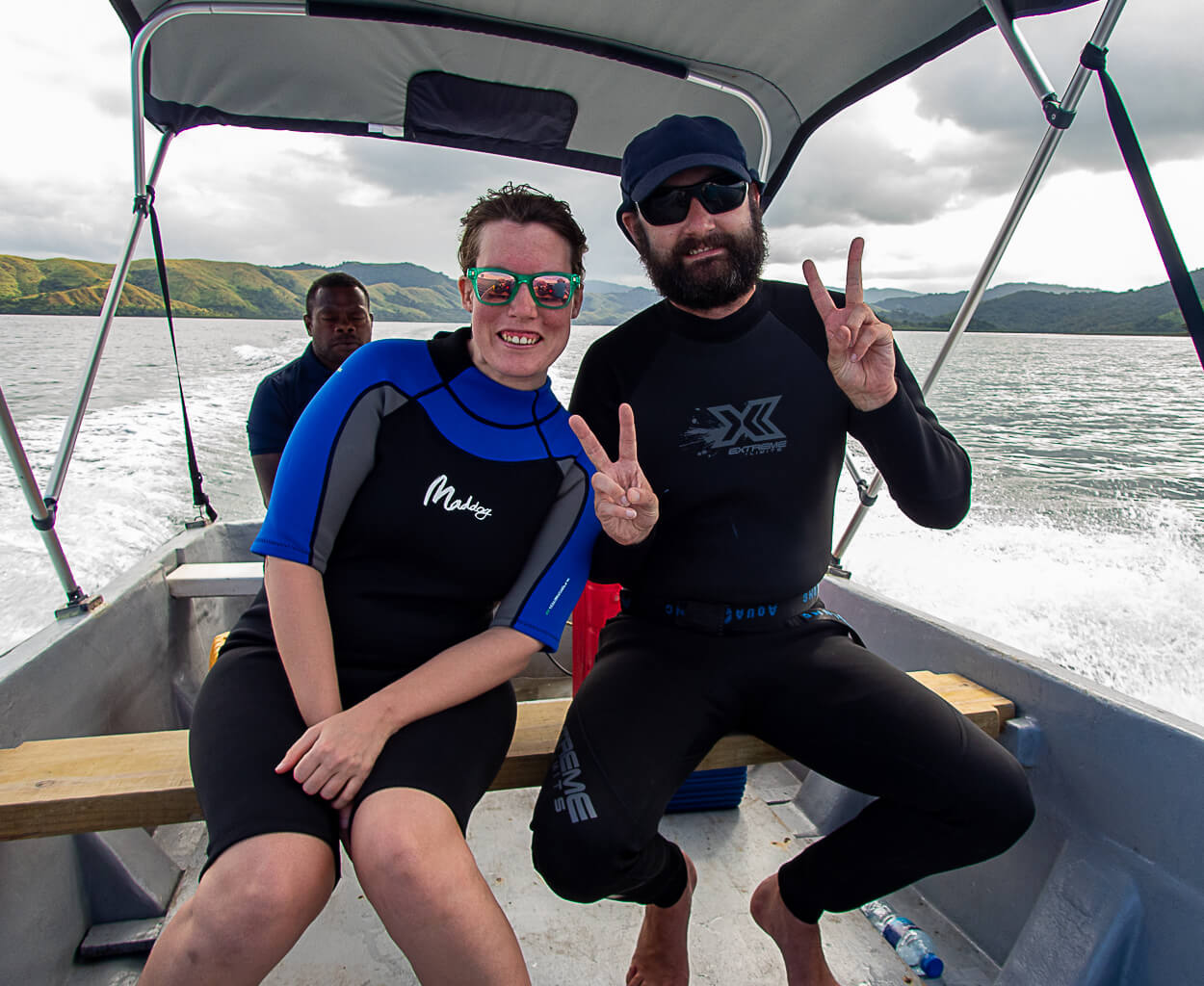
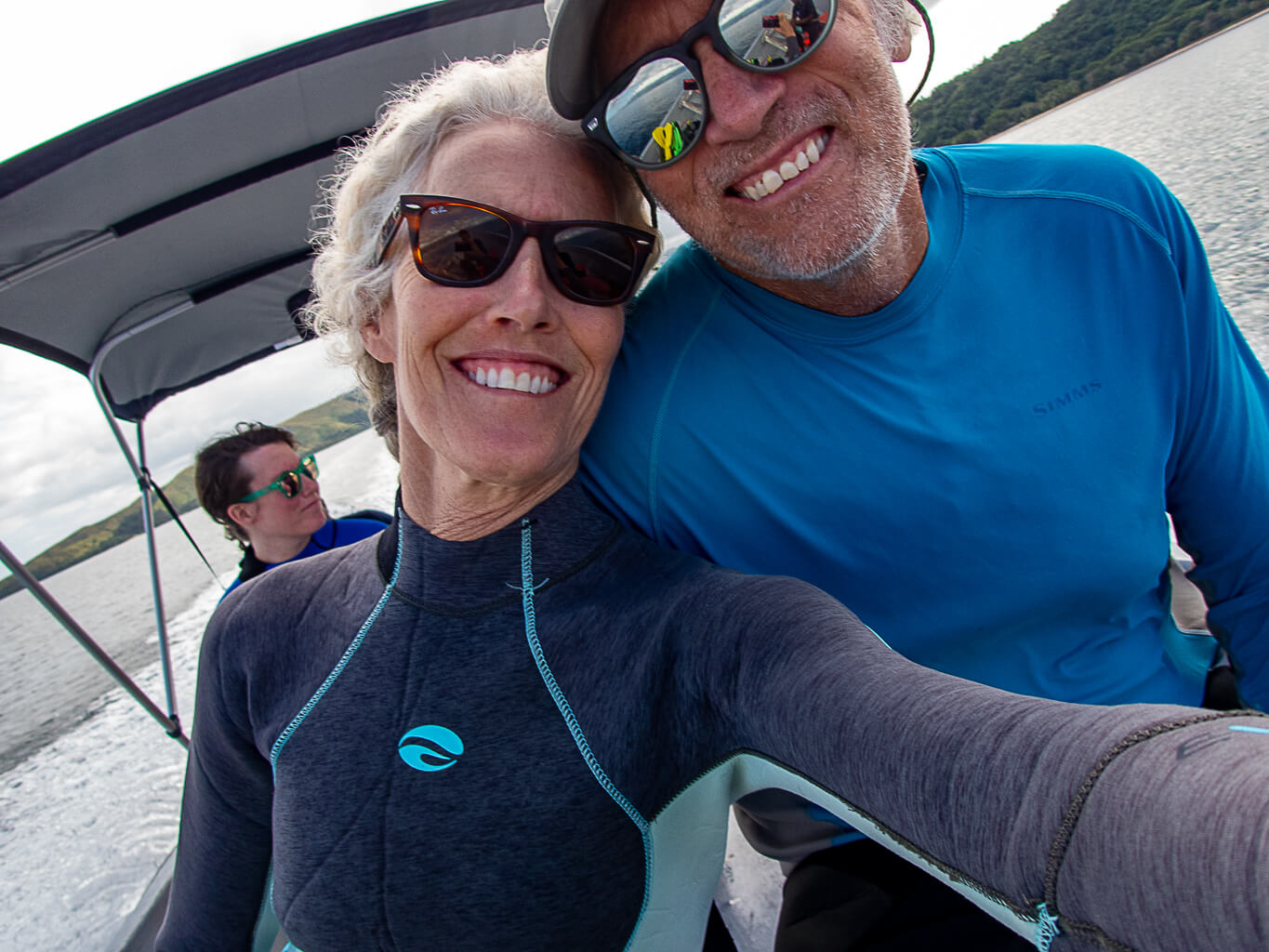
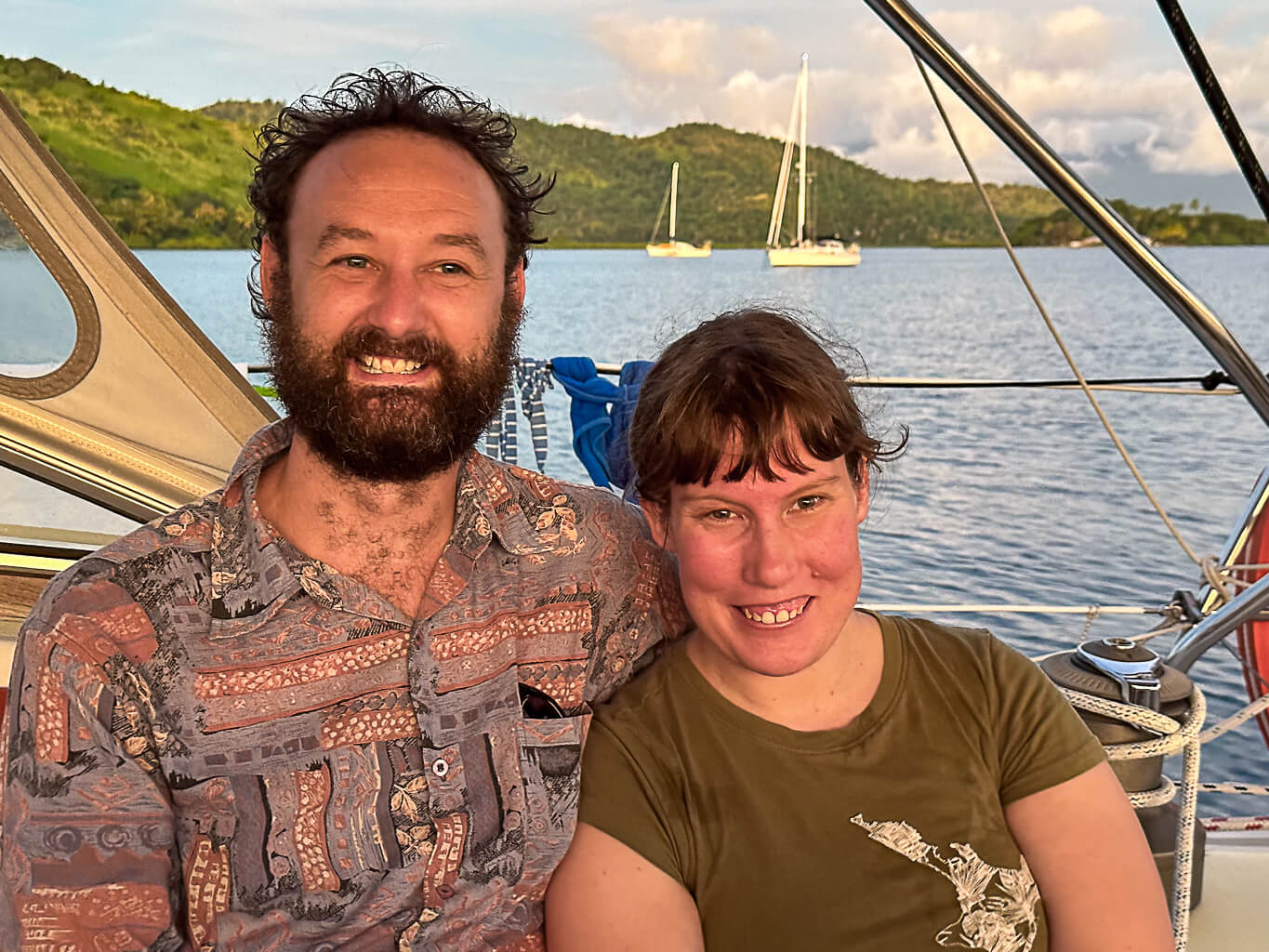
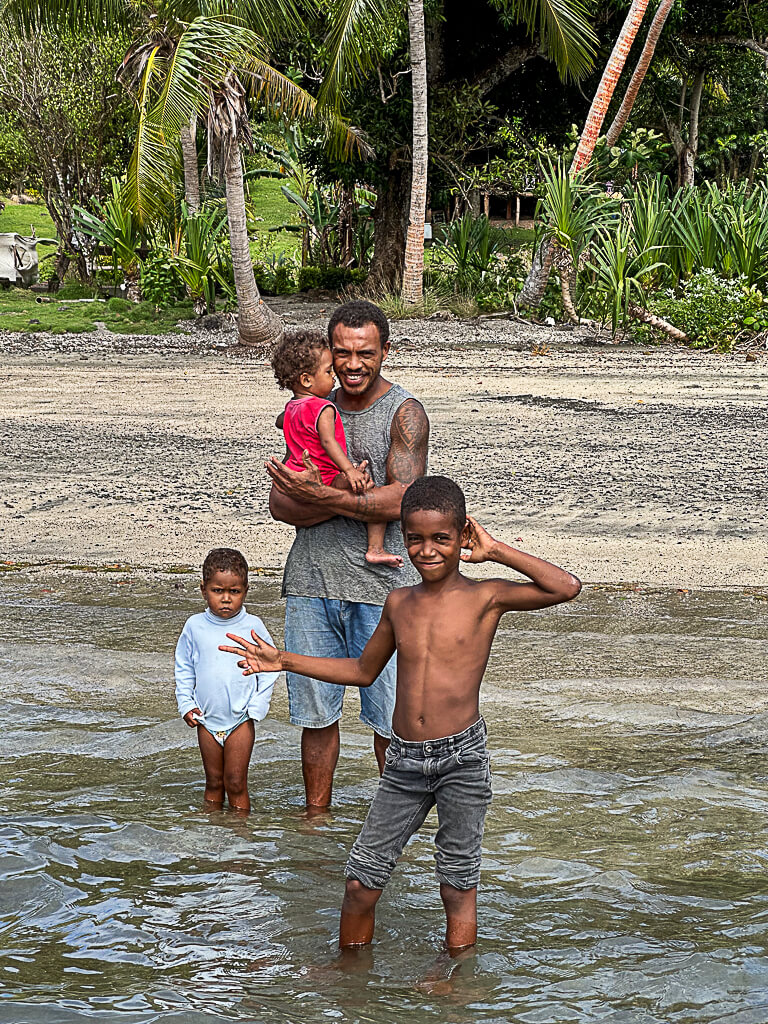
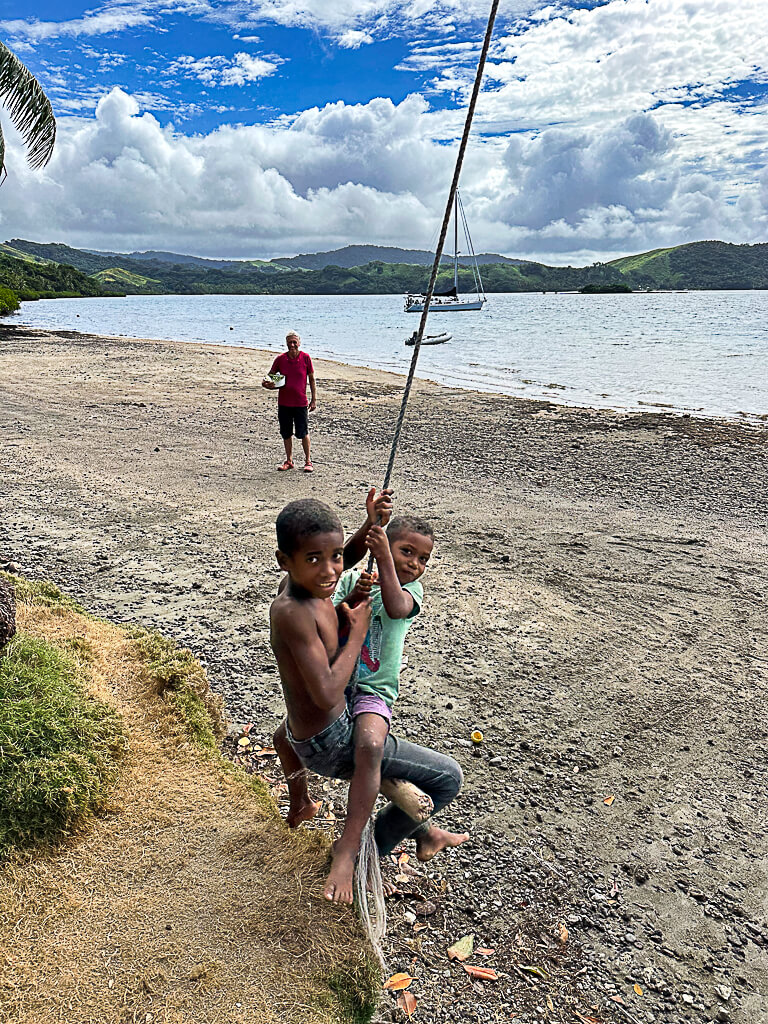
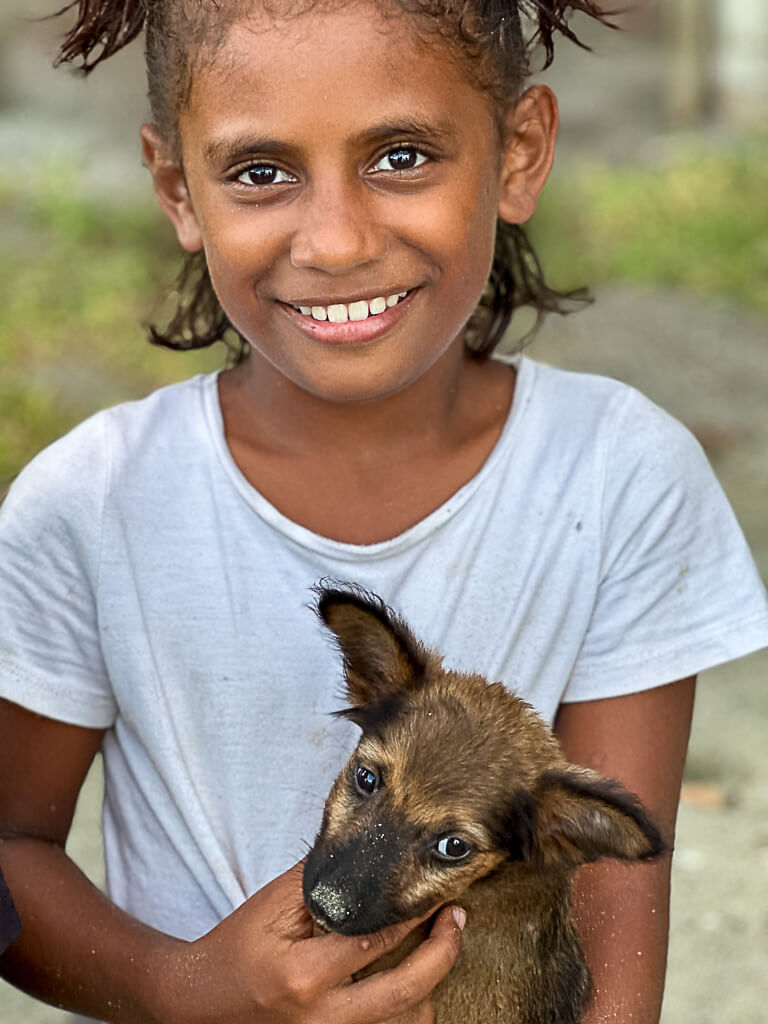
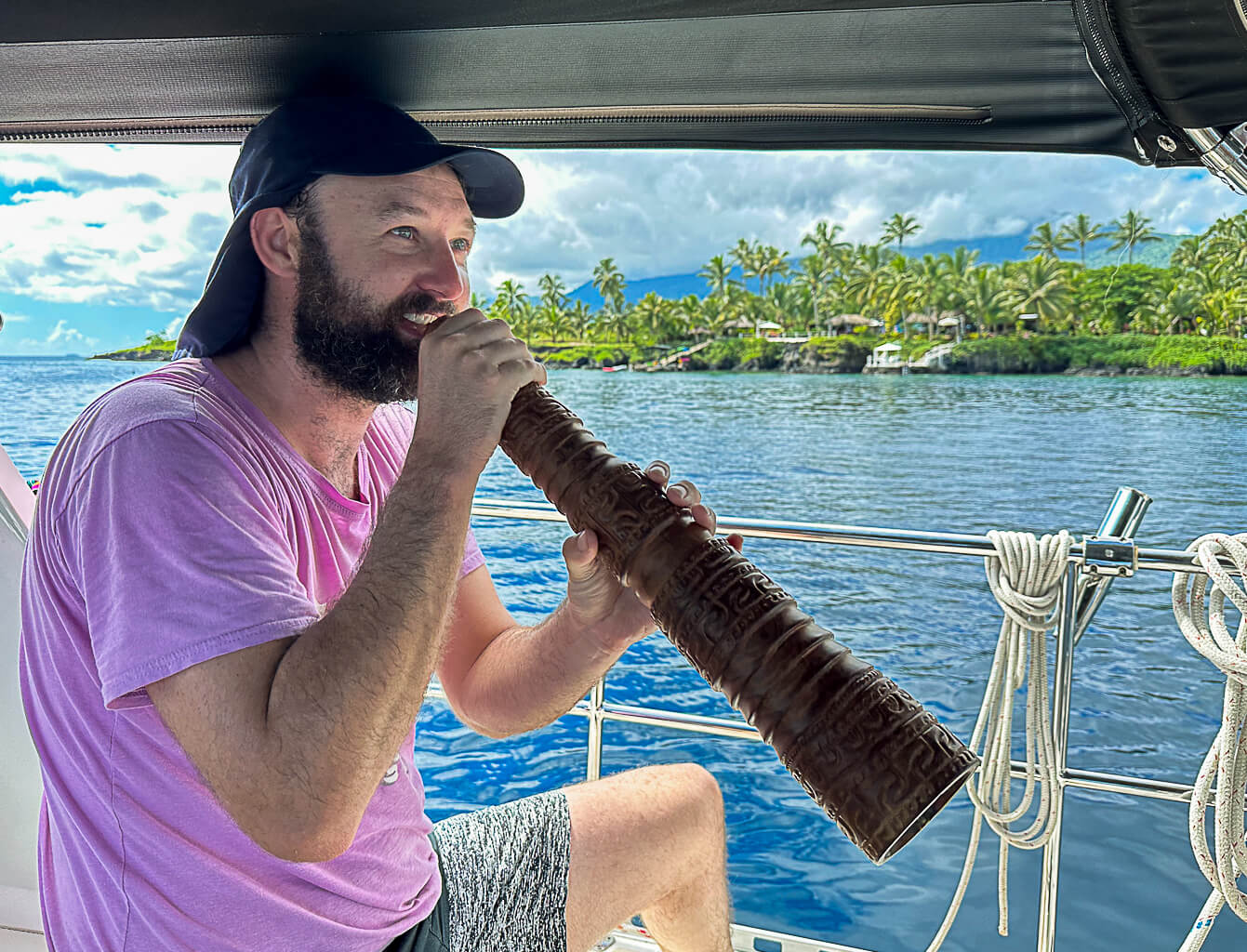
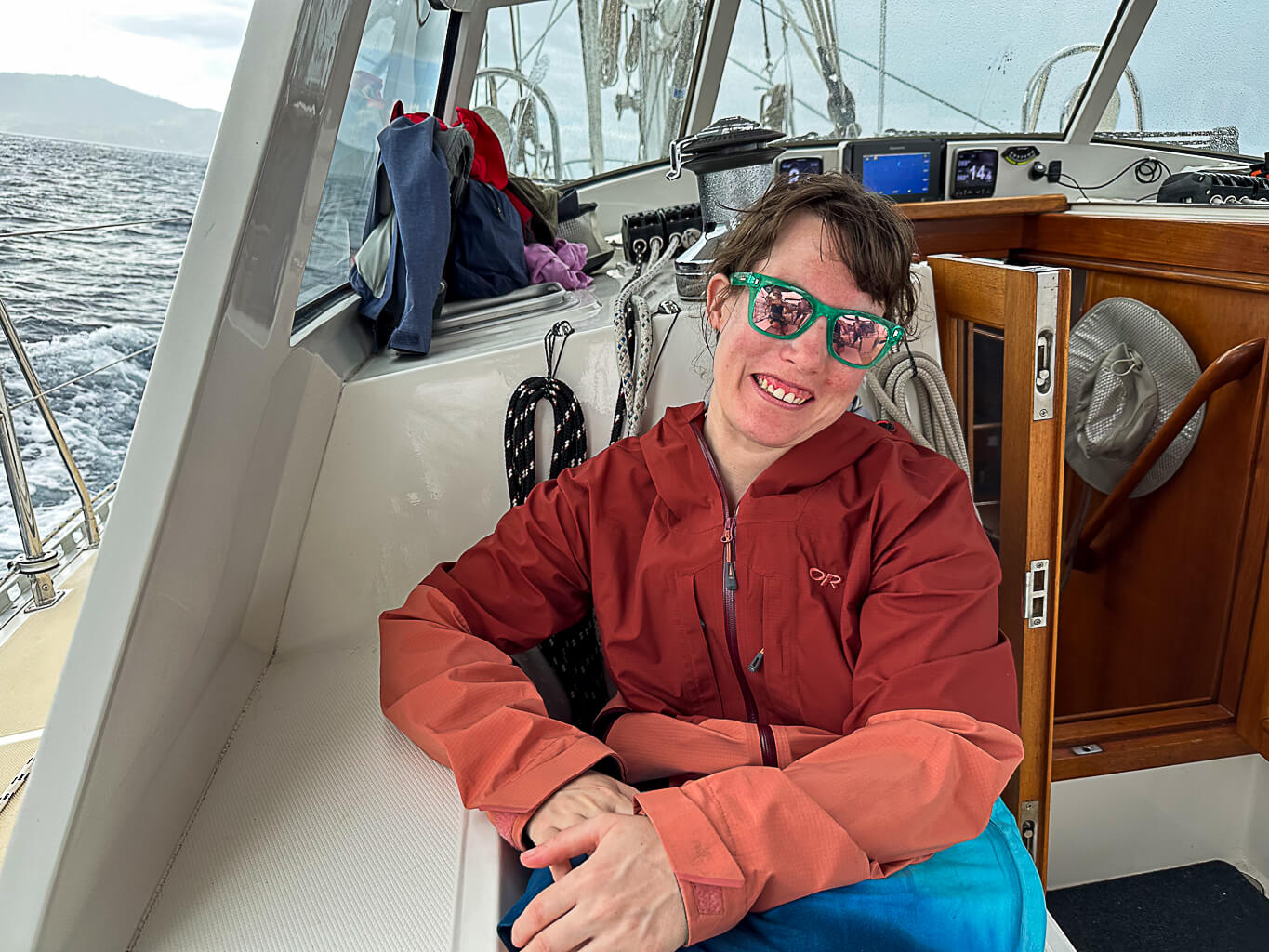
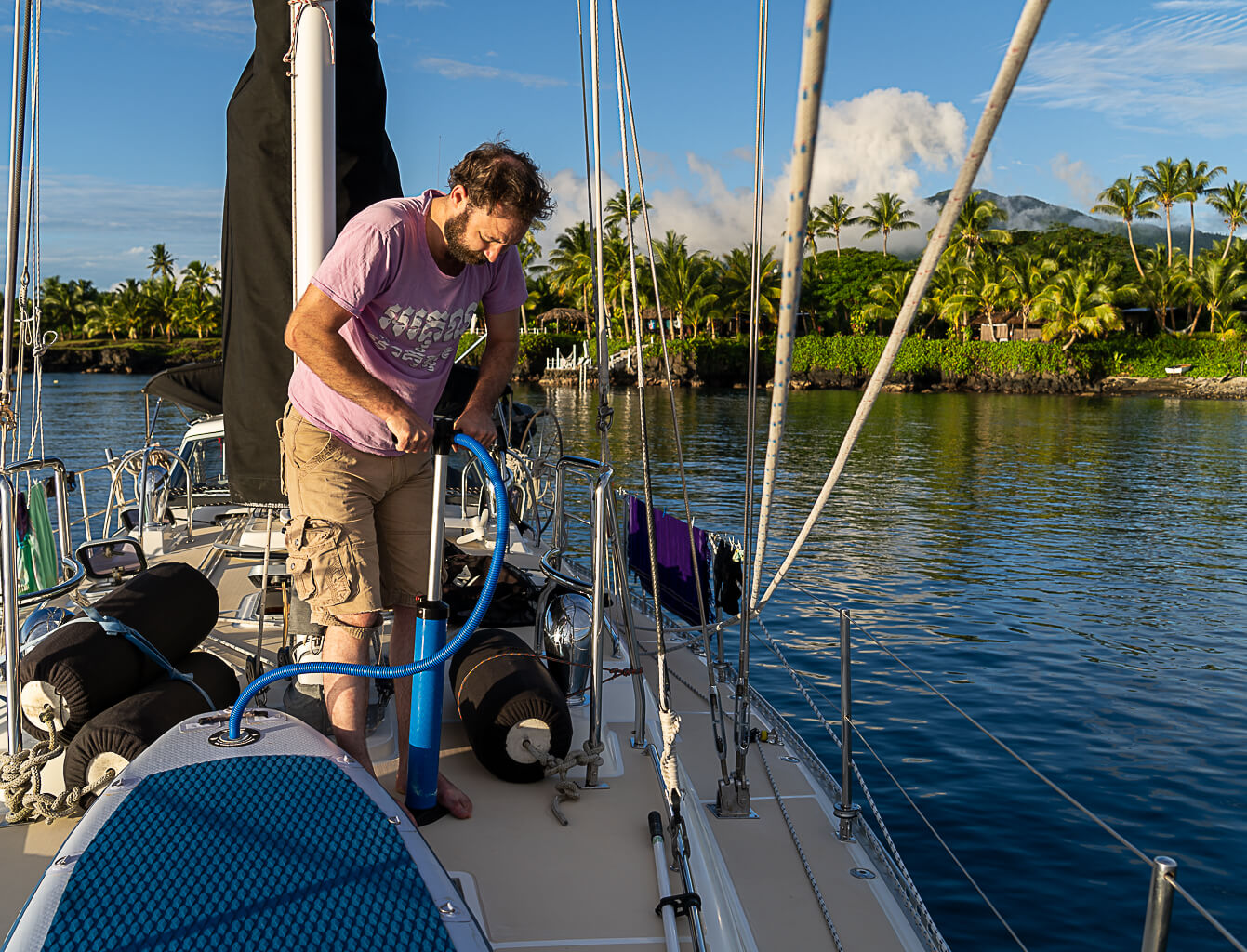
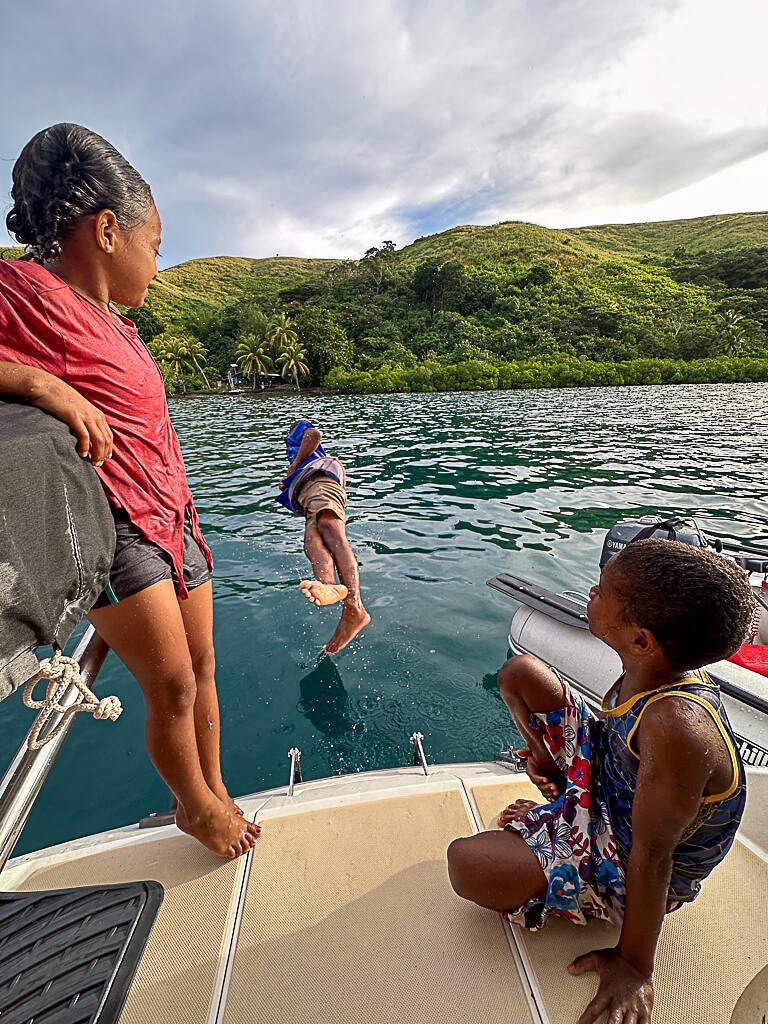
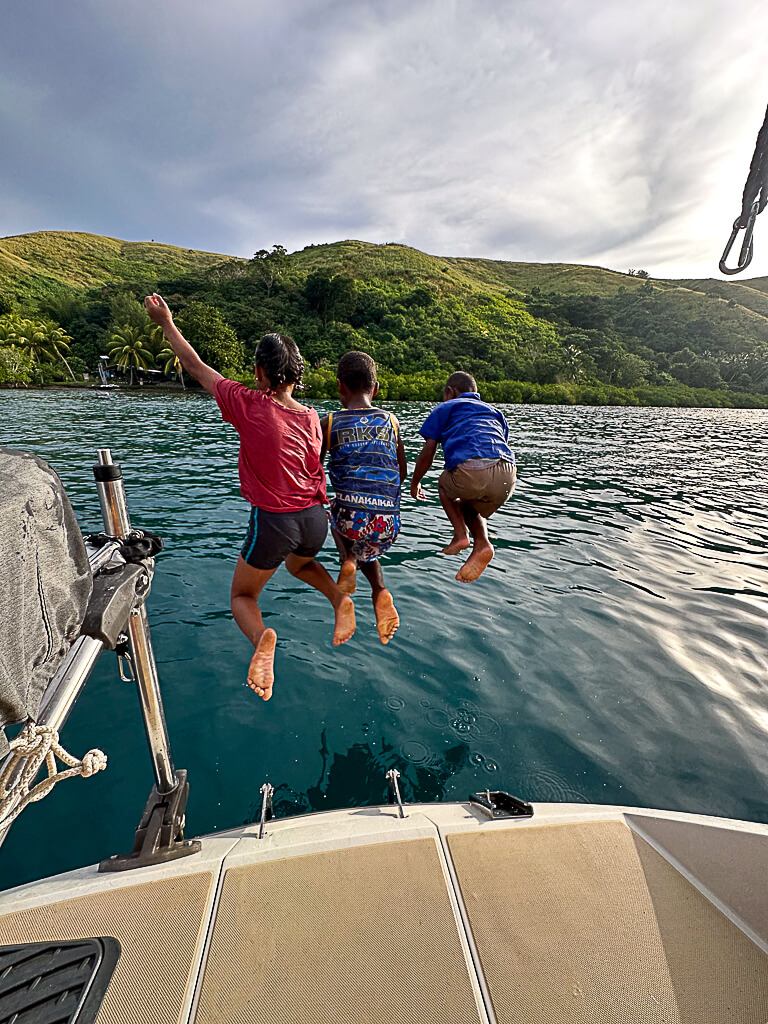
Haley and Liam tuck comfortably into life aboard Allora (Liam, knees slightly bent). Plans yield slowly to late mornings and less ambitious days. Scuba to snorkeling. Rainbow Reef in Viani Bay slips in and out of sun, turtles, schools of shimmering reef fish, clown fish in the anemone, moray eels, turtles, the odd Whitetip reef shark, luminous damsel fish and blue stars. Kids swim out from the beach for a visit, photo ops diving from the swim step. ~MS

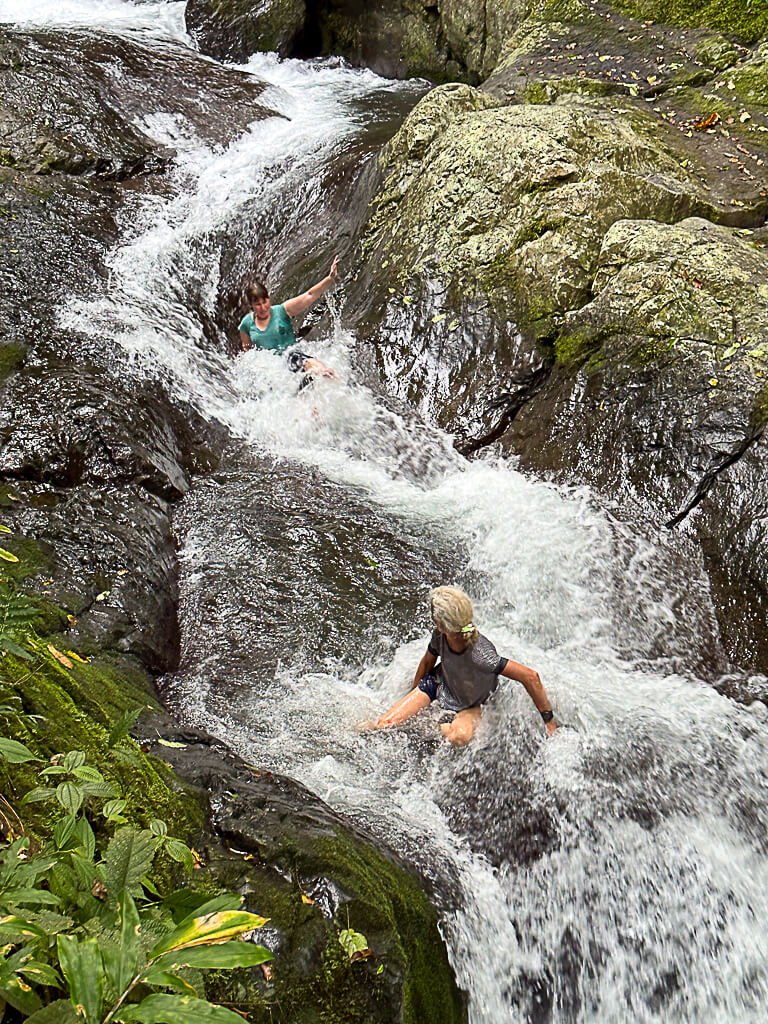
At the turnoff to the natural waterslide where the taxi drops us is Taveuni’s prison set on a the green hillside, palm trees and a view, orange clad inmates wave Bula, Bula! The guidebook suggests that if locals are not using the slide, the water may be too high from rain to be safe. It doesn’t say anything about what it indicates that the locals are riding the slide on foot and doing flips into the pools. We were happy for Liam to go first, and appreciated the tips about hidden rocks along the fast and sometimes painful ride. ~MS
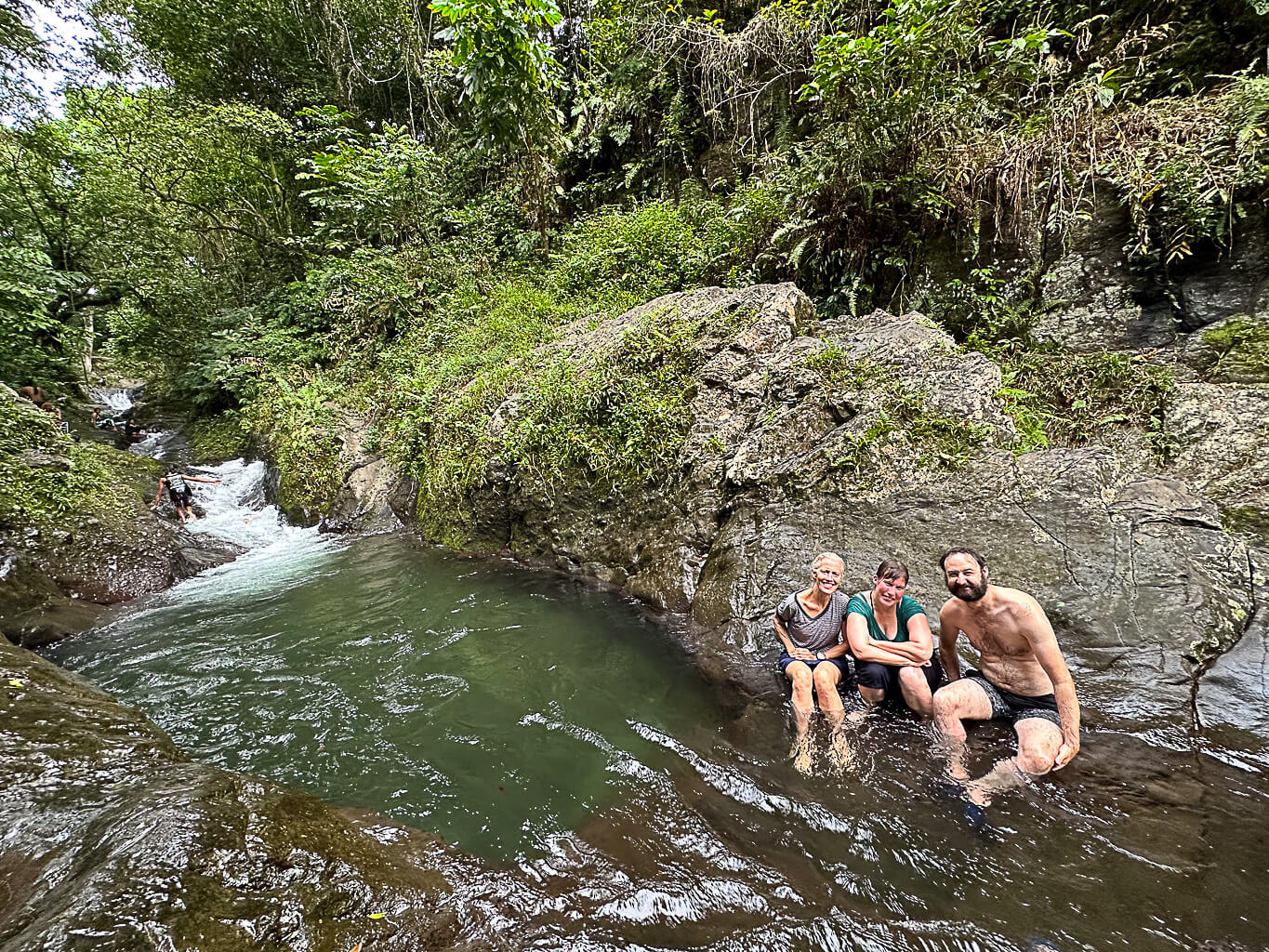
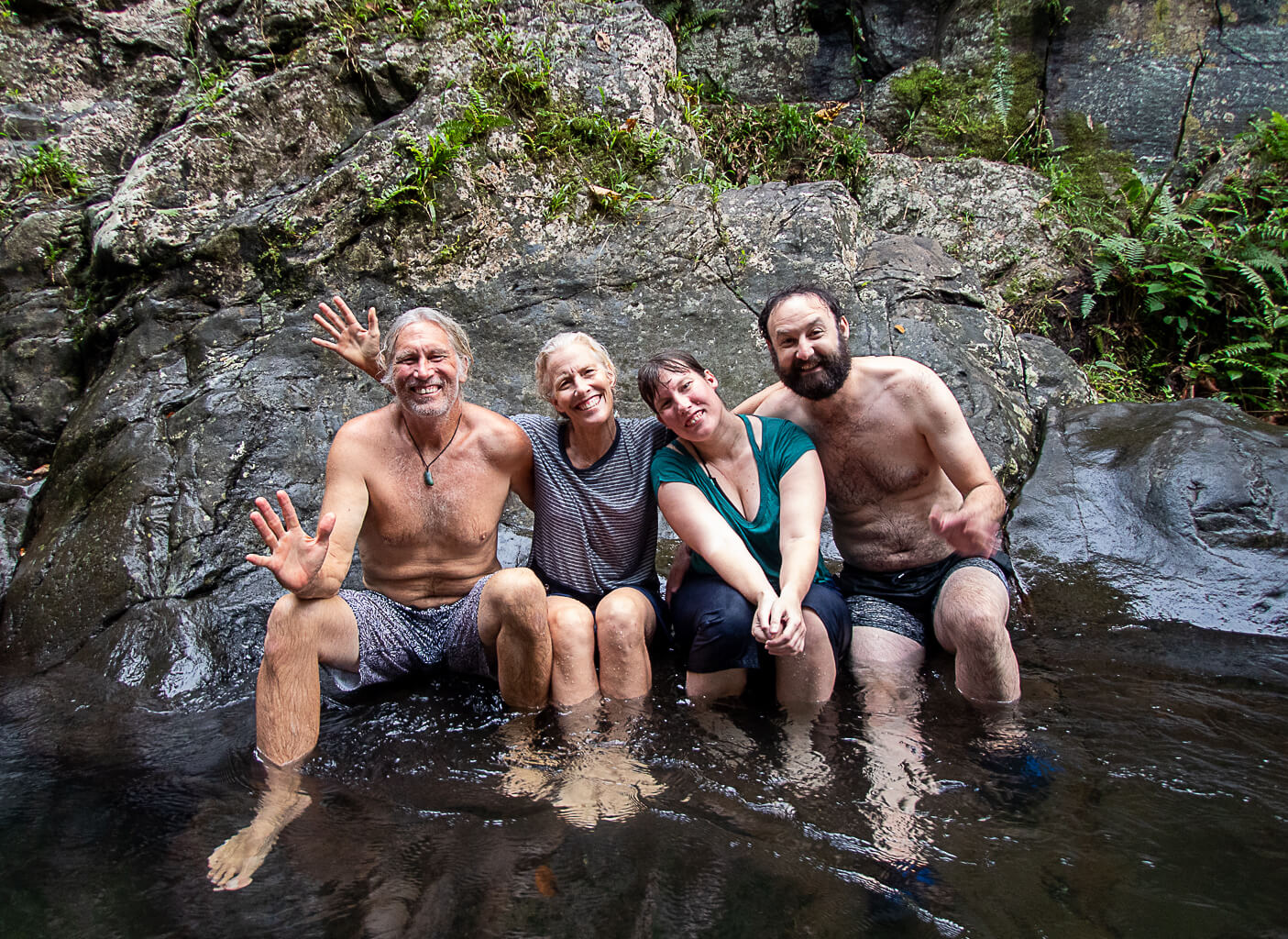
Farkle games at night reminded us of days in New Zealand when we lived in the same town. Casual dinners, walks without destinations. Just being in the same place without plans is the best part, rain or shine. ~MS
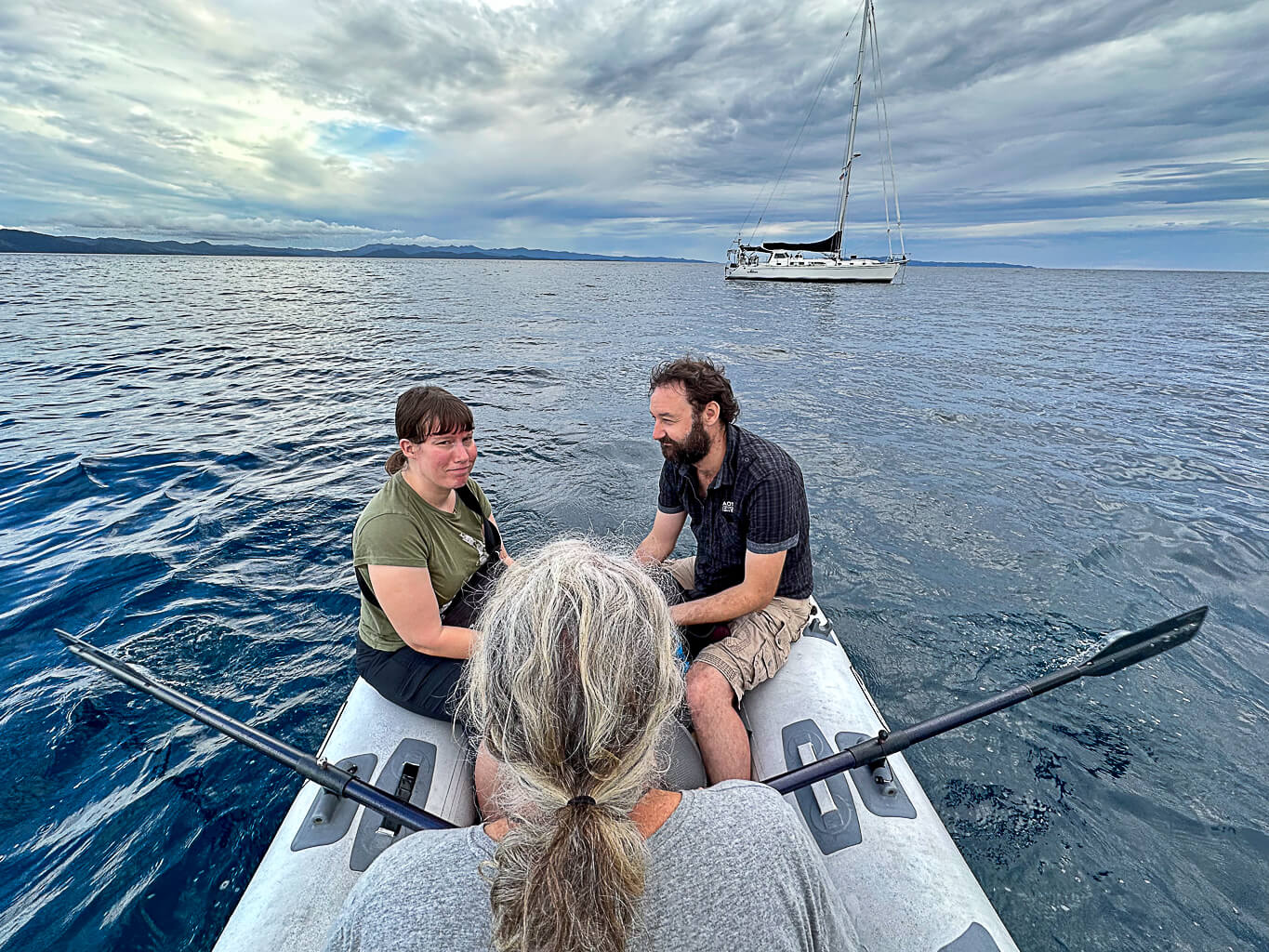
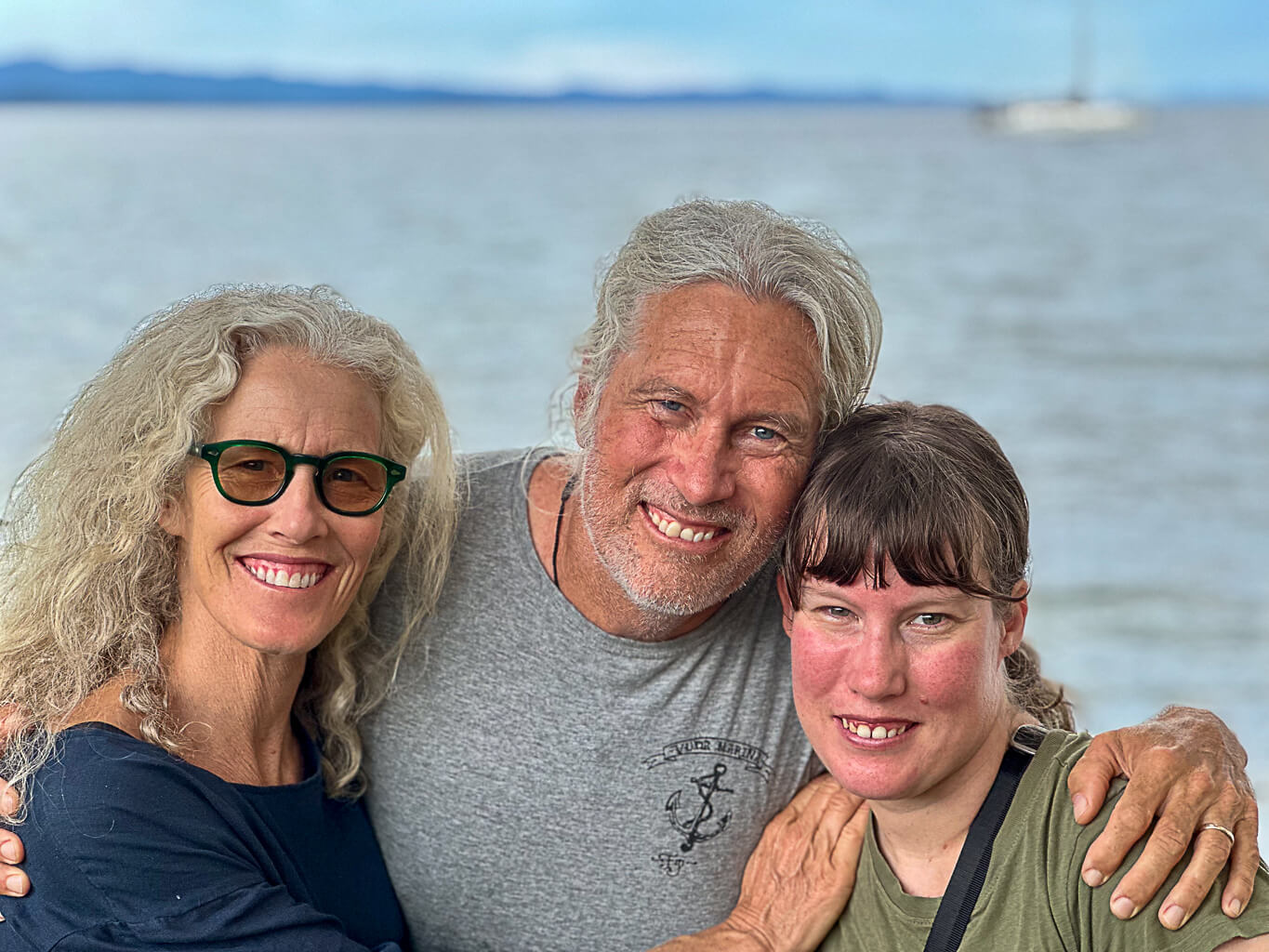
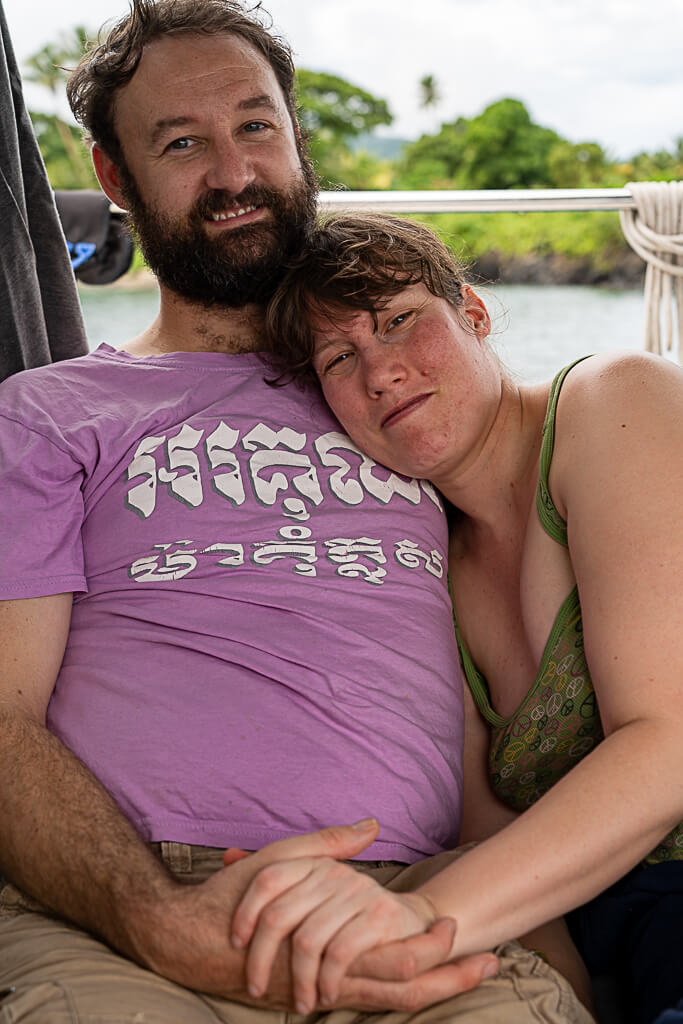
Each visit from friends and family has a certain ‘flavor’ and when Haley and Liam are aboard, it’s about EASE. They are gracious and lighthearted, generous and fun. We have a sense that we can just BE without fuss – and these days, I especially appreciate that important lesson. ‘Vinaka vakalevu’ for the inspiration, you two! And for creating the space in your lives to make the trip! ~DS