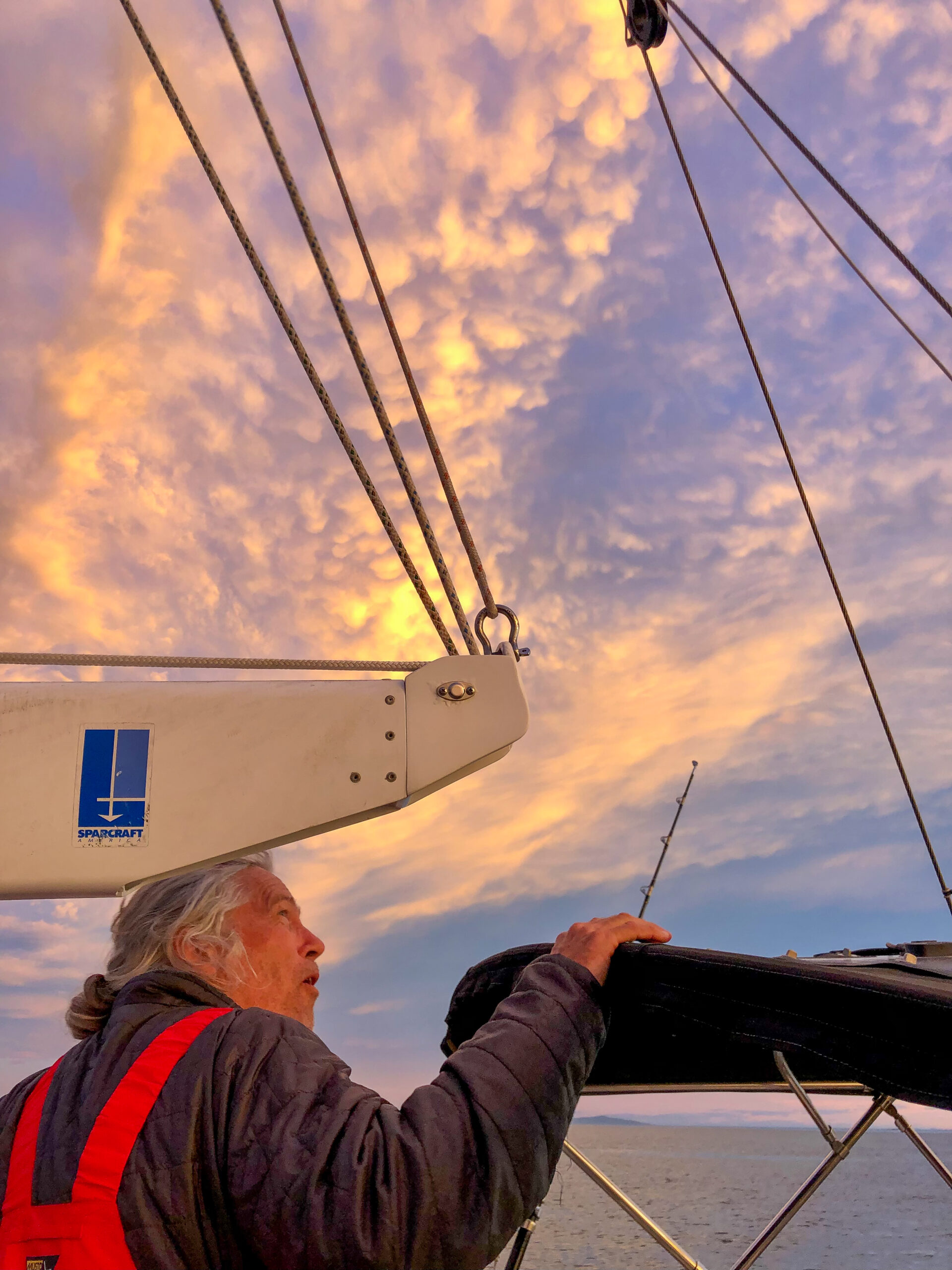
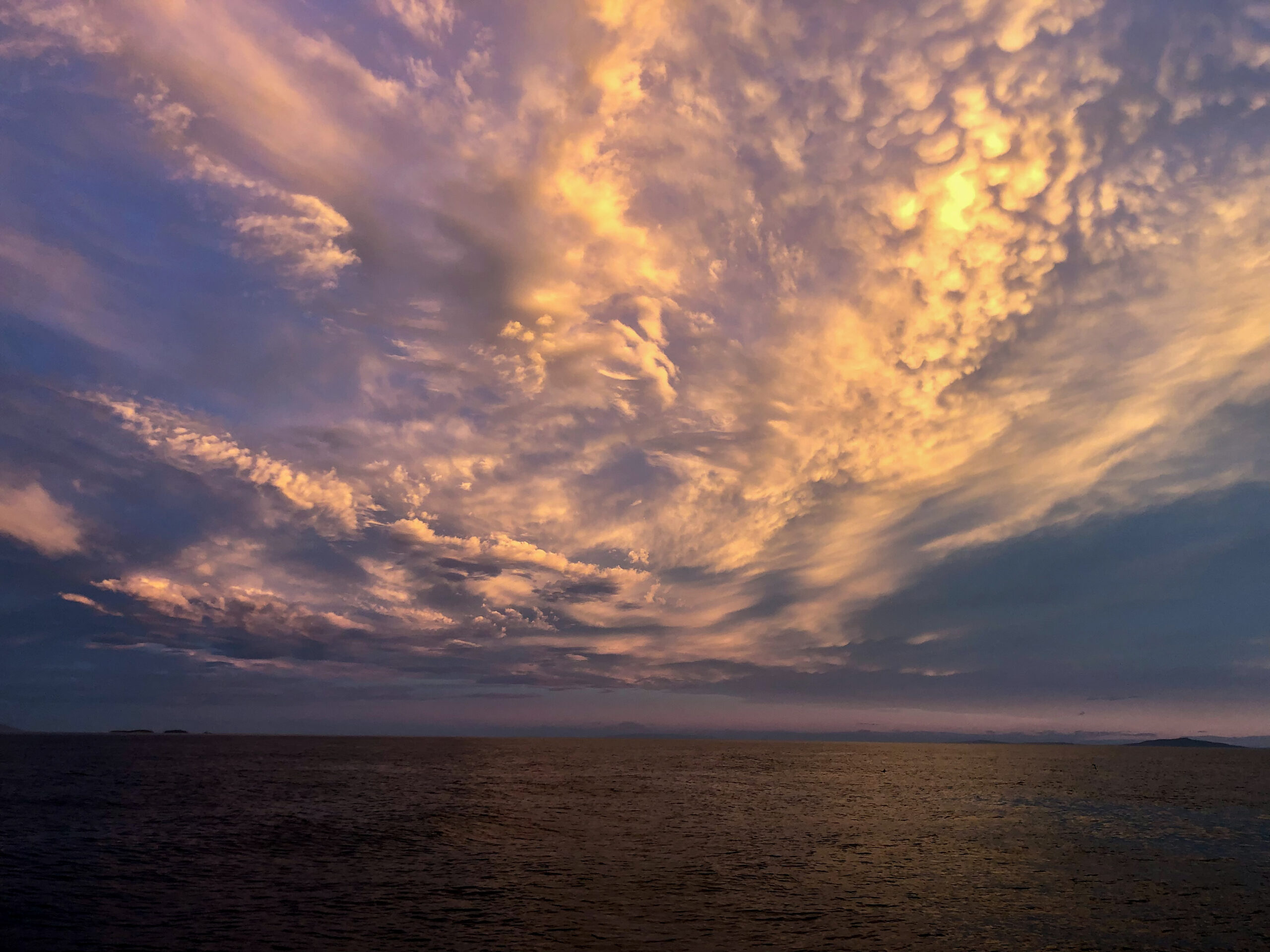
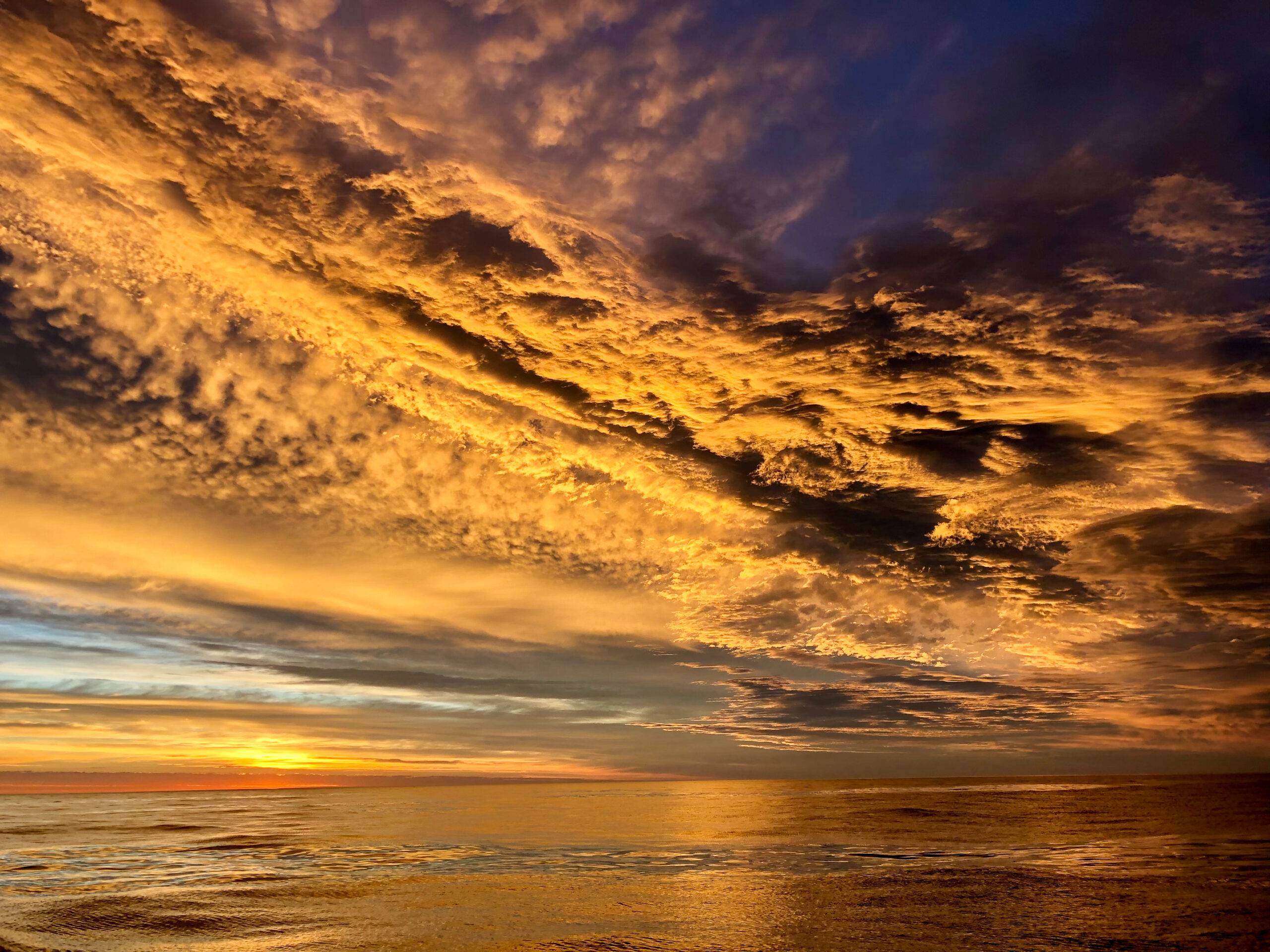
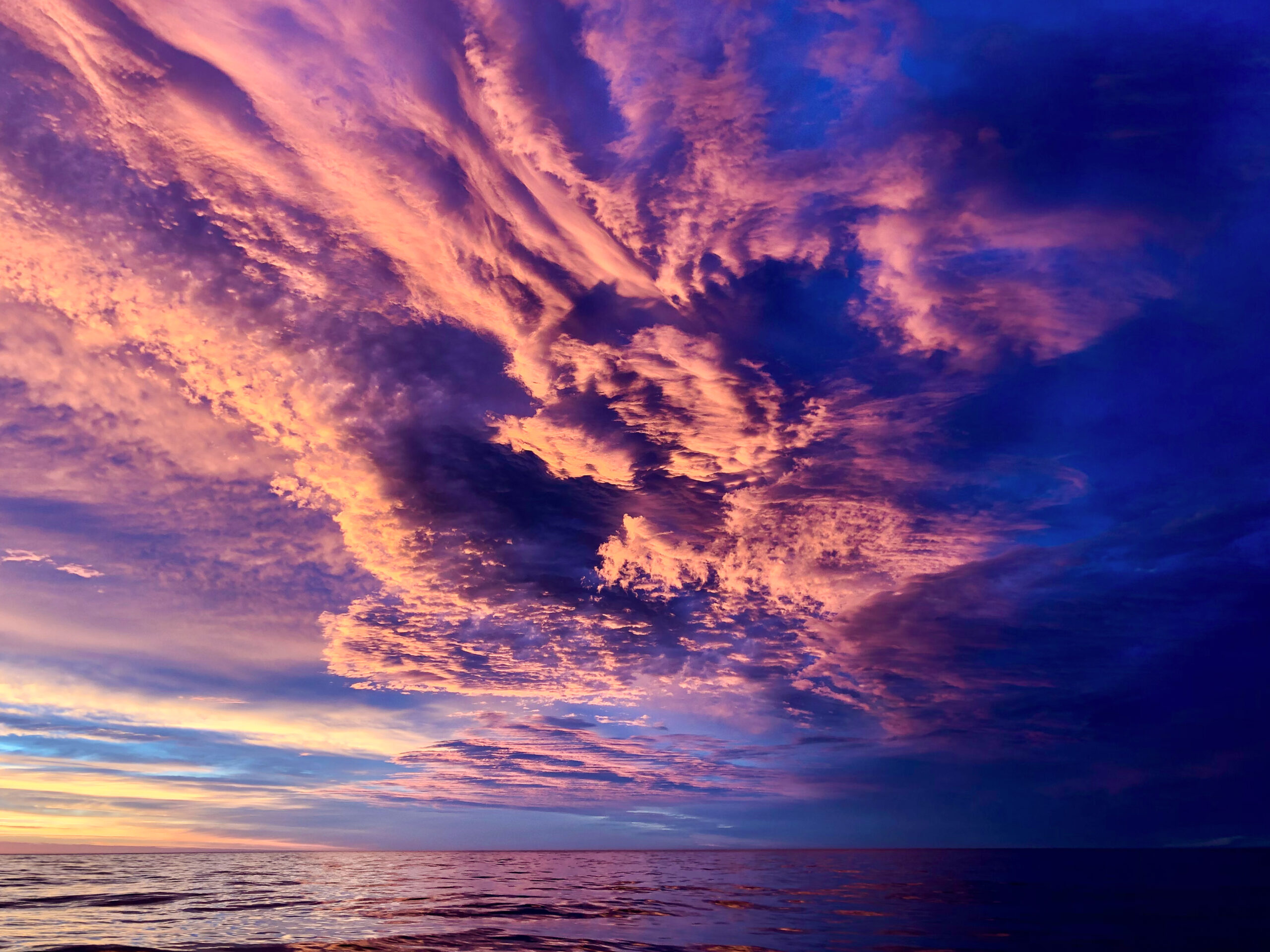
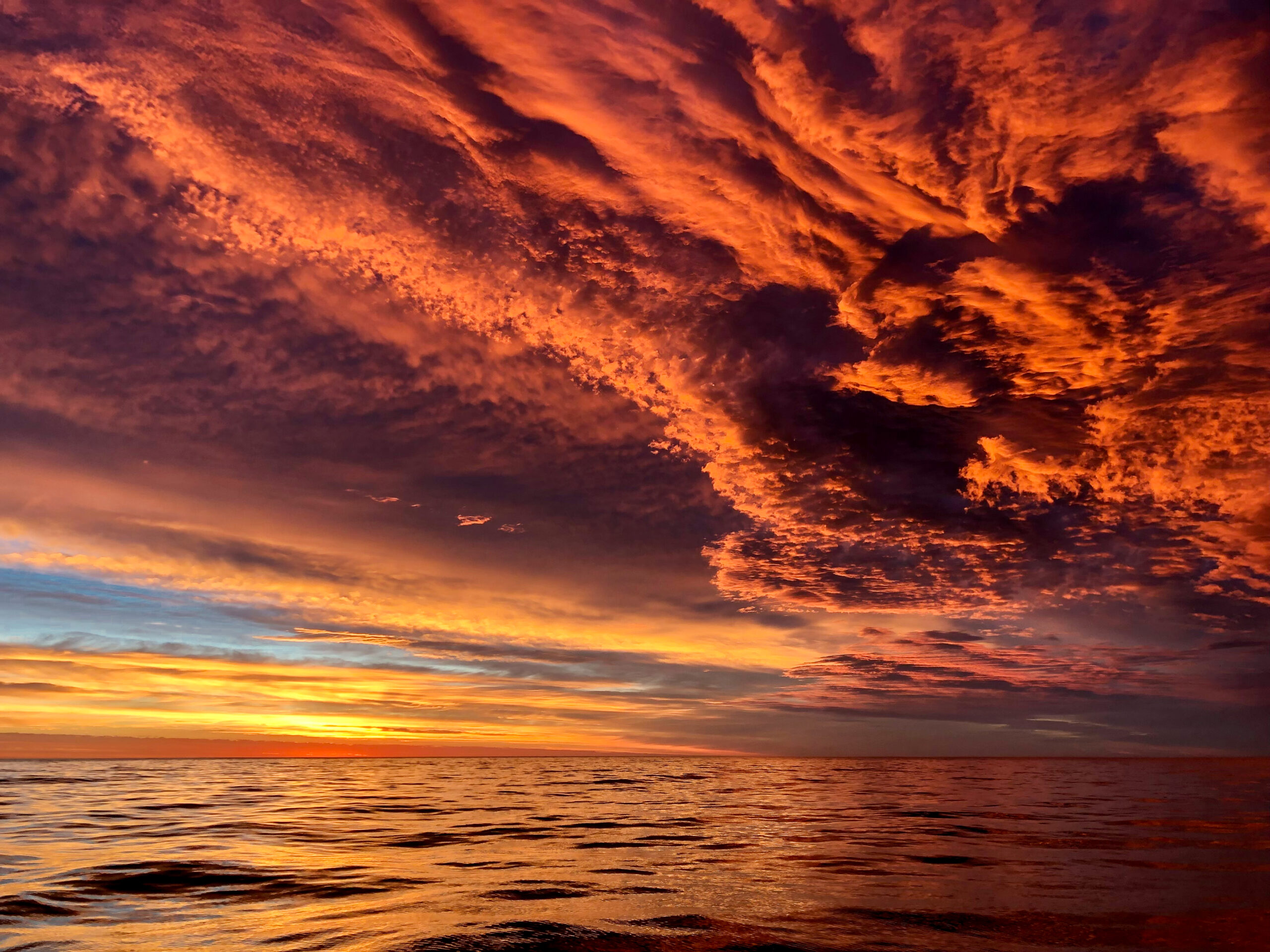
The warmly cool, clear, ringing, perfumed, overflowing, redundant days, were as crystal goblets of Persian sherbet, heaped up – flaked up, with rose-water snow. — Herman Melville
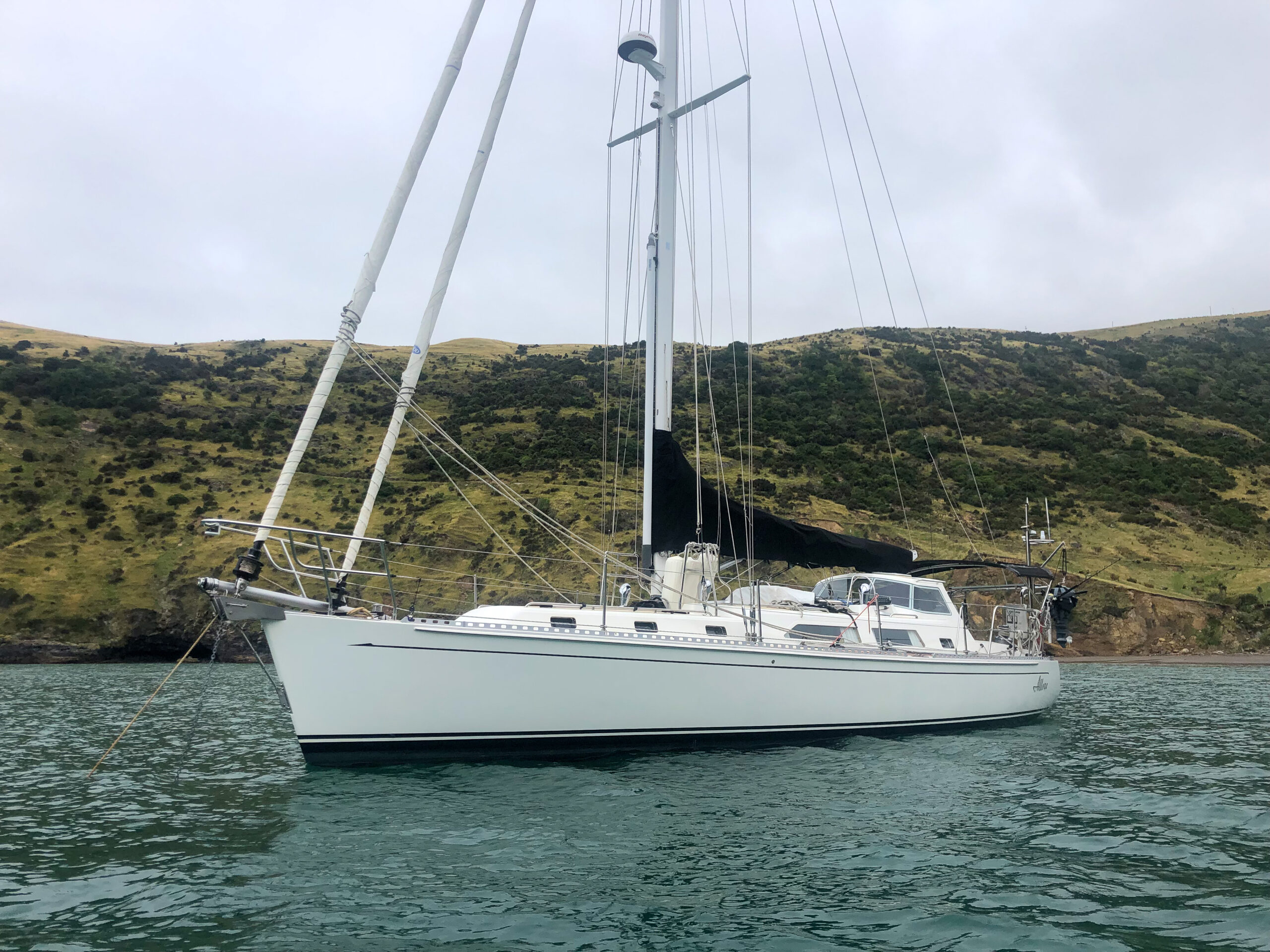
This is a placeholder for the past 2.25 years! Somehow I have managed to accumulate umpteen pictures and not post one, but I still have full intentions of sharing our wild good fortune to have landed in New Zealand before Covid changed everyone’s plans. BUT, before I get around to that, Allora is going to ‘get around’ the South Island! A clockwise circumnavigation – the first sailing for her rusty crew in waaaay too long, but it feels sweet and right and our awesome boat seems to be showing us what she clearly knows in her bones. We should be out and about for 2-3 months as we explore Stewart Island/Rakiura, Fiordland and Marlborough Sounds. Sometime in early May we’ll haulout in Picton and roll up our sleeves to do a couple big boat jobs, but until then … read our Contact Us page to see how you can shoot us a hello! Be well friends and loved ones, we sure MISS YOU!
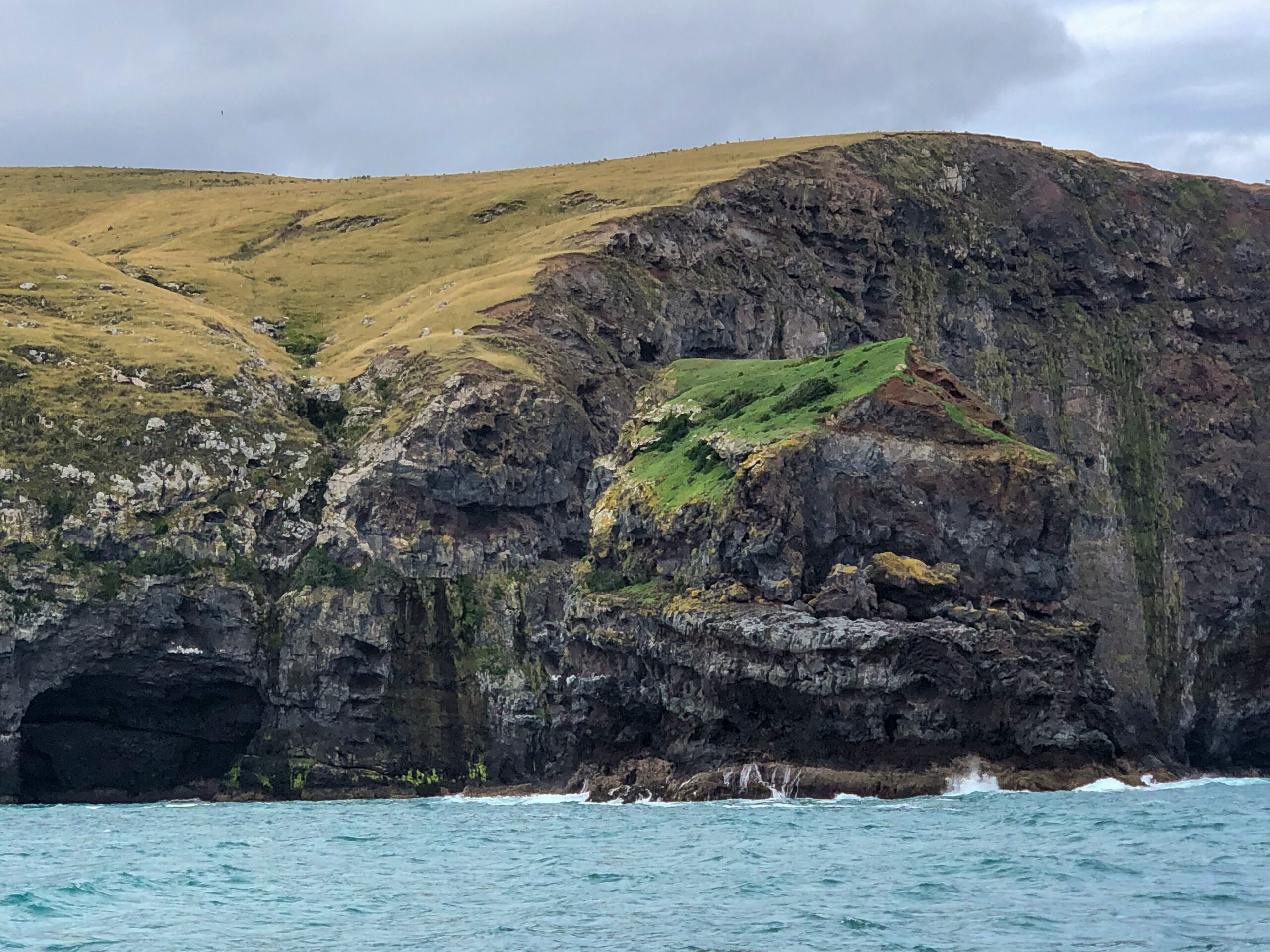
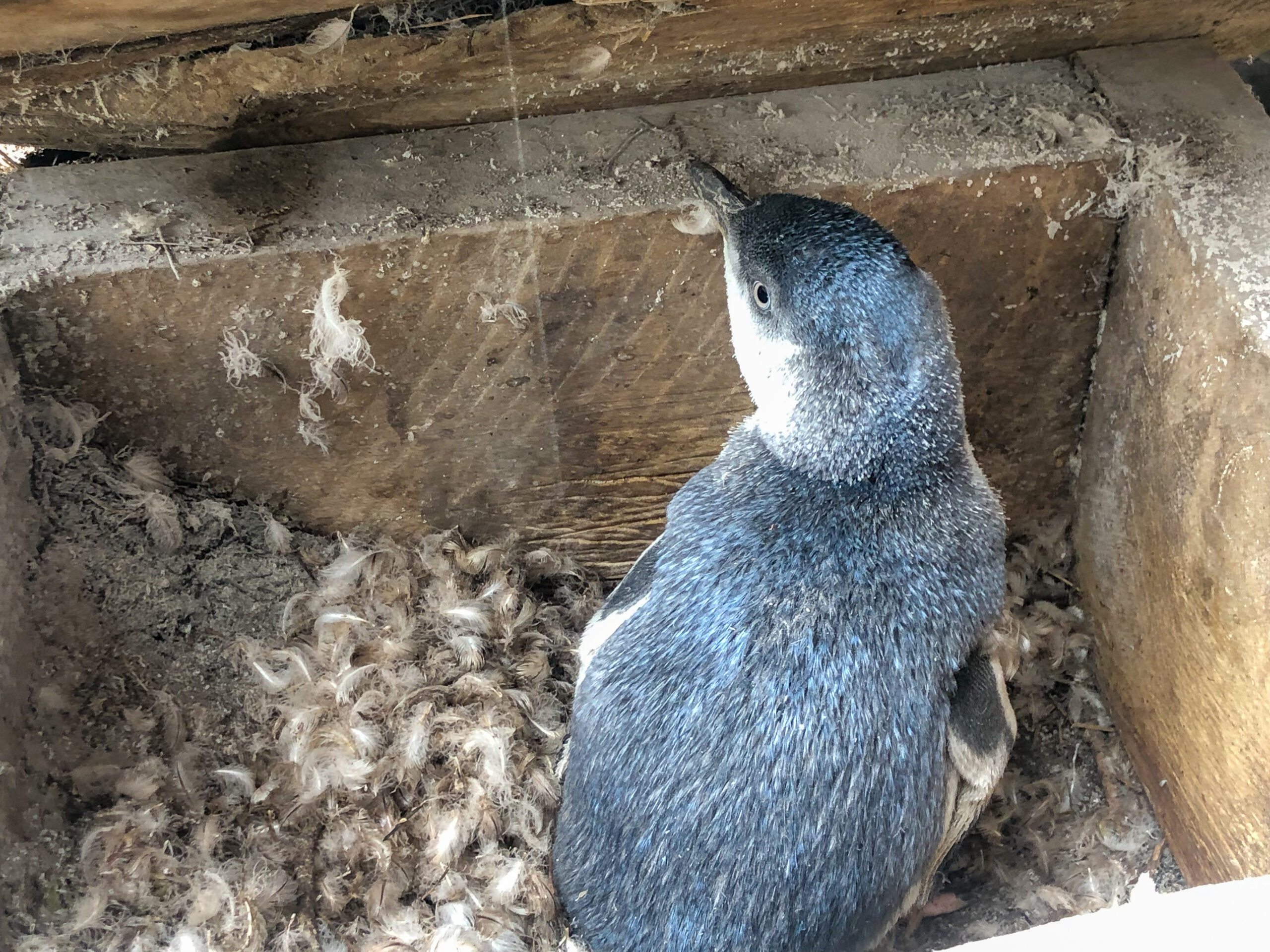
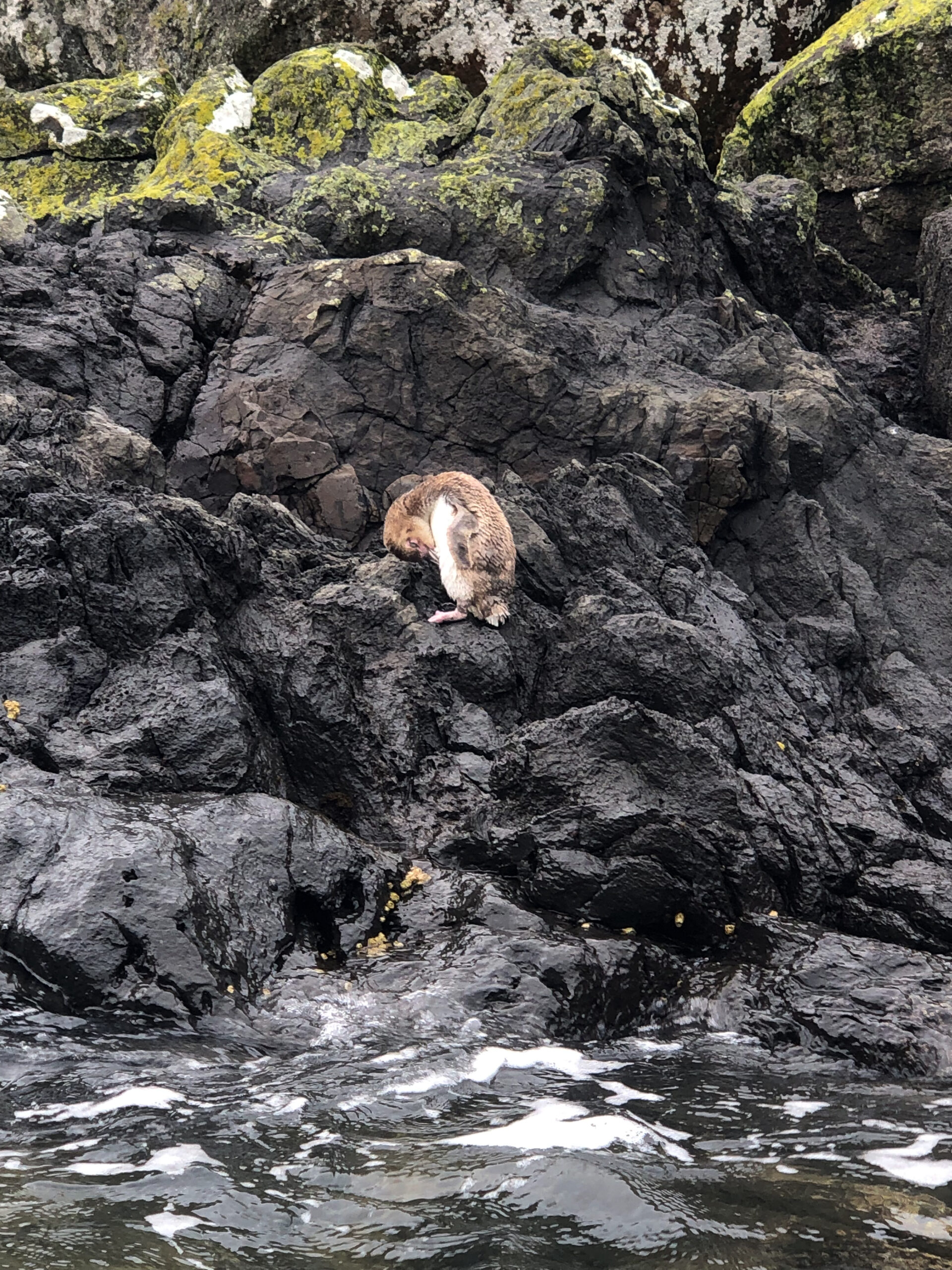
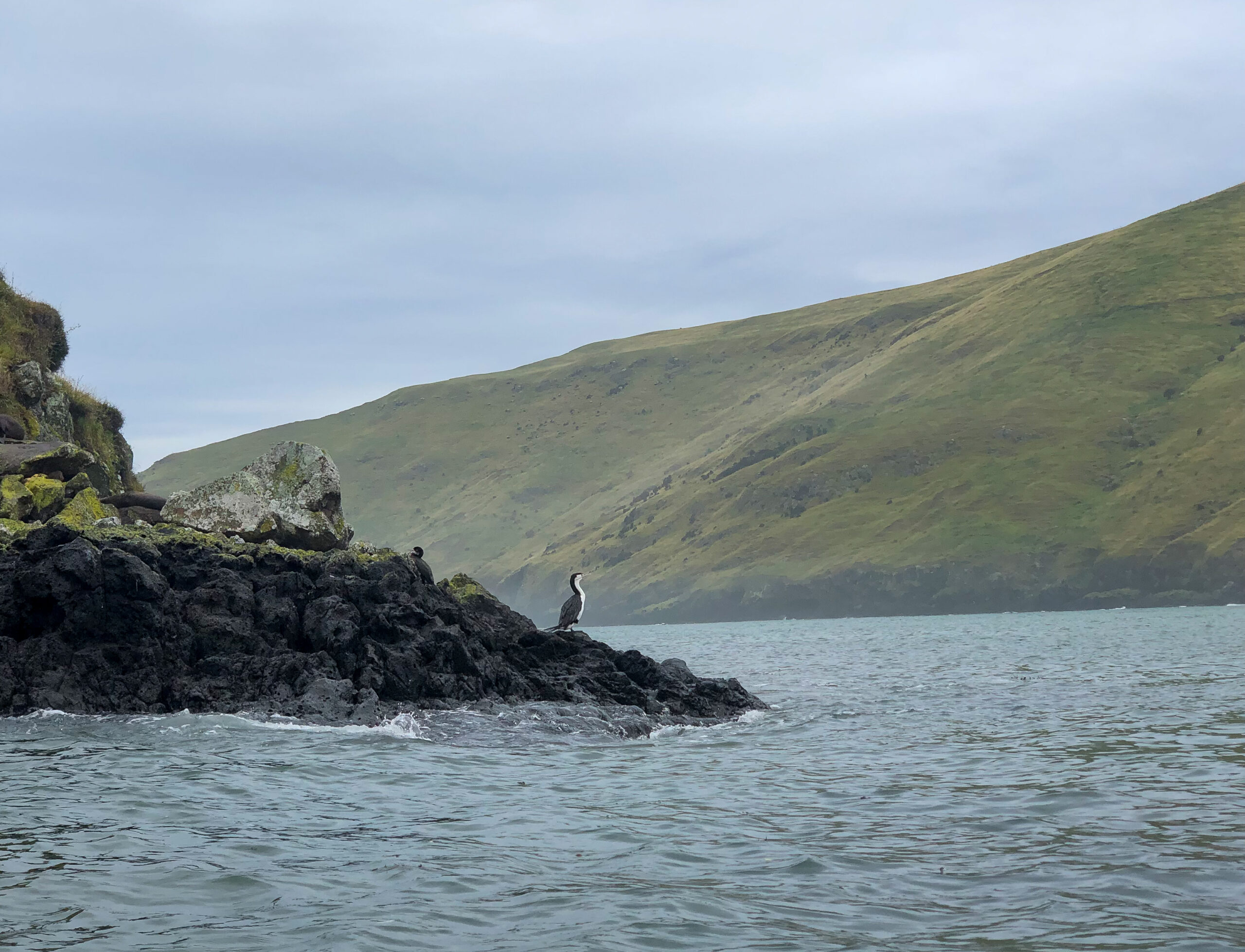
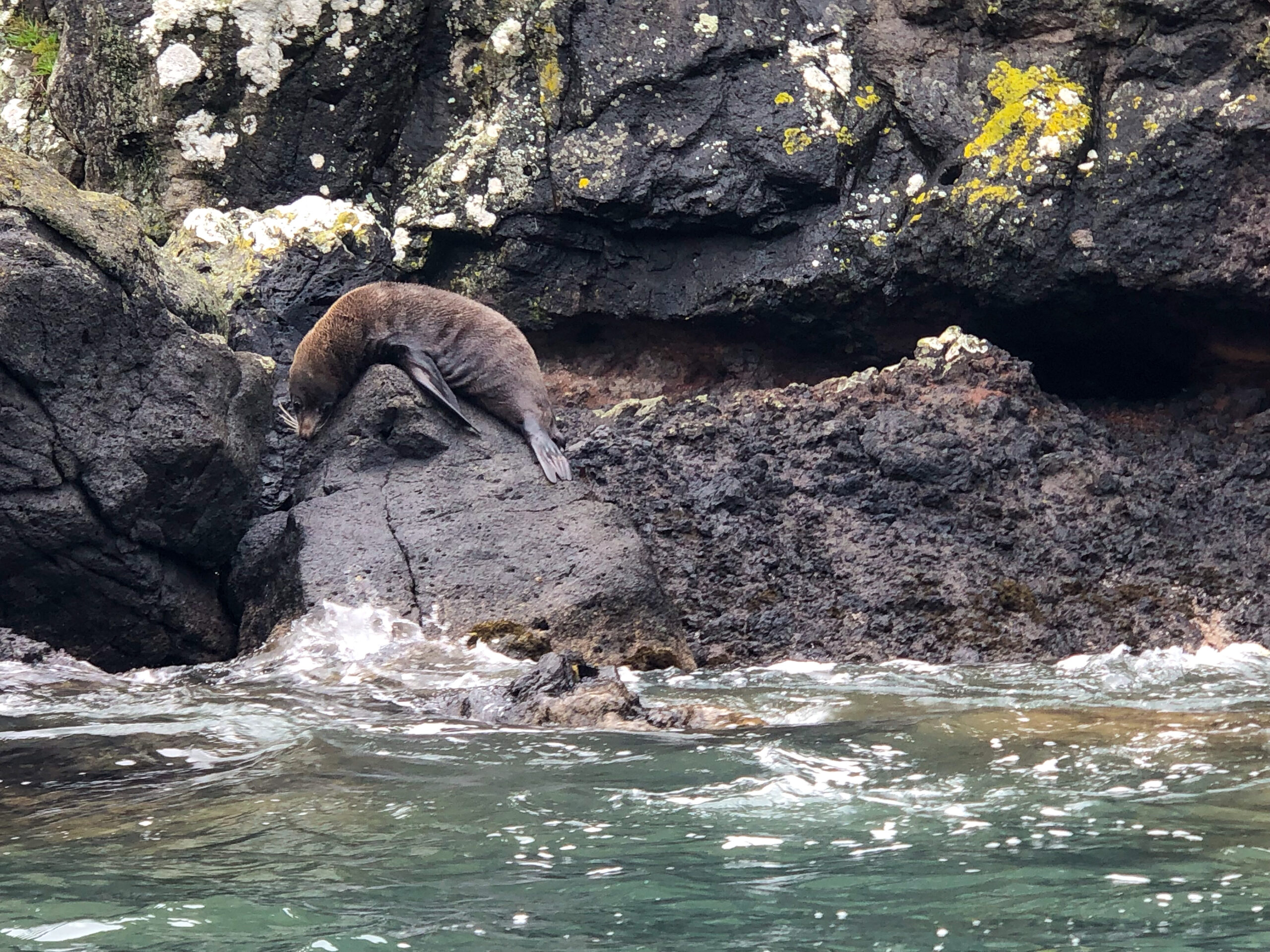
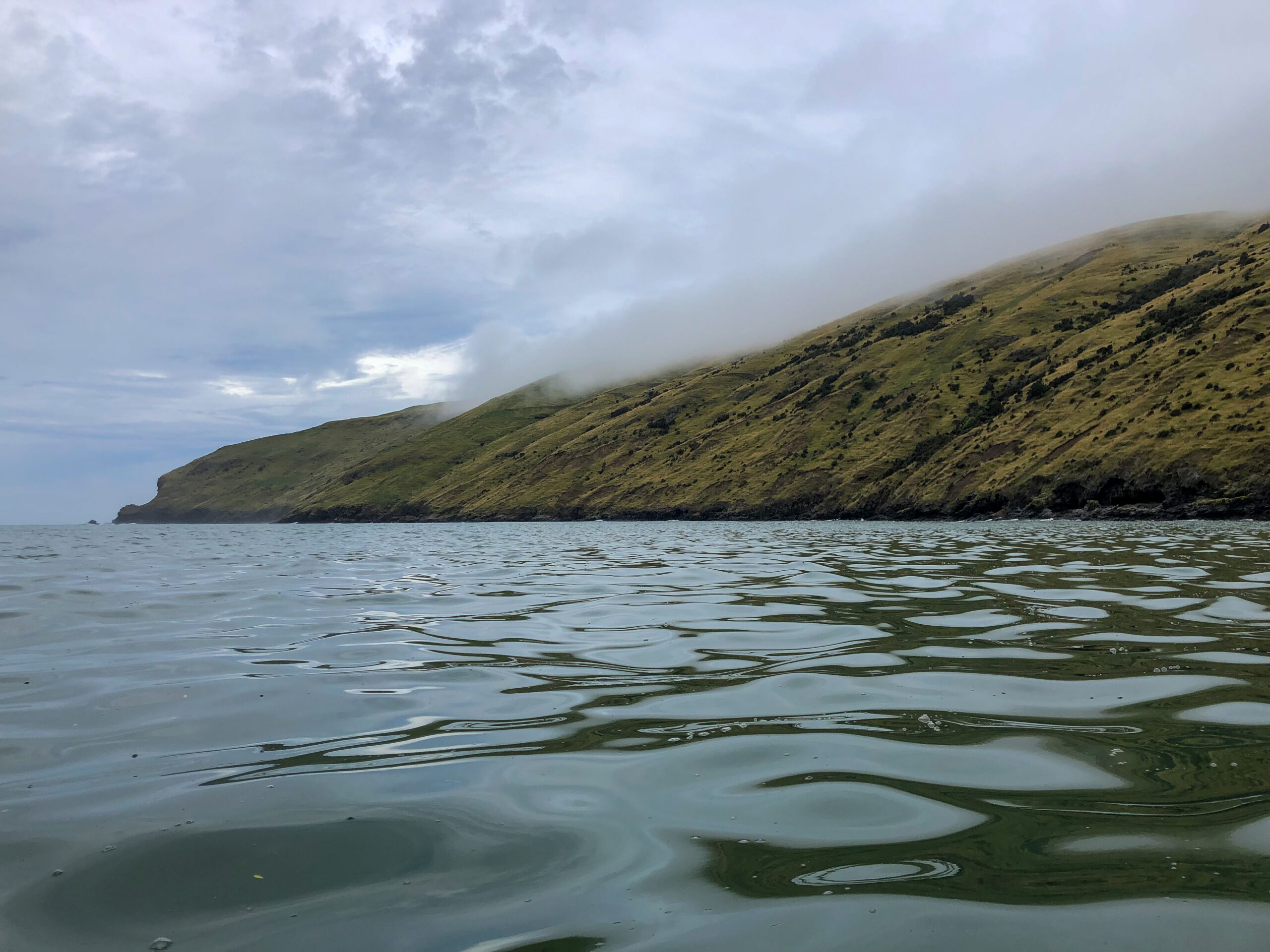
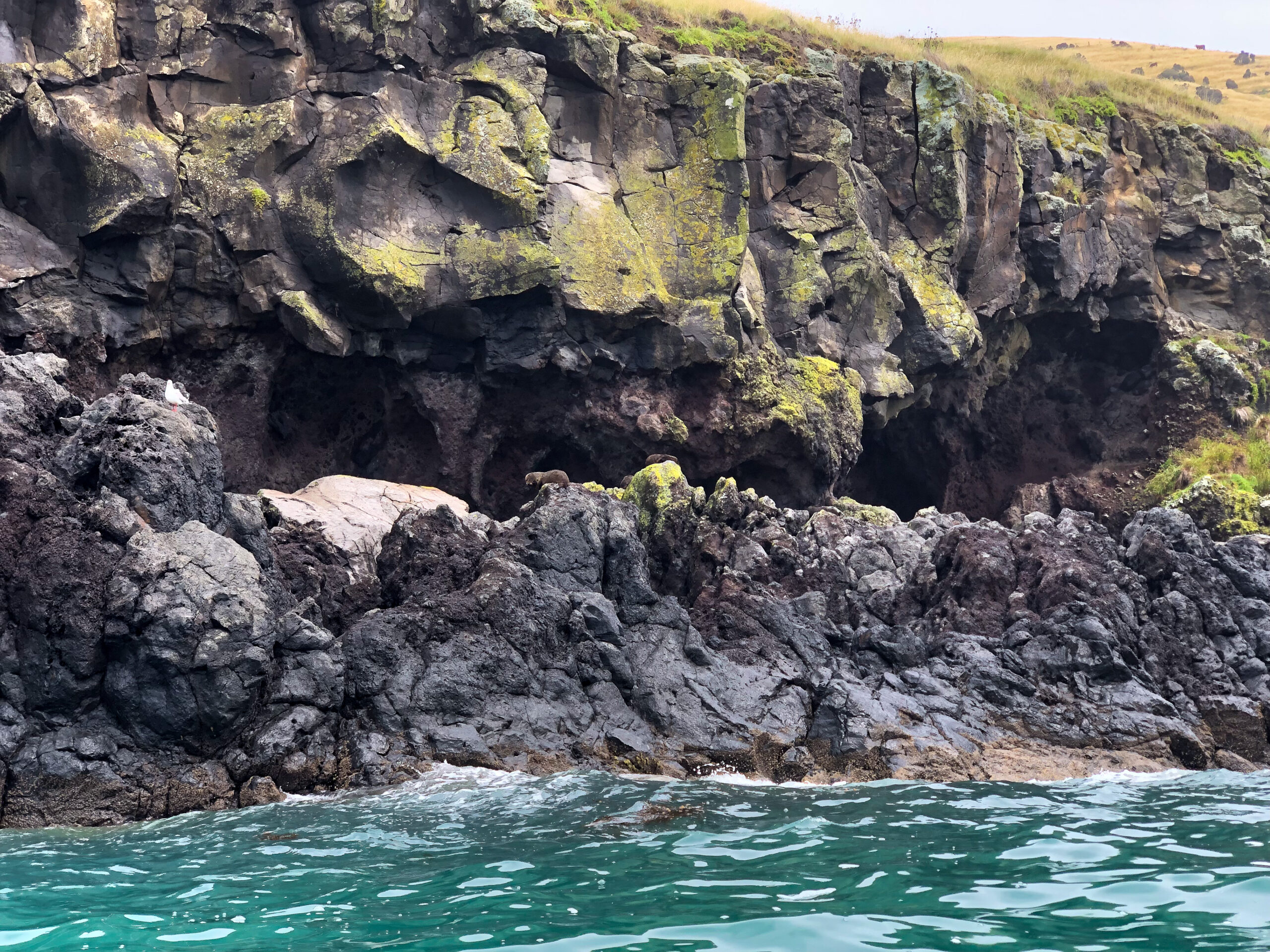
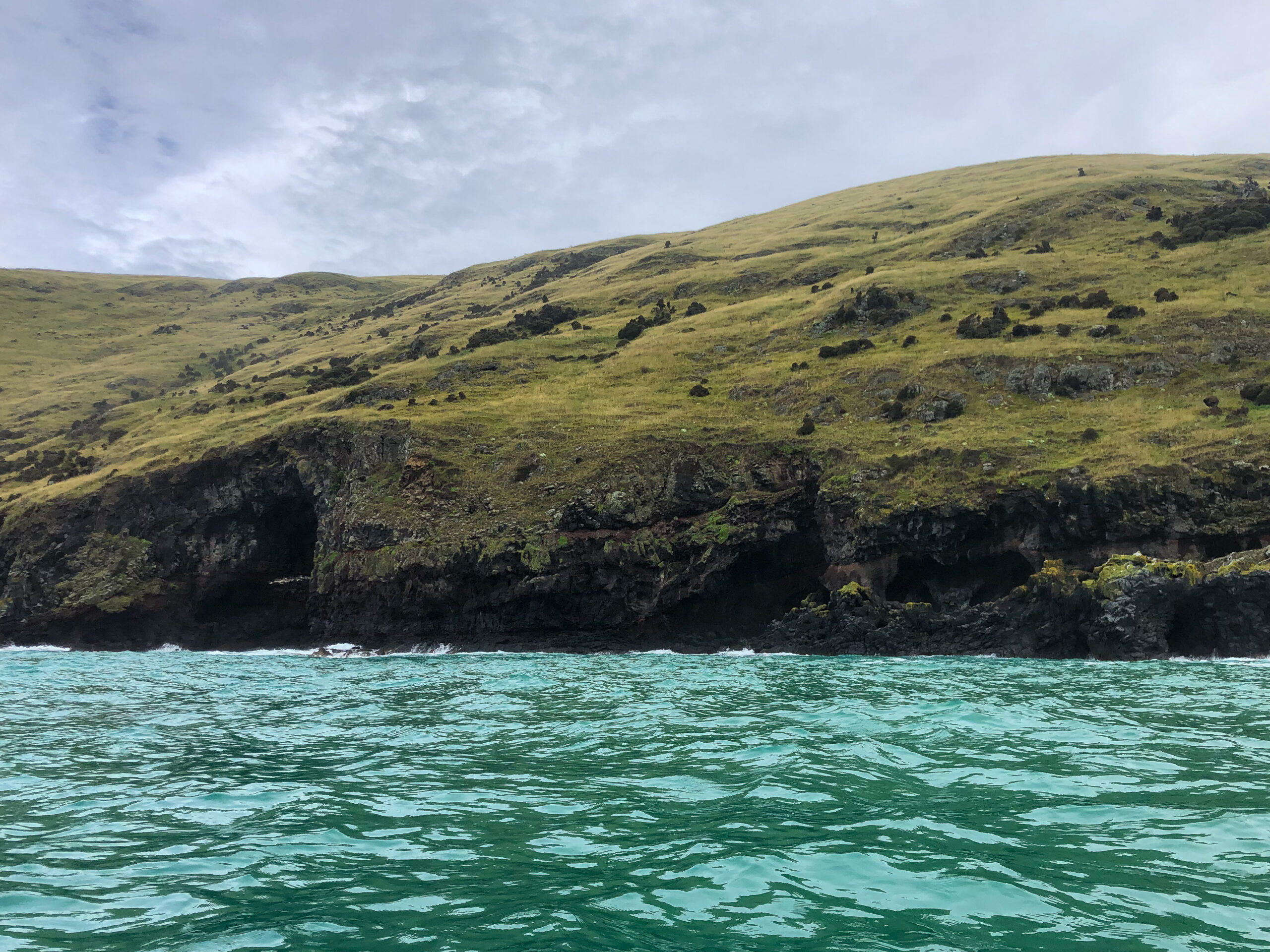
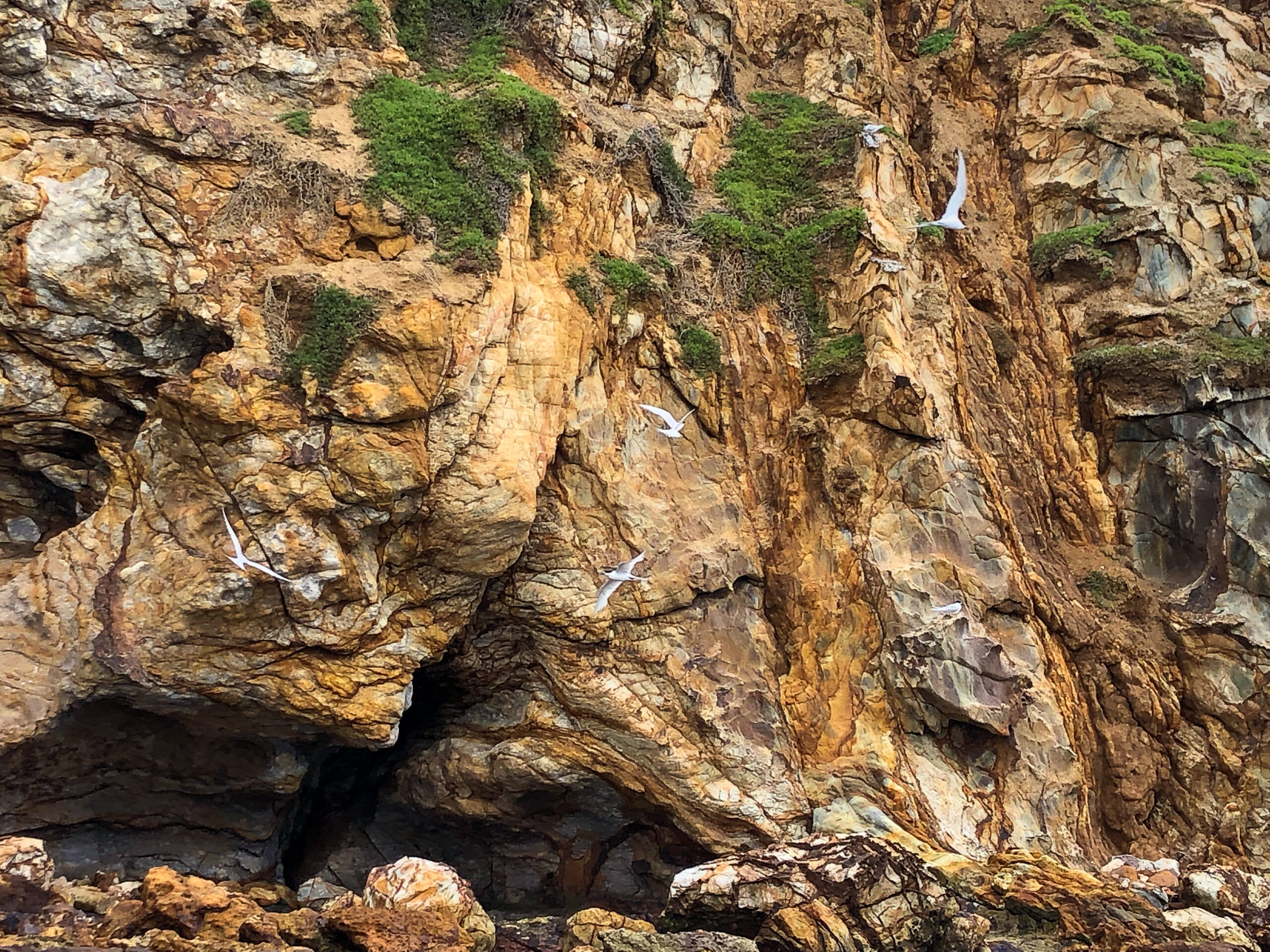
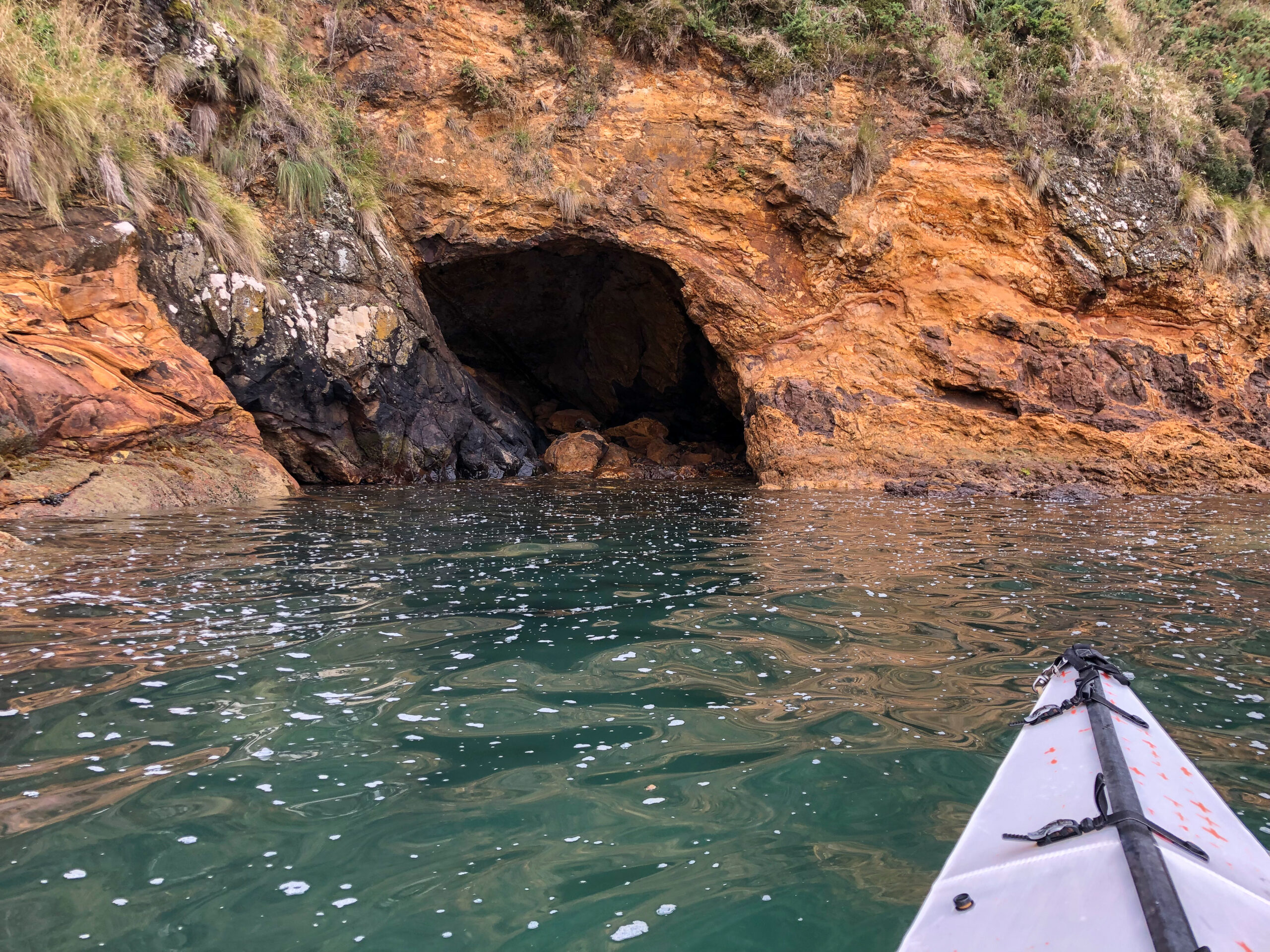
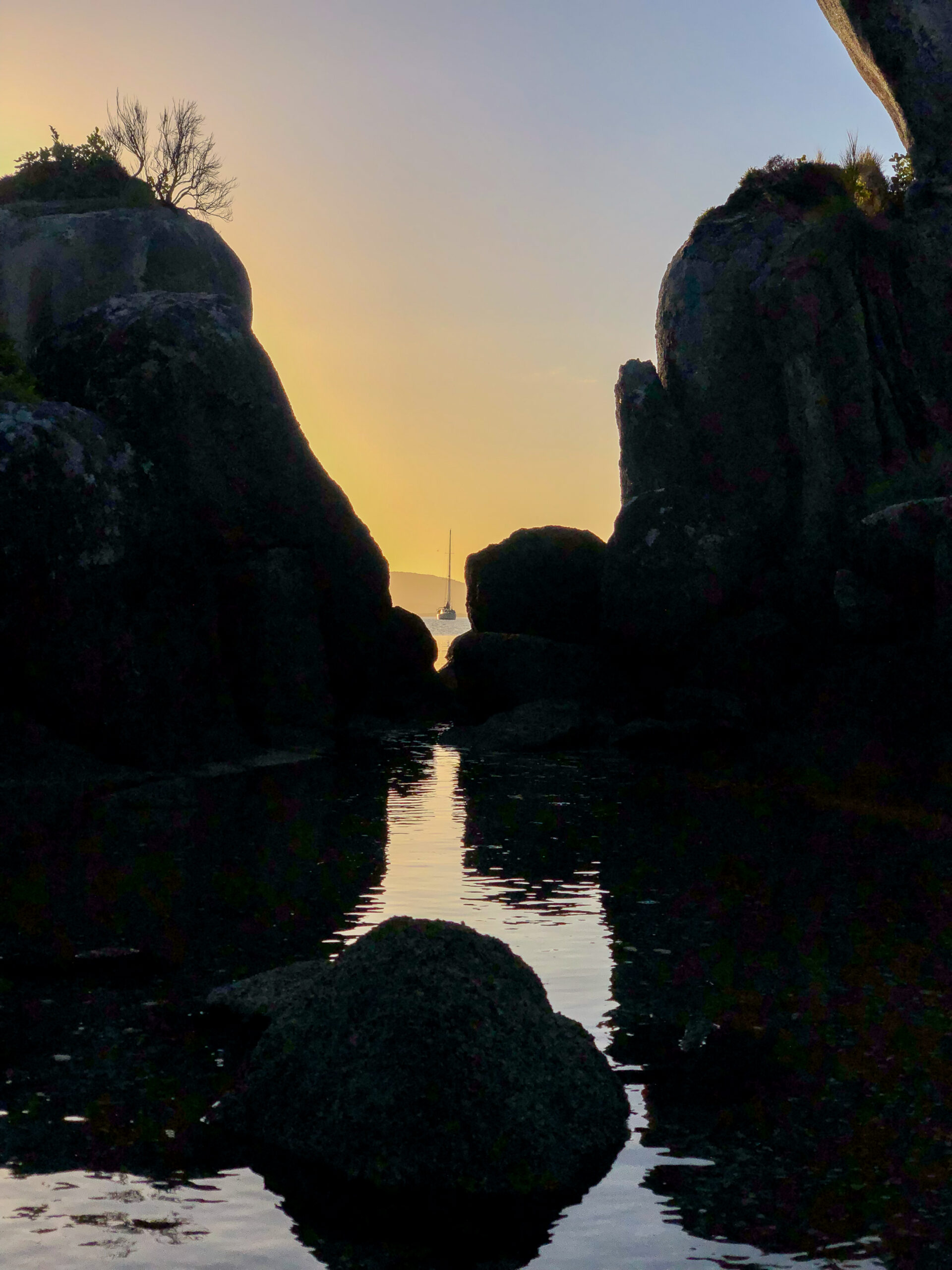
Diana has put in some epic kayak explorations already, along the rocks in Flea Bay on Banks peninsula where the cute little Blue Penguins perch under the rocks and baby Fur Seals flop about in confused excitement.
The rugged coastline of Banks Peninsula!There is a fabulous Blue Penguin recovery project in Flea Bay.Moulting Blue Penguins (also called, ‘White Flippered’)
Look for the brand new baby fur seals!
Takamatua Bay, Akaroa
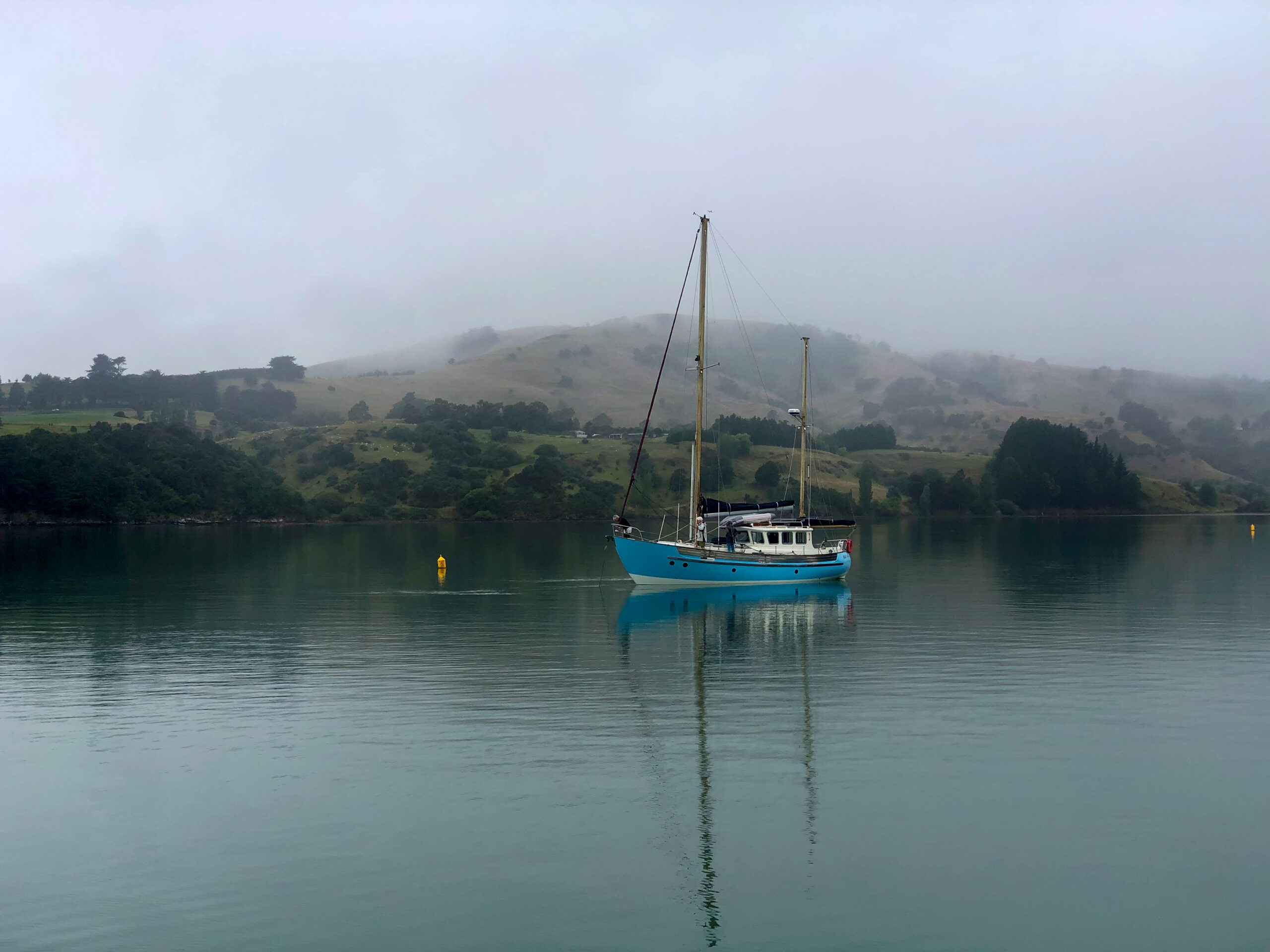
Our friends on Blue Goose – the calm after the winds.
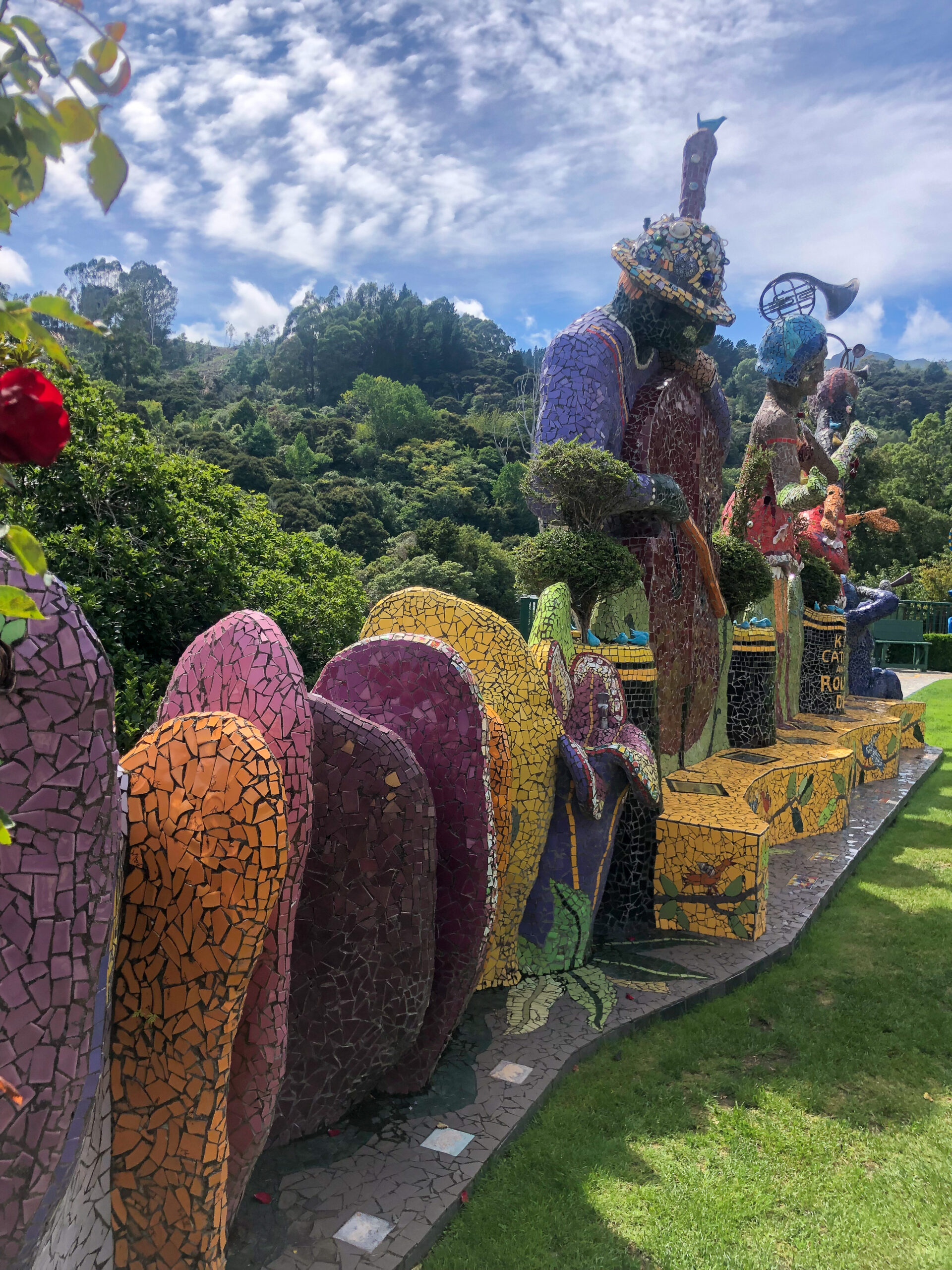
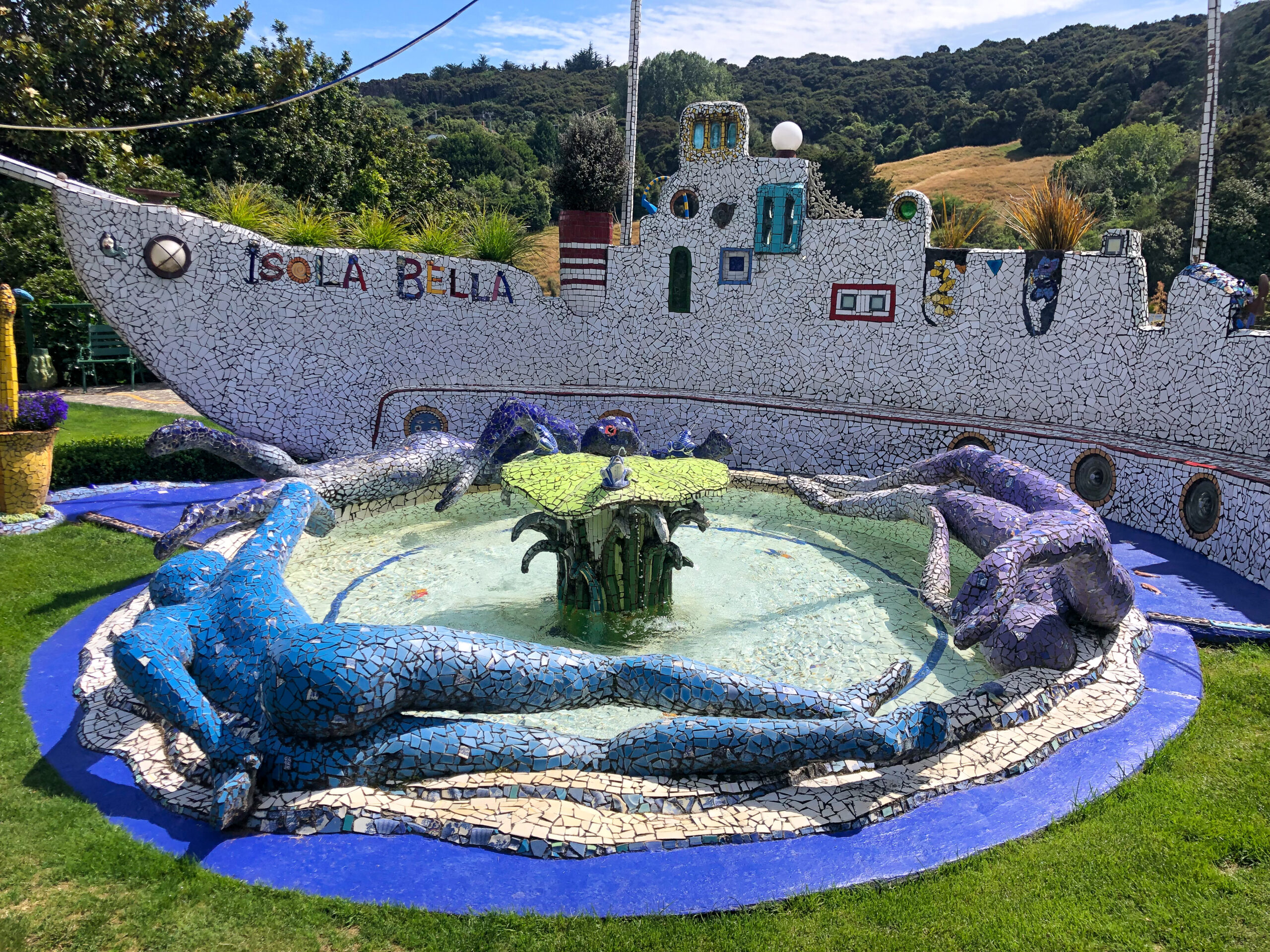
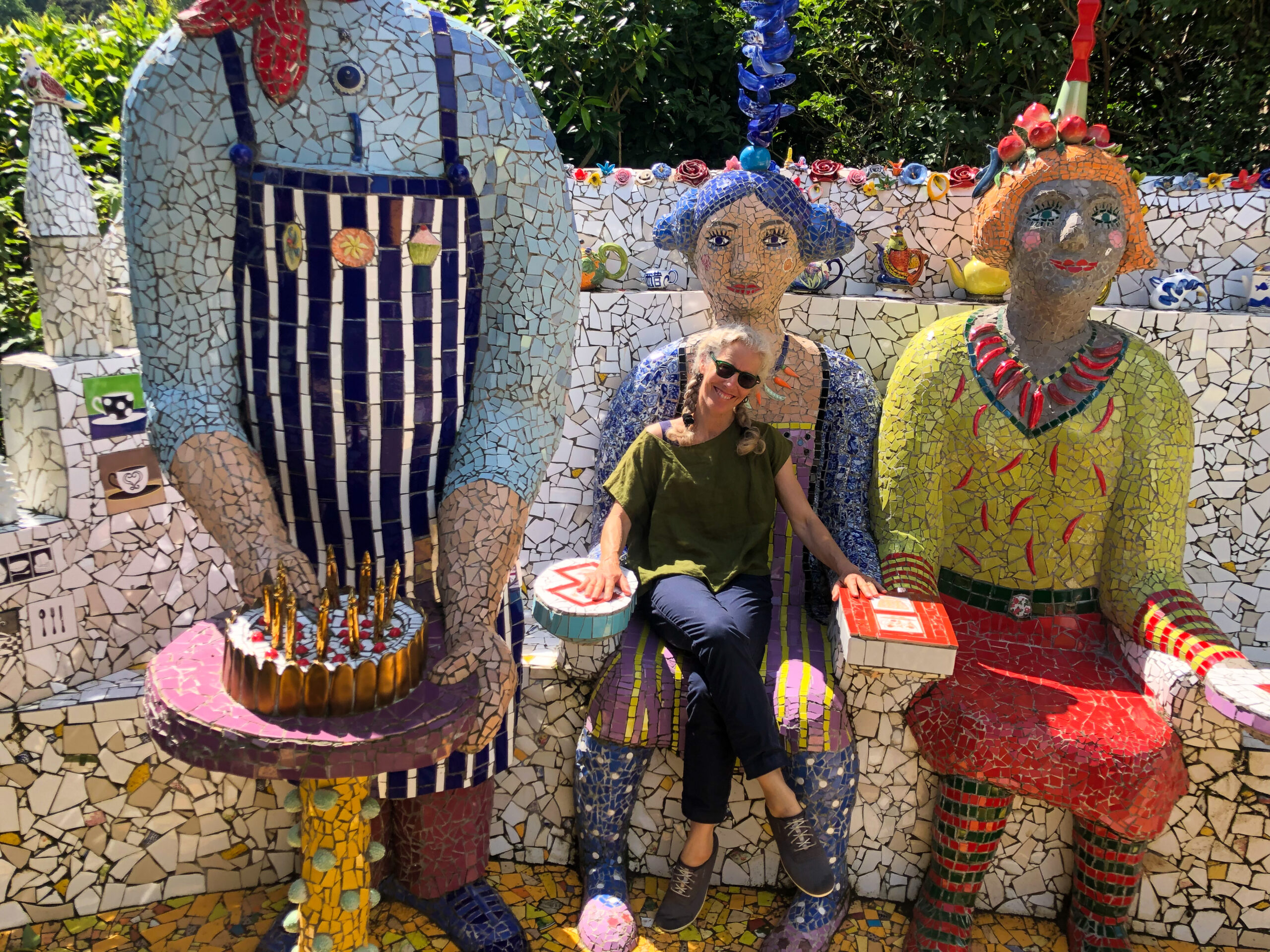
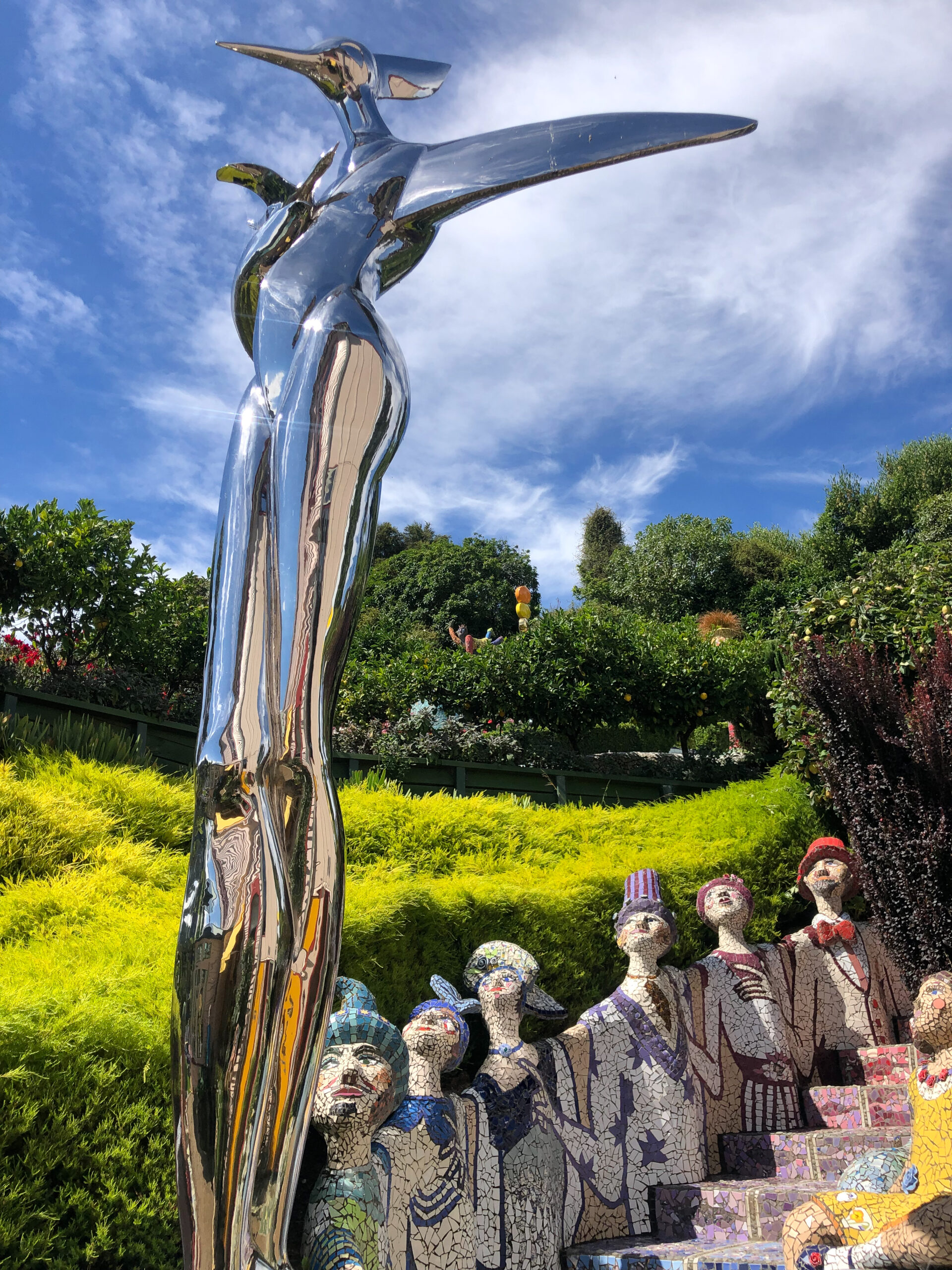
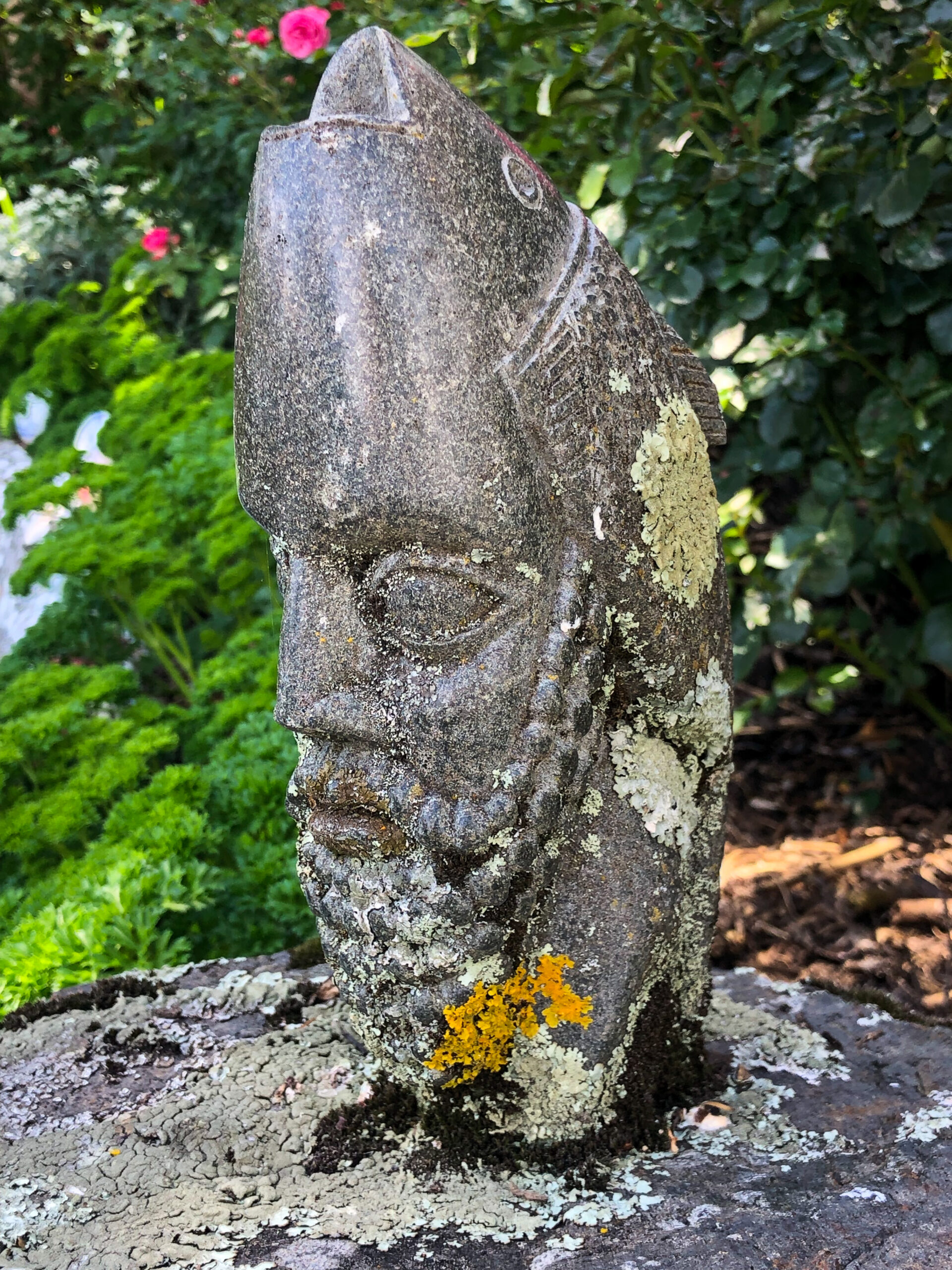
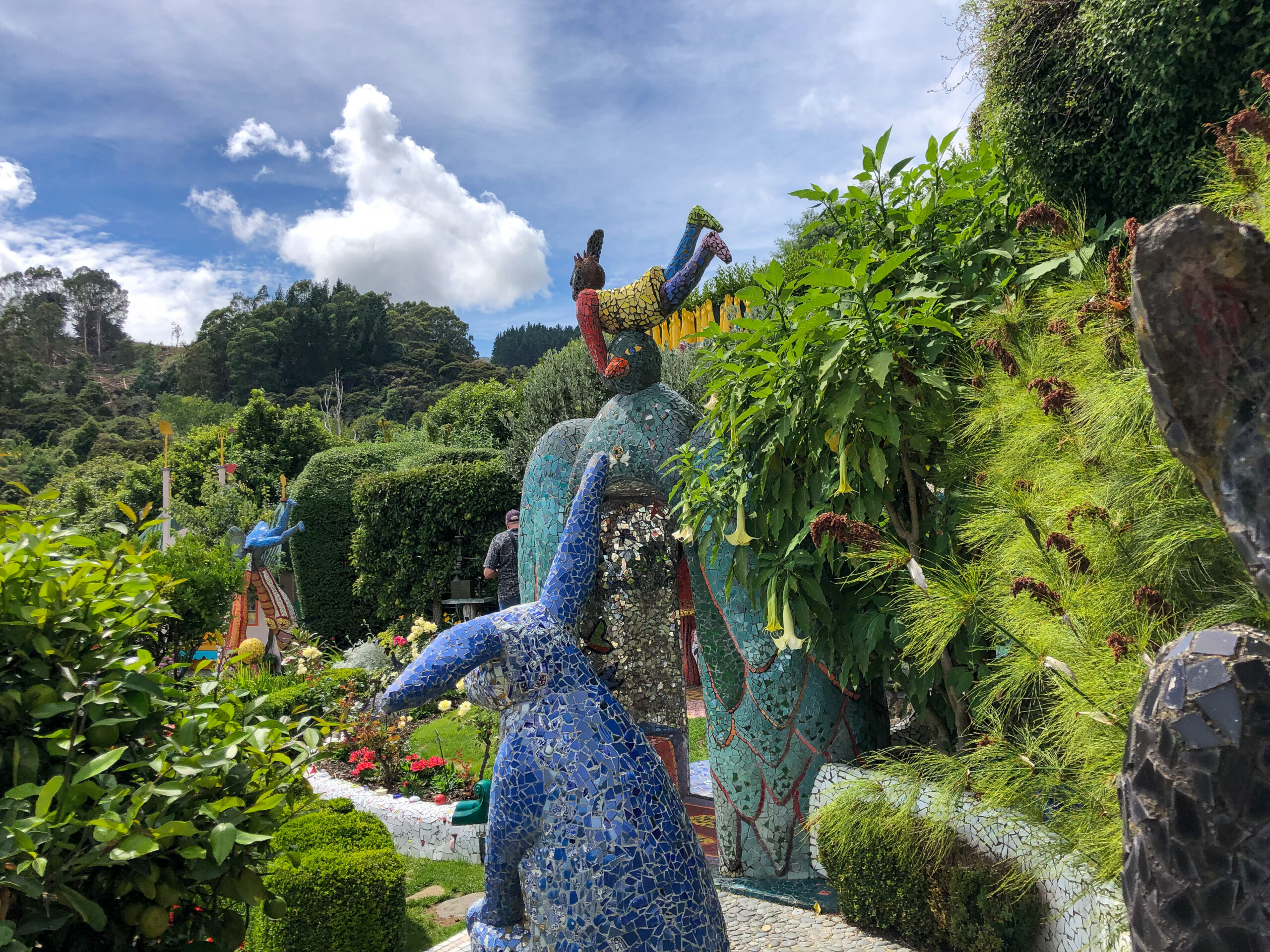
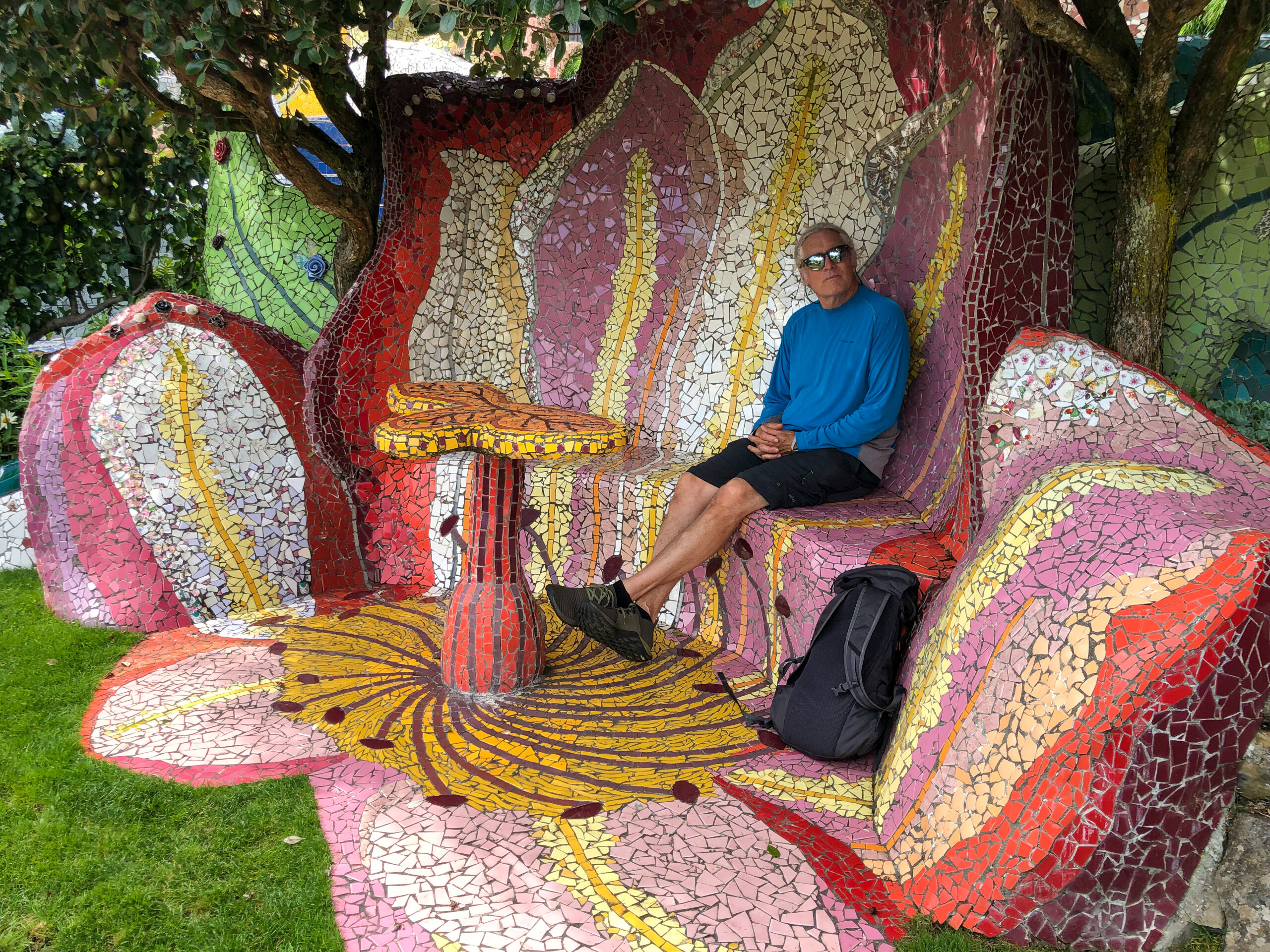
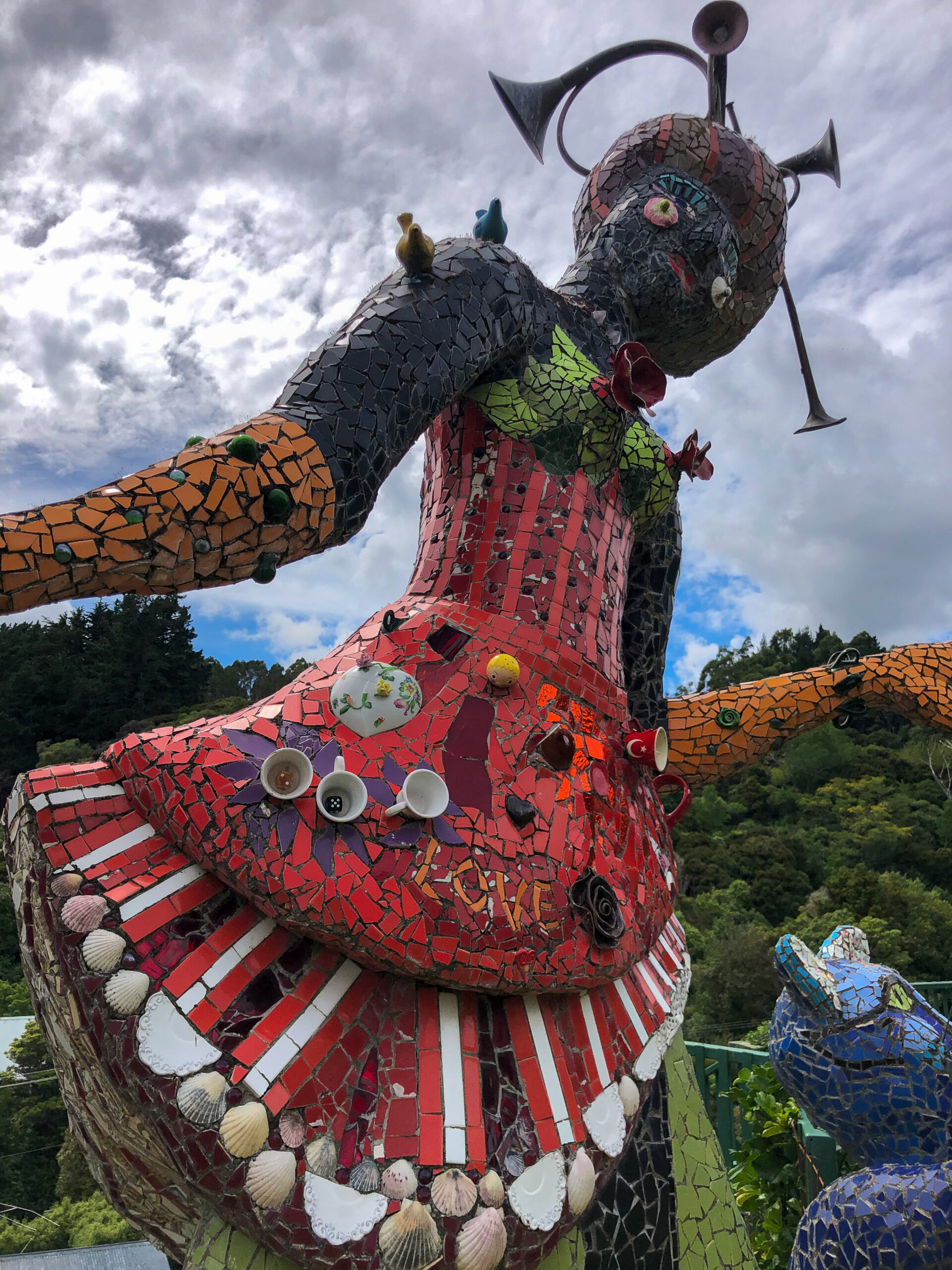
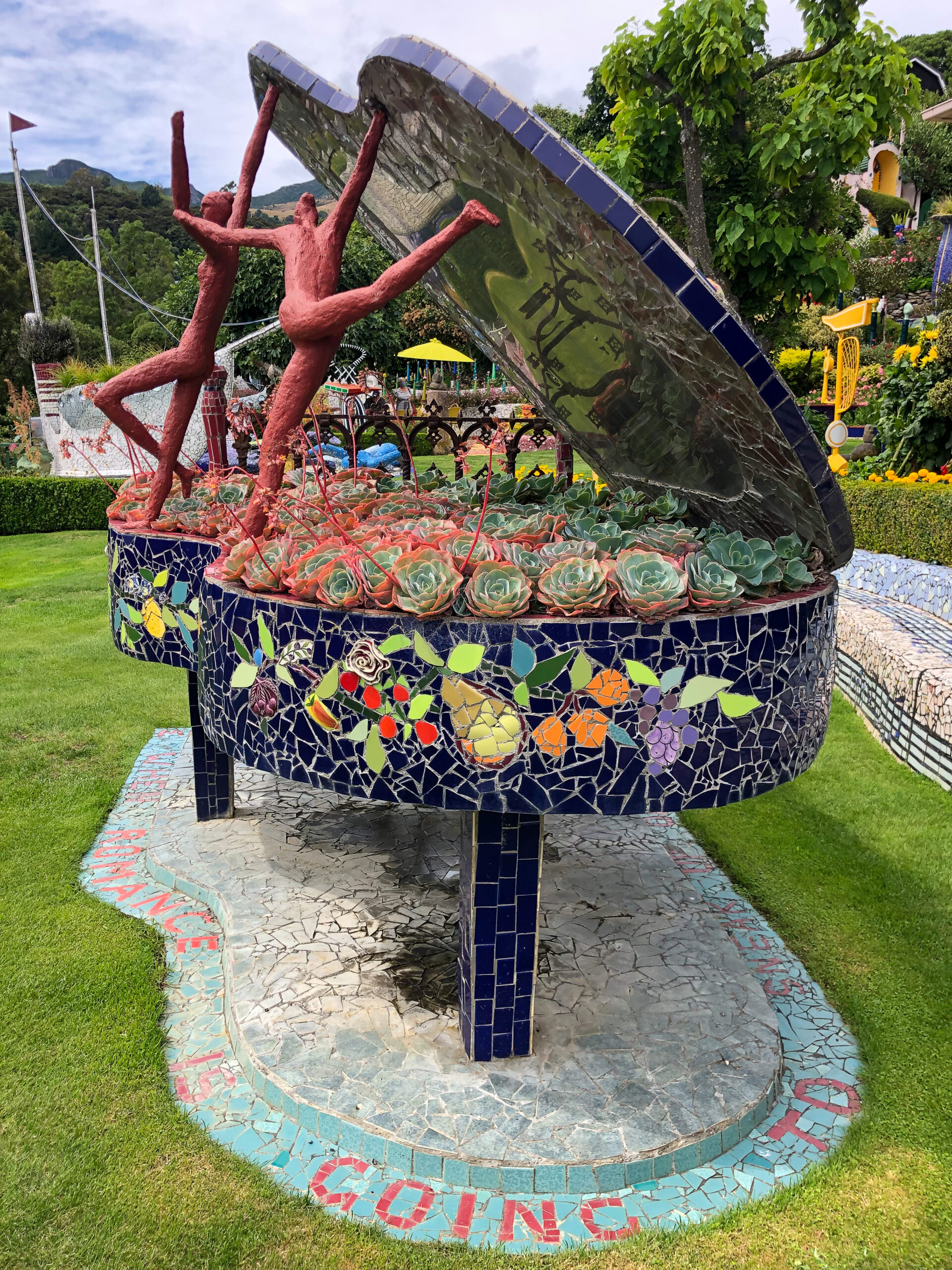
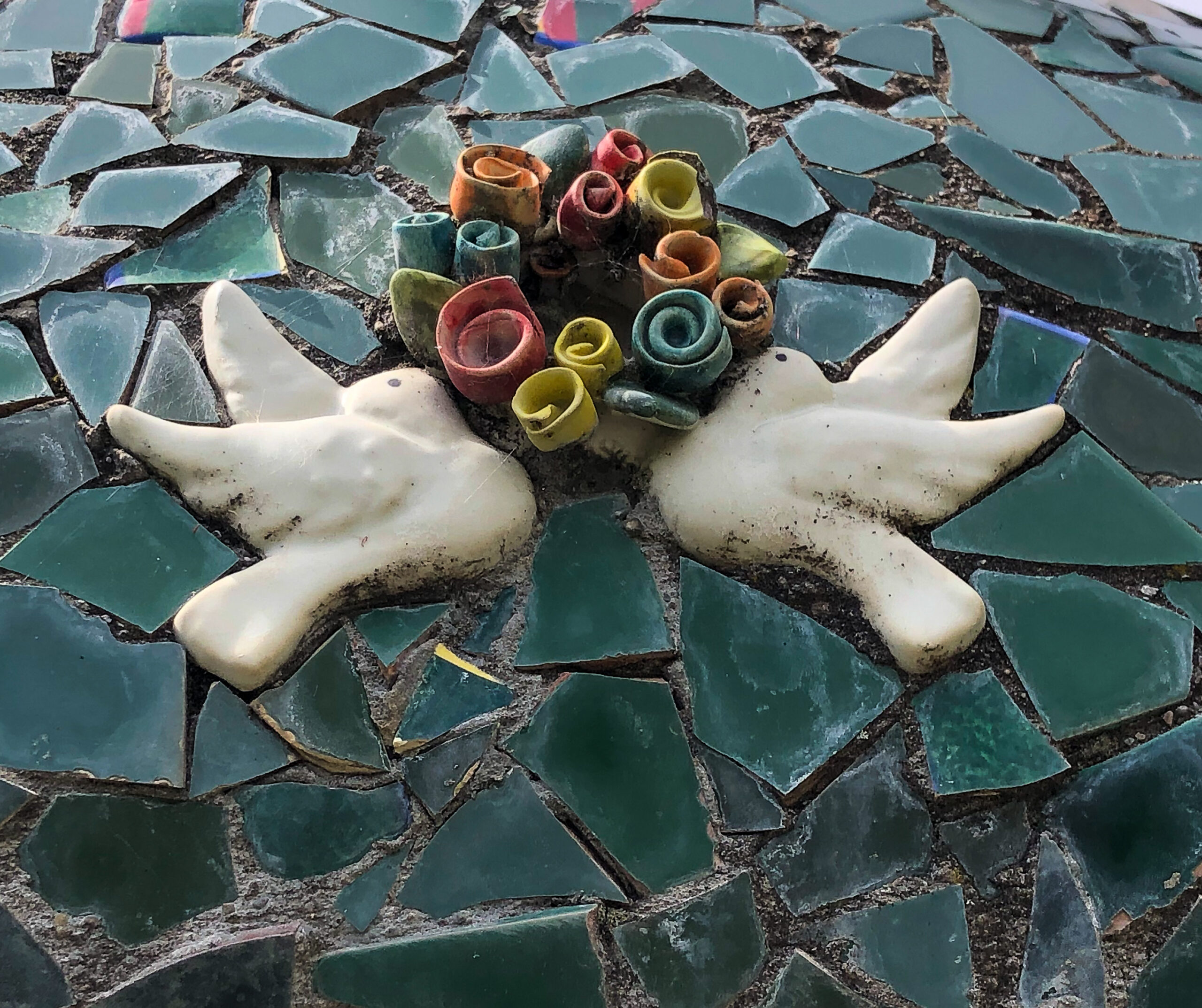
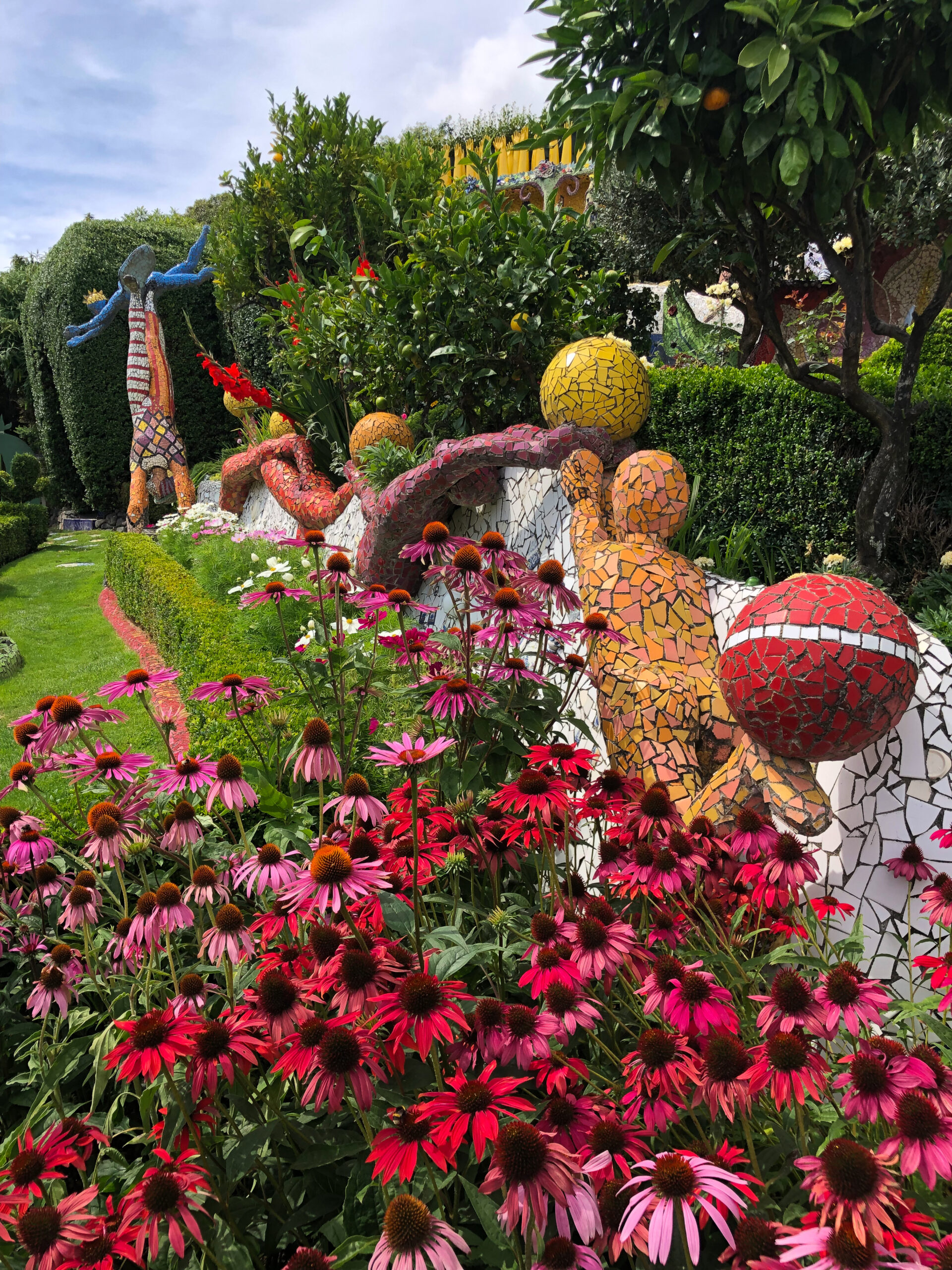
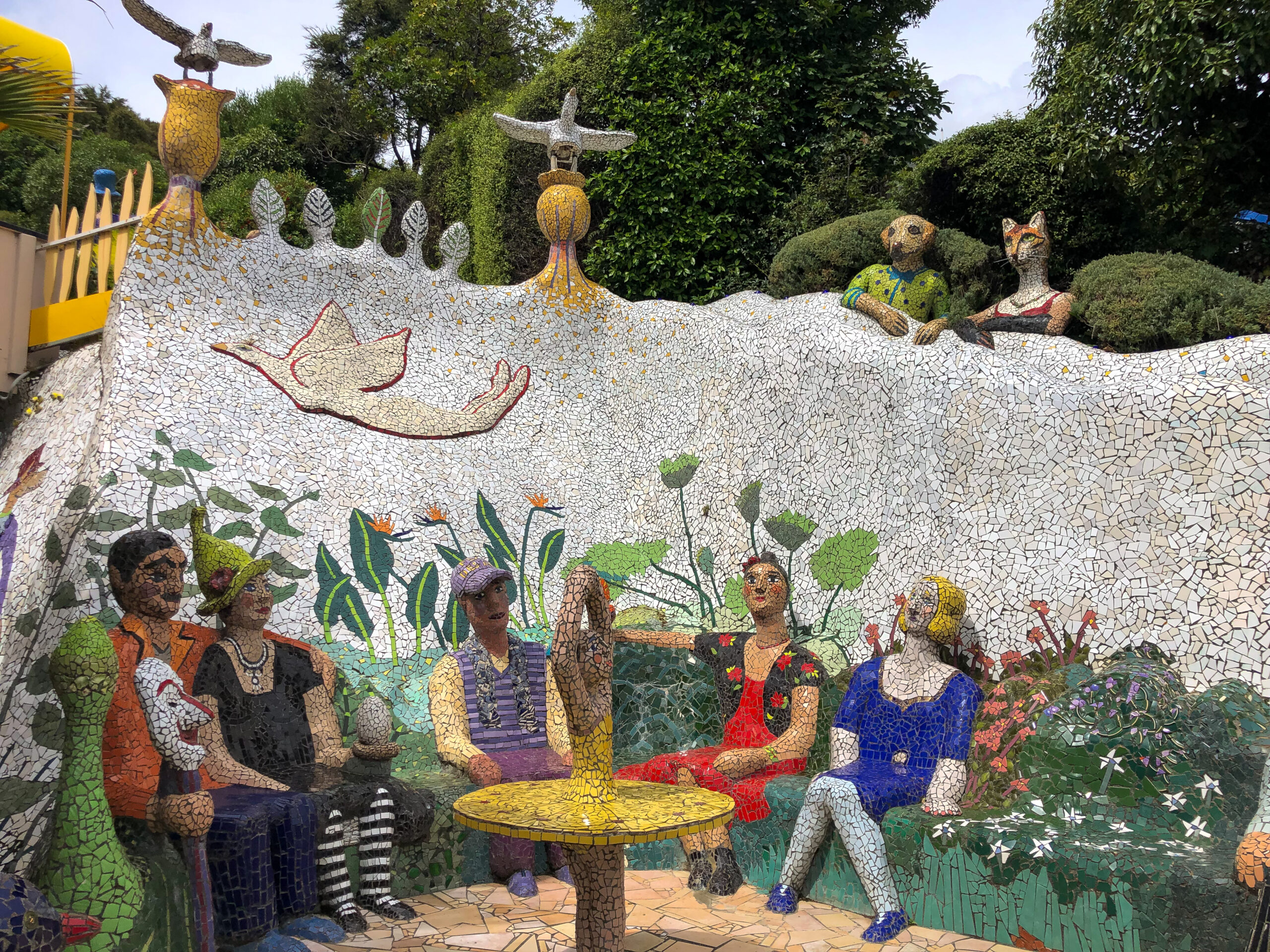
After a day hiding from the southwest wind and rain in Takamatua Bay, we spent a sunny day in Akaroa walking up a hill lined with small wooden houses to the “Giants House,” where a purple haired mosaicist and sculptor (don’t they all have purple hair?), Josie Martin, spent a lifetime creating a magical inspired garden. The expressiveness and joy of her work was dazzling, full of color and peopleness.
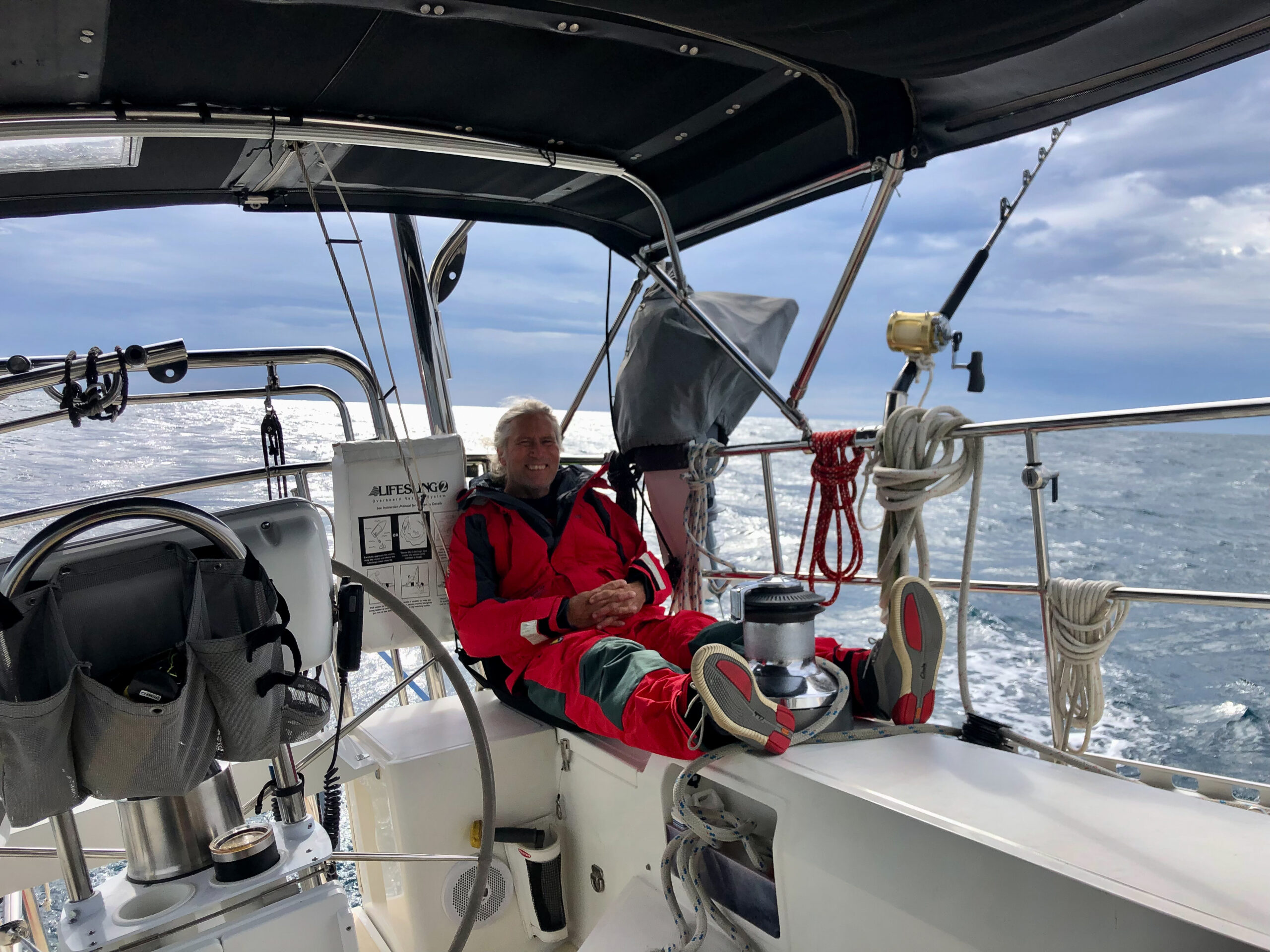
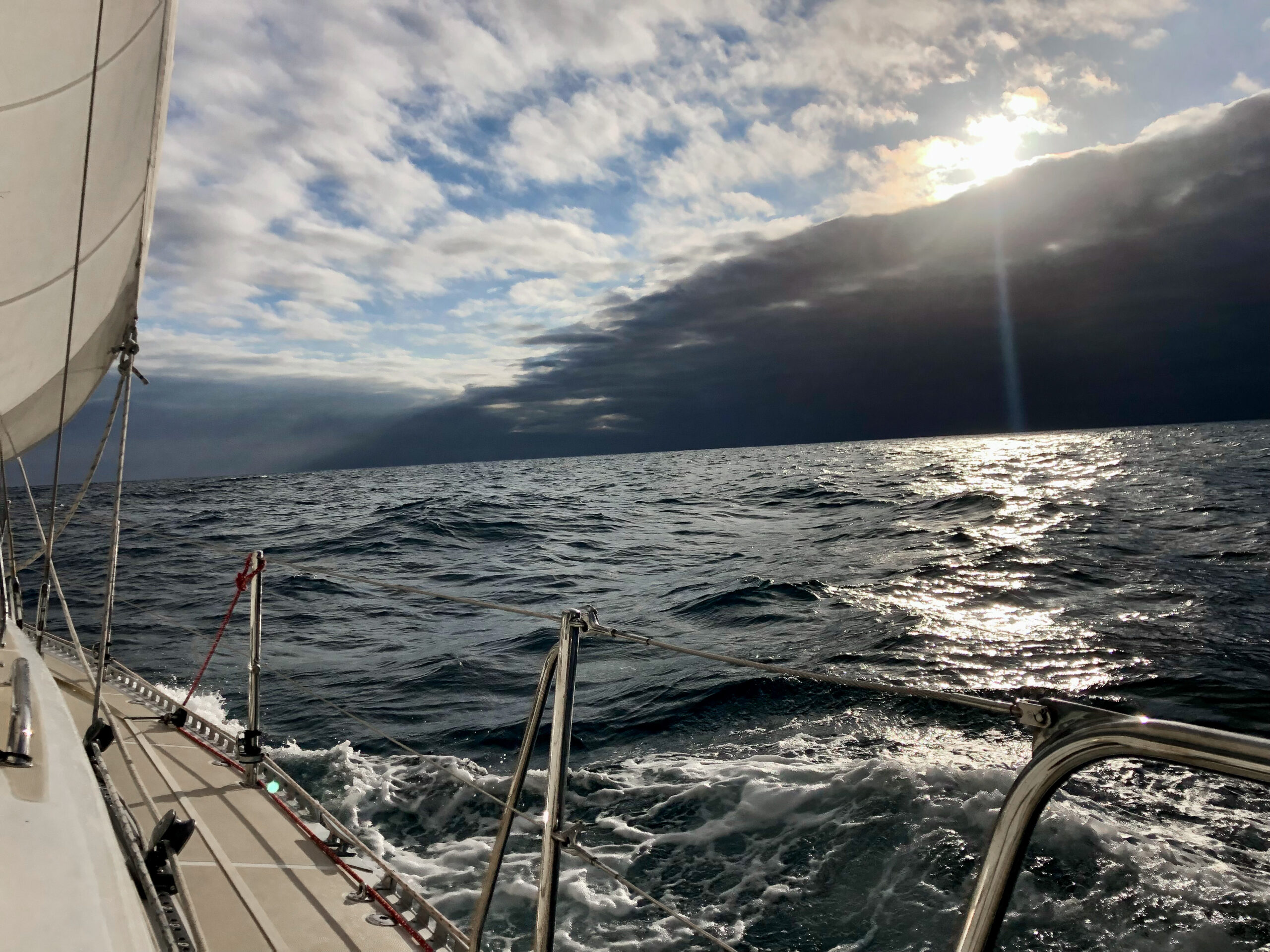
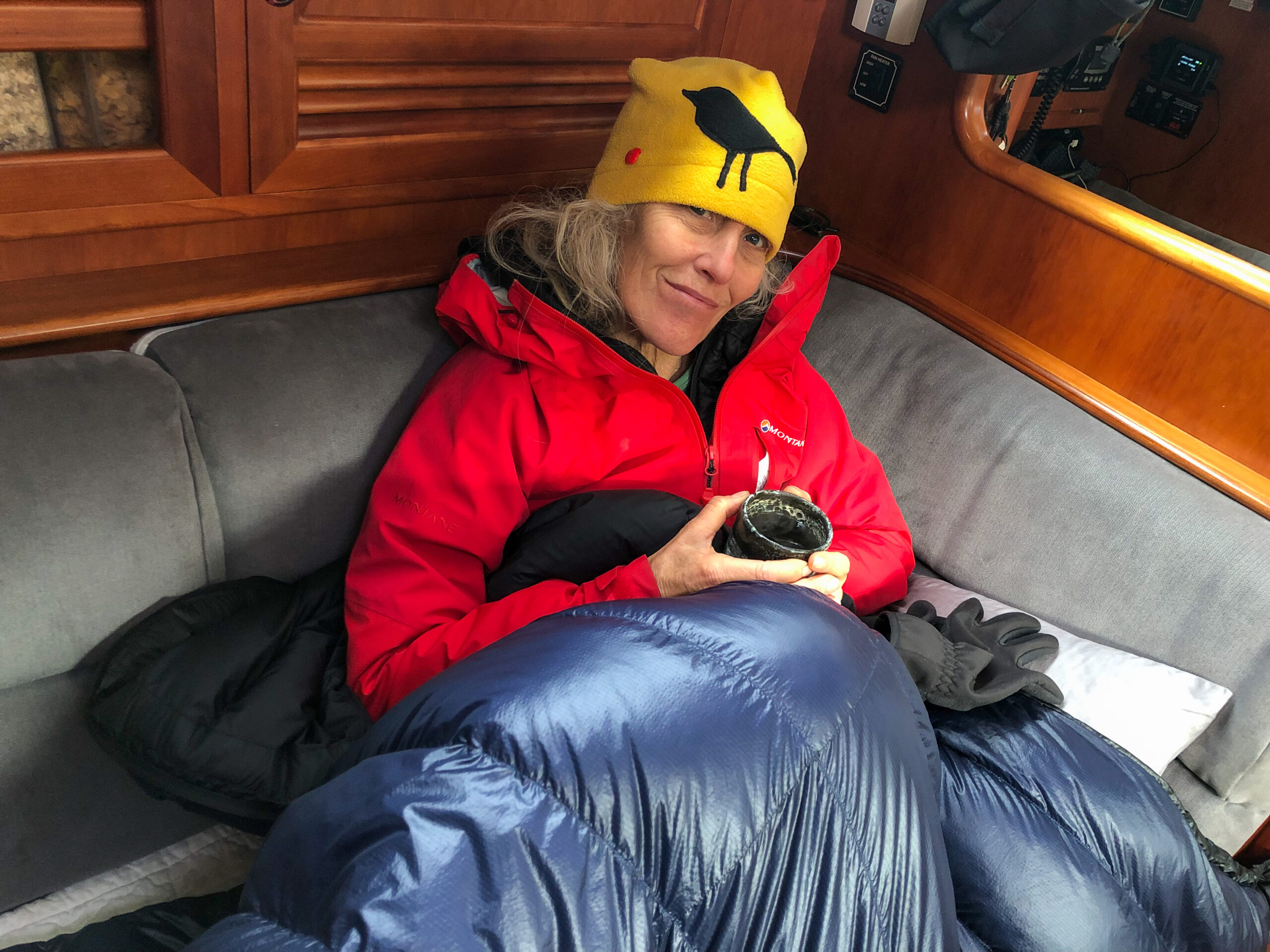
We’re still adjusting to the sea again. Remembering little things about Allora that we forgot. Relearning things we may have come to take for granted. The first leg of our first passage in two years, the winds were light but steady and graciously allowed us to sail to windward with out tacking. The shelter of the shore, never more that twenty miles away, kept the seas mild. It was chilly, but our foulies are pretty bomber and it was a lovely day.
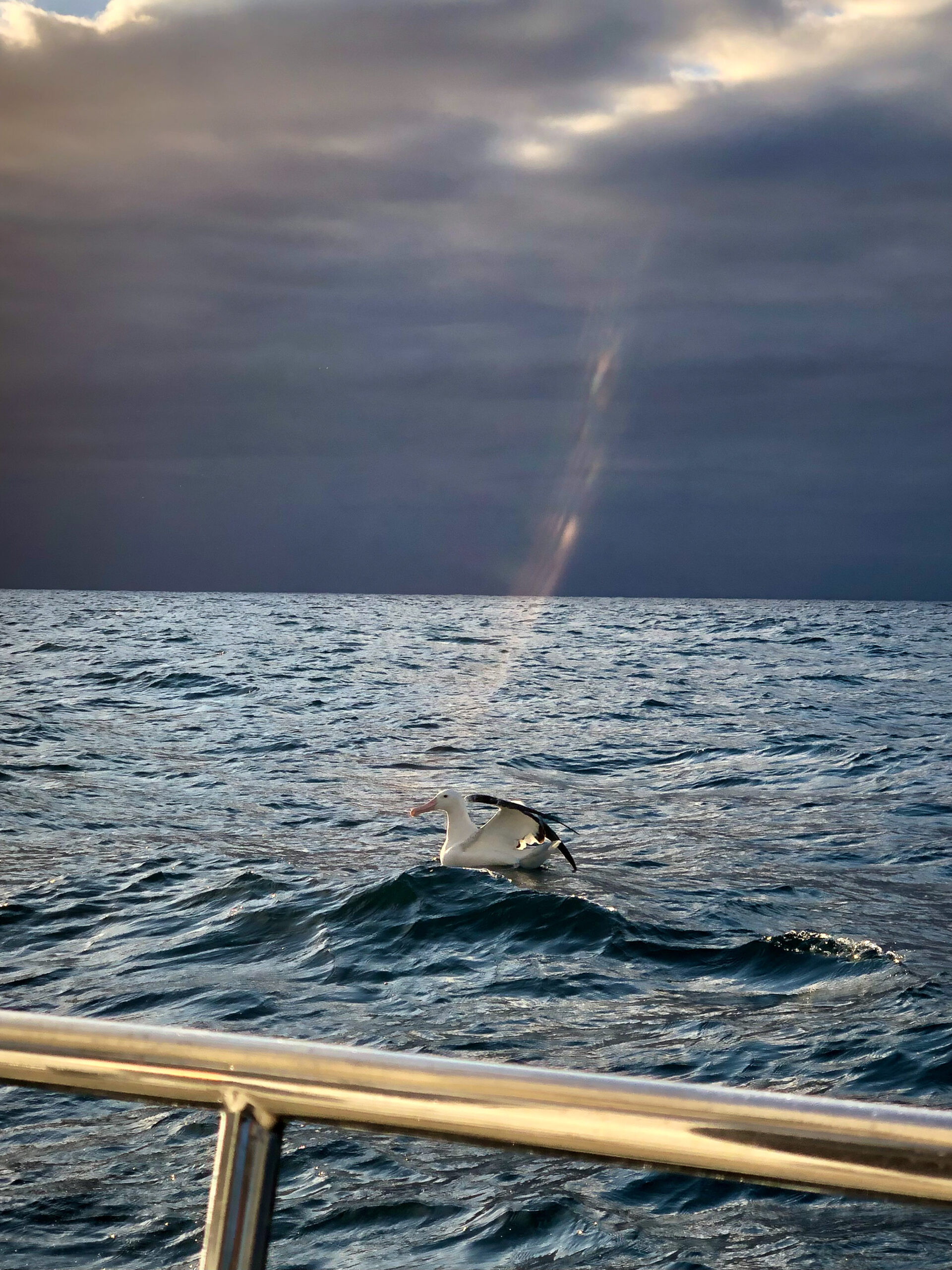
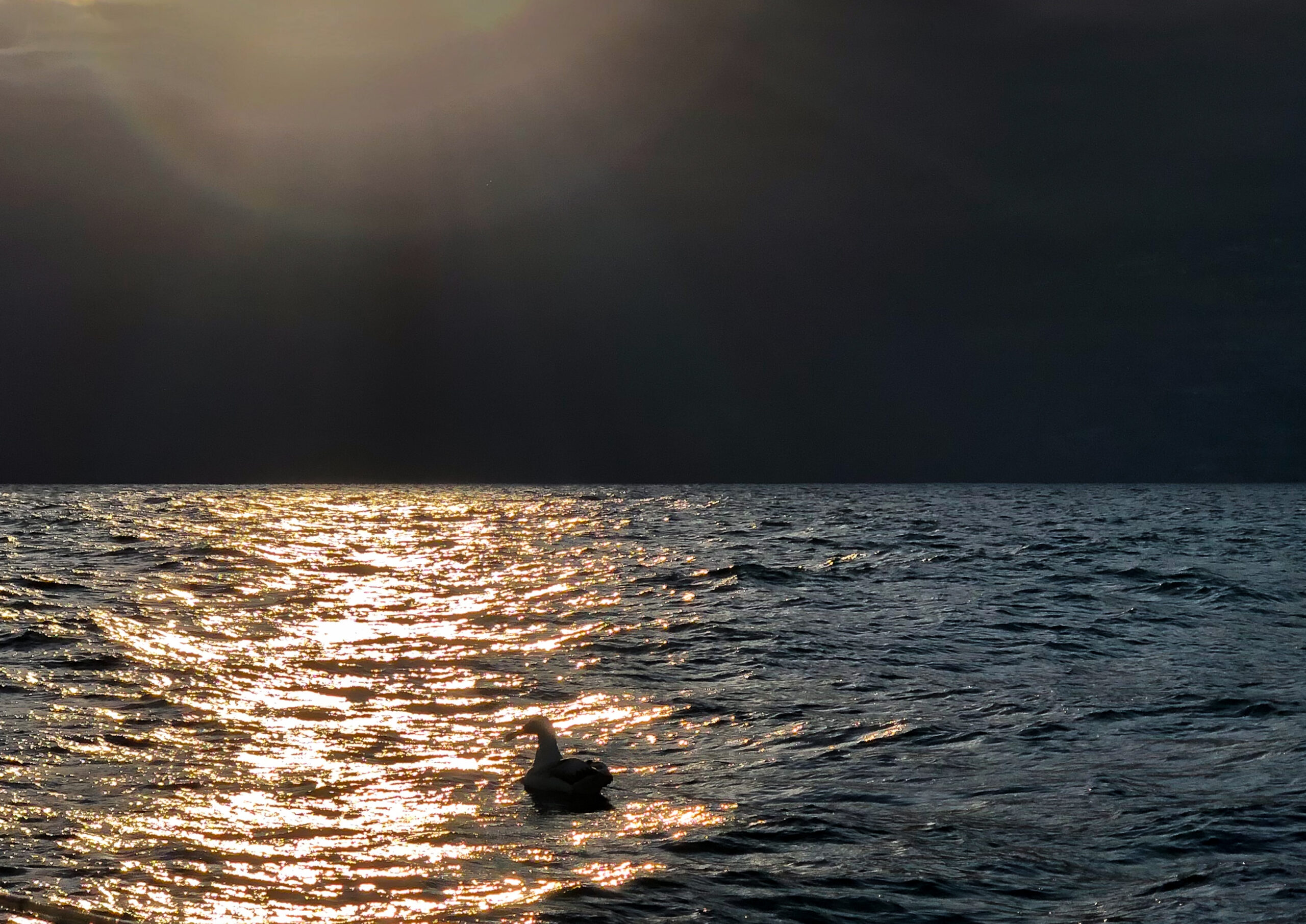
Royal Albatross!
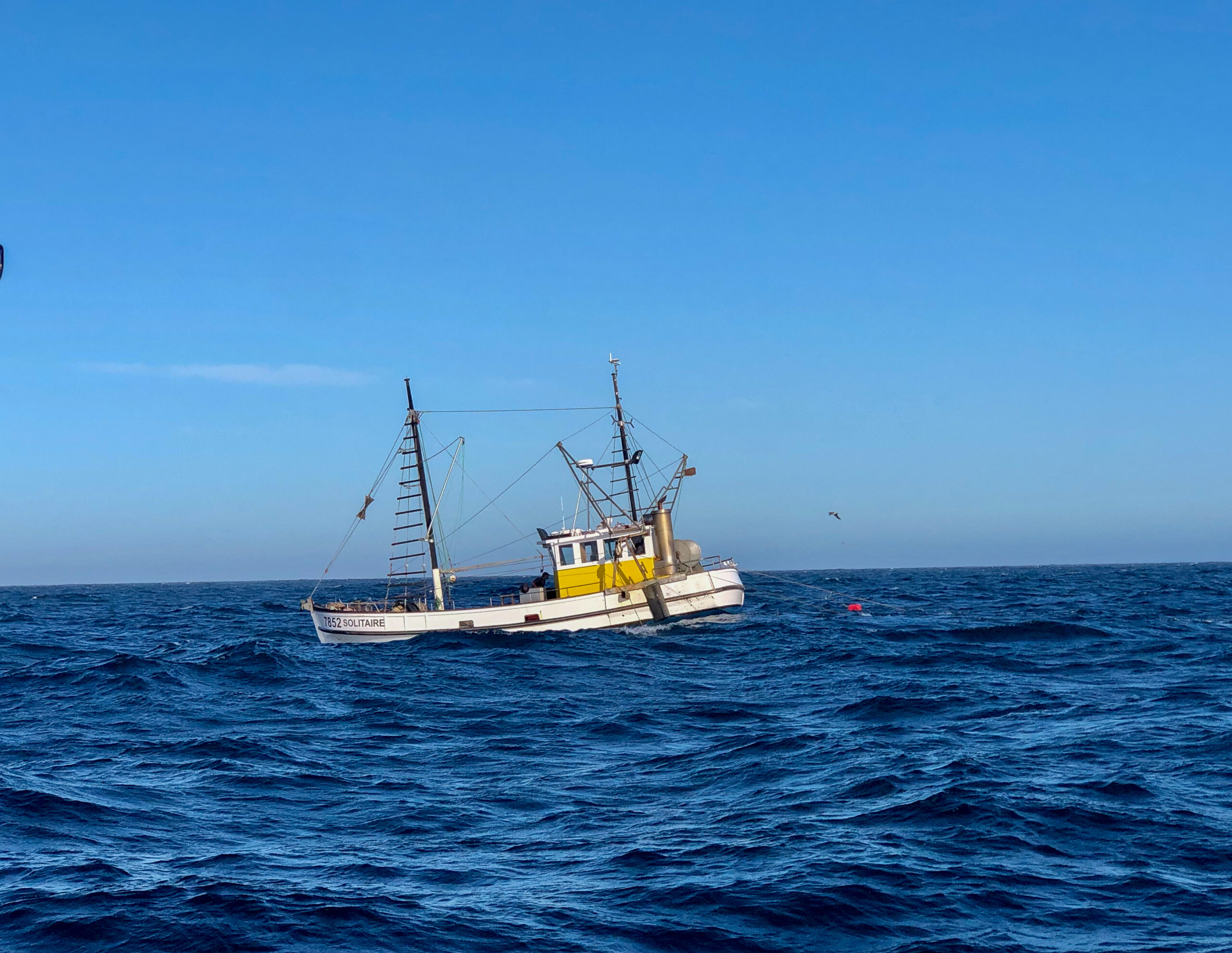
A fisherman came out in his short sleeves to take a picture of us as we sailed closeby downwind and he pounded homeward into it.
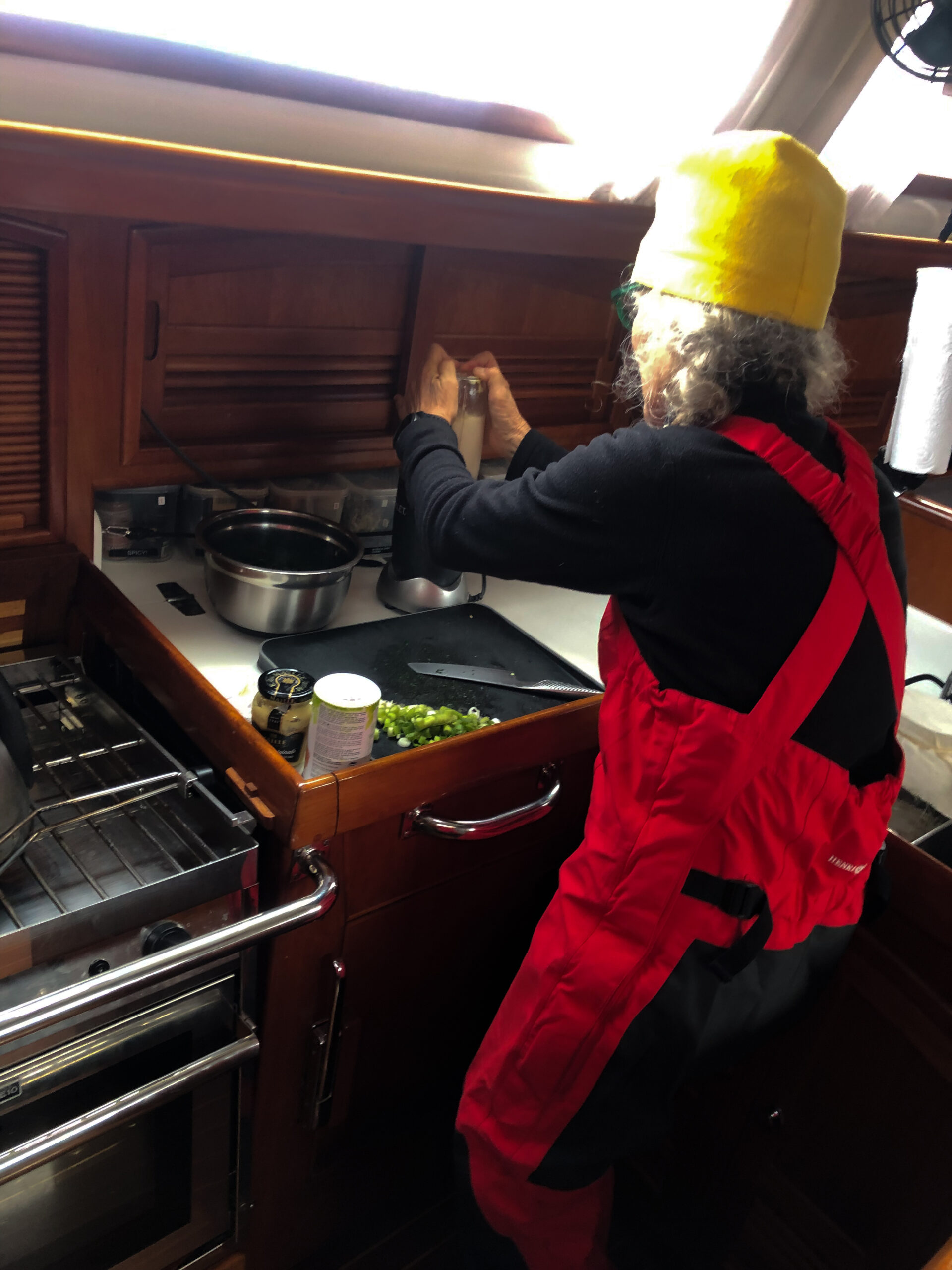
Galley antics!
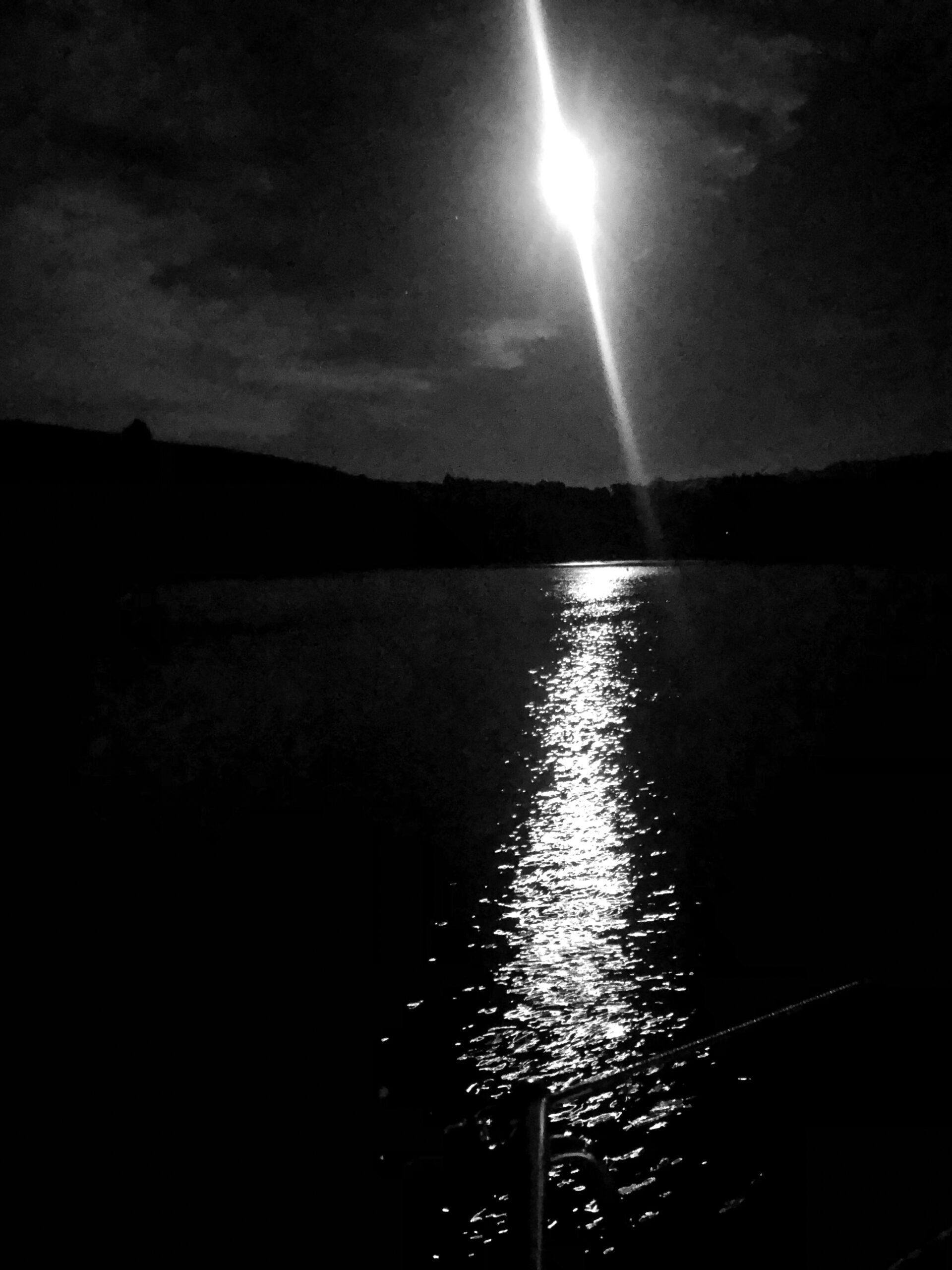
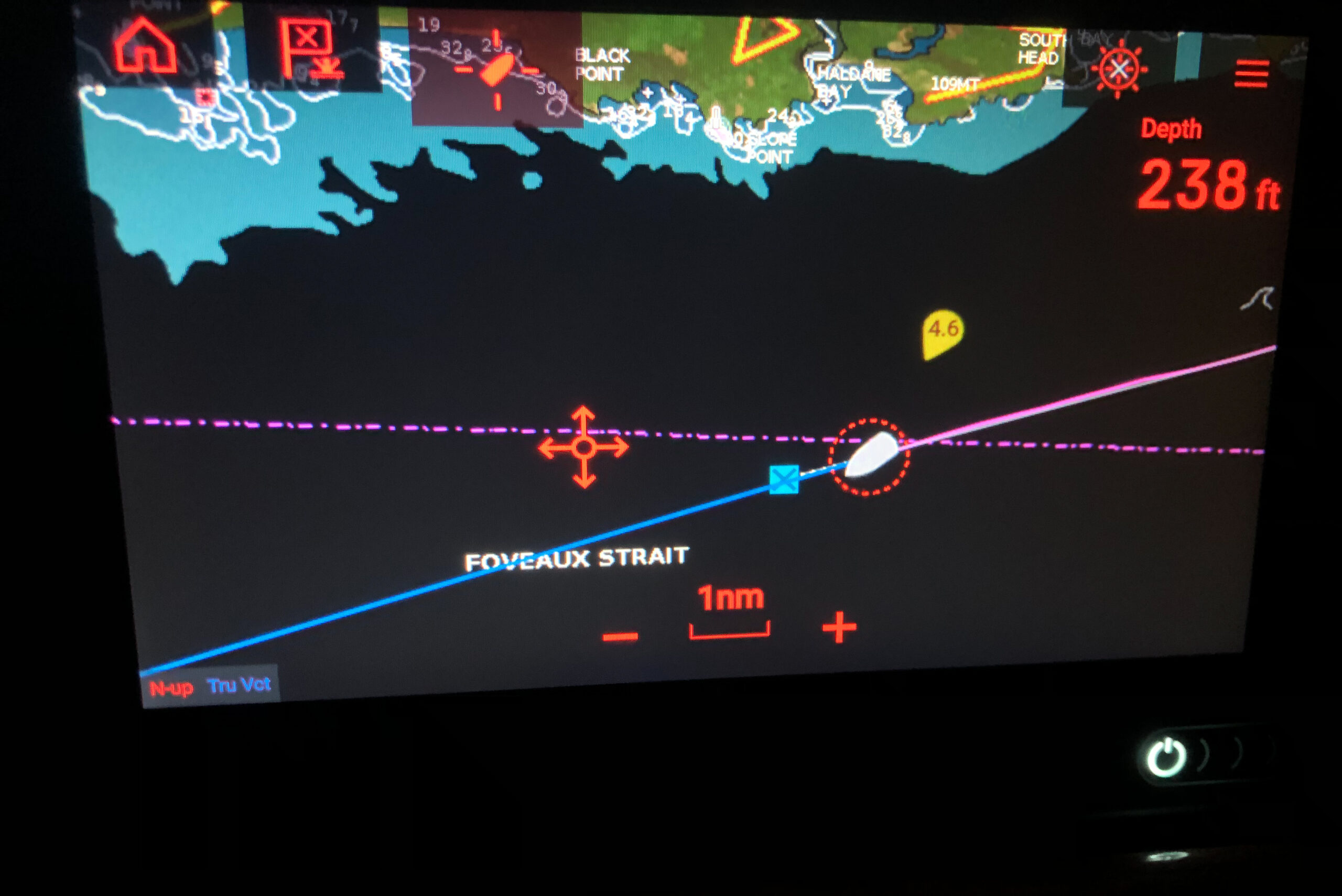
The wind died to nothing under a full moon, after some mechanical glitches right at dusk. At dawn the wind returned for a nice broad reach and then wing and wing downwind all the way to the end of the south island passing “the Nuggets” to enter Foveaux Strait.
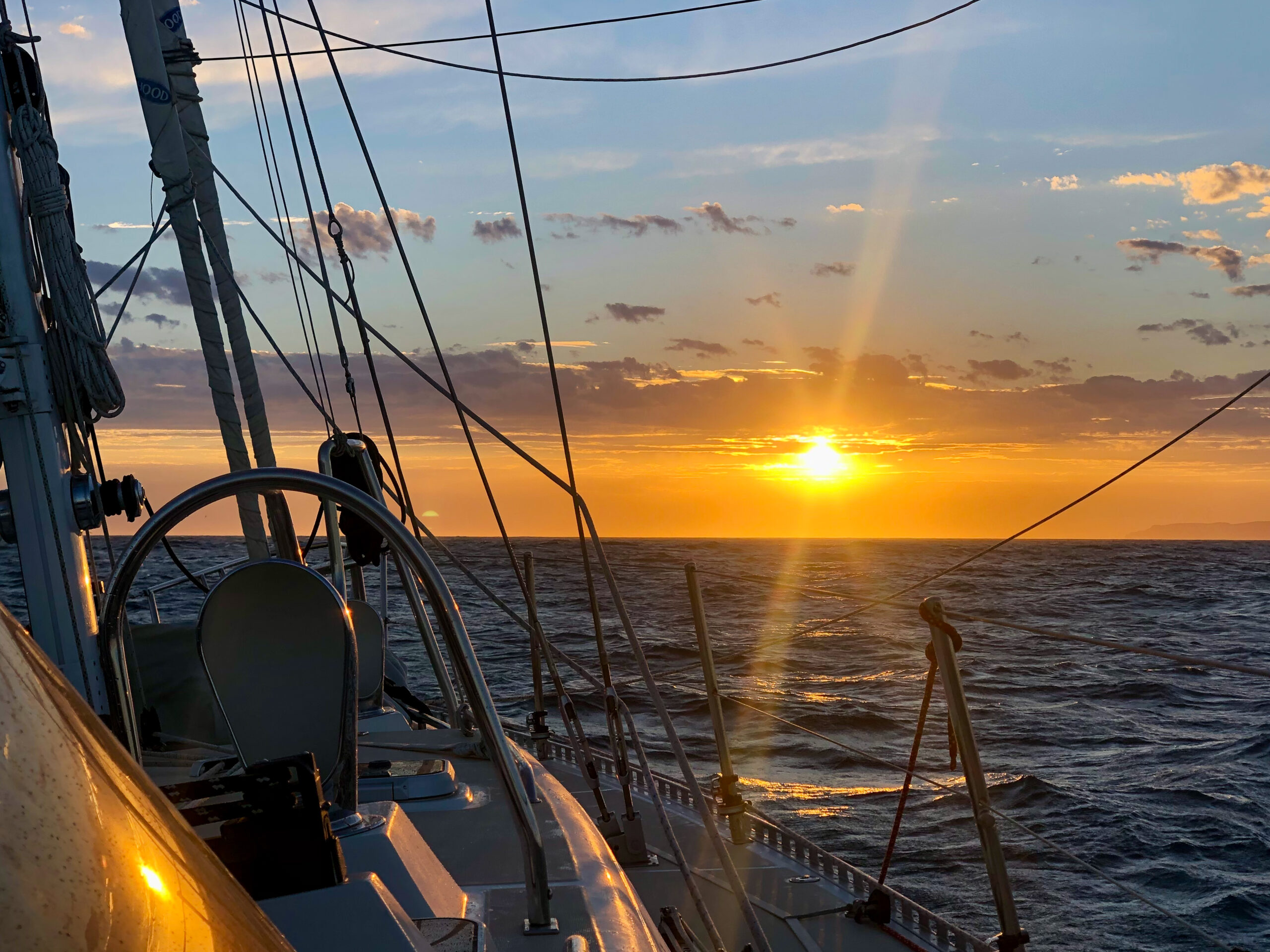
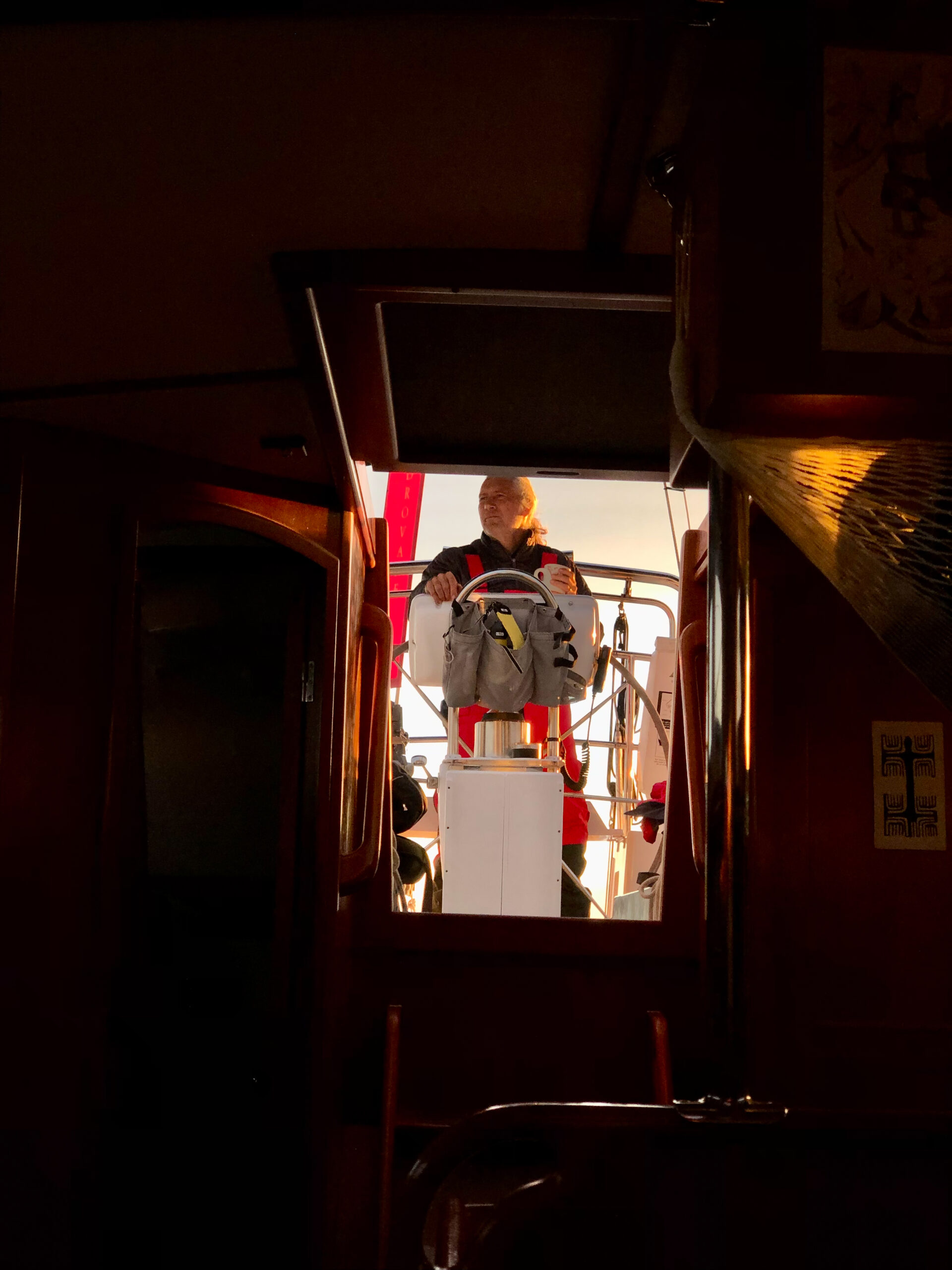
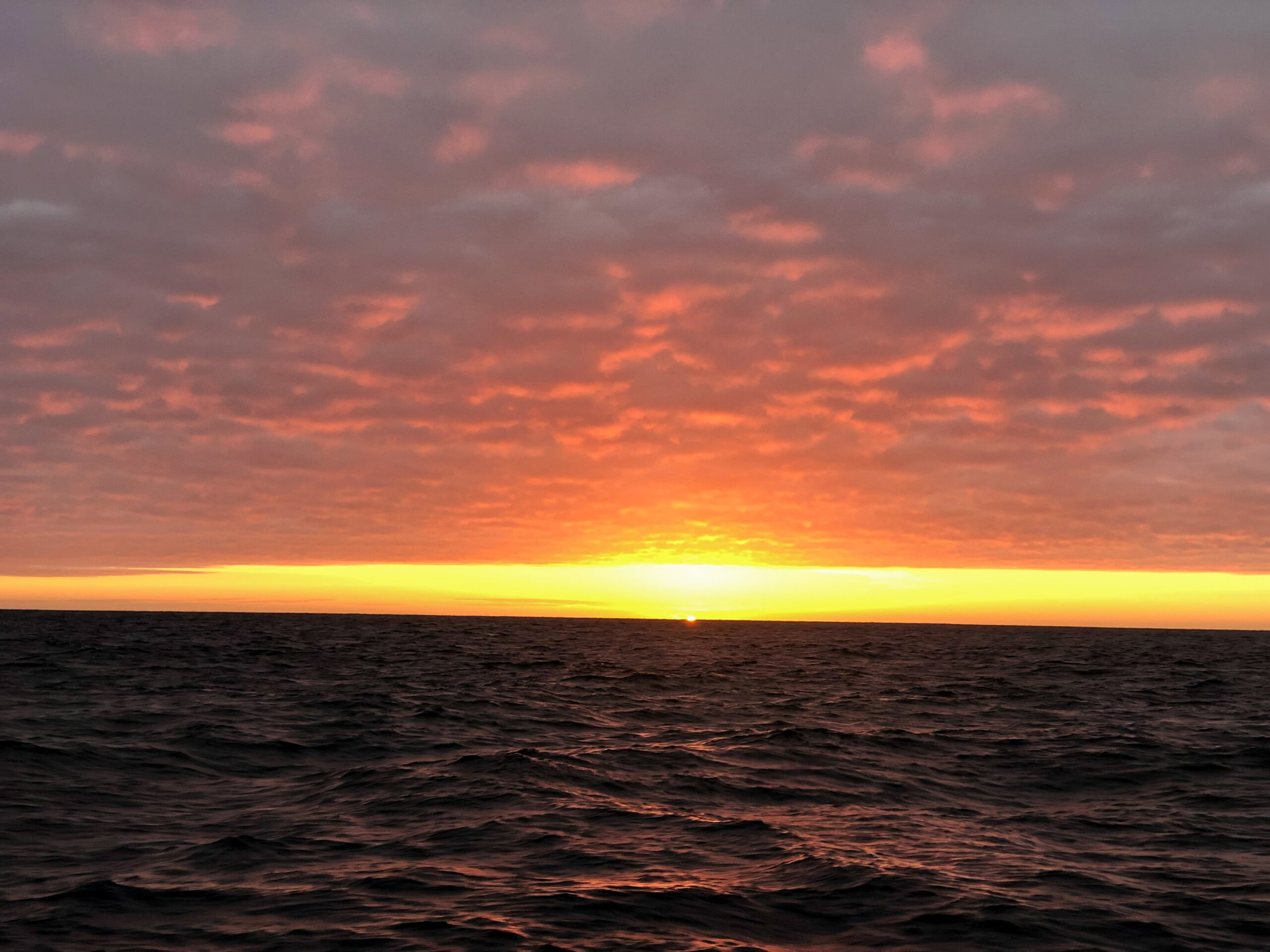
We motored through the night, anticipating 15 to 30 knots on the beam by sunrise, but that never materialized. The famously rough Strait was calm – though with strong, swirling currents that confused our brief attempts to sail. The wind came up like a long slow meditative breath and then relaxed to glassy seas as the sun rose spectacularly and we approached Rakiura/Stewart Island.
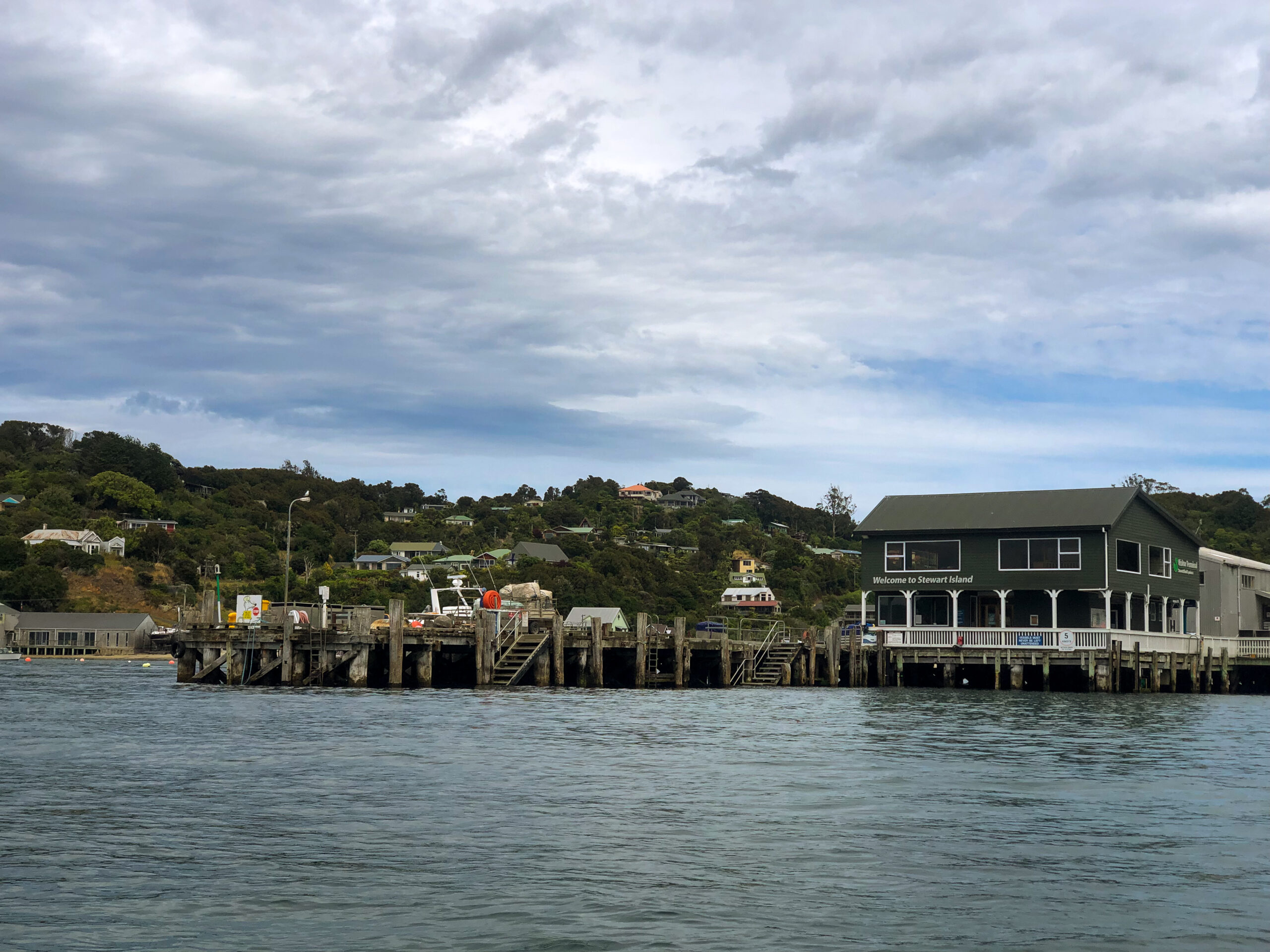
The humble main town of Oban, Stewart IslandSandy beaches but muddy seabed.
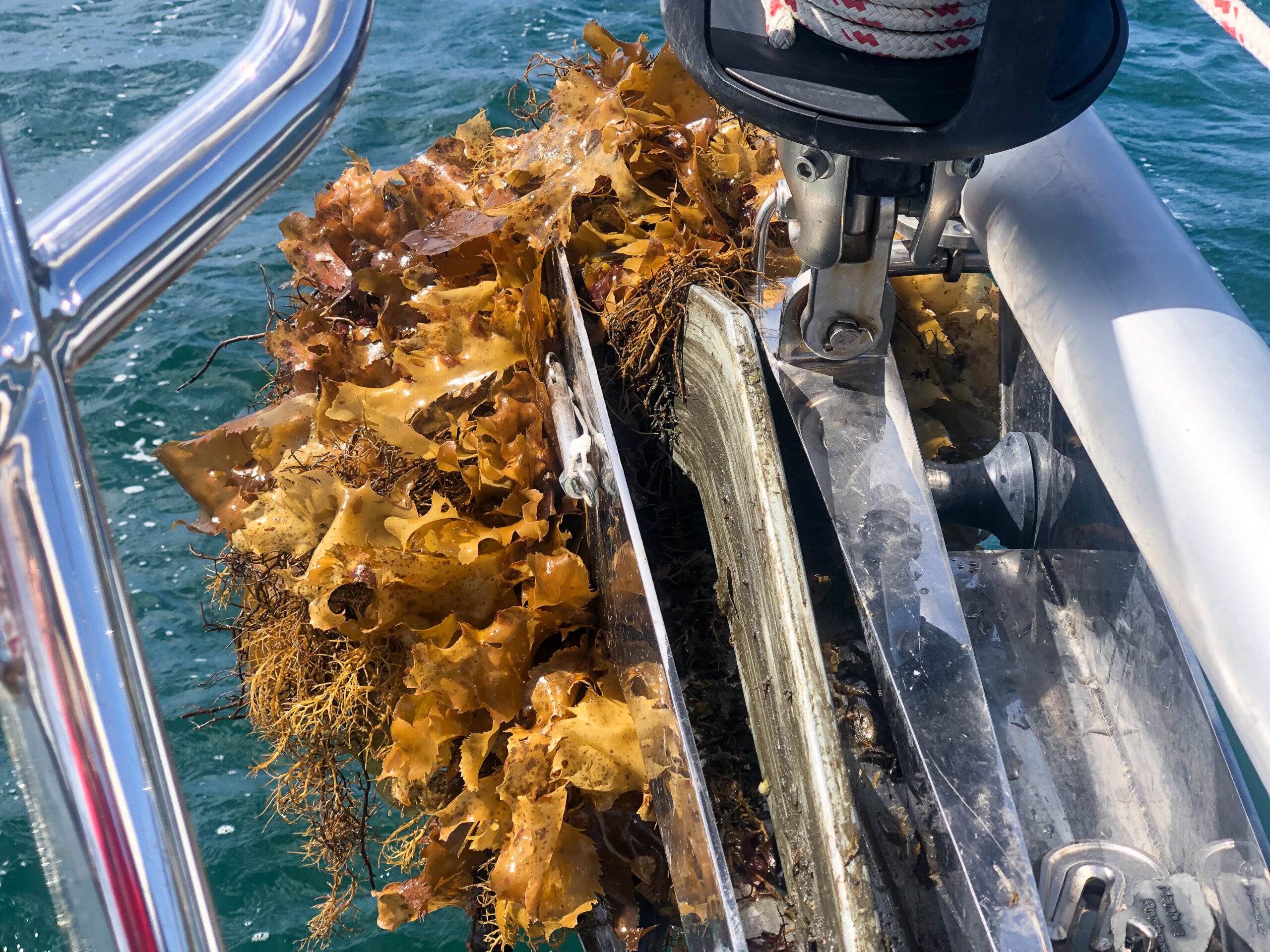
We’re learning that anchoring in mud and weeds isn’t the same as sand. Diana used to say we should package the fine, fine powdery pink stuff that came up with the anchor in the Gambiers, and sell it to spas. I haven’t heard that comment about the pungent muds of Rakiura (Stewart Island). Maybe a different brand (“Glory Bay Green Lipped New Zealand Muscle” brand) for the truly hardcore mud bather. It also hasn’t been holding us quite the same way. Not sure to do with the full anchor of weeds that came up the first time our anchor did a little dragging in 30 kts wind.
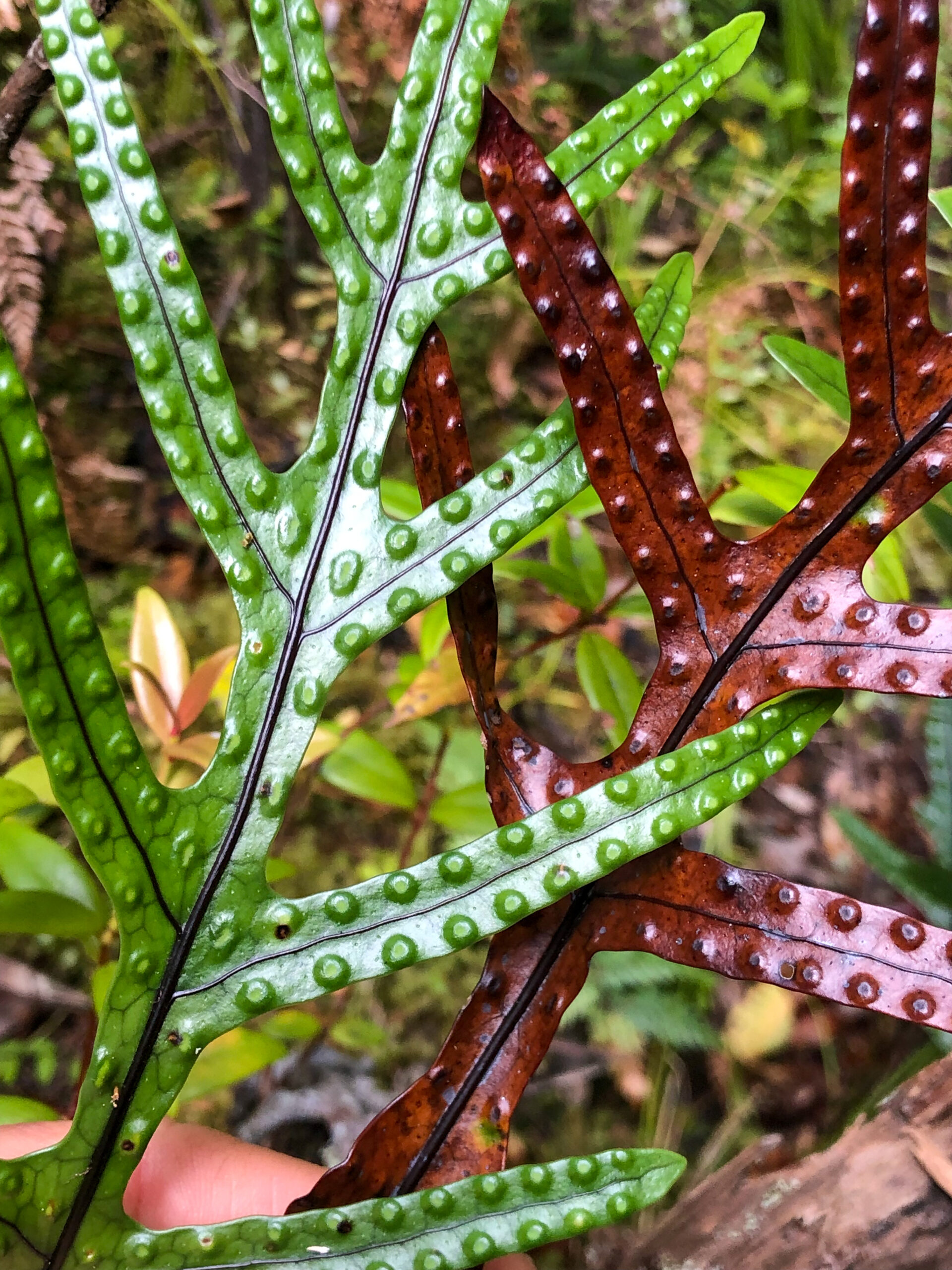
Becoming more familiar with these mid latitude winds is going to take a while, too. The basic idea is becoming apparent — fronts every few days followed by strong SW blows, and then they spin around and do it again. Locals have been complaining about a dearth of rain with these fronts, the filmy ferns in the understory are feeling it, rolling up shop and hoping for a change. It’s possible that La Nina is to blame. That doesn’t mean summer is warm here on the edge of the Southern Ocean, even when the sun shines.
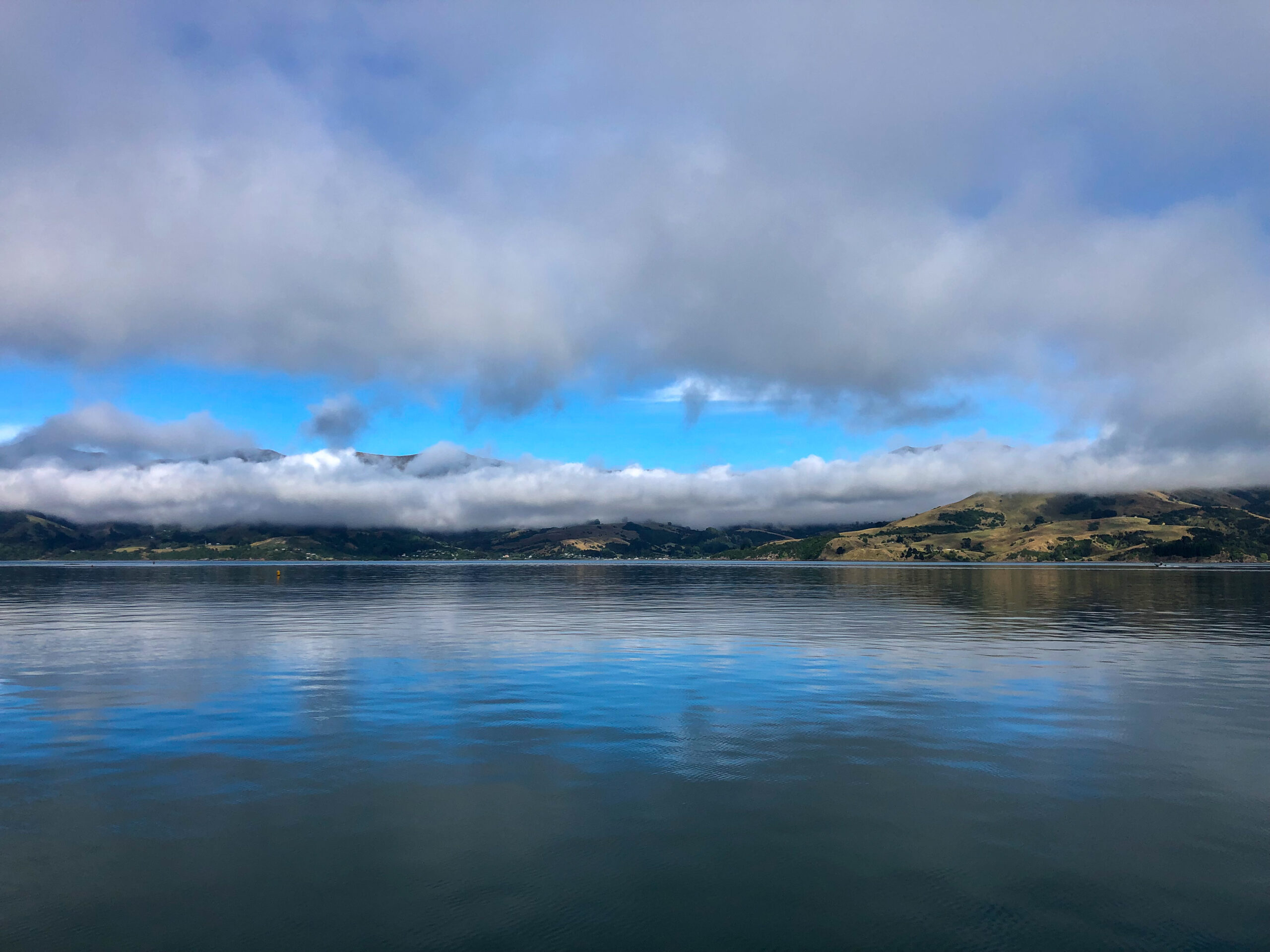
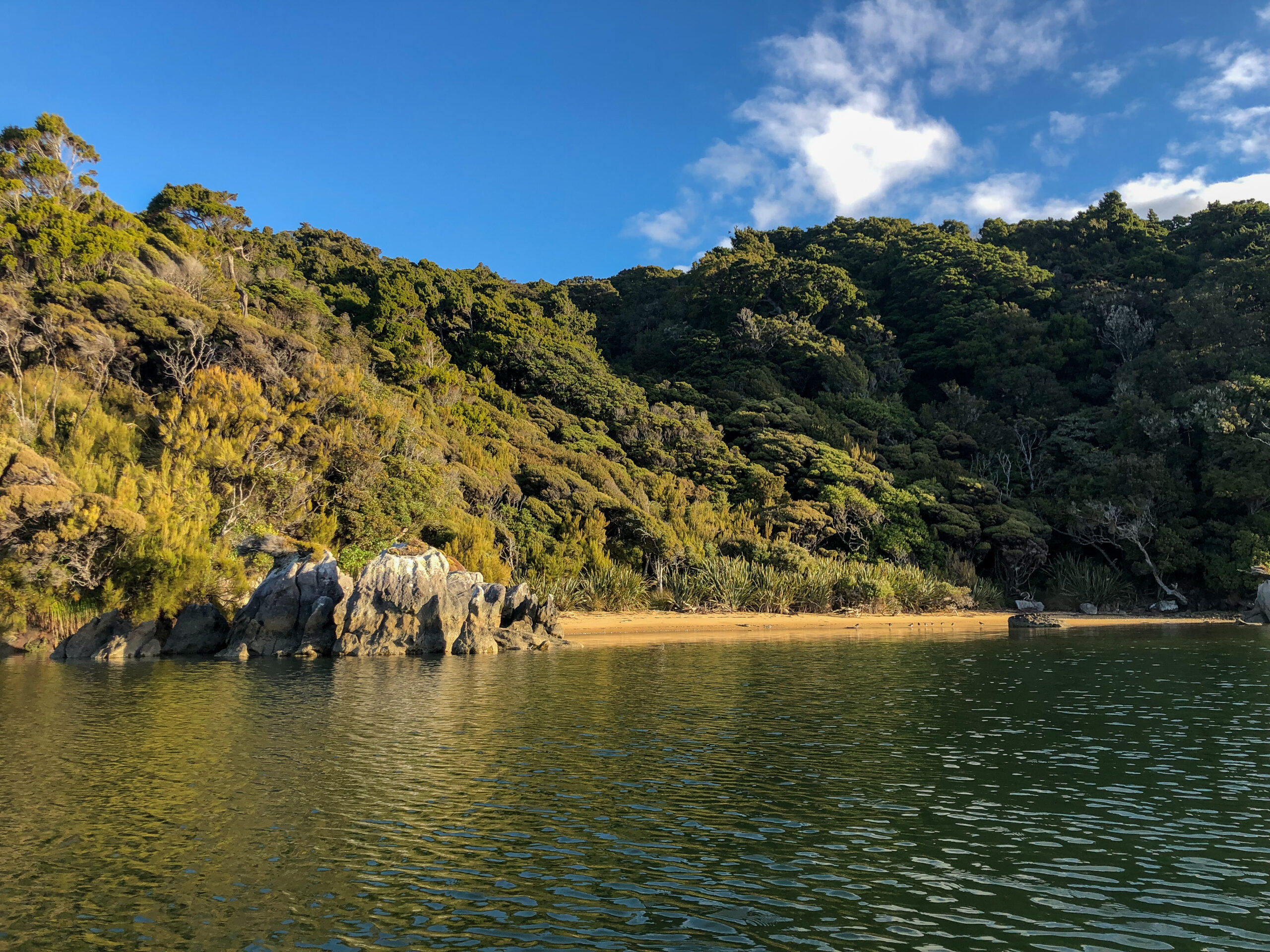
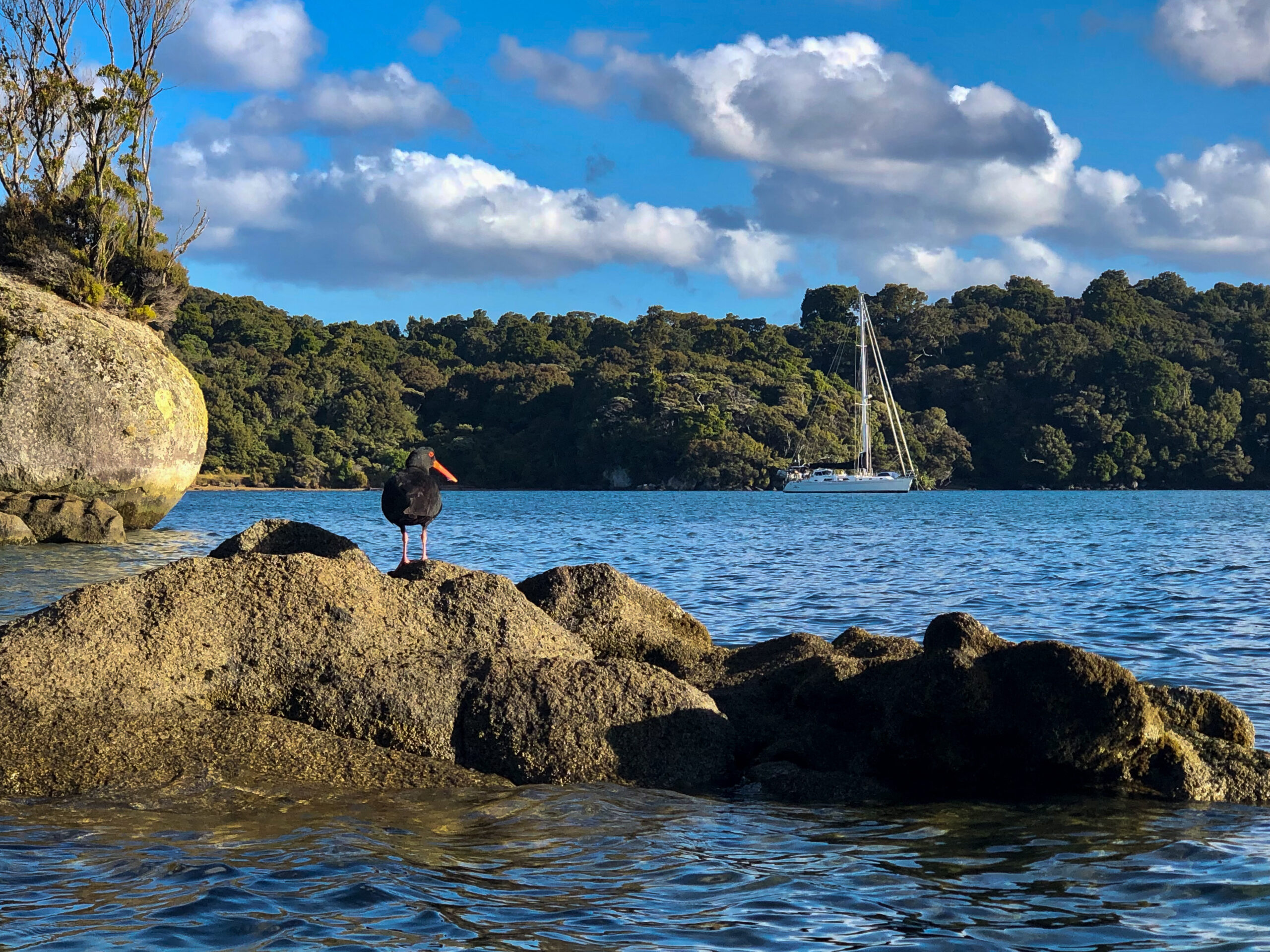
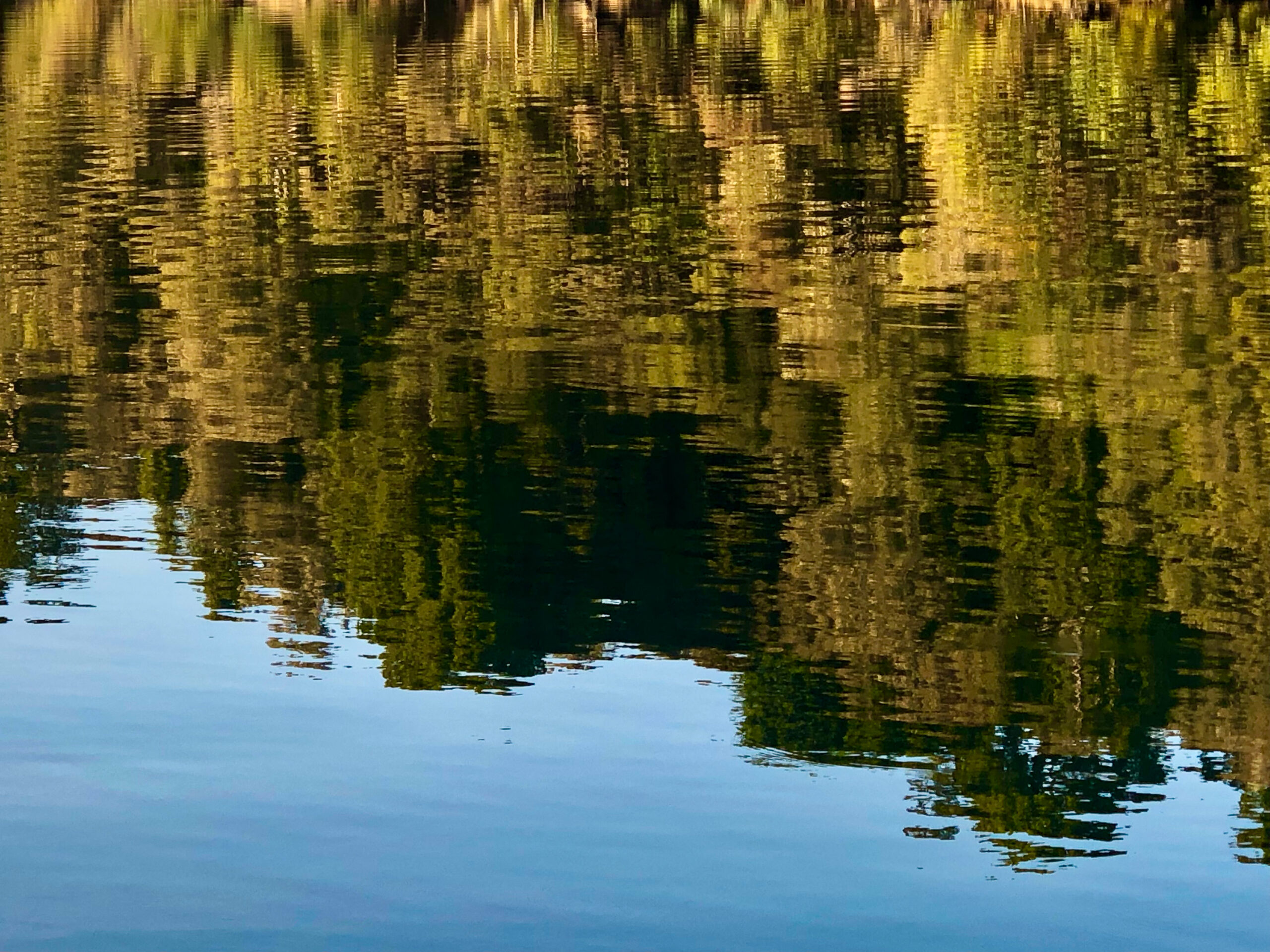
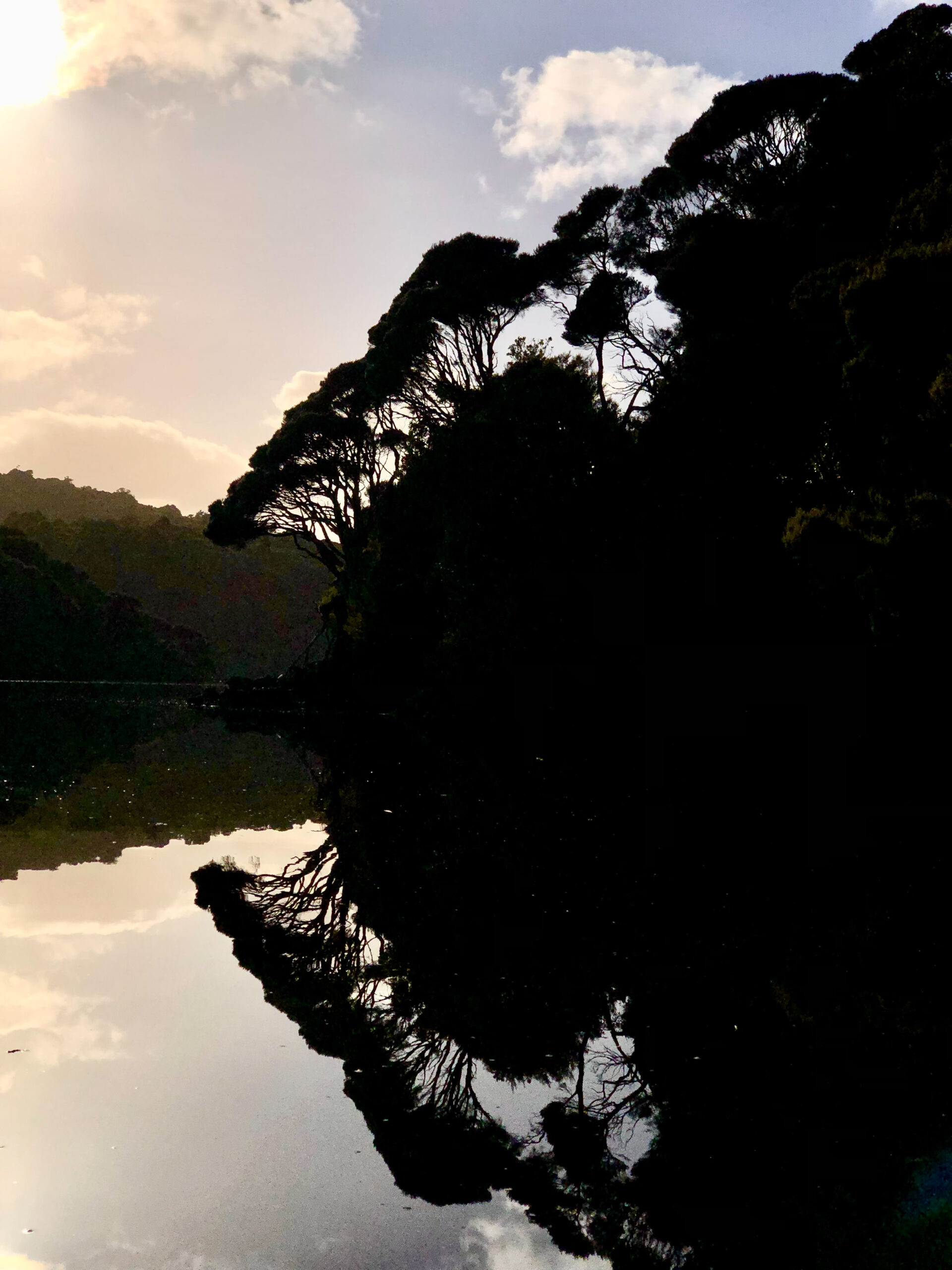
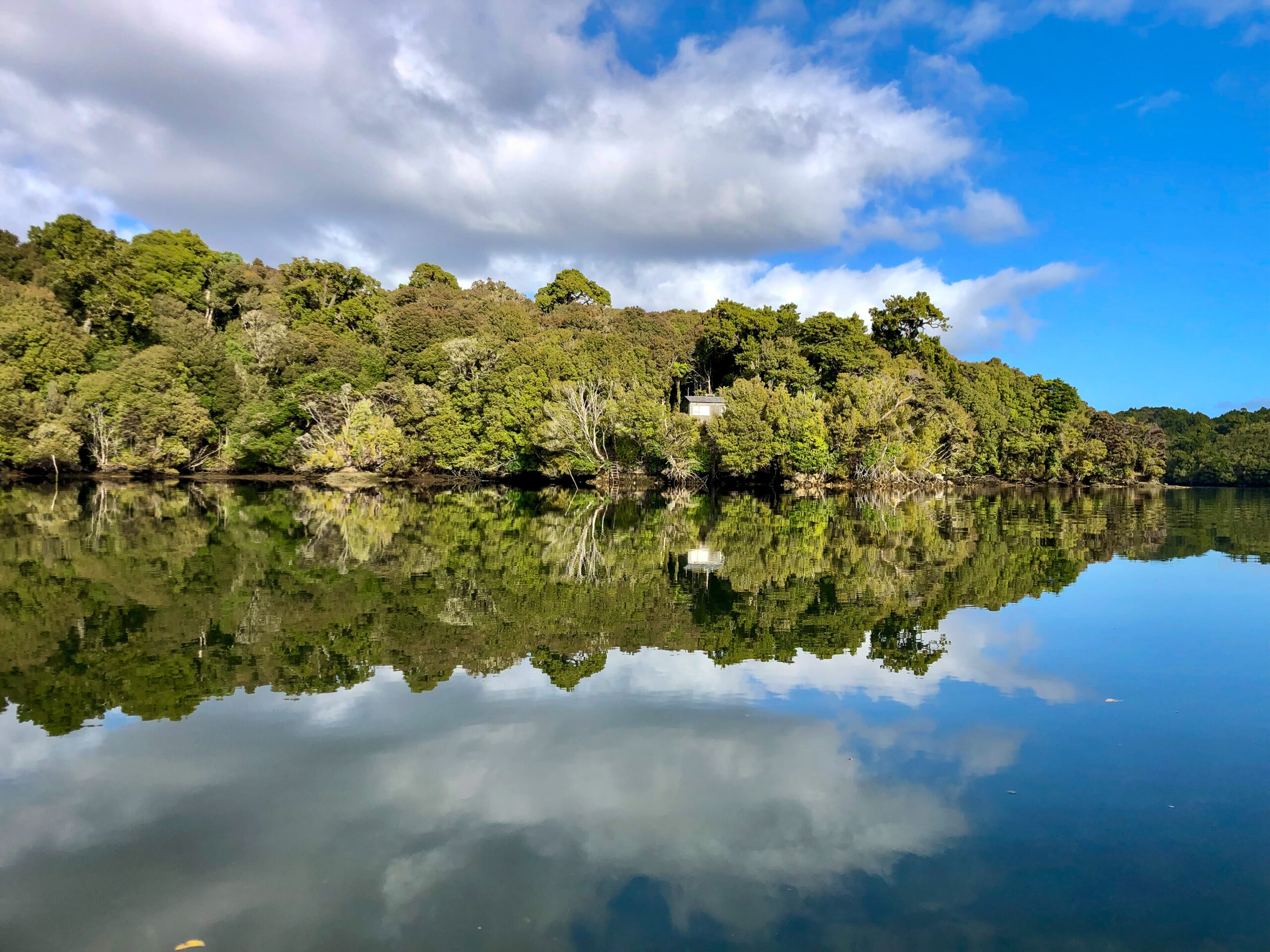
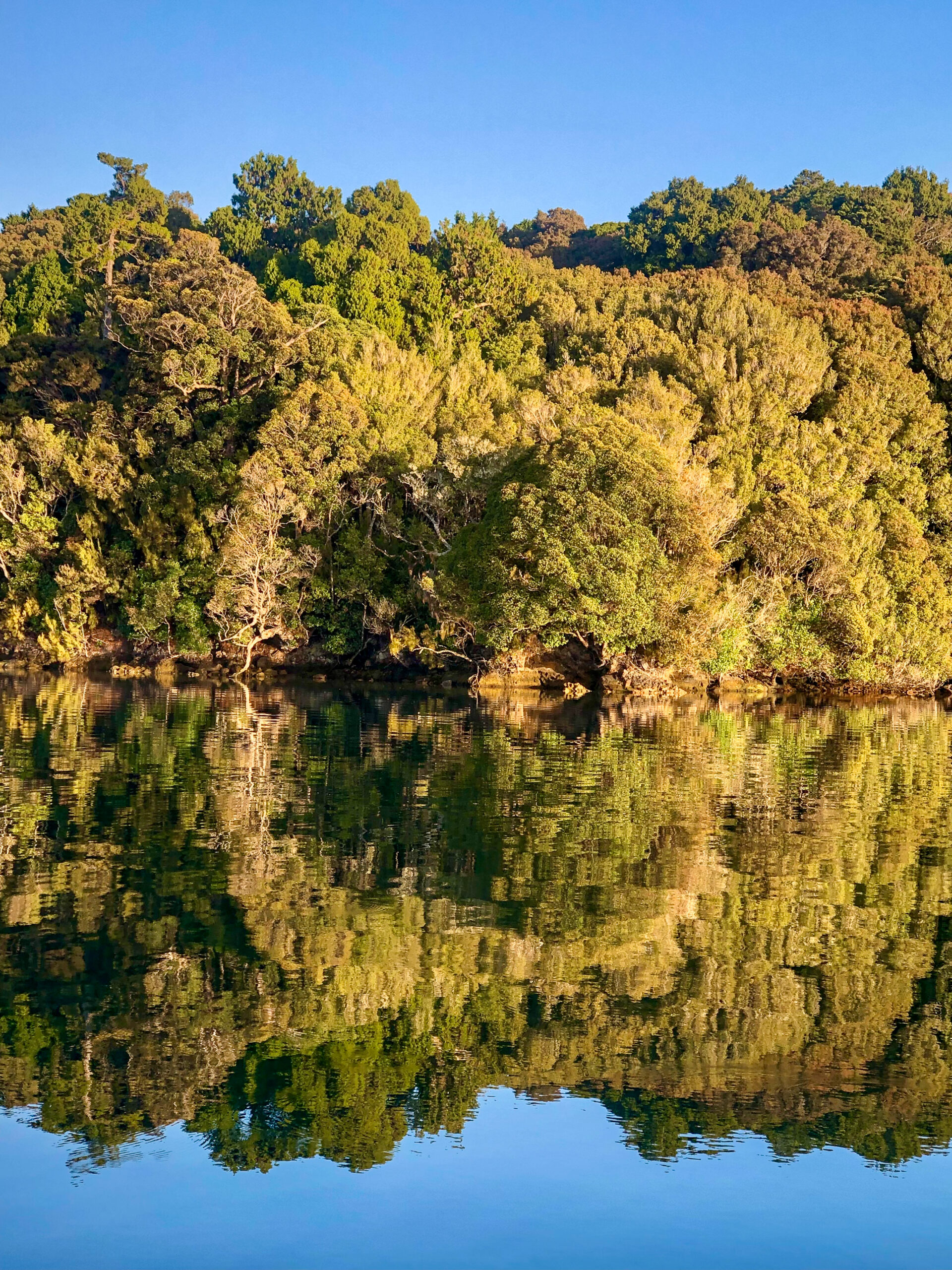
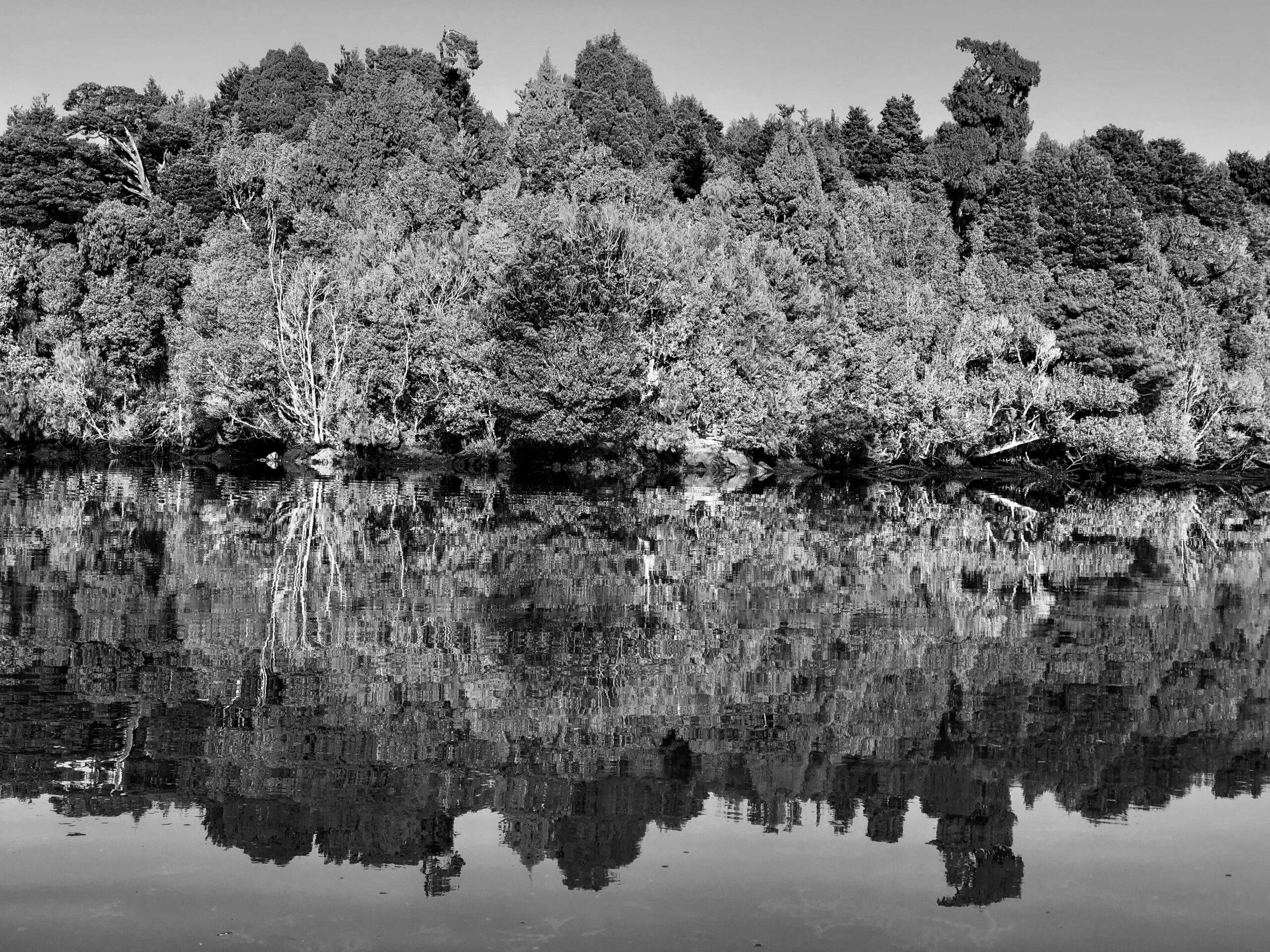
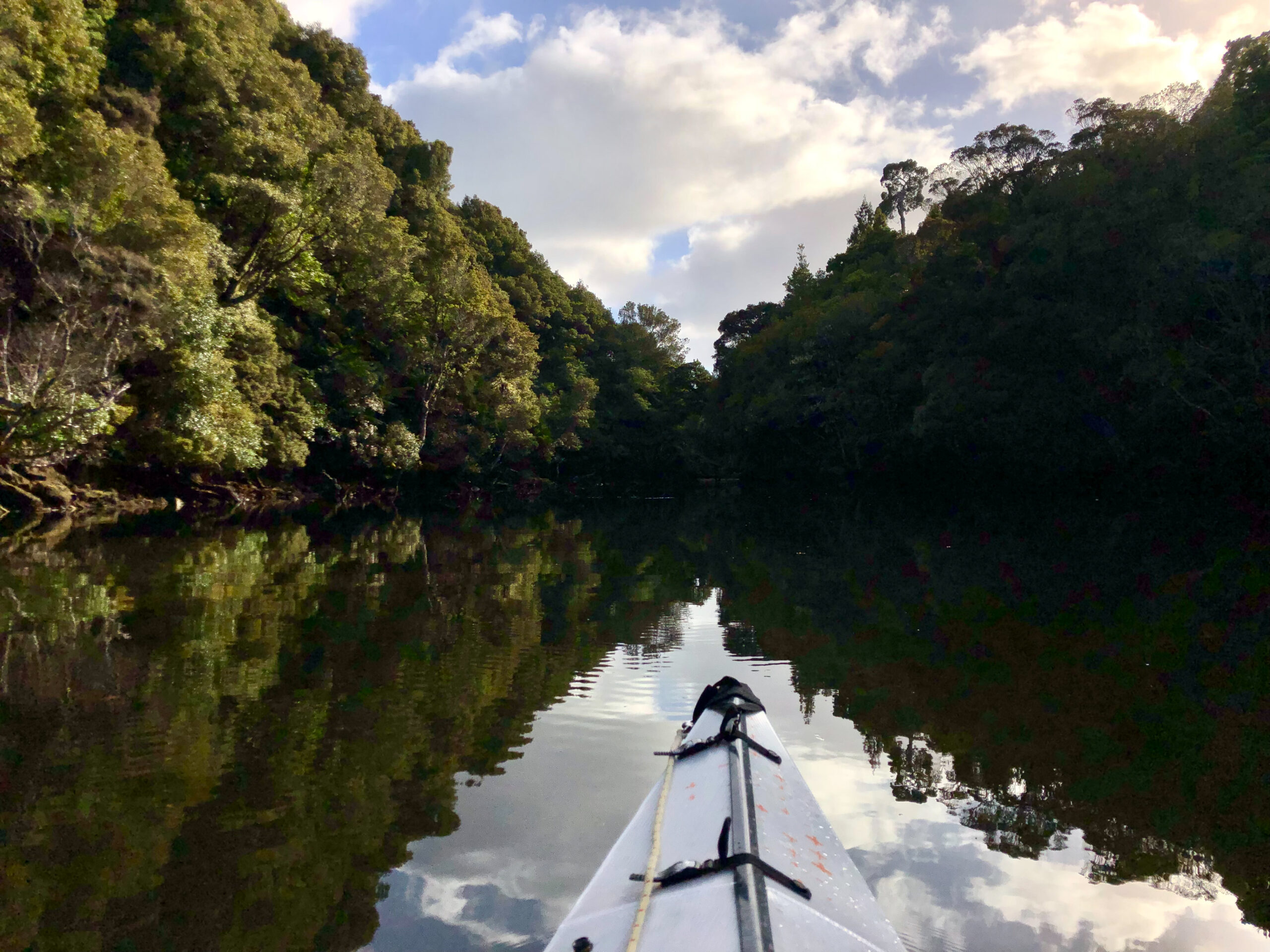
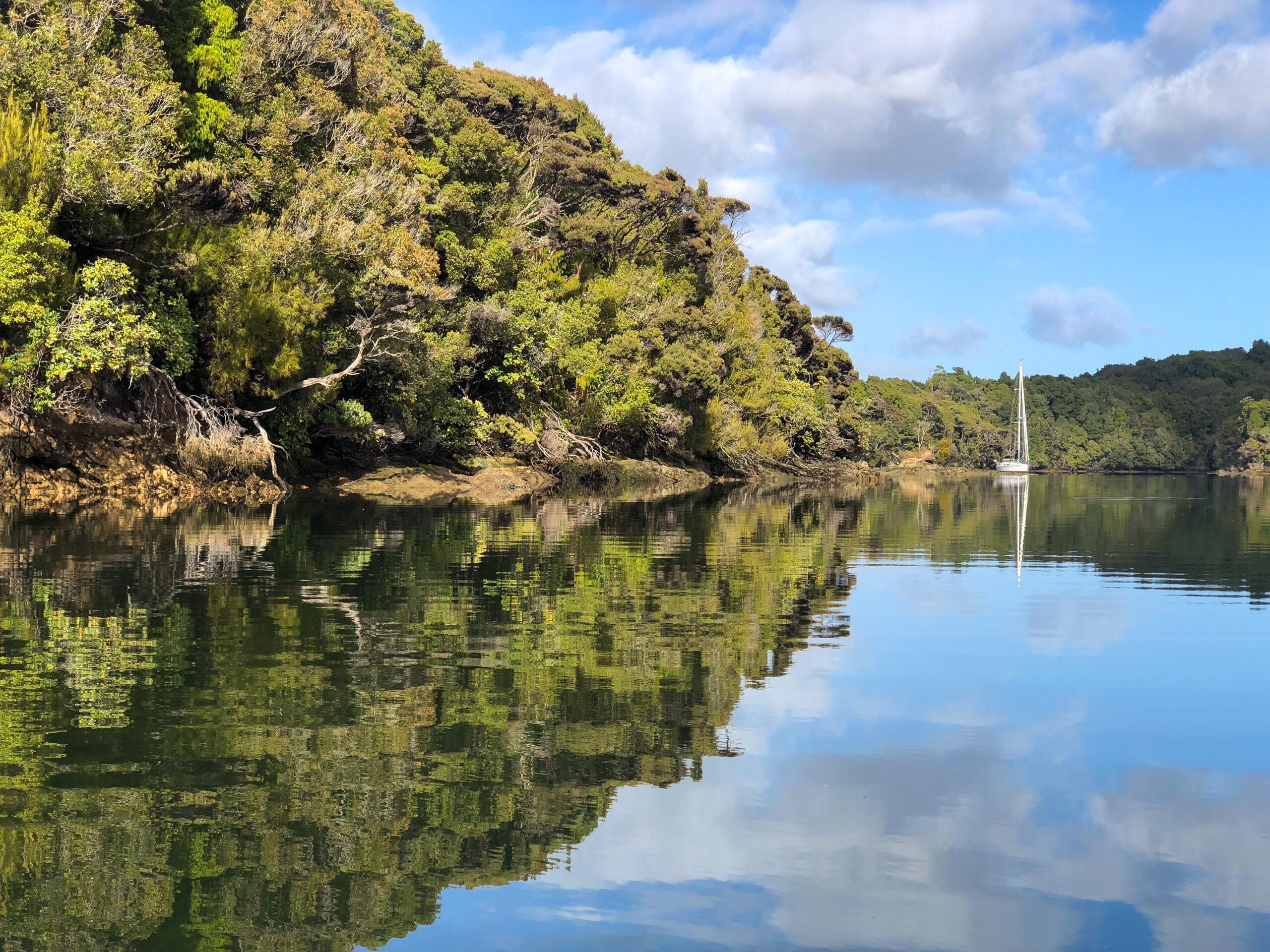
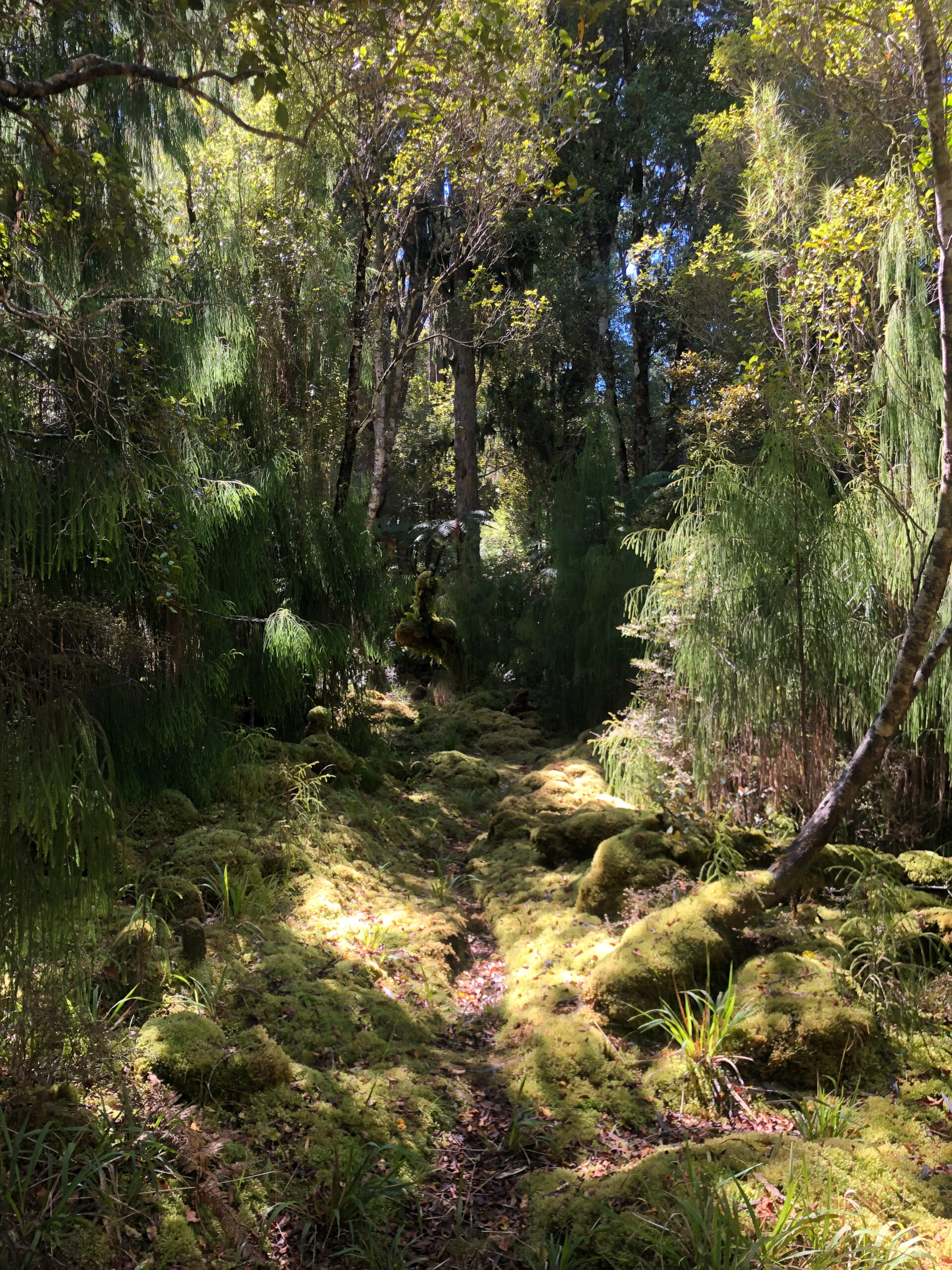
Here in Paterson Inlet, after the wind blows itself into a calm, it has been glassy as a lake sometimes. Ninety-Eight percent of Rakirua is conservation land, with trails and huts along some of the bays and coves, and otherwise, lush wilderness. The bush grows slow but lush, and the winds carve a limit to the canopy.
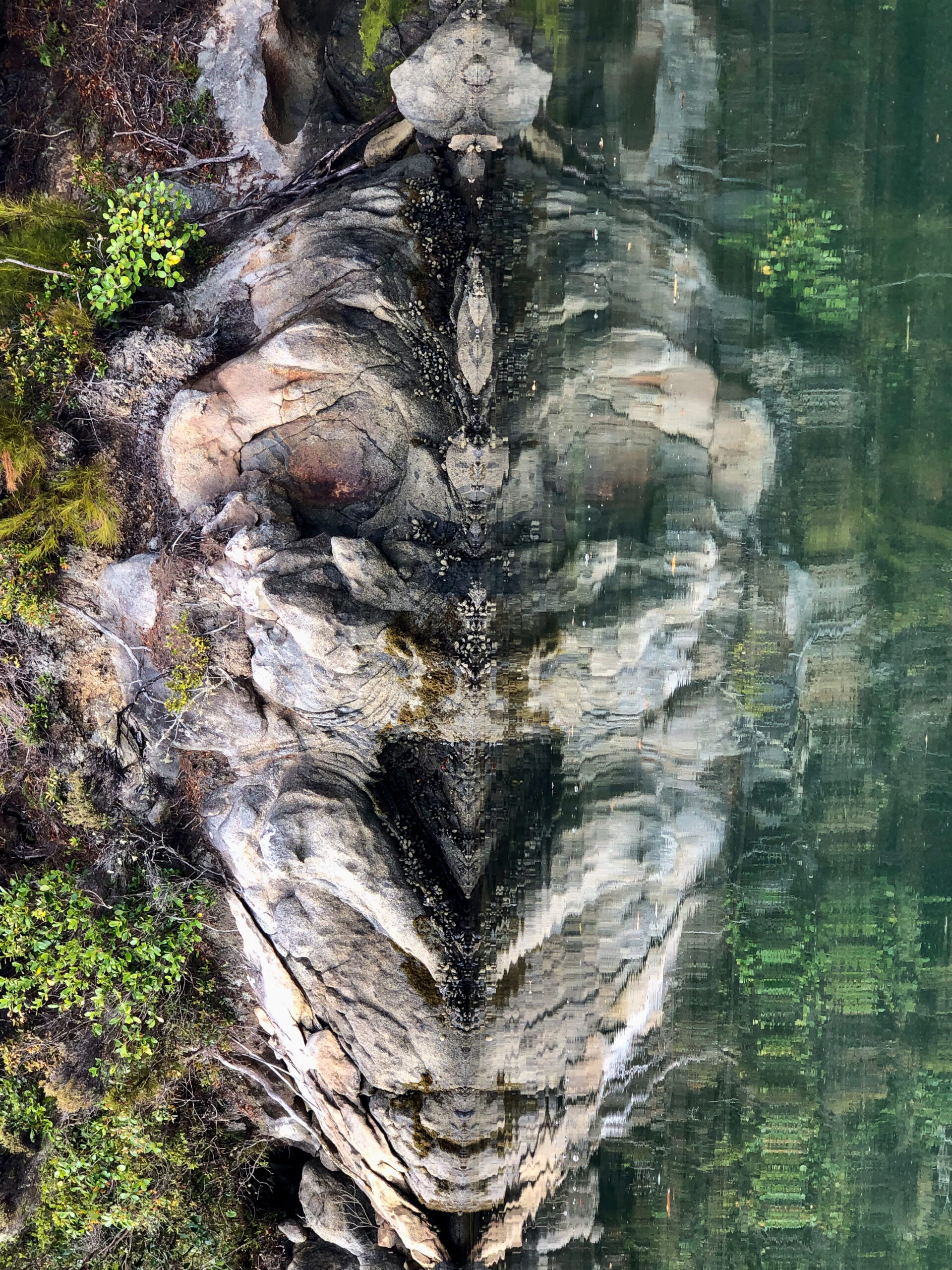
One of the sweet DOC (Department of Conservation) huts along the Rakiura Track.What do YOU see?!
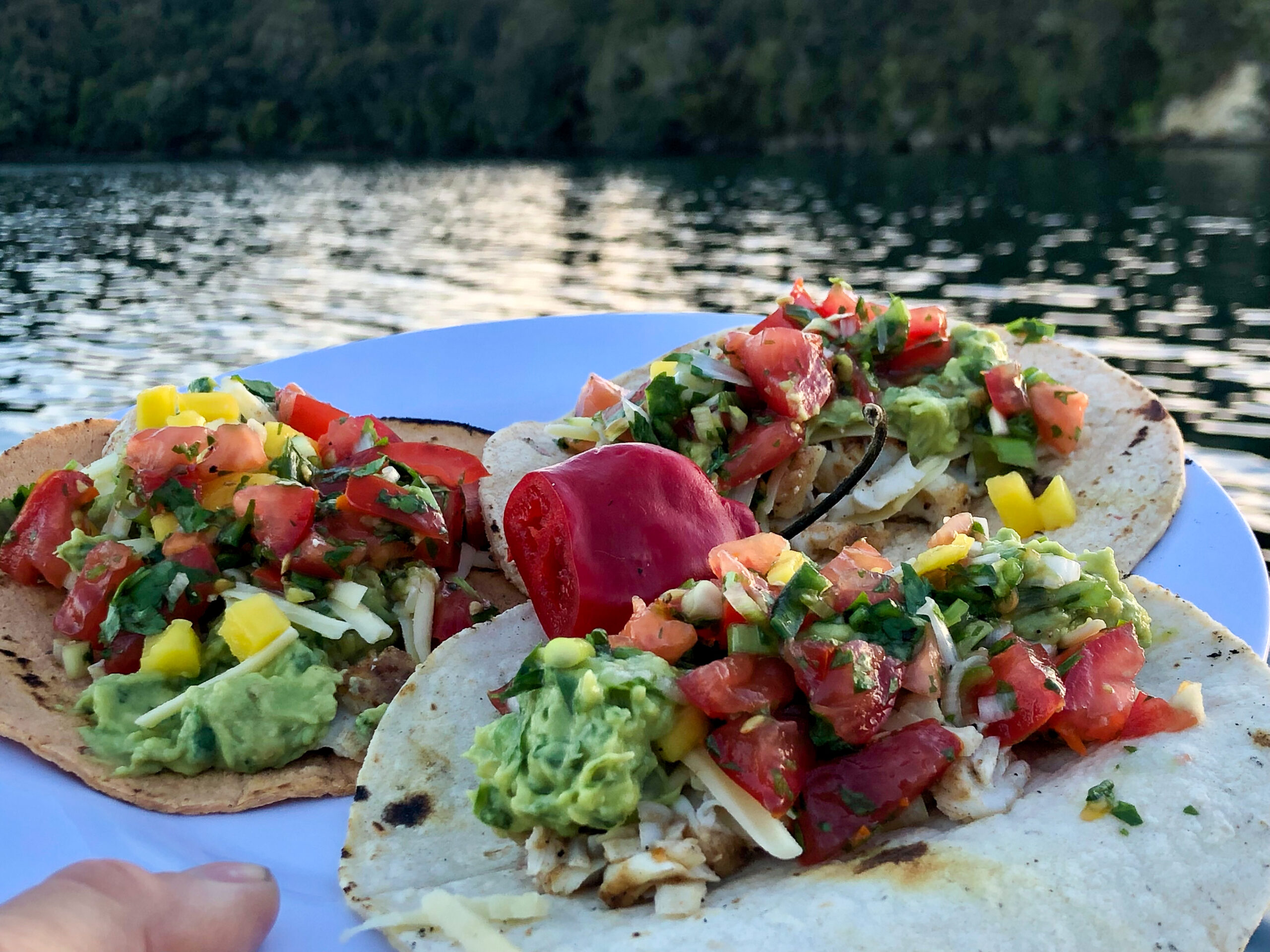
Blue Cod, with their delicious white meat seem to be ridiculously easy to catch. A little jigging provided us, after quite a few small fish, with a keeper for fish tacos. Reminded me of the one taco, two taco, three taco sea bass of the Sea of Cortez.
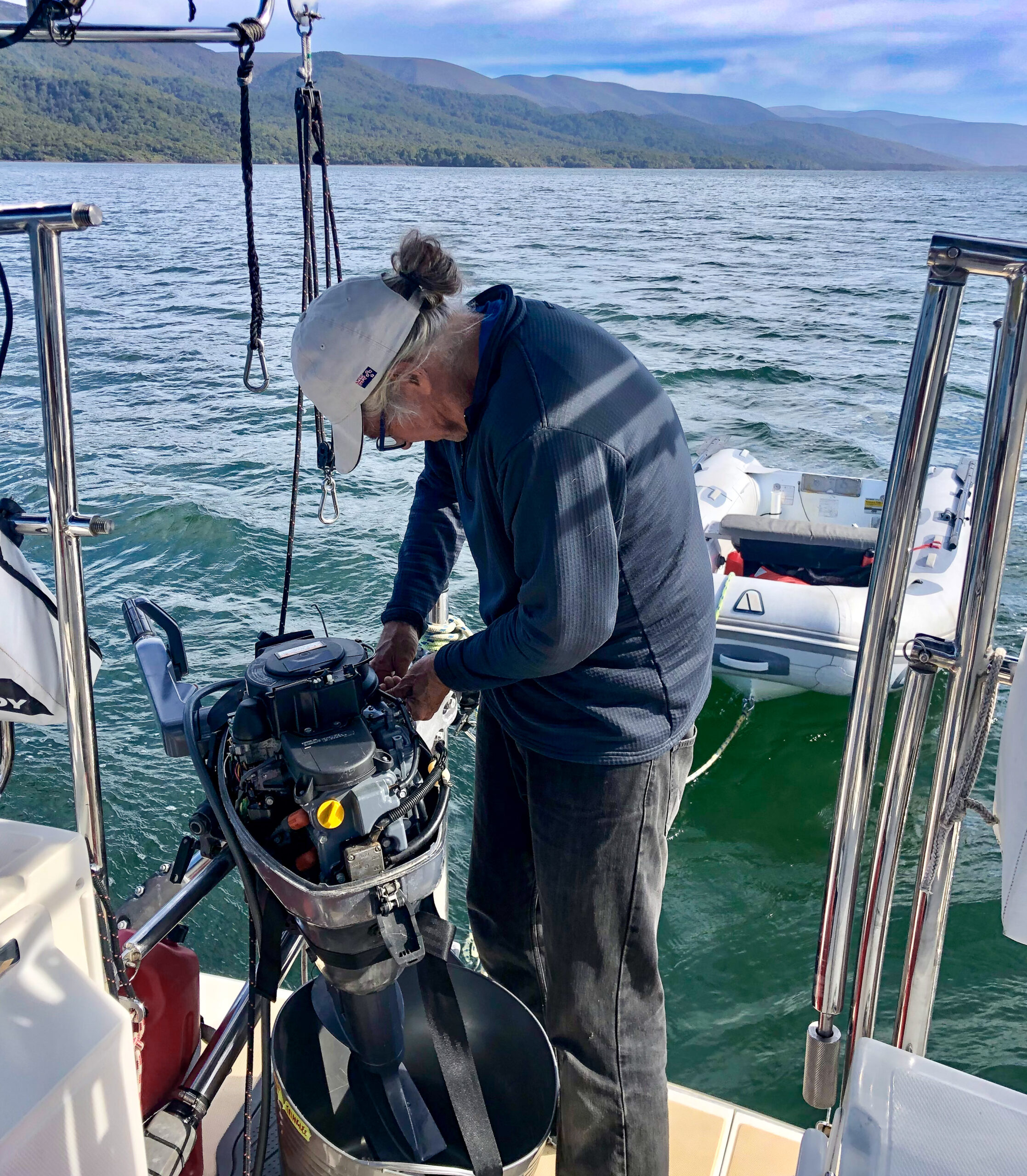
We’re re-learning, too, that it is not, and never has been, all fun and games. The carburetor on the outboard has used up a few hours on a couple of different afternoons. Despite being ‘fixed’ at great expense in Christchurch, the gummed up high speed jet closed up and our outboard carburetor is compromised. We’ll have to be extra careful and baby it. Since we depend on that motor so much, I’m afraid to try to drill out and replace it with the spare jet we have. If it doesn’t go right, we’d be stuck. The closest replacement carb is in Japan and weeks away.
The classic – making repairs in exotic locations!Whaler’s Base, Paterson Inlet
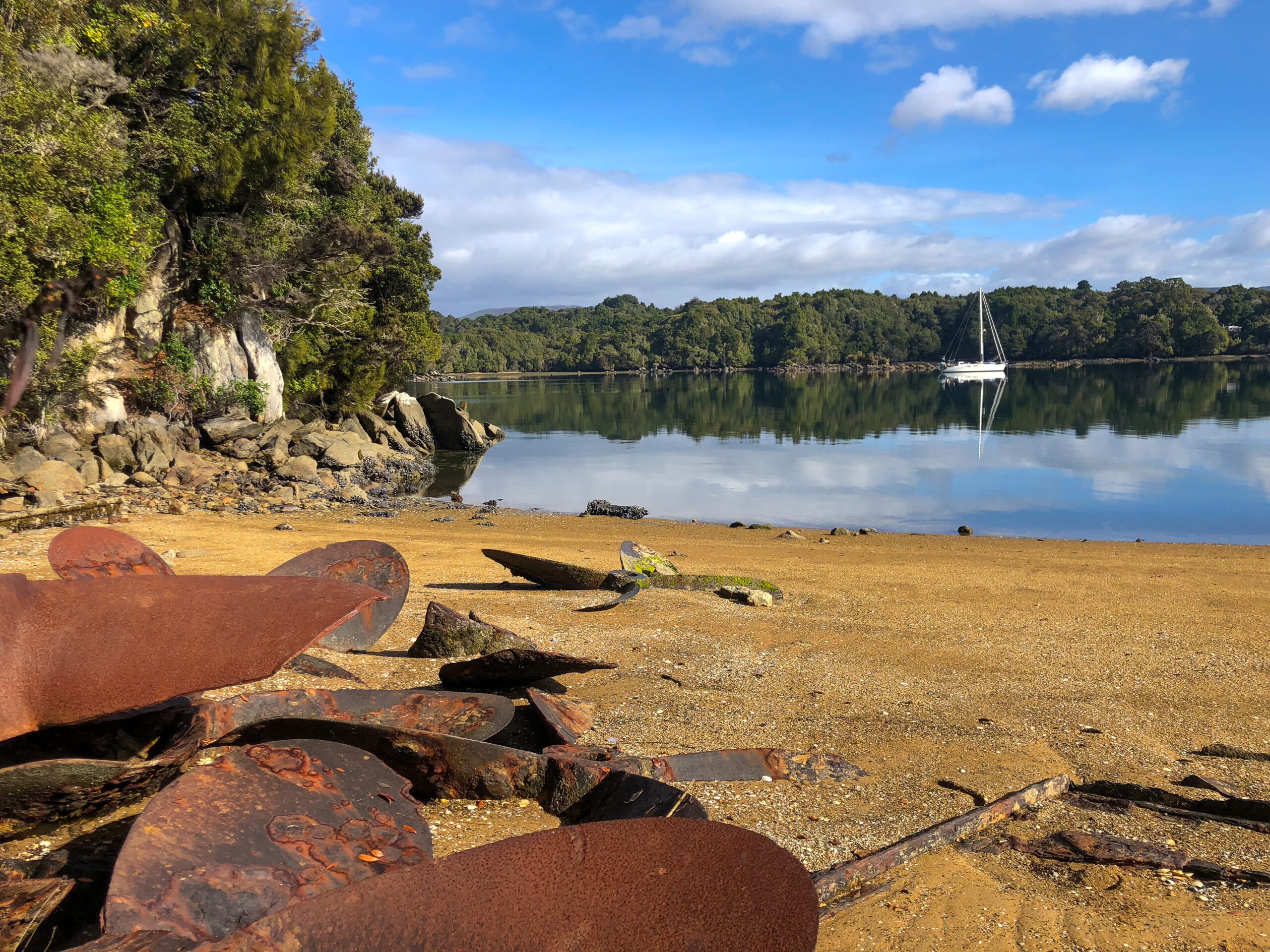
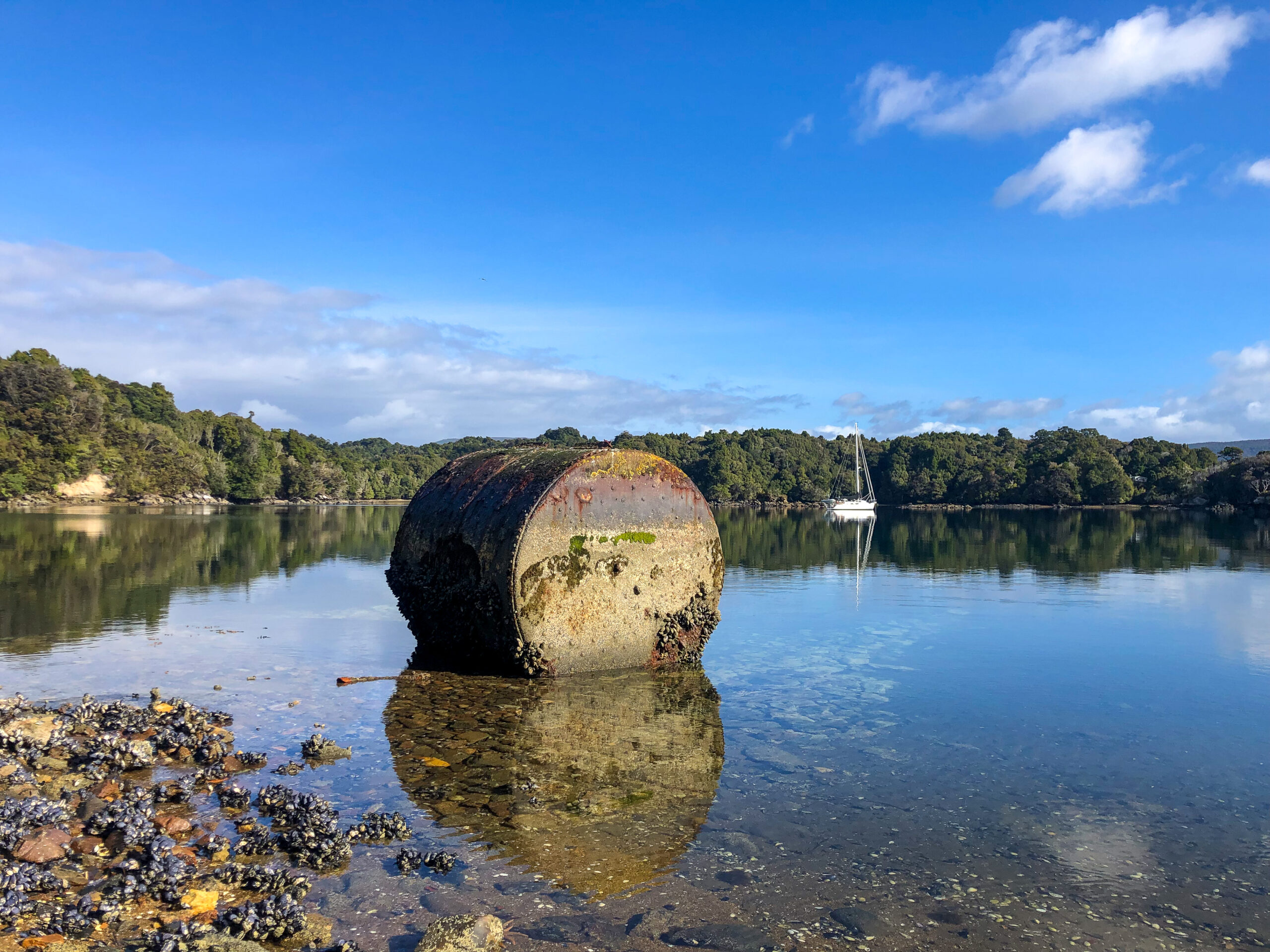
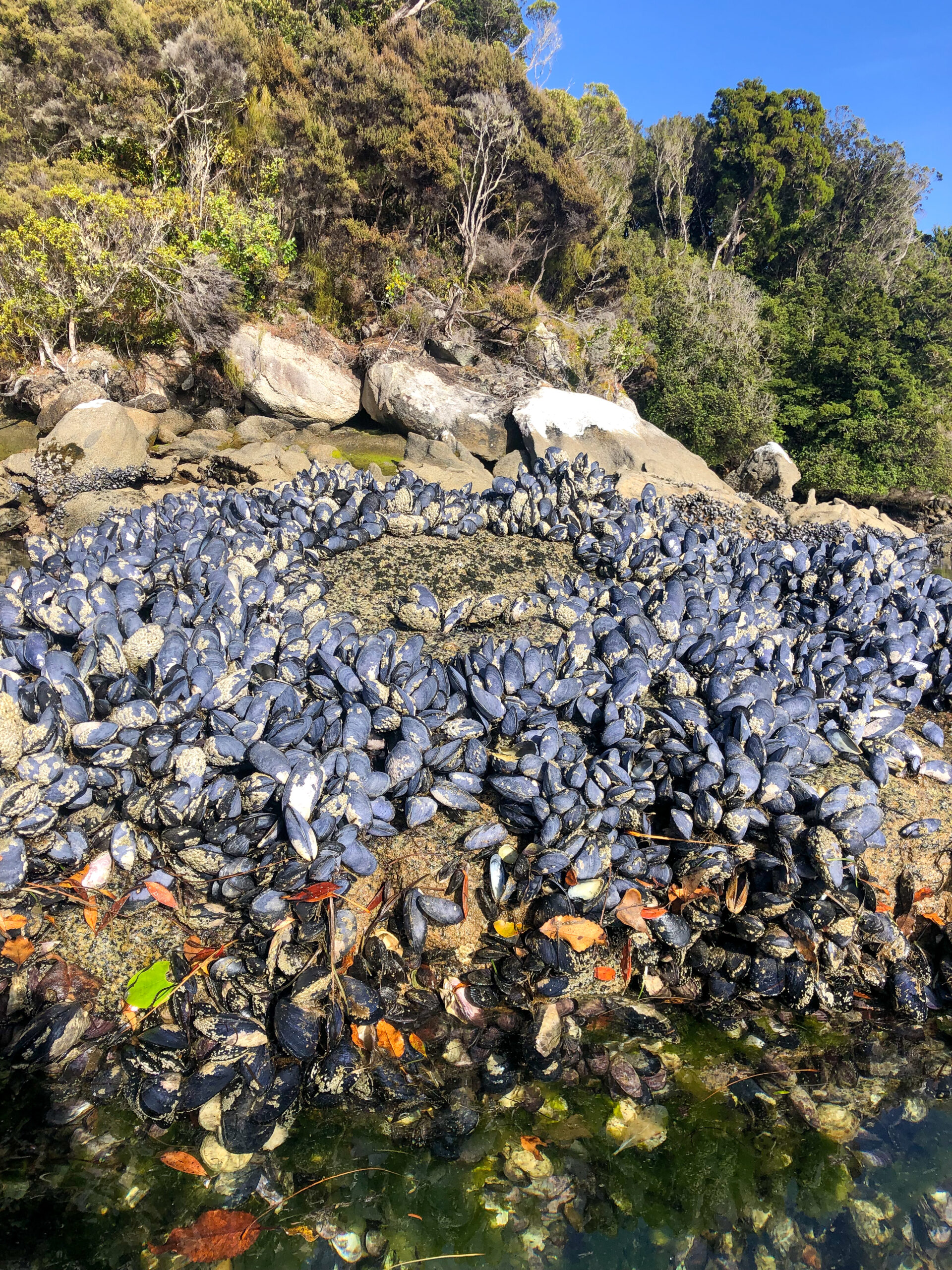
Mussels for miles!
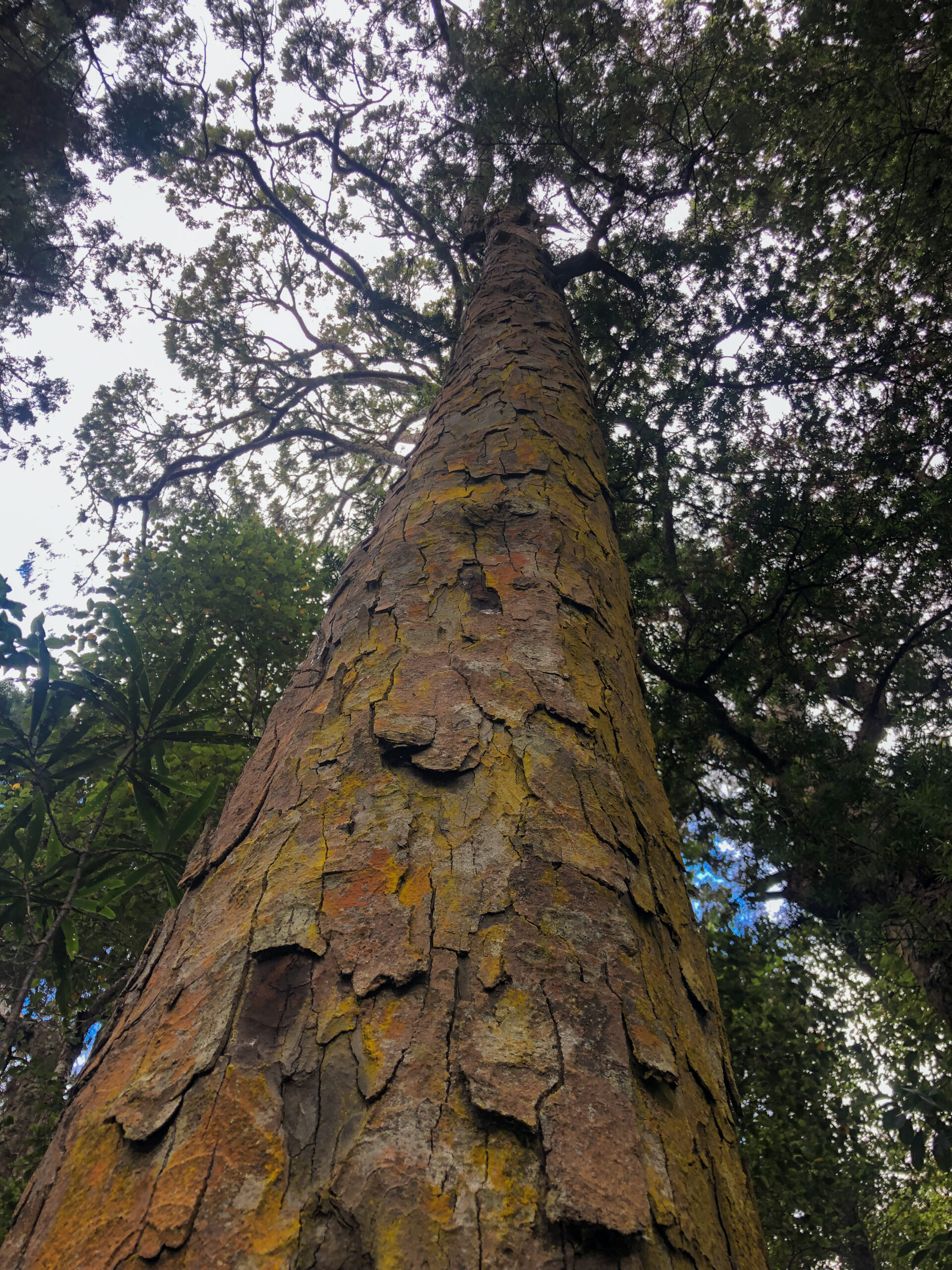
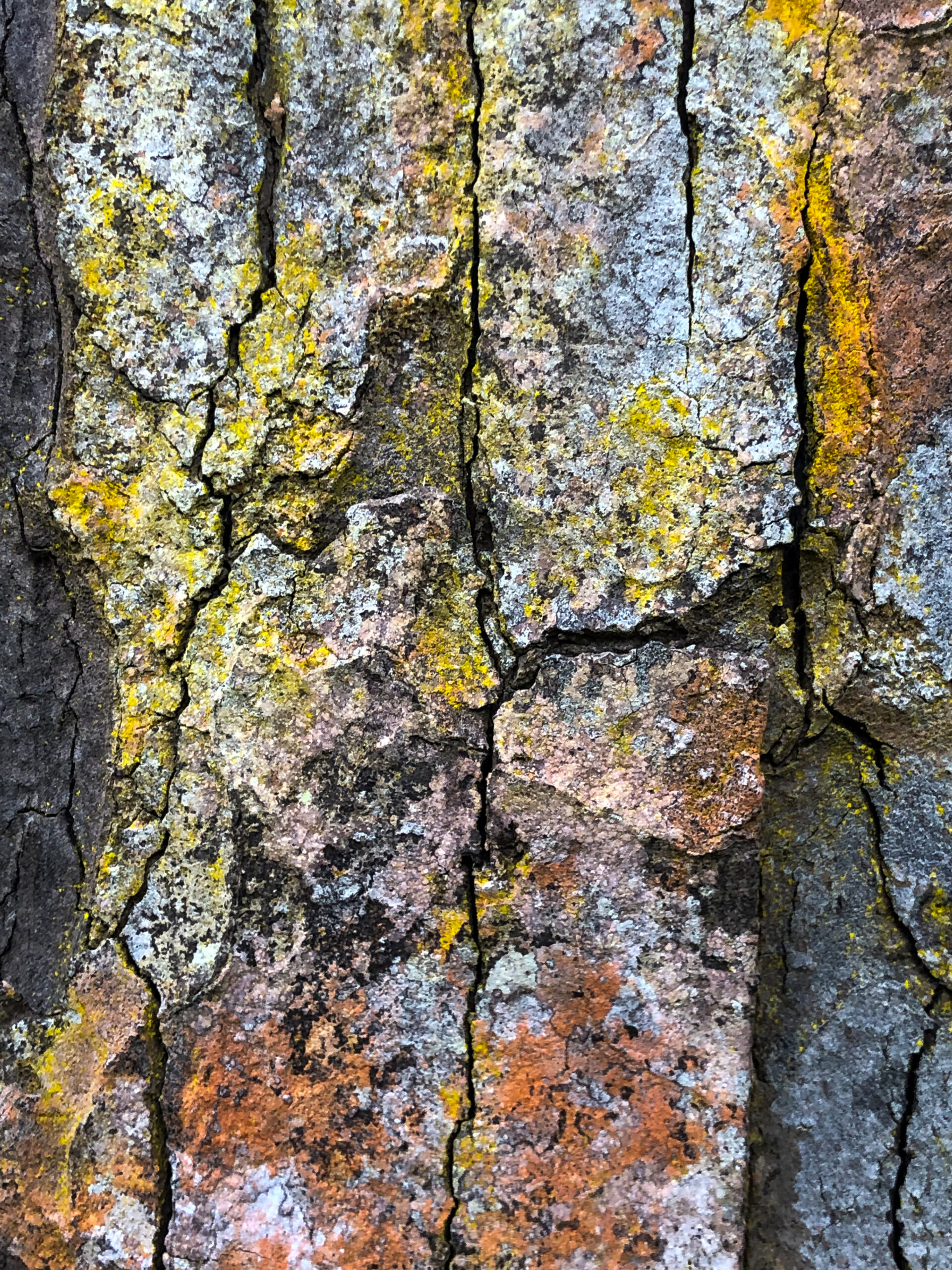
Predator free Ulva Island was a particular treat. We walked with a guide, a woman who came here in the 90’s as part of the effort to rid the island of predators, particularly rats, to save the birds. Kiwi, Robins, Bellbirds, Riflemen, Kaka and Kakariki (including one rare Yellow-Crested), huge Wood Pigeons diving and soaring in noisy acrobatics for mating season, and a beautiful extremely rare Saddleback with russet shoulders. Ulva Island has never been logged, and the native trees were breathtaking, Rimu, Totara and Miro . One grand old giant estimated at 1200 years old, with a whole ecosystem of her own thriving in the higher branches. ~MS
These pics were all taken with my iPhone, as one of the first things I managed to do was tip my kayak and lose my beautiful Sony. A lesson in attachment for sure.
This will be our last cell coverage for at least a month as we head further south, down to Port Pegasus and then on to Fiordland. Starting tomorrow (28/2/22), we’ll move over to our Inreach and Iridium systems to communicate! (You can see those details on the Contact Us page.) Be well, friends and fam. We’ll be breathing you into our hearts! ~DS
It’s just over a thousand miles from Tongatapu at the southern end of Tonga and the northern port of Opua in New Zealand. What makes this passage different from pretty much all the sailing we’ve done so far is the transition from tropical weather (low pressure systems and troughs) to the temperate cycle of fronts dividing high pressure and low pressure which march eastward across the Tasman sea and wash over New Zealand in waves. The ideal passage strategy is pretty well known, but perfect cooperation from the weather is probably pretty rare.
We used a weather prediction software called Predict Wind which allows us to download four different models of wind files (called gribs), GPS (the US model), ECMWF (the European model) and two variations on these models produced by Predict wind PWG and PWE.
Generally, they are in pretty good agreement for one to three days out and then they tend to disagree on what’s going to happen, sometimes quite radically. The value of comparing different predictions is that it gives you a heads up for ‘what-if’ scenarios.
The most common strategy for this passage is make a long westward loop, with a stop at the Minerva reefs which provide a good anchorage and a chance to get the latest predictions for the final push.
What everyone looks for are decent (enough) conditions to make that arc as you leave Minerva (not bashing directly into southern head winds) and timing which assures you won’t encounter a nasty cold front north of 30° South latitude.
The ideal is to arrive on the tail of a high just ahead of the front with nice north or even northwest tail winds … but that timing can be risky.
As we arrived this year in Minerva we’d been looking at the models that suggested ten to fourteen days out that there might be a weather window around November 6th (which is the date we arbitrarily listed with NZ immigration as our arrival date). The European model, however warned of some very high winds from due south or even south west that would make going straight from Minerva tough. Still, the other models weren’t showing conditions quite as strong. They predicted that the high pressure creating this squash zone wouldn’t stall as long as the ECMWF predicted. We got to Minerva very early and waited for daylight to go in (in fact, we now know you can go in and even anchor in the dark, the Navionics charts are accurate and there are no big hazards). We could see boats arriving behind us and some came in after us, but several made the decision to keep going. One Kiwi boat we know left the morning we arrived, also hoping to make a possible earlier arrival in NZ.
As it turned out the European model called this one, and the boats that continued on had a pretty tough time. One trimaran we know reported 7 meter seas and 50 knot gusts, the captain described it as an ‘exhilarating, wet sail,’ but it didn’t sound very comfortable. I’m not totally sure his crew was in complete agreement. The experienced Kiwi boat called it “gale conditions.” One boat turned back for Minerva after two days. The bottom line is that no one who continued on was making very much southing, despite getting beaten up.
We spent three nights in Minerva watching the weather and enjoying that magical spot. The winds blew in the twenties but it’s a very solid anchorage and was perfectly comfortable even when it got a little bumpy at high tide.
By the time we were ready to leave for the 800 mile leg to New Zealand on November 1, there were 30 boats anchored in Minerva (it could fit a hundred easily). Twenty-three left at the same morning, and we joined them, leaving toward the end of the pack.
What we were seeing in the gribs that made us go were predictions that the wind should start to swing east as the high finally moved off and that the next front ‘shouldn’t’ hit New Zealanduntil the 7th (a weak front) and maybe not even until the 9th or 10th (more of a real front). Based on watching the weather this year, I’d say that made for an unusually generous weather window.
The two obstacles we needed to plan for were wind and seas that were still more southerly than optimal and what looked to be a big chunk of calm airs for the last two days. For this passage I think most would accept some windless motoring rather than encounter the 6 meter seas and gales conditions off the coast of New Zealand that sunk a boat this year 22 miles from her destination.
This is the passage that Allora was made for. She sails to windward like a champ so that we were able to comfortably point higher, meaning head south a little sooner, than much of the fleet. She’s also fast with wind ahead of the beam, mainly I think because she handles the seas so well. We started passing boats the first night, most during Wyatt’s midnight watch. Diana had volunteered to help run an SSB radio net (the “Tonga to NZ” net), so we were apprised of most of the boats positions that way. By the end of third day of windward sailing (45-60 degrees apparent) we had passed everyone except a Dutch trimaran. Then the wind began to die, and this is where Allora’s advantages as an offshore passagemaker also shine. We carry 190 gallons of diesel so we had no reason to save fuel and wait to start motor sailing to keep up our speed. Our experienced Kiwi friend, Tony, who’s done this passage many times had counseled us not to let our boat speed drop below five knots, and since we had the fuel we turned directly on the rhumb line and kept her moving. With an 80 horse Yanmar, Allora also motors comfortably at 7.5 to 8 knots (uses more fuel, but we had it, and it is better for the diesel to run hotter). In the end, we used our engine for two days, which is the longest we ever have. But boats that waited to turn their engines on arrived a day later than us, so they ended up motoring pretty much just as long. Boats without the fuel range came in two days after us when the wind began to pick up again. We arrived at 1:00PM on the 6th of November.
Okay, so now please forgive me for a little boasting. A lot went into planning this infamous passage and we’ve been thinking about how it would go for a very long time. We were the first of the “Minerva Yacht Club” boats to arrive in Opua, ahead of the trimaran because they did not have the motoring capacity we do, and ahead of a 52 foot catamaran because that boat could not sail as fast with the wind ahead of the beam.
Part of what made this a great passage was our strategy. Initially, we heeded the common wisdom of heading for “John’s Corner” at 30S 173E. The idea of this approach is that it gets you closer, but you’re still in a position to slow down if a front comes in sooner than predicted so that you confront it above 30 degree where it is less dangerous. Then, as the wind swung more east we headed up, but not right away on the rhumb line, but cutting the corner. We were faster at 50 degrees apparent and getting a better distance made good (DMG) to New Zealand. Boats that headed for the rhumb line too soon fell behind us because the seas were rougher to the east. Boats that waited even longer to head up added a lot more miles to their passage. Using the engine to motorsail when our speed dropped below 5 knots, allowed us to turn on the rhumb line once it was clear that the coast was clear for a Nov 6 arrival, and assured that we could spend one less night at sea.
Though we love to sail and hate to motor, the conditions were eventually so beautiful and glassy calm it was a different kind of pleasure. With the sails down it was also easier to detour when we spotted a pod of pilot whales and to pause for Wyatt to get some beautiful shots of the first Alabatross we’ve seen. It also gave Diana, Wyatt and I a chance to get the boat ready for inspection by Customs.